



3,971 products added recently
Page 3 - Spring Lesson Plans
Embrace the energy of spring with lesson plans that bring new life into your teaching. Explore growth, nature, and renewal through interactive activities across subjects. Implement these resources to invigorate your classroom and engage students with the season's themes.

 Show filters


Spring Alphabetical Order + Answers
ELA, Language Development, ESL, Spelling, Vocabulary, Holiday & Seasonal, Holidays, Seasons, Spring, Grammar, Kindergarten, Preschool, Grade 1, 2, 3, Worksheets & Printables, Teacher Tools, Assessments, Lesson Plans, Quizzes and Tests, Tests, Activities, Centers
Spring has sprung, and so has the perfect way to sneak in some literacy skills without anyone groaning! This Spring Alphabetical Order Activity + Answers is your no-fuss, no-prep hero. Students will read a fun list of spring-themed words, think sunshine, tulips, raindrops, and more, and put them in alphabetical order. It’s like spring cleaning for their brain! Perfect for k-3rd graders, this activity gives them meaningful spelling and vocabulary practice while sharpening those dictionary skills. And let’s be honest, if they’re going to daydream about playing outside, they might as well alphabetize their way there. Ways to Use It: 🌷 Morning work that warms up their brains 🌷 Literacy centers without the chaos 🌷 Early finisher work that feels like a win 🌷 Sub plans that actually make sense Why Teachers Love It: ✔️ Reinforces alphabetical order and vocabulary ✔️ Encourages attention to detail (without whining!) ✔️ Includes an answer key, hallelujah ✔️ Fun seasonal twist on a classic skill Pdf file includes 4 pages. Enjoy!
Author Ponder Palette Plazza
Rating
Tags Alphabet, Alphabet Order, Alphabetical Order, Abc, Abc Order, Spring, Spring Literacy, Spring Grammar, Spring Vocabulary, Spring Activities
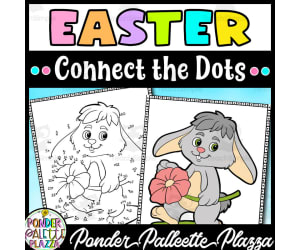
Easter Dot to Dot - Trace and Color 3
Creative Arts, Graphic Arts, Holiday & Seasonal, Holidays, Easter, Seasons, Spring, Math, Early Math, Numbers, Preschool, Kindergarten, Grade 1, 2, 3, 4, 5, Worksheets & Printables, Worksheets, Coloring Pages, Dot To Dots, Teacher Tools, Lesson Plans
Let’s face it, there’s something magical about watching kids connect dots like they’ve just cracked a top-secret bunny code. This Easter Dot to Dot and Color the Rabbit activity is the ultimate mix of number skills, fine motor magic, and adorable springtime fun. It’s like sneaking veggies into brownies, educational, but the kids won’t even notice. Your students will connect the numbers to reveal a super cute Easter bunny, then dive into coloring like mini Picassos with a love for rabbits. It’s low-prep, high-engagement, and perfect for those times when you just need them quiet and focused for five minutes . What’s Included: 🐇 1 Dot-to-Dot Easter Bunny page 🎨 1 Color Guide to help little artists stay (mostly) in the lines Ways to Use It: ✔️ Morning Work – Start the day with calm and cute. ✔️ Math & Art Combo – A sneaky way to reinforce number sequencing. ✔️ Easter Centers – The perfect activity for your spring rotation. ✔️ Early Finishers – No more “I’m done! Now what?” ✔️ Indoor Recess – Because bunnies > chaos. This little bunny will hop right into your heart, and your lesson plans.
Author Ponder Palette Plazza
Rating
Tags Coloring, Dot To Dot, Easter Dot To Dot, Spring Dot To Dot, Numbers, Easter Coloring, Spring Coloring, Spring Activities, Easter Activities
Year-Long Personal Finance Curriculum | Grades 3-5 | Unit 6
Finance, Life Studies, Money, Math, Back To School, Holidays, Holiday & Seasonal, Spring, Seasons, Grade 3, 4, 5, Lesson Plans, Teacher Tools, Worksheets & Printables
Personal Finance Unit 6: Giving | Grades 3–5 Make financial literacy meaningful with a real-world Giving unit focused on donations, community service, responsible choices, and financial responsibility toward others. This 64-page Giving unit helps students connect money decisions with generosity, service, ethics, and measurable impact. Please note: This listing includes the Unit 6 student book only . The included teacher resources and bonus materials support the complete six-unit, 30-week Personal Finance curriculum . 📦 What’s Included Student Resource – Unit 6: Giving 64-page student book 5 weeks of instruction Week 26: Donations Week 27: Community Service Week 28: Responsible Choices Week 29: The Class Giving Campaign Week 30: My Personal Finance Portfolio Original reading passages Comprehension questions Vocabulary practice Financial math Real graph analysis Realistic financial scenarios Application activities Evidence-based writing Weekly reviews Go Further challenge activities Student self-assessments Unit completion reflection Every week uses a consistent instructional rhythm, making the resource easy for students to follow and teachers to plan. Each week includes an opener, reading passage, comprehension, vocabulary, financial math, graph analysis, scenario, application activity, writing, and review. 💰 How It Works in the Classroom This financial literacy unit is designed for approximately one hour of instruction plus independent work each week . Students move from learning about giving to applying those ideas through increasingly authentic projects. Week 26: Giving Money That Actually Helps Students learn how to make thoughtful donation decisions. They explore: Nonprofits and charities Donations Overhead Missions Impact How donations are distributed Questions to ask before donating Why low overhead does not automatically mean better results Students also complete a Charity Evaluation Worksheet , researching two organizations and making a recommendation with reasoning. Week 27: Giving Time Instead of Money Students discover that giving does not always mean giving money. They learn about: Volunteer time Community service Skill matching Commitment In-kind contributions Reliability Identifying real community needs Students create a Service Project Planner that identifies a need, matches team skills, creates a five-step plan, and measures the result. Week 28: Money and Responsibility Students connect personal financial decisions with their effects on themselves and others. Topics include: Responsibility Integrity Consequences Stewardship Fairness Balance The save, spend, give framework Ethical decision-making Students consider how small financial choices can build responsible habits over time. Week 29: The Class Giving Campaign Students put their learning into action with a real classroom fundraising project. The Class Giving Campaign has students: Choose a cause Set a goal Create a budget Build a timeline Track collections Calculate progress Consider costs Determine net proceeds Measure impact Report results honestly The Giving Campaign Packet includes a cause statement, goal and timeline, budget, daily collection log, progress graph, and final report . Week 30: My Personal Finance Portfolio The unit concludes with a capstone that brings learning from the entire curriculum together. Students: Synthesize learning from all six units Create a personal financial plan Use evidence to support their choices Write a goal statement Reflect on their learning Present and defend their plan to an audience The final week focuses on applying financial knowledge beyond the classroom. 🎯 Standards & Learning Goals Students will learn to: Explain what nonprofits and charities do. Evaluate organizations using specific questions. Calculate how donations are distributed. Understand the value of volunteer time. Match personal skills with community needs. Plan a service project. Connect financial choices with consequences. Apply an ethical test to financial decisions. Explain the save, spend, give framework. Plan and manage a classroom giving campaign. Track fundraising results accurately. Calculate net proceeds. Measure and report impact honestly. Synthesize personal finance learning. Create a financial plan supported by evidence. Present and defend a financial plan. Standards alignment includes CEE Spending 6.9–6.11, Jump$tart 3–5 Financial Decision Making 5–7, CCSS.ELA.RI.5.9, CCSS.ELA.W.5.1, CCSS.ELA.W.5.7, CCSS.MATH.5.NBT.B.7, and CCSS.ELA.SL.5.4 across the unit. ⭐ Why Teachers Love It ⭐ Real-world financial literacy: Students explore generosity, service, responsibility, and decision-making through realistic situations. ⭐ Meaningful math practice: Students work with percentages, donation amounts, volunteer-hour values, fundraising totals, budgets, and progress. ⭐ Reading and writing integration: Financial concepts are paired with comprehension questions and evidence-based writing. ⭐ Hands-on learning: Students don't just read about giving. They plan evaluations, service projects, campaigns, and financial plans. ⭐ Critical-thinking practice: Students evaluate impact rather than simply assuming the most emotional or lowest-cost option is best. ⭐ Built-in project work: Weeks 27, 29, and 30 provide opportunities for students to plan, create, measure, reflect, and present. ⭐ Consistent weekly structure: Students know what to expect while teachers get a predictable instructional routine. ⭐ Strong vocabulary development: Students work with terms such as donation, nonprofit, impact, volunteer, reliability, responsibility, integrity, campaign, transparency, and portfolio . ✨ Give Students a Bigger Picture of Financial Responsibility Financial literacy is about more than earning, saving, and spending. This Giving unit helps students understand that financial choices can affect other people and the wider community. From evaluating charities to planning a service project, running a classroom giving campaign, and creating a personal finance portfolio, students finish Unit 6 with practical opportunities to give thoughtfully, act responsibly, and use evidence to make financial decisions .
Author Bright Classroom Ideas Marketplace
Rating
Tags Finance, Financial Literacy, Mony, Yearlong, Curriculum, Full Year

Spring Cleaning Challenge - Reading Comprehension + Answers
ELA, Reading, Reading Comprehension, Language Development, Holiday & Seasonal, Holidays, Months, Seasons, Spring, Grade 3, 4, 5, Worksheets & Printables, Teacher Tools, Assessments, Lesson Plans, Activities, Centers
Get your students swept up in some serious reading fun with Spring Cleaning Challenge - Reading Comprehension + Answers ! Perfect for 3rd–5th graders, this no-prep activity invites kids into a hilarious and relatable story about the ultimate spring cleaning adventure, because let’s be honest, who doesn’t love finding last year's missing homework under the bed? Ways to use this resource: Morning work that won’t put students (or you) back to sleep Homework that doesn’t require parental bribes Test prep that feels more like an adventure than an assignment A perfect filler for rainy spring days when recess is canceled (again) Advantages: Sharpens reading comprehension skills with an engaging, humorous story Sparks classroom discussion about responsibility, organization, and maybe even cleaning their desks (wishful thinking) Crosses off your prep list: just print, hand out, and relax Includes an answer key so you can correct with the speed of a broom sweeping dust bunnies Pdf file includes 2 pages. Enjoy!
Author Ponder Palette Plazza
Rating
Tags Reading, Reading Comprehension, Reading Centers, Ela, Spring, Spring Reading Comprehension, Spring Reading, Literacy, Spring Literacy

Write a Story: Mom’s Special Day - Mother's Day Activity
ELA, Language Development, Writing, Creative Writing, Holiday & Seasonal, Holidays, Mother's Day, Seasons, Spring, Summer, Kindergarten, Preschool, Grade 1, 2, Worksheets & Printables, Writing Prompts, Activities, Centers, Teacher Tools, Assessments, Lesson Plans
Moms spend all year making everyone else's day special, so now it’s her turn! In this “Write a Story: Mom’s Special Day” Mother’s Day Activity , students will imagine what the perfect day for Mom would look like and turn it into a creative, heartfelt, or downright hilarious story. Will she sleep in until noon? Get served pancakes shaped like hearts? Take a bubble bath without someone yelling “Moooooom!” through the door? Kids can dream up the ideal day for Mom, from morning hugs to nighttime snuggles, while building their writing skills and showing appreciation in a unique way. Ways to Use: Whole-class Mother’s Day writing activity Literacy center or independent writing task Morning work or early finisher assignment Paired with a drawing, card, or handmade gift Take-home story keepsake for families Advantages: Fosters creativity and empathy Reinforces narrative structure and sequencing Encourages students to reflect on what makes their moms special Easy, no-prep printable format Works across a range of writing abilities Produces a meaningful and often humorous gift Pdf file includes 2 pages. Enjoy!
Author Ponder Palette Plazza
Rating
Tags Writing, Writing Prompts, Writing Centers, Written Expression, Write A Story, Mothers Day, End Of Year Activities, Literacy, Mothers Day Activities
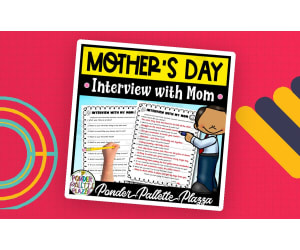
Interview with my Mom - Mother's Day Activity
ELA, Writing, Creative Writing, Language Development, Holiday & Seasonal, Holidays, Mother's Day, Seasons, Spring, Summer, Kindergarten, Preschool, Grade 1, 2, 3, 4, 5, Worksheets & Printables, Writing Prompts, Activities, Centers, Crafts, Teacher Tools, Assessments, Lesson Plans, Classroom Decor, Bulletin Boards
Get ready for laughter, sweet surprises, and maybe even a few happy tears! The “Interview with My Mom” printable is a fun and heartfelt writing activity perfect for celebrating Mother’s Day in your classroom. Students will ask their moms (or a special person) a series of simple, kid-friendly questions, then write down the answers and add their own adorable flair. Whether the answers are hilarious (“My mom’s favorite food is coffee”) or deeply touching, this activity creates a keepsake families will treasure forever. Ways to Use: Mother’s Day writing center Homework family project Morning work or early finisher task Gift to send home before the holiday Bulletin board display or classroom showcase Advantages: Encourages communication and connection between students and their families Builds listening and writing skills in a meaningful context Sparks joy and laughter, always a classroom win! Includes space for drawing, coloring, and personalization Easy prep: just print and go Can be adapted for interviews with grandma, aunt, or other special adults Pdf file includes 1 page. Enjoy!
Author Ponder Palette Plazza
Rating
Tags Mothers Day, Writing, Writing Centers, Interview, Homeschool, Mothers Day Writing, End Of Year Activities, Mothers Day Craft, Questionnaire

If I Were a Veterinarian - Writing Prompt
ELA, Language Development, Writing, Creative Writing, Holiday & Seasonal, Holidays, Seasons, Spring, Summer, Labor Day, Kindergarten, Preschool, Grade 1, 2, Worksheets & Printables, Worksheets, Writing Prompts, Teacher Tools, Assessments, Lesson Plans, Classroom Decor, Bulletin Boards, Centers, Activities
Calling all animal lovers, future fur-doctors, and kids who think Band-Aids fix everything! The If I Were a Veterinarian writing and drawing prompt is the purr-fect (yes, we said it) activity to spark imagination, build early writing skills, and have your K–2 students dreaming of stethoscopes and wagging tails. In this fun and engaging resource, students will write about what kind of veterinarian they’d be, maybe they’d care for puppies, penguins, or even pet lizards named Mr. Wiggles. They’ll explain how they’d help sick animals, what tools they’d use, and why being a vet would be the best job ever. Then, they’ll get to draw themselves in their vet gear, probably surrounded by a zoo’s worth of animals (expect unicorns). Ways to Use: Perfect for Career Day, animal-themed units, or anytime inspiration strikes. Use in writing centers, morning work, or for early finishers. Great for encouraging vocabulary around animals and community helpers. Display student work for an instant smile-generator on your classroom walls! Advantages: Fosters empathy, creativity, and real-world connections. Strengthens early writing and drawing skills. No-prep, teacher-friendly, and guaranteed to get tails wagging. Pdf file includes 2 pages. Enjoy!
Author Ponder Palette Plazza
Rating
Tags Writing, Writing Prompt, Writing Prompts, Spring, Writing Centers, Spring Writing Prompts, Career, Careers, Labor Day, Labor Day Writing

Months Matching Game
ELA, Language Development, ESL, Vocabulary, Holiday & Seasonal, Holidays, Fall, Seasons, Spring, Summer, Kindergarten, Preschool, Grade 1, 2, 3, 4, Worksheets & Printables, Activities, Centers, Classroom Decor, Bulletin Boards, Posters, Word Walls, Assessments, Teacher Tools, Lesson Plans
If your students think July is the 11th month and that “March” means to walk loudly down the hallway, it might be time for a Months Matching Game . This fun, no-prep activity helps kids match each month with its corresponding number (January = 1, February = 2… you get the idea). It’s like a mini calendar bootcamp, minus the boring part. Ways to Use: Centers or Stations : Set it out and let the calendar confidence bloom. Morning Work or Bell Ringers : A great way to start the day (and sneak in some learning). Fast Finisher Fun : Because you need something for the overachievers. Review Game : Prep for calendar quizzes or just help them stop calling April the 8th month. Why You’ll Love It: Zero Prep – Print, cut, and let the matching magic begin. Builds Calendar Knowledge – No more guessing games when writing the date. Flexible – Use as flashcards, memory game, or even a scavenger hunt. Engaging & Quick – Keeps students learning while you sip that reheated coffee. Pdf file includes 1 page.
Author Ponder Palette Plazza
Rating
Tags Months, Months Of The Year, Back To School, Games, Match, Numbers, Spring Activities, Back To School Activities

At the Cemetery Write a Story Activity - Memorial Day
ELA, Writing, Creative Writing, Holiday & Seasonal, Holidays, Memorial Day, Seasons, Spring, Months, May, Grade 3, 4, 5, Worksheets & Printables, Writing Prompts, Activities, Centers, Teacher Tools, Assessments, Lesson Plans
A Day at the National Cemetery Write a Story is a meaningful and engaging Memorial Day activity designed for 3rd to 5th grade students. This resource invites students to observe a thoughtful cartoon picture showing a scene at a national cemetery, an important place of remembrance. Using all five provided vocabulary words, students write a short story based on what they see, encouraging them to connect writing skills with historical understanding and emotional reflection. This activity supports the development of descriptive writing, vocabulary, and critical thinking while introducing students to the importance of honoring those who served in the military. It’s a gentle, age-appropriate way to help students express gratitude and understand the purpose of Memorial Day. Ways to Use: As a writing prompt for Memorial Day lessons During social studies or history units Literacy centers or independent writing time Early finisher or homework assignment Sub plans or quiet morning work Advantages: Strengthens narrative writing and vocabulary Promotes empathy and respect for service members Encourages observation and deeper thinking Integrates language arts with civic education Supports a variety of learning styles and writing levels Fosters meaningful classroom discussion about remembrance and gratitude Pdf file includes 2 pages. Enjoy!
Author Ponder Palette Plazza
Rating
Tags Memorial Day, Writing Prompts, Writing Centers, Written Expression, Literacy, Sentence Structure, Vocabulary, Memorial Day Activities

Arbor Day Alphabetical Order Activity + Answers
ELA, Language Development, ESL, Grammar, Vocabulary, Holiday & Seasonal, Holidays, Arbor Day, Seasons, Spring, Kindergarten, Preschool, Grade 1, 2, 3, Worksheets & Printables, Teacher Tools, Assessments, Lesson Plans, Quizzes and Tests, Tests, Activities, Centers
Celebrate trees and literacy with this Arbor Day Alphabetical Order Activity + Answers ! Your students will practice putting tree-themed words in alphabetical order, and you’ll enjoy a no-prep activity that feels as refreshing as a walk in the woods. Words like “oak,” “branches,” and “recycle” are ready to challenge your students’ ABC skills, without a single leaf being harmed. This activity is just right for K-3rd graders who need a review of alphabetical order and a gentle nudge toward appreciating the great outdoors (or at least knowing how to spell it). Ways to Use It: 🌳 Morning work with meaning 🌳 Literacy centers that don’t require a forest of supplies 🌳 Homework that makes sense 🌳 Earth Week extension activity Why Teachers Love It: ✅ Zero prep, just print and go ✅ Answer key included (because you’re busy) ✅ Combines reading skills with environmental awareness ✅ Keeps students engaged while you sip your third cup of coffee Pdf file includes 4 pages. Enjoy!
Author Ponder Palette Plazza
Rating
Tags Alphabet, Alphabet Order, Alphabetical Order, Arbor Day, Arbor Day Grammar, Arbor Day Literacy, Arbor Day Activities, Spring, Spring Grammar
Year-Long Personal Finance Curriculum | Grades 6-8 | Unit 6
Back To School, Holidays, Holiday & Seasonal, Spring, Seasons, Finance, Life Studies, Money, Math, Grade 6, 7, 8, Lesson Plans, Teacher Tools, Worksheets & Printables
📚 Personal Finance Unit 6: Entrepreneurship | Grades 6–8 Give middle school students a realistic introduction to entrepreneurship, business, and financial decision-making with this six-week unit. Students move from identifying a viable business opportunity to calculating profit, setting prices, testing marketing channels, building a business plan, and delivering an evidence-based pitch. This entrepreneurship unit is designed to make business concepts practical. Students analyze real-world scenarios, work with financial math, interpret data, build spreadsheet models, conduct investigations, and defend their decisions with evidence. Please note: This listing includes the Unit 1 student book only . The included teacher resources and bonus materials support the complete six-unit, 30-week Personal Finance curriculum . 📦 What’s Included Student Unit 6: Entrepreneurship — 86 Pages Across Weeks 31–36, students complete: Original reading passage each week Reading comprehension and analysis Vocabulary practice 10 financial math problems per week Data graph analysis Realistic case studies Hands-on activities or simulations Spreadsheet modeling tasks Argument writing Weekly review Capstone activities and reflection 🗓️ Six Weeks of Entrepreneurship Instruction Week 31 — Business Ideas: Finding a Problem Worth Solving Students learn the difference between an interesting idea and a validated business opportunity . They explore: Opportunities Value propositions Target markets Validation Competitors Differentiation Feasibility Pivots Students conduct customer validation research and focus on actual behavior rather than stated purchase intentions . The Opportunity Validation Investigation has students create value propositions, interview potential customers, analyze what people currently do and pay, and eliminate ideas that fail the opportunity conditions. Week 32 — Profit: Costs, Margins, and the Break-Even Point Students investigate the numbers every business owner needs to understand. They learn about: Fixed costs Variable costs Contribution margin Break-even point Gross margin Net profit Markup Economies of scale Students calculate contribution margin and break-even quantities while modeling how changes in price and costs affect profitability. The Break-Even Modeling activity has students create a business model and run sensitivity scenarios for price, variable costs, and fixed costs. Week 33 — Pricing: Setting a Price That Works Students discover why choosing a price involves more than simply adding a markup. They compare: Cost-plus pricing Competitive pricing Value-based pricing Price elasticity Premium pricing Penetration pricing Price floors Perceived value Students model how price changes affect profit rather than simply revenue and justify pricing decisions using multiple forms of evidence. Week 34 — Marketing: Reaching the Customer You Defined Students learn how businesses reach customers without spending more to acquire them than those customers are worth. They calculate and analyze: Customer acquisition cost Lifetime value Conversion rate Marketing channels Retention Word of mouth Branding Calls to action The Channel Testing Investigation asks students to design a three-channel marketing test, measure results, and justify a budget allocation. The spreadsheet model calculates conversion rate and lifetime value and flags channels that fall below a 3:1 ratio. Week 35 — Business Plans: Writing a Plan Someone Would Fund Students assemble the pieces of their business idea into a complete business plan. They learn about: Business plans Executive summaries Financial projections Assumptions Cash flow Startup costs Milestones Risk factors Students build a twelve-month financial projection and examine the difference between accounting profit and actual cash available. The Business Plan Assembly produces a complete seven-section business plan with a twelve-month cash-flow projection. The spreadsheet model separately tracks cash and profit and identifies the lowest cumulative cash point to determine funding needs. Week 36 — Capstone: The Pitch and the Year in Review Students bring their entrepreneurship work together in a final business pitch and financial reflection . Students: Deliver a persuasive business pitch Defend their business case Respond to challenging questions Support claims with data Address objections Build a personal financial plan Reflect on learning across the entire course The Pitch and Portfolio Defense produces a delivered pitch, personal financial plan, and written reflection . The accompanying spreadsheet asks students to cite the source week for each financial figure and stress-test the plan using a 20% income reduction. 🎯 How It Works in the Classroom This entrepreneurship curriculum follows the same predictable structure every week, making it easy for teachers and students to know what comes next. Students: Read and annotate original passages Answer comprehension questions Practice financial vocabulary Solve financial math problems Interpret graphs Analyze realistic business cases Complete hands-on investigations Build spreadsheet models Write evidence-based arguments Review and reflect on learning The activities are designed to make entrepreneurship active rather than purely theoretical . Students don't just learn what a break-even point is—they calculate one. They don't just discuss marketing—they test channels. They don't just define cash flow—they model it. They don't just talk about business pitches—they deliver one. 🎯 Standards & Learning Goals Throughout the unit, students learn to: Distinguish an idea from a validated opportunity. Evaluate business ideas using defined viability criteria. Conduct customer validation research. Distinguish fixed and variable costs. Calculate contribution margin and break-even quantity. Model the effect of price and cost changes. Compare different pricing strategies. Analyze price elasticity and perceived value. Calculate customer acquisition cost and lifetime value. Evaluate marketing channels using measured results. Build a complete business plan. Create twelve-month financial projections. Identify assumptions and business risks. Distinguish profit from cash flow. Deliver an evidence-based business pitch. Respond to objections using data. Synthesize financial learning into a personal financial plan. Standards include CEE Earning Income 4.6–4.10 , Jump$tart 6–8 Employment and Income 6–10 , and supporting Common Core standards including CCSS.ELA.W.7.7, CCSS.MATH.7.EE.B.4, CCSS.MATH.7.RP.A.3, CCSS.ELA.W.7.2, CCSS.MATH.7.EE.B.3, and CCSS.ELA.SL.7.4/W.7.1 . ⭐ Why Teachers Love It ⭐ Real-world entrepreneurship: Students work with realistic business decisions instead of isolated vocabulary. ⭐ Financial math every week: Ten problems per week give students repeated practice with business calculations. ⭐ Hands-on learning: Students conduct interviews, test marketing channels, model break-even points, and assemble business plans. ⭐ Spreadsheet practice: Students learn to build models where changing an assumption updates dependent calculations. ⭐ Critical thinking: Students must question assumptions and use evidence rather than simply trusting optimistic projections. ⭐ Strong writing integration: Weekly argument tasks require students to take a position, use vocabulary, provide calculations, and address objections. ⭐ Authentic business planning: Students work with revenue, costs, pricing, marketing, cash flow, projections, and risk. ⭐ Built-in differentiation opportunities: The predictable weekly structure makes it easier to adjust pacing and support. ⭐ Meaningful capstone: Students finish by presenting and defending a complete business case while connecting the course to their own financial planning. 💡 Turn Business Ideas Into Financial Thinking Entrepreneurship for middle school doesn't have to mean simply asking students to invent a business. This entrepreneurship unit teaches students to question whether an idea is actually viable. They investigate customer behavior. They calculate break-even points. They test pricing decisions. They compare acquisition costs with customer lifetime value. They build financial projections and examine cash flow. Then they put everything together in a final pitch where evidence matters more than confidence . It's a complete middle school entrepreneurship unit built around financial literacy, math, data analysis, writing, problem-solving, and real-world decision-making.
Author Bright Classroom Ideas Marketplace
Rating
Tags Finance, Financial Literacy, Money, Yearlong, Curriculum, Full Year

Kitchen Help Day : Write a Story - Mother's Day Activity
ELA, Writing, Creative Writing, Language Development, Holiday & Seasonal, Holidays, Seasons, Mother's Day, Spring, Summer, Kindergarten, Preschool, Grade 1, 2, Worksheets & Printables, Writing Prompts, Activities, Centers, Teacher Tools, Assessments, Lesson Plans
Helping in the kitchen sounds sweet… until flour’s flying, the dog’s licking pancake batter, and someone accidentally uses salt instead of sugar. This “Write a Story: Kitchen Help Day” Mother’s Day Activity invites students to write a hilarious (or heartwarming) tale about helping Mom in the kitchen, and the unforgettable moments that follow. From making breakfast in bed to cooking up a surprise dinner, students can let their imaginations simmer. Will it be a recipe for success or a culinary catastrophe? Either way, it’s a great way to celebrate Mom with creativity, laughter, and a dash of storytelling. Ways to Use: Writing activity for your Mother’s Day lesson Literacy center or small group station Morning work or early finisher option Paired with a handmade recipe card or drawing Take-home writing gift for Mother’s Day Advantages: Strengthens narrative writing and sequencing skills Encourages creativity and humor Fosters appreciation and empathy for moms (and all they clean up!) No prep, just print and pass out Suitable for all elementary grade levels Makes a meaningful, giggle-worthy keepsake Pdf file includes 2 pages. Enjoy!
Author Ponder Palette Plazza
Rating
Tags Writing, Writing Prompts, Writing Centers, Written Expression, Mothers Day, Mothers Day Writing, End Of Year, End Of Year Writing, End Of Year Activities
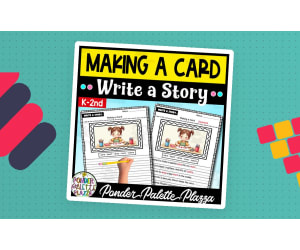
Making a Card: Write a Story - Mother's Day Activity
ELA, Language Development, Writing, Creative Writing, Holiday & Seasonal, Holidays, Mother's Day, Seasons, Spring, Summer, Kindergarten, Preschool, Grade 1, 2, Worksheets & Printables, Writing Prompts, Activities, Centers, Teacher Tools, Assessments, Lesson Plans
Ever watched a child make a card for Mom? It usually involves a lot of glue, some backwards letters, and a whole lot of love. This “Write a Story: Making a Card” Mother’s Day Activity gives students the chance to write about the experience of creating a card, real or imagined, for the most important woman in their life. Whether it’s a glitter explosion, a card that talks, or one that accidentally becomes a paper airplane, the possibilities are endless. Students will plan and write a creative story about their card-making adventure, all while practicing valuable writing skills (and maybe making Mom laugh in the process). Ways to Use: Mother’s Day-themed writing lesson Literacy center or small group writing activity Morning work or early finisher task Pair with an actual handmade card Take-home keepsake for families Advantages: Encourages creativity and narrative structure Promotes gratitude and emotional expression No prep, just print and let imaginations run wild Great for developing sequencing, vocabulary, and detail writing Fun for all elementary grade levels Results in a unique and memorable gift Pdf file includes 2 pages. Enjoy!
Author Ponder Palette Plazza
Rating
Tags Writing, Writing Centers, Writing Expression, Writing Prompts, Mother's Day, Mother's Day Writing, Mother's Day Activities, End Of Year Activities
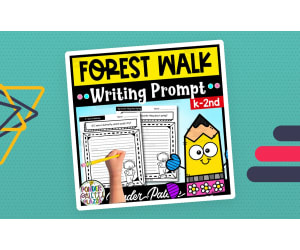
Forest Walk - Spring Writing Prompt
Creative Arts, Graphic Arts, ELA, Writing, Creative Writing, Holiday & Seasonal, Holidays, Months, Seasons, Spring, Kindergarten, Grade 1, 2, Worksheets & Printables, Worksheets, Coloring Pages, Writing Prompts, Teacher Tools, Assessments, Lesson Plans
Take your students on an imaginative stroll, no bug spray required! A Walk Through the Spring Forest is a whimsical spring writing prompt that invites young writers to explore nature with creativity, curiosity, and maybe a touch of woodland magic. This no-prep resource includes two engaging parts : a writing section and a drawing section. In the writing portion , students craft a story about their walk through a springtime forest. What do they see? Who, or what , do they meet? A wise old owl giving advice? A chipmunk running a bakery? A squirrel who insists on a selfie? Students can let their imaginations run wild as they paint the forest with words. Then, in the drawing section , they bring their spring adventure to life with a colorful illustration. Ways to Use It: Spring-themed writing centers Morning work or early finisher task Art and literacy integration Bulletin board display with nature vibes Why Teachers Love It: Encourages creativity and descriptive writing Combines storytelling with artistic expression Requires zero prep, just print and hand out Fits multiple grade levels and learning styles Because every forest walk is better with a talking rabbit. Pdf file includes 10 pages.
Author Ponder Palette Plazza
Rating
Tags Writing, Writing Prompts, Writing Centers, Writing Activities, Spring Writing, Spring Writing Prompts, Spring Activities, Ela, Spring Coloring
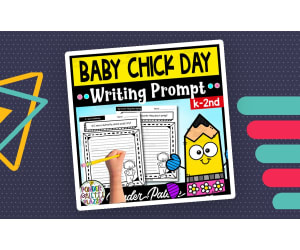
The Day I Met a Baby Chick - Writing Prompt
ELA, Writing, Creative Writing, Holiday & Seasonal, Holidays, Months, Seasons, Spring, Creative Arts, Graphic Arts, Kindergarten, Grade 1, 2, Worksheets & Printables, Writing Prompts, Worksheets, Coloring Pages, Teacher Tools, Assessments, Lesson Plans
Soft, fluffy, and full of tiny peeps, what’s not to love about baby chicks? The Day I Met a Baby Chick is a spring writing prompt that lets students hatch their creativity with a heartwarming (or hilarious) story about meeting an adorable, fuzzy new friend. This no-prep resource includes two parts : a writing activity and a drawing section to bring the chick encounter to life, feathers, flair, and all. In the writing portion , students imagine what it would be like to meet a baby chick. Was it at a farm? In their backyard? Did the chick follow them home and demand snacks? Whether their story turns into a barnyard adventure or a new best-feathered-friend tale, it’s all up to them. The drawing portion lets them illustrate the chick, the setting, and any unexpected moments (like a chick in sunglasses or riding a skateboard). Ways to Use It: Spring-themed writing centers Morning warm-up or early finisher activity ELA + art combo lesson Adorable bulletin board material Why Teachers Love It: Inspires imagination and storytelling Combines writing with art No prep, just print and pass out Works for a wide range of grade levels Because nothing fluffs up a writing lesson like a baby chick. Pdf file includes 2 pages.
Author Ponder Palette Plazza
Rating
Tags Writing, Writing Prompts, Writing Centers, Writing Activities, Spring Writing, Spring Writing Prompts, Sprting Activities, ELA, Spring Drawing

If I Were a Teacher - Writing Prompt
ELA, Writing, Creative Writing, Language Development, Holiday & Seasonal, Holidays, Months, Seasons, Spring, Summer, Preschool, Kindergarten, Grade 1, 2, Worksheets & Printables, Writing Prompts, Teacher Tools, Assessments, Lesson Plans, Activities, Centers, Crafts, Classroom Decor, Bulletin Boards
Ever wonder what your students would do if they ran the classroom? Spoiler alert: snack time would last forever , and math would be replaced with recess. If I Were a Teacher is a fun and imaginative writing and drawing activity that lets your K–2 students step into your shoes, minus the coffee addiction and never-ending paperwork. This printable resource includes a simple writing prompt and a drawing space, so students can show off both their storytelling skills and their artistic flair (stick figures in ties included). Ways to use this resource: Perfect for Teacher Appreciation Week or end-of-year reflections. Use it as a morning work activity to kick off a fun writing day. Ideal for writing centers, sub plans, or “I need something fun, fast, and meaningful” moments. Makes an adorable bulletin board or hallway display (prepare to laugh). Great for getting to know your students' thoughts about teaching, and yourself! Advantages: Encourages creativity, humor, and self-expression. Reinforces sentence structure and handwriting. Allows students to practice sequencing and narrative skills. No prep, print and you’re ready! A heartwarming (and hilarious) peek into how students view their teacher. Pdf file includes 2 pages. Enjoy!
Author Ponder Palette Plazza
Rating
Tags Writing, Writing Prompt, Writing Prompts, Writing Centers, Spring, Literacy, Career, Careers, Spring Writing, Spring Writing Prompts

If I Were a Butterfly - Writing Prompt
Creative Arts, Graphic Arts, ELA, Writing, Creative Writing, Holiday & Seasonal, Holidays, Months, Seasons, Spring, Kindergarten, Grade 1, 2, Worksheets & Printables, Worksheets, Coloring Pages, Writing Prompts, Teacher Tools, Assessments, Lesson Plans
Let’s be honest, who hasn’t wanted to flutter through a flower field without a care in the world? If I Were a Butterfly is a lighthearted and imaginative spring writing prompt that invites students to step into the (tiny) shoes of a butterfly. With a two-part activity ; a writing section and a drawing section, this resource lets students dream up their butterfly life in full, fluttery detail. In the writing portion , students describe what kind of butterfly they’d be, where they’d go, what they’d see, and whether they’d prefer flower nectar or something more exotic (like juice boxes). The drawing section lets them design their own butterfly with all the colors, patterns, and wing bling they can dream up. Ways to Use It: Spring creative writing centers Art + ELA combined lessons Morning work or early finisher fun Spring bulletin board display Why You’ll Love It: Encourages imaginative thinking and personal expression Combines writing with creativity No prep, print and pass out Works across elementary grade levels A fun, seasonal way to bring life (and wings) to your classroom Because sometimes, it's good to stop and smell the flowers, especially if you're a butterfly. 🦋🌸✏️ Pdf file includes 2 pages.
Author Ponder Palette Plazza
Rating
Tags Writing, Writing Prompt, Writing Prompts, Spring Writing, Spring Writing Prompts, Spring Activities, Spring Coloring, Writing Activities, ELA

Flag and Honor Write a Story Activity - Memorial Day
ELA, Writing, Creative Writing, Holiday & Seasonal, Holidays, Memorial Day, Seasons, Spring, Months, May, Grade 3, 4, 5, Worksheets & Printables, Writing Prompts, Activities, Centers, Teacher Tools, Assessments, Lesson Plans
Stars, Stripes, and Sacrifice Write a Story is a meaningful Memorial Day writing activity designed for students in grades 3–5. In this resource, students are presented with a patriotic cartoon picture that highlights the symbols of the American flag and the spirit of sacrifice behind the holiday. They are given five specific vocabulary words and are asked to write a short story inspired by the image, using all five words in their writing. This activity allows students to express their creativity while gaining a deeper understanding of the values Memorial Day represents, honor, service, and remembrance. It combines language arts with social studies, making it an excellent cross-curricular tool for teaching empathy and patriotism. Ways to Use: Writing prompt for Memorial Day-themed lessons Literacy center or independent writing assignment Morning work or early finisher task Homework or substitute plan activity Group writing or peer-sharing sessions Advantages: Strengthens narrative writing and vocabulary use Encourages thoughtful reflection on Memorial Day Fosters creativity and personal expression Promotes discussions about freedom, sacrifice, and national pride Engages students with age-appropriate, meaningful content Supports differentiated instruction and writing practice Pdf file includes 2 pages. Enjoy!
Author Ponder Palette Plazza
Rating
Tags Memorial Day, Writing Prompts, Written Expression, Writing Centers, Sentence Structure, Literacy, Memorial Day Activities, Short Stories

Yearlong Personal Finance Curriculum | Grades 9-12 | Unit 6
Back To School, Holidays, Holiday & Seasonal, Spring, Seasons, Finance, Life Studies, Money, Math, Grade 9, 10, 11, 12, Lesson Plans, Teacher Tools, Worksheets & Printables
🏠 Personal Finance Curriculum for Grades 9–12 | Unit 6 Adult Life Teach real-world adult life skills with a practical personal finance curriculum covering renting, insurance, cars, homes, consumer rights, identity theft, and fraud. Unit 6: Adult Life helps students move beyond financial theory and practice the decisions they will face as independent adults. This six-week adult life unit combines financial math, realistic case studies, data analysis, hands-on investigations, spreadsheet modeling, argument writing, and a culminating financial life-plan capstone. Important: This version includes the complete teacher resource collection for all six units , while the student component included is Unit 6 . The student book contains Weeks 7–12, while the teacher materials support the full 36-week Grades 9–12 course. 📦 What’s Included Unit 6 covers Weeks 31–36 , with six focused lessons: Week 31: Renting an Apartment — Leases, Deposits, and Tenant Rights Week 32: Insurance — How Insurance Prices Risk Week 33: Buying a Car — Total Cost of Ownership and the Negotiation Week 34: Buying a Home — Mortgages, Closing Costs, and the True Monthly Payment Week 35: Consumer Rights — Contracts, Warranties, and Getting Redress Week 36: Identity Theft & Fraud — Capstone: Protection, Detection, and the Life Plan Every week follows the same 11-part structure : Week opener Original reading passage Comprehension and analysis Vocabulary in context Financial math Data analysis Realistic case study Hands-on activity or simulation Spreadsheet modeling Argument writing Weekly review 🏢 Week 31 — Renting an Apartment Leases, Deposits, and Tenant Rights Students investigate what they are actually agreeing to when they sign a lease. They learn about: Residential leases Lease terms Joint and several liability Security deposits Normal wear and tear Habitability Notice to enter Subletting Renewal deadlines Move-in documentation The reading emphasizes five lease clauses that can create major financial consequences, including roommate liability, renewal terms, security deposits, habitability, and landlord entry. 🧮 Financial Math Students calculate: Individual roommate shares. Liability when a roommate leaves. Security-deposit limits. Late-return amounts. Deposit deductions. Total lease value. Notice deadlines. Lease-breaking penalties. Potential savings from breaking a lease. 🔎 Hands-On Activity: Lease Analysis Students obtain a real residential lease or use the provided sample. They: Locate and summarize key clauses. Flag potentially problematic provisions. Create a move-in documentation checklist. Calculate the financial value of the contract. Deliverable: A plain-language clause summary, flagged-clause list, and documentation checklist. 📊 Spreadsheet Model Students build a Lease and Deposit Tracker that tracks: Lease clauses Obligations Deadlines Documentation Photo references Notes Deposit deductions and justification 🛡️ Week 32 — Insurance How Insurance Prices Risk Students learn how insurance works as a financial risk-management tool. They explore: Premiums Deductibles Coinsurance Out-of-pocket maximums Copayments Liability coverage Underinsurance Risk pooling Students learn why premium alone is not enough when comparing insurance plans. They calculate total annual costs under different levels of healthcare use and evaluate when raising a deductible makes financial sense. 🧠 Key Concept Students examine the principle of insuring catastrophic losses rather than small inconveniences . They compare risks they could realistically absorb with losses that could overwhelm their finances. 🔬 Hands-On Activity: Coverage Optimization Students complete a three-scenario cost analysis and make a coverage adjustment recommendation . 📊 Spreadsheet Model: Insurance Cost Model Students model: Premiums Deductibles Coinsurance Major-claim costs Out-of-pocket maximums Whether a deductible is affordable from savings Liability limits compared with household assets Learning goal: Students learn to evaluate insurance based on total exposure and risk , not simply the lowest premium. 🚗 Week 33 — Buying a Car Total Cost of Ownership and the Negotiation Students move beyond the question, "Can I afford the monthly payment?" They learn to calculate the actual cost of owning a vehicle. Key concepts include: Total cost of ownership Depreciation Out-the-door price Dealer add-ons Trade-in value Leasing Residual value Money factor Students examine the four separate negotiations hidden inside a vehicle purchase: Vehicle price Trade-in value Financing Add-ons The unit specifically challenges the misconception that a lower monthly payment automatically means a better deal. 🧮 Total Cost of Ownership Students account for costs such as: Depreciation Financing interest Fuel Insurance Registration Maintenance Repairs The teacher guide emphasizes depreciation as a particularly important ownership cost. 🔎 Hands-On Activity: Vehicle Cost Investigation Students create two five-year ownership models using sourced figures. They also calculate and compare cost per mile . Deliverable: Two five-year ownership models with sourced figures and a cost-per-mile comparison. 📊 Spreadsheet Model: Total Cost of Ownership Students build a model incorporating: Depreciation Registration Insurance Fuel Maintenance Repairs Financing interest Annual mileage Cost per mile Students can then compare buying versus leasing based on total cost rather than payment size. 🏡 Week 34 — Buying a Home Mortgages, Closing Costs, and the True Monthly Payment Students investigate what homeownership actually costs each month. They learn about: Mortgages Principal and interest Escrow PMI Closing costs Points Amortization Home equity Students calculate the full housing payment , rather than relying on the principal-and-interest number shown by a basic mortgage calculator. 💰 Students Explore How down payment size affects PMI. How down payment size can affect rates and total cost. The difference between mortgage payment and true housing cost. How amortization changes the interest/principal split. Why buying is not automatically financially superior to renting. 🏠 Hands-On Activity: Rent Versus Buy Analysis Students create a seven-year rent-versus-buy model . They identify: Break-even year. Housing costs. Rent increases. Mortgage costs. Equity effects. Sensitivity to changing assumptions. Deliverable: A seven-year rent-versus-buy model with a break-even year and sensitivity note. 📊 Spreadsheet Model: Housing Cost Model Students build an amortization model that: Tracks changing interest and principal. Removes PMI when the required equity threshold is reached. Adds annual rent increases. Compares renting and owning side by side. ⚖️ Week 35 — Consumer Rights Contracts, Warranties, and Getting Redress Students learn what they can do when a purchase goes wrong. They distinguish: Express warranties Implied warranties Merchantability "As-is" sales Arbitration clauses Chargebacks Small claims court Regulatory complaints Instead of treating a seller's first refusal as the end of the process, students learn how to escalate a legitimate complaint systematically . 📋 Students Learn to Evaluate Contract terms. Warranty coverage. Unfavorable provisions. Whether a claim is actually supported. Appropriate escalation steps. When a case may be unwinnable. 🔎 Hands-On Activity: Consumer Redress Simulation Students work through realistic consumer disputes. Deliverable: Four warranty analyses. One drafted complaint. One explanation of an unwinnable case. 📊 Spreadsheet Model: Dispute Tracking Log Students record: Contact dates. Names. Reference numbers. Deadlines. Responses. Missed deadlines. The model automatically calculates deadline dates and flags unresolved steps that have passed their deadlines. 🔐 Week 36 — Identity Theft & Fraud Capstone: Protection, Detection, and the Life Plan The final week brings the entire personal finance course together. Students learn about: Identity theft Credit freezes Synthetic identities Data breaches Account takeover Identity theft reports Dark web monitoring Layered defense Students examine why identity protection cannot depend on simply keeping personal information secret. Instead, they design multiple independent layers of protection . 🛡️ Students Build a Protection System Possible layers include: Credit freeze Unique passwords Password manager Authenticator app Account alerts Monitoring A documented response process Students also learn what to do after confirmed identity theft, including documenting the incident and following a structured response sequence. 🏆 Capstone: Plan & Defense Students integrate learning from all six units into a personal financial plan. Deliverable: A six-component financial life plan. An identity-protection system. A panel defense of their decisions. 📊 Spreadsheet Model: Capstone Financial Plan Students: Include each required plan component. Cite the week and analysis supporting each figure. Stress-test the plan using a 25% income reduction . Evaluate whether the plan remains viable under changed circumstances. This makes the final project much more than a worksheet—it becomes a defensible personal financial plan . 🎯 Standards & Learning Goals Across Unit 6, students develop the ability to: Interpret residential lease clauses. Understand tenant rights and responsibilities. Analyze security deposits and documentation. Evaluate insurance based on total financial exposure. Calculate premiums, deductibles, coinsurance, and maximum exposure. Calculate the total cost of vehicle ownership. Separate vehicle purchase negotiations. Compare buying and leasing. Calculate the true cost of homeownership. Analyze mortgages, PMI, closing costs, and equity. Compare renting and buying over a defined period. Evaluate contracts and warranties. Identify consumer remedies. Draft effective complaints. Track dispute escalation. Protect personal information and accounts. Respond systematically to identity theft. Integrate financial decisions into a complete life plan. Defend financial choices using quantitative evidence. Standards Alignment The unit includes alignment to: CEE Spending 6.4–6.6 CEE Protecting 9.1–9.3 Jump$tart 9–12 Financial Decision Making 6–8 Jump$tart 9–12 Risk Management 1–3 CCSS.MATH.HSN.Q.A.2 CCSS.MATH.HSA.SSE.B.4 CCSS.MATH.HSS.MD.B.5 CCSS.ELA.RI.11-12.5 CCSS.ELA.RI.11-12.6 CCSS.ELA.W.11-12.1 ⭐ Why Teachers Love It ⭐ Prepares students for real adult decisions: Students practice situations they will actually encounter after high school. ⭐ Goes beyond basic financial literacy: Students don't simply define terms. They calculate, compare, investigate, model, and defend decisions. ⭐ Authentic financial math: Every week includes dedicated financial math with working space. ⭐ Real-world documents and scenarios: Leases, vehicle costs, mortgages, warranties, disputes, and identity-theft situations give the learning immediate relevance. ⭐ Strong spreadsheet integration: Students create practical financial models rather than treating spreadsheets as an isolated technology skill. ⭐ Builds decision-making skills: Students must weigh trade-offs, evaluate assumptions, and consider total cost. ⭐ Addresses common misconceptions: The unit challenges ideas like "the monthly car payment tells me what I can afford" and "buying is always better than renting." ⭐ Supports argument writing: Students repeatedly take positions and support them with calculations and evidence. ⭐ Excellent capstone progression: Students move from renting → insurance → cars → homes → consumer protection → identity protection . ⭐ Connects the entire course: Week 36 asks students to integrate learning from all six units into one defensible financial life plan. ✨ Give Students the Adult-Life Skills They Actually Need Give your students an adult life personal finance unit that connects financial literacy to the decisions waiting for them after graduation. Unit 6: Adult Life takes students from reading a lease and protecting a security deposit to comparing insurance plans, calculating the true cost of a car, analyzing rent versus buying, fighting unfair consumer charges, and protecting their identity. The unit finishes with an authentic financial life-plan capstone , requiring students to combine their knowledge, stress-test their assumptions, and defend their financial choices. It's a strong fit for high school personal finance, financial literacy, economics, career readiness, advisory, life skills, and independent living courses.
Author Bright Classroom Ideas Marketplace
Rating
Tags Finance, Financial Literacy, Money, Yearlong, Curriculum, Full Year

Poppies for the Brave Write a Story Activity - Memorial Day
ELA, Writing, Creative Writing, Holiday & Seasonal, Holidays, Seasons, Memorial Day, Spring, Months, May, Kindergarten, Preschool, Grade 1, 2, Worksheets & Printables, Writing Prompts, Activities, Centers, Teacher Tools, Assessments, Lesson Plans
The Poppies for the Brave Write a Story – Memorial Day Activities resource is a wonderful tool to help young students in kindergarten through 2nd grade develop their writing skills while learning about the meaning behind Memorial Day. This activity features a bright, friendly cartoon showing children placing poppies to honor brave soldiers. Students are encouraged to look carefully at the picture, use all five vocabulary words provided, and write a short story about what they see. This writing exercise supports vocabulary building, sentence formation, and creative storytelling. It also introduces children to the symbol of the poppy and the importance of remembering those who have served. This resource ties language arts and social studies together in a simple, meaningful way that young learners can understand and enjoy. Ways to Use: Whole-class shared writing or guided practice Independent writing during literacy centers Partner writing or small group activities Homework or family writing practice Part of a Memorial Day lesson or holiday unit Advantages: Encourages creative thinking and observation Builds early writing and vocabulary skills Helps children connect with important historical symbols Easy to adapt for different writing levels Makes learning about Memorial Day respectful and age-appropriate Pdf file includes 2 pages. Enjoy!
Author Ponder Palette Plazza
Rating
Tags Memorial Day, Writing Centers, Write A Story, Written Expression, Writing Prompts, Us History, Sentence Structure, Storytelling, Memorial Day Activities
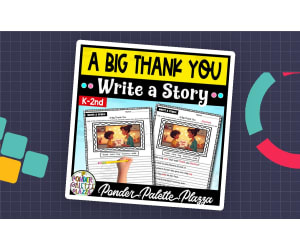
Write a Story: A Big Thank You - Mother's Day Activity
ELA, Language Development, Writing, Creative Writing, Holiday & Seasonal, Holidays, Seasons, Spring, Summer, Mother's Day, Kindergarten, Preschool, Grade 1, 2, Worksheets & Printables, Writing Prompts, Activities, Centers, Teacher Tools, Assessments, Lesson Plans
Let’s face it—moms deserve more thank-yous than the average superhero. From finding missing socks to surviving homework meltdowns, they’ve earned their capes. This “Write a Story: A Big Thank You” Mother’s Day Activity helps students reflect on all the things moms (or special caregivers) do, and turn that appreciation into a creative, heartfelt, or hilarious story. Students will write a tale that says “thanks” in the most imaginative ways possible. Maybe it’s a child building a thank-you machine, writing a song, or planning a parade with glitter, balloons, and a marching band of squirrels. Whatever the storyline, students will practice writing while also celebrating their real-life heroes. Ways to Use: Whole-class Mother’s Day writing activity Literacy centers or writing workshop Morning work or fast-finisher task Paired with a handmade thank-you card or drawing Take-home gift for moms or caregivers Advantages: Encourages gratitude, empathy, and reflection Builds narrative writing, sequencing, and vocabulary No prep, just print and pass out Ideal for various writing levels A creative way to celebrate Mother’s Day Pdf file includes 2 pages. Enjoy!
Author Ponder Palette Plazza
Rating
Tags Writing, Writing Prompts, Writing Centers, Written Expression, Write A Story, Mothers Day, Literacy, End Of Year Activities, ELA, Writing Activity
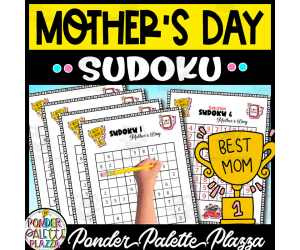
Mother's Day Sudoku Game + Solution
Math, Early Math, Numbers, Holiday & Seasonal, Holidays, Mother's Day, Seasons, Spring, Months, May, Kindergarten, Grade 1, 2, 3, 4, 5, Teacher Tools, Assessments, Lesson Plans, Activities, Centers, Games
Looking for a fun and meaningful way to celebrate Mother’s Day in your classroom? This Mother’s Day Sudoku is just the thing! Designed with young learners in mind, these simple logic puzzles feature Mother’s Day-themed words and pictures that your students will love. The activity is a great way to sneak in problem-solving and critical thinking while keeping things light and festive. With a range of easy-to-follow puzzles, it works well for different skill levels and keeps students engaged without overwhelming them. Ways to Use It: As a warm-up or morning work during Mother’s Day week For early finishers who need something quiet and fun At a center or station during your holiday activities As a calm activity after a classroom celebration To send home as a themed homework or enrichment option Why You’ll Love It: Helps kids practice logic and focus in a fun way Keeps students learning even during holiday excitement Requires little to no prep, just print and go Great for working alone or with a buddy Makes your classroom feel festive and thoughtful Pdf file includes 12 pages. Enjoy!
Author Ponder Palette Plazza
Rating
Tags Mothers Day, Mother's Day, Sudoku, Numbers, Spring Activities, End Of Year Activities, Math, Mothers Day Math, Summer Activities

A Rainy Day Adventure - Reading Comprehension + Answers
ELA, Language Development, Reading, Reading Comprehension, Holiday & Seasonal, Holidays, Months, Seasons, Spring, Grade 3, 4, 5, Worksheets & Printables, Teacher Tools, Assessments, Lesson Plans, Activities, Centers
Grab your rain boots and imagination, A Rainy Day Adventure - Reading Comprehension + Answers is here to turn any cloudy day into a learning win! ☔ This no-prep activity is perfect for 3rd–5th graders who think a little drizzle should never stop the fun (or the reading practice). Students will read an engaging story about an unexpected rainy day adventure, packed with just the right amount of excitement, cozy vibes, and reading skill-building. The comprehension questions that follow challenge students to think beyond basic recall, pushing them to infer, predict, and connect. Plus, the included answer key means less grading for you and more time to sip coffee while pretending the rain is “cozy ambiance.” Ways to Use: Morning work to start the day on a calm (but productive) note Literacy centers that won’t cause eye-rolls Emergency sub plans (because life happens) A quiet, rainy-day classroom activity Advantages: Strengthens comprehension and critical thinking skills Encourages creative connections to real life Easy print-and-go, no prep, no problem Keeps kids learning even when they’d rather be puddle-jumping! PDF file includes 2 pages. Enjoy!
Author Ponder Palette Plazza
Rating
Tags Reading, Reading Comprehension, Reading Centers, Spring, Spring Reading, Spring Activities, Spring Literacy, Literacy

Chirping Birds - Reading Comprehension + Answers
ELA, Language Development, Reading, Reading Comprehension, Holiday & Seasonal, Holidays, Months, Seasons, Spring, Kindergarten, Grade 1, 2, Activities, Centers, Teacher Tools, Assessments, Lesson Plans, Literacy Readers
Need a way to bring the joy of spring into your classroom without actually inviting birds inside? Chirping Birds in the Trees is a cheerful reading comprehension activity made just for your K–2 students. With simple sentences, fun bird facts, and questions that help build early reading skills, this resource is the perfect mix of learning and seasonal fun, no birdseed required. Ways to Use: Spring Literacy Centers: Easy to print and pop into your rotation. Whole Group Read-Aloud: Read together, then let students answer questions independently. Morning Work or Quiet Time: A calm, focused way to start the day. Sub Plans: So simple and self-explanatory, even your sub will sing. Advantages: Age-Appropriate Text: Written with young readers in mind, short, sweet, and easy to follow. Supports Comprehension Skills: Builds confidence with questions that are just-right for K–2. Answer Key Included: Because you've got enough to keep track of already. No Prep: Just print and go, your future self will thank you. Seasonal Fun: Brings the sounds and sights of spring into your classroom (minus the feathers). Pdf file includes 2 pages.
Author Ponder Palette Plazza
Rating
Tags Reading, Reading Comprehension, Reading Passages, Reading Centers, Reading Activities, Spring Reading, Spring Reading Comprehension, Spring Reading Passages