



3,904 products added recently
Page 111 - Lesson Plan Templates
Simplify your preparation with lesson plan templates designed to help you organize objectives, activities, and assessments. These templates provide a structured framework to ensure comprehensive coverage of material. Incorporate them to save time and enhance the effectiveness of your teaching.

 Show filters


Force: What Is Force? Gr. 5-8
Science, Physics, Grade 5, 6, 7, 8, Teacher Tools, Lesson Plans
Force: What Is Force? Gr. 5-8 This teaching resource is aimed at enhancing the understanding of the concept of force in Physics for students primarily in Grade 5 to Grade 8. The guide explores what force really is, using familiar, real-life examples. Format and Content The material is available as a PDF file that delves into different types of forces, distinguishing between those working through contact and those from a distance. Topics include: Balanced and unbalanced forces Weight and gravity Magnetic forces Electrostatic forces etc. Interactive Learning Elements: In order to add interactive elements into learning physics concepts like force; before & after reading activities have been included throughout this document, alongside colorful mini posters for stimulating visual learning. Focused on Problem-solving: A noteworthy aspect of 'Force: What Is Force Gr. 5-8' specifically concentrates on problem-solving – with sample problems encouraging learners not just to apply their newfound knowledge but also get comfortable with complex calculations related to force. Educational Applications:: Suited equally well for public or private school educators or homeschooling parents - best used in whole group instruction settings or for individual homework assignments. 'Force: What Is Force? Gr. 5-8' aligns seamlessly with your State Standards as well as Blooms Taxonomy & STEM initiatives & presents its content arranged logically based on comprehension levels scientifically . The inclusion of crosswords, word searches,& quizzes for testing knowledge aid engagement and preparation levels making this more than just an informational resource but also an active learning tool.
Author Classroom Complete Press
Tags PDF

Good, Well & Fine | Beginner Lesson Plan
ELA, Language Development, ESL, Grade 2, 3, 4, 5, 7, 8, 9, 10, 11, 12, Teacher Tools, Lesson Plans
Good, Well & Fine | Beginner Lesson Plan Our meticulously crafted teaching resource is nothing short of ideal for educators grappling with the nuances of language arts. Specifically tailored towards English as a Second Language (ESL) students, it offers an articulate and systematic approach to deciphering the frequently impertinent trio - good, well and fine. This comprehensive lesson plan springs to life a classroom where students no more fumble with these words, thanks chiefly to its practical design hammered out keeping effective learning experience at heart. Perfect for both public school teachers and homeschooling parents alike. Your young learners will be introduced to these cleverly veiled tricky words through smartly integrated exercises. Ranging from reading passages using 'good', 'well', and 'fine' in varied contexts up to tests that assess their comprehension - all spelling an interactive grammar-learning journey. The package comes bundled with three ready-to-print or digitally-accessible PDFs spread across six colourful pages. You can safely leave your markers since we provide essential keys enabling quick evaluation for each activity. You are free to employ this valuable tool in various teaching setups: During whole group instruction as an intimate dialogue about the difference among 'good', 'well' and 'fine' In small groups where repetition enhances understanding Serving it simply as a homework assignment promoting self-learning The Good, Well & Fine | Beginner Lesson Plan - convenience wrapped into practicality – covers what's essential but leaves ample room for adaptability based on your individual student abilities or classroom atmospherics. Don't wait for tomorrow, get this go-to guide today; and help navigate your young scholars through mastering these commonly misused vocabulary without breaking a sweat!
Author TEAM TEFL
Tags Language Arts, Vocabulary, Confusing Words, ESL, Teaching Resource

I WONDER - What Do Some Plants Eat | Animated Video Lesson
Nature & Plants, Life Sciences, Science, Grade 4, 5, 6, 7, 8, 9, 10, Lesson Plans, Teacher Tools
Video Introduction An amazing video designed for the students to learn more about STEM. I WONDER - What Do Some Plants Eat | Animated Video Lesson Do you like STEM subjects? what is your favorite one? Have you ever tried to plant a seed? If yes, tell us more about it. Or have you ever tried to invent something? If yes, tell us more about it. And how do you think it will help us? Have you ever seen a microorganism under a microscope? What was it? And how it looked like? Mathematics is a marvelous subject. Let' sharpen our brains and solve some equations. Do you like timetable tricks? What is your favorite one? Do you know how to code? Have you ever created an app or a game before? If yes, how was it like? I WONDER - What Do Some Plants Eat | Animated Video Lesson The video is perfect for encouraging the researching skills for the students, while learning more about this fantastic topic. I WONDER - What Do Some Plants Eat | Animated Video Lesson This friendly designed video is suitable for students at school, homeschooling, and as a group activity. Format Available in MP4 format.
Author Educational Voice
Tags What Do Some Plants Eat, What Do Some Plants Eat Video, Plants, Plants Food, Plants Food Facts, Plants Food Facts For Kids, Plants Food Video, Plants Food Video For Kids, Plant, Science

I WONDER - Who Discovered Tea | Animated Video Lesson
Biographies, Social Studies, History, Grade 4, 5, 6, 7, 8, 9, 10, Lesson Plans, Teacher Tools
Video Introduction An amazing video designed for the students to learn more about famous people in different countries. I WONDER - Who Discovered Tea | Animated Video Lesson Do you know this person? How much do you know about him/her? Who is your idol? Why did you choose this person? Tell us more about him/her? Who is your favorite athlete? Or what is your favorite team? Have you recently heard a story about a famous person? Who was this person? Can you tell us more about him/her. Who is your favorite president, king, or queen? Why you chose that person? In your country, who are the most famous people? What did they do? Can you tell us more about them. What is your favorite invention? Who invented it? Who is your favorite artist? What is the most famous thing he/she have done? What is the most enjoyable you have read before? Who wrote it? I WONDER - Who Discovered Tea | Animated Video Lesson The video is perfect for encouraging the researching skills for the students, while learning more about this fantastic place. I WONDER - Who Discovered Tea | Animated Video Lesson This friendly designed video is suitable for students at school, homeschooling, and as a group activity. Format Available in MP4 format.
Author Educational Voice
Rating
Tags Who Discovered Tea, Who Discovered Tea Video, Tea, Tea Facts, Tea Video, Tea Video For Kids, Tea Facts For Kids, China, China Facts, China Facts Video

World War II: Germany’s Role in the War
Social Studies, History, History: World, Common Core, Grade 5, 6, 7, 8, Teacher Tools, Lesson Plans
World War II: Germany’s Role in the War A teaching resource specially designed to enlighten grades five to eight students about an important era of world history; World War II. This product is a segment of the broader "World War II" lesson plan, primarily zeroing in on Germany's role during this significant six-year-long international combat. Main Features: Initiates lessons with the event causing bigger following ones - Germany's invasion of Poland on September 1, 1939. Delves into key historical battles including Normandy. In-depth focus on numerous significant events and roles governed by Germany throughout World War II. Versatility as an Instructional Tool: Adaptable for various schooling scenarios whether it be whole-class lectures or small group discussions. Fits perfectly even for independent work as primary study material. A boon to remedial learners - simplifies intricate social studies concepts into easy-to-grasp language and vocabulary. Educational Components: Reading Passages: Increases information-gathering skills Mindfully created mini Posters: Adds visual appeal and retains knowledge better Action Items/Activities: Facilitates interactive participation adhering to Bloom's Taxonomy principles for cognitive development In Compliance With Standards: This teaching material is structured following the Common Core State Standards ensuring seamless integration within existing social studies syllabus thereby laying out an effective roadmap for educational achievement.In short, it merges effortlessly with your course plan without reshuffling anything major! Savings and Convenience! The resource comes in a convenient PDF format ensuring you save substantial prep time while reaping maximum educational rewards in return; thereby invigorating your history lessons with enthusiasm and interaction. "World War II: Germany’s Role in World War" - A reliable tool every socially-conscious educator should have up their sleeve. Experience student engagement like never before.
Author Classroom Complete Press
Tags PDF
I WONDER - Do Ogres Have Any Weaknesses | Animated Video Lesson
History, Social Studies, Common Core, Grade 4, 5, 6, 7, 8, 9, 10, Lesson Plans, Teacher Tools
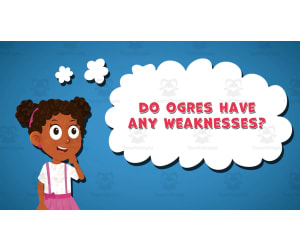
Video Introduction An amazing video designed for the students to learn more about mythological creatures in different cultures. I WONDER - Do Ogres Have Any Weaknesses | Animated Video Lesson Mythology is full of wonders and spectacular stories. Ancient civilizations were trying to explore every aspect of life, while they search for new technologies, they wanted to believe in something big and can change the world, so they created mythical creatures and mythical stories. Let's hear about them! What do you know about these creatures? Cyclops, Centaurs, Selkies, Phoenix, Gnomes, Dragons, Gorgons, Orcs, Cerberus, Trolls, Minotaur, Griffins, Mermaids, Elves, Polyphemus, Pegasus, and Ogres. I WONDER - Do Ogres Have Any Weaknesses | Animated Video Lesson The video is perfect for encouraging the creativity skills for the students, while learning more about this fantastic mythical creature. I WONDER - Do Ogres Have Any Weaknesses | Animated Video Lesson This friendly designed video is suitable for students at school, homeschooling, and as a group activity. Format Available in MP4 format.
Author Educational Voice
Rating
Tags Do Ogres Have Any Weaknesses, Do Ogres Have Any Weaknesses Video, Ogres Weaknesses, Ogres Weaknesses Video, Ogres Weaknesses Facts, Ogres Weaknesses Facts For Kids, Ogres Weaknesses Video For Kids
The Solar System: Asteroids, Meteors and Comets
Science, Earth and Environmental Sciences, Space, Common Core, Grade 5, 6, 7, 8, Teacher Tools, Lesson Plans
The Solar System: Asteroids, Meteors and Comets Are you ready to take your students on an awe-inspiring journey through the cosmos? Our educational resource, The Solar System: Asteroids, Meteors and Comets may be just what you need! Designed especially for students in grades five to eight with varying learning levels, this lesson plan aims to ignite a passion for Astronomy while staying aligned with Common Core State Standards. This enriching lesson plan delivers its core content across several compelling areas. Focusing on the inner and outer planets of our Solar Systems - it provides an inspiring introduction to celestial bodies like asteroids, meteors and comets. Reporting simplified language blended seamlessly with enriched scientific vocabulary ensures that these complex topics become digestible for young learners. Content & Activities Reading passages tailored specifically around each concept along with comprehension questions that test students' understanding while promoting critical thinking skills. Hands-on activities bolster active learning which can spark new insights into planetary orbits or the lunar cycle while making lessons fun! This product is versatile and ideal for whole-group instruction or small group investigation; it even lends itself powerfully as homework assignments or independent studying tools. Aim is mastery over concepts such as asteroid belts or shooting stars within reach of any classroom! Inclusions: Supporting materials : Colorful mini posters serving as visual aids designed for dress-up bulletin board displays or classroom walls doubling-up as quick-reference points during revisions! A Rubric-filled evaluation scheme accompanies crosswords, word searches tailored from pertinent vocabulary allowing seamless embedding of assessments targeting factual recall and retention. On completing the entire lesson using The Solar System: Asteroids, Meteors and Comets your class would have not only ventured through a space expedition but also explored content written under Bloom's Taxonomy & STEM initiatives culminating in a well-rounded understanding of Astronomy. Teaching Simplified and Learning Amplified!
Author Classroom Complete Press
Tags PDF
The Life of a Forest Fire: Guided Reading Level P with Lesson Plan
ELA, Resources for Teachers, Reading Comprehension, Reading, Science, Language Development, Life Sciences, Earth and Environmental Sciences, Physics, Technology, Grade 2, 3, 4, Worksheets & Printables, Worksheets, Teacher Tools, Centers, Activities, Literacy Readers, Quizzes, Quizzes and Tests, Assessments, Lesson Plans
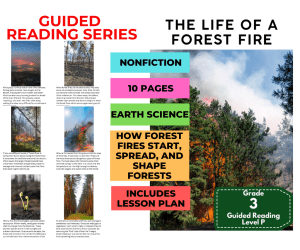
This The Life of a Forest Fire (level p) guided reading book with lesson plan includes: Guided Reading Color Label (front cover x1) This is a quick way to match the book’s demands to what students can generally handle.. The overall goal is to use the level/color to pick books for several smaller groups. To qualify for a certain level, a student is expected to read a book from that level with about 90–94% accuracy. If a student is consistently accurate and understands, move up a level. If the student is struggling at that level, drop down and add more support. Each student will improve at completely different rates, but it is generally one of the best ways to check progress across the class. DOWNLOAD THE CATALOG TO VIEW ALL GUIDED READING BOOKS AVAILABLE (SORTED LEVELS A-Z) Pre-Reading Question (x1) Teacher asks the prompt aloud, can be while showing the cover or first page. Students share what they already know, or make educated guesses from the cover. Prompt them to use the target vocabulary. Write some of their responses on the board to look back at during the reading. Vocabulary Words (x5) Introduce the five words, best doing it one at a time. Start by saying it, while students repeat and then see if anyone knows what it means before reading further. Read through the meaning and try to briefly connect each word to a picture or gesture so it’s meaningful. Ask students to flip through the book pages and point to where they see each of the vocabulary words. While reading the book pause upon coming across one of the vocab words or read the sentence twice to make sure students understand the word has appeared. Optional: Ask students to raise hands whenever they see/hear one of the new words. Guided Reading Pages (x10) Check the book snapshot (below) for: primary topic - do you need to prep extra reading or intro materials on this? what is taught best - decide on 1-2 bullets to focus on, use the prompt or words provided here for best results. learning goals - what you are checking for students to be able to do after the session, elicit answers using prompts or words provided. key vocabulary (see section above). questions overview - so you know what is coming up and if you need to prep extra materials to assist understanding. Run the lesson You may have already looked at a few of the pages together, but you can show them some of the pictures again first to set meaning. Depending on how much time you have and how familiar your students are with guided reading class, you may want to read the book aloud first with the group first. Students whisper or partner read, while you listen in. If time, do it as a group, one student reading a page each. Use the guided page’s prompts to coach: “Check the picture / does it make sense?” “Point under the words / try the first sound” “Reread the sentence smoothly”. Try to focus more on one student per session (rotating every time), so you can work out if they are ready to move up or need to move down a level. Comprehension Questions (back cover x3) This is your way to check that students didn’t just say the words, but actually understood the text. First, let students answer by pointing to the page/picture and saying a short sentence. After any answer, follow with: “Show me where you found that in the text.” In bigger groups, have partners answer first (10–20 seconds), then call on 2–3 students to share. Differentiation tips: Emerging speakers/struggling readers: oral + pointing On-level: oral in a full sentence Higher: one written sentence or draw + label Book Snapshot Title: The Life of a Forest Fire Genre: Nonfiction (informational) Subject: Earth & Environmental Science Primary Topic: How forest fires start, spread, and shape forests Estimated Guided Reading Level (A–Z): P What This Book Teaches Best Explains common natural causes of forest fires , including how lightning can ignite dry wood and start a blaze. Teaches the Fire Triangle (heat, fuel, oxygen) and applies it to forest conditions like pine needles, branches, and grass as fuel. Compares types of forest fires (surface fires vs. crown fires) using clear, text-based differences in location, intensity, and damage. Shows how wind affects fire behavior , including carrying embers ahead of the fire and starting new fires through “spotting.” Describes fire’s ecological role and forest recovery , including nutrients returning to soil, new plant growth, and succession over time. Learning Goals Students can explain how a forest fire can begin in nature using details from the text (spark/lightning/heat on dry wood). Students can identify and describe the three parts of the Fire Triangle and explain why each is needed for a fire to keep burning. Students can compare a surface fire and a crown fire by describing where each burns and what the text says it can damage. Students can describe how wind changes a fire’s spread, including what “spotting” means in the text. Students can explain ways fire can help a forest over time (clearing debris, returning nutrients, creating open spaces for sunlight). Students can describe what happens after a fire during succession, using the sequence of changes described in the book. Key Vocabulary From the Text ecosystems — places where living things and land work together. ignite — to start burning. oxygen — a gas in air that fire needs. embers — small burning pieces carried ahead of a fire. succession — how a forest grows back after a fire. Discussion Prompts Pre-reading question: What are some natural ways a forest fire might start? Comprehension questions: What three elements does the text say a fire needs to exist? Comprehension questions: How does the text describe a surface fire as different from a crown fire? Comprehension questions: According to the text, what happens to the forest after a fire during succession? Printing Tips 1. Best Printing Method (Recommended) “Booklet” Printing (Best if Available) If your printer or PDF viewer supports Booklet Printing , use this. Settings to use: Print mode: Booklet Paper size: Letter or A4 (either works) Orientation: Landscape Print on both sides: Yes Flip on: Short edge Scaling: Fit to printable area Booklet subset: First test: Front sides only Then: Back sides only This will automatically: Pair pages correctly Put the cover on the outside Align everything for folding After printing, fold in half and staple along the spine . 2. If “Booklet” Printing Is NOT Available You can still print this correctly with manual duplex printing . Step-by-step: Open the PDF. Choose Print . Set: Orientation: Landscape Pages per sheet: 1 Print on both sides: Yes Flip on: Short edge Print all pages . Because each PDF page already contains two facing book pages, the result will still fold cleanly into a book. Thousands of Cored Education products are included with your TeachSimple membership. Download links and encyclopedia index available here.
Author Cored Education
Rating
Tags Reading Comprehension, Reading Passages, Reading, Guided Reading, Guided Reading Lesson Plan, Guided Reading Activity, Pre-reading, Science Lesson Plans, Earth Science, Physics

I WONDER - Did Girls Attend School In Ancient Greece | Animated Video
History: African, History, Social Studies, History: Europe, Grade 2, 3, 4, 5, 6, 7, 8, Lesson Plans, Teacher Tools
Video Introduction An amazing video designed for the students to learn more about history. I WONDER - Did Girls Attend School In Ancient Greece | Animated Video Lesson Do you like history? Which topic do you really enjoy about history? Have you ever read an interesting fact about the Vikings? If yes, can you mention them? What do you like most about the Victorian era? Can you name all the Tudors? Have you ever wondered how people used to live in ancient Japan and ancient China? Do you know any interesting facts about ancient Egyptians and the Pharaohs? Have you ever visited South America? What do you know about Incas and Aztecs? Celtic culture was really one of a kind, can you name any of the places that Celts used to live in? Imagine yourself living during the ancient Roman empire, how your life will look like? Ancient Greece was an amazing place to live in. What do you know about ancient Greek life? I WONDER - Did Girls Attend School In Ancient Greece | Animated Video Lesson The video is perfect for encouraging the researching skills for the students, while learning more about history. I WONDER - Did Girls Attend School In Ancient Greece | Animated Video Lesson This friendly designed video is suitable for students at school, homeschooling, and as a group activity. Format Available in MP4 format.
Author Educational Voice
Tags Did Girls Attend School In Ancient Greece, Did Girls Attend School In Ancient Greece Video, Ancient Greece, Ancient Greece Facts, Ancient Greece Video, Ancient Greek Children, Ancient Greek Children Video

Digital Portraits Lesson
Creative Arts, Art, Graphic Arts, Grade 6, 7, 8, Teacher Tools, Lesson Plans
This is a Digital Portraits Lesson for your middle school art students. This presentation will begin with 3 questions for students to ponder, discuss and answer: What do you know about digital art? How is it created? What is a vector image? How is that different from a Raster (Bitmap) image? Students will get a chance to learn about each of these art forms in further detail through descriptions, explanations, and visual examples (with credit to the artists that created them). With each artwork example slide, you can allow students to form groups and discuss what they see and how techniques were applied to these digital portraits. This is also a great opportunity for whole group discussion. Student’s assignment will be: “You will be creating a digital vector portrait of yourself. If digital art is entirely brand new to you, you will watch this tutorial (you have permission to speed it up) and create your own digital portrait using Google Drawing. If you are experienced with digital art, I challenge you to use Google Drawing (an incredibly simple platform in comparison to what you probably use) to create your vector portrait. Take a look at the tutorial above to get some ideas for strategies. However, if you choose to use your own digital platform to create your portrait, it must still be in the “vector art” style, and must have some additional creative elements like the few portrait examples towards the end in the previous slides. Once you’re finished, submit your work as a Google Drawing file/link in the Google Classroom and complete the attached reflection. Additionally, save the image from the app, and set it as your Profile Picture on Google.” A scoring rubric is included.
Author Resource Garden
Tags Digital Portaits, Art Vocabulary, Art Terminology, Middle School Art Lesson, Art Project, Vector Portrait, Self Portraits, Whole Group Discussion

Preamble to the U.S. Constitution: History Speaks . . .
Social Studies, History, History: USA, Grade 4, 5, 6, 7, 8, Teacher Tools, Lesson Plans
Preamble to the U.S. Constitution: History Speaks An educational resource providing deep-dive into inception of America's governing document - ideal for educators in public schools or homeschooling, mainly catering students from grade 4 to grade 8. Educational Goals: Illuminate the motivations and considerations of early U.S. lawmakers when crafting the Constitution. Bolster social studies curriculum , specifically within U.S. History sub-categories. Bridge understanding between past principles and their relevance in today's society. Lesson Overview: The plan begins with historical context - why framers felt compelled to pen this revolutionary document. Engage students with disagreements and debates that shaped our founding laws. Explain ongoing vitality of constitutional principles in modern American life. Included Components: A PDF file packed with diverse activities, including but not limited to: Timelines providing linear narrative. Mind-stimulating tasks encouraging engaged learning. An educational card game merging leisure with instruction effectively reinforcing concepts.. Note on Usage: The resource can be employed variably depending on class needs– perfect for both whole group settings or smaller detailed discussions on specified themes . Moreover, individual work is encouraged via activities which can also be assigned as homework tasks. In Essence: Not just an information chest—it 's a tool promoting cognitive reflection concerning American heritage while creatively fostering enjoyable learning experiences—a true example of history speaking through engaging education!
Author Classroom Complete Press
Tags PDF

I WONDER - Where Did The Greek Gods Live | Animated Video Lesson
History: Europe, History, Social Studies, History: Ancient, Grade 4, 5, 6, 7, 8, 9, 10, Lesson Plans, Teacher Tools
Video Introduction An amazing video designed for the students to learn more about history. I WONDER - Where Did The Greek Gods Live | Animated Video Lesson Ancient Greece was an amazing place to live in. What do you know about ancient Greek life? Greek gods and goddesses used to have great powers. One can control the sea while the other can control the weather. Can you name any of the Greek gods or goddesses and mention their roles? Do you know that we still use some of the Greek gods and goddesses to name our new explorations in the space! I WONDER - Where Did The Greek Gods Live | Animated Video Lesson The video is perfect for encouraging the researching skills for the students, while learning more about history. I WONDER - Where Did The Greek Gods Live | Animated Video Lesson This friendly designed video is suitable for students at school, homeschooling, and as a group activity. Format Available in MP4 format.
Author Educational Voice
Rating
Tags Where Did The Greek Gods Live, Where Did The Greek Gods Live Video, Greek Gods, Greek Gods Video, Greek Gods Facts, Greek Gods Video For Kids, Greek Gods Facts For Kids, Ancient Greece
Number of the Week Unit: All About Number 17
Math, Numbers, Kindergarten, Preschool, Lesson Plans, Teacher Tools
The Number of the Week Unit: All About Number 17 The Number of the Week Unit: All About Number 17 is a comprehensive teaching resource tailored for educators, with a particular focus on preschool and kindergarten. This vast array of resources makes exploring and discovering the concept of the number '17' interactive, engaging, and fun. A Preview: This unit has about 100 pages replete with various activities based on 'Number 17' which aid skill progression relating to crucial developmental stages like identification, categorization, counting groups, number formation, handwriting practice etc. The resources are easy-to-use– just print them out ; some can even be laminated for repeated use. Ideas for Implementation: Implement these resources by establishing a 'Number of the Week' regimen where students delve deep into one specific number each week. Organize themed-events revolving around unique coloring pages,counting snacks mats or solving puzzles etching out an immersive learning experience that is tangible yet enjoyable. Included Resources: Forty posters involving artistic representations A variety of colorful worksheets (also available in black & white) An assortment of creative assignments like dot painting chores,mazes,simple math problems among others Create Engaging Learning Environments: Create vibrant poster boards collectively,and watch your tiny tots tracing,number forming,painting,having fun while unknowingly developing their fine motor skills.This product elevates math education beyond mere numbers by interweaving engaging activities making learning a delightful experience. Note:The creator has also numbered units from 0-20, which are available for educators who want to extend this structured and engaging approach to number learning across the spectrum. In conclusion, The Number of the Week Unit: All About Number 17 helps educators instill strong foundational math skills, fueling student curiosity and ensuring a comprehensive understanding of critical numerical concepts.
Author Simply Schoolgirl
Tags Number Recognition, Counting Skills, Fine Motor Skills, Math Education, Hands-on Activities
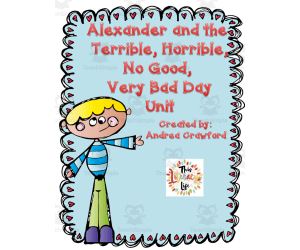
Alexander and the Bad Day | Literacy Unit
ELA, Reading, Grade 1, 2, 3, 4, Lesson Plans, Teacher Tools
Alexander and the Bad Day Literacy Unit The Alexander and the Bad Day Literacy Unit is a teaching resource aimed at fostering linguistic and literary competence of students from Grades 1 to 4 with major emphasis on language arts, especially reading. Flexibility in Usage This novel-based study offers educators great flexibility as they can use it for whole class instruction or smaller groups, allowing students to explore plot lines, characters and themes while honing their reading skills. Contents & Activities The unit includes various activities applicable for every learning stage: Before Reading During Reading After Reading These activities reinforce comprehension skills via vocabulary sessions that familiarize students with new words thereby widening their vocabulary. This unit also contains writing assignments allowing creative expression while strengthening logical thinking. Simplicity in Design All materials are print-and-go, ensuring convenience for both public school teachers and homeschoolers alike. With all content organized into just one PDF spanning eight pages full of engaging exercises, this resource saves time without sacrificing quality education. An Exciting Learning Companion The unique blend of an engaging children's classic tale - Alexander and The Bad Day, with meaningful exercises aimed at boosting literacy skills makes this unit relevant throughout academic years fulfilling curriculum necessities alongwith providing enjoyable learning experiences. To conclude, this essential teaching aid serves not only as a story-enhancing tool but also strengthens understanding thus making the journey of literacy less daunting than ever before!
Author Literacy Life
Tags Literacy, Language Arts, Reading, Comprehension Skills, Vocabulary

Identify Literary Analysis Essay Goals-Choose Goals, Steps, & Reflect
ELA, Writing, Grade 6, 7, 8, Teacher Tools, Lesson Plans
As teachers, we want our students to feel confident when writing essays. The 21-page, low-prep resource, Identifying Literary Analysis Essay Goals-Choose Your Goals and Steps, Then Reflect is an editable google docs lesson which will give your middle school students the tools and strategies to develop their skills as literary analysis essay writers through effective goal setting and reflection. Over two class periods, students will learn to identify their strengths and areas for improvement, set clear and actionable goals, and create a plan to achieve these goals. By focusing on criteria such as thesis, evidence, analysis, organization, and conclusion, students will gain tools to monitor their progress and foster a growth mindset. This process not only promotes self-awareness and resilience in writing but also equips students with the skills needed to produce engaging and well-crafted literary analysis essays, supporting their overall development as writers. Designed for differentiation, students choose one goal in each criteria--either a Foundational Goal (a goal to reach proficiency) or an Extended Goal (a goal designed for those who want to or have surpassed proficiency). This way all your students, GATE, ELL, RSP, Gen-ed students, can feel like they have a chance to be successful. Once they have chosen 1 goal for each criteria, they then move on to what steps they will take to achieve their goals. Each goal has two steps, and they choose one of the two to focus on. Finally, they put all their goals and steps together on one chart, and from there, they choose two or three of their chosen goals to work on while writing their literary essay. Before writing their essay, students reflect on their chosen goals by answer some guiding questions. When they have completed their essay, the return to their reflection, and answer new questions about their experience of setting goals and action steps. The lesson plan includes the following: A hyperlinked Table of Contents About this Resource- a handy guide that has everything you need, including links to the student handouts, in one place Essential Question: How can setting and reflecting on specific writing goals improve my literary analysis essay writing skills? 6 Guiding Questions Standards Objectives Learning Targets A detailed lesson plan 4 student handouts: Literary Analysis- Choose Your Goals Literary Analysis- What Steps Will You Take to Achieve Your Goals? Literary Analysis- Goals and Steps- Putting Them Together Literary Analysis Essay- Goals and Writing Reflection
Author Intentional Teaching and Learning
Tags Goal Setting, Literary Analysis, Response To Literature, Reflection, Action Steps, Writing Goals, Middle School, Grades 6-8, Essay Writing, LIterary Essay

I WONDER - What Food Is France Famous for | Animated Video Lesson
Geography, Social Studies, Grade 1, 2, 3, 4, 5, 6, 7, 8, Lesson Plans, Teacher Tools
Video Introduction An amazing video designed for the students to learn more about famous places in different countries. I WONDER - What Food Is France Famous for | Animated Video Lesson What do you know about this place? Do you know in which part of the world it is? Have you ever visited this place? If yes, can you tell us more about your adventure, and what do you like the most about this place? Do you like reading about Geography? What is your favorite country in the whole world? If you are going on a trip where it will be? Which country? What you are going to see there? Does this country has a famous place to visit? I WONDER - What Food Is France Famous for | Animated Video Lesson The activity is perfect for encouraging the researching skills for the students, while learning more about this fantastic place. I WONDER - What Food Is France Famous for | Animated Video Lesson This friendly designed video is suitable for students at school, homeschooling, and as a group activity. Format Available in MP4 format.
Author Educational Voice
Tags What Food Is France Famous For, What Food Is France Famous For Video, France, France Facts, France Facts For Kids, France Video, France Video For Kids, French Food, French Food Video

45' Lesson on Memorial Day - Worksheet & Activities | Grade 4
History, Social Studies, Grade 4, Lesson Plans, Teacher Tools, Worksheets & Printables
45' Lesson on Memorial Day - Worksheet & Activities | Grade 4 Take your Memorial Day lessons deeper with these Grade 4 Memorial Day Activities ! This rigorous, standards-aligned resource helps students explore history, analyze primary sources, and build critical thinking while honoring the meaning of Memorial Day. What’s Included ✅ Memorial Day student worksheet packet with higher-level, cross-curricular activities ✅ Activities include: Reading comprehension passage Vocabulary and context analysis Fact vs. opinion practice Cause & effect and sequencing Primary source analysis (“In Flanders Fields”) Paragraph writing, reflection, and letter writing ✅ Complete Answer Key : Quick-grade format Detailed answers and explanations Guidance for grading extended writing responses ✅ Detailed 45-minute Lesson Plan : Step-by-step teaching guide Vocabulary, objectives, and materials Three-holiday comparison (Memorial Day, Veterans Day, Independence Day) Differentiation and assessment strategies How It Works in the Classroom This Grade 4 Memorial Day activity pack is flexible and easy to implement: Use as a complete 45-minute lesson with built-in pacing Assign as a multi-day mini-unit for deeper exploration Use the reading passage (page 2) to build historical understanding and discussion Incorporate primary source analysis (page 6) to develop critical thinking Use writing tasks (paragraphs + letters) for ELA integration Reinforce skills like fact vs. opinion, vocabulary, and cause/effect Standards & Learning Goals Aligned to Grade 4 Social Studies and ELA standards Students will: Understand the history and significance of Memorial Day Analyze primary sources and historical context Identify and explain symbols (flag, poppy, “Taps,” wreaths, half-staff) Compare Memorial Day, Veterans Day, and Independence Day Build vocabulary: commemorate, sacrifice, remembrance, veteran, observance Strengthen reading comprehension and analytical thinking Practice fact vs. opinion and evidence-based reasoning Develop paragraph writing and reflection skills Why Teachers Love It ⭐ Combines social studies, ELA, and critical thinking in one resource ⭐ Includes primary source analysis for deeper, meaningful learning ⭐ Provides a complete, ready-to-teach lesson plan (no prep!) ⭐ Perfect for upper elementary rigor and standards alignment ⭐ Supports all learners with differentiation strategies ⭐ Makes grading simple with a clear, detailed answer key ⭐ Encourages thoughtful reflection on history, sacrifice, and patriotism Download these Grade 4 Memorial Day activities today to create a meaningful, rigorous lesson that builds understanding, critical thinking, and respect for those who served!
Author Bright Classroom Ideas Marketplace
Rating
Tags Memorial Day, History, Lesson, Plan, Worksheet
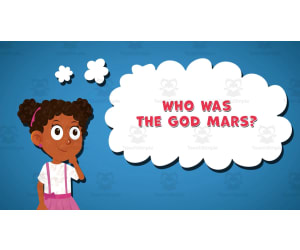
I WONDER - Who Was the God Mars | Animated Video Lesson
History: Ancient, History, Social Studies, History: Europe, Grade 4, 5, 6, 7, 8, 9, 10, Lesson Plans, Teacher Tools
Video Introduction An amazing video designed for the students to learn more about history. I WONDER - Who Was the God Mars | Animated Video Lesson Do you like history? Which topic do you really enjoy about history? Have you ever read an interesting fact about the Vikings? If yes, can you mention them? What do you like most about the Victorian era? Can you name all the Tudors? Have you ever wondered how people used to live in ancient Japan and ancient China? Do you know any interesting facts about ancient Egyptians and the Pharaohs? Have you ever visited South America? What do you know about Incas and Aztecs? Celtic culture was really one of a kind, can you name any of the places that Celts used to live in? Imagine yourself living during the ancient Roman empire, how your life will look like? Ancient Greece was an amazing place to live in. What do you know about ancient Greek life? I WONDER - Who Was the God Mars | Animated Video Lesson The video is perfect for encouraging the researching skills for the students, while learning more about history. I WONDER - Who Was the God Mars | Animated Video Lesson This friendly designed video is suitable for students at school, homeschooling, and as a group activity. Format Available in MP4 format.
Author Educational Voice
Tags Who Was The God Mars, Who Was The God Mars Video, God Mars, God Mars Facts, God Mars Facts For Kids, God Mars Video, God Mars Video For Kids, Mars, God, Gods

I WONDER - What Are Chromosomes | Animated Video Lesson
Life Sciences, Science, Human Body, Biology, STEM, Grade 6, 7, 8, 9, 10, 11, 12, Lesson Plans, Teacher Tools
Video Overview The human body is full of fascinating wonders to learn. This video is created to help the students recognize the anatomy and the job of the human body. I WONDER - What Are Chromosomes | Animated Video Lesson Every part and organ in our human body is vital so let's see how important they are. Have you ever imagined how we look like if we didn't have a skeleton? Did you know that because we have our amazing muscles we can stand! Do you know how many teeth do we have? Have you ever wondered about the food journey inside our body? Can you name all the glands in our body? Why do we have skin? Our nervous system is really good at sending signals. Can you tell us more about it? Are you really good at Mathematics, painting, or any other thing? You should really thank your brain about it! The famous five senses are really doing a great work? Can you explain how every sense works? I WONDER - What Are Chromosomes | Animated Video Lesson The video is perfect for encouraging the researching skills for the students, while learning more about our fantastic human body. I WONDER - What Are Chromosomes | Animated Video Lesson This friendly designed video is suitable for students at school, homeschooling, and as a group activity. Format Available in MP4 format.
Author Educational Voice
Tags What Are Chromosomes, What Are Chromosomes Video, Chromosomes, Chromosome, Chromosomes Facts, Chromosomes Facts For Kids, Chromosomes Video, Chromosomes Video For Kids
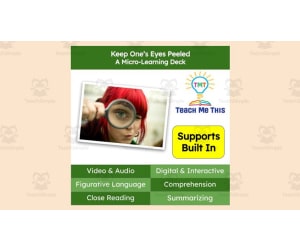
Keep One's Eyes Peeled | Figurative Language Activity | Micro-Learning Deck
ELA, Reading, Reading Comprehension, Grade 4, 5, 6, 7, Teacher Tools, Lesson Plans
Keep One's Eyes Peeled | Figurative Language Activity | Micro-Learning Deck This is a comprehensive educational resource designed to help educators amplify their students’ comprehension of figurative language. As an interactive teaching tool, this Micro-Learning Deck uses the phrase 'Keep One's Eyes Peeled' as a unique approach to exploring the use of figurative language in daily conversations. Usability The activity deck can be used in whole-group sessions or small group interactions. Alternatively, it could serve as an engaging homework assignment that stimulates independent exploration. Inclusions 13 ready-to-display PowerPoint slides - Vividly animate student engagement with the subject matter in an intuitive manner. A video lesson on 'Keep One's Eyes Peeled' Reading passage with accompanying audio 'Quick Write' exercise- A potent tool drawing out insights from students on how well they have grasped the concept . Suitable For: The Keep One's Eye Peeled | Figurative Language Activity | Micro-Learning Deck was meticulously developed for learners within grades four through seven. Moreover, it fits snugly into any structured Language Arts curriculum primarily those focused on comprehension lessons. Note: This learning deck carries not just quality but immense quantity value-wise evident in its merit as reusable content over time regardless of class size or learning environment modulation(loss/change). Teachers can confidently dwell into subsequent cycles knowing they wield an efficient resource fostering retention and propelling academic growth over time across every student demograph reached.
Author Teach Me This
Tags Figurative Language, Micro-learning, Interactive Teaching, Comprehension Activities, Language Arts Curriculum

2nd Grade Morning Work | 180 Days Review | Math & ELA | 2nd Quarter
ELA, Math, Grade 2, Centers, Activities, Lesson Plans, Teacher Tools, Worksheets & Printables
Grade 2 Morning Work | 2nd Quarter Student Pages + Full-Year Teacher Resources Keep your second grade mornings consistent, purposeful, and easy to manage with 45 days of Grade 2 morning work for Quarter 2 . This resource includes ALL teacher resources for the complete 180-day program , while the student practice pages in this pack are specifically for 2nd Quarter: Days 46–90 . What’s Included ⭐ FULL-YEAR TEACHER RESOURCES You receive the complete teacher toolkit for planning, organizing, differentiating, and assessing the entire 180-day morning work program : Teacher Guide Full 36-week Pacing Guide Skills Checklist for tracking student progress Fully Editable Morning Work Schedule Editable weekly planning and differentiation notes Year-at-a-Glance Planner Complete Answer Key for Days 1–180 Printing and classroom organization guidance 📚 STUDENT PAGES INCLUDED: 2ND QUARTER The student portion of this product includes Days 46–90 , providing 45 days of ready-to-use Grade 2 morning work . Each day includes a two-page set with 20 consistent sections . Page A — Reading & Language Prefixes & suffixes Grammar Reading comprehension with two questions Vocabulary word of the day Writing prompt Reading challenge SEL morning check-in Fun fact Page B — Math & Think Addition Subtraction Money Telling time Measurement Graphs and data Fractions Math challenge Joke of the day Brain teaser Growth mindset Would You Rather Important: The student practice pages included in this product are Days 46–90 only . The teacher resources and complete Answer Key cover all 180 days . How It Works in the Classroom Use this Grade 2 morning work as a daily bell ringer, morning routine, independent practice, homework, or spiral review. The consistent format helps students develop independence while giving you time to greet students, take attendance, confer with learners, or pull a small group. A typical routine moves through: Reading & Language: Sections 1–8 Math & Think: Sections 9–16 Quick community activities: Joke, brain teaser, growth mindset, and Would You Rather You can also use the pages for: Morning work Bell ringers Homework Early finishers Sub plans Small-group warm-ups Spiral review before assessments Print the pages two-sided, flipping on the long edge , for one sheet per student per day. You can print a week at a time or staple a quarter into a student packet. Standards & Learning Goals This Grade 2 morning work resource provides ongoing spiral practice across important second grade ELA and math skills. 📖 ELA Skills Students practice: Prefixes and suffixes Grammar and language Irregular past-tense verbs Adjectives and other grammar skills Reading comprehension Vocabulary Writing Reading response and fluency Quarter 2 builds from foundational skills into more advanced language practice. For example, Day 46 introduces pre- , irregular past tense, reading comprehension, vocabulary, and writing. 🔢 Math Skills Students practice: Addition Subtraction Money Telling time Measurement Graphs and data Fractions Multi-step math challenges Mathematical reasoning Quarter 2 increases the level of challenge as students progress through Days 46–90. Why Teachers Love It ✨ You get ALL the teacher resources for the entire year. The Teacher Guide, pacing guide, Skills Checklist, editable schedule, differentiation tools, and complete 180-day Answer Key are included. ✨ Students get exactly what they need for Quarter 2. Days 46–90 provide a complete 45-day student set for the second quarter. ✨ Save planning time. The daily routine is already organized across reading, language, writing, math, and engaging thinking activities. ✨ Build student independence. The same 20 sections appear every day, helping students quickly learn the routine. ✨ True spiral review. Skills return throughout the program while the difficulty increases each quarter. Content does not repeat across the 180 days. ✨ Differentiate with ease. The teacher materials include support and challenge options. You can highlight selected sections, read prompts aloud, provide math supports, or extend learning for advanced students. ✨ Track progress without extra paperwork. Use the Skills Checklist to identify which skills are introduced, practiced, or mastered. ✨ Real, student-friendly visuals. Coins, clocks, rulers, graphs, and fraction models are built directly into the pages. Students interact with the math instead of simply reading directions. ✨ Have answers for the whole year. The Answer Key covers every section from Days 1–180 , including reading questions and math answers. Looking for Grade 2 morning work for Quarter 2 that saves planning time and keeps students practicing essential skills every day? This pack includes 45 days of student practice (Days 46–90) PLUS ALL teacher resources for the full 180-day program . Give your second graders a predictable, engaging morning routine while keeping your entire year organized and ready to go! 💛
Author Bright Classroom Ideas Marketplace
Rating
Tags Math, Ela, Morning Work, Back To School
Mapping Skills with Google Earth: Basics of Map Reading
Social Studies, Geography, Common Core, Grade 3, 4, 5, Teacher Tools, Lesson Plans
Mapping Skills with Google Earth: Basics of Map Reading This is an engaging teaching resource that aligns effortlessly with grade three to five curriculum. It escalates the understanding of geography and map reading skills among students by inviting them to become familiar with crucial mapping elements such as: Lines of Latitude Longitude Time Zones The educational information offered is precise yet user-friendly allowing every learner to grasp comfortably at their pace. Note: This flexible tool can be used for whole-group lessons, small group’s break-out sessions or even as homework assignments. Beyond imparting geographical knowledge about various states and provinces in North America, it actually swings open windows for learners to explore diverse countries globally. In-depth coverage includes: Topographic Maps Choropleth Maps showcasing physical features worldwide 2. Light on various cultural aspects Apart from simple instruction, it blends fascinating readings with thrilling activities like crossword puzzles & word searches. Furthermore, it introduces quizzes periodically ensuring comprehensive understanding besides keeping track of progressive growth. Note: A unique feature here is its integration with Google Earth™ technology enhancing visualization which tandemly infuse theoretical concepts — turning geography into an energetic exploration beyond textbooks! Packaging & Format Features PDF format for easy sharing Provides versatility in classroom or homeschool environment. Meets all Common Core State Standards needs. Adheres Bloom's Taxonomy learning model promoting critical thinking skills. In conclusion, Mapping Skills with Google Earth: Basics of Map Reading proves to be an efficient tool for any educator aiming to foster global cognizance through appealing geographical lessons.
Author Classroom Complete Press
Tags PDF

Measurement: Measuring Time - Learn the Skill - PC Software
Math, Time, Common Core, Kindergarten, Preschool, Grade 1, 2, Teacher Tools, Lesson Plans
Measurement: Measuring Time - Learn the Skill - PC Software This educational software aims to assist teachers in instructing young learners about time measurement. It provides relatable, real-world word problems and useful strategies to simplify learning how time is measured. Teaching Aids That Sync With Curriculum Standards Designed to make math tangible for students Incorporates early concepts of measurement aligned with educational benchmarks such as Common Core State Standards National Council of Teachers of Mathematics (NCTM) guidelines STEM initiatives Linguistic Variety For Learning Competency Enhancement This tool also focuses on strengthening bilingual skills. It employs an inclusive approach by providing both English and Spanish voice overs and text, making it suitable for diverse classrooms. The Product Explained: The product comes as a simple zip file that can be conveniently installed on your system. It is equipped with user-friendly PC software that ensures trouble-free use. Potential Usage: Realizing its potential in various teaching environments, this software can be utilized for: * Whole-class sessions * Small group work * Individual homework assignments tailormade based on student progress levels or needs. In conclusion, our Measurement: Measuring Time - Learn the Skill - PC Software fosters math learning away from monotonous textbook theories by offering an interactive medium where children might explore mathematical concepts naturally.
Author Classroom Complete Press
Tags Math Lesson Plan, Digital Math, Measuring Time, Math Skills, Time Activities
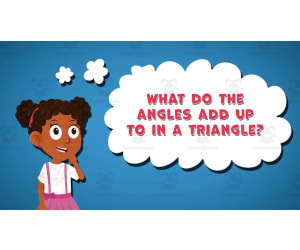
I WONDER - What Do The Angles Add Up To In A Triangle
STEM, Geometry, Math, Grade 1, 2, 3, 4, 5, 6, 7, 8, Lesson Plans, Teacher Tools
Video Introduction An amazing video designed for the students to learn more about STEM. I WONDER - What Do The Angles Add Up To In A Triangle | Animated Video Lesson Do you like STEM subjects? what is your favorite one? Have you ever tried to plant a seed? If yes, tell us more about it. Or have you ever tried to invent something? If yes, tell us more about it. And how do you think it will help us? Have you ever seen a microorganism under a microscope? What was it? And how it looked like? Mathematics is a marvelous subject. Let' sharpen our brains and solve some equations. Do you like timetable tricks? What is your favorite one? Do you know how to code? Have you ever created an app or a game before? If yes, how was it like? I WONDER - What Do The Angles Add Up To In A Triangle | Animated Video Lesson The video is perfect for encouraging the researching skills for the students, while learning more about this fantastic topic. I WONDER - What Do The Angles Add Up To In A Triangle | Animated Video Lesson This friendly designed video is suitable for students at school, homeschooling, and as a group activity. Format Available in MP4 format.
Author Educational Voice
Tags What Do The Angles Add Up To In A Triangle, What Do The Angles Add Up To In A Triangle Video, Triangle Angles, Triangle Angles Facts, Triangle Angles Facts For Kids, Triangle Angles Video, Triangle Angles Video For Kids