



3,904 products added recently
Page 49 - 3rd Grade Lesson Plans
Support your third graders' expanding abilities with lesson plans that encourage exploration and deeper understanding. Covering a range of subjects, these resources offer hands-on activities and discussions. Use them to create a vibrant learning atmosphere that fosters enthusiasm.

 Show filters


I WONDER - Why Are Sloths So Slow | Animated Video Lesson
Animals, Life Sciences, Science, STEM, Grade 1, 2, 3, 4, 5, 6, 7, 8, Lesson Plans, Teacher Tools
Video Introduction Animal kingdoms are full of fascinating wonders to learn. This video is designed for the students to learn more about animals in different countries. I WONDER - Why Are Sloths So Slow | Animated Video Lesson Do you like animals? what is your favorite one? Do you own a pet? If yes, tell us more about it, like what its name? And what do you like most about it? What are the animal kingdoms? Can you write down the characteristics of each animal class like mammals, birds, reptiles, amphibian, fish and mollusks. Do you know that some animals can sing, can you name any of them? What is the largest and the smallest mammal in the world? What is the largest and the smallest bird in the world? What is the largest and the smallest fish in the world? I WONDER - Why Are Sloths So Slow | Animated Video Lesson The video is perfect for encouraging the researching skills for the students, while learning more about these fantastic animals. I WONDER - Why Are Sloths So Slow | Animated Video Lesson This friendly designed video is suitable for students at school, homeschooling, and as a group activity. Format Available in MP4 format.
Author Educational Voice
Tags Why Are Sloths So Slow, Why Are Sloths So Slow Video, Sloths, Sloth, Sloths Facts, Sloths Facts For Kids, Sloths Video, Sloths Video For Kids, Sloths Are So Slow, Sloths Are So Slow Facts
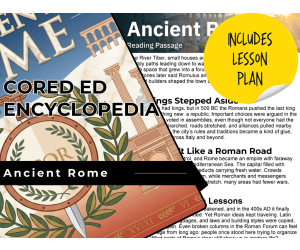
Ancient Rome Reading Comprehension Passage - Cored Ed Encyclopedia
ELA, Language Development, Reading Comprehension, Reading, Social Studies, History, History: Ancient, Writing, Pre-Reading, Vocabulary, Grade 2, 3, 4, 5, Worksheets & Printables, Worksheets, Teacher Tools, Centers, Activities, Writing Prompts, Assessments, Quizzes and Tests, Quizzes, Lesson Plans
This ancient Rome reading comprehension with lesson plan includes: Visualization (on the front cover) Start your lesson by taking a minute to think and share something about the topic. Read the script aloud (slowly), perhaps prepare some music or sound effects. Student close their eyes and let their imaginations wander. Students open their eyes, read the question aloud and give them a few minutes to complete. Ask a few students to share or keep answers until the end to compare with what they learn in the passage. Quick pause—thousands of Cored Education products are included with your TeachSimple membership. Download links and encyclopedia index available here. Pre-Reading Trivia Students will write down one thing they already know about the subject and then read five more facts and discuss. These facts are fun, and the students will enjoy learning about the subject before reading more. Give 1 minute for students to write what they already know (no pressure—best guess is fine). Read the five facts together. After each fact, do ask a student for their opinion, was it surprising? Set a purpose by asking students to highlight/underline one fact they want to learn more about during the reading. Reading Passage The text is a high-interest reading passage with set paragraphs, roughly three to four paragraphs long. It contains a variety of themes about the topic, anywhere from history to technology. The passage is between 250 and 350 words in length. First, ask students to look at the headings and see what they’ll learn about today. What do they know about the topic/heading? First read options: Teacher read-aloud (best for support). Partner reading (paragraph by paragraph). While reading, students underline important details, and vocabulary words they think may come up in the questions section. Mixed Questions The first question page contains four multiple-choice questions, each with a choice of four answers, and three written response questions that require a sentence or two from the student. Students complete the mcqs first independently, then review quickly as a class. For the 3 written responses, try to get students giving the answer with some form of evidence: “I think ___ because the text says ___.” If students get stuck, send them back to check the passage. Vocabulary Questions Practice seven key words from the text in this section across two activities. First section is scrambled words where students will unscramble three words given a clue for each. The second section is a word to meaning matching activity. Before starting, have some students read out words they underlined in the passage. Ask students to say the word and read aloud the sentence(s) around each word. Ask students to do scrambled words and the matching exercise in pairs then go through answers as a class. For the scrambled spelling task, get four pairs to come up to the board and write the words for extra practice with the other student reading out the clue. For the matching task, prompt students to give full sentences: “I matched ___ with ___ because ___.” Creative Writing In this question, the student will be required to write a five to eight sentence paragraph on a question related to the topic. Before starting, ask students write down 3 key ideas they are going to include in their piece. Ask students for ideas to share around the class to help those struggling. Pro writing expectations: 5–8 sentences At least 2 facts or details from the passage At least 2 vocabulary words from the previous page Students read their paragraphs while classmates listen for facts and vocabulary words. Extension Activities This page is optional for fast finishers or to take home. There are several activities, each one requiring a different skill. Do some, do none, do all, completely optional - but you will feel reassured knowing every possibility is planned for. Includes summary writting question and additional facts. Answer Key There are answers for the multiple-choice questions, written response questions have sample answers, vocabulary answers and if there is a summary question then a sample summary will be provided as well. Lesson Plan Included Customized lesson plan for this lesson is included. Lesson Snapshot Title: Ancient Rome Genre: Nonfiction (informational reading passage) Subject: Social Studies (Ancient Civilizations) / Reading (Informational Text) Primary Topic: From early settlement to empire and lasting influence Estimated Guided Reading Level (A–Z): S Support pages noted in the PDF: visualization prompt, pre-reading trivia, mixed questions, vocabulary activities, creative writing prompt, extension activities + “final facts,” and an answer key (some “final facts” add details not stated in the passage). What This Lesson Teaches Best How early life near the Tiber River and a busy meeting space (a forum) helped a town form and grow. How Rome changed its government from kings to a republic, including the role of the Roman Senate and citizen voting in assemblies. How roads, alliances, and shared rules/traditions helped Rome spread across Italy and beyond. How Rome became an empire connected around the Mediterranean Sea , including aqueducts for fresh water and public gathering places like the Colosseum . How Rome’s ideas continued even after the western empire fell, with laws and building styles reused and ruins like the Roman Forum reminding people of the past. Learning Goals Students will describe how the passage explains the early growth of Rome from river paths into a forum. Students will identify what happened in 509 BC and name the new form of government described. Students will explain how the passage connects roads, alliances, and shared rules/traditions to Rome’s expansion. Students will describe what changed in 27 BC when Augustus took control, using details from the text. Students will explain, using the passage, what aqueducts carried and why crowds gathered in major public places. Students will describe what happened to the western empire in the 400s AD and how Roman ideas continued afterward. Key Vocabulary From the Text republic — a government citizens vote in. Senate — a group that debates important choices. empire — many lands under one ruler. aqueducts — long channels that carry fresh water. provinces — faraway areas ruled as part of an empire. FULL CATALOG OF DOWNLOAD LINKS AND ENCYCLOPEDIA INDEX HERE
Author Cored Education
Rating
Tags Vocabulary, Reading Comprehension, Reading Passages, Lesson Plans, Ela Lesson Plans, Reading Comprehension Lesson Plans, Pre-reading, History, Ancient History Lesson Plans, History Lesson Plans
I WONDER - What Animals Live In Marshes | Animated Video Lesson
STEM, Animals, Life Sciences, Science, Biology, Grade 1, 2, 3, 4, 5, 6, 7, 8, Lesson Plans, Teacher Tools
Video Introduction Animal kingdoms are full of fascinating wonders to learn. This video is designed for the students to learn more about animals in different countries. I WONDER - What Animals Live In Marshes | Animated Video Lesson Do you like animals? what is your favorite one? Do you own a pet? If yes, tell us more about it, like what its name? And what do you like most about it? What are the animal kingdoms? Can you write down the characteristics of each animal class like mammals, birds, reptiles, amphibian, fish and mollusks. Do you know that some animals can sing, can you name any of them? What is the largest and the smallest mammal in the world? What is the largest and the smallest bird in the world? What is the largest and the smallest fish in the world? I WONDER - What Animals Live In Marshes | Animated Video Lesson The video is perfect for encouraging the researching skills for the students, while learning more about these fantastic animals. I WONDER - What Animals Live In Marshes | Animated Video Lesson This friendly designed video is suitable for students at school, homeschooling, and as a group activity. Format Available in MP4 format.
Author Educational Voice
Tags What Animals Live In Marshes, What Animals Live In Marshes Video, Animals That Live In Marshes, Animals That Live In Marshes Facts, Animals That Live In Marshes Facts For Kids, Animals That Live In Marshes Video
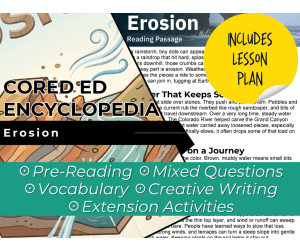
Erosion Reading Comprehension Passage - Cored Ed Encyclopedia
ELA, Reading Comprehension, Reading, Science, Technology, Language Development, Social Studies, Earth and Environmental Sciences, Geography, Life Sciences, Grade 2, 3, 4, 5, Worksheets & Printables, Worksheets, Teacher Tools, Centers, Activities, Writing Prompts, Assessments, Quizzes and Tests, Quizzes, Lesson Plans
This erosion reading comprehension with lesson plan includes: Visualization (on the front cover) Start your lesson by taking a minute to think and share something about the topic. Read the script aloud (slowly), perhaps prepare some music or sound effects. Student close their eyes and let their imaginations wander. Students open their eyes, read the question aloud and give them a few minutes to complete. Ask a few students to share or keep answers until the end to compare with what they learn in the passage. Quick pause—thousands of Cored Education products are included with your TeachSimple membership. Download links and encyclopedia index available here. Pre-Reading Trivia Students will write down one thing they already know about the subject and then read five more facts and discuss. These facts are fun, and the students will enjoy learning about the subject before reading more. Give 1 minute for students to write what they already know (no pressure—best guess is fine). Read the five facts together. After each fact, do ask a student for their opinion, was it surprising? Set a purpose by asking students to highlight/underline one fact they want to learn more about during the reading. Reading Passage The text is a high-interest reading passage with set paragraphs, roughly three to four paragraphs long. It contains a variety of themes about the topic, anywhere from history to technology. The passage is between 250 and 350 words in length. First, ask students to look at the headings and see what they’ll learn about today. What do they know about the topic/heading? First read options: Teacher read-aloud (best for support). Partner reading (paragraph by paragraph). While reading, students underline important details, and vocabulary words they think may come up in the questions section. Mixed Questions The first question page contains four multiple-choice questions, each with a choice of four answers, and three written response questions that require a sentence or two from the student. Students complete the mcqs first independently, then review quickly as a class. For the 3 written responses, try to get students giving the answer with some form of evidence: “I think ___ because the text says ___.” If students get stuck, send them back to check the passage. Vocabulary Questions Practice seven key words from the text in this section across two activities. First section is scrambled words where students will unscramble three words given a clue for each. The second section is a word to meaning matching activity. Before starting, have some students read out words they underlined in the passage. Ask students to say the word and read aloud the sentence(s) around each word. Ask students to do scrambled words and the matching exercise in pairs then go through answers as a class. For the scrambled spelling task, get four pairs to come up to the board and write the words for extra practice with the other student reading out the clue. For the matching task, prompt students to give full sentences: “I matched ___ with ___ because ___.” Creative Writing In this question, the student will be required to write a five to eight sentence paragraph on a question related to the topic. Before starting, ask students write down 3 key ideas they are going to include in their piece. Ask students for ideas to share around the class to help those struggling. Pro writing expectations: 5–8 sentences At least 2 facts or details from the passage At least 2 vocabulary words from the previous page Students read their paragraphs while classmates listen for facts and vocabulary words. Extension Activities This page is optional for fast finishers or to take home. There are several activities, each one requiring a different skill. Do some, do none, do all, completely optional - but you will feel reassured knowing every possibility is planned for. Includes summary writting question and additional facts. Answer Key There are answers for the multiple-choice questions, written response questions have sample answers, vocabulary answers and if there is a summary question then a sample summary will be provided as well. Lesson Plan Included Customized lesson plan for this lesson is included. Lesson Snapshot Title: Erosion Genre: Nonfiction (Informational Text) Subject: Science (Earth Science) / Reading (Informational Text) Primary Topic: How erosion moves Earth materials and changes land Estimated Guided Reading Level (A–Z): N What This Lesson Teaches Best Clearly distinguishes weathering (breaking rock apart in place) from erosion (moving pieces away). (Reading Passage, p. 3) Explains multiple forces that cause erosion— water, wind, waves, ice, and gravity —and what they do to Earth’s surface. (p. 3) Shows how rivers reshape land over time, including how moving water and sediment can help carve deep valleys (Colorado River/Grand Canyon example). (p. 3) Introduces sediment and connects erosion to deposition , explaining how new landforms can build up (beaches, river deltas). (p. 3) Connects science to real-world problem solving by describing ways people can slow soil loss (trees, terraces, keeping plants on soil). (p. 3) Learning Goals Students will explain how erosion is different from weathering using the text’s definitions. Students will identify forces that can cause erosion (water, wind, waves, ice, gravity). Students will describe how rivers move sediment and can change riverbeds and valleys over time. Students will explain what sediment is and how deposition happens when sediment settles. Students will describe at least two ways people can help soil “stay home,” based on the passage. Key Vocabulary From the Text weathering — breaking rock apart where it sits. erosion — moving soil and rock to a new place. sediment — tiny bits of soil and rock that travel. deposition — when sediment settles and builds up land. terraces — steps that slow water on a steep slope. FULL CATALOG OF DOWNLOAD LINKS AND ENCYCLOPEDIA INDEX HERE
Author Cored Education
Rating
Tags Vocabulary, Reading Comprehension, Reading Passages, Lesson Plans, Ela Lesson Plans, Reading Comprehension Lesson Plans, Pre-reading, Geography, Earth Science, Science Lesson Plans

I WONDER - What Is A Geyser | Animated Video Lesson
Earth Sciences, Earth and Environmental Sciences, Science, Environmental Science, Geography, Social Studies, Grade 3, 4, 5, 6, 7, 8, 9, Lesson Plans, Teacher Tools
Video Introduction An amazing video designed for the students to learn more about natural disasters in different countries. I WONDER - What Is A Geyser | Animated Video Lesson What do you know about this natural disaster? Do you know in which part of the world this could happen? Have you ever read about the safety misusers that we could have to protect ourselves from this natural disaster? If yes, can you tell us more about them? Can you name other natural disasters? If yes, tell us more about where they are likely to happen? And how frequently? Do you like reading about Geography? What is your favorite country in the whole world? If you are going on a trip where it will be? Which country? What you are going to see there? Does this country has a famous place to visit? Do you like reading about Geology? If yes, what is your favourite topic? I WONDER - What Is A Geyser | Animated Video Lesson The video is perfect for encouraging the researching skills for the students, while learning more about this fantastic phenomenon. I WONDER - What Is A Geyser | Animated Video Lesson This friendly designed video is suitable for students at school, homeschooling, and as a group activity. Format Available in MP4 format.
Author Educational Voice
Tags What Is A Geyser, What Is A Geyser Video, Geyser, Geysers, Geyser Facts, Geyser Facts For Kids, Geyser Video, Geyser Video For Kids, Geysers Video, Geysers Facts

An Elementary School Play: Learning a Lesson
Creative Arts, Art, Drama, Grade 3, 4, 5, Lesson Plans, Teacher Tools
An Elementary School Play: Learning a Lesson An Elementary School Play: Learning a Lesson is a 17-page instructional tool designed to enhance teaching and learning in classrooms and homeschool environments. It is a creative resource designed for upper elementary students. The play opens with a '40s-era school scenario enabling your students to learn about historical education settings while understanding proper student-teacher etiquette. It also teaches children that the "grass is not always greener" on the other side and that getting an education should be appreciated. Flexibility and Adaptation The play is written with 12 on-stage roles and offers opportunities for unlimited behind-the-scenes responsibilities. This product goes beyond a conventional reading lesson; it can be used for homework assignments (see the Teacher Guide for ideas) or even performed for an all-school audience. Students can research what it was like growing up in America in the 1940s and what education was like back then. Educational Benefits Aids literacy development through choral reading practices. Fosters comprehension during reading sessions. (Specific to this play is the use of flashback scenes, a device in narratives by which an event or scene taking place before the present time in the narrative is inserted into the chronological/structure of the text). Expands creativity in presentation skills and performance arts. Develops research skills. Increases an interest in history and drama. This play is just one of the many creative plays on this site. Check out individual titles, and bundled grade level and thematic groupings by this author, Sue Peterson. Your students will continue learning lessons!
Author Sue Peterson
Tags Elementary School Play, Educational Tool, Choral Reading, Cross-curricular, Character Development

How to Write an Essay - Digital Lesson Plan Gr. 5-8 - FLASH-PC
ELA, Writing, Grade 3, 4, 5, 6, 7, 8, Teacher Tools, Lesson Plans
How to Write an Essay - Digital Lesson Plan Gr. 5-8 - FLASH-PC With the How to Write an Essay - Digital Lesson Plan, educators now have a comprehensive, engaging teaching resource at their disposal. This enriching tool is specifically designed for grades 5 through 8 and focuses on the crucial task of essay writing. The user-friendly software facilitates easy integration into existing Language Arts curriculum or any other subject where writing essays is mandatory. Digital Lesson Plan Features: The digital lesson plan includes a highly interactive set of lessons depicted across 80 screen-pages which instruct students on every fundamental aspect of essay creation. Aims to alleviate fears that commonly surround essay writing by equipping students with methods and techniques necessary for confident expression. Focused coverage of the four primary types of essays: Descriptive, Narrative, Informative,,andPersuasive. Instructive review sessions about key language elements such as verbs, adjectives and pronouns. Add-Ons: Incorporates graphic organizers that guide students through each stage of drafting essays while organizing their thoughts logically. Ongoing resource support including reading passages for comprehension enhancement along with interactive before-and-after-you-read activities. Evaluation & Activities: To assess progress made by students after going through each section/module test prep materials are included within this package. These provide teachers with effective tools to assess learner's understanding in addition to making classes more participatory through memory match games, crossword puzzles & word searches. Note: This software facilitates technologically-enabled learning environment optimal when executed on compatible PC-based devices. Suitable for modern equipped classrooms and homeschool setups.
Author Classroom Complete Press
Tags Software (PC), Essay Writing Lesson Plans, Writing An Essay Lesson Plan, Essay Writing Lesson Plan
I WONDER - What Is The Difference Between A Monkey And An Ape
STEM, Biology, Life Sciences, Science, Animals, Grade 3, 4, 5, 6, 7, 8, 9, Lesson Plans, Teacher Tools
Video Introduction Animal kingdoms are full of fascinating wonders to learn. This video is designed for the students to learn more about animals in different countries. I WONDER - What Is The Difference Between A Monkey And An Ape | Animated Video Lesson Do you like animals? what is your favorite one? Do you own a pet? If yes, tell us more about it, like what its name? And what do you like most about it? What are the animal kingdoms? Can you write down the characteristics of each animal class like mammals, birds, reptiles, amphibian, fish and mollusks. Do you know that some animals can sing, can you name any of them? What is the largest and the smallest mammal in the world? What is the largest and the smallest bird in the world? What is the largest and the smallest fish in the world? I WONDER - What Is The Difference Between A Monkey And An Ape | Animated Video Lesson The video is perfect for encouraging the researching skills for the students, while learning more about these fantastic animals. I WONDER - What Is The Difference Between A Monkey And An Ape | Animated Video Lesson This friendly designed video is suitable for students at school, homeschooling, and as a group activity. Format Available in MP4 format.
Author Educational Voice
Tags What Is The Difference Between A Monkey And An Ape, What Is The Difference Between A Monkey And An Ape Video, The Difference Between A Monkey And An Ape, Monkey, Monkey Facts, Ape, Ape Facts

I WONDER - Why Do Penguins Huddle Together | Animated Video Lesson
STEM, Animals, Life Sciences, Science, Biology, Grade 1, 2, 3, 4, 5, 6, 7, 8, Lesson Plans, Teacher Tools
Video Introduction Animal kingdoms are full of fascinating wonders to learn. This video is designed for the students to learn more about animals in different countries. I WONDER - Why Do Penguins Huddle Together | Animated Video Lesson Do you like animals? what is your favorite one? Do you own a pet? If yes, tell us more about it, like what its name? And what do you like most about it? What are the animal kingdoms? Can you write down the characteristics of each animal class like mammals, birds, reptiles, amphibian, fish and mollusks. Do you know that some animals can sing, can you name any of them? What is the largest and the smallest mammal in the world? What is the largest and the smallest bird in the world? What is the largest and the smallest fish in the world? I WONDER - Why Do Penguins Huddle Together | Animated Video Lesson The video is perfect for encouraging the researching skills for the students, while learning more about these fantastic animals. I WONDER - Why Do Penguins Huddle Together | Animated Video Lesson This friendly designed video is suitable for students at school, homeschooling, and as a group activity. Format Available in MP4 format.
Author Educational Voice
Tags Why Do Penguins Huddle Together, Why Do Penguins Huddle Together Video, Penguins Huddle, Penguins Huddle Facts, Penguins Huddle Facts For Kids, Penguins Huddle Video, Penguins Huddle Video For Kids
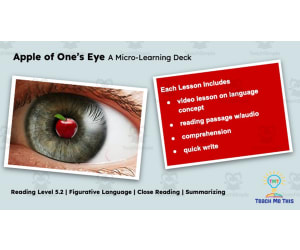
Apple of One's Eye | Figurative Language Activity | Micro-Learning Deck
ELA, Reading, Reading Comprehension, Grade 2, 3, 4, 5, Teacher Tools, Lesson Plans
This resource allows students to explore figurative learning in a fun way. The figurative language term for this learning deck is "Apple of One's Eye." Through close reading and a reading passage with audio, your students will better comprehend figurative language! Included: -Video lesson on language concept -Reading passage w/ audio Comprehension -Quick write
Author Teach Me This
Tags Figurative Language, Comprehension, Read Aloud, Video Lesson, Quick Write
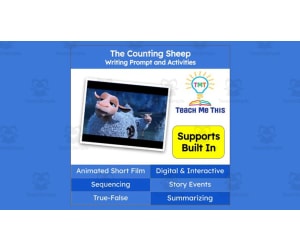
The Counting Sheep Animated Writing Activity | Short Film
ELA, Writing, Grade 1, 2, 3, 4, Teacher Tools, Lesson Plans
The Counting Sheep Animated Writing Activity | Short Film An innovative teaching resource, suitable for Grade 1 through Grade 4. This tool works just like teachers. It connects the excitement of animation with writing basics. Held at its core is a captivating animated short film, The Counting Sheep, which inspires students to creatively explore storytelling. Activity Components: Sequencing: Encourages children to logically organize events. true false: Tests student's understanding of plot points. Main Idea & Details: Clarifies central concepts and peripheral details. Summarizing: Priming students for expressing complex narratives succinctly. This resource isn't just about watching an animated story but interacting with it in meaningful ways, while internalizing key language arts concepts and sparking engaging class discussions or group work activities. Convenience is also offered as it can easily be included in routine homework assignments due to its versatile design. Digital Integration Versatility This activity module resides within Microsoft PowerPoint and can be smoothly integrated into traditional lesson plans— no matter the teaching environment —be that digital or physical classrooms. With 13 ready-to-display slides, each module offers a comprehensive overview within reach. Do remember though – although packed with enriching tasks – all will work best when guided by an educator keen on generating illustrative interpretations from budding perspectives! In conclusion,"The Counting Sheep Animated Writing Activity | Short Film".
Author Teach Me This
Tags Animated Film, Writing Activity, Storytelling, Comprehension Skills, Language Arts
I WONDER - Why Do Birds Have Hollow Bones | Animated Video Lesson
STEM, Biology, Life Sciences, Science, Animals, Grade 1, 2, 3, 4, 5, 6, 7, 8, Lesson Plans, Teacher Tools
Video Introduction Animal kingdoms are full of fascinating wonders to learn. This video is designed for the students to learn more about animals in different countries. I WONDER - Why Do Birds Have Hollow Bones | Animated Video Lesson Do you like animals? what is your favorite one? Do you own a pet? If yes, tell us more about it, like what its name? And what do you like most about it? What are the animal kingdoms? Can you write down the characteristics of each animal class like mammals, birds, reptiles, amphibian, fish and mollusks. Do you know that some animals can sing, can you name any of them? What is the largest and the smallest mammal in the world? What is the largest and the smallest bird in the world? What is the largest and the smallest fish in the world? I WONDER - Why Do Birds Have Hollow Bones | Animated Video Lesson The video is perfect for encouraging the researching skills for the students, while learning more about these fantastic animals. I WONDER - Why Do Birds Have Hollow Bones | Animated Video Lesson This friendly designed video is suitable for students at school, homeschooling, and as a group activity. Format Available in MP4 format.
Author Educational Voice
Tags Why Do Birds Have Hollow Bones, Why Do Birds Have Hollow Bones Video, Birds Have Hollow Bones, Birds Have Hollow Bones Facts, Birds Have Hollow Bones Facts For Kids, Birds Have Hollow Bones Video

Dingoes at Dinnertime (Magic Tree House #20 Lesson Plan, Videos, Activities)
Social Studies, ELA, Geography, Reading, Reading Comprehension, Grammar, Literature, Language Development, Vocabulary, Spelling, Writing, Science, Life Sciences, Animals, Grade 1, 2, 3, Lesson Plans, Teacher Tools
Magic Tree House #20: Dingoes at Dinnertime Novel Study Transport students to the Australian Outback with this comprehensive 5-day novel study for Dingoes at Dinnertime, part of the beloved Magic Tree House series. Through reading, writing, geography, and art activities, second and third graders will strengthen literacy skills while learning about dingoes, Aboriginal culture, and the landscape of the Land Down Under. The customizable resource includes a lesson plan outlining instructional strategies like whole class, small group, paired, and individual work. Interactive and hands-on components engage visual, auditory, and kinesthetic learners. Assessment includes chapter questions, vocabulary practice, and language arts exercises focused on grammar, spelling, and different forms of writing. Extend learning even further with supplementary videos. This all-in-one novel study builds content knowledge and reading comprehension in an engaging way.
Author Heather Huhman
Tags Dingoes At Dinnertime, Magic Tree House, Book Companion, Novel Study, Australia, Dingoes, Kangaroos, Koalas

Nonfiction index lesson rainforest
ELA, Literature, Grade 1, 2, 3, Teacher Tools, Lesson Plans
Nonfiction Index Lesson Rainforest Bring nonfiction to life for your early elementary students with this engaging rainforest-themed resource! Through rich discussion and interactive learning activities woven throughout 24 animated lesson slides, students will develop a concrete grasp of the nonfiction text feature - the index. Budding readers will apply essential skills like critical thinking, problem solving, and comprehension as they navigate topics from rainforest habitats to exotic plants and animals. Extend learning further with 13 accompanying student slides packed with knowledge-testing games to gauge understanding in real time. 7 answer slides are also included to facilitate instant student feedback. This versatile PowerPoint lesson easily adapts across subjects and grades 1-3 for whole group instruction, centers , or independent practice. Let vibrant visuals transport your class into lush rainforest landscapes as young minds unlock the wonders of nonfiction!
Author Ezee 101
Tags Nonfiction, Nonfiction Text Features, Index, Lesson, Powerpoint, Google Slides

A Bitter Pill to Swallow | Figurative Language Activity | Micro-Learning Deck
ELA, Reading, Reading Comprehension, Grade 2, 3, 4, 5, Teacher Tools, Lesson Plans
A Bitter Pill to Swallow | Figurative Language Activity teaches students about the figurative language term "a bitter pill to swallow" in an engaging way. Through a short video lesson, reading passage with audio, and comprehension activities, educators can use this resource to strengthen grade 2-5 students' understanding of figurative language. The resource guides students to comprehend the meaning of the idiom through close reading. Then, by applying their knowledge in a quick write activity , students get hands-on practice using this expression appropriately. This resource works well during whole group language arts instruction and makes a great small group activity to differentiate instruction. Students will enjoy learning about this colorful idiom!
Author Teach Me This
Tags Figurative Language, Reading Activity, Learning Deck, Comprehension Lesson, Reading Lesson

I WONDER - What Is A Pangolin | Animated Video Lesson
STEM, Biology, Life Sciences, Science, Animals, Grade 1, 2, 3, 4, 5, 6, 7, 8, Lesson Plans, Teacher Tools
Video Introduction Animal kingdoms are full of fascinating wonders to learn. This video is designed for the students to learn more about animals in different countries. I WONDER - What Is A Pangolin | Animated Video Lesson Do you like animals? what is your favorite one? Do you own a pet? If yes, tell us more about it, like what its name? And what do you like most about it? What are the animal kingdoms? Can you write down the characteristics of each animal class like mammals, birds, reptiles, amphibian, fish and mollusks. Do you know that some animals can sing, can you name any of them? What is the largest and the smallest mammal in the world? What is the largest and the smallest bird in the world? What is the largest and the smallest fish in the world? I WONDER - What Is A Pangolin | Animated Video Lesson The video is perfect for encouraging the researching skills for the students, while learning more about these fantastic animals. I WONDER - What Is A Pangolin | Animated Video Lesson This friendly designed video is suitable for students at school, homeschooling, and as a group activity. Format Available in MP4 format.
Author Educational Voice
Tags What Is A Pangolin, What Is A Pangolin Video, Pangolin, Pangolins, Pangolin Facts, Pangolin Facts For Kids, Pangolin Video, Pangolin Video For Kids, Pangolins Facts, Pangolins Video
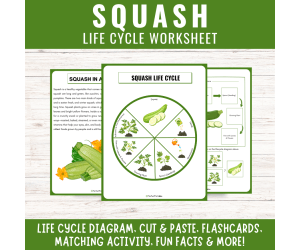
Squash Life Cycle Fall Plant Harvest Science unit study fun facts
Life Sciences, Science, Biology, Nature & Plants, Kindergarten, Preschool, Grade 1, 2, 3, Coloring Pages, Worksheets, Worksheets & Printables, Parts of and Anatomy of, Flashcards, Diagrams, Teacher Tools, Lesson Plans
Make learning about the squash life cycle fun and engaging with this printable plant science activity! Students will explore how a squash plant grows from seed to mature plant while learning about germination, plant growth, flowering, pollination, fruit development, and harvest. I like using this resource during fall science units, autumn classroom activities, harvest lessons, gardening studies, botany units, and seasonal learning. It's a low-prep activity that combines plant science with an engaging fall harvest theme. What You Will Get This printable Squash Life Cycle activity helps students understand the stages of squash plant growth while building science vocabulary and learning interesting facts about this popular fall crop. What's Included in this Resource? • Squash life cycle activity • Seed germination and growth stages • Plant parts and development activities • Flowering and pollination information • Fruit development and harvest stages • Fun facts about squash • Student-friendly science activities • Easy-to-use printable pages This resource is perfect for: • Fall science lessons • Autumn classroom activities • Harvest-themed lessons • Plant life cycle units • Botany and gardening studies • Science centers • Homeschool learning • Early finisher activities Why you will love this? • Easy to print and use • Connects science learning with a seasonal fall theme • Reinforces plant life cycle vocabulary • Encourages observation and scientific thinking • Introduces how crops grow from seed to harvest • Great for seasonal science centers and independent work This Squash Life Cycle activity is a fun way for students to discover how squash plants grow from seed to harvest while exploring plant development, pollination, fruit production, and fascinating fall harvest facts.
Author Perfect_Printables
Rating
Tags Plant Science, Life Cycle, Plant Life Cycle, Plants Diagram, Fall Activities, Squash Life Cycle, Squash, Fall Plants, Fall Science, Autumn Activities

I WONDER - How Long Is The Biggest Beach In The World | Animated Video
Geography, Social Studies, Grade 3, 4, 5, 6, 7, 8, 9, Lesson Plans, Teacher Tools
Video Introduction An amazing video designed for the students to learn more about famous places in different countries. I WONDER - How Long Is The Biggest Beach In The World | Animated Video Lesson What do you know about this place? Do you know in which part of the world it is? Have you ever visited this place? If yes, can you tell us more about your adventure, and what do you like the most about this place? Do you like reading about Geography? What is your favorite country in the whole world? If you are going on a trip where it will be? Which country? What you are going to see there? Does this country has a famous place to visit? I WONDER - How Long Is The Biggest Beach In The World | Animated Video Lesson The activity is perfect for encouraging the researching skills for the students, while learning more about this fantastic place. I WONDER - How Long Is The Biggest Beach In The World | Animated Video Lesson This friendly designed video is suitable for students at school, homeschooling, and as a group activity. Format Available in MP4 format.
Author Educational Voice
Tags How Long Is The Biggest Beach In The World, How Long Is The Biggest Beach In The World Video, The Biggest Beach In The World, The Biggest Beach In The World Facts, The Biggest Beach In The World Video
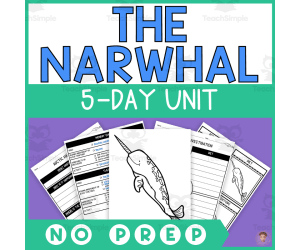
Narwhal Unit Study (Arctic Animals Lesson Plan, Videos, Activities)
Science, Life Sciences, Animals, Grade 1, 2, 3, Lesson Plans, Teacher Tools
Narwhal Unit Study (Arctic Animals Lesson Plan, Videos, Activities) The Narwhal Unit Study is a comprehensive educational resource developed to foster learning in students from first to third grade. This versatile five-day unit study shedding light on one of the Arctic's thrilling creatures - the narwhal requires no preparation from your side. This meticulously structured study material brilliantly combines diverse subjects. It integrates engaging videos into the lesson for a multimedia learning experience. Ideal For Various Settings Winter or arctic animals unit studies General science classes Writing centers Unique Features: Versatility: Adaptable based on age and comprehension level of students. Daily Worksheets: Physical representation for understanding key facts about narwhals.' (Diet, habitat life cycles etc.)' Creativity and Interaction An interactive notebook component fosters creativity while challenging students with tasks that promote hands-on discovery. Eco-friendly Approach If you advocate paper-saving in your classrooms this resource caters to that by encouraging verbal discussion focussed on worksheet topics thereby reducing print needs. Add-Ons: In-depth Reading Material: User-friendly optional reading materials for additional research. Incentive Bookmarks:: A breed apart keeping everyone motivated! Fun Coloring Pages: Triggering budding artistic talents. Project-Based Activities: Making each lesson a joy yet rooted in substance! In Conclusion, The Narwhal Unit Study aims to make complex subjects easily digestible without compromising educational rigour. This is geared towards holistic development within every student!
Author Heather Huhman
Tags Narwhal, Arctic Animals, Unit Study, Zoology, Interactive Notebook, Narwhal Videos

I WONDER How Are The Different Colours Created In The Aurora Borealis
Geography, Social Studies, Environmental Science, Earth and Environmental Sciences, Science, Grade 1, 2, 3, 4, 5, 6, 7, 8, Lesson Plans, Teacher Tools
Video Introduction An amazing video designed for the students to learn more about famous places in different countries. I WONDER - How Are The Different Colours Created In The Aurora Borealis | Animated Video Lesson What do you know about this place? Do you know in which part of the world it is? Have you ever visited this place? If yes, can you tell us more about your adventure, and what do you like the most about this place? Do you like reading about Geography? What is your favorite country in the whole world? If you are going on a trip where it will be? Which country? What you are going to see there? Does this country has a famous place to visit? I WONDER - How Are The Different Colours Created In The Aurora Borealis | Animated Video Lesson The activity is perfect for encouraging the researching skills for the students, while learning more about this fantastic place. I WONDER - How Are The Different Colours Created In The Aurora Borealis | Animated Video Lesson This friendly designed video is suitable for students at school, homeschooling, and as a group activity. Format Available in MP4 format.
Author Educational Voice
Tags How Are The Different Colours Created In The Aurora Borealis, How Are The Different Colours Created In The Aurora Borealis Video, Aurora Borealis, Aurora Borealis Facts, Aurora Borealis Video, Aurora Borealis Video For Kids
I WONDER - Who Invented Roundabouts | Animated Video Lesson
History: Europe, History, Social Studies, History: Ancient, Grade 2, 3, 4, 5, 6, 7, 8, Lesson Plans, Teacher Tools
Video Introduction An amazing video designed for the students to learn more about history. I WONDER - Who Invented Roundabouts | Animated Video Lesson Do you like history? Which topic do you really enjoy about history? Have you ever read an interesting fact about the Vikings? If yes, can you mention them? What do you like most about the Victorian era? Can you name all the Tudors? Have you ever wondered how people used to live in ancient Japan and ancient China? Do you know any interesting facts about ancient Egyptians and the Pharaohs? Have you ever visited South America? What do you know about Incas and Aztecs? Celtic culture was really one of a kind, can you name any of the places that Celts used to live in? Imagine yourself living during the ancient Roman empire, how your life will look like? Ancient Greece was an amazing place to live in. What do you know about ancient Greek life? I WONDER - Who Invented Roundabouts | Animated Video Lesson The video is perfect for encouraging the researching skills for the students, while learning more about history. I WONDER - Who Invented Roundabouts | Animated Video Lesson This friendly designed video is suitable for students at school, homeschooling, and as a group activity. Format Available in MP4 format.
Author Educational Voice
Tags Who Invented Roundabouts, Who Invented Roundabouts Video, Roundabouts, Roundabouts Facts, Roundabouts Facts For Kids, Roundabouts Video, Roundabouts Video For Kids, Roundabout
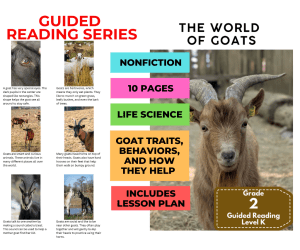
Guided Reading Level K - The World of Goats (with Lesson Plan)
ELA, Resources for Teachers, Reading Comprehension, Reading, Science, Language Development, Life Sciences, Animals, Pre-Reading, Vocabulary, Grade 2, 3, 4, Worksheets & Printables, Worksheets, Teacher Tools, Centers, Activities, Literacy Readers, Quizzes, Quizzes and Tests, Assessments, Lesson Plans
This Guided Reading Book - The World of Goats (Level K) with lesson plan includes: Guided Reading Color Label (front cover x1) This is a quick way to match the book’s demands to what students can generally handle.. The overall goal is to use the level/color to pick books for several smaller groups. To qualify for a certain level, a student is expected to read a book from that level with about 90–94% accuracy. If a student is consistently accurate and understands, move up a level. If the student is struggling at that level, drop down and add more support. Each student will improve at completely different rates, but it is generally one of the best ways to check progress across the class. DOWNLOAD THE CATALOG TO VIEW ALL GUIDED READING BOOKS AVAILABLE (SORTED LEVELS A-Z) Pre-Reading Question (x1) Teacher asks the prompt aloud, can be while showing the cover or first page. Students share what they already know, or make educated guesses from the cover. Prompt them to use the target vocabulary. Write some of their responses on the board to look back at during the reading. Vocabulary Words (x5) Introduce the five words, best doing it one at a time. Start by saying it, while students repeat and then see if anyone knows what it means before reading further. Read through the meaning and try to briefly connect each word to a picture or gesture so it’s meaningful. Ask students to flip through the book pages and point to where they see each of the vocabulary words. While reading the book pause upon coming across one of the vocab words or read the sentence twice to make sure students understand the word has appeared. Optional: Ask students to raise hands whenever they see/hear one of the new words. Guided Reading Pages (x10) Check the book snapshot (below) for: primary topic - do you need to prep extra reading or intro materials on this? what is taught best - decide on 1-2 bullets to focus on, use the prompt or words provided here for best results. learning goals - what you are checking for students to be able to do after the session, elicit answers using prompts or words provided. key vocabulary (see section above). questions overview - so you know what is coming up and if you need to prep extra materials to assist understanding. Run the lesson You may have already looked at a few of the pages together, but you can show them some of the pictures again first to set meaning. Depending on how much time you have and how familiar your students are with guided reading class, you may want to read the book aloud first with the group first. Students whisper or partner read, while you listen in. If time, do it as a group, one student reading a page each. Use the guided page’s prompts to coach: “Check the picture / does it make sense?” “Point under the words / try the first sound” “Reread the sentence smoothly”. Try to focus more on one student per session (rotating every time), so you can work out if they are ready to move up or need to move down a level. Comprehension Questions (back cover x3) This is your way to check that students didn’t just say the words, but actually understood the text. First, let students answer by pointing to the page/picture and saying a short sentence. After any answer, follow with: “Show me where you found that in the text.” In bigger groups, have partners answer first (10–20 seconds), then call on 2–3 students to share. Differentiation tips: Emerging speakers/struggling readers: oral + pointing On-level: oral in a full sentence Higher: one written sentence or draw + label Book Snapshot Title: The World of Goats Genre: Nonfiction (informational text) Subject: Life Science + Reading (Informational Text) Primary Topic: Goat traits, behaviors, and how they help Estimated Guided Reading Level (A–Z): K What This Book Teaches Best Describes goats as “smart and curious” animals that live in many places around the world. Explains body parts that help goats move and stay safe (horns, hooves, and special eyes that help them “see all around”). Teaches what goats eat by defining them as “herbivores” and naming plants they munch on (grass, leafy bushes, bark). Highlights goat abilities and behaviors (climbing steep, rocky cliffs; kids running and jumping; goats playing and gently bumping heads). Connects goats to farm life by stating they provide milk and wool. Learning Goals Students will identify key goat traits and behaviors described in the text. Students will explain how horns and hooves help goats, using details from the text. Students will describe how a goat’s special eyes help it stay safe. Students will explain what herbivores eat and list plants goats munch on from the text. Students will describe how goats communicate and what a “bleat” can help a mother goat do. Students will describe how goats can be helpful to people on a farm, according to the text. Key Vocabulary From the Text curious — wanting to learn more by exploring. hooves — hard feet that help goats walk. rectangles — shapes with four sides and four corners. herbivores — animals that eat only plants. bleat — the sound a goat makes. Discussion Prompts Pre-reading question: What features might help goats live in different places? Comprehension questions: How do a goat’s special eyes help it stay safe? Comprehension questions: What kinds of plants does the book say goats like to munch on? Comprehension questions: Why do goats gently bump their heads when they play together? Printing Tips 1. Best Printing Method (Recommended) “Booklet” Printing (Best if Available) If your printer or PDF viewer supports Booklet Printing , use this. Settings to use: Print mode: Booklet Paper size: Letter or A4 (either works) Orientation: Landscape Print on both sides: Yes Flip on: Short edge Scaling: Fit to printable area Booklet subset: First test: Front sides only Then: Back sides only This will automatically: Pair pages correctly Put the cover on the outside Align everything for folding After printing, fold in half and staple along the spine . 2. If “Booklet” Printing Is NOT Available You can still print this correctly with manual duplex printing . Step-by-step: Open the PDF. Choose Print . Set: Orientation: Landscape Pages per sheet: 1 Print on both sides: Yes Flip on: Short edge Print all pages . Because each PDF page already contains two facing book pages, the result will still fold cleanly into a book. Thousands of Cored Education products are included with your TeachSimple membership. Download links and encyclopedia index available here.
Author Cored Education
Rating
Tags Reading Comprehension, Reading Passages, Reading, Guided Reading, Guided Reading Lesson Plan, Guided Reading Activity, Pre-reading, Science Lesson Plans, Life Science, Animals
I WONDER - How Long Do Orangutans Live | Animated Video Lesson
STEM, Animals, Life Sciences, Science, Biology, Grade 1, 2, 3, 4, 5, 6, 7, 8, Lesson Plans, Teacher Tools
Video Introduction Animal kingdoms are full of fascinating wonders to learn. This video is designed for the students to learn more about animals in different countries. I WONDER - How Long Do Orangutans Live | Animated Video Lesson Do you like animals? what is your favorite one? Do you own a pet? If yes, tell us more about it, like what its name? And what do you like most about it? What are the animal kingdoms? Can you write down the characteristics of each animal class like mammals, birds, reptiles, amphibian, fish and mollusks. Do you know that some animals can sing, can you name any of them? What is the largest and the smallest mammal in the world? What is the largest and the smallest bird in the world? What is the largest and the smallest fish in the world? I WONDER - How Long Do Orangutans Live | Animated Video Lesson The video is perfect for encouraging the researching skills for the students, while learning more about these fantastic animals. I WONDER - How Long Do Orangutans Live | Animated Video Lesson This friendly designed video is suitable for students at school, homeschooling, and as a group activity. Format Available in MP4 format.
Author Educational Voice
Tags How Long Do Orangutans Live, How Long Do Orangutans Live Video, Orangutans, Orangutan, Orangutans Facts, Orangutans Facts For Kids, Orangutans Video, Orangutans Video For Kids, Orangutan Video

I WONDER - Where Did The Apatosaurus Live | Animated Video Lesson
History: Ancient, History, Social Studies, History: World, Animals, Life Sciences, Science, Grade 3, 4, 5, 6, 7, 8, 9, Lesson Plans, Teacher Tools
Video Introduction An amazing video designed for the students to learn more about dinosaurs in different countries. I WONDER - Where Did The Apatosaurus Live | Animated Video Lesson Do you like dinosaurs? what is your favorite one? Do you own a pet? If yes, tell us more about it, like what its name? And what do you like most about it? Do you think that your pet has been evolved from a dinosaur? Can you write down the characteristics of your favourite dinosaur like it's shape, their rivals, where did it use to live and what was their favourite food? What is the largest and the smallest dinosaur that ever found? Why is the T-rex is so famous? Have you ever read any interesting facts about it? Can you name any of the carnivores or herbivores dinosaurs? I WONDER - Where Did The Apatosaurus Live | Animated Video Lesson The video is perfect for encouraging the researching skills for the students, while learning more about dinosaurs. I WONDER - Where Did The Apatosaurus Live | Animated Video Lesson This friendly designed video is suitable for students at school, homeschooling, and as a group activity. Format Available in MP4 format.
Author Educational Voice
Rating
Tags Where Did The Apatosaurus Live, Where Did The Apatosaurus Live Video, Apatosaurus, Apatosaurus Video, Apatosaurus Facts, Apatosaurus Facts For Kids, Apatosaurus Video For Kids, Dinosaur