



3,927 products added recently
Page 6 - Popular Lesson Plans
Explore a curated selection of popular lesson plans that have proven successful in classrooms. Covering various subjects and topics, these resources provide innovative ideas and activities. Use them to refresh your curriculum and engage your students with tried-and-true methods.

 Show filters

'Yes Day' Lesson Plan & Worksheets | Grades 3 - 8
ELA, Social Emotional Learning (SEL), Special Resources, Grade 3, 4, 5, 6, 7, 8, Lesson Plans, Teacher Tools, Worksheets & Printables
Yes Day Movie Study | Family, SEL, ELA, Responsibility, Decision-Making & Critical Thinking Activities | Grades 3–8 Turn movie day into a fun and meaningful learning experience with this engaging Yes Day Movie Study ! Based on the popular Netflix family comedy, this resource helps students explore themes of trust, responsibility, compromise, family relationships, freedom, and decision-making while strengthening reading comprehension, vocabulary, writing, math, and social-emotional learning skills. Through 30 interactive activities, students examine the balance between rules and freedom while reflecting on the choices they make every day. What's Included 30 student activities Printable student workbook Comprehensive teacher guide Complete answer key Reading comprehension activities Vocabulary and word-study lessons Contractions, alphabetical order, and syllable practice Story sequencing and itinerary activities Summary writing exercises Conflict analysis activities Decision-making flowcharts Cause-and-effect reasoning tasks Perspective-taking activities Negotiation and compromise lessons Responsibility and trust discussions Money and budgeting practice Elapsed time activities Double bar graph interpretation Dot plot and data analysis activities Creative writing projects Contract and voucher creation tasks Recipe writing and story starter activities Students will explore: Trust and responsibility Family relationships Freedom and limits Compromise and negotiation Decision-making Consequences of choices Communication skills Problem-solving Respect and fairness Balancing fun with responsibility How It Works in the Classroom This Yes Day movie guide is designed for flexible classroom use and works well for: English Language Arts lessons Social-Emotional Learning (SEL) Character education units Independent work Homeschool learning Substitute plans Small-group discussions Movie day enrichment Math integration lessons Cross-curricular learning Students complete activities before, during, and after viewing the film. Lessons include vocabulary practice, comprehension checks, story sequencing, conflict analysis, perspective-taking activities, budgeting challenges, graphing tasks, creative writing, and reflective discussions. The included teacher guide provides a complete 90-minute lesson plan with differentiation opportunities and extension ideas. Standards & Learning Goals Students will: Strengthen vocabulary and language-convention skills Summarize and sequence events from the story Analyze conflict and character choices Explore cause and effect through decision-making activities Practice perspective-taking and empathy Develop compromise and negotiation skills Solve money and elapsed-time problems Interpret graphs and analyze data Create original writing projects and responses Reflect on responsibility, trust, and family relationships Supports instruction in: English Language Arts Social-Emotional Learning (SEL) Character Education Mathematics Reading Comprehension Writing Skills Critical Thinking Speaking and Listening Why Teachers Love It ✅ No-prep printable resource ✅ Includes teacher guide and complete answer key ✅ Strong SEL focus on responsibility and compromise ✅ Encourages meaningful family and relationship discussions ✅ Integrates literacy, math, and critical-thinking skills ✅ Promotes decision-making and problem-solving ✅ Includes engaging real-world applications ✅ Appeals to a wide range of learners ✅ Flexible for classroom, homeschool, and enrichment settings ✅ Makes movie-based learning both fun and educational Teachers love how this resource transforms a lighthearted family comedy into a meaningful educational experience. Students strengthen academic skills while exploring important life lessons about trust, communication, compromise, and making responsible choices. Add this Yes Day Movie Study to your classroom today and help students explore responsibility, trust, compromise, and decision-making through engaging activities that transform movie day into a meaningful learning experience.
Author Bright Classroom Ideas Marketplace
Rating
Tags Yes Day, Film, Movie, Guide, Ela, Sel, Worksheet, Lesson, Plan

'Soul' Lesson Plan & Worksheets | Grades 5 - 12
ELA, Social Emotional Learning (SEL), Special Resources, Grade 5, 9, 10, 11, 12, Lesson Plans, Teacher Tools, Worksheets & Printables
Soul Movie Study | Pixar Movie Guide | ELA, SEL, Philosophy, Music & Critical Thinking Activities | Grades 5–12 Inspire meaningful conversations about purpose, joy, gratitude, and what makes life truly fulfilling with this engaging Soul Movie Study ! Based on Pixar’s thought-provoking film, this resource helps students explore themes of identity, passion, purpose, mindfulness, and personal growth while strengthening reading comprehension, critical thinking, writing, discussion, and social-emotional learning skills. Through 30 engaging activities, students analyze character development, explore big life questions, and reflect on the moments that make life meaningful. What's Included 30 student activities Printable student workbook Comprehensive teacher guide Complete answer key Reading comprehension questions Character analysis activities Theme and symbolism exploration Vocabulary development exercises Philosophy and reflection prompts Purpose and passion discussions Social-emotional learning (SEL) activities Music and jazz appreciation lessons Improvisation and creativity connections Survey and data-analysis activities Critical-thinking questions Debate and discussion prompts Creative writing projects Diary writing activity Letter-to-your-future-self assignment Art and design extension activities Students will explore: Purpose and meaning Joy and gratitude Identity and self-discovery Living in the moment Passion and balance Mindfulness and wellbeing Personal growth Friendship and mentorship Music as self-expression Appreciating everyday experiences How It Works in the Classroom This Soul movie guide is designed for flexible classroom use and works well for: English Language Arts lessons Social-Emotional Learning (SEL) Character education units Philosophy and ethics discussions Music appreciation lessons Independent work Homeschool learning Substitute plans Small-group discussions Cross-curricular learning Students complete activities before, during, and after viewing the film. Lessons include comprehension checks, character studies, vocabulary practice, reflection exercises, discussion activities, music connections, creative writing projects, and personal growth opportunities. The included teacher guide provides a complete 90-minute lesson plan with differentiation strategies and extension ideas. Standards & Learning Goals Students will: Recall and sequence major events from the film Analyze how Joe and 22 change throughout the story Explore themes of purpose, passion, and identity Interpret symbolism, metaphors, and deeper meaning Strengthen reading comprehension and vocabulary skills Develop critical-thinking and discussion abilities Connect music and improvisation to self-expression Interpret and analyze survey data Reflect on gratitude, mindfulness, and wellbeing Articulate personal ideas about what makes life meaningful Supports instruction in: English Language Arts Social-Emotional Learning (SEL) Philosophy & Ethics Music Education Critical Thinking Writing Skills Speaking and Listening Mathematics & Data Analysis Why Teachers Love It ✅ No-prep printable resource ✅ Includes teacher guide and complete answer key ✅ Encourages deep and meaningful classroom discussions ✅ Strong SEL and wellbeing connections ✅ Promotes gratitude, mindfulness, and self-reflection ✅ Integrates literacy, music, philosophy, and critical thinking ✅ Encourages students to think beyond academic success ✅ Includes engaging creative writing and reflection activities ✅ Flexible for classroom, homeschool, and enrichment settings ✅ Helps students connect movie themes to their own lives Teachers love how this resource transforms a popular Pixar film into a powerful learning experience. Students engage with meaningful questions about purpose, happiness, and personal growth while strengthening literacy, discussion, and analytical skills. The thoughtful blend of SEL, philosophy, music, and reflection creates opportunities for authentic learning and lasting conversations. Add this Soul Movie Study to your classroom today and help students explore purpose, joy, gratitude, identity, and personal growth through engaging activities that inspire thoughtful reflection and meaningful discussion long after the movie ends.
Author Bright Classroom Ideas Marketplace
Rating
Tags Soul, Film, Movie, Guide, Lesson, Plan, Worksheet, Ela, Sel
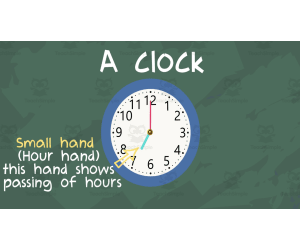
All About Time | Animated Math Video Lesson
Math, Time, Grade 1, 2, 3, Lesson Plans, Teacher Tools
All About Time | Animated Math Video Lesson The product, All About Time | Animated Math Video Lesson, is designed with the objective of making time-telling skills easily accessible and engaging for elementary school learners. Aiding Grade 1 to Grade 3 students primarily, this video lesson uses animated visuals to explore clocks and how to read them. Concepts Covered In-depth understanding of clocks. Effortless method of reading a clock. Critical thinking and discussion opportunities post watching the video. With no complex jargon or complications in its execution, this 6-minute math video simplifies the intricate aspects of telling time. With clear step-by-step guidance provided in this MP4 format animation video that secures a quick grasp and retention for these fundamental concepts amongst students. Educational Environment Flexibility Ideal for both regular classroom sessions as well as smaller group activities or even individual study times. Efficacious when used as supplementary homework material thus providing advantageous learning opportunities beyond classroom teachings. Homeschooling Uses & Technological Leverage In Education Trends 2021 This resource could be implemented into any teaching toolkit that homeschooling educators may use due to its easily understandable content displayed via enjoyable learning techniques. All About Time - adhering closely with recent pedagogical trends towards technology use in education - ensures interactive knowledge increases with an easy-to-use digital platform. A wholesome teaching resource meticulously created ensuring efficient curriculum delivery aiming at instilling a sense of enjoyment within learning processes among young students.
Author Educational Voice
Tags Time-telling Skills, Animated Math Video, Clocks, Reading Time, Elementary School
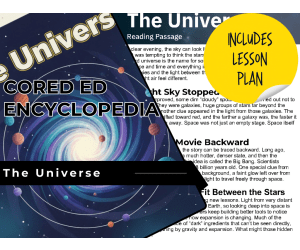
The Universe Reading Comprehension Passage - Cored Ed Encyclopedia
ELA, Language Development, Reading Comprehension, Reading, Science, Earth and Environmental Sciences, Space, Pre-Reading, Vocabulary, Physics, Grade 2, 3, 4, 5, Worksheets & Printables, Worksheets, Teacher Tools, Centers, Activities, Writing Prompts, Assessments, Quizzes and Tests, Quizzes, Lesson Plans
This universe reading comprehension with lesson plan includes: Visualization (on the front cover) Start your lesson by taking a minute to think and share something about the topic. Read the script aloud (slowly), perhaps prepare some music or sound effects. Student close their eyes and let their imaginations wander. Students open their eyes, read the question aloud and give them a few minutes to complete. Ask a few students to share or keep answers until the end to compare with what they learn in the passage. Quick pause—thousands of Cored Education products are included with your TeachSimple membership. Download links and encyclopedia index available here. Pre-Reading Trivia Students will write down one thing they already know about the subject and then read five more facts and discuss. These facts are fun, and the students will enjoy learning about the subject before reading more. Give 1 minute for students to write what they already know (no pressure—best guess is fine). Read the five facts together. After each fact, do ask a student for their opinion, was it surprising? Set a purpose by asking students to highlight/underline one fact they want to learn more about during the reading. Reading Passage The text is a high-interest reading passage with set paragraphs, roughly three to four paragraphs long. It contains a variety of themes about the topic, anywhere from history to technology. The passage is between 250 and 350 words in length. First, ask students to look at the headings and see what they’ll learn about today. What do they know about the topic/heading? First read options: Teacher read-aloud (best for support). Partner reading (paragraph by paragraph). While reading, students underline important details, and vocabulary words they think may come up in the questions section. Mixed Questions The first question page contains four multiple-choice questions, each with a choice of four answers, and three written response questions that require a sentence or two from the student. Students complete the mcqs first independently, then review quickly as a class. For the 3 written responses, try to get students giving the answer with some form of evidence: “I think ___ because the text says ___.” If students get stuck, send them back to check the passage. Vocabulary Questions Practice seven key words from the text in this section across two activities. First section is scrambled words where students will unscramble three words given a clue for each. The second section is a word to meaning matching activity. Before starting, have some students read out words they underlined in the passage. Ask students to say the word and read aloud the sentence(s) around each word. Ask students to do scrambled words and the matching exercise in pairs then go through answers as a class. For the scrambled spelling task, get four pairs to come up to the board and write the words for extra practice with the other student reading out the clue. For the matching task, prompt students to give full sentences: “I matched ___ with ___ because ___.” Creative Writing In this question, the student will be required to write a five to eight sentence paragraph on a question related to the topic. Before starting, ask students write down 3 key ideas they are going to include in their piece. Ask students for ideas to share around the class to help those struggling. Pro writing expectations: 5–8 sentences At least 2 facts or details from the passage At least 2 vocabulary words from the previous page Students read their paragraphs while classmates listen for facts and vocabulary words. Extension Activities This page is optional for fast finishers or to take home. There are several activities, each one requiring a different skill. Do some, do none, do all, completely optional - but you will feel reassured knowing every possibility is planned for. Includes summary writting question. Answer Key There are answers for the multiple-choice questions, written response questions have sample answers, vocabulary answers and if there is a summary question then a sample summary will be provided as well. Lesson Plan Included Customized lesson plan for this lesson is included. Lesson Snapshot Title: The Universe Genre: Nonfiction (informational text) Subject: Science (Earth & Space Science) Primary Topic: Evidence the universe is expanding over time Estimated Guided Reading Level (A–Z): S What This Lesson Teaches Best Defines universe as “all of space and time and everything inside them,” expanding beyond the idea of stars as a “roof” above Earth. Explains how improved telescopes helped people realize some “cloudy” spots were actually faraway galaxies beyond the Milky Way. Uses the idea of galaxy light “shifted toward red” to show galaxies moving away and that space itself is stretching. Introduces the Big Bang as an explanation for expansion from a hotter, denser beginning, including the estimated age of the universe (about 13.8 billion years). Builds scientific curiosity by highlighting unanswered questions about “dark” ingredients that can’t be seen directly but affect the universe through gravity and expansion. Learning Goals Students will explain what the word universe means using details from the passage. Students will describe how better telescopes changed what people understood about “cloudy” spots in the sky. Students will explain what “shifted toward red” light suggests about galaxies and space stretching. Students will summarize the Big Bang idea as the universe expanding from a hotter, denser state. Students will describe why looking deep into space can also mean looking back in time. Students will identify one mystery scientists still study about the universe mentioned in the text. Key Vocabulary From the Text universe — all space, time, and everything inside them. galaxies — huge groups of stars far beyond the Milky Way. stretching — space expanding so distances grow larger. expanding — growing bigger as space spreads out. gravity — a force that affects everything by pulling. FULL CATALOG OF DOWNLOAD LINKS AND ENCYCLOPEDIA INDEX HERE
Author Cored Education
Rating
Tags Vocabulary, Reading Comprehension, Reading Passages, Lesson Plans, Ela Lesson Plans, Reading Comprehension Lesson Plans, Pre-reading, Science Lesson Plans, Earth Science, Space
Grade 8 History Skills Review | Back-to-School Diagnostic
History, Social Studies, Grade 8, Assessments, Teacher Tools, Lesson Plans, Worksheets & Printables
Start your school year with confidence using this 8th Grade Beginning of Year History Assessment and complete intervention system! This comprehensive Grade 8 History Skills Diagnostic helps you quickly identify student strengths and learning gaps in source analysis, evaluating evidence, historical thinking, data interpretation, and document-based writing so you can confidently plan targeted instruction from day one. More than just a pretest, this resource provides a complete Assess → Identify → Group → Practice → Reassess system with a 46-question diagnostic assessment , targeted intervention worksheets, enrichment activities, skill analysis tools, and detailed answer keys that transform assessment results into meaningful instruction. What's Included This 8th Grade Beginning of Year History Skills Assessment Bundle includes: ✅ Teacher Guide & Implementation Overview ✅ 46-question Beginning-of-Year History Skills Review ✅ Printable Student Answer Sheet ✅ Skill Analysis & Grouping Tools ✅ Item-to-Skill Mapping Guide ✅ Class Skill Grid ✅ Individual Student Profiles ✅ Grouping Planner ✅ Reassessment Tracker ✅ 26 Targeted Follow-Up Practice Worksheets ✅ Extension Activities ✅ Student Choice Board ✅ Complete Answer Key ✅ Scoring Guide ✅ Two Written Response Rubrics ✅ Printable PDF format ✅ No-prep, print-and-go resource Students are assessed across five major historical thinking strands : 📖 Source Analysis Primary source analysis Author's perspective Purpose Audience Historical context 🔍 Evaluating Evidence Bias & limitations Reliability of evidence Corroborating sources Conflicting accounts Evaluating evidence ⚖️ Causation & Change Cause vs. trigger Underlying & multiple causes Change & continuity Historical significance Consequences 📊 Data & Context Reading charts & tables Population data Economic data Quantitative evidence Data trends & inference 📝 Historical Argument & DBQ Constructing a thesis Claim-Evidence-Reasoning (CER) Using multiple documents Counterarguments Mini-DBQ analysis Selecting evidence The Teacher Guide explains that the complete bundle contains approximately 91 printable pages across seven coordinated resources , all connected through consistent skill codes that streamline assessment, intervention, and reassessment. How It Works in the Classroom This 8th Grade History Beginning of Year Assessment follows an easy five-step instructional cycle that turns assessment data into actionable teaching. Step 1 — Assess Students complete the 46-question History Skills Review using the separate Student Answer Sheet. Step 2 — Identify Skill Gaps Score assessments with the Answer Key and record student performance using the Class Skill Grid. Step 3 — Group Students Use the Grouping Planner to create flexible intervention groups based on shared skill needs. Step 4 — Assign Targeted Practice Assign only the Follow-Up Practice pages that correspond to each student's assessment results. Step 5 — Reassess Monitor growth using the Reassessment Tracker and regroup students as needed. The Teacher Guide recommends administering the assessment during the first week of school in approximately 55–60 minutes , or dividing it into five shorter sessions by skill area. Teachers may read questions aloud because the assessment measures historical thinking skills rather than reading ability. Perfect for: Beginning of Year Assessment History Pretest Back to School Activities Diagnostic Assessment U.S. History World History Social Studies RTI MTSS Intervention Small Groups Progress Monitoring Flexible Grouping Standards & Learning Goals This 8th Grade History Skills Diagnostic Assessment measures advanced historical thinking and evidence-based reasoning skills students should demonstrate at the beginning of Grade 8. Students develop and demonstrate understanding of: Source Analysis Analyzing primary sources Determining author perspective Identifying purpose and audience Understanding historical context Evaluating Evidence Identifying bias and limitations Evaluating source reliability Corroborating historical evidence Comparing conflicting accounts Selecting relevant evidence Causation & Change Distinguishing causes from triggers Identifying multiple causes Analyzing change and continuity Evaluating historical significance Recognizing intended and unintended consequences Data & Context Reading charts and tables Interpreting population and economic data Analyzing quantitative evidence Drawing evidence-based conclusions from data Historical Argument & DBQ Writing strong thesis statements Claim-Evidence-Reasoning (CER) Using multiple historical documents Building counterarguments Completing a Mini-DBQ Selecting supporting evidence Students demonstrate understanding through engaging historical tasks including: Primary source analysis Historical notices and documents Charts and graphs Economic data Population data Source comparison Mini-DBQ activities Multiple-choice questions Evidence-based written responses Every assessment question is tied directly to one historical thinking skill and aligns with matching intervention worksheets using the included Skill Analysis Tools. Why Teachers Love It ✨ More than a beginning-of-year assessment—it is a complete instructional system. ✨ Saves 10+ hours of planning by combining assessment, data analysis, intervention, enrichment, and reassessment into one easy-to-use resource. ✨ Every assessment question is aligned to a specific historical thinking skill, allowing teachers to pinpoint exactly where students need additional support. ✨ Build flexible intervention groups quickly using ready-to-use data analysis and grouping tools. ✨ Includes 26 targeted Follow-Up Practice worksheets , each featuring a student-friendly "Remember" mini lesson followed by fresh practice questions that reinforce essential skills without repeating assessment items. ✨ Differentiate instruction with confidence. Students who need additional support receive focused intervention while advanced learners complete meaningful enrichment activities designed to deepen historical thinking. ✨ Extension Activities challenge students through authentic historical inquiry, including: Primary source analysis labs Corroborating conflicting sources Cause vs. trigger investigations Historical significance arguments Data interpretation Mini-DBQ creation Thesis writing Counterargument practice These enrichment projects promote higher-order thinking, historical inquiry, evidence evaluation, and document-based reasoning while keeping advanced students meaningfully engaged. ✨ Skill Analysis Tools simplify instructional planning. Teachers receive: Item-to-Skill Map Class Skill Grid Student Profiles Grouping Planner Reassessment Tracker Every assessment item connects directly to a matching intervention worksheet, making differentiated instruction simple and efficient. ✨ Includes comprehensive scoring support. The Answer Key provides: Correct answers Skill codes Answer explanations Skill mastery bands Two written-response rubrics Teachers can quickly identify students who are Approaching , On Track , or Strong in every major skill area and immediately plan targeted instruction. ✨ Supports meaningful, data-driven instruction while remaining easy to administer, score, and implement throughout the school year. Give your students a strong start with this 8th Grade Beginning of Year History Assessment and complete intervention system. Whether you're looking for an 8th Grade History Diagnostic , Beginning of Year History Pretest , U.S. History Assessment , Historical Thinking Activities , Primary Source Analysis , DBQ Practice , Social Studies Assessment , RTI Resource , Progress Monitoring Tool , or a complete assessment-to-intervention solution, this bundle provides everything you need to assess, analyze, group, reteach, enrich, and monitor student growth throughout the school year.
Author Bright Classroom Ideas Marketplace
Rating
Tags History, Social Studies, Back To School, Assessment, Diagnostic
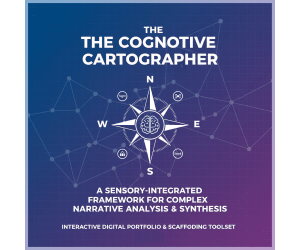
The Cognitive Cartographer: A Sensory-Integrated Framework for Complex
ELA, Language Development, ESL, Phonics, Reading, Library, Reading Comprehension, Strategies, Writing, Creative Writing, Grade 6, 7, 8, 9, 10, 11, 12, Worksheets & Printables, Parts of and Anatomy of, Workbooks, Worksheets, Word Searches, Writing Prompts, Teacher Tools, Charts, Lesson Plans, Quizzes and Tests
The Cognitive Cartographer: A Framework for Integrating Sensory Experiences When Analyzing & Synthesizing Complex Narratives Utilizing this revolutionary sensory-integrated 33-page framework, students go from “reading” complex narratives to actively creating a map of the experience using chronotopes, sensory anchors, thematic ley lines, emotional topography and a node/edge network to represent character relationships. This resources includes a digital PDF of: Phase 1 (Core Theory): Overview of narrative architecture, sensory epistemology; cartographic synthesis; and meta-narrative construction with original examples (The Glass Citadel, The Flooded City of Oakhaven, The Silk Rebellion). Phase 2 (Student Workbook): 10 scaffolded, ready-to-use worksheets addressing: scene topography; character geography; ecology of conflict; auditory/olfactory resonance; velocity of time; thematic ley lines; point of view cartography; emotional journey; socio-historical biome; and capstone master atlas synthesis. Phase 3 (Teacher Resources): includes visual schematics (Sensory Integrated Matrix; Cognitive Synthesis Map; Scaffolding Progression Chart), detailed guide for implementing the framework, pacing of the implementation for 7-12th grades, and an annotated example (Markus Zusak’s The Book Thief). Perfect for middle and high school English/Language Arts, honors and AP Literature classes. Aligned to Common Cores, State ELA Standards and College Readiness Skills. Instant Digital Download with No Preparation Required. Elevate student engagement, critical thinking and empathetic analysis through the use of this deeply human-centered literature toolkit. What Parents & Schools Appreciate About It: Building superior skills of advanced thinking (critical thinking), empathy, and spatial reasoning that traditional worksheet activities can't provide, students will actually "map" out a story instead of just summarizing it. Provides teachers with an easy way to save hours of planning time, by providing 10 ready-to-print worksheet activities, visual anchors, and complete implementation guidelines. Fully aligned to the ELA standards and makes all abstract concepts (theme, character motivation, unreliable narration) more concrete and engaging for reluctant readers. Provides differentiated scaffolding for all levels of learners from novice to expert, with defined continuums across grade levels. Develops lifelong reading habits by teaching children to "experience" literature using their bodies and senses versus only using their eyes. Target Group: 7-12 Teachers & Students an Expected Audience Group Based Upon Full PDF Analysis of ESL Programs The Following are Groups Targeted by Grade Levels of the Curriculum Project: 7-8 Grades: Provide guidance for sensory literals in keeping with the use of literary devices (mapping provided). 9-10 Grades: Providing students with the opportunity to create connections between their curricular experiences through mapping of literature. 11-12 Grades/Honors/AP Literature: Providing students with the opportunity to synthesize literature through the use of metanarrative, development of genres and development of multiple author texts using non-linear/fragment methodology. It is suggested that these materials will be utilized in all secondary programs where students experience difficulty analyzing literature through a traditional sequential format of reading literature. There are also other uses for this educational material, i.e., homeschooling, gifted curriculum, and literacy intervention programming. Copyright/Terms of Use Copyright is owned by Syed Hammad Rizvi. The items in this resource can be used for personal and/or classroom purposes only. You cannot modify, redistribute or sell any portion of this resource. Therefore, you cannot share this resource on the internet in a way that would allow others to access and download the resource publicly. If you would like to share this resource with other educators, you may purchase an additional license through Teachsimple. Thank you for complying with these terms and conditions. Syed Hammad Rizvi enjoys bringing you this product.
Author Creative Book Store
Rating
Tags CognitiveCartographer, SensoryIntegratedELA, LiteraryMapping, CognitiveCartography, EnglishLanguageArts, MiddleSchoolELA, HighSchoolELA, SecondaryELA, APLiterature, APLit

How is Paper Recycled? | Recycling for Kids Video Lesson
, Not Grade Specific, Lesson Plans, Teacher Tools
How is Paper Recycled? | Recycling for Kids Video Lesson A captivating and educational video resource designed to bring the concept of recycling to life for learners. This 1-minute animated video brilliantly illustrates the process of paper recycling providing students with invaluable insights into this important environmental practice. Purpose: An introductory tool to kick-start your lesson on recycling A review instrument towards the end by reinforcing what's been taught Suitable For: All grade levels Application in Different Learning Settings: This teaching aid can be incorporated not only in a whole group instruction setup where everyone learns together but also in smaller groups offering personalized attention. In addition, considering its short duration and simplistic explanation style it can be used as an excellent homework assignment, encouraging continued learning at home and fostering independent study skills among students. Technical Specifications: This educational content comes in an MP4 file format enhancing its usability across various digital platforms – from classroom projectors individual laptops or tablets. Its flexibility ensures that no child misses out on this essential lesson. In Conclusion:If you're looking towards transforming how your class perceives waste management and boosting their environmental-consciousness quotient while making learning genuinely engaging - the 'How is Paper Recycled? | Recycling for Kids Video Lesson' should definitely find space in your education toolbox!
Author Educational Voice
Tags Paper Recycling, Waste Management, Environmental Education, Recycling Process, Sustainability, Recycling Videos For Kids, Recycling Videos For Students
Back to School ELA Review for 5th Grade | 20 Daily Lessons
ELA, Grade 5, Assessments, Teacher Tools, Lesson Plans, Worksheets & Printables
Start the school year with a comprehensive 5th grade back to school ELA review designed to revisit essential Grade 4 reading, grammar, vocabulary, word study, and writing skills. With 20 daily lessons plus 16 print-and-play literacy games , this resource helps fifth graders refresh key skills, build confidence, and settle into a predictable beginning-of-year ELA routine. Each lesson follows the same four-part rhythm— Read & Think, Language & Grammar, Word Work, and Write About It —with skills spiraling across 20 days from focused review into more complex reading, language, vocabulary, editing, and reflection. A full lesson is designed for approximately 15–25 minutes . What’s Included This 5th grade ELA review includes: ✅ 20 daily ELA review lessons ✅ 40 pages of daily student lessons ✅ Short fiction, nonfiction, and persuasive passages ✅ Four comprehension questions per daily passage ✅ Inference and text evidence practice ✅ Grammar and language review ✅ Vocabulary and word study ✅ Advanced prefixes and suffixes ✅ Greek and Latin roots practice ✅ Daily writing prompts ✅ 16 print-and-play literacy games and activities ✅ Partner and small-group activities ✅ Literacy center options ✅ Complete answer key for all 20 days ✅ Teacher Guide ✅ 20-day pacing overview ✅ Four-week planning guide ✅ Differentiation suggestions ✅ Game preparation directions ✅ Game-to-skill quick-reference map ✅ Class progress record sheet ✅ Family letter for home-school connection ✅ Student reflection ✅ Reading Star Award The 70-page Student Workbook contains 20 daily lessons plus 16 print-and-play games for centers, partners, and small groups. The separate Answer Key provides responses for all 20 daily lessons, organized by section for faster checking, with reasonable student wording accepted for open writing and reflection tasks. How It Works in the Classroom Use this 5th grade back to school ELA review for morning work, whole-group warm-ups, independent practice, literacy centers, small groups, intervention, homework, early finishers, or beginning-of-year formative assessment. Each daily lesson follows a predictable structure: 📖 Read & Think — Students read a short fiction, nonfiction, or persuasive passage and answer four comprehension questions, including inference and text-evidence items ✏️ Language & Grammar — Students revisit a focused Grade 4 grammar or language skill 🔤 Word Work — Students practice advanced prefixes and suffixes, Greek and Latin roots, context clues, connotation, figurative language, shades of meaning, analogies, and academic vocabulary 📝 Write About It — Students complete a short writing task connected to the day’s passage and thinking The Teacher Guide recommends previewing the genre, encouraging students to identify evidence behind answers, modeling the first grammar item, and then releasing students to independent or partner work. The 20-Day Pacing at a Glance chart on page 6 of the Teacher Guide maps the full skill progression across reading, language, and word work. Students move from main idea and summary, theme, character analysis, setting and mood, and plot and conflict into inference, cause and effect, compare and contrast, author’s purpose and claim, point of view, text structure, claim and evidence, text features, summarizing, citing text evidence, drawing conclusions, making inferences, making connections, mixed review, and final reflection. For a four-week routine, teachers can use daily workbook lessons Monday through Thursday and reserve Friday for a literacy game, center rotation, or catch-up. Standards & Learning Goals This Grade 4 skills review for 5th grade revisits key learning across five major ELA strands: 📚 Reading Comprehension — main idea and summary, theme, character analysis, setting and mood, plot and conflict, inference, cause and effect, compare and contrast, author’s purpose and claim, point of view, text structure, claim and evidence, text features, summarizing, citing text evidence, drawing conclusions, making inferences, and making connections ✏️ Grammar & Language — simple, compound, and complex sentences; fragments and run-ons; subject-verb agreement; perfect verb tenses; pronoun-antecedent agreement; prepositional phrases; conjunctions; commas in compound sentences and after introductory elements; appositives; dialogue punctuation; relative pronouns; apostrophes; misplaced modifiers; capitalizing titles; combining sentences; editing; consistent verb tense; and precise word choice 🔤 Word Study — advanced prefixes, suffixes, affix meanings, root review, and Greek and Latin roots 💬 Vocabulary — synonyms and nuance, context clues, homographs, homophones, personification, hyperbole, idioms, connotation, shades of meaning, analogies, academic vocabulary, and mixed vocabulary review 📝 Writing — summary writing, character sketches, sensory description, problem-solution writing, cause-and-effect explanation, compare-and-contrast writing, persuasive paragraphs, first-person narrative, informational explanation, claim-and-evidence writing, text-based responses, mystery writing, narrative continuation, personal connections, and reflection The daily workbook intentionally pairs skills across strands. For example, Day 1 combines main idea and summary with simple, compound, and complex sentences plus prefixes ; Day 8 combines compare and contrast with comma practice and homophones ; Day 11 combines text structure with relative pronouns and roots such as therm, aqua, and chron ; and Day 17 combines making inferences with consistent verb tense and academic vocabulary . Why Teachers Love It ✨ Build a consistent first-month routine. The same four-part structure repeats across all 20 days, helping students know what to expect while building independence. ✨ Review multiple ELA strands in one resource. Reading comprehension, grammar, vocabulary, word study, and writing are integrated into manageable daily practice. ✨ Get 20 days of ready-to-use review. The pacing is already mapped, and the Teacher Guide includes a visual 20-day progression plus a suggested four-week schedule. ✨ Strengthen higher-level reading comprehension. Students practice theme, character analysis, mood, conflict, inference, author’s claim, point of view, text structure, evidence, drawing conclusions, and making connections. ✨ Revisit rigorous Grade 4 grammar skills. Practice includes sentence types, fragments and run-ons, agreement, perfect verb tenses, prepositional phrases, conjunctions, commas, appositives, dialogue punctuation, apostrophes, modifiers, editing, and consistent verb tense. ✨ Build stronger vocabulary and morphology skills. Students work with advanced prefixes and suffixes, Greek and Latin roots, context clues, homographs, homophones, connotation, nuance, figurative language, analogies, and academic vocabulary. ✨ Include meaningful writing every day. Students summarize, persuade, compare, explain, cite evidence, write from first-person point of view, create inference clues, describe settings with sensory details, continue narratives, and reflect on growth. ✨ Add hands-on practice with 16 literacy games and activities , including: Sentence Type Sort Root Word Match Synonym Match Roll-a-Root Word Academic Vocabulary BINGO Multisyllable Roll & Read Prefix Sort Antonym Match Reading Road Race Main Idea Baskets Connotation Sort Sentence Building Tiles Fix-It Cards Sequence Cards Homophone Match Figurative Language Sort The Game → Skill Quick Map on page 9 of the Teacher Guide pairs each game with its target skill, making it easier to choose activities for centers, partner practice, small groups, or targeted review. ✨ Prep once and reuse the games. Print game pages on cardstock, laminate boards and cards, cut apart reusable pieces, and store each game in a labeled bag. ✨ Differentiate without creating separate lessons. The Teacher Guide includes support ideas for below-level students, on-level learners, above-level students, and multilingual learners. ✨ Use daily work as low-stakes formative assessment. The Class Record Sheet on page 10 of the Teacher Guide includes Week 1 through Week 4 tracking columns plus notes, helping teachers monitor progress and identify skills to revisit. ✨ Save time checking student work. The included Answer Key covers all 20 days and organizes answers by day and section. ✨ Support home-school communication. A ready-to-send family letter explains the daily ELA review and gives caregivers simple ideas for supporting literacy at home. Give students a confident, structured start to fifth grade with this 5th grade back to school ELA review . Download it for 20 days of Grade 4 skills review, daily reading and writing practice, focused grammar and vocabulary work, plus 16 print-and-play literacy games that extend learning into centers, partner work, small groups, and early-finisher routines. Perfect for teachers searching for 5th grade morning work , Grade 4 skills review, beginning-of-year ELA activities, fifth grade literacy centers, reading comprehension practice, grammar review, vocabulary activities, Greek and Latin roots practice, first month of school activities, formative assessment, or a complete back-to-school literacy review.
Author Bright Classroom Ideas Marketplace
Rating
Tags Back To School, Assessment, Reading, Writing, Grammar, Ela, Daily, Lesson
Good Manners | Citizenship Video Lesson
, Not Grade Specific, Lesson Plans, Teacher Tools
This citizenship video lesson is all about good manners. Students will love this engaging and interactive video. This video serves as a great introduction or review video for your learners. This is a 6-minute video lesson.
Author Educational Voice
Tags Manners Lesson, Good Manners, Classroom Management, Citizenship, Video Lesson

CBT & Anxiety Management Toolkit
Life Skills, Special Resources, Social Emotional Learning (SEL), Social Skills, Special Education Needs (SEN), Speech Therapy, STEM, Resources for Teachers, Classroom Management, Community Building, Homeschool Curriculum, Homeschool Templates, Grade 9, 10, 11, 12, Projects, Activities, Teacher Tools, Assessments, Graphic Organizers, Lesson Plans, Outlines, Rubrics, Presentations, Worksheets & Printables
Find the top CBT Anxiety Management Toolkit Professional Edition PDF – a 47-page digital guide filled with helpful information and tools to beat anxiety. This guide is meant for therapists, life coaches, and individuals looking for effective mental health tools. This SEO-friendly CBT workbook provides detailed information on cognitive models, anxiety triggers, cognitive distortions, ABC models, automatic thought records, evidence boards, worry trees, de-catastrophizing scripts, fear ladders, grounding techniques, behavioral activation plans, core beliefs, and daily mood trackers. Be empowered with step-by-step strategies for cognitive restructuring, exposure therapy, behavioral activation, and sensory grounding techniques to overcome anxiety and live an anxiety-free life. This guide is meant for psychology professionals and mental health enthusiasts. Get this printable CBT anxiety workbook PDF today and get the mental health assistance and resilience training you need. Why Parents/Schools Love It: Evidence-Based Tools for Real-World Application: CBT worksheets for students to develop skills that can be applied in the real world, helping them develop emotional resilience that can improve their academic performance. Promotes Self-Awareness and Mental Health Literacy: Encourages students to engage in reflective exercises that can help them develop skills that can last a lifetime, allowing them to cope with stress in an appropriate manner. Flexible for Classroom or Home Application: PDFs with diagrams that can be printed out for use in the classroom or at home for students who need extra support during high-stress periods of the academic calendar. Professional Quality Content at an Affordable Price: Helps provide students with the tools that can normally only be accessed with the guidance of a therapist, all at an affordable price for the school. Tracks Progress for Measurable Growth: Helps parents/educators track the progress of students' emotional state so that improvements can be measured. Target Classes/Students : Given that the PDF is a comprehensive analysis and review of CBT tools and strategies for anxiety management, targeted towards professionals and adult learners, the target audience would be students in higher education and advanced programs, especially in the field of psychology and counseling. The target classes/students would be: Undergraduate Psychology or Counseling Students (Sophomore to Senior Level): The PDF would be ideal for classes such as “Introduction to CBT,” “Abnormal Psychology,” or “Mental Health Interventions,” where students can use the worksheets for case study and self-reflection assignments. Graduate Students in Clinical Psychology, Social Work, or Therapy: The PDF would be suitable for classes such as “Cognitive Behavioral Therapy Practicum,” “Anxiety Disorders Treatment,” or “Professional Counseling Skills,” where students can use the content for case studies and assignments. Adult Education or Continuing Education: The target audience would be adult learners in online or community college classes, especially in the field of psychology and counseling, or in a life coaching program. High School Advanced Placement (AP) Psychology: The target audience would be seniors in advanced psychology classes, provided that the curriculum covers CBT concepts, as the content is too advanced and technical for a general audience. Copyright/Terms of Use: This Book was copyrighted by Syed Hammad Rizvi. This resource is for personal and single classroom use only. You may not alter, redistribute, or sell any part of this resource. In other words, you may not put it on the Internet where it could be publicly found and downloaded. If you want to share this resource with your colleagues, you may buy additional licenses from Teachsimple. Thank you for respecting these terms of use. This product is happily brought to you by Syed Hammad Rizvi
Author Creative Book Store
Rating
Tags CBT, CognitiveBehavioralTherapy, AnxietyManagement, AnxietyRelief, MentalHealth, MentalHealthMatters, MentalHealthAwareness, StressRelief, OvercomeAnxiety, AnxietyTools

'Zootopia' Lesson Plan & Worksheets | Grades 7 - 11
ELA, Social Emotional Learning (SEL), Special Resources, Grade 7, 8, 9, 10, 11, Lesson Plans, Teacher Tools, Worksheets & Printables
Zootopia Movie Study | Disney Movie Guide | Media Literacy, Critical Thinking, Bias, SEL & ELA Activities | Grades 7–11 Challenge students to think critically about stereotypes, prejudice, media influence, and social responsibility with this engaging Zootopia Movie Study ! Based on Disney’s award-winning animated film, this resource goes far beyond simple comprehension activities by helping students analyze allegory, propaganda, bias, character development, and data interpretation. Through 30 rigorous activities, students strengthen reading comprehension, media literacy, critical thinking, writing, and social-emotional learning while exploring important real-world issues through the lens of an engaging story. What's Included 30 student activities Printable student workbook Comprehensive teacher guide Complete answer key Reading comprehension questions Plot timeline and sequencing activities Character analysis tasks S.T.E.A.L. characterization activities Theme and allegory analysis Stereotype and bias exploration Propaganda and persuasion lessons Media literacy activities Context clues and vocabulary development Connotation and tone analysis Point-of-view activities Conflict and foil character analysis Critical-thinking discussion prompts Evidence-based argument writing Reflection and SEL activities Stacked bar graph interpretation Scatter plot analysis Correlation vs. causation lessons Data reasoning and graphing activities Students will explore: Stereotypes and prejudice Bias and assumptions Media influence Propaganda and persuasion Empathy and understanding others Identity and belonging Critical thinking Correlation vs. causation Fairness and justice Personal responsibility and growth How It Works in the Classroom This Zootopia movie guide is designed for flexible classroom use and works well for: English Language Arts lessons Media literacy instruction Social studies and civics discussions Social-Emotional Learning (SEL) Critical-thinking units Independent work Homeschool learning Substitute plans Small-group discussions Cross-curricular learning Students complete activities before, during, and after viewing the film. Lessons include stereotype tracking, mystery clue logs, comprehension checks, vocabulary development, character analysis, allegory exploration, propaganda analysis, graph interpretation, evidence-based writing, and reflective discussion. The included teacher guide provides a complete 90-minute lesson plan, differentiation strategies, discussion questions, and assessment tools. Standards & Learning Goals Students will: Analyze how allegory communicates real-world issues Examine stereotypes, prejudice, and bias Evaluate propaganda and persuasive techniques Analyze character foils and indirect characterization Strengthen reading comprehension and inference skills Develop media literacy and critical-thinking abilities Interpret scatter plots and stacked bar graphs Distinguish correlation from causation Construct evidence-based arguments Reflect on empathy, identity, and personal responsibility Supports instruction in: English Language Arts Media Literacy Social Studies & Civics Critical Thinking Writing Skills Mathematics & Statistics Social-Emotional Learning (SEL) Speaking and Listening Why Teachers Love It ✅ No-prep printable resource ✅ Includes teacher guide and complete answer key ✅ Strong focus on media literacy and critical thinking ✅ Encourages meaningful discussions about bias and fairness ✅ Integrates literacy, social studies, SEL, and data analysis ✅ Teaches students how to evaluate information critically ✅ Supports evidence-based reasoning and argument writing ✅ Promotes empathy and perspective-taking ✅ Flexible for classroom, homeschool, and enrichment settings ✅ Connects powerful movie themes to real-world issues Teachers love how this resource transforms a popular Disney movie into a rigorous learning experience. Students engage with important conversations about stereotypes, prejudice, propaganda, and media influence while building the analytical skills needed to think critically about the world around them. Add this Zootopia Movie Study to your classroom today and help students explore bias, empathy, media literacy, and critical thinking through engaging activities that transform movie day into a meaningful and thought-provoking learning experience.
Author Bright Classroom Ideas Marketplace
Rating
Tags Zootopia, Film, Movie, Guide, Lesson, Plan, Worksheet
SEL Curriculum | G6 -8 | Yearlong Social Emotional Learning | 36 Weeks
Social Emotional Learning (SEL), Special Resources, Grade 6, 7, 8, Lesson Plans, Teacher Tools, Worksheets & Printables
Social Emotional Learning Curriculum | 36-Week SEL Program for Grades 6–8 | Middle School Mental Wellness & Life Skills Help middle school students build the social, emotional, and decision-making skills they need to thrive with this comprehensive 36-week Social Emotional Learning (SEL) curriculum for Grades 6–8 . Through realistic case studies, classroom debates, reflective writing, decision-making activities, and practical life skills, students develop self-awareness, resilience, healthy relationships, and responsible decision-making in ways that feel authentic and age-appropriate—not scripted or simplistic. Designed specifically for middle school students , every lesson encourages critical thinking, evidence-based discussion, and personal reflection while giving teachers a complete year of ready-to-teach SEL instruction. ⭐ What's Included This complete middle school SEL curriculum includes: 36 fully scripted teacher lesson plans Complete Teacher Guide with differentiation strategies Scope and sequence Assessment rubrics Observation records Family letter 36-week pacing calendar Four complete student units 13 student pages for every lesson Real-life scenarios Original case studies (600–900 words) Case analysis activities Structured classroom debates Decision trees Two practice worksheets per lesson Private journal writing pages Personal action plans Reflection pages Exit tickets With over 600 printable pages , this curriculum provides everything needed for an entire year of meaningful SEL instruction. ❤️ Topics Covered Throughout the Year Students explore twelve essential middle school SEL topics: Identity Emotional Regulation Peer Pressure Anxiety & Stress Management Healthy Friendships Online Behavior & Digital Citizenship Time Management Resilience Leadership Conflict Resolution Career Mindset Positive Habits The curriculum revisits the five core SEL competencies throughout the year, helping students build increasingly sophisticated social-emotional skills over time. 🏫 How It Works in the Classroom Teach one lesson each week across the school year or use lessons in: Advisory SEL Class Health Character Education Homeroom Counseling Groups Intervention Programs Whole-Class Instruction Small Groups Homeschool Each lesson follows a consistent instructional sequence: Essential Question Real-Life Scenario Case Study Evidence-Based Analysis Classroom Debate Decision Tree Activity Practice Pages Journal Reflection Personal Action Plan Reflection & Exit Ticket Lessons are designed for 50–60 minutes or can easily be split into two shorter class periods. 🎯 Standards & Learning Goals Students will learn to: Develop greater self-awareness Regulate emotions using healthy strategies Navigate peer pressure with confidence Manage anxiety and stress Build and maintain healthy friendships Make responsible choices online Improve time management and organization Build resilience after setbacks Strengthen leadership skills Resolve conflict effectively Develop positive long-term habits Make thoughtful, responsible decisions Lessons emphasize evidence, respectful discussion, perspective-taking, and personal growth rather than memorizing "right" answers. ❤️ Why Teachers Love It Complete 36-week middle school SEL curriculum Scripted lessons save hours of planning time Highly engaging case studies that feel realistic for adolescents Structured debates encourage critical thinking and respectful discussion Consistent lesson format builds classroom routines Includes differentiation and assessment tools Ready-to-print student pages Perfect for Grades 6, 7, and 8 Ideal for classroom teachers, counselors, advisory programs, and homeschool educators Encourages authentic reflection rather than surface-level SEL activities Give your students meaningful opportunities to think deeply, communicate respectfully, and develop lifelong social-emotional skills with this engaging Middle School Social Emotional Learning Curriculum for Grades 6–8 . Combining authentic scenarios, rigorous discussion, and practical application, this year-long SEL program makes it easy to deliver impactful instruction every week.
Author Bright Classroom Ideas Marketplace
Rating
Tags Sel, Social, Emotional, Learning, Yearlong, Curriculum, Full Year, Weekly, Back To School

SUMMER ESL Writing Prompts and Drawing for K-2nd Grade
ELA, Language Development, ESL, Writing, Creative Writing, Research, Kindergarten, Grade 1, 2, Writing Prompts, Worksheets & Printables, Teacher Tools, Lesson Plans
This SUMMER ESL Writing Prompts and Drawing is perfect for Kindergarten through 2nd grade! You can use it for summer school, at home to keep your kids engaged and to practice up on their writing skills, and a fun way to inspire creativity in your child or student. The prompts that are differentiated for all writers. All students are different learners and there are pages for beginner writers and more advanced writers. These pages encourage them to have guidance as they check off the boxes for sentence structure, punctuation, spelling, word spaces, and capitalization at the beginning of each sentence. This packet also includes writing organizers, and a page to draw and color to add to their writing. Included are 7 Journal Prompts: •Write about Summer Activities •Write about your Favorite Summer Food •Write about Summer Vacations •Write about Relatives to Visit •Write about 4th of July Activities •Write about Beach Activities •Write about Camping Activities It's a GREAT value with fun festive borders to display in your classroom or at home, plus you can put it all together into a book. This is an AMAZING activity to promote creativity in your students and engage them in writing! It is also a FUN way to encourage drawing as they think and write about their memorable summer experiences! There are 66 pages included in this AMAZING writing unit! For many writing units for 3rd - 5th grade students and K-2nd grade that are specifically from the K-5 Treasures author of these products that are perfect to use with this rubric, click on the links below: Fall | Back to School Writing Prompt BUNDLE! 3rd-5th Grade Thanksgiving Writing Prompts for 3rd-5th Grade Winter Writing Prompts for 3rd-5th Grade Christmas Writing Prompts for 3rd-5th Grade Martin Luther King Jr. Writing Prompts for 3rd-5th Grade Valentine's Day Writing Activities for 3rd - 5th Grade: Narrative, Opinion, and Informative President's Day Writing Activities for 3rd - 5th Grade: Narrative, Opinion, and Informative Spring Narrative Writing, Spring Opinion Writing, and Spring Informative Writing Prompts for 3rd - 5th Grade Easter Narrative Writing, Easter Opinion Writing, and Easter Informative Writing Prompts for 3rd - 5th Grade K-2nd Grade Writing Units SUMMER ESL Writing Prompts and Drawing for K-2nd Grade Spring Narrative Writing, Spring Opinion Writing, and Spring Informative Writing Prompts with Vocabulary Words for K-2nd Grade For other rubrics for more grades, click on the links below: Writing Rubric BUNDLE for 3rd Grade with Checklist Writing Rubric BUNDLE for 4th Grade with Checklist Writing Rubric BUNDLE for 5th Grade with Checklist
Author K-5 Treasures
Tags Informational Writing, Writing Report, 1st Grade Writing, 2nd Grade Writing, Summer Writing Prompts For 2nd Grade, Esl Journal Prompts, Esl Writing Prompts, Kindergarten Writing, Summer Writing Prompts
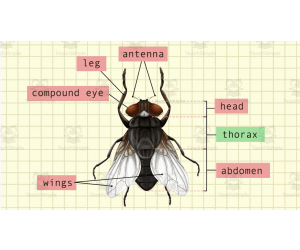
How Insects Move | Animated Insect Video Lesson
Science, Life Sciences, Insects, Grade 3, 4, 5, 6, Lesson Plans, Teacher Tools
This animated science video lesson is all about how insects move. Students will love this engaging and interactive video as they learn more about insects. This video serves as a great introduction or review video for your learners. This is a 14-minute science video lesson.
Author Educational Voice
Tags Insects, Insect Video, Insect Lesson, Science Lesson, Science Video
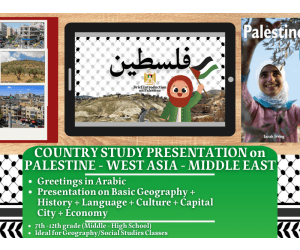
Country Study Presentation - Palestine - Geography - Middle East
Social Studies, Geography, History: Asian, History, History: World, Not Grade Specific, Middle School, High School, Adult Education, Teacher Tools, Presentations, Lesson Plans
Country Study Presentation - Palestine - Geography + Social Studies - Middle East - West Asia Bring Palestine to life in your classroom with this Introductory Teaching Resource on Palestine , designed for Geography, Asian History ( West Asia - Middle East ), and Social Studies . Ideal for students at Middle School and High School ( from 7th Grade to 12th Grade ) , this PDF digital presentation is informative, visually engaging, and requires little to no preparation . Students will explore Palestine’s geography, history, culture, language, and economy , making this resource perfect for country studies and introductory lessons in Geography and Social Studies. 📘 In this Social Studies and Geograhy Introductory Presentation Lesson, the following topics are dealt: ✅ Hello in Arabic ✅ Geography of Palestine ( West Asia - Middle East ) Bordering countries + interactive Google Maps link ✅ Basic Information of Palestine ( West Asia - Middle East ) Population, population density, capital city, currency, government, currency etc ✅ History Overview of Palestine Summary of Palestine most important historical events ( West Asia - Middle East ) ✅ Geography, Climate & Environment of Palestine Land area, regions, environment and climate zones ✅ Palestine’s Economy Major industries, exports, currency and economic strengths ✅ East Jerusalem Palestine' s capital city, including famous landmarks and cultural highlights ✅ Other Key Urban Centers A map with other important major cities in Palestine ( West Asia - Middle East ) ✅ Culture & Traditions Customs, values, and traditions of Palestine ( West Asia - Middle East ) ✅ Goodbye in Arabic 🎯 Perfect For: Geography classes Social Studies World cultures units Country study projects Substitute teacher lessons Digital learning In-class or online teaching 📂 Resource Details Format: PDF Digital Presentation Grade Levels: 7th–12th Grade ( Middle School & High School ) Prep Time: Low to no preparation required Learning with Alan is an educational resource store created to help teachers, educators, and tutors reach their teaching goals while building a fun, engaging, and stimulating learning environment . Because learning should always be meaningful—and fun! 🎓✨ If you want to browse more of my Teaching Resources, click here Learning with Alan!!
Author Learning with Alan
Rating
Tags Country Study, Social Studies, Geography, Palestine, Arabic, Middle East, West Asia, Lesson, Introduction, Presentation

All About Dinosaurs | Animated Animals Video Lesson
Science, Life Sciences, Animals, Grade 3, 4, 5, 6, Lesson Plans, Teacher Tools
All About Dinosaurs | Animated Animals Video Lesson: A Must-Have Teaching Resource The product being discussed is 'All About Dinosaurs | Animated Animals Video Lesson', a teaching resource tailored for passionate educators in the pursuit of enlightening young minds. This fantastic tool leaps off traditional educational methods into innovative learning, utilizing animation to pique students’ curiosity and make the lesson more captivating. Challenges In Teaching Science Teaching Science often poses challenges in explaining complex concepts, but this is where our video lesson shines. Constructed on animated content about dinosaurs, it takes learners on an exciting journey of discovery across 11 minutes of rich knowledge nuggets. The video format doesn't just provide visual stimulus but also auditory learning opportunities - an ideal combination for modern students' varied learning styles. Purposeful Content Arrangement Each segment within the video has been methodically arranged to deliver information about dinosaurs in a way that isn't overwhelming. Instead, it's structured thoughtfully so that youngsters from Grade 3 through Grade 6 can easily digest each fact shared about these ancient creatures' intriguing existence. Versatile Use Cases This innovative teaching resource in MP4 format offers flexibility depending on your unique classroom or homeschooling environment's needs. Possible operations include: Whole group instruction session: As part of science topics introduction or zoology subtopics related to animals and their evolution over time. Disscusion Groups: Educators could compose smaller post-viewing discussion groups where pupils can share their impressions and learnings from the video. Homeschoolers or distance learners: Using this resource as an assignment will help deepen understanding when complemented with additional readings or exercises. Conclusion The 'All About Dinosaurs | Animated Animals Video Lesson' signifies not just another addition to your educational arsenal but a valuable ally towards making science lessons enjoyable yet profound experiences for grade school learners under your wing.
Author Educational Voice
Tags Dinosaurs, Animation, Science Education, Zoology, Interactive Learning
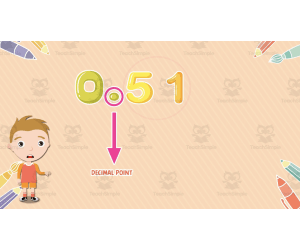
All About Decimals | Animated Math Video Lesson
Math, Decimals, Grade 2, 3, 4, 5, Lesson Plans, Teacher Tools
All About Decimals | Animated Math Video Lesson Overview All About Decimals | Animated Math Video Lesson is an interactive and engaging teaching aid, designed explicitly for Grade 2, 3, 4, and 5 math students. It uses unique animations to simplify the understanding of the complex concept of decimals in a fun and enjoyable way. Video Format & Usage The lesson is encapsulated in an MP4 file format. As such it is perfect for: An introductory lesson for beginners, A quick recap session for seasoned learners needing to refresh their decimal knowledge, An eye-catching supplement during mathematical exercises in classrooms or at home. Versatility & Adaptability This animated video lesson has excellent adaptability with various instructional settings. It can be used: In classroom settings either whole or small-group teachings, In homeschooling environments as a solo study guide or homework assignment tool, In before-after school programs due to its alignment with standardized practices. To Sum Up... The tailoring of All About Decimals | Animated Math Video Lesson, takes children on an immersive journey from initially learning about decimals as a subject concept towards becoming critical thinkers. Such deviation into deeper layers allows them not only just comprehend the numerical problems but also interact proficiently with complex issues relating to decimals.
Author Educational Voice
Tags Decimals, Math Education, Interactive Learning, Animated Lesson, Problem Solving

Country Study Presentation - Tonga - Geography - Oceania
Social Studies, Economics, First Peoples (Native), Government, History, Middle School, Not Grade Specific, High School, Adult Education, Teacher Tools, Presentations, Lesson Plans
Country Study Presentation - Tonga - Geography - Oceania Try this Teaching Resource on Tonga (Introductory Presentation Lesson - PDF Printable), designed for Geography + Oceanian History ( Oceania - Pacific Ocean ) + Social Studies lessons. Suitable for Grades 7–12 (Middle school and High School students), this Introductory PDF Presentation offers a ready to use lesson that requires little to no preparation. Geography and Social Studies students will learn about Tonga ’s geography, history, culture, language and economy — making it perfect for classroom instruction, homeschooling, or online learning. 📘 Teachers can find the following topics in this Social Studies and Geograhy Teaching resource ✅ Greetings in English + Tongan ✅ Geography of Tonga ( Oceania - Pacific Ocean ) – Key facts, borders, and an interactive Google Maps link to its location. ✅ Quick Facts – Population, capital city, currency and other essential details ( Oceania - Pacific Ocean ) ✅ Languages of Tonga : English + Tongan - introduction in the languages spoken + basic vocabuary ✅ History Overview – A concise summary of the most important events in the history of Tonga ( Oceania - Pacific Ocean ) ✅ Geography & Environment – Details about the country’s land area, regions, and climate zones ( Oceania - Pacific Ocean ) ✅ Tonga's Economy – paragraph on Tonga ’s industries, exports, currency and economic strengths ( Oceania - Pacific Ocean ) ✅ Nuku'Aloga – Explore the capital city of Tonga , its famous landmarks, and cultural highlights. ✅ Other Major Cities – A map showcasing additional important cities in Tonga ( Oceania - Pacific Ocean ) ✅ Tonga's Culture & Traditions – A look at the customs and values that define Tonga ( Oceania - Pacific Ocean ) ✅ Farewell in English + Tongan 🎯 This Geography and Social Studies Teaching Resource can be perfect for: Geography classes Social Studies lessons World cultures units Country study projects Substitute teacher toolbox Digital learning In-class or online teaching 📂 Resource Details Format: PDF Digital Presentation Grade Levels: 7th–12th Grade (Middle School and High School students) Learning with Alan is an educational resource store created to help teachers, educators, and tutors reach their teaching goals while building a fun, engaging, and stimulating learning environment . Because learning should always be meaningful—and fun! 🎓✨ If you want to browse more of my Teaching Resources, click here Learning with Alan!!
Author Learning with Alan
Rating
Tags Social Studies, Country Study, Geography, Oceania, Pacific Ocean, Tonga, Lesson, Introduction, Presentation, History

'The Mitchels vs the Machines' Lesson Plan & Worksheets | Grades 3 - 8
ELA, Social Emotional Learning (SEL), Special Resources, Grade 3, 4, 5, 6, 7, 8, Lesson Plans, Teacher Tools, Worksheets & Printables
The Mitchells vs. the Machines Movie Study | Family, Technology, ELA, Critical Thinking & Media Literacy Activities | Grades 3–8 Turn movie day into a meaningful learning experience with this engaging The Mitchells vs. the Machines Movie Study ! Based on the hilarious and action-packed animated film, this resource helps students explore themes of family relationships, technology, individuality, teamwork, and communication while strengthening reading comprehension, critical thinking, writing, data analysis, and media literacy skills. Through 20 thoughtfully designed activities, students analyze characters, investigate cause and effect, interpret data, and reflect on the role technology plays in everyday life. What's Included 20 student activities Printable student workbook Comprehensive teacher guide Complete answer key Reading comprehension questions Story sequencing activities Story mountain graphic organizer Character analysis tasks Cause-and-effect activities Inference and critical-thinking questions Compare-and-contrast Venn diagram Humor and hyperbole analysis Family and communication discussions Technology reflection activities Line graph interpretation Pie chart analysis Point-of-view writing prompts Persuasive writing activities Creative design tasks Reflection and review activities Students will explore: Family relationships Communication and understanding Technology and screen time Teamwork and problem-solving Individuality and self-expression Cause and effect Media literacy Critical thinking Creativity and resilience How It Works in the Classroom This The Mitchells vs. the Machines movie guide is designed for flexible classroom use and works well for: English Language Arts lessons Media literacy units Technology discussions Independent work Homeschool learning Substitute plans Small-group discussions Movie day enrichment Cross-curricular learning Critical-thinking lessons Students complete activities before, during, and after viewing the film. Lessons include anticipation activities, vocabulary development, comprehension checks, character studies, data analysis, creative writing, persuasive writing, and reflection opportunities. Teachers can use the full resource as a complete unit or select individual activities to fit classroom needs. Standards & Learning Goals Students will: Sequence and summarize key plot events Answer literal and inferential comprehension questions Analyze character development and relationships Explore cause-and-effect connections within the story Interpret line graphs and pie charts Compare and contrast characters using evidence Identify humor, exaggeration, and hyperbole Write from different points of view Construct persuasive arguments Reflect on technology’s role in daily life Supports instruction in: English Language Arts Reading Comprehension Writing Critical Thinking Media Literacy Mathematics & Data Analysis Speaking and Listening Social-Emotional Learning (SEL) Why Teachers Love It ✅ No-prep printable resource ✅ Includes teacher guide and complete answer key ✅ Engaging blend of literacy and media literacy skills ✅ Encourages meaningful conversations about technology ✅ Strengthens critical-thinking and inference skills ✅ Integrates reading, writing, and data analysis ✅ Flexible for classroom, homeschool, and enrichment settings ✅ Appeals to reluctant learners through a popular animated film ✅ Encourages creativity and self-expression ✅ Makes movie-based learning purposeful and academically meaningful Teachers love how this resource transforms a fast-paced family comedy into an engaging educational experience. Students strengthen literacy and analytical skills while exploring important modern themes such as technology use, family communication, individuality, and teamwork. Add this The Mitchells vs. the Machines Movie Study to your classroom today and help students explore family, technology, communication, and critical thinking through engaging activities that make movie day both educational and memorable.
Author Bright Classroom Ideas Marketplace
Rating
Tags Mitchels, Machines, Film, Movie, Guide, Lesson, Plan, Worksheet, Ela, Sel
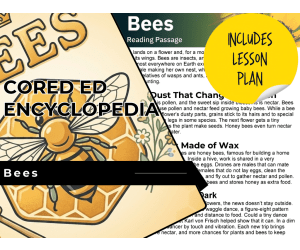
Bees Reading Comprehension Passage - Cored Ed Encyclopedia
ELA, Language Development, Reading Comprehension, Reading, Writing, Pre-Reading, Science, Insects, Life Sciences, Vocabulary, Grade 2, 3, 4, 5, Worksheets & Printables, Worksheets, Teacher Tools, Centers, Activities, Writing Prompts, Assessments, Quizzes and Tests, Quizzes, Lesson Plans
This bees reading comprehension with lesson plan includes: Visualization (on the front cover) Start your lesson by taking a minute to think and share something about the topic. Read the script aloud (slowly), perhaps prepare some music or sound effects. Student close their eyes and let their imaginations wander. Students open their eyes, read the question aloud and give them a few minutes to complete. Ask a few students to share or keep answers until the end to compare with what they learn in the passage. Quick pause—thousands of Cored Education products are included with your TeachSimple membership. Download links and encyclopedia index available here. Pre-Reading Trivia Students will write down one thing they already know about the subject and then read five more facts and discuss. These facts are fun, and the students will enjoy learning about the subject before reading more. Give 1 minute for students to write what they already know (no pressure—best guess is fine). Read the five facts together. After each fact, do ask a student for their opinion, was it surprising? Set a purpose by asking students to highlight/underline one fact they want to learn more about during the reading. Reading Passage The text is a high-interest reading passage with set paragraphs, roughly three to four paragraphs long. It contains a variety of themes about the topic, anywhere from history to technology. The passage is between 250 and 350 words in length. First, ask students to look at the headings and see what they’ll learn about today. What do they know about the topic/heading? First read options: Teacher read-aloud (best for support). Partner reading (paragraph by paragraph). While reading, students underline important details, and vocabulary words they think may come up in the questions section. Mixed Questions The first question page contains four multiple-choice questions, each with a choice of four answers, and three written response questions that require a sentence or two from the student. Students complete the mcqs first independently, then review quickly as a class. For the 3 written responses, try to get students giving the answer with some form of evidence: “I think ___ because the text says ___.” If students get stuck, send them back to check the passage. Vocabulary Questions Practice seven key words from the text in this section across two activities. First section is scrambled words where students will unscramble three words given a clue for each. The second section is a word to meaning matching activity. Before starting, have some students read out words they underlined in the passage. Ask students to say the word and read aloud the sentence(s) around each word. Ask students to do scrambled words and the matching exercise in pairs then go through answers as a class. For the scrambled spelling task, get four pairs to come up to the board and write the words for extra practice with the other student reading out the clue. For the matching task, prompt students to give full sentences: “I matched ___ with ___ because ___.” Creative Writing In this question, the student will be required to write a five to eight sentence paragraph on a question related to the topic. Before starting, ask students write down 3 key ideas they are going to include in their piece. Ask students for ideas to share around the class to help those struggling. Pro writing expectations: 5–8 sentences At least 2 facts or details from the passage At least 2 vocabulary words from the previous page Students read their paragraphs while classmates listen for facts and vocabulary words. Extension Activities This page is optional for fast finishers or to take home. There are several activities, each one requiring a different skill. Do some, do none, do all, completely optional - but you will feel reassured knowing every possibility is planned for. Includes summary writting question and additional facts. Answer Key There are answers for the multiple-choice questions, written response questions have sample answers, vocabulary answers and if there is a summary question then a sample summary will be provided as well. Lesson Plan Included Customized lesson plan for this lesson is included. Lesson Snapshot Title: Bees Genre: Nonfiction (informational passage) Subject: Life Science Primary Topic: Pollination, hive roles, and waggle-dance communication Estimated Guided Reading Level (A–Z): S What This Lesson Teaches Best Bees as insects with many kinds (more than 20,000) living almost everywhere on Earth except **Antarctica. How bees help plants make seeds by moving pollen from flower to flower while gathering nectar and pollen for baby bees. How honey bees live in organized hives with shared jobs (queen, drones, and worker bees doing specific tasks). How honey bees turn nectar into honey and store it for later as extra food. How the waggle dance can share direction and distance to food, supported by the work of Karl von Frisch. Learning Goals Describe where bees live and how many kinds the passage says there are. Explain how pollen gets from one flower to another in the passage. Identify what pollen and nectar do for growing baby bees. Describe how jobs are shared in a honey bee hive, including the queen, drones, and workers. Explain what the waggle dance communicates and how other bees follow it in a dim hive. Describe how honey is made and stored, using details from the passage. Key Vocabulary From the Text pollen — yellow dust that helps plants make seeds. nectar — sweet liquid inside blossoms. colony — a group of bees living together. larvae — baby insects before they become adults. vibration — shaking that can be felt as movement. FULL CATALOG OF DOWNLOAD LINKS AND ENCYCLOPEDIA INDEX HERE
Author Cored Education
Rating
Tags Vocabulary, Reading Comprehension, Reading Passages, Lesson Plans, Ela Lesson Plans, Reading Comprehension Lesson Plans, Pre-reading, Science Lesson Plans, Life Science, Insects
Bird Habitats | Animated Birds Video Lesson
Science, Life Sciences, Animals, Not Grade Specific, Lesson Plans, Teacher Tools
Bird Habitats Animated Birds Video Lesson For educators aiming to make science learning more vibrant and captivating for their students, the Bird Habitats Animated Birds Video Lesson is a valuable resource. Bring the world of ornithology and zoology alive in your classroom. With this animated video , not only will your pupils discover more about different bird habitats, but they will also be engrossed in stories and cultures related to birds. Digital Tool for Versatile Learning This dynamic digital tool offers an easily digestible 10-minute lesson that can successfully introduce or review key concepts. The animation style makes it accessible for students across multiple grade levels since it's not grade specific, simplifying comprehensive science teachings into clear and intriguing lessons that would keep students absorbed. Whole-group viewing:The flexibility of this resource allows you to incorporate it into a whole group session during class time or assigning as individual work. Homeschooling Study Piece:Ideal for homeschoolers looking for self-contained engaging content on bird habitats.- Versatility Meets Instructional Goals In its versatility lies its brilliance: mainstay resource supporting direct classroom instruction while equally phenomenal as independent homework supplement reinforcing science principles outside the classroom walls besides being excellent bring-alive teaching aid demonstrating real-life applications of studies made passionately by those animal-loving pupils keen on nature thus assuring overall better grasp retaining proficiency in subjects like Zoology and Science indefinitely effectively beyond textbook confines traditionally accepted across many educational generations till now substantially easing pedagogic transition towards more digital platforms optimised omnidirectionally consequent upon sudden shift embraced globally owing much due to current global contagion crisis unforeseen compelling teaching fraternity exploring virtual spaces fund improved e-learning resources extensive benefiting ultimately all in particular those inclined towards nurturing lastingly holistic education indispensable today reinforcing mankind survival basic preparedness vis-à-vis global concerns. Revolutionizing Science Education In essence, expect to find in this MP4 file a seamless blend of scientific understanding and worldly wisdom designed to leave an impression on learner's minds, fostering their enthusiasm for the amazing world of science. Trust Bird Habitats Animated Birds Video Lesson as your treasured partner towards reaching pedagogic goals in an age when easy access virtual education resources are the accepted future norm making learning undeniably fun and unforgettable underlining its significance indispensable shaping tomorrow's leaders responsibly.
Author Educational Voice
Tags Bird Habitats, Animated Birds, Science Lesson, Ornithology, Zoology
Japan The Island Nation: Guided Reading Level Q with Lesson Plan
ELA, Resources for Teachers, Reading Comprehension, Reading, Science, Geography, Social Studies, History, Earth and Environmental Sciences, Technology, Grade 3, 4, 5, Worksheets & Printables, Worksheets, Teacher Tools, Centers, Activities, Literacy Readers, Quizzes, Quizzes and Tests, Assessments, Lesson Plans
This Japan: The Island Nation (level q) guided reading book with lesson plan includes: Guided Reading Color Label (front cover x1) This is a quick way to match the book’s demands to what students can generally handle.. The overall goal is to use the level/color to pick books for several smaller groups. To qualify for a certain level, a student is expected to read a book from that level with about 90–94% accuracy. If a student is consistently accurate and understands, move up a level. If the student is struggling at that level, drop down and add more support. Each student will improve at completely different rates, but it is generally one of the best ways to check progress across the class. DOWNLOAD THE CATALOG TO VIEW ALL GUIDED READING BOOKS AVAILABLE (SORTED LEVELS A-Z) Pre-Reading Question (x1) Teacher asks the prompt aloud, can be while showing the cover or first page. Students share what they already know, or make educated guesses from the cover. Prompt them to use the target vocabulary. Write some of their responses on the board to look back at during the reading. Vocabulary Words (x5) Introduce the five words, best doing it one at a time. Start by saying it, while students repeat and then see if anyone knows what it means before reading further. Read through the meaning and try to briefly connect each word to a picture or gesture so it’s meaningful. Ask students to flip through the book pages and point to where they see each of the vocabulary words. While reading the book pause upon coming across one of the vocab words or read the sentence twice to make sure students understand the word has appeared. Optional: Ask students to raise hands whenever they see/hear one of the new words. Guided Reading Pages (x10) Check the book snapshot (below) for: primary topic - do you need to prep extra reading or intro materials on this? what is taught best - decide on 1-2 bullets to focus on, use the prompt or words provided here for best results. learning goals - what you are checking for students to be able to do after the session, elicit answers using prompts or words provided. key vocabulary (see section above). questions overview - so you know what is coming up and if you need to prep extra materials to assist understanding. Run the lesson You may have already looked at a few of the pages together, but you can show them some of the pictures again first to set meaning. Depending on how much time you have and how familiar your students are with guided reading class, you may want to read the book aloud first with the group first. Students whisper or partner read, while you listen in. If time, do it as a group, one student reading a page each. Use the guided page’s prompts to coach: “Check the picture / does it make sense?” “Point under the words / try the first sound” “Reread the sentence smoothly”. Try to focus more on one student per session (rotating every time), so you can work out if they are ready to move up or need to move down a level. Comprehension Questions (back cover x3) This is your way to check that students didn’t just say the words, but actually understood the text. First, let students answer by pointing to the page/picture and saying a short sentence. After any answer, follow with: “Show me where you found that in the text.” In bigger groups, have partners answer first (10–20 seconds), then call on 2–3 students to share. Differentiation tips: Emerging speakers/struggling readers: oral + pointing On-level: oral in a full sentence Higher: one written sentence or draw + label Book Snapshot Title: Japan: The Island Nation Genre: Nonfiction Subject: Social Studies (Geography/Culture) Primary Topic: Japan’s islands, cities, traditions, and modern innovations Estimated Guided Reading Level (A–Z): Q What This Book Teaches Best Explains Japan’s geography as an archipelago , naming the four main islands and describing its location off East Asia. Highlights Tokyo as a major metropolitan area , describing its role and features of city life. Describes transportation and technology through the Shinkansen (bullet train), including its speed, safety, and punctuality. Connects landforms and natural features to Japan’s identity by describing Mount Fuji, snow cover, and spring sakura blossoms. Builds understanding of culture and history through Shinto and Buddhism, matsuri festivals, and the Edo period (shoguns, samurai, and castles like Himeji). Learning Goals Students will explain what an archipelago is and name Japan’s four main islands. Students will describe Tokyo’s importance and identify details the text gives about the city. Students will explain how the Shinkansen helps people travel and identify key features the text highlights (such as speed or punctuality). Students will describe Mount Fuji using details from the text, including its height and volcanic history. Students will identify key ideas about Japanese traditions from the text (religions, shrines/torii, cuisine, or festivals). Students will explain how Japan’s climate varies and describe the text’s example of the “snow monkey” in winter. Key Vocabulary From the Text archipelago — a group of islands. metropolitan — related to a very large city area. punctuality — being on time. terraced — built in step-like levels on a hillside. geothermal — heat that comes from inside the Earth. Discussion Prompts Pre-reading question: What places, traditions, or inventions do you expect to learn about in Japan? Comprehension questions: What four main islands does the text name as part of Japan? Comprehension questions: What does the text say the Shinkansen is known for? Comprehension questions: How does the text say the “snow monkey” adapts to cold winters? Printing Tips 1. Best Printing Method (Recommended) “Booklet” Printing (Best if Available) If your printer or PDF viewer supports Booklet Printing , use this. Settings to use: Print mode: Booklet Paper size: Letter or A4 (either works) Orientation: Landscape Print on both sides: Yes Flip on: Short edge Scaling: Fit to printable area Booklet subset: First test: Front sides only Then: Back sides only This will automatically: Pair pages correctly Put the cover on the outside Align everything for folding After printing, fold in half and staple along the spine . 2. If “Booklet” Printing Is NOT Available You can still print this correctly with manual duplex printing . Step-by-step: Open the PDF. Choose Print . Set: Orientation: Landscape Pages per sheet: 1 Print on both sides: Yes Flip on: Short edge Print all pages . Because each PDF page already contains two facing book pages, the result will still fold cleanly into a book. Thousands of Cored Education products are included with your TeachSimple membership. Download links and encyclopedia index available here.
Author Cored Education
Rating
Tags Reading Comprehension, Reading Passages, Reading, Guided Reading, Guided Reading Lesson Plan, Guided Reading Activity, Pre-reading, Social Studies, Geography, History

All About The Brain | Human Body Video Lesson
Science, Life Sciences, Human Body, Not Grade Specific, Lesson Plans, Teacher Tools
Discover the "All About The Brain" Human Body Video Lesson - an engaging and insightful educational tool specially designed for teachers seeking to deepen their students' knowledge of the most intricate organ in the human body, the brain. This 10-minute video lesson comes in a high-quality MP4 format, ensuring seamless integration into any modern classroom environment. Expertly developed with captivating visuals, easy-to-understand explanations, and interactive components, this video lesson is perfect for laying the foundations or reinforcing key concepts related to brain structure and functionality. Students will be immersed in learning as they explore this amazing organ from various angles. Ideal for use across different grade levels and subject areas such as science, biology or psychology where lessons on human anatomy or neuroscience are part of your curriculum. This flexible digital educational resource can be effortlessly adapted into your current lesson plans or used independently as a valuable supplementary tool to encourage further understanding. Elevate your students' comprehension of the human brain by incorporating TeachSimple.com's "All AboutThe Brain" Human Body Video Lesson into your repertoire of outstanding instructional materials!
Author Educational Voice
Tags The Brain, Human Body, Video, Science Lesson, Interactive
High School Science: Understanding Ecosystems Reading Passage
ELA, Reading, Writing, Resources for Teachers, Science, Life Sciences, Biology, High School, Homeschool Resources, Teacher Tools, Assessments, Lesson Plans, Quizzes and Tests, Worksheets & Printables, Writing Prompts
Teaching ecosystems can feel overwhelming with so many moving parts—living organisms, energy flow, nutrient cycles, and human impacts. That is why I designed this High School Science The Interwoven Web of Life: Understanding Ecosystems resource to make complex ecological concepts approachable without sacrificing depth. It combines a detailed reading passage, thought-provoking Q & A, and flexible note-taking sheets so students/homeschoolers can absorb, process, and engage with the content meaningfully. Whether you are guiding a full lesson or supplementing science and writing practice, this pack provides both structure and freedom for deeper exploration. INCLUDED IN THIS RESOURCE: 1 engaging, advanced reading passage 20 thought-provoking, high-order questions A guided answer key with in-depth explanations 5 versatile note-taking sheets for student use TOPICS COVEREDL Energy flow vs. matter cycling in ecosystems Roles of producers, consumers, and decomposers Keystone species and biodiversity impacts Human activities and conservation efforts This High School Science The Interwoven Web of Life: Understanding Ecosystems resource offers a comprehensive way to explore ecosystems while balancing structure, independence, and creativity. If you have ever wanted your teen to dig deeper into science concepts while strengthening writing and reasoning skills, this is the perfect fit. I hope it helps make your homeschool days just a little smoother and your student’s learning even more meaningful. If you and your students/homeschoolers enjoyed this resource, please leave a review. Thank you for your support! Tina - Big Easy Homeschooling Mom
Author Homeschool with Big Easy Homeschooling Mom
Rating
Tags Homeschool Ecosystems Resource With Answer Key, Ecosystem Reading Passage, Biodiversity Lessons, High School Ecosystems, Ecosystems Cross-curricular Resource, Ecosystem Study Guide, Ecosystems Science Passage, Ecosystems Homeschool Resource, Ecosystems Enrichment Resource, Ecosystem Lesson Resource