



3,949 products added recently
Page 62 - Popular Lesson Plans
Explore a curated selection of popular lesson plans that have proven successful in classrooms. Covering various subjects and topics, these resources provide innovative ideas and activities. Use them to refresh your curriculum and engage your students with tried-and-true methods.

 Show filters


Circulatory, Digestive & Reproductive Systems - Digital Lesson Plan Gr. 5-8 | PC Software
Science, Life Sciences, Human Body, Grade 3, 4, 5, 6, 7, 8, Teacher Tools, Lesson Plans
Circulatory, Digestive & Reproductive Systems - Digital Lesson Plan Gr. 5-8 | PC Software A comprehensive teaching tool customized for educators underlining anatomy and physiology courses. This resource fits seamlessly into science circulums from grade 3 to 8-- a perfect fusion of informative and interactive content for high-grade student learning experiences. The digital lesson plan inducts students into the intricate world of human body's circulatory, digestive, and reproductive systems through high-definition visuals. The user-friendly interface allows students to experience a virtual journey through veins as red blood cells or even trace down the intricacies of nutrient assimilation from food intake. A Sneak Peek Into its Key Features: In-depth reading material: Incorporates before-and-after reading exercises which enhance comprehension skills effectively. Test preparation sections: A useful tool that helps assess student' understanding accurately. Fusion of fun & learning: Engaging memory match games , crosswords and word searches related directly with anatomy lessons serve dual objectives of reinforcing classroom teachings while keeping monotony at bay. Multimedia elements: Audio-visual components make this product appealing to today's generation thriving on digital resources intensively. This software promises flexibility facilitating different learning environments spanning whole-group instruction or broken down to smaller group sessions or individual homework assignments – marking it a versatile aide in every contemporary educator's toolkit. Packaging Details : All contents available within a single zip file containing PC compatible software – A worthy investment indeed towards nurturing our future scientists!
Author Classroom Complete Press
Tags Reproductive Systems, Anatomy Lesson, Digital Science Lesson, Digital Anatomy Reading, Reading Lesson

ESL Lesson Plan on Eating Insects - Food of the Future
ELA, Reading, Reading Comprehension, Language Development, ESL, Vocabulary, Grade 7, 8, 9, 10, 11, 12, Teacher Tools, Lesson Plans
ESL Lesson Plan on Eating Insects - Food of the Future This ESL (English Second Language) Teaching Resource Lesson Plan on Eating Insects - Food of the Future (14 Digital PDF Slides) is great to stimulate English as Second or Foreign Language Learners with Interesting Actuality topics (Insects consumption). This ESL Lesson Plan can be ideal for learners from 7th grade to 12th grade; it can also be more than suitable for ESL EFL TESOL Centers around the world and/or private English Second Language Tutors/Private Teachers. This ESL Lesson Plan Teaching Resource on Eating Insects - Food of the Future can be great for Intermediate Advanced English as a Second or Foreign Language Students Within this ESL Teaching Resource (lesson plan) on Eating Insects, it is included: 1 opening slide 5 introductory slides to Eating Insects (presentation of the topic + some vocabulary; tarantulas, termites, grasshoppes, locusts etc) 3 slides for Warm-Up Picture Description Activity (a guy eating insects at a food market + insects farming + insects' burger in a supermarket) 1 slide about the use of Insects consumption around the world 1 slide with Listening Comprehension Video (QR Code-linked video + hyperllink) 1 slide with 9 Comprehensio Questions (with internal link to last slide's answer keys) 1 slide for ESL writing activity prompt ("Would you like to try insects") 1 slide with answer keys This ESL, EFL, TESOL PDF Digital Teaching Resource Lesson Plan on Eating Insects (13 slides + answer keys in the last slide) can be suitable for Intermediate Advanced English as a second or foreign language learners (ESL EFL). Its aim is to make students exercise and improve their vocabulary (Warm-up Picture Description), Listening comprehesion and Writing English as a second language Skills. Learning with Alan is a Brand New Teaching Resources Store whose aim is to help English as a Second or foreign Language Teachers, Educators and Tutors (be it online or offline) to achieve their teaching objectives while creating a fun and stimulating environment. Never Forget! Learning is fun, So should English! Always If you want to browse more of my ESL, EFL, TESOL Teaching Resources, click here Learning with Alan!
Author Learning with Alan
Tags ESL, English Second Language, English, Insects, Future, Food, Lesson Plan, Listening, Writing, Comprehension

Camping: A Complete Theme Unit Including Learning Centers
, Preschool, Grade 1, 2, Lesson Plans, Teacher Tools
The Camping: A Complete Theme Unit Including Learning Centers This versatile teaching resource brings nature into the classroom, fostering curiosity about the outdoors and strengthening connections to it. Delivered in an easy-to-download PDF format, this comprehensive digital educational toolkit will positively transform your teaching approach. What's Inside? A set of 34 rigorously planned pages packed with engaging activities. Adaptable framework for kindergarten through second-grade students, adjustable for different grade levels. An ensemble of educative games, puzzles and craft projects centered around the camping theme. Differentiated Learning Approach The Camping: A Complete Theme Unit Including Learning Centers goes behind just honing foundational subjects like reading or numeracy skills among learners. It aims at broadening their mental horizons by intensifying their critical thinking aptitudes through: Craft challenges that enhance creativity Mind-stimulating puzzles that boost problem-solving abilities Real-life application-based learning experiences that nurture logical reasoning. Fostering Teamwork: An Accessible Teaching Methodology This resource can seamlessly be integrated into whole group instruction or small group collaborations during center time. It encourages team-building skills among learners while providing opportunities for them to learn how to logically categorize items or decode ciphered messages – a classic element in outdoor adventures! A Unique Opportunity For Homework Tasks Increase student engagement with homework tasks based on this resource unit's activities. This allows them to connect lessons learned in class with real-world applications- a unique opportunity to further explore intriguing topics! Make Learning Fun with The Camping: A Complete Theme Unit Including Learning Centers! This comprehensive curriculum enrichment pack will bring about a welcome change in your classroom, ensuring that learning continues to be a joyous adventure packed journey for your learners! It is the perfect mix of fun-filled ideas, and academically sound content- definitely an investment that will pay off well in the educational journey of every student!
Author Classroom Complete Press
Tags Camping, Learning Center, Math, Manipulatives, Art Center

Egypt The Gift of the Nile: Guided Reading Level R with Lesson Plan
ELA, Resources for Teachers, Reading Comprehension, Reading, Science, Geography, Social Studies, History, Earth and Environmental Sciences, Technology, Grade 3, 4, 5, Worksheets & Printables, Worksheets, Teacher Tools, Centers, Activities, Literacy Readers, Quizzes, Quizzes and Tests, Assessments, Lesson Plans
This Egypt: The Gift of the Nile (level r) guided reading book with lesson plan includes: Guided Reading Color Label (front cover x1) This is a quick way to match the book’s demands to what students can generally handle.. The overall goal is to use the level/color to pick books for several smaller groups. To qualify for a certain level, a student is expected to read a book from that level with about 90–94% accuracy. If a student is consistently accurate and understands, move up a level. If the student is struggling at that level, drop down and add more support. Each student will improve at completely different rates, but it is generally one of the best ways to check progress across the class. DOWNLOAD THE CATALOG TO VIEW ALL GUIDED READING BOOKS AVAILABLE (SORTED LEVELS A-Z) Pre-Reading Question (x1) Teacher asks the prompt aloud, can be while showing the cover or first page. Students share what they already know, or make educated guesses from the cover. Prompt them to use the target vocabulary. Write some of their responses on the board to look back at during the reading. Vocabulary Words (x5) Introduce the five words, best doing it one at a time. Start by saying it, while students repeat and then see if anyone knows what it means before reading further. Read through the meaning and try to briefly connect each word to a picture or gesture so it’s meaningful. Ask students to flip through the book pages and point to where they see each of the vocabulary words. While reading the book pause upon coming across one of the vocab words or read the sentence twice to make sure students understand the word has appeared. Optional: Ask students to raise hands whenever they see/hear one of the new words. Guided Reading Pages (x10) Check the book snapshot (below) for: primary topic - do you need to prep extra reading or intro materials on this? what is taught best - decide on 1-2 bullets to focus on, use the prompt or words provided here for best results. learning goals - what you are checking for students to be able to do after the session, elicit answers using prompts or words provided. key vocabulary (see section above). questions overview - so you know what is coming up and if you need to prep extra materials to assist understanding. Run the lesson You may have already looked at a few of the pages together, but you can show them some of the pictures again first to set meaning. Depending on how much time you have and how familiar your students are with guided reading class, you may want to read the book aloud first with the group first. Students whisper or partner read, while you listen in. If time, do it as a group, one student reading a page each. Use the guided page’s prompts to coach: “Check the picture / does it make sense?” “Point under the words / try the first sound” “Reread the sentence smoothly”. Try to focus more on one student per session (rotating every time), so you can work out if they are ready to move up or need to move down a level. Comprehension Questions (back cover x3) This is your way to check that students didn’t just say the words, but actually understood the text. First, let students answer by pointing to the page/picture and saying a short sentence. After any answer, follow with: “Show me where you found that in the text.” In bigger groups, have partners answer first (10–20 seconds), then call on 2–3 students to share. Differentiation tips: Emerging speakers/struggling readers: oral + pointing On-level: oral in a full sentence Higher: one written sentence or draw + label Book Snapshot Title: Egypt: The Gift of the Nile Genre: Nonfiction Subject: Social Studies (Geography/History) Primary Topic: How the Nile shaped ancient and modern Egypt Estimated Guided Reading Level (A–Z): R What This Book Teaches Best How Egypt’s desert environment (Sahara Desert, little rain) made a single water source essential for a thriving civilization. Why the Nile River’s yearly floods mattered, including how receding water left fertile silt for growing food. Major symbols of ancient Egypt and what the text says they were for or represented (Great Pyramid of Giza; Great Sphinx). Key beliefs and systems of ancient Egypt, including pharaohs, the afterlife, hieroglyphics, and mummification. Connections between past and present by describing modern Cairo, the Suez Canal, tourism, and archaeologists’ discoveries. Learning Goals Students will describe Egypt’s location and explain how the Sahara Desert affects the land. Students will explain how Nile floods helped farmers grow food by using the text’s details about silt. Students will identify what the Great Pyramid of Giza was built for and describe one detail about its construction. Students will describe how ancient Egyptians recorded history and managed government using hieroglyphics and scribes. Students will explain why mummification was developed and describe what the text says happened during the process. Students will describe two details that show Egypt is a modern nation today (for example, Cairo and the Suez Canal). Key Vocabulary From the Text receded — moved back after being higher. silt — rich dark soil left by water. monumental — very large and important. hieroglyphics — picture symbols used as a writing system. mummification — preserving a body by drying and wrapping. Discussion Prompts Pre-reading question: How might a river help people live and farm in a desert place? Comprehension questions: What did the Nile River’s floods leave behind when the water receded, and why did that help farmers? Comprehension questions: What does the text say the Great Pyramid of Giza was built for? Comprehension questions: What two details from the text show Egypt is a modern nation today? Printing Tips 1. Best Printing Method (Recommended) “Booklet” Printing (Best if Available) If your printer or PDF viewer supports Booklet Printing , use this. Settings to use: Print mode: Booklet Paper size: Letter or A4 (either works) Orientation: Landscape Print on both sides: Yes Flip on: Short edge Scaling: Fit to printable area Booklet subset: First test: Front sides only Then: Back sides only This will automatically: Pair pages correctly Put the cover on the outside Align everything for folding After printing, fold in half and staple along the spine . 2. If “Booklet” Printing Is NOT Available You can still print this correctly with manual duplex printing . Step-by-step: Open the PDF. Choose Print . Set: Orientation: Landscape Pages per sheet: 1 Print on both sides: Yes Flip on: Short edge Print all pages . Because each PDF page already contains two facing book pages, the result will still fold cleanly into a book. Thousands of Cored Education products are included with your TeachSimple membership. Download links and encyclopedia index available here.
Author Cored Education
Rating
Tags Reading Comprehension, Reading Passages, Reading, Guided Reading, Guided Reading Lesson Plan, Guided Reading Activity, Pre-reading, Social Studies, Geography, History
I WONDER - How Heavy Was The Pteranodon | Animated Video Lesson
History: Ancient, History, Social Studies, History: World, Animals, Life Sciences, Science, Grade 4, 5, 6, 7, 8, 9, 10, Lesson Plans, Teacher Tools
Video Introduction An amazing video designed for the students to learn more about dinosaurs in different countries. I WONDER - How Heavy Was The Pteranodon | Animated Video Lesson Do you like dinosaurs? what is your favorite one? Do you own a pet? If yes, tell us more about it, like what its name? And what do you like most about it? Do you think that your pet has been evolved from a dinosaur? Can you write down the characteristics of your favourite dinosaur like it's shape, their rivals, where did it use to live and what was their favourite food? What is the largest and the smallest dinosaur that ever found? Why is the T-rex is so famous? Have you ever read any interesting facts about it? Can you name any of the carnivores or herbivores dinosaurs? I WONDER - How Heavy Was The Pteranodon | Animated Video Lesson The video is perfect for encouraging the researching skills for the students, while learning more about dinosaurs. I WONDER - How Heavy Was The Pteranodon | Animated Video Lesson This friendly designed video is suitable for students at school, homeschooling, and as a group activity. Format Available in MP4 format.
Author Educational Voice
Rating
Tags How Heavy Was The Pteranodon, How Heavy Was The Pteranodon Video, Pteranodon, Pteranodon Video, Pteranodon Facts, Pteranodon Video For Kids, Pteranodon Facts For Kids, Dinosaur, Dinosaurs

Economy & Globalization: The History of Currency Gr. 5-8
Social Studies, Economics, Grade 5, 6, 7, 8, Teacher Tools, Lesson Plans
Economy & Globalization: The History of Currency Gr. 5-8 This is an engaging and enlightening teaching resource tailored for educators targeting students in grades 5 to 8. It offers a comprehensive exploration of exciting concepts around the global economy and its survival mechanism—interdependencies. Nationalization vs Privatization The resource dives into the pros and cons of nationalization and privatization, presenting their impacts on the global economy scene with clarity. History's Journey The journey from using a simple barter system to today's complex digital money transactions is explored. Taking Relevance to Another Level Reintroduces events such as the Great Depression. Fosters panel discussions on international immigration policy includes designing your multinational company with a business plan activity . Offers case studies on outsourcing for sparking classroom debates on economic globalization trends' benefits worldwide. Cross-cutting Themes: Economic Functions & World Currencies: Engaging world currency exchange practice activities using current rates are included — resembling scenarios at an international airport while aiding understanding about broader economics functions globally. Catered Learning Styles: : Resource package includes crossword puzzles and word searches catered towards different learning styles for reinforcement learning with intrigue sparked around Social Studies subjects like Economics. Bloom's Taxonomy Alignment :\ This guide provides ample tools for educators complete Bloom's Taxonomy alignment—even providing comprehension quizzes measuring absorption rates giving result metrics essential for feedback tweaking.\ All resources are provided in accessible PDF format, providing optimal versatility fitting entire class groups and personalized learning paths, whether you're a homeschooler or public school practitioner.
Author Classroom Complete Press
Tags PDF

All About Directions | Animated Math Video Lesson
, Grade 1, 2, 3, Lesson Plans, Teacher Tools
All About Directions | Animated Math Video Lesson An engaging and informative resource for educators, public school teachers or homeschoolers, this animated math video lesson delves into the fundamental concept of directions. The video guides students through a step-by-step journey into understanding how to analyze directions in an exciting format. Target Audience & Subject Matter: The video is designed primarily for learners from: Grade 1 Grade 2 Grade 3 Its main focus is on Word Problems that relate to directions - providing critical exposure and practice with real-world math applications. Fitted For Various Teaching Styles: This a 7-minute MP4 video file type , suitable for use in diverse teaching contexts. It can be integrated during whole group instructions, with the option to pause between key points or even used either during breakout instructional sessions or individual learning scenarios. IDeal Usability: The tool affords educators the luxury of assigning the viewing as homework - supplementing in-class lessons while also enabling independent learning by pupils. Apart from its one-time value, this resource serves future needs as well - working effectively as an introduction to new topics or acting as review material during revisions before assessments. The primary goal of All About Directions | Animated Math Video Lesson is not just presenting valuable instruction on analyzing directions through word problems- it aims at maintaining student engagement which positively affects their retention levels. Apart from imparting requisite content knowledge, students are encouraged towards interactive involvement while using this learning aid. H4>Final Thoughts: A unique educational tool - inherently standalone yet also complementary when paired with other resources, this video lesson is filled to the brim with layers of interactive learning possibilities. It combines an innovative approach towards promoting conceptual understanding for students - ensuring no learner is ever left behind!
Author Educational Voice
Tags Directions, Word Problems, Math Video, Interactive Learning, Teaching Resource
I WONDER - How Did Oviraptors Look After Their Eggs | Animated Video
History: Ancient, History, Social Studies, History: World, Animals, Life Sciences, Science, Grade 4, 5, 6, 7, 8, 9, 10, Lesson Plans, Teacher Tools
Video Introduction An amazing video designed for the students to learn more about dinosaurs in different countries. I WONDER - How Did Oviraptors Look After Their Eggs | Animated Video Lesson Do you like dinosaurs? what is your favorite one? Do you own a pet? If yes, tell us more about it, like what its name? And what do you like most about it? Do you think that your pet has been evolved from a dinosaur? Can you write down the characteristics of your favourite dinosaur like it's shape, their rivals, where did it use to live and what was their favourite food? What is the largest and the smallest dinosaur that ever found? Why is the T-rex is so famous? Have you ever read any interesting facts about it? Can you name any of the carnivores or herbivores dinosaurs? I WONDER - How Did Oviraptors Look After Their Eggs | Animated Video Lesson The video is perfect for encouraging the researching skills for the students, while learning more about dinosaurs. I WONDER - How Did Oviraptors Look After Their Eggs | Animated Video Lesson This friendly designed video is suitable for students at school, homeschooling, and as a group activity. Format Available in MP4 format.
Author Educational Voice
Rating
Tags How Did Oviraptors Look After Their Eggs, How Did Oviraptors Look After Their Eggs Video, Oviraptors, Oviraptors Facts, Oviraptors Video, Oviraptors Facts For Kids, Oviraptors Video For Kids, Oviraptors' Eggs

Leap Year Unit
Math, Early Math, Kindergarten, Preschool, Grade 1, Teacher Tools, Lesson Plans
Introducing the Leap Year Unit A comprehensive and engaging resource for educators catering to preschoolers, kindergarteners, and grade 1 students. This product provides: An ideal blend of poems A variety of activities Substantial information all centered around the concept of 'Leap Year' Presented as an easy-to-use Word Document File, our unit study focuses on early math concepts applicable for young learners. It brings forth mathematical patterns via an engaging thematic approach rather than presenting dry numerical records or mathematical complexities. Nurture Interest and Cognitive Skills with Our Resource! Our Leap Year Unit is filled with poems that exhibit both creativity and learning aspects simultaneously. The involved activities challenge problem-solving skills without overwhelming learners, delivering perfect hands-on experiences at their crucial learning stages. Taking Your Curriculum To New Heights Incorporate our resource into your lessons to generate understanding about the world around us using math concepts such as patterns and sequence in relation each fourth year being designated as 'Leap Year'. The Perfect Education Tool You Need! If you're looking for innovative ways to introduce fundamental math subjects in a child-friendly package, then the Leap Year Unit is what you require. Its combination of entertainment through poems along with vital knowledge via wholesome activities can significantly aid your curricular planning. Prepare your little ones for a fun-filled academic journey ahead!
Author Learning Foundations
Tags Leap Year, Early Math, Cognitive Activities, Thematic Learning, Educational Poems
I WONDER - Does Germany Have Any Famous Food | Animated Video Lesson
Geography, Social Studies, Sociology, Grade 2, 3, 4, 5, 6, 7, 8, Lesson Plans, Teacher Tools
Video Introduction An amazing video designed for the students to learn more about famous places in different countries. I WONDER - Does Germany Have Any Famous Food | Animated Video Lesson Do you like geography?! Let's discover this amazing place and know more about its unique stories. Have you ever visited a unique place or a different country than yours? If yes, tell us about it! If no, tell us what kind of places you would like to visit in the future? Every country has it's own story tell us the story about your country: Where it is located? And when it has been established? I WONDER - Does Germany Have Any Famous Food | Animated Video Lesson The activity is perfect for encouraging the researching skills for the students, while learning more about this fantastic place. I WONDER - Does Germany Have Any Famous Food | Animated Video Lesson This friendly designed video is suitable for students at school, homeschooling, and as a group activity. Format Available in MP4 format.
Author Educational Voice
Rating
Tags Does Germany Have Any Famous Food, Germany, Germany Facts, Germany Video, Germany Facts For Kids, Germany Video For Kids, Famous Food, Germany's Famous Food, Famous Food Video
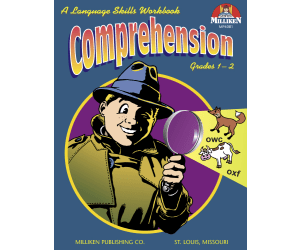
Comprehension Grades 1-2
ELA, Reading, Reading Comprehension, Grade 1, 2, Teacher Tools, Lesson Plans
Comprehension Grades 1-2: A Distinctive Teaching Resource Comprehension Grades 1-2 is a remarkable teaching resource skilfully created to boost the comprehension skills of learners in grade 1 and grade 2. Designed especially for Language Arts, this workbook acts as a skillful guide for teachers striving to instill a deep understanding of written text in their students. Making Sense of Reading Educators understand that reading surpasses mere word recognition. Thus, Comprehension Grades 1-2 delves into making sense of what is read - a critical step towards academic success. This invaluable tool emphasises on cultivating important comprehension skills like: Follwoing directions, Categorising, Sequencing, Main idea identification, Apllication in context, and Finding information. Tailored Learning Journey Per Student & Setting The workbook is crafted with several activities meticulously arranged within its enriching content that guarantees each student's learning journey is exclusively tailored according to their pace and style . The activities are designed for unsupervised individual practice either at home or within classroom settings. The flexible format lets teachers incorporate it effortlessly into varied instructional settings like group or small team sessions. Beyond Classroom Learning & an Efficient Layout In addition to being used within classrooms, each activity can integrate seamlessly into home-learning reinforcement exercises thereby fostering parent-child engagement - equally beneficial for homeschoolers seeking organized practices for developing comprehension skills. The Comprehension Grades 1-2 workbook contains a set of professionally compiled lesson plans spread across 51 ready-to-print pages housed within one handy PDF file. Plus, answer keys are included for convenience and ease of reference during evaluations or review sessions. Conclusion In conclusion, Comprehension Grades 1-2 supplies teachers with easy-to-use content that simplifies teaching comprehensive Language Arts concepts while actively engaging students in their learning journey. The goal is to equip children not just to decode words but truly read by deeply understanding them.
Author Classroom Complete Press
Tags Comprehension, Categorizing, Main Idea, Context Clues, Sequencing

Algebraic Sudoku Bk 1: A Fun Way to Develop, Enhance, and Review Students’ Algebraic Skills
Math, Algebra, Grade 6, 7, 8, Teacher Tools, Lesson Plans
Algebraic Sudoku Bk 1 Algebraic Sudoku Bk 1 is designed to seamlessly intertwine the disciplines of algebra and Sudoku. This teaching resource stimulates learners’ intellectual capabilities by throwing them into intriguing puzzles that enhance reasoning abilities, improve concentration, bolster self-assurance, and sharpen their logic - all while adhering closely to traditional algebra curriculum . This Resource Is More Than Just Exercises This tool stands as a compilation of compact lessons with detailed explanations for each problem. The layout features: The problem background, Strategic discussions, Demonstrations on how to solve the problems. By tackling the algebra problems presented in this resource, students develop enough understanding to logically fill in the remaining cells in accompanying Sudoku puzzles. Ease-of-Use for Educators The design of Algebraic Sudoku Bk 1 prioritizes facilitation for educators. Activities from this resource are readily employed from reproducible masters which can surprisingly double up as printouts or transparencies - perfect for group teaching scenarios or class discussions. A Versatile Tool For Learning Algebra The book contains over thirty activities differing across multiple contexts. This makes it a handy acquisition for all grade six through eight students learning or planning on studying algebra – even those who simply want to keep their algebric aptitude finely honed. This versatile tool is adaptable across various educational scenarios like whole classroom lessons down to smaller study groups or even assigned home-based tasks. A Jewel In Your Instructional Material Arsenal If you're an educator dealing with Algebra within Math subject areas, this PDF-type lesson plan resource is indispensable. Let it foster interactive learning domains where engaged minds foster improved cognitive outcomes through fun yet consequential edutainment.
Author Classroom Complete Press
Tags PDF

Crazy Horse: Historic Monuments Series
Social Studies, History, History: USA, Grade 4, 5, 6, 7, 8, Teacher Tools, Lesson Plans
Crazy Horse: Historic Monuments Series This is a unique teaching resource designed for educators focusing on the 4th to 8th grade levels. It forms an integral part of a series that passionately delves into America's historical monuments, serving as both an educational tool and a means to commemorate the diverse cultures that have shaped the nation. With accurate factual content, it provides abundant knowledge about not only Crazy Horse but also its cultural context and significance. The resource covers contributions made by people from varied backgrounds, a list of which includes: Mexican Americans Native Americans African Americans People of European descent. This approach encourages broader perspectives in students and inclusiveness in understanding American history. The book can be used during Social Studies lessons facilitating class discussions which promote critical thinking among students about U.S history. In-Class Use: The resource with rich content and historical facts is ideal for creating group activities where learners delve deeper into specific topics or individuals highlighted within its pages.An excellent way to explore U.S history! Beyond Classroom Use: The material doubles up as individual study tool or homework assignment allowing students to learn at their own pace while enhancing independent study skills.An invaluable tool for small-group studies focusing on America's past. About The Book Format & Additional Features: The Crazy Horse: Historic Monuments Series comes in PDF format along with lesson plans rooted in reality helping learners establish tangible connections between past events & present perspectives. Note: "Knowledge transcends through time & generations—nurture young minds today with this comprehensive guide illuminating significant landmarks from America’s vibrant past!"
Author Classroom Complete Press
Tags PDF
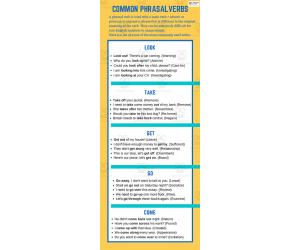
Phrasal Verbs Pre-Intermediate ESL ELA ELA Lesson Plan
ELA, Grammar, Grade 3, 4, 5, Teacher Tools, Lesson Plans
Phrasal Verbs Pre-Intermediate ESL ELA ELL Lesson Plan This pre-intermediate English grammar lesson plan helps students learn common phrasal verbs. Students first study frequently used phrasal verbs like "look after," "carry out," and "go through." Next, they complete exercises assessing their comprehension and grammar abilities. Teachers can implement this versatile resource in various ways - as a whole class activity , small group work, or a homework assignment. This engaging lesson plan strengthens students' understanding of phrasal verbs through informative instruction and practical activities. Educators can access the answer key and digitally assign these materials to students via Google Apps. Flash cards, a writing exercise and extra study are now also included as part of this resource. This lesson plan includes: Cover page Flash cards A warm-up activity Main use Construction details Rules, along with any exceptions Illustrative examples Two closed exercises One open exercise Revision exercise Writing exercises Chatterbox, a recurring feature in our course books encouraging conversation Activity , such as a game, quiz, puzzle, etc., to conclude the class The lesson plan is available in PDF with 26 ready to print pages and one digital access file. A part of it is on Google Apps. The answer key is also included for reference.
Author TEAM TEFL
Tags Phrasal Verbs, Grammar Worksheet, Prepositions, Short Story, ESL

Vertical Hydroponic Garden Nutrient Logging
Science, Life Sciences, Nature & Plants, Technology, Engineering, STEM, Resources for Teachers, Classroom Management, Research, Community Building, Grade 6, 7, 8, 9, 10, 11, 12, Worksheets & Printables, Workbooks, Worksheets, Word Searches, Teacher Tools, Lesson Plans, Quizzes and Tests, Quizzes, Tests, Assessments
Transform your classroom into a modern, data-driven vertical farm! This comprehensive, 41-page curriculum packet is a complete, project-based learning unit designed to bridge the gap between abstract science and real-world application. Move beyond basic plant-growing projects and empower your students to think like true agronomists and data scientists. This isn't just a lesson; it's a full-scale simulation of running a Controlled Environment Agriculture (CEA) operation. Students will master the critical chemistry of soil-free systems (pH, EC, nutrient lockout) and learn to harness the power of data by building and maintaining a professional-grade nutrient logging spreadsheet. They will prevent crop failures, troubleshoot problems using data, and make informed decisions—turning abstract numbers into thriving plants. What's Included in This 41-Page Turnkey Unit: Part 1: In-Depth Theoretical Guide: Five expertly written chapters covering the core chemistry of hydroponics, including pH dynamics, Electrical Conductivity (EC), nutrient lockout, and real-world case studies of crop-saving data analysis. Part 2: Student Workbook: Ten rigorous worksheets with over 80 questions that guide students from foundational knowledge to advanced troubleshooting. Topics include system fundamentals, pH/EC calculations, NPK logging, environmental interplay, and designing the ultimate nutrient spreadsheet. Part 3: Teacher Resources & Visuals: High-Quality Instructional Visuals: Three printable/embeddable diagrams covering the pH "Goldilocks Zone," the daily data logging workflow, and spreadsheet architecture. Perfect for classroom posters or digital dashboards. Step-by-Step Teacher Implementation Guide: A detailed guide on hardware setup, assigning student roles (Lead Data Custodian, Systems Analyst), setting pedagogical benchmarks, and troubleshooting common classroom failures. Part 4: Complete Answer Keys: Full answer keys for all "Agronomy Data Checks" and all 10 student worksheets, making grading and assessment effortless. Students Will Learn & Master: Applied Chemistry: Understand the logarithmic nature of pH, nutrient availability, and chemical precipitation (nutrient lockout). Data Science & Analysis: Build, manage, and interpret a relational database using spreadsheets, including data validation and conditional formatting. Critical Thinking & Problem Solving: Analyze data anomalies, diagnose plant health issues, and execute corrective protocols based on evidence. STEM Career Skills: Gain hands-on experience in skills essential for careers in agritech, environmental science, data analysis, and sustainable agriculture. Perfect For: High School Agricultural Science / Agriscience Classes AP Environmental Science (APES) - Unit 5: Land and Water Use Biology & AP Biology - Plant Science & Lab Units Chemistry - Applied Chemistry Projects STEM / STEAM Electives Career and Technical Education (CTE) Programs This resource is provided as a print-ready PDF and is perfect for any high school classroom with access to a hydroponic tower, NFT system, or even a simple deep-water culture setup. Equip your students with the 21st-century skills they need to feed the future. Add this project to your cart today! Why Parents/Schools Love It: Builds 21st-Century Career Skills: This isn't just about growing lettuce; it's a hands-on project that teaches data analysis, spreadsheet management, and systems thinking—skills directly applicable to high-demand STEM and AgriTech careers. Makes Abstract Science Tangible: Concepts like pH, osmosis, and nutrient concentration can be difficult. This curriculum makes them visible and understandable as students see their data logging directly impact the health of their plants. Fosters Responsibility and Collaboration: The built-in teacher guide encourages assigning specific roles (Data Custodian, Systems Analyst), teaching students accountability, teamwork, and the importance of process in a scientific setting. Comprehensive & Teacher-Friendly: This is a "plug-and-play" unit. With detailed theory, student worksheets, visual aids, and complete answer keys, it saves teachers dozens of hours of prep time while ensuring a rigorous academic experience. Promotes Sustainable Thinking: Students engage directly with the future of food, learning about soil-free, water-efficient farming methods that are critical for solving real-world environmental challenges. Target Student Audience : Based on the vocabulary, concepts (logarithmic scales, data validation, chemical interactions), and the requirement for spreadsheet management, this PDF is best suited for: Primary Target: High School Students (Grades 9-12) . Specific Classes: Agricultural Science / Agriscience: This is a perfect fit. Environmental Science (including AP Environmental Science): Excellent for units on sustainable agriculture and food production technology. Biology (especially honors or AP): A fantastic hands-on application of osmosis, nutrient uptake, and cellular processes. Chemistry: A practical and engaging way to teach about pH, solutions, and concentration. STEM/STEAM Electives & CTE pathways: It perfectly integrates Science, Technology, Engineering, and Math. Advanced Middle School (Grades 7-8): Gifted or advanced programs could adapt the content, focusing more on the hands-on logging and less on the complex chemistry. Copyright/Terms of Use: This Book was copyrighted by Syed Hammad Rizvi. This resource is for personal and single classroom use only. You may not alter, redistribute, or sell any part of this resource. In other words, you may not put it on the Internet where it could be publicly found and downloaded. If you want to share this resource with colleagues, please purchase additional licenses from Teachsimple. Thank you for respecting these terms of use. This product is happily brought to you by Syed Hammad Rizvi
Author Creative Book Store
Rating
Tags Hydroponics, Verticalfarming, Agriculture, Plantscience, Gardening, Agritech, CEA, STEM, Projectbasedlearning, Scienceproject
I WONDER - Why Were The Pyramids Built | Animated Video Lesson
History: Ancient, History, Social Studies, History: African, Grade 4, 5, 6, 7, 8, 9, 10, Lesson Plans, Teacher Tools
Video Introduction An amazing video designed for the students to learn more about history. I WONDER - Why Were The Pyramids Built | Animated Video Lesson Do you like history? Which topic do you really enjoy about history? Have you ever read an interesting fact about the Vikings? If yes, can you mention them? What do you like most about the Victorian era? Can you name all the Tudors? Have you ever wondered how people used to live in ancient Japan and ancient China? Do you know any interesting facts about ancient Egyptians and the Pharaohs? Have you ever visited South America? What do you know about Incas and Aztecs? Celtic culture was really one of a kind, can you name any of the places that Celts used to live in? Imagine yourself living during the ancient Roman empire, how your life will look like? Ancient Greece was an amazing place to live in. What do you know about ancient Greek life? I WONDER - Why Were The Pyramids Built | Animated Video Lesson The video is perfect for encouraging the researching skills for the students, while learning more about history. I WONDER - Why Were The Pyramids Built | Animated Video Lesson This friendly designed video is suitable for students at school, homeschooling, and as a group activity. Format Available in MP4 format.
Author Educational Voice
Tags Why Were The Pyramids Built, Why Were The Pyramids Built Video, Pyramids, Pyramid, Pyramids Facts, Pyramids Facts For Kids, Pyramids Video, Pyramids Video For Kids, Egyptian Pyramids

I WONDER - Why Do We Have Nose Hairs | Animated Video Lesson
Human Body, Life Sciences, Science, Biology, STEM, Grade 4, 5, 6, 7, 8, 9, Lesson Plans, Teacher Tools
Video Overview The human body is full of fascinating wonders to learn. This video is created to help the students recognize the anatomy and the job of the human body. I WONDER - Why Do We Have Nose Hairs | Animated Video Lesson Every part and organ in our human body is vital so let's see how important they are. Have you ever imagined how we look like if we didn't have a skeleton? Did you know that because we have our amazing muscles we can stand! Do you know how many teeth do we have? Have you ever wondered about the food journey inside our body? Can you name all the glands in our body? Why do we have skin? Our nervous system is really good at sending signals. Can you tell us more about it? Are you really good at Mathematics, painting, or any other thing? You should really thank your brain about it! The famous five senses are really doing a great work? Can you explain how every sense works? I WONDER - Why Do We Have Nose Hairs | Animated Video Lesson The video is perfect for encouraging the researching skills for the students, while learning more about our fantastic human body. I WONDER - Why Do We Have Nose Hairs | Animated Video Lesson This friendly designed video is suitable for students at school, homeschooling, and as a group activity. Format Available in MP4 format.
Author Educational Voice
Tags Why Do We Have Nose Hairs, Why Do We Have Nose Hairs Video, Nose Hairs, Nose Hairs Facts, Nose Hairs Facts For Kids, Nose Hair, Nose Hairs Video, Nose Hairs Video For Kids, Nose Hairs Educational Video

Climate Change - Middle School Earth Science Lesson
Science, Earth and Environmental Sciences, Earth Sciences, Environmental Science, Grade 6, 7, 8, 9, Teacher Tools, Lesson Plans
Bring the critical topic of climate change to life for your middle schoolers with this dynamic, 2-day lesson package. Through an interactive slideshow, short videos, discussions, and an exit ticket, students will be immersed in the science behind Earth's changing climate. The presentation covers key concepts like the greenhouse effect, human impacts, and how Earth's systems interact to regulate climate. Animations and images provide memorable visuals to aid understanding of convection currents, the carbon cycle, and more. Students will come away with foundational knowledge on this complex issue. 9 embedded videos add a multimedia element to expand on topics like how fossil fuel emissions trap heat, glacial meltoff, and shifting animal habitats. Discussion questions encourage students to analyze impacts across ecosystems using an Earth systems thinking lens. This teacher-created lesson integrates seamlessly into Google Classroom with editable Google Slides included. Whether remote or in-person, the blend of formats ensures easy assignment. An engaging handout summarizes the main ideas for student reference. Learning about climate change has never been more important. This lesson empowers students with scientific knowledge and critical thinking skills to evaluate complex causes and cascading effects across Earth systems. Understanding human impacts provides a foundation for informed action and future solutions. With comprehensible content tailored for middle schoolers, this climate change lesson turns a polarizing issue into an opportunity for inquiry. Students will gain memorable takeaways and discuss their own questions. Foster climate literacy in your classroom with this multimedia resource! Relevant NGSS Standards: MS-ESS2-6 MS-ESS3-5 MS-LS2-4 MS-ESS3-2
Author Teach With Fergy
Tags Earth’s Elliptical Path , Earth’s Motion Around The Sun , The Seasons , Earth’s Tilt , Earth’s Revolution , Equinox , Perihelion , Aphelion

I WONDER - What Is A Star | Animated Video Lesson
Space, Earth and Environmental Sciences, Science, Grade 4, 5, 6, 7, 8, 9, 10, Lesson Plans, Teacher Tools
Video Introduction An amazing video designed for the students to learn more about space facts. I WONDER - What Is A Star | Animated Video Lesson Do you like reading about space? If yes, what is your favorite topic? What do you know about our solar system? What is the smallest planet in our solar system? What is the biggest planet in our solar system? What is the hottest planet in our solar system? And what is the coldest one? Do you think there are aliens? If yes, what do you think they look like? What do they eat and how they speak to each other? Where do they live? What is a galaxy? And what is a milky way? Have you recently saw a shooting star? If yes, tell us more about it, like when did it happen and where? What is a blackhole? Can a blackhole gets bigger by time? Do you like counting the stars? What do you think a star is made of? I WONDER - What Is A Star | Animated Video Lesson The video is perfect for encouraging the researching skills for the students, while learning more about the fantastic space. I WONDER - What Is A Star | Animated Video Lesson This friendly designed video is suitable for students at school, homeschooling, and as a group activity. Format Available in MP4 format.
Author Educational Voice
Tags What Is A Star, What Is A Star Video, Star, Star Facts, Stars, Star Facts For Kids, Stars Video, Stars Video For Kids, Space, Space Video For Kids

I WONDER - How Did Soldiers Practice In The Rain | Animated Video
Earth Sciences, Earth and Environmental Sciences, Science, History, Social Studies, History: British, History: Europe, Grade 3, 4, 5, 6, 7, 8, 9, Lesson Plans, Teacher Tools
Video Introduction An amazing video designed for the students to learn more about famous phenomena in different countries. I WONDER - How Did Soldiers Practice In The Rain | Animated Video Lesson Weather phenomena can affect our lives, crops and even animals! Can you name any of the weather phenomena that happened in your country? Do you know when hailstorms happen? And what is the most country who has lots of hailstorms happening per year? Do you think the all countries have four seasons? If no, can you name any? Why do some animals sleep at winter? Can you name any of these animals? I WONDER - How Did Soldiers Practice In The Rain | Animated Video Lesson The video is perfect for encouraging the researching skills for the students, while learning more about this fantastic phenomenon. I WONDER - How Did Soldiers Practice In The Rain | Animated Video Lesson The video is perfect for encouraging the researching skills for the students, while learning more about this fantastic phenomenon. Format Available in a PDF format.
Author Educational Voice
Rating
Tags How Did Soldiers Practice In The Rain, Rain, Rain Facts, Rain Video, Rain Video For Kids, Rain Facts For Kids, Soldiers Practice, Soldiers Practice In Rainy Days, Weather, Rain In History
I WONDER - How Old Are Landfills | Animated Video Lesson
Environmental Science, Earth and Environmental Sciences, Science, Earth Sciences, Grade 4, 5, 6, 7, 8, 9, 10, Lesson Plans, Teacher Tools
Video Introduction An amazing video designed for the students to learn more about STEM. I WONDER - How Old Are Landfills | Animated Video Lesson Do you like STEM subjects? what is your favorite one? Have you ever tried to plant a seed? If yes, tell us more about it. Or have you ever tried to invent something? If yes, tell us more about it. And how do you think it will help us? Have you ever seen a microorganism under a microscope? What was it? And how it looked like? Mathematics is a marvelous subject. Let' sharpen our brains and solve some equations. Do you like timetable tricks? What is your favorite one? Do you know how to code? Have you ever created an app or a game before? If yes, how was it like? I WONDER - How Old Are Landfills | Animated Video Lesson The video is perfect for encouraging the researching skills for the students, while learning more about this fantastic topic. I WONDER - How Old Are Landfills | Animated Video Lesson This friendly designed video is suitable for students at school, homeschooling, and as a group activity. Format Available in MP4 format.
Author Educational Voice
Tags How Old Are Landfills, How Old Are Landfills Video, Landfills, Landfills Facts, Landfill, Landfills Facts For Kids, Landfills Video, Landfills Video For Kids, Environment, Science

I WONDER - Does An Octopus Have A Brain | Animated Video Lesson
STEM, Biology, Life Sciences, Science, Animals, Grade 1, 2, 3, 4, 5, 6, 7, 8, Lesson Plans, Teacher Tools
Video Introduction Animal kingdoms are full of fascinating wonders to learn. This video is designed for the students to learn more about animals in different countries. I WONDER - Does An Octopus Have A Brain | Animated Video Lesson Do you like animals? what is your favorite one? Do you own a pet? If yes, tell us more about it, like what its name? And what do you like most about it? What are the animal kingdoms? Can you write down the characteristics of each animal class like mammals, birds, reptiles, amphibian, fish and mollusks. Do you know that some animals can sing, can you name any of them? What is the largest and the smallest mammal in the world? What is the largest and the smallest bird in the world? What is the largest and the smallest fish in the world? I WONDER - Does An Octopus Have A Brain | Animated Video Lesson The video is perfect for encouraging the researching skills for the students, while learning more about these fantastic animals. I WONDER - Does An Octopus Have A Brain | Animated Video Lesson This friendly designed video is suitable for students at school, homeschooling, and as a group activity. Format Available in MP4 format.
Author Educational Voice
Tags Does An Octopus Have A Brain, Does An Octopus Have A Brain Video, Octopus Brain, Octopus Brains, Octopus Brains Facts, Octopus Brains Facts For Kids, Octopus Brains Video, Octopus Brains Video For Kids

X-Rays Reading Comprehension Passage - Cored Ed Encyclopedia
ELA, Language Development, Reading Comprehension, Reading, Science, Technology, Physics, History, Social Studies, Pre-Reading, Grade 2, 3, 4, 5, Worksheets & Printables, Worksheets, Teacher Tools, Centers, Activities, Writing Prompts, Assessments, Quizzes and Tests, Quizzes, Lesson Plans
This x-rays reading comprehension with lesson plan includes: Visualization (on the front cover) Start your lesson by taking a minute to think and share something about the topic. Read the script aloud (slowly), perhaps prepare some music or sound effects. Student close their eyes and let their imaginations wander. Students open their eyes, read the question aloud and give them a few minutes to complete. Ask a few students to share or keep answers until the end to compare with what they learn in the passage. Quick pause—thousands of Cored Education products are included with your TeachSimple membership. Download links and encyclopedia index available here. Pre-Reading Trivia Students will write down one thing they already know about the subject and then read five more facts and discuss. These facts are fun, and the students will enjoy learning about the subject before reading more. Give 1 minute for students to write what they already know (no pressure—best guess is fine). Read the five facts together. After each fact, do ask a student for their opinion, was it surprising? Set a purpose by asking students to highlight/underline one fact they want to learn more about during the reading. Reading Passage The text is a high-interest reading passage with set paragraphs, roughly three to four paragraphs long. It contains a variety of themes about the topic, anywhere from history to technology. The passage is between 250 and 350 words in length. First, ask students to look at the headings and see what they’ll learn about today. What do they know about the topic/heading? First read options: Teacher read-aloud (best for support). Partner reading (paragraph by paragraph). While reading, students underline important details, and vocabulary words they think may come up in the questions section. Mixed Questions The first question page contains four multiple-choice questions, each with a choice of four answers, and three written response questions that require a sentence or two from the student. Students complete the mcqs first independently, then review quickly as a class. For the 3 written responses, try to get students giving the answer with some form of evidence: “I think ___ because the text says ___.” If students get stuck, send them back to check the passage. Vocabulary Questions Practice seven key words from the text in this section across two activities. First section is scrambled words where students will unscramble three words given a clue for each. The second section is a word to meaning matching activity. Before starting, have some students read out words they underlined in the passage. Ask students to say the word and read aloud the sentence(s) around each word. Ask students to do scrambled words and the matching exercise in pairs then go through answers as a class. For the scrambled spelling task, get four pairs to come up to the board and write the words for extra practice with the other student reading out the clue. For the matching task, prompt students to give full sentences: “I matched ___ with ___ because ___.” Creative Writing In this question, the student will be required to write a five to eight sentence paragraph on a question related to the topic. Before starting, ask students write down 3 key ideas they are going to include in their piece. Ask students for ideas to share around the class to help those struggling. Pro writing expectations: 5–8 sentences At least 2 facts or details from the passage At least 2 vocabulary words from the previous page Students read their paragraphs while classmates listen for facts and vocabulary words. Extension Activities This page is optional for fast finishers or to take home. There are several activities, each one requiring a different skill. Do some, do none, do all, completely optional - but you will feel reassured knowing every possibility is planned for. Includes summary writting question. Answer Key There are answers for the multiple-choice questions, written response questions have sample answers, vocabulary answers and if there is a summary question then a sample summary will be provided as well. Lesson Plan Included Customized lesson plan for this lesson is included. Lesson Snapshot Title: X-Rays Genre: Nonfiction (informational text) Subject: Science (energy, technology, space science) / Informational Reading Primary Topic: Discovering X-rays and how they’re used Estimated Guided Reading Level (A–Z): R Support pages present: Pre-reading trivia; mixed questions; vocabulary page; creative writing; extension activities; answer key What This Lesson Teaches Best How Wilhelm Conrad Röntgen noticed a surprising glow in a dark lab and named the mystery ray “X.” Why X-ray pictures look like “shadow pictures,” with bone and metal stopping rays more than skin and soft tissue. How X-rays help doctors and dentists see inside the body without surgery, and how CT scans use many X-rays from different angles. That X-ray doses are kept as low as possible because X-rays can damage cells. How X-rays are used beyond hospitals, including security scanners and space telescopes on satellites that collect X-rays from hot places near black holes. Learning Goals Students will describe what happened in the lab that made the discovery of X-rays possible. Students will explain why bone and soft tissues show up differently on an X-ray picture. Students will identify how X-rays help doctors or dentists look inside the body without cutting. Students will describe what the text says about safety and why doses are kept low. Students will give an example of an X-ray use outside a doctor’s office found in the passage. Key Vocabulary From the Text invisible — not able to be seen. mystery — something not understood yet. detector — a tool that records the X-rays. tissues — soft parts inside the body. wavelength — the size/length of a wave. FULL CATALOG OF DOWNLOAD LINKS AND ENCYCLOPEDIA INDEX HERE
Author Cored Education
Rating
Tags Vocabulary, Reading Comprehension, Reading Passages, Lesson Plans, Ela Lesson Plans, Reading Comprehension Lesson Plans, Pre-reading, Science Lesson Plans, History Lesson Plans, Physics

Senses, Nervous & Respiratory Systems: The Respiratory System Gr. 5-8
Science, Life Sciences, Human Body, Grade 5, 6, 7, 8, Teacher Tools, Lesson Plans
Senses, Nervous & Respiratory Systems: The Respiratory System Gr. 5-8 Senses, Nervous & Respiratory Systems: The Respiratory System Gr. 5-8 is a comprehensive teaching resource designed to inspire a deeper understanding of the human body's complex structures among Grade 5 to 8 science students. This particular chapter focuses on our respiratory system. The materials deliver essential curriculum -based content in an approachable, student-friendly format. Its goal is to diminish the barriers often associated with learning intricate scientific notions and foster a more engaging and meaningful educational experience. Intriguing Questions and Active Learning Delving into specifics related to the nervous system, sensory organs, and respiratory structures supports the development of foundational knowledge in these critical areas. It seeks to answer intriguing questions like "How long is a nerve cell?" or"How are our lungs like a train station?" . A Treasure Trove for Students & Educators The resource includes reading passages designed for students from grade levels five through eight. The material also provides related activities that kids can delve into physically. Colorful mini posters offer visual aids perfect for individual study or group discussions alike! This resource extends its use for remote learning setups too! Efficient supplementary exercises or homework assignments ensure helpful feedback checks thanks to hints placed strategically along puzzles plus word searches tucked inside this material. To gauge progress effectively before exams arrive, quizzes plus test preparation tasks are included. Designed aligning with Bloom's Taxonomy and STEM initiatives ensures learning remains comprehensive, structured in-step with current educational climate. Note: The resource is supplied as a PDF file providing ease in accessibility and printing. A valuable tool for any science educator focusing on the human body; particularly those targeting education about our respiratory system at grade levels five to eight.
Author Classroom Complete Press
Tags PDF