Alphabet Posters Letter Formation Beginning Sounds Phonics Daisy Decor

ELA, Back To School, Holidays, Holiday & Seasonal, Phonics, Language Development, Pre-Reading, ESL, Spelling, Vocabulary
Kindergarten, Preschool, Grade 1, 2
Bulletin Boards, Classroom Decor, Door Decor, Posters, Anchor Charts, Teacher Tools, Flashcards, Worksheets & Printables


About This Product
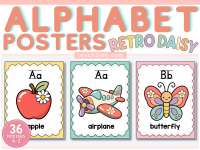
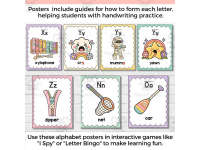
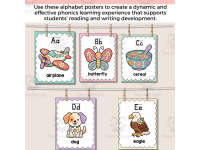
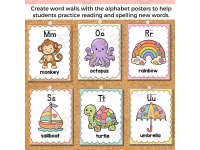
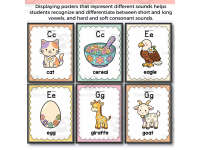
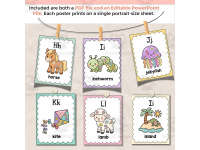
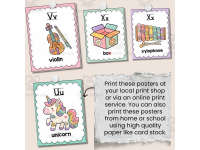
Looking for alphabet posters that do more than simply display the letters A–Z? These Alphabet Posters combine letter recognition, letter formation, beginning sounds, and phonics in one easy-to-reference classroom display. The set includes 36 posters, with uppercase and lowercase letters, handwriting guidance, picture cues, and words. Extra posters are included for vowels and consonants with more than one common sound, giving students useful phonics support right on the classroom wall.
What's Included:
36 printable alphabet posters
Uppercase and lowercase letters A–Z
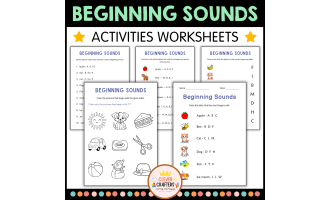
Beginning sound pictures and words
Short/long vowel and hard/soft consonant examples
Editable PowerPoint + ready-to-print PDF
Why These Posters Work
An alphabet display becomes much more useful when students can actually refer to it during learning.
Instead of showing only a letter and picture, these posters give children several clues at once. They can check how a letter is formed, connect it to a familiar word, or use the picture as a reminder of the sound.
You might notice students beginning to look toward the posters themselves during writing or phonics rather than immediately asking for help.
Ideal For
These alphabet posters are especially useful in:
Preschool and PreK classrooms
Kindergarten
First Grade
Second Grade
Phonics displays
Writing areas
Literacy centers
Homeschool learning spaces
How You Can Use Them
Display the complete alphabet above your whiteboard or around the classroom. Keep them near your writing area so students can refer to letter formation, or use individual posters when introducing a new letter or sound. The additional sound examples also make the posters useful when children begin noticing that some letters don't always represent the same sound.
Skills Supported
Alphabet recognition
Uppercase and lowercase letter identification
Letter formation
Beginning sounds
Letter-sound correspondence
Short and long vowel sounds
Hard and soft consonant sounds
Early handwriting
Phonics
Vocabulary development
A practical alphabet display that adds a soft Daisy classroom look while still giving young learners something useful to refer to every day.
Resource Tags
0 Reviews
Check out these other great products