
Reading & writing
Word Ending Consonant Clusters Activity Packet | -ast, -est, -ash
A phonics activity packet teaching the word-ending consonant clusters -ast, -est, and -ash.
Answers included




8,334 resources
Explore sub-categories
14 sub-categories · 8,334 resources
A phonics activity packet teaching the word-ending consonant clusters -ast, -est, and -ash.
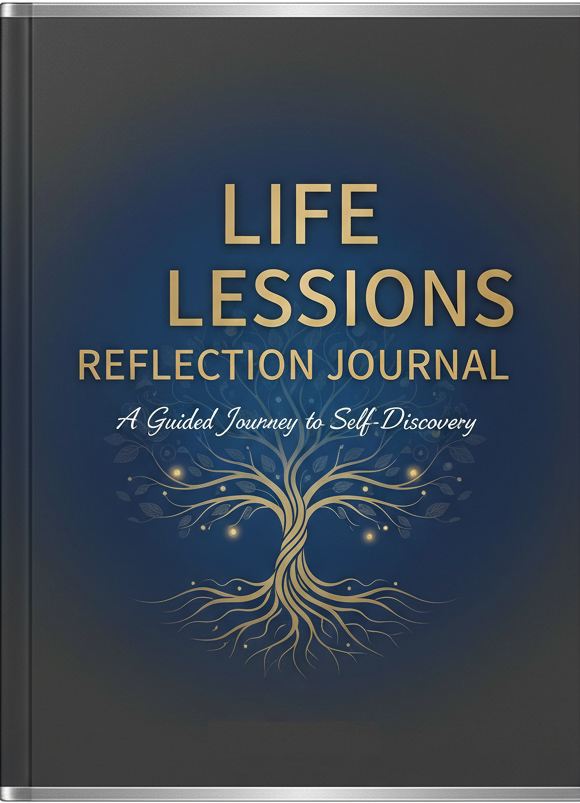
A 42-page reflective journal/workbook for adults (adaptable for high-school/college age) that provides structured lessons and writing prompts for building emotional intelligence, self-awareness, and high-performance personal habits.

Play bingo: the teacher shows a coin value or picture clue (e.g., '$0.01' or an image of a quarter) and students cover the matching coin on their board; first to get 4 in a row wins. Bonus: students place a coin under paper and rub with a crayon to create a coin rubbing while learning to identify it.
 Free download
 Read the "Picking Cherries" passage; answer mixed multiple-choice/short-answer comprehension questions (MC recall questions, one short-answer question, and one open-ended prediction question); complete a vocabulary, spelling, or word-fill activity; complete a short writing prompt; compare work against the provided answer key.

Students sketch graphs of given rational and polynomial functions, find x- and y-intercepts, identify holes and vertical/horizontal asymptotes, fill in x/y value tables approaching asymptotes, and complete matching quizzes and homework problems.
 Free download
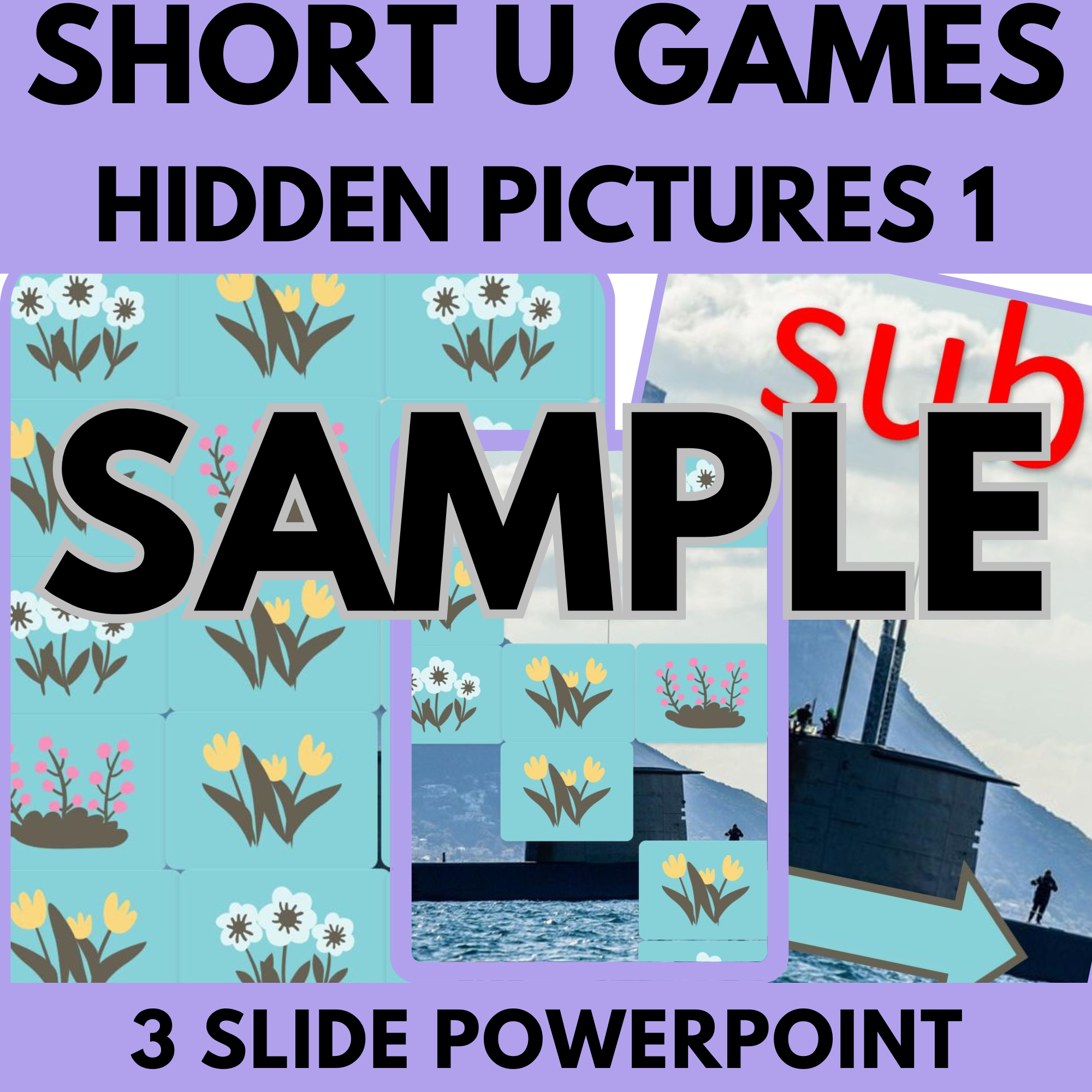
 Short U: Hidden Pictures 1 Sample Note: This download is in PowerPoint show mode to protect the rights of the image creator(s), and is thus UNEDITABLE. Playing the Game Click on the colored bar on the right side and the squares will begin to disappear. Clicking this bar again will reveal the whole picture and the word. Press the arrow…
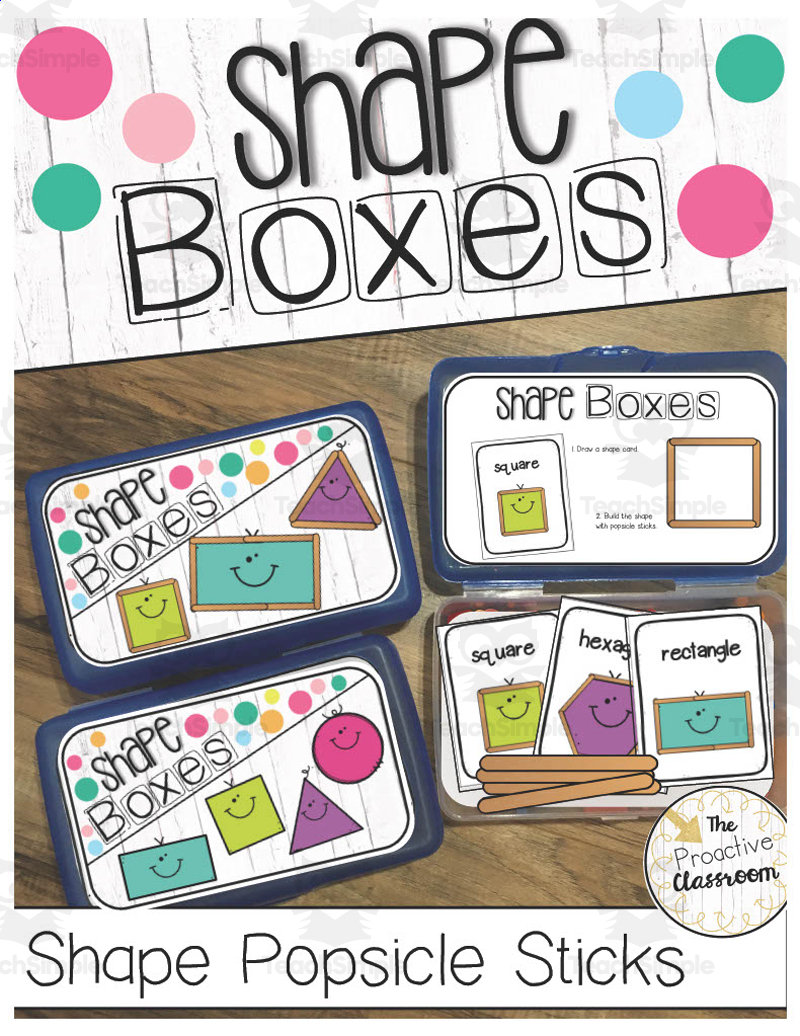
Draw a shape card and build that shape using popsicle sticks (or roll play dough into a 'snake' and shape it) as a model-matching hands-on activity.
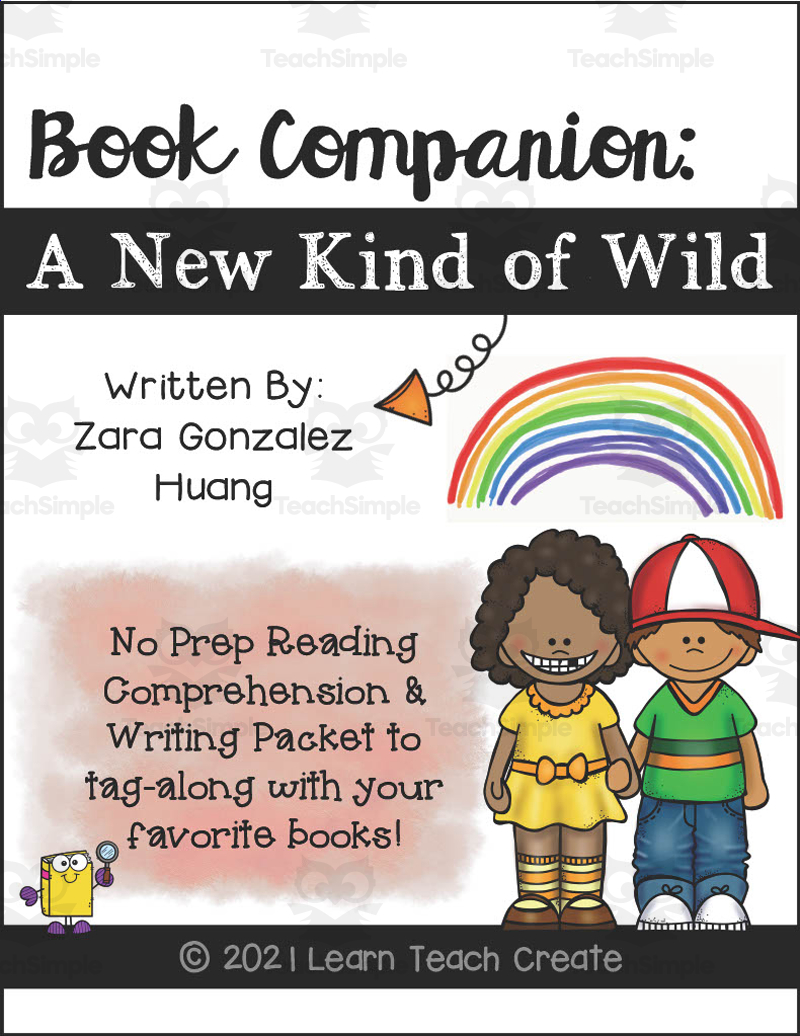
Answer 14 multiple-choice comprehension questions about the story, draw a picture of 'My Kind of Wild,' complete two short writing prompts with drawing boxes about moving and making new friends, describe the two main characters (Ren and Ava), sequence the story's plot (First/Next/Then/Last), and complete a cut-and-paste…
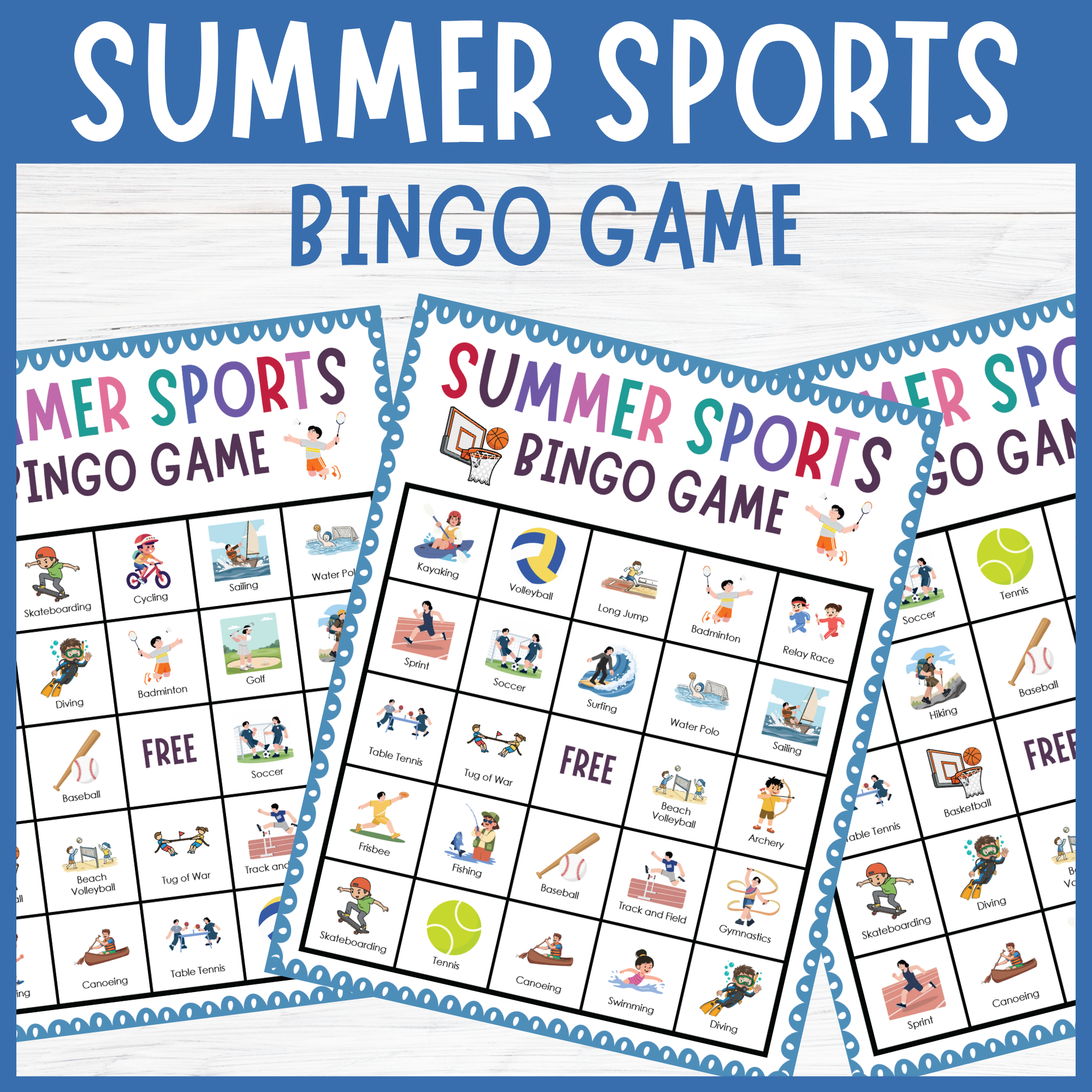
No Prep Summer Sports Bingo Game is a fun and easy way to celebrate the end of the school year while bringing excitement to any outdoor party or classroom activity. Since bingo is a familiar game, it’s simple to set up and gets everyone involved right away. I like using this during end-of-year celebrations, field days, or…

Complete a written lesson tutorial/notes, a homework practice sheet with an example, and an assessment on applying the round-and-adjust decimal addition strategy.
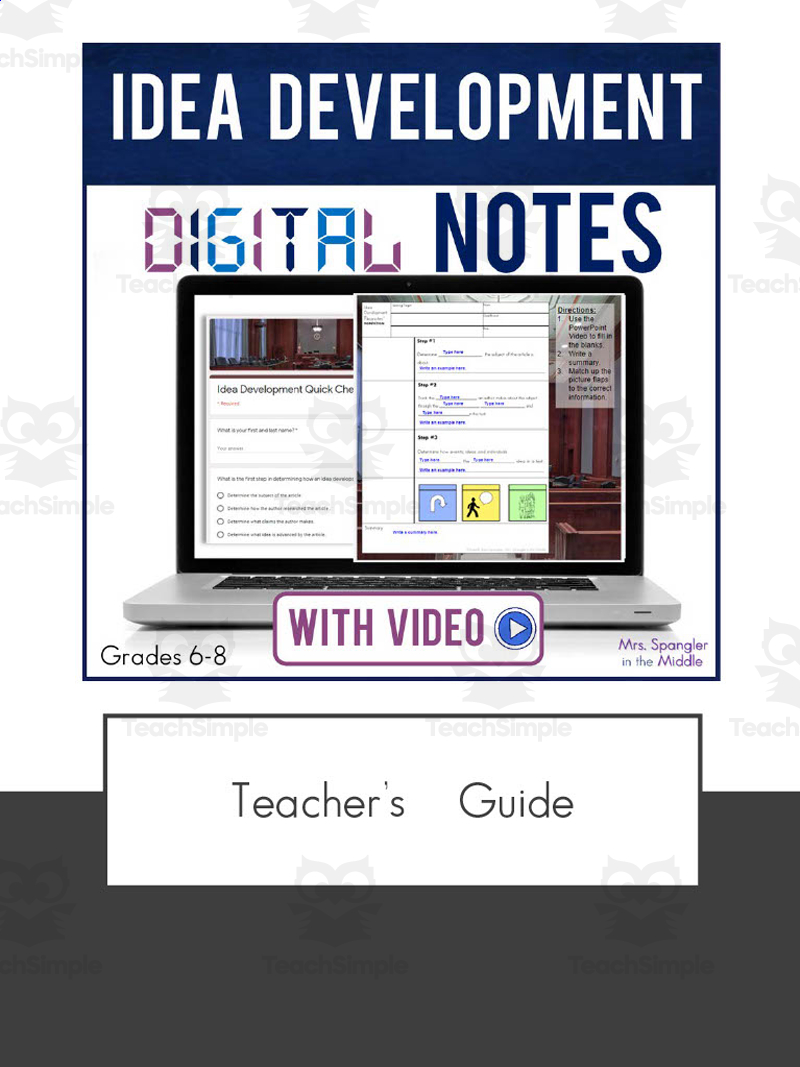
Digital lesson teaching the reading-comprehension skill of making inferences and idea development, for middle-school students, via differentiated interactive Google Slides notes ("Pixanotes").
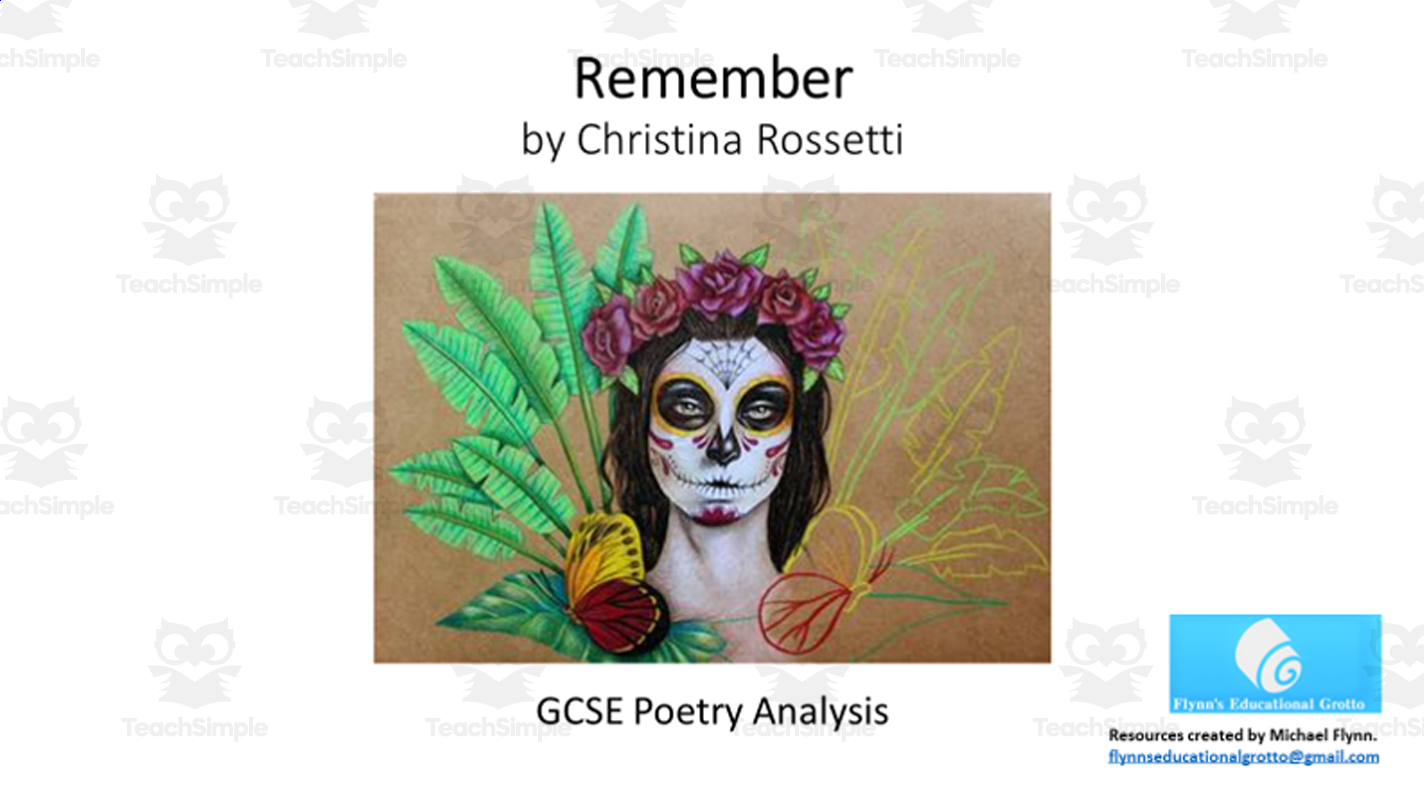
A UK GCSE-style poetry analysis lesson on Christina Rossetti's sonnet 'Remember' (1849), covering context, close-reading of language/structure/devices, and extended academic writing (PETAL paragraph) practice.
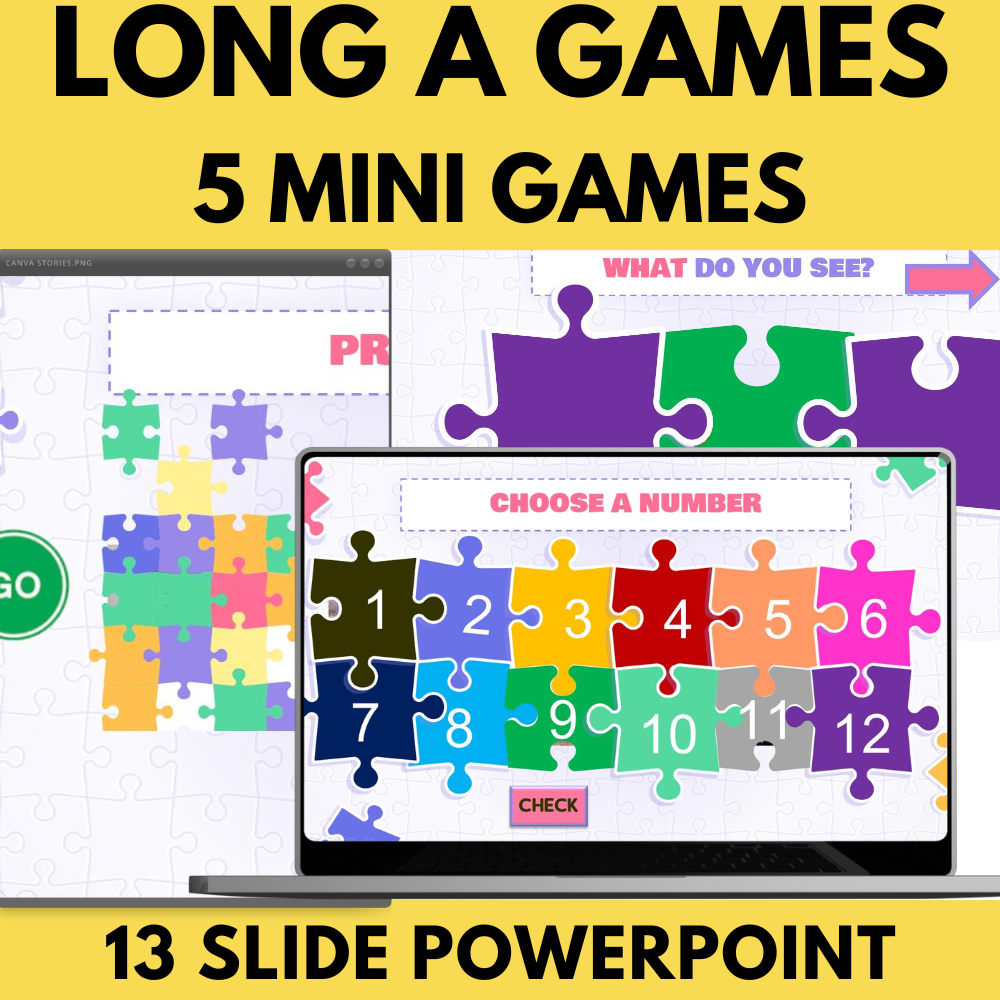
Long A: Hidden Pictures 3 Note: This download is in PowerPoint show mode to protect the rights of the image creator(s), and is thus UNEDITABLE. Playing the Game 5 mini games: 1. Choose a Number: 12 pieces, clicking one will make it disappear and part of the picture can be seen. Keep clicking pieces until students guess the right word.…

Play board/matching games such as 'Find the Ending', a picture/word matching game, an apple-picking game, a caterpillar game, missing-sounds and word-match games, and 'ar'-vs-'or' identification games.
 Free download
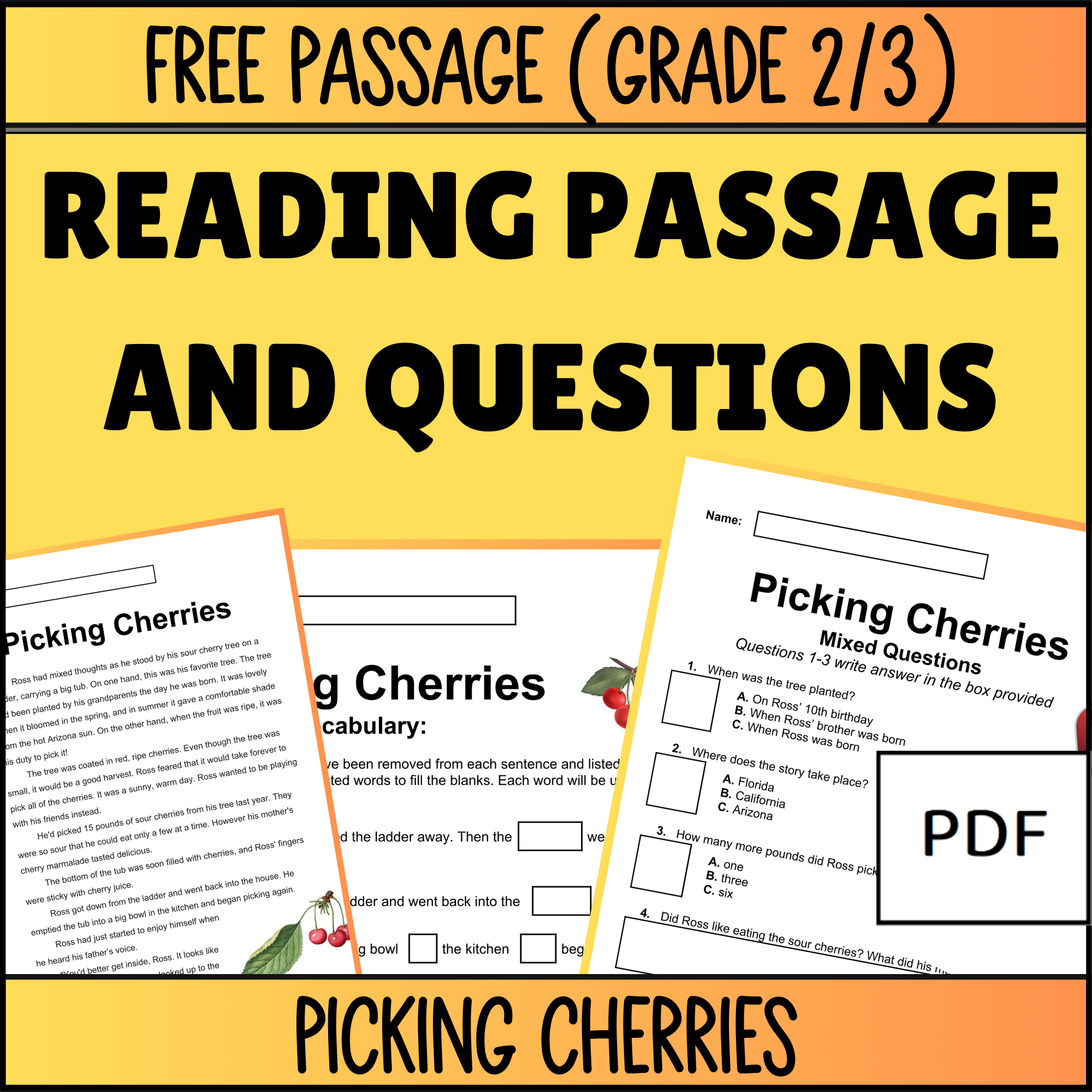
 Read the "Picking Cherries" passage; answer mixed multiple-choice/short-answer comprehension questions (MC recall questions, one short-answer question, and one open-ended prediction question); complete a vocabulary, spelling, or word-fill activity; complete a short writing prompt; compare work against the provided answer key.

A complete 2-3 hour secondary reading lesson plan for teaching the short story 'A Secret for Two' by Quentin Reynolds, focused on plot and characterization, reading fluency, and higher-order thinking (predicting, inference, analysis, synthesis).
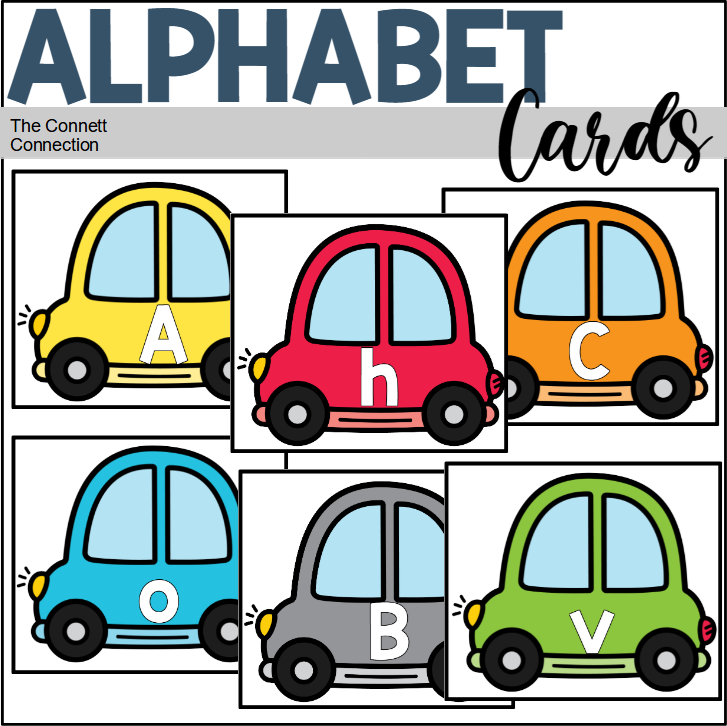
Alphabet flashcards (one uppercase and one lowercase card for each letter) to help young students learn and practice letter recognition, in a transportation/car theme.

A mini-lesson/workshop teaching secondary students to identify and create literary 'voice' (diction, syntax, tone) through a poem-reconstruction group activity and an original-writing exercise.
 Free download
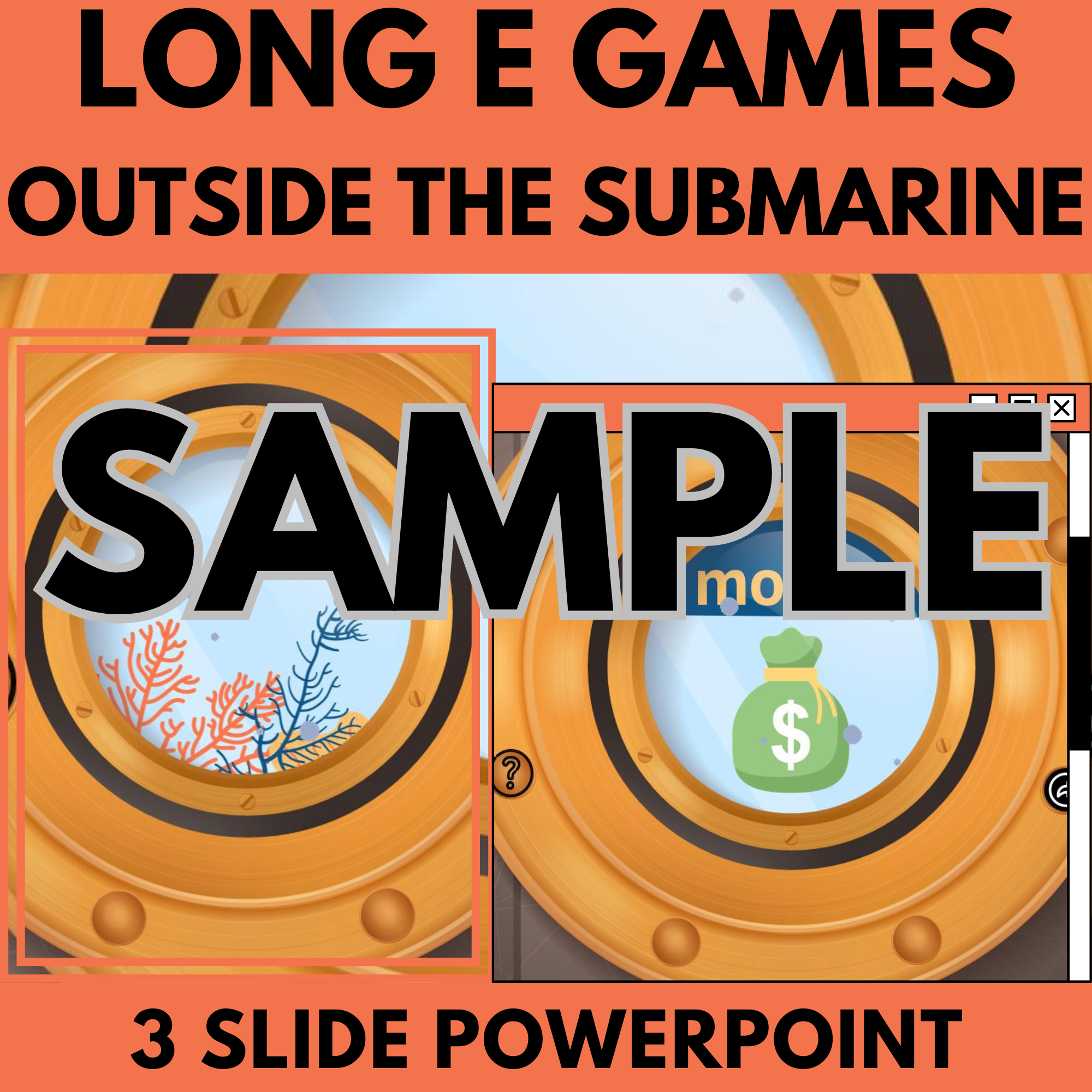
 Long E: Outside the Submarine Sample Game Note: This download is in PowerPoint show mode to protect the rights of the image creator(s), and is thus UNEDITABLE. Playing the Game After the title slide, the game starts. The page runs by itself, first traveling through some ocean life before stopping and a picture will quickly appear three…
 Free download
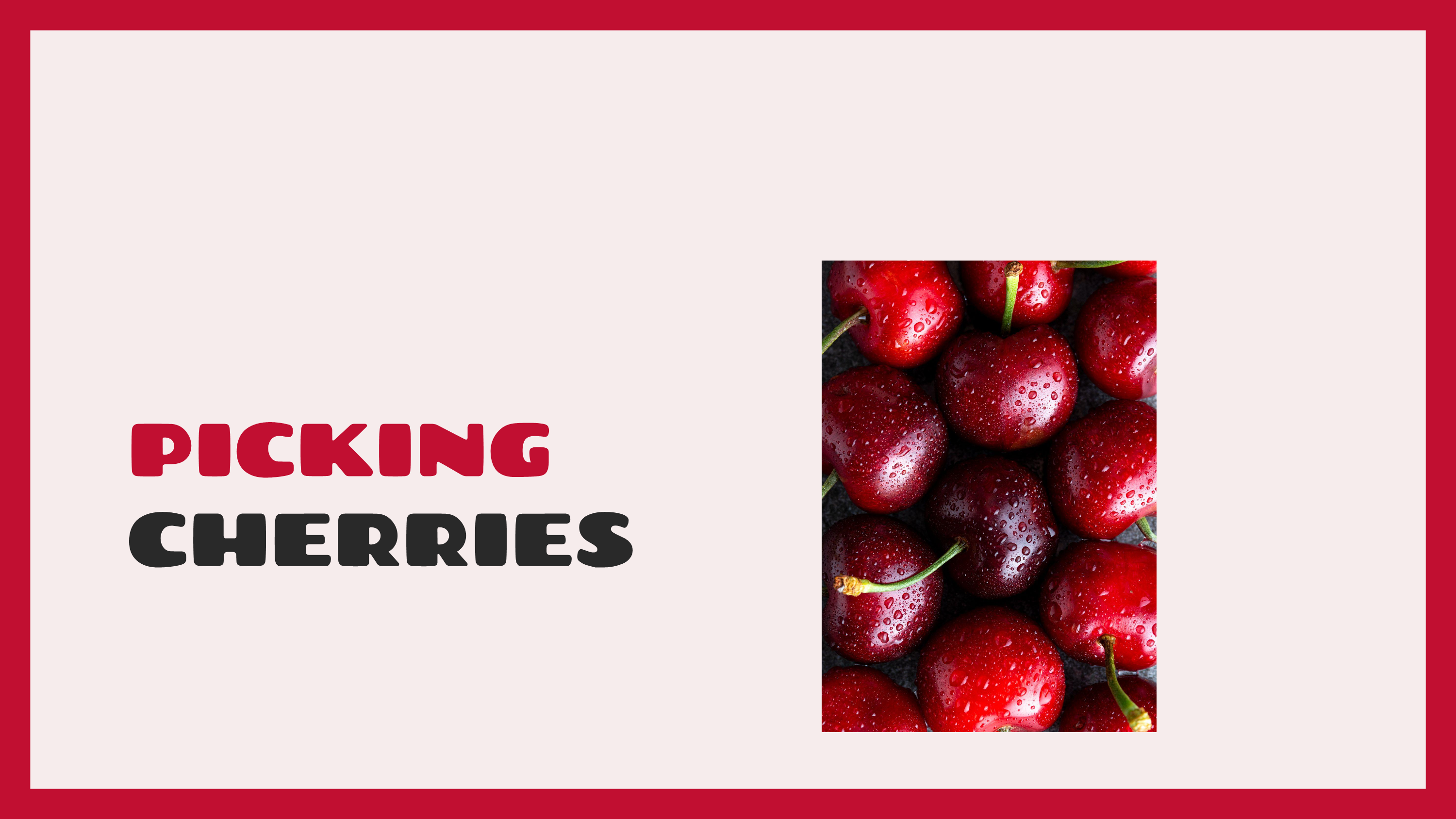
 Read the "Picking Cherries" passage; answer mixed multiple-choice/short-answer comprehension questions (MC recall questions, one short-answer question, and one open-ended prediction question); complete a vocabulary, spelling, or word-fill activity; complete a short writing prompt; compare work against the provided answer key.
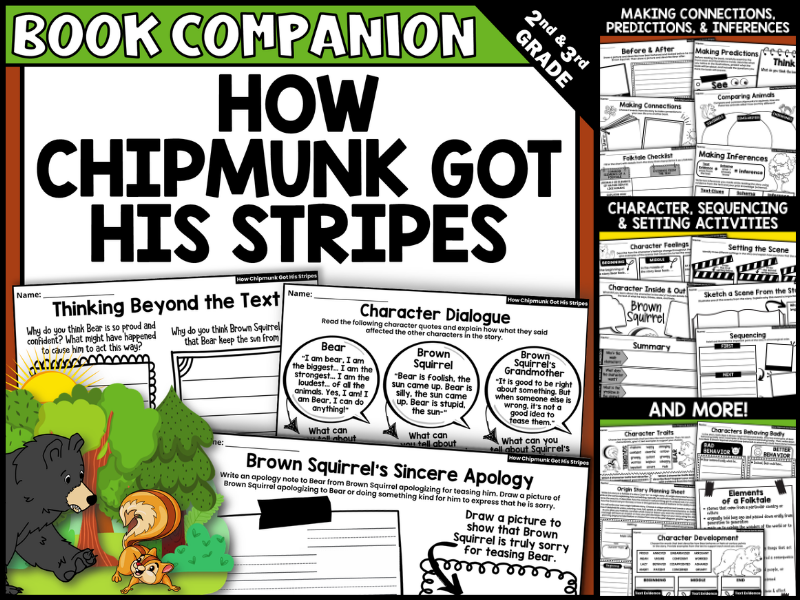
Students complete a large menu of activities tied to the read-aloud: making predictions, a folktale checklist and folktale-tidbits questions, story-elements boxes, sequencing/chronological retelling, a Somebody-Wanted-Because-But-So summary organizer, a 3-panel comic recall, story-event sorting, making connections and…
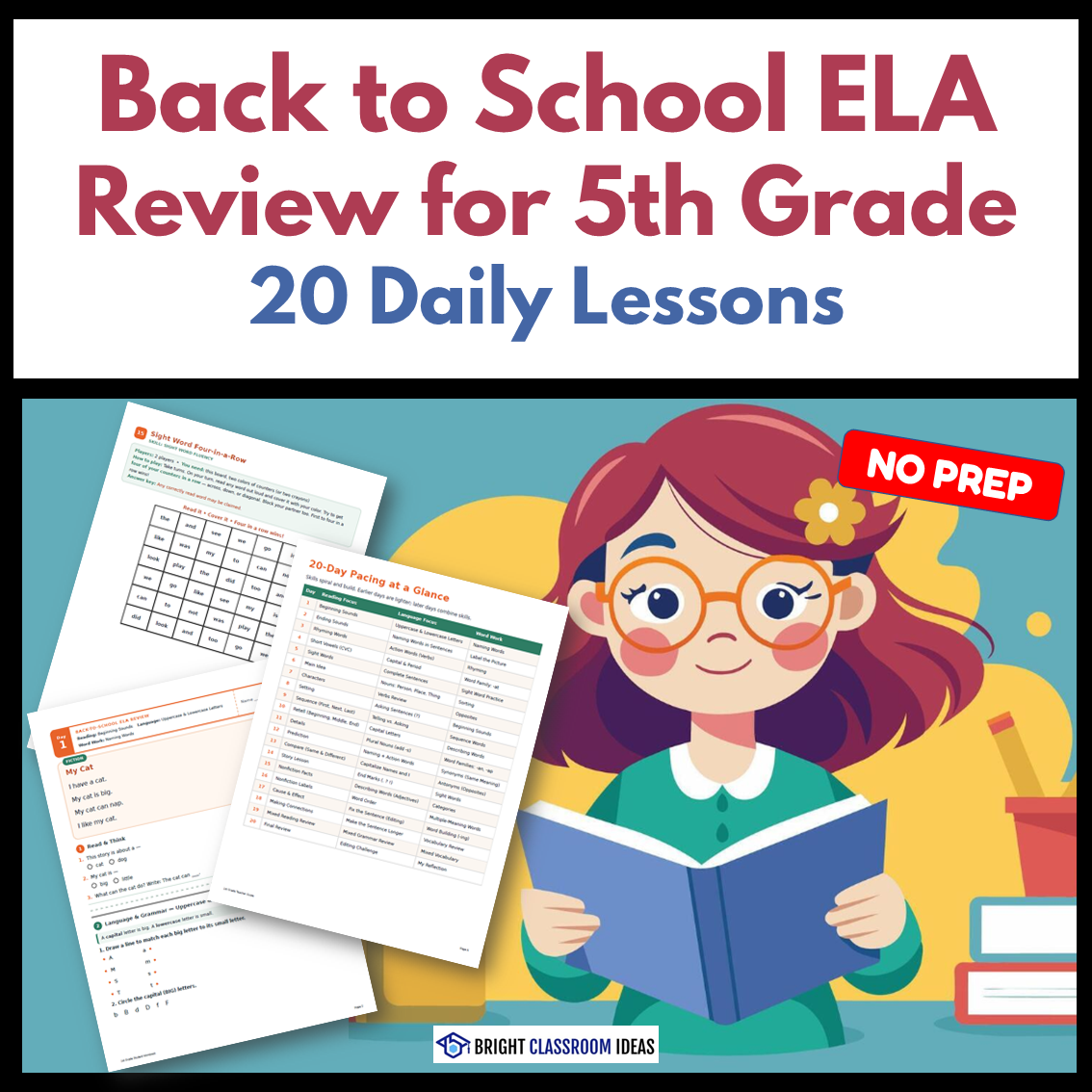
A 5th-grade back-to-school ELA review workbook that revisits Grade 4-grade reading, grammar, phonics/word study, vocabulary, and writing skills across 20 structured daily lessons, plus print-and-play literacy games, to rebuild routines and confidence at the start of the year.
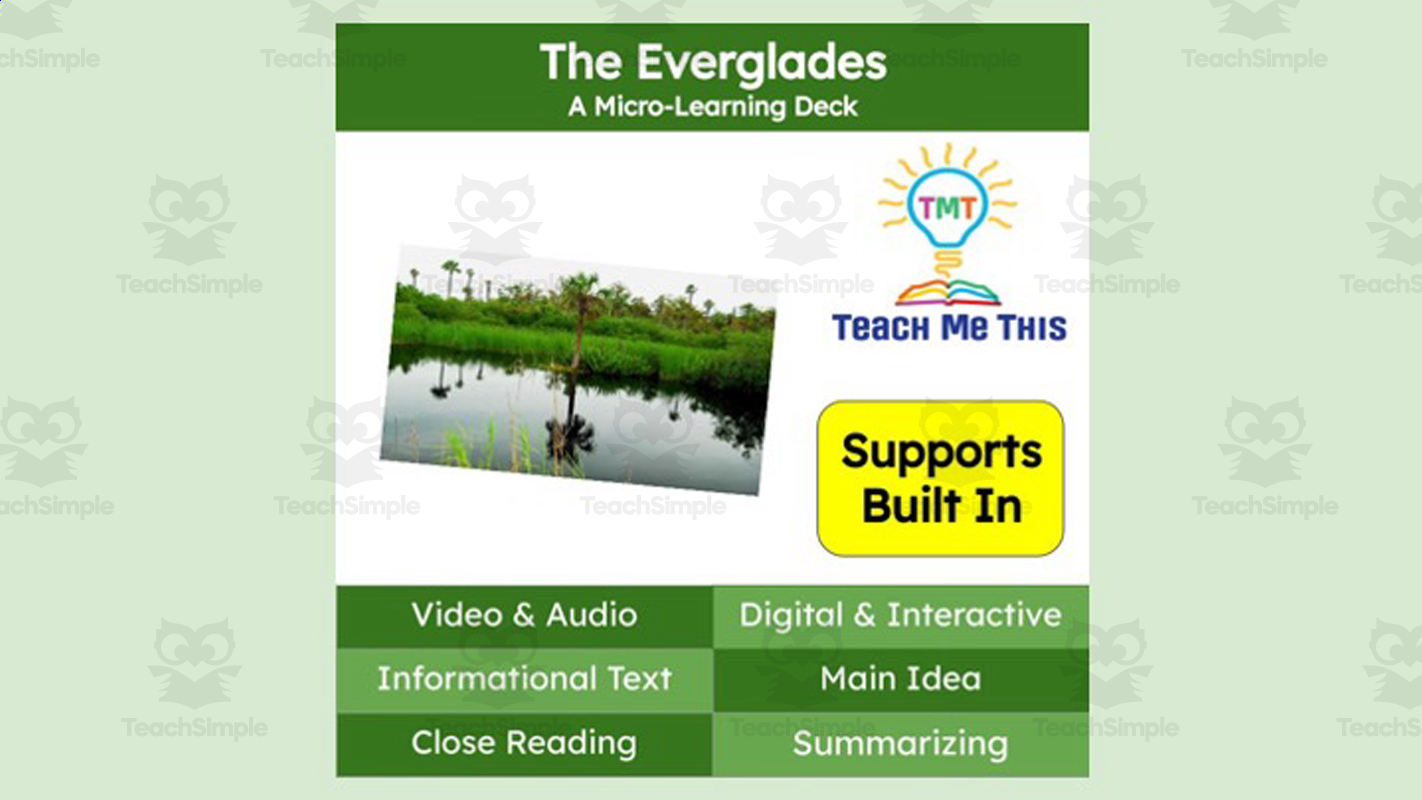
Watch a video interview about the Everglades, read/listen to an audio-narrated passage, complete a fill-in-the-blank vocabulary activity, sort statements as main idea vs. detail, and write a summary using sentence starters and a word bank.
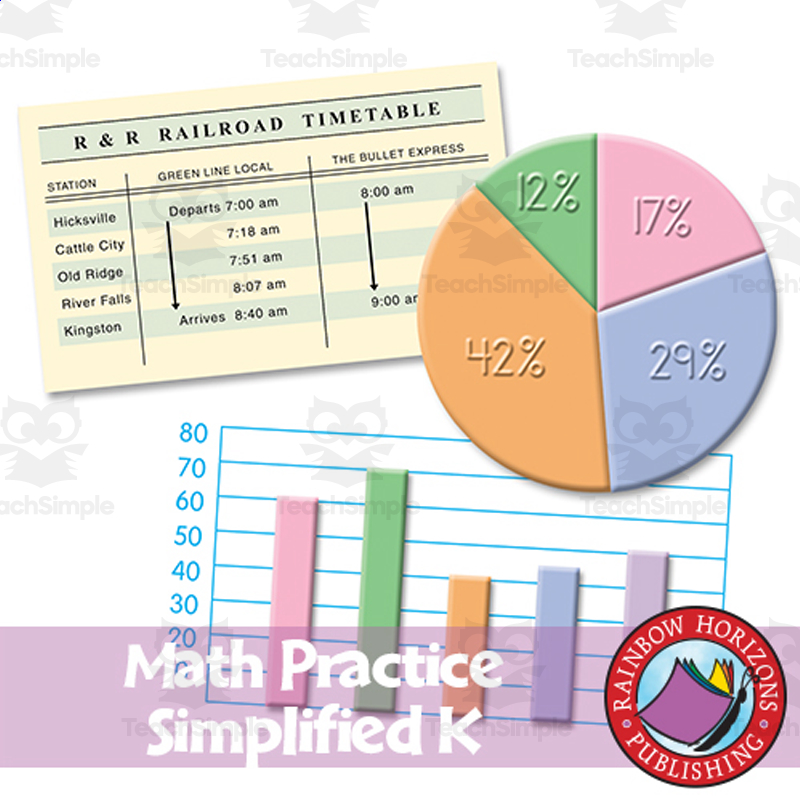
Students read and use tables, make their own tables and graphs from data, evaluate and select appropriate graph types, work with bar/pictograph/circle/line/double-line/double-bar graphs, calculate statistics (mean, median, mode, range) from scattergrams/stem-and-leaf plots/histograms, and solve probability problems…