Pennsylvania (PSSA) Math Practice Test for Grade 7
Give Grade 7 students standards-aligned test-prep practice for the Pennsylvania System of School Assessment (PSSA) Math exam, mirroring its format and rigor ahead of test day.
8,334 resources
Explore sub-categories
14 sub-categories · 8,334 resources
Give Grade 7 students standards-aligned test-prep practice for the Pennsylvania System of School Assessment (PSSA) Math exam, mirroring its format and rigor ahead of test day.
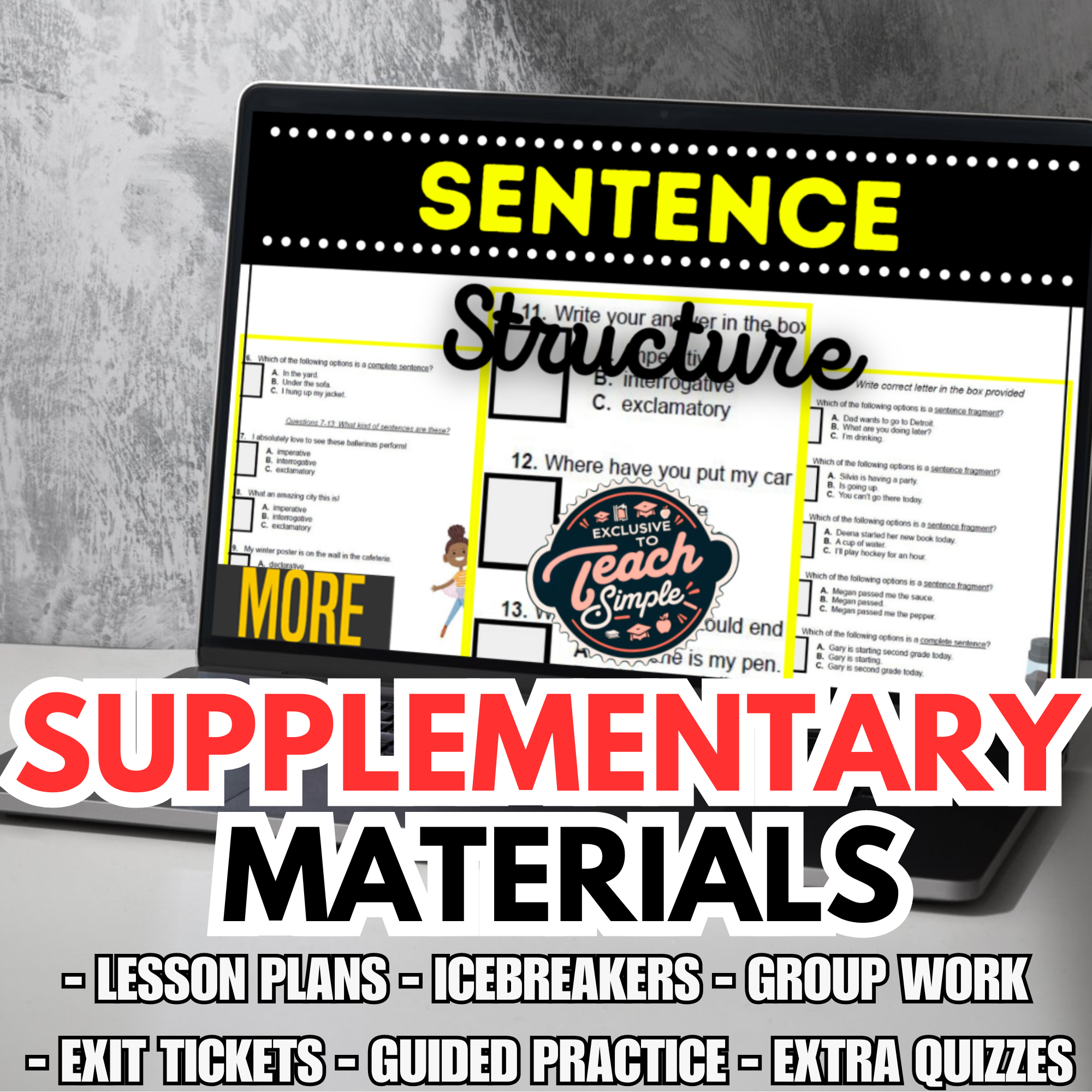
A multi-lesson supplementary teaching pack of lesson plans covering sentence structure basics for grades 1-2, meant to accompany (not replace) a separate tests/worksheet download.
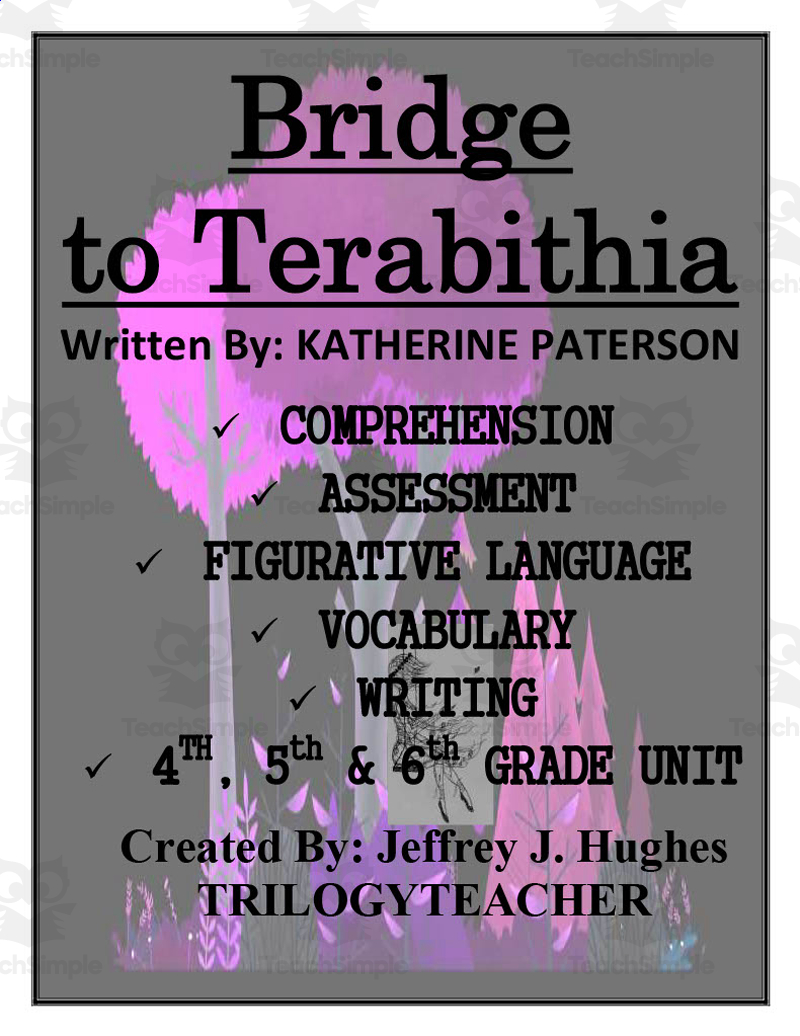
A comprehensive 220-page novel study unit for 'Bridge to Terabithia' covering reading comprehension, vocabulary in context, figurative language, and writing across 13 chapter-based lessons for grades 4-6.
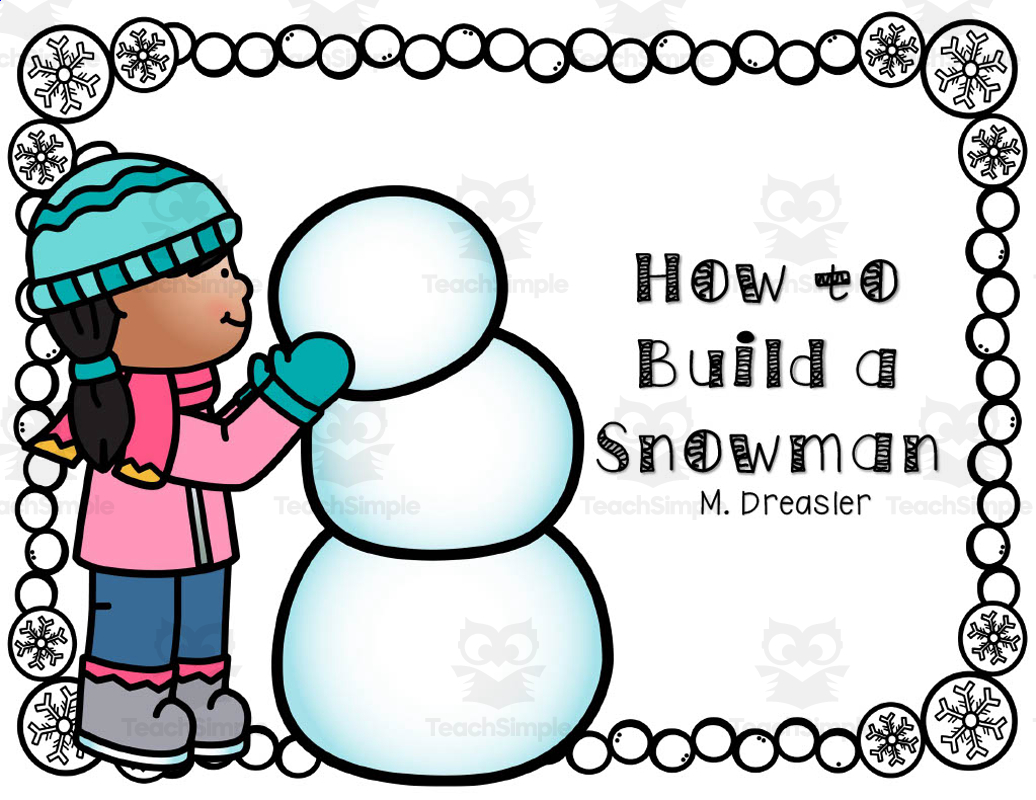
Read the mini book (color or black-and-white flip version), sequence the steps of building a snowman using sentence strips or a cut-and-glue activity, write about the process using First/Next/Then/Last sentence starters, tally sight words, label snowman parts, and answer basic story-structure questions (character, problem, setting,…
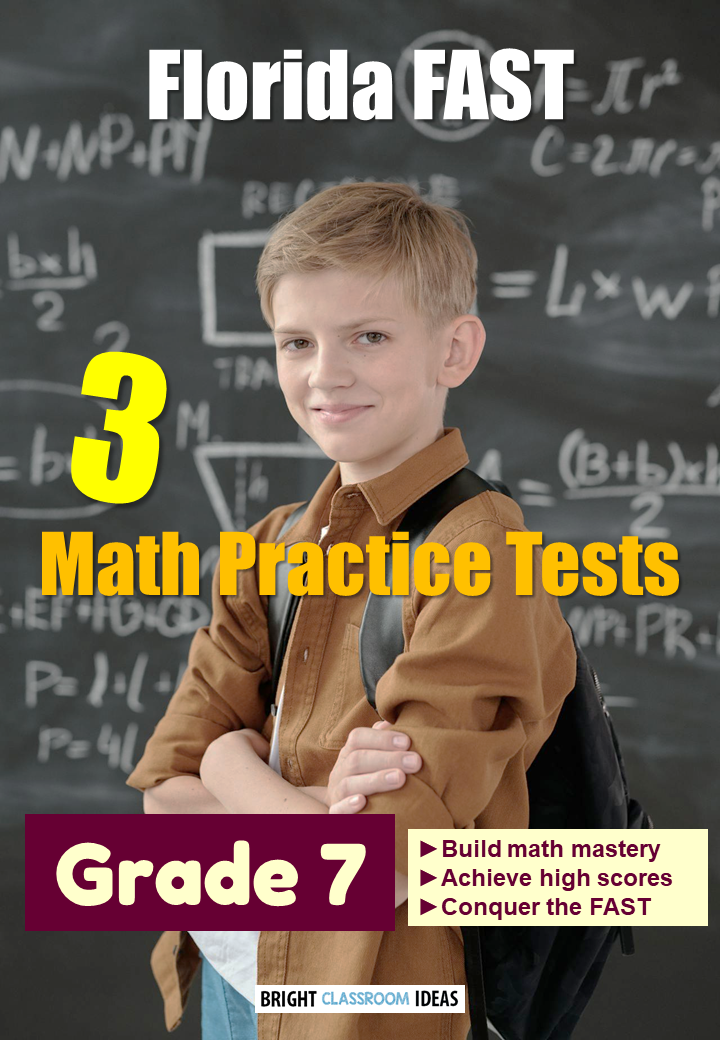
Give Grade 7 students realistic practice with Florida FAST Math test items (MA.7.NSO, MA.7.AR, MA.7.GR, MA.7.DP standards-coded questions) before the state assessment.
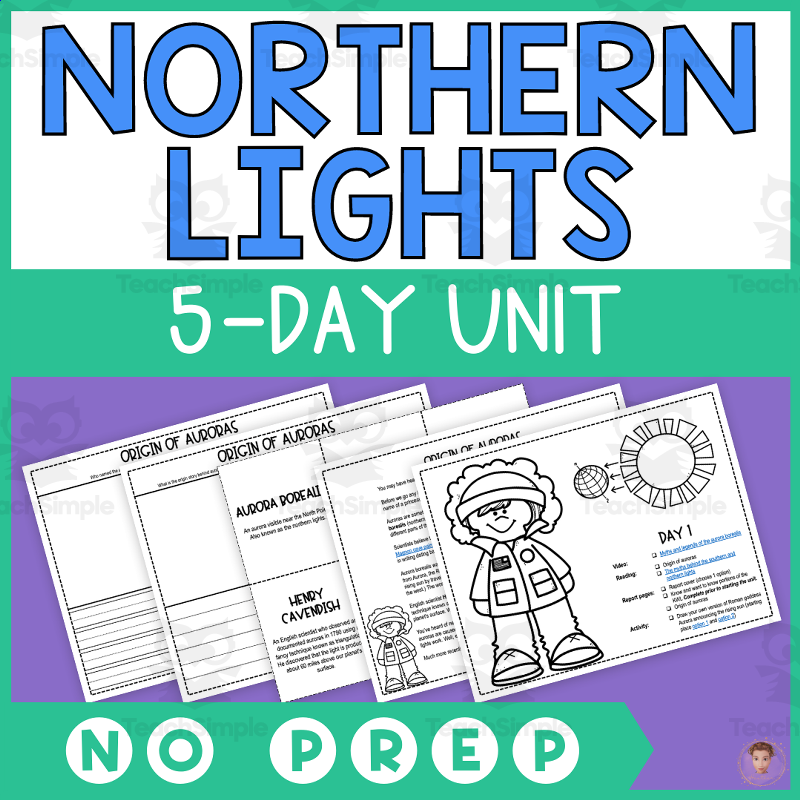
Watch daily videos, read original passages (e.g. origin of auroras, myths behind the lights), complete KWL charts, fill in graphic organizers/report pages with guided sentence stems, draw an illustration activity, and assemble the report pages into a stapled booklet across the 5-day plan.
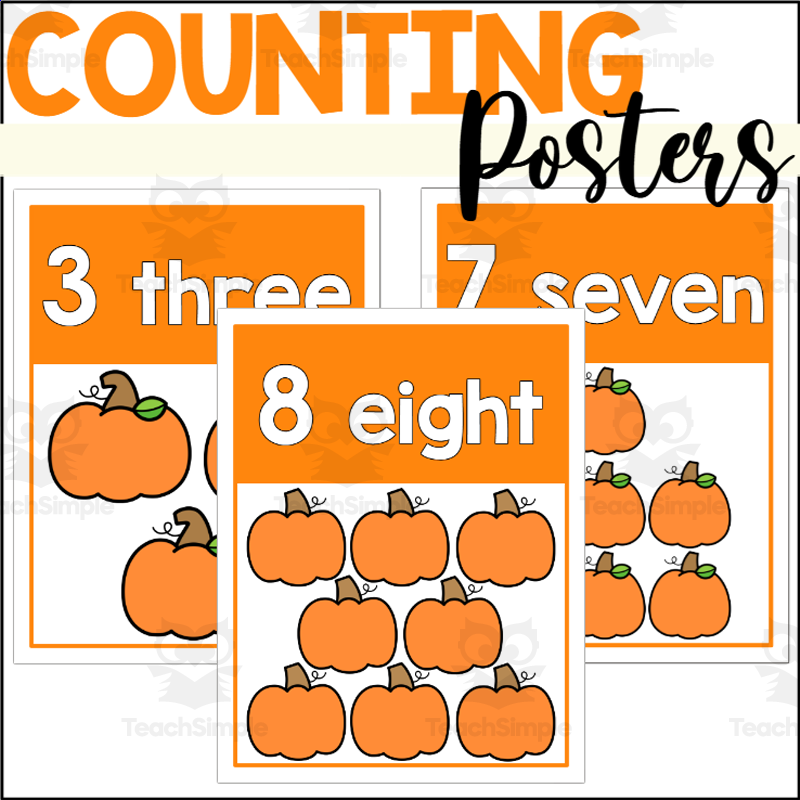
Provide classroom number-recognition posters 1-10 with a pumpkin theme for counting and number-word display.
Varies by lesson; the book supplies teacher instructions plus student-facing blackline master worksheets/templates for each activity (e.g. Alphabet Mime, Giant Geometric Design, Tables Poems, Spelling Challenge, Bean Bag Golf, A Real Beanstalk project).
Three full-length CAASPP ELPAC (English Language Proficiency Assessments for California) practice tests for Grade 7, used to build English learners' confidence across all four language domains ahead of the real ELPAC.
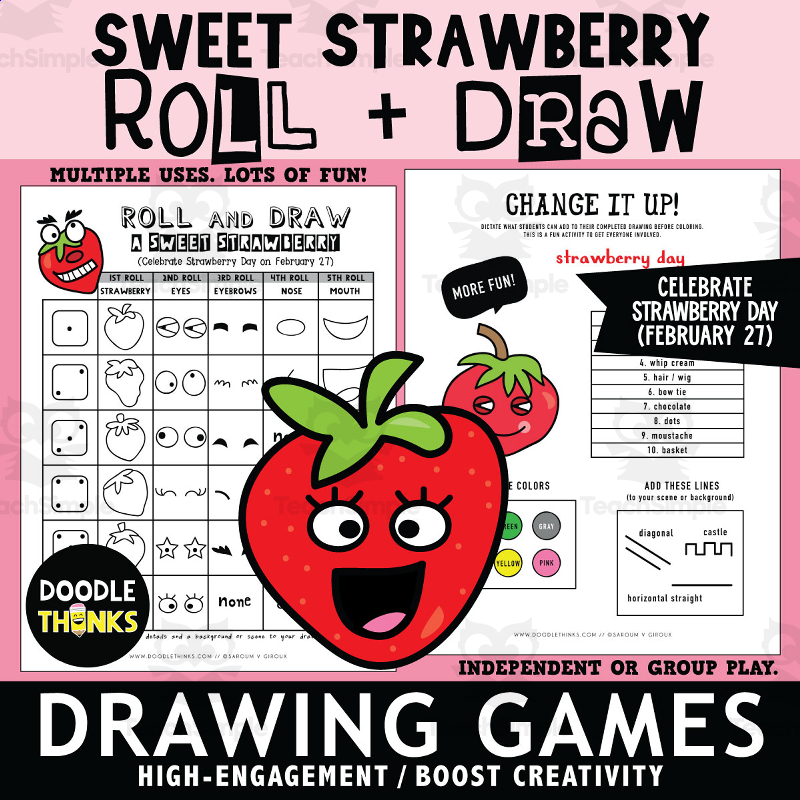
Roll a die five times to determine which strawberry-character features to draw (strawberry shape, eyes, eyebrows, nose, mouth); optionally use a companion "Change It Up!" sheet where a teacher dictates additional elements, colors, and line types to add to the drawing.
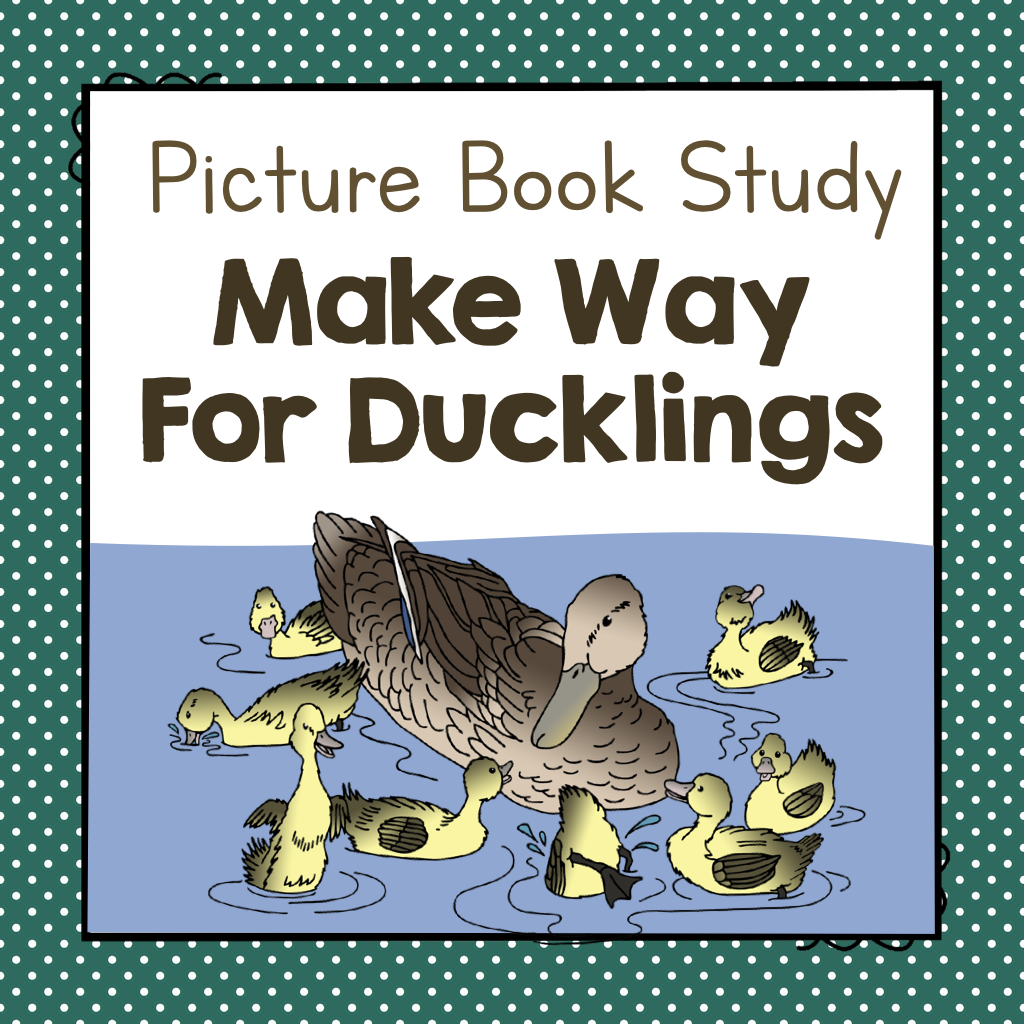
Participate in a teacher-led discussion using provided questions; complete literacy activities including story matching, story sequencing, fill-in-the-missing-word sentences, tracing, designing a book cover, labeling parts of a book, and a story jigsaw puzzle; make crafts such as a paper bag duck puppet, duck mask, finger puppet, and…
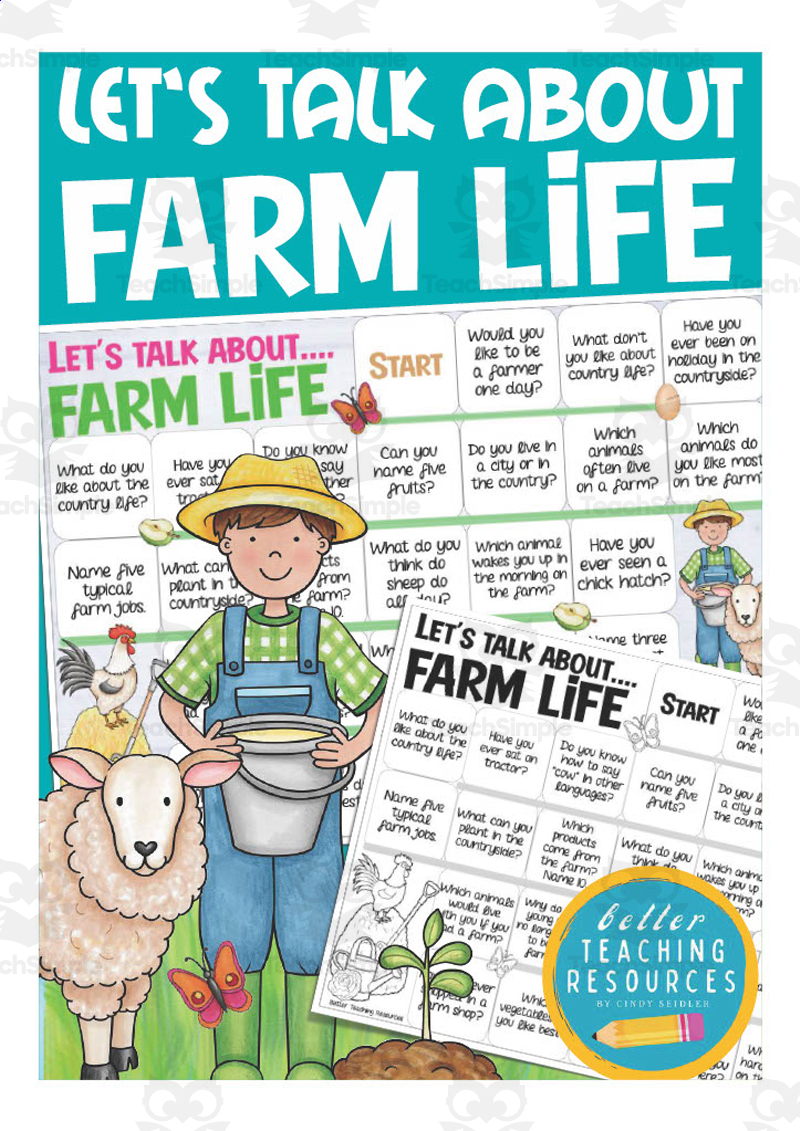
Move around a board-game grid of squares, reading each conversation prompt aloud and answering discussion questions about farm and country life (e.g., 'Have you ever sat on a tractor?', 'Which animals live on a farm?')
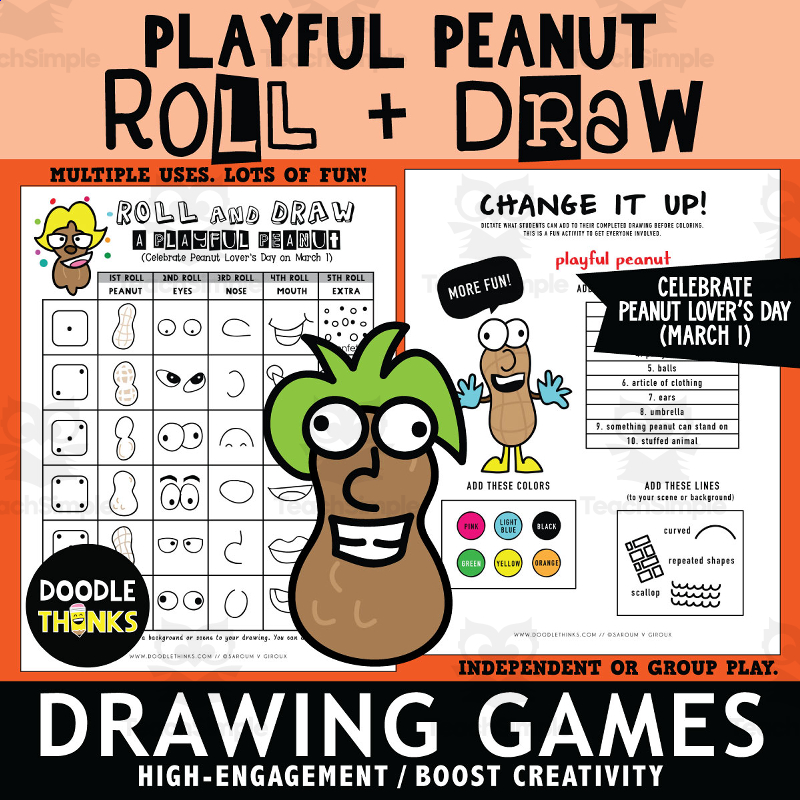
Roll a die repeatedly and draw the corresponding peanut features/extras shown on a roll chart; an optional 'Change It Up' variant dictates additional elements, colors, and line types to add.
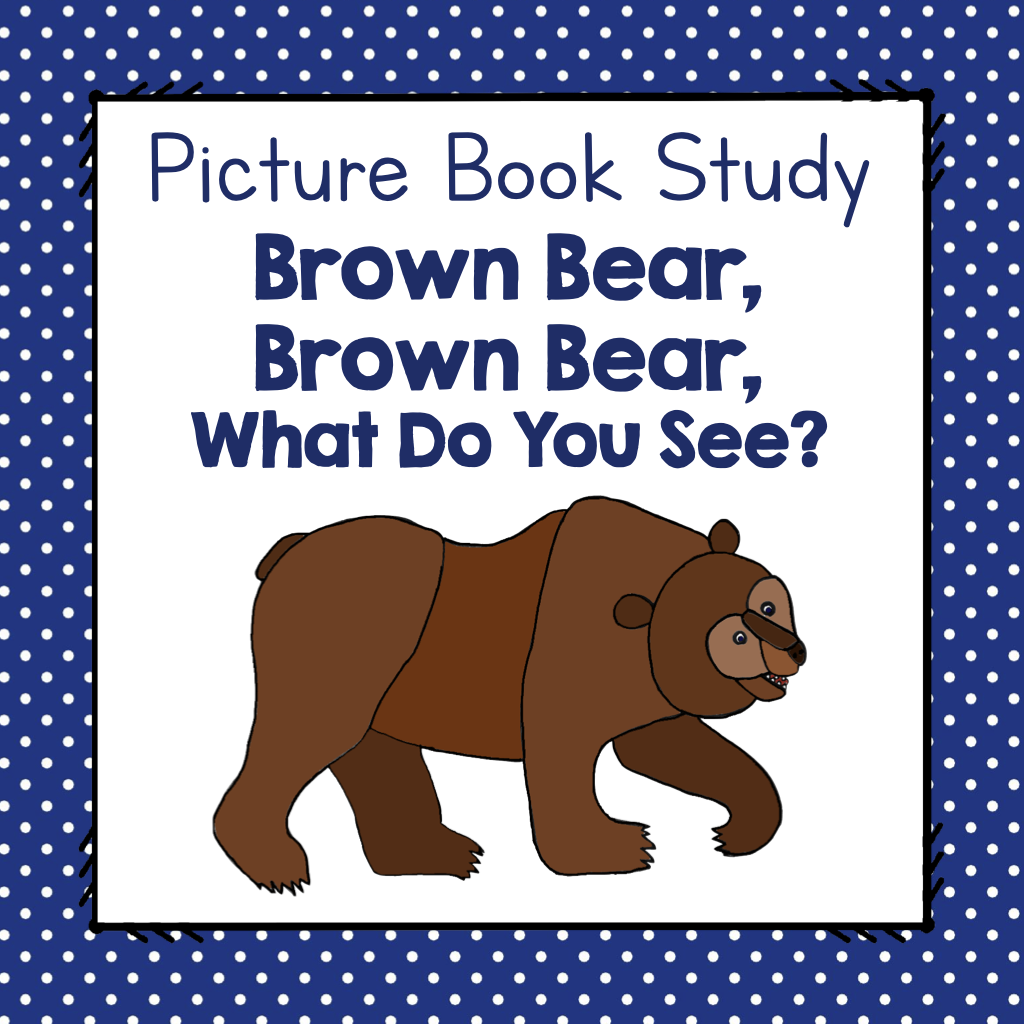
Students answer classroom discussion questions about pattern/rhyme and story details, complete a story jigsaw puzzle, sort and match colors and animals to story order, trace letters (Bb) and lines, fill in missing story words, create bear/animal puppets and masks, make a story crown, and design their own book cover.
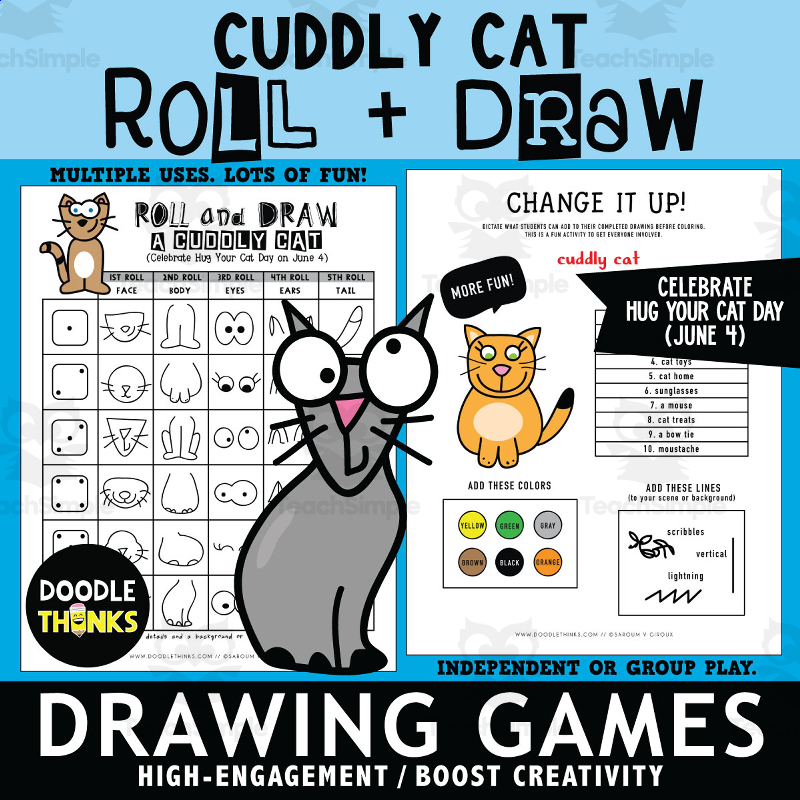
Roll a die five times to determine which face, body, eyes, ears, and tail to draw for a cuddly cat; optionally use a 'Change It Up' dictation worksheet to add extra elements, colors, and line styles to the scene; and use a second 'Cat Treats' roll-and-draw sheet to add a canned-tuna or catnip image based on a die roll.
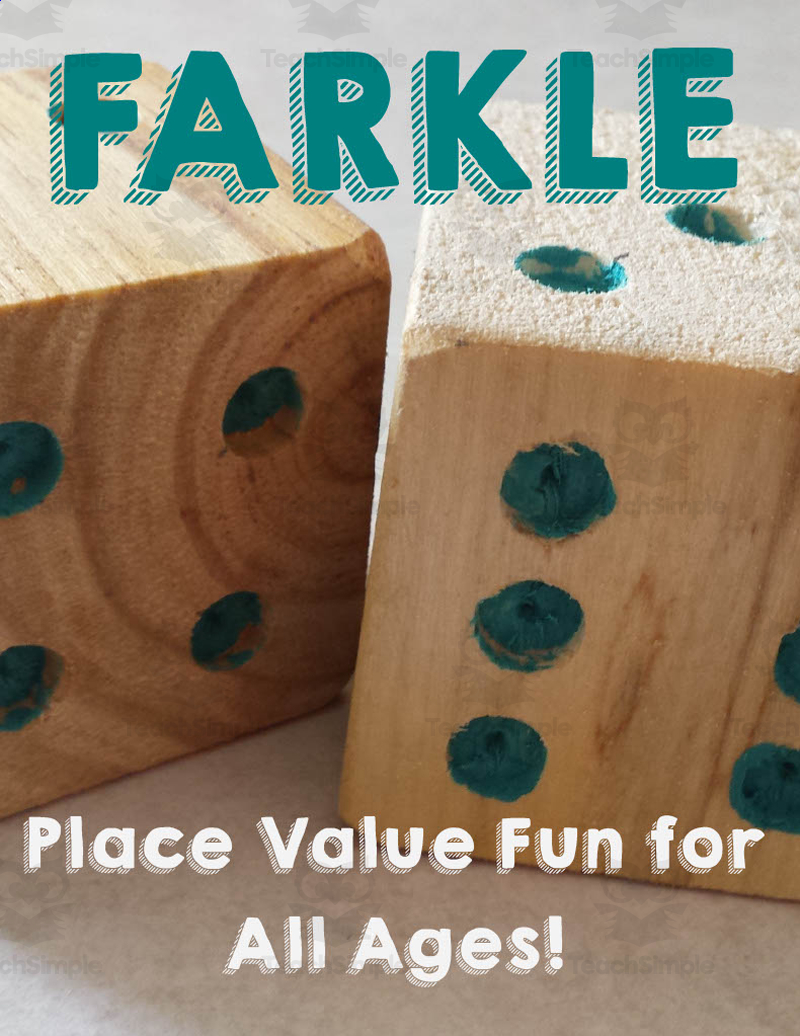
Roll dice, score points per Farkle rules (e.g. 1s=100pts, 5s=50pts, three-of-a-kind combinations), and record scores using differentiated score boards; first to 10,000 points wins.
Students view a full-screen digital vocabulary presentation (guess each word before its spelling is revealed), solve 8 'Wacky Words' scrambled-letter puzzles by unscrambling and pronouncing fruit words, use 4 sets of flashcards (in different visual styles/levels) for review games such as Memory or Taboo, study from a…
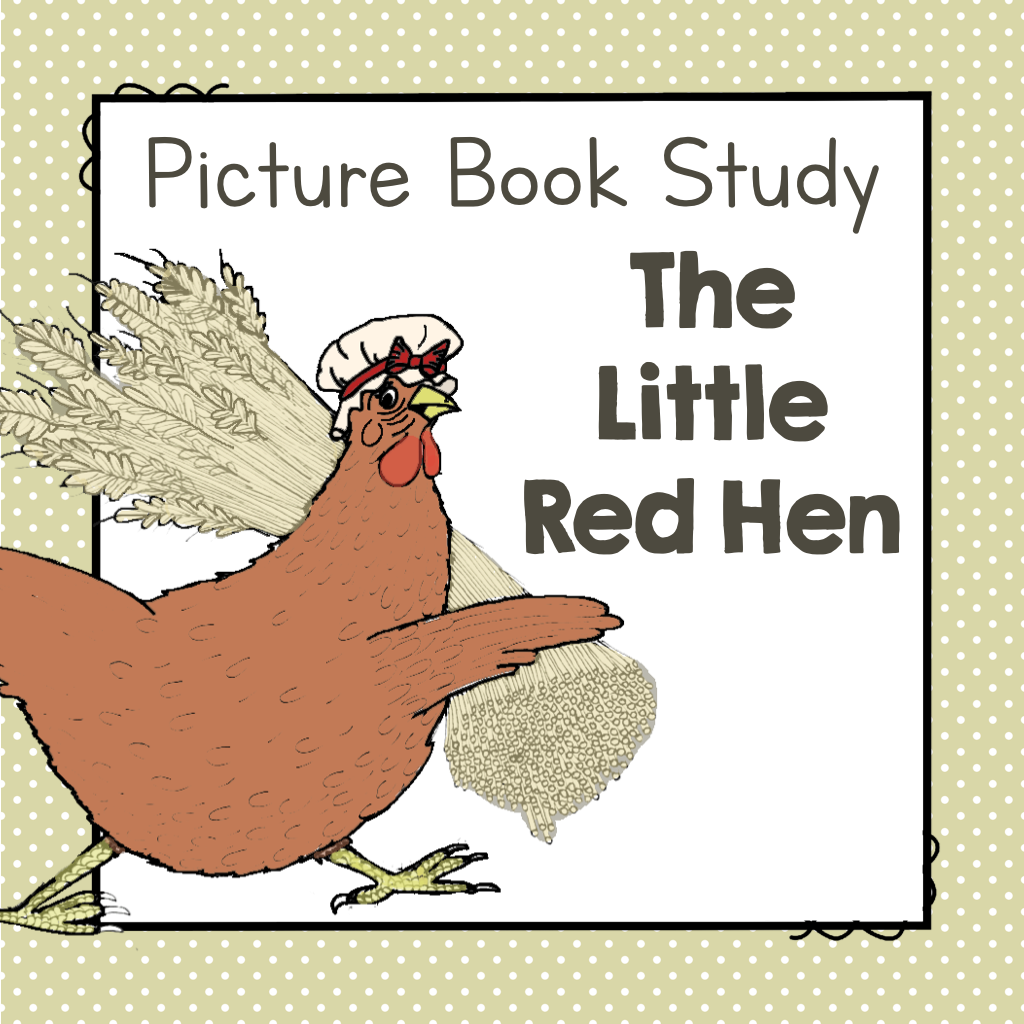
Discuss comprehension questions about the story, complete hands-on projects (bread-making activity, hen craft, sensory table), sequence the steps of growing/baking wheat, read/color a printable mini storybook version of the tale, complete a story jigsaw puzzle, color-by-number, wear character masks, do story matching…
Engage in a teacher-led book discussion using provided comprehension questions; complete extension projects/crafts (matching mother/baby animals, bird/nest craft, role-play activities, writing a note to mom); read a non-fiction passage on baby birds; complete a story jigsaw puzzle, trace-the-path maze, story crown…
After the teacher reads the book aloud and leads discussion, students complete a mix of activities: rate the book, read a non-fiction K-9 police dogs article, practice sight words and sound-related word cards, color and assemble a story jigsaw puzzle, write a safety tip, color a safety patch, contribute to a class safety-rules bulletin…
After reading the book, students engage in a mix of activities: answering classroom discussion questions, completing a cause-and-effect matching activity, a story-sequence writing page, fill-in-the-missing-word sentences, a story-word matching and sorting activity, letter/word tracing and 'finish the word' letter activities, sight-word…
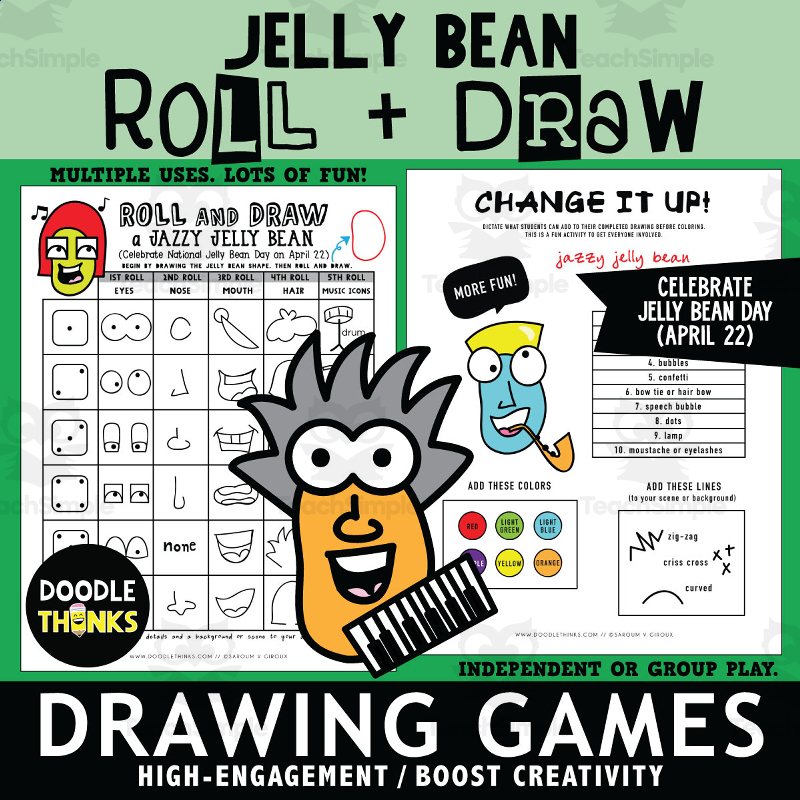
Draw a jelly bean shape, then roll a die multiple times to determine what features to add (eyes, nose, mouth, hair, a music icon), and optionally follow a teacher-dictated 'Change It Up' worksheet to add more elements, colors, and line types to the drawing.
A 40-activity, no-prep picture book companion for "Harold and the Purple Crayon" covering discussion, comprehension, letter recognition, and craft activities.
Discuss comprehension questions about the story, watch linked read-aloud/adaptation videos, complete cut-and-glue and coloring crafts (monkey mask, paper bag puppet, story crown, jigsaw puzzle), trace lines, match story words to pictures, complete a pattern activity, read nonfiction passages about monkeys, sequence…