Art, movement & wellbeing
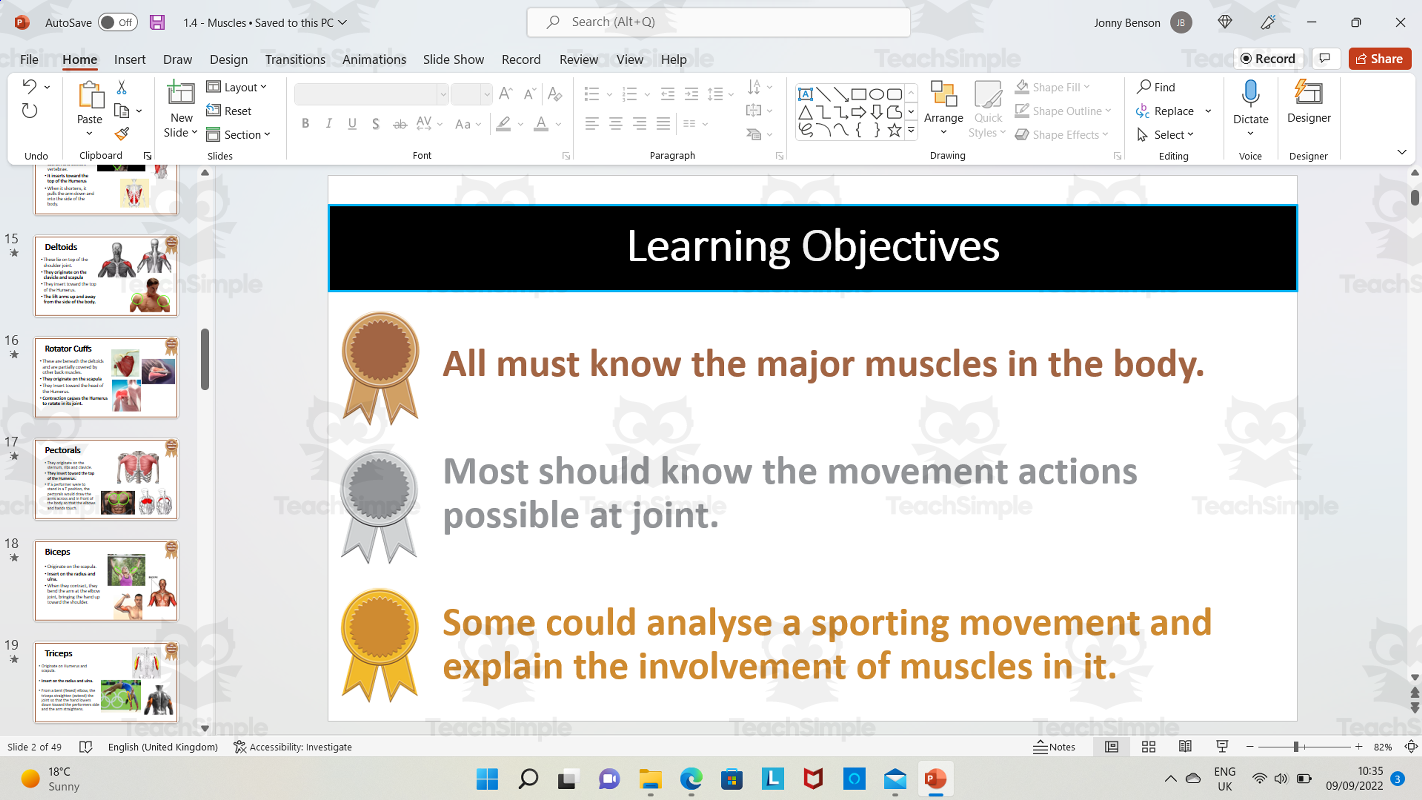
Labelling Major Muscles of the Body - Grade 9-10
GCSE PE Anatomy & Physiology lesson teaching students the major muscles of the body, the movements possible at each joint, and analysis of muscle use in sporting actions.




8,334 resources
Explore sub-categories
14 sub-categories · 8,334 resources
GCSE PE Anatomy & Physiology lesson teaching students the major muscles of the body, the movements possible at each joint, and analysis of muscle use in sporting actions.
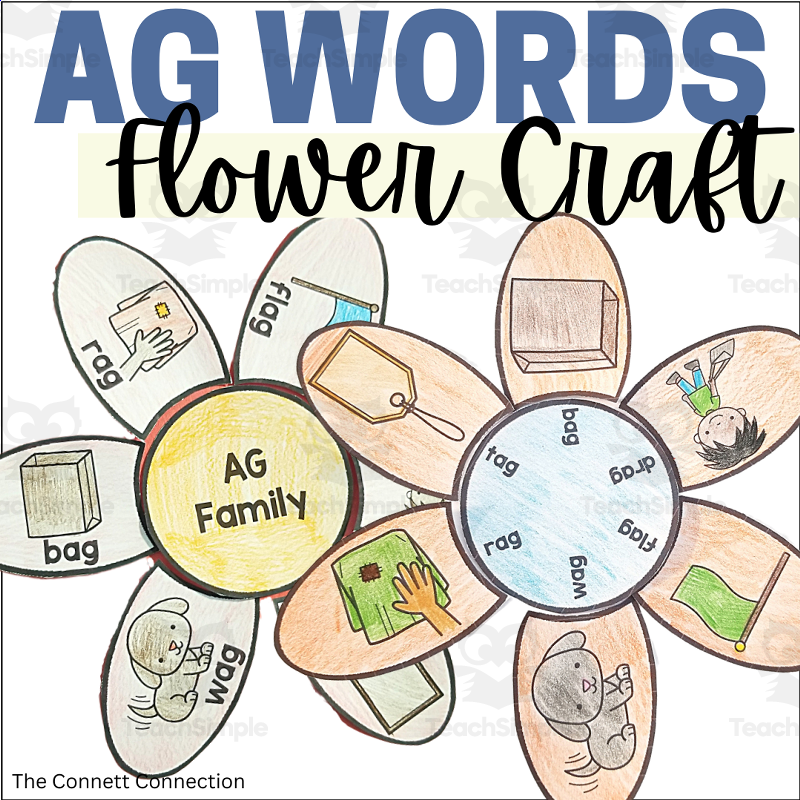
A spring-themed flower craft template used to reinforce recognition of AG-family CVC words through a cut-and-assemble hands-on activity.

Read the illustrated cloze-style story (filling in missing words using picture cues); complete differentiated activities including sequence-of-events cards, sorting words/phrases/sentences into categories, grammar exercises (nouns, verbs, adjectives, synonyms, antonyms, comparative/superlative adverbs, plurals, punctuation)…
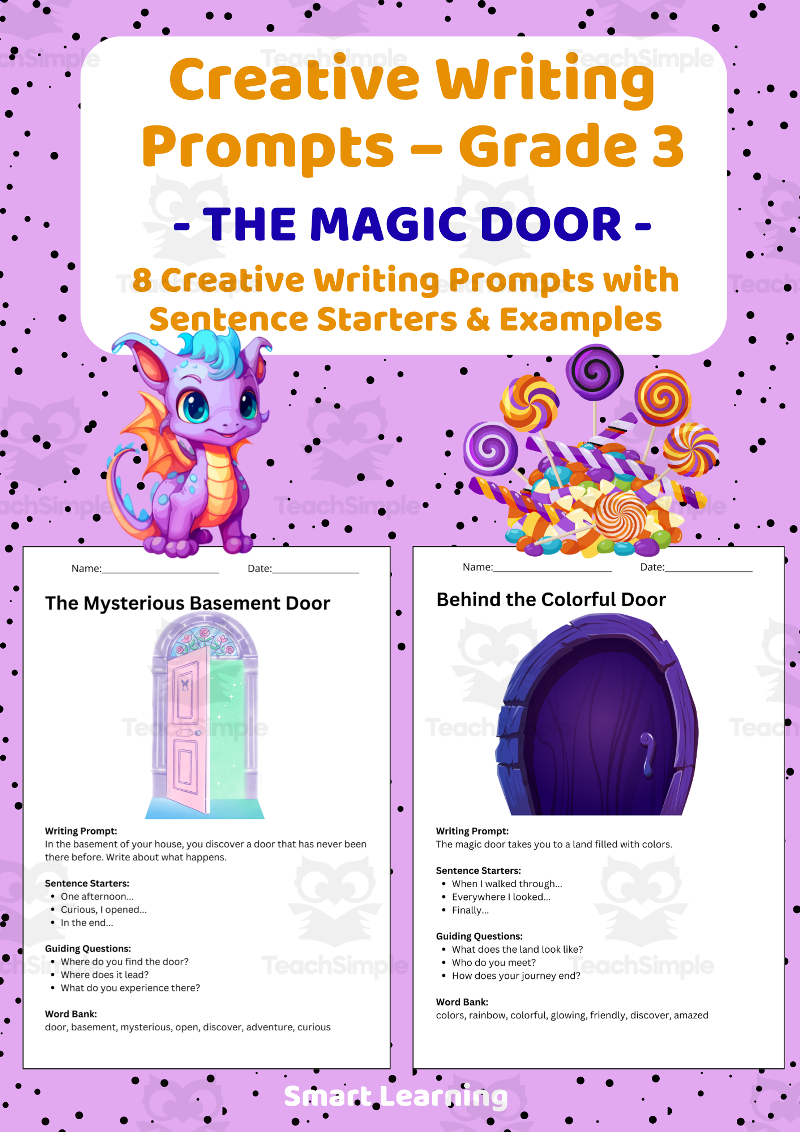
Gives grade 3 students 8 themed creative-writing prompts on a magic door to other worlds, each with sentence starters, guiding questions, and a word bank, to practice organizing a narrative with a clear beginning, middle, and end.
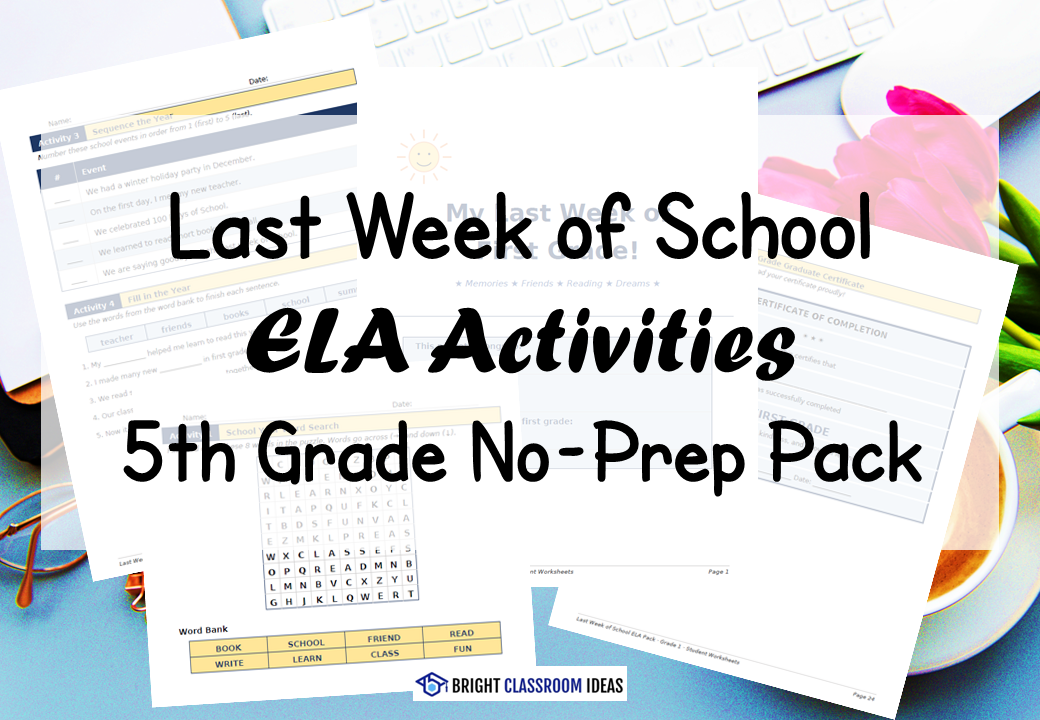
Complete 22 worksheet activities across 5 scripted 45-minute daily lessons: My Year in Review (reflective essay writing); Friendship Letters (opinion essays with counterarguments); Summer Reading Adventure (theme, point of view & analysis); Word Detectives (roots, idioms/proverbs & homographs); Dreams for Middle…
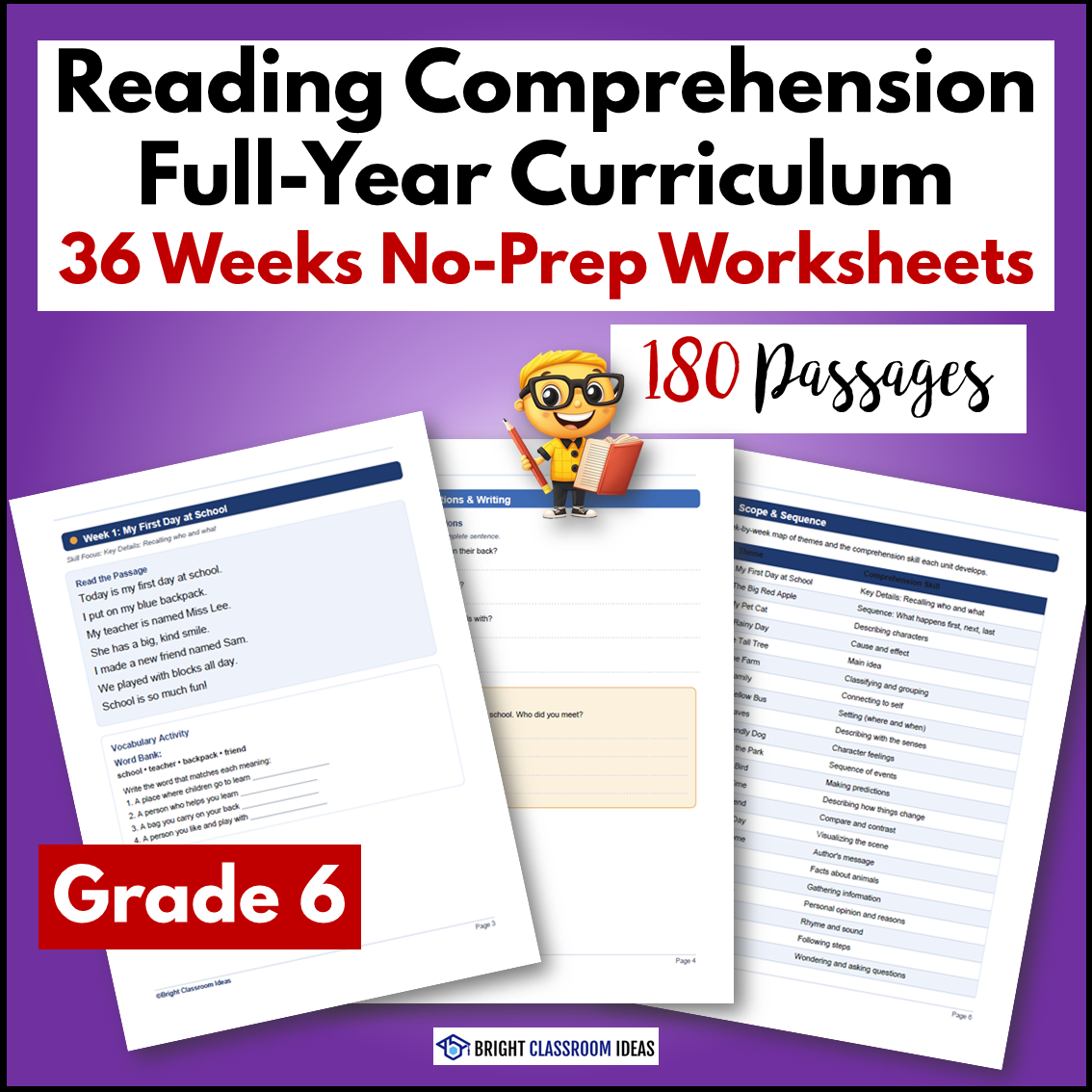
Read a daily fiction or nonfiction passage, complete a vocabulary matching activity, answer three text-based comprehension questions, and respond to a writing prompt supporting a claim with textual evidence.

Sort, match, or compare integer-expression cards using games such as General Card Sort, Go Fish, Spoons, and War.

Provides printable narrative writing prompts to give students story ideas and practice writing a story with a sequence of events.
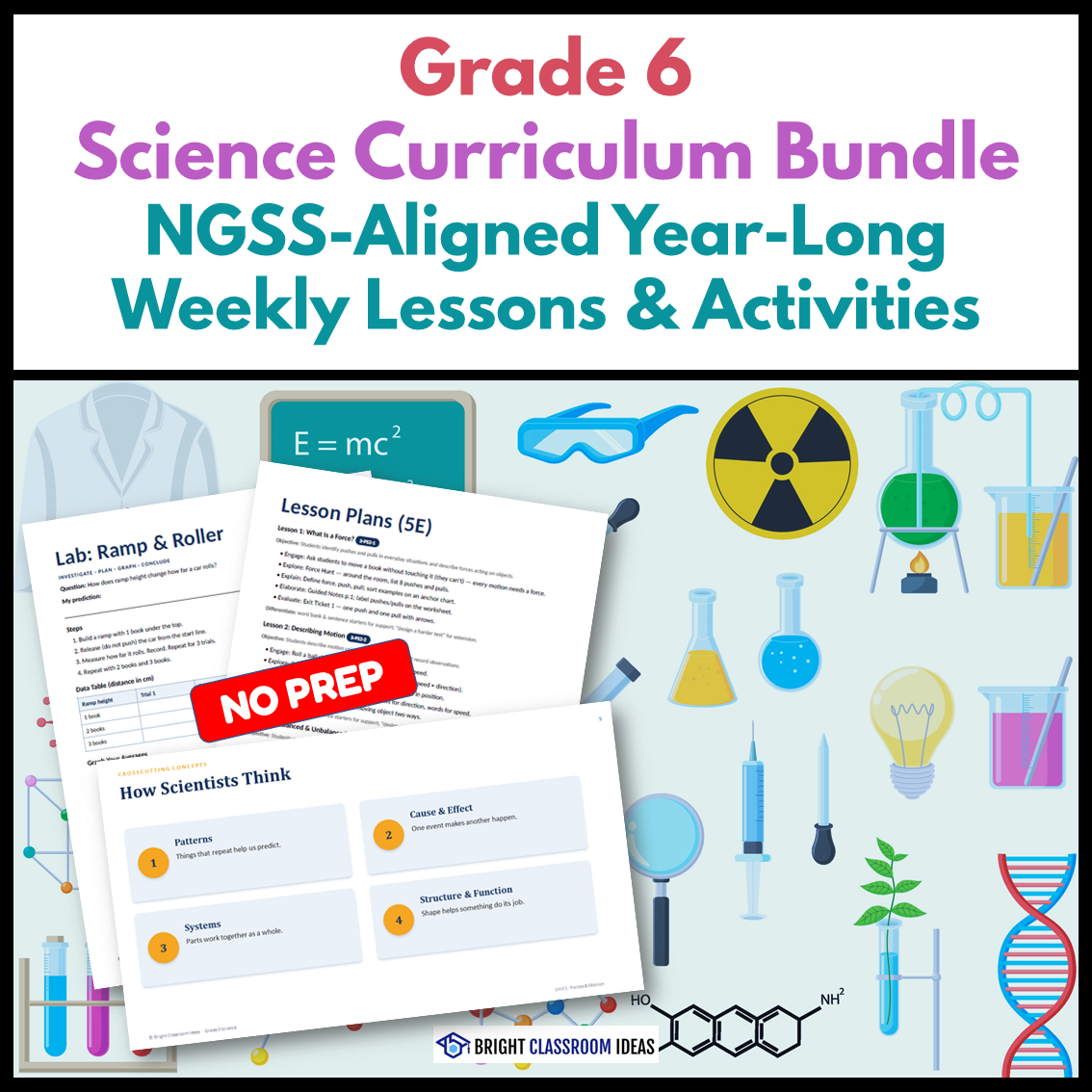
Deliver a full-year (36-week, 10-unit) NGSS-aligned Grade 6 science curriculum covering life science (cells, human body systems), physical science (matter, energy), Earth science (Earth's interior, plate tectonics, weather, climate), and engineering design.

This exciting back-to-school themed digital escape room , is designed to provide a fun and engaging experience for your middle school students while reviewing essential grade six math skills. With its captivating storyline and diverse math problems, this escape room is the perfect tool to make learning interactive and…
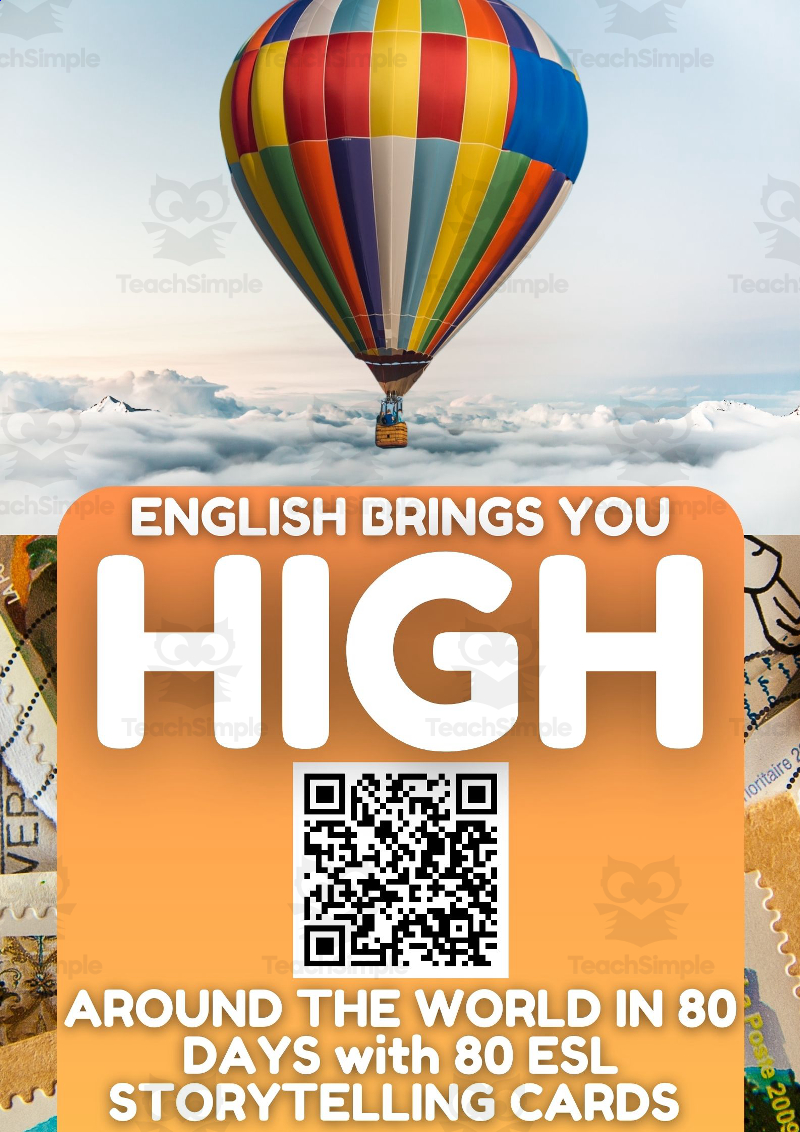
Game for ESL: "80 cards to travel around the world in 80 Days" This Amazing PDF Teaching Material is Ideal for ESL, EFL Students, be it High Schoolers/ Middle Schoolers (Teens), Homeschooling Classes or ANY English Second Language School Abroad! This ESL, EFL, TESOL, TEFL Game can be great to improve English as a…

Country groups make alliance requests and respond to other groups under the game’s rules. The confrontation sequence reveals how commitments, rejection and changing loyalties can widen a conflict. Use the teacher guide to run the simulation, then map the alliances and discuss what the simplified model shows about escalation.
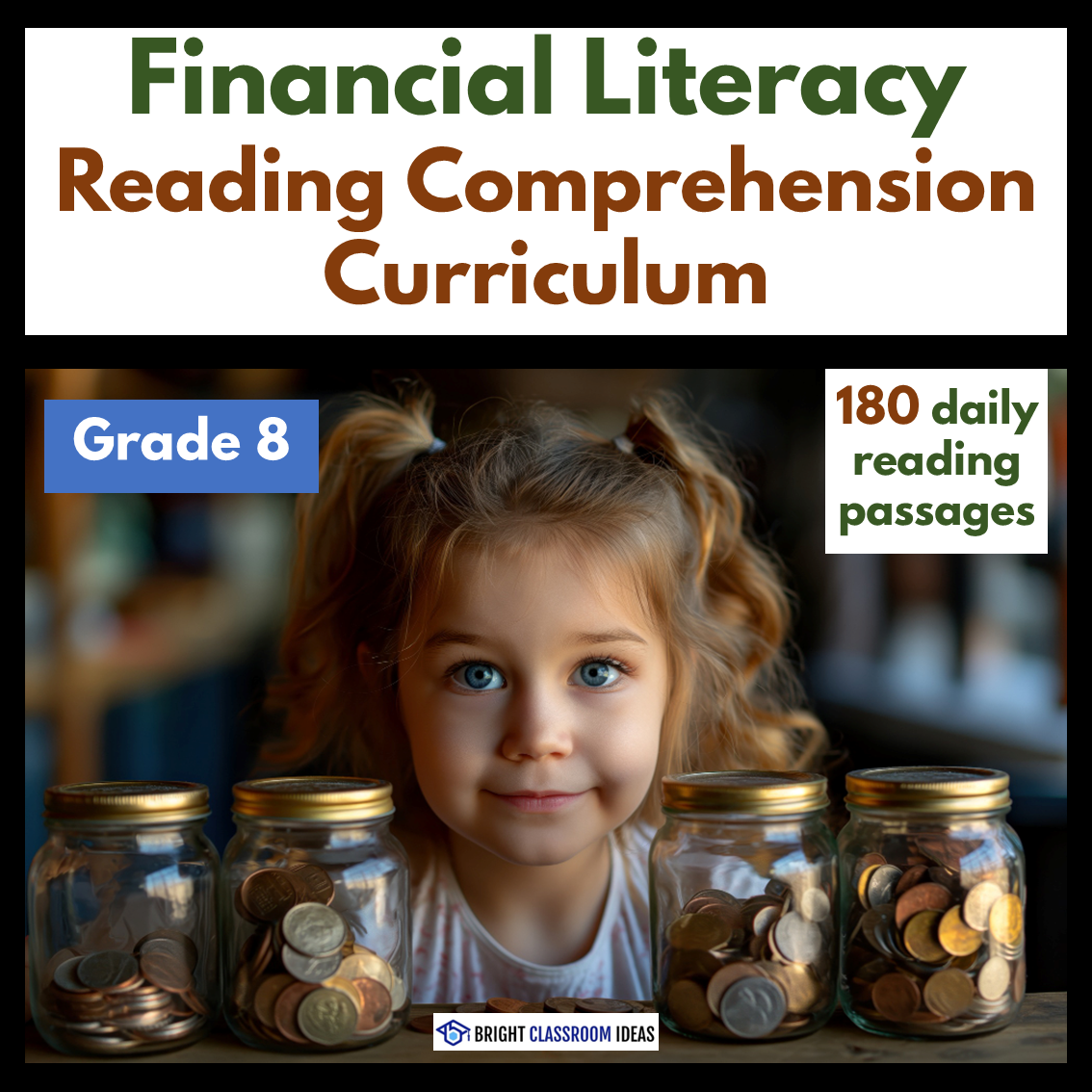
Each day students read a short nonfiction passage about money, define vocabulary words as used in the passage, answer comprehension questions, and respond to a writing prompt; the Answer Key provides model vocabulary definitions, model comprehension answers, and writing guidance for each day plus keys for the diagnostic, unit…
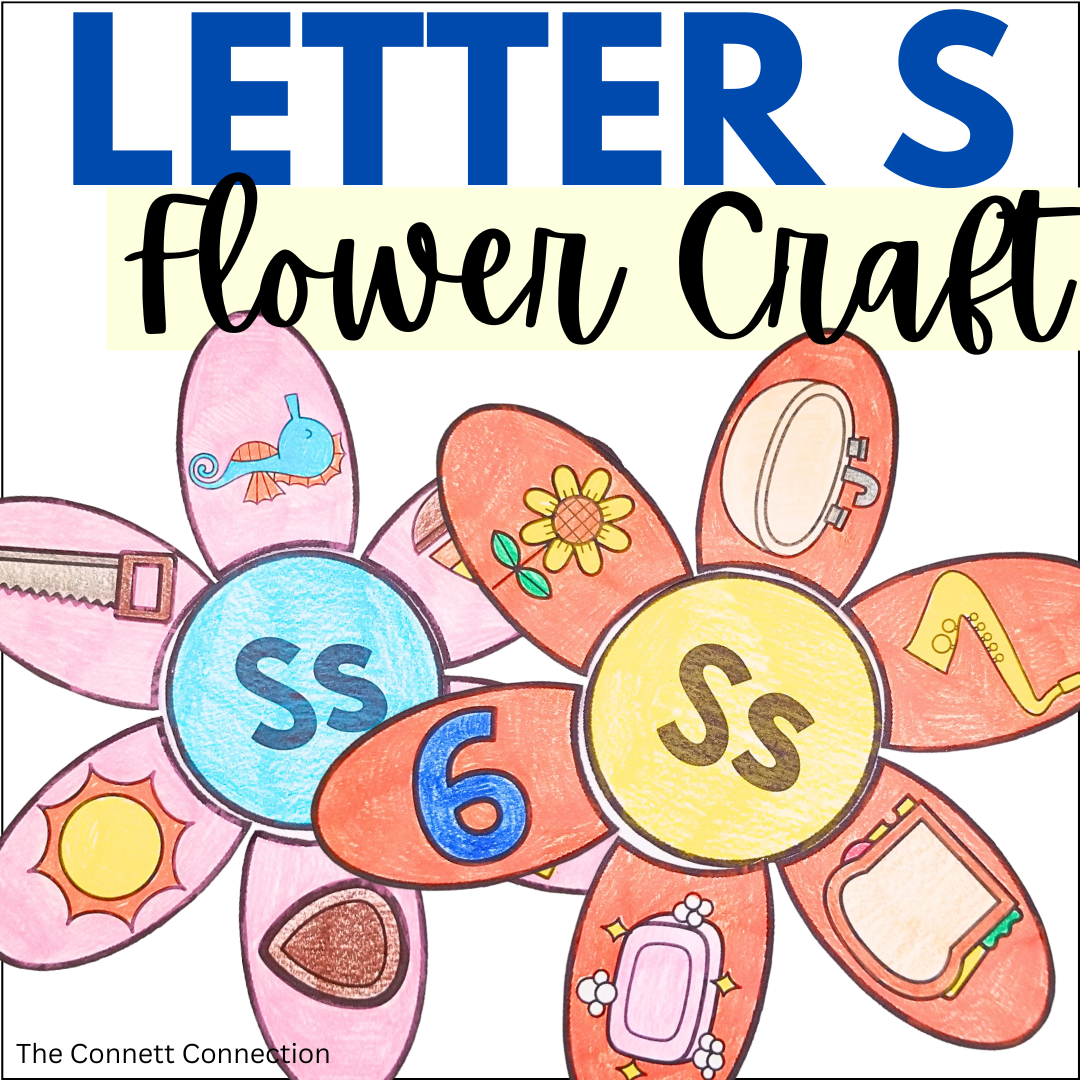
Assemble a flower craft using letter-S-labeled ('Ss') templates (three templates present in the file).

Discuss questions about seasons and calendars; solve leap-year date/math word problems (e.g. which months begin and end on a Friday); read informational passages on the history of the Julian/Gregorian calendar; read/recite Leap Year poems and a 'Leap Year Song' (to the tune of Bingo); read trivia on famous people born on Leap…

Read an introductory explanation of persuasive writing (forming an opinion, supporting it with reasoning, and addressing counterarguments), then write a persuasive response to each individual prompt (e.g. whether being a kid is easy or hard, which of two things is better, convincing parents of something, choosing a superpower)…
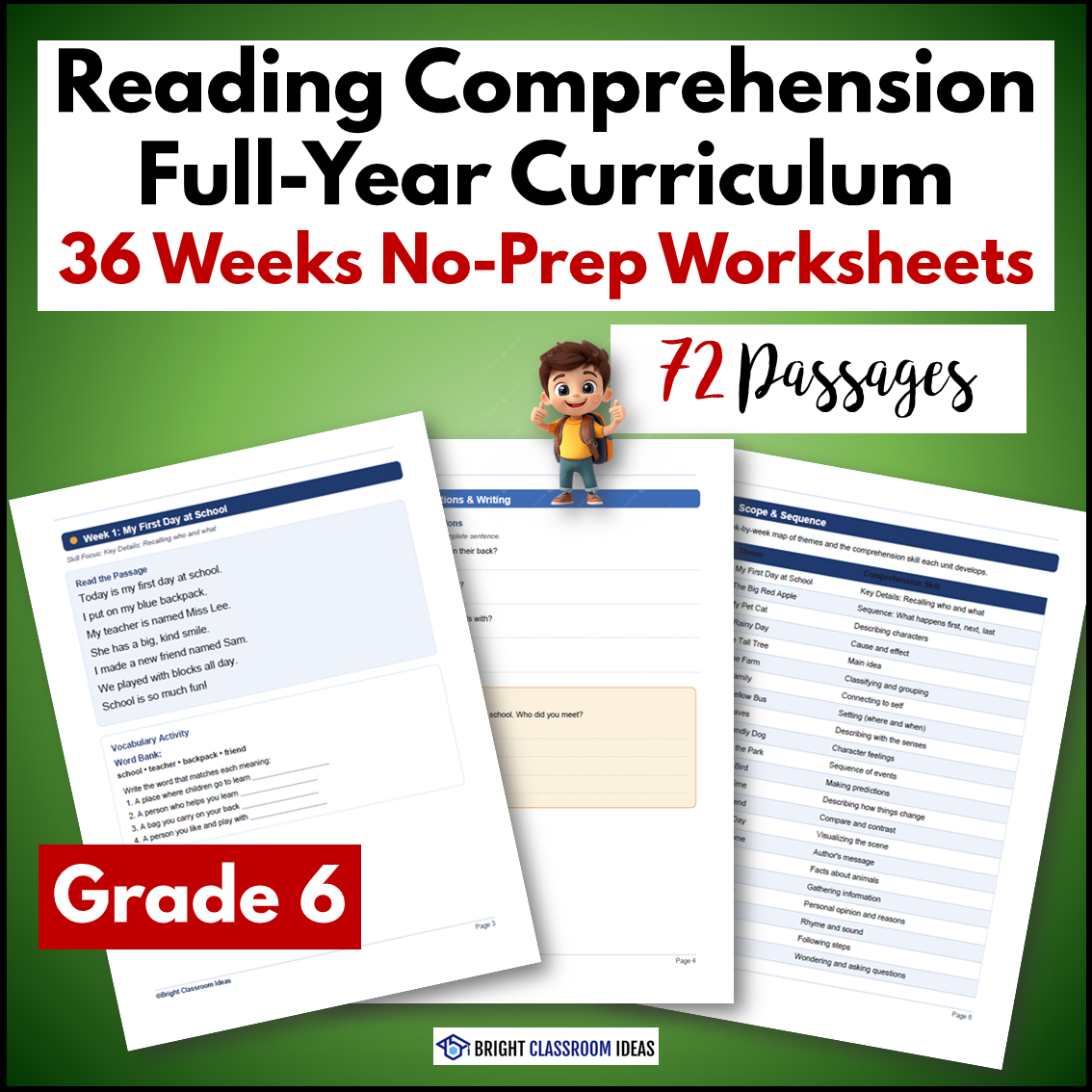
Read a fiction or nonfiction passage, complete a vocabulary matching activity, answer four text-based comprehension questions, and respond to a rigorous multi-paragraph writing prompt supporting a claim with cited textual evidence.
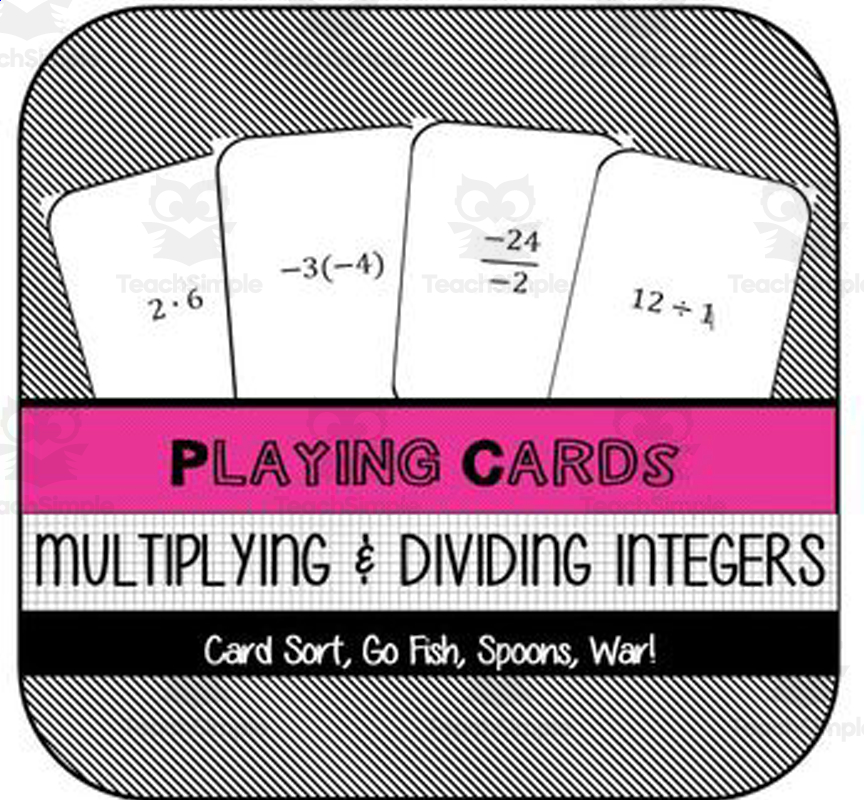
Build fluency determining the sign and value of multiplication/division integer expressions using a set of 52 printable playing cards for classroom card games.
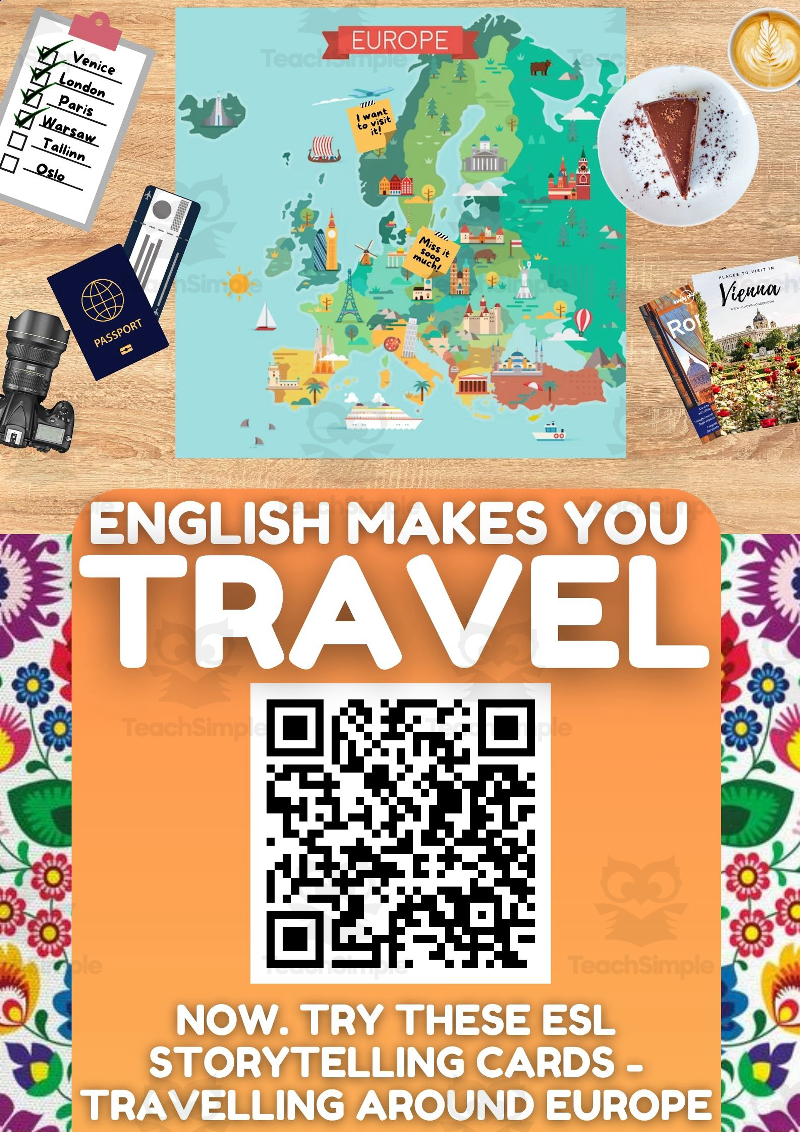
Use the illustrated cards (places like London (UK), Bruxelles (Belgium), Venice (Italy), Paris (France), Budapest (Hungary), Cracow (Poland), Bologna (Italy), Barcellona (Spain), Athens (Greece), Berlin/Hamburg (Germany), Romania, Ukraine, plus travel-related people/object cards) to practice English vocabulary and…
 Free download
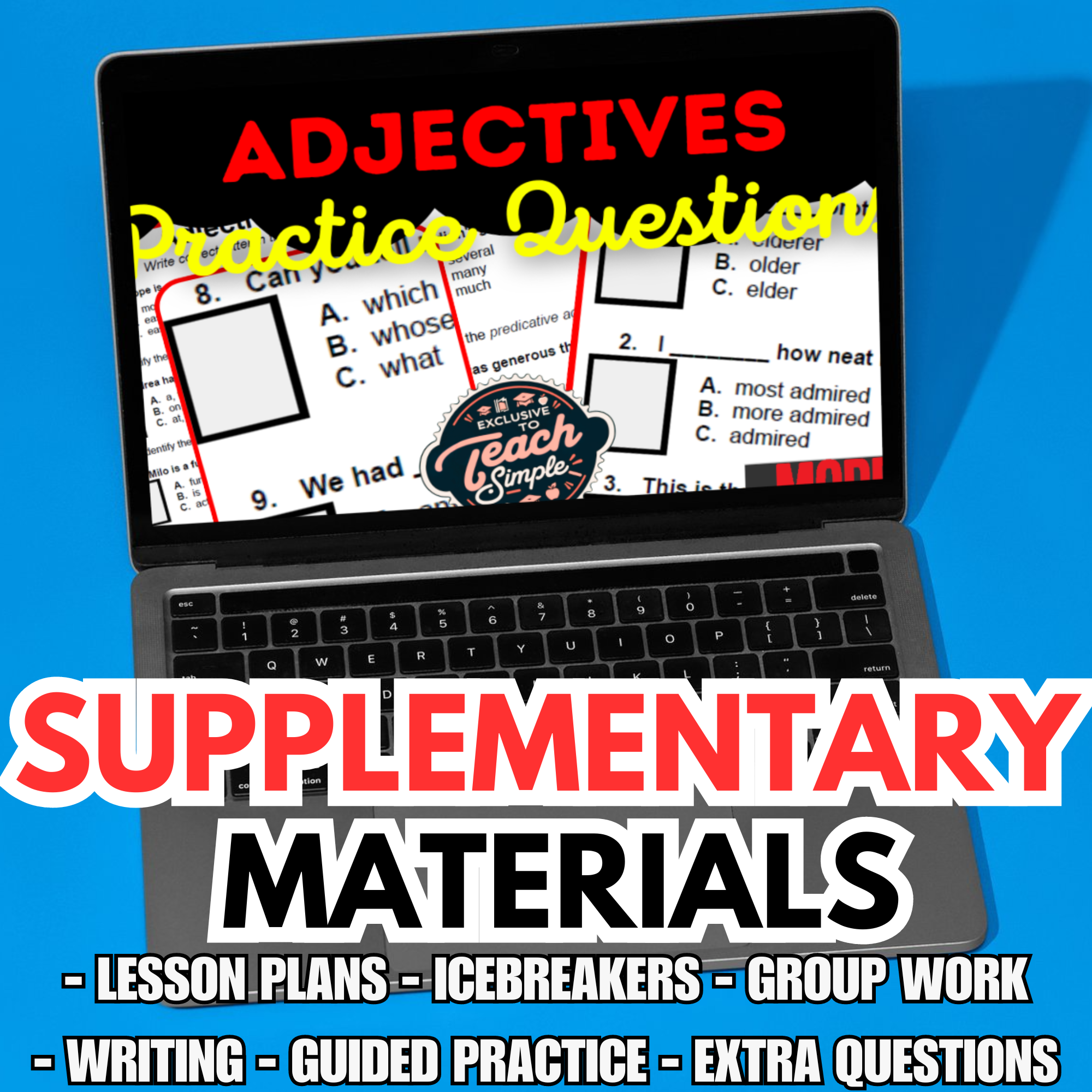
 A grade 5-6 lesson plan and supplementary activity pack for teaching descriptive, demonstrative, and quantitative adjectives.
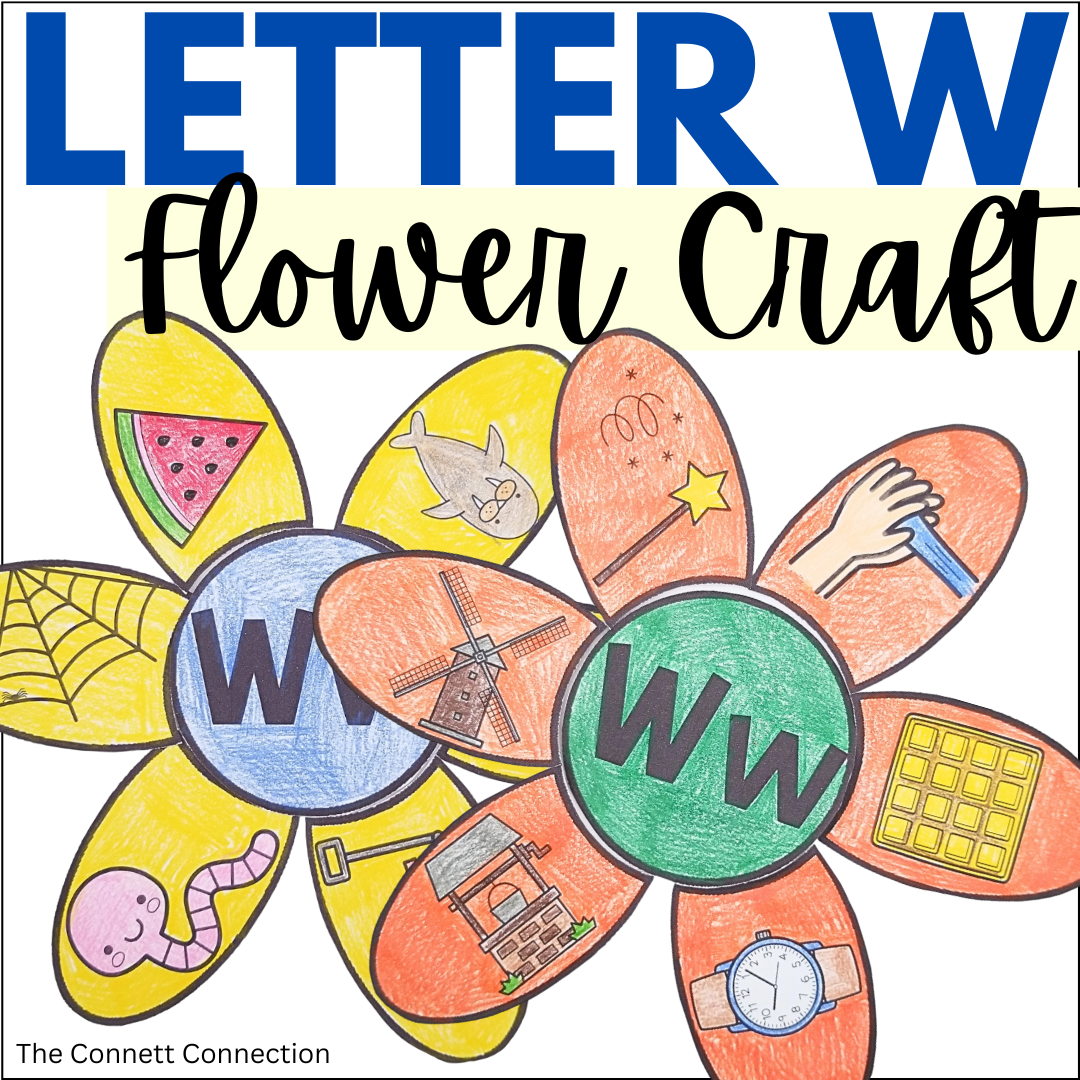
Teach the beginning sound of letter W and letter recognition through a flower-shaped craft activity.
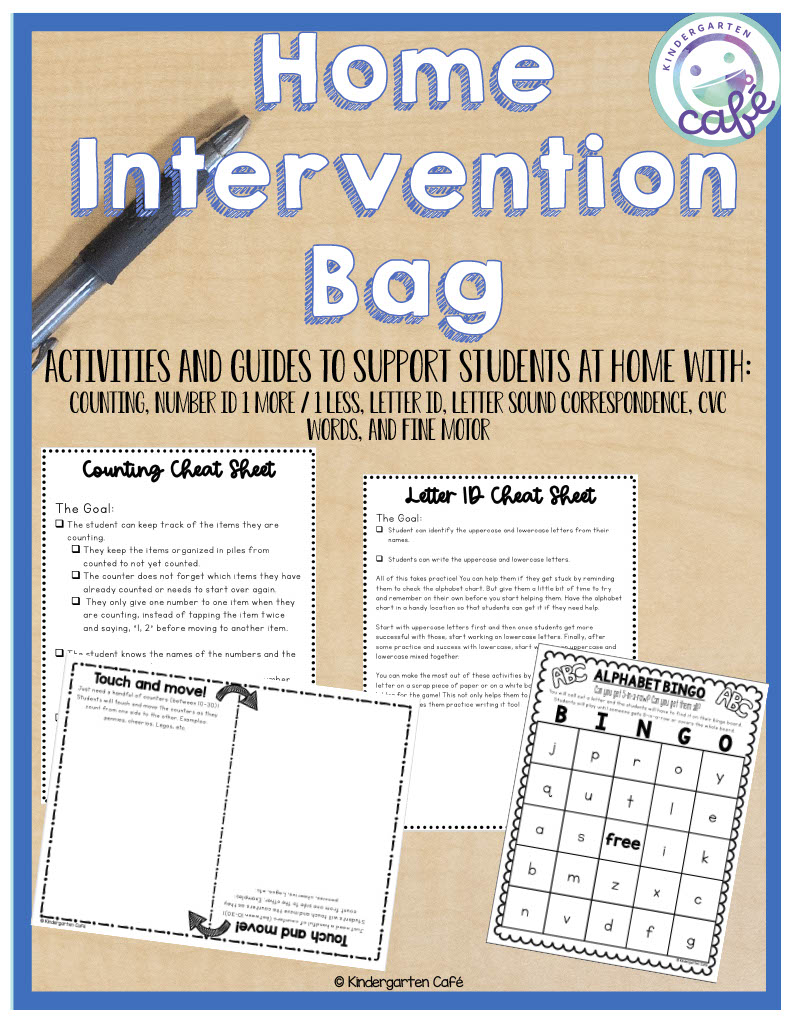
With a family member at home, students practice counting sets of objects (touch-and-move, circle counting, ten-frame counting), identify and write numbers, play Number BINGO and 'I Spy'/'Cover It' teen-number games, practice 1-more/1-less number relationships, and use alphabet charts/cards (uppercase and lowercase) and…
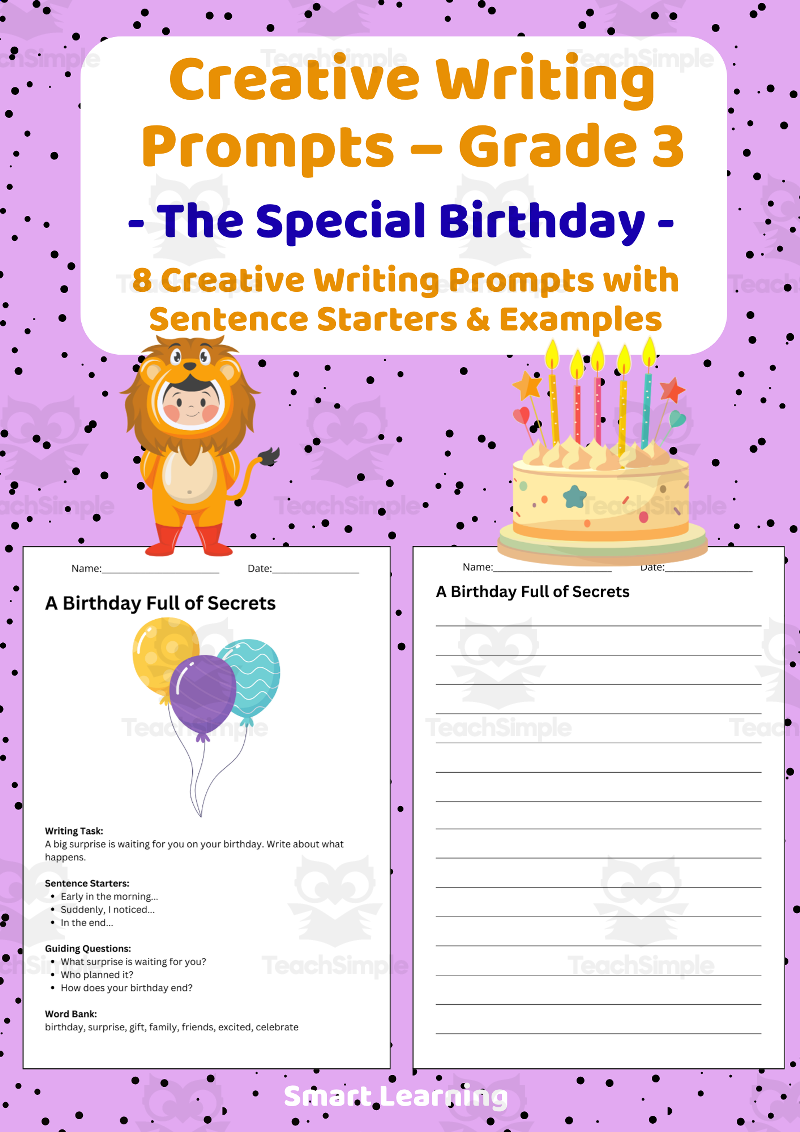
Gives grade 3 students 8 themed creative-writing prompts on a special birthday, each with sentence starters, guiding questions, and a word bank, to practice organizing a narrative with a clear beginning, middle, and end.
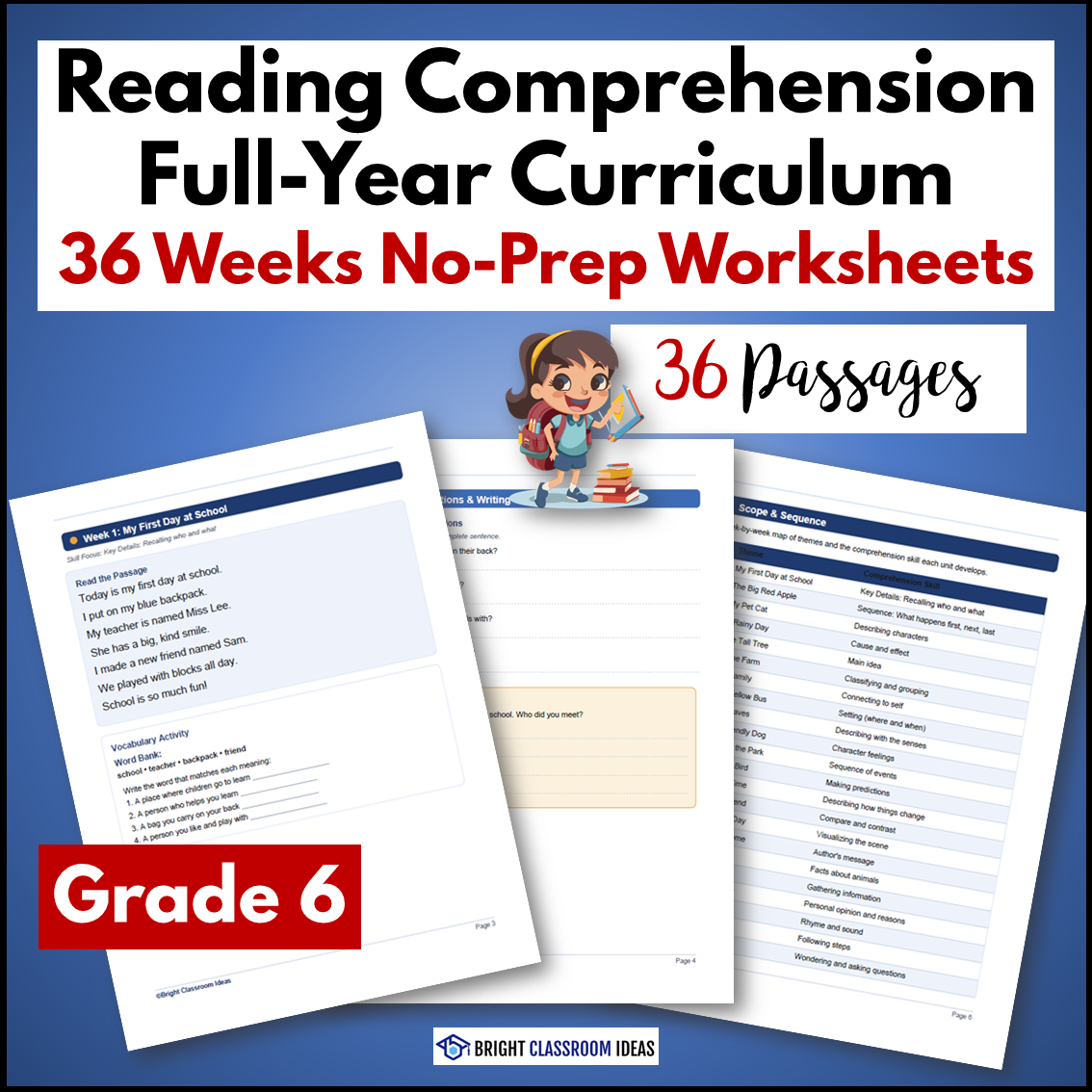
Students read a weekly passage, match vocabulary words to definitions from a word bank, answer comprehension questions (recall, inference, central idea/theme, craft/structure), and respond to an open-ended writing prompt.