Reading & writing
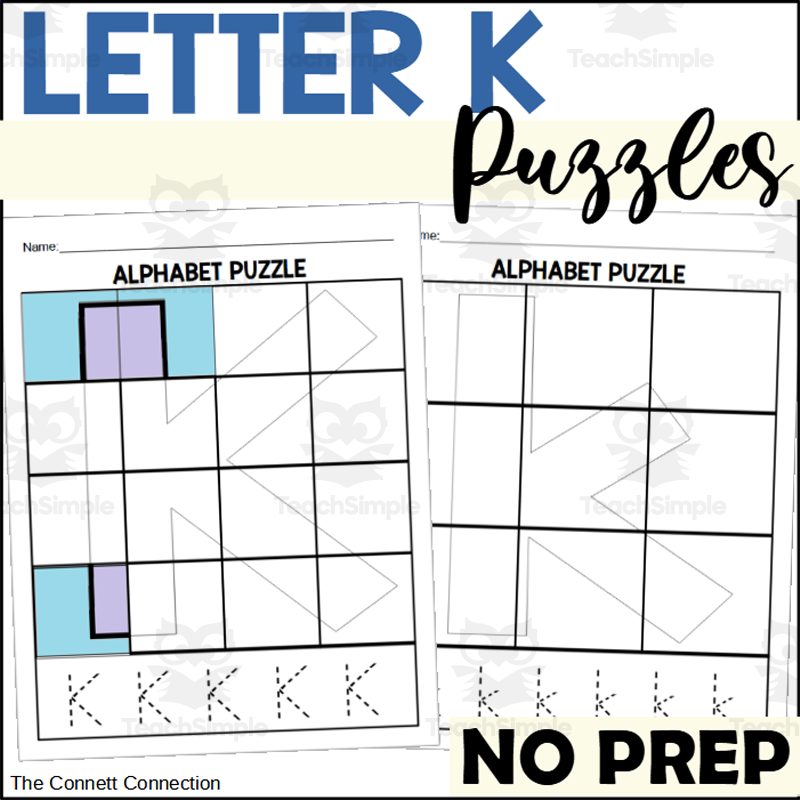
Letter K Puzzles
Practice letter recognition and formation through cut-and-assemble letter K puzzles at two difficulty levels.




8,334 resources
Explore sub-categories
14 sub-categories · 8,334 resources
Practice letter recognition and formation through cut-and-assemble letter K puzzles at two difficulty levels.
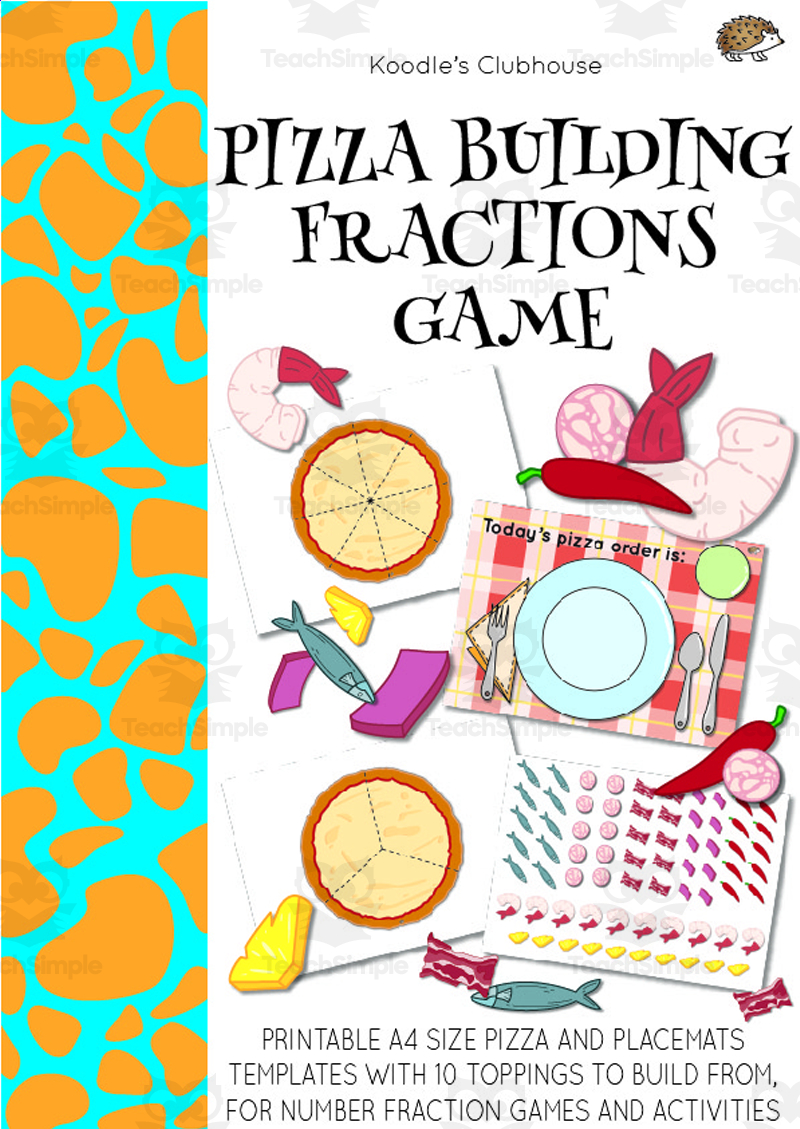
Students print, cut out, and (optionally) laminate pizza templates (with or without tracing lines dividing the pizza into fraction pieces from 1 to 1/10), placemats, and 160 topping clip-art pieces (16 designs); they build a pizza by choosing how many slices/fractions to divide it into and place matching topping…
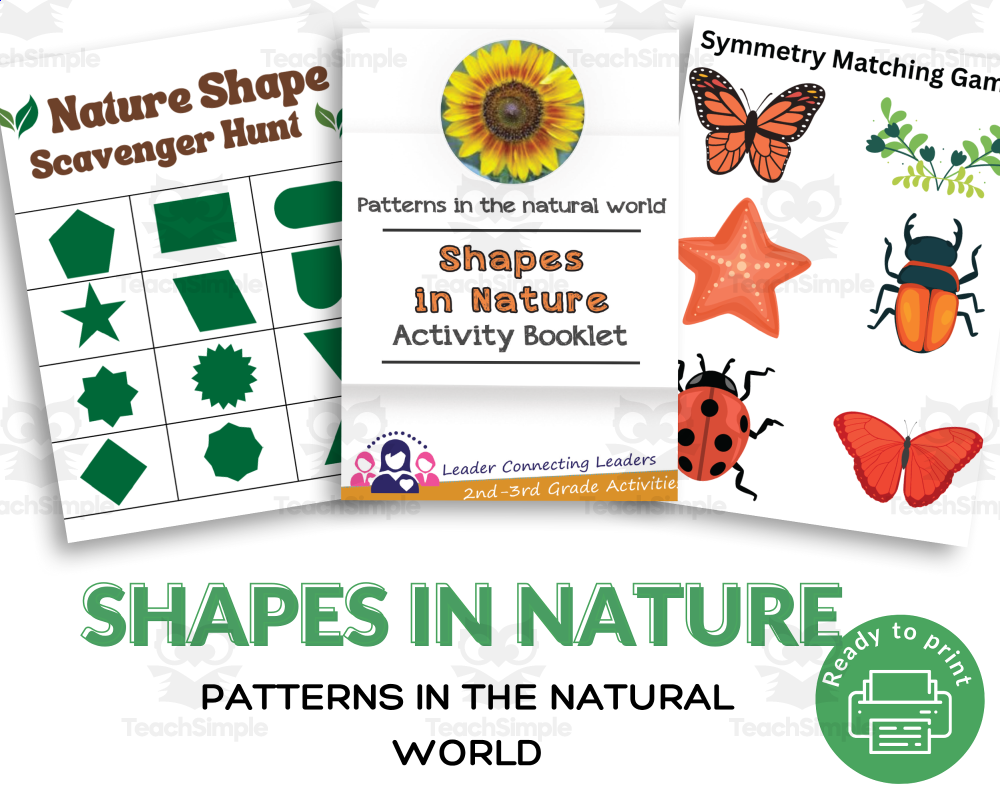
Go on a nature shape scavenger hunt and leaf-art stamping activity; play a shape memory game; make a shape tally map; sort natural objects by texture in a relay ('Sort and Sprint'); play 'Nature I Spy'; learn about and match types of animal symmetry (bilateral, radial, asymmetry); build symmetrical structures with cutout…
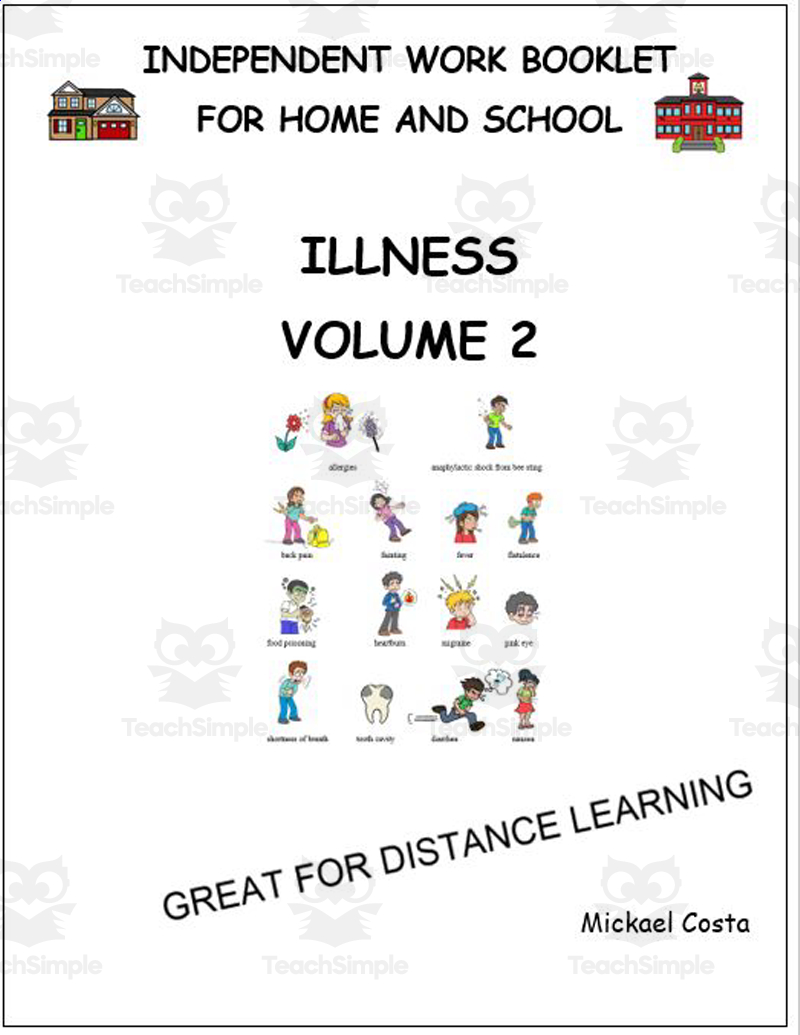
Students match vocabulary words to pictures, study a vocabulary word list, complete a bingo sheet and create their own word search, write sentences and an illustrated story using the vocabulary, answer a personal-connection reflection prompt, play a guessing game, solve anagrams, write riddles, do an internet research prompt…

A science review activity reinforcing astronomy vocabulary and concepts related to stars, galaxies, and the universe.
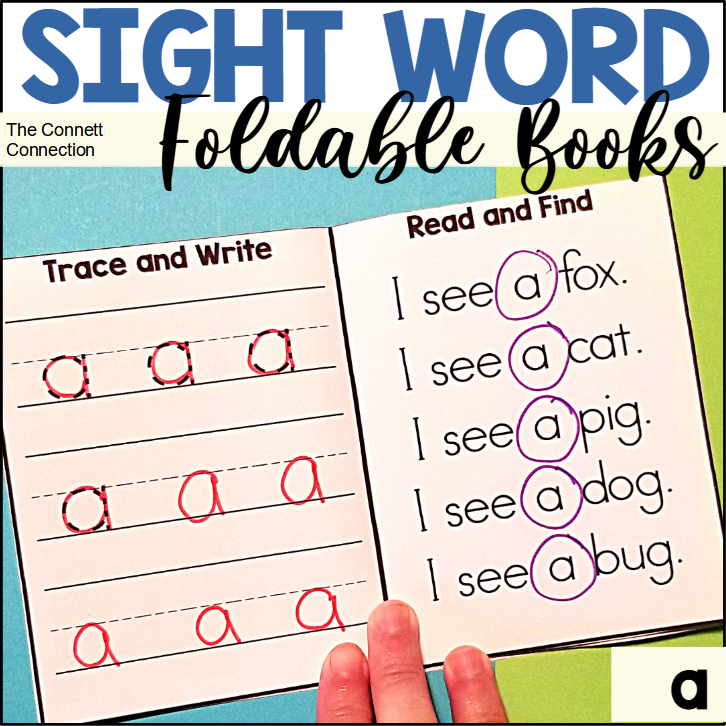
Give early readers hands-on practice recognizing, tracing, and reading the sight word "a" in a self-made mini foldable book.
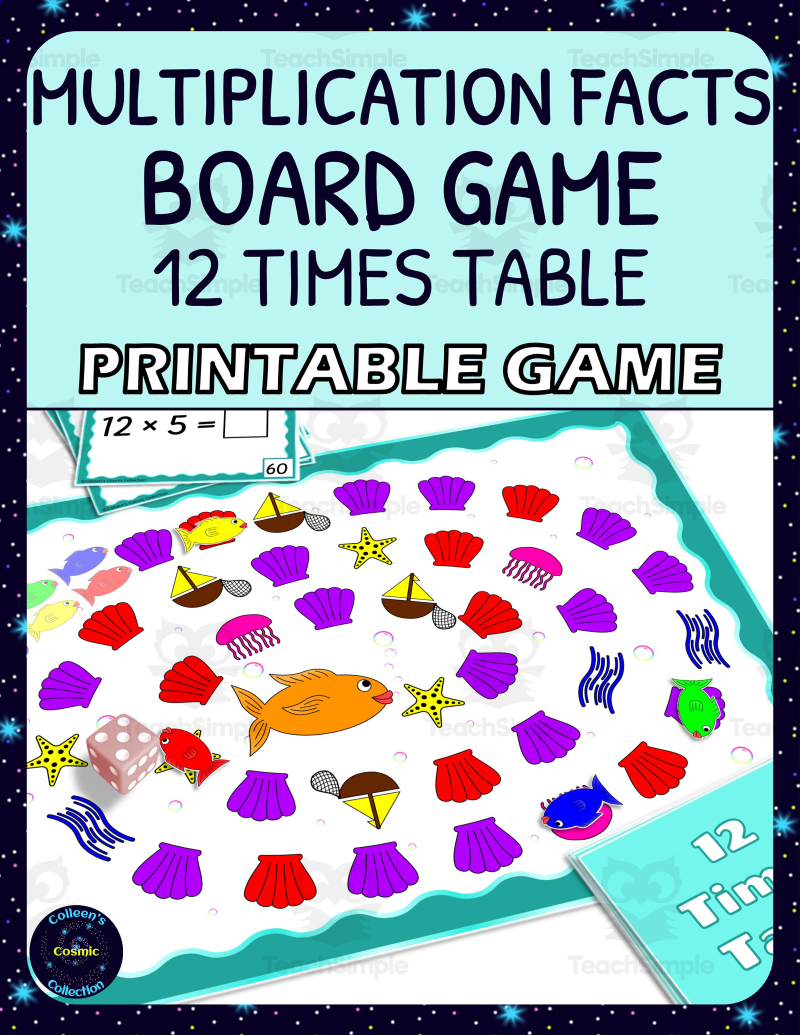
Multiplication fact practice Board Game - 12 Times Table
![Fry Sight Words, I Have Who Has Game, Flash Cards, 301-400, [SET 2] teaching resource preview](https://teachsimplecom.s3.us-east-2.amazonaws.com/images/fry-sight-words-i-have-who-has-game-flash-cards-301-400-set-2/image-1673361154020-1.jpg)
Each student reads the word on the 'I Have' side of their card aloud, then listens for the matching word named under 'Who Has?' on another card, and the group passes the loop around reading cards in sequence until it returns to the start.
Follow a slide presentation defining cultural geography and its concepts (material/nonmaterial culture components, cultural landscape, environmental determinism, possibilism, cultural determinism, culture trait/complex/systems, and cultural diffusion processes), while filling in a parallel fill-in-the-blank skeleton…
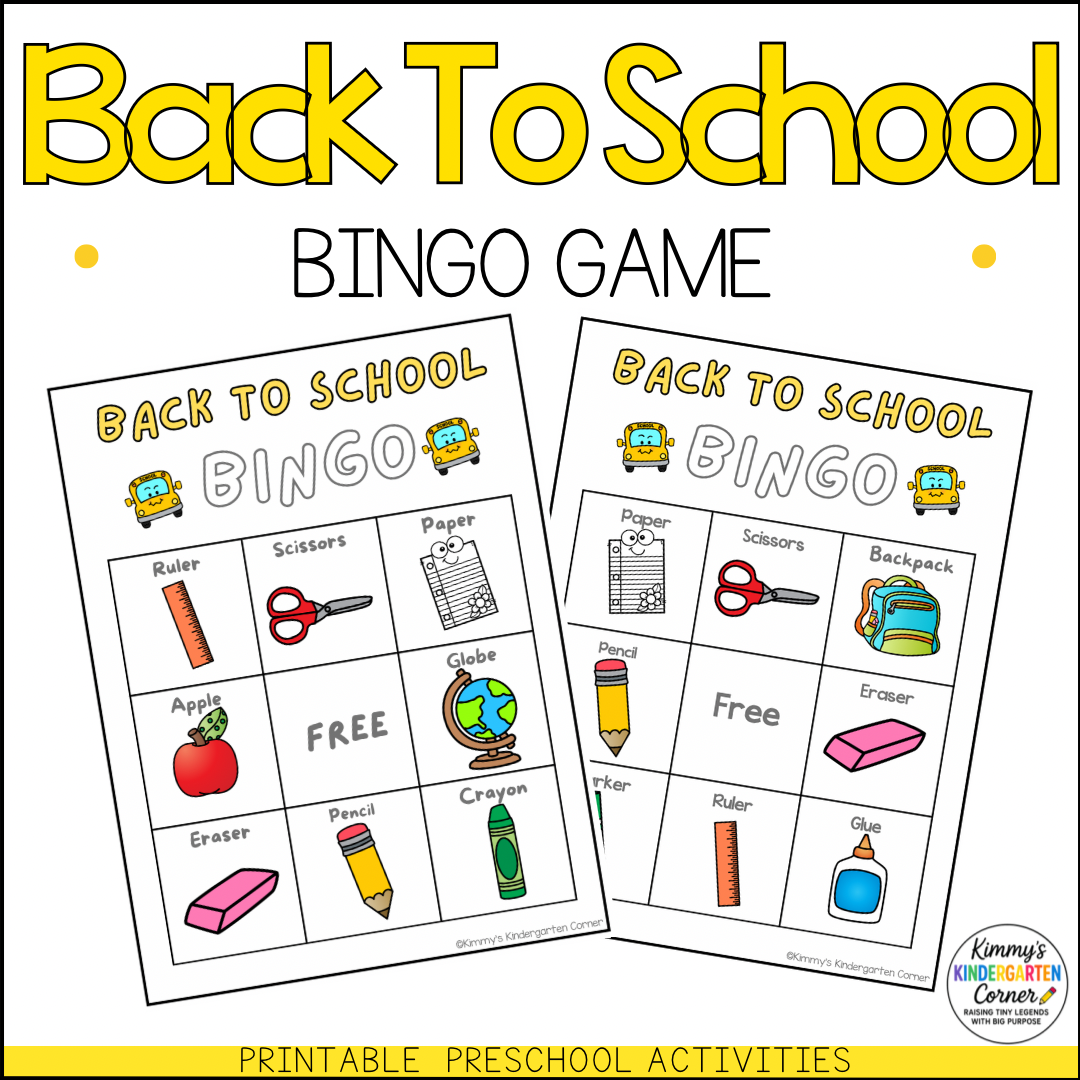
A back-to-school bingo game for building classroom vocabulary and familiarity with common school objects, used as an icebreaker for early learners.
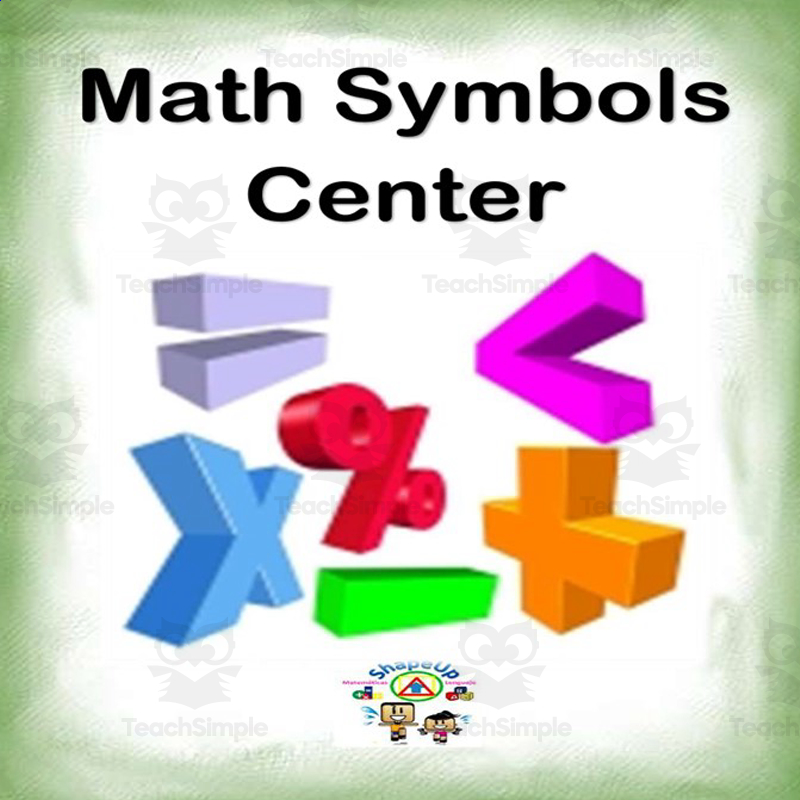 Free download
 Choose and look at a symbol card, observe the symbol and say what it means, then draw it and write what it means and when to use it, using the reference chart if needed.
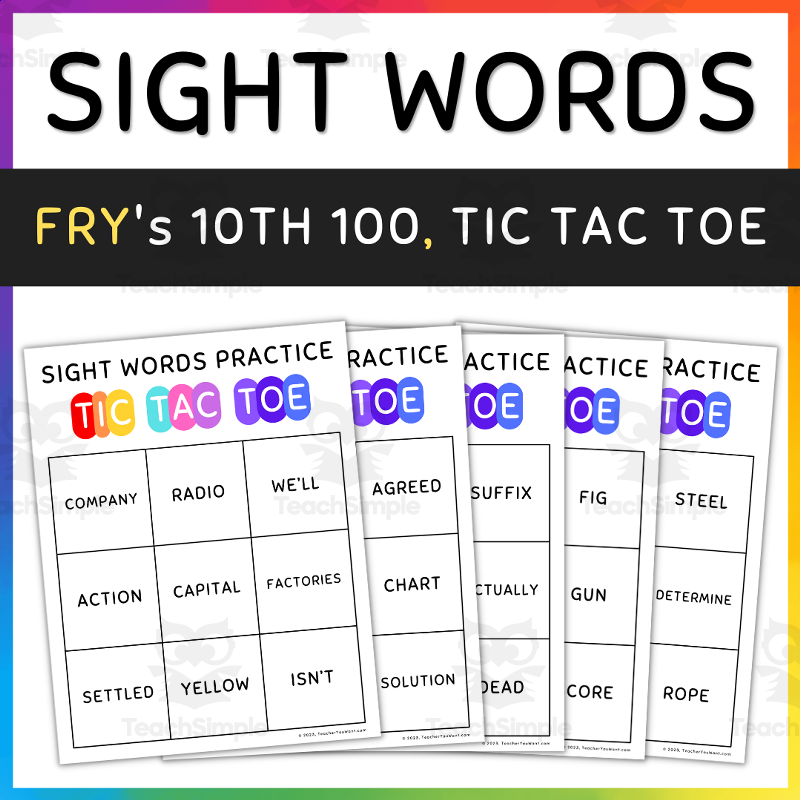
Two players take turns choosing a sight word on a 3x3 grid, reading it aloud correctly, and marking it with an X or O, trying to get three in a row.
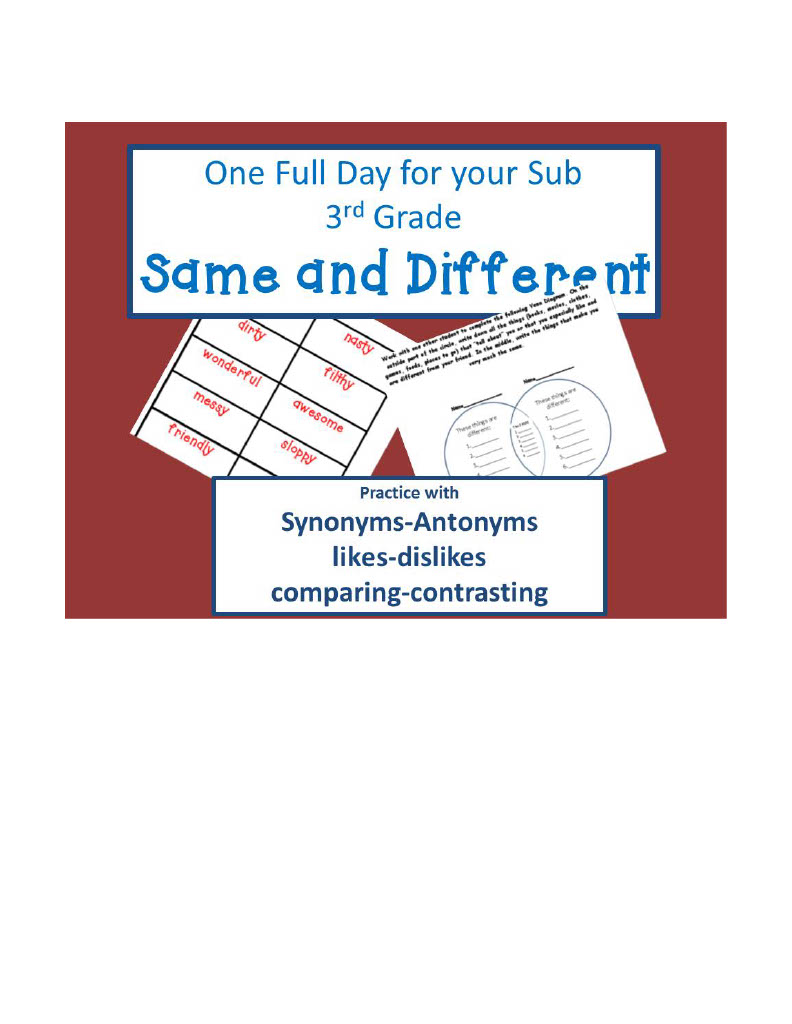
Complete a morning message worksheet; read independently and fill out a fiction or non-fiction reader-response form; solve addition/subtraction word problems and match answers to numbers in a sentence anagram; complete a multiplication-by-3s and triangle-measuring activity; build a personal timeline using construction…
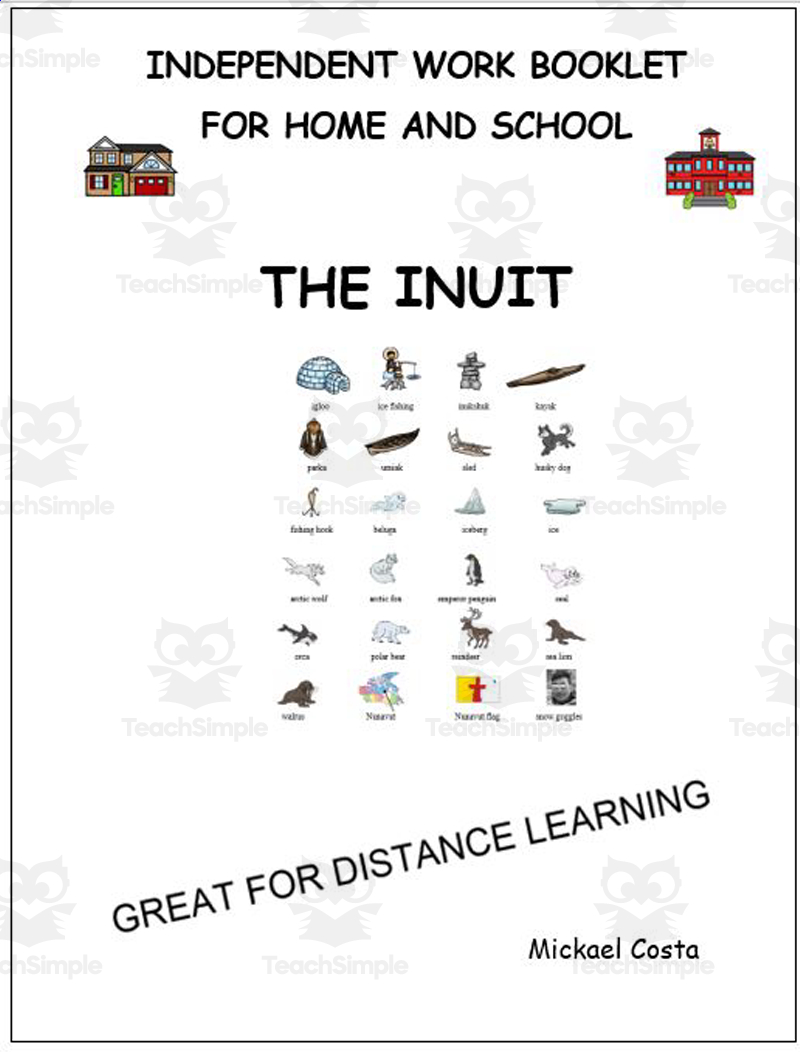
Students match vocabulary words to pictures, study a vocabulary word list, complete a bingo sheet and create their own word search, write sentences and an illustrated story using the vocabulary, answer a personal-connection reflection prompt, play a guessing game, solve anagrams, write riddles, do an internet research prompt…
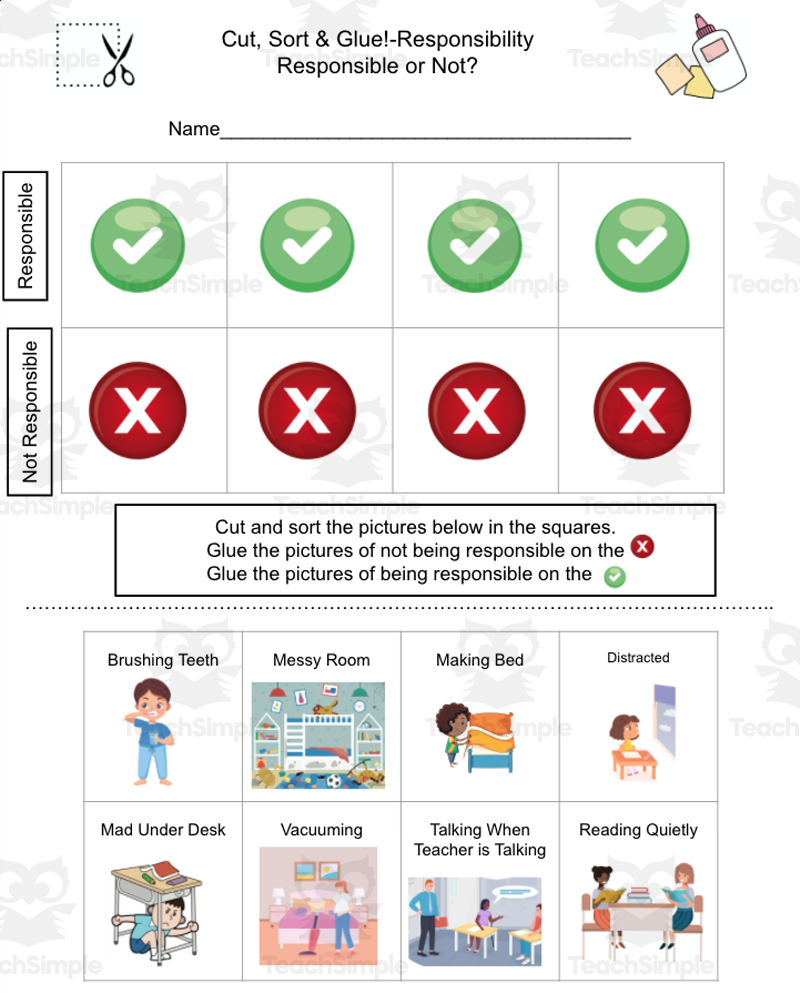
A one-page cut-sort-and-glue worksheet that has students sort short scenario phrases or pictures into two contrasting categories (responsible vs. not responsible) as social-emotional-learning (SEL) practice.
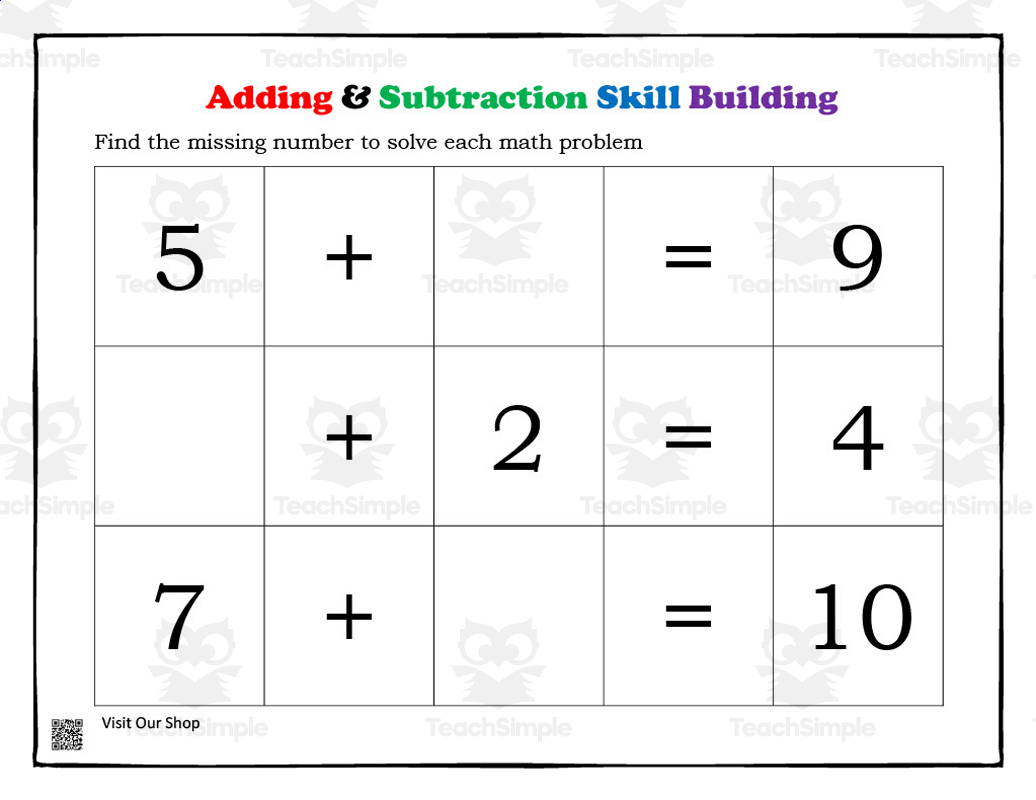
Students find the missing number (addend, subtrahend, or minuend) to complete each of 3 math problems per page.

Two players take turns choosing a sight word on a 3x3 grid, reading it aloud correctly, and marking it with an X or O, trying to get three in a row.

Build grammar and vocabulary skills in grades 3-5 students through a themed set of 20 action verbs, using a fixed sequence of independent literacy activities (vocabulary, writing, research, art, and games).
 Free download
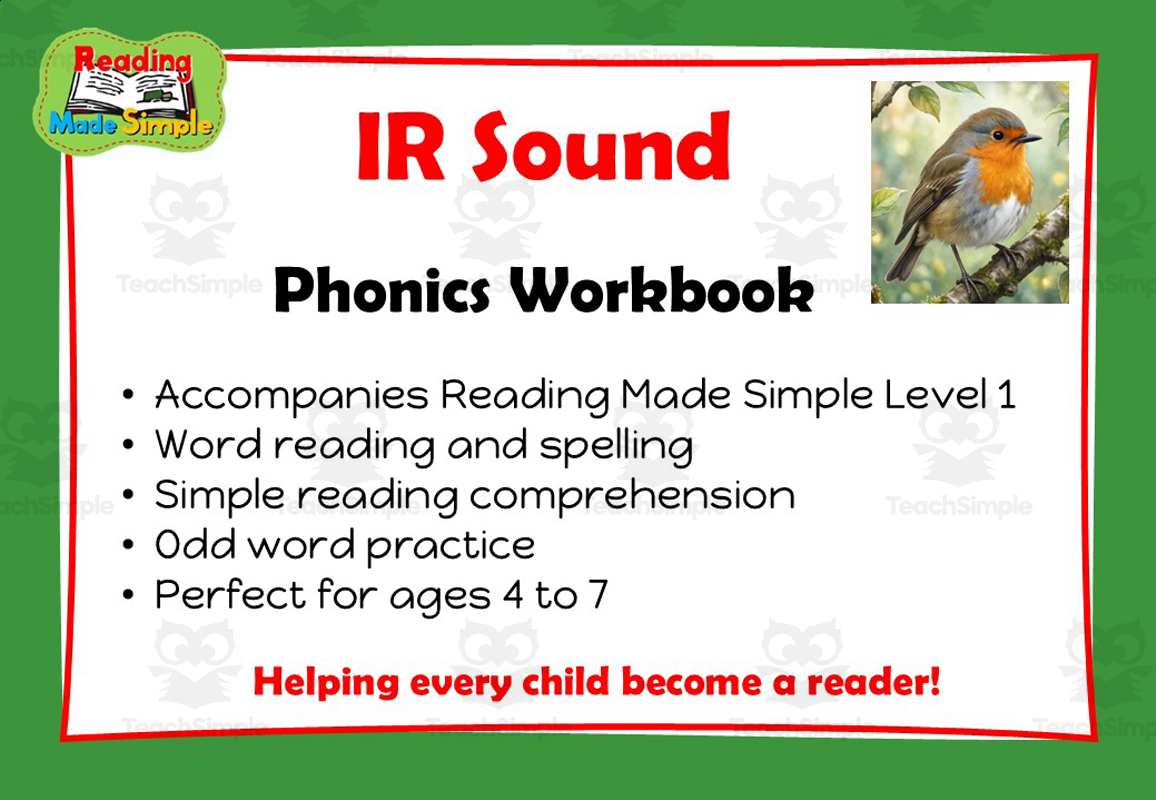
 Write -ir words under matching pictures and colour them; read a short decodable passage containing -ir words, underline the 'ir' sound in red, and draw a picture from the story; choose 'any' or 'many' to complete two sentences; find and correct errors in a sample sentence ('be the teacher'); play a 2-player board game reading -ir words…
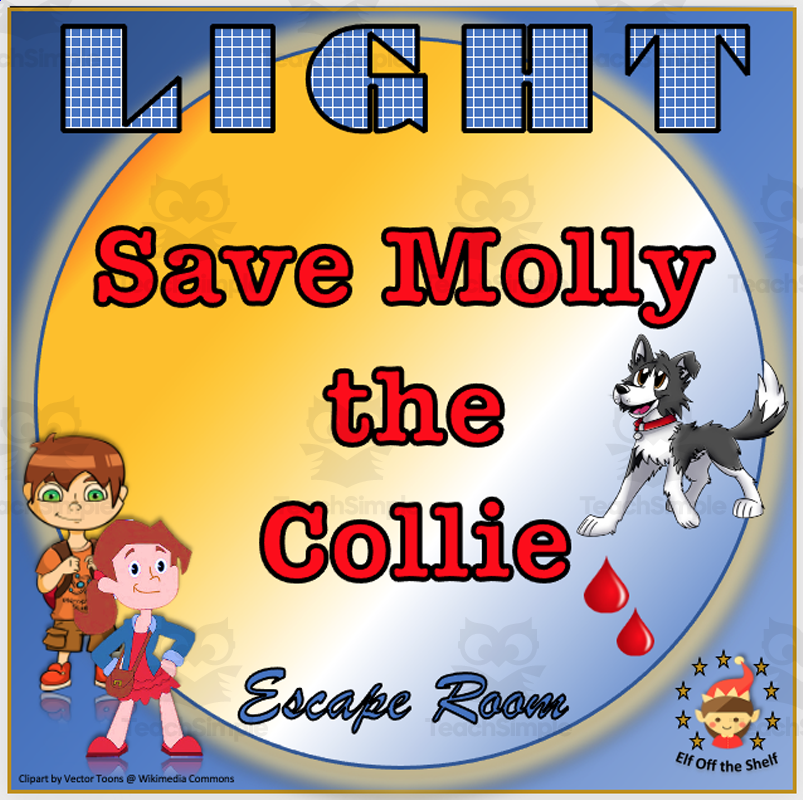
Students complete a dominoes exercise, crossword, word search, and worksheet on light reflection/refraction/lenses/eye anatomy, using number/letter values from their answers to calculate a series of combination-lock codes (three- and four-number versions provided) that progress the escape-room scenario.
 Free download
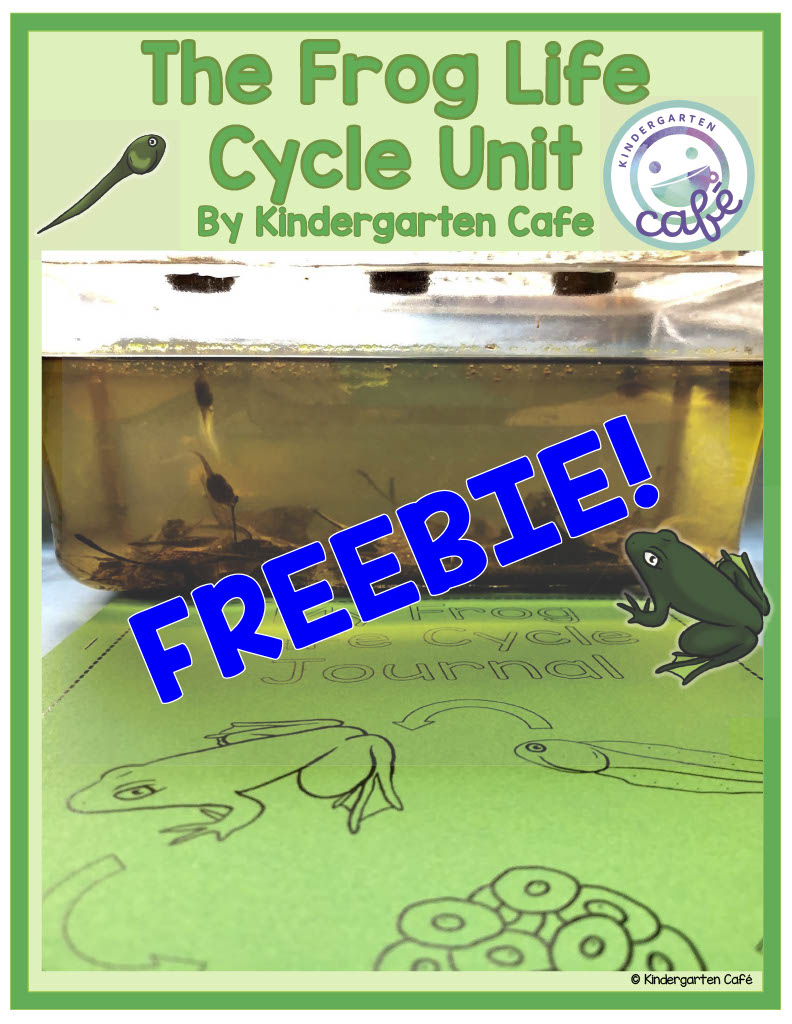
 Cut out the four numbered drawings of the tadpole's growth and glue them in the correct order.

Choose a sight word square, read it aloud, and mark it (per the game format shown on each board).
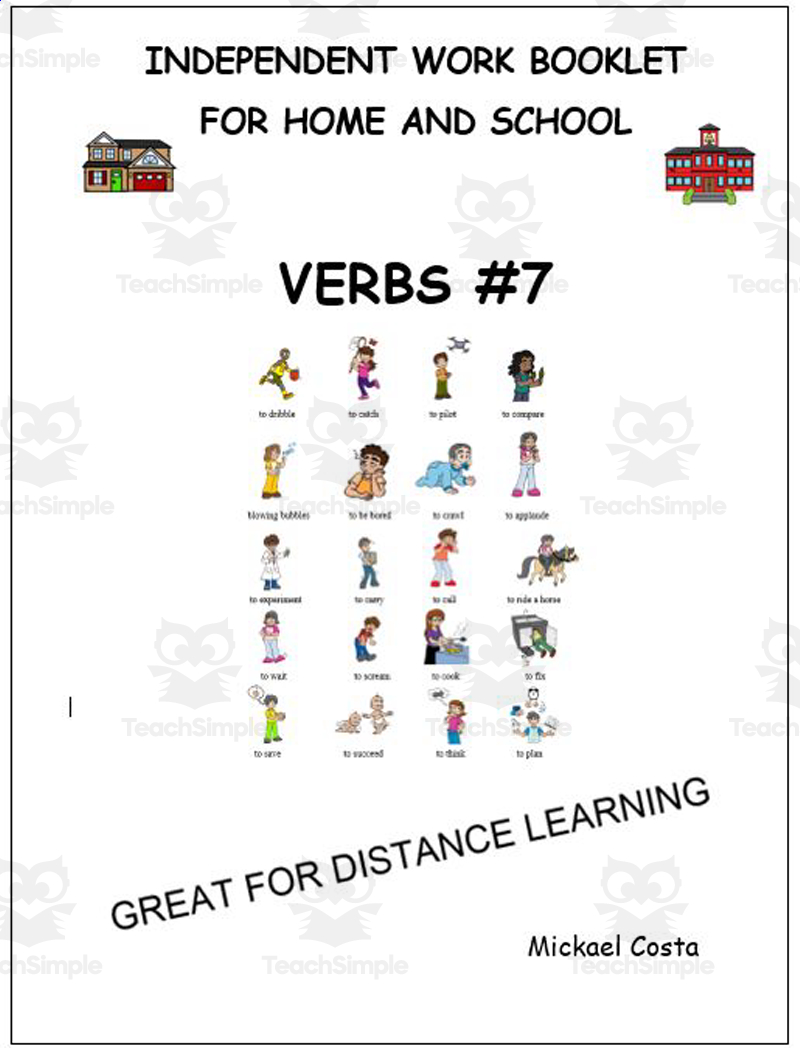
Build grammar and vocabulary skills in grades 3-5 students through a themed set of 20 action verbs, using a fixed sequence of independent literacy activities (vocabulary, writing, research, art, and games).

Discuss story-related questions about touch, play a 'What's In The Box' guessing game feeling hidden objects, then trace descriptive touch words (soft, slimy, rough, prickly, smooth, fluffy) on a worksheet and color pictures.