
Reading comprehension
Reading Comprehension Nonfiction Set 2 - Nutrition (Slides)
Reading Comprehension Nonfiction Set 2 - Nutrition (Slides)
Editable




Classroom resources
Browse by lesson focus
Choose the topic or kind of practice you need.
Showing 2161–2184 of 3076 resources

 Show filters
 Reading Comprehension Nonfiction Set 2 - Nutrition (Slides)
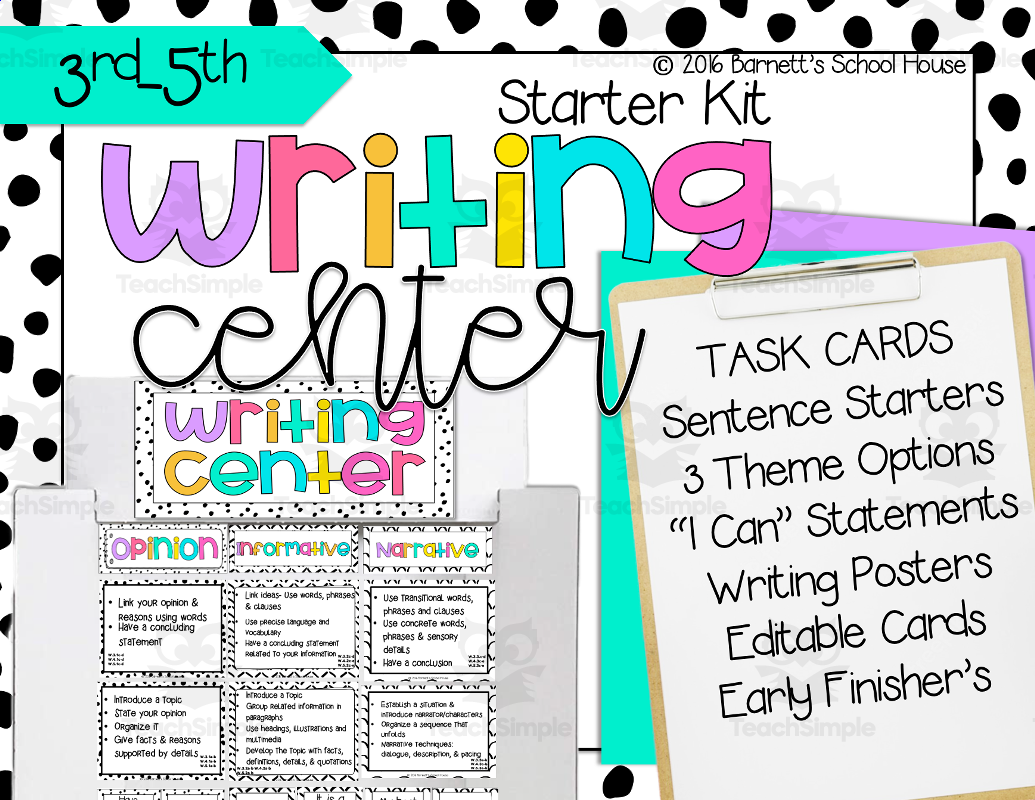
A multi-file writing center starter kit for grades 3-5 covering Opinion, Informative, and Narrative writing aligned to Common Core writing standards, meant to supplement (not replace) a writing curriculum.
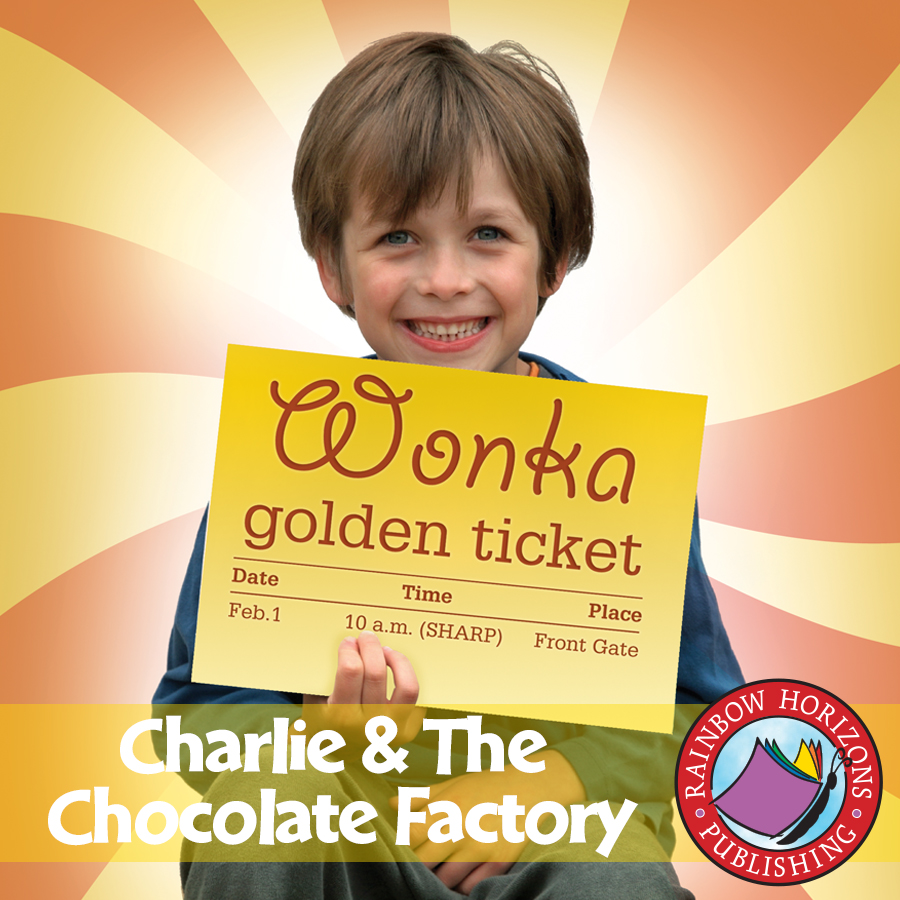
Read the novel in two-chapter increments (e.g. Chapters 1&2, 3&4, 5&6, ... through at least Chapters 21&22), then for each pair complete a set of comprehension Questions, a Language & Vocabulary activity, and a Writing & Creativity activity; also read an author biography and story summary.
Listen to the audiobook (and/or read the eBook/transcript along with it), then answer comprehension questions (function of the pyramids, why it's strange no mummy was ever found inside, other popular beliefs about the pyramid, who built them, a popular pyramid conspiracy, key steps in building the pyramid), a discussion/opinion question…
Students research the subject using at least 3 sources, complete a biographical fact-organizer (place of birth, place(s) of residence, relevant family members, and related prompts) and a portrait-drawing activity with labeled achievement items, then draft, self/peer-check (using the included writing-tips checklist), and revise a…
Select an inventor (e.g., Thomas Edison), conduct light research to fill out a biographical planner and drawing activity, then write a 5-paragraph MLA-formatted essay (introduction with thesis, early-life paragraph, key invention paragraph, legacy paragraph, conclusion, works cited) and self/peer-check it against the provided checklist…
Complete chapter vocabulary (crossword/word search), comprehension questions, a character web graphic organizer, an acrostic poetry activity, and creative writing (rough draft/final draft).
Teach 6th-grade-level students about medieval Europe's economic history, specifically how specialization of labor and trade networks developed during the Middle Ages, through a nonfiction reading passage written at a 1000 Lexile level.

Research the book and author (webquest), watch an author interview and book trailer and respond in writing, define 'unreliable narrator' and 'metaphor', build a personal vocabulary dictionary across the book's five parts, complete vocabulary practice activities (sentences, flashcards, quiz, story, drawings, or Frayer Model), and answer…
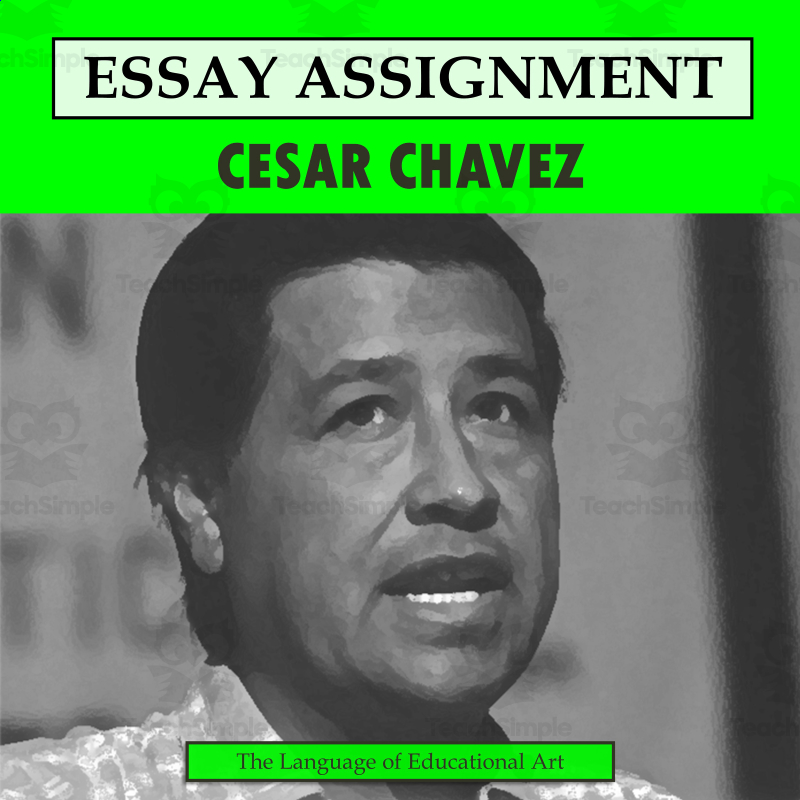
Research Cesar Chavez using at least 3 sources; fill out a 'Getting Your Research Started' graphic organizer (basic biographical facts such as place of birth, places of residence) and complete a drawing activity (draw the subject with 5 items representative of their life/achievements and describe each item); draft and self/peer-check a…
Digital slide deck (Google Slides/PowerPoint) of sight-word discrimination drills intended to accompany/bridge with the commercial Edmark Reading Program Level 1, for special education, pre-k, and kindergarten students.
Read an informational passage about Australia's location/climate/geography, then complete a summarizing graphic organizer, an 8-question multiple-choice activity, a 6-item matching activity, and two constructed-response prompts

A PowerPoint-based physical science reading comprehension set covering light (reflection/refraction), heat, electricity/circuits, and magnetism, paired with comprehension questions.
Read the passage, complete a cause/effect graphic organizer, answer multiple-choice questions, and complete a matching activity.

Students research the subject using at least 3 sources, complete a biographical fact-organizer (place of birth, place(s) of residence, relevant family members, and related prompts) and a portrait-drawing activity with labeled achievement items, then draft, self/peer-check (using the included writing-tips checklist), and revise a…
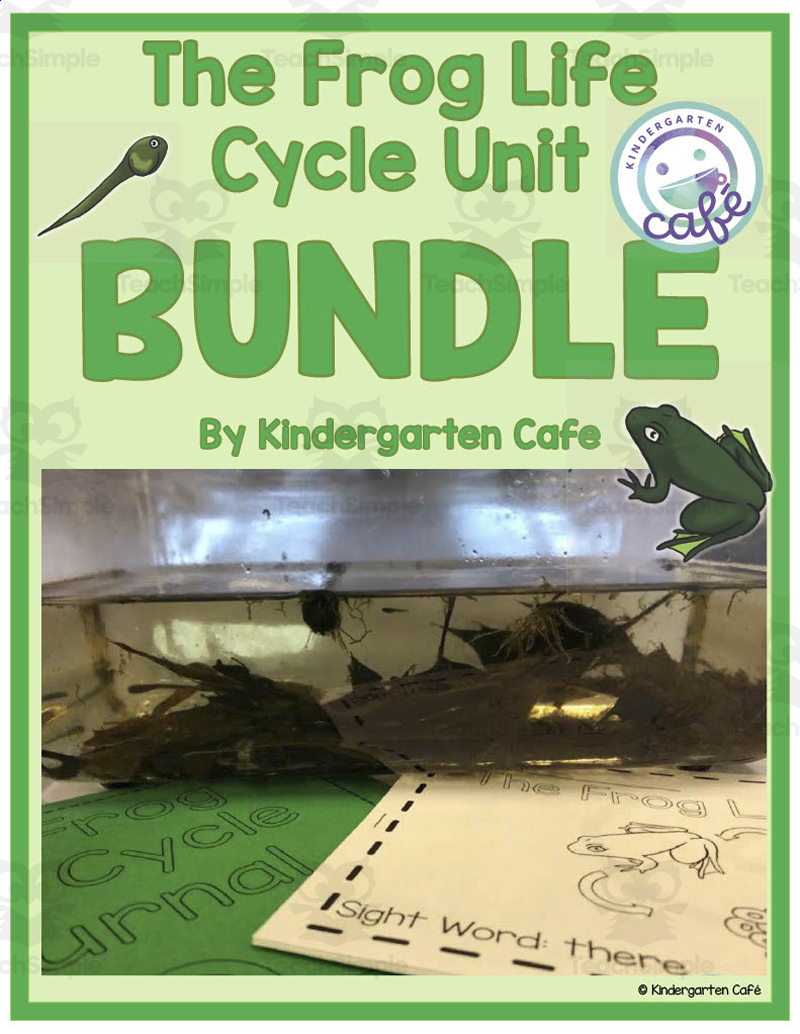
In the Journal: complete a 'Something Mysterious' prediction activity, record prior knowledge and wonderings, draw and write observations at each frog stage, label frog/tadpole diagrams, sequence tadpole-growth and egg-growth images via cut-and-glue, and write a closing reflection. In the Emergent Reader: read a…
Read the novel in chapter groupings (Chapters 1-5, 6-10, 11-15, 16-20), and for each grouping complete a set of comprehension Questions, a Language & Vocabulary activity, and a Writing & Creativity activity; also read an author biography and story summary, and explore listed research topics/websites.
Read each short story and answer follow-up comprehension questions; per the teaching guide, questions target skills like locating, evaluating, and predicting information, with some stories including a follow-through extension activity.

Reading Comprehension Through Novel Studies Gr. 2-5 Engage your students in active learning with the Reading Comprehension Through Novel Studies Gr. 2-5 teaching resource. This tool offers a dynamic approach to enhance reading comprehension abilities in Grade 2 through Grade 5 learners, utilizing high-interest…

Students research the subject using at least 3 sources, complete a biographical fact-organizer (place of birth, place(s) of residence, relevant family members, and related prompts) and a portrait-drawing activity with labeled achievement items, then draft, self/peer-check (using the included writing-tips checklist), and revise a…

Complete a KWL chart, identify topic/main idea/key details from a passage about Ruby Bridges, write a summary, list three facts and give an opinion, fill in a "summarize the story" organizer with purpose/what-I-learned prompts, draw illustrations of the main idea and key details, and match nonfiction text-feature…
Students complete a 'Before You Read' activity matching terms/definitions (e.g. graphic organizer) and a paired student handout with a reading passage on main idea, plus a 'Using Graphic Organizers to Identify Main Ideas' worksheet; teacher-facing pages include an assessment rubric with 6-level reader-strength descriptors and guidance…
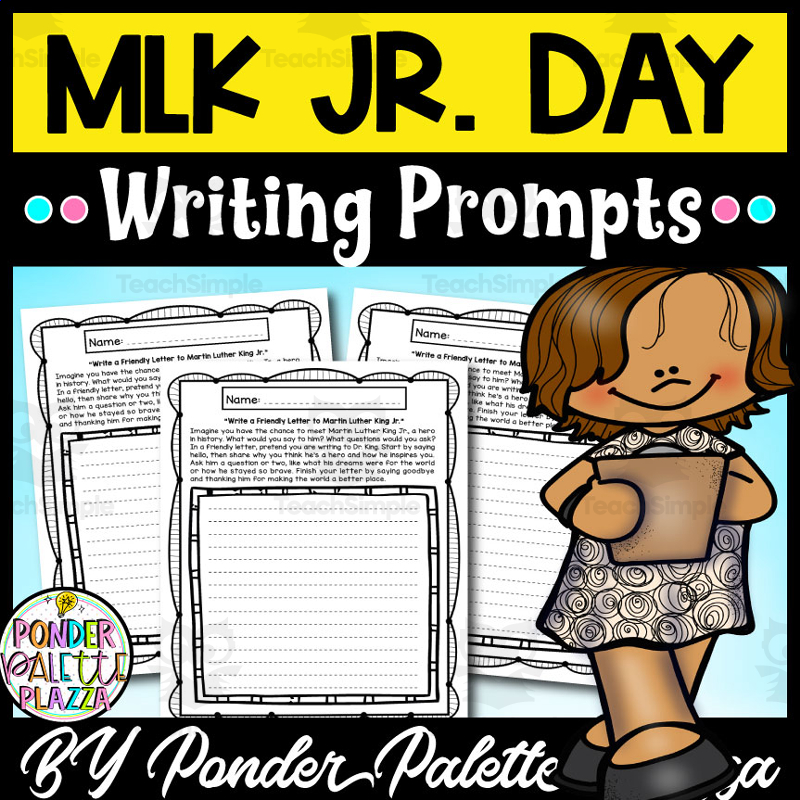
Students write short pieces in response to five imaginative prompts: a time-travel story spending a day with Dr. King, a hero storytime tale working alongside him, a friendly letter written to Dr. King, a coloring/drawing activity illustrating his dream with a written reflection on color choices, and a speech written as if they were Dr.…

Plan and write a 5-paragraph reflective essay (introduction with thesis, three body paragraphs on community/education/personal life, conclusion), using provided brainstorming and note-taking organizers; complete a self/peer checklist and a 'time capsule' reflection activity.