



3,923 products added recently
Page 156 - Lesson Plan Templates
Simplify your preparation with lesson plan templates designed to help you organize objectives, activities, and assessments. These templates provide a structured framework to ensure comprehensive coverage of material. Incorporate them to save time and enhance the effectiveness of your teaching.

 Show filters


Word Power Gr 3-4
ELA, Language Development, Vocabulary, Grade 3, 4, Teacher Tools, Lesson Plans
Word Power Gr 3-4 Overview The Word Power Gr 3-4 is a powerful teaching resource offering enriching content to support the language arts skills of third and fourth-grade students. It comes packed with 22 exciting activities that present over 60 new words selected exclusively from engaging literature suitable for this grade level. This unique teaching approach surpasses regular basic word lists by introducing vocabulary from relevant literature, enhancing comprehension and vocabulary skills in an efficient manner. Stimulating Learning Activities Vocabulary in context: New words are introduced in their context for easier understanding. Reinforcement activities : Dynamic exercises include word-meaning matching, correct alphabetization, and antonym pairing. Cognitive puzzles: These puzzles stimulate the brain while simultaneously boosting vocabulary growth. Flexible Mode of Implementation The Word Power Gr 3-2 can be adapted to fit various learning styles or educational setups. It is ideal for both whole group work as well as smaller groups where specific tasks can bring a fun element into the learning process. Note: It's also an excellent tool for homework assignments. Cyclic Course Material Reviews The course material also includes three two-page reviews designed to reinforce understanding through systematic repetition of earlier concepts. A Unique & Personalized Learning Resource This teacher-created resource offers not just strong academic value but specifically caters to learners' needs during different stages of their educational progression. About Product Delivery: Word Power Gr 3-1is offered as one PDF product file. This file includes a teaching guide that contains a list source books relevant to each level thus further enriching the overall teaching experience.
Author Classroom Complete Press
Tags PDF

I WONDER - What Job Does The Pupil In The Eye Do | Animated Video
Human Body, Life Sciences, Science, Biology, STEM, Grade 5, 6, 7, 8, 9, 10, Lesson Plans, Teacher Tools
Video Overview The human body is full of fascinating wonders to learn. This video is created to help the students recognize the anatomy and the job of the human body. I WONDER - What Job Does The Pupil In The Eye Do | Animated Video Lesson Every part and organ in our human body is vital so let's see how important they are. Have you ever imagined how we look like if we didn't have a skeleton? Did you know that because we have our amazing muscles we can stand! Do you know how many teeth do we have? Have you ever wondered about the food journey inside our body? Can you name all the glands in our body? Why do we have skin? Our nervous system is really good at sending signals. Can you tell us more about it? Are you really good at Mathematics, painting, or any other thing? You should really thank your brain about it! The famous five senses are really doing a great work? Can you explain how every sense works? I WONDER - What Job Does The Pupil In The Eye Do | Animated Video Lesson The video is perfect for encouraging the researching skills for the students, while learning more about our fantastic human body. I WONDER - What Job Does The Pupil In The Eye Do | Animated Video Lesson This friendly designed video is suitable for students at school, homeschooling, and as a group activity. Format Available in MP4 format.
Author Educational Voice
Tags What Job Does The Pupil In The Eye Do, What Job Does The Pupil In The Eye Do Video, Pupil, Pupil Facts, Pupil Facts For Kids, Pupil Video, Pupil Video For Kids, The Eye, The Eye Facts

I WONDER - How Much Water Can Be Wasted From Leaky Pipes
Science, Earth Sciences, Earth and Environmental Sciences, Environmental Science, Geology, Grade 4, 5, 6, 7, 8, 9, 10, Lesson Plans, Teacher Tools
Video Introduction An amazing video designed for the students to learn more about STEM. I WONDER - How Much Water Can Be Wasted From Leaky Pipes | Animated Video Lesson Our environment is so precious, can you name different ways to help our environment to be clean? Have you ever recycled a material? If yes, tell us what was the material was it paper, plastic, glass or aluminum? How did you recycled it? What are the types of clean energy? How do hydro power works? Where can we find wind turbines? What is climate change? And what we can do to stop it? What are the different types of ecosystems? I WONDER - How Much Water Can Be Wasted From Leaky Pipes | Animated Video Lesson The video is perfect for encouraging the researching skills for the students, while learning more about this fantastic topic. I WONDER - How Much Water Can Be Wasted From Leaky Pipes | Animated Video Lesson This friendly designed video is suitable for students at school, homeschooling, and as a group activity. Format Available in MP4 format.
Author Educational Voice
Rating
Tags How Much Water Can Be Wasted From Leaky Pipes, Water Waste, Water Waste Facts, Water Waste Video, Water Waste Video For Kids, Water Waste Facts For Kids, Leaky Pipes, Leaky Pipes And Water Waste
Life Cycle & Plant Science Observation Journals
Science, Life Sciences, Nature & Plants, Earth Sciences, Earth and Environmental Sciences, Environmental Science, Geology, Research, Resources for Teachers, Classroom Management, Homeschool Curriculum, Grade 1, 2, 3, 4, 5, 6, Worksheets & Printables, Workbooks, Worksheets, Word Searches, Teacher Tools, Lesson Plans, Quizzes and Tests, Quizzes, Tests, Assessments
Turn your elementary science class into a dynamic botany lab with this complete and ready to use Plant Life Cycle and Science Observation Unit! This complete resource is specifically designed for students in the 2nd, 3rd, and 4th grades, and it provides everything you need to complete a challenging, experiential investigation of the plant kingdom, beyond traditional worksheets. Your students will be excited to move from being passive observers to being active scientists, as this entire unit is based on a constructionist learning model. By creating Plant Science Observation Journals, students will have the opportunity to measure, draw pictures, create hypotheses, and document their findings through each stage of the life cycle of the plant. The four major stages of development (germination, photosynthesis, pollination) will be fully addressed through hands-on experiences. THE 40-PAGE RESOURCE INCLUDES THE FOLLOWING ELEMENTS: PHASE 1: Teacher's Guide for Core Content & Theory - A deep-dive into the botanical theory and pedagogy behind the unit and includes interesting case studies, such as the Methuselah Palm (estimated to be 2000 years old), which will help teachers teach this unit confidently. PHASE 2: Student Workbook with 10 Activities - The student activities are organized sequentially to build upon previously learned materials. The following activities are included within the student workbook: Seed Anatomy and Germination Photosynthesis Factory Root Systems and Soil Science Transport Highway (Stems, Xylem, Phloem) Leaves and Transpiration Flower Anatomy Pollinators and Ecological Partnerships Seed Dispersal and Plant Adaptation and Survival Tactics Final Activity: The Botanist's Field Journal - Students will apply all they have learned about plants to a plant they will observe and describe using their Field Journal as a reference. Stage 3: Reference Material and Key Visuals Printable visual anchors – Clear diagrams with good contrast showing the life cycle of flowering plants, the process of photosynthesis and the anatomy of seeds. These would be great for display in the classroom or for student folders. 4-week teacher's guide to use the unit – This is a step by step overview of how to introduce this unit to your class and also includes Journaling Tips as well as Differentiation Strategies for English Language Learners and advanced students. Comprehensive Answer key – A complete answer to each of the activities included in the unit. This makes assessments simple and clear. This unit is suitable for public school teachers and parents teaching their children at home, as well as science curriculum developers who want a high-quality, exciting and standards-compliant (NGSS) science resource. KEYWORDS: Plant life cycle Plant science Botany Observation journal Photosynthesis Germination Pollination Seed dispersal STEM NGSS Elementary Science 2nd grade 3rd grade 4th grade Home school Science unit Printable worksheets Teacher guide Answer key. Why do teachers and parents love it?: This is not simply a series of worksheets but an entire 40-page curriculum unit with everything included. By using this curriculum unit, teachers and parents are able to save countless hours of research and preparation. The curriculum goes beyond basic memorization and gives students actual scientific skills that they will use their whole lives. Through the use of observation and measuring (i.e., the roots of the plant), making hypotheses, and journaling, students learn to think like scientists. The teacher guide includes specific strategies for helping both English language learners and advanced/gifted students, so the curriculum can be used in any classroom. The content is scientifically accurate and uses the proper terms (e.g., cotyledon, gravitropism), and the hands-on activities, real-world case studies, and clear diagrams will keep students engaged. Audience for the Classes: The classes are designed for students who are in Primary Grades 3-4. There are forty-two pages of instructional material in the PDF that detail content, vocabulary and an education guide for these grade levels. The worksheets are appropriate and the content will encourage student achievement and challenge their ability level. Students can also be successful completing the theoretical components at some level to improve their educational growth from their beginning point. The students who are in Grade 1 will be able to use this unit with more instruction from their teachers, also as a grade level review and will be able to compete with but at an acceptable level. The differentiation guide that is included in the PDF will enable the teacher to supports all the students to be successful. Copyright and Terms of Use: Copyright initiated by Syed Hammad Rizvi, meaning only the user can use this resource in a personal manner or in one classroom. No one may change, distribute, or sell to anyone (including on the Internet) any part of this resource. If you would like to share this resource with other educators, you can purchase additional licenses through Teachsimple. Thank you for abiding by these terms of use. This product is sincerely created by Syed Hammad Rizvi
Author Creative Book Store
Rating
Tags Science, STEM, Biology, Education, LifeScience, NatureStudy, PlantScience, Botany, PlantLifeCycle, LifeCycleOfAPlant

Reading Food Labels for Endocrine Disruptors
Science, Chemistry, Basic Science, Inventors, Theories, Life Sciences, Biology, Human Body, P.E. & Health, Health, Grade 6, 7, 8, 9, 10, 11, 12, Workbooks, Worksheets & Printables, Worksheets, Word Searches, Teacher Tools, Lesson Plans, Quizzes and Tests, Quizzes, Tests, Assessments
Are your students truly aware of what's hiding in their snacks? Transform your classroom or home into a real-world science lab with this comprehensive, no-prep curriculum that teaches students to become "Pantry Detectives!" This engaging, project-based unit empowers students to investigate their own food, decode confusing labels, and understand the science behind endocrine-disrupting chemicals (EDCs) , artificial food dyes , and microplastics . Moving beyond abstract concepts, this resource makes health and biology tangible, relevant, and incredibly important to their daily lives. Students will embark on a "scavenger hunt" through their own pantries, applying a three-tiered investigative methodology to uncover hidden chemicals in everyday foods like mac & cheese, fruit snacks, and sports drinks. They will learn to think like toxicologists and act as educated consumer advocates for their own health. This All-in-One Digital PDF Unit Includes: Part 1: The Informational Text (11 pages): A detailed, student-friendly "textbook" covering: The Endocrine System and its function. How EDCs like artificial dyes (Red 40, Yellow 5) and microplastics (BPA, Phthalates) interfere with hormones. Real-world case studies analyzing popular food products. Part 2: The Student Workbook (20 pages): Ten hands-on, investigative worksheets that guide students through their scavenger hunt. Activities include: The Pantry Reconnaissance Mission The Colorful Culprits (Artificial Dyes) The Packaging Problem (Microplastics) The "Natural" Deception (Marketing vs. Reality) The EDC-Free Action Plan (A final synthesis project) Part 3: Teacher Resources & Visuals (10 pages): Everything you need for seamless instruction: 3 High-Resolution Visual Diagrams/Anchor Charts: Perfect for presentations or classroom posters (EDC Pathway, Scavenger Hunt Matrix, Label Decoding Chart). Comprehensive Answer Key: A complete, easy-to-use answer key for all 10 worksheets. Skills & Subjects Covered: Science/Biology: Endocrine system, hormones, cellular receptors, toxicology. Health & Nutrition: Reading food labels, processed foods, making healthy choices. Critical Thinking: Analyzing marketing claims, data synthesis, problem-solving. ELA: Reading comprehension of technical text, vocabulary building. Perfect for middle school science, health class, a homeschool co-op, or a project-based learning (PBL) unit, this resource is ready to print and go. Empower your students to take control of their health by understanding the chemical landscape of their own pantry. Download today! Keywords: Middle School Science, Health, Nutrition, Endocrine System, Food Labels, Scavenger Hunt, Project-Based Learning, PBL, Artificial Dyes, Food Coloring, Microplastics, BPA, Reading Labels, Critical Thinking, Hands-On Activity, Digital, Printable, Worksheet, Homeschool, No Prep, Biology, Consumer Science. Why Parents/Schools Love It: Real-World Relevance: It brilliantly connects abstract biology and chemistry concepts directly to the food students eat every day, making learning tangible and unforgettable. Empowers Students: This isn't just a worksheet; it's a life skill. It teaches students to become critical thinkers and proactive guardians of their own long-term health. Engaging & Hands-On: The "scavenger hunt" format is fun and investigative, promoting active learning over passive memorization. Students are doing science, not just reading about it. Comprehensive & No-Prep: This is a complete, ready-to-use unit. It includes the informational text, all student activities, high-quality visuals, and a full answer key, saving teachers valuable preparation time. Target Student Audience : Based on the explicit mention on page 1 ("For a Grade 7 student") and the complexity of the topics (e.g., Bisphenol-A, petroleum-based dyes, cellular disruption), target audience is: Primary Target: Middle School students (Grades 6, 7, and 8) in Science, Health, or Life Science classes. Secondary Target: Early High School students (Grade 9) in introductory Biology, Health, or Environmental Science courses. It's also an excellent resource for Homeschooling families looking for a relevant, hands-on science curriculum. Copyright/Terms of Use: This Book was copyrighted by Syed Hammad Rizvi. This resource is for personal and single classroom use only. You may not alter, redistribute, or sell any part of this resource. In other words, you may not put it on the Internet where it could be publicly found and downloaded. If you want to share this resource with colleagues, please purchase additional licenses from Teachsimple. Thank you for respecting these terms of use. This product is happily brought to you by Syed Hammad Rizvi
Author Creative Book Store
Rating
Tags ScienceScavengerHunt, FoodLabels, ReadingLabels, EndocrineDisruptors, ProjectBasedLearning, PBL, ArtificialDyes, Microplastics, ChemicalsInFood, ConsumerScience
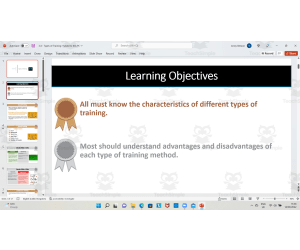
Types of Fitness Training
, Grade 8, 9, 10, 11, Teacher Tools, Lesson Plans
Types of Fitness Training Lesson Plan An engaging and ready-to-use lesson plan, Types of Fitness Training, primarily aims to impart a thorough understanding of different fitness training methods. This comprehensive resource, presented in an eye-catching 27-slide PowerPoint format, prominently concentrates on: Continuous training, Fartlek training, Weight training, PNF stretching, and SAQ (Speed, Agility, Quickness) training. Carefully curated for Physical Education curriculum from Grade 8 to Grade 11, this lesson goes beyond the basic knowledge by providing nuanced insight into each type of fitness route. It unravels what makes each type unique and outlines both their advantages and disadvantages. Versatility in Conduction & Application 'Types of Fitness Training', with its rich content can be optimally utilized across various settings - be it engaging whole class discussions to foster team spirit or more intimate breakout sessions enabling focused dissection. An additional option for at-home assignments extends its reach outside the classroom walls allowing learners to apply their understanding at a personal level. Diversity & Flexibility The resource can adapt across diverse learning environments including traditional school classrooms or niche homeschooling set-ups. Its essential benefit lies in addressing students with varying abilities via an engaging slide-show format that guarantees wide-spread understanding from capturing essentials traits up till deep comprehension about pros and cons associated with each form of fitness practice. User friendly & Readability A standout feature remains its simplistic yet factual language that makes complex subject matter accessible even to learners reading at Grade 7-8 level; making 'Types of Fitness Training', an educator's robust tool to ensure effective learning about a crucial life-skill.
Author The PE Tutor
Tags Fitness Training, Physical Education, Lesson Plan, Types Of Training, Advantages And Disadvantages

Bibliotherapy: Children's Books that Train the Brain and Jumpstart the Heart
, Preschool, Grade 1, 2, 3, 4, 5, Teacher Tools, Lesson Plans
Bibliotherapy: Children's Books that Train the Brain and Jumpstart the Heart An enriched teaching resource designed specifically for educators seeking to enhance their students' cognitive, social, and emotional growth through engaging children’s literature. This highly useful tool for kindergarten through grade 5 teachers offers a collection of activities tied to 48 award-winning children’s books spanning six unique areas of bibliotherapy. This resource not only ignites young minds but also helps them navigate complex issues. Attachments and growth, creativity and critical thinking, bullying and building friendships - each topic becomes a teachable moment with this well-crafted guide. Educators can effectively tackle family matters including dynamics and changes along with perhaps unexpectedly sophisticated topics such as poverty and social justice issues. It even aids in addressing real-life childhood challenges faced by many students. Each activity within this PDF document is carefully designed to improve listening, speaking, reading, and writing skills in tandem with the themes explored in each chosen book. As a result, it allows educators to diversify learning environments beyond traditional subject matter into the realm of personal development – making it quite versatile. Ideal for use both within small-group settings or whole-class discussions as well as personalised homework assignments due to its printable nature - it offers incredible flexibility for educators adapting their lesson plans on-the-fly or planning ahead for entire semester's worth of content. 118 ready-to-print pages Bibliotherapy tool moulds young hearts facing dynamic world Fosters captivatingly imaginative education using compelling storylines from award-winning literature This makes Bibliotherapy: Children's Books that Train the Brain and Jumpstart the Heart an essential classroom companion enhancing your everyday teaching toolkit.
Author Classroom Complete Press
Tags Team Building, Children's Books, Bibliotherapy, Emotional Outcomes, Cognitive Skills
Science Lesson Plan: Understanding a Bird's Habitat
Science, Life Sciences, Animals, Grade 3, 4, 5, 6, Lesson Plans, Teacher Tools
This resource is a Science Lesson Plan: Understanding A Bird's Habitat. This is Lesson #2 in a full science unit - Birds and Their Habitats. You will receive a full step-by-step science lesson on forming a deeper understanding of a bird’s habitat.
Author The Language of Learning
Tags Bird Habitat, Science Lesson, Label Worksheet, Graphic Organizers, Science Project, Birds Lesson Plan, Bird Lesson Plans
Handwashing Curriculum Pack
Creative Arts, Art, Social Studies, ELA, Language Development, Vocabulary, Math, Early Math, Science, Basic Science, P.E. & Health, Health, Kindergarten, Lesson Plans, Teacher Tools
If your students are learning about handwashing or are about to begin a hygiene unit, I have just the resource to provide you with everything you need and more! This is a Handwashing Curriculum Pack complete with an abundance of printable resources and engaging activities for students to complete. This curriculum was designed for your preschool students. The curriculum goal is to assist children in developing healthy habits, and to give them an appreciation for and an understanding of the benefits of handwashing. The vocabulary that students will focus on is germs, anti-bacterial, bacteria, disinfect, clean, sanitary, unsanitary, illness, hygiene, and healthy. This curriculum pack includes: --Sensory Table Ideas --Art Activities --Cooking Experience --Community Time --Math Activities --Home/School Connection Ideas --Science Table Enrichments --Science Concepts/Activities --Prop Box Ideas/Dramatic Play Enrichments --Movement and Motor --Playground/Walk Activities --Transition/Waiting Ideas --Block Area Enrichments --Flannel Board --Teacher Made Enrichment Ideas --Field Trip Ideas --Supplemental Learning Ideas/Activities At the start of this pack, you will receive a list of supplies needed for activities and projects. The worksheets, activities, and tasks included in this pack are intended to be completed in a variety of formats – whole group, small group, and independent work. I hope you enjoy!
Author Learning Foundations
Tags Healthy Habits, Handwashing, Preschool Math, Hygiene, Vocabulary Cards, Cross-curricular, Learning Foundations, Sensory Table Ideas, Transition Ideas

I WONDER - What Is An Isosceles Trapezoid | Animated Video Lesson
STEM, Geometry, Math, Grade 4, 5, 6, 7, 8, Lesson Plans, Teacher Tools
Video Introduction An amazing video designed for the students to learn more about STEM. I WONDER - What Is An Isosceles Trapezoid | Animated Video Lesson Do you like STEM subjects? what is your favorite one? Have you ever tried to plant a seed? If yes, tell us more about it. Or have you ever tried to invent something? If yes, tell us more about it. And how do you think it will help us? Have you ever seen a microorganism under a microscope? What was it? And how it looked like? Mathematics is a marvelous subject. Let' sharpen our brains and solve some equations. Do you like timetable tricks? What is your favorite one? Do you know how to code? Have you ever created an app or a game before? If yes, how was it like? I WONDER - What Is An Isosceles Trapezoid | Animated Video Lesson The video is perfect for encouraging the researching skills for the students, while learning more about this fantastic topic. I WONDER - What Is An Isosceles Trapezoid | Animated Video Lesson This friendly designed video is suitable for students at school, homeschooling, and as a group activity. Format Available in MP4 format.
Author Educational Voice
Tags What Is An Isosceles Trapezoid, What Is An Isosceles Trapezoid Video, Isosceles Trapezoid, Isosceles Trapezoid Facts, Isosceles Trapezoid Facts For Kids, Isosceles Trapezoid Video, Isosceles Trapezoid Video For Kids

Nonfiction glossary lesson rainforest inspired
ELA, Literature, Grade 1, 2, 3, Teacher Tools, Lesson Plans
Introducing a Rainforest-Themed Nonfiction Captions and Labels Lesson This informative resource aims to aid students in grades 1-3 in beginning to understand nonfiction text features such as captions and labels. Through engaging class discussions and interactive activities centered around a rainforest theme, students will apply critical thinking, problem-solving, reading, and more as they explore captions and labels. Animated lesson slides, accompanying student activity slides, and answer keys provide a complete lesson that can be used for introduction, review, enrichment, or support of this key literacy concept. Implementation ideas such as whole-group instruction, small-group work, or independent assignments allow flexibility. This concise yet comprehensive resource from Teach Simple will have early elementary students excited about nonfiction in no time!
Author Ezee 101
Tags Nonfiction, Text Features, Glossary, Lesson, Powerpoint, Google Slides

I WONDER - Why Do Goats Have Strange Shaped Eyes | Animated Video
STEM, Biology, Life Sciences, Science, Animals, Grade 1, 2, 3, 4, 5, 6, 7, 8, Lesson Plans, Teacher Tools
Video Introduction Animal kingdoms are full of fascinating wonders to learn. This video is designed for the students to learn more about animals in different countries. I WONDER - Why Do Goats Have Strange Shaped Eyes | Animated Video Lesson Do you like animals? what is your favorite one? Do you own a pet? If yes, tell us more about it, like what its name? And what do you like most about it? What are the animal kingdoms? Can you write down the characteristics of each animal class like mammals, birds, reptiles, amphibian, fish and mollusks. Do you know that some animals can sing, can you name any of them? What is the largest and the smallest mammal in the world? What is the largest and the smallest bird in the world? What is the largest and the smallest fish in the world? I WONDER - Why Do Goats Have Strange Shaped Eyes | Animated Video Lesson The video is perfect for encouraging the researching skills for the students, while learning more about these fantastic animals. I WONDER - Why Do Goats Have Strange Shaped Eyes | Animated Video Lesson This friendly designed video is suitable for students at school, homeschooling, and as a group activity. Format Available in MP4 format.
Author Educational Voice
Tags Why Do Goats Have Strange Shaped Eyes, Why Do Goats Have Strange Shaped Eyes Video, Goats Eyes, Goats Eyes Facts, Goats Eyes Facts For Kids, Goats Eyes Video, Goats Eyes Video For Kids, Goats

Measurement: Temperature & Currency - Practice the Skill 1 - MAC Software
Math, Measurements, Common Core, Kindergarten, Preschool, Grade 1, 2, Teacher Tools, Lesson Plans
Measurement: Temperature & Currency - Practice the Skill 1 Mac Software Overview: A valuable teaching resource ideal for aiding students in understanding temperature and currency measurements through engaging, timed drill activities . This interactive educational tool is suitable for a wide age range, from preschoolers to second graders. The software integrates well into mathematics and measurements course curriculums. Vital Features: A series of practical learning tasks involving real-life images. The ability to verify if objects exhibit hot or cold properties based on the given images. Inclusion of key mathematical tools intended to reinforce comprehension of critical concepts. Note:The default language used is English. However, it also includes options for a Spanish voice-over and text thus enhancing adaptability in multilingual classroom environments. Educational Standards: This resource aligns perfectly with the Common Core State Standards(CCSS), STEM initiatives and follows National Council of Teachers of Mathematics (NCTM) guidelines providing accurately focused content that matches national benchmarks. About File Accessibility: All essential components are zipped into one accessible, Mac-compatible software file ensuring secure yet user-friendly accessibility. Flexibility in Classroom Settings: Ideal for both whole class lessons as well as individual homework assignments stimulating self-paced learning . An empowering tool centered around student-centric pedagogy effectively bridging theoretical knowledge base with real-world applications . If you're looking to unlock student potential while providing meaningful learning experiences then consider adding this diverse teaching material to your arsenal.
Author Classroom Complete Press
Tags Temperature, Currency, Digital Math, Math Skills, Measurement

Japan World History Unit
Social Studies, History, History: World, Grade 6, 7, 8, 9, Teacher Tools, Lesson Plans
Japan World History Unit for Middle School Immerse your middle school students in Japanese history with this comprehensive unit covering key periods from early Japan through post-war developments. Engaging materials like info sheets, homework assignments, lesson plans, games, flashcards, presentations, and tests make learning interactive. Topics span Japanese geography, foreign influences, political changes, invasions, reforms, imperialism, and more. Modified versions help ELL students and those needing curriculum adaptations. Check students' understanding with included tests. Extend learning by using replacement note-taking materials. Review with crosswords and flashcards. This unit brings Japan's history to life through diverse activities suiting various learning styles. Students gain deep knowledge to tackle projects on this influential nation.
Author Mr Gray History
Tags World History Unit, Japanese Studies, Japan, Reading Worksheets, History Quiz, Geography, Google Classroom, History Flash Cards

Teen Mental Resilience Strategies - Psychology Book
P.E. & Health, Health, Mental Health, Mindfulness, Physical Education, Sports, Yoga, Life Skills, Special Resources, Social Emotional Learning (SEL), Grade 6, 7, 8, 9, 10, 11, 12, Workbooks, Worksheets & Printables, Projects, Activities, Assessments, Teacher Tools, Lesson Plans, Literacy Readers, Outlines, Presentations
Find the best psychology book for teenager mental resilience in today's fast-paced world. "Teen Mental Resilience Strategies - Psychology" is an in-depth, entertainingly written book tailored specifically to help teenagers in high school overcome challenges of academic and social pressures, and changes in their emotions. Booked and penned by Syed Hammad Rizvi, this 382-page-long book incorporates the most crucial concepts of psychology, such as Growth Mindset, Neuroplasticity, and Emotional Intelligence (EQ), Stress management, Mindfulness, and Setting Goals. Consisting of 128 in-depth chapters, this book provides straightforward science-qualified advice on How to Decode Emotions, Break Self-Doubt, Build Healthy Relationships, Manage and Reduce Anxiety, and Achieve Sustainable Well-being in Life. Perfectly useful as a teenager mental health book, this book helps young readers to Switch Gears from Failures to Growth, Build Self-Compassion, and Stay Resilient under all circumstances. Search Keywords: Teen Mental Health Book, Resilience Strategies For Teens, Psychology For Teenagers, Emotional Intelligence Resource, Stress Relief For Teenagers, Mindfulness For Teens, Self-Esteem Building Workbook. Why Parents/Schools Love It: Empowers Teens with Skills for a Lifetime: Gives practical, psychology-based strategies to effectively deal with stress, emotions, and relations, enabling students to become independent and resilient. Comprehensive and Age-Appropriate: The book spans 128 chapters, starting with simple mind and body associations and progressing to more complex aspects such as grit and mindfulness, targeting students in grades 8 through 12. Encourages Positive Mental Health: Emphasizes self-awareness, thankfulness, and emotional resilience to avoid issues related to anxiety and depression and align with school counseling and wellness initiatives. Science-Backed and Engaging: Builds on established ideas from psychology such as EQ and neuroplasticity, making it a great resource to accompany a high school psychology curriculum. Fosters Family/School Discussions. Provides ways of communicating, limiting, and support networks, leading to discussions among teens, parents, and school personnel. Target Student Classes : After analyzing the book thoroughly, based on its content, its design, and the targeted group, it appears that it has been penned for students belonging to grades 8 through 12, roughly aged between 13 and 18 years. Starting off with middle-school education (grade 8) concepts such as understanding the teenage brain and mind, emotions, advancing through challenging ideas suited for high school students (grades 9 through 12) such as cognitive restructuring, post-traumatic growth, imposter syndrome, and self-determination theory, it appears that the language used has been advanced, targeting high school education related to science or general psychology, hence suited for students moving on from middle school or high school students undergoing pressures of college prep. Copyright/Terms of Use This book has been copyrighted by Syed Hammad Rizvi. This resource may only be used on an individual and personal level. For instance, you may not give it out to other classrooms. This also includes posting it on any website where it may be downloaded freely. If you like this resource, you can share it with other teachers by purchasing licenses to use it on Teachsimple. Thank you. This product is proud to be brought to you by Syed Hammad Rizvi
Author Creative Book Store
Rating
Tags TeenMentalHealth, ResilienceStrategies, PsychologyForTeens, HighSchoolWellBeing, EmotionalIntelligenceGuide, MentalHealthMatters, MentalHealthAwareness, MentalHealthRecovery, MentalHealthSupport, MentalHealthAdvocate
I WONDER - How Do Lizards Travel Across The Desert Sand
STEM, Animals, Life Sciences, Science, Biology, Grade 1, 2, 3, 4, 5, 6, 7, 8, Lesson Plans, Teacher Tools
Video Introduction Animal kingdoms are full of fascinating wonders to learn. This video is designed for the students to learn more about animals in different countries. I WONDER - How Do Lizards Travel Across The Desert Sand | Animated Video Lesson Do you like animals? what is your favorite one? Do you own a pet? If yes, tell us more about it, like what its name? And what do you like most about it? What are the animal kingdoms? Can you write down the characteristics of each animal class like mammals, birds, reptiles, amphibian, fish and mollusks. Do you know that some animals can sing, can you name any of them? What is the largest and the smallest mammal in the world? What is the largest and the smallest bird in the world? What is the largest and the smallest fish in the world? I WONDER - How Do Lizards Travel Across The Desert Sand | Animated Video Lesson The video is perfect for encouraging the researching skills for the students, while learning more about these fantastic animals. I WONDER - How Do Lizards Travel Across The Desert Sand | Animated Video Lesson This friendly designed video is suitable for students at school, homeschooling, and as a group activity. Format Available in MP4 format.
Author Educational Voice
Tags How Do Lizards Travel Across The Desert Sand, How Do Lizards Travel Across The Desert Sand Video, Lizards, Lizard, Lizards Facts, Lizards Facts For Kids, Lizards Video, Lizards Video For Kids

All About The Eye | Human Body Video Lesson
Science, Life Sciences, Human Body, Not Grade Specific, Lesson Plans, Teacher Tools
Product Description: The 'All About The Eye | Human Body Video Lesson' is a comprehensive educational resource that simplifies the complexities of the human eye for learners across grade levels. Key Features Made for all grades - Falling within human biology, this versatile aid can be effectively used by educators across grade levels due to its nongrade specific format. Optimal Duration - In just 10 minutes, it succinctly covers pertinent details about the eye's structure and function. Educational Format - This lesson is presented in an engaging video (MP4 format), stimulating visual learning and ensuring better comprehension among different types of learners. Its versatility allows integration with varied teaching strategies – facilitating small group discussions or even as additional reference for homework assignments. Suitability for Different Teaching Modes Homeschooling educators can seamlessly incorporate this multimedia presentation into their course routine. They enjoy flexibility while planning a customized syllabus, while effortlessly maintaining learner engagement. In traditional classroom settings, teachers might use this tutorial as a supportive supplement alongside textbooks during regular lectures. The practical benefits offered by it make this product stand out as genuinely teacher-friendly tool which simplifies complex concepts. To Conclude: 'All About The Eye | Human Body Video Lesson' serves as an indispensable tool packed with captivating facts about the human eye within just 10 minutes! Regardless of whether you are teaching beginners experimenting with biology basics or older students revising crucial concepts – here’s an invaluable addition to your educational toolkit!
Author Educational Voice
Tags Eye Structure, Eye Function, Visual Learning, Biology Education, Multimedia Resource
Leonardo da Vinci: Inventions Mini Unit
Social Studies, History, History: World, Grade 7, 8, 9, 10, 11, 12, Lesson Plans, Teacher Tools
Leonardo da Vinci: Inventions Mini Unit is a 12-page download that will teach your readers about da Vinci and his relationship with inventions. A word search and student activity are included.
Author Creative Learning Connection
Tags Da Vinci, Leonardo Ebook, Inventions Mini Unit, Da Vinci Inventions, Pontoon Bridges
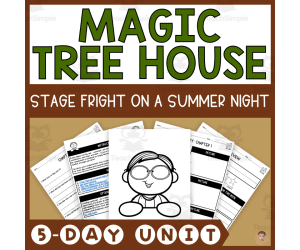
Stage Fright on a Summer Night (Magic Tree House #25 Lesson Plan, Activities)
Social Studies, ELA, History, History: Europe, Reading, Reading Comprehension, Grammar, Literature, Language Development, Vocabulary, Spelling, Writing, Grade 1, 2, 3, Lesson Plans, Teacher Tools
Stage Fright on a Summer Night (Magic Tree House #25 Lesson Plan, Activities) is a 5-day NO PREP novel study of Stage Fright on a Summer Night (Magic Tree House #25). This comprehensive book companion includes a lesson plan, chapter comprehension questions, vocabulary practice, and many other activities. Perfect for first grade, second grade, and third grade classrooms, homeschool families, and cooperatives. You can easily customize lessons based on student age, reading and comprehension level, interests, and learning style! Additionally, all worksheets can be completed in an interactive notebook or simply discussed aloud if you desire to reduce the number of pages you print. THIS RESOURCE COVERS: Art (drawing, coloring, arts & crafts) Comprehension English language arts Geography Grammar History Reading Research Social studies Spelling Writing Includes: A 5-day lesson plan List of required materials and optional supplements Curated videos Chapter comprehension quizzes Chapter vocabulary (2 options) Pre-reading, during reading, and post-reading worksheets and activities Interactive notebook pieces (6 options) Book review reports (6 options) Writing craftivity Suggested project-based activity Other activities
Author Heather Huhman
Tags Stage Fright On A Summer Night, Magic Tree House, Book Companion, Novel Study, William Shakespeare, Night Lesson Plan
I WONDER - How Heavy Was The Pteranodon | Animated Video Lesson
History: Ancient, History, Social Studies, History: World, Animals, Life Sciences, Science, Grade 4, 5, 6, 7, 8, 9, 10, Lesson Plans, Teacher Tools
Video Introduction An amazing video designed for the students to learn more about dinosaurs in different countries. I WONDER - How Heavy Was The Pteranodon | Animated Video Lesson Do you like dinosaurs? what is your favorite one? Do you own a pet? If yes, tell us more about it, like what its name? And what do you like most about it? Do you think that your pet has been evolved from a dinosaur? Can you write down the characteristics of your favourite dinosaur like it's shape, their rivals, where did it use to live and what was their favourite food? What is the largest and the smallest dinosaur that ever found? Why is the T-rex is so famous? Have you ever read any interesting facts about it? Can you name any of the carnivores or herbivores dinosaurs? I WONDER - How Heavy Was The Pteranodon | Animated Video Lesson The video is perfect for encouraging the researching skills for the students, while learning more about dinosaurs. I WONDER - How Heavy Was The Pteranodon | Animated Video Lesson This friendly designed video is suitable for students at school, homeschooling, and as a group activity. Format Available in MP4 format.
Author Educational Voice
Rating
Tags How Heavy Was The Pteranodon, How Heavy Was The Pteranodon Video, Pteranodon, Pteranodon Video, Pteranodon Facts, Pteranodon Video For Kids, Pteranodon Facts For Kids, Dinosaur, Dinosaurs
I WONDER - Why Did Castles Have Drawbridges | Animated Video Lesson
History: British, History, Social Studies, History: Europe, History: World, History: Ancient, Grade 6, 7, 8, 9, 10, 11, 12, Lesson Plans, Teacher Tools
Video Introduction An amazing video designed for the students to learn more about history. I WONDER - Why Did Castles Have Drawbridges | Animated Video Lesson Do you like history? Which topic do you really enjoy about history? Have you ever read an interesting fact about the Vikings? If yes, can you mention them? What do you like most about the Victorian era? Can you name all the Tudors? Have you ever wondered how people used to live in ancient Japan and ancient China? Do you know any interesting facts about ancient Egyptians and the Pharaohs? Have you ever visited South America? What do you know about Incas and Aztecs? Celtic culture was really one of a kind, can you name any of the places that Celts used to live in? Imagine yourself living during the ancient Roman empire, how your life will look like? Ancient Greece was an amazing place to live in. What do you know about ancient Greek life? I WONDER - Why Did Castles Have Drawbridges | Animated Video Lesson The video is perfect for encouraging the researching skills for the students, while learning more about history. I WONDER - Why Did Castles Have Drawbridges | Animated Video Lesson This friendly designed video is suitable for students at school, homeschooling, and as a group activity. Format Available in MP4 format.
Author Educational Voice
Tags Why Did Castles Have Drawbridges, Why Did Castles Have Drawbridges Facts, Castles Drawbridges, Castles Drawbridges Video, Castles Drawbridges Facts, Castles Drawbridges Video For Kids, Castles Drawbridges Facts For Kids

Number & Operations: Percentages with Fractions - FLASH-MAC
Math, Percentages, Grade 3, 4, 5, Teacher Tools, Lesson Plans
Number & Operations: Percentages with Fractions - FLASH-MAC This is a comprehensive teaching resource designed to enhance conceptual understanding and establish math fluency amongst learners in Grades 3 through 5. This resource provides valuable assistance in teaching complex topics of percentages within the domain of number operations. Key Features: Pre- assessment Feature: This feature enables educators to gauge student knowledge on the topics of fractions and percentages. Innovative Lesson Plan: A detailed lesson plan outlines precise objectives and clarifies concepts. The incorporation of real-world word problems enhances contextual relevance and problem-solving skills for learners. Timed Drill Activities: These reinforce learning after instruction, providing opportunities for practice and skill enhancement. They can be used during whole class activities or assigned as individual homework assignments. Digital Gaming Components: Multilingual Approach: The tool offers both English version as well as Spanish voice over and texts option bringing inclusivity for diverse classrooms . In addition, each unit contains printable resources which add versatility for offline exercises a potential go-to-resource for homeschoolers enjoying this Mac friendly software. The collection ends on comprehensive note including SMART Response assessments aiding professionals validate students grasp comprehensively thus ensuring accurate outcome evaluation at par with educational standards paving way towards confident grade progression each year. In total, Number & Operations: Percentages with Fractions - FLASH-MAC combines education efficacy seamlessly with fun filled hands-on practical approach making it an ideal tool for math teaching fraternity worldwide.
Author Classroom Complete Press
Tags Software (Mac)

I WONDER - How Much Water On Earth Is Fresh | Animated Video Lesson
Environmental Science, Earth and Environmental Sciences, Science, Earth Sciences, Grade 4, 5, 6, 7, 8, 9, 10, Lesson Plans, Teacher Tools
Video Introduction An amazing video designed for the students to learn more about STEM. I WONDER - How Much Water On Earth Is Fresh | Animated Video Lesson Do you like STEM subjects? what is your favorite one? Have you ever tried to plant a seed? If yes, tell us more about it. Or have you ever tried to invent something? If yes, tell us more about it. And how do you think it will help us? Have you ever seen a microorganism under a microscope? What was it? And how it looked like? Mathematics is a marvelous subject. Let' sharpen our brains and solve some equations. Do you like timetable tricks? What is your favorite one? Do you know how to code? Have you ever created an app or a game before? If yes, how was it like? I WONDER - How Much Water On Earth Is Fresh | Animated Video Lesson The video is perfect for encouraging the researching skills for the students, while learning more about this fantastic topic. I WONDER - How Much Water On Earth Is Fresh | Animated Video Lesson This friendly designed video is suitable for students at school, homeschooling, and as a group activity. Format Available in MP4 format.
Author Educational Voice
Tags How Much Water On Earth Is Fresh, How Much Water On Earth Is Fresh Video, Fresh Water On Earth, Fresh Water On Earth Facts, Fresh Water On Earth Facts For Kids, Fresh Water On Earth Video, Fresh Water On Earth Video For Kids

I WONDER - Who Invented Nail Polish | Animated Video Lesson
History: Asian, History, Social Studies, History: Ancient, Grade 2, 3, 4, 5, 6, 7, 8, Lesson Plans, Teacher Tools
Video Introduction An amazing video designed for the students to learn more about history. I WONDER - Who Invented Nail Polish | Animated Video Lesson Do you like history? Which topic do you really enjoy about history? Have you ever read an interesting fact about the Vikings? If yes, can you mention them? What do you like most about the Victorian era? Can you name all the Tudors? Have you ever wondered how people used to live in ancient Japan and ancient China? Do you know any interesting facts about ancient Egyptians and the Pharaohs? Have you ever visited South America? What do you know about Incas and Aztecs? Celtic culture was really one of a kind, can you name any of the places that Celts used to live in? Imagine yourself living during the ancient Roman empire, how your life will look like? Ancient Greece was an amazing place to live in. What do you know about ancient Greek life? I WONDER - Who Invented Nail Polish | Animated Video Lesson The video is perfect for encouraging the researching skills for the students, while learning more about history. I WONDER - Who Invented Nail Polish | Animated Video Lesson This friendly designed video is suitable for students at school, homeschooling, and as a group activity. Format Available in MP4 format.
Author Educational Voice
Tags Who Invented Nail Polish, Who Invented Nail Polish Video, Nail Polish, Nail Polish History, Nail Polish Facts, Nail Polish Video, Nail Polish Facts For Kids, Nail Polish Video For Kids, Nail Polish History Video