



3,931 products added recently
Page 16 - Science Lesson Plan Template
Enhance your science instruction with a flexible lesson plan template designed for educators. This tool helps you structure objectives, materials, procedures, and assessments efficiently. Use it to create organized and impactful science lessons that cater to your students' needs.

 Show filters


I WONDER - Does Recycling Decrease The Carbon Footprint
Environmental Science, Earth and Environmental Sciences, Science, Grade 6, 7, 8, 9, 10, 11, 12, Lesson Plans, Teacher Tools
Video Introduction An amazing video designed for the students to learn more about STEM. I WONDER - Does Recycling Decrease The Carbon Footprint | Animated Video Lesson Do you like STEM subjects? what is your favorite one? Have you ever tried to plant a seed? If yes, tell us more about it. Or have you ever tried to invent something? If yes, tell us more about it. And how do you think it will help us? Have you ever seen a microorganism under a microscope? What was it? And how it looked like? Mathematics is a marvelous subject. Let' sharpen our brains and solve some equations. Do you like timetable tricks? What is your favorite one? Do you know how to code? Have you ever created an app or a game before? If yes, how was it like? I WONDER - Does Recycling Decrease The Carbon Footprint | Animated Video Lesson The video is perfect for encouraging the researching skills for the students, while learning more about this fantastic topic. I WONDER - Does Recycling Decrease The Carbon Footprint | Animated Video Lesson This friendly designed video is suitable for students at school, homeschooling, and as a group activity. Format Available in MP4 format.
Author Educational Voice
Tags Does Recycling Decrease The Carbon Footprint, Does Recycling Decrease The Carbon Footprint Video, Recycling Decrease The Carbon Footprint, Recycling Decrease The Carbon Footprint Video, Recycling Decrease The Carbon Footprint Video For Kids
I WONDER - What Do Hedgehogs Like To Eat | Animated Video Lesson
STEM, Biology, Life Sciences, Science, Animals, Grade 1, 2, 3, 4, 5, 6, 7, 8, Lesson Plans, Teacher Tools
Video Introduction Animal kingdoms are full of fascinating wonders to learn. This video is designed for the students to learn more about animals in different countries. I WONDER - What Do Hedgehogs Like To Eat | Animated Video Lesson Do you like animals? what is your favorite one? Do you own a pet? If yes, tell us more about it, like what its name? And what do you like most about it? What are the animal kingdoms? Can you write down the characteristics of each animal class like mammals, birds, reptiles, amphibian, fish and mollusks. Do you know that some animals can sing, can you name any of them? What is the largest and the smallest mammal in the world? What is the largest and the smallest bird in the world? What is the largest and the smallest fish in the world? I WONDER - What Do Hedgehogs Like To Eat | Animated Video Lesson The video is perfect for encouraging the researching skills for the students, while learning more about these fantastic animals. I WONDER - What Do Hedgehogs Like To Eat | Animated Video Lesson This friendly designed video is suitable for students at school, homeschooling, and as a group activity. Format Available in MP4 format.
Author Educational Voice
Tags What Do Hedgehogs Like To Eat, What Do Hedgehogs Like To Eat Video, Hedgehogs, Hedgehog, Hedgehogs Facts, Hedgehogs Facts For Kids, Hedgehogs Video, Hedgehogs Video For Kids
I WONDER - How Do Rabbits Sleep | Animated Video Lesson
STEM, Biology, Life Sciences, Science, Animals, Grade 1, 2, 3, 4, 5, 6, 7, 8, Lesson Plans, Teacher Tools
Video Introduction Animal kingdoms are full of fascinating wonders to learn. This video is designed for the students to learn more about animals in different countries. I WONDER - How Do Rabbits Sleep | Animated Video Lesson Do you like animals? what is your favorite one? Do you own a pet? If yes, tell us more about it, like what its name? And what do you like most about it? What are the animal kingdoms? Can you write down the characteristics of each animal class like mammals, birds, reptiles, amphibian, fish and mollusks. Do you know that some animals can sing, can you name any of them? What is the largest and the smallest mammal in the world? What is the largest and the smallest bird in the world? What is the largest and the smallest fish in the world? I WONDER - How Do Rabbits Sleep | Animated Video Lesson The video is perfect for encouraging the researching skills for the students, while learning more about these fantastic animals. I WONDER - How Do Rabbits Sleep | Animated Video Lesson This friendly designed video is suitable for students at school, homeschooling, and as a group activity. Format Available in MP4 format.
Author Educational Voice
Tags How Do Rabbits Sleep, How Do Rabbits Sleep Video, Rabbits, Rabbit, Rabbits Facts, Rabbits Facts For Kids, Rabbits Video, Rabbits Video For Kids, Rabbit Facts, Rabbit Facts For Kids

Conservation: Waterway Habitat Resources: Conservation: What We Can Do Gr. 5-8
Science, Earth and Environmental Sciences, Environmental Science, Grade 5, 6, 7, 8, Teacher Tools, Lesson Plans
Conservation: Waterway Habitat Resources: What We Can Do Gr. 5-8 is a chapter slice from the complete lesson plan, Conservation: Waterway Habitat Resources. This resource has been specifically designed for the learning needs of students in grades 5 to 8, with a focus on environmental science. This teaching tool aims to enlighten students about various global aquatic ecosystems that are witnessing significant changes due to human activities and climate change. The learners become ecologists identifying factors, both biotic and abiotic, affecting these delicate ecosystems. Main Themes: The impact of climate change and human activities on aquatic ecosystems. The role of local environments in shaping these systems. The adaptability struggles faced by organisms within a changing climate. This resource encourages learners to explore their local environments by visiting nearby aquatic bodies, making observations, and gaining insights into their dynamics. The course has also been designed such that it allows them an opportunity to appreciate underwater life at their local aquariums thereby aiding understanding at a micro-level. A Look at what's Included: An insight into the alarming extinction rate among marine species. A discussion framework around possible solutions for rejuvenating 'aquatic dead zones'. An impressive list comprising 30 ready-to-print pages replete with lessons plans; group assignments; interactive homework activities; numerous hands-on tasks as per Bloom's Taxonomy directives along with STEAM initiatives Plethora of supplementary materials encompassing graphic organizers; crosswords; word searches; comprehension quizzes accompanied by answer keys supporting holistic learning across domains while nurturing curiosity towards our planet's underwater treasures. </ol
Author Classroom Complete Press
Tags Habitats, Conservation, Environmental, Science, Science Passage
I WONDER - Are There Carnivorous Plants | Animated Video Lesson
Nature & Plants, Life Sciences, Science, Grade 1, 2, 3, 4, 5, 6, 7, 8, Lesson Plans, Teacher Tools
Video Introduction An amazing activity designed for the students to learn more about STEM. I WONDER - Are There Carnivorous Plants | Animated Video Lesson Do you like STEM subjects? what is your favorite one? Have you ever tried to plant a seed? If yes, tell us more about it. Or have you ever tried to invent something? If yes, tell us more about it. And how do you think it will help us? Have you ever seen a microorganism under a microscope? What was it? And how it looked like? Mathematics is a marvelous subject. Let' sharpen our brains and solve some equations. Do you like timetable tricks? What is your favorite one? Do you know how to code? Have you ever created an app or a game before? If yes, how was it like? I WONDER - Are There Carnivorous Plants | Animated Video Lesson The video is perfect for encouraging the researching skills for the students, while learning more about this fantastic topic. I WONDER - Are There Carnivorous Plants | Animated Video Lesson This friendly designed video is suitable for students at school, homeschooling, and as a group activity. Format Available in MP4 format.
Author Educational Voice
Tags Plant, Plants, Plant Video, Plants Video, Plants Video For Kids, Educational Video, Stem, Stem Video For Kids, Biology, Biology Video

I WONDER - How Do Giraffes Drink | Animated Video Lesson
Animals, Life Sciences, Science, Biology, STEM, Grade 1, 2, 3, 4, 5, 6, 7, 8, Lesson Plans, Teacher Tools
Video Introduction Animal kingdoms are full of fascinating wonders to learn. This video is designed for the students to learn more about animals in different countries. I WONDER - How Do Giraffes Drink | Animated Video Lesson Do you like animals? what is your favorite one? Do you own a pet? If yes, tell us more about it, like what its name? And what do you like most about it? What are the animal kingdoms? Can you write down the characteristics of each animal class like mammals, birds, reptiles, amphibian, fish and mollusks. Do you know that some animals can sing, can you name any of them? What is the largest and the smallest mammal in the world? What is the largest and the smallest bird in the world? What is the largest and the smallest fish in the world? I WONDER - How Do Giraffes Drink | Animated Video Lesson The video is perfect for encouraging the researching skills for the students, while learning more about these fantastic animals. I WONDER - How Do Giraffes Drink | Animated Video Lesson This friendly designed video is suitable for students at school, homeschooling, and as a group activity. Format Available in MP4 format.
Author Educational Voice
Tags How Do Giraffes Drink, How Do Giraffes Drink Video, Giraffes, Giraffe, Giraffes Facts, Giraffes Facts For Kids, Giraffes Video, Giraffes Video For Kids, Animal, Animals

I WONDER - What Is A Red Panda | Animated Video Lesson
STEM, Biology, Life Sciences, Science, Animals, Grade 1, 2, 3, 4, 5, 6, 7, 8, Lesson Plans, Teacher Tools
Video Introduction Animal kingdoms are full of fascinating wonders to learn. This video is designed for the students to learn more about animals in different countries. I WONDER - What Is A Red Panda | Animated Video Lesson Do you like animals? what is your favorite one? Do you own a pet? If yes, tell us more about it, like what its name? And what do you like most about it? What are the animal kingdoms? Can you write down the characteristics of each animal class like mammals, birds, reptiles, amphibian, fish and mollusks. Do you know that some animals can sing, can you name any of them? What is the largest and the smallest mammal in the world? What is the largest and the smallest bird in the world? What is the largest and the smallest fish in the world? I WONDER - What Is A Red Panda | Animated Video Lesson The video is perfect for encouraging the researching skills for the students, while learning more about these fantastic animals. I WONDER - What Is A Red Panda | Animated Video Lesson This friendly designed video is suitable for students at school, homeschooling, and as a group activity. Format Available in MP4 format.
Author Educational Voice
Tags What Is A Red Panda, What Is A Red Panda Video, Red Panda, Red Panda Facts, Red Panda Facts For Kids, Red Panda Video, Red Panda Video Facts, Red Pandas, Red Pandas Video

I WONDER - What Is A Battery | Animated Video Lesson
Life Sciences, Science, Physics, Chemistry, Grade 4, 5, 6, 7, 8, 9, 10, Teacher Tools, Lesson Plans
Video Introduction An amazing activity designed for the students to learn more about STEM. I WONDER - What Is A Battery | Animated Video Lesson Do you like STEM subjects? what is your favorite one? Have you ever tried to plant a seed? If yes, tell us more about it. Or have you ever tried to invent something? If yes, tell us more about it. And how do you think it will help us? Have you ever seen a microorganism under a microscope? What was it? And how it looked like? Mathematics is a marvelous subject. Let' sharpen our brains and solve some equations. Do you like timetable tricks? What is your favorite one? Do you know how to code? Have you ever created an app or a game before? If yes, how was it like? I WONDER - What Is A Battery | Animated Video Lesson The video is perfect for encouraging the researching skills for the students, while learning more about this fantastic topic. I WONDER - What Is A Battery | Animated Video Lesson This friendly designed video is suitable for students at school, homeschooling, and as a group activity. Format Available in MP4 format.
Author Educational Voice
Tags What Is A Battery, What Is A Battery Video, Battery, Battery Facts, Battery Facts For Kids, Battery Facts Video, Battery Video, Battery Video For Kids, Science, Science Video For Kids

I WONDER - What Are Wetlands | Animated Video Lesson
Environmental Science, Earth and Environmental Sciences, Science, Earth Sciences, Grade 1, 2, 3, 4, 5, 6, 7, 8, Lesson Plans, Teacher Tools
Video Introduction An amazing video designed for the students to learn more about STEM. I WONDER - What Are Wetlands | Animated Video Lesson Do you like STEM subjects? what is your favorite one? Have you ever tried to plant a seed? If yes, tell us more about it. Or have you ever tried to invent something? If yes, tell us more about it. And how do you think it will help us? Have you ever seen a microorganism under a microscope? What was it? And how it looked like? Mathematics is a marvelous subject. Let' sharpen our brains and solve some equations. Do you like timetable tricks? What is your favorite one? Do you know how to code? Have you ever created an app or a game before? If yes, how was it like? I WONDER - What Are Wetlands | Animated Video Lesson The video is perfect for encouraging the researching skills for the students, while learning more about this fantastic topic. I WONDER - What Are Wetlands | Animated Video Lesson This friendly designed video is suitable for students at school, homeschooling, and as a group activity. Format Available in MP4 format.
Author Educational Voice
Tags What Are Wetlands, What Are Wetlands Video, Wetlands, Wetland, Wetlands Facts, Wetlands Facts For Kids, Wetlands Video, Wetlands Video For Kids, Wetland Facts For Kids

I WONDER - Are There Different Groups Of Aquatic Plants
Nature & Plants, Life Sciences, Science, Grade 5, 6, 7, 8, 9, 10, Lesson Plans, Teacher Tools
Video Introduction An amazing activity designed for the students to learn more about STEM. I WONDER - Are There Different Groups Of Aquatic Plants | Animated Video Lesson Do you like STEM subjects? what is your favorite one? Have you ever tried to plant a seed? If yes, tell us more about it. Or have you ever tried to invent something? If yes, tell us more about it. And how do you think it will help us? Have you ever seen a microorganism under a microscope? What was it? And how it looked like? Mathematics is a marvelous subject. Let' sharpen our brains and solve some equations. Do you like timetable tricks? What is your favorite one? Do you know how to code? Have you ever created an app or a game before? If yes, how was it like? I WONDER - Are There Different Groups Of Aquatic Plants | Animated Video Lesson The video is perfect for encouraging the researching skills for the students, while learning more about this fantastic topic. I WONDER - Are There Different Groups Of Aquatic Plants | Animated Video Lesson This friendly designed video is suitable for students at school, homeschooling, and as a group activity. Format Available in MP4 format.
Author Educational Voice
Tags Are There Different Groups Of Aquatic Plants, Are There Different Groups Of Aquatic Plants Video, Aquatic Plants, Aquatic Plants Groups, Aquatic Plants Facts, Aquatic Plants Facts For Kids, Aquatic Plants Video
I WONDER - What Is A Nocturnal Animal | Animated Video Lesson
Animals, Life Sciences, Science, Biology, STEM, Grade 1, 2, 3, 4, 5, 6, 7, 8, Lesson Plans, Teacher Tools
Video Introduction Animal kingdoms are full of fascinating wonders to learn. This video is designed for the students to learn more about animals in different countries. I WONDER - What Is A Nocturnal Animal | Animated Video Lesson Do you like animals? what is your favorite one? Do you own a pet? If yes, tell us more about it, like what its name? And what do you like most about it? What are the animal kingdoms? Can you write down the characteristics of each animal class like mammals, birds, reptiles, amphibian, fish and mollusks. Do you know that some animals can sing, can you name any of them? What is the largest and the smallest mammal in the world? What is the largest and the smallest bird in the world? What is the largest and the smallest fish in the world? I WONDER - What Is A Nocturnal Animal | Animated Video Lesson The video is perfect for encouraging the researching skills for the students, while learning more about these fantastic animals. I WONDER - What Is A Nocturnal Animal | Animated Video Lesson This friendly designed video is suitable for students at school, homeschooling, and as a group activity. Format Available in MP4 format.
Author Educational Voice
Tags What Is A Nocturnal Animal, What Is A Nocturnal Animal Video, Nocturnal Animal, Nocturnal Animal Facts, Nocturnal Animal Facts For Kids, Nocturnal Animal Video, Nocturnal Animal Video For Kids
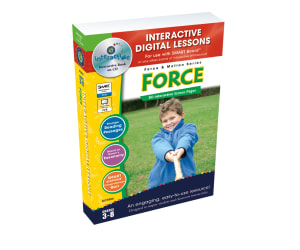
Force - Digital Lesson Plan Gr. 5-8 | PC Software
Science, Physics, Grade 3, 4, 5, 6, 7, 8, Teacher Tools, Lesson Plans
Force - Digital Lesson Plan Gr. 5-8 Overview Force - Digital Lesson Plan Gr. 5-8, is an education tool designed for educators in both public schools and homeschool environments. It offers a comprehensive and fun lesson plan on force science, suitable for grade 5 to grade 8 students. This interactive PC software ventures into the invisible world of forces, demystifying what they are and their different types through an enticing eighty screen-pages full of captivating content. Main Concepts Taught: Type of forces: Both contact and distance-based ones The difference between balanced versus unbalanced forces Distinguishing weight versus gravity Magnetic and electrostatic forces explanations Features: Purposefully Prepared Activities: Immerses your learners in before-and-after reading interactive activities to test comprehension. Suitable for Different Teaching Methods: The program supports whole group teaching, small group instruction or individual learning tasks. Gamified Education: Memory match games, Crossword puzzles and word searches enhance retention capability. Ii> " ... This download comes as a zip file with user-friendly PC software that's easy to install. Developed according to state & national standards, the content adheres strictly to Bloom's Taxonomy—guaranteeing proficiently delivered lessons.. Choose 'Force - Digital Lesson Plan Gr. 5-8 | PC Software' as your next classroom tool!
Author Classroom Complete Press
Tags Digital Lesson Plan, Force Lesson Plan, Interactive Activity, Memory Match Game, Physics Lesson

Discover! Classification
Science, Life Sciences, Biology, Grade 4, 5, 6, Teacher Tools, Lesson Plans
Discover! Classification Discover! Classification is an engaging teaching resource, aimed towards students within fourth to sixth grades, introducing them to the concept of classification. The lesson plan is oriented around the biological principle and taxonomy basis of classification. Versatile and Cut-through resource This versatile learning tool can be implemented in a broad range of educational settings - whole classes, small study groups or even individual learning sessions at home or school. Comprehensive Course Content The comprehensive course content covers not only how to classify items but also introduces learners to scientific naming conventions attached with classifications. These real-world terminologies instill a solid understanding alongside fostering long-term retention in young minds. Inclusive Educational Support for Teachers Taxonomy background knowledge: For the support of educators through this subject matter, general context about taxonomies underlining each subtopic within classification are provided for reference and elaboration during teaching sessions. Suggested activities & discussion questions: Interactive student engagement is facilitated through recommended activities coupled with stimulating discussion questions, practically applying theorized concepts – transitioning them from theoretical understanding towards tangible realities. Evaluation Method & Self- Assessment Tools Included: The course also includes written answers which assist teachers with efficient evaluation methods as well as benefitting students’ self- assessment strategies; nurturing independent thinking whilst augmenting academic potentialities simultaneously. In essence, Discover! Classification offers an all-inclusive toolkit devised exclusively for imparting well-rounded comprehension on biological classifications among grade 4-6 pupils. It ensures reinforced grasp on these fundamental scientific concepts served in a single PDF file – making vital educational material conveniently accessible.
Author Classroom Complete Press
Tags PDF

I WONDER - How Big Was The Diplodocus | Animated Video Lesson
Animals, Life Sciences, Science, History: Ancient, History, Social Studies, History: World, Grade 4, 5, 6, 7, 8, 9, 10, Lesson Plans, Teacher Tools
Video Introduction An amazing video designed for the students to learn more about dinosaurs in different countries. I WONDER - How Big Was The Diplodocus | Animated Video Lesson Do you like dinosaurs? what is your favorite one? Do you own a pet? If yes, tell us more about it, like what its name? And what do you like most about it? Do you think that your pet has been evolved from a dinosaur? Can you write down the characteristics of your favourite dinosaur like it's shape, their rivals, where did it use to live and what was their favourite food? What is the largest and the smallest dinosaur that ever found? Why is the T-rex is so famous? Have you ever read any interesting facts about it? Can you name any of the carnivores or herbivores dinosaurs? I WONDER - How Big Was The Diplodocus | Animated Video Lesson The video is perfect for encouraging the researching skills for the students, while learning more about dinosaurs. I WONDER - How Big Was The Diplodocus | Animated Video Lesson This friendly designed video is suitable for students at school, homeschooling, and as a group activity. Format Available in MP4 format.
Author Educational Voice
Rating
Tags How Big Was The Diplodocus, How Big Was The Diplodocus Video, Diplodocus, Diplodocus Facts, Diplodocus Video, Diplodocus Facts For Kids, Diplodocus Video For Kids, Dinosaur, Dinosaurs
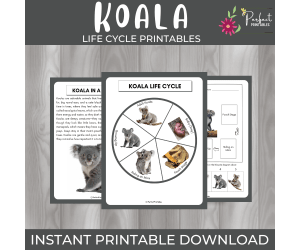
Life Cycle of a Koala, Australian Wildlife Unit Study fun facts
Animals, Life Sciences, Science, Biology, Kindergarten, Preschool, Grade 1, 2, 3, Parts of and Anatomy of, Worksheets & Printables, Flashcards, Diagrams, Teacher Tools, Lesson Plans
Bring Australian wildlife into your classroom with this Life Cycle of a Koala worksheet . Students will explore each stage of a koala’s development, from joey to adulthood, while learning fascinating facts about their diet, habitat, and unique adaptations. Perfect for science centers, unit studies, or literacy integration. What’s Included In This Kola life cycle pack? • A short Koala overiview • Life cycle diagram • Cut-and-paste sequencing activity • Flashcards for review and games • Matching activity for reinforcement • Fun facts about koalas • Coloring page Why Teachers Love It • Supports life science and animal studies • Engaging, hands-on activities for elementary learners • Easy to use – no prep required • Combines science, reading, and creativity • Helps students connect with real-world wildlife Great For • Australian animal unit studies • Science centers and small group work • Independent practice or homework • Early finishers • Cross-curricular learning with geography and literacy This koala life cycle activity helps students build science knowledge while having fun exploring one of Australia’s most iconic animals.
Author Perfect_Printables
Rating
Tags Life Cycle Of A Koala, Koala Life Cycle Worksheet, Australian Wildlife Unit Study, Marsupial Life Cycle Printable, Koala Science Activity, Australian Animals Worksheet, Life Cycle Of Animals Printable, Koala Facts For Kids, Australian Unit Study Worksheet, Koala Classroom Activity
I WONDER - How Do People Eat Vegetables | Animated Video Lesson
Nature & Plants, Life Sciences, Science, Biology, Human Body, Grade 1, 2, 3, 4, 5, 6, 7, 8, Lesson Plans, Teacher Tools
Video Introduction An amazing video designed for the students to learn more about STEM. I WONDER - How Do People Eat Vegetables | Animated Video Lesson Plants world is really fascinating! Do you know that some flowers eat insects? Some other plants like to grow on walls can you mention any? Do you know what is the difference between fungicide and pesticide? If yes, Can you tell us more about it? What is nuclear energy? Is it safe to use it? Do you think it is a clean energy? Have you ever read about potential energy? If yes, tell us what it is? Do you think that potential energy can be converted into another form of energy? How it happens? I WONDER - How Do People Eat Vegetables | Animated Video Lesson The video is perfect for encouraging the researching skills for the students, while learning more about this fantastic topic. I WONDER - How Do People Eat Vegetables | Animated Video Lesson This friendly designed video is suitable for students at school, homeschooling, and as a group activity. Format Available in MP4 format.
Author Educational Voice
Rating
Tags How Do People Eat Vegetables, Eat Vegetables, Eating Vegetables, Eating Vegetables Facts, Eating Vegetables Video, Eating Vegetables Video For Kids, Eating Vegetables Facts For Kids, Ways Of Cooking Vegetables
Global Warming EFFECTS: Melting Ice Sheets - FLASH-PC
Science, Earth and Environmental Sciences, Environmental Science, Common Core, Grade 5, 6, 7, 8, Teacher Tools, Lesson Plans
Global Warming EFFECTS: Melting Ice Sheets - FLASH-PC Overview FLASH-PC forms a key resource for comprehending this hot-topic issue. It systematically broadens the understanding of students on global warming effects, with a special focus on melting ice sheets. This product is designed to meet Common Core State Standards and is aligned with Bloom's Taxonomy to ensure comprehensive learning outcomes. Perfect for Educators (Fifth through Eighth-Grade curricula) Educators can effectively incorporate environmental science into their lesson plans by using our product. The tool goes beyond theoretical knowledge; it connects larger global warming concepts to tangible impacts seen around us, such as melting ice sheets. A Resource Above Others What makes Global Warming EFFECTS: Melting Ice Sheets - FLASH-PC stand out is its strategic blend of different learning elements like reading passages complemented by 'Before You Read' and 'After You Read' questions that enhance critical thinking skills. Vocabulary Flashcards : Simplify scientific language competency progression amongst learners over time. Interactive Activities: Foster active participation from visual or auditory learners through embedded videos and audios within the module. Versatile Classroom Implementation Opportunities This flexible resource fits well within varied classroom structures—it can be introduced during whole group sessions or used during smaller group discussions. It may also serve as effective material for home assignments encouraging independent observation opportunities outside school hours. In conclusion, Global Warming EFFECTS: Melting Ice Sheets - FLASH-PC breaks down complex environmental issues into digestible parts that are perfect for middle schoolers—to ease teachers' efforts in engaging young minds in such critical global concerns.
Author Classroom Complete Press
Tags Software (PC)

I WONDER - Where Are Pesticides Used | Animated Video Lesson
Insects, Life Sciences, Science, Nature & Plants, Biology, Chemistry, Grade 4, 5, 6, 7, 8, 9, 10, Lesson Plans, Teacher Tools
Video Introduction An amazing video designed for the students to learn more about STEM. I WONDER - Where Are Pesticides Used | Animated Video Lesson Plants world is really fascinating! Do you know that some flowers eat insects? Some other plants like to grow on walls can you mention any? Do you know what is the difference between fungicide and pesticide? If yes, Can you tell us more about it? What is nuclear energy? Is it safe to use it? Do you think it is a clean energy? Have you ever read about potential energy? If yes, tell us what it is? Do you think that potential energy can be converted into another form of energy? How it happens? I WONDER - Where Are Pesticides Used | Animated Video Lesson The video is perfect for encouraging the researching skills for the students, while learning more about this fantastic topic. I WONDER - Where Are Pesticides Used | Animated Video Lesson This friendly designed video is suitable for students at school, homeschooling, and as a group activity. Format Available in MP4 format.
Author Educational Voice
Rating
Tags Where Are Pesticides Used, How To Use Pesticides, How To Use Pesticides Video For Kids, Where To Use Pesticides For Kids, How To Use Pesticides For Kids, Pesticides, Pesticides Facts, Pesticides Video For Kids
I WONDER - Do Koalas Have Pockets | Animated Video Lesson
Biology, Life Sciences, Science, Animals, STEM, Grade 1, 2, 3, 4, 5, 6, 7, 8, Lesson Plans, Teacher Tools
Video Introduction Animal kingdoms are full of fascinating wonders to learn. This video is designed for the students to learn more about animals in different countries. I WONDER - Do Koalas Have Pockets | Animated Video Lesson Do you like animals? what is your favorite one? Do you own a pet? If yes, tell us more about it, like what its name? And what do you like most about it? What are the animal kingdoms? Can you write down the characteristics of each animal class like mammals, birds, reptiles, amphibian, fish and mollusks. Do you know that some animals can sing, can you name any of them? What is the largest and the smallest mammal in the world? What is the largest and the smallest bird in the world? What is the largest and the smallest fish in the world? I WONDER - Do Koalas Have Pockets | Animated Video Lesson The video is perfect for encouraging the researching skills for the students, while learning more about these fantastic animals. I WONDER - Do Koalas Have Pockets | Animated Video Lesson This friendly designed video is suitable for students at school, homeschooling, and as a group activity. Format Available in MP4 format.
Author Educational Voice
Tags Do Koalas Have Pockets, Do Koalas Have Pockets Video, Koalas Pockets, Koalas' Pockets, Koalas' Pockets Facts, Koalas' Pockets Facts For Kids, Koalas' Pockets Video, Koalas' Pockets Video For Kids
I WONDER - How Many Times Can You Recycle Glass And Aluminum
Environmental Science, Earth and Environmental Sciences, Science, Grade 5, 6, 7, 8, 9, 10, 11, Lesson Plans, Teacher Tools
Video Introduction An amazing video designed for the students to learn more about STEM. I WONDER - How Many Times Can You Recycle Glass And Aluminum | Animated Video Lesson Do you like STEM subjects? what is your favorite one? Have you ever tried to plant a seed? If yes, tell us more about it. Or have you ever tried to invent something? If yes, tell us more about it. And how do you think it will help us? Have you ever seen a microorganism under a microscope? What was it? And how it looked like? Mathematics is a marvelous subject. Let' sharpen our brains and solve some equations. Do you like timetable tricks? What is your favorite one? Do you know how to code? Have you ever created an app or a game before? If yes, how was it like? I WONDER - How Many Times Can You Recycle Glass And Aluminum | Animated Video Lesson The video is perfect for encouraging the researching skills for the students, while learning more about this fantastic topic. I WONDER - How Many Times Can You Recycle Glass And Aluminum | Animated Video Lesson This friendly designed video is suitable for students at school, homeschooling, and as a group activity. Format Available in MP4 format.
Author Educational Voice
Tags How Many Times Can You Recycle Glass And Aluminum, How Many Times Can You Recycle Glass And Aluminum Video, Glass Recycling, Glass Recycling Facts, Aluminum Recycling, Aluminum Recycling Facts
I WONDER - What Animals Live In Marshes | Animated Video Lesson
STEM, Animals, Life Sciences, Science, Biology, Grade 1, 2, 3, 4, 5, 6, 7, 8, Lesson Plans, Teacher Tools
Video Introduction Animal kingdoms are full of fascinating wonders to learn. This video is designed for the students to learn more about animals in different countries. I WONDER - What Animals Live In Marshes | Animated Video Lesson Do you like animals? what is your favorite one? Do you own a pet? If yes, tell us more about it, like what its name? And what do you like most about it? What are the animal kingdoms? Can you write down the characteristics of each animal class like mammals, birds, reptiles, amphibian, fish and mollusks. Do you know that some animals can sing, can you name any of them? What is the largest and the smallest mammal in the world? What is the largest and the smallest bird in the world? What is the largest and the smallest fish in the world? I WONDER - What Animals Live In Marshes | Animated Video Lesson The video is perfect for encouraging the researching skills for the students, while learning more about these fantastic animals. I WONDER - What Animals Live In Marshes | Animated Video Lesson This friendly designed video is suitable for students at school, homeschooling, and as a group activity. Format Available in MP4 format.
Author Educational Voice
Tags What Animals Live In Marshes, What Animals Live In Marshes Video, Animals That Live In Marshes, Animals That Live In Marshes Facts, Animals That Live In Marshes Facts For Kids, Animals That Live In Marshes Video

The Bio-Design Blueprint A Gamified MicroLearning Series in Biomimicry
Basic Science, Science, Inventors, Theories, Biology, Life Sciences, Engineering, Technology, Life Skills, Special Resources, Grade 6, 7, 8, 9, 10, 11, 12, Worksheets & Printables, Parts of and Anatomy of, Drawing Templates & Outlines, Worksheets, Word Searches, Workbooks, Teacher Tools, Assessments, Lesson Plans, Quizzes and Tests
Introducing The Bio-Design Blueprint! This gamified micro-learning curriculum is an entirely online series of adventures that will give students an interactive experience using the 3.8 billion-year-old R&D of nature to design solutions to today’s biggest STEM problems! Not only does it include 35 pages of engaging theory (with topics such as the kingfisher bullet train, the Namib Desert beetle, spider silk vs. Kevlar, the slime mold Tokyo subway system, coral concrete, mycelium packaging and other examples), but it also has ten student worksheets where students use the theory studied in class to create their own designs, complete with data analysis, application to real-world scenarios and creative design challenges. The Bio-Design Blueprint can be used to teach students about biomimicry, fluid dynamics, structural integrity, swarm intelligence, thermal regulation, the lotus effect, gecko adhesion, structural coloration, photosynthesis technology, impact resistance and closed-loop ecosystems. The curriculum also includes the Eco-City Capstone Project, teacher visual anchors, cognitive maps, and iteration spirals to ensure easy implementation of the curriculum in the classroom. Keywords: biomimicry curriculum, sustainable engineering worksheets, STEM activities, middle school, high school, biology and engineering, gamified science lessons, nature-inspired design, environmental science resources, NGSS biomimicry unit, zero waste engineering, project-based STEM. Digital download available instantly. Ready for Google Classroom! Homeschool-friendly; NO prep required for teachers! Students will fall in love with science as they use the blueprints of our planet to design solutions that will save our planet from sustainability issues! Reasons Schools and Parents Appreciate the Curriculum: Experiential Learning – Real-world examples of biomimicry, gamified worksheets, and hands-on experiences create excitement around STEM–students eagerly anticipate science class. Zero Prep Time for Educators - The complete theory of biomimicry, the ten worksheets, visuals for the capstone projects are fully created for the educator - thus they are ready to go electronically and/or printed. This saves educators hours of planning. Prepares Students for the Future – Students develop their critical thinking skills, creativity, and commitment to a sustainable world. The curriculum is aligned perfectly to the NGSS engineering and life science standards. Curriculum is Differentiated and Inclusive – The curriculum incorporates a variety of activities, including fill-ins, math problems, written responses, and creative design challenges, allowing all students to succeed (ELL, gifted, and neurodiverse). Eco-Friendly and Impactful – Students learn how to turn abstract concepts into solutions for real-world issues (i.e., climate change, waste, energy conservation) - parents appreciate having their children participate in meaningful environmental education. *Target Audience by Grade & Subject (Based on Full Content Analysis, Rigor of Program, Worksheet Use) : Middle School (6-8): Life Science, Environmental Science, Integrated STEM, Project-Based Learning, & Gifted/Talented. High School (9-12): Biology, Physics, Engineering Design, Environmental Science, Sustainability, & STEM/STEAM Electives. *Level (data analysis; calculations; open-ended design challenge; NGSS Cross-Cutting Concepts) allows for Grades 7-10 to be primary users of the program (Core Use); and Grade 6 and 11-12 to fit as differentiated use. Copyright / Terms of Use This book, authored by Syed Hammad Rizvi, is a copyright protected, personal use resource that should only be used in the classroom (for one student) and is NOT authorized for alteration, resale or distribution. More simply stated, you cannot post this resource on the Internet at all, because it would become public access and, therefore, can be downloaded by others. If you wish to share this with other teachers, please purchase additional licenses from Teachsimple. Thank you for following these terms of use. Brought to you by Syed Hammad Rizvi with joy.
Author Creative Book Store
Rating
Tags BiomimicryCurriculum, SustainableEngineering, STEMWorksheets, GamifiedSTEM, BiomimicryLessons, NatureInspiredDesign, NGSSAligned, ProjectBasedLearning, EcoEngineering, BioDesignBlueprint
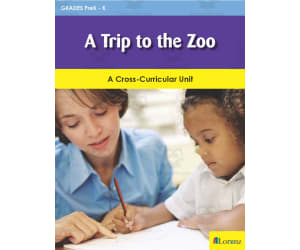
A Trip to the Zoo: A Cross-Curricular Unit
Science, Life Sciences, Animals, Kindergarten, Preschool, Teacher Tools, Lesson Plans
A Trip to the Zoo: A Cross-Curricular Unit "A Trip to the Zoo: A Cross-Curricular Unit" is an engaging and interactive teaching resource designed to both entertain and enlighten young learners. This unit provides a fascinating journey into both the subject areas of science and zoology, focusing on animals namely - monkeys, giraffes, and penguins. The packet takes students on an exciting experience of a trip to the zoo without actually requiring physical transport. It aims at being an ideal learning tool for educators in public schools or those homeschooling preschoolers or children in kindergarten. This PDF contains seven easy-to-navigate pages that guide learners through various stages of discovery. The unit begins with a two-page story designed to attract students towards these intriguing animals. Following this delightful narrative are three thoroughly prepared worksheets offering activities that extend knowledge about each animal species while nurturing observational skills, promoting active engagement with what they're learning. This cross-curricular unit fosters synergistic learning across multiple disciplines. Suitable for group lessons where peer collaboration can enhance understanding, it also offers adaptability for solo assignments or smaller group sessions according to individual learner requirements or teaching preferences. In conclusion, A Trip to the Zoo: A Cross-Curricular Unit presents a fun-filled immersive experience integrated with narrative elements besides activity -based content. The visit enables students with greater insight about monkeys, giraffes, penguins – all introduced within educational limits fostering scientific fascination among early learners. Consider implementing this resource as part of regular curricula diversification – after all; who doesn't enjoy taking occasional trips around lively zoological gardens?
Author Classroom Complete Press
Tags Zoo Trips, Trip To The Zoo, Science Lesson, Cross-curricular Unit, Worksheets, Zoo Lesson Plans For Pre-k, Zoo Field Trip Lesson Plans

Whales Mini Unit
Science, Life Sciences, Animals, Grade 6, 7, 8, 9, Teacher Tools, Lesson Plans
Whales Mini Unit This is a Whales Mini Unit that will provide students with resources from the beginning to end of a unit. This unit will leave students feeling more knowledgeable about this animal species and equipped to tackle any and all comprehensive activities related to whales. This unit is great for middle school students. What You Get: You will receive a zip file that includes: 1. A Presentations Folder with 19 PowerPoints 2. A Separated Materials Folder with 22 PDFs 3. A Teacher Note PDF 4. A Whale Card Game PDF 5. A Whales Complete Worksheet Set PDF 6. A Whales Modified Worksheet Set PDF 7. Whales Preview Sheet as PDF, PowerPoint and JPEG files 8. Whales Test PDF How to Use the Whales Mini Unit: This is a comprehensive unit of study that will have many components to make learning come to life. The glossary is an essential component that will provide students with the basic vocabulary they’ll need to understand and grasp the major topics included in the unit. Lesson one teaches students about the evolution of whales from Pakicetus to the present day. Students then complete a timeline activity . Lesson two teaches about the major differences in the diets of toothed and baleen whales. Students then complete a basic organizer activity . Lesson three teaches about the different ways in which both toothed and baleen whales communicate and use sound to detect prey and dangers. Lesson four covers the major body parts of most whales. Diagrams are available in basic or extended versions for students to complete. Lesson five shows students the history of whaling from ancient times to the present day and how many species were nearly wiped out by humans. Each lesson comes with a PowerPoint presentation featuring enlarged readings, images, and movie links. Information and project sheets are provided for twelve different whale species for students to create different presentation projects with. Whale information cards and instructions are included to play a special game of Top Trumps. All worksheets also have modified versions to help you support students with differing learning needs. Students can complete a crossword activity at the end of the unit. The crossword is provided in a regular and modified version with an answer key included. An end of unit test is also included in the file featuring short response and image-based questions for students to complete. You will have an answer key for this as well. I hope you enjoy!! Take A Look At My Best Sellers: Japanese Ema Prayer Boards The Underground Railroad Mini Unit United Kingdom Country Study Food Production and Farming Unit Alexander Hamilton Mini Unit The Tuskegee Airmen Mini Unit You Can Find More Resources At My Store Front Here: Mr. Gray History
Author Mr Gray History
Tags Whales Mini Unit, Animals Unit, Animals Crossword Puzzle, Whales Lesson Plan, Whales Presentation, Types Of Whales, Science Worksheets