



3,890 products added recently
Page 47 - Science Lesson Plan Template
Enhance your science instruction with a flexible lesson plan template designed for educators. This tool helps you structure objectives, materials, procedures, and assessments efficiently. Use it to create organized and impactful science lessons that cater to your students' needs.

 Show filters


Prevention, Recycling & Conservation: Conserving Fresh Water Gr. 5-8
Science, Earth and Environmental Sciences, Environmental Science, Grade 5, 6, 7, 8, Teacher Tools, Lesson Plans
Prevention, Recycling & Conservation: Conserving Fresh Water Gr. 5-8 This is a teaching resource designed for use by educators in public schools or homeschool settings. It focuses on the critical environmental topics of prevention, recycling, and conservation initiatives. Specifically created for students in grades 5 to 8. "Conserving Fresh Water" Chapter Slice This chapter slice is an extract from the full lesson plan titled "Prevention, Recycling & Conservation". It arms students with fundamental knowledge needed to understand their roles in environmental stewardship. Core Topics Covered Conservation Renewable resources vs non-renewable resources Landfill waste reduction and composting techniques Negative effects of waste and pollution on freshwater resources Note:The focus extends to atmospheric pollutions caused by fossil fuel burning resulting in smog formation, ozone depletion, and greenhouse gas emissions. Possible Solutions Discussed The adoption of alternative fuels usage. The pursuit of zero waste goals . Tips for sustainable living practices are also shared. These discussions are aimed towards enlightening students about proactive steps protecting our planet. About The Product File (PDF) This handy tool belongs to the Environmental Science lesson plans within its Science curriculum offerings. It includes: Easily digestible reading passages, Engaging student activities, A spectrum of test prep tools perfect for initiating classroom discussions among large groups or small study circles. Apart from this main content; you will find colorful mini posters which are ideal for remedial instruction aimed at facilitating faster understanding for slower learners. Furthermore, the lessons apply effective methodologies that align strictly with state standard requirements as outlined by Bloom's Taxonomy. This fosters comprehension through information recall, application analysis synthesis evaluation and culminates into independent knowledge application. In essence;Teachers make the most out of their time and energy investment by guiding their students progressively towards becoming environmental science specialists. They master complex concepts more easily evolving into confident learners who can contribute positively to creating a sustainable world.
Author Classroom Complete Press
Tags PDF
Flour Reading Comprehension Passage - Cored Ed Encyclopedia
ELA, Reading Comprehension, Reading, Science, Technology, Language Development, Social Studies, History, Pre-Reading, Life Sciences, Grade 2, 3, 4, 5, Worksheets & Printables, Worksheets, Teacher Tools, Centers, Activities, Writing Prompts, Assessments, Quizzes and Tests, Quizzes, Lesson Plans
This flour reading comprehension with lesson plan includes: Visualization (on the front cover) Start your lesson by taking a minute to think and share something about the topic. Read the script aloud (slowly), perhaps prepare some music or sound effects. Student close their eyes and let their imaginations wander. Students open their eyes, read the question aloud and give them a few minutes to complete. Ask a few students to share or keep answers until the end to compare with what they learn in the passage. Quick pause—thousands of Cored Education products are included with your TeachSimple membership. Download links and encyclopedia index available here. Pre-Reading Trivia Students will write down one thing they already know about the subject and then read five more facts and discuss. These facts are fun, and the students will enjoy learning about the subject before reading more. Give 1 minute for students to write what they already know (no pressure—best guess is fine). Read the five facts together. After each fact, do ask a student for their opinion, was it surprising? Set a purpose by asking students to highlight/underline one fact they want to learn more about during the reading. Reading Passage The text is a high-interest reading passage with set paragraphs, roughly three to four paragraphs long. It contains a variety of themes about the topic, anywhere from history to technology. The passage is between 250 and 350 words in length. First, ask students to look at the headings and see what they’ll learn about today. What do they know about the topic/heading? First read options: Teacher read-aloud (best for support). Partner reading (paragraph by paragraph). While reading, students underline important details, and vocabulary words they think may come up in the questions section. Mixed Questions The first question page contains four multiple-choice questions, each with a choice of four answers, and three written response questions that require a sentence or two from the student. Students complete the mcqs first independently, then review quickly as a class. For the 3 written responses, try to get students giving the answer with some form of evidence: “I think ___ because the text says ___.” If students get stuck, send them back to check the passage. Vocabulary Questions Practice seven key words from the text in this section across two activities. First section is scrambled words where students will unscramble three words given a clue for each. The second section is a word to meaning matching activity. Before starting, have some students read out words they underlined in the passage. Ask students to say the word and read aloud the sentence(s) around each word. Ask students to do scrambled words and the matching exercise in pairs then go through answers as a class. For the scrambled spelling task, get four pairs to come up to the board and write the words for extra practice with the other student reading out the clue. For the matching task, prompt students to give full sentences: “I matched ___ with ___ because ___.” Creative Writing In this question, the student will be required to write a five to eight sentence paragraph on a question related to the topic. Before starting, ask students write down 3 key ideas they are going to include in their piece. Ask students for ideas to share around the class to help those struggling. Pro writing expectations: 5–8 sentences At least 2 facts or details from the passage At least 2 vocabulary words from the previous page Students read their paragraphs while classmates listen for facts and vocabulary words. Extension Activities This page is optional for fast finishers or to take home. There are several activities, each one requiring a different skill. Do some, do none, do all, completely optional - but you will feel reassured knowing every possibility is planned for. Includes summary writting question and additional facts. Answer Key There are answers for the multiple-choice questions, written response questions have sample answers, vocabulary answers and if there is a summary question then a sample summary will be provided as well. Lesson Plan Included Customized lesson plan for this lesson is included. Lesson Snapshot Title: Flour Genre: Nonfiction (Informational Text) Subject: Science (Food Science) / Reading (Informational Text) Primary Topic: How flour is made from seeds and grains Estimated Guided Reading Level (A–Z): P What This Lesson Teaches Best Explains what flour is made from: flour begins as a seed , and people grind grains (and other plants) into powder used for many foods. Teaches the three main parts inside a grain seed — bran , germ , and endosperm —and what each part is like. Describes how milling changed over time, from heavy stones to steel rollers and lots of sifting to make very fine flour. Builds understanding of why white flour became popular (it kept longer) and what “enriched” flour means in this text. Connects ingredient science to baking by explaining how wheat proteins can form gluten , helping dough rise and hold bubbles of air. Learning Goals Students will explain how flour begins as a seed and becomes powder through grinding. Students will identify the three main parts of a grain seed: bran, germ, and endosperm. Students will describe how modern mills use rollers and sifting to make fine flour. Students will explain why white flour kept longer, based on what the text says about oils. Students will describe what “enriched” flour means in the passage and why it mattered. Students will explain how gluten helps dough rise and hold bubbles of air. Key Vocabulary From the Text bran — the outer part of a grain seed. germ — the tiny part that could sprout. endosperm — the starchy part that feeds the seed. enriched — flour with certain vitamins and iron added back. gluten — stretchy net that helps dough rise and hold air. FULL CATALOG OF DOWNLOAD LINKS AND ENCYCLOPEDIA INDEX HERE
Author Cored Education
Rating
Tags Vocabulary, Reading Comprehension, Reading Passages, Lesson Plans, Ela Lesson Plans, Reading Comprehension Lesson Plans, Pre-reading, Science Lesson Plans, History, Technology
I WONDER - What Shape Is The Spine | Animated Video Lesson
Human Body, Life Sciences, Science, Biology, STEM, Grade 3, 4, 5, 6, 7, 8, Lesson Plans, Teacher Tools
Video Overview The human body is full of fascinating wonders to learn. This video is created to help the students recognize the anatomy and the job of the human body. I WONDER - What Shape Is The Spine | Animated Video Lesson Every part and organ in our human body is vital so let's see how important they are. Have you ever imagined how we look like if we didn't have a skeleton? Did you know that because we have our amazing muscles we can stand! Do you know how many teeth do we have? Have you ever wondered about the food journey inside our body? Can you name all the glands in our body? Why do we have skin? Our nervous system is really good at sending signals. Can you tell us more about it? Are you really good at Mathematics, painting, or any other thing? You should really thank your brain about it! The famous five senses are really doing a great work? Can you explain how every sense works? I WONDER - What Shape Is The Spine | Animated Video Lesson The video is perfect for encouraging the researching skills for the students, while learning more about our fantastic human body. I WONDER - What Shape Is The Spine | Animated Video Lesson This friendly designed video is suitable for students at school, homeschooling, and as a group activity. Format Available in MP4 format.
Author Educational Voice
Tags What Shape Is The Spine, What Shape Is The Spine Video, The Spine, The Spine Facts, The Spine Facts For Kids, The Spine Video, The Spine Video For Kids, Skeleton, The Skeleton, Skeleton Facts For Kids

I WONDER - What Is Pollination | Animated Video Lesson
Nature & Plants, Life Sciences, Science, Insects, STEM, Grade 5, 6, 7, 8, 9, 10, Lesson Plans, Teacher Tools
Video Introduction An amazing activity designed for the students to learn more about STEM. I WONDER - What Is Pollination | Animated Video Lesson Do you like STEM subjects? what is your favorite one? Have you ever tried to plant a seed? If yes, tell us more about it. Or have you ever tried to invent something? If yes, tell us more about it. And how do you think it will help us? Have you ever seen a microorganism under a microscope? What was it? And how it looked like? Mathematics is a marvelous subject. Let' sharpen our brains and solve some equations. Do you like timetable tricks? What is your favorite one? Do you know how to code? Have you ever created an app or a game before? If yes, how was it like? I WONDER - What Is Pollination | Animated Video Lesson The video is perfect for encouraging the researching skills for the students, while learning more about this fantastic topic. I WONDER - What Is Pollination | Animated Video Lesson This friendly designed video is suitable for students at school, homeschooling, and as a group activity. Format Available in MP4 format.
Author Educational Voice
Tags What Is Pollination, What Is Pollination Video, Pollination, Pollination Facts, Pollination Facts For Kids, Pollination Video, Pollination Video For Kids, Pollination Facts Video For Kids, Stem
I WONDER - Why Is Friction Useful | Animated Video Lesson
Physics, Science, Grade 4, 5, 6, 7, 8, 9, 10, Lesson Plans, Teacher Tools
Video Introduction An amazing activity designed for the students to learn more about STEM. I WONDER - Why Is Friction Useful | Animated Video Lesson Do you like STEM subjects? what is your favorite one? Have you ever tried to plant a seed? If yes, tell us more about it. Or have you ever tried to invent something? If yes, tell us more about it. And how do you think it will help us? Have you ever seen a microorganism under a microscope? What was it? And how it looked like? Mathematics is a marvelous subject. Let' sharpen our brains and solve some equations. Do you like timetable tricks? What is your favorite one? Do you know how to code? Have you ever created an app or a game before? If yes, how was it like? I WONDER - Why Is Friction Useful | Animated Video Lesson The video is perfect for encouraging the researching skills for the students, while learning more about this fantastic topic. I WONDER - Why Is Friction Useful | Animated Video Lesson This friendly designed video is suitable for students at school, homeschooling, and as a group activity. Format Available in MP4 format.
Author Educational Voice
Tags Why Is Friction Useful, Why Is Friction Useful Video, Friction, Friction Facts, Friction Facts For Kids, Friction Facts Video, Physics, Stem, Stem Video, Science Video
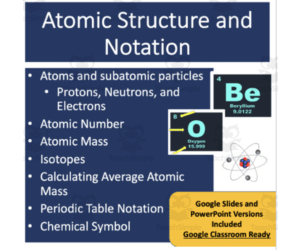
Atomic Structure and Notation - Lesson Bundle
Science, Chemistry, Grade 10, 11, 12, Teacher Tools, Lesson Plans
Atomic Structure and Notation Lesson. This lesson package introduces Atoms, Protons, Neutrons, and Electrons. Furthermore, it explains Atomic Number, Mass Number, and Atomic Symbols. This package includes the lesson (student and teacher versions of the presentation), an auto-graded Exit Ticket to check student understanding, a Bill Nye worksheet (includes answer key), and a student lesson handout as a document. This lesson includes both Office and Google formats for ALL resources. The presentation is in PowerPoint and Google Slides while all documents contain Word and Google Doc versions. Your resource is perfect for distance learning and integrates seamlessly with Google Classroom as I've included a link that will automatically create a copy of the resources and put them directly into your Google Drive with one click. Download--> Open --> Click --> Assign to your students Having both options allows you to use either without worrying about formatting issues as all the work has already been done for you. It safeguards you in case your department or school decides to go Google 100% and allows you as well as your students to access everything no matter where you are or what kind of equipment is being used. Included in the lesson package is: - Office and Google versions of the presentation - The teacher version of the presentation - The student version of the presentation - An auto-graded Exit Ticket - Bill Nye video worksheet - Student worksheet - Student lesson handout In order, the lesson covers: - Atoms - Protons - Neutrons - Electrons - Atomic Number - Mass Number - Atomic Symbols - Calculation The student version of the PowerPoint contains multiple blanks that need to be filled in throughout the lesson. These blanks are conveniently underlined and bolded on the teacher copy. I have found this to be the most effective means of keeping my students engaged and active without having them write everything out. This also leaves more time for discussion and activities. Also, please visit my blog Teach With Fergy for my thoughts on teaching, learning and everything in between.
Author Teach With Fergy
Tags Atomic Structure, Notation, Chemistry Lesson, Atoms, Bill Nye

Bears Theme VALUE PACK Gr. PK-2
Science, Life Sciences, Animals, Kindergarten, Preschool, Grade 1, 2, Teacher Tools, Lesson Plans
Bears Theme VALUE PACK Gr. PK-2 This pack is a comprehensive learning aid that focuses on providing education about the magnificent world of bears to students aged between preschool and second grade. With its primary focus being on science, in particular, Zoology, this pack provides an array of teaching aids. Package Content: Bing Bear's Balloons: A unit which includes engaging activities for fostering creative skills amongst learners such as picture patterns for large and small book creation. Colour Bear: This unit includes hands-on tasks that cater to enhancing color recognition among pupils whilst boosting their visual learning capabilities. Good Shapes for a Hungry Bear: The aim of this particular unit is to stir interest in mathematics by teaching them number recognition from 1-8 through practical activities. I Love My Learning Centres: Including themed name tags for improving word familiarity and reading passages focusing on Zoological exploration. The product — a single PDF file consists of 103 printable educational pages all set to be employed into various classroom settings - be it entire group lessons or individual assignments. This resource offers exhaustive coverage suiting early childhood development needs across primary-grade levels (Preschool through Grade 2). This pack serves as an indispensable toolset with remarkable comprehensiveness coupled with practical application potentials not just limited to school settings but also home-based tutoring scenarios hence making necessary strides towards holistically nurturing young minds.
Author Classroom Complete Press
Tags Reading Passages, Bear Theme Decor, Big Book Assembly, Bear Name Tags, Counting Skills
I WONDER - What Affect Does Gravity Have On Humans | Animated Video
Physics, Science, Biology, Life Sciences, Grade 4, 5, 6, 7, 8, 9, 10, Lesson Plans, Teacher Tools
Video Introduction An amazing activity designed for the students to learn more about STEM. I WONDER - What Affect Does Gravity Have On Humans | Animated Video Lesson Do you like STEM subjects? what is your favorite one? Have you ever tried to plant a seed? If yes, tell us more about it. Or have you ever tried to invent something? If yes, tell us more about it. And how do you think it will help us? Have you ever seen a microorganism under a microscope? What was it? And how it looked like? Mathematics is a marvelous subject. Let' sharpen our brains and solve some equations. Do you like timetable tricks? What is your favorite one? Do you know how to code? Have you ever created an app or a game before? If yes, how was it like? I WONDER - What Affect Does Gravity Have On Humans | Animated Video Lesson The video is perfect for encouraging the researching skills for the students, while learning more about this fantastic topic. I WONDER - What Affect Does Gravity Have On Humans | Animated Video Lesson This friendly designed video is suitable for students at school, homeschooling, and as a group activity. Format Available in MP4 format.
Author Educational Voice
Tags What Affect Does Gravity Have On Humans, What Affect Does Gravity Have On Humans Video, Gravity, Gravity Facts, Gravity Facts For Kids, Gravity Video, Gravity Video For Kids, Gravity And Human Body

Video Editing Storyboard & B-Roll Worksheets
Resources for Teachers, Classroom Management, Community Building, Technology, Science, Computer Science, Engineering, Special Resources, Special Education Needs (SEN), Social Emotional Learning (SEL), Grade 6, 7, 8, 9, 10, 11, 12, Worksheets & Printables, Workbooks, Worksheets, Word Searches, Teacher Tools, Lesson Plans, Quizzes and Tests, Quizzes, Tests, Assessments
Transform Your Students from "Point-and-Shoot" Amateurs to "Architects of Cinema" with this Comprehensive Video Editing Pre-Production Unit! Are your students' video projects plagued by shaky footage, jarring cuts, and a lack of a clear story? Do they jump straight to filming without a plan, leaving them with hours of unusable footage and a messy, confusing final product? It's time to teach them the most crucial part of filmmaking: pre-production. This complete, no-prep Video Editing & Filmmaking Unit is a 42-page curriculum designed to teach middle and high school students the art and science of planning a video before the camera ever rolls. Rooted in the pedagogy of pre-visualization, this resource shifts the cognitive load from the stressful editing room to the structured, creative space of the storyboard. Students will learn the professional workflow that powers every great film, documentary, and YouTube video. What’s Included in this 2-Week Unit: Part 1: Instructional Text (10 Pages): Four in-depth chapters covering the core concepts of professional video editing theory, including: The Architecture of the Edit (Storyboards & the 180-Degree Rule) Mastering the Jump-Cut and Temporal Compression Transitional Theory (Match Cuts, Whip-Pans) Supplementary Footage (B-Roll) as Narrative Scaffolding Part 2: Student Workbook (18 Pages): Ten engaging, scaffolded worksheets that turn theory into practice. Students will plan, brainstorm, and problem-solve sequences for jump-cuts, transitions, B-roll, continuity, and more. Part 3: Teacher Resources & Visuals (14 Pages): Everything you need to teach with confidence, even with no film background! Visual Anchor Charts: Clear diagrams explaining Jump-Cut Mitigation, the Narrative Transition Matrix, and Pre-Visualizing the Edit Timeline. Perfect for projecting or printing. Comprehensive Teacher Answer Key: Detailed answers and sample responses for all 10 worksheets. 2-Week Implementation & Pacing Guide: A day-by-day plan (10 days) to effortlessly guide your class through the entire unit, from introducing concepts to a final, summative project blueprint. By the end of this unit, your students will not just create better videos; they will be more intentional storytellers, critical thinkers, and effective communicators in a digital world. Perfect for Media Arts, Digital Storytelling, Journalism, English Language Arts (ELA) project-based learning, Film Studies, and any class that involves video creation! Keywords: Video Editing, Filmmaking Unit, Storyboard Worksheet, B-Roll Planning, Jump Cuts, Media Arts Curriculum, Digital Storytelling, Project-Based Learning, Middle School Media, High School Film, Pre-Production, Visual Organizers, No-Prep Lesson, CTE, Technology, ELA. Why Parents/Schools Love It: Develops Critical Thinking, Not Just Tech Skills: This unit teaches students essential 21st-century skills like planning, problem-solving, sequencing, and foresight. It moves beyond just using an app and forces them to think like architects and authors. Builds Real-World, Professional Habits: It bridges the gap between casual social media video (TikToks) and the deliberate, structured workflow used in professional media careers, giving students a tangible advantage. Increases Engagement Through Relevance: It takes a subject students are already passionate about—creating videos—and injects academic rigor, making learning both fun and deeply meaningful. Comprehensive & Teacher-Friendly: It’s a complete, "print-and-go" curriculum. The included pacing guide, visual aids, and detailed answer key empower any teacher, regardless of their film experience, to deliver a high-quality, expert-level unit with confidence. Target Student Audience : Based on the language ("eighth-grade media scholars"), concepts, and structure, target: Primary Target: Grades 7-10 . This is the sweet spot. It's advanced enough for gifted 7th graders, perfect for 8th and 9th-grade media or tech classes, and a fantastic foundational unit for 10th-grade introductory film or journalism courses. Secondary Target: Grades 11-12 . This can serve as a powerful remediation or review unit for older students who lack foundational pre-production skills. It's also excellent for any ELA or Social Studies teacher doing a video project who needs a structured way to teach the technical planning aspect. Copyright/Terms of Use: This Book was copyrighted by Syed Hammad Rizvi. This resource is for personal and single classroom use only. You may not alter, redistribute, or sell any part of this resource. In other words, you may not put it on the Internet where it could be publicly found and downloaded. If you want to share this resource with colleagues, please purchase additional licenses from Teachsimple. Thank you for respecting these terms of use. This product is happily brought to you by Syed Hammad Rizvi
Author Creative Book Store
Rating
Tags VideoEditing, Filmmaking, DigitalStorytelling, MediaArts, ProjectBasedLearning, PBL, TeacherResources, LessonPlans, Storyboard, VideoProduction
I WONDER - What Jobs Do Clouds Do | Animated Video Lesson
Earth Sciences, Earth and Environmental Sciences, Science, Grade 4, 5, 6, 7, 8, 9, 10, Lesson Plans, Teacher Tools
video Introduction An amazing video designed for the students to learn more about famous phenomena in different countries. I WONDER - What Jobs Do Clouds Do | Animated Video Lesson What do you know about this phenomenon? Where it happens? When it happens? What are the safety measures that we should take to be safe during this phenomenon? Are there any other places in the world that experienced this phenomenon? If yes, tell us more about them. Why do you think it happens? Do you like reading about Geography? What is your favorite country in the whole world? I WONDER - What Jobs Do Clouds Do | Animated Video Lesson The video is perfect for encouraging the researching skills for the students, while learning more about this fantastic phenomenon. I WONDER - What Jobs Do Clouds Do | Animated Video Lesson The video is perfect for encouraging the researching skills for the students, while learning more about this fantastic phenomenon. Format Available in a PDF format.
Author Educational Voice
Rating
Tags What Jobs Do Clouds Do, What Jobs Do Clouds Do Video, Clouds, Clouds Facts, Clouds Video, Clouds Video For Kids, Clouds Facts For Kids, Cloud, Cloud Facts, Cloud Video

Dinosaurs Mini Unit
Science, Earth and Environmental Sciences, Grade 6, 7, 8, 9, Teacher Tools, Lesson Plans
Dinosaurs Mini Unit This is a Dinosaurs Mini Unit that will provide students with resources from the beginning to end of a unit. This unit will leave students feeling more knowledgeable about this animal species and equipped to tackle any and all comprehensive activities related to dinosaurs. This unit is great for middle school students. What You Get: You will receive a zip file that includes: 1. A Presentations Folder with 17 PowerPoints 2. An Individual Dinosaur Project Sheets Folder with 24 PDFs 3. A Basic Reading Sheet Set PDF 4. A Dinosaur Crossword Puzzle PDF 5. A Dinosaurs Test PDF 5. A Dinosaurs Worksheet Complete Set PDF How to Use the Dinosaurs Mini Unit: This is a comprehensive unit of study that will have many components to make learning come to life. The glossary is an essential component that will provide students with the basic vocabulary they’ll need to understand and grasp the major topics included in the unit. Lesson One teaches students about life before the Dinosaurs from the formation of the Earth and moon to the Triassic Era. An alternate version of lesson one is also included dividing the history of the Earth into a 24 hour period. Lesson Two teaches students about the geography, climate, and other life forms living between the Triassic and Cretaceous periods. Lesson Three covers the evolution of the early dinosaurs of the Triassic Era. Lesson Four teaches students about the extinction of the dinosaurs and the Cenozoic period. Each lesson comes with a PowerPoint presentation featuring enlarged readings, images, and movie links. Information and project sheets are provided for twelve different dinosaurs or reptiles for students to create different presentation projects with. Students can complete a crossword activity at the end of the unit. The crossword is provided in a regular and modified version with an answer key included. Teachers can test students’ knowledge with a short written/graphic test with answer key included. I hope you enjoy!! Take A Look At My Best Sellers: The History of Piracy The History of Space Exploration – Complete Unit Navajo Code Talkers Mini Unit Women in World War Two – Complete Unit The Forbidden City Mini Unit Natural Disasters – Complete Unit You Can Find More Resources At My Store Front Here: Mr. Gray History
Author Mr Gray History
Tags Dinosaurs Unit, Reading Comprehension, Dinosaur Crossword Puzzle, Earth's History, Dinosaur Extinction, Science Vocabulary, Science Assessment

I WONDER - Why Do Crystals Change Colour | Animated Video Lesson
Earth Sciences, Earth and Environmental Sciences, Science, Grade 6, 7, 8, 9, 10, 11, 12, Lesson Plans, Teacher Tools
Video Introduction An amazing activity designed for the students to learn more about STEM. I WONDER - Why Do Crystals Change Colour | Animated Video Lesson Do you like STEM subjects? what is your favorite one? Have you ever tried to plant a seed? If yes, tell us more about it. Or have you ever tried to invent something? If yes, tell us more about it. And how do you think it will help us? Have you ever seen a microorganism under a microscope? What was it? And how it looked like? Mathematics is a marvelous subject. Let' sharpen our brains and solve some equations. Do you like timetable tricks? What is your favorite one? Do you know how to code? Have you ever created an app or a game before? If yes, how was it like? I WONDER - Why Do Crystals Change Colour | Animated Video Lesson The video is perfect for encouraging the researching skills for the students, while learning more about this fantastic topic. I WONDER - Why Do Crystals Change Colour | Animated Video Lesson This friendly designed video is suitable for students at school, homeschooling, and as a group activity. Format Available in MP4 format.
Author Educational Voice
Tags Why Do Crystals Change Colour, Why Do Crystals Change Colour Video, Crystals, Crystal, Crystals Facts, Crystals Facts For Kids, Crystals Video, Crystals Video For Kids, Science, Science Video
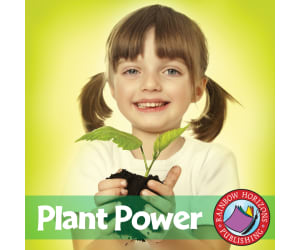
Plant Power Gr. 1-2
Science, Earth and Environmental Sciences, Environmental Science, Grade 1, 2, Teacher Tools, Lesson Plans
"Plant Power Gr. 1-2": A teaching resource to introduce Botanical World "Plant Power Gr. 1-2" is a highly adaptable educational resource aiming at introducing grade 1 and grade 2 students to the diversity of edible plants. List of major contents: Interactive storybooks about herbs, vegetables, fruits etc. Online resources offering detailed, accessible content on the subject This resource can be used for whole class instruction, smaller groups, and even as an engaging homework module where learners independently explore various concepts at their own pace. Main features include: Inclusion of "I Am a Flowering Plant with Four Parts" and "My Name is Herb and I Like to Plant and Grow Herbs" bookmaking patterns Pictures of fruits and vegetables. Pocket chart activities & songs for interactive lessons etc. Additionally, there are pocket chart classification tasks, assisting students in categorizing different plants—an important skill reinforcing scientific thinking. The lesson plan extensively covers activities such as: Fostering independent learning through task cards An engaging farmer's market board game enabling application of learned concepts A variety of student worksheets further fostering cognitive abilities among young learners Available as a user-friendly 61-page PDF,, this resource makes learning an intriguing journey in grades 1 and 2 by creating immersive experiences for both teachers facilitating sessions and students exploring their natural surroundings from a scientific perspective.
Author Classroom Complete Press
Tags Environment, Reading Passages, Plants, Task Cards, Word Search

The Sky is Falling!: A Cross-Curricular Unit on the Weather
Science, Earth and Environmental Sciences, Environmental Science, Grade 1, 2, Teacher Tools, Lesson Plans
The Sky is Falling!: A Cross-Curricular Unit on the Weather Consider "The Sky is Falling!: A Cross-Curricular Unit on the Weather" as a comprehensive tool for teaching your first and second graders about weather. This resource facilitates learning through engaging activities, bridging topics in environmental science. Inclusive Content: This packet entails easy-to-understand nonfiction text explaining aspects such as the nature, function, and impact of rain and snow. Additionally, it contains captivating trivia to keep young learners intrigued. The PDF includes eight ready-to-print pages filled with educational material. Multidisciplinary Approach: Science: The standard science instruction forms the base of this unit. Mathematics: The inclusion of weather-themed maths problems encourages practice and application beyond understanding scientific theory. Geography:: Geographical comprehension is deepened via a fun map activity included within the packet - enabling visualization and conceptualization of varying precipitation globally. The unit's flexibility allows seamless incorporation into existing lesson plans or independent use for homeschooling parents as well. Vivid Narratives & Critical Thinking Stimulation: Taking an interdisciplinary strategy towards educating young students about weather fosters an environment where complex scientific subjects become more approachable; stimulating critical thinking—making scientific concepts tangible right at their fingertips. In Summary, Leveraging this integrated approach illustrates to children that science isn’t just a subject to study—it's an integral part of their world."
Author Classroom Complete Press
Tags Science, Environment, Weather, Reading Questions, Snowflakes

I WONDER - How Quickly Does Blood Flow | Animated Video Lesson
Human Body, Life Sciences, Science, Biology, STEM, Grade 4, 5, 6, 7, 8, 9, 10, Lesson Plans, Teacher Tools
Video Overview The human body is full of fascinating wonders to learn. This video is created to help the students recognize the anatomy and the job of the human body. I WONDER - How Quickly Does Blood Flow | Animated Video Lesson Every part and organ in our human body is vital so let's see how important they are. Have you ever imagined how we look like if we didn't have a skeleton? Did you know that because we have our amazing muscles we can stand! Do you know how many teeth do we have? Have you ever wondered about the food journey inside our body? Can you name all the glands in our body? Why do we have skin? Our nervous system is really good at sending signals. Can you tell us more about it? Are you really good at Mathematics, painting, or any other thing? You should really thank your brain about it! The famous five senses are really doing a great work? Can you explain how every sense works? I WONDER - How Quickly Does Blood Flow | Animated Video Lesson The video is perfect for encouraging the researching skills for the students, while learning more about our fantastic human body. I WONDER - How Quickly Does Blood Flow | Animated Video Lesson This friendly designed video is suitable for students at school, homeschooling, and as a group activity. Format Available in MP4 format.
Author Educational Voice
Tags How Quickly Does Blood Flow, How Quickly Does Blood Flow Video, Blood, Blood Facts, Blood Facts For Kids, Blood Video, Blood Video For Kids, Science, Science Video For Kids, Human Body
I WONDER - What Are Hydrothermal Vents | Animated Video Lesson
Earth Sciences, Earth and Environmental Sciences, Science, Environmental Science, Grade 4, 5, 6, 7, 8, 9, 10, Lesson Plans, Teacher Tools
Video Introduction An amazing video designed for the students to learn more about STEM. I WONDER - What Are Hydrothermal Vents | Animated Video Lesson Our environment is so precious, can you name different ways to help our environment to be clean? Have you ever recycled a material? If yes, tell us what was the material was it paper, plastic, glass or aluminum? How did you recycled it? What are the types of clean energy? How do hydro power works? Where can we find wind turbines? What is climate change? And what we can do to stop it? What are the different types of ecosystems? I WONDER - What Are Hydrothermal Vents | Animated Video Lesson The video is perfect for encouraging the researching skills for the students, while learning more about this fantastic topic. I WONDER - What Are Hydrothermal Vents | Animated Video Lesson This friendly designed video is suitable for students at school, homeschooling, and as a group activity. Format Available in MP4 format.
Author Educational Voice
Rating
Tags What Are Hydrothermal Vents, Hydrothermal Vents, Hydrothermal Vents Facts, Hydrothermal Vents Video, Hydrothermal Vents Facts For Kids, Hydrothermal Vents Video For Kids, Ocean, Oceans
I WONDER - What Are Cirrus Clouds | Animated Video Lesson
Earth Sciences, Earth and Environmental Sciences, Science, Grade 4, 5, 6, 7, 8, 9, 10, Lesson Plans, Teacher Tools
Video Introduction An amazing video designed for the students to learn more about famous phenomena in different countries. I WONDER - What Are Cirrus Clouds | Animated Video Lesson What do you know about this phenomenon? Where it happens? When it happens? What are the safety measures that we should take to be safe during this phenomenon? Are there any other places in the world that experienced this phenomenon? If yes, tell us more about them. Why do you think it happens? Do you like reading about Geography? What is your favorite country in the whole world? I WONDER - What Are Cirrus Clouds | Animated Video Lesson The video is perfect for encouraging the researching skills for the students, while learning more about this fantastic phenomenon. I WONDER - What Are Cirrus Clouds | Animated Video Lesson The video is perfect for encouraging the researching skills for the students, while learning more about this fantastic phenomenon. Format Available in a PDF format.
Author Educational Voice
Rating
Tags What Are Cirrus Clouds, What Are Cirrus Clouds Video, Cirrus Clouds, Cirrus Clouds Facts, Cirrus Clouds Video, Cirrus Clouds Video For Kids, Cirrus Clouds Facts For Kids, Clouds, Clouds Types

All About Tsunamis | Animated Weather Video Lesson
Science, Earth and Environmental Sciences, Environmental Science, Not Grade Specific, Lesson Plans, Teacher Tools
This animated science video lesson is All About Tsunamis. Students will love to go on this adventure and learn more about the different aspects of weather. It is a 7-minute video.
Author Educational Voice
Tags Weather Video, Weather Lesson, Science Video, Environmental Science, Tsunamis, Tsunamis Animation
Coding Logic & Algorithm Design (No-Code) Practice Sheets
Science, Technology, Computer Science, Engineering, STEM, Special Resources, Life Skills, Research, Resources for Teachers, Classroom Management, Grade 3, 4, 5, 6, 7, 8, 9, Worksheets & Printables, Workbooks, Worksheets, Word Searches, Teacher Tools, Assessments, Lesson Plans, Quizzes and Tests, Quizzes, Tests
By teaching the logic of code, you'll be able to unlock the true power of programming!!! This comprehensive curriculum has been created specifically for students in grades four through seven and will provide them with a strong foundation in Computational Thinking using a completely screen-free method—all without writing a single line of code. Are you interested in teaching Computer Science fundamentals but unable to cross the barrier of Syntax and software? Introducing Computer Science’s Fundamentals with an „Unplugged Coding” unit is the perfect solution. Students will learn to think about problems and create solutions like Engineers, Problem Solvers, and Innovators through real-world examples and well-designed worksheets. Instead of just providing another set of puzzles, this four-week, ready to go, complete unit will teach your students to convert abstract concepts into concrete skills. Once students have mastered this Architecture of Thought, they will be ready for any programming languages they may encounter in the future. THIS RESOURCE CONTAINS 40 PAGES OF MATERIAL, INCLUDING: 1) A comprehensive guide & theoretical framework that will help teachers (or older students) get a basic understanding of each of the four pillars of computer science: 1) Sequencing and Precision (anatomy of an algorithm) 2) Conditionals and Branching (logic at the crossroads) 3) Loops and Iteration (how to use repetition effectively) 4) Debugging and Optimization (the art of fixing things) 2) A fun, hands-on workbook that contains 10 different worksheets, each based on using the theoretical concepts in real-world situations. | Worksheet #1 = The Architecture of Sequence (Deep-Sea Drone Mission) Worksheet #2 = Conditional Pathways (Mars Rover Logic) Worksheet #3 = The Power of Iteration (Automated Greenhouse) Worksheet #4 = Variables and State (Retro Arcade Game) Worksheet #5 = Boolean Logic Gates (High-Tech Security Vault) Worksheet #6 = Function Design (Drone Light Show) Worksheet #7 = Debugging and Logical Errors (Theme Parks Ride) Worksheet #8 = Pattern Recognition and Abstraction (Alien Puzzle Box) Worksheet #9 = Algorithm Optimization (Robotic Postal Service) Worksheet #10 = System Design (Intelligent Vending Machine) Teacher Resources and Visuals: Everything You Need to Implement This Unit With Confidence - 3 High-Resolution Visual Anchor Charts to Display in the Classroom (Algorithm Design Process, Control Structures, Debugging Protocol). - Detailed Teacher Implementation Guide: pedagogical philosophy, 4-week pacing/deployment strategy, and differentiation tips. - "Logic E.D.G.E." Evaluation Rubric: One-of-a-Kind Methodology Assessment Tool As An Assessment Tool For Methodologies Not Only Right or Wrong Answers. - Comprehensive Answer Key: Easily Check Student Work. This resource is ideal for middle school computer science, STEM or STEAM electives, coding clubs, homeschool co-ops and/or gifted & talented upper elementary programs. Student empowerment = Master Problem Solvers! Download today to build the foundation for a lifetime of logical thinkers! Keywords: Unplugged Coding, Coding Without a Computer, Computational Thinking, Algorithm Design, Logic Puzzles, STEM, STEAM, Middle School Computer Science, Hour of Code, Screen-Free Activities, 4th Grade, Fifth Grade, Sixth Grade, Seventh Grade, Homeschool, Digital Resource Reasons Why Educators/Parents Appreciate The Program: Develops Real Skills at the Fundamental Level: It does not only have educational value as a game, but allows learners to see the logic of computer programming - students begin to see how computers function in the digital world. Completely Hand-Emphasis On Learning: In this modern world where we have become over-reliant on technology, the unplugged curriculum offers an hands-on means to integrate computer science into the lives of children while promoting critical thinking skills as well as reducing screen times. Everything Needed for Teachers to Implement Unit: All of the components required for teacher/educator to successfully implement the 28-day unit are included - Teacher’s Guide - Worksheets - Visuals - Answer Key with all included One-Time Prep for Teacher, however is Minimal. Fun, Imagination Driven Learning Through Unplugging: This unit assists educators in the "math" of coding and programming by allowing them to eliminate the frustration of syntax errors and develop understanding without the use of device and apparatus. Interesting but simple scenarios (Example - Program a Mars rover) keep students engaged and excited about learning. Development of Resilience and Problem Solving: The incredible focus and emphasis on NEAT Debugging Concepts, allow students to experience and understand that errors are both normal and will continue to happen during the learning journey while building analytic skills and resiliency. Intended Audience for Student: According to the PDF's recommendations and its degree of complexity, the target audiences are: Primary Target: Grades 4 through 7 (Aged 9 through 13) Secondary Target: 3rd grade: Gifted and Talented Program 8th grade: Introduction or remedial courses Families that are home-schooled with a structured STEM curriculum After-school coding clubs that would like an introduction to the fundamentals. Copyright/Terms of Use This book has been published by Syed Hammad Rizvi and is intended for personal use only. Any alteration, redistribution or sale of this resource is strictly prohibited. For example, you cannot place this resource on the internet in any way that someone might find it and download it. If you would like to share this resource with others you work with, please go to Teachsimple and purchase the appropriate number of licenses. Thank you for your consideration of these terms of use. This product is proudly produced by Syed Hammad Rizvi
Author Creative Book Store
Rating
Tags STEM, Coding, ComputerScience, EdTech, Education, CriticalThinking, ProblemSolving, TeachersOfInstagram, TechForKids, Coding Worksheets

I WONDER - How Big Was The Carnotaurus | Animated Video Lesson
History: Ancient, History, Social Studies, History: World, Animals, Life Sciences, Science, Grade 4, 5, 6, 7, 8, 9, 10, Lesson Plans, Teacher Tools
Video Introduction An amazing video designed for the students to learn more about dinosaurs in different countries. I WONDER - How Big Was The Carnotaurus | Animated Video Lesson Do you like dinosaurs? what is your favorite one? Do you own a pet? If yes, tell us more about it, like what its name? And what do you like most about it? Do you think that your pet has been evolved from a dinosaur? Can you write down the characteristics of your favourite dinosaur like it's shape, their rivals, where did it use to live and what was their favourite food? What is the largest and the smallest dinosaur that ever found? Why is the T-rex is so famous? Have you ever read any interesting facts about it? Can you name any of the carnivores or herbivores dinosaurs? I WONDER - How Big Was The Carnotaurus | Animated Video Lesson The video is perfect for encouraging the researching skills for the students, while learning more about dinosaurs. I WONDER - How Big Was The Carnotaurus | Animated Video Lesson This friendly designed video is suitable for students at school, homeschooling, and as a group activity. Format Available in MP4 format.
Author Educational Voice
Rating
Tags How Big Was The Carnotaurus, How Big Was The Carnotaurus Video, Carnotaurus, Carnotaurus Video, Carnotaurus Facts, Carnotaurus Facts For Kids, Carnotaurus Video For Kids, Dinosaur
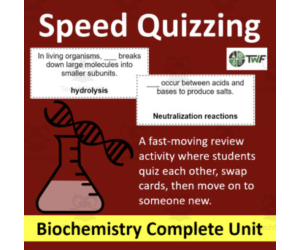
Speed Quizzing – Biochemistry Complete Unit
Science, Chemistry, Grade 7, 8, 9, 10, Lesson Plans, Teacher Tools
Speed Quizzing – Biochemistry Complete Unit is a self-paced activity for high school chemistry students to review biochemistry topics. Students are each given a flashcard with a question covering carbohydrates, lipids, proteins, nucleic acids, or enzymes. They find a partner, ask their question, and provide feedback. After a set time, students switch cards and partners. Alternate groupings ensure students collaborate with all classmates. This engaging 32-question bank strengthens understanding of biochemistry. It prompts peer discussion to remediate weak areas or extend learning after a unit. Use for whole-class review, small groups, or independent practice. Adaptable formatting allows customization for various instructional approaches. Contact the author with implementation ideas or questions.
Author Teach With Fergy
Tags Speed Quizzing, Biochemistry, Carbon Chemistry, Flash Cards, Student Conversation
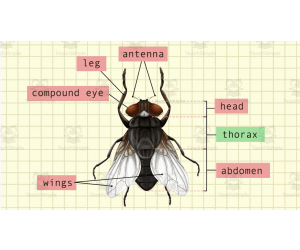
How Insects Move | Animated Insect Video Lesson
Science, Life Sciences, Insects, Grade 3, 4, 5, 6, Lesson Plans, Teacher Tools
This animated science video lesson is all about how insects move. Students will love this engaging and interactive video as they learn more about insects. This video serves as a great introduction or review video for your learners. This is a 14-minute science video lesson.
Author Educational Voice
Tags Insects, Insect Video, Insect Lesson, Science Lesson, Science Video

Bones Are Not Just For The Dog!: A Cross-Curricular Unit on the Human Body
Science, Life Sciences, Human Body, Grade 3, 4, Teacher Tools, Lesson Plans
Bones Are Not Just For The Dog! A Cross-Curricular Unit on the Human Body This compact and informative teaching tool is specifically designed for educators who seek innovative ways to explain anatomy's foundational elements. Designed for third and fourth-grade students, this resource aims to elevate their understanding of human body science concepts. Teaching Methodology This packet infusion acknowledges that learning shouldn't be confined within traditional norms. Therefore, it uses non-fiction articles about bones–detailing their core structure, function and growth requirements. This investigative approach encourages critical thinking skills while fostering an interest in scientific inquiry. Product Breakdown A six-page PDF file with print-ready lesson plans reducing teacher preparation time without compromising quality education. Cross-curricular worksheets integrating learning across different subjects, promoting a wider scope of learning perspective among students. Adaptability & Usage The unit can be used in whole-class lectures or small group activities during class hours for robust contextualization through peer interaction. The user-friendly interface and readability standards are tailored at seventh- and eighth-graders level hence suitable during private study sessions or home-schooling days. Purpose & Impact Bones Are Not Just For The Dog! genuinely nurtures curiosity-filled understanding around our bodies beyond classroom boundaries —an essential resource every educator needs in empowering tomorrow's scientifically-literate society leaders.
Author Classroom Complete Press
Tags Dog Bones, Human Body, Anatomy, Science Worksheet, Cross-curricular Unit

I WONDER - What Food Are Carbohydrates | Animated Video Lesson
Human Body, Life Sciences, Science, Biology, STEM, Grade 1, 2, 3, 4, 5, 6, 7, 8, Lesson Plans, Teacher Tools
Video Overview The human body is full of fascinating wonders to learn. This video is created to help the students recognize the anatomy and the job of the human body. I WONDER - What Food Are Carbohydrates | Animated Video Lesson Every part and organ in our human body is vital so let's see how important they are. Have you ever imagined how we look like if we didn't have a skeleton? Did you know that because we have our amazing muscles we can stand! Do you know how many teeth do we have? Have you ever wondered about the food journey inside our body? Can you name all the glands in our body? Why do we have skin? Our nervous system is really good at sending signals. Can you tell us more about it? Are you really good at Mathematics, painting, or any other thing? You should really thank your brain about it! The famous five senses are really doing a great work? Can you explain how every sense works? I WONDER - What Food Are Carbohydrates | Animated Video Lesson The video is perfect for encouraging the researching skills for the students, while learning more about our fantastic human body. I WONDER - What Food Are Carbohydrates | Animated Video Lesson This friendly designed video is suitable for students at school, homeschooling, and as a group activity. Format Available in MP4 format.
Author Educational Voice
Tags What Food Are Carbohydrates, What Food Are Carbohydrates Video, Carbohydrates, Carbohydrate, Carbohydrates Facts, Carbohydrates Facts For Kids, Carbohydrates Video, Carbohydrates Video For Kids