



3,904 products added recently
Page 80 - Science Lesson Plan Template
Enhance your science instruction with a flexible lesson plan template designed for educators. This tool helps you structure objectives, materials, procedures, and assessments efficiently. Use it to create organized and impactful science lessons that cater to your students' needs.

 Show filters


Droughts Reading Comprehension Passage - Cored Ed Encyclopedia
ELA, Reading Comprehension, Reading, Science, Technology, Social Studies, History, Earth and Environmental Sciences, Life Sciences, Geography, Grade 2, 3, 4, 5, Worksheets & Printables, Worksheets, Teacher Tools, Centers, Activities, Writing Prompts, Assessments, Quizzes and Tests, Quizzes, Lesson Plans
This droughts reading comprehension with lesson plan includes: Visualization (on the front cover) Start your lesson by taking a minute to think and share something about the topic. Read the script aloud (slowly), perhaps prepare some music or sound effects. Student close their eyes and let their imaginations wander. Students open their eyes, read the question aloud and give them a few minutes to complete. Ask a few students to share or keep answers until the end to compare with what they learn in the passage. Quick pause—thousands of Cored Education products are included with your TeachSimple membership. Download links and encyclopedia index available here. Pre-Reading Trivia Students will write down one thing they already know about the subject and then read five more facts and discuss. These facts are fun, and the students will enjoy learning about the subject before reading more. Give 1 minute for students to write what they already know (no pressure—best guess is fine). Read the five facts together. After each fact, do ask a student for their opinion, was it surprising? Set a purpose by asking students to highlight/underline one fact they want to learn more about during the reading. Reading Passage The text is a high-interest reading passage with set paragraphs, roughly three to four paragraphs long. It contains a variety of themes about the topic, anywhere from history to technology. The passage is between 250 and 350 words in length. First, ask students to look at the headings and see what they’ll learn about today. What do they know about the topic/heading? First read options: Teacher read-aloud (best for support). Partner reading (paragraph by paragraph). While reading, students underline important details, and vocabulary words they think may come up in the questions section. Mixed Questions The first question page contains four multiple-choice questions, each with a choice of four answers, and three written response questions that require a sentence or two from the student. Students complete the mcqs first independently, then review quickly as a class. For the 3 written responses, try to get students giving the answer with some form of evidence: “I think ___ because the text says ___.” If students get stuck, send them back to check the passage. Vocabulary Questions Practice seven key words from the text in this section across two activities. First section is scrambled words where students will unscramble three words given a clue for each. The second section is a word to meaning matching activity. Before starting, have some students read out words they underlined in the passage. Ask students to say the word and read aloud the sentence(s) around each word. Ask students to do scrambled words and the matching exercise in pairs then go through answers as a class. For the scrambled spelling task, get four pairs to come up to the board and write the words for extra practice with the other student reading out the clue. For the matching task, prompt students to give full sentences: “I matched ___ with ___ because ___.” Creative Writing In this question, the student will be required to write a five to eight sentence paragraph on a question related to the topic. Before starting, ask students write down 3 key ideas they are going to include in their piece. Ask students for ideas to share around the class to help those struggling. Pro writing expectations: 5–8 sentences At least 2 facts or details from the passage At least 2 vocabulary words from the previous page Students read their paragraphs while classmates listen for facts and vocabulary words. Extension Activities This page is optional for fast finishers or to take home. There are several activities, each one requiring a different skill. Do some, do none, do all, completely optional - but you will feel reassured knowing every possibility is planned for. Includes summary writting question and additional facts. Answer Key There are answers for the multiple-choice questions, written response questions have sample answers, vocabulary answers and if there is a summary question then a sample summary will be provided as well. Lesson Plan Included Customized lesson plan for this lesson is included. Lesson Snapshot Title: Droughts Genre: Nonfiction (informational text with headings) Subject: Earth Science / Life Science / Reading (Informational Text) Primary Topic: What drought is, types, effects, and tracking Estimated Guided Reading Level (A–Z): Q What This Lesson Teaches Best Defines drought as a stretch of time when a region is drier than normal and can last from days to years. Explains types of drought (meteorological vs. hydrological) and describes what changes in streams, reservoirs, and groundwater. Uses concrete signs/evidence of drought (no puddles, dull grass, cracked ground, animals traveling farther, rivers showing more rocks). Connects history to learning: the Dust Bowl in the 1930s and how it led to soil-saving methods and drought indices. Introduces modern monitoring and responses (rain gauges, river sensors, satellites; fixing leaks, reusing water, collecting rain). Learning Goals Students will define drought using the book’s description and time frames. Students will identify signs of drought described in the passage (e.g., puddles, grass, cracked ground, rivers). Students will explain the difference between meteorological drought and hydrological drought using text evidence. Students will describe what happened during the Dust Bowl and why it mattered for tracking dryness. Students will describe ways droughts are monitored today and one way communities can respond. Key Vocabulary From the Text meteorological — related to weather and rainfall or snow. hydrological — related to water in rivers, reservoirs, and underground. groundwater — water stored under the ground. indices — numbers used to compare and track dryness. evapotranspiration — water moving from land and plants into air. FULL CATALOG OF DOWNLOAD LINKS AND ENCYCLOPEDIA INDEX HERE
Author Cored Education
Rating
Tags Vocabulary, Reading Comprehension, Reading Passages, Lesson Plans, Ela Lesson Plans, Reading Comprehension Lesson Plans, Pre-reading, Science Lesson Plans, Geography, Earth Science
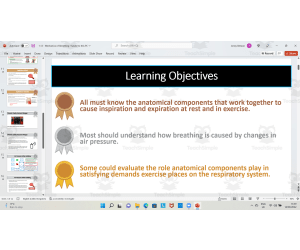
Mechanics of Breathing (Pulmonary Ventilation)
Science, Life Sciences, Human Body, Grade 9, 10, 11, Teacher Tools, Lesson Plans
The Mechanics of Breathing (Pulmonary Ventilation) Teaching Resource The Mechanics of Breathing resource is aimed at science instructors, particularly those teaching grades 9 through 11. It also suits homeschoolers perfectly. This invaluable tool focuses on the human body and its functions, providing a comprehensive overview of the physiological processes involved in pulmonary ventilation. Understanding Pulmonary Ventilation This lesson plan delves deeply into how air is drawn into and expelled from our lungs, simplifying complex scientific concepts for easy understanding. It highlights respirator muscles role initiate inhalation (inspiration) and exhalation (expiration), with elaborate explanation on both components not only at rest but during exercise as well. A distinctive feature of this teaching tool is its structure towards learning objectives as follows: All students must understand how anatomical elements operate synergistically to enable respiration. Most students should comprehend how changes in air pressure facilitate breathing. A few could evaluate how these anatomical aspects accommodate increased demands during physical exercise. Educational Application Features This educational resource comes as a Microsoft PowerPoint file type composed of twenty-four visually engaging slides that promote interactive learning ideal for whole-group instruction or smaller group activities sessions if you opt to chunk down your class for more concentrated experience or better comprehension. List Of Features: Tailored to science instructors specifically teaching grades 9-11 and homeschoolers Detailed overview of physiological processes related to pulmonary ventilation Covers intricate mechanisms behind air being drawn into our lungs Segmented learning objectives Interactive session with 24 visually engaging slides Educators can use this resource as a homework assignment, due to its stimulating graphical representation combining vital information that promotes self-paced learning. Potential Impact: The Mechanics of Breathing does not only emerge as an ordinary classroom material. Its comprehensive coverage of intricate physiological processes linked with pulmonary ventilation in the human biology studies marks it as an essential stepping stone that guides students towards understanding more advanced topics within a science education context.
Author The PE Tutor
Tags Pulmonary Ventilation, Respiratory Muscles, Inhalation, Exhalation, Interactive Learning, What Is The Mechanics Of Breathing

I WONDER - How Big Are Viruses | Animated Video Lesson
Human Body, Life Sciences, Science, Biology, STEM, Grade 3, 4, 5, 6, 7, 8, 9, Lesson Plans, Teacher Tools
Video Overview The human body is full of fascinating wonders to learn. This video is created to help the students recognize the anatomy and the job of the human body. I WONDER - How Big Are Viruses | Animated Video Lesson Every part and organ in our human body is vital so let's see how important they are. Have you ever imagined how we look like if we didn't have a skeleton? Did you know that because we have our amazing muscles we can stand! Do you know how many teeth do we have? Have you ever wondered about the food journey inside our body? Can you name all the glands in our body? Why do we have skin? Our nervous system is really good at sending signals. Can you tell us more about it? Are you really good at Mathematics, painting, or any other thing? You should really thank your brain about it! The famous five senses are really doing a great work? Can you explain how every sense works? I WONDER - How Big Are Viruses | Animated Video Lesson The video is perfect for encouraging the researching skills for the students, while learning more about our fantastic human body. I WONDER - How Big Are Viruses | Animated Video Lesson This friendly designed video is suitable for students at school, homeschooling, and as a group activity. Format Available in MP4 format.
Author Educational Voice
Tags How Big Are Viruses, How Big Are Viruses Video, Viruses, Virus, Viruses Facts, Viruses Facts For Kids, Viruses Video, Viruses Video For Kids, Human Body Facts, Human Body Facts For Kids
Global Warming: Reduction - Digital Lesson Plan Gr. 5-8 | PC Software
Science, Earth and Environmental Sciences, Environmental Science, Grade 3, 4, 5, 6, 7, 8, Teacher Tools, Lesson Plans
Global Warming: Reduction - Digital Lesson Plan Gr. 5-8 | PC Software This advanced teaching software is designed to enrich learning for Grade 3 to Grade 8 students, predominantly in Science and Environmental Science subjects. Our unique offering includes an interactive digital lesson plan spread across 80 screen-pages, with the following features: Fascinating content combined with reading passages. A repertoire of pre-and post-reading interactive activities. Inclusion of test preparation tools, crossword puzzles, and word searches. Terrific supplementary videos and audio clips nested within the lesson plan itself. This holistic approach ensures an enriched learning environment that actively involves students in acquiring lessons on complex topics such as global warming. The resource emphasizes both perspectives of global warming—its impactful consequences as well as skepticism around it. The software specially delves into proposing innovative measures towards reducing harmful emissions while simultaneously minimizing expenses: New-age transportation solutions which are more sustainable. We shine a light on alternative energy sources: Innovative power solutions beyond conventional methods, Practices related to sustainable urbanization are also explored: Eco-balanced construction strategies aimed at enhancing energy efficiency. Acknowledging successful 'Green Buildings' initiatives leading into renewable energy utilization practices. Success stories illustrating countries' efforts towards reduced carbon management - staying in sync with State Standards and Bloom’s Taxonomy aiding curriculum links effectively promoting all-round academic progress focusing on creating environmentally responsible citizens! Your safe download is guaranteed through our secured zipped file which is compatible solely for PC users. This easy-to-access educational tool can be readily adapted for use in a variety of teaching-learning environments, including whole group instruction, small group engagements, individual learning or homework assignments. Transform the future now! Make teaching fun and interactive.
Author Classroom Complete Press
Tags Environment Lesson Plan, Environment Passage, Global Warming Activity, Reduction Lesson Plan, Science Lesson
Elephants: Asian or African?: A Cross-Curricular Unit
Science, Life Sciences, Animals, Grade 3, 4, Teacher Tools, Lesson Plans
Elephants: Asian or African?: A Cross-Curricular Unit A comprehensive educational resource designed to educate Grade 3 and Grade 4 students about the unique characteristics, homes, and life cycles of Asian and African elephants. This package provides a captivating, science-based lesson that seamlessly integrates with zoology curriculum standards. Main Component of this Unit The centerpiece of this kit is an enlightening nonfiction article that delves into the majestic world of these enduring animals. Highlighting major differences between Asian and African elephants, this fact-filled content is ideal for reading comprehension activities while fostering an innate curiosity about animal species in young learners. Cross-curricular Activities Included: Reinforce understanding while challenging the students' critical thinking abilities. Suitable for implementation for whole group instruction or can be tailored to smaller learning sessions. Beneficial tool for homeschoolers either as direct teaching aids or enriching homework assignments. Note:This unit is available in PDF format making it easy for teachers to print materials as necessary – whether it's a single sheet at a time for personal instruction use or multiple copies for class distribution. Dedicated to delivering high standard academics, this resource optimally utilizes its potential by making learning about Zoology not only provoking but also delightful – presenting the intriguing world of these distinct elephant species directly into classroom settings. A recap:Inspire your learners’ curiosity about nature’s behemoths - Asian and African elephants - using an integrated approach provided through Elephants: Asian or African? : A Cross-Curricular Unit! Make your zoology lessons more vivid with real-world relevance that enhances student engagement today!
Author Classroom Complete Press
Tags PDF
Anaconda Facts | Interactive Science Lesson | Micro-Learning Deck
Science, Life Sciences, Animals, Grade 4, 5, 6, 7, Teacher Tools, Lesson Plans
Engage your students with this informative science lesson on anaconda facts. This digital slide deck can be used in whole or small groups to reinforce key concepts. An opening video introduces the topic and grabs attention. Students then read a passage with audio support to build comprehension of anaconda traits and habitats. A close reading activity and quick write prompt allow teachers to check for understanding and give students a chance to summarize learnings. With a mix of informal assessments , this versatile 150-slide PowerPoint keeps learners focused while covering anaconda diet, size, habitat, reproduction, and more. Use it to supplement any life science or zoology unit in grades 4-7. The multi-modal design works for visual, auditory, and kinetic learners alike.
Author Teach Me This
Tags Anaconda Facts, Interactive Science, Learning Deck, Anaconda Habitats, Adaptations
I WONDER - How Do Koalas Manage To Sit All Day | Animated Video Lesson
STEM, Animals, Life Sciences, Science, Biology, Grade 1, 2, 3, 4, 5, 6, 7, 8, Lesson Plans, Teacher Tools
Video Introduction Animal kingdoms are full of fascinating wonders to learn. This video is designed for the students to learn more about animals in different countries. I WONDER - How Do Koalas Manage To Sit All Day | Animated Video Lesson Do you like animals? what is your favorite one? Do you own a pet? If yes, tell us more about it, like what its name? And what do you like most about it? What are the animal kingdoms? Can you write down the characteristics of each animal class like mammals, birds, reptiles, amphibian, fish and mollusks. Do you know that some animals can sing, can you name any of them? What is the largest and the smallest mammal in the world? What is the largest and the smallest bird in the world? What is the largest and the smallest fish in the world? I WONDER - How Do Koalas Manage To Sit All Day | Animated Video Lesson The video is perfect for encouraging the researching skills for the students, while learning more about these fantastic animals. I WONDER - How Do Koalas Manage To Sit All Day | Animated Video Lesson This friendly designed video is suitable for students at school, homeschooling, and as a group activity. Format Available in MP4 format.
Author Educational Voice
Tags How Do Koalas Manage To Sit All Day, How Do Koalas Manage To Sit All Day Video, Koalas, Koala, Koalas Facts, Koalas Facts For Kids, Koalas Video, Koalas Video For Kids, Koala Video, Koala Facts
Reducing Your School's Carbon Footprint: Cars, Buses, Bicycles, and Feet Gr. 5-8
Science, Earth and Environmental Sciences, Environmental Science, Grade 5, 6, 7, 8, Teacher Tools, Lesson Plans
Reducing Your School's Carbon Footprint: Cars, Buses, Bicycles, and Feet Gr. 5-8 A unique digital teaching resource for science educators teaching grades 5 to 8. This tool focuses on environmental science and sustainability in promoting awareness about the school's carbon footprint. Features: 30 interactive, ready-to-print pages aimed at informing and motivating students Promotes a sense of responsibility towards the environment among learners Guides students to investigate types of fossil fuels used in schools Fosters collaboration towards reducing energy consumption Covering product life cycle implications on greenhouse gas emissions An introduction to carbon offsetting as an emission reduction strategy Demonstration of how planting trees can help absorb carbon dioxide . This package encourages hands-on learning experiences that allow students autonomy in reducing their school's ecological impact. For examples: The establishment of idle-free zones on school premises. cycle implications on greenhouse gas emissions encapsulate this PDF resource. The role trees play in absorbing CO2 Several practical exercises have been infused into this package including crossword puzzles and word searches . In compliance with Bloom's Taxonomy methodology and STEAM (Science Technology Engineering Art Mathematics) principles for holistic education aims at fostering well-rounded individuals who think critically about our planet’s health. As such resources like 'graphic organizers', calculations exercises revolving around carbon footprints are blended into lesson plans judiciously — contributing extra layers of depth while maintaining engagement levels throughout study sessions. Suitable For: This resource is instrumental for teachers offering comprehensive instructions within classroom settings or homeschooling environments alike. In conclusion, this valuable tool seeks to provide an enjoyable yet informative approach to educating young minds on reducing their school's carbon footprint — thus equipping them with the skills needed for a sustainable future.
Author Classroom Complete Press
Tags Travel, Transportation, Environmental, Science, Carbon Footprint
Fish | Interactive Science Lesson | Micro-Learning Deck
Science, Life Sciences, Animals, Grade 6, 7, 8, 9, Teacher Tools, Lesson Plans
Fish - Interactive Science Lesson | Micro-Learning Deck This digital slideshow resource teaches middle school students about fish through multiple modes of instruction. Students first watch an informational video introducing key concepts about fish anatomy, habitats, adaptations, and lifecycles. Next, students read or listen to a passage elaborating on these concepts while building literacy skills. Finally, students analyze the passage, write responses, and receive individualized practice on the content through interactive slides. Educators can implement this versatile resource in whole group instruction, small group stations, independent work, or homework. The variety of informal assessments keeps learners engaged while allowing teachers to gauge understanding. This multimedia lesson deck seamlessly combines science content with literacy skill-building for a comprehensive fish unit.
Author Teach Me This
Tags Fish, Cold-blooded Animals, Word Definitions, Interactive Science, Summarizing

I WONDER - Why Are Hamsters Lazy | Animated Video Lesson
STEM, Biology, Life Sciences, Science, Animals, Grade 1, 2, 3, 4, 5, 6, 7, 8, Lesson Plans, Teacher Tools
Video Introduction Animal kingdoms are full of fascinating wonders to learn. This video is designed for the students to learn more about animals in different countries. I WONDER - Why Are Hamsters Lazy | Animated Video Lesson Do you like animals? what is your favorite one? Do you own a pet? If yes, tell us more about it, like what its name? And what do you like most about it? What are the animal kingdoms? Can you write down the characteristics of each animal class like mammals, birds, reptiles, amphibian, fish and mollusks. Do you know that some animals can sing, can you name any of them? What is the largest and the smallest mammal in the world? What is the largest and the smallest bird in the world? What is the largest and the smallest fish in the world? I WONDER - Why Are Hamsters Lazy | Animated Video Lesson The video is perfect for encouraging the researching skills for the students, while learning more about these fantastic animals. I WONDER - Why Are Hamsters Lazy | Animated Video Lesson This friendly designed video is suitable for students at school, homeschooling, and as a group activity. Format Available in MP4 format.
Author Educational Voice
Tags Why Are Hamsters Lazy, Why Are Hamsters Lazy Video, Hamsters, Hamster, Hamsters Facts, Hamsters Facts For Kids, Hamsters Video, Hamsters Video For Kids, Hamster Facts, Hamster Facts For Kids
I WONDER - Were There Other Dinosaurs Like The Ankylosaurus
History: Ancient, History, Social Studies, History: World, Animals, Life Sciences, Science, Grade 4, 5, 6, 7, 8, 9, 10, Lesson Plans, Teacher Tools
Video Introduction An amazing video designed for the students to learn more about dinosaurs in different countries. I WONDER - Were There Other Dinosaurs Like The Ankylosaurus | Animated Video Lesson Do you like dinosaurs? what is your favorite one? Do you own a pet? If yes, tell us more about it, like what its name? And what do you like most about it? Do you think that your pet has been evolved from a dinosaur? Can you write down the characteristics of your favourite dinosaur like it's shape, their rivals, where did it use to live and what was their favourite food? What is the largest and the smallest dinosaur that ever found? Why is the T-rex is so famous? Have you ever read any interesting facts about it? Can you name any of the carnivores or herbivores dinosaurs? I WONDER - Were There Other Dinosaurs Like The Ankylosaurus | Animated Video Lesson The video is perfect for encouraging the researching skills for the students, while learning more about dinosaurs. I WONDER - Were There Other Dinosaurs Like The Ankylosaurus | Animated Video Lesson This friendly designed video is suitable for students at school, homeschooling, and as a group activity. Format Available in MP4 format.
Author Educational Voice
Rating
Tags Were There Other Dinosaurs Like The Ankylosaurus, Were There Other Dinosaurs Like The Ankylosaurus Video, Ankylosaurus, Ankylosaurus Facts, Ankylosaurus Video, Ankylosaurus Facts For Kids, Ankylosaurus Video For Kids
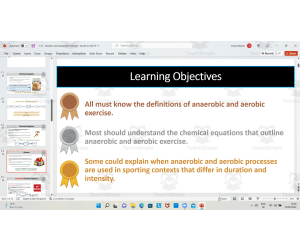
Aerobic and Anaerobic Energy Systems
Science, Life Sciences, Human Body, Grade 8, 9, 10, 11, Teacher Tools, Lesson Plans
The Aerobic and Anaerobic Energy Systems: A Comprehensive Teaching Resource Taking teaching to another level, the Aerobic and Anaerobic Energy Systems is a detailed educational resource that explores the complex but fascinating realm of energy systems in our bodies. This PowerPoint Lesson Presentation is crafted to thoroughly review both aerobic and anaerobic energy systems, immersing learners in integral concepts related to these biological marvels. Detailed and Dynamic Education Tool The platform contains 32 comprehensive slides. It commences with basic definitions for aerobic and anaerobic exercise, establishing a potent foundation from the start. This dynamic tool further broadens upon this base knowledge by excavating deeper into essential facets such as their fuel sources, byproducts, overall energy yield. Notably provided are supporting chemical equations that visually manifest how these reactions transpire on a molecular scale. Real-World Applicability An important feature is its dedication toward real-world application. The System offers valuable insights on when either process dominates during varying sporting events based on factors like duration and intensity; ensuring everyone comprehends basic terms while also understanding how they function chemically whilst being able to apply this awareness within different athletic situations. Learner-Centric Approach This teaching source proficiently caters all educators regardless of your preferred setting - whether you're conducting sessions with larger classroom groups or smaller study circles or even if you'd like your learners to delve deeper into human biology from home. Suitable for Middle Schoolers&High schoolers: Perfectly fit for Grades between 8-11 without overwhelming any learner. All Platforms Compatibility: It's a Microsoft PowerPoint -based resource ensuring easy usage across multiple devices, irrespective of traditional or virtual classrooms. In essence, the Aerobic and Anaerobic Energy Systems is an all-inclusive, user-friendly teaching aid – a seamless union of expertly curated data with practical applications that will without question enhance students' interest and understanding regarding the topic.
Author The PE Tutor
Tags Teaching, Energy Systems, Aerobic Exercise, Anaerobic Exercise, Human Biology

Lesson 9.2 - Current Electricity
Science, Physics, Grade 6, 7, 8, 9, 10, 11, 12, Lesson Plans, Teacher Tools
Lesson 9.2 - Current Electricity A comprehensive teaching resource designed to help educators navigate the complex topics of electricity and magnetism. This unit contains various interactive activities, notes, practices and tests that make learning both interesting and insightful. Staring Point: Embark on the journey into electricity with 'Static Electricity Notes (9.1)' which define static electricity, explains how it builds up and gets discharged, along with its role in everyday life. Engage: 'Static Electricity Simulations (9.1)' are perfect tools for concrete comprehension of abstract concepts through visualization. Lecture Mode: The outlined Powerpoint notes prepare you to deliver in a structured manner before the class ensuring smooth knowledge dissipation. Dive Deeper: Advance further into sub-topics like 'Current Electricity (9.2)', where 'Ohm's Law Practice' becomes invaluable & students calculate voltage, current resistance under guidance or during independent practice at home. Alongside is available an intuitive Current Electricity Simulation providing hands-on insight as circuits come alive on screen! Magnetic World: The study of Magnetism (9.3) covers magnets' basic concept with detailed study sheets followed by internet-based research within Magnetism Research Versatility This product is accommodative for different learners' needs suitable for regular classroom or provision for accommodations supplementing small group instructions & homework assignments equally well. Including Comprehensive review: Last but not the least included are comprehensive Unit test papers having true/false type questions based on meticulous chapter-wise segregation preparing optimally per Indiana State Standards 2016. Who Is This For? Ideal for students from grades - 6, 7, 8, to even up till the 12th or even homeschooled students who desire a fun-filled approach in studying science.
Author Integrated Chemistry and Physics
Tags Electricity, Magnetism, Static Electricity, Current Electricity, Ohm's Law

Animal Science Unit | All About Dolphins | Learning about Animals
Science, Life Sciences, Animals, Kindergarten, Preschool, Grade 1, 2, Lesson Plans, Teacher Tools
Animal Science Unit | All About Dolphins Dive into learning all about dolphins with this engaging animal science unit! Educators will discover a treasure trove of dolphin-themed activities, including real photos, nonfiction reading passages, arts and crafts , worksheets, and writing projects for customizing lessons. Differentiation ensures relevance for students preK-2nd grade. Highlights include dolphin life cycle and habitat posters, fact cards, vocabulary words, a map showing native areas, comprehension questions, and memory games reviewing physical traits and behaviors. Young marine biologists will be fascinated investigating these intelligent and playful mammals. Implementation ideas for whole group, small group, or independent work provide flexibility. Engage students' natural curiosity about the animal world with this thorough and thoughtfully-designed dolphin unit.
Author Simply Schoolgirl
Tags Zoology, Marine Mammal, Marine Mammals, Ocean Animals, Dolphin Crafts, Dolphin Lesson Plans, Dolphin Worksheets, Dolphin Book, Dolphin Printables

Insects are Important | Animated Insect Video Lesson
Science, Life Sciences, Insects, Grade 3, 4, 5, 6, Lesson Plans, Teacher Tools
Insects are Important | Animated Insect Video Lesson Insects are Important | Animated Insect Video Lesson is an educational resource that aims to captivate learners with the intriguing world of insects. Offered as a single MP4 file, the product provides an 11-minute animated lesson suitable for students from grade 3 to grade 6. This resource, tailor-made for science classes, revolves around insects. The enticing animation and vibrant sound effect keeps young learners engrossed throughout the video lesson. The content stretches out beyond mere presentation of facts about insects, stimulating students' thought process on why insects hold significance. The video lesson flows at a comfortable pace and encourages interactive learning. This makes it ideal for group activities carried out in classrooms where learning transforms into a fun-filled collective journey while individual curiosity is also fostered effectively. Great for classroom activity – group or individuals Suitable for homeschooling environments Adaptable for self-study assignments at home The animation brilliantly conveys the importance of insects from varied viewpoints — such as ecology, environmental balance, human survival — thereby triggering learners' critical thinking skills. Displaying various types of insects via striking graphics ignites engaging discussions around their exclusiveness and variety amongst students. In essence, Insects are Important | Animated Insect Video Lesson doesn't just impress facts onto children’s minds but cultivates their interest in nature exploration while bolstering independent thinking - objectives modern educators aim to instill in their pupils. Note: Enhances your entomology class! This enriching educational tool can prove to be beneficial in any teaching scenario looking forward to augment scientific literacy among young souls with focus on entomology—the study of bugs! In under 15 minutes, it delivers a wealth of knowledge, thus saving time and guaranteeing optimized learning outcomes. Add Insects are Important | Animated Insect Video Lesson to Your Teaching Resources Liven up your science sessions with this fascinating teaching tool—it is bound to make educating about the wonders of our world a delightful task.
Author Educational Voice
Tags Insects, Animated Video, Science Lesson, Ecological Importance, Entomology
I WONDER - How Many Blood Vessels Are In Brain | Animated Video
Biology, Life Sciences, Science, Human Body, Grade 3, 4, 5, 6, 7, 8, 9, Lesson Plans, Teacher Tools
Video Overview The human body is full of fascinating wonders to learn. This video is created to help the students recognize the anatomy and the job of the human body. I WONDER - How Many Blood Vessels Are In Brain | Animated Video Lesson Every part and organ in our human body is vital so let's see how important they are. Have you ever imagined how we look like if we didn't have a skeleton? Did you know that because we have our amazing muscles we can stand! Do you know how many teeth do we have? Have you ever wondered about the food journey inside our body? Can you name all the glands in our body? Why do we have skin? Our nervous system is really good at sending signals. Can you tell us more about it? Are you really good at Mathematics, painting, or any other thing? You should really thank your brain about it! The famous five senses are really doing a great work? Can you explain how every sense works? I WONDER - How Many Blood Vessels Are In Brain | Animated Video Lesson The video is perfect for encouraging the researching skills for the students, while learning more about our fantastic human body. I WONDER - How Many Blood Vessels Are In Brain | Animated Video Lesson This friendly designed video is suitable for students at school, homeschooling, and as a group activity. Format Available in MP4 format.
Author Educational Voice
Rating
Tags How Many Blood Vessels Are In Brain, Blood Vessels, Blood Vessels Facts, Blood Vessels Video, Blood Vessels Facts For Kids, Blood Vessels Video For Kids, Brain, Brain Facts, Brain Video

Properties of Matter: Three States of Matter Gr. 5-8
Science, Physics, Grade 5, 6, 7, 8, Teacher Tools, Lesson Plans
Properties of Matter: Three States of Matter Gr. 5-8 This comprehensive teaching resource is designed for students in grades 5 to 8. It focuses on introducing the theme of matter, aiding better comprehension of mixtures, solutions, and many more concepts linked to physical and chemical alterations in matter. Aligned with State Standards The learning material follows state standards closely. It clears up what matter is - or isn't - using a direct language that's tailored to suit students who might struggle with the subject. Promoting Easier Understanding Fostering interactive learning is integral to this educational tool. It simplifies these complex principles into simpler notions so that learning becomes easier. A Dynamic Approach to Learning Includes experiments suitable for intermediate school students, Features informative reading passages, Presents engaging activities which revolve around different properties related to matter, Vibrantly illustrated mini posters act as effective classroom visual aids promoting quick recall among learners over time. An Answer Key For Test Preparations:> A provided answer key ensures both educators and learners have access necessary tools needed throughout their instructional sessions -- whether they're group sessions or one-on-one tutorials! The flexibility it offers within different teaching clusters makes it an ideal choice for anyone hoping either a standalone study schedule or supplementary homework exercises. It carefully aligns with Bloom's Taxonomy and STEM initiatives, providing you everything required towards efficacious education.
Author Classroom Complete Press
Tags PDF, States Of Matter Lesson Plan Pdf

I WONDER - What Is A Chemical Reaction | Animated Video Lesson
Chemistry, Science, STEM, Grade 6, 7, 8, 9, 10, 11, 12, Lesson Plans, Teacher Tools
Video Introduction An amazing video designed for the students to learn more about STEM. I WONDER - What Is A Chemical Reaction | Animated Video Lesson Do you like STEM subjects? what is your favorite one? Have you ever tried to plant a seed? If yes, tell us more about it. Or have you ever tried to invent something? If yes, tell us more about it. And how do you think it will help us? Have you ever seen a microorganism under a microscope? What was it? And how it looked like? Mathematics is a marvelous subject. Let' sharpen our brains and solve some equations. Do you like timetable tricks? What is your favorite one? Do you know how to code? Have you ever created an app or a game before? If yes, how was it like? I WONDER - What Is A Chemical Reaction | Animated Video Lesson The video is perfect for encouraging the researching skills for the students, while learning more about this fantastic topic. I WONDER - What Is A Chemical Reaction | Animated Video Lesson This friendly designed video is suitable for students at school, homeschooling, and as a group activity. Format Available in MP4 format.
Author Educational Voice
Tags What Is A Chemical Reaction, What Is A Chemical Reaction Video, Chemical Reaction, Chemical Reaction Facts, Chemical Reaction Facts For Kids, Chemical Reaction Video, Chemical Reaction Video For Kids

Lesson 8.3 - Chemical Reactions
Science, Chemistry, Grade 6, 7, 8, 9, 10, 11, 12, Lesson Plans, Teacher Tools
Lesson 8.3 - Chemical Reactions This package is designed to enhance the teaching and understanding of four major chemical reactions— synthesis, decomposition, single replacement, and double replacement. This educational resource is vital for public school educators and homeschoolers teaching Science focusing on Chemistry from Grade 6 through Grade 12. Inclusions in the Package: Fully-loaded Notes: Two versions of worksheets (A & B) are provided. Version 'A' has blanks to promote active learning while 'B' version has filled-out data for those who may be absent or require assistance. Practice Sheet: : Also available in two different versions ('A' & 'B'), helping students apply their knowledge by identifying types of chemical reactions through illustrations and equations. Including a ppt on Objectives & Starter Questions, it presents primary learning goals this lesson targets with sample introductory questions promoting class discussions or homework assignment. Absolute Standards Adherence: : The product strictly adheres to the 2016 Indiana State Standards for Integrated Chemistry & Physics relating specifically to particle diagrams representation, mathematical expression of chemical changes along with differentiation between synthesis, decomposition combustion single replacement double reactions. Editability & File Formats: All materials related to Lesson 8.3 - Chemical Reactions come as .docx files (Word documents) or .pptx files (PowerPoint presentations). Both these file types are editable ensuring flexibility according based your specific needs requirements . You also have access PDF versions documents preserve original formatting if printing distribution becomes necessary. Suggestions: Love teaching science? Consider purchasing the entire Unit 8 bundle which includes all three lessons, a binder divider, test, and quiz. It's comprehensive and cost-effective for your chemistry students. Acknowledgement: Your tool is only as good as you make it! So dive in, take advantage of this educational resource and make chemistry come alive in your classroom!
Author Integrated Chemistry and Physics
Tags Chemical Reactions, Synthesis, Decomposition, Single Replacement, Double Replacement

I WONDER - What Are Biofuels Made Of | Animated Video Lesson
Earth Sciences, Earth and Environmental Sciences, Science, Environmental Science, Grade 4, 5, 6, 7, 8, 9, Lesson Plans, Teacher Tools
Video Introduction An amazing video designed for the students to learn more about STEM. I WONDER - What Are Biofuels Made Of | Animated Video Lesson Do you like STEM subjects? what is your favorite one? Have you ever tried to plant a seed? If yes, tell us more about it. Or have you ever tried to invent something? If yes, tell us more about it. And how do you think it will help us? Have you ever seen a microorganism under a microscope? What was it? And how it looked like? Mathematics is a marvelous subject. Let' sharpen our brains and solve some equations. Do you like timetable tricks? What is your favorite one? Do you know how to code? Have you ever created an app or a game before? If yes, how was it like? I WONDER - What Are Biofuels Made Of | Animated Video Lesson The video is perfect for encouraging the researching skills for the students, while learning more about this fantastic topic. I WONDER - What Are Biofuels Made Of | Animated Video Lesson This friendly designed video is suitable for students at school, homeschooling, and as a group activity. Format Available in MP4 format.
Author Educational Voice
Tags What Are Biofuels Made Of, What Are Biofuels Made Of Video, Biofuels, Biofuel, Biofuels Facts, Biofuels Facts For Kids, Biofuels Video, Biofuels Video For Kids, Environment, Environment Video For Kids

Proteins and Nucleic Acids - Senior High School Biology lesson
Science, Life Sciences, Biology, Grade 11, 12, Teacher Tools, Lesson Plans
Proteins and Nucleic Acids - Senior High School Biology lesson The lesson covers the following topics; Function of Proteins, Amino Acids Structure, Essential Amino Acids, Polypeptides, Protein structure, Denaturing Proteins, DNA vs RNA, DNA structure, Nitrogenous bases, Phosphate groups. Your lesson includes the teacher and student version of the presentation, three embedded videos, an auto-graded exit ticket, and a student lesson handout so the students can record the notes on a more condensed medium. The lesson is entertaining, engaging, and classroom-tested. This lesson is designed to be your go-to resource, whether you're in a traditional classroom or a virtual one. With both a teacher version and a student version, it seamlessly fits into your lesson plans, making learning engaging and adaptable. Assessment made easy We've included an auto-graded Exit Ticket and a quiz with an answer key – because who doesn't love saving time on grading? Whether you're a PowerPoint pro or a Google Slides user, prefer Word or Google Docs – we've got you covered. This lesson comes in both Office and Google formats for your convenience. The student version of the presentation has strategically placed blanks for them to fill in as you're teaching. It keeps them active and engaged, encourages discussion, and leaves more time for those "aha" moments.
Author Teach With Fergy
Tags Biochemistry, Senior Biology Lesson, Biology Lesson, Senior Biology, Proteins, Amino Acids, Polypeptides, Protein Structure, DNA, RNA

Whales Gr. 2-3
Science, Life Sciences, Animals, Grade 2, 3, Teacher Tools, Lesson Plans
Whales Gr. 2-3 An insightful resource for educators, Whales Gr. 2-3, offers a fascinating glimpse into the world of these magnificent marine mammals and their significant role in Earth's ecosystem. This teaching resource is designed to optimize learning for students in Grades 2 and 3 studying zoology within the field of science. Whales Gr. 2-3 is not an ordinary teaching guide – it's an experience that brings together classrooms with nature by exploring thought-provoking subjects such as: whale extinction, Inuit culture and whales, Distribution of whales across Canada, The unique methods of whale communication amongst other engaging themes. We have infused the material with learning activities that encourage students' exploration while providing appropriate visuals to aid understanding. It becomes a comprehensive tool for teaching or augmenting lessons on marine life, specifically related to whales. The package dives into explicit details like: dietary preferences, mammalian features that make them unique among sea creatures. Coverage includes: Societal patterns (whale families & social groups) Potential threats (whale hunting) Using this curriculum based upon your needs - during whole class lessons or smaller group settings - ensures flexibility. The guide also comprises hands-on exercises such as word searches along with creative tasks like themed bookmaking projects. Designed as a .PDF format file for easy access across diverse educational environments including traditional schools and homeschooling setups. The product includes student sections containing reading passages expanding upon each topic which can be utilized effectively during lessons. Finally, a significant feature is the integration of a big book to enhance reading comprehension skills, making Whales Gr.2-3 an indispensable teaching material for any educator passionate about inspiring curiosity about the natural world among their students.
Author Classroom Complete Press
Tags PDF
I WONDER - Where Can I Find Insulators And Conductors | Animated Video
Physics, Science, Chemistry, Basic Science, Grade 4, 5, 6, 7, 8, 9, 10, Lesson Plans, Teacher Tools
Video Introduction An amazing activity designed for the students to learn more about STEM. I WONDER - Where Can I Find Insulators And Conductors | Animated Video Lesson Do you like STEM subjects? what is your favorite one? Have you ever tried to plant a seed? If yes, tell us more about it. Or have you ever tried to invent something? If yes, tell us more about it. And how do you think it will help us? Have you ever seen a microorganism under a microscope? What was it? And how it looked like? Mathematics is a marvelous subject. Let' sharpen our brains and solve some equations. Do you like timetable tricks? What is your favorite one? Do you know how to code? Have you ever created an app or a game before? If yes, how was it like? I WONDER - Where Can I Find Insulators And Conductors | Animated Video Lesson The video is perfect for encouraging the researching skills for the students, while learning more about this fantastic topic. I WONDER - Where Can I Find Insulators And Conductors | Animated Video Lesson This friendly designed video is suitable for students at school, homeschooling, and as a group activity. Format Available in MP4 format.
Author Educational Voice
Tags Where Can I Find Insulators And Conductors, Where Can I Find Insulators And Conductors Video, Insulators, Insulators Facts, Insulators Facts For Kids, Insulators Video For Kids, Conductors, Conductors Video For Kids

Speed Quizzing – Molecular Genetics Unit
Science, Life Sciences, Biology, Grade 8, 9, 10, Lesson Plans, Teacher Tools
Speed Quizzing - Molecular Genetics Unit: An Interactive Teaching Resource This interactive teaching tool breaks away from the traditional methods of learning. Instead, it reenergizes classrooms and homeschooling settings by encouraging student mobility, participation, and lively discussions through quizzing activities. Card Construction The tool takes the form of 32 flashcards, each equipped with a targeted question that aligns with lesson topics within the molecular genetics curriculum . The breadth of content encapsulated in these cards cover: Genetic Material - DNA and RNA DNA Replication and Repair Translation – Protein Synthesis Mutations and Mutagens Biotechnology and Health Simplicity in Use & Versatility All educators need to do is print out these flashcards, distribute them amongst students, then conduct an engaging quiz session that promotes student interaction along with independent thinking! The editable nature makes this resource even more versatile—it can serve as a quick-to-reach question bank. Implementation Logistics Educators initially hand out a card to each student before pairing them using guided tactics provided within the package. Students learn to alternate roles in asking each other questions from their respective cards while simultaneously developing communication skills. In conclusion, be it for sparking engaging conversations during review sessions or enhancing weaker skill sets through practice sessions—the Speed Quizzing - Molecular Genetics Unit is an invaluable addition to any instructional setting targeting grades 8 through 10 science principles comprehension.</p
Author Teach With Fergy
Tags Teaching Resource, Molecular Genetics, Flashcards, Interactive Learning, Student Engagement