Space Habitat & Life Support Systems Engineer STEM Career Packet



About This Product
Engineer the future of human space exploration, Lunar outposts, and Mars habitats in your middle and high school classrooms with this comprehensive, no-prep 6-page printable STEM Career Packet! Designed specifically for Aerospace Engineering, Physics, Biology, Chemistry, Earth & Space Science, and CTE classrooms, this multi-day unit gives students an authentic look at what a Space Habitat & Life Support Systems (ECLSS) Engineer does, earning potential across career stages, top industry sectors (commercial space stations, NASA/ESA deep space missions, planetary base design, private spaceflight), and the high school steps needed to enter the field.
Through a dynamic mix of career exploration, mission control ECLSS troubleshooting, unplugged life support math, space treaty ethics debates, and 3D space architecture design, this resource connects biology, chemistry, and physics with cutting-edge aerospace careers.
What’s Included in this 6-Page Deep-Dive Packet:
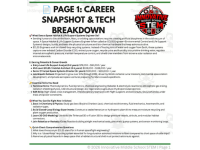
Page 1: Career Snapshot & Tech Breakdown
Features an overview of industry salary pathways (entry-level to chief ECLSS architect), key employment sectors, essential aerospace and thermodynamic skills, an actionable high school preparation roadmap, and targeted comprehension check questions.
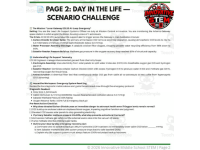
Page 2: Day in the Life Scenario Challenge
Students step into the shoes of an ECLSS Mission Control Engineer for a Lunar Gateway outpost. They evaluate real-time telemetry to troubleshoot Sabatier reactor methane build-up, water recovery assembly filtration clogs, and carbon dioxide scrubber efficiency drops.
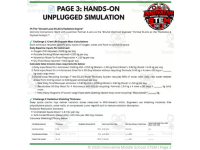
Page 3: Hands-On Unplugged Simulation
Brings aerospace life support chemistry and radiation physics to life without computers! Students complete the "Closed-Loop ECLSS & Radiation Shielding Engine" activity, calculating crew oxygen consumption rates, water recycling efficiency percentages, radiation dose limits in sieverts, and payload food mass trade-offs.
Page 4: Career Ethics & Workplace Dilemma
Drives critical thinking as students analyze off-world resource governance and commercial space colonization. Using a structured decision matrix and space treaty policy debate worksheet, they weigh corporate ownership rights against global public access and international space law.
Page 5: Design Brief & Innovation Lab
A creative blueprinting assignment where students act as chief space habitat architects designing "Artemis-Base Alpha," a 3D-printed regolith Lunar outpost equipped with hydroponic crop bays, micrometeoroid shields, and closed-loop ECLSS cores.
Page 6: Virtual Simulator & Career Portfolio
Features a guided hands-on lab using web-based 3D space design platforms or orbital tools (such as NASA Eyes, Tinkercad 3D Space Design, or Kerbal Space Program logic), accompanied by a student career reflection exit ticket to assess learning and evaluate interest in aerospace engineering.
Teacher Benefits:
100% Unplugged & Copy-Paste Friendly: Clean text layout with zero dark background boxes, code block syntax, or special math formatting for effortless editing in Google Docs, Word, or Canva.
Flexible Multi-Day Unit: Spans 3 to 5 full class periods; ideal for Aerospace units, Physics modules, Earth & Space Science applications, CTE pathways, or emergency sub plans.
Turnkey STEM Engagement: Combines career exploration, life support chemistry math, space treaty ethics debates, and 3D Lunar base blueprinting into one ready-to-print packet!
Resource Tags
0 Reviews
Check out these other great products