Year-Long Personal Finance Curriculum | Grades 3-5 | Unit 2




About This Product
Personal Finance Curriculum | Unit 2: Saving | Grades 3–5
Help students build practical financial literacy skills for grades 3–5 with this engaging Unit 2 student resource focused on saving. Students explore savings accounts, interest, short-term goals, and long-term goals through reading, financial math, graphs, real-world scenarios, application activities, and writing.
Please note: This listing includes the Unit 2 student book only. The included teacher resources and bonus materials support the complete six-unit, 30-week Personal Finance curriculum.
📦 What’s Included Student Resource — Unit 2: Saving
63-page student unit
5 weeks of instruction
Week 6: Savings Accounts
Week 7: Interest
Week 8: Short-Term Goals
Week 9: Long-Term Goals
Week 10: Unit 2 Project
Original weekly reading passages
Comprehension questions
Vocabulary practice
Financial math
Graph reading and analysis
Realistic financial scenarios
Application activities
Evidence-based writing
Weekly reviews and essential questions
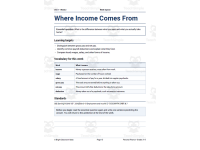
Each week follows the same instructional rhythm. Students read, practice vocabulary, solve financial math problems, analyze graphs, apply concepts to scenarios, complete an activity, and write about their learning.
⭐ Teacher Resources for the Full Curriculum
The Teacher Guide supports all 30 weeks and all six units, rather than Unit 2 alone.
It includes:
109-page Teacher Guide
Week-by-week teaching notes
50–60 minute lesson pacing
Misconceptions to watch for
Four-level differentiation
Standards alignment
Assessment guidance
Family engagement
Materials lists
🎁 Bonus Resources for the Full 6-Unit Curriculum
The accompanying bonus resources are designed to support the entire 30-week curriculum, including:
Complete Answer Key for all 30 weeks
Assessment Rubrics
Six Unit Tests
180 Vocabulary Definition Cards
180 Word-Wall Cards
60 Exit Tickets
Parent Letters and Family Glossary
Progress Monitoring Forms
Six Financial Literacy Games
12 Classroom Posters
Award Certificates
Editable Lesson Plans for all 30 weeks
🏫 How It Works in the Classroom
Use the Unit 2 student resource for approximately five weeks of focused instruction on saving and financial goals.
Unit 2 Topics Include:
Savings Accounts
Purpose and features of savings accounts
Deposits and withdrawals
Account balances
Statements
Deposit insurance
Interest
Interest
Principal
Interest rates
Simple interest
Compound interest
APY
Short-Term Savings Goals
Specific savings goals
Target amounts
Deadlines
Milestones
Tracking progress
Adjusting a savings plan
Long-Term Savings Goals
Planning for goals years away
Regular contributions
Time and growth
Comparing savings strategies
Adjusting plans when circumstances change
Students also practice financial math throughout the unit. For example, Week 6 includes balance, deposit, withdrawal, and account-fee problems. Week 7 moves into simple and compound interest calculations.
The graph activities add another layer of financial literacy. Students analyze savings balances over time and compare simple versus compound interest.
🎯 Standards & Learning Goals
Students will:
Explain the purpose and features of a savings account.
Describe how deposits and withdrawals change an account balance.
Explain what deposit insurance protects.
Explain what interest is and why banks pay it.
Calculate simple interest.
Describe how compound interest differs from simple interest.
Create specific, measurable short-term savings goals.
Calculate the amount needed to reach a savings goal.
Adjust savings plans when circumstances change.
Build understanding of saving for goals that extend years into the future.
Unit 2 includes alignment with CEE Saving 5.1–5.4, Jump$tart 3–5 Saving and Investing 1–4, and relevant Common Core math standards across the unit.
💛 Why Teachers Love It
⭐ Low-prep instruction: The student pages provide a clear weekly learning path.
⭐ More than worksheets: Students read, calculate, analyze, discuss, apply, and write.
⭐ Real-world connections: Saving concepts are presented through realistic financial situations.
⭐ Financial math is built in: Students work with balances, deposits, withdrawals, interest, savings goals, and long-term growth.
⭐ Strong visual learning: Students interpret real graphs connected directly to the week's financial concepts.
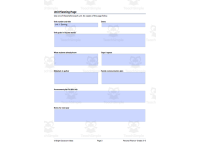
⭐ Practical application: Activities include an Account Register, Compound Interest Lab, and savings-goal planning activities.
⭐ Easy assessment: The larger curriculum includes answer keys, exit tickets, rubrics, tests, and progress-monitoring tools.
⭐ Teacher support extends across the full curriculum: The Teacher Guide and bonus resources are ready to support Units 1–6, even though this student listing provides Unit 2: Saving.
✨ Build Strong Saving Habits Through Financial Literacy
Give students an age-appropriate introduction to saving, savings accounts, interest, compound growth, and financial goal-setting with a structured Unit 2 that connects financial concepts to math and real-life decisions.
This resource is especially useful for teachers introducing a larger 30-week personal finance curriculum or teaching Unit 2 as a standalone financial literacy unit.
Resource Tags
0 Reviews
Check out these other great products