Play & discovery
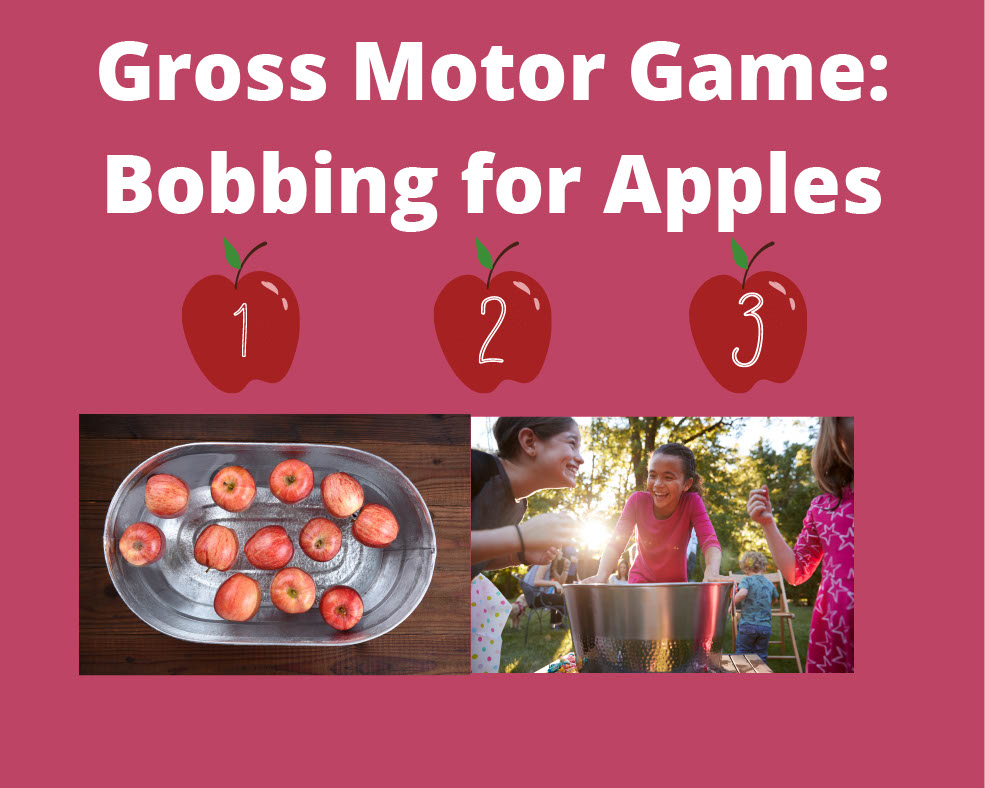
Gross Motor Game: Bobbing for Apples
A numbered apple-picking gross motor game where each apple corresponds to a specific movement task.




8,334 resources
Explore sub-categories
14 sub-categories · 8,334 resources
A numbered apple-picking gross motor game where each apple corresponds to a specific movement task.
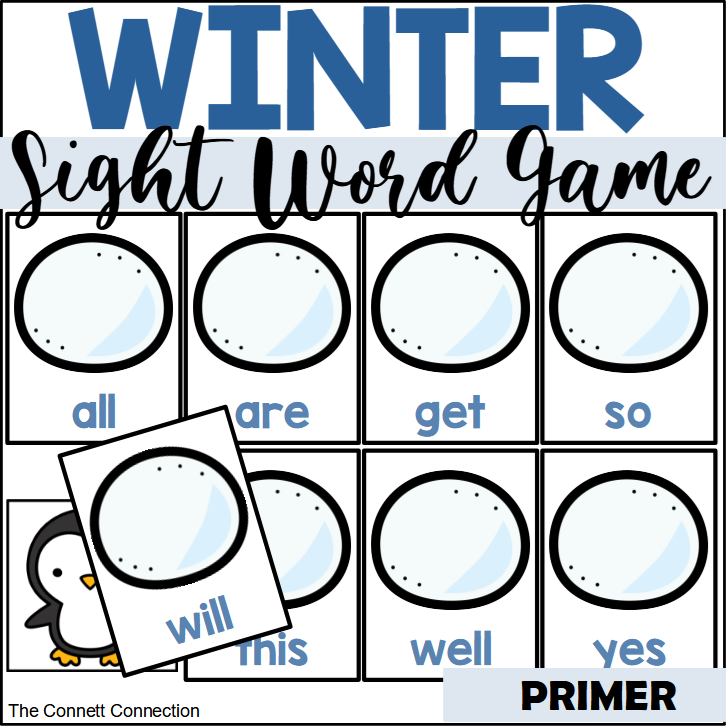
Read aloud a short poem ('Where's the Penguin? Little penguin, little penguin, let's play seek and find! Which snowball are you hiding behind?'), then read/recognize sight word cards arranged in a pocket chart or on a tabletop to guess which word card is hiding one of three penguin cards.
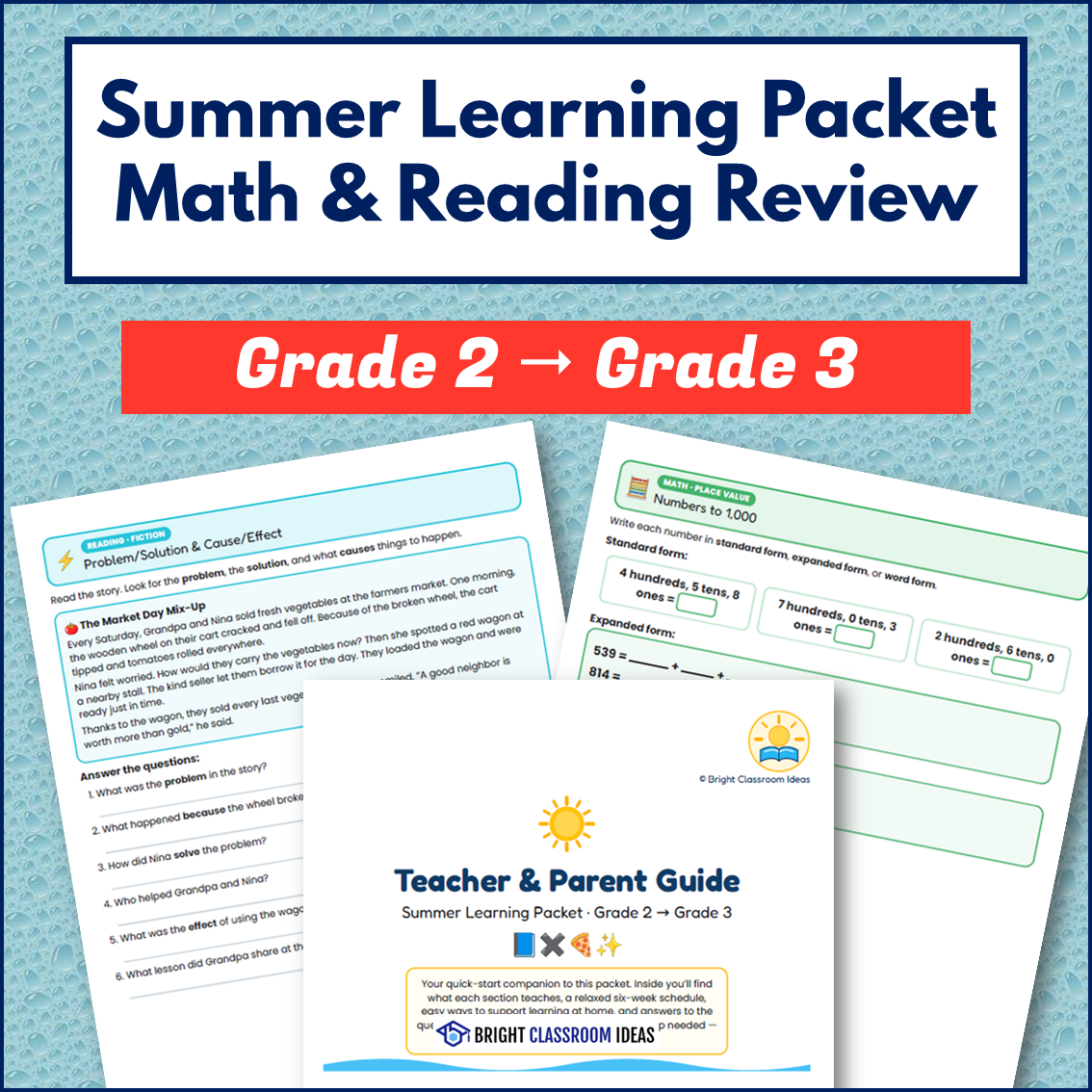
A 70-page no-prep summer review workbook (plus answer key and teacher/parent guide) bridging end-of-Grade-2 to start-of-Grade-3 reading and math skills to prevent 'summer slide'.
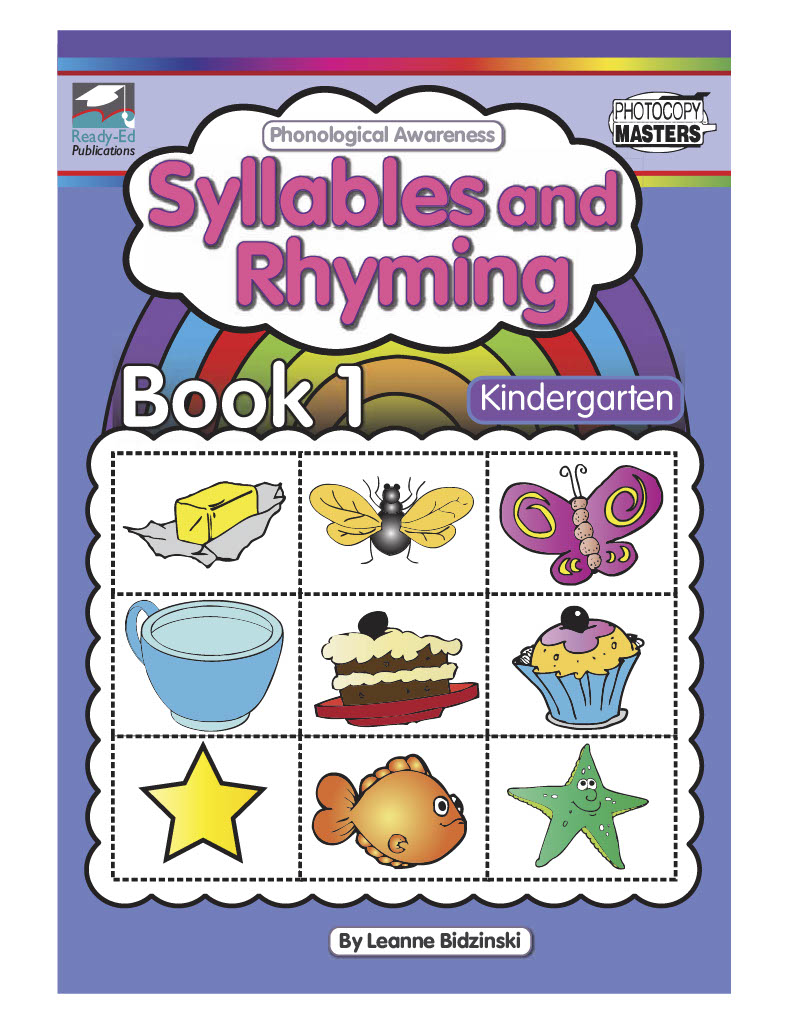
A kindergarten-level phonological awareness workbook teaching compound words, syllable counting, and rhyming through picture-based activities and board games, to build a foundation for early literacy.

Describe scenes/characters in a series of images; answer video listening-comprehension questions; write an essay responding to one of two prompts about Sherlock Holmes fandom and character identification.
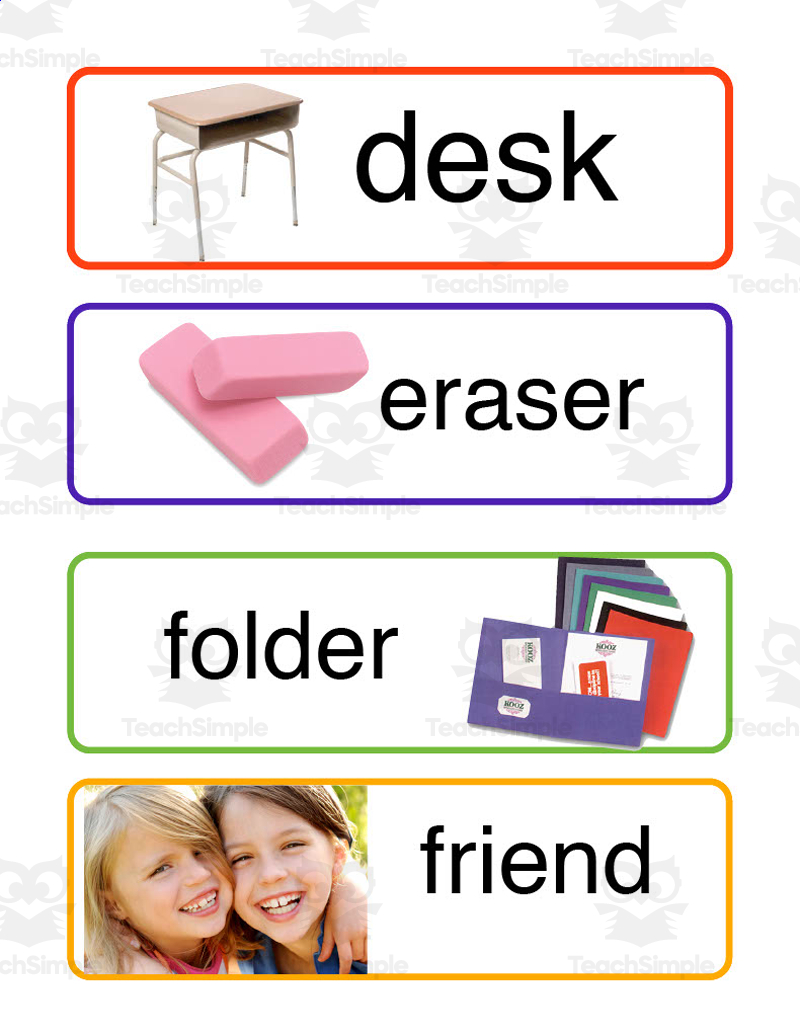
Practice alphabetical-order skills using back-to-school themed vocabulary word cards.
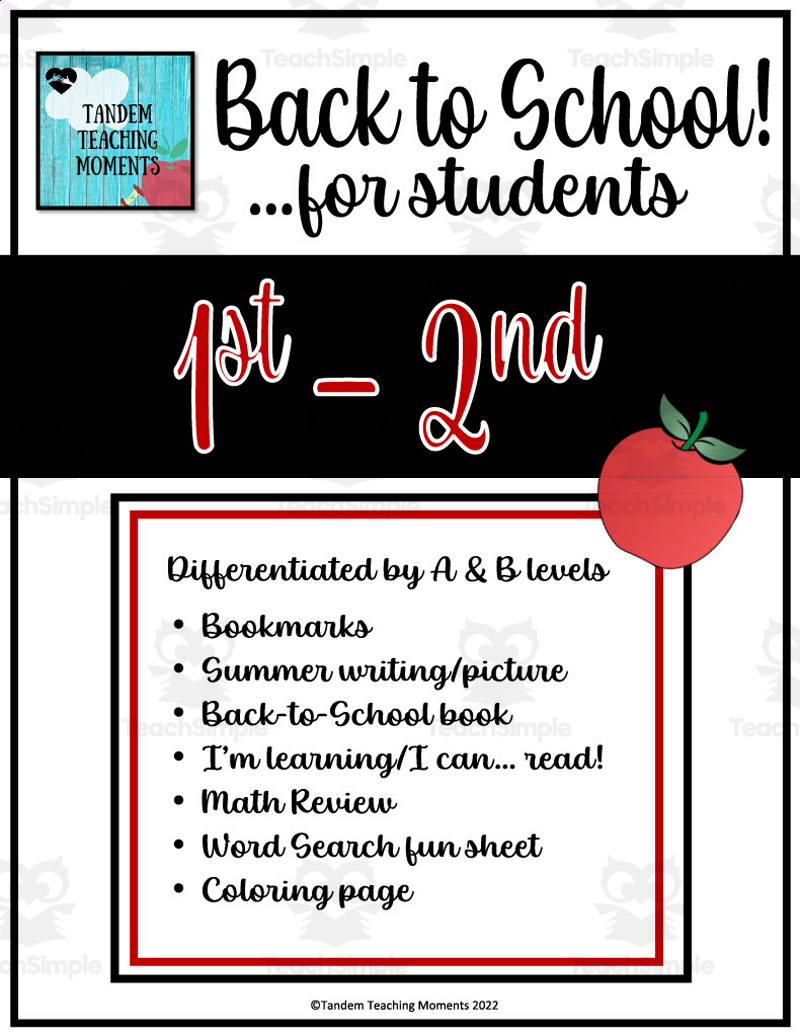
A back-to-school activity packet for 1st and 2nd grade combining a decorate-your-own bookmark craft, guided writing prompts about summer/school, a numbers/addition worksheet with answer key, and a back-to-school word search.

Access a linked interactive webpage (works on laptop, tablet, or smartphone) and complete three 10-problem quizzes on integer operations: Quiz 1 addition/subtraction, Quiz 2 multiplication/division, Quiz 3 mixed addition/subtraction/multiplication.
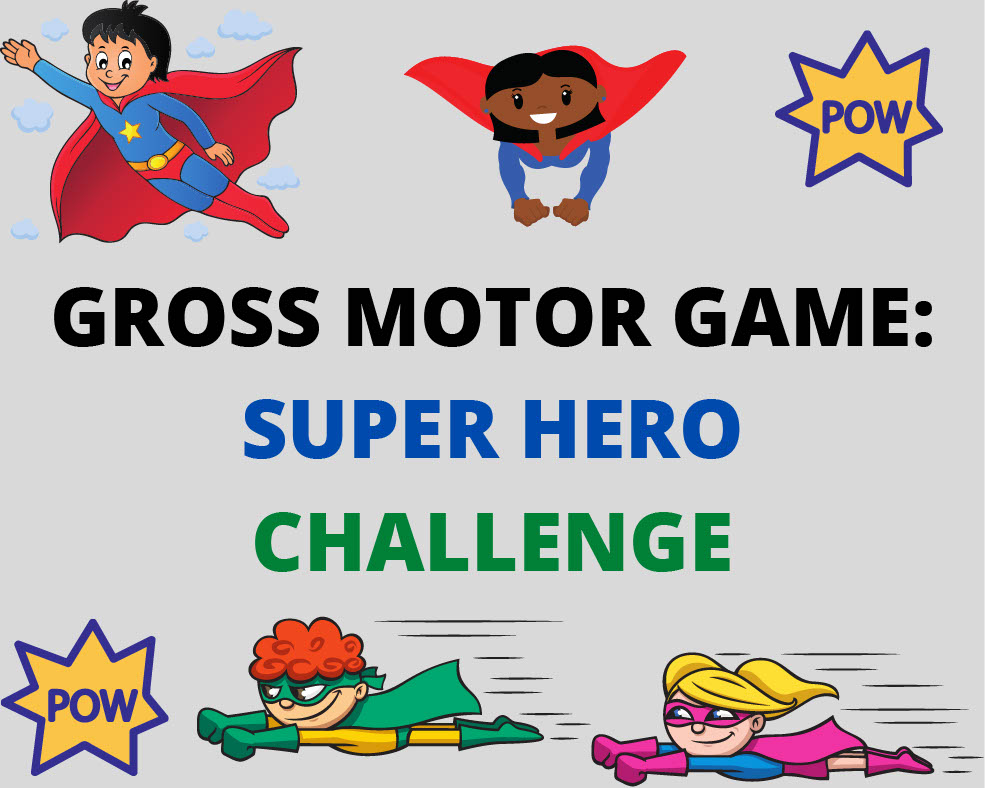
A superhero-themed gross motor game with 10 numbered challenges, each pairing a short scenario with a physical movement task.
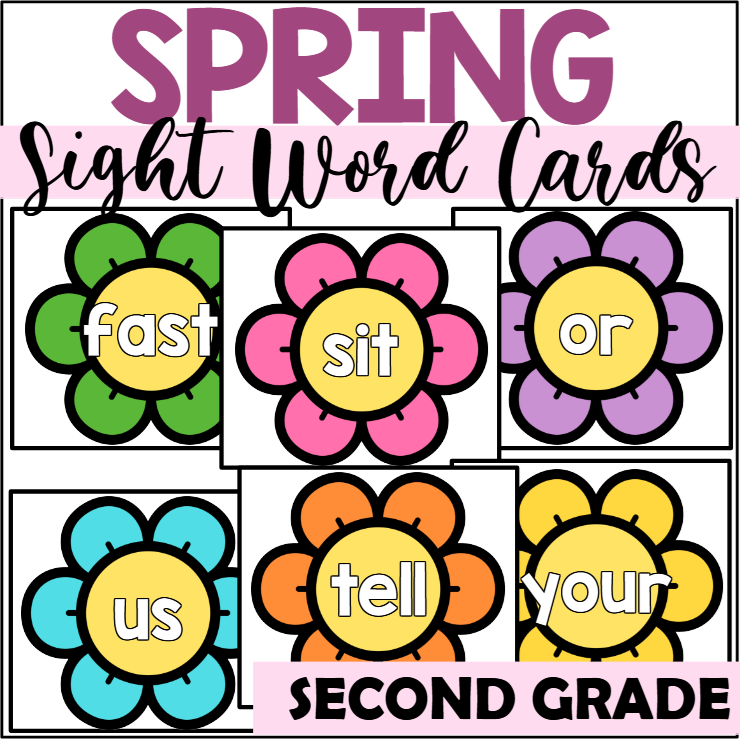
Read, sort, match, or play games with printed sight word cards to build sight word recognition.
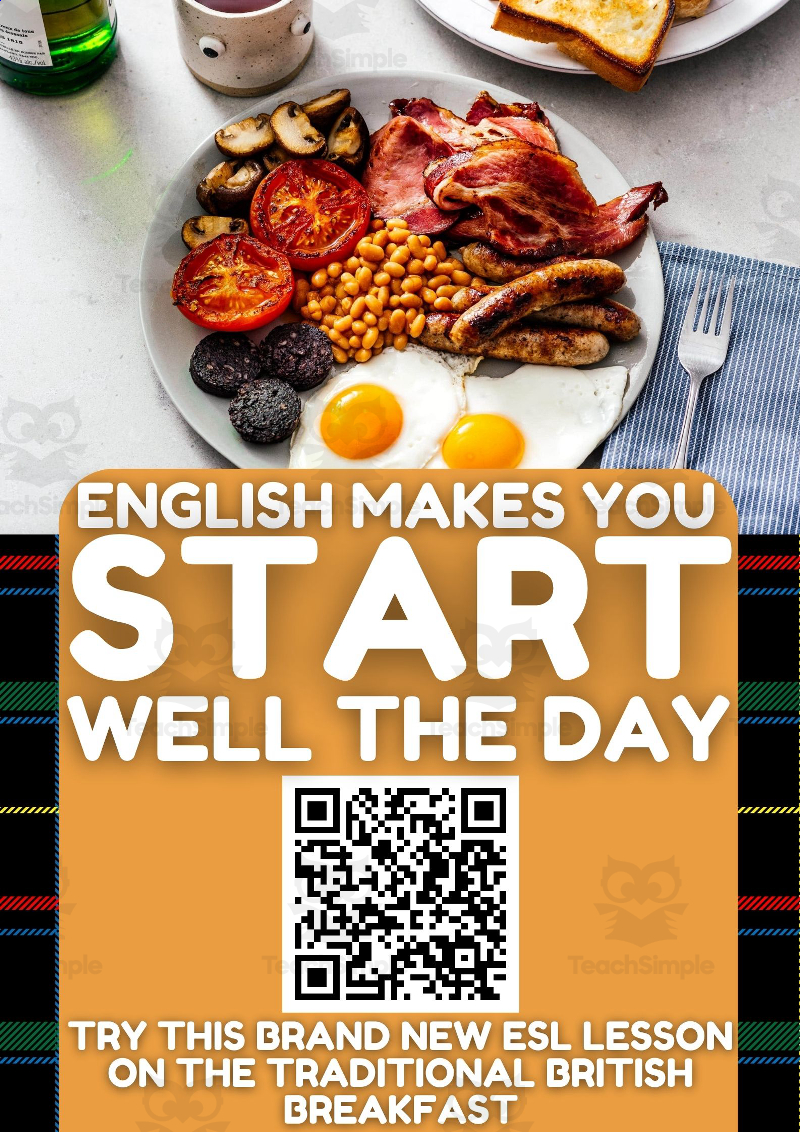
A cultural/writing ESL-EFL lesson introducing the traditional English/British breakfast, its history, and components, followed by a personal writing activity comparing it to the student's own culture.
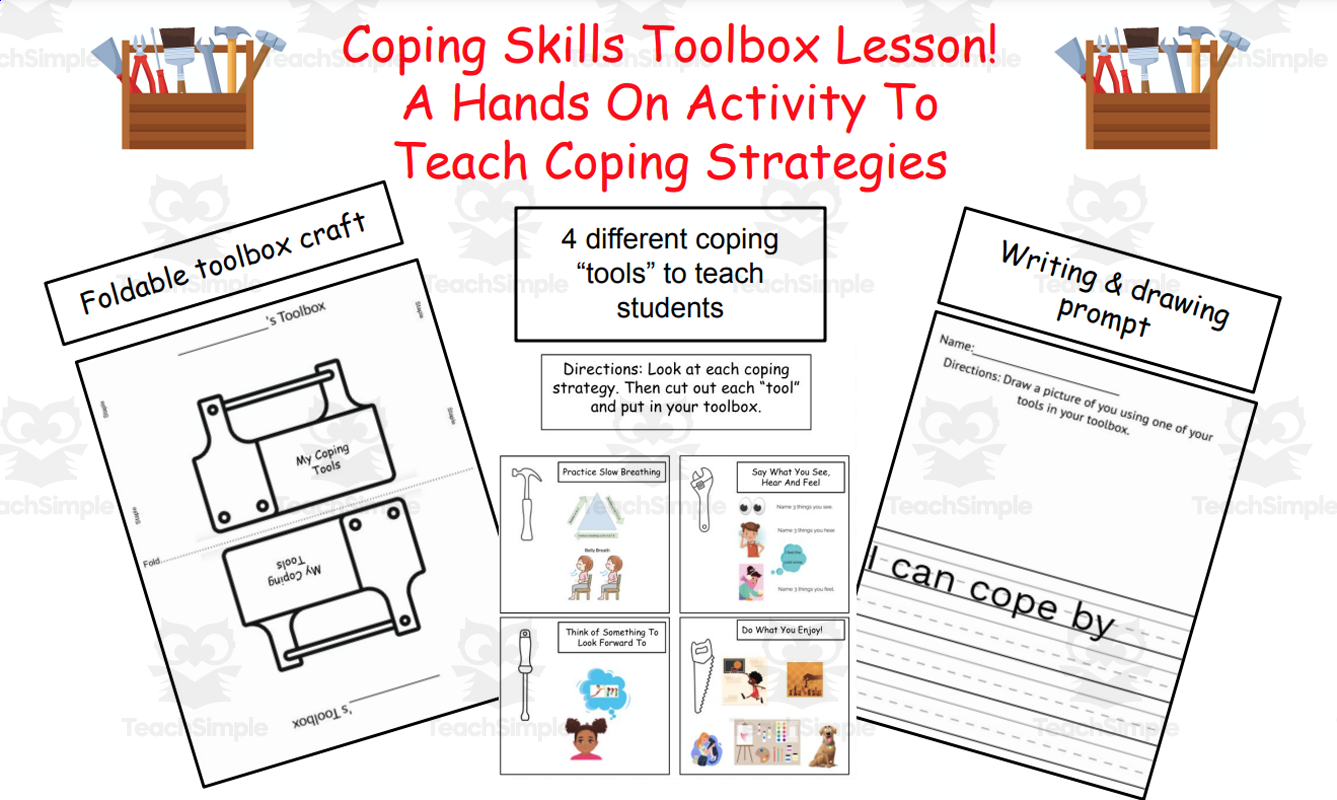
Help students make a personal set of coping reminders through a guided lesson and paper toolbox. Four illustrated strategy cards go inside the assembled template, followed by a writing-and-drawing response about using one tool. The directions include an optional breathing-video step to support introducing that strategy.
Read short nonfiction passages ('The Summer Season'), narratives ('Emma at the Beach'), and poems ('Summer on the Pond', 'What is Summer?') and answer reading-response questions (circle/underline/box/short answer); draw and label items related to a topic (pond, beach); complete open-ended beach/summer writing prompts; trace…
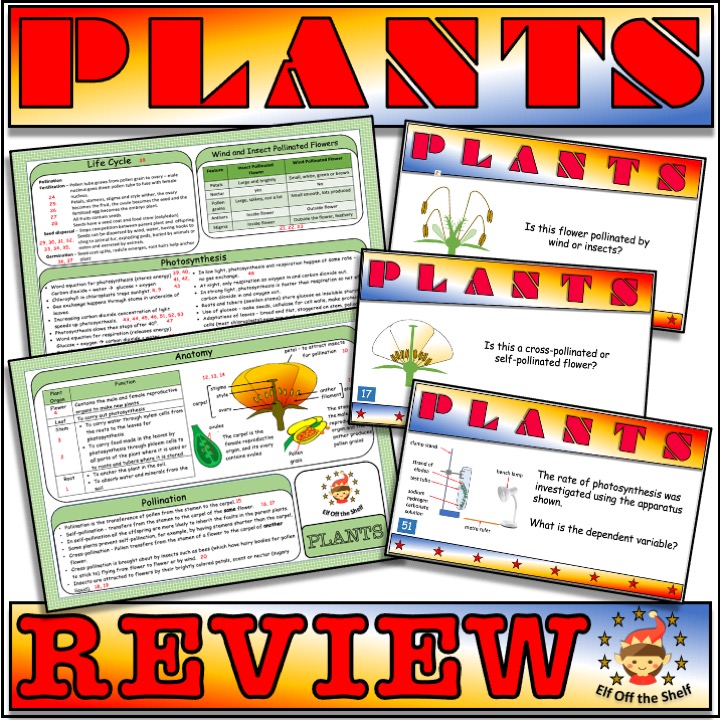
Students review a plant-anatomy fact sheet, then answer questions posed in an accompanying PowerPoint presentation (recording answers on a student answer sheet) covering plant organ functions, pollination types, and photosynthesis, checked against the teacher's answer key.
Students listen to paired musical options, choose a preference, and move a checkmark to show their selection. The examples range from vocal performances to instruments, giving you several starting points for discussion. Duplicate an existing layout to add your own pair and ask students to explain what they noticed while listening.
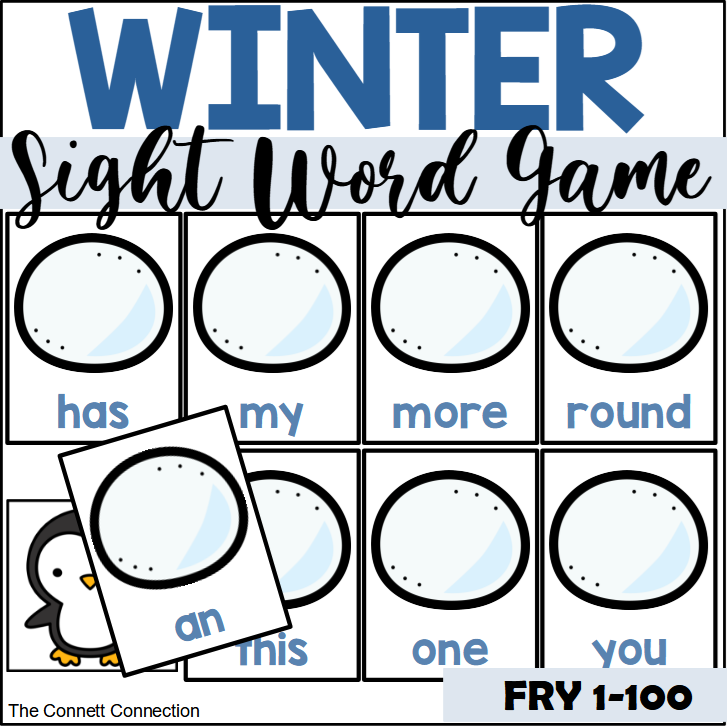
Read aloud a short poem ('Where's the Penguin? Little penguin, let's play seek and find! Which snowball are you hiding behind?'), then read/recognize sight word cards arranged in a pocket chart or on a tabletop to guess which word card is hiding one of three penguin cards.
A complete 2-3 hour secondary reading lesson plan for teaching the short story 'A Sound of Thunder' by Ray Bradbury, focused on plot and setting, characterization, reading fluency, and higher-order thinking (predicting, inference, analysis, synthesis).
The slide deck presents eleven pairs of music and performance choices, from becoming a rock star or jazz musician to choosing between dance styles. Use the options to invite a quick vote, then ask students to explain an answer or respond to a classmate. Most prompts use familiar activities, with a few terms or dance references you may want to introduce first.
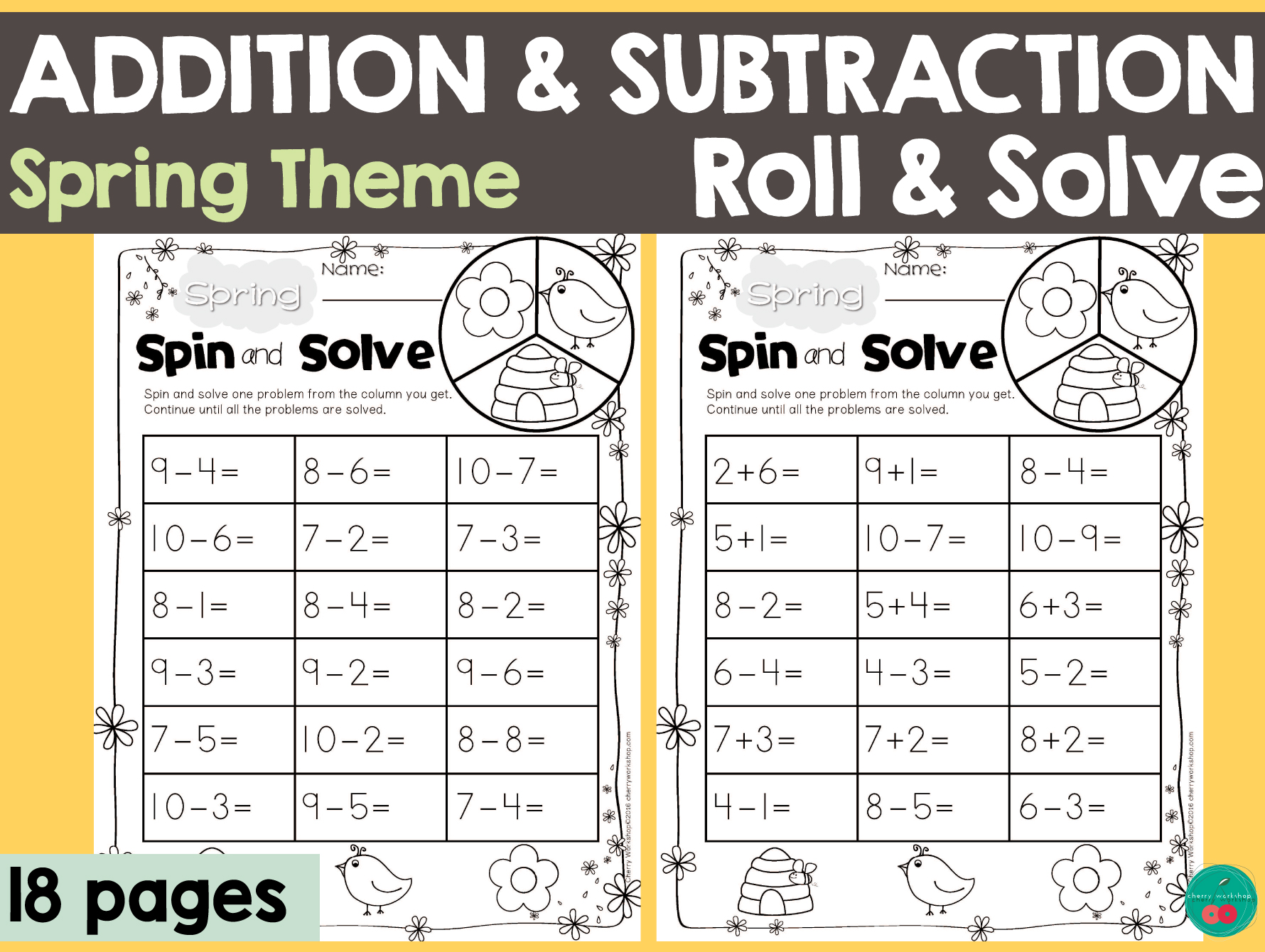
Spin a spinner (not itself included as a physical piece) and solve one addition or subtraction problem from the resulting column; repeat until all problems on the page are solved.
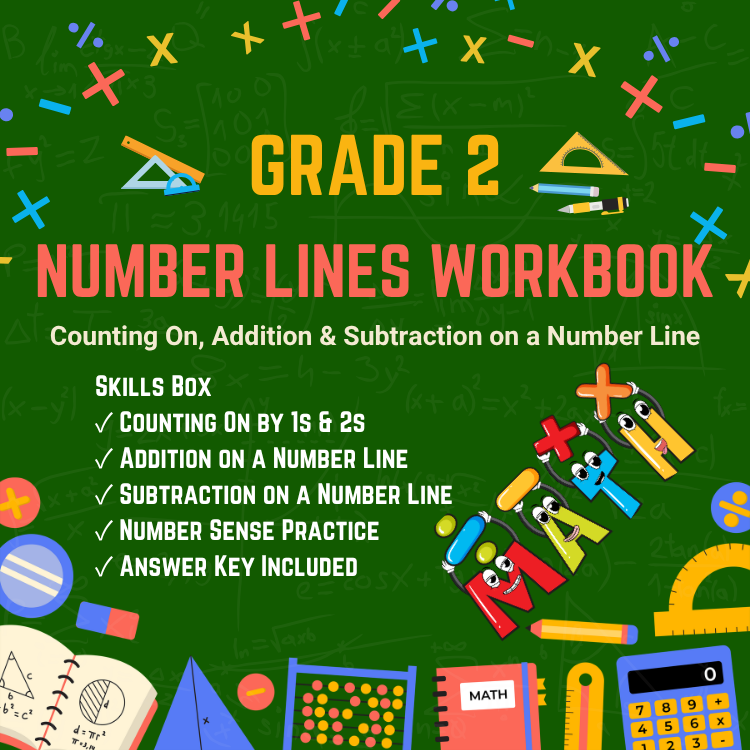
Practice using number lines to build counting, addition, and subtraction fluency at the start of the school year.

Teach 50 ELA academic vocabulary terms (general literary terms, sound devices, literary devices, narrative techniques) via lesson slides with definitions and examples, paired with digital flashcards.
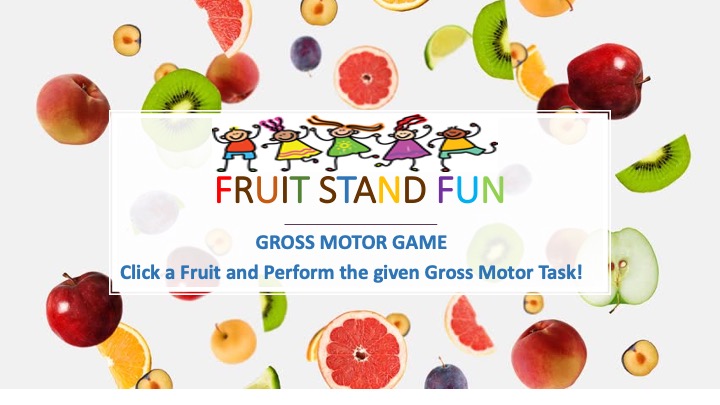
A gross motor movement game in which students pick a fruit and perform the physical task shown for it.
Provides a complete literature unit for teaching Julia Alvarez's text 'Liberty', covering plot, characterization, and other literary elements, plus general-purpose reading-skill tools.

This resource is a music game for the Polar Express. On each slide, students will work to find the correct musical pattern as they ride the train to the North Pole on Christmas Eve.