Math & problem solving
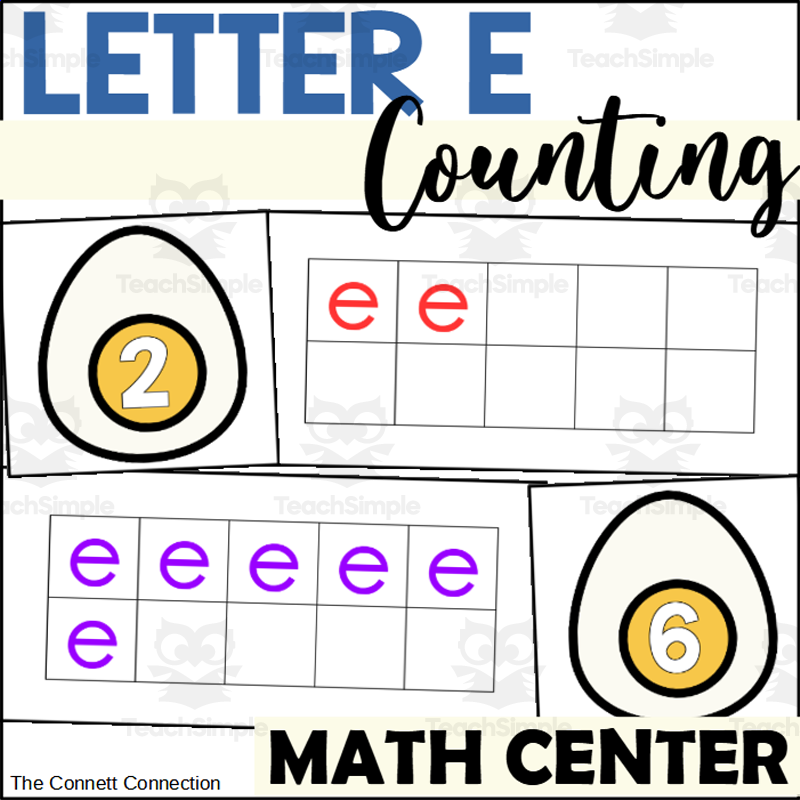
Letter E Counting to 10 Center
Match sets of lowercase 'e' letters (counted 1 through 10) to numeral cards.




8,334 resources
Explore sub-categories
14 sub-categories · 8,334 resources
Match sets of lowercase 'e' letters (counted 1 through 10) to numeral cards.
 Free download
 Read an informational passage on genetics, answer 10 multiple-choice comprehension questions, fill in and interpret Punnett Squares to predict offspring gene combinations and probabilities, complete a "magic square" vocabulary-matching puzzle, and check answers against a provided answer key with textual justification.
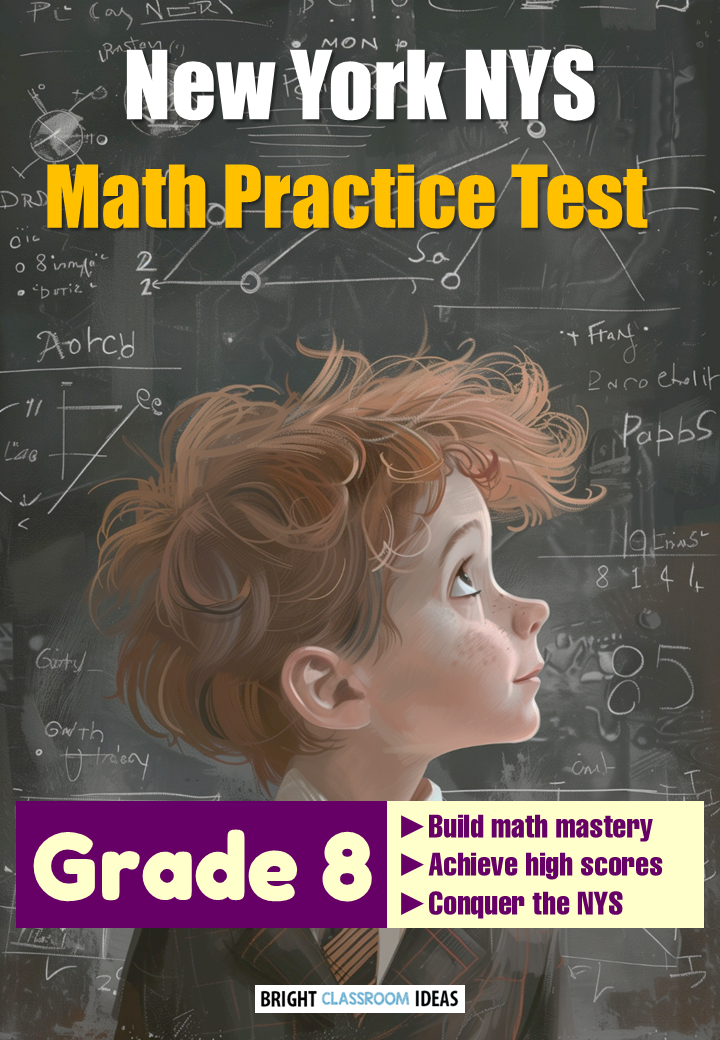
A New York State-aligned Grade 8 math practice test (full-length) preparing students for high school math, covering algebra foundations, functions, and geometry, with a scored answer key and teacher's guide.
 Free download
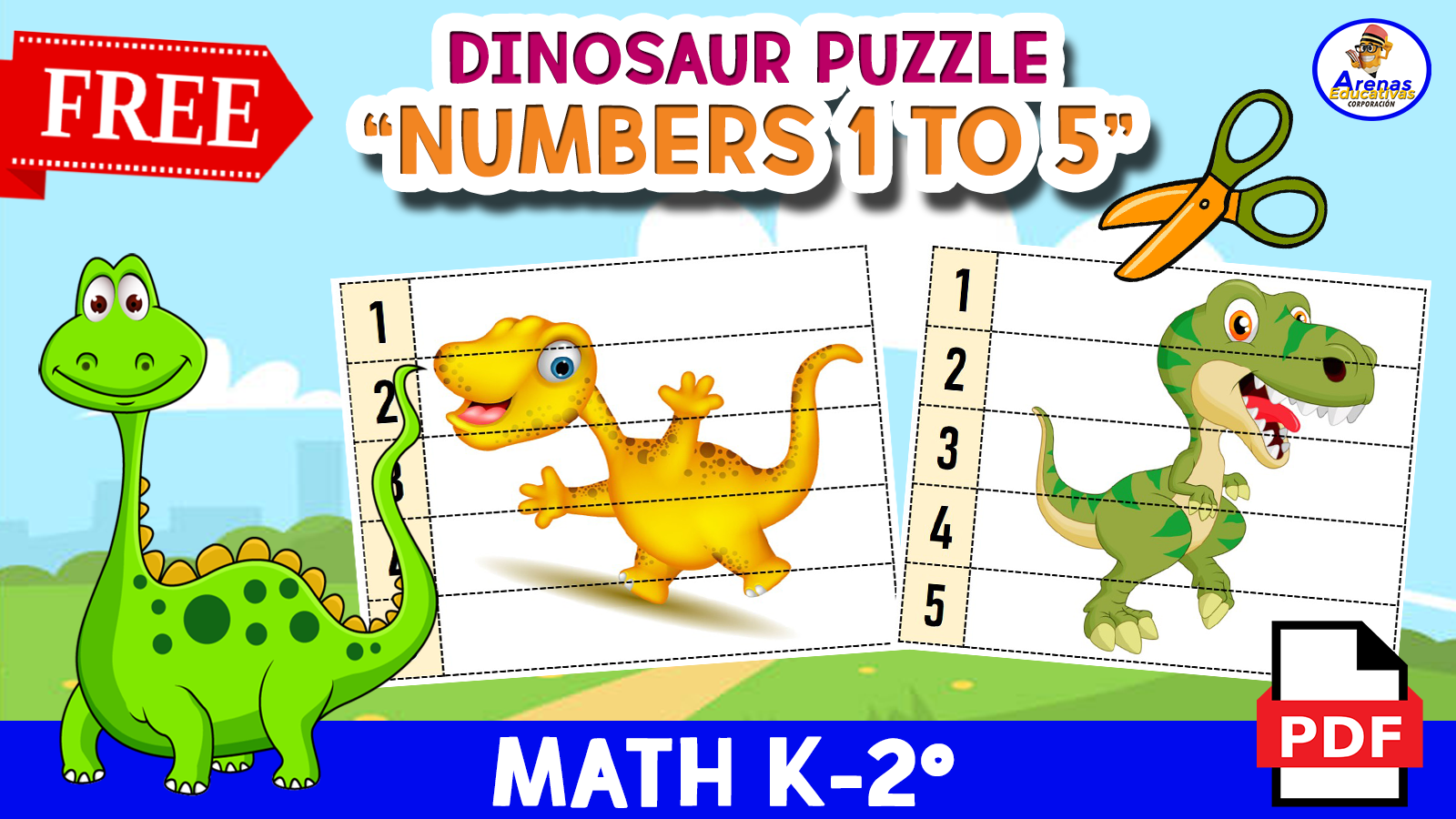
 Cut apart and reassemble each of 10 dinosaur-shaped puzzles, sequencing the pieces numbered 1 through 5.
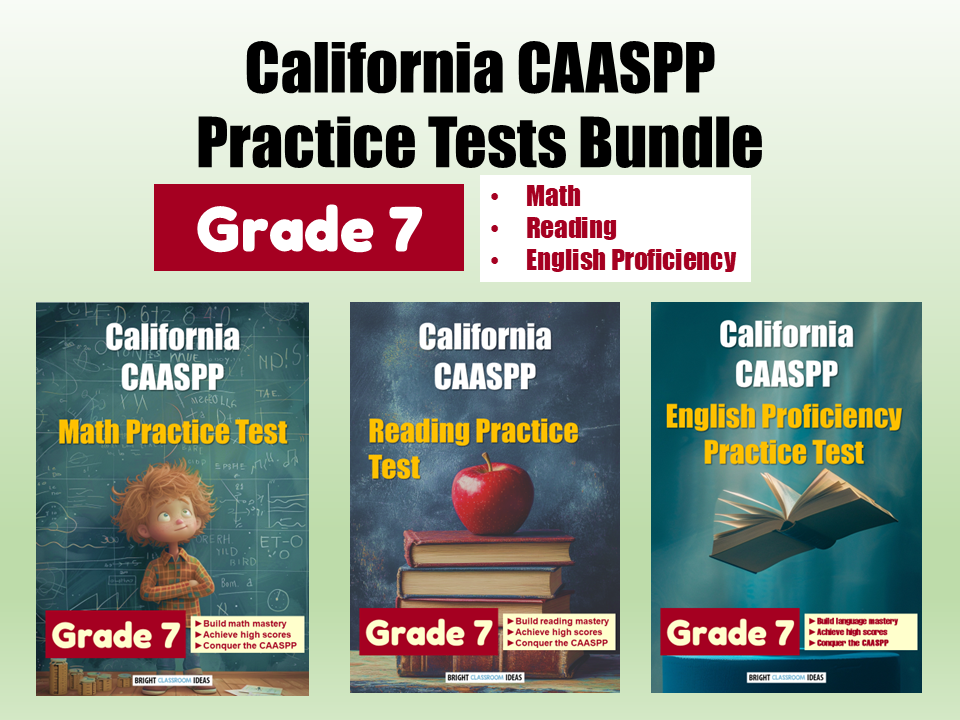
Complete a 30-question Grade 7 Math practice test (no calculator permitted) covering ratios and proportional relationships, the number system (signed fractions/decimals), expressions and equations, geometry (circumference, area, angle relationships), and statistics and probability, including multiple-choice items and…

Virginia SOL History & Social Science Practice Test for Grade 8 Need a Grade 8 Virginia SOL Practice Test for Virginia & U.S. History Since 1865 (VUS) that truly prepares your students? This comprehensive, standards-aligned resource helps students review key content, build confidence, and succeed on the SOL. What’s Included ✅…
 Free download
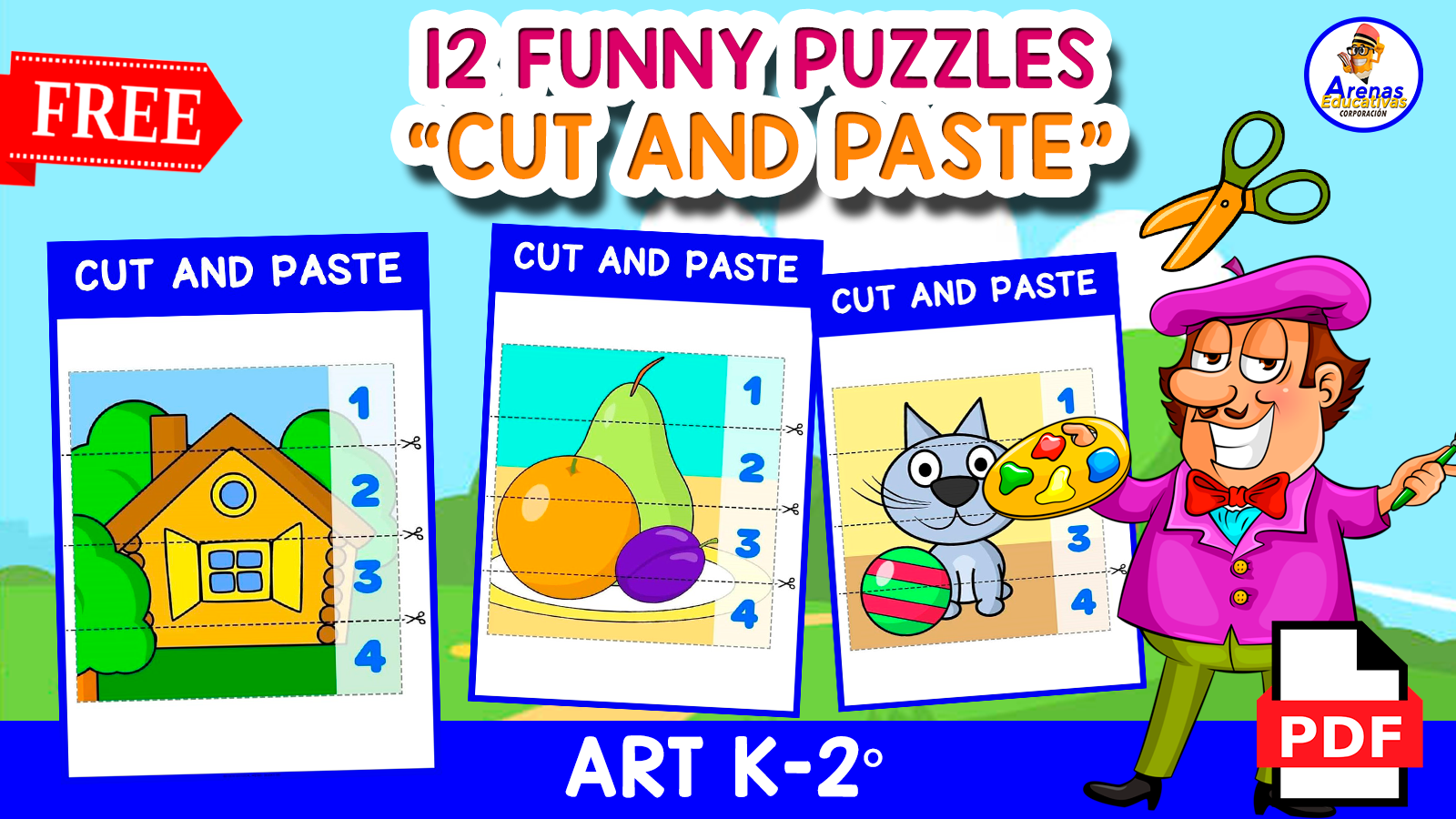
 Give young students a cut-and-paste fine-motor/puzzle activity.
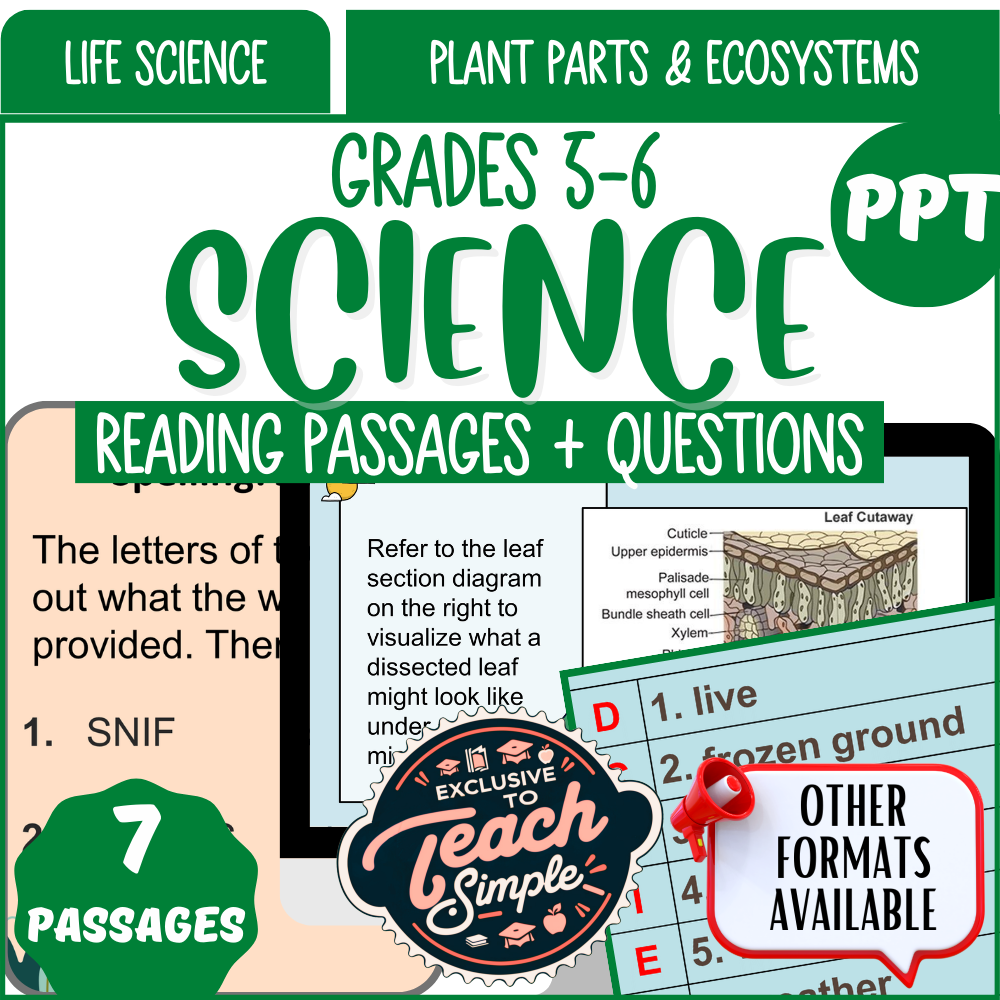
Seven PowerPoint reading-passage lessons teaching life-science topics spanning classification, plant biology, and animal/ecosystem concepts.
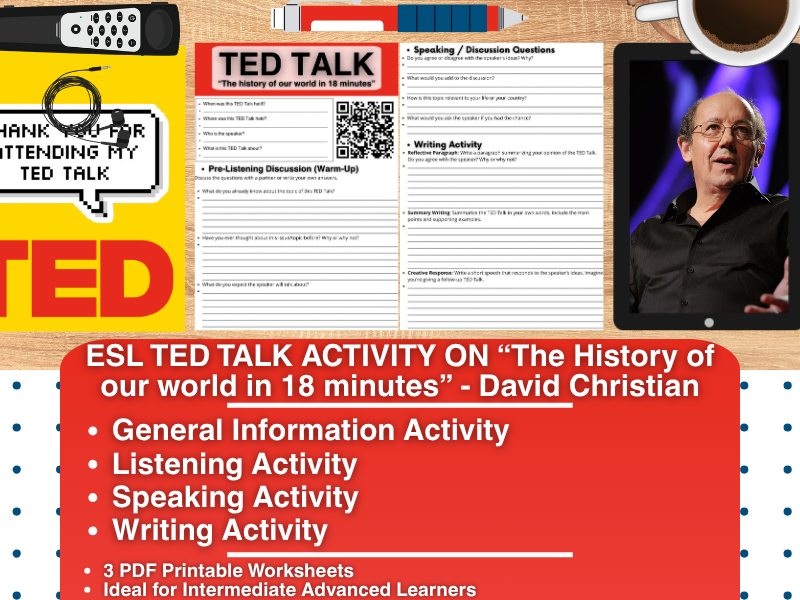
ESL/ELA worksheet activity built around the TED Talk "The History of our world in 18 minutes", used to build listening comprehension, vocabulary, and writing skills.

A UK-curriculum geography/environmental unit (Year 7, Spring term) teaching how society processes waste, its impact on land and oceans, and how to reduce it, using a knowledge organiser, scheme of work, homework menu, and an upcycling project.
 Free download
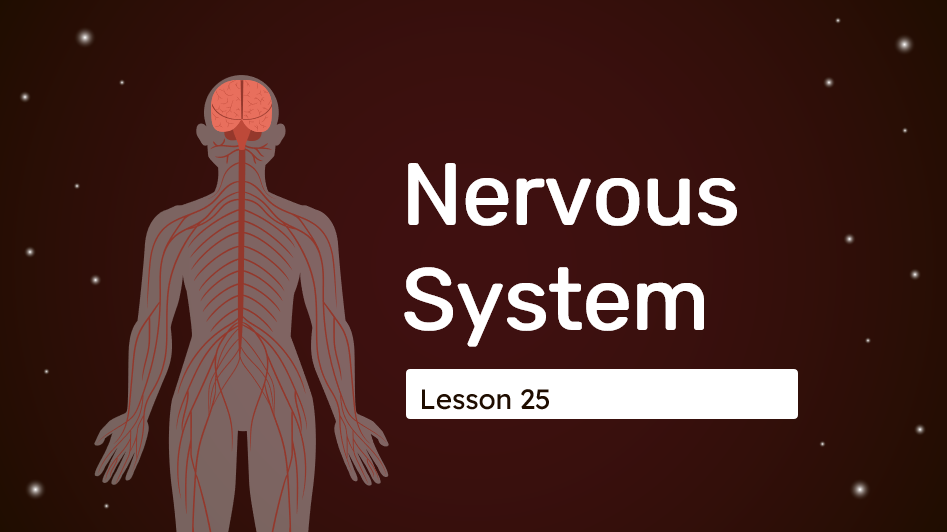
 Read an informational passage on the nervous system, answer 10 multiple-choice comprehension questions, match brain parts/nervous-system divisions to their functions, complete a vocabulary matching exercise, write antonyms for given words, and check answers against a provided answer key with textual justification.
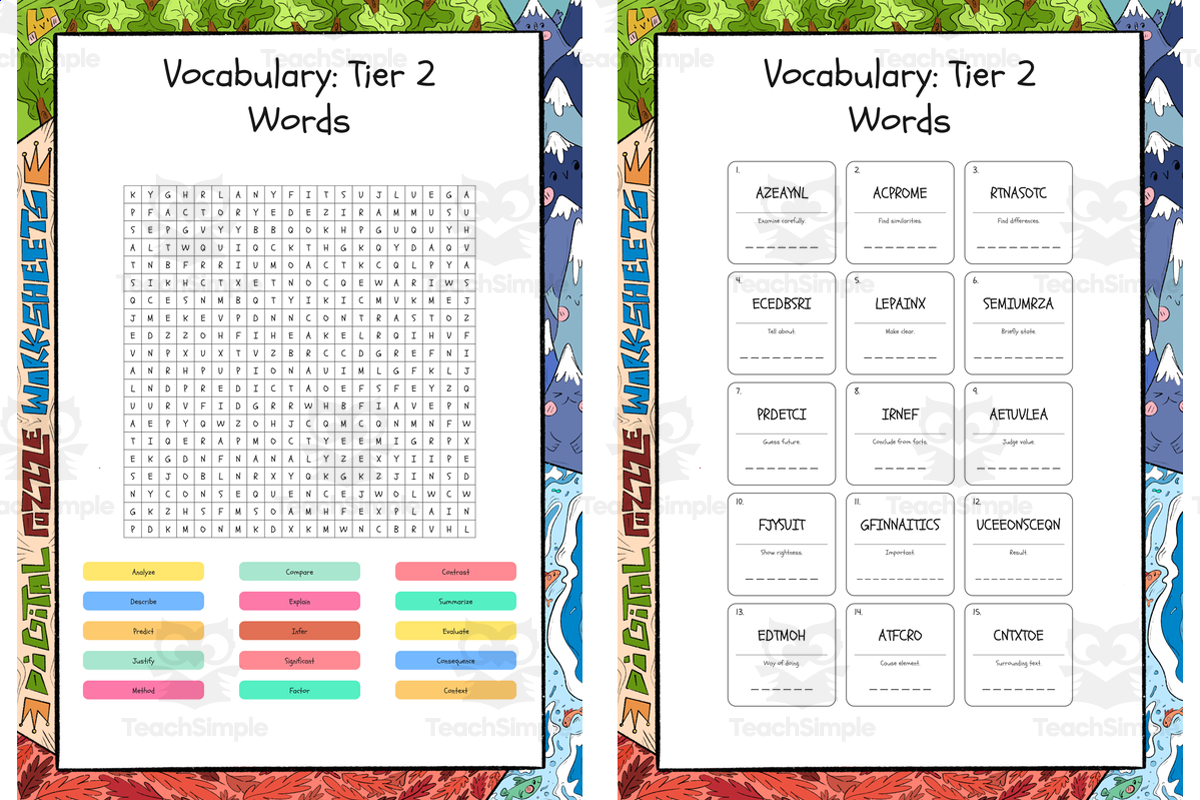
Use the given clue definitions to solve a crossword, unscramble the letters of each Tier 2 word, and find the words in a word search grid.
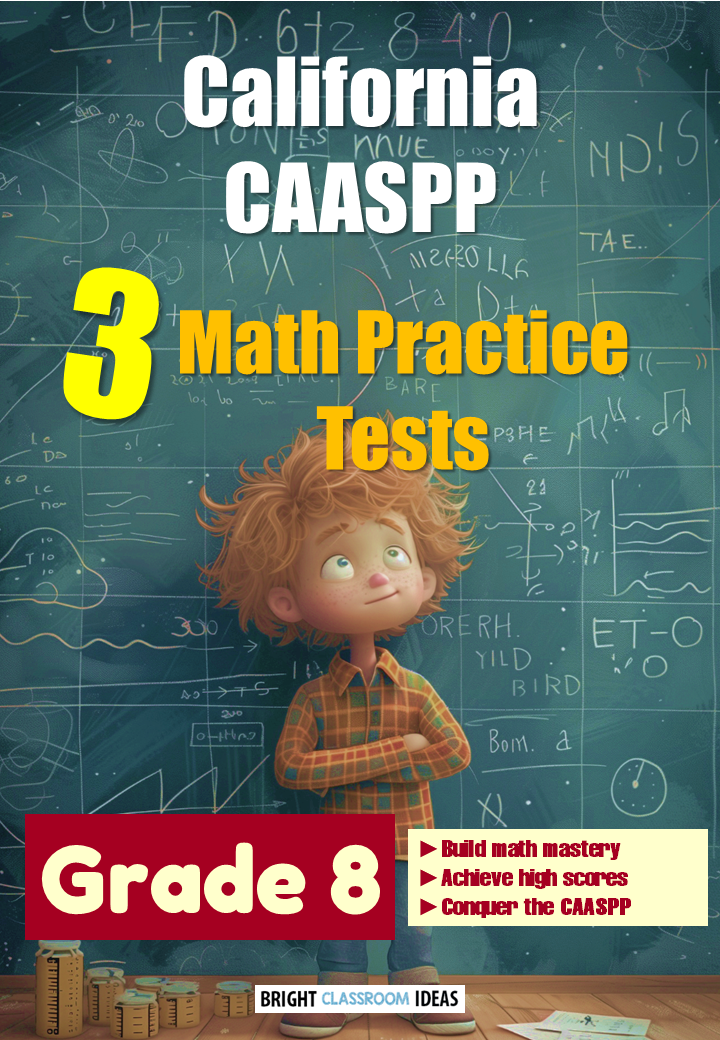
Provides three full-length CAASPP Grade 8 Mathematics practice tests (multiple-choice, 4 answer choices), with a standards-referenced answer key and a teacher's guide, aligned to California Common Core State Standards, to prepare students for the state math assessment.
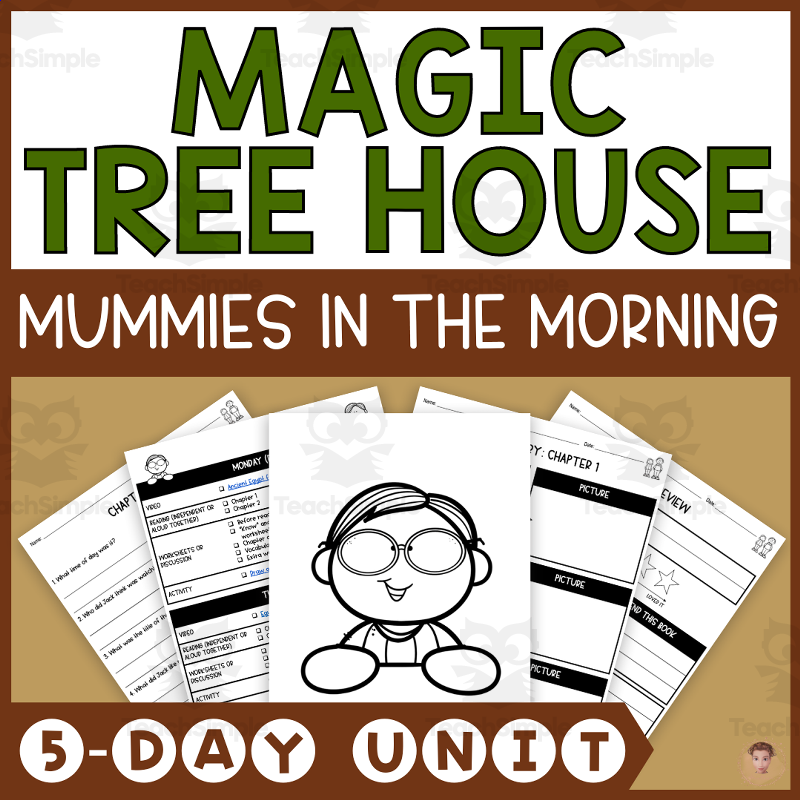
Read two chapters per day (independently or aloud), watch a suggested Ancient-Egypt-themed video, complete a chapter quiz (short-answer comprehension questions) and vocabulary work, do a daily drawing activity (e.g. draw a mummy, pyramid, pharaoh, sarcophagus, Egyptian), complete pre-reading 'Before Reading' and KWL…

Provide partner-check practice solving systems of two linear equations by elimination.
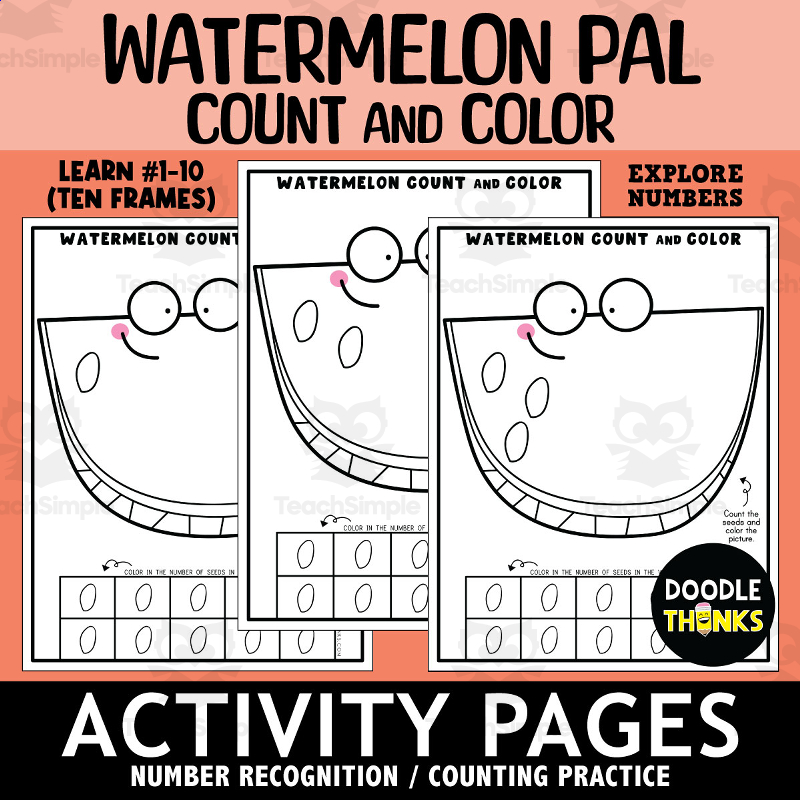
Count the number of seeds shown on each watermelon picture and color in that number of seeds/spaces.
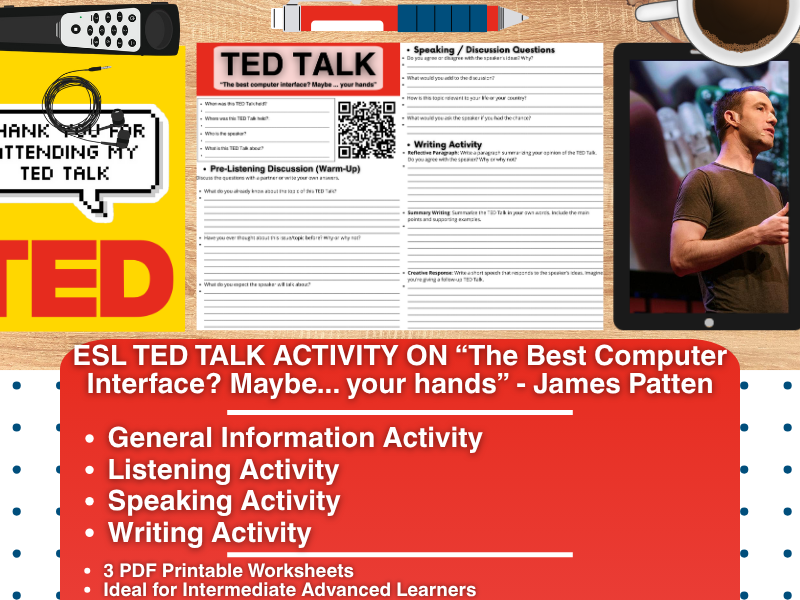
ESL/ELA worksheet activity built around the TED Talk "The Best Computer Interface? Maybe, your hands", used to build listening comprehension, vocabulary, and writing skills.
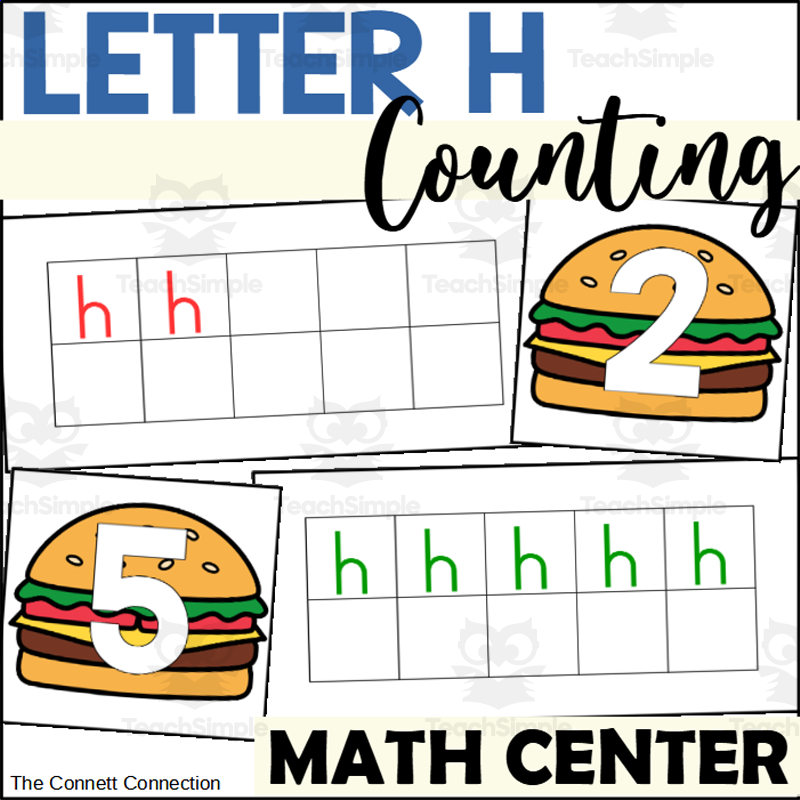
Count groups of lowercase h symbols (from 1 up to 10) and match each group to its corresponding numeral card (1-10).

Provide partner-check practice solving systems of two linear equations by graphing.

Quadratic Functions - Vertex Form Worksheet gives students practice identifying key characteristics of quadratic functions written in vertex form. Students examine eight vertex form graphs and determine the vertex, axis of symmetry, domain, range, and zeros for each. This two-page high school…
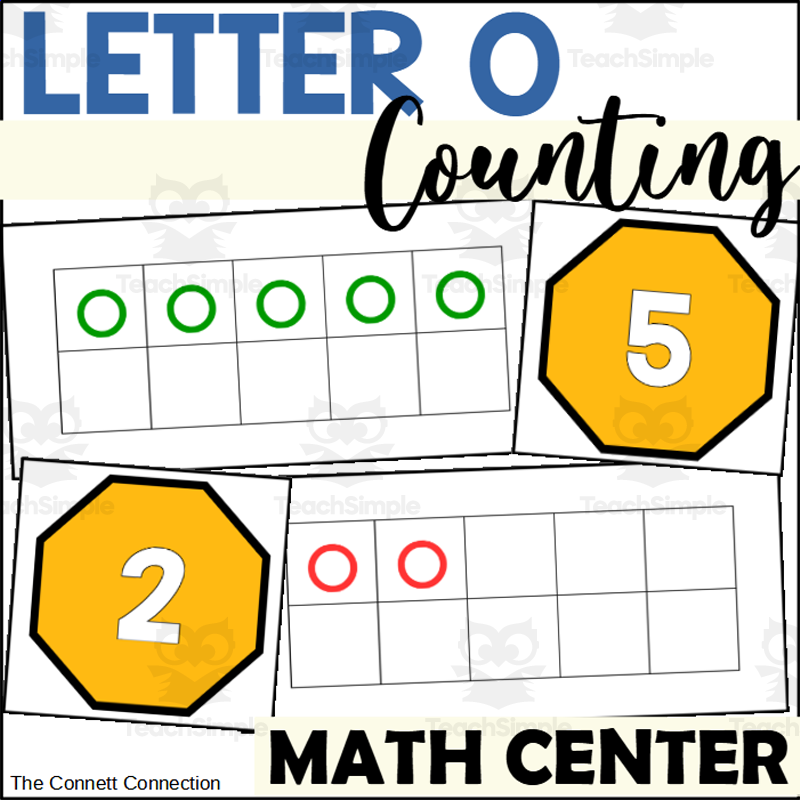
Count groups of O shapes and match them to numeral cards 1-10.
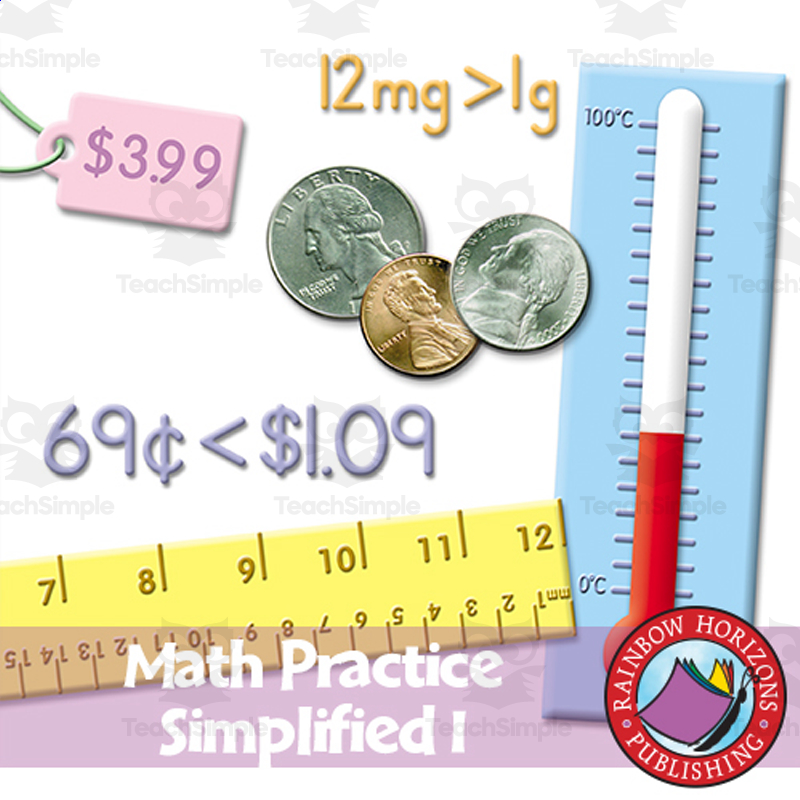
Students identify coins and make change, calculate percentages/decimals in money contexts, work with wages/salaries, checks and deposit slips, budgets, order forms, interest, time, Celsius temperature, and metric units of length/volume/mass.

Teach high school students to read and interpret a chart on the historical evolution of nuclear weapons (atomic and hydrogen bomb tests by the USA and USSR) and answer chart-based comprehension questions.
Listen to the story and answer teacher-led discussion questions about weather events in the story; trace and copy weather-related words; complete a weather report worksheet and a weather 'I Spy' worksheet; make a flood picture; build a hands-on sandbag wall using sand-filled ziploc bags; color a Scuffy coloring page.