 Free download
 Counting & shapes
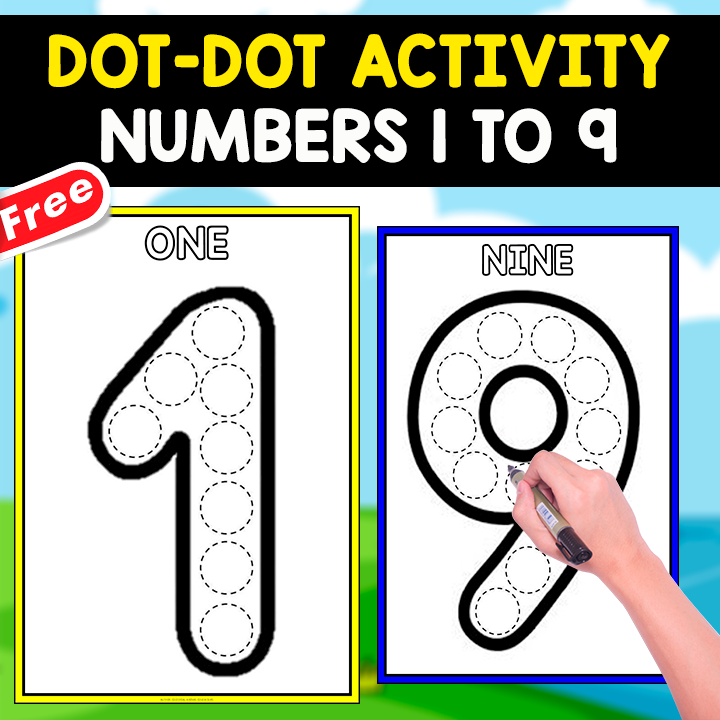
DOT-DOT ACTIVITY | NUMBERS 1 TO 9
A dot-to-dot tracing activity where each page is themed around one number word from one to nine, for number recognition and fine-motor practice.




8,334 resources
Explore sub-categories
14 sub-categories · 8,334 resources
Free download A dot-to-dot tracing activity where each page is themed around one number word from one to nine, for number recognition and fine-motor practice.
No-prep digital 'micro-learning deck' (slide presentation) teaching about sea turtles, for middle/early-high-school science.
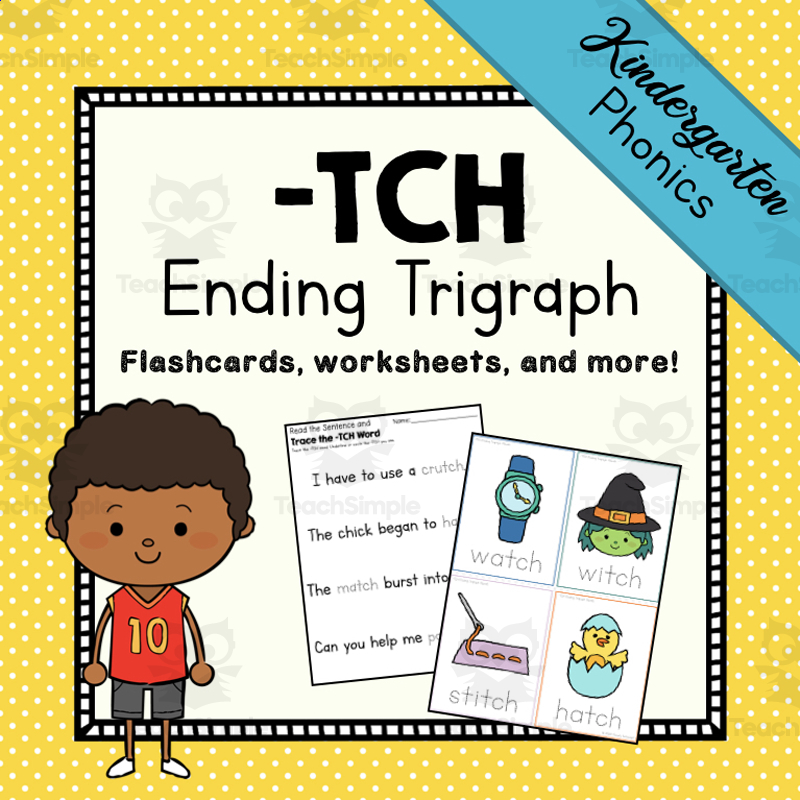
Teach beginner readers the -TCH ending trigraph as a single sound through flashcards, printable worksheets, and reading practice.
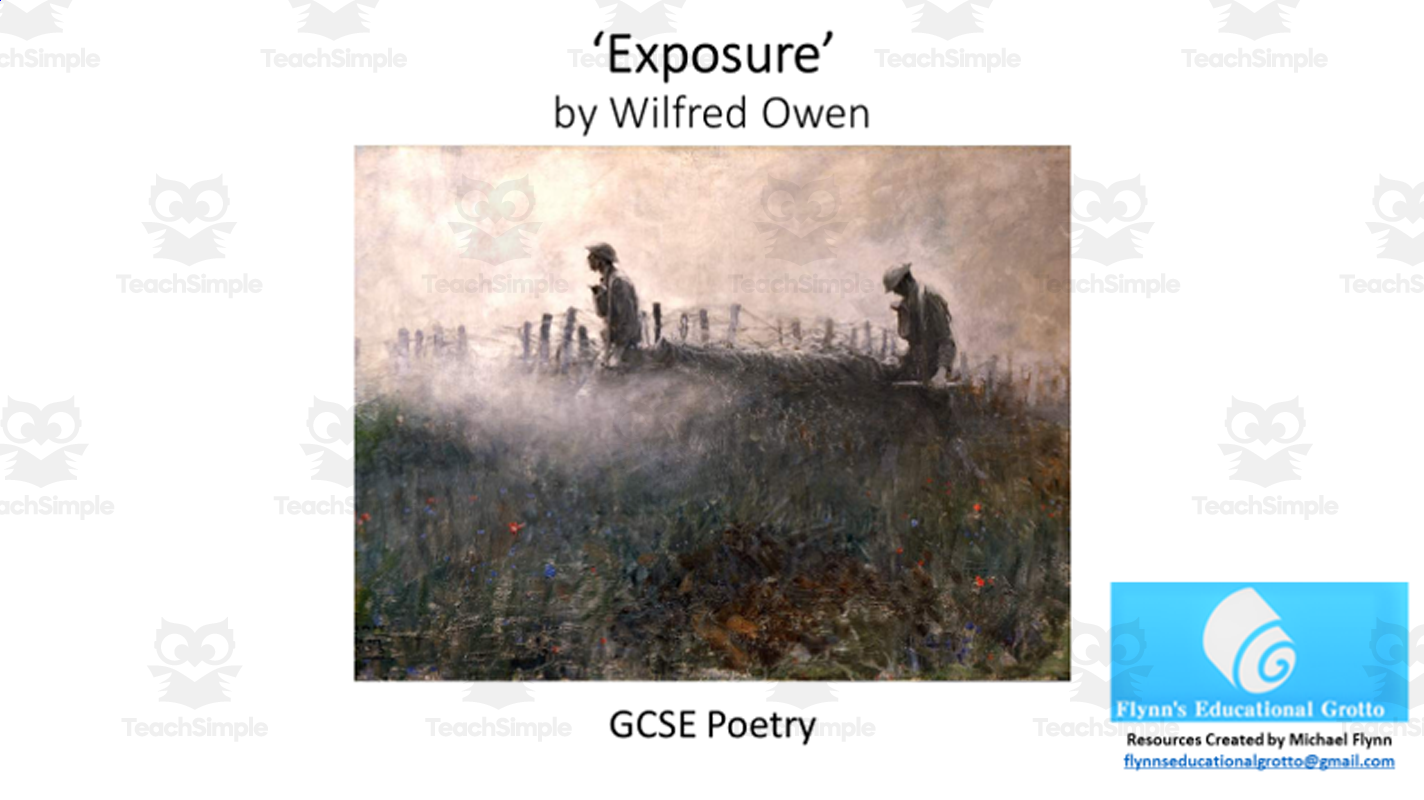
A GCSE English Literature poetry-analysis PowerPoint lesson guiding students through close reading of 'Exposure' by Wilfred Owen, covering author/poet context, first reading and annotation, tone and language analysis, structure questions, and an academic PETAL-paragraph writing task. The lesson frames the poem around World War…
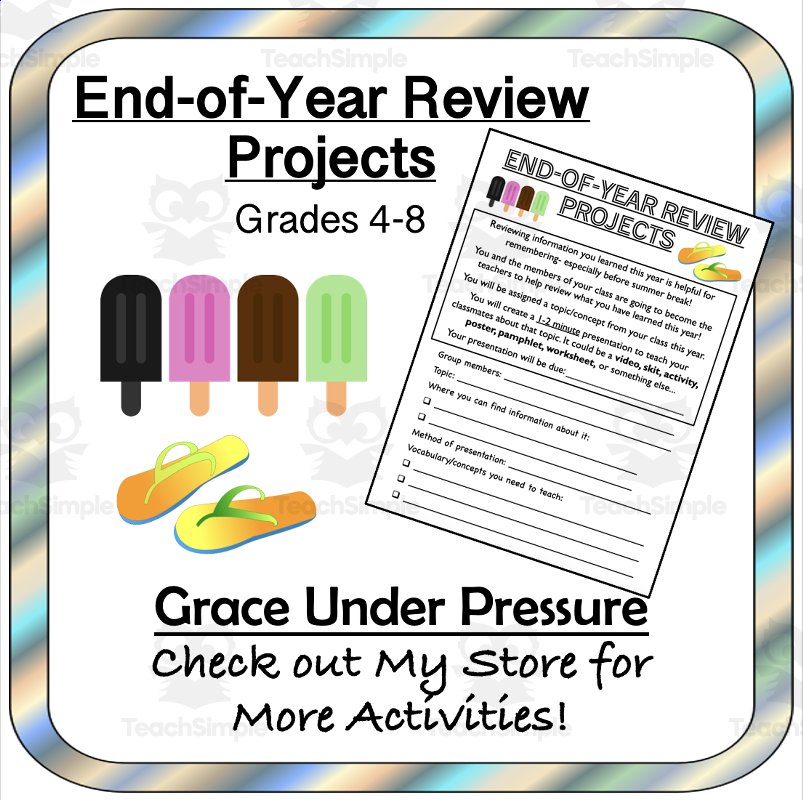
A teacher-facing activity guide for organizing small-group student-led review presentations on a chosen subject (math, science, or social studies) for the last week of school.
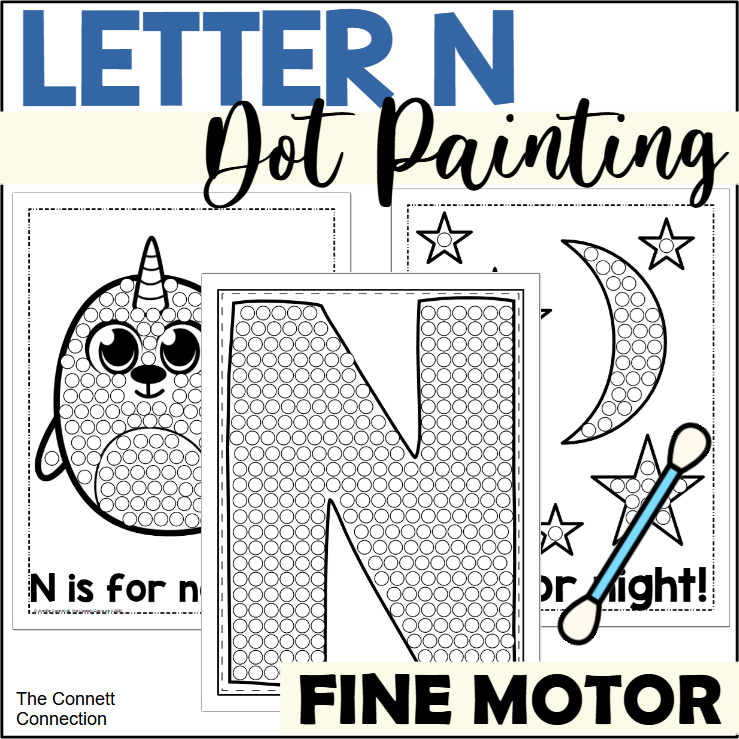
Dot-paint (e.g. with Q-tips) N-themed pictures (narwhal, nest, night) and dot-paint the shape of capital and lowercase letter N.
A GCSE/KS4 English Literature PowerPoint lesson guiding students through a close reading and analysis of Macbeth Act 5, Scenes 2, 3 and 4, framed around the theme of insanity/loss of power.
 Free download
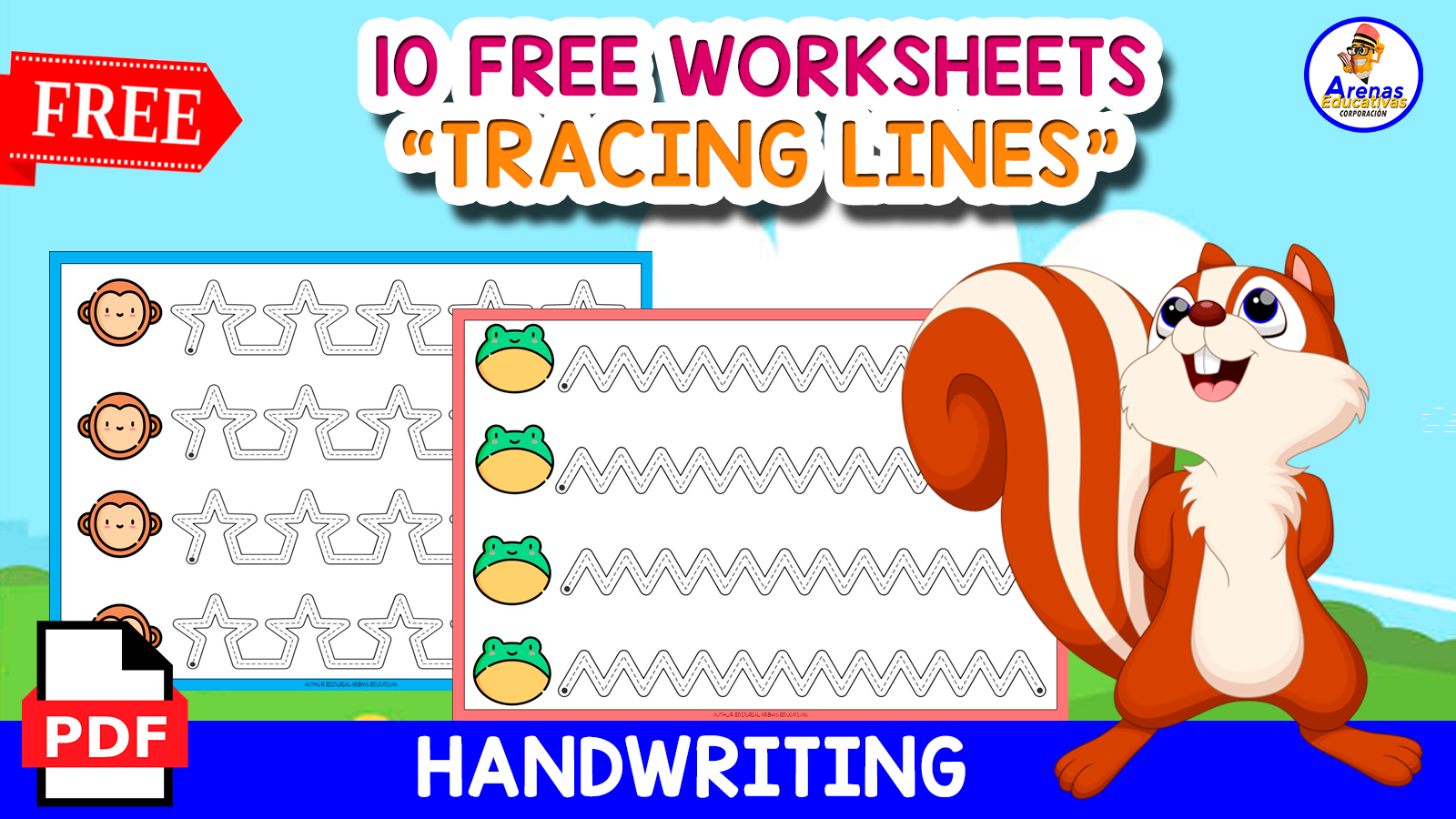
 Provide printable line-tracing practice pages to build early pre-writing / fine motor readiness (per file title 'TRACING LINES 10 WORKSHEETS').
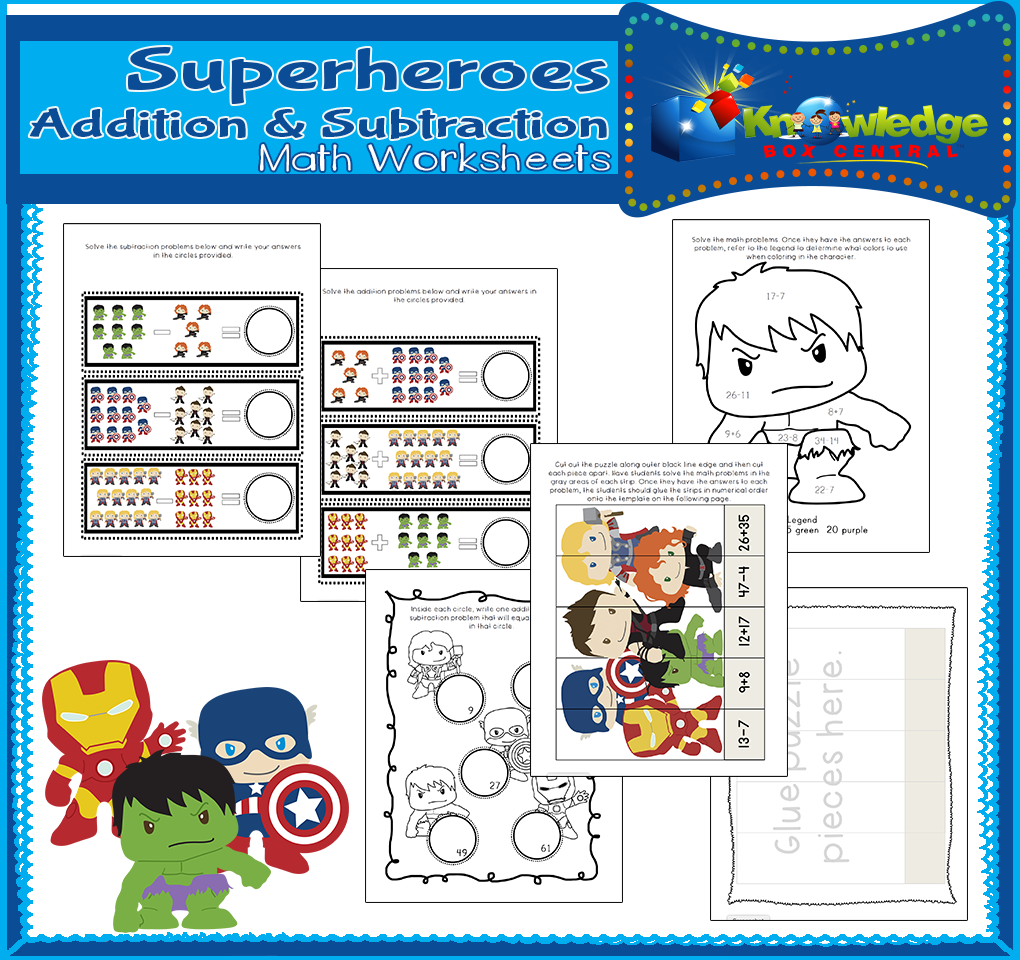
Super hero-themed addition and subtraction practice worksheets for early learners, including a color-by-answer activity and a cut-and-paste math puzzle.
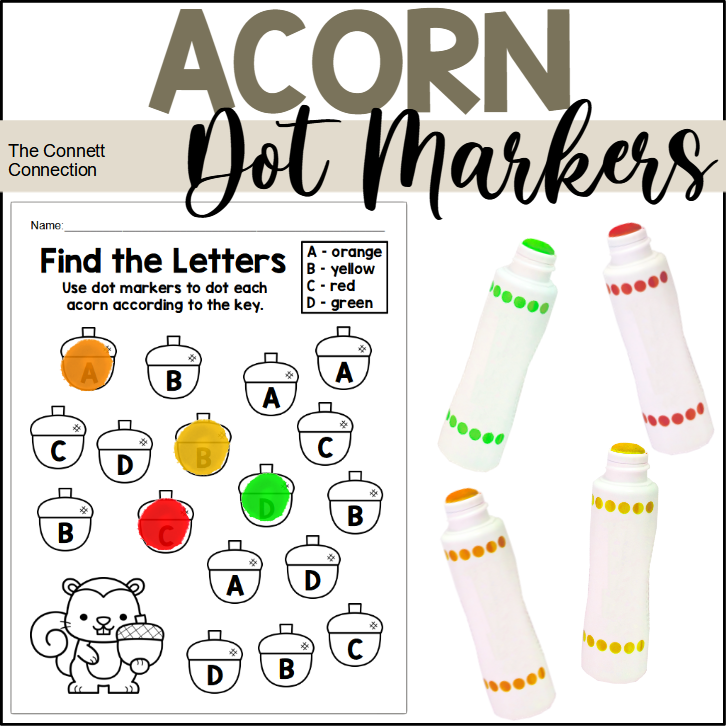
Look at the color key mapping specific letters to colors (e.g., A-orange, B-yellow, C-red, D-green) and use dot markers to dot each acorn on the page according to its letter/color key.
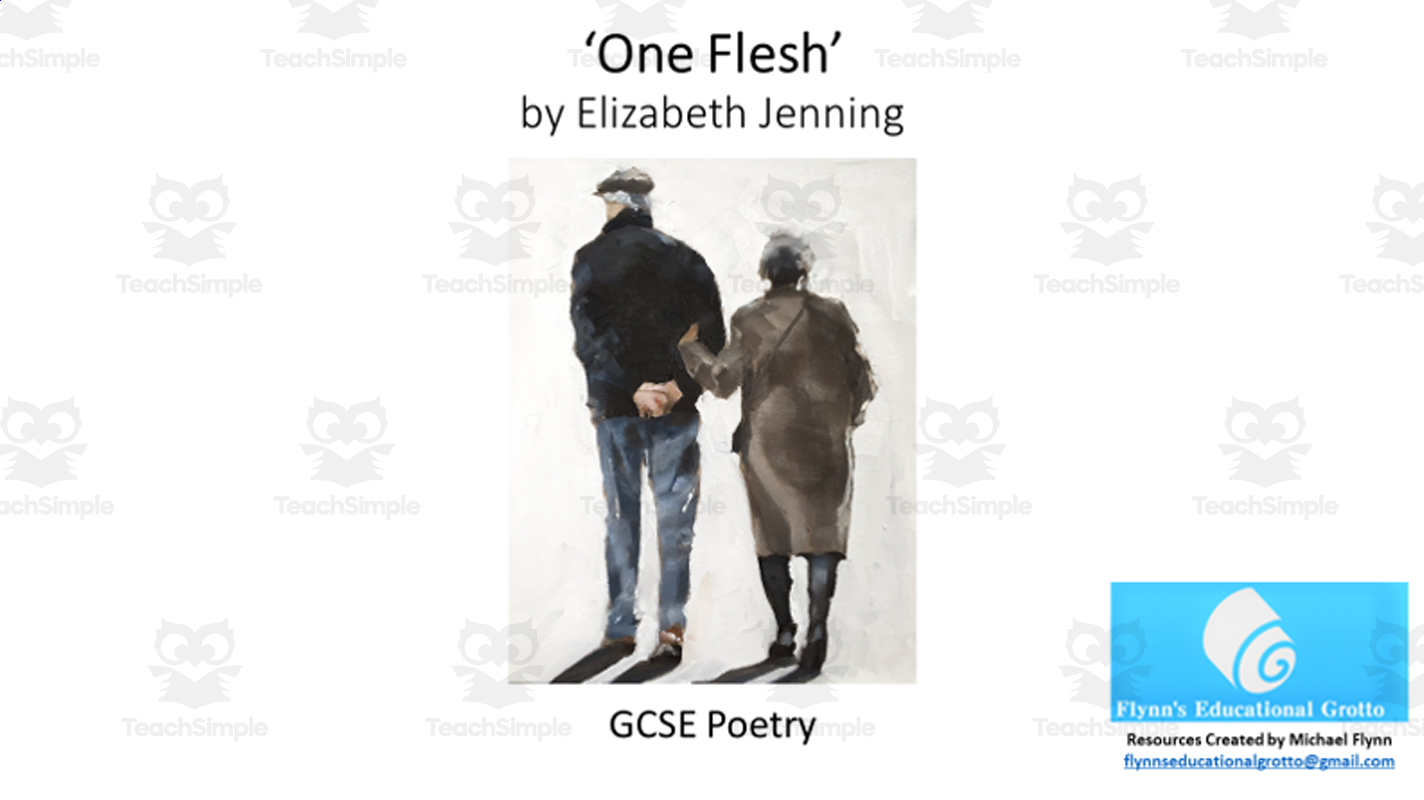
A GCSE English Literature poetry-analysis PowerPoint lesson guiding students through close reading of 'One Flesh' by Elizabeth Jennings, covering author/poet context, first reading and annotation, tone and language analysis, structure questions, and an academic PETAL-paragraph writing task. The lesson frames the poem around an…

A pointed-to student removes the dinosaur matching the called shape each time the class sings the verse, continuing until all dinosaurs are gone; students hold up fingers to match the remaining dinosaur count, and can colour/cut a black-and-white set to make their own.
 Free download
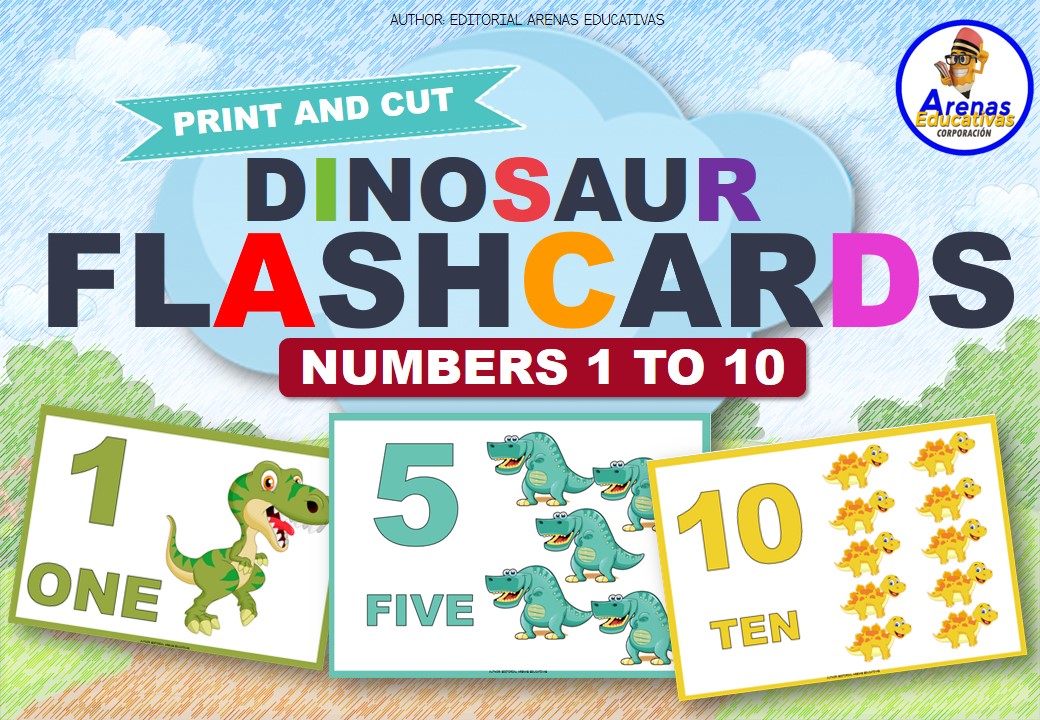
 Dinosaur-themed math flashcards for numbers 1 to 10, for number recognition practice.
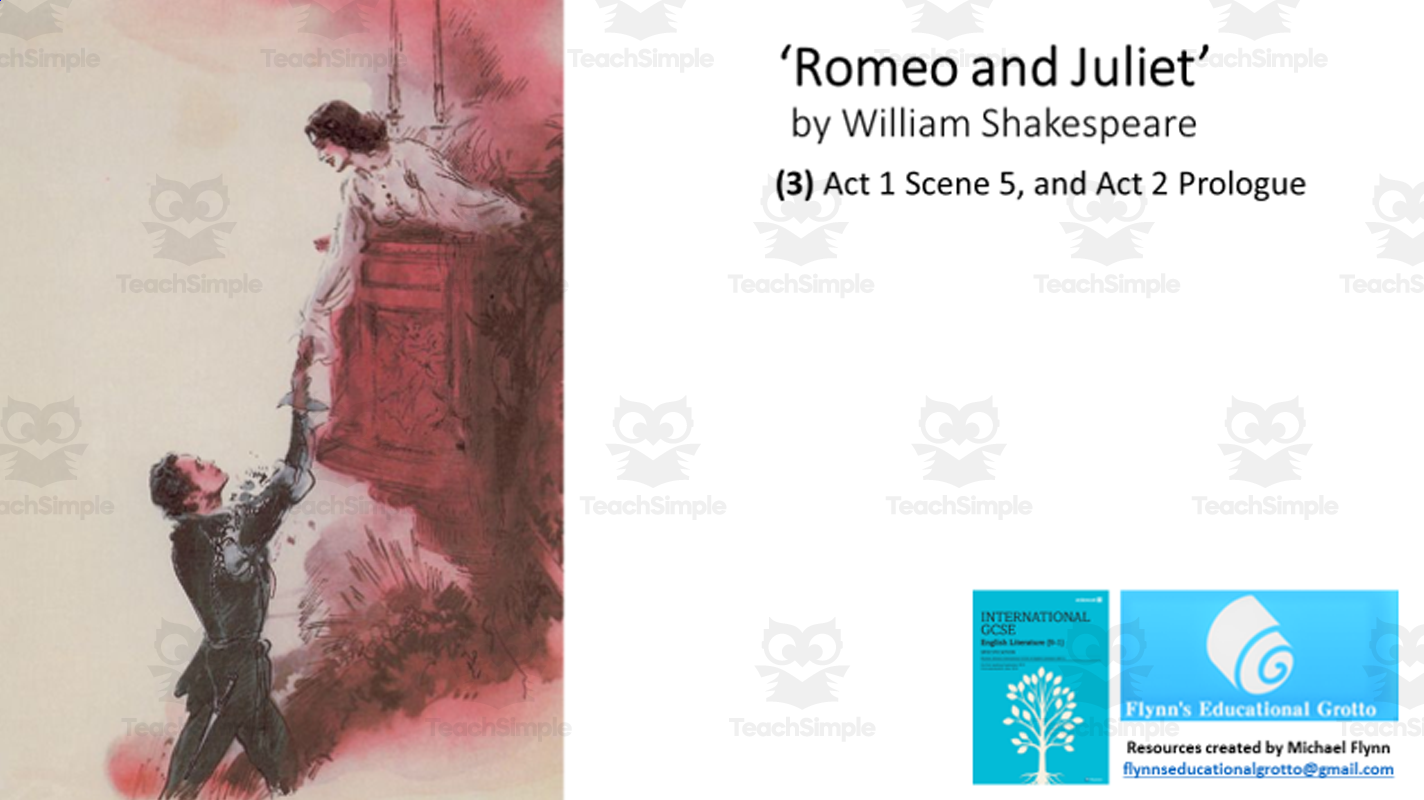
A GCSE English Literature PowerPoint lesson guiding students through a close reading and analysis of Romeo and Juliet Act 1 Scene 5 and the Act 2 Prologue (Romeo and Juliet's first meeting/kiss at the Capulet feast, Tybalt's fury, and the Chorus's sonnet on their obstacles), framed around the theme of love.

A GCSE English Literature PowerPoint lesson on the characterisation of Eric Birling in 'An Inspector Calls', teaching direct vs indirect characterisation and applying it to his family/class status, alcoholism, misdirected blame, and role in Eva Smith's demise.
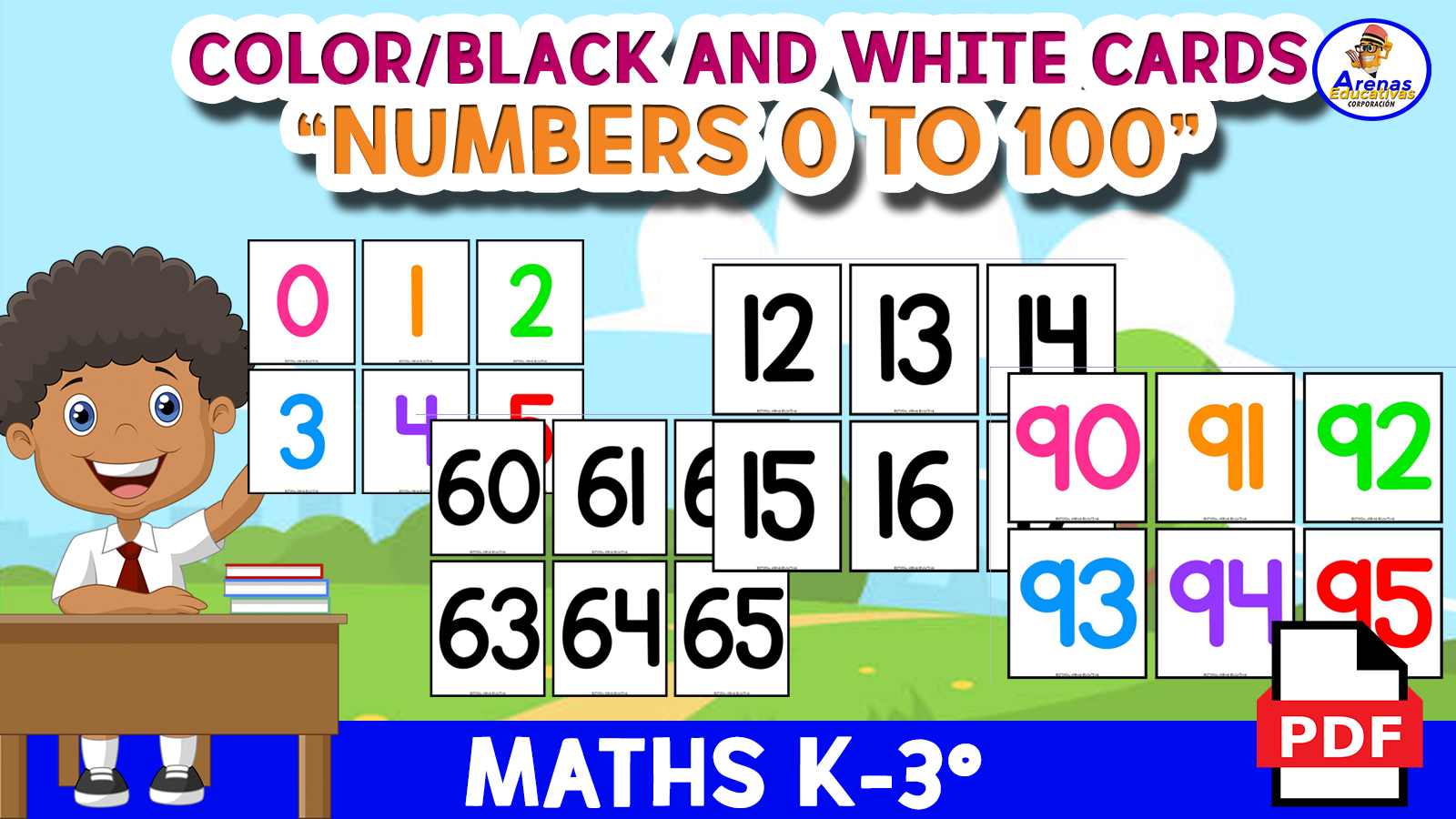 Free download
 Flashcards showing the numbers 0/1 through 100, provided in both a color version and a black-and-white version, for number recognition practice.

A GCSE English Literature PowerPoint lesson guiding students through a close reading and analysis of Romeo and Juliet Act 5, Scenes 1, 2 and 3 (Romeo's dream and Balthasar's news, Friar John's failed errand, the deaths at the Capulet tomb), framed around audience regard for the leading characters.
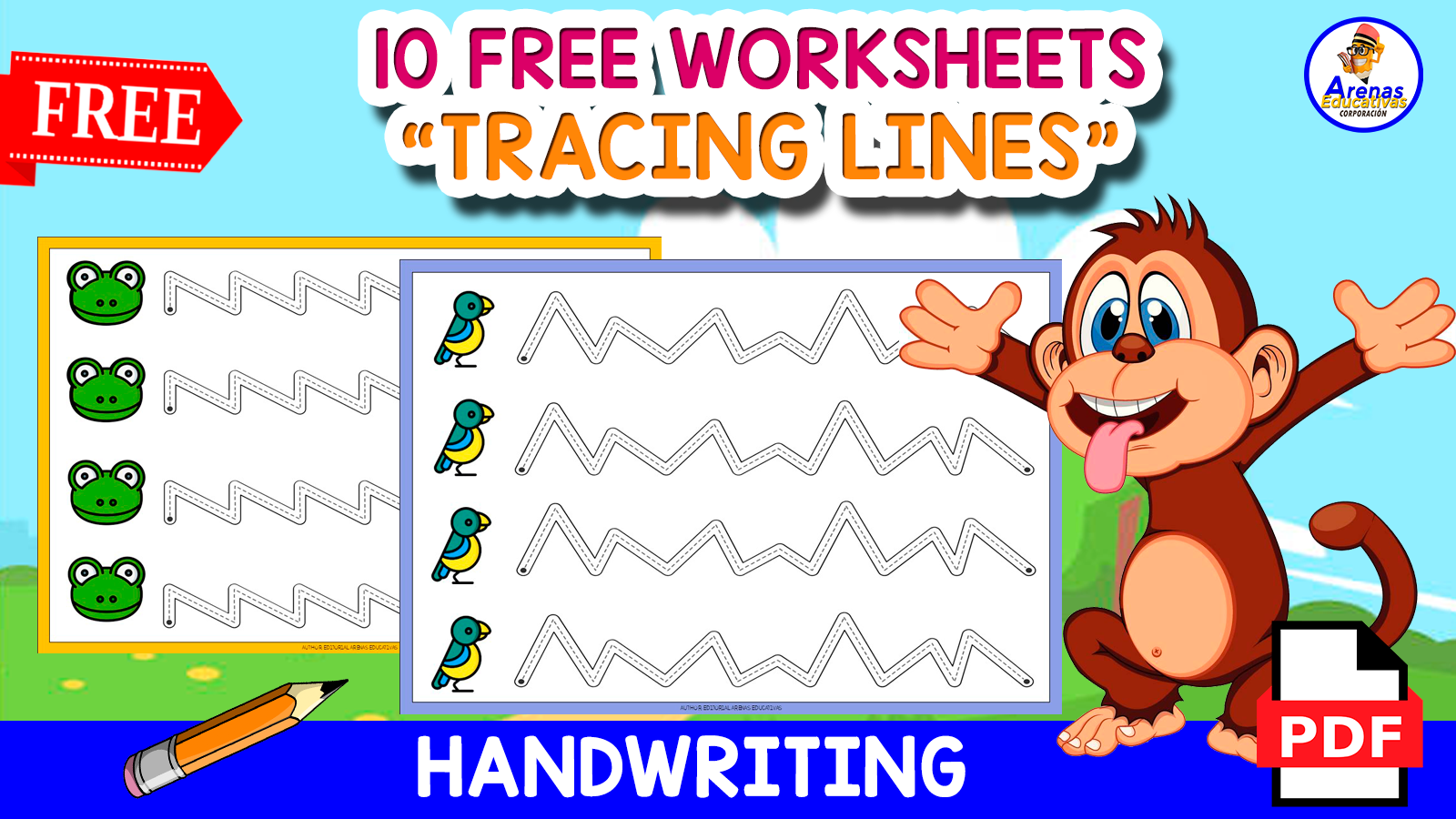 Free download
 Provide printable line-tracing practice pages to build early pre-writing / fine motor readiness (per file title 'TRACING LINES 10 WORKSHEETS').
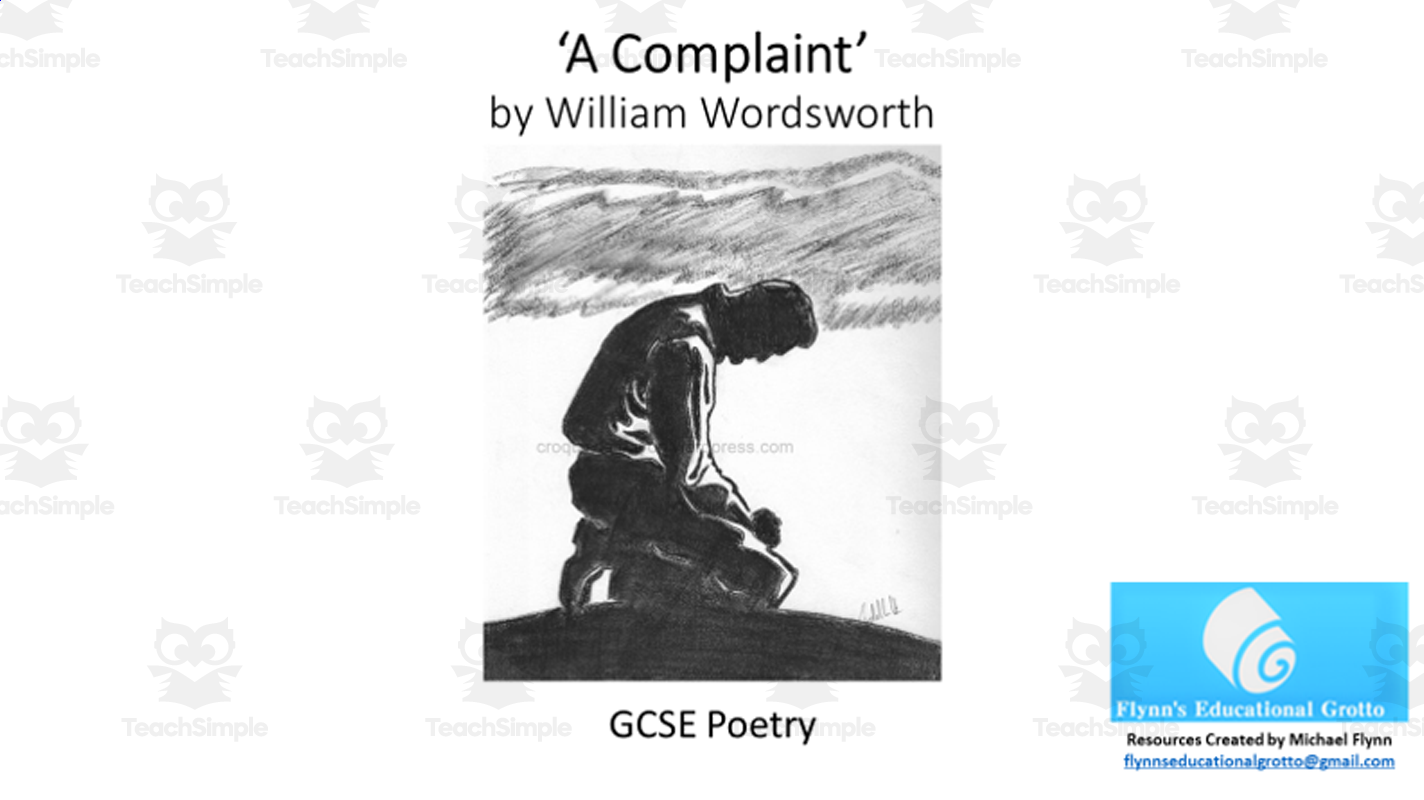
A poetry-analysis lesson deck exploring 'A Complaint' by William Wordsworth, covering meaning, language, structure and the emotional aftermath of a failed relationship.
 Free download
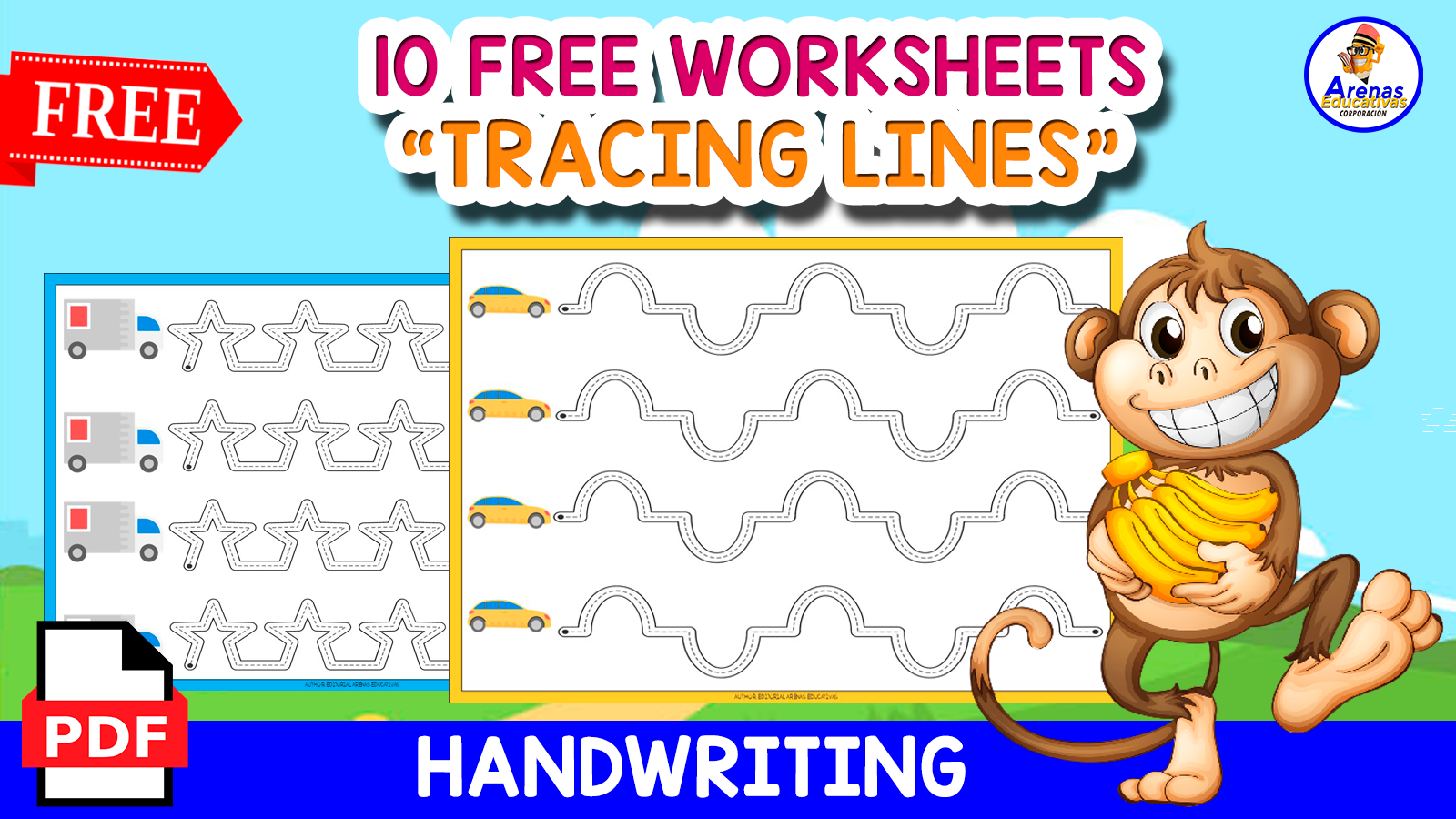
 Trace the printed lines on each worksheet page with a pencil or crayon.
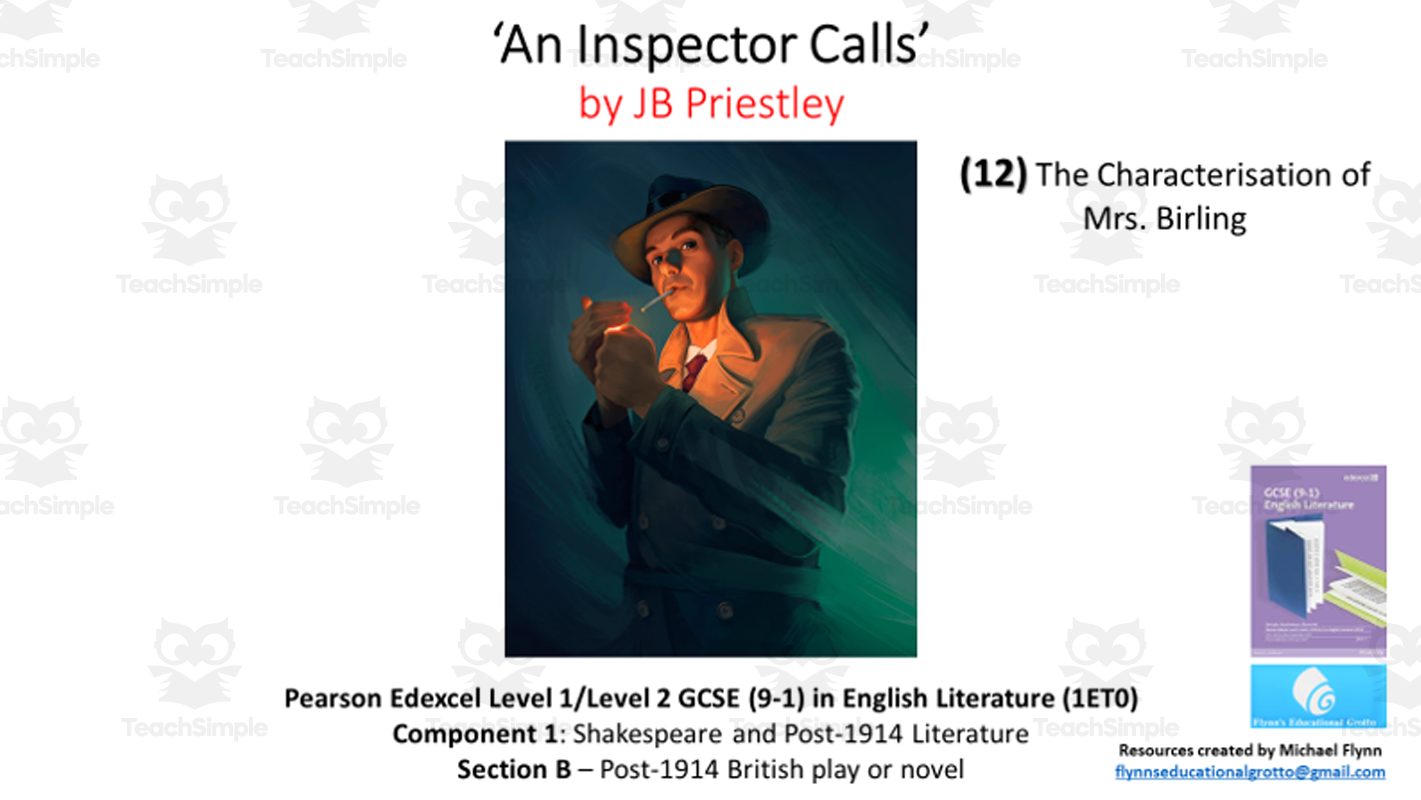
A GCSE English Literature PowerPoint lesson on the characterisation of Mrs Birling in 'An Inspector Calls', teaching direct vs indirect characterisation and applying it to her family/class status, hostility, role in Eva Smith's demise, and symbolic function as an unsympathetic upper-class figure.
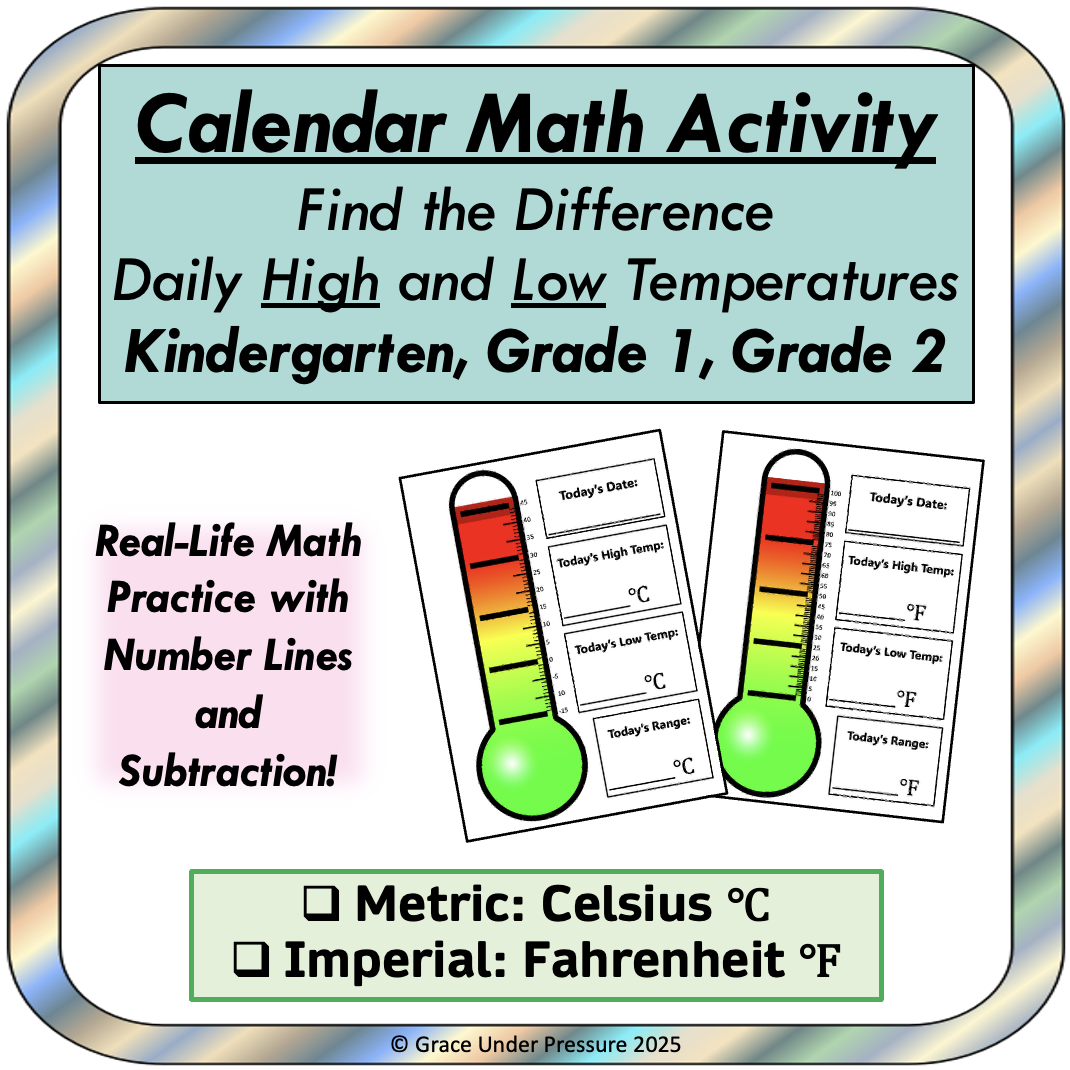
Record the day's high and low temperature (in Celsius or Fahrenheit) on a large thermometer chart, then find the difference between the two temperatures using number-line counting, mental math, or the subtraction algorithm.
 Free download
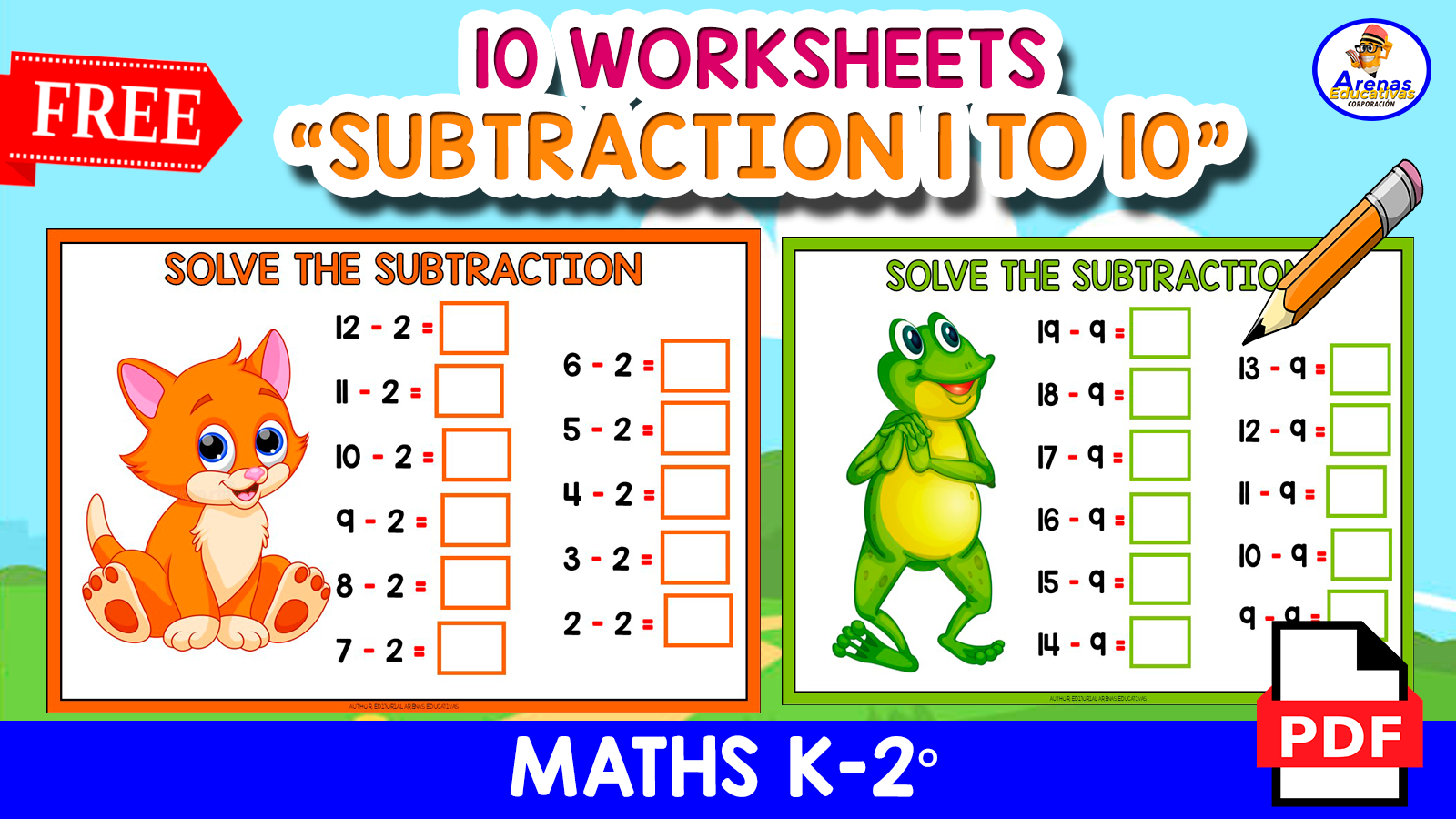
 Provide subtraction fact practice worksheets covering subtraction tables for numbers 1 through 10.
 Free download
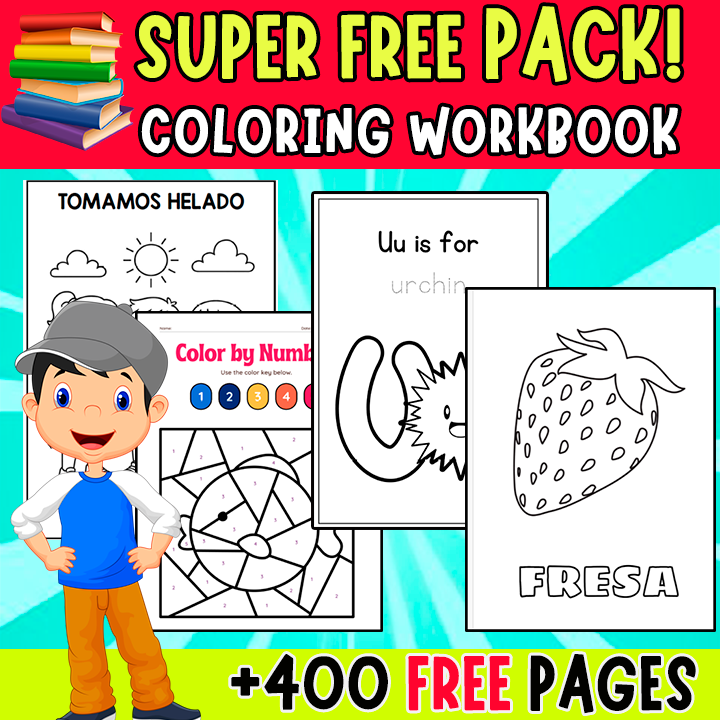
 Color illustrated pictures; for the Spanish-captioned pages, associate a printed Spanish word/phrase with its picture.