Reading & writing
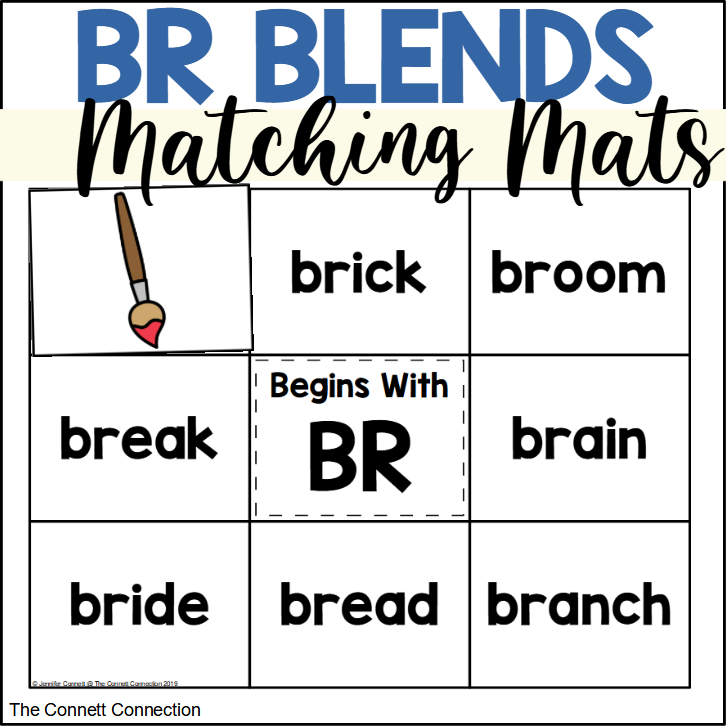
BR Words Beginning Blends Matching Mats
Cut out picture cards and match them to a 'Begins With BR' word mat and to a BR sentence mat by reading each word or sentence and matching the corresponding picture.




8,334 resources
Explore sub-categories
14 sub-categories · 8,334 resources
Cut out picture cards and match them to a 'Begins With BR' word mat and to a BR sentence mat by reading each word or sentence and matching the corresponding picture.
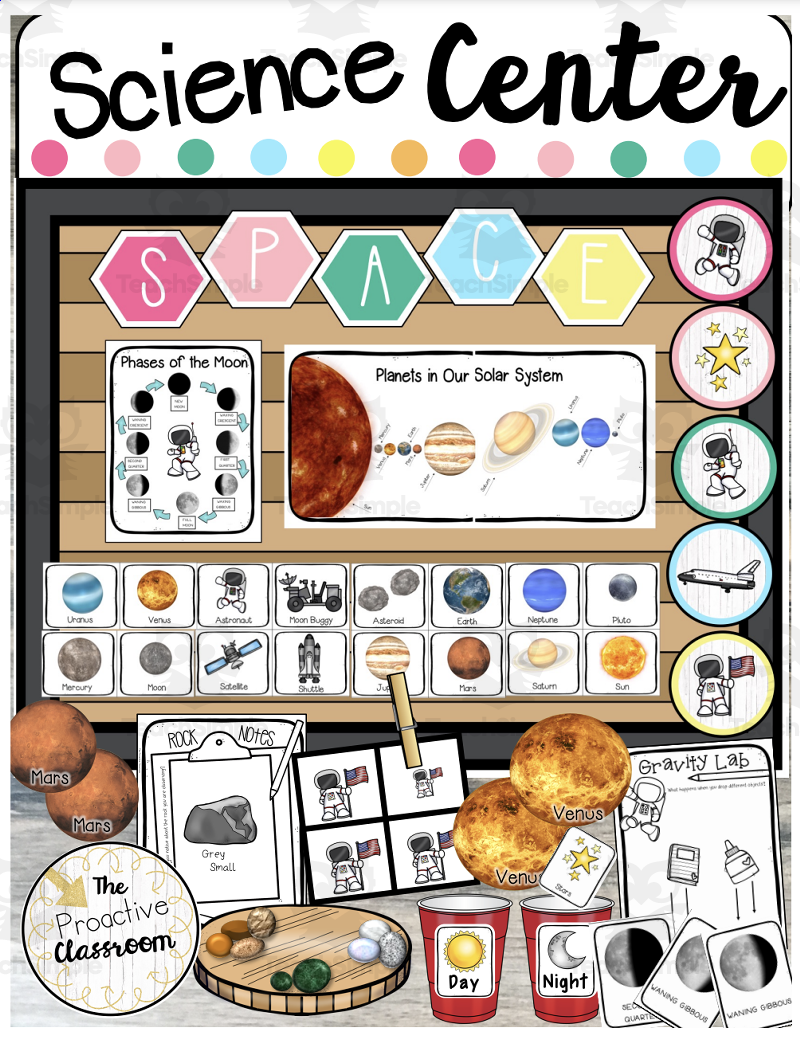
Students drop objects to observe gravity and record findings, sort and observe rocks, play a visual-discrimination clipping game, match planet cards, sort day/night picture cards, and sequence moon-phase cards, drawing or writing about what they observe.

Solve word problems by organizing data, constructing tables, making lists, and drawing patterns across a series of themed activity pages (e.g. scoring, tessellating tiles, measurement, area/perimeter, party planning).
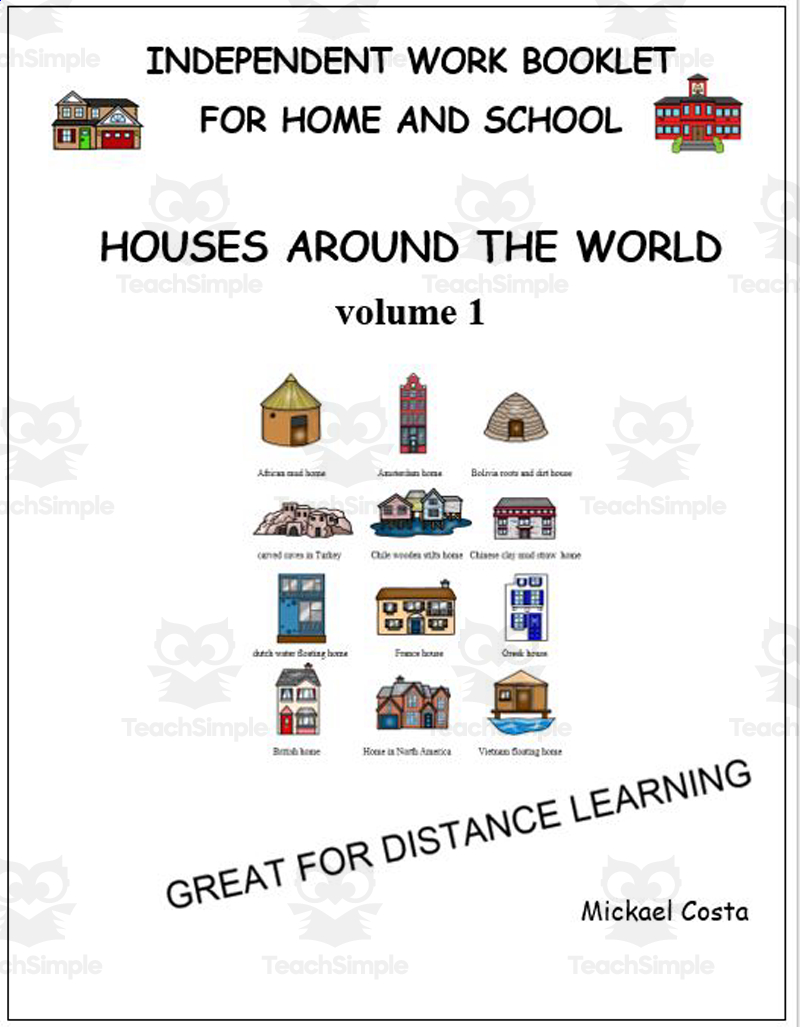
Students match vocabulary words to pictures, study a vocabulary word list, complete a bingo sheet and create their own word search, write sentences and an illustrated story using the vocabulary, answer a personal-connection reflection prompt, play a guessing game, solve anagrams, write riddles, do an internet research prompt…
Teach 6th-grade-level students about medieval Europe's economic history, specifically how specialization of labor and trade networks developed during the Middle Ages, through a nonfiction reading passage written at a 1000 Lexile level.
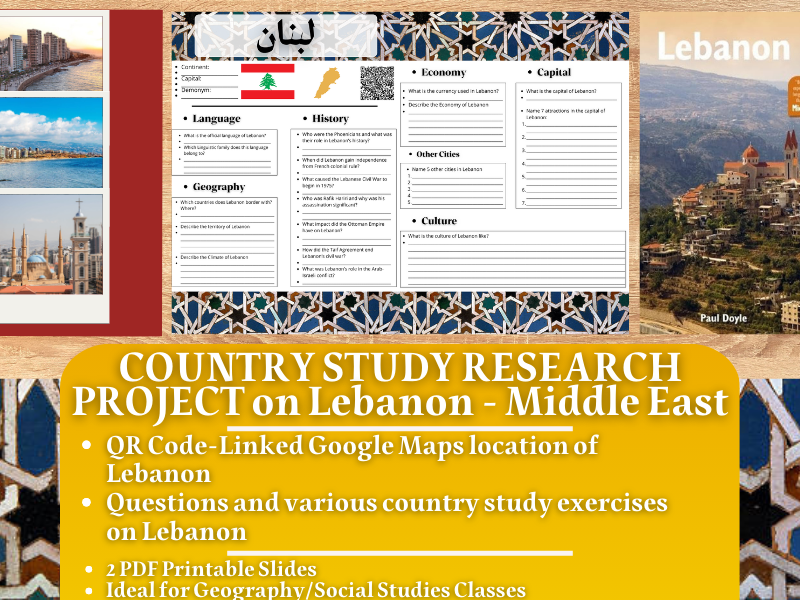
Students research Lebanon using outside sources and write their findings on blank lines answering prompts about its continent, capital, demonym, official language(s), borders, territory, climate, currency, economy, capital-city attractions, other cities, and culture.

Weather Unit and Literacy and Math Activity Packet The Weather Unit and Literacy and Math Activity Packet is an extensive teaching resource intended primarily for use with students at the Grade 1-4 level. Comprising of over 50 pages, this package forms a comprehensive unit on weather, offering ample printable worksheets that…

A 4th grade math homework/review packet ('Growthwork') giving students guided example problems and independent practice on place value, number forms, comparing numbers, and estimation.

A set of 5 rotating math stations that supplement a unit on statistics and probability, covering theoretical/experimental probability, measures of central tendency, and dot plots.

Interpret sayings presented in a Benjamin Franklin activity and connect them with biographical research. Students translate eighteen entries into modern language, write two sayings of their own, and organize information about Franklin. Sample interpretations and teacher directions support discussion without requiring every student response to use identical wording.

Solve four multi-step percent scenarios (e.g., simple interest, tax, markups/markdowns, gratuities) and show written work; available as a printable version or a Google Slides version for digital submission.
A preschool thematic curriculum guide for a 'bugs/insects' unit, giving teachers vocabulary, concepts, and activity ideas to raise awareness of insects and nature.
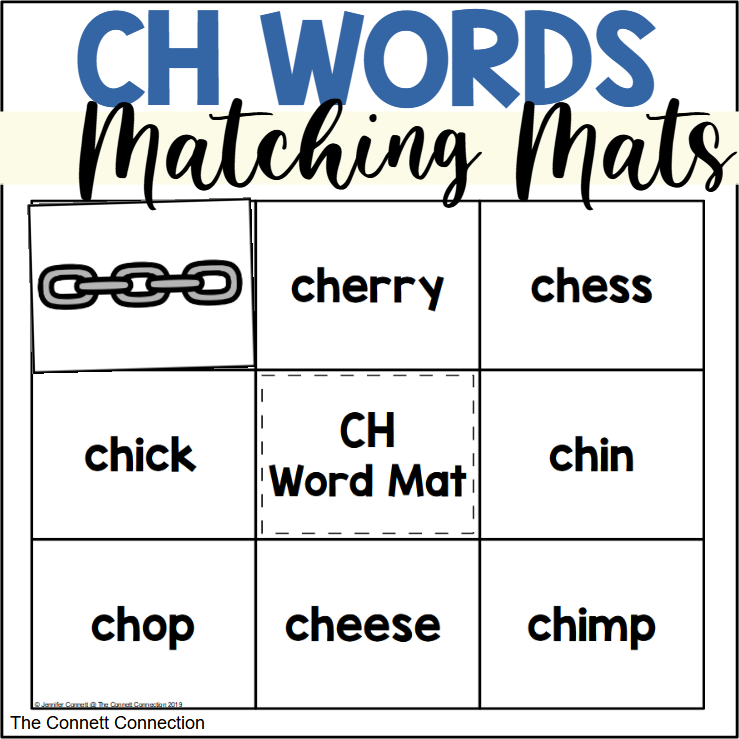
Students read each CH word (e.g. chain, cherry, chess, chick, chin, chop, cheese, chimp, couch, peach, torch, arch, touch, beach, teach, pouch) or CH sentence (e.g. 'I see a chick hatch from its egg.', 'I can chop the log in two.', 'Chad will go to the beach.') on the mat, then cut out and match the corresponding picture cards…
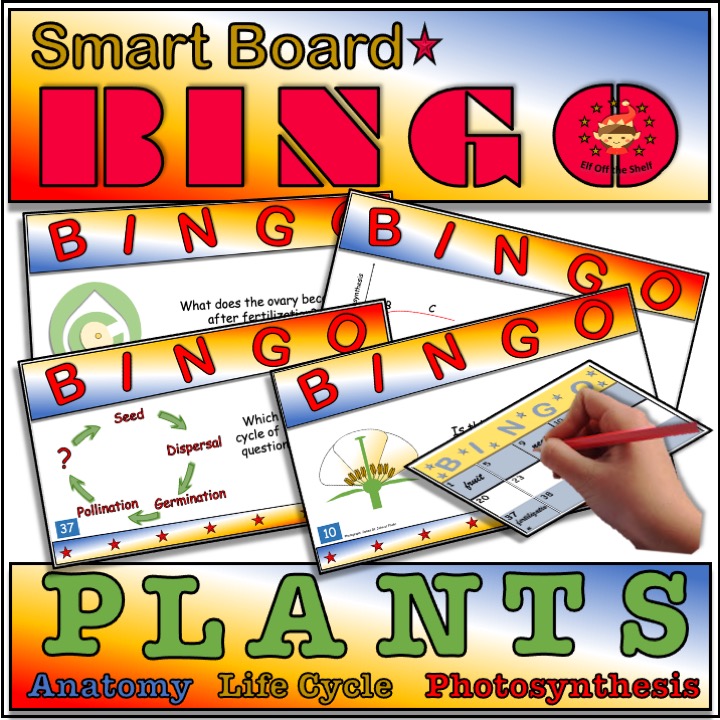
Students look at each displayed question/image on the interactive whiteboard, work out the answer, and write it into the bingo square that matches the question number on their bingo card; the game is played toward lines and a full house, checked against a teacher answer sheet.
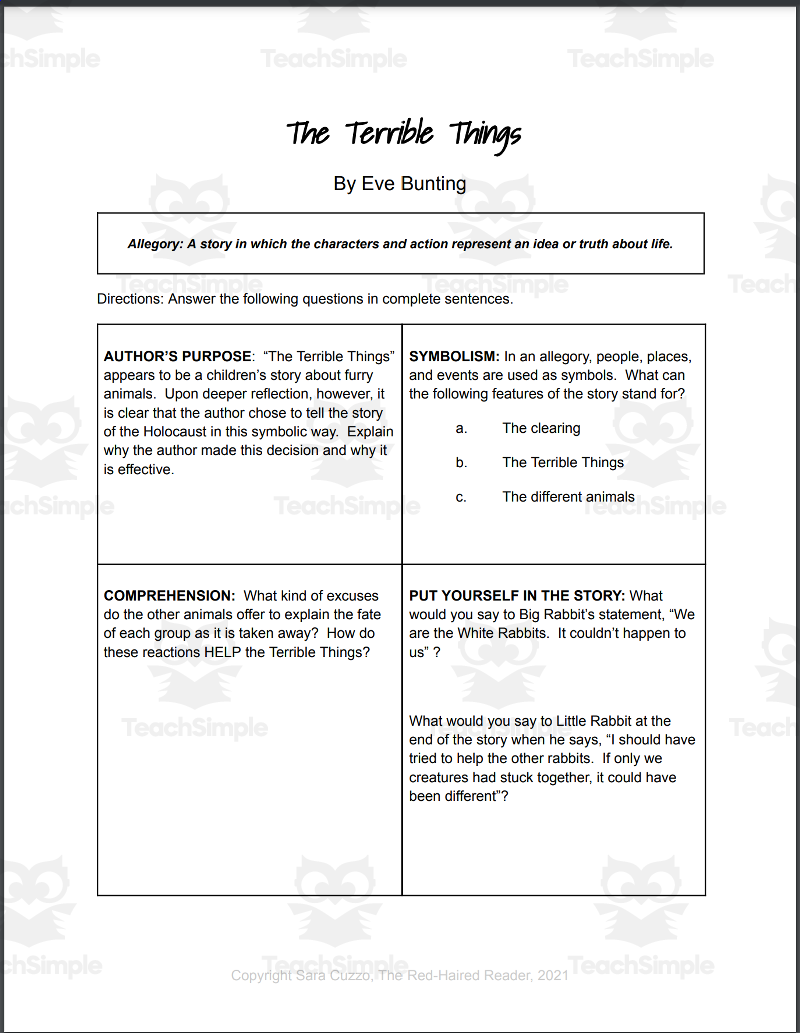
Paired-text analysis activity teaching students to compare an allegorical children's story and a poem, both used to represent the Holocaust, and to synthesize their shared themes in writing
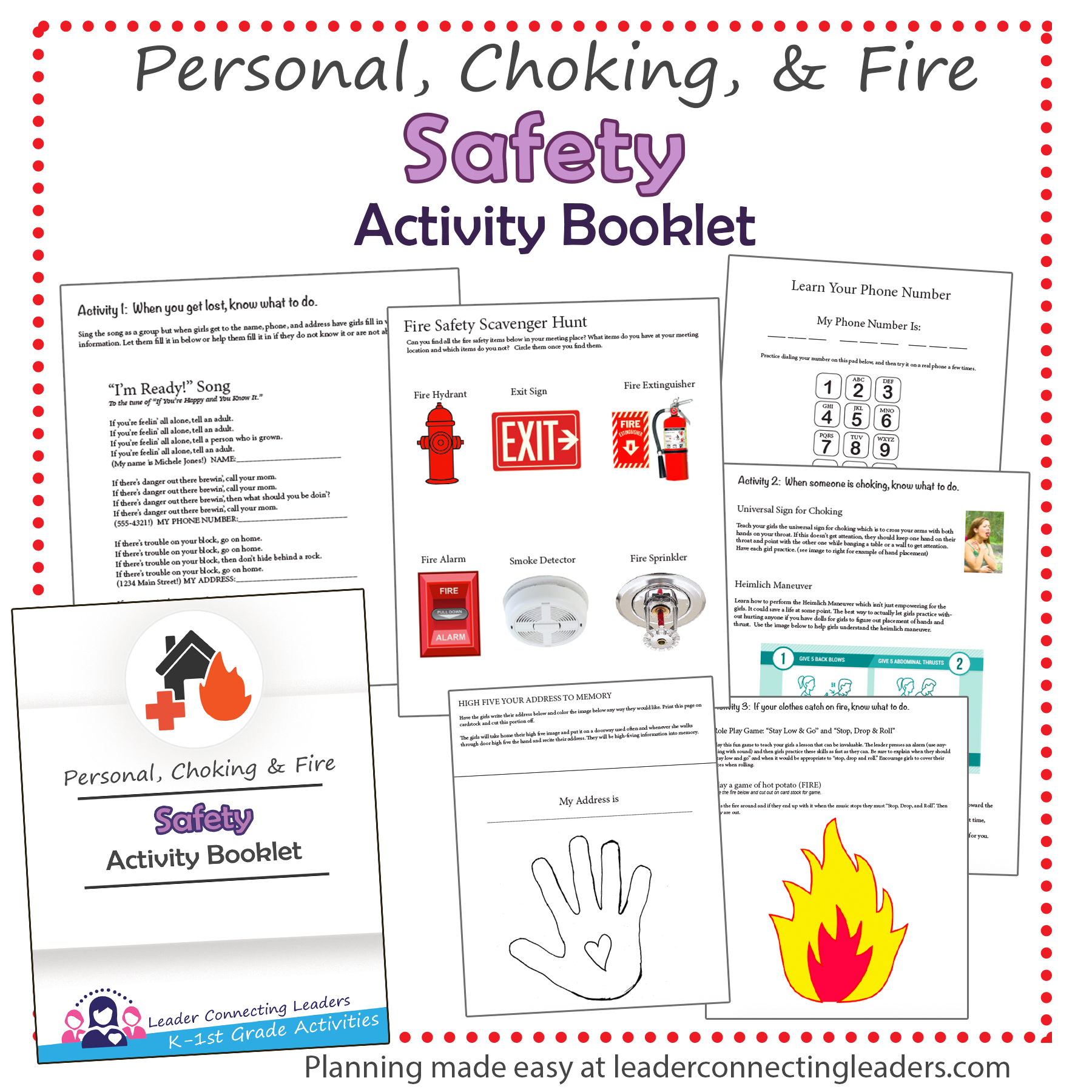
Sing songs to memorize personal information, fill in own name/phone number/address on worksheets, practice dialing a phone number on a printed keypad, make a phone-number bracelet, practice a 'high five' address-memory routine, learn and practice the universal choking sign and Heimlich maneuver steps, role-play 'Stay…
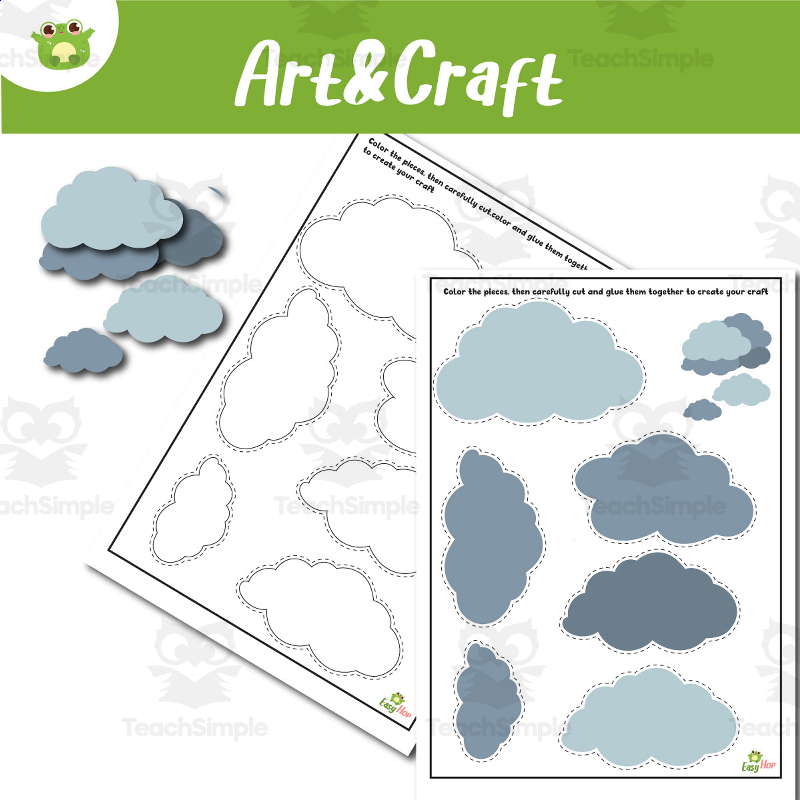
Color the cloud pieces (or use the pre-colored version), then cut and glue/assemble the pieces together to create a cloud craft.
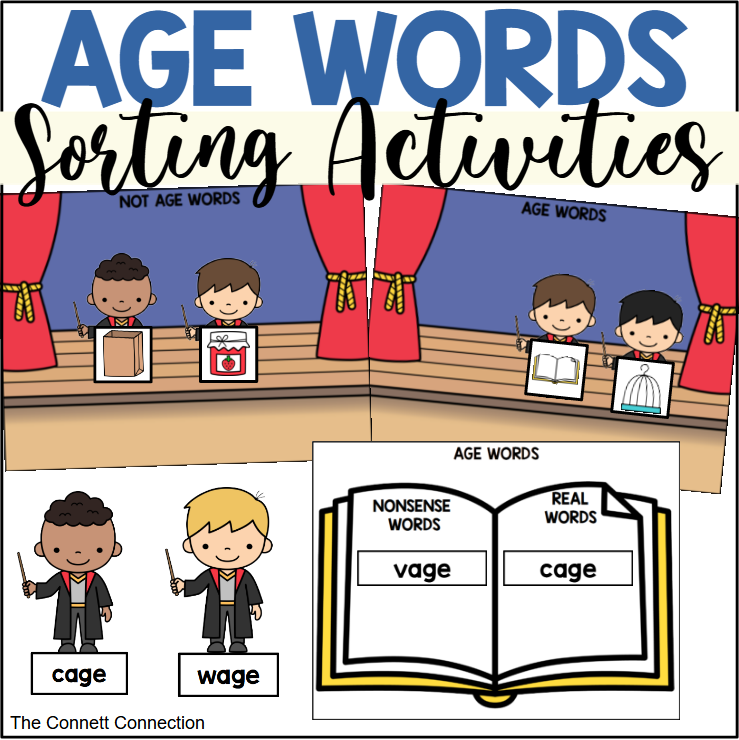
Sort word or picture cards into AGE-family vs. not-AGE-family columns, and into real-word vs. nonsense-word columns.
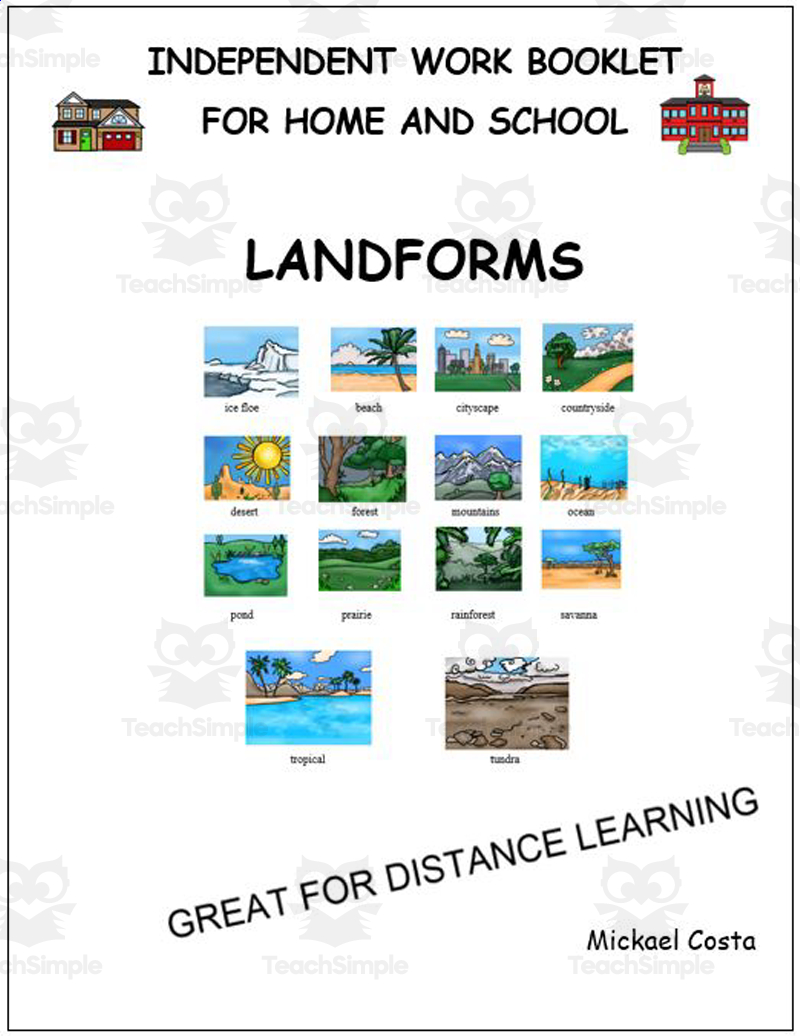
Students match vocabulary words to pictures, study a vocabulary word list, complete a bingo sheet and create their own word search, write sentences and an illustrated story using the vocabulary, answer a personal-connection reflection prompt, play a guessing game, solve anagrams, write riddles, do an internet research prompt…

Students in teams of 3-4 lay out 42 cards face down and take turns flipping two cards, keeping matched question-and-answer pairs (e.g., 'the plant organ responsible for photosynthesis' -> 'xylem'/'roots'; terms like stomata, glucose, carbon dioxide, phloem, pollen grains); the team with the most pairs at the end wins.
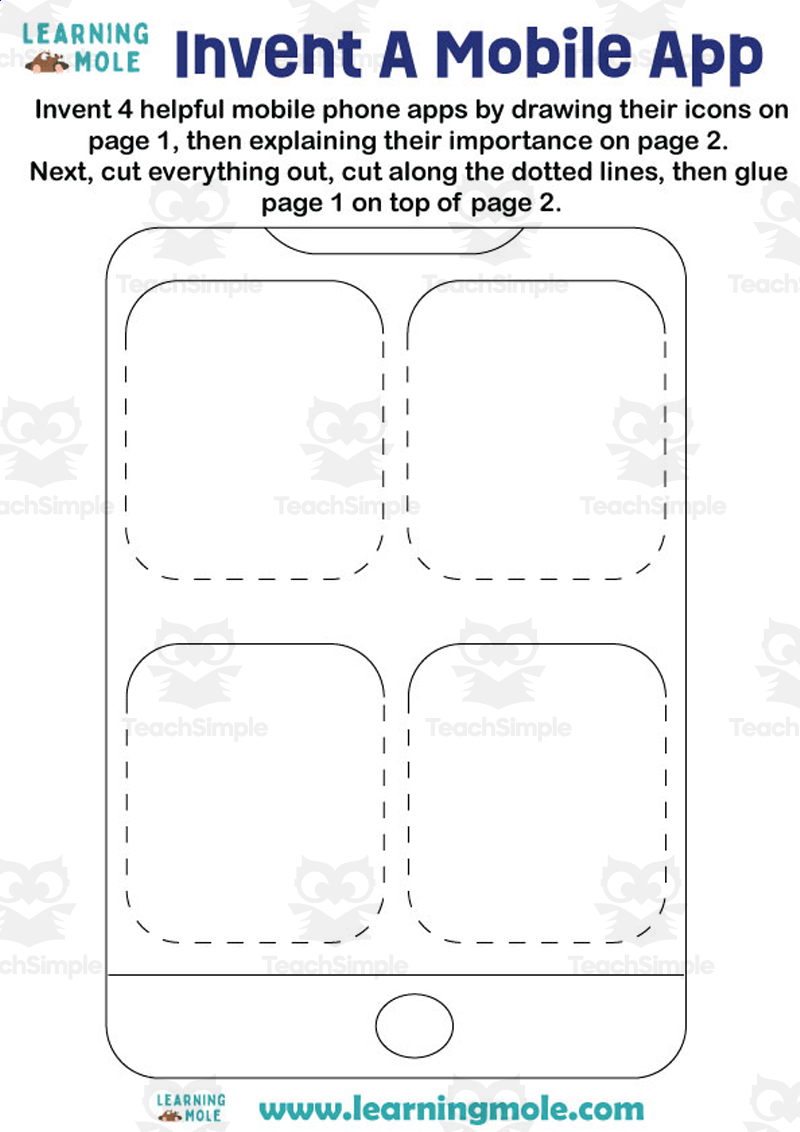
Invent 4 helpful mobile phone apps by drawing their icons on page 1, explain their importance on page 2, then cut out and glue page 1 on top of page 2 to assemble the finished icons.

Students complete hands-on art projects (painting, cutting/pasting, printmaking, mask-making, etc.) modeled on activities inspired by artists such as Kandinsky, Mondrian, Picasso, Miro, and Hokusai, using provided templates for some activities.
An interactive alphabet story book that introduces vocabulary and an original short story built around words beginning with the letter U, to support letter recognition and letter-sound practice.
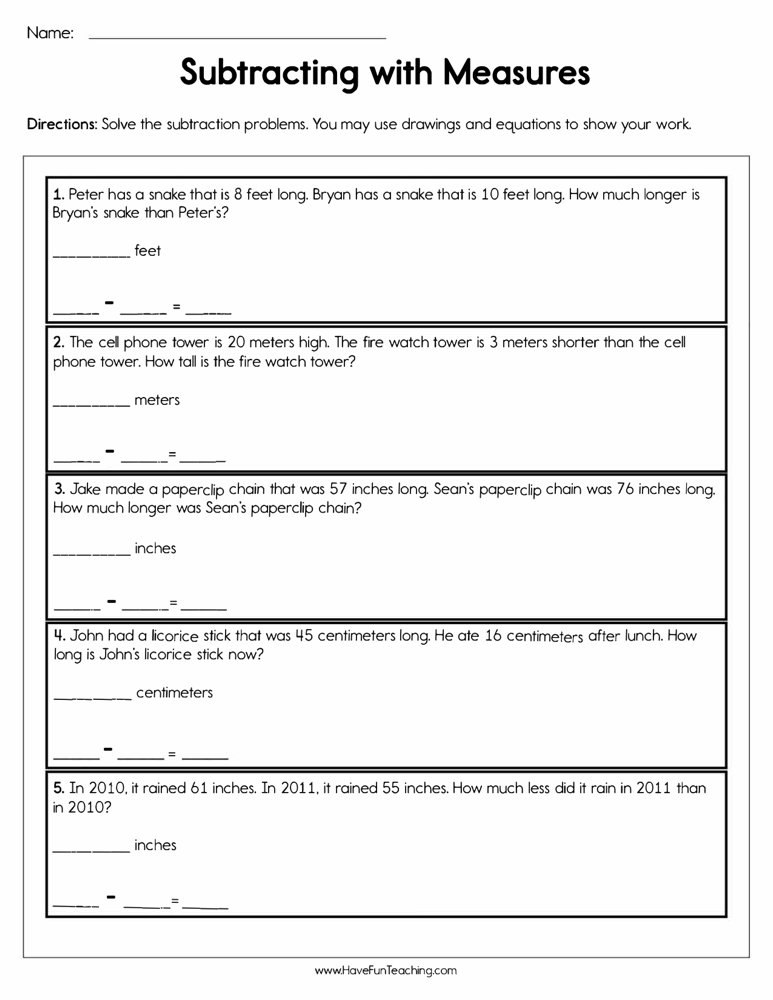
Practice solving subtraction word problems that involve real-life measurement units.