 Free download
 Math & problem solving
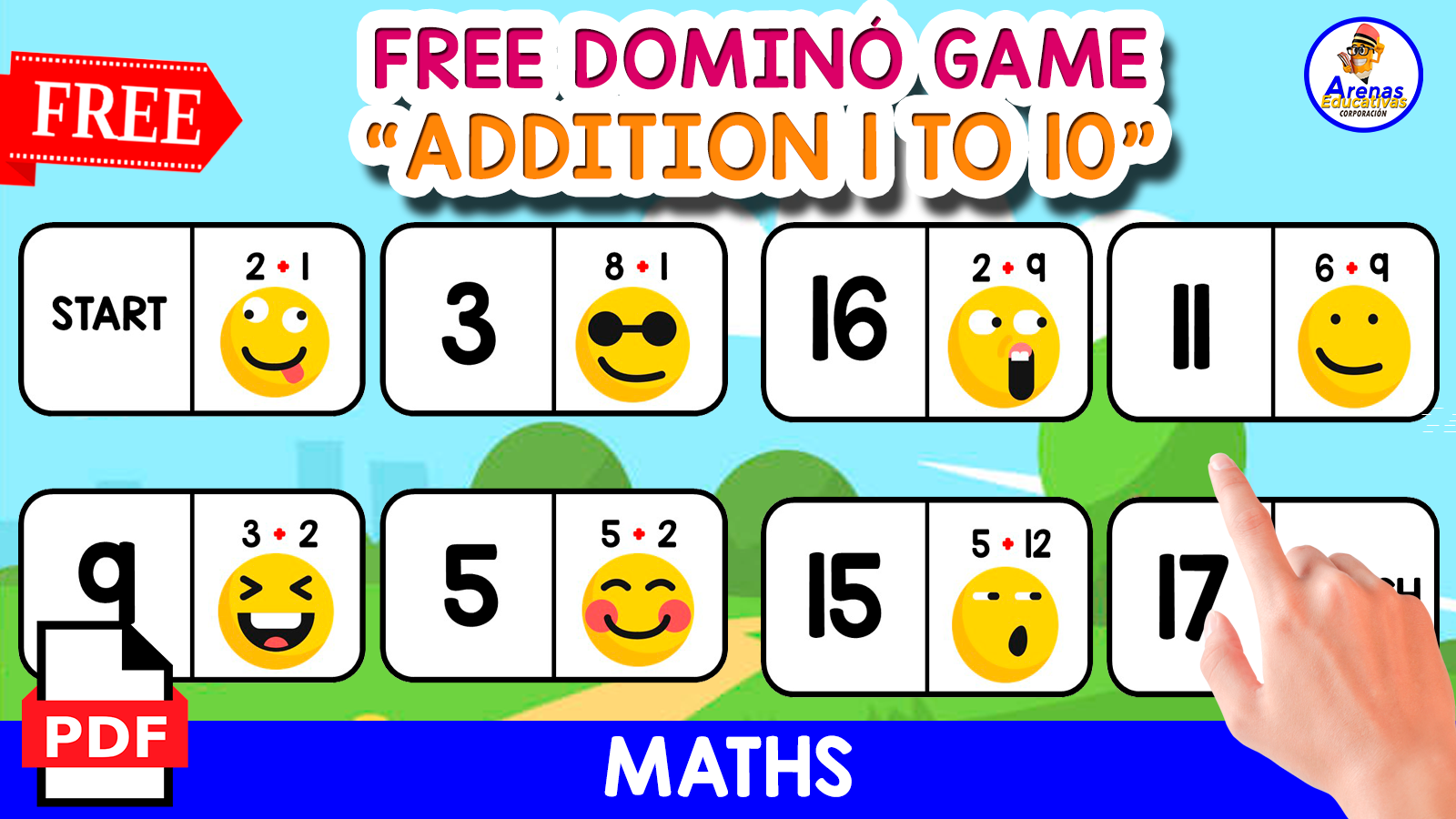
DOMINÓ GAME OF ADDITION | EMOJIS THEMED
Match each addition problem tile to its correct sum to form a continuous chain from START to FINISH.




8,334 resources
Explore sub-categories
14 sub-categories · 8,334 resources
Free download Match each addition problem tile to its correct sum to form a continuous chain from START to FINISH.
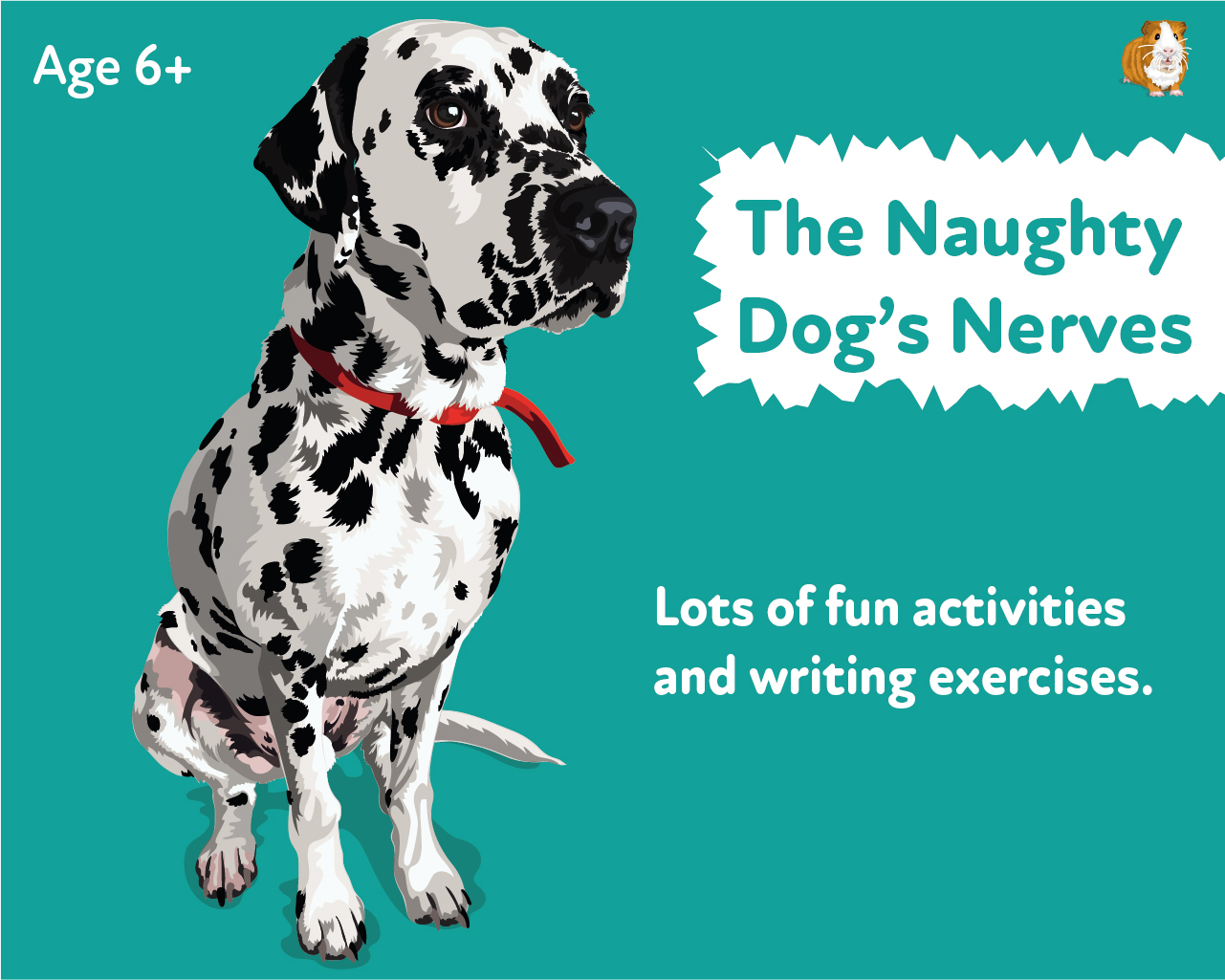
Read/listen to a narrative about 'the naughty dog' feeling anxious when left home alone, then complete embedded drawing prompts, a word-unscrambling task (panic-related verbs), a 'scared words' vocabulary task, sentence completion tasks, a multiple-choice reasoning task about hot-car safety, a tick-list identifying…
 Free download
 No-prep fiction reading comprehension lesson built around the story 'Baseball Boy', about a boy who attends a professional baseball game with his father; students read the story then complete post-reading activities.
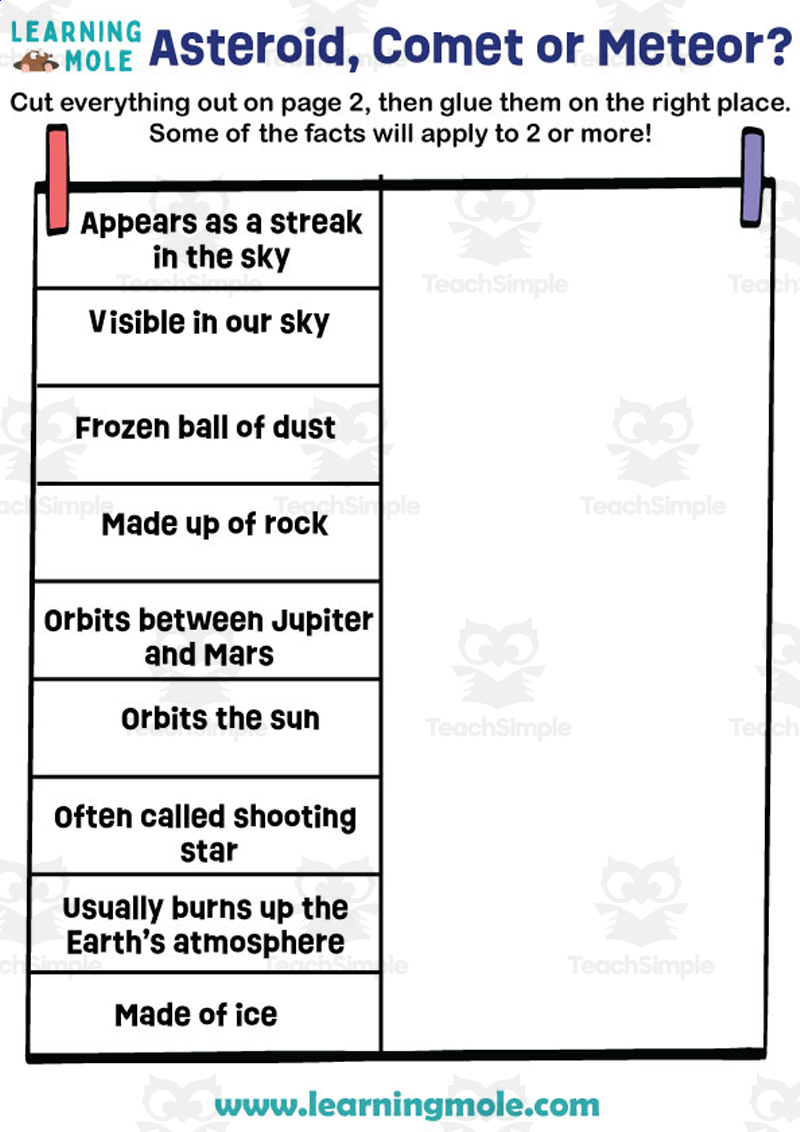
Cut out fact strips and glue each under the correct heading (Comet, Meteor, or Asteroid); some facts apply to more than one category.

Students race to identify and 'swat'/cover the sight word the teacher calls out among a spread of printed Fry 2nd 100 word cards; teachers may also fill in blank editable cards with additional words.
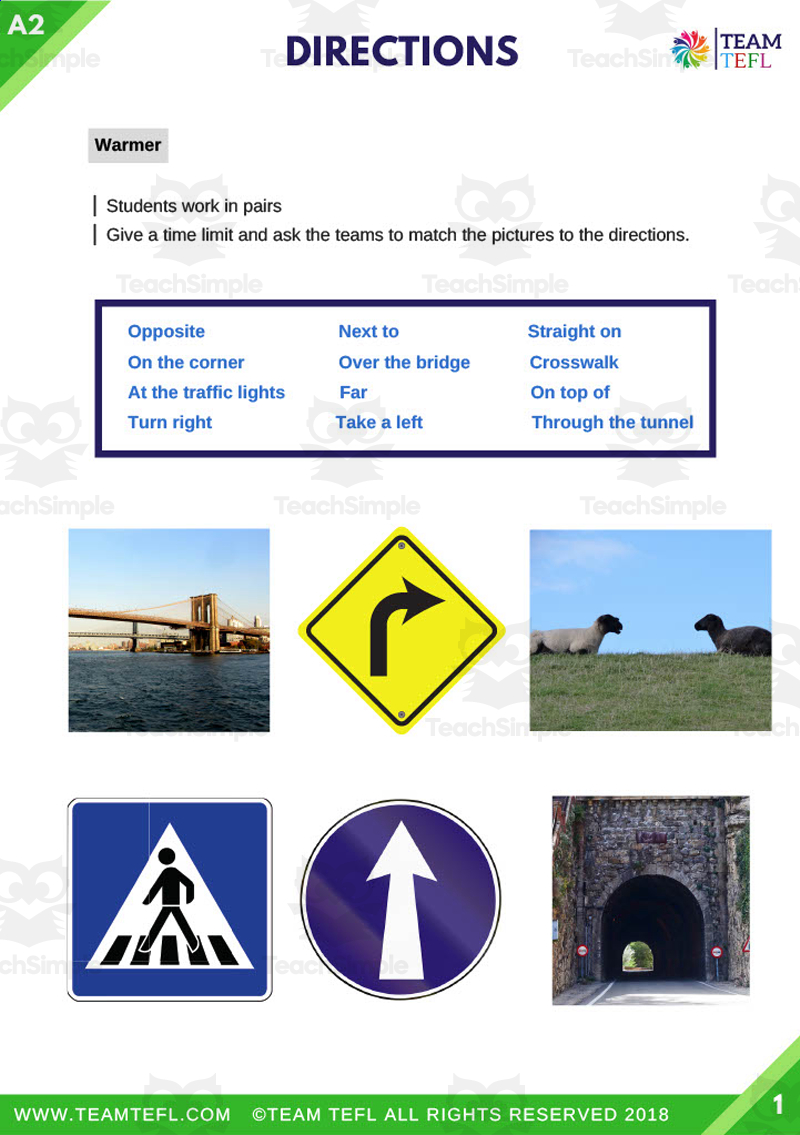
An ESL/EFL descriptive-language lesson pack (TEAM TEFL brand, 'Descriptions A2') teaching adjectives and descriptive writing through flash cards, comprehension of a travel narrative, and vocabulary exercises.
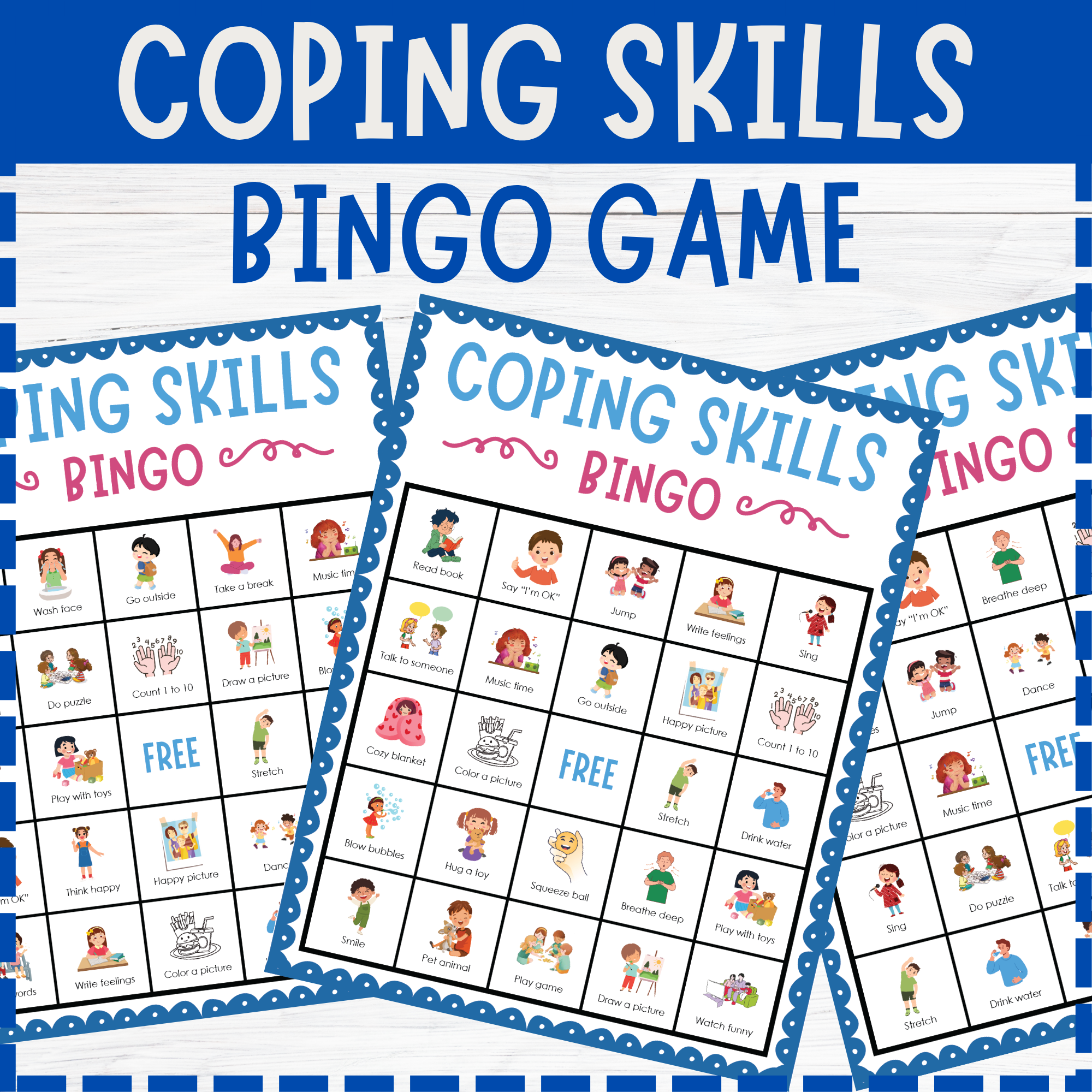
Dozens of uniquely arranged coping-skills bingo cards pair a 5-by-5 grid of self-regulation strategies -- breathe deep, count 1 to 10, hug a toy, squeeze ball, talk to someone, take a break -- with a matching set of calling cards a teacher reads aloud to run the game, plus a free-space center square on every card. An included how-to-use guide walks teachers through preparing and laminating materials, distributing a card and chips to each player, explaining horizontal, vertical, and diagonal winning patterns, and calling out items one at a time from the shuffled calling cards. A separate bingo-marker page supplies a printable chip or token sheet to cover called squares as they come up. The activity doubles as a bingo game and a mindfulness/SEL vocabulary review, since students must recognize and recall each coping strategy by name as it's called.
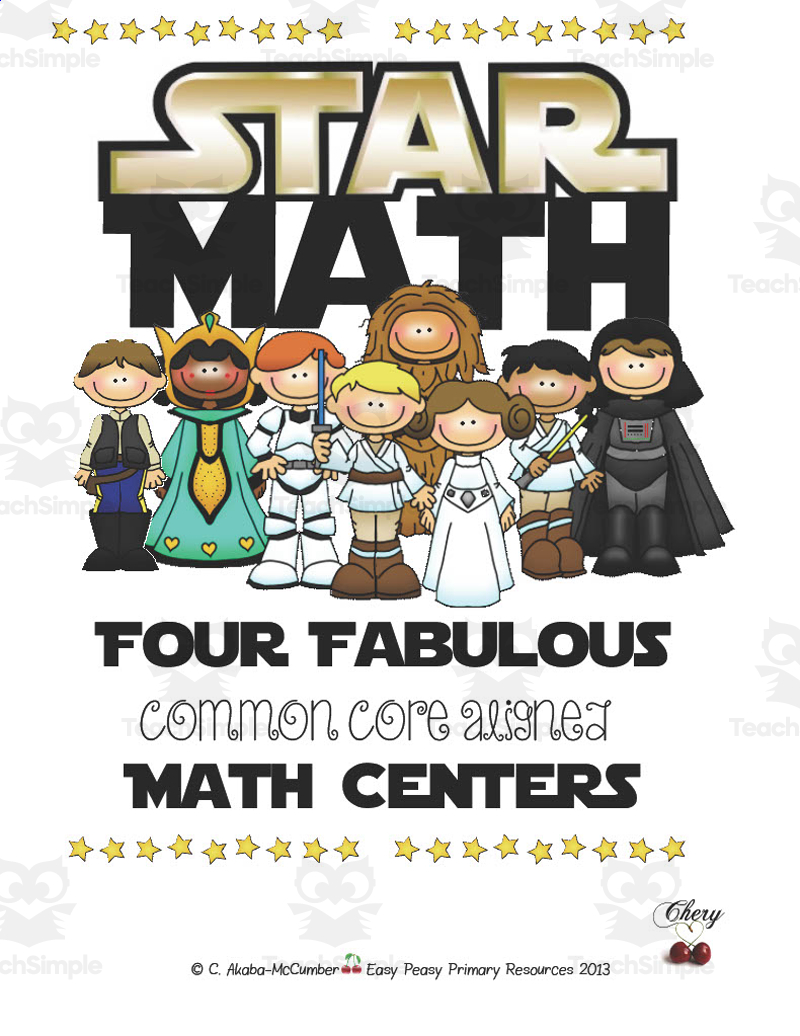
Students play/complete four independent center activities: matching base-ten block cards to numerals ('Base Ten Buddies'), matching number-bond/complements-of-ten cards, a greater-than/less-than/equal-to comparison card game ('Number Wars'), and an addition doubles/doubles-plus-one sorting activity ('Saber Sort').
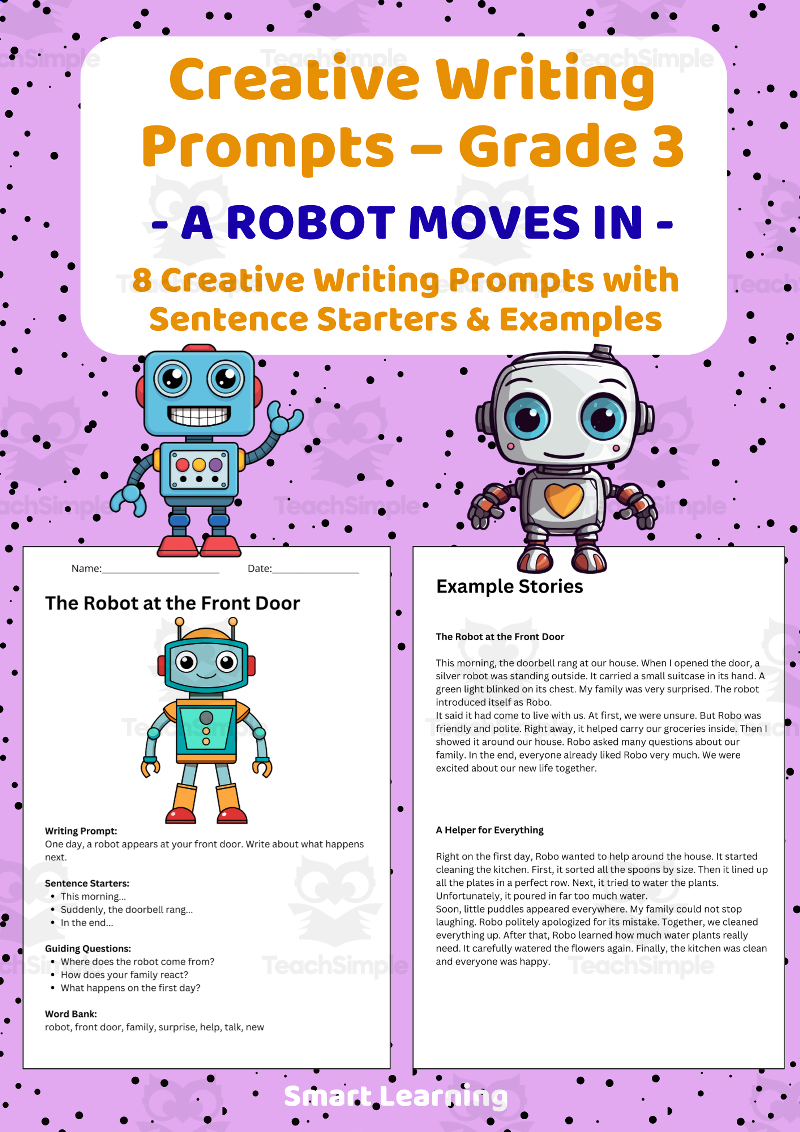
For each of the 8 prompt pages, the student reads a short writing prompt, uses the sentence starters/guiding questions/word bank as scaffolding, and writes an original story on the lined page provided; students can also complete a shorter 'Easy Activity' (draw a picture and write 3-4 sentences) or a longer 'Challenge…
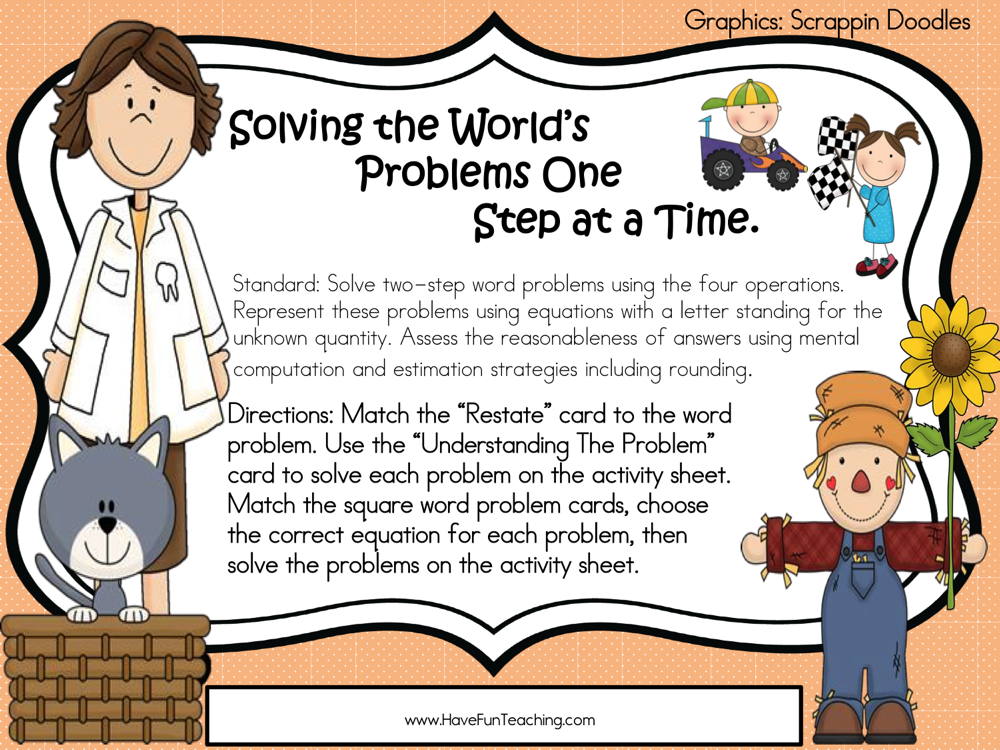
Match a 'Restate' card to its word problem, use an 'Understanding the Problem' card (4-step process) to work through it, choose the correct equation for each problem, and solve the problems on an activity sheet.
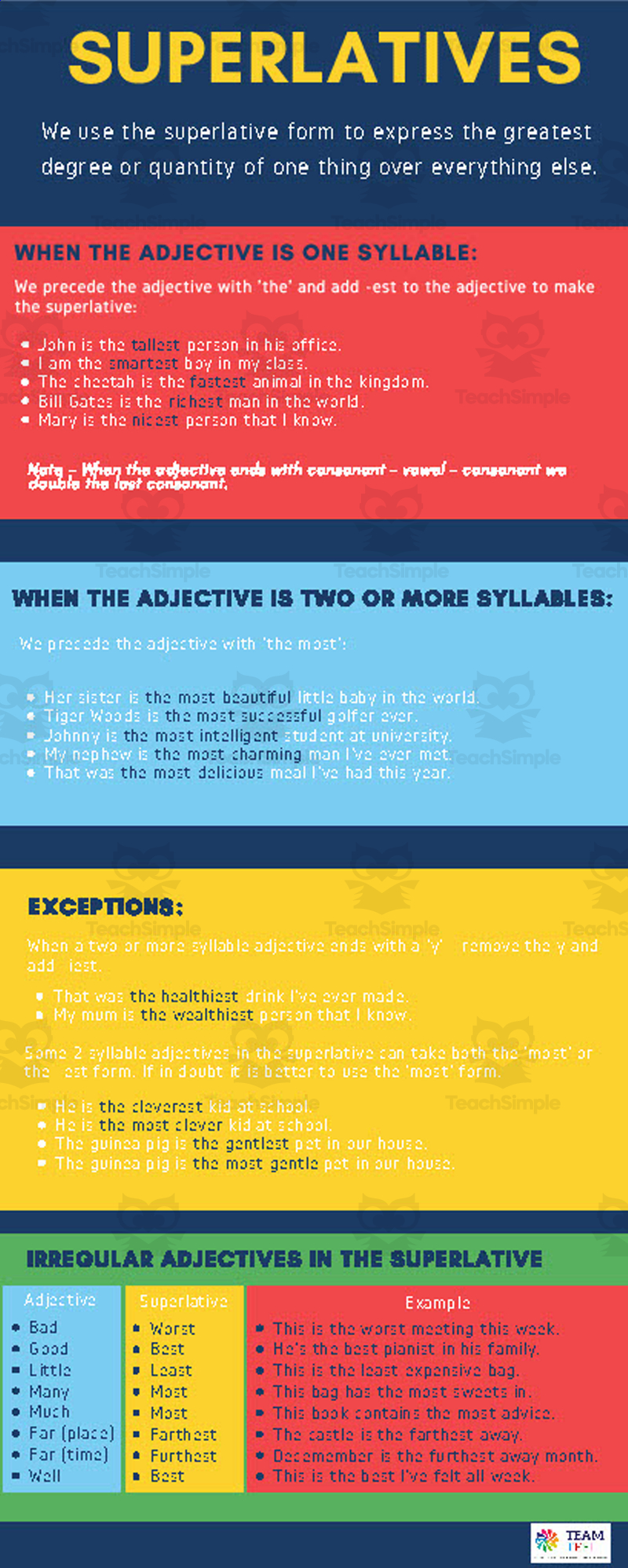
Superlatives Pre Intermediate ESL ELA ELL Lesson Plan is a grammar resource designed to teach pre intermediate students how to properly use superlatives in writing and speech. This lesson plan guides students through examples of superlative adjective and adverb usage, comparing them to positives and comparatives. After the short…
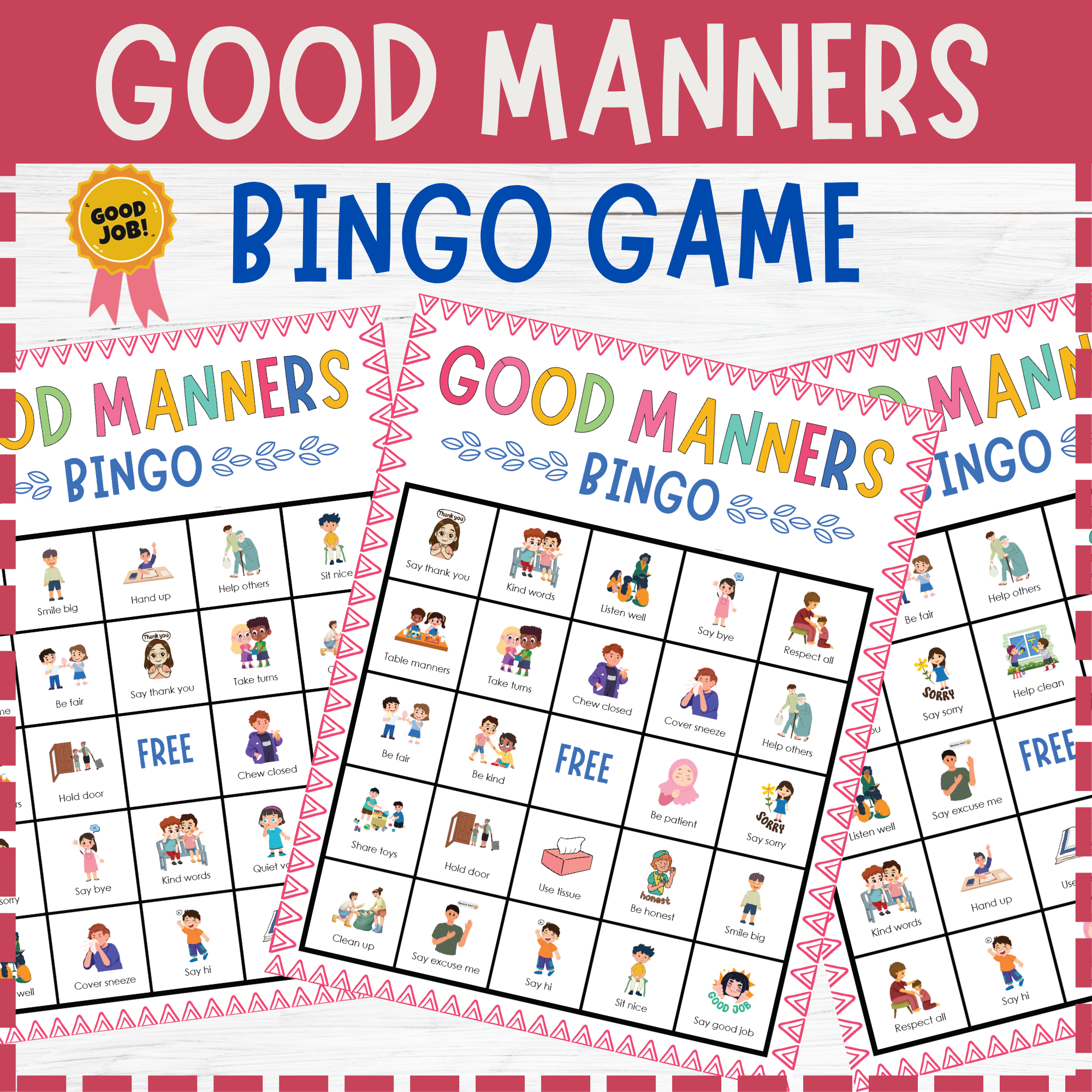
Turn familiar manners into a listening game with 50 bingo cards and a set of calling cards. Students find the phrase you read, cover its space, and watch for a winning line. The included markers and directions support setup; between rounds, you can invite children to give an example of one phrase in classroom life.

Students learn book-related vocabulary (as-salaam alaykum, Ramadan, refugee, relief worker, shalwar-kameez) through a small-group picture-story game, complete a personal-narrative writing prompt from a character's point of view, watch videos and complete a map activity locating the top 5 refugee-origin countries (Syria…
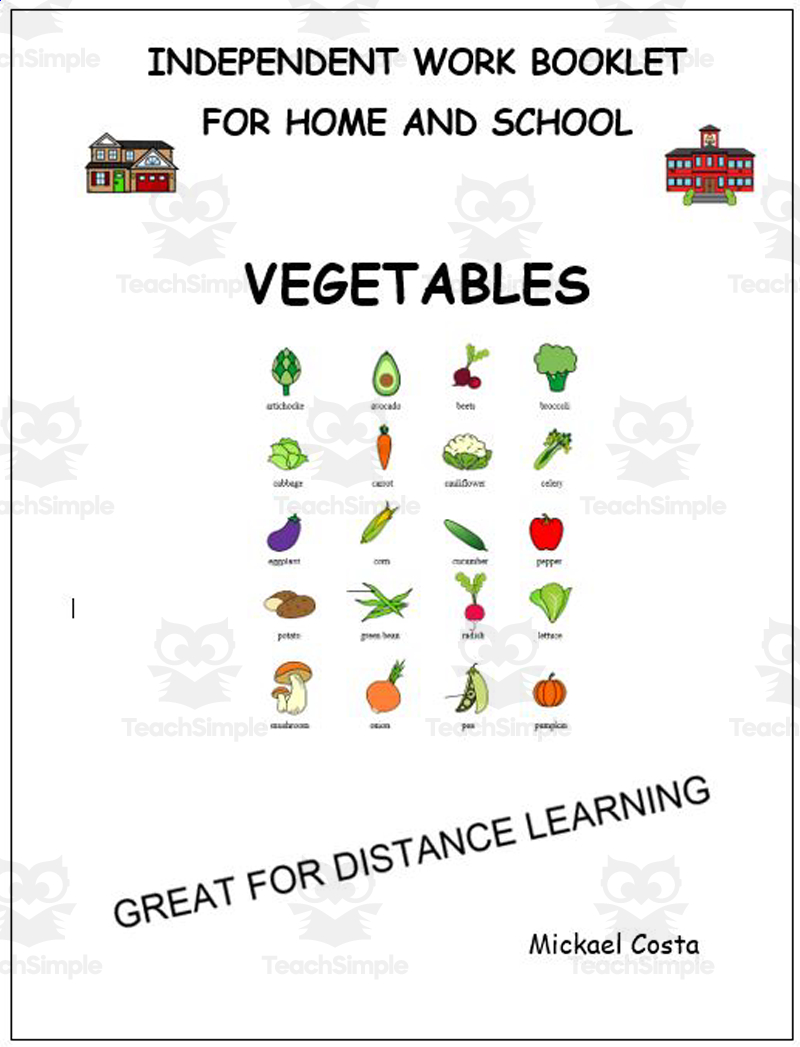
An independent-work vocabulary booklet teaching vegetable names through picture-word matching, paired with a wide range of open-ended literacy and creative activities using the same word list.
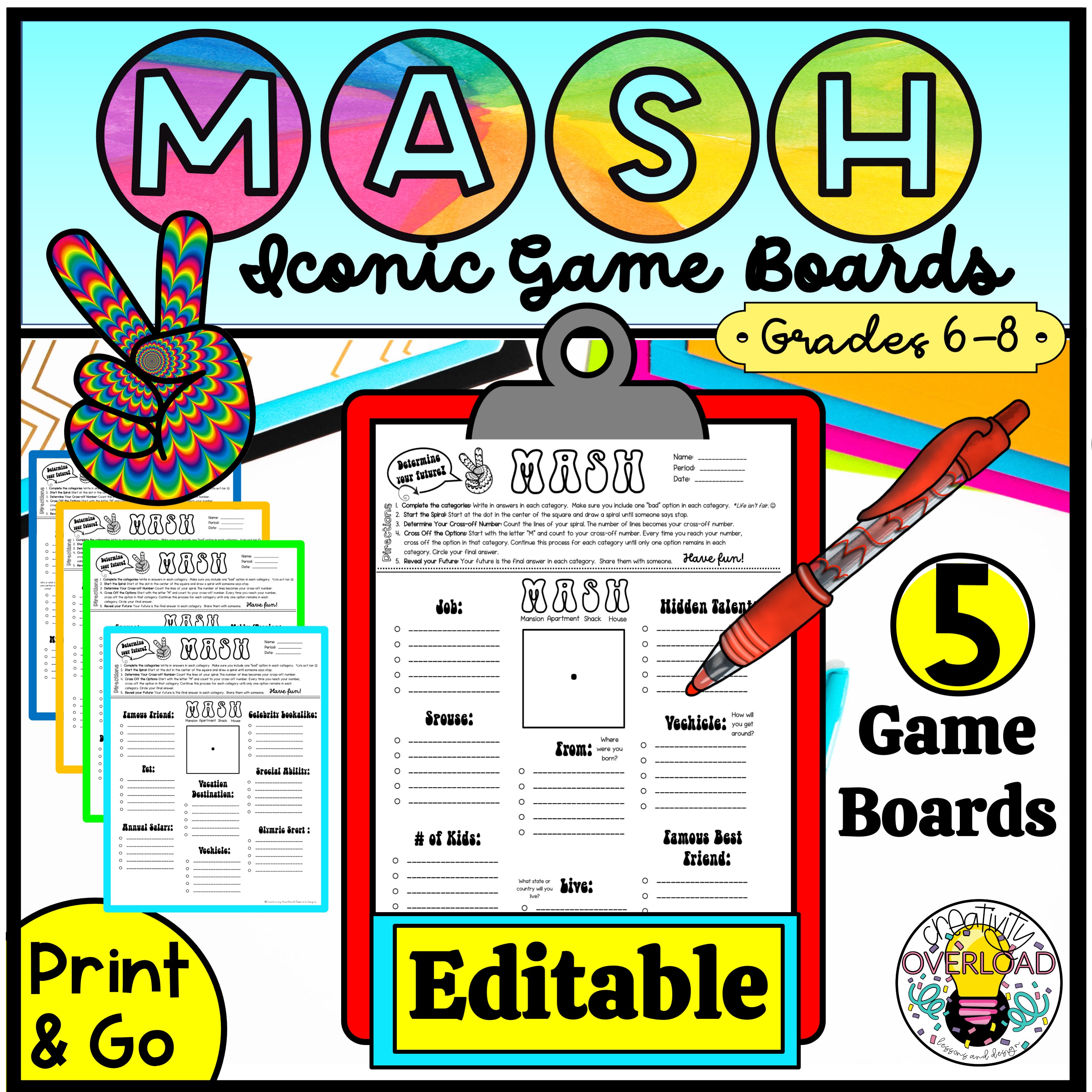
Students write their name/period/date, fill in categories with multiple options (including one deliberately 'bad' option per category), draw a spiral to generate a random 'cross-off number', then cross off options in each category following a counting method (starting at 'M' in MASH) until one option remains per…

Students analyze each group of four terms and determine which one does not belong with the others, applying neuroscience vocabulary knowledge.
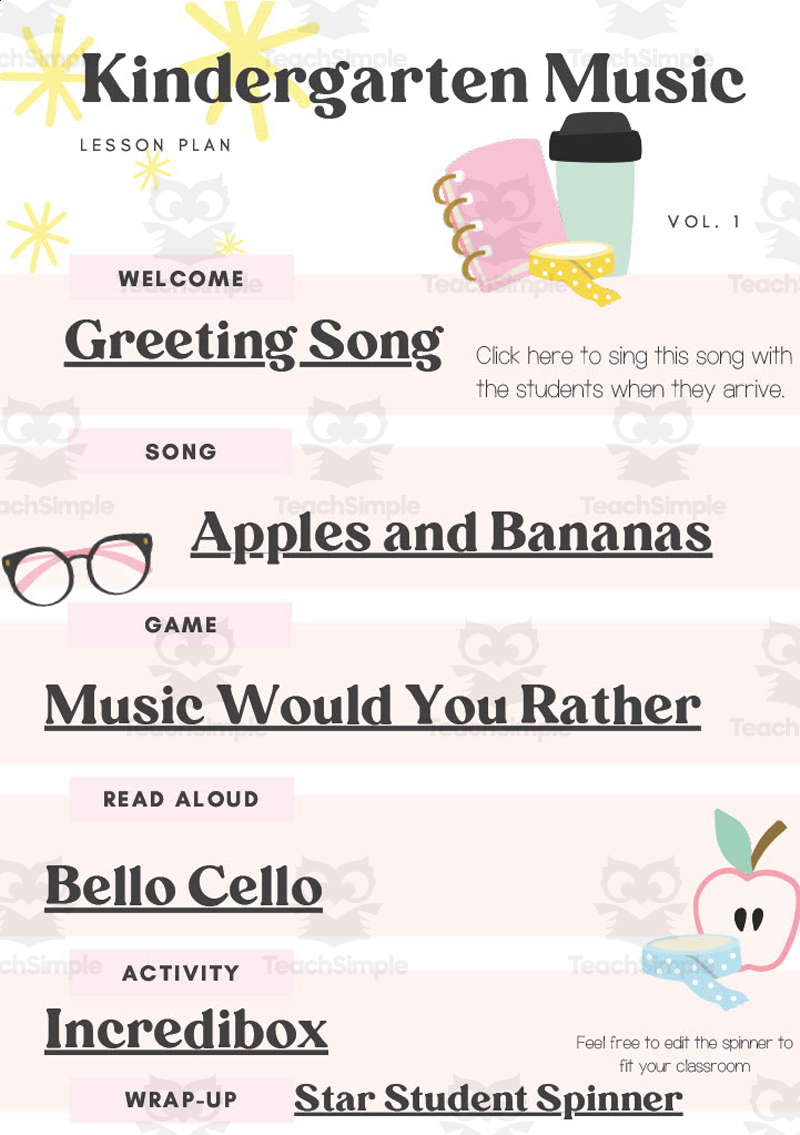
Students follow a structured routine per grade (greeting song/video, a song or movement activity, a game, a read-aloud, a hands-on activity or online music tool, and a wrap-up spinner) using linked external songs, videos, games, and web tools (e.g., Chrome Music Lab, Incredibox, Groove Pizza, Song Maker).

Math worksheet using a Cafe Du Monde beignet-shop scenario to practice multiplication, division, unit rates, tables, money, and weight-conversion word problems.
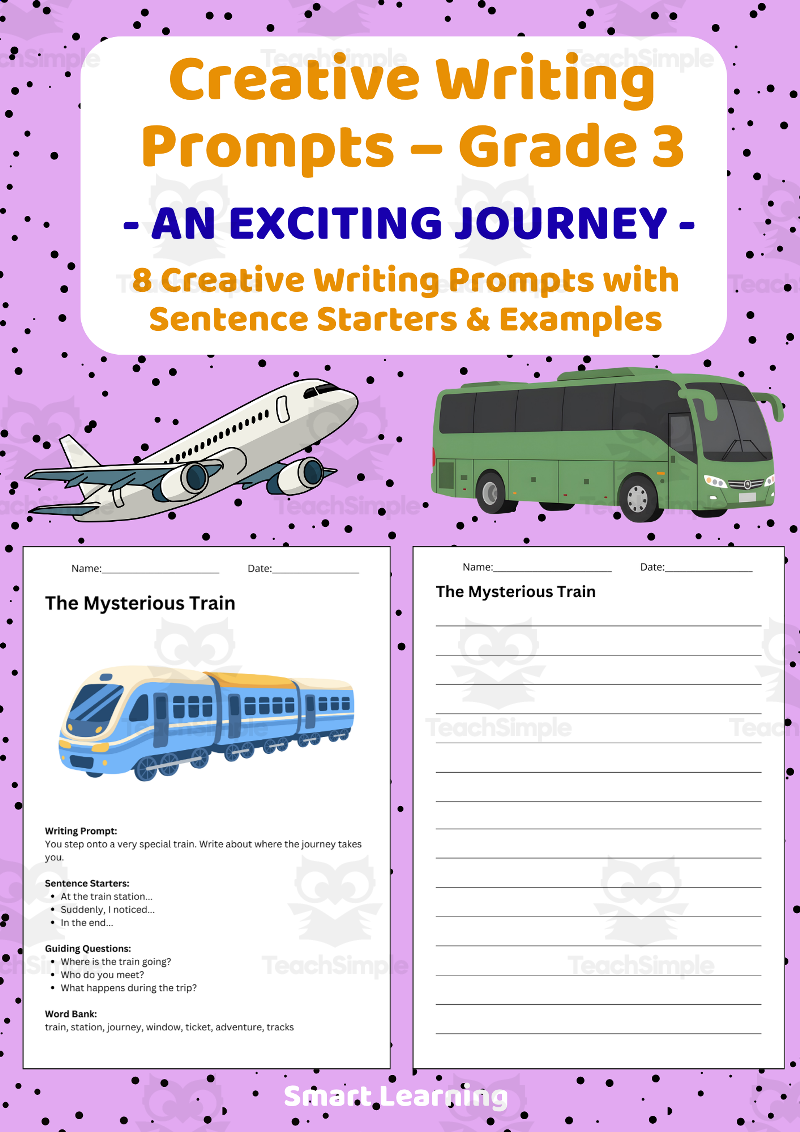
For each of the 8 prompt pages, the student reads a short writing prompt, uses the sentence starters/guiding questions/word bank as scaffolding, and writes an original story on the lined page provided; students can also complete a shorter 'Easy Activity' (draw a picture and write 3-4 sentences) or a longer 'Challenge…
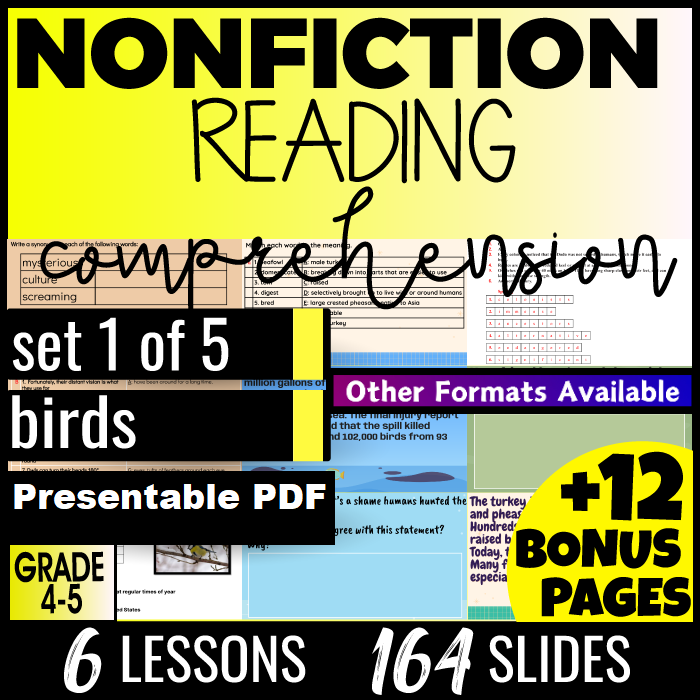
A set of six nonfiction reading-comprehension lessons (No Fly Zone, Ostrich, Chickadees, The Owl, Turkeys, Oil Spill) that pair an informational passage about birds with post-reading activities.

Students begin with a hand-drawn English village and add or erase features as twenty-one narrated rounds introduce changes from 1745 to 1850. Canals, factories, railroads, and crowded housing gradually alter the same map, making urbanization visible. Background reading and a before-and-after chart prepare students to discuss the costs and benefits of industrialization, then develop a comparison essay; a drawing guide and sample map support the simulation.
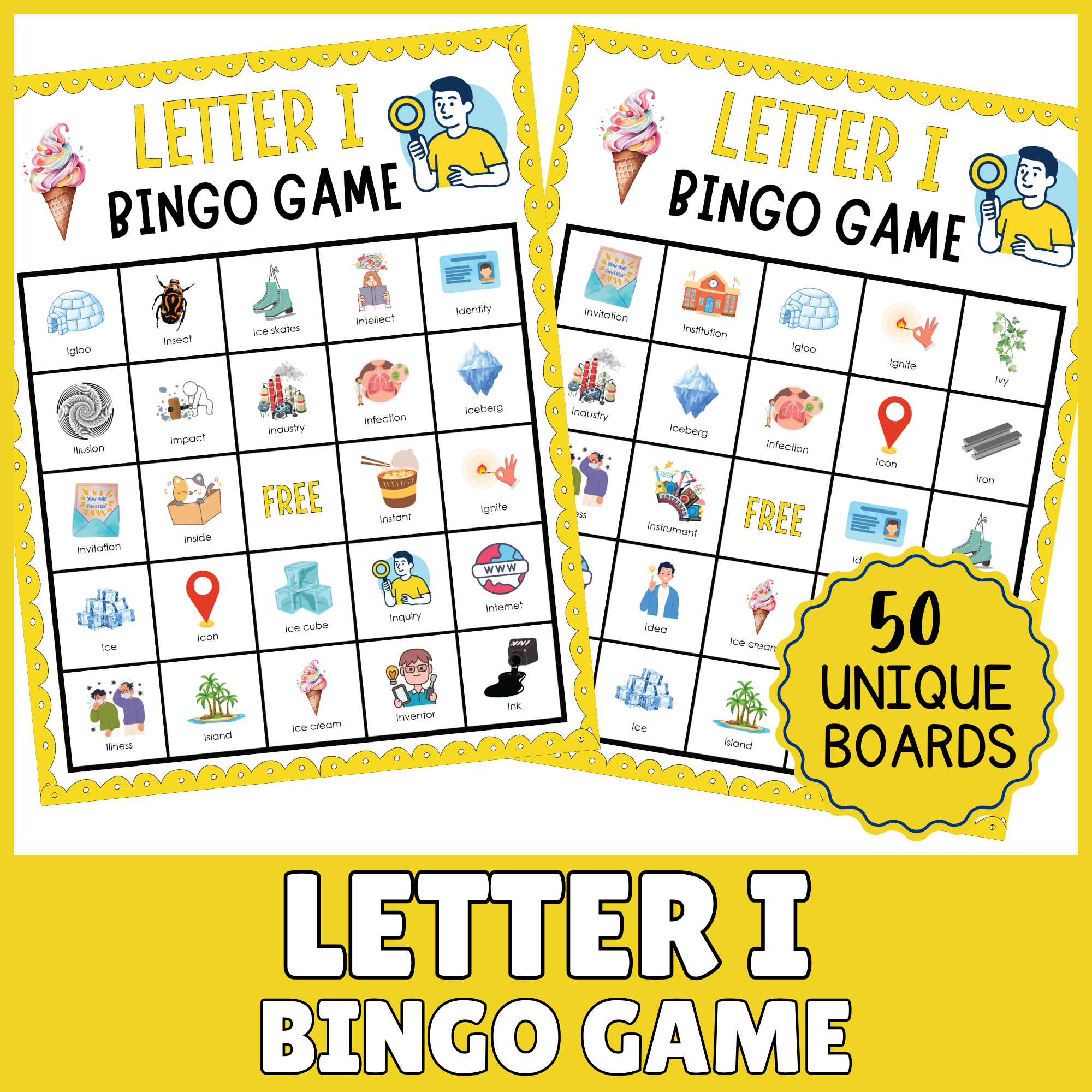
Letter I Bingo Game is a fun way to help kids recognize the letter I and practice its beginning sounds. Since bingo is something most students already enjoy, it makes learning feel more like a game than a lesson. I usually bring this out during our letter of the week or when we need a quick review. It’s easy to prepare and…
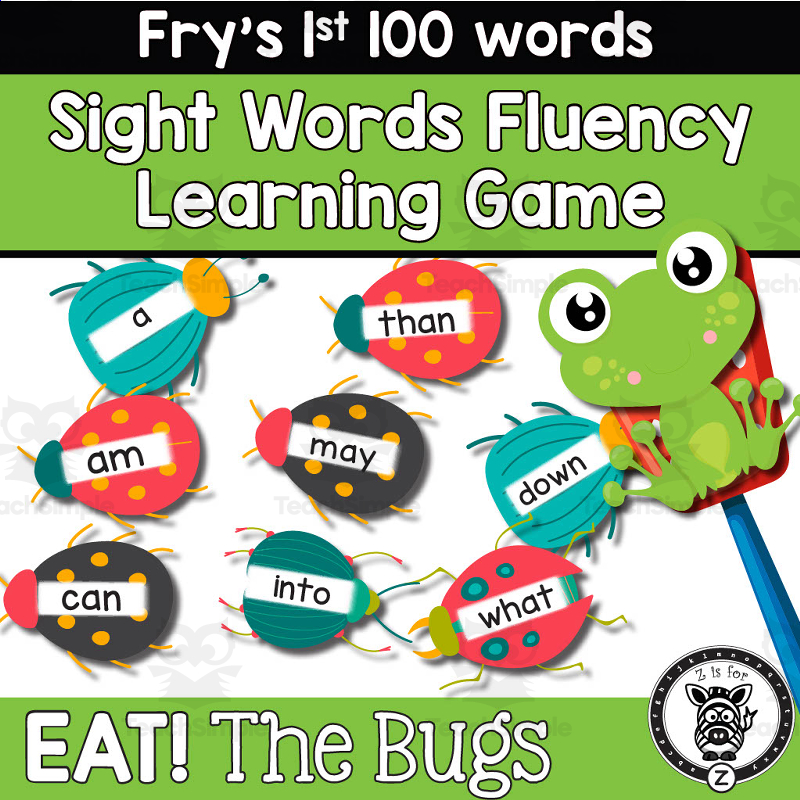
Students race to identify and 'swat'/cover the sight word the teacher calls out among a spread of printed Fry 1st 100 word cards; teachers may also fill in blank editable cards with additional words.
Provide practice materials for solving two-step word problems (addition/subtraction/multiplication contexts) aligned to CCSS 3.OA.8.