Writing & response
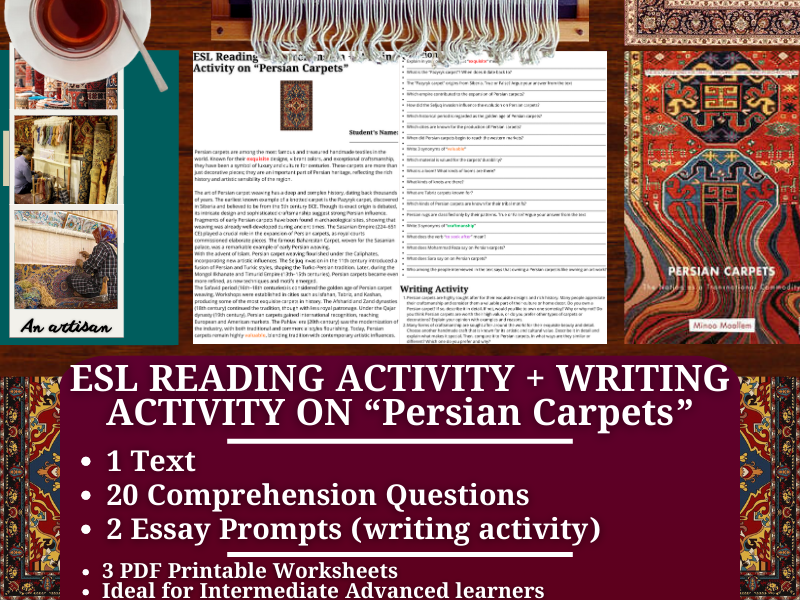
ESL Reading Comprehension + Writing Activity - Persian Carpets
ESL reading-comprehension and writing practice built around an informational passage about the history and craftsmanship of Persian carpets.




Classroom resources
Browse by lesson focus
Choose the topic or kind of practice you need.
Showing 2497–2520 of 3076 resources

 Show filters
 ESL reading-comprehension and writing practice built around an informational passage about the history and craftsmanship of Persian carpets.
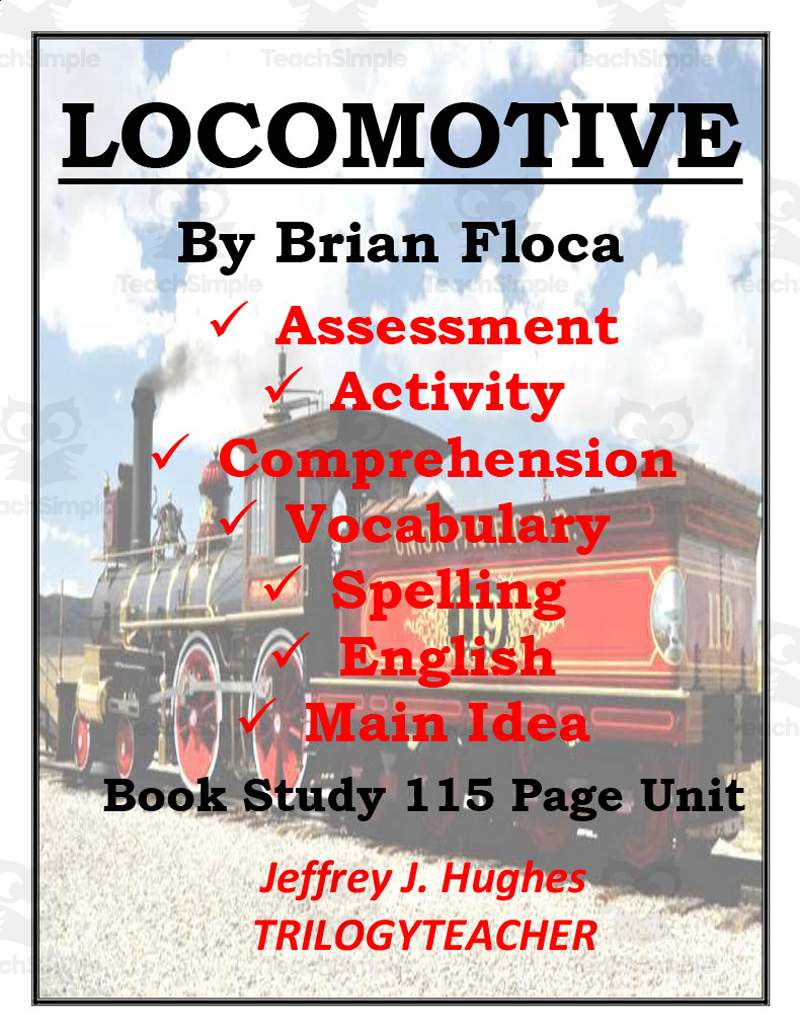
Complete per-chapter comprehension questions, context-clue vocabulary exercises, a bonus-word activity, nouns/verbs/adjectives identification, a main-idea multiple-choice item, a 'mystery picture' activity, unscramble-and-spell exercises, spelling quizzes, an onomatopoeia activity, scavenger hunts (before and after reading), and…
 Free download
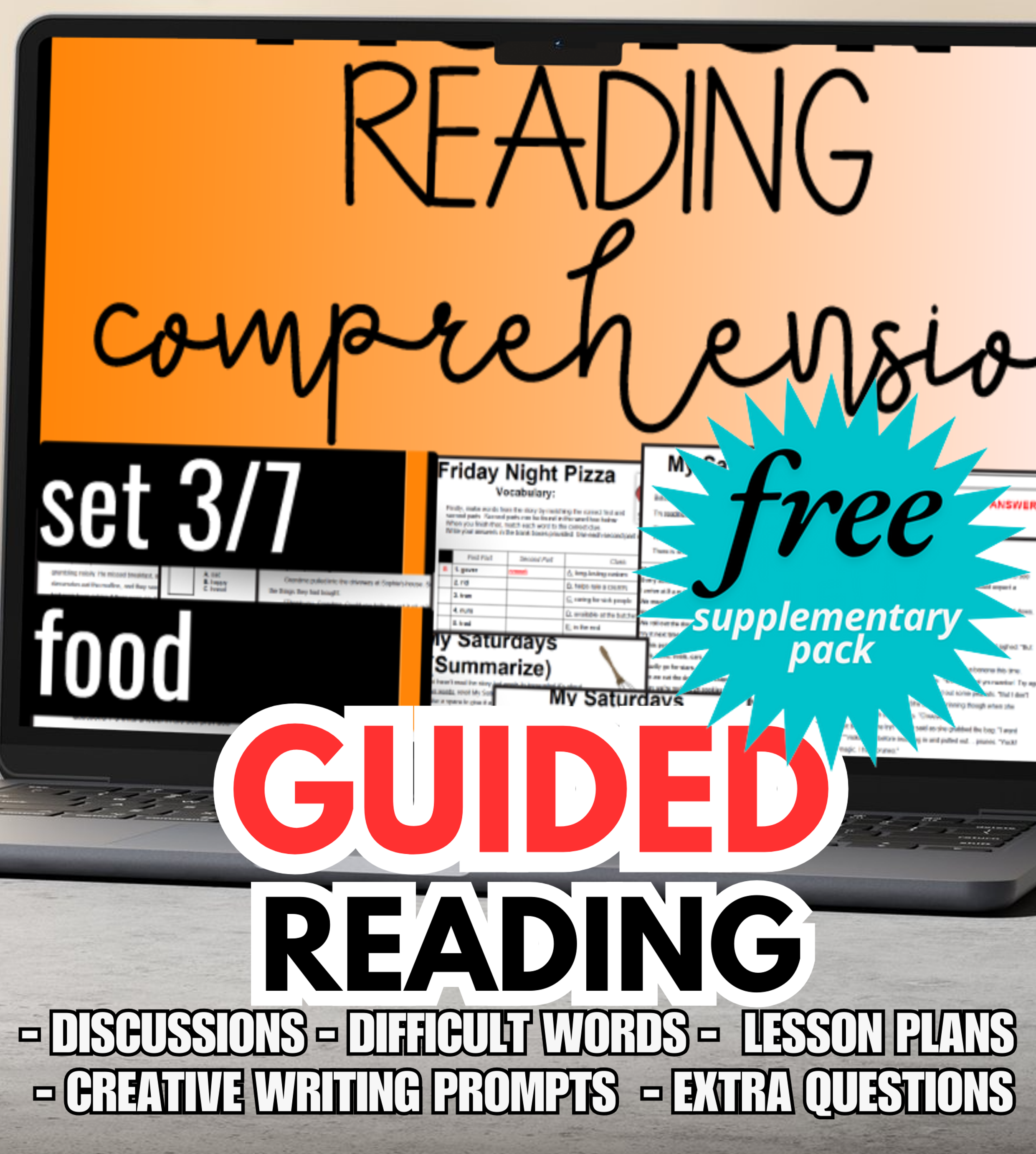
 Participate in a pre-reading discussion, learn difficult vocabulary, read/discuss the companion story, answer multiple-choice comprehension questions, answer short written response questions, complete a creative-writing prompt, and take part in a wrap-up discussion, once per lesson.
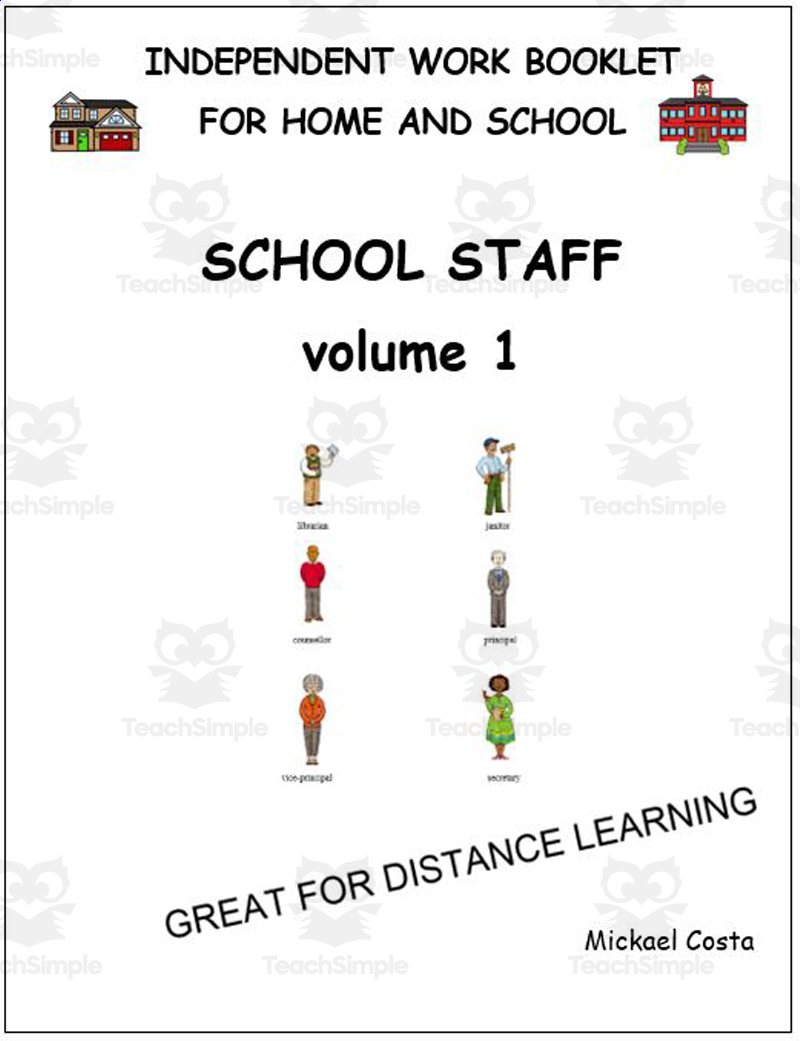
Build vocabulary and literacy skills (reading, writing, and word-study) around the topic of school staff, volume 1 through a self-guided independent-work booklet.
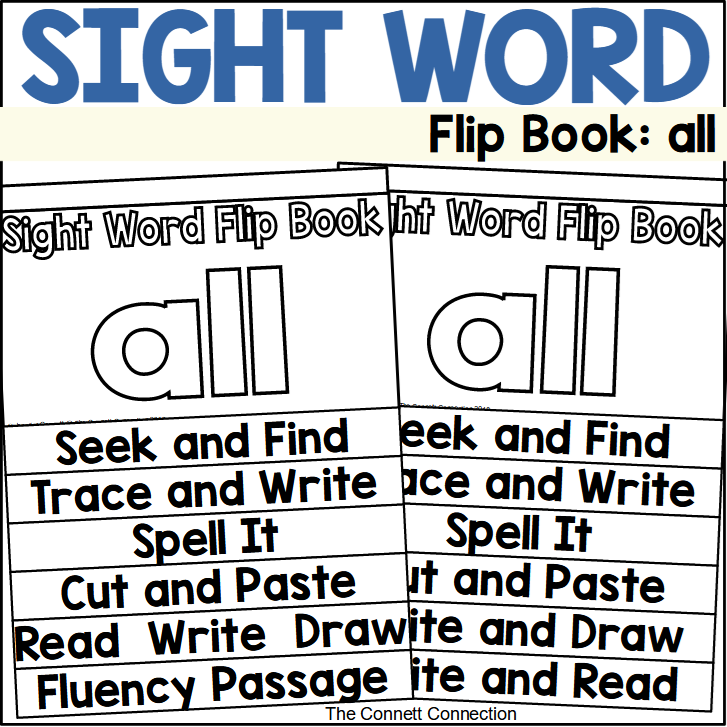
Students complete a sequence of activities for the word "all": color a cover page, find-and-color the word among distractors in a word search grid, trace and write the word, spell it using letter tiles/stamps, cut and paste examples of the word, then read/write/draw and complete fluency-reading and fill-in-the-blank…
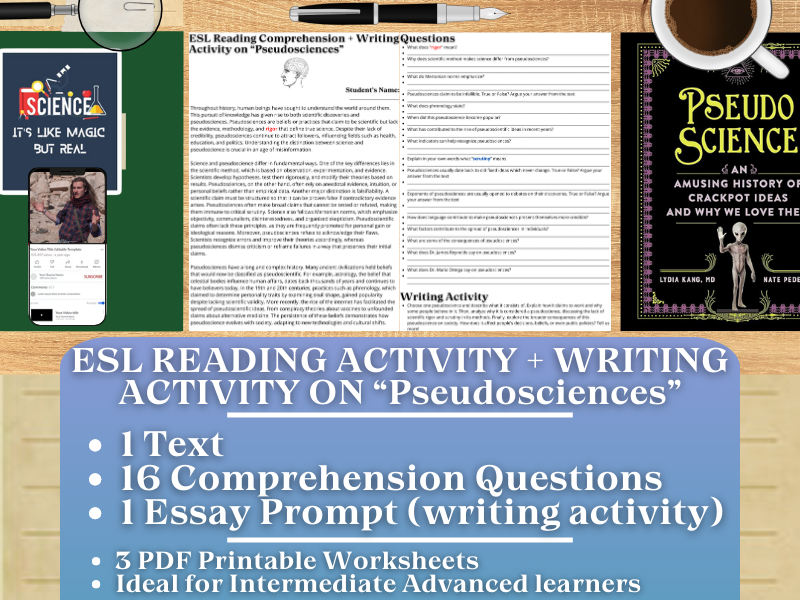
ESL reading-comprehension and writing practice built around an expository passage distinguishing science from pseudoscience.
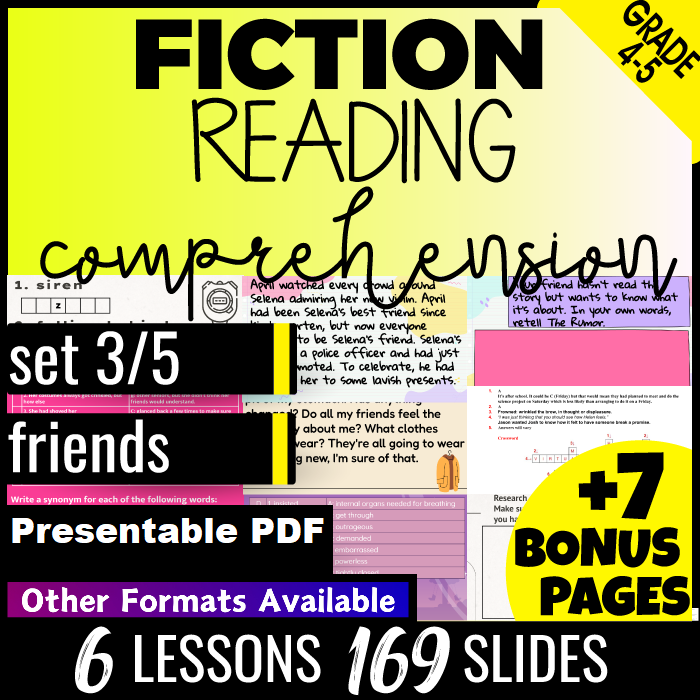
No-prep fiction reading comprehension packet for Grade 4-5: one formatted, print-ready PDF per lesson (short realistic-fiction story on a 'Friends' theme) with comprehension, vocabulary/spelling, writing, a bonus activity, and an answer key.
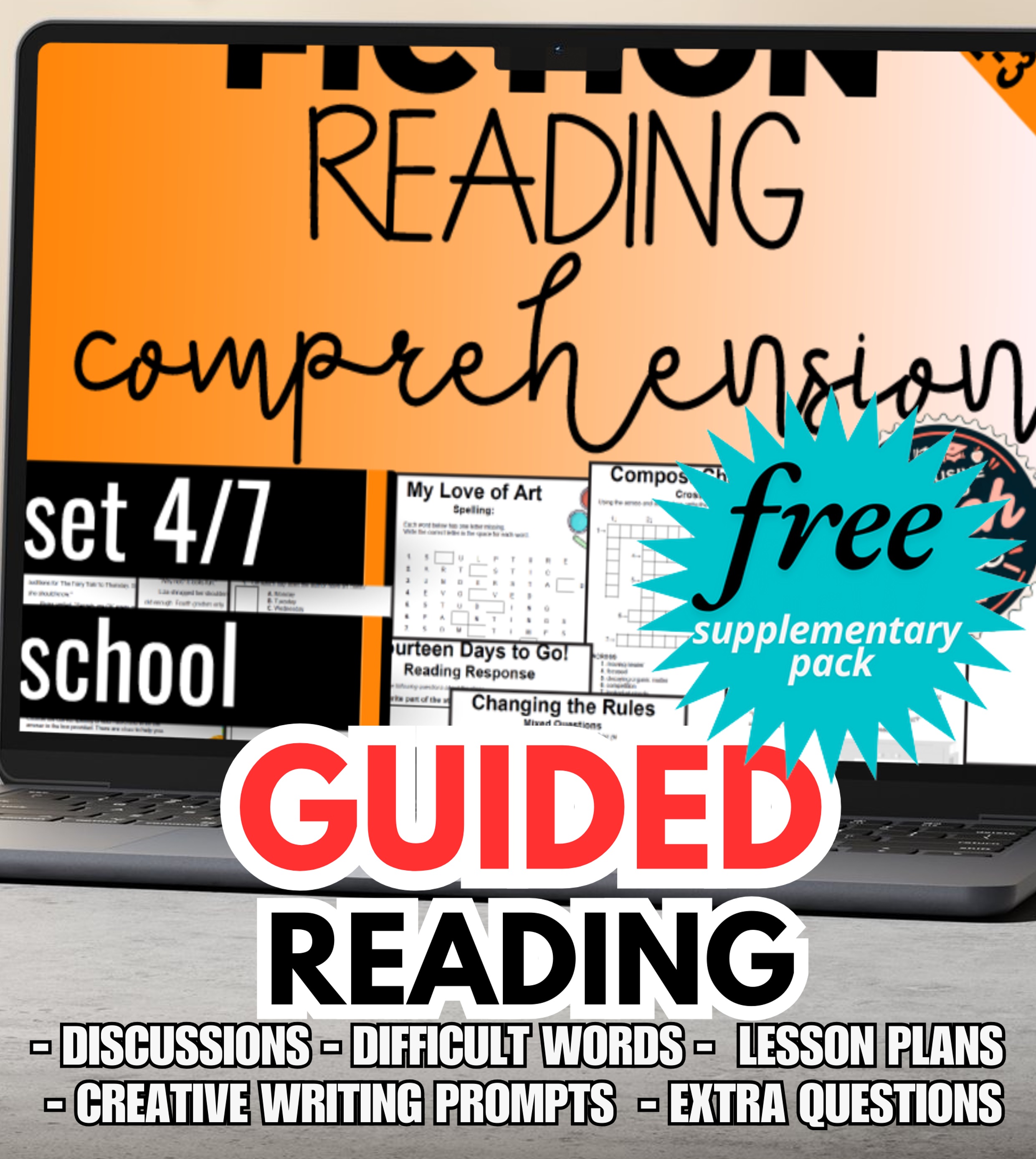 Free download
 Participate in a pre-reading discussion, learn difficult vocabulary, read/discuss the companion story, answer multiple-choice comprehension questions, answer short written response questions, complete a creative-writing prompt, and take part in a wrap-up discussion, once per lesson.
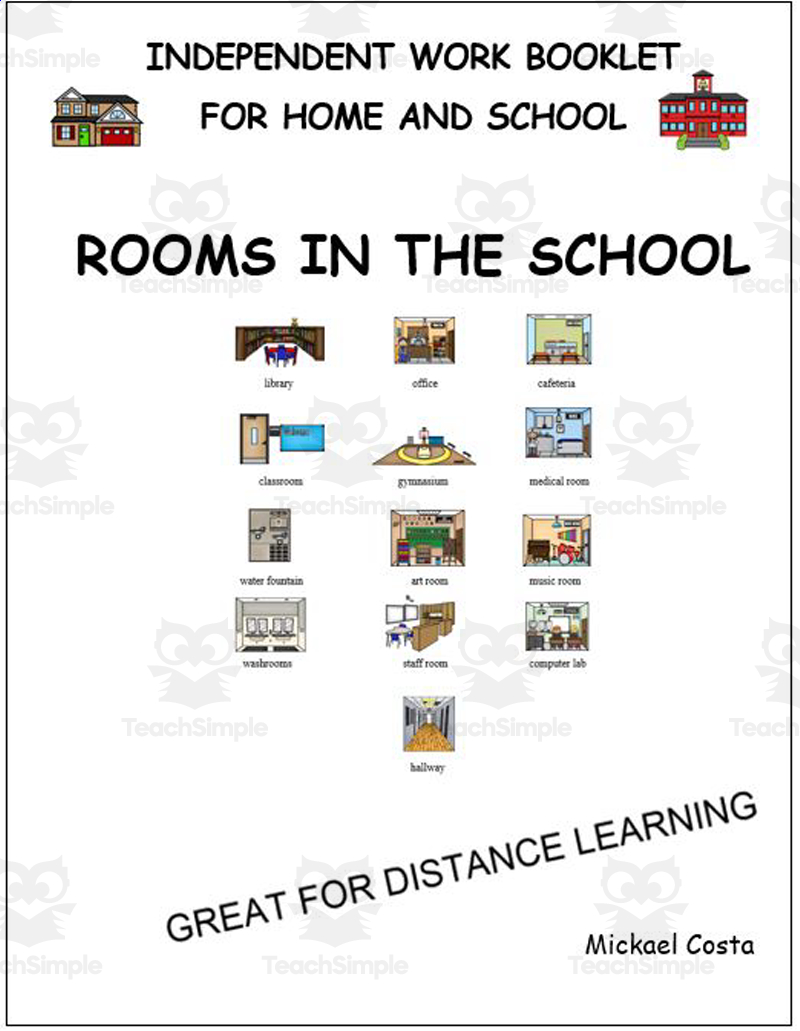
Build vocabulary and literacy skills (reading, writing, and word-study) around the topic of rooms in the school through a self-guided independent-work booklet.
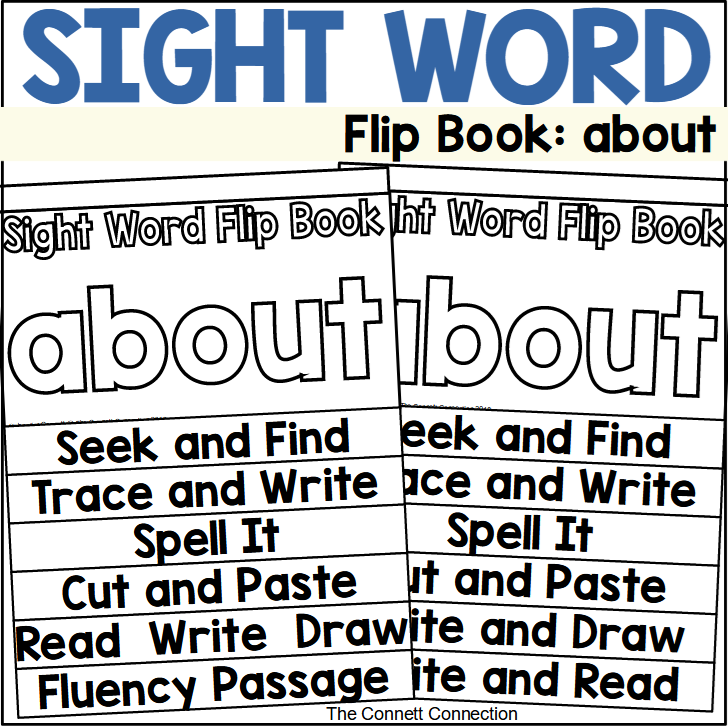
Students complete a sequence of activities for the word "about": color a cover page, find-and-color the word among distractors in a word search grid, trace and write the word, spell it using letter tiles/stamps, cut and paste examples of the word, then read/write/draw and complete fluency-reading and fill-in-the-blank…
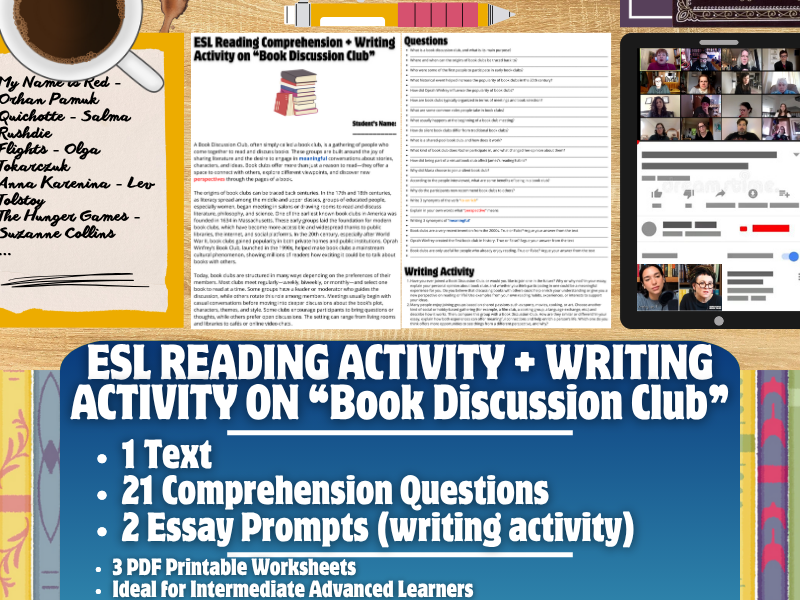
ESL/EFL reading comprehension and writing practice built around a nonfiction passage about book discussion clubs.
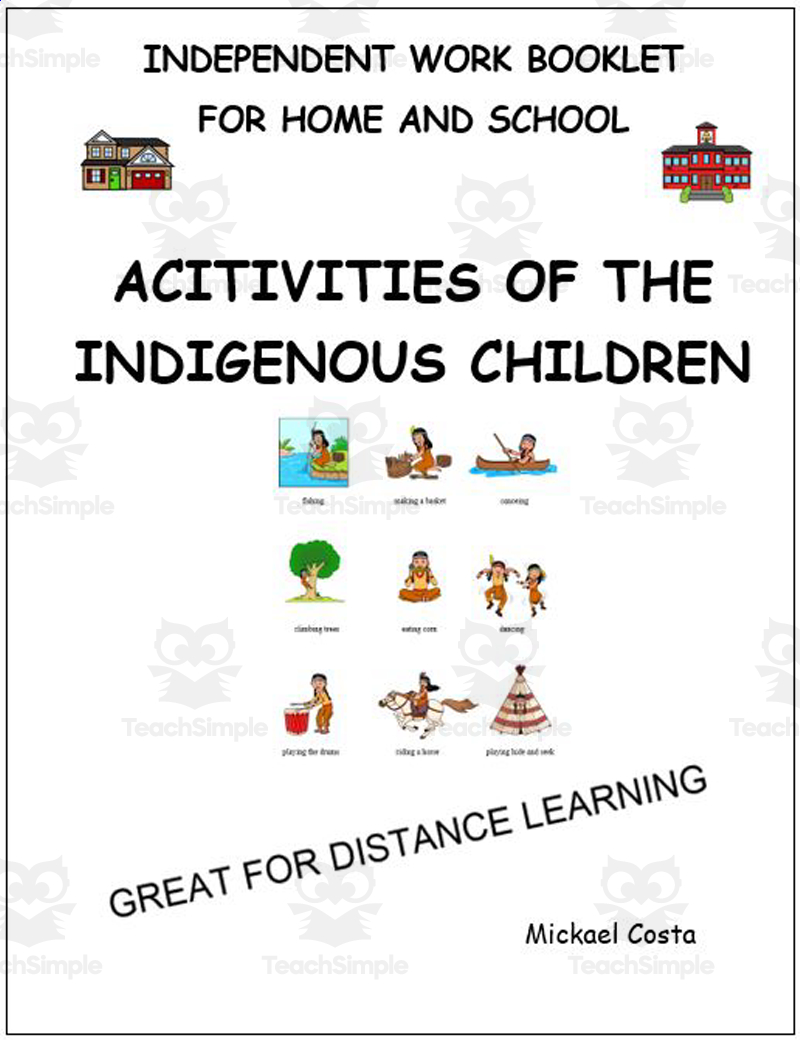
An independent-work literacy booklet that builds vocabulary and literacy skills (reading, writing, and comprehension) around the topic of Indigenous/First Nations children's daily activities, for use at home or school.
 Free download
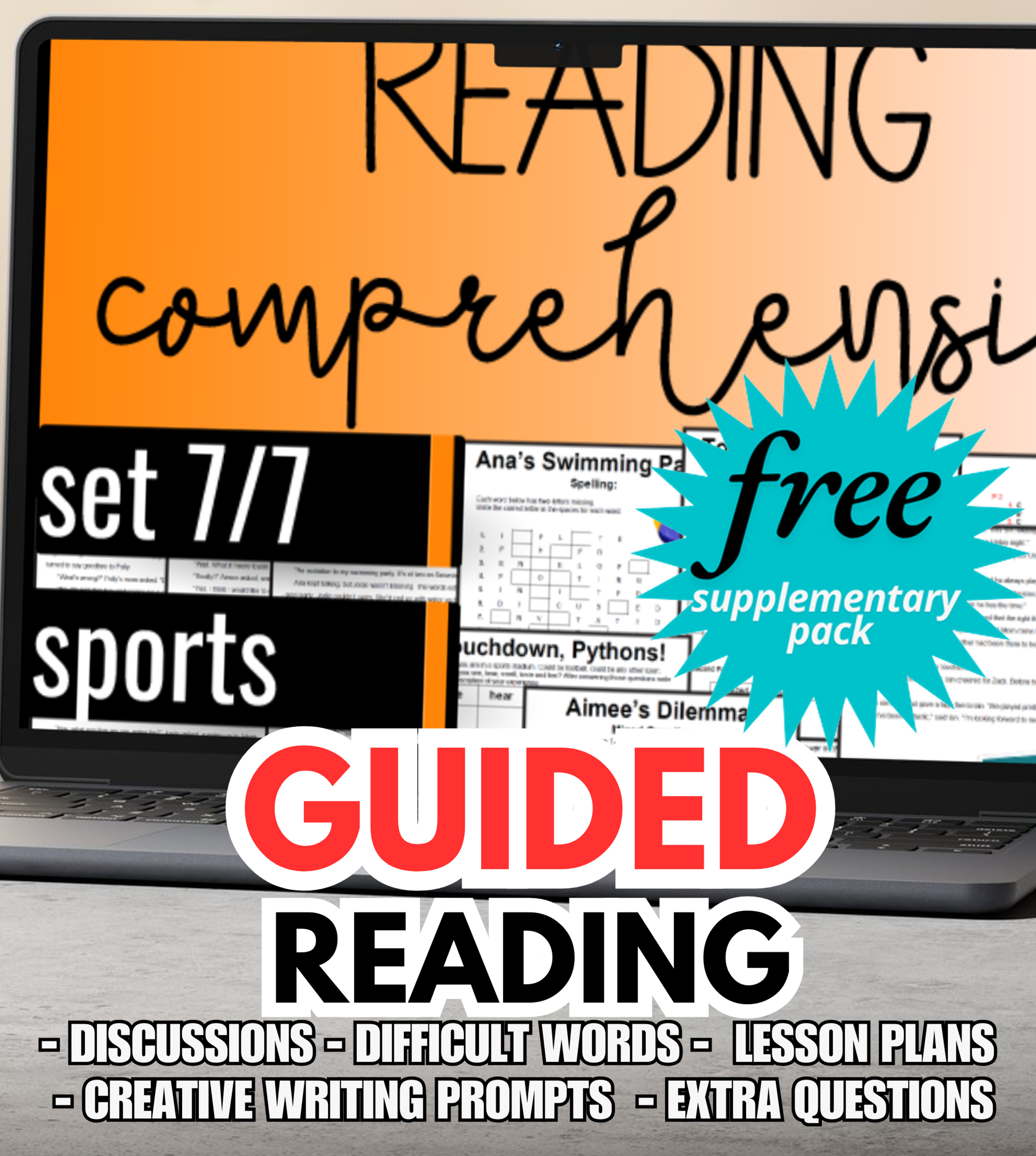
 Participate in a pre-reading discussion, learn difficult vocabulary, read/discuss the companion story, answer multiple-choice comprehension questions, answer short written response questions, complete a creative-writing prompt, and take part in a wrap-up discussion, once per lesson.
 Free download
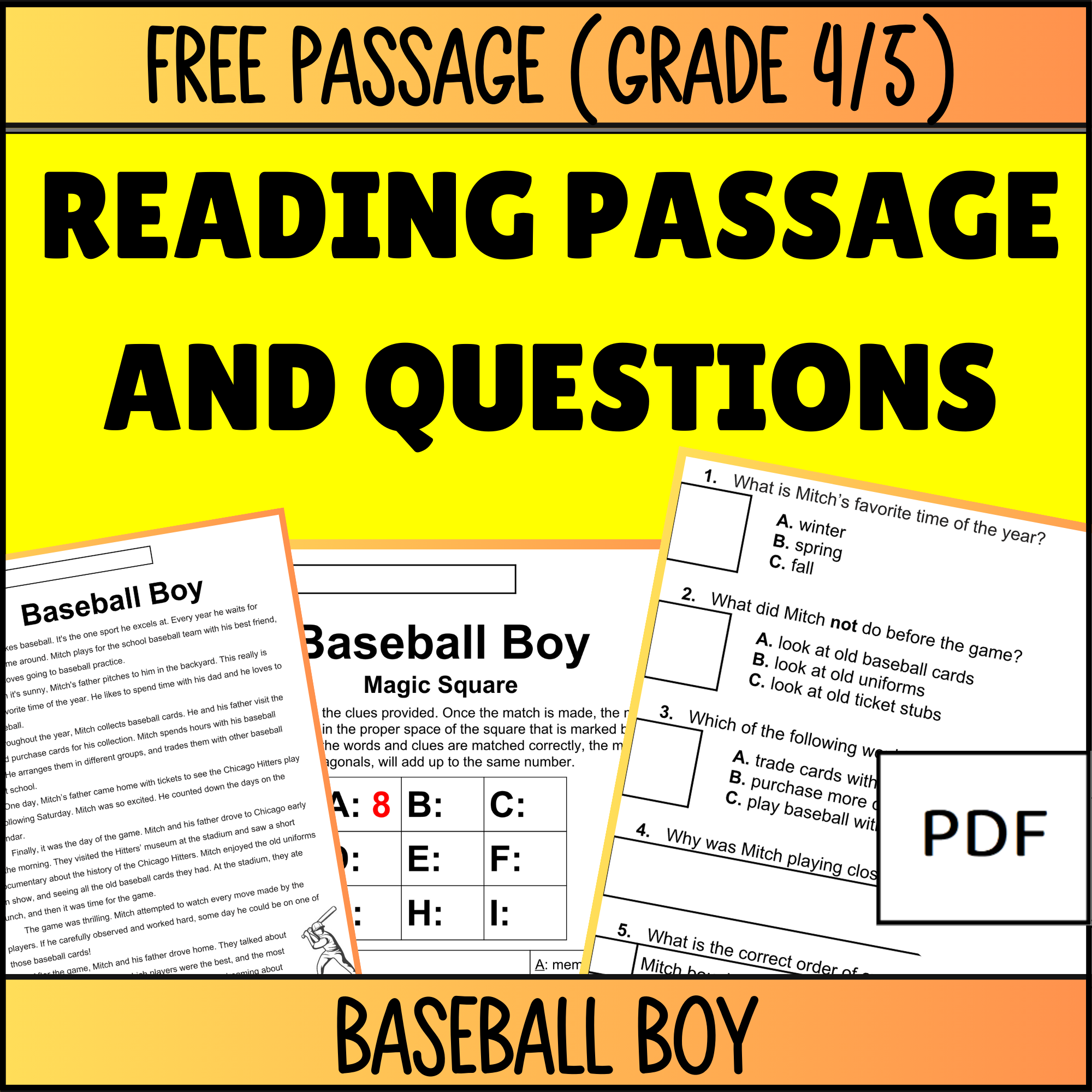
 No-prep fiction reading comprehension lesson built around the story 'Baseball Boy', about a boy who attends a professional baseball game with his father; students read the story then complete post-reading activities.
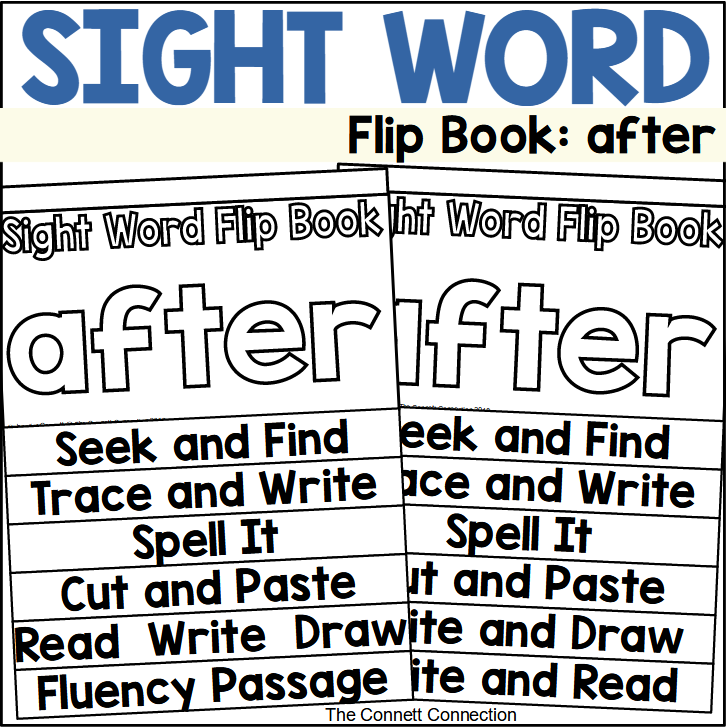
Students complete a sequence of activities for the word "after": color a cover page, find-and-color the word among distractors in a word search grid, trace and write the word, spell it using letter tiles/stamps, cut and paste examples of the word, then read/write/draw and complete fluency-reading and fill-in-the-blank…
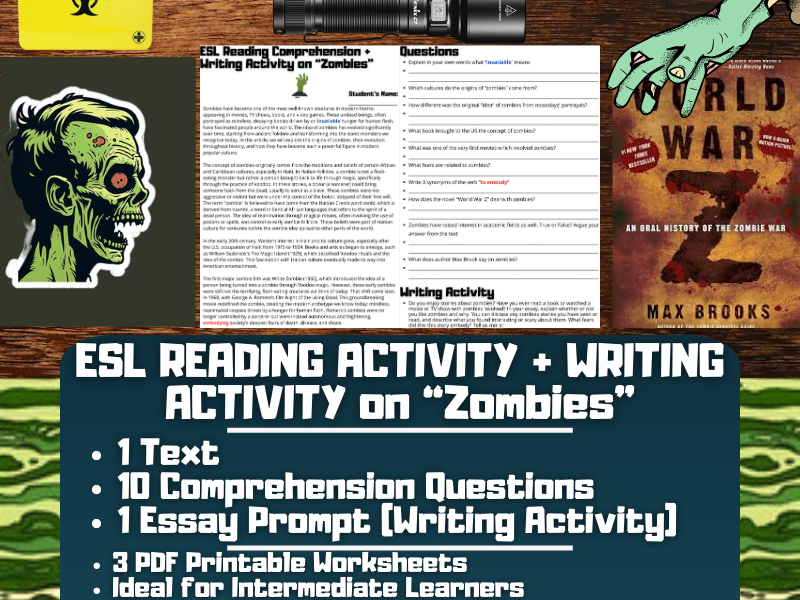
Gives ESL/EFL students a reading-comprehension and writing-practice worksheet built around a nonfiction article on the folklore origins (Haitian Voodoo tradition) and film/media evolution of the zombie figure.
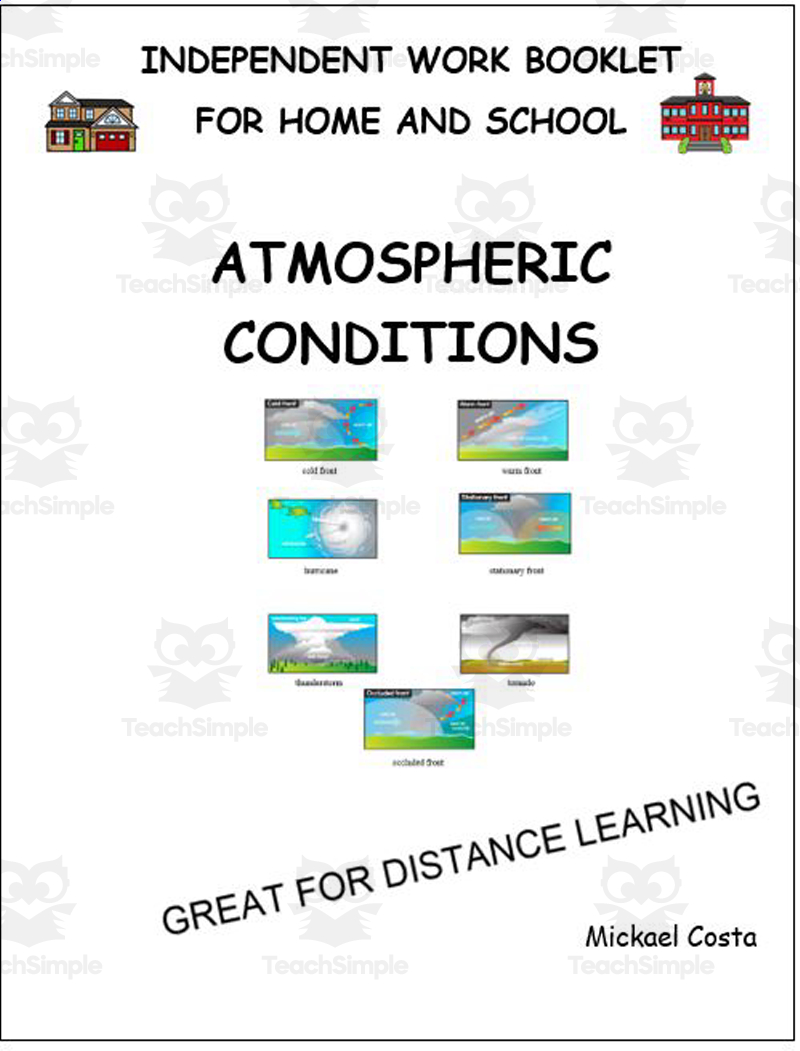
An independent-work literacy booklet that builds vocabulary and literacy skills (reading, writing, and comprehension) around the topic of atmospheric/weather conditions, for use at home or school.
 Free download
 Participate in a pre-reading discussion, learn difficult vocabulary, read/discuss the companion story, answer multiple-choice comprehension questions, answer short written response questions, complete a creative-writing prompt, and take part in a wrap-up discussion, once per lesson.
 Free download
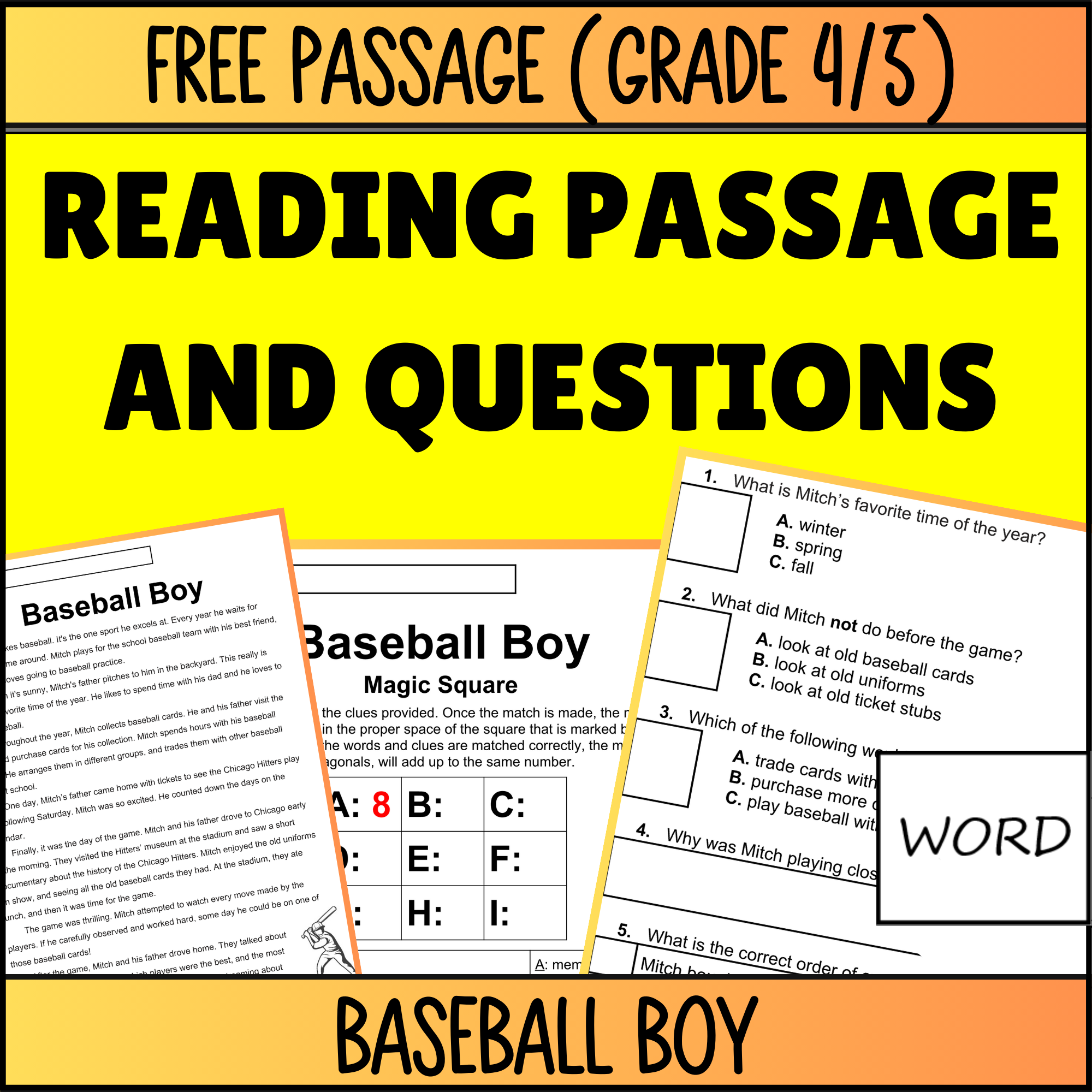
 No-prep fiction reading comprehension lesson built around the story 'Baseball Boy', about a boy who attends a professional baseball game with his father; students read the story then complete post-reading activities.
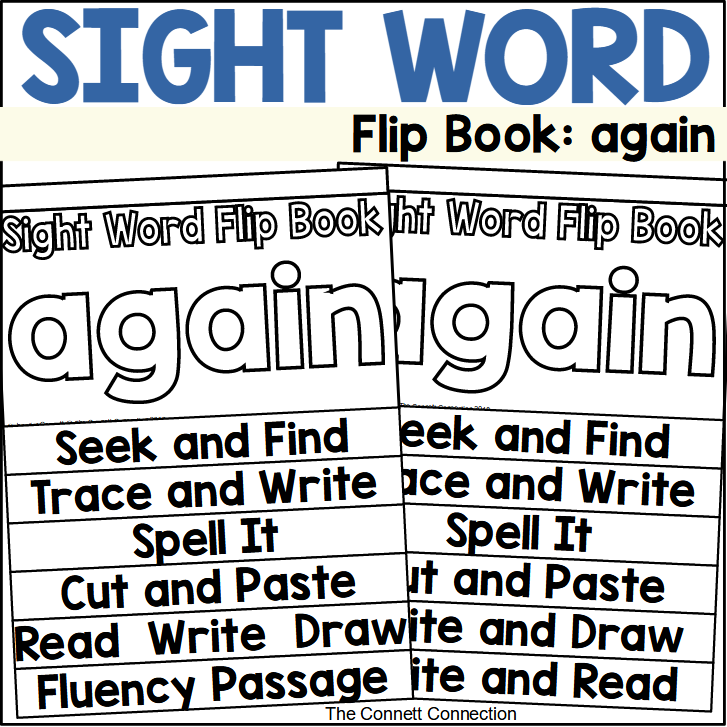
Students complete a sequence of activities for the word "again": color a cover page, find-and-color the word among distractors in a word search grid, trace and write the word, spell it using letter tiles/stamps, cut and paste examples of the word, then read/write/draw and complete fluency-reading and fill-in-the-blank…
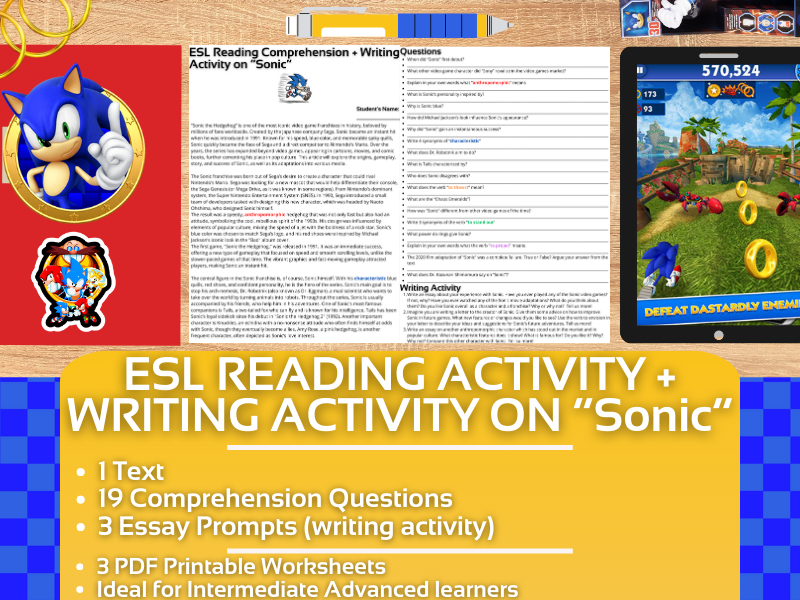
Students read a multi-paragraph nonfiction passage, answer open-response reading comprehension questions (including short-answer, vocabulary/synonym, and a true-or-false-with-textual-justification item), then write a personal-opinion or comparison essay responding to a set of guided writing prompts about the topic.
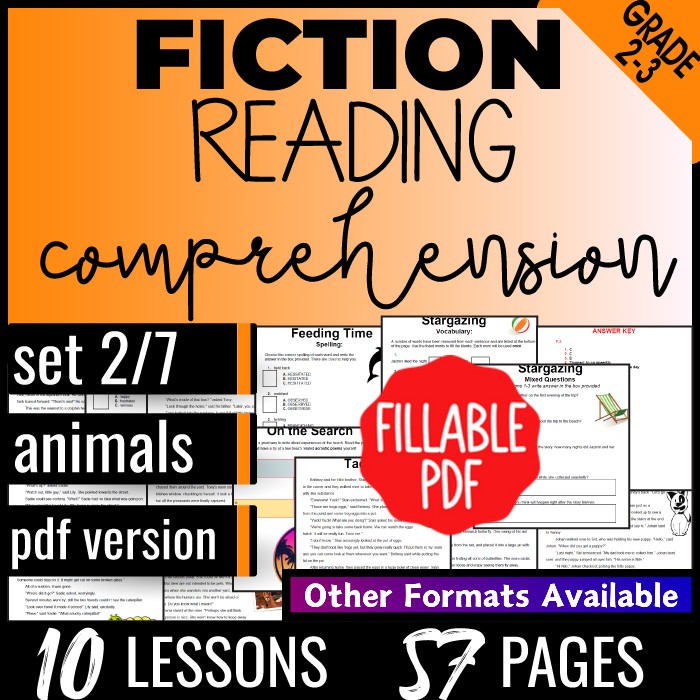
Read a short fiction story, answer a Mixed Questions section (multiple-choice, short-answer, and a predict-what-happens-next question), complete either a vocabulary-matching-plus-sentence-writing activity or a spelling multiple-choice activity (varies by lesson), and respond to a reflection/writing prompt.

Learn to distinguish primary from secondary sources; read the Mayflower Compact (original wording and a plain-English version) four separate times focusing on origins/context, meaning, purpose/argument, and historian-level analysis; complete a 4-Reads guided question handout with a provided answer key; complete a multiple-choice and…
 Free download
 No-prep fiction reading comprehension lesson built around the story 'Baseball Boy', about a boy who attends a professional baseball game with his father; students read the story then complete post-reading activities.