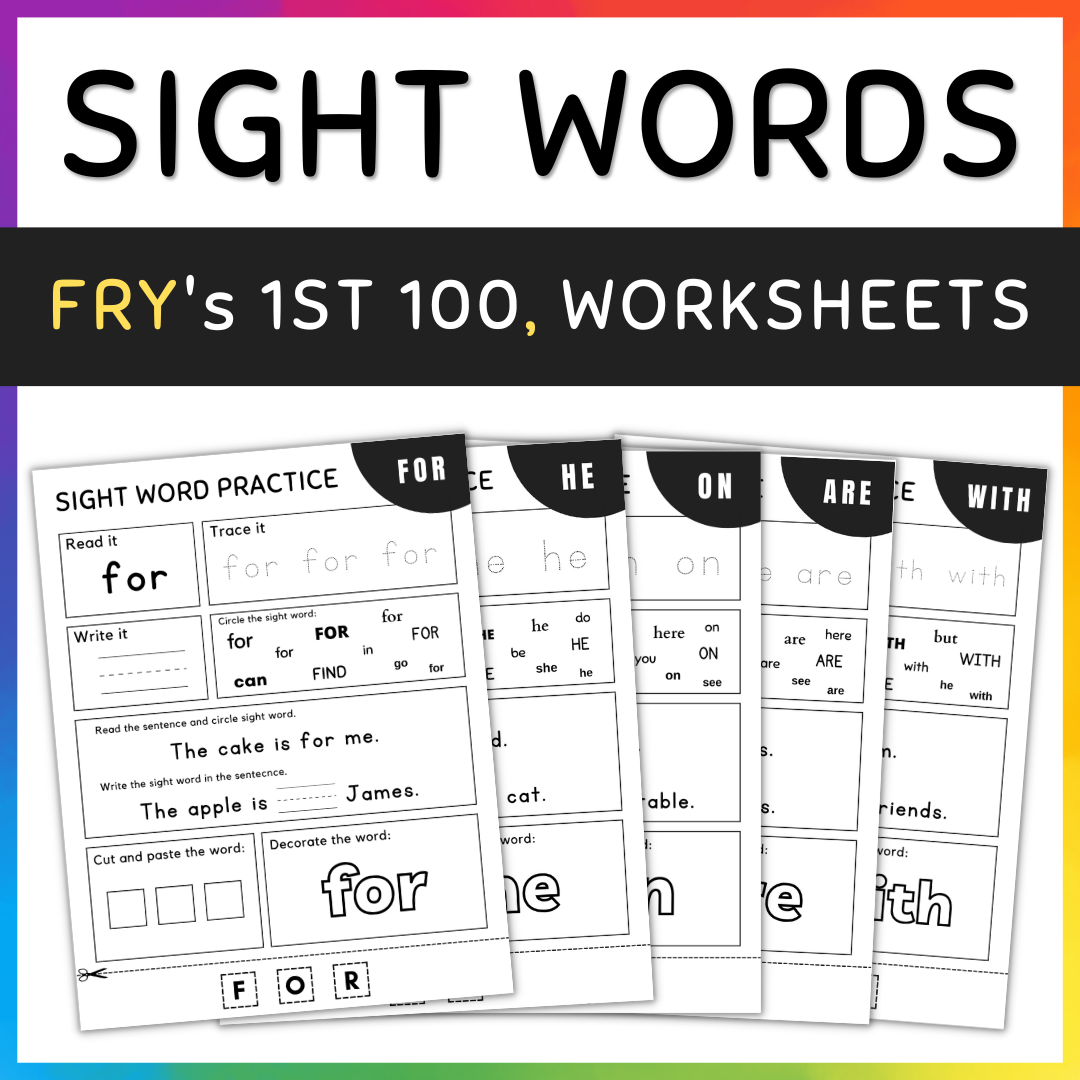
1st 100 Fry Sight Words Worksheets & Activities, #11-20, SET 1
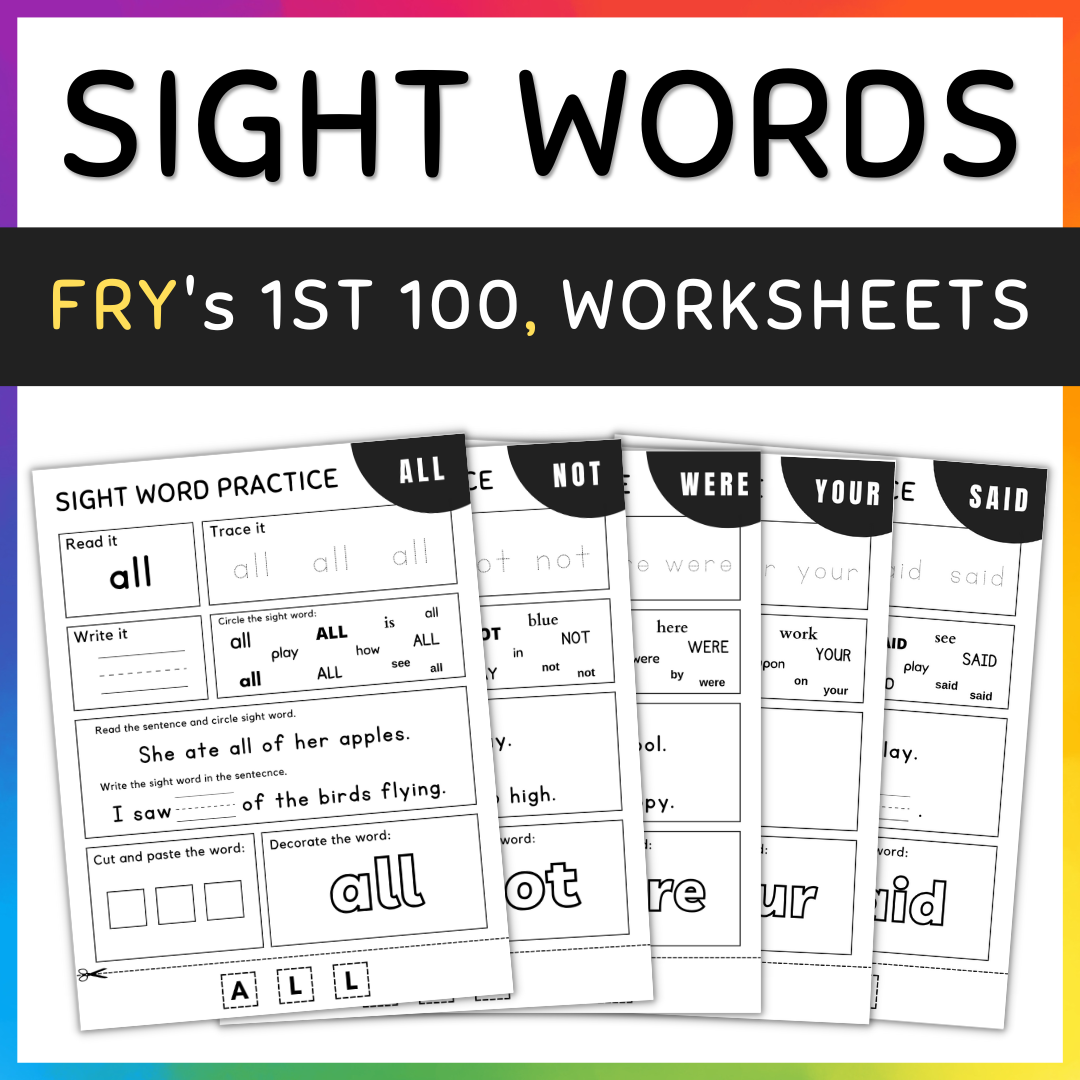
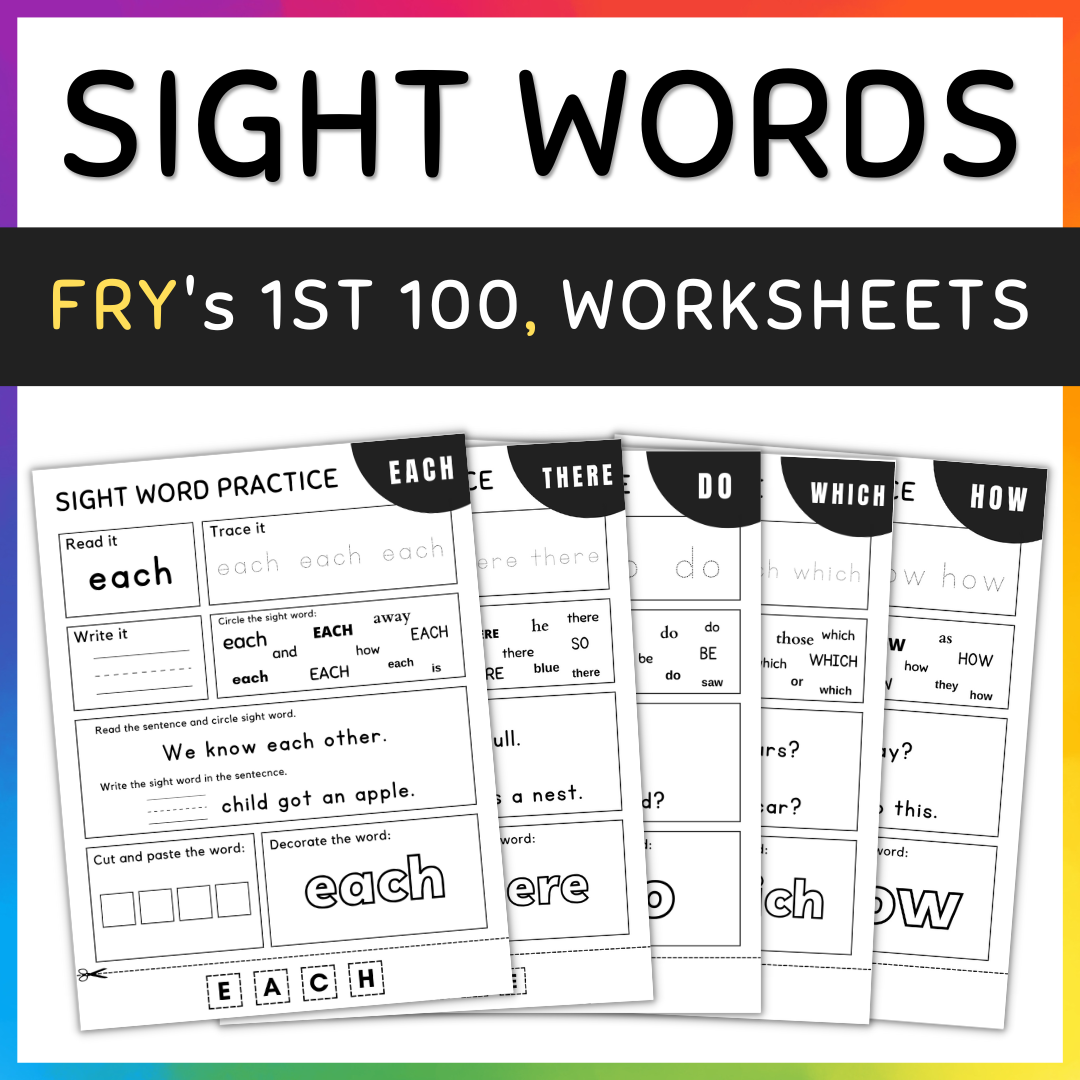
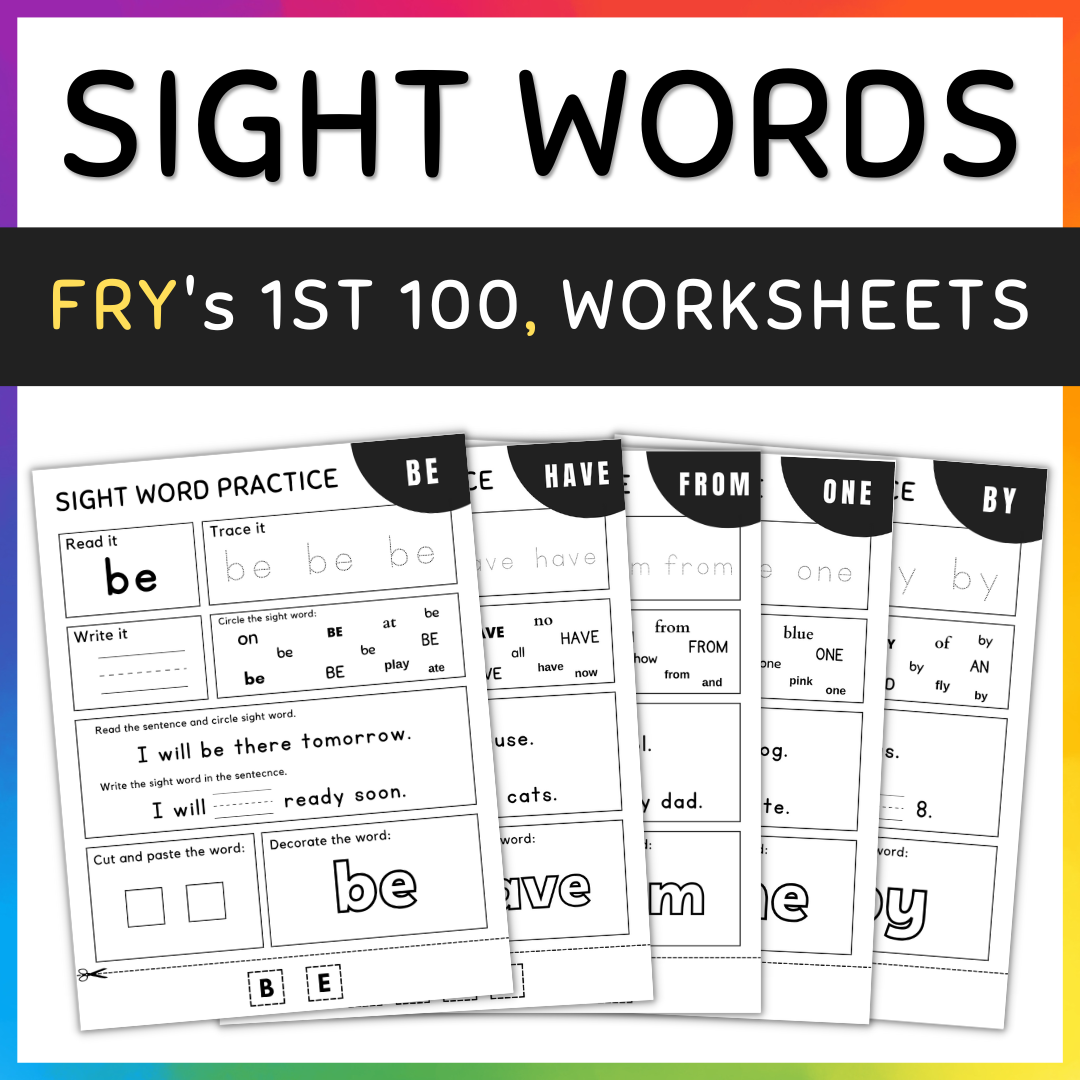
Build recognition, reading, and writing fluency for individual Fry's 1st 100 high-frequency (sight) words through repeated read/trace/write/circle/sentence practice, one word per page.
Classroom resources
Browse by lesson focus
Choose the topic or kind of practice you need.
Build recognition, reading, and writing fluency for individual Fry's 1st 100 high-frequency (sight) words through repeated read/trace/write/circle/sentence practice, one word per page.
Students fill in a printed 'Simple Outline Graphic Organizer' worksheet planning a 5-paragraph narrative essay from a given prompt (a tornado approaching their house), and click/type/drag answers in the linked Google Slides deck identifying narrative-essay vocabulary, sensory/action verbs, and generating narrative essay ideas…
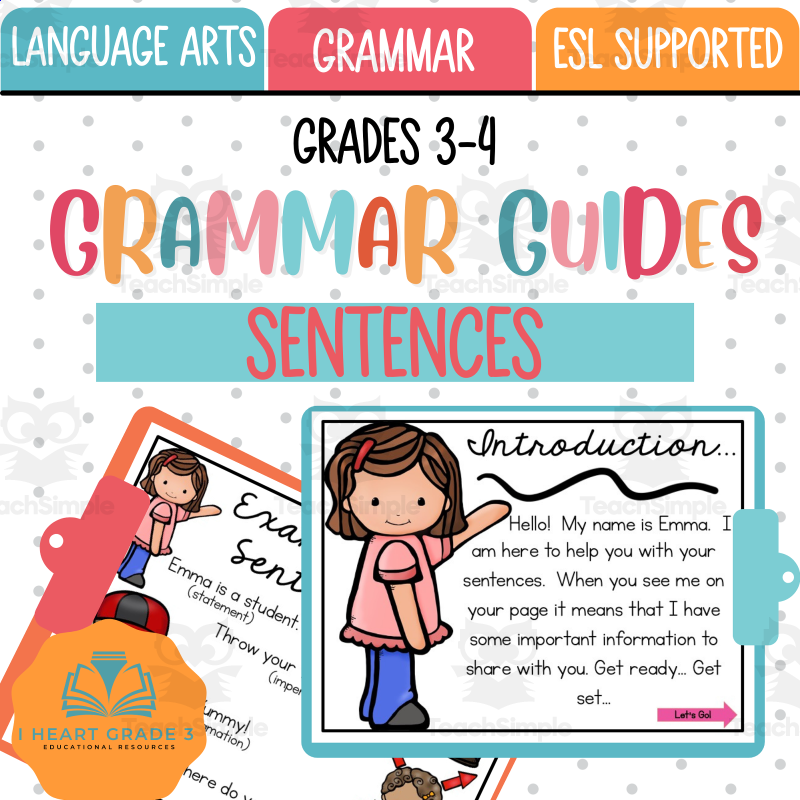
Students identify sentence type, mark sentences as complete or incomplete, complete sentences by matching halves, fill in sentences using key words, unscramble words into sentences, fix capitalization/punctuation errors, and write their own statements, questions, imperative, and exclamatory sentences.
Roll a die and write the given sight word repeatedly in the color corresponding to the number rolled, one word per page, repeated across 6 weeks of words.
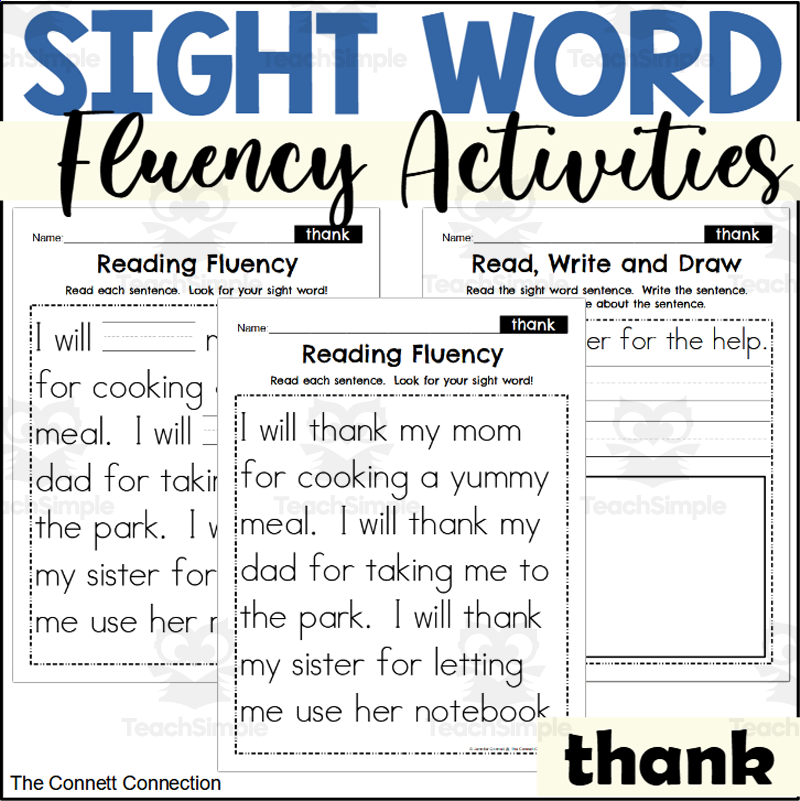
Read a short passage that repeats the sight word 'thank'; read a matching cloze version of the passage and write the missing word 'thank' in each blank; then read one sentence containing 'thank', copy/write it on provided lines, and draw a picture about it.
Build recognition, reading, and writing fluency for individual Fry's 1st 100 high-frequency (sight) words through repeated read/trace/write/circle/sentence practice, one word per page.
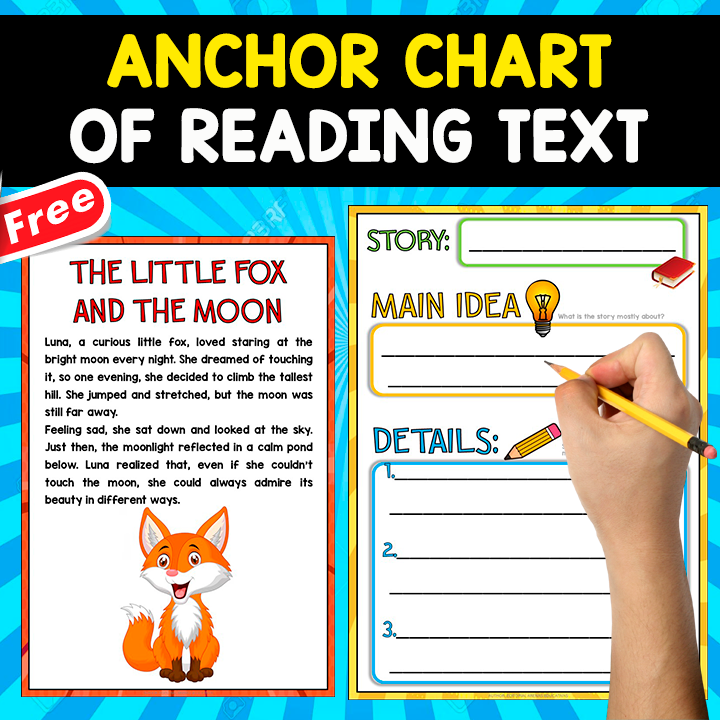
Read a short original story, then fill in a blank graphic organizer identifying the story title, the main idea, and three supporting details; a second, already-completed example organizer using the fable 'The Lion and the Mouse' models how to do this.
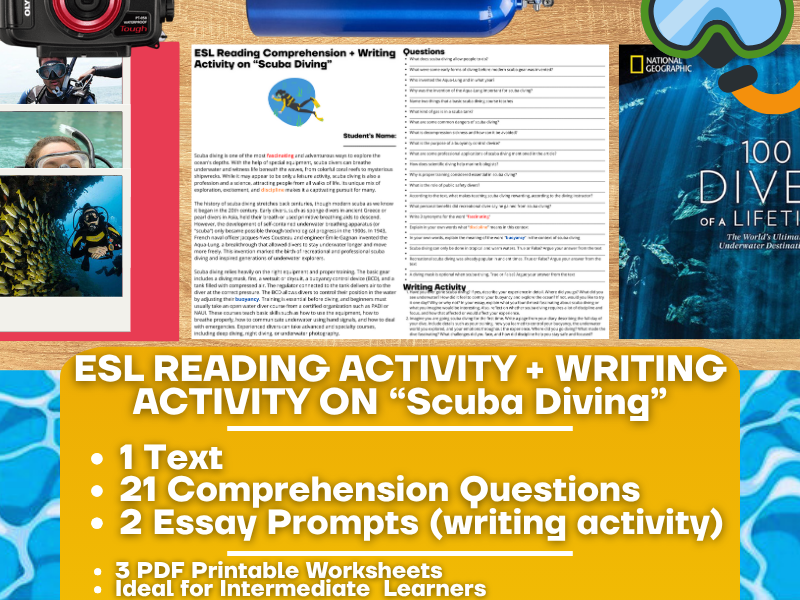
Give ESL/EFL students reading-comprehension, vocabulary, and opinion/comparison-writing practice using a nonfiction passage on the history and practice of scuba diving.
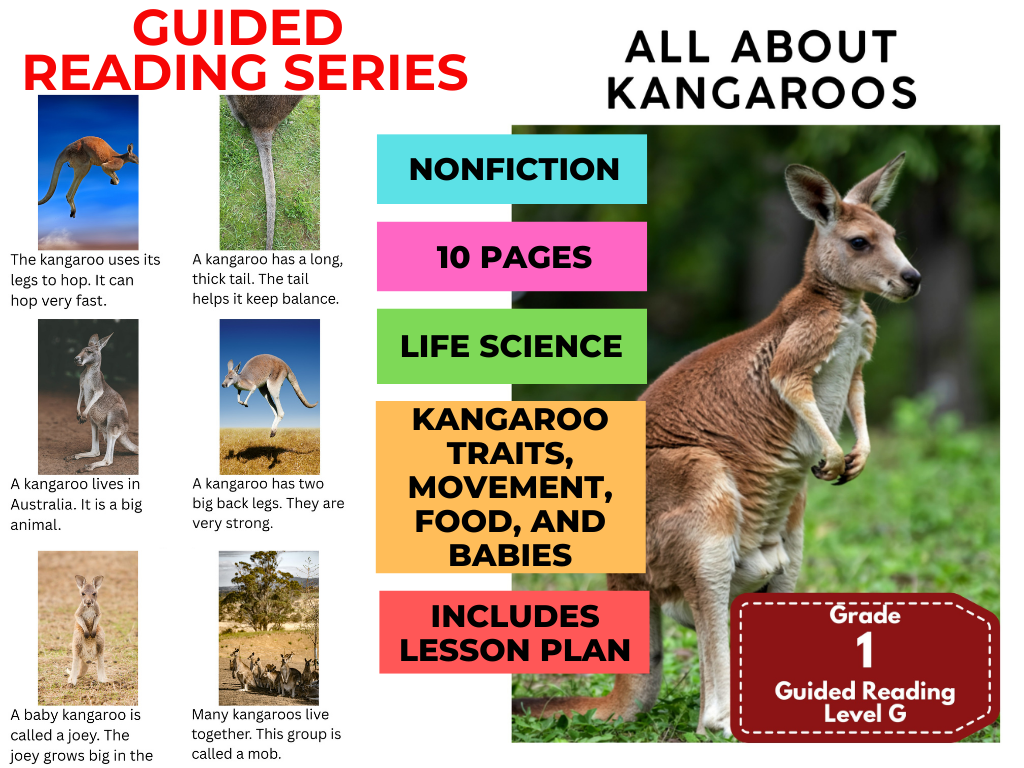
Whisper-read the leveled book while tracking print, learn and use target vocabulary (Australia, balance, pouch, joey, mob), answer comprehension questions with textual evidence, complete a word-work task (hop/hops), write and draw responses to sentence stems, and do an echo-reading fluency activity.
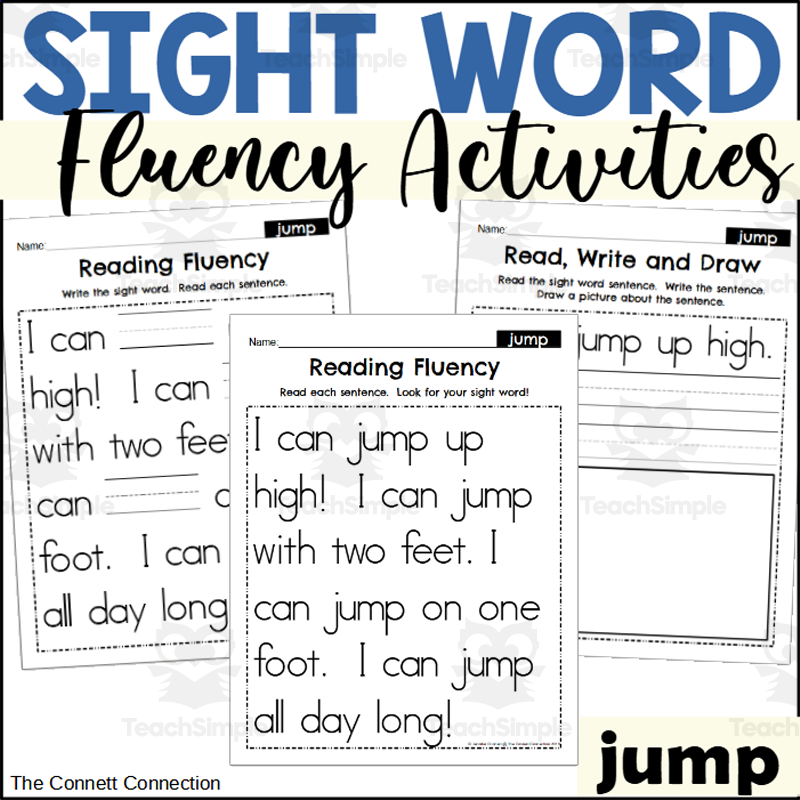
Read short sentences containing the sight word "jump", fill in blanks with the word from memory on a second pass of the same sentences, then read a target sentence, copy/write it, and draw a picture illustrating it.
Build recognition, reading, and writing fluency for individual Fry's 1st 100 high-frequency (sight) words through repeated read/trace/write/circle/sentence practice, one word per page.
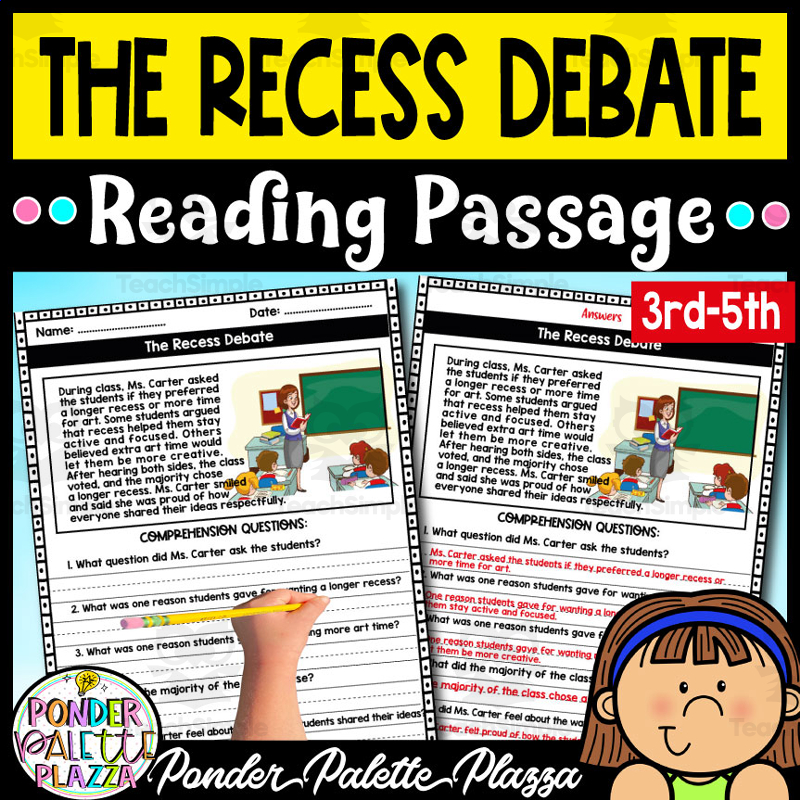
A short back-to-school reading comprehension passage about a classroom debate over recess versus art time, used to introduce persuasive opinions/reasons and practice comprehension skills.
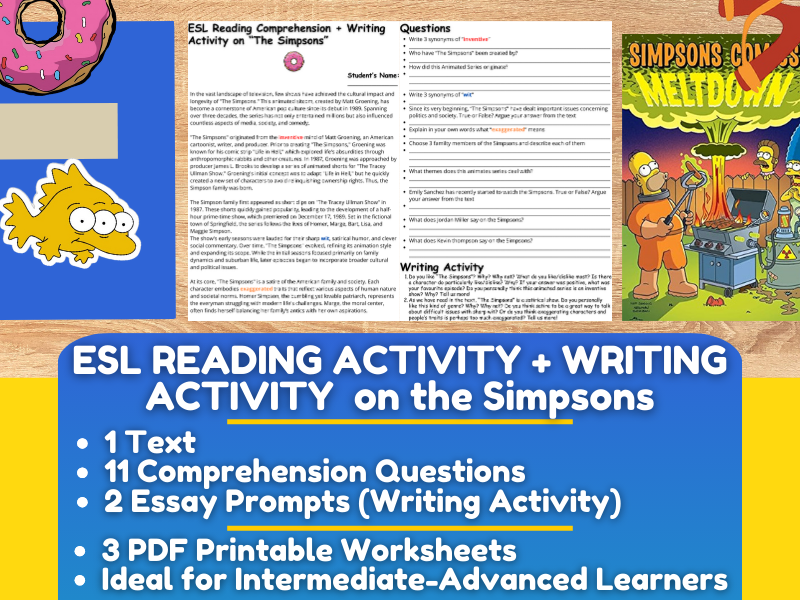
Give secondary-level ESL/EFL students reading-comprehension and writing practice using a short nonfiction passage about The Simpsons (TV/pop culture).
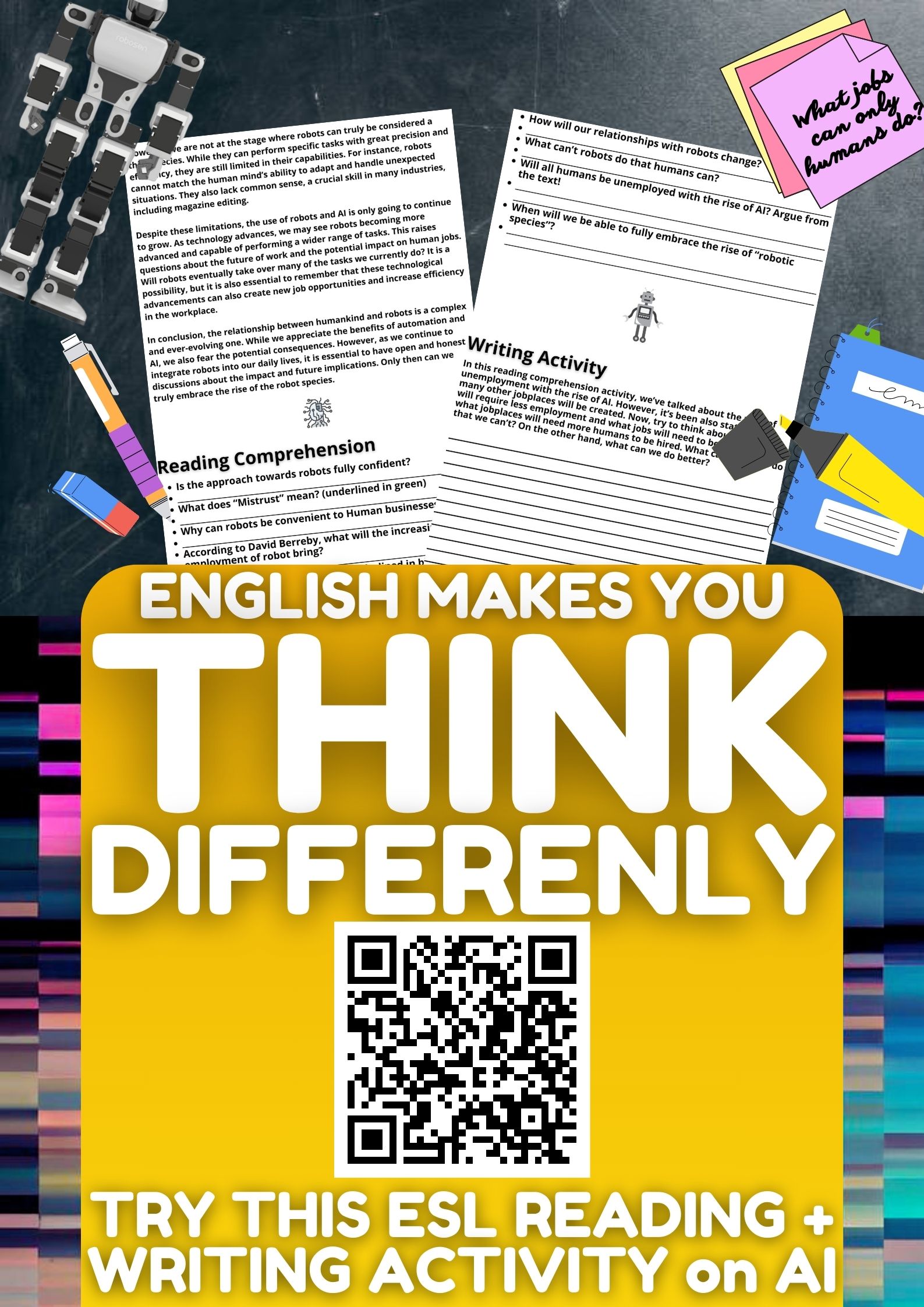
Read a 1-page informational/feature-style passage, answer vocabulary (synonym/word-meaning), true/false-with-justification, and short-answer comprehension questions on a second page, then write one or more extended opinion or comparison essays on a third page.
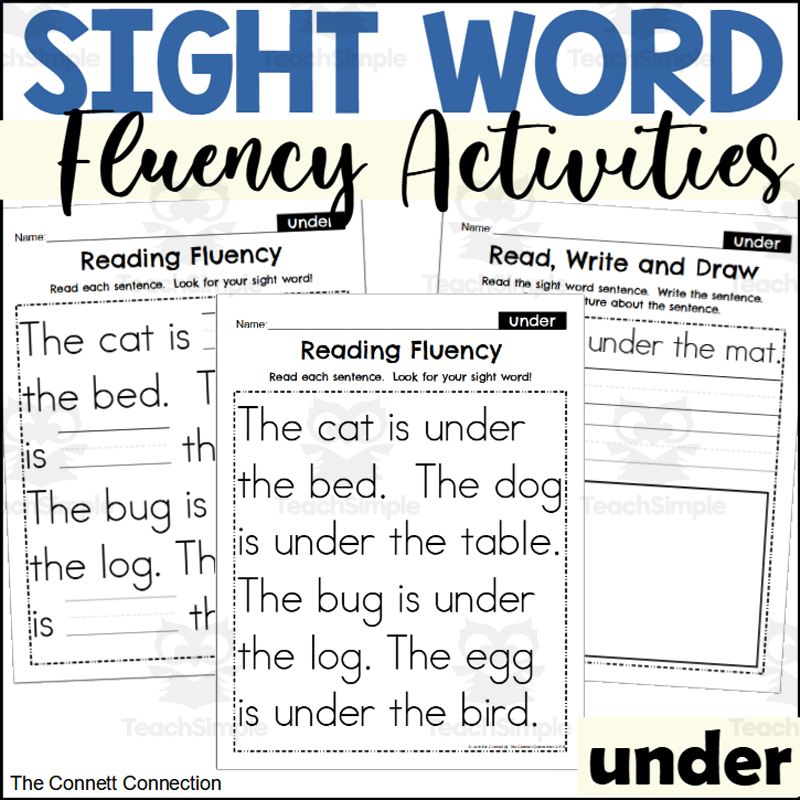
Read sentences containing "under"; write the missing sight word "under" into blanked-out sentences from the same passage; copy one sentence containing "under" and draw a picture about it.
Build recognition, reading, and writing fluency for individual Fry's 1st 100 high-frequency (sight) words through repeated read/trace/write/circle/sentence practice, one word per page.
Provide a picture-supported graphic organizer to help students, including those needing extra visual support, practice the mechanics of writing a basic paragraph.
Give secondary-level ESL/EFL students reading-comprehension and writing practice using a short nonfiction passage about favorite/least-favorite school subjects.
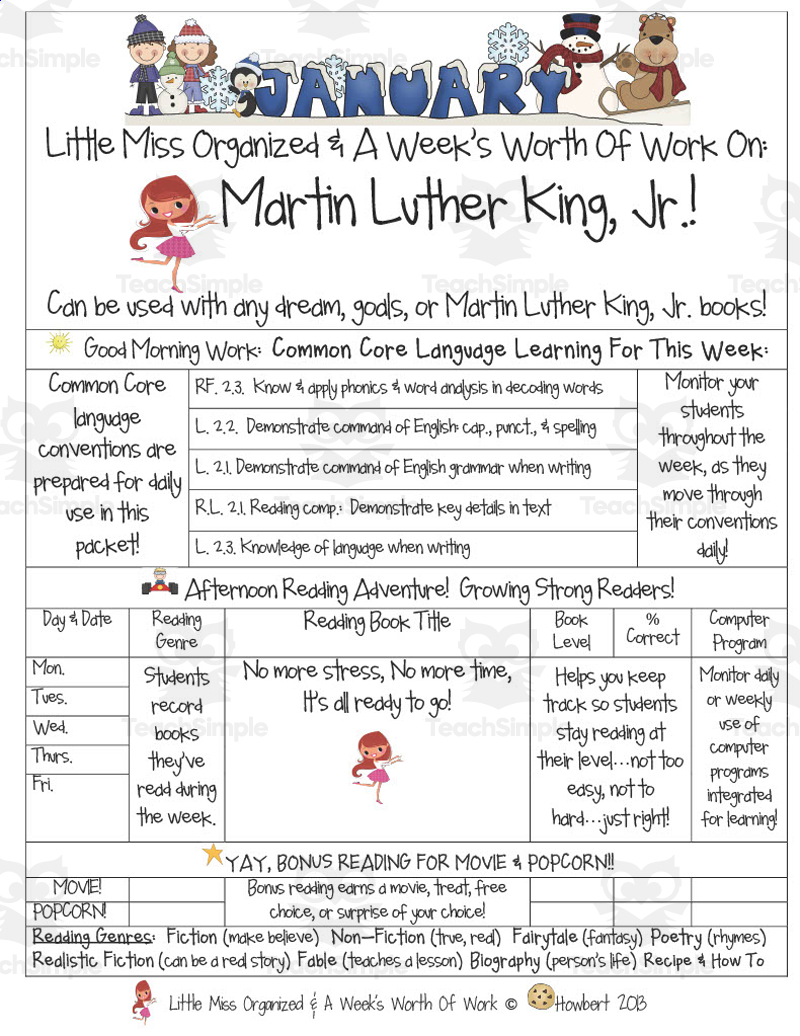
Complete daily sentence-writing tasks and grammar worksheets (Monday: nouns and syllables; Tuesday: synonyms/antonyms and proper nouns; Wednesday: synonym pairs; Thursday: parts of speech; Friday: nouns and adjectives), track independent reading on a reading log, and write on a blank primary-lined template.
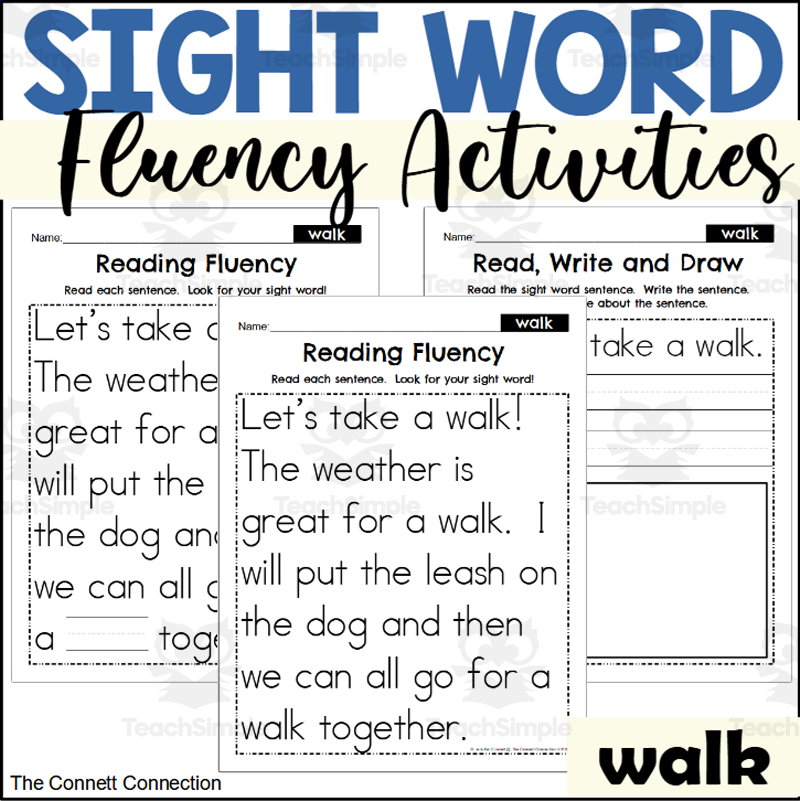
Read sentences containing "walk"; write the missing sight word "walk" into blanked-out sentences from the same passage; copy one sentence containing "walk" and draw a picture about it.
Build recognition, reading, and writing fluency for individual Fry's 1st 100 high-frequency (sight) words through repeated read/trace/write/circle/sentence practice, one word per page.
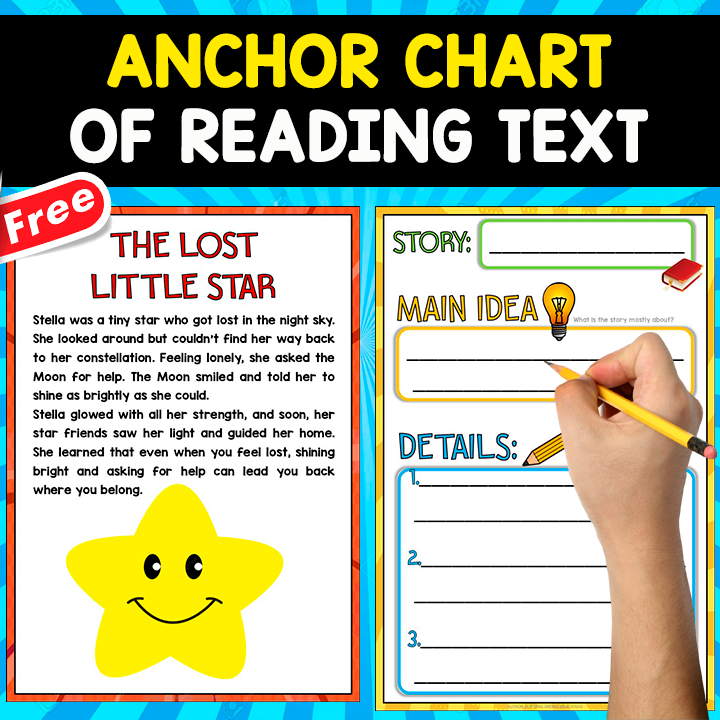
Read a short original story, then fill in a blank graphic organizer identifying the story title, the main idea, and three supporting details; a second, already-completed example organizer using the fable 'The Lion and the Mouse' models how to do this.
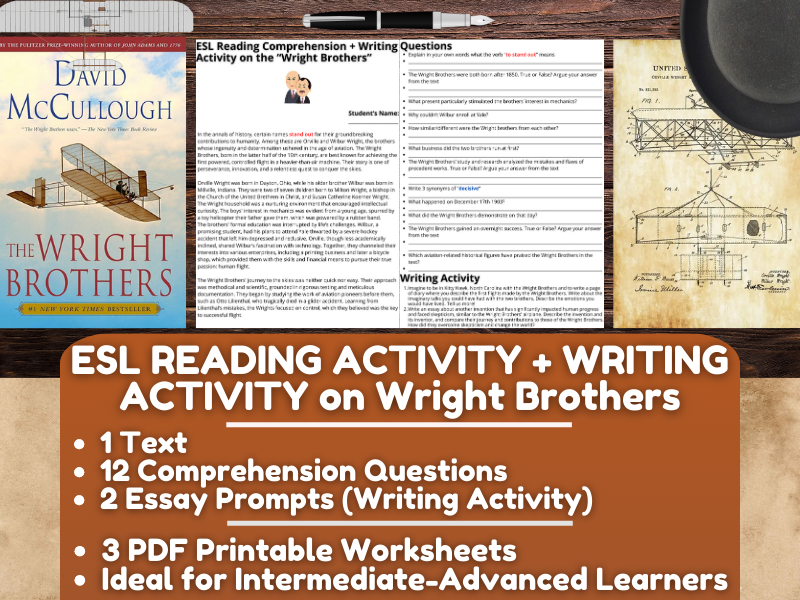
Give secondary-level ESL/EFL students reading-comprehension and writing practice using a short nonfiction passage about the Wright Brothers and the invention of powered flight.
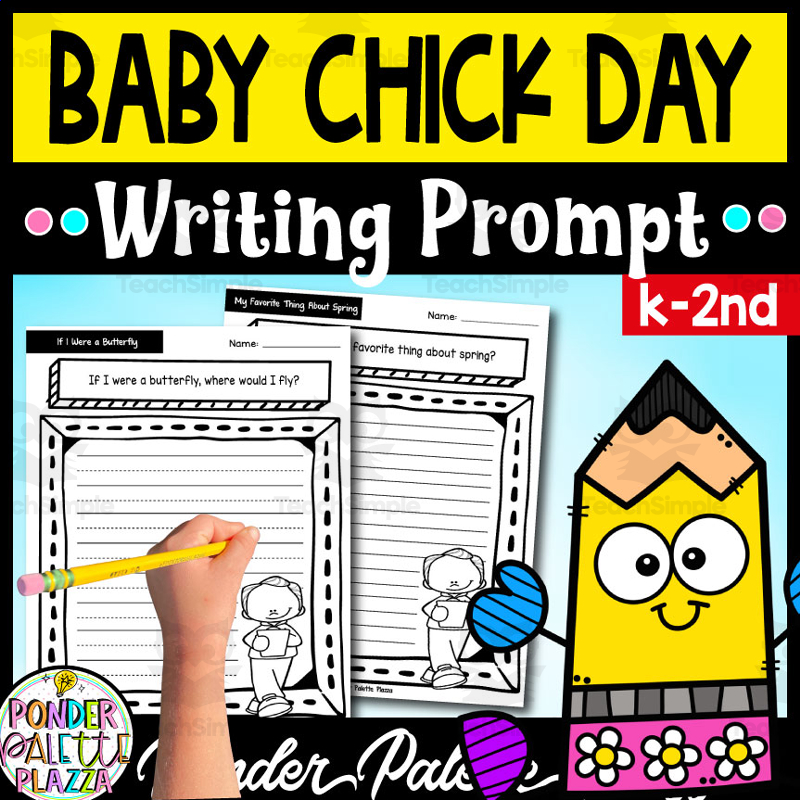
Write about what they would do if they met a baby chick in the spring, then draw a picture of themselves with the baby chick.