 Free download
 Thinking & group games
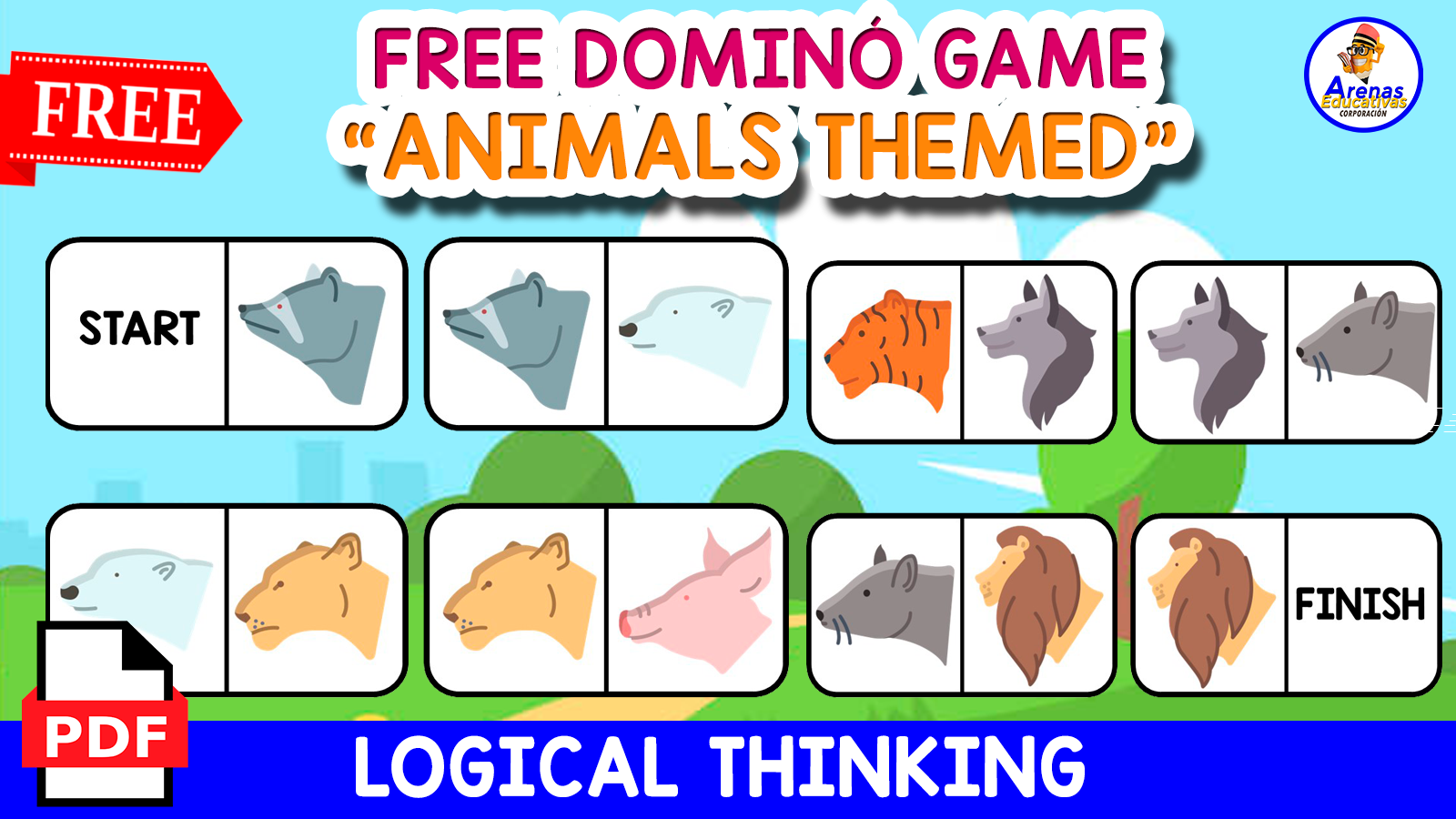
FREE DOMINÓ GAME | Wild Animals
Match domino pieces bearing Spanish vocabulary words/pictures to play a matching/domino game.




Classroom resources
Browse by lesson focus
Choose the topic or kind of practice you need.
Showing 673–696 of 1687 resources

 Show filters Free download
 Match domino pieces bearing Spanish vocabulary words/pictures to play a matching/domino game.
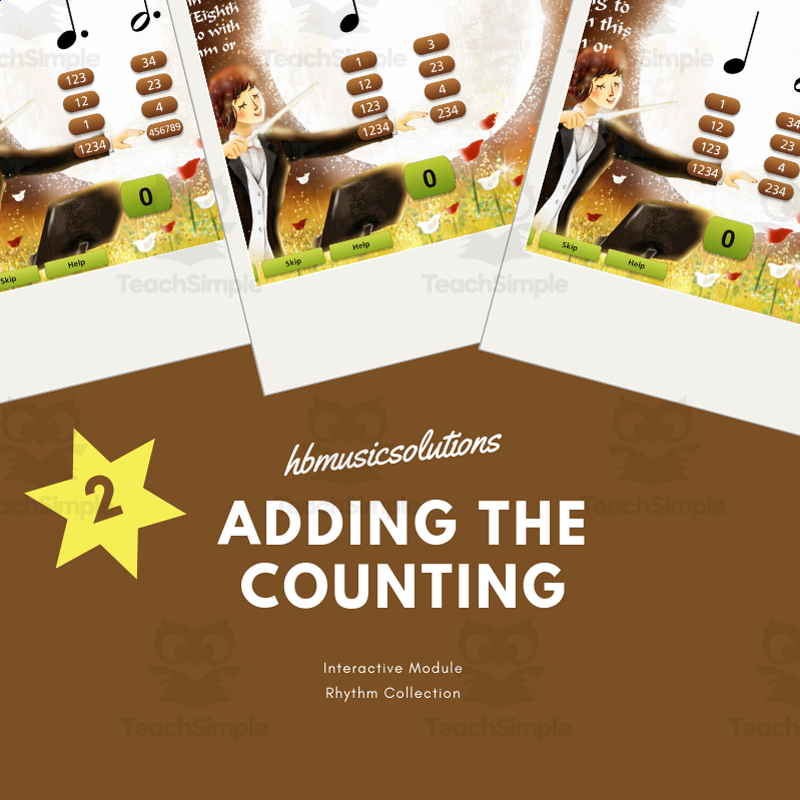
Use an interactive on-screen activity to identify and count beats in randomly drawn intermediate rhythm combinations, with help slides available.
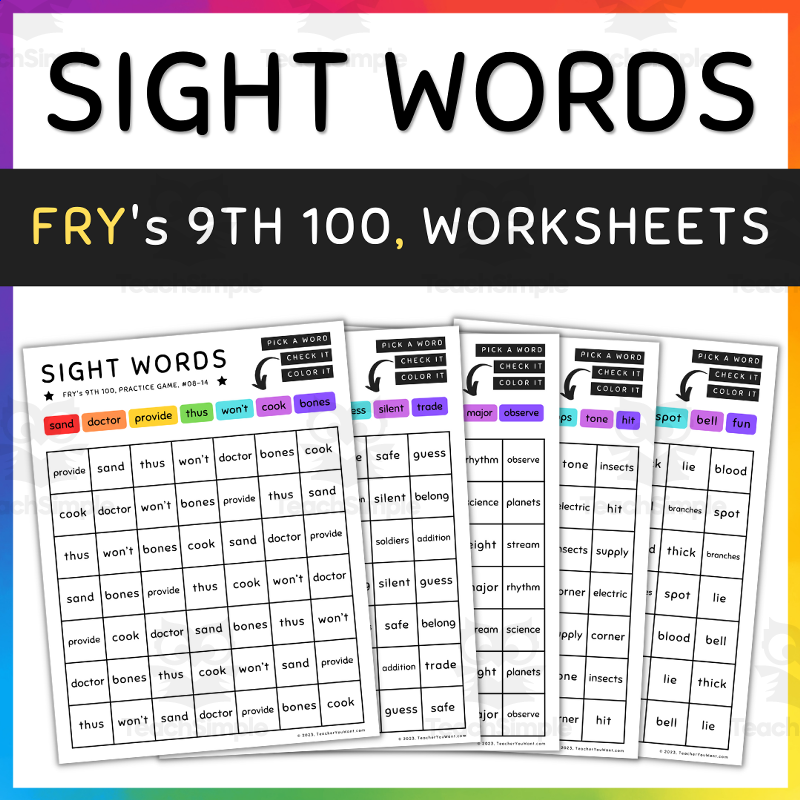
Pick a word, check it against a reference row, then color boxes matching that word.
In pairs or small teams, students secretly place six markers ('bases') on six different states on their own map, then take turns naming an state and asking whether the opposing team has a base there, recording hits (√) and misses (x) on a score sheet across up to five rounds plus a tournament bracket (semi-finals/finals).
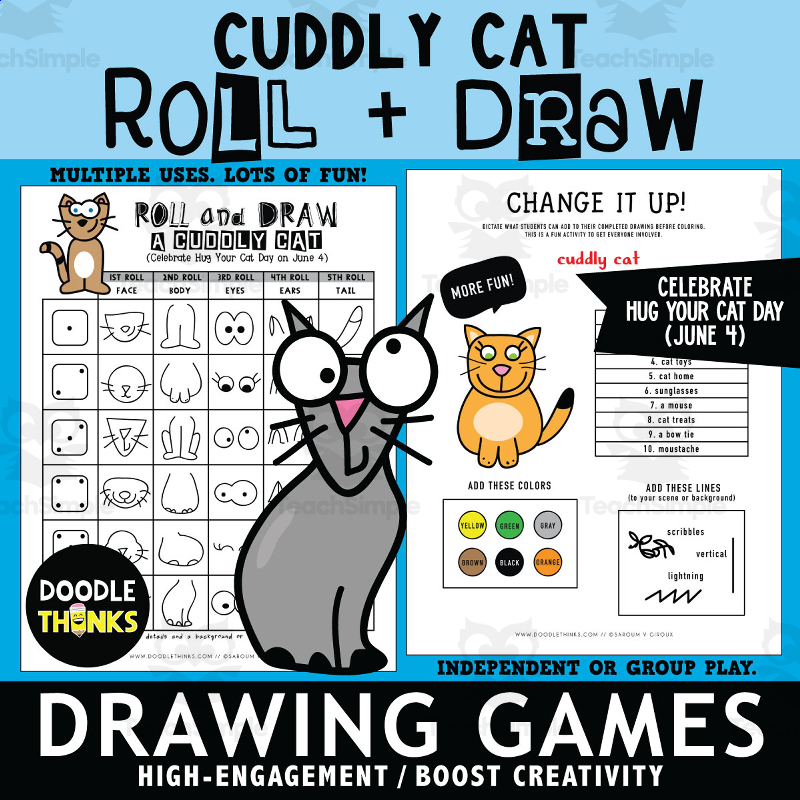
Roll a die five times to determine which face, body, eyes, ears, and tail to draw for a cuddly cat; optionally use a 'Change It Up' dictation worksheet to add extra elements, colors, and line styles to the scene; and use a second 'Cat Treats' roll-and-draw sheet to add a canned-tuna or catnip image based on a die roll.
In partner pairs, write a vocabulary word into each checkerboard square; to claim a square, state the word's correct definition and use it in a sentence.
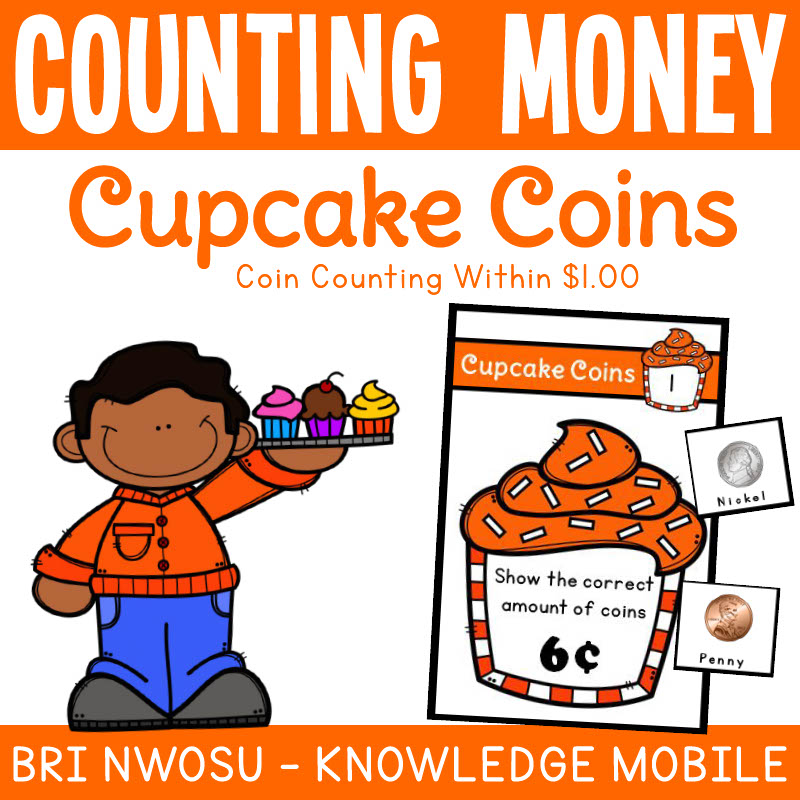
Use task cards with cupcake-coin images to count coin values (in cents, up to $1.00) and record answers, supported by a game board and help sheet.
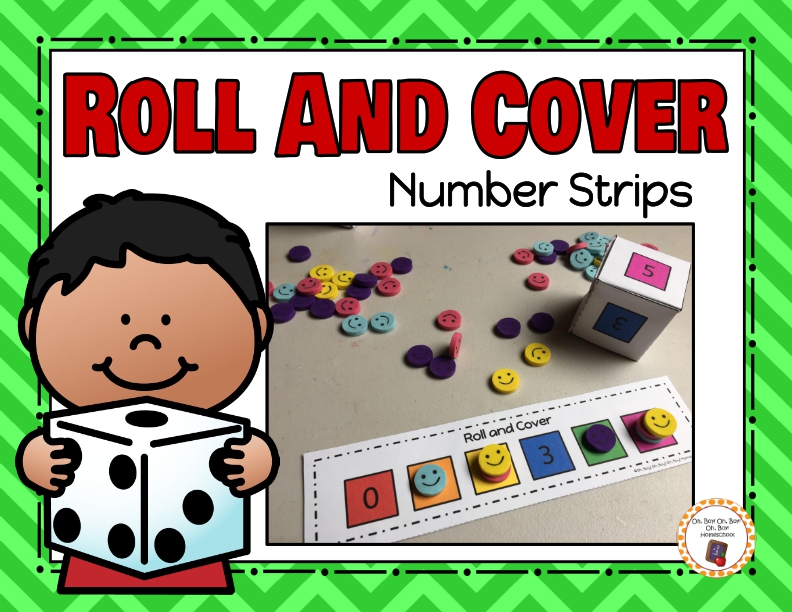
Roll the die and cover the number landed on (using a manipulative, implied), repeating until every number on the strip is covered.
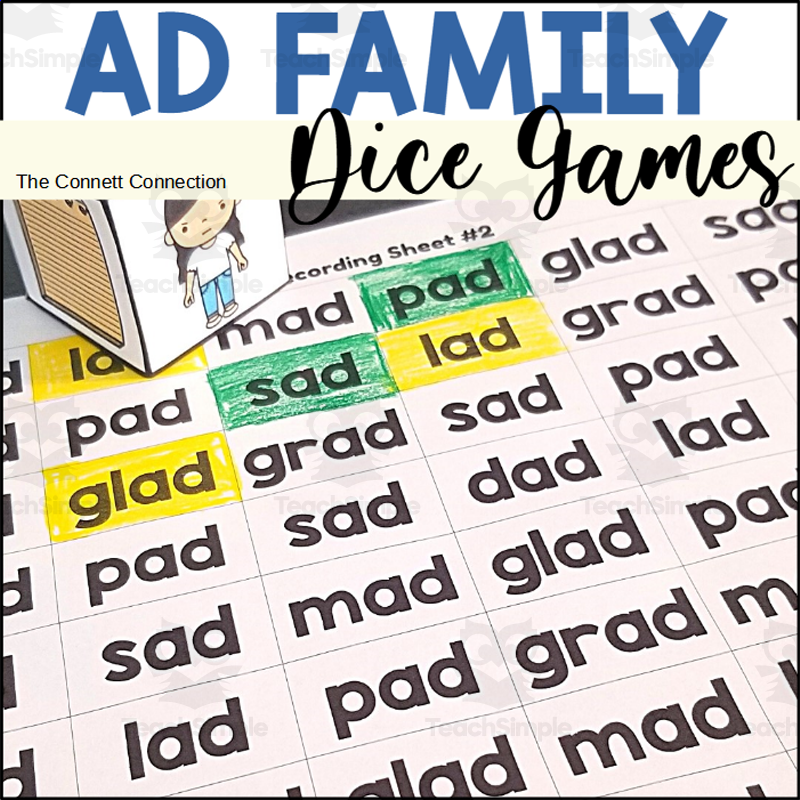
Assemble paper dice from word-cube and letter-cube templates, roll them, then read/write/record the resulting AD words on recording sheets.
![Fry Sight Words, I Have Who Has Game, Flash Cards, 1-100, [SET 2] teaching resource preview](https://teachsimplecom.s3.us-east-2.amazonaws.com/images/fry-sight-words-i-have-who-has-game-flash-cards-1-100-set-2/image-1673361079496-1.jpg)
Each student holds one or more cards; a student reads their 'I HAVE [word]' prompt aloud, then another student whose card answers the linked 'WHO HAS?' clue responds, continuing the loop around the group.
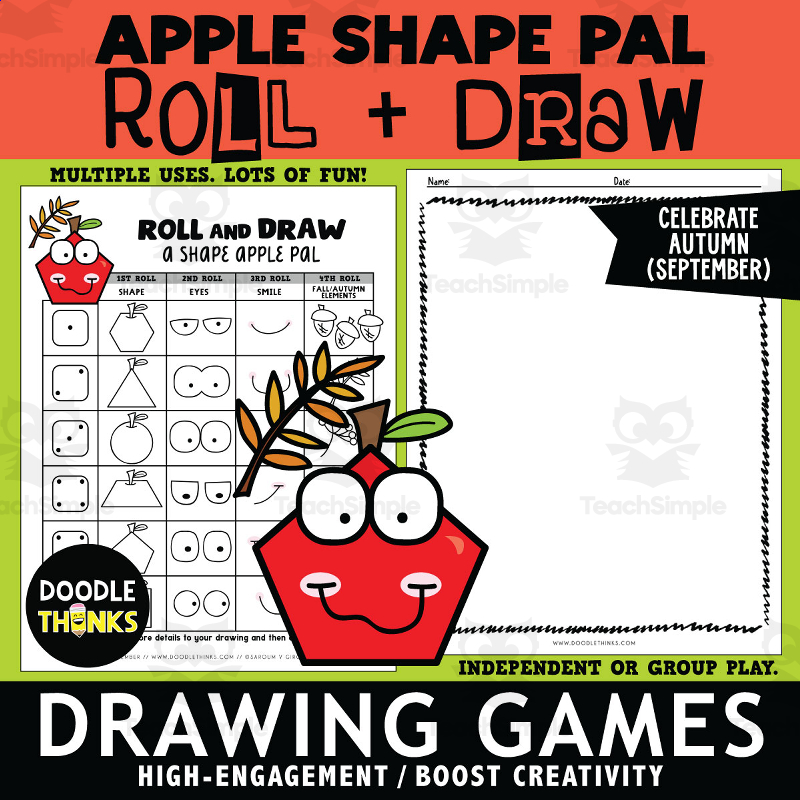
Roll a die for each of four roll columns (apple shape, eyes, smile, fall/autumn elements), draw the matching element each time to build the apple pal, then add extra details and color the finished drawing. A name/date page is included for writing.
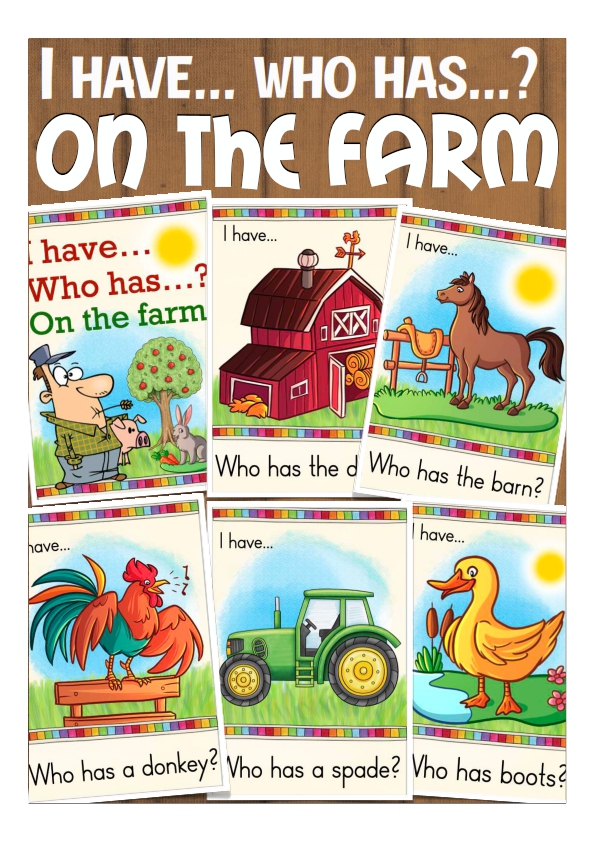
Students receive shuffled cards, read aloud the prompt on their card ('I have...'), listen for the matching term on another student's card, and respond ('Who has...?') in a chain until all cards have been used.

Students play a 4-team territory tag game: run into another team's quadrant, steal a beanbag one at a time without being tagged, and return it home if tagged.
 Free download
 Students match domino tiles edge-to-edge in a chain from START to FINISH, per standard domino-game play (based on the START/FINISH labels present in the file).
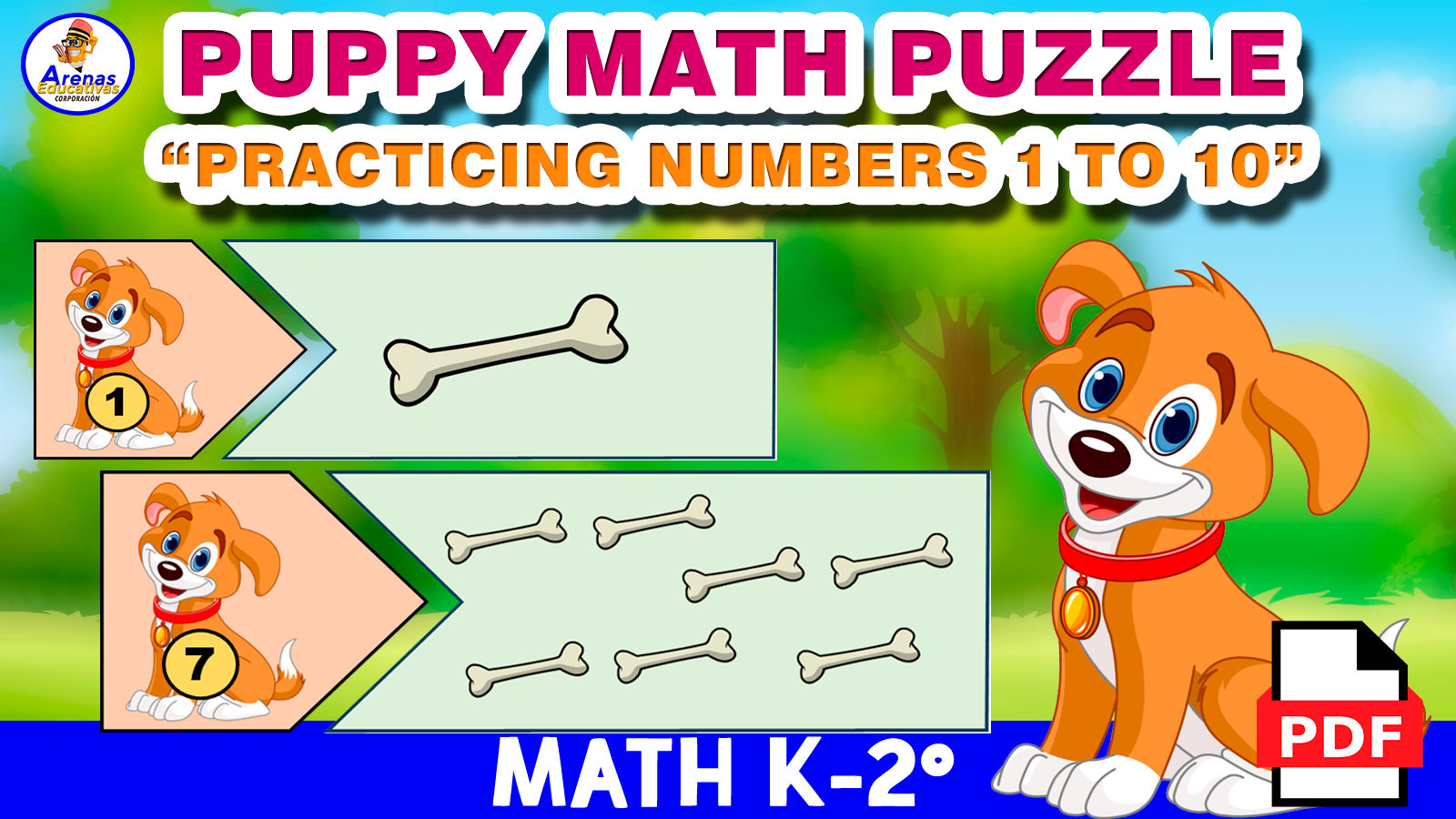
Introduction As is known by educational agents, such as teachers, teachers, including parents, educational mathematics games offer us a wide variety of benefits and advantages for the development of children, especially those who are beginning their academic work and those who are in primary school. For this reason, I have designed this…
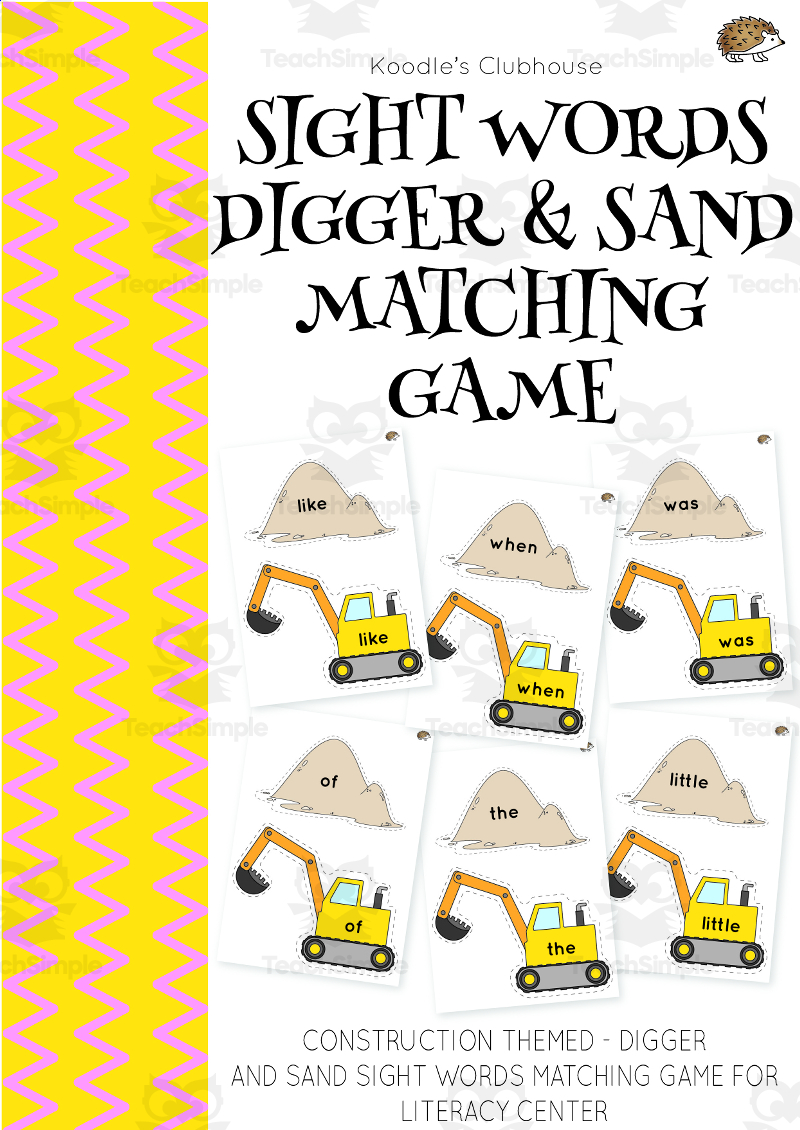
Match printed sight-word template cards ('digger' and 'sand' pieces) that show the same word, per the teacher's literacy-center setup.
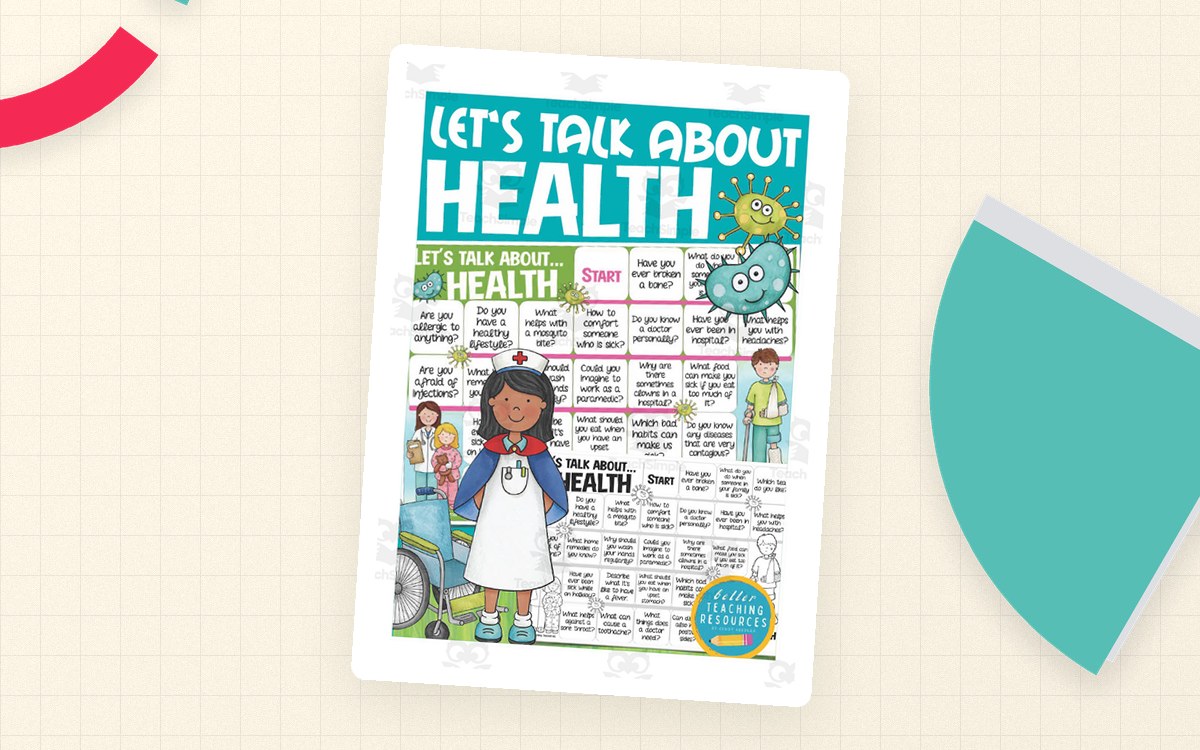
Let's Talk About Health is an engaging board game that teaches students about health and wellness. To play, simply print the colorful game board and grab a pair of dice. This versatile resource can be used in whole or small groups and suits a range of abilities. Students take turns rolling the dice and moving ahead…
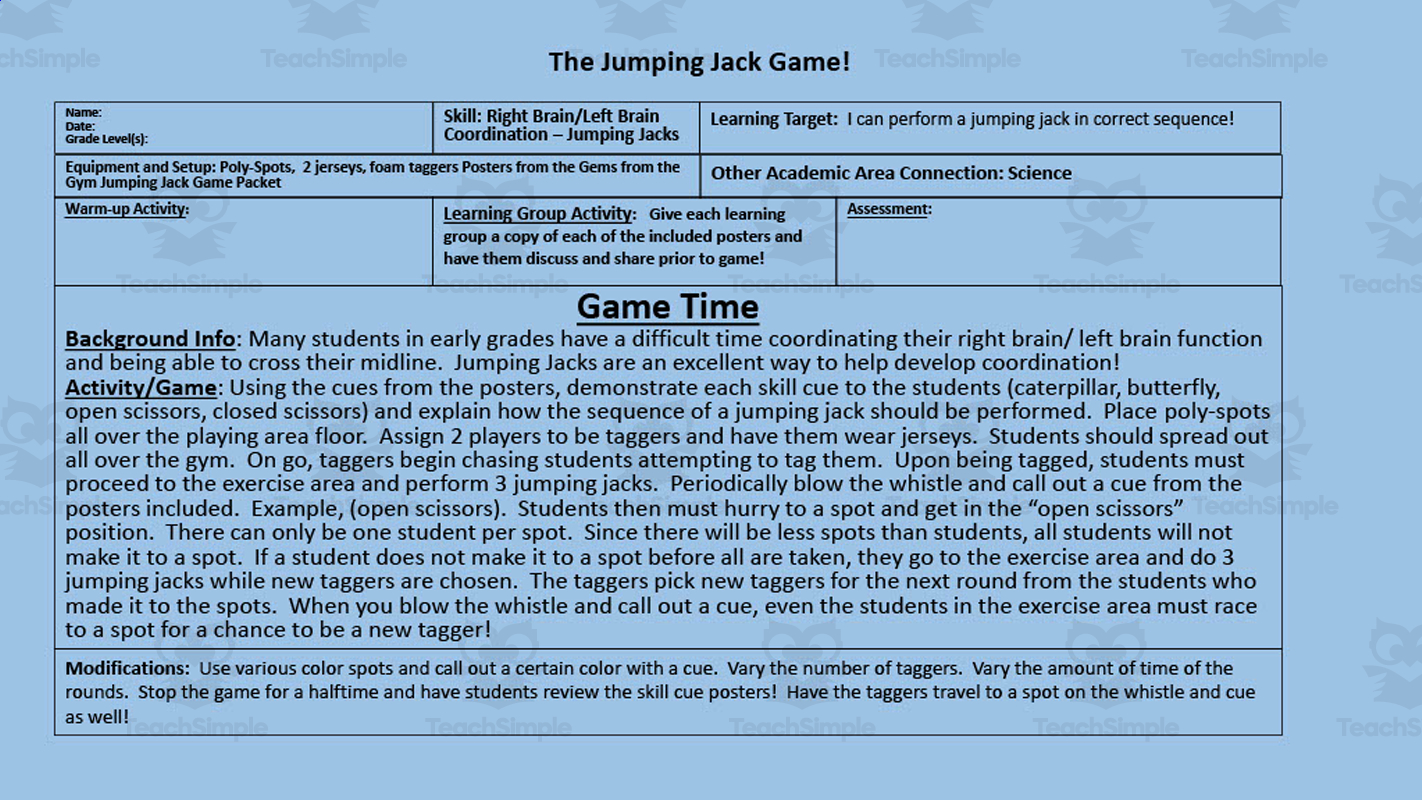
Students learn skill-cue posters (caterpillar/arms down-feet together, butterfly/arms up-feet apart, open scissors, closed scissors) that break down the jumping jack sequence, then play a tag game on poly-spots: taggers chase students, tagged students perform 3 jumping jacks in an exercise area, and periodically the…

Students roll a random-number generator (dice, spinner, or app) ten times, using a grid game sheet to determine which shape/element/color to draw at each step to build the bird image; then color the drawing (markers/crayons/paint suggested) and outline it in black marker; then complete a 'Birdie Writing Activity' generating a…

review division vocabulary and division facts (division tables for divisors 3, 5, 6, 7, 9, 10, 12) through a competitive dice-based board game
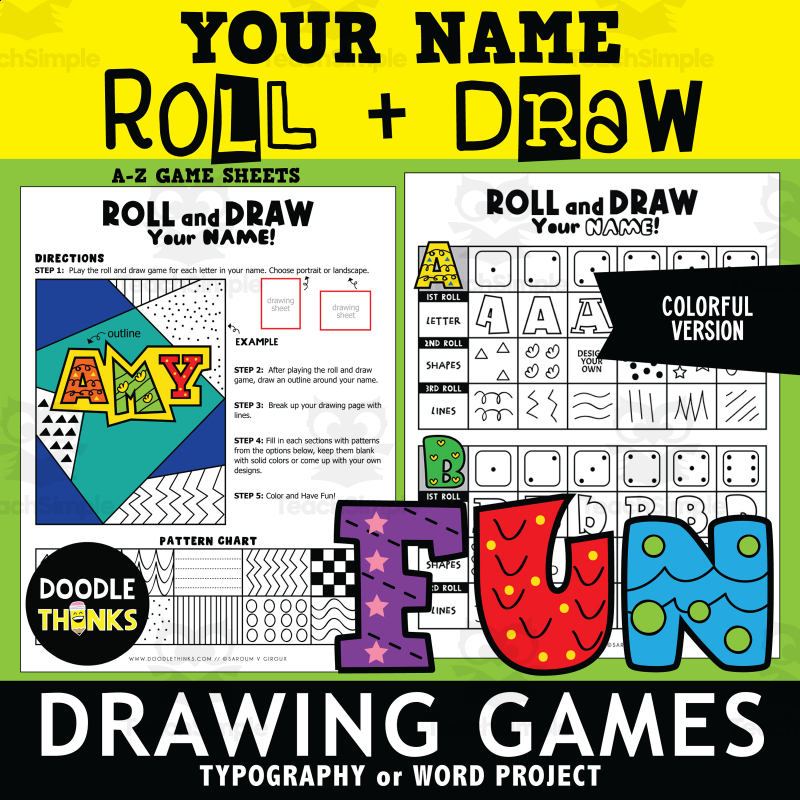
For each letter of their name/word, roll a die three times (letter shape, design element, and line pattern) to build a decorated letter, then outline the whole word, break the page into sections, fill sections with patterns or color, and color the final artwork.
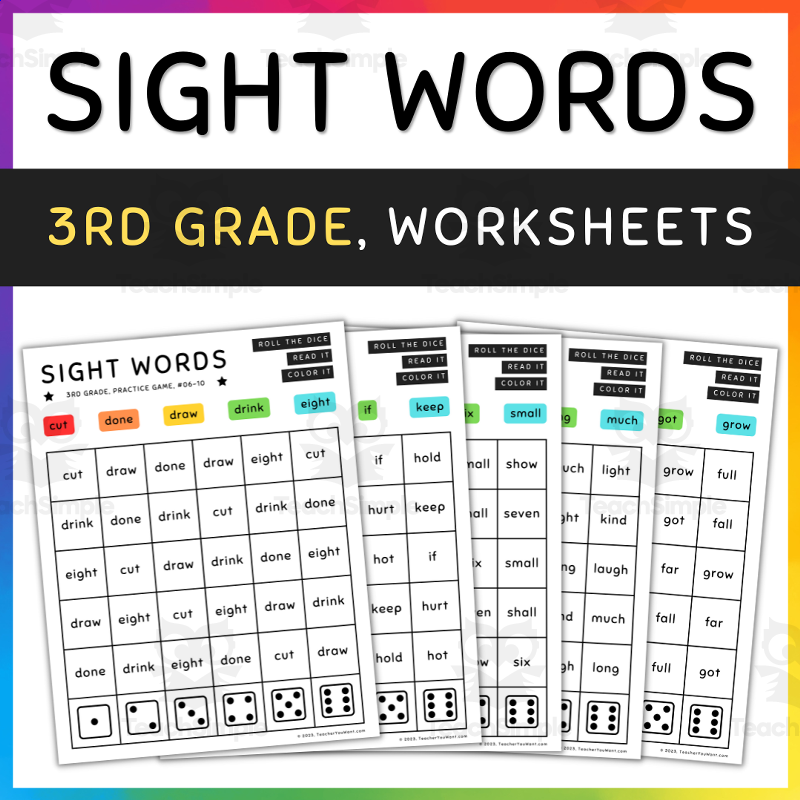
Students roll a die to determine which of 5 numbered word columns to pick a word from, read the chosen word aloud, then find and color one box containing that word in the grid below; repeated by rolling again.
 Free download
 Practice reading/blending CVC words through a two-player fishing-themed board game.
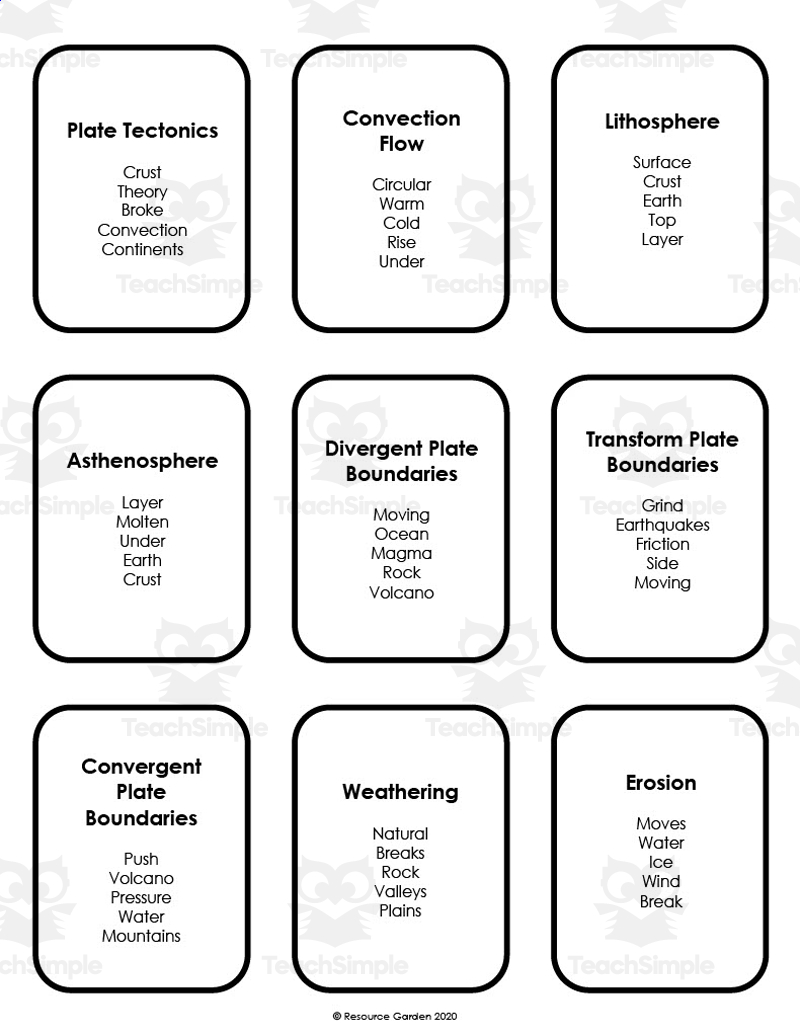
In teams, one student ('the giver') describes a landform-related keyword on their card to teammates without using the word itself or 5 listed taboo words; teammates guess the word to score points.