



3,969 products added recently
Page 295 - Cut and Paste Activities
Enhance learning through tactile experiences with cut and paste activities that combine creativity and skill development. This collection includes sorting exercises, craft projects, and interactive worksheets. By integrating these activities into your lessons, you can support manual dexterity and engagement.

 Show filters


CVC Word Families for Beginning Readers: Stamp it, Make it, Trace it, and Write it
ELA, Language Development, Pre-Reading, Phonics, Reading, Kindergarten, Grade 1, Teacher Tools, Centers, Activities, Lesson Plans, Worksheets, Worksheets & Printables
This CVC unit is engaging for students as they practice reading and learning the short vowel sounds while students cut and make the words, trace the words, write the words, and stamp out the words. Reading short vowel / rhyming words is an introduction to reading. Repetitive practice of reading these words is also another fundamental practice to help students read. In this unit, students will practice word families that have the same ending. Teach students that word families rhyme and only have a different beginning sound. For each word family, students will practice making, tracing, writing, or stamping six different words. Some of the words are proper nouns or names given to people or pets. There are also nonsensical words that are not real. The purpose of these words is to teach how to sound out words only within the same word family. File contains the following word family worksheets : ad, an, at, ed, en, et, in, ip, it, og, op, ot, ug, un, ut. It also includes all the letters needed to cut out for the "make it" worksheets . What's included for the word families: Short a at family (mat, fat, cat, sat, hat, and pat) an family (fan, ran, man, can, tan, and pan) ad family (mad, sad, bad, dad, had, and pad) Short e ed family (Ned, bed, Ted, red, ped, and ded) en family (ten, men, den, Ben, hen, and pen) et family (set, met, bet, let, get, and pet) Short i in family (bin, win, sin, fin, tin, and pin) ip family (hip, rip, tip, lip, zip, and sip) it family (bit, kit, fit, sit, hit, and pit) Short o og family (log, hog, dog, bog, fog, and jog) op family (hop, top, pop, cop, bop, and mop) ot family (lot, hot, rot, dot, pot, and got) Short u ug family (dug, rug, bug, hug, mug, and jug) un family (run, sun, nun, fun, pun, and bun) ut family (but, cut, nut, hut, rut, and gut) For a list of other phonics and grammar activities, click on the following links: CVC Word Families for Beginning Readers: Stamp it, Make it, Trace it, and Write it CVC Words | Short Vowel Phonics | Word Families for K- 2nd Grade Phonics for 1st and 2nd Grade: Help Students Learn Long A Words: AY, AI, A_E, EIGH, EY, and EA Phonics for 1st and 2nd Grade: Help Students Learn Long E Words: EE, EA, E_E, and Y Phonics for 1st and 2nd Grade: Help Students Learn Long I Words: I_E, IE, IGH, and Y Phonics for 1st and 2nd Grade: Help Students Learn Long O Words: O_E, OA, OW, OE, and OUGH Phonics for 1st and 2nd Grade: Help Students Learn Long U Words: U_E, EW, OO, UE, UI and OU Phonics / Digraphs for 1st and 2nd Grade: Beginning, Middle, and Ending Sounds Phonics / Digraphs for 1st -2nd: Ending Sounds: CK, NG, SH, TH, and NK Phonics / Digraphs for 1st and 2nd Grade: Beginning Sounds: SH, TH, WH and PH Phonics: R-Controlled Words for 1st and 2nd Grade and Early Readers
Author K-5 Treasures
Tags Word Families, Phonics, Beginning Reading, Rhyming Words, Short Vowel Words, Short Vowels, Reading Strategies, Word Family, Cvc Words, Cvc Activities

ABC Song | Animated Song Videos
Creative Arts, Art, Music, Early Learning, Pre-K, Songs, Activities
ABC Song | Animated Song Videos This engaging 1-minute animated song video teaches young learners the alphabet through a fun and upbeat ABC song. Students will enjoy singing and dancing along as they learn letter recognition and build early literacy skills. Educators can use this video to introduce and reinforce the alphabet in a lively whole group setting or for independent student practice. The catchy ABC tune paired with vibrant animation is sure to capture early learners' attention while laying a strong foundation for future reading success.
Author Educational Voice
Tags Abc Song, Music, Interactive, Early Learning, Preschool

Mr. Sylvester's Socks Graphing Activity
Math, Graphing, Grade 2, 3, Activities
Teaching students about data is great skill because they get to look at information in a new way. Analyzing and compiling data requires critical thinking skills from our math students. We want to ensure we have interactive practice opportunities to help students connect the dots. This resource can do just that! This is Mr. Sylvester’s Socks Graphing Activity. It is a 4-page printable that was designed for your 2nd and 3rd grade students. The objective of this product is for students to be able to correctly analyze data from graphs, answer questions about graphs and create graphs. The worksheets included are: 1. Socks in Stock – This page has a graph that represents the socks in stock at a local clothing store. Students will answer 6 questions for this graph. 2. Mr. Sylvester’s Socks – Students will analyze groups based on how Mr. Sylvester has sorted his socks. Students will use this data to correctly color the socks in the left-hand column of the chart . Students will fill in the graph using circles to correctly represent the socks. On the next page, students will get to decide how many of each color sock they think Mr. Sylvester should keep. Based on their number, students will complete questions to note how many socks Mr. Sylvester is getting rid of. 3. Sock it to Us! – Students will collect data for their own socks. They will use this data to create a bar graph. This can be completely individually, in small groups, or for homework. I hope you enjoy! Here are similar resources for you to enjoy: https://teachsimple.com/product/the-flip-flop-fiasco https://teachsimple.com/product/biomes-of-the-world-packet https://teachsimple.com/product/ocean-animal-report https://teachsimple.com/product/thanksgiving-writing-workshop You can visit my storefront here: https://teachsimple.com/contributor/at-the-core I can be contacted for questions and concerns at sallyplant12@hotmail.com .
Author At the Core
Tags Math Worksheet, Formative Assessment, Graphing Activity, At The Core, Measurement And Data, Data Activity, Analyzing Data, Bar Graphs
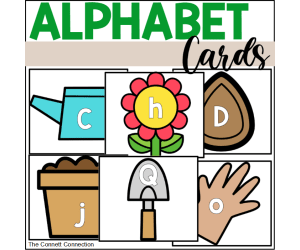
Gardening Alphabet Cards
ELA, Language Development, Pre-Reading, Kindergarten, Preschool, Activities, Flashcards, Worksheets & Printables, Games
These gardening themed alphabet cards are perfect for students learning with a fun spring theme. They are a simple, engaging way to help students practice recognizing the letters of the alphabet. What is Included: This set of alphabet cards includes one capital letter and one lowercase letter card for each letter of the alphabet with a fun garden theme. Ways to Use the Cards: Play a matching game by pairing capital letters with their lowercase counterparts. Attach a paper clip to each letter card and use a magnetic fishing pole to “catch” letters in a fun fishing game. Provide a sand or salt tray so students can practice writing the letters shown on each card. Hide the letter cards around the classroom and have students search for them during an exciting letter hunt. Have students place the cards in alphabetical order. Create a pocket chart game by placing the cards in a pocket chart and hiding a picture behind one letter. Students guess which letter is hiding the picture. Add small objects or pictures that begin with each letter for students to match to the correct letter card. When to Use: Literacy Centers – Add the letter cards to a literacy center for students to practice matching independently or with a partner. Morning Tubs or Baskets – Place the letter cards in a morning bin for students to work on as classmates arrive. Small Group Instruction – Use the letter cards during small group time to provide extra support for students who need additional practice recognizing the letters of the alphabet. Make letter recognition fun with these gardening letter cards! This low-prep activity is easy for teachers to prepare. Teachers just simply print, cut, and laminate for durability. The letter cards fit perfectly in a task box for effortless setup, cleanup, and storage. Skills Assessed: These cards, depending on the materials added, can assess both letter recognition of capital and lowercase letters as well as identifying beginning sounds.
Author The Connett Connection
Rating
Tags Alphabet Activities, Letter Recognition, Alphabet Games, Alphabet Cards
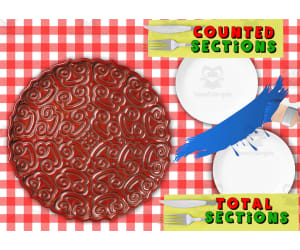
Pizza Fractions Activity
Math, Fractions, Grade 2, 3, Activities
This is a Pizza Fractions Activity . Your math students will enjoy learning about and reviewing fractions in a fun way. Students will get to practice with: - halves - quarters - eighths
Author Nathan
Tags Pizza Fractions, Geometry, Math Activity, Small Group, Review

KD’s PreSchool Sight Words Booklet
Common Core, Toddler, Kindergarten, Preschool, Grade 1, Worksheets & Printables, Activities
KD’s PreSchool Sight Words Booklet has been created to help young learner with developing their learning skills. Early learners can do so much more than we know. This booklet is filled with opportunities for parents and their children to practice. When parents sit and work with their young learners, children feel so much more confident in what they are learning. Building spelling skills is essential for early leaners and it is never too early to work on CVC (consonant vowel consonant) skills in school or at home. Homeschooler can also benefit from working with new materials that have been designed by educators with years of experience working in the classroom with a number of young students. Fun learning CVC words is especially a great way to motivate children to learn. Children can work on their own or with a friend! What’s included 30 pages Instruction · Print out pages · Laminate for longer use · Can also be used with Dry Erase markers Enjoy!
Author KD's Kids School Shop
Tags CVC Words, Spelling, Writing, Problem-solving, Centers, Activities, Preschool, Kindergarten, Homeschool

House and Home: ESL - ELL Group Speaking Activity: Find someone who…
ELA, Language Development, ESL, Grade 3, 4, 5, 6, 7, 8, 9, 10, Activities
✯ House and Home: ESL - ELL Group Speaking Activity: Find someone who… ✯ Find someone who... This ESL group speaking activity is great for getting students to speak and practice their vocabulary when learning aboutHOUSE AND HOME. Your students will enjoy getting up and moving around the classroom as they ask their classmates questions that are listed on the worksheet which includes sixteen questions. This activity can also be used in any English speaking classroom as an ice-breaker or getting to know you activity. This resource includes: One worksheet to print out and make one copy for each student in your class. There are sixteen squares on the grid. Each square contains one question and a space to write a classmate’s name. Instructions: Have your students move around the room asking classmates the questions that are written in the squares on the grid that you provide. If a classmate responds with YES he or she writes his name on the line provided. Complete sentences are encouraged even when the answer is NO. Activity continues until all boxes are filled. Once all of the boxes have been signed your students can turn in their papers. This is a fun, interactive way to review vocabulary about HOUSE AND HOME and to practice speaking. Your students will enjoy learning fun facts about their classmates, and you will certainly like hearing them speak English!
Author Love Learning Languages
Tags Find Someone Who, Find Someone Who Activity, ESL Activity, House Printable, Group Speaking Activity, Find Someone Who Esl
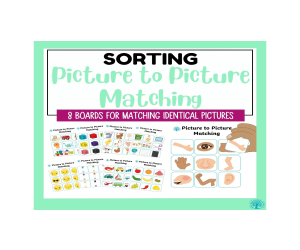
Picture to Picture Matching
Special Resources, Special Education Needs (SEN), Not Grade Specific, Activities
Picture to Picture Matching - A Comprehensive Teaching Resource This exceptional tool Picture to Picture Matching aims to assist learners in matching identical pictures. It serves as a crucial way to foster pre-reading skills amongst children by honing visual distinguishing abilities over the reliance on tactile sensations. The activity acts as a stepping stone for learners by aiding them in making finer distinctions between objects based purely on sight. This valuable skill has potential implications across different learning scenarios – from recognizing letters and words while reading, differentiating shapes during geometry lessons or even identifying human emotions in social studies! Meticulously crafted: Every aspect has been meticulously crafted with experts' advice for seamless practice across a variety of settings: large group classroom exercises or small group interventions. Inclusive: Parents homeschooling their children will find this equally useful. The Package: Users receive 9 base boards along with 9 picture cards each – all ready to match! Content broken down into manageable chunks to keep engagement alive without overwhelming young learners. Durable & reusable: Just laminate the sheets and apply Velcro strips! Ready for repeated use without showing any wear or tear. 'Special Resources': Pupils with Special Educational Needs (SEN) as well as any child interested in learning through visuals can greatly benefit from these challenges at their own pace. In consideration of its engagement value and educational dividends, "Picture to Picture Matching"is a remarkable addition that caters universally and captivates individually. Not just another PDF file type activity download, but an invaluable addition indeed! This set includes 9 base boards each with 9 picture cards to match. Clipart images courtesy of Kari Bolt Clipart
Author SEN Resource Source
Tags Pre-reading Skills, Visual Distinction, Learning Resource, Educational Tool, Picture Matching

Build Your Own Business Project
ELA, Writing, Grade 9, 10, 11, 12, Activities, Projects
This resource is a Build Your Own Business Project. Your ELA students will enjoy this challenging task of following step by step directions and creating a business plan. Students will get to think critically and creatively while applying language skills.
Author Golden Promise
Tags Business, Project, World Languages, Business Plan, Gallery Walk

Desert Habitat animals flashlight cards hidden picture activity
Animals, Life Sciences, Science, Environmental Science, Earth and Environmental Sciences, Kindergarten, Preschool, Toddler, Grade 1, 2, Flashcards, Worksheets & Printables, Centers, Activities, Games
Make learning about desert habitats and animals fun and interactive with these Desert Habitat Animals Flashlight Cards! Students will use a flashlight to reveal hidden desert animal pictures while practicing animal recognition and building science vocabulary through an exciting hands-on activity. I like using these flashlight cards during desert habitat units, animal science lessons, wildlife studies, preschool and kindergarten science centers, nature-themed activities, and homeschool learning. It’s an engaging, low-prep activity that adds a fun element of discovery to habitat and animal learning. What You Will Get This printable Desert Habitat Animals Flashlight Cards resource gives students an exciting way to discover hidden desert animals and review habitat and wildlife vocabulary. What’s Included in this Resource? • Printable desert animal flashlight cards • Hidden picture reveal activity • Desert animal and habitat vocabulary • Hands-on flashlight discovery activity • Student-friendly science center format • Easy-to-use printable cards • Great for independent or small-group learning This resource is perfect for: • Desert habitat science units • Desert animal studies • Animal science lessons • Wildlife activities • Preschool and kindergarten science centers • Life science activities • Small-group activities • Homeschool learning Why you will love this? • Easy to prepare and use • Creates an exciting hands-on learning experience • Builds observation and visual recognition skills • Reinforces desert animal vocabulary • Encourages curiosity and independent discovery • Great for science centers and habitat-themed units These Desert Habitat Animals Flashlight Cards are a fun way for young learners to discover hidden desert animals, practice animal recognition, and build observation skills through an interactive habitat science activity.
Author Perfect_Printables
Rating
Tags Animal Science, Science Center Activities, Hidden Picture Activities, Flashlight Cards, Animal Vocabulary, Forest Animals Activities, Desert Aninals, Desert Habitat, Desert Animals Activities, Desert
Animated Song: Chuga Chuga Song VI
Creative Arts, Art, Music, Kindergarten, Preschool, Grade 1, Songs, Activities
The Animated Song : Chuga Chuga Song VI An engaging educational tool, the Animated Song : Chuga Chuga Song VI is designed for enhancing learning experience particularly for students from preschool up to grade 1. A twelve-slide animated PowerPoint resource, it fits both group settings and individual study. Benefits: Lights up interest in music and arts in young minds Expands vocabulary through rhythmic approach Reinforces text read with each animated click Promotes language acquisition and literacy enhancement A Solution for Artistic Studies This tool is an excellent option for studying art & music subjects encouraging proactive participation from learners either in a collective group or individual home assignments. Inclusion: Crafted meticulously considering students with Visual Impairment (VI), it includes high-contrast graphics, built-in movement animations which aids focus and distinct sound effects that further comprehension. Additional feature also lies within “safe zone” attached to page numbers which can be helpful during switch training exercises. Accessibility: You can display this resource on multiple platforms – interactive whiteboards or personal tablets using free software like Microsoft PowerPoint App which expands accessibility options without any added trouble! Finally, In its simplicity and fun-filled nature; as a whole or used within small groups; The Animated Song : Chuga Chuga Song VI leaves a lasting impact with its innovative techniques optimized visually impaired students assistance included within.
Author Bloom Resources
Tags Animated Song, Educational Tool, Music And Arts, Vocabulary Expansion, Visual Impairment

Solving Proportions | Winter themed Pixel Art
Math, Algebra, Grade 6, 7, 8, Activities
Solving Proportions Winter Themed Pixel Art Activity In the depths of winter, keeping student engagement can be a challenge. The Solving Proportions Winter Themed Pixel Art activity presents an innovative solution. Designed to captivate young minds and strengthen essential math concepts, it is targeted towards students within Grade 6-8. Direct Integration with Technology: This teaching tool smoothly incorporates math and technology promoting skills in both areas. Real-World Problems: Students wrestle with 15 proportion problems centered around real-life applications which accentuate relevance and enhance their critical thinking ability. Creativity Unleashed: Every correct answer uncovers parts of a hidden pixel art picture designed within Google Sheets, providing immediate gratification for each correct response and offering motivation to keep progressing. Versatile Implementation Options: Class-wide or Individual Learning Moving beyond a whole-class activity under teacher guidance, it can also be disseminated for small group work or pair learning situations further boosting collaboration and communication alongside knowledge proficiency. It is equally useful for homeschooling parents looking to bolster abstract algebra-based teaching using real-life examples packaged up in an attention-grabbing artistic illustration during independent study sessions or home-based homework time. Digital Delivery & Provision of Solution Sheet All resources are conveniently delivered electronically in PDF format containing a link that leads directly to Google Sheets access! Be aware—all solutions are effortlessly provided on the second sheet within the file facilitating quick corrective feedback and continuous student-teacher conversation. The Solving Proportions | Winter themed Pixel Art boasts of being more than just another assignment—it's an invitation into the magic of pixel art where solving proportions can become a wintertime fun!
Author Matemaths
Tags Winter, Proportion Problems, Pixel Art, Math Activity, Critical Thinking, Winter Themed Art
Data Analysis & Probability: Memory Match Game for 3rd-5th - MAC Software
Math, Graphing, Common Core, Grade 3, 4, 5, Activities, Games
Data Analysis & Probability: Memory Match Game for 3rd-5th - MAC Software A stellar teaching resource, Data Analysis & Probability: Memory Match Game has been engineered specifically to aid teachers in presenting essential data analysis and probability ideas. It is part of the Five Strands of Math curriculum catered for grades 3-5. Provided in an engaging memory match game format, this software makes learning fun and interactive. Curriculum Alignment The game aligns seamlessly with Common Core State Standards, NCTM, as well as STEM initiatives, making it a versatile tool that can be incorporated into any math classroom curriculum . Versatile Usage Across Teaching Styles If you use whole-class teaching techniques, the game can serve as a focal point during your lessons. In small-group activities', its adaptability shines — enhancing learner interaction and comprehension. Detailed Structure of each Puzzle The structure of each puzzle includes six matching pairs of questions related directly to data analysis and probability learning targets. This setup guarantees knowledge consolidation through repetitive problem-solving exercises aimed at visual recall. Inspiring Engagement Through Competition Fuelled by the memory aspect, this resource keeps learners continually engaged while stimulating their competitive instincts against classmates. This reflects how learning intricate mathematical theories can also be enjoyable besides being educational. Tech Specs & Accessibility The game is available as a single zip file, compatible with MAC systems thus accessible on any Apple devices at hand—be it within classrooms or extending into students' homes—an ideal choice for homeschooling parents or teachers setting screen-based homework.
Author Classroom Complete Press
Tags Memory Match Game, Data Analysis, Picture Graph Game, Bar Graph Game, Probability
NO PRINT Map My Language Map Skills Water Park Virtual Trip
Special Resources, Speech Therapy, Preschool, Grade 1, 2, 3, 4, 5, Activities
NO PRINT Map My Language Map Skills Water Park Virtual Trip An inventive teaching tool that prompts elementary school students to immersive learning via mapping. It concentrates on meaningful skill development and captivates students with an alluring virtual water park theme. This versatile resource caters to different teaching scenarios like whole group instruction, small group break-outs, or individual tasks. It's interactive attributes accommodate various learning approaches and settings, both in-person and remote. Resource Features Focuses on life skills through a virtual map with diverse exercises condensed into 5 pages. Covers areas such as,executive functions for planning/decision-making, semantic reasoning for verbal expression advancement, auditory comprehension suitable to multiple learning types, memory-enhancing activities for cognitive abilities improvement, and concentration-enhancing tasks for focus betterment among learners. Packed with multiple interactive features: fillable boxes, checkable boxes, movable circles providing rich user interaction. Annotatable with Adobe Reader Comment Tool or Platform Tools. Includes recommendations specific to Teletherapy depending on the chosen digital platform utilized. Incorporated Activities The module encourages relational vocabulary building while facilitating divergent thinking problem-solving abilities through deductive reasoning leading up to decision making tasks as well as sequencing events verbally - all central components of evolving executive functions of young minds. The content covers topics like time estimation and inferential thinking skills enhancement along with opportunities for sentence formulation practice using descriptive vocabulary.. Multidisciplinary Approach & Bonus Element: Educational implementation strategies including provisions for multiple interactions (E.g., location finding on the map) aiding learners build familiarity non-verbal nuances while offering engagement options to improve screen-time productivity. A bonus feature in the module is the articulation activities , aimed at mixed groups and fundamental to speech therapy within regular classroom set up. This opens doors for technology-led special resource interventions across diverse forums ranging from public institutions to home-schooling. To conclude, NO PRINT Map My Language Map Skills Water Park Virtual Trip forms an appealing and interactive learning method for children to develop life-skills tying back with a virtual trip theme that is pleasant and engaging.
Author Intrepid Speech Therapy Materials
Tags Interactive Learning, Life Skills, Mapping, Virtual Trip, Executive Functions
Kids Yoga Stories: Arctic Animals Yoga Cards for Kids
P.E. & Health, Yoga, Preschool, Kindergarten, Grade 1, 2, 3, Activities
Use yoga poses to teach about Arctic Animals! This set of Arctic Animals Yoga Cards for Kids will help your students learn through movement either at home, in the classroom, or in a studio. Included in this deck of Antarctic Animals Yoga Cards for Kids - A card with an index listing each animal and the corresponding pose - Tips to teach yoga -20 cards illustrating the yoga poses -20 cards with Animals of the Arctic - Instructions for all the poses The index indicates the order in which the yoga poses are to be used to flow from one pose to the next. There is multicultural representation featured in yoga kids! Recommended for ages 3 to 8 years old. Ways in which you can use these cards as homeschoolers or in the classroom include: -For transition times -Morning routines or circle times -Brain breaks to calm their minds and bodies -Physical education -Occupational and/or physical therapy -With one child, small, or large groups Benefits of Yoga for kids include: -Increased strength -Increased flexibility -Improves sleep -Promotes positive interactions amongst adults and children -Develops self-confidence -Improves self-expression -Improves body awareness -Promotes a lifestyle that is active and healthy.
Author Kids Yoga Stories
Tags Kids Yoga Stories, Arctic Animals, Yoga Cards For Kids, Yoga Poses, Kids Yoga
Kangaroo Facts Activity
Science, Life Sciences, Biology, Animals, Grade 3, 4, 5, 6, 7, 8, Activities
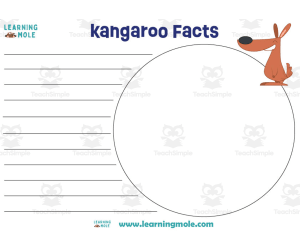
Activity Introduction An amazing activity designed for the students to learn more about famous places in different countries. The Kangaroos Do you like animals? what is your favorite one? Do you own a pet? If yes, tell us more about it, like what its name? And what do you like most about it? What are the animal kingdoms? Can you write down the characteristics of each animal class like mammals, birds, reptiles, amphibian, fish and mollusks. Do you know that some animals can sing, can you name any of them? What is the largest and the smallest mammal in the world? What is the largest and the smallest bird in the world? What is the largest and the smallest fish in the world? Kangaroo Facts Activity The activity is perfect for encouraging the researching skills for the students, while learning more about this fantastic place. Kangaroo This friendly designed worksheet is suitable for students at school, homeschooling, and as a group activity. Instructions Cut out the dotted circles that relate to the kangaroo and glue them on the circle on page 1, then write a fact for each one. Format Available in a PDF format.
Author Educational Voice
Tags Kangaroo Facts Activity, Kangaroo, Kangaroos, Kangaroo Facts, Kangaroos Facts, Kangaroos Facts For Kids, Animal, Animals, Animals Facts, Animals Facts For Kids
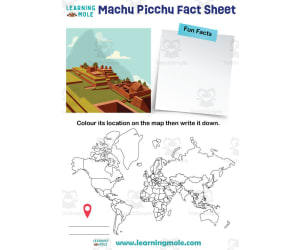
Machu Picchu Activity
Social Studies, Geography, Grade 3, 4, 5, 6, 7, 8, 9, Activities
Activity Introduction An amazing activity designed for the students to learn more about famous places in different countries. The Famous Machu Picchu What do you know about this amazing place? Where is this place? Have you ever visited this place before? If yes tell us more about your adventure. What are the activities that can be done there? Are there any other places in the world that share their characteristics? If yes, tell us more about them. Do you like reading about Geography? What is your favorite country in the whole world? Machu Picchu Activity The activity is perfect for encouraging the researching skills for the students, while learning more about this fantastic place. The Machu Picchu This friendly designed worksheet is suitable for students at school, homeschooling, and as a group activity . Instructions Color the Machu Picchu's location on the map then write it down. Format Available in a PDF format.
Author Educational Voice
Tags Machu Picchu Activity, Machu Picchu, Country, Countries, Countries Facts, Machu Picchu Facts, Geography, Geography Facts For Kids
Fauvism Lion Art Activity
Creative Arts, Art, Not Grade Specific, Activities
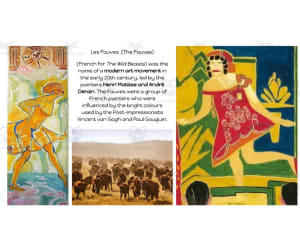
This is a Fauvism Lion Art Activity. Students will learn art history with the presentation and then they will be able to create their own lion. A rubric is included.
Author Designs By Um
Tags Fauvism, Lions, Art, Crafts, Drawing, Lion Arts And Crafts For Preschoolers, Lion Art For Preschoolers

COPYING SILHOUETTES | 18 MODELS
Art, Creative Arts, Special Resources, Speech Therapy, Special Education Needs (SEN), Social Skills, Social Emotional Learning (SEL), Early Learning, Elementary, Homeschool Resources, Not Grade Specific, Pre-K, Games, Activities, Projects
COPYING SILHOUETTES | 18 MODELS ABOUT THE AUTHOR: At EDITORIAL LAURA EDUCA, we believe that learning should be as fun as playing. That’s why we create educational materials that spark children’s curiosity and creativity. I invite you to check out my educational store and discover the wide range of resources that can transform your classes. SUMMARY OF THIS PRODUCT: · Document Title:COPYING SILHOUETTES | 18 MODELS · Number of Pages: 3 · File Format (PDF, Word, PPT): PDF · Color or Black & White: COLOR MAIN DESCRIPTON OF THIS RESOURCE: What is the name of your product and what makes it special? This beautiful product is called “COPYING SILHOUETTES | 18 MODELS”, and it is very special because it was carefully designed or compiled. With this educational resource, we want students to learn with enthusiasm and fun, because we believe learning is fun. How many pages are included in this resource? This fabulous document contains the following number of pages: 3 What size is it designed in (A4, letter, etc.)? This resource is designed in A4 format and compiled as a PDF. This makes downloading and printing simple and convenient, and PDFs are also easy to store and carry anywhere. PDF Is the material in color or black and white? This pedagogical document comes in both black and white and color. This makes it more attractive for your learning sessions, but you have the freedom to choose how to print it. SECONDARY OR COMPLEMENTARY INFORMATION: What level or age group is it intended for? This document can be used with preschool students (ages 3–5) as well as with primary students (ages 6–12). What subject or area does it cover? This educational document covers basic knowledge areas all students should have, such as math and literacy. What skills or competencies does it develop? Thanks to this fabulous resource, students will first be able to develop their knowledge, attention, and concentration.
Author EDITORIAL LAURA EDUCA
Rating
Tags FREE, FREE RESOURCES, SPECIAL RESOURCES, GAME, GAMES, PROJECTS

Equivalent Fractions Activity - Bingo Game - Fraction Symbols - Boards 26-30
Math, Fractions, Grade 2, 3, 4, Activities, Games
Equivalent Fractions Activity - Bingo Game - Fraction Symbols - Boards 26-30 Engaging, informative, and undoubtedly fun, the Equivalent Fractions Activity is perfect for educators seeking to invigorate their math lessons and advance students' understanding of equivalent fractions. This comprehensive game revolves around a classic favorite - bingo! It's cleverly designed for grade levels 2 through 4 and is an exceptional resource sure to ignite enthusiasm while embedding critical math concepts. The activity integrates multiple sets of Calling Cards featuring fraction circles, squares, strips, and symbols. Teachers are given the liberty to choose the format that aligns best with their lesson plan and students' comprehension levels. The interactive exercise encourages students to identify matching fractions on their bingo boards with each draw from the Calling Card pile. Preparation: Simply print out Bingo Boards for each participant. To ensure durability and continual use over time, lamination is encouraged but not mandatory. Included are optional printable Playing Squares which can be replaced with low-cost alternatives like buttons or counters if required. This flexibility allows teachers to customize gameplay according to available resources. The aim of the game appeals universally: cover three blocks in a row by matching drawn Calling Cards! Students exercising keenness in anticipation shout BINGO! as they strengthen their grasp on equivalent fractions through repeated practice. Bingo Boards: Every resource contained within this package has been crafted meticulously for immediate classroom use — providing five distinct visually appealing bingo boards available in both color selections or black-and-white versions that can even be reused when used with dry erase markers. All these effectively fun activities packaged into a single easy-to-use PDF file constitute an invaluable teaching tool bringing theoretical exercises alive in an experiential learning environment; you'll watch your pupils thrive while playing this dynamic bingo game! Don't just teach fractions—make them exciting with this engaging Equivalent Fractions Activity - Bingo Game!
Author Colleen's Cosmic Collection
Tags Equivalent Fractions, Bingo Game, Fraction Symbols, Math Activity, Classroom Resource

Homophone Car Race Board Game and Worksheets, 4th Grade ELA Printables
ELA, Language Development, Vocabulary, Spelling, Grammar, Grade 4, 5, Worksheets & Printables, Worksheets, Games, Activities
Homophone Car Race Board Game and Worksheets Add a dash of fun and variety to your ELA classroom resources with a board game and a set of themed worksheets that include a set of homophone-based jokes! Your students will get lots of practice reading, writing, pronouncing and spelling homophones, words that sound the same but are spelled differently and have different meanings, in this highly motivating collection of fun and funny homophone activities. The 32-page PDF includes: **** a Homophone Car Race Board Game, complete with Teacher Notes, Rules for students to read and play the game, the Homophones Car Race Track Board, race car player pieces, and 78 Sentence cards with missing homophones. The game is designed as a pair or small group activity and includes correct answers so that students can play on their own. To move around the race track board and make it to the Finish line, students must say and spell the homophone missing from a sentence with a race car theme. The Sentence cards can also be used on their own as practice Homophone Flash Cards. Print in color, then cut out and laminate the game pieces, or make the game prep a hands-on student craft activity by providing economical black-and-white printouts for students to cut out, color, and glue to cardboard backing. **** 6 NO-PREP fill-in-the-missing-homophones worksheets with answer keys, which are ideal for use as homework, seat work, and in centres or stations: Worksheet 1 has 4 pairs of easier homophones to be placed in 8 sentences Worksheet 2 has car race theme sentences similar to the ones in the board game Worksheet 3 has sentences with a skateboard theme Worksheet 4 has a skateboard theme and focuses on "it's, its, to, too, two" Worksheet 5 has skateboard theme sentences with "their, there, they're, your, you're" Worksheet 6 has jokes based on homophones which must be guessed and spelled Recommended grade level: 4th grade and higher
Author WorksheetsPlus
Tags Homophones, Homophone, Game, Worksheet, Fourth Grade, Printable, Activity, Vocabulary, Spelling, Fun

Counting and Cardinality Activities
Math, Numbers, Preschool, Grade 1, Activities
Counting and Cardinality Activities is an 11-page resource that comes with 7 different activities for students to practice their counting skills. Each resource will utilize counters or connecting cubes. Activities include: 1. Touch and Move 2. Circle Counting x2 3. Ten Frame Counting 4. Apple Counting 5. Number Line Counting 6. City Counting
Author Kindergarten Cafe
Tags Counting, Worksheet, Printable, Numbers, Cardinality

"Chasing Vermeer" S.T.E.A.M. Activity Packet
Creative Arts, Art, ELA, Art History, Reading, Reading Comprehension, Literature, Grade 3, 4, 5, 6, Worksheets & Printables, Novel Studies, Activities, Projects
Influenced by the novel Chasing Vermeer, the S.T.E.A.M.-based activities included in this product focus on the content areas of math and art. Students will investigate Vermeer’s paintings, learn about pentominoes, complete a pentomino challenge, engage in an artist study, and mimic their style of art. Finally, students will integrate art and math using what they learned about pentominoes in combination with their knowledge regarding Vermeer’s artistic style to create a pixel art masterpiece. ⭐️This Resource Includes:⭐️ Math Crack Calder’s Code: Uncover Calder’s code by studying the art and patterns in the odd numbered chapters of Chasing Vermeer. (Includes Answer Key) What Are Pentominoes?: An explanation of what pentominoes are, a guided pentomino challenge, pentominoes that can be cut out, on cardstock, and used as manipulatives. Art Investigating Vermeer’s Artwork: Using Vermeer’s art, students will analyze, compare and contrast, and use art to inspire poetry. Artist Study, Henri Matisse: Students will watch a video introducing the artist and his artistic style. Picture books are suggested for a read aloud to get to know more about the artist and their work. For the activity component, students will create a Matisse-inspired paper collage to represent an idea from the novel, Chasing Vermeer. Math & Art Combined Pixel Paintings: Students will synthesize what they have learned about Vermeer, his artistic style, and artwork in combination with their knowledge about pentominoes, to create a pixelated replica of one of Vermeer's famous paintings.
Author Creatively Gifted
Tags Math, Art, Book Companion, Cross Curricular, Comprehension, Art Project, STEAM, STEM, Novel Study, Chasing Vermeer, Chasing Vermere, Chasing Veermeer, Chasing Vermeer Book Online Free
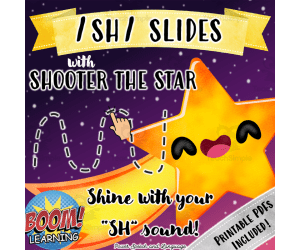
SH Articulation, Stopping, Boom Cards Speech Therapy, Homework
Special Resources, Speech Therapy, Not Grade Specific, Activities
SH Articulation, Stopping, Boom Cards Speech Therapy Homework Resource An invaluable tool for educators and homeschooling parents alike, the SH Articulation, Stopping, Boom Cards Speech Therapy Homework resource offers convenient NO PREP techniques for articulation and phonological practice related to the /sh/ sound. This product also includes positive reinforcement routines to keep students engaged. Breath Support Exercise and /sh/ Sound Production Strategy The resource aids learners in engaging breath support exercises aiming at producing sharp /sh/ sounds. It presents 20 target words for data collection useful both in educator led classroom activities or as homework assignments. Interactive BOOM Cards: Fine Motor Skills Enhancement As part of this package - 20 interactive BOOM cards promoting fine motor skills engagement through a physical sliding activity towards target words. The Fun Element: Shooter the Star A character named Shooter the Star is incorporated into these exercises serving a dual purpose - entertainment while associate clarity of pronunciation with fun moments. A Bonus Printable PDF Document A special bonus is a printable 25-page PDF document formatted especially for easy emailing. This document contains cutouts of Shooter Star that helps learners develop their /sh/ sound while sliding him along pre-marked dotted lines Note: Engaging feedback mechanisms reward learners' efforts through earning rocket ships. This motivates them towards better pronunciation exercises. The SH Articulation, Stopping, Boom Cards Speech Therapy Homework resource can be applied across different learning grades making it an ideal investment for speech therapy educators. Please remember, one purchase gives access to only one professional user with all rights reserved to Power Speech and Language, established in 2020.
Author Power Speech and Language
Tags Speech Therapy, Articulation Practice, Phonological Practice, SH Sound, Boom Cards, Stopping Speech Therapy