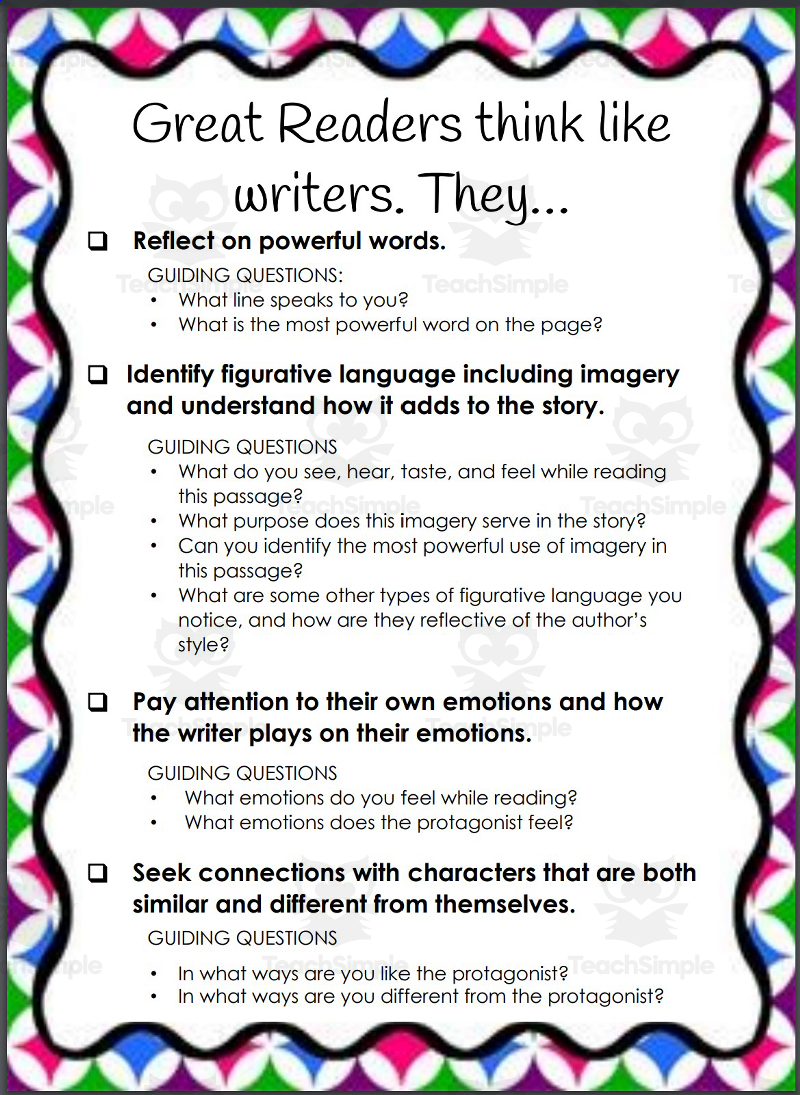
Characters & perspectivesPlot, setting & theme
Anchor Charts for Readers
This resource incudes 2 anchor charts useful for English classes. Each chart includes specific strategies for reading.




Classroom resources
Literature Anchor Charts assist students in analyzing and understanding literary elements within texts. By mapping out themes, character traits, plot diagrams, and figurative language, these charts make complex analysis more approachable. Incorporating literature anchor charts supports critical thinking and encourages deeper engagement with reading materials, enhancing students' appreciation and comprehension of literature.
Browse by lesson focus
Choose the topic or kind of practice you need.
Showing 1–24 of 39 resources

 Show filters
 This resource incudes 2 anchor charts useful for English classes. Each chart includes specific strategies for reading.

This resource is a set of learning posters and graphic organizers for ballad poetry writing. There are a variety of posters that teach about ballad poetry. Students will explore features, famous ballad poets, how to write a ballad poem and so much more. They will use the graphic organizers to brainstorm ideas and then write a ballad…

Two illustrated anchor charts teach how readers infer a story character's traits — through what characters say or think, do, feel, and how others describe them — each supplied in a completed poster version and a fill-in-the-blank interactive-notebook version. The chart pairs a four-category graphic organizer (thoughts/words, feelings, actions, and what others say) with a sentence frame, 'This character is (or has) ___. I know this because ___,' for students to justify a trait using text evidence. Teachers can print the completed posters for a bulletin board or hand out the blank versions for students to fill in as guided notes while reading a class novel or short story.

The Character Experiences Anchor Chart is an indispensable tool conceived particularly for educators, to better comprehend character's experiences and their interactions within various tales or series.

An anchor chart defines characters as 'the people or animals that the story is about' and then focuses on the main character, describing them as the most important character and the one central to the story's action. The chart is provided in two matching versions: a fully completed reference page for teacher display, and a second page with key words removed as blanks (e.g., 'the ______ or _______ that the story is about' and 'The MOST __________ CHARACTER'), letting a teacher use it as a fill-in-the-blank activity with students during a shared reading or mini-lesson. Once students can identify a story’s main character, the roll a story printable lets them apply that concept by rolling a character, setting, and story-line into an original story idea.

This resource is a set of learning posters and graphic organizers for cinquain poetry writing. There are posters that teach about cinquain poetry. Students will explore features and how to write a cinquain poem and so much more. They will use the templates to write a cinquain poetry. This pairs well with your poetry unit in English…
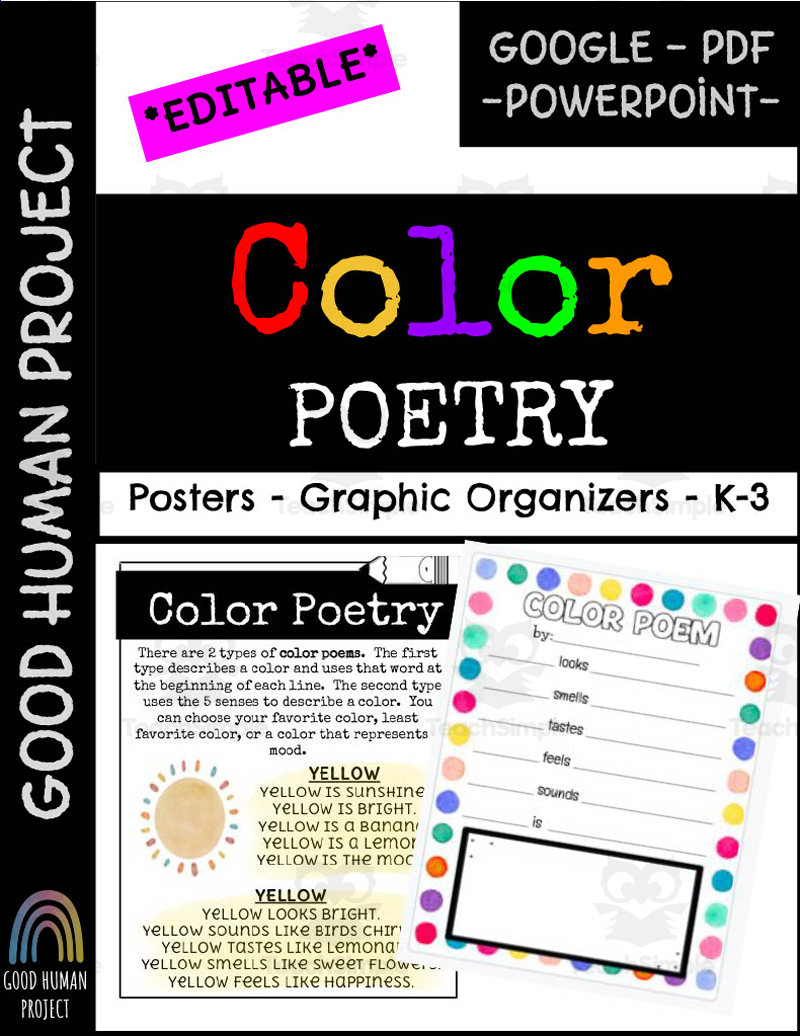
Teach students the two forms of color poetry (a) starting each line with the color name, and (b) describing a color using the five senses, via instructional posters and fill-in graphic organizers, for a K-3 poetry unit.
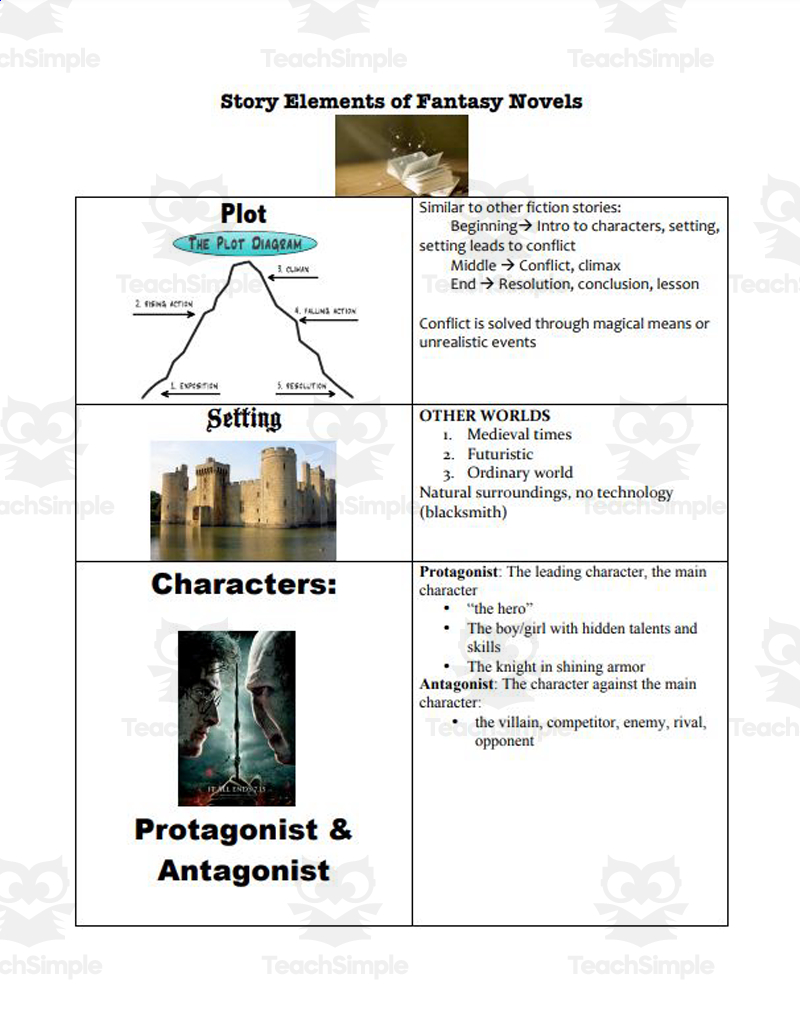
Fantasy Story Elements: The Unraveling Genius of Fantasy Genre Our meticulously curated Fantasy Story Elements aims to aid educators in unravelling the cornerstones of the enchanting world of fantasy genre for their Grades 3 to 6 students.

This resource is a How to Eat A Poem Poetry Analysis Guide. This is a fun graphic for students to guide them through analyzing poems. You may choose to print and display these 3 pages across a bulletin board .
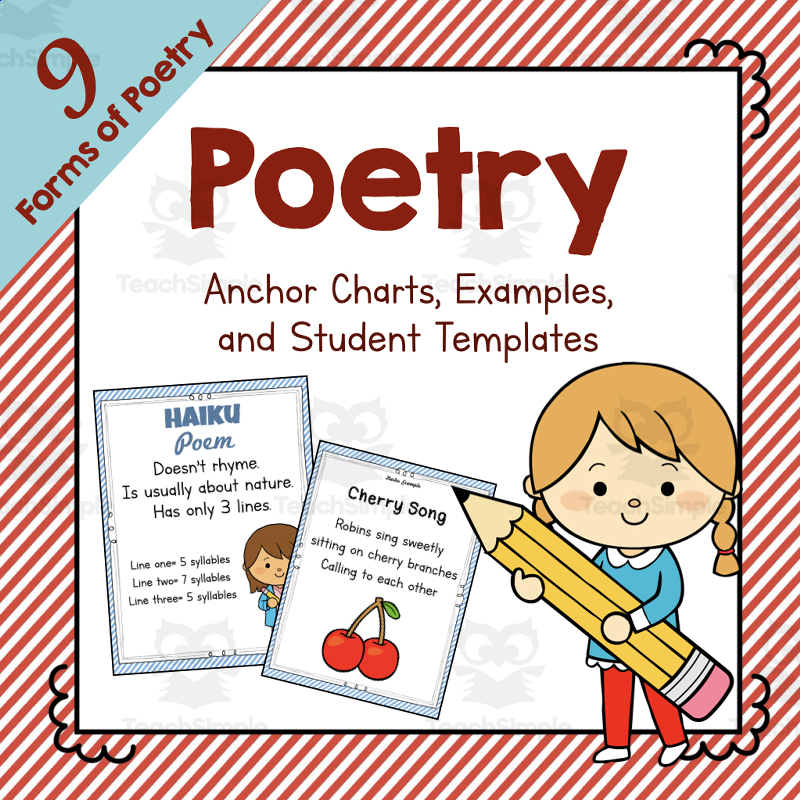
An anchor-chart based poetry unit introducing 9 forms of poetry (5 senses, haiku, cinquain, clerihew, quatrain, free verse, acrostic, diamante, alphabet poem) with rules, worked examples, and blank student writing templates.
 Free download
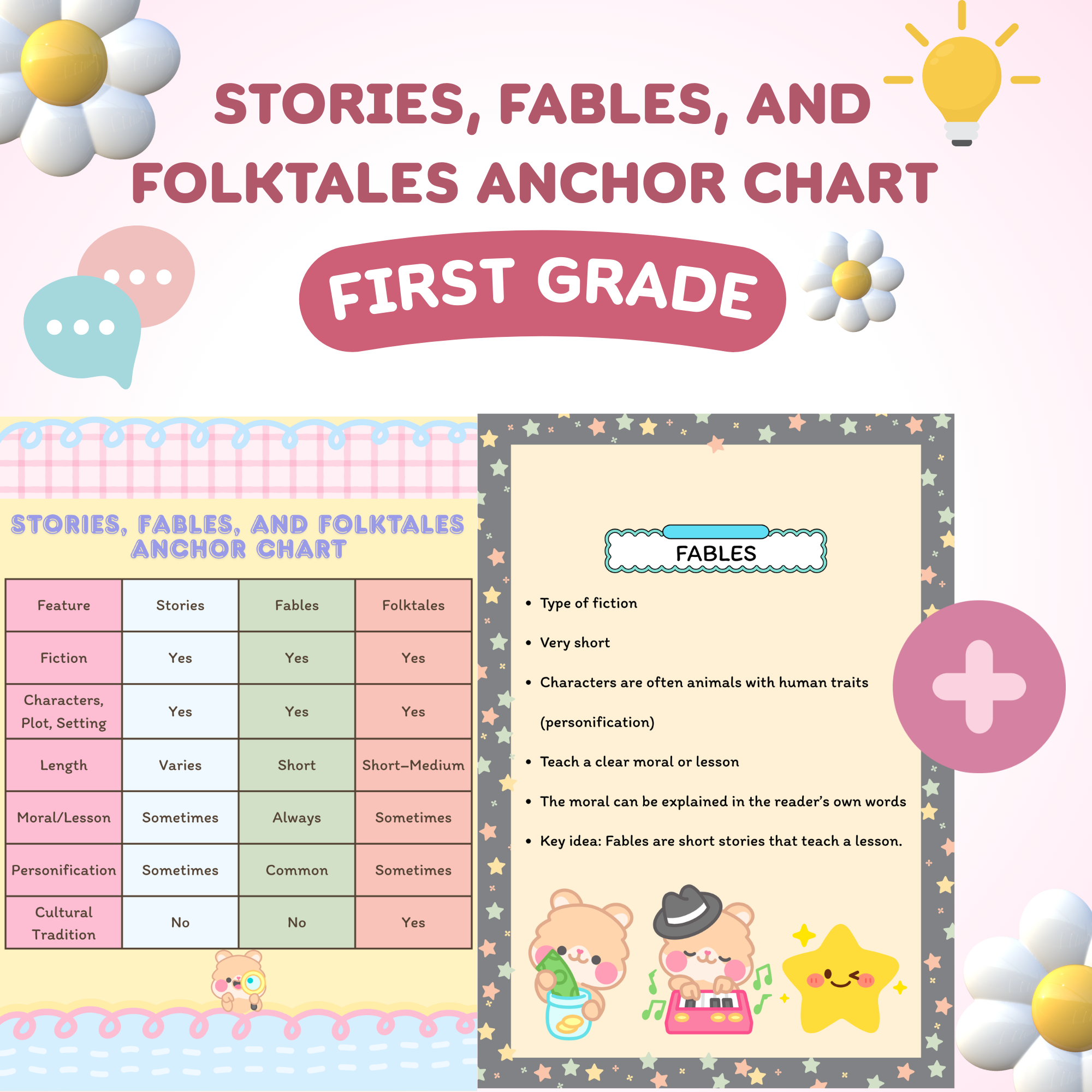
 This set of anchor charts helps first graders learn about stories, fables, and folktales. Big, colorful pictures show what makes each one different. The set has four charts. The first chart is about stories.

Anchor charts and assessments teaching kindergarten students (RL.K.3) to identify characters, setting, and major events in a story.
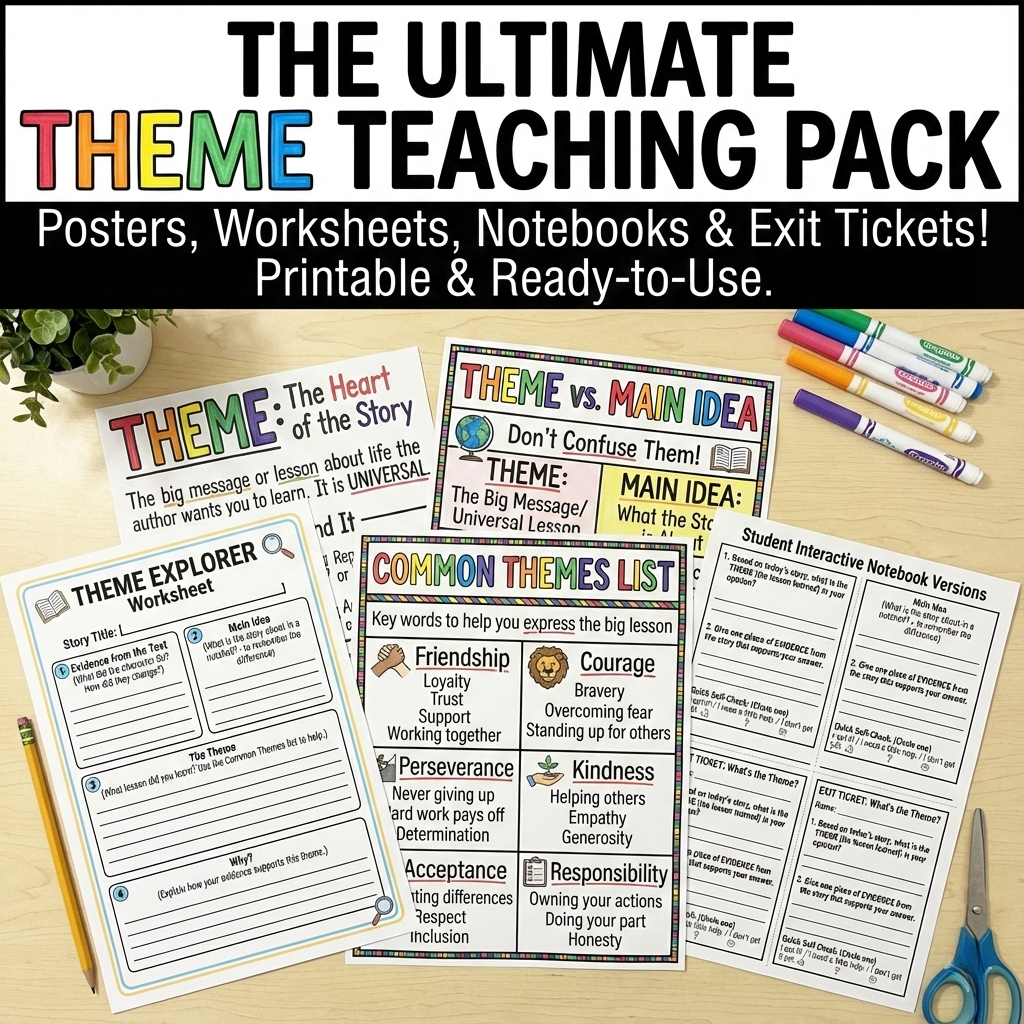
Let’s be honest, teaching "Theme" is tough. It is one of the most abstract concepts for upper elementary students to grasp. If I had a nickel for every time I asked a student, "What is the theme of this story?" and they just retold the…
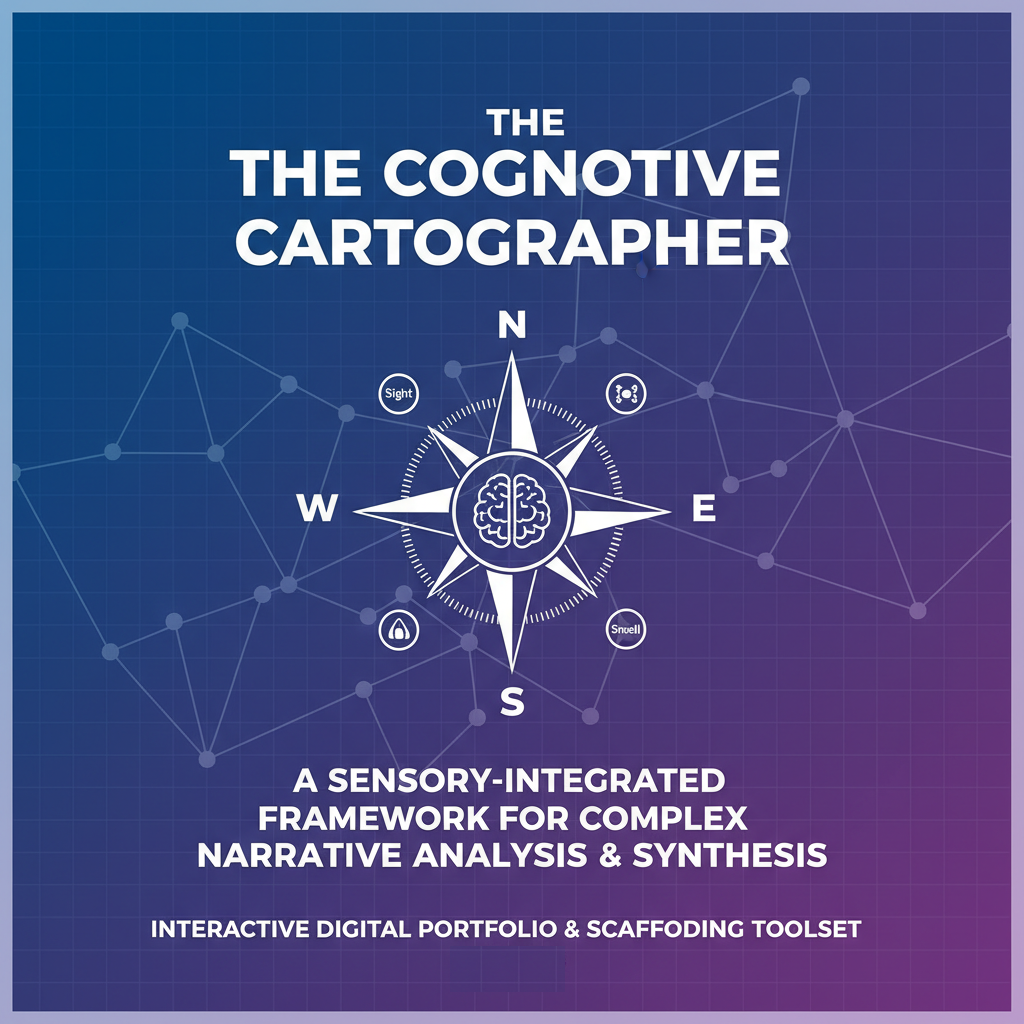
Teaches a multi-phase analytical framework for close-reading complex narratives using sensory detail extraction, spatial/setting analysis (chronotope), and character-relationship (node/edge) diagramming.
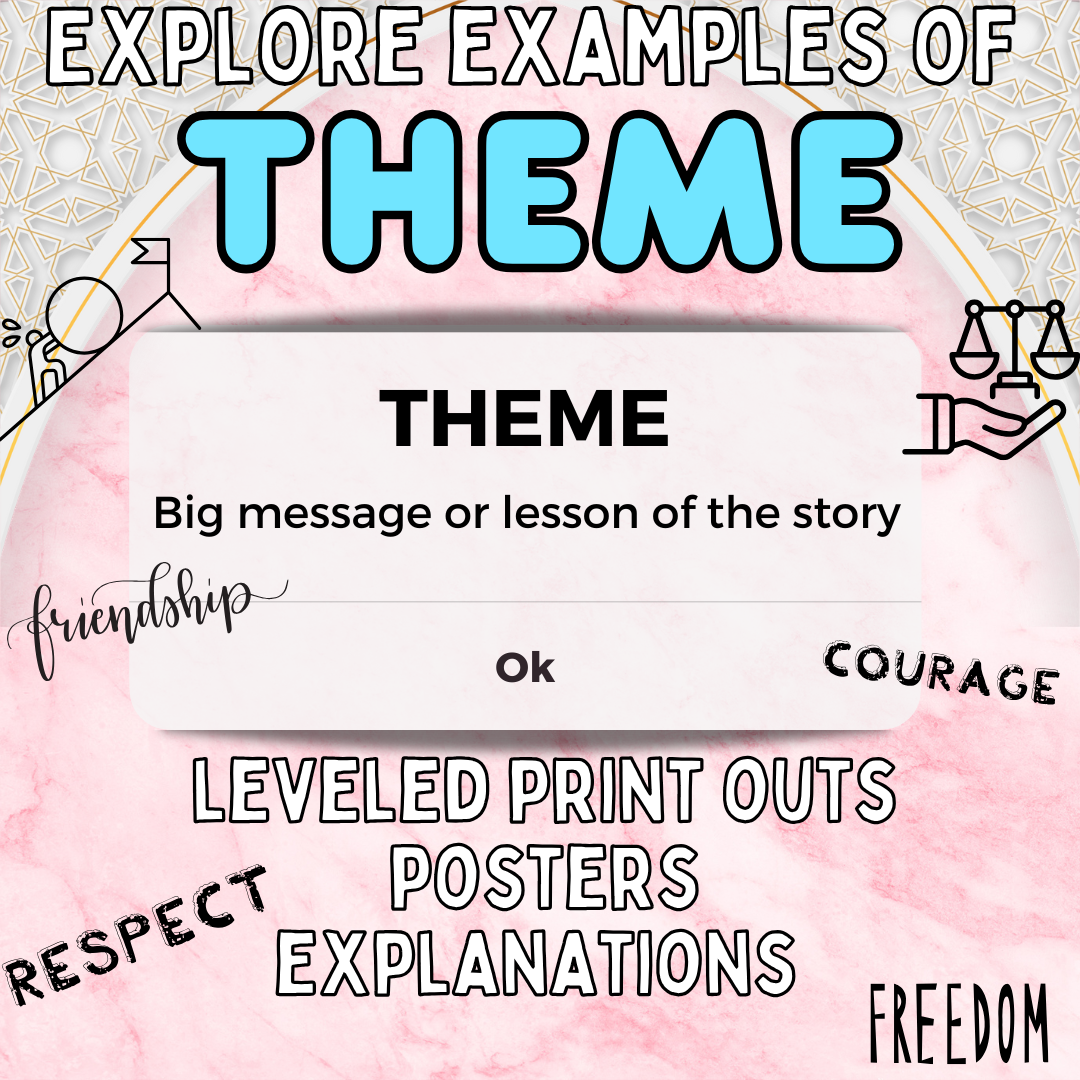
Teaching theme can go from basic principles to more in depth meaning requiring students to inference and make connections. This resource gives you the ability to level up your theme teaching by starting students off on a beginner level.
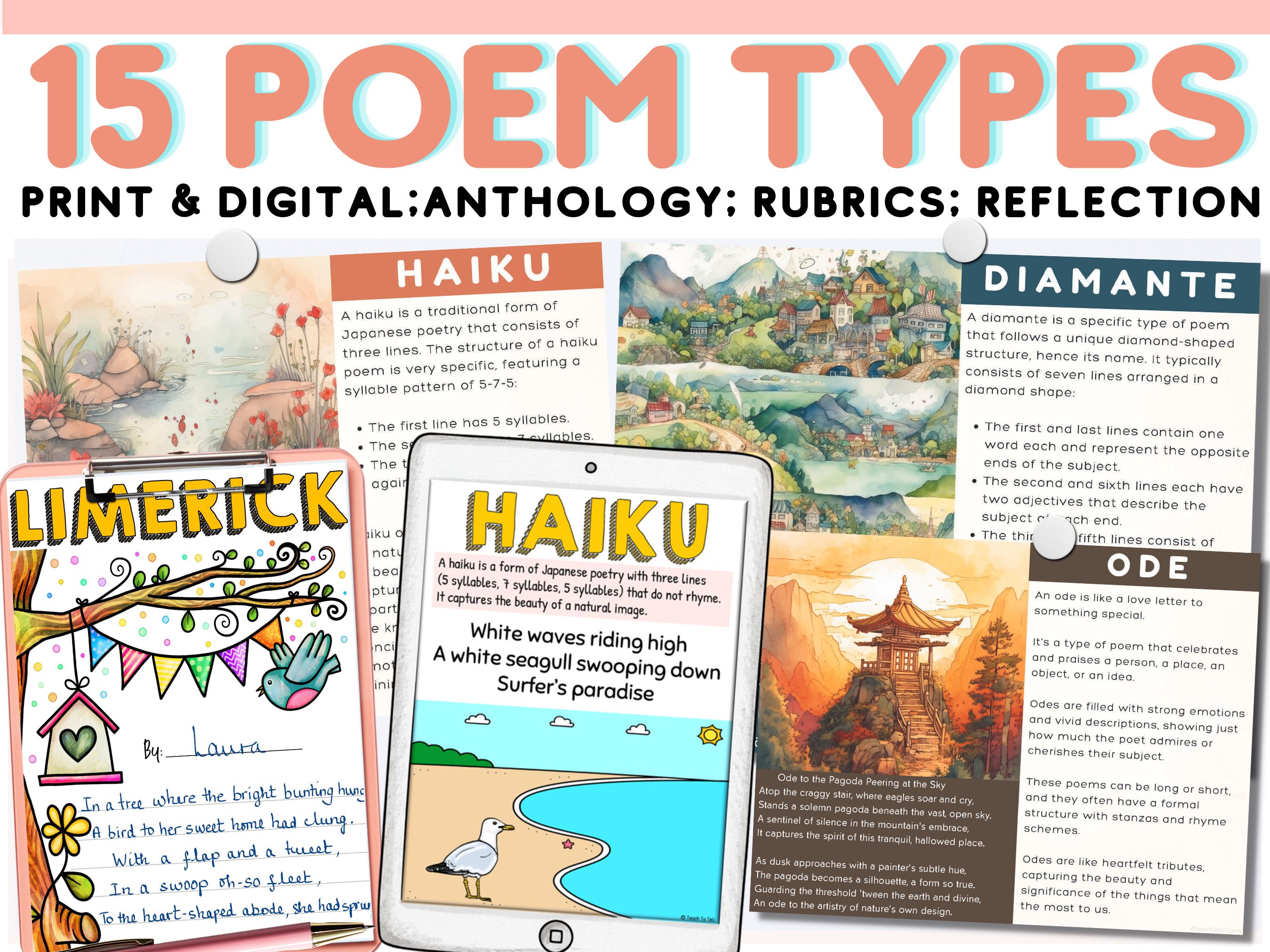
A set of 15 poetry-type anchor charts/templates (print and digital) scaffolding student writing across 15 different poem forms for National Poetry Month.
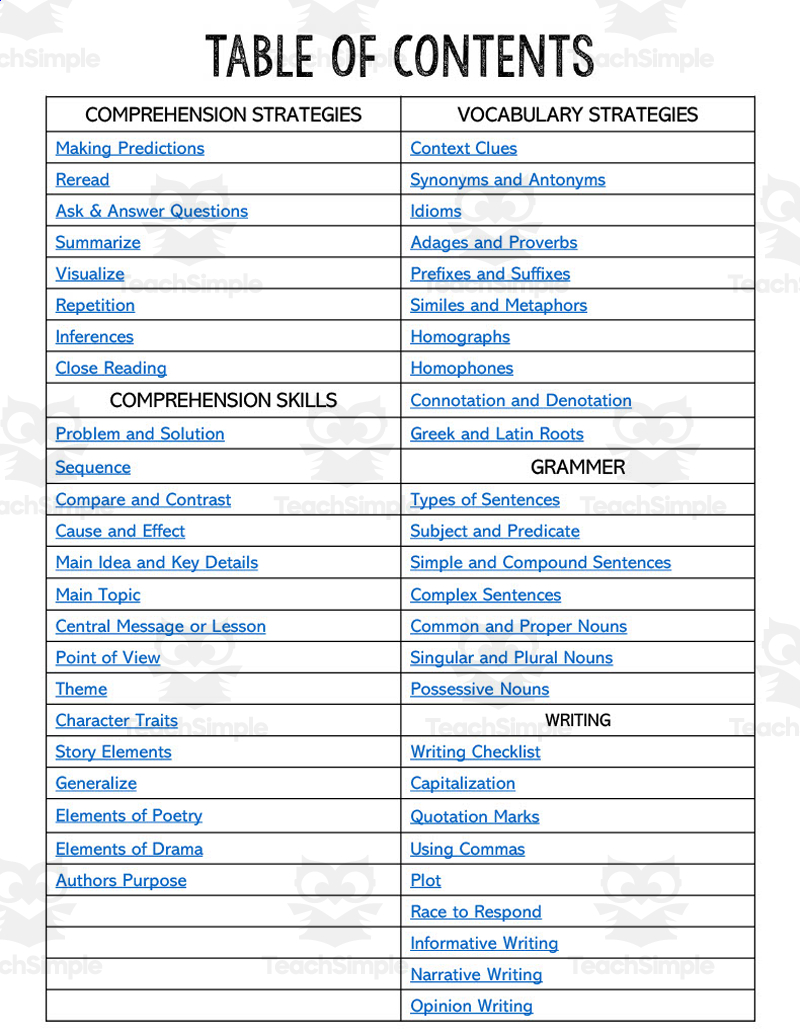
This is a set of Upper Elementary ELA Anchor Charts perfect for all year long in your language arts classroom. These anchor charts come in color and black and white.

Keep this reference sheet beside a reading passage or writing draft when students need more specific mood and tone vocabulary. The word bank groups terms under five headings, while brief definitions distinguish the reader’s feelings from the author’s attitude. Guiding prompts encourage students to consider purpose, genre, characters, and their own response before choosing a word and explaining it with evidence.
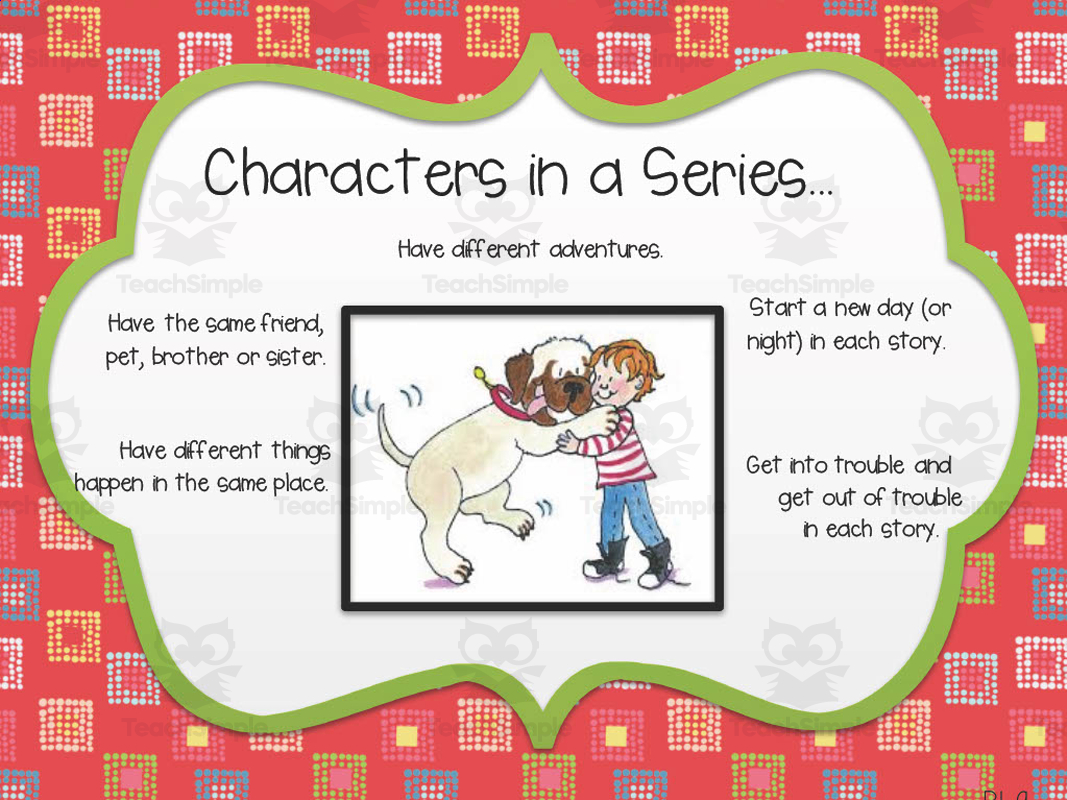
This resource is an anchor chart set for characters in a series. The first anchor chart is complete. The second anchor chart is a fill in the blank.

This resource is a set of learning posters and graphic organizers for concrete shape poetry writing. There are a variety of posters that teach about concrete shape poetry. Students will explore features and so much more. They will use the graphic organizers to brainstorm ideas and then write a concrete shape poem. This pairs well with…

A poetry-writing resource that teaches what a couplet is and provides graphic organizer templates for students to write their own rhyming couplets.

Use a diamante reference to show how a seven-line poem takes its diamond shape through changing word counts. Students select nouns, adjectives and verbs for the specified lines, then organize them on a blank template. Model the pattern together before independent writing, and invite students to read their drafts aloud to check that the selected words develop the intended subject.

Teach students the features, themes, and famous examples of elegy poetry and guide them through writing an original elegy.
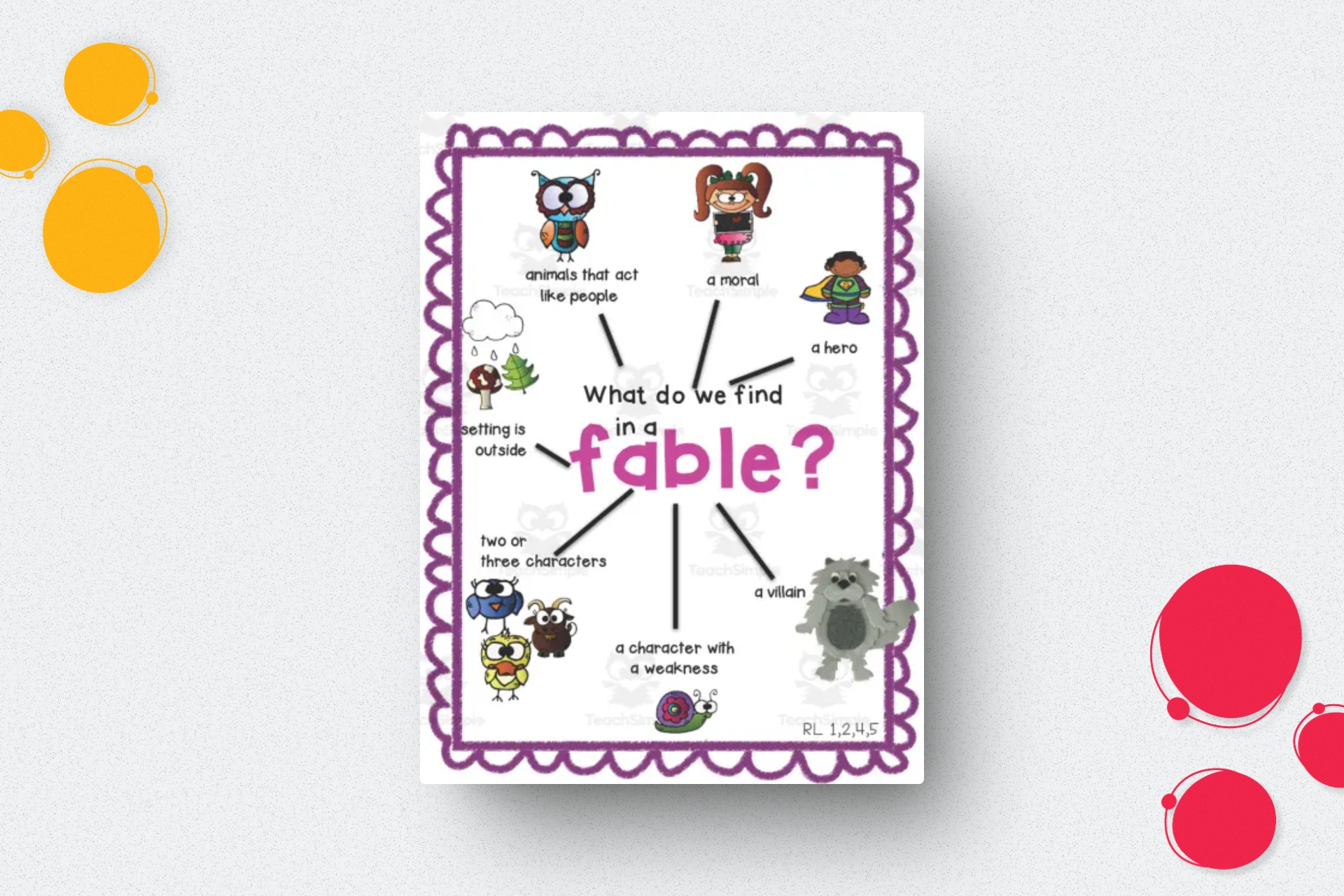
Fables Anchor Chart Fables Anchor Chart is a resourceful teaching tool, targeted towards the enrichment of language arts curriculum for students in Kindergarten through Grade 3.