



3,968 products added recently
Page 202 - Elementary Lesson Plans
Support your elementary students with lesson plans that cover a broad range of subjects and skills. These resources are designed to promote cognitive, social, and emotional growth. Incorporate them into your teaching to provide a well-rounded education that meets the needs of all your students.

 Show filters


Algebraic Reasoning Unit Vocabulary Words Interactive Foldables for 3rd Grade - EBOOK
Math, Algebra, Grade 2, 3, 4, Lesson Plans, Teacher Tools
This set includes 6 vocabulary interactive foldables based on combined state standards for 3rd Grade Algebraic Reasoning Unit . Each set of words is offered in three formats, words only, definitions only, and words with definitions. These 6 foldables cover: •Addend •Additive numerical pattern •Area •Bar graph •Categorical data •Composite figure •Counting (natural) numbers •Data •Decompose figures •Difference •Dividend •Divisor •Dot plot •Equation •Expression •Fact families •Factor •Fluency •Frequency table •Input-output table •Minuend •Multiplicative numerical pattern •Pictograph •Product •Quotient •Subtrahend •Sum •Whole numbers This ebook is a downloadable PDF file. Just follow the instructions, cut, fold, glue, and create! Keywords: math, vocabulary, Addend, Additive numerical pattern, Area, Bar graph, Categorical data, Composite figure, Counting (natural) numbers, Data, Decompose figures, Difference, Dividend, Divisor, Dot plot, Equation, Expression, Fact families, Factor, Fluency, Frequency table, Input-output table, Minuend, Multiplicative numerical pattern, Pictograph, Product, Quotient, Subtrahend, Sum, Whole numbers, second grade, third grade, fourth grade, Candie Donner
Author Knowledge Box Central
Tags Math, Algebra, Vocabulary Words , Counting, Equation, Algebraic Vocabulary

New Hampshire: A Micro-Learning Deck | Digital Geography Lesson
Social Studies, Geography, Grade 4, 5, 6, 7, Teacher Tools, Lesson Plans
The New Hampshire: A Micro-Learning Deck resource is an informative 14-slide Microsoft PowerPoint presentation that teaches 4th-7th grade students about the state of New Hampshire. Students will engage with short videos, audio clips, texts, graphic organizers , digital activities, and summarizing questions as they explore details and concepts related to New Hampshire's geography. This concise lesson exposes learners to key ideas in a variety of modalities over the course of 14 slides that could be used in whole group instruction, independent work, or homework. The resource aims to build students' knowledge related to New Hampshire in a factual yet engaging manner without excessive adjectives or persuasive phrasing.
Author Teach Me This
Tags Digital Lesson Plan, Digital Geography, Interactive Slides, Learning Deck, New Hampshire

Economy & Globalization: Economic Globalization: A Historical Overview Gr. 5-8
Social Studies, Economics, Grade 5, 6, 7, 8, Teacher Tools, Lesson Plans
Economy & Globalization: A Historical Overview - Teaching Resource for Grades 5-8 This comprehensive resource is designed specifically for middle school educators interested in teaching their students about the history and function of the global economy. It's particularly suitable for social studies classes that explore economics. Active Learning Experience: This educational material takes a dynamic approach to learning, incorporating more than just typical lesson plans. Some of its unique offerings include: Hands-on Activities: Interactive exercises like role-playing scenes from the Great Depression era or developing a multinational company business plan apply theories learned in class, enriching practical understanding. Critical-thinking Challenges: Promotes reflective learning with topics such as outsourcing covered through case study writing tasks. Student-led Discussions: Moderate panel discussions on international immigration policy or hold debates on whether trends toward economic globalization have been beneficial worldwide. Fostering Real-world Skills: The goal isn't only academic understanding but also promoting skill development transferable to real life. This includes practical financial literacy through activities such as currency exchanging using up-to-date rates along with bolstering mathematical abilities. Educational Standards Compliance: All lesson plans comply with state educational standards and adhere to Bloom's Taxonomy's recommended objectives, ensuring systematic content delivery promoting cognitive growth in learners. Vocabulary Building Activities: In addition to critical analysis and hands-on activities, vocabulary building plays an integral part of this program. Methods for this include: Crossword puzzles based on economic key terms Word searches themed around globalization Through this comprehensive approach of combining inquiry-based learning within an interactive framework, we provide educators with an effective means of delivering complex concepts related to the global economy and globalization. Learning isn't just informative - it's also engaging and fun!
Author Classroom Complete Press
Tags PDF
I WONDER - Are Electric Eels The Only Electric Animals
STEM, Biology, Life Sciences, Science, Animals, Grade 1, 2, 3, 4, 5, 6, 7, 8, Lesson Plans, Teacher Tools
Video Introduction Animal kingdoms are full of fascinating wonders to learn. This video is designed for the students to learn more about animals in different countries. I WONDER - Are Electric Eels The Only Electric Animals | Animated Video Lesson Do you like animals? what is your favorite one? Do you own a pet? If yes, tell us more about it, like what its name? And what do you like most about it? What are the animal kingdoms? Can you write down the characteristics of each animal class like mammals, birds, reptiles, amphibian, fish and mollusks. Do you know that some animals can sing, can you name any of them? What is the largest and the smallest mammal in the world? What is the largest and the smallest bird in the world? What is the largest and the smallest fish in the world? I WONDER - Are Electric Eels The Only Electric Animals | Animated Video Lesson The video is perfect for encouraging the researching skills for the students, while learning more about these fantastic animals. I WONDER - Are Electric Eels The Only Electric Animals | Animated Video Lesson This friendly designed video is suitable for students at school, homeschooling, and as a group activity. Format Available in MP4 format.
Author Educational Voice
Tags Are Electric Eels The Only Electric Animals, Are Electric Eels The Only Electric Animals Video, Electric Eels, Electric Eel, Electric Eels Facts, Electric Eels Facts For Kids, Electric Eels Video, Electric Eels Video For Kids

Van Gogh: A Troubled Genius: A Cross-Curricular Unit
Creative Arts, Art, Art History, Grade 3, 4, Teacher Tools, Lesson Plans
Van Gogh: A Troubled Genius: A Cross-Curricular Unit This comprehensive resource is designed to bring the life and work of Vincent Van Gogh into the classroom. Specifically tailored for grade 3 and grade 4, it delves into art history within one of its most fascinating figures' context. The Core Teaching Resource The foundation of this teaching resource is an engaging nonfiction article on Van Gogh's life, from his humble beginnings to his struggles with mental health issues.This intimate exploration sheds light on how these elements influenced his distinctive style, offering students a profound understanding of not just an artist's craft but also their journey. Cross-curricular Worksheets In conjunction with this informative piece, cross-curricular worksheets stimulate broader learning!Apart from art history, these activities incorporate other subjects such as: Language Arts Social Studies This approach enhances comprehension and retention in young learners while fostering creativity and strengthening critical thinking skills. Additional Activity Ideas Included are activity ideas crafted to enrich students' grasp on both art history and Van Gogh himself. These are versatile enough for: All-group discussion Addition to small group activities or homework assignments +h6>Distribution Format This comprehensive unit arrives in PDF forger good ease iofdistribute –Perfect for classroom or homeschooling use. To sum up, 'Van Gogh: A Troubled Genius' fuses creative exploration with enriched academic content,Making art history come alive. WHether you aim to introduce learners to prom behaviors artists like Van Gogh, or enrich their understanding of art history against a backdrop of both artistic genius and personal struggles – this resource makes an excellent choice.
Author Classroom Complete Press
Tags PDF
Hands-On - Earth & Space Science: Air and Water Gr. 1-5
Science, Earth and Environmental Sciences, Environmental Science, Grade 1, 2, 3, 4, 5, Teacher Tools, Lesson Plans
Hands-On - Earth & Space Science: Air and Water Gr. 1-5 Resource This resource is a product of the elaborate lesson plan of "Hands-On - Earth & Space Science". It has been crafted for grade levels 1 through 5 seeking to impart knowledge about our earth and beyond. The resource beautifully combines elements of Science, Technology, Engineering, Art, and Math (STEAM), hence aligning with STEAM initiatives along with Next Generation Science Standards. Interactive Learning Activities Lets students forecast weather or make their own rain-measuring devices. Allows students to learn how wind works by creating sand dunes for a hands-on experience. Promotes creativity by letting children draw their own rock layers in an artistic narrative. Involves project-based learning where groups can build solar cells, windmills or water wheels fostering teamwork. Suitable for both classroom usage and as part of homework assignments this interactive teaching tool enhances learning beyond textbooks. One key highlight is its provision for lunar calendar creation activities that map moon movements - making celestial sciences less cryptic.Moreover,it includes reading passages along with graphic organizers and guides which boost critical thinking skills among students before they delve into reading material related to each concept. Evaluation Process: The product finalizes with assessment activities after completion of every chapter - ensuring thorough understanding amongst pupils.The content neatly packed into one PDF file caters to various scientific disciplines like Environmental science under the broader subject 'Science.' In essence,this meticulously designed teaching aid pairs theory with practical experiments; comprehension activities serving dual roles as an imparter of knowledge while also augmenting curiosity about earth and space among learners.
Author Classroom Complete Press
Tags PDF
Let's Learn! Consonants
ELA, Language Development, Phonics, Preschool, Grade 1, 2, Teacher Tools, Lesson Plans
Let's Learn! Consonants - An Essential Tool for Early Reading Skill Development Let's Learn! Consonants is a trusted educational tool that makes learning phonics fun and engaging. Primarily designed for students in Kindergarten, Grade 1, and Grade 2 who are studying Language Arts, this resource should be a part of any curriculum plan aiming to instill fundamental reading skills. This well-crafted educational resource features: A single PDF file with 32 pages full of age-appropriate activity sheets that are reproducible. Awe-inspiring artwork on each page to fascinate young learners throughout their learning journey. A step-by-step approach to activities where each one builds upon the previous one— creating a robust platform for continuous learning and concept reinforcement. The brilliance of Let's Learn! Consonants lies in its versatility – it can be used adaptively according to various teaching styles or setups. It can be implemented during group activities for overall growth or broken down into smaller parts tailored explicitly towards different student groups with diverse needs—enhancing targeted comprehension in either case. The reproducibility feature allows hard copies of the activity sheets to be given as homework – promoting consistent reinforcement even outside the school setting. A fantastic heads up for parents who want an active role in their child’s education! Ease of Use & Planning Tools Including an easy-to-use skill matrix means teachers can easily keep track of student progress visually over time —another reason why you should choose Let's Learn! Consonants- your reliable partner providing essential phonics skills without compromising enjoyment in every lesson planned.
Author Classroom Complete Press
Tags PDF

I WONDER - Who Invented Soap | Animated Video Lesson
History, Social Studies, History: Ancient, History: British, History: Europe, Grade 1, 2, 3, 4, 5, 6, 7, 8, Lesson Plans, Teacher Tools
Video Introduction An amazing video designed for the students to learn more about history. I WONDER - Who Invented Soap | Animated Video Lesson Do you like history? Which topic do you really enjoy about history? Have you ever read an interesting fact about the Vikings? If yes, can you mention them? What do you like most about the Victorian era? Can you name all the Tudors? Have you ever wondered how people used to live in ancient Japan and ancient China? Do you know any interesting facts about ancient Egyptians and the Pharaohs? Have you ever visited South America? What do you know about Incas and Aztecs? Celtic culture was really one of a kind, can you name any of the places that Celts used to live in? Imagine yourself living during the ancient Roman empire, how your life will look like? Ancient Greece was an amazing place to live in. What do you know about ancient Greek life? I WONDER - Who Invented Soap | Animated Video Lesson The video is perfect for encouraging the researching skills for the students, while learning more about history. I WONDER - Who Invented Soap | Animated Video Lesson This friendly designed video is suitable for students at school, homeschooling, and as a group activity. Format Available in MP4 format.
Author Educational Voice
Tags Who Invented Soap, Who Invented Soap Video, Soap, Soap Facts, Soap Facts For Kids, Soap Video, Soap Video For Kids, History, Soap History, History Video
I WONDER - What Are The Stages In A Butterfly's Life Cycle
STEM, Insects, Life Sciences, Science, Animals, Biology, Grade 1, 2, 3, 4, 5, 6, 7, 8, Lesson Plans, Teacher Tools
Video Introduction Animal kingdoms are full of fascinating wonders to learn. This video is designed for the students to learn more about animals in different countries. I WONDER - What Are The Stages In A Butterfly's Life Cycle | Animated Video Lesson Do you like animals? what is your favorite one? Do you own a pet? If yes, tell us more about it, like what its name? And what do you like most about it? What are the animal kingdoms? Can you write down the characteristics of each animal class like mammals, birds, reptiles, amphibian, fish and mollusks. Do you know that some animals can sing, can you name any of them? What is the largest and the smallest mammal in the world? What is the largest and the smallest bird in the world? What is the largest and the smallest fish in the world? I WONDER - What Are The Stages In A Butterfly's Life Cycle | Animated Video Lesson The video is perfect for encouraging the researching skills for the students, while learning more about these fantastic animals. I WONDER - What Are The Stages In A Butterfly's Life Cycle | Animated Video Lesson This friendly designed video is suitable for students at school, homeschooling, and as a group activity. Format Available in MP4 format.
Author Educational Voice
Tags What Are The Stages In A Butterfly's Life Cycle, What Are The Stages In A Butterfly's Life Cycle Video, Butterfly's Life Cycle, Butterfly's Life Cycle Facts, Butterfly's Life Cycle Facts For Kids, Butterfly's Life Cycle Video

Senses,Nervous & Respiratory Systems: The Senses of Taste and Smell - FLASH-PC
Science, Life Sciences, Human Body, Common Core, Grade 5, 6, 7, 8, Teacher Tools, Lesson Plans
The Senses, Nervous & Respiratory Systems: The Senses of Taste and Smell - FLASH-PC An invaluable teaching resource for educators looking to enrich their curriculum while aligning it with Common Core State Standards, specifically designed for students in grades 5 through 8. This digital asset focuses on the physiological aspects of the human body. Introduction Comprehensively exploring taste and smell senses, part of the nervous and respiratory systems, this resource provides educators with a variety of tools such as: Reading Passages: Allow students to absorb essential information concerning these sensory systems. 'Before You Read' questions: Effectively gauge student's pre-existing understanding and kindle curiosity about the topic at hand. 'After You Read' questions: Help assess acquired knowledge while stimulating critical thinking skills inherent within Bloom's Taxonomy learning objectives. Fostering Development & Comprehension This engagement strategy not only aids older children's cognitive development but also fosters a comprehensive approach towards grasping scientific concepts. Accompanying printables provide tangible materials reinforcing learnt concepts by integrating classroom-based knowledge into day-to-day activities whereas vocabulary flash cards empower students with subject-specific terminology. Interactive Activities Create hands-on learning opportunities fostering individualized learning circumstances adjustable based on learners' needs. Incorporation of Video Elements Seamlessly incorporated video elements offer visual insights into these intricate systems enhancing overall understanding whilst catering to varying learning styles among pupils. As software explicitly crafted for PCs - flexibility in deployment options allows versatility across whole group lessons, small group activities or homework assignments facilitating differentiated instruction fitting various pedagogical strategies. Conclusion The Senses Nervous & Respiratory Systems: The Sense of Taste and Smell – Flash PC optimize science instruction at primary levels equipping young minds with foundational knowledge pertaining human physiology vital towards further comprehension of complex topics down their educational journey.
Author Classroom Complete Press
Tags Software (PC)

I WONDER - What Are Fats | Animated Video Lesson
Human Body, Life Sciences, Science, Biology, STEM, Grade 1, 2, 3, 4, 5, 6, 7, 8, Lesson Plans, Teacher Tools
Video Overview The human body is full of fascinating wonders to learn. This video is created to help the students recognize the anatomy and the job of the human body. I WONDER - What Are Fats | Animated Video Lesson Every part and organ in our human body is vital so let's see how important they are. Have you ever imagined how we look like if we didn't have a skeleton? Did you know that because we have our amazing muscles we can stand! Do you know how many teeth do we have? Have you ever wondered about the food journey inside our body? Can you name all the glands in our body? Why do we have skin? Our nervous system is really good at sending signals. Can you tell us more about it? Are you really good at Mathematics, painting, or any other thing? You should really thank your brain about it! The famous five senses are really doing a great work? Can you explain how every sense works? I WONDER - What Are Fats | Animated Video Lesson The video is perfect for encouraging the researching skills for the students, while learning more about our fantastic human body. I WONDER - What Are Fats | Animated Video Lesson This friendly designed video is suitable for students at school, homeschooling, and as a group activity. Format Available in MP4 format.
Author Educational Voice
Tags What Are Fats, What Are Fats Video, Fats, Fats Facts, Fats Facts For Kids, Video, Fats Video For Kids, Healthy Eating, Healthy Eating Tips, Healthy Eating Video For Kids
Number & Operations: Multiplication & Division - Practice the Skill 2 - PC Software
Math, Algebra, Common Core, Grade 3, 4, 5, Teacher Tools, Lesson Plans
Number & Operations: Multiplication & Division - Practice the Skill 2 - PC Software Specifically designed to bolster curriculum -based content, this software focuses primarily on multiplication and division within the number and operations environment. It is particularly beneficial for Grade 3, Grade 4, and Grade 5 educators; and invaluable for homeschoolers pursuing a structured approach to these mathematical principles. Main features: An array of 'Practice the Skill' timed drill activities that challenge students with progressively difficult equations. The inclusion of insightful math tools that strategically aim at simplifying computations. Dual language support—English by default with an additional Spanish voice over and text option—an inclusive feature designed to cater to diverse classrooms or multilingual households. Moreover, Number & Operations: Multiplication & Division - Practice the Skill 2 aligns perfectly with Common Core State Standards promoting rigor in Mathematical Practices, while incorporating STEM initiatives—completely tailored towards National Council of Teachers Mathematics standards. The software is easily downloadable. Allowing adaptable usage as group instruction in schools or individual lessons for homeschoolers, it’s also an ideal resource as enrichment task or homework assignment tool; small learning communities within larger classrooms will find its versatility very handy. In Summary: This unique educational resource effectively combines cognitive challenge with fun—strategically aimed at enhancing comprehensive understanding of Number & Operation principles.
Author Classroom Complete Press
Tags Numbers, Operations, Division, Math Skills, Digital Math
I WONDER - How Do I Know A Tsunami Is Coming | Animated Video Lesson
Environmental Science, Earth and Environmental Sciences, Science, Earth Sciences, Economics, Social Studies, Grade 6, 7, 8, 9, 10, 11, 12, Lesson Plans, Teacher Tools
Video Introduction An amazing video designed for the students to learn more about natural disasters in different countries. I WONDER - How Do I Know A Tsunami Is Coming | Animated Video Lesson What do you know about this natural disaster? Do you know in which part of the world this could happen? Have you ever read about the safety misusers that we could have to protect ourselves from this natural disaster? If yes, can you tell us more about them? Can you name other natural disasters? If yes, tell us more about where they are likely to happen? And how frequently? Do you like reading about Geography? What is your favorite country in the whole world? If you are going on a trip where it will be? Which country? What you are going to see there? Does this country has a famous place to visit? Do you like reading about Geology? If yes, what is your favourite topic? I WONDER - How Do I Know A Tsunami Is Coming | Animated Video Lesson The video is perfect for encouraging the researching skills for the students, while learning more about this fantastic phenomenon. I WONDER - How Do I Know A Tsunami Is Coming | Animated Video Lesson This friendly designed video is suitable for students at school, homeschooling, and as a group activity. Format Available in MP4 format.
Author Educational Voice
Tags How Do I Know A Tsunami Is Coming, How Do I Know A Tsunami Is Coming Video, Tsunami, Tsunami Facts, Tsunami Facts For Kids, Tsunami Video, Tsunami Video For Kids, Natural Disaster
I WONDER - What Are The Different Types Of Cells
Biology, Life Sciences, Science, Human Body, STEM, Grade 5, 6, 7, 8, 9, 10, 11, Lesson Plans, Teacher Tools
Video Overview The human body is full of fascinating wonders to learn. This video is created to help the students recognize the anatomy and the job of the human body. I WONDER - What Are The Different Types Of Cells | Animated Video Lesson Every part and organ in our human body is vital so let's see how important they are. Have you ever imagined how we look like if we didn't have a skeleton? Did you know that because we have our amazing muscles we can stand! Do you know how many teeth do we have? Have you ever wondered about the food journey inside our body? Can you name all the glands in our body? Why do we have skin? Our nervous system is really good at sending signals. Can you tell us more about it? Are you really good at Mathematics, painting, or any other thing? You should really thank your brain about it! The famous five senses are really doing a great work? Can you explain how every sense works? I WONDER - What Are The Different Types Of Cells | Animated Video Lesson The video is perfect for encouraging the researching skills for the students, while learning more about our fantastic human body. I WONDER - What Are The Different Types Of Cells | Animated Video Lesson This friendly designed video is suitable for students at school, homeschooling, and as a group activity. Format Available in MP4 format.
Author Educational Voice
Tags What Are The Different Types Of Cells , What Are The Different Types Of Cells Video, Different Types Of Cells , Different Types Of Cells Facts, Different Types Of Cells Facts For Kids, Different Types Of Cells Video

I WONDER - How Was Polonium Named | Animated Video Lesson
Biographies, Social Studies, Inventors, Basic Science, Science, Chemistry, Grade 4, 5, 6, 7, 8, 9, 10, Lesson Plans, Teacher Tools
Video Introduction An amazing video designed for the students to learn more about famous people in different countries. I WONDER - How Was Polonium Named | Animated Video Lesson Do you know this person? How much do you know about him/her? Who is your idol? Why did you choose this person? Tell us more about him/her? Who is your favorite athlete? Or what is your favorite team? Have you recently heard a story about a famous person? Who was this person? Can you tell us more about him/her. Who is your favorite president, king, or queen? Why you chose that person? In your country, who are the most famous people? What did they do? Can you tell us more about them. What is your favorite invention? Who invented it? Who is your favorite artist? What is the most famous thing he/she have done? What is the most enjoyable you have read before? Who wrote it? I WONDER - How Was Polonium Named | Animated Video Lesson The video is perfect for encouraging the researching skills for the students, while learning more about this fantastic place. I WONDER - How Was Polonium Named | Animated Video Lesson This friendly designed video is suitable for students at school, homeschooling, and as a group activity. Format Available in MP4 format.
Author Educational Voice
Rating
Tags How Was Polonium Named, How Was Polonium Named Video, Polonium, Polonium Facts, Polonium Video, Polonium Video For Kids, Polonium Facts For Kids, Marie Curie, Marie Curie Video
I WONDER - Who Was Pegasus | Animated Video Lesson
History, Social Studies, Common Core, Grade 4, 5, 6, 7, 8, 9, 10, Lesson Plans, Teacher Tools
Video Introduction An amazing video designed for the students to learn more about mythological creatures in different cultures. I WONDER - Who Was Pegasus | Animated Video Lesson Mythology is full of wonders and spectacular stories. Ancient civilizations were trying to explore every aspect of life, while they search for new technologies, they wanted to believe in something big and can change the world, so they created mythical creatures and mythical stories. Let's hear about them! What do you know about these creatures? Cyclops, Centaurs, Selkies, Phoenix, Gnomes, Dragons, Gorgons, Orcs, Cerberus, Trolls, Minotaur, Griffins, Mermaids, Elves, Polyphemus, Pegasus, and Ogres. I WONDER - Who Was Pegasus | Animated Video Lesson The video is perfect for encouraging the creativity skills for the students, while learning more about this fantastic mythical creature. I WONDER - Who Was Pegasus | Animated Video Lesson This friendly designed video is suitable for students at school, homeschooling, and as a group activity. Format Available in MP4 format.
Author Educational Voice
Rating
Tags Who Was Pegasus, Who Was Pegasus Video, Pegasus, Pegasus Facts, Pegasus Video, Pegasus Video For Kids, Pegasus Facts For Kids, Mythology, Mythology Facts, Mythology Lesson

Algebra: Ordering & Grouping - Learn the Skill - FLASH-MAC
Math, Algebra, Common Core, Grade 1, 2, Teacher Tools, Lesson Plans
Algebra: Ordering & Grouping - Learn the Skill - FLASH-MAC FLASH-MAC brings algebra to life for your first and second grade learners. This resource specializes in developing their understanding of algebra's ordering and grouping concepts. With FLASH-MAC, students have an opportunity to tackle real-world word problems that promote a clearer understanding of these concepts through practical application. The learning tool features: A hands-on approach to teaching Algebra with math accoutrements for an easier teaching experience. Linguistics integration into mathematics education, perfect for multicultural classrooms or homes schools with dual English-Spanish voice over options. Adherence not only to Common Core State Standards but also aligns seamlessly with STEM initiatives, written in line with NCTM standards too. No learner is left out during sessions or homework assignments due to language barriers; that's inclusion at its best! This tool does more than just guide your scholars on how numbers group together or order in equations—it sets them up for long-term academic achievement beyond regular classroom walls! In conclusion, The Algebra: Ordering & Grouping - Learn The Skill-FLASH MAC is a powerful ally to teachers and students regardless of the setting (be it classrooms or homeschools). Use it as whole group instruction during your math block, reinforcement activity at small group stations, or individual practice like homework assignment. It empowers students while alleviating teachers’ workload thus enabling more concentration on guiding each pupil to their unique potential.
Author Classroom Complete Press
Tags Software (Mac)

Literary Devices: Point of View
ELA, Literature, Common Core, Grade 5, 6, 7, 8, Teacher Tools, Lesson Plans
Literary Devices: Point of View This teaching resource focuses on introducing students from grades 5-8 to the vital field of literary devices in literature. Particularly, it explores 'Point of View'. As a component of the complete lesson plan on Literary Devices, this offers a rewarding resource for educators seeking to enrich their language arts curriculum. Beneficial Features: The main focus lies in empowering students with an in-depth understanding of reading which further goes into the complexities of storytelling. Included in this module are essential elements that contribute significantly to literature such as characterization, setting, plot, theme, foreshadowing and flashback, symbolism and irony. Teachers combined with pupils navigate through this strategically packed material coming across well-researched definitions of critical terms that simplify complex concepts making them easy to understand. Literary Devices: Point Of View, while considering its user-friendliness and easy-to-understand structureóalso provides exciting opportunities for practicing learned skills. Relying on Bloom’s Taxonomy Learning framework ensures pedagogical appropriateness—an advantage that allows your teaching plans credibility whilst meeting your students learning needs effectively. A Comprehensive Tool: The module offers learners an understanding into good stories building blocks enhancing ability to explore different typesof literature by interpreting their meaning and purpose using literary devices. The combiantion narration alongside age-appropriate activates aids learners smooth transition into grasping these conceptual facets. 'Literary Devices: Point Of View' adapts effortlessly irrespective if you plan a whole group instruction or small-group discussions—be it part your homework assignment material. This powerful tool—tailored perfectly for public school teachers or homeschoolers focuses on Language Arts curriculum is neatly tied into a single PDF consisting of all materials. In alignment with Common Core State Standards—it equips learners with crucial analytical skills providing an enriching journey into the world of literature.
Author Classroom Complete Press
Tags PDF

Cells, Skeletal & Muscular Systems - Digital Lesson Plan Gr. 5-8 | MAC Software
Science, Life Sciences, Human Body, Grade 3, 4, 5, 6, 7, 8, Teacher Tools, Lesson Plans
Cells, Skeletal & Muscular Systems - Digital Lesson Plan Gr. 5-8 | MAC Software An impactful and interactive teaching resource for students from grades 5 to 8, focusing on the biology of human body exploring cells, skeletal systems, and muscular systems. The Learning Journey: Begins by examining the structure and functions of cells. Progresses to learn how cells form tissues, organs, and organ systems. Culminates in a comprehensive study of both skeletal and muscular systems. Inspiring Classroom Engagement: This software incorporates pre-and post-reading activities such as Crossword Puzzles, Memory Match Games, Word Search Tasks, Suits Multi-Modal Learning Styles: The product features accompanying learning aids like audio-video supports which help in understanding complex biological concepts while catering multi-modal learners smoothly effectively. center '> Aligns with Set Standards : The lesson plan adheres to state educational standards ensuring a well-rounded coverage per grade level expectations without any additional effort for curriculum alignment. Bloom's Taxonomy Inspired Content :"); Influenced by Bloom's Taxonomy all content is designed to promote high-order cognitive capabilities leading beyond just fact recollection. Tailored for MAC Users : Easily downloadable as zip file exclusively designed user-friendly for MAC users. Incorporate this very vital educational resource, into your teaching plan and uplift the quality of pedagogy one lesson at a time! <br/
Author Classroom Complete Press
Tags Digital Lesson Plan, Science Lesson Plan, Skeletal Systems, Anatomy Lesson, Science Passage

I WONDER - How Much Metal Is Recycled Every Year | Animated Video
Environmental Science, Earth and Environmental Sciences, Science, Grade 6, 7, 8, 9, 10, 11, 12, Lesson Plans, Teacher Tools
Video Introduction An amazing video designed for the students to learn more about STEM. I WONDER - How Much Metal Is Recycled Every Year | Animated Video Lesson Do you like STEM subjects? what is your favorite one? Have you ever tried to plant a seed? If yes, tell us more about it. Or have you ever tried to invent something? If yes, tell us more about it. And how do you think it will help us? Have you ever seen a microorganism under a microscope? What was it? And how it looked like? Mathematics is a marvelous subject. Let' sharpen our brains and solve some equations. Do you like timetable tricks? What is your favorite one? Do you know how to code? Have you ever created an app or a game before? If yes, how was it like? I WONDER - How Much Metal Is Recycled Every Year | Animated Video Lesson The video is perfect for encouraging the researching skills for the students, while learning more about this fantastic topic. I WONDER - How Much Metal Is Recycled Every Year | Animated Video Lesson This friendly designed video is suitable for students at school, homeschooling, and as a group activity. Format Available in MP4 format.
Author Educational Voice
Tags How Much Metal Is Recycled Every Year, How Much Metal Is Recycled Every Year Video, Recycled Metals, Recycled Metals Facts, Recycled Metals Facts For Kids, Recycled Metals Video, Recycled Metals Video For Kids

Number & Operations: Grouping Objects & Number Lines - Practice the Skill 2 - FLASH-MAC
Math, Numbers, Common Core, Grade 1, 2, Teacher Tools, Lesson Plans
Numbers & Operations: Grouping Objects & Number Lines - Practice the Skill 2 - FLASH-MAC This teaching resource bridges the gap between understanding and practical application of number operations, focusing on grouping objects and number lines. Specially designed for first and second-grade students, this activity not only challenges them with stimulating math problems but also enhances their analytical skills. Main Features: Inclusive Design: Accommodates diverse student needs with both English and Spanish voice over options accompanied by text explanations. Benchmark Alignment: Content aligns well with Common Core State Standards making it easy for teachers to incorporate these activities into their lesson plans. STEM-Oriented: Aids in 21st-century skill development among young learners as per current pedagogical focuses on science, technology, engineering and mathematics (STEM). NCTM Adherence: Maintains dedication to numeracy principles outlined by National Council of Teachers Mathematics(NCTM) offering an innovative approach towards mathematics education. In terms of instructional usage, there are multiple possibilities for how educators can integrate these activities either into a classroom or home-based learning environment. It effectively serves for independent practice or revision sessions post-lessons on related mathematical concepts. Moreover, due to its compatibility with Mac systems (Digital Format) , it provides flexibility while accommodating interactive various settings like: - Whole group discussions demonstrating problem-solving techniques, - Learner-led small groups where peer-instruction could help reinforce understanding, - Individual assignments aimed at homework revision fostering self-learning, and more. Bonus Feature: - The software includes a "Math Tools" set overlaying a practical touch to the intangible world of numbers. In conclusion, Numbers & Operations: Grouping Objects & Number Lines - Practice The Skill 2 - FLASH-MAC lets educators enrich their students' math abilities in line with recognised academic standards while ensuring an engaging and inclusive learning experience.
Author Classroom Complete Press
Tags Software (Mac)
I WONDER - Do Polygons Have Rotational Symmetry | Animated Video
STEM, Geometry, Math, Grade 5, 6, 7, 8, 9, 10, 11, Lesson Plans, Teacher Tools
Video Introduction An amazing video designed for the students to learn more about STEM. I WONDER - Do Polygons Have Rotational Symmetry | Animated Video Lesson Do you like STEM subjects? what is your favorite one? Have you ever tried to plant a seed? If yes, tell us more about it. Or have you ever tried to invent something? If yes, tell us more about it. And how do you think it will help us? Have you ever seen a microorganism under a microscope? What was it? And how it looked like? Mathematics is a marvelous subject. Let' sharpen our brains and solve some equations. Do you like timetable tricks? What is your favorite one? Do you know how to code? Have you ever created an app or a game before? If yes, how was it like? I WONDER - Do Polygons Have Rotational Symmetry | Animated Video Lesson The video is perfect for encouraging the researching skills for the students, while learning more about this fantastic topic. I WONDER - Do Polygons Have Rotational Symmetry | Animated Video Lesson This friendly designed video is suitable for students at school, homeschooling, and as a group activity. Format Available in MP4 format.
Author Educational Voice
Tags Do Polygons Have Rotational Symmetry, Do Polygons Have Rotational Symmetry Video, Rotational Symmetry, Rotational Symmetry Facts, Rotational Symmetry Video, Polygons, Polygons Facts, Polygons Video
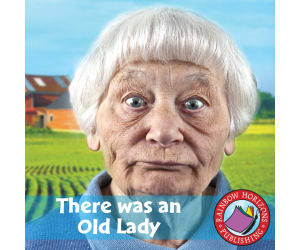
Big Book: There Was An Old Lady Gr. K-3
ELA, Reading, Grade 1, Teacher Tools, Lesson Plans
Big Book: There Was An Old Lady Gr. K-3 Big Book: There Was An Old Lady Gr. K-3 infuses an interactive dimension in teaching language arts and reading for students from Kindergarten to Grade 3. It utilizes the all-time favorite big book stories, "There Was An Old Lady", inducing creativity, comprehension, and fun into any teaching setting. Rhythm and Rhyme Activities Oodles of activities focused on rhythm and rhyme for enhancing learners’ oral skills. Specially designed modules that encourage active participation in class while refining spoken English abilities. Narrative Comprehension Features This resource aids learners to grasp the art of recognizing different narrative point-of-views within the story. It is packed with engaging yet instructional content that fulfills curriculum requirements without risking student engagement. Versatility in Classroom Setups This versatile resource can be adjusted for whole group instruction or small group activities. This can also be used to reinforce English language literacy at home through homework assignments or independent study. Included Teaching Aids A neatly packaged PDF file containing a wealth of teaching aids like Big Book and Little Book versions along with storytelling instructions — a perfect harmony for stimulating an immersive reading atmosphere. Inspired flannelboard patterns from ‘There Was An Old Lady’ supplemented by unique storytelling props add flair during storytelling sessions. Evaluation Mechanisms The included interactive exercises serve as reinforcement methods after using specified learning materials enabling teachers to gauge how well students have acquired certain skills or knowledge introduced via 'There Was An Old Lady'.' In sum, Big Book: There Was An Old Lady Gr. K-3 is an empowering tool for educators striving to evoke a passion for reading among young learners while simultaneously meeting instructional goals.
Author Classroom Complete Press
Tags PDF

IB PYP - HOW WE ORGANIZE OURSELVES - COMMUNITIES -PLANNER & RESOURCES
, Grade 1, 2, 3, 4, 5, 6, Teacher Tools, Lesson Plans
IB PYP - HOW WE ORGANIZE OURSELVES - COMMUNITIES - PLANNER & RESOURCES This teaching resource focuses on the International Baccalaureate Primary Years Programme theme of How We Organize Ourselves, specifically looking at communities. The planner and supplemental resources help students in grades 1-6 explore what a community is, the different types of communities, and how communities are organized to meet the needs of their members. Engaging inquiry-based activities, discussions, readings, and writing prompts facilitate critical thinking on community roles, structures, services, and more. Educators can implement these materials in whole group lessons, small group work, or as independent assignments to further their students' understanding of this PYP transdisciplinary theme. The resources emphasize student-driven exploration and real-world connections to develop the whole child as an active inquirer inside and outside the classroom.
Author WonderWellPYP
Tags International Baccalaureate, Unit Plans, PYP, Thematic Unit Plans, Planners