Grade 1 Math Curriculum | 36 Weekly Worksheets
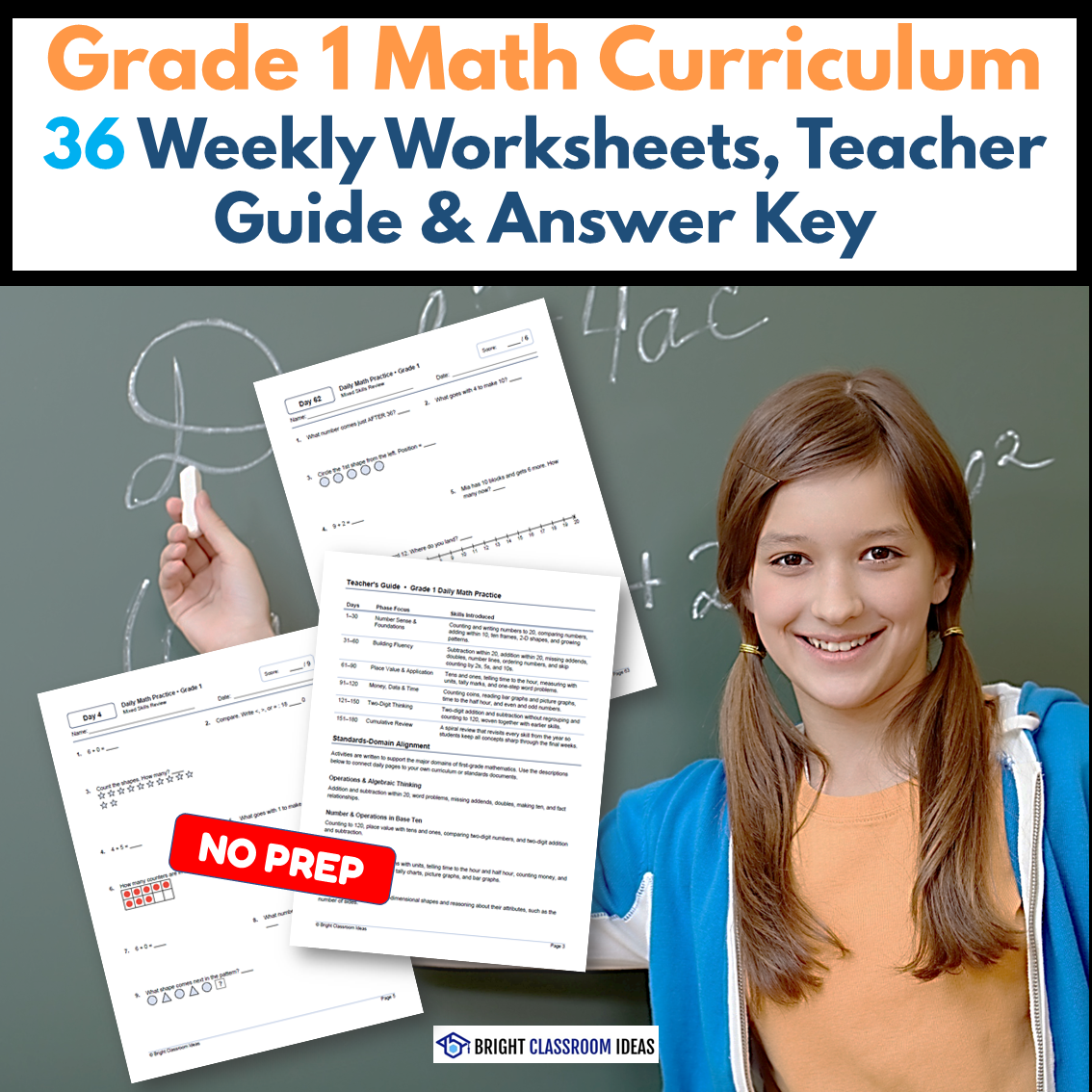
36-week Grade 1 math curriculum with one focused skill per week, covering number sense, addition/subtraction, place value, measurement, time, money, and geometry.
Classroom resources
Browse by lesson focus
Choose the topic or kind of practice you need.
36-week Grade 1 math curriculum with one focused skill per week, covering number sense, addition/subtraction, place value, measurement, time, money, and geometry.
Not clearly shown in the sampled text; the text describes example question types (e.g., addition/subtraction word problems, counting to 120, comparing two-digit numbers, telling time, interpreting bar graphs, shape composition) as illustrations of test content, but no confirmed blank/fill-in student worksheet page was present in the…
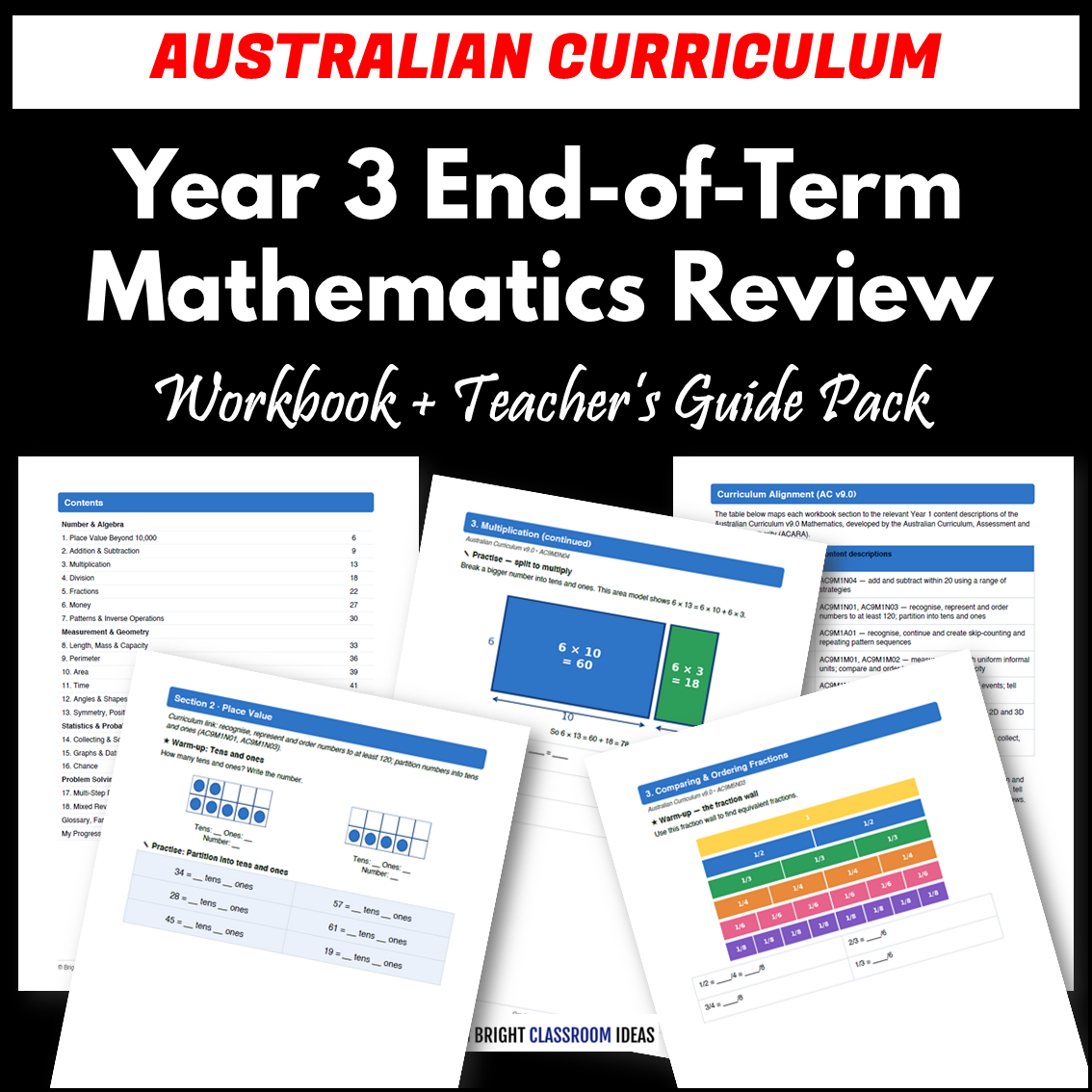
Complete practice items (calculations, word problems, self-check tick boxes) across the workbook's numbered sections
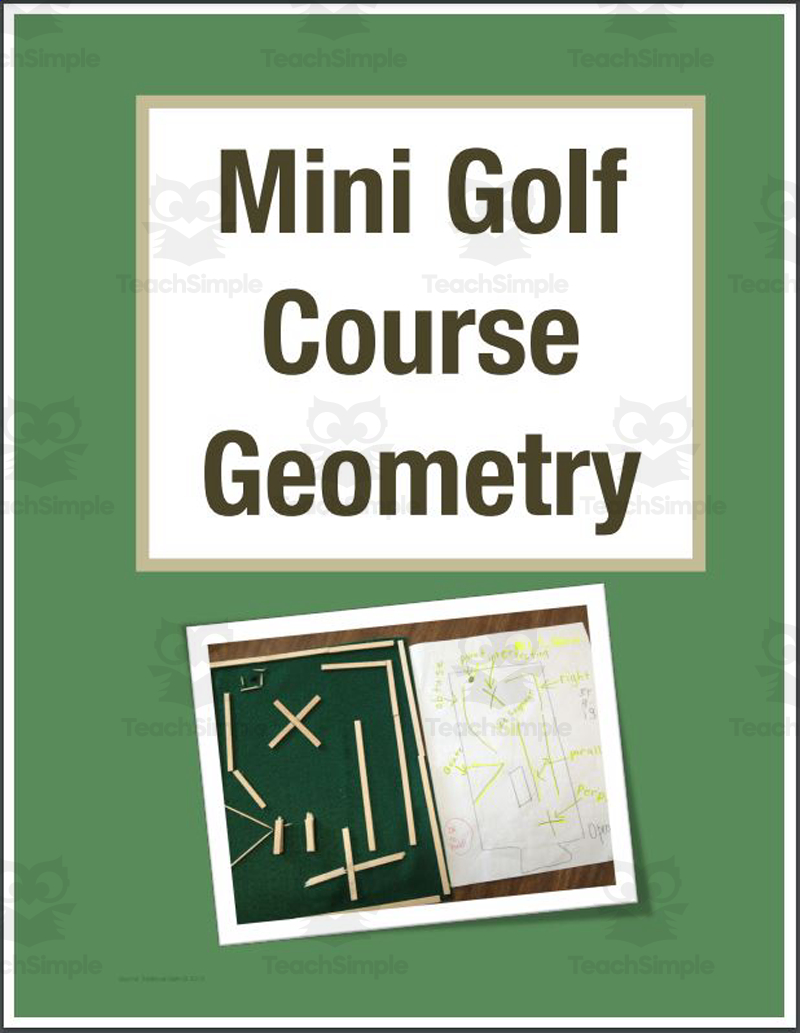
Over roughly 1-2 weeks (about 20 minutes/day), students identify real-world examples of geometric terms, fill in a vocabulary/symbol/example chart, design mini-golf course holes on paper incorporating specific geometric elements, calculate money and material measurements for supplies, and construct a physical model of their course using…
Complete individual numbered math activities (e.g. 'Going Digital', 'Birthday Blitz', 'Weight Watchers', 'Pizza Percentages') that apply arithmetic, measurement, and data skills to real-life scenarios per activity instructions.
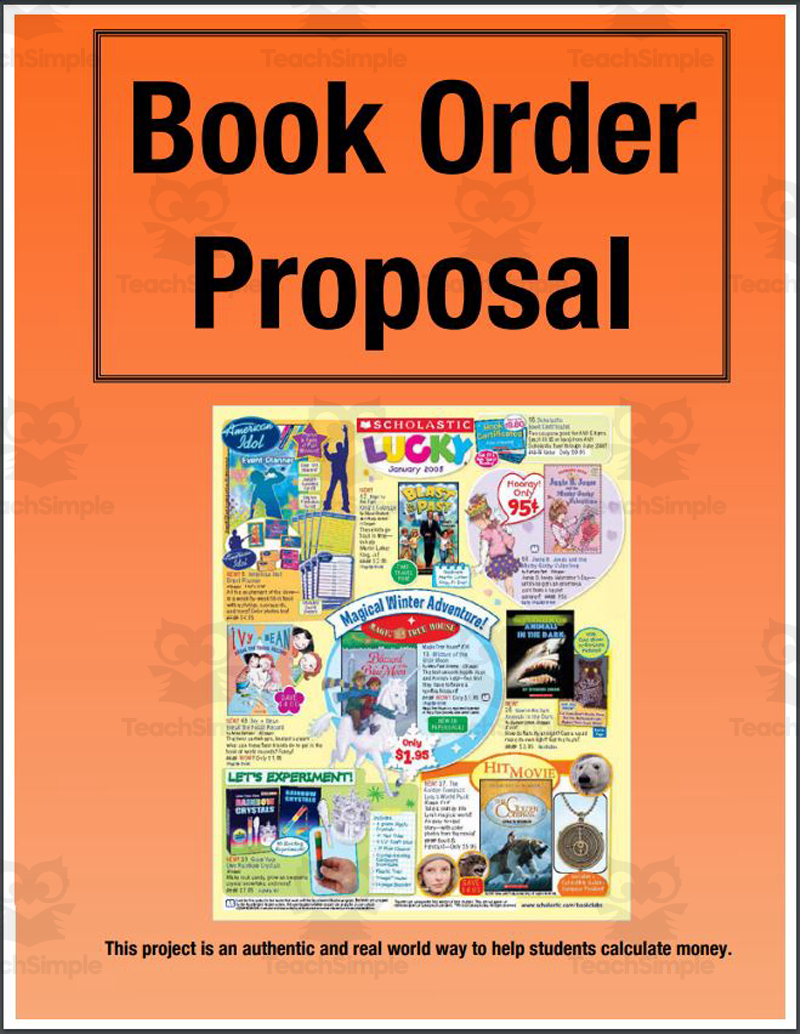
Practice adding decimal money amounts, then use a book order form and a proposal form to select and justify books to purchase for the classroom library within a set budget; students set personal learning goals and self-assess understanding during the project.
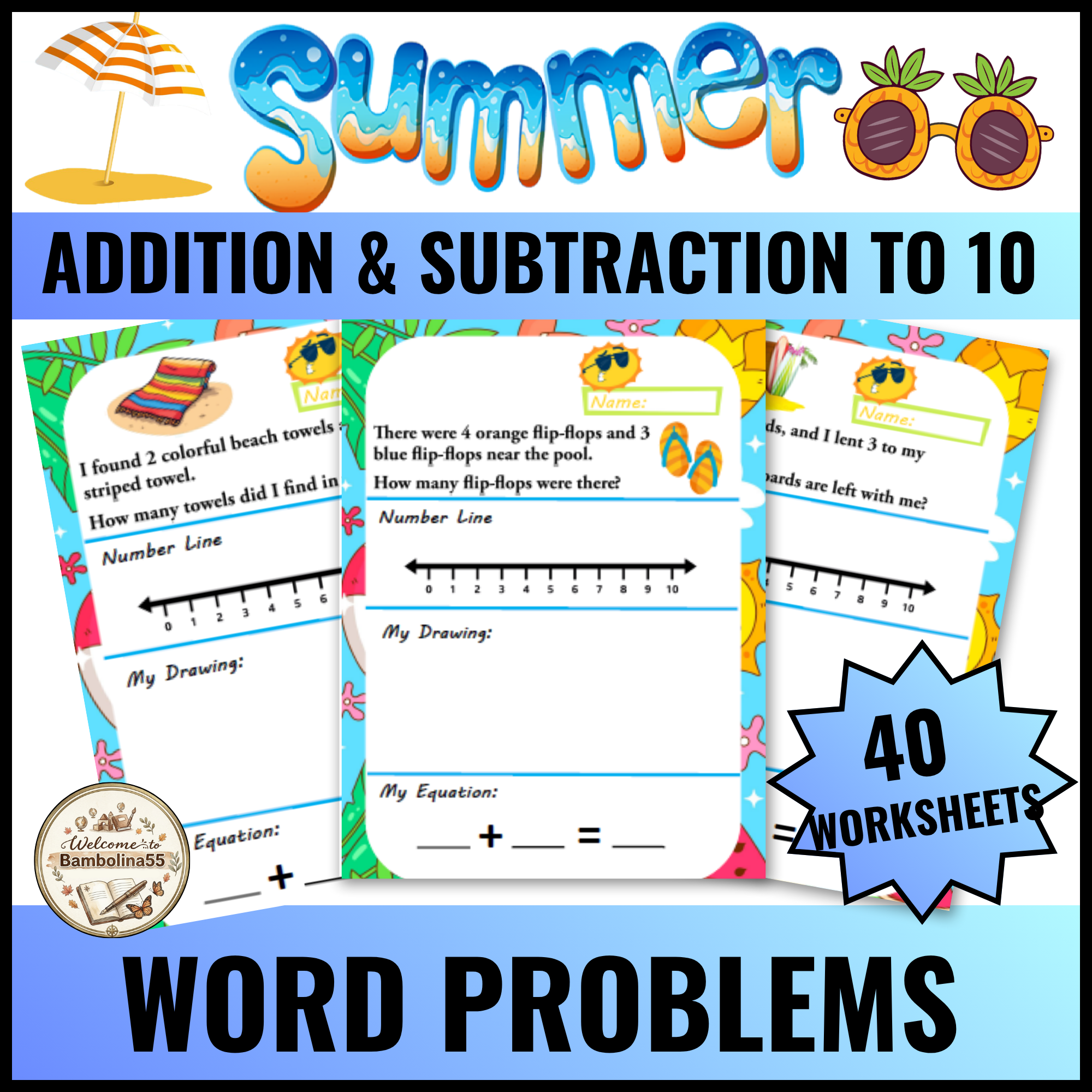
Use a number line and drawing space to model and solve addition and subtraction equations (fill in the equation blanks).
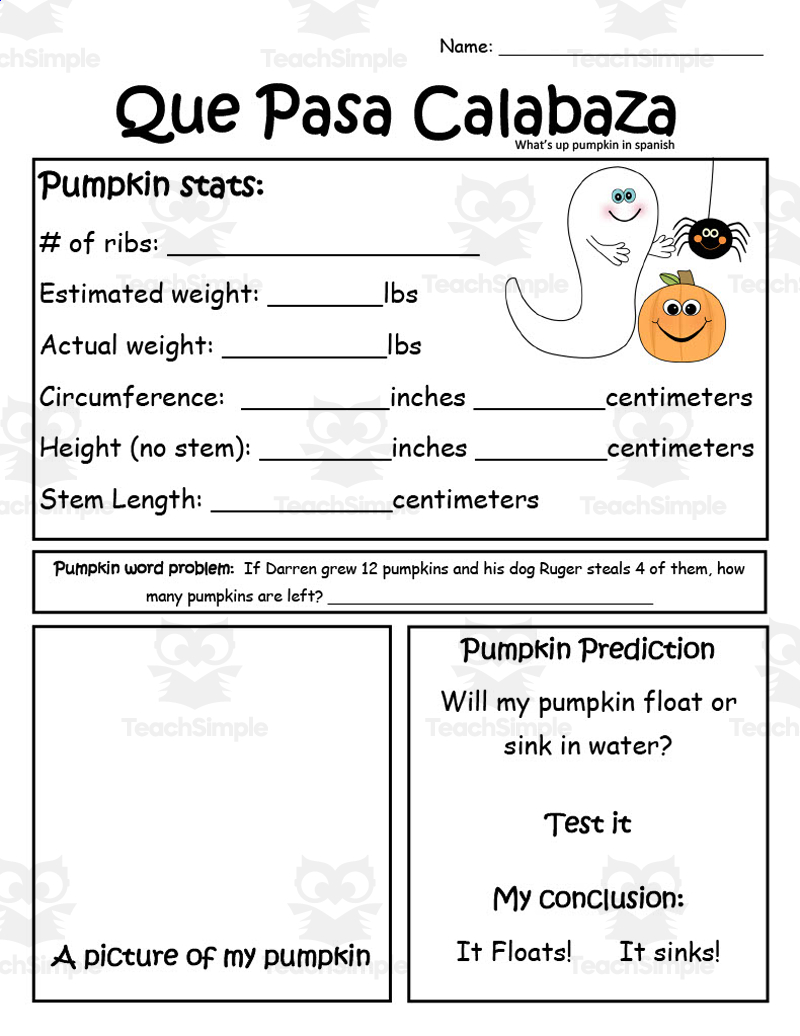
Record pumpkin stats (rib count, estimated vs. actual weight, circumference, height, stem length in inches and centimeters), solve a subtraction word problem about pumpkins, draw their pumpkin, predict whether it will float or sink, test the prediction, and record the conclusion.
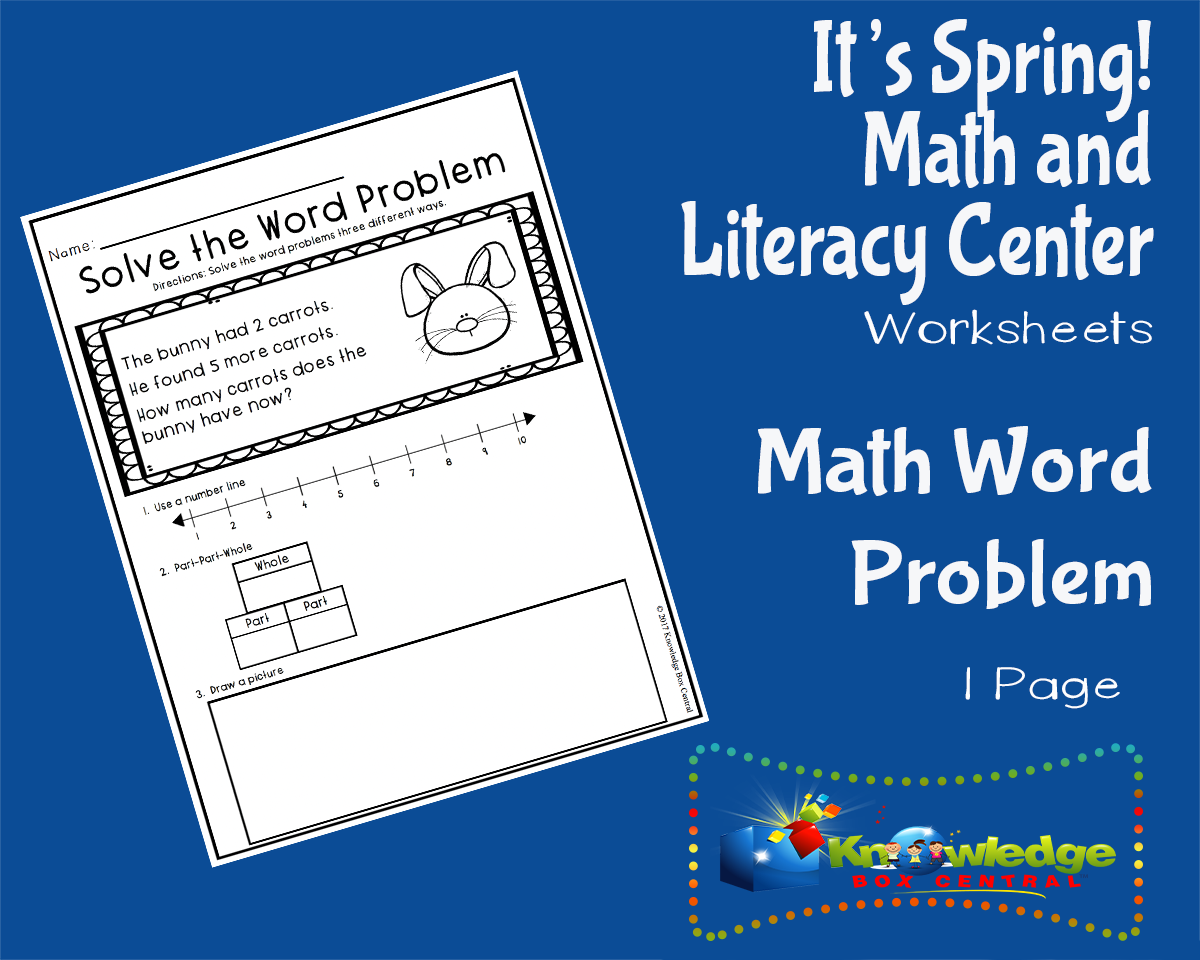
Read a spring-themed word problem, represent it on a number line and with a drawing, then write and solve the equation.
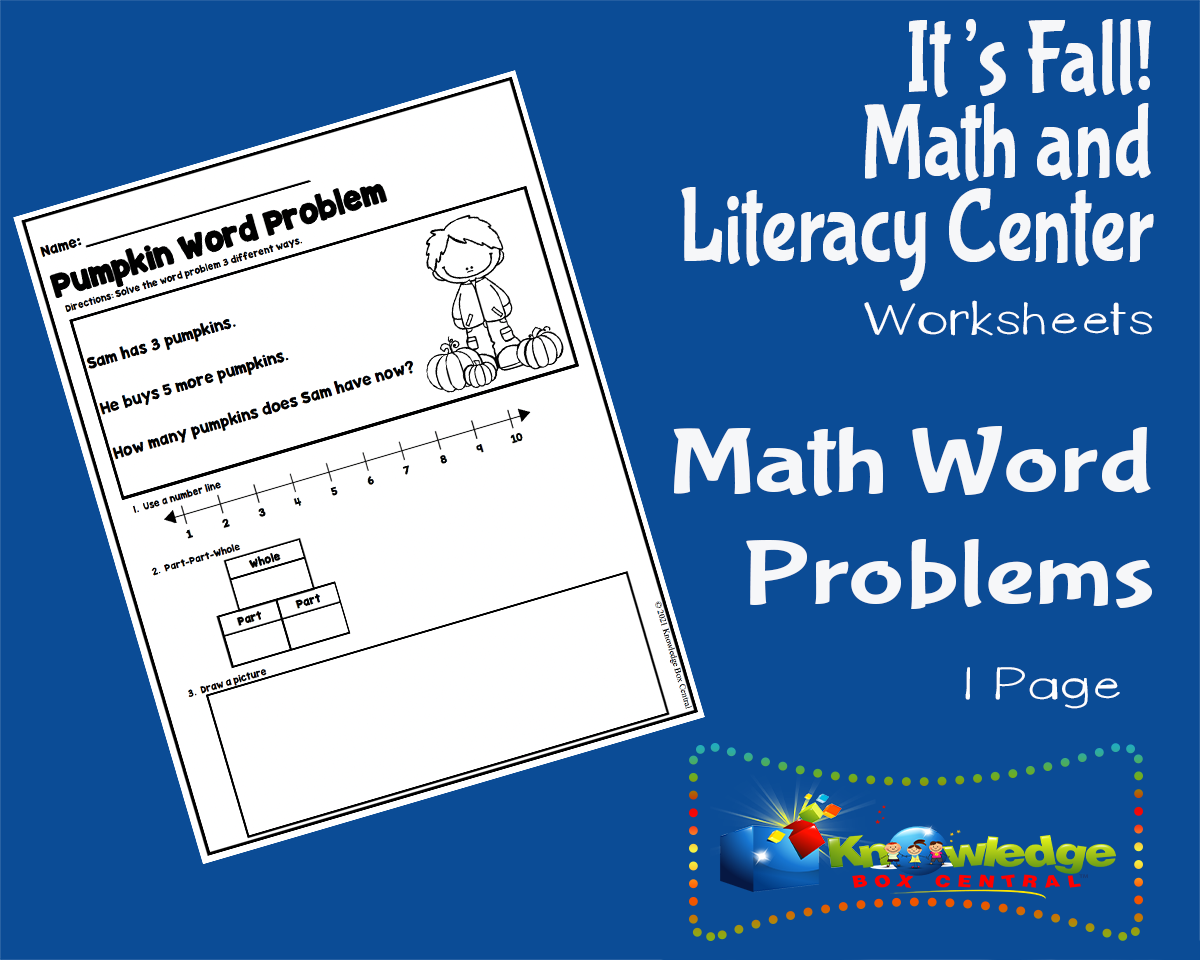
Solve a fall-themed addition word problem (Sam has pumpkins scenario, 3 + 5) using a number line, a part-part-whole (number bonds) diagram, and a drawing.
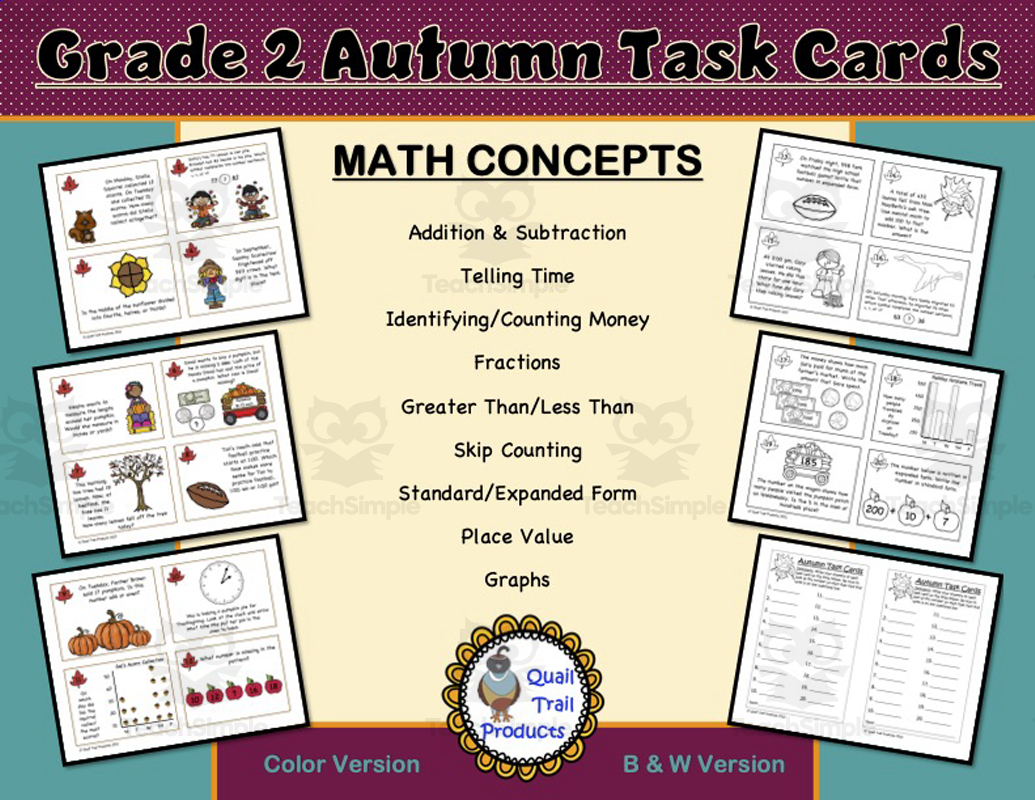
Autumn-themed Grade 2 math task cards practicing a range of second-grade math skills.
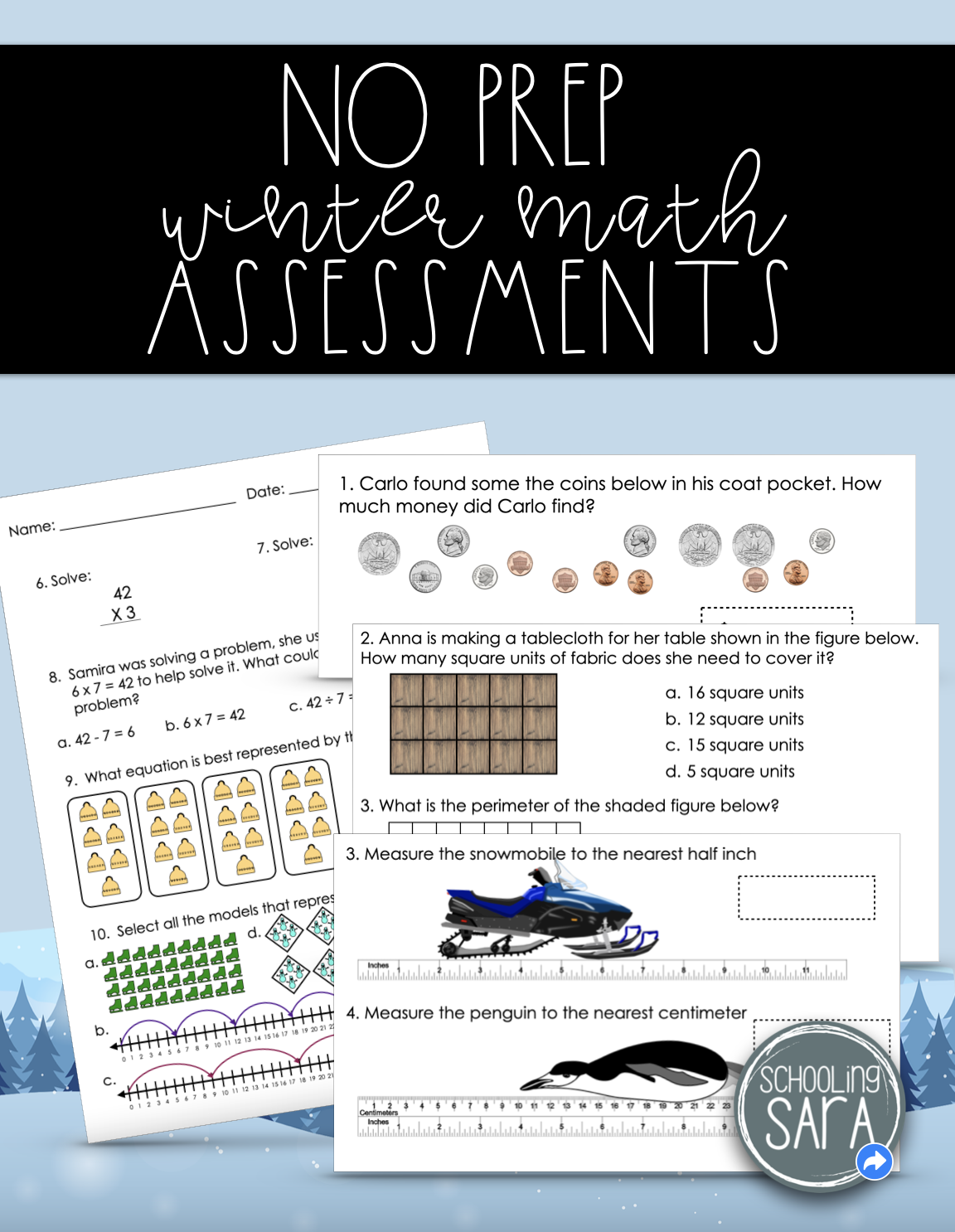
Answer multiple-choice and short-answer math questions covering place value, rounding, comparing/ordering numbers, and word problems with a winter theme (e.g., snowball/snowman word problems).
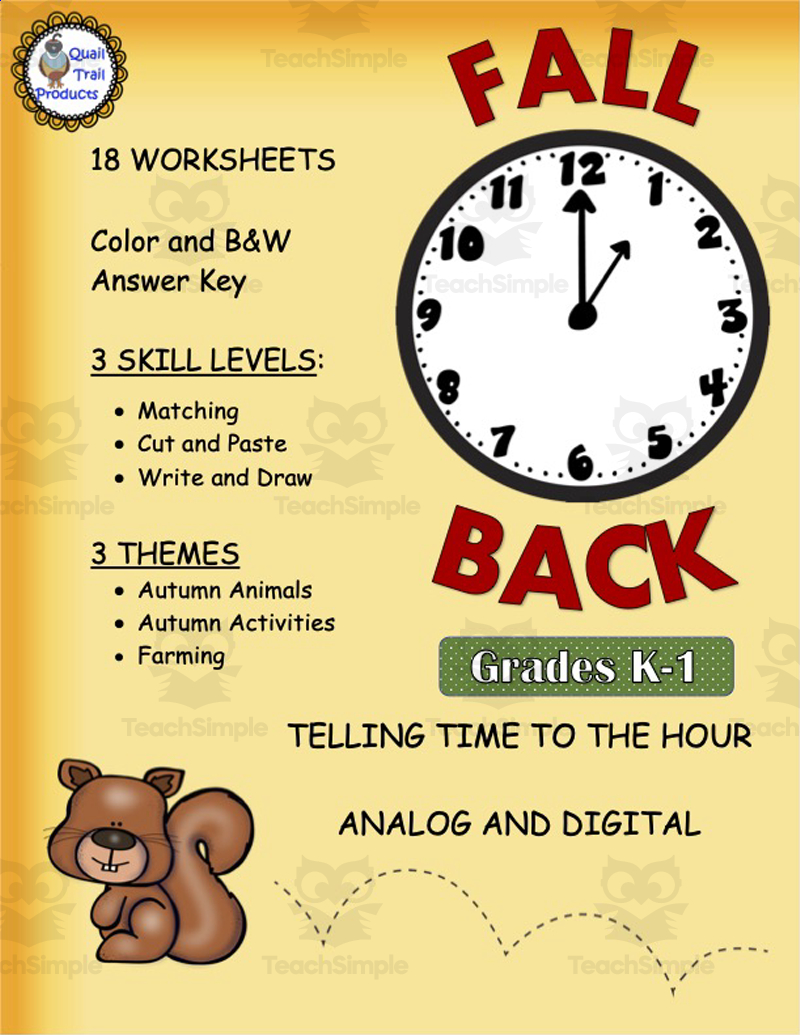
Match analog and digital clocks showing the time one hour earlier ('fall back'); draw lines connecting clocks; solve word problems involving elapsed time; complete matching, cut-and-paste, and write-and-draw activities across three autumn sub-themes.
Solve a spring-themed addition word problem (a bunny has carrots scenario, 2 + 5) using a number line, a part-part-whole (number bonds) diagram, and a drawing.
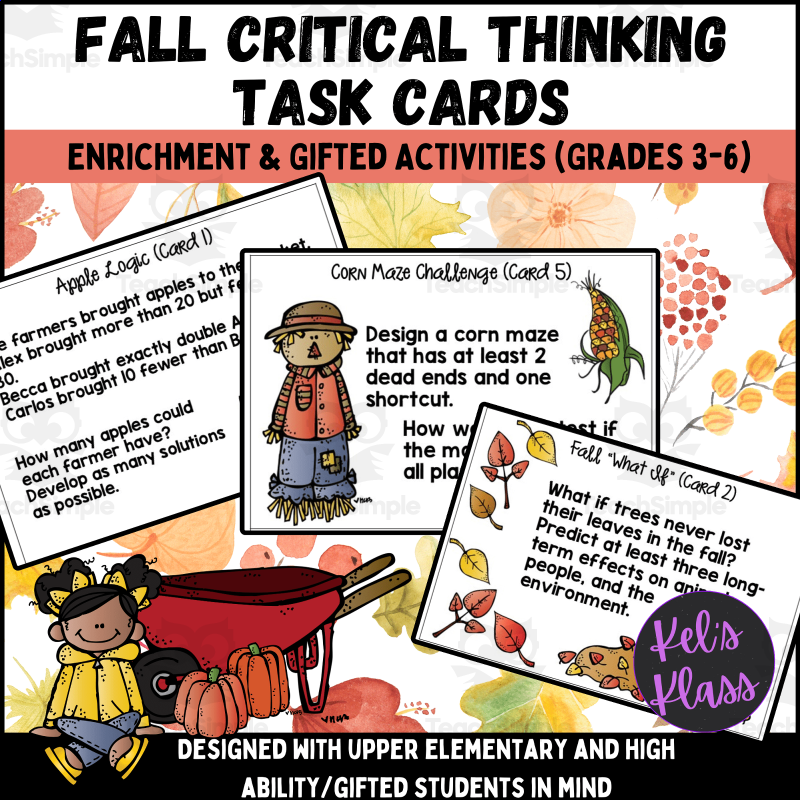
Read an open-ended or multi-step problem on each card (e.g., logic puzzle, math word problem, prediction, persuasive prompt) and solve or respond in writing, showing reasoning; an answer key is provided for cards with defined answers.
Students read fall-themed scenario prompts and draw lines connecting them to the correct clock face/time, and solve related elapsed-time word problems.
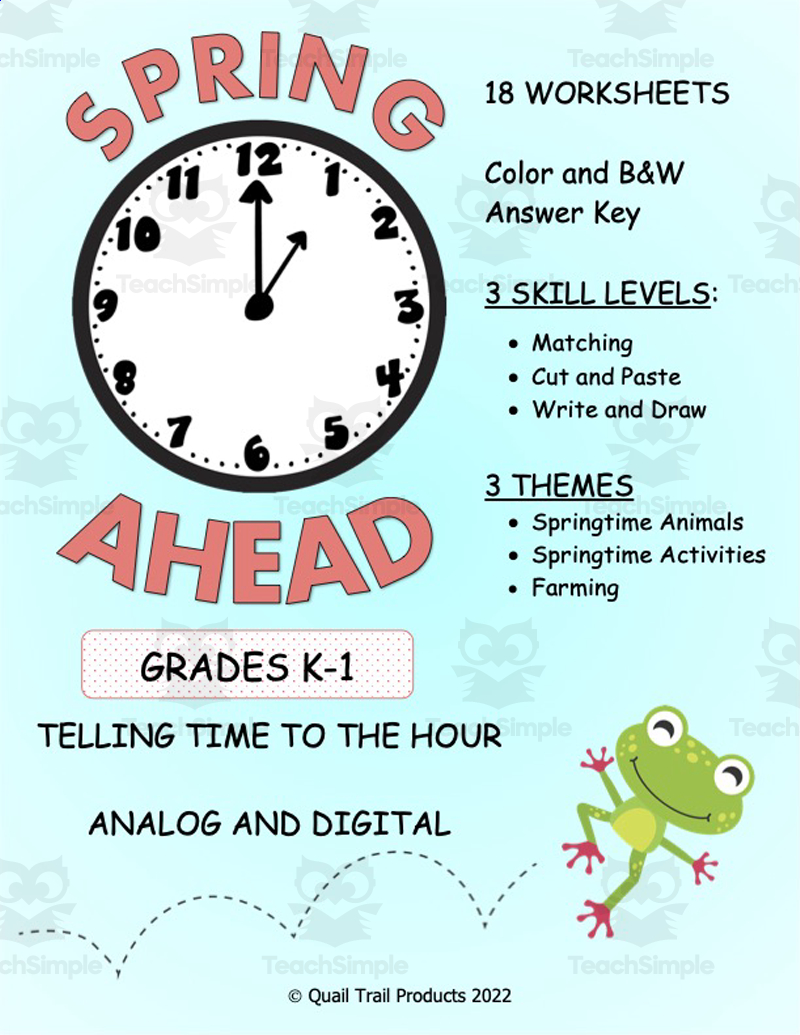
Students look at a given analog or digital clock time and match, draw, or cut-and-paste the clock/time that is one hour later ("spring forward"), including animal-themed word problems (e.g. "Sunny Squirrel sunbathes at 10:00 am. What time will she sunbathe when Spring comes?") across matching, cut-and-paste, and write-and-draw activity…
For each worksheet, students work through the problem using the 5-step process (think, conjecture/attempt, discuss, trial, review) and then check their reasoning against the worked strategy and solution printed on the reverse side.
Read a two-part non-fiction passage about Vikings (as warriors/explorers and as farmers/storytellers), answer multiple-choice comprehension questions, draw and name themselves as a Viking warrior, count syllables in vocabulary words, solve simple addition/multiplication and subtraction word problems about Vikings, form plural nouns, and…
Read a vocabulary list and complete a crossword; read a nonfiction passage about the George Washington Bridge and sequence historical events from it; design, build, and test a paper bridge (STEM challenge) and complete a lab/reflection form; solve measurement word problems (unit conversion and addition).
Depending on the activity, students roll dice and add/subtract to fill in totals (Dice Addition, Dice Subtraction), cover sums on a board (Addition Cover Up, 4 In a Row), or complete other named activities (Story Problem, Bingo, Playdough, Addition Puzzles, Bowling for 10) either on paper or digitally via Google Slides/Seesaw.
Students learn book-related vocabulary (as-salaam alaykum, Ramadan, refugee, relief worker, shalwar-kameez) through a small-group picture-story game, complete a personal-narrative writing prompt from a character's point of view, watch videos and complete a map activity locating the top 5 refugee-origin countries (Syria, Afghanistan,…
Read an informational passage about landfills and recycling, mark true/false comprehension statements, write about two ways to recycle in their town, identify and split compound words from the story, solve simple word-problem math questions based on the passage, unscramble vocabulary words, and find hidden recycling terms in a word…
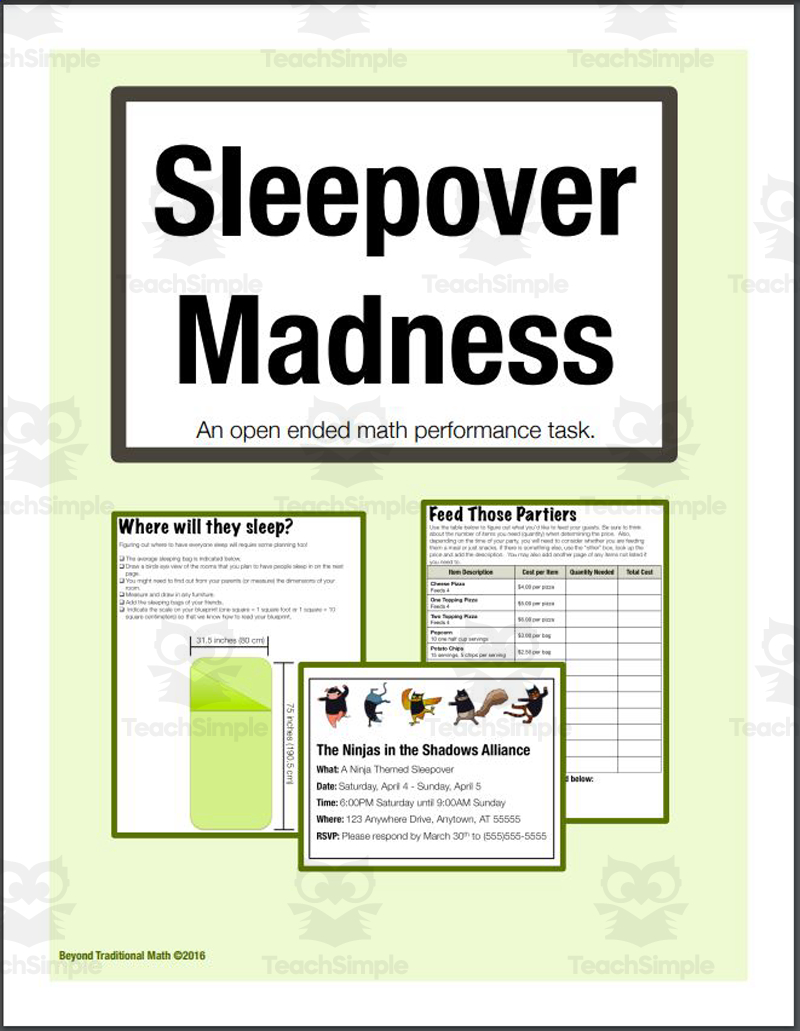
Students plan a sleepover: create a guest list with full addresses (up to 10 guests), choose and describe a party theme, design an invitation, plan and cost out breakfast/food items from a menu table, choose and cost timed activities from an activities table, map out sleeping arrangements, and write a final letter to their parents…