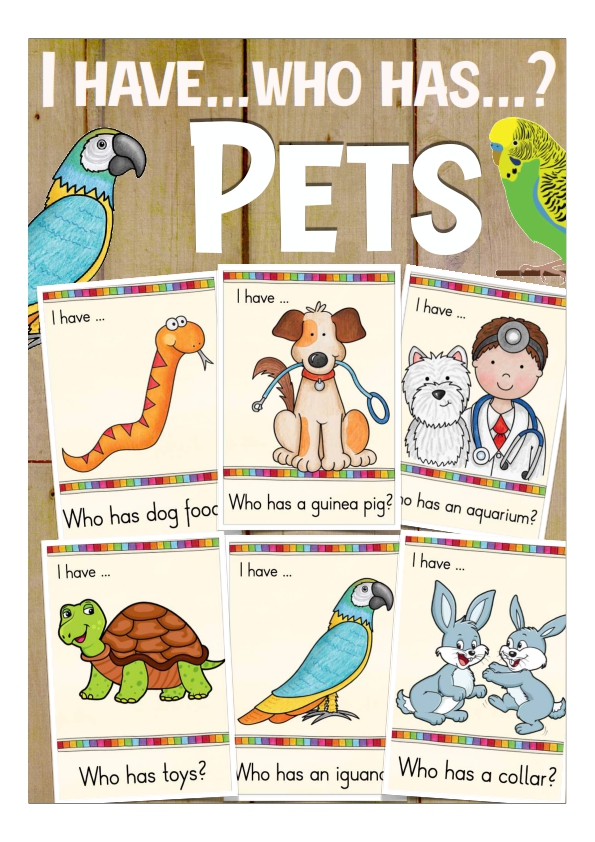
I have...Who Has...? Pets Edition
Students receive shuffled cards, read aloud the prompt on their card ('I have...'), listen for the matching term on another student's card, and respond ('Who has...?') in a chain until all cards have been used.
Classroom resources
Browse by lesson focus
Choose the topic or kind of practice you need.
Students receive shuffled cards, read aloud the prompt on their card ('I have...'), listen for the matching term on another student's card, and respond ('Who has...?') in a chain until all cards have been used.
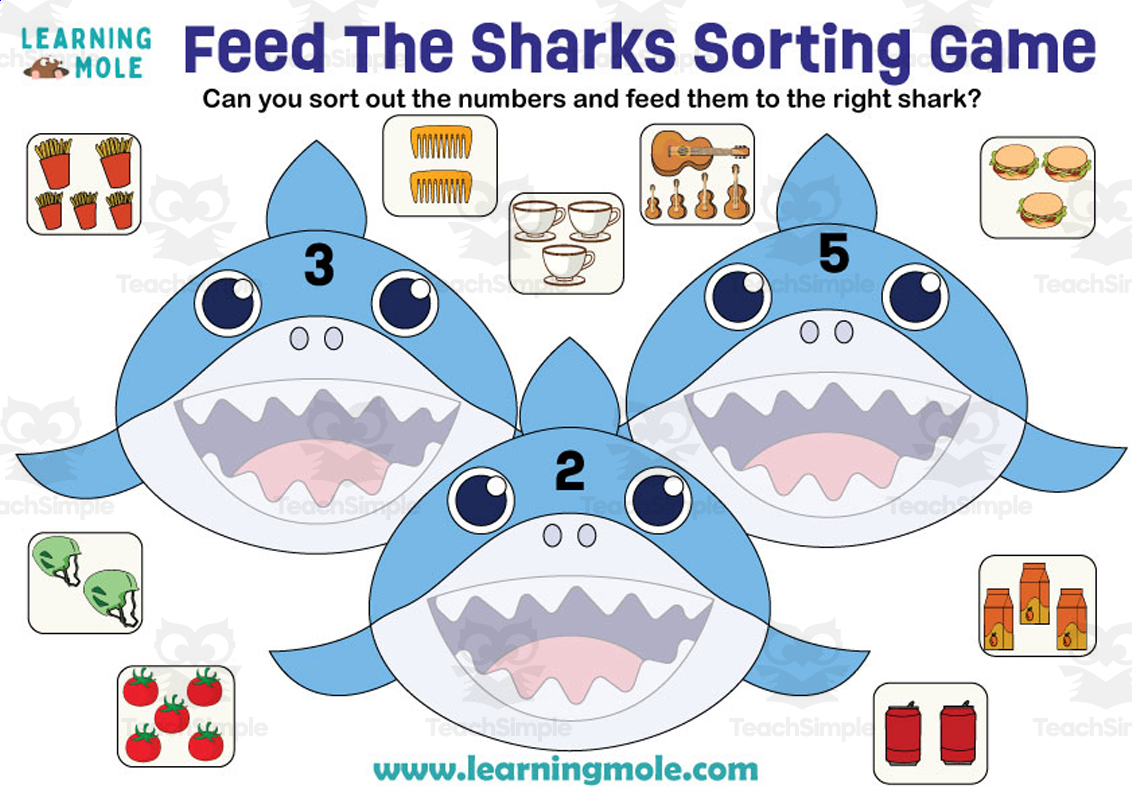
A single-page number sorting game where students sort numbers and 'feed' them to the correct shark based on a sorting rule shown on the page.
Each student reads the word on the 'I Have' side of their card aloud, then listens for the matching word named under 'Who Has?' on another card, and the group passes the loop around reading cards in sequence until it returns to the start.
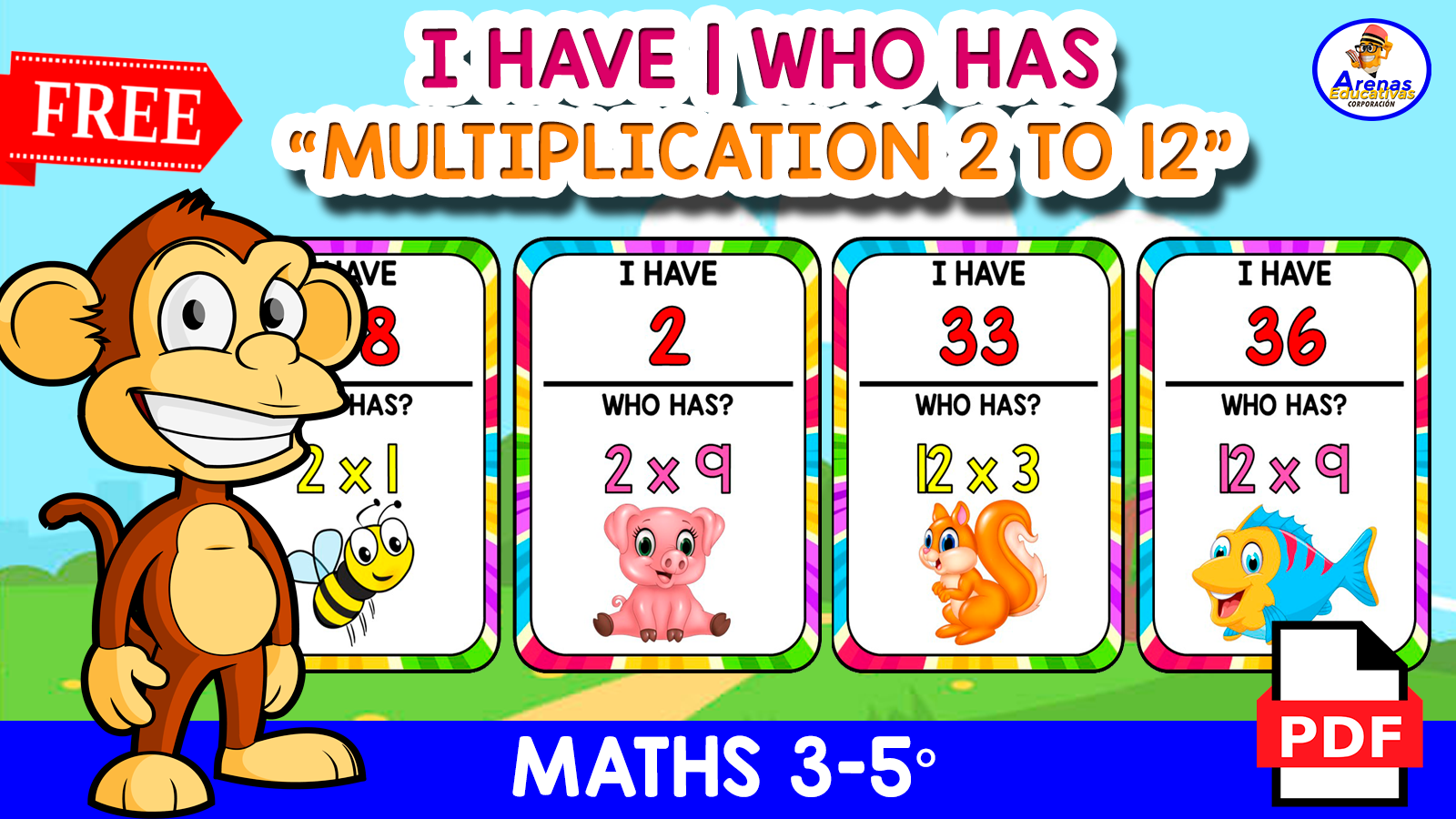
An 'I have, who has' cooperative card game for practicing multiplication facts 2 to 12.
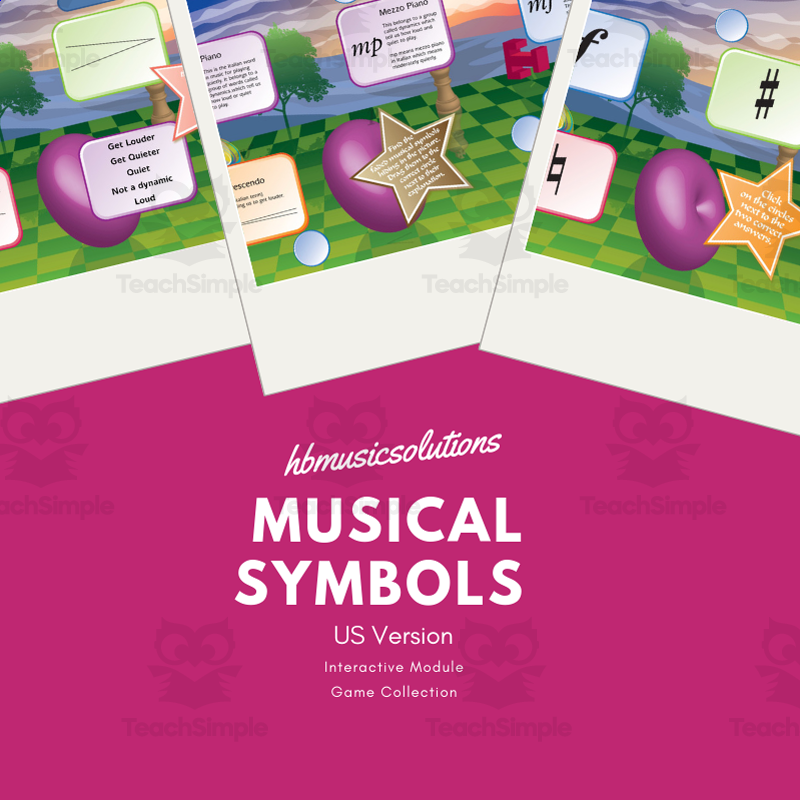
Use an external interactive e-learning module to complete 10 different randomly-drawn activities: drag-and-drop pictures and lists, matching pairs, finding hidden transparent dynamics symbols, and fill-in-the-gaps exercises, with immediate feedback.
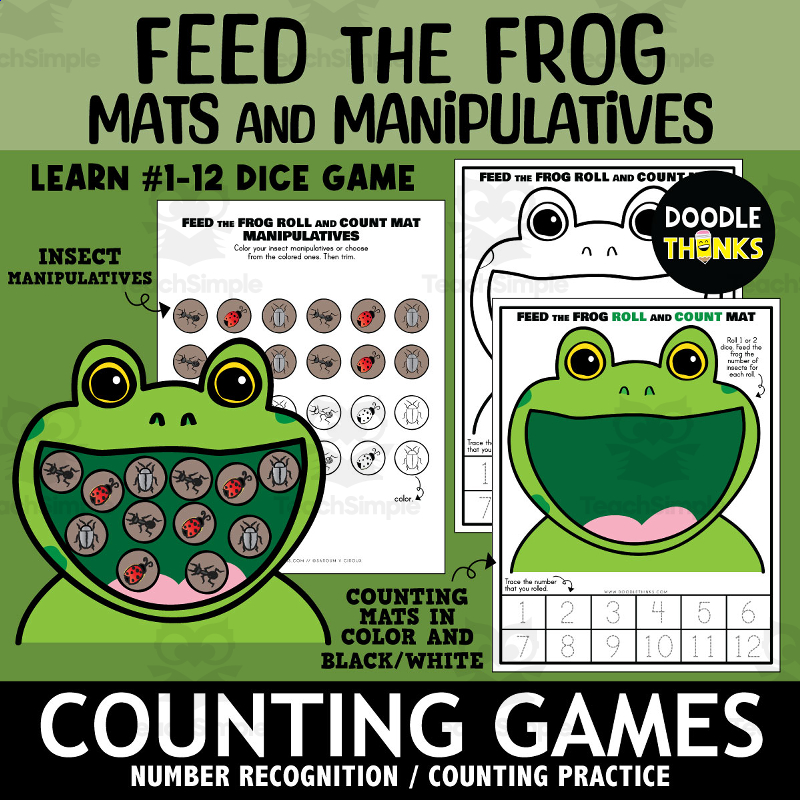
Roll one or two dice, count the total, feed that many insect manipulatives to the frog mat, and trace the number rolled.
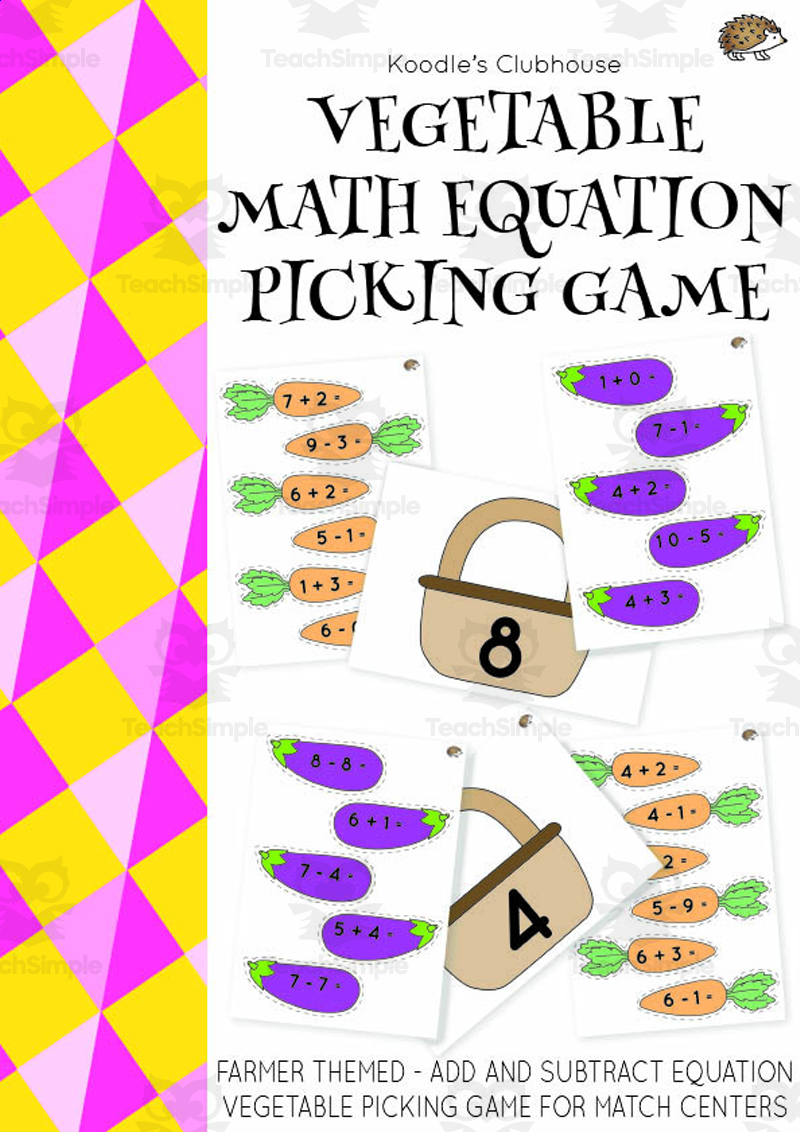
Students dig carrot and eggplant equation cards out of a sensory tub (rice or beans), solve the addition or subtraction equation on each card, and sort/place it into the basket template (numbered 0-10) matching the correct answer.
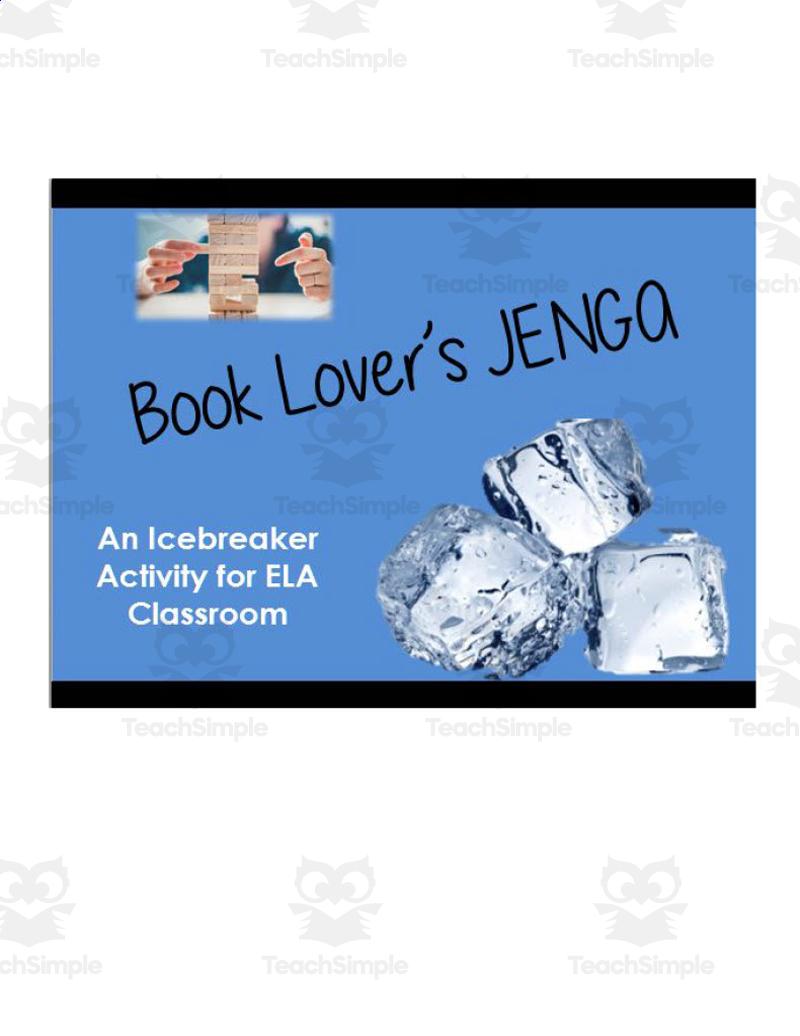
Take turns pulling a numbered JENGA piece and answering the corresponding reading-related discussion question (e.g., favorite childhood book, worst movie adaptation, reading habits); if unable to answer, pull another piece.
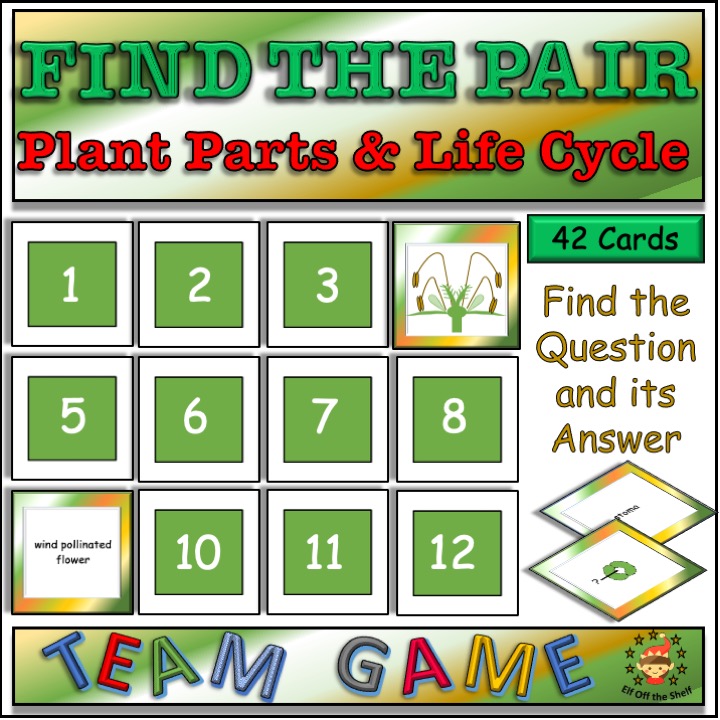
Working in teams, students turn over pairs of face-down cards and try to match a question card with its correct answer card; a teacher answer sheet confirms correct pairs.
Each student reads the word on the 'I Have' side of their card aloud, then listens for the matching word named under 'Who Has?' on another card, and the group passes the loop around reading cards in sequence until it returns to the start.
Each student receives one or two cards; students take turns reading their 'I have [answer]' and 'Who has [problem]' aloud in a chain around the class, tracking answers on a numbered 1-32 answer sheet.
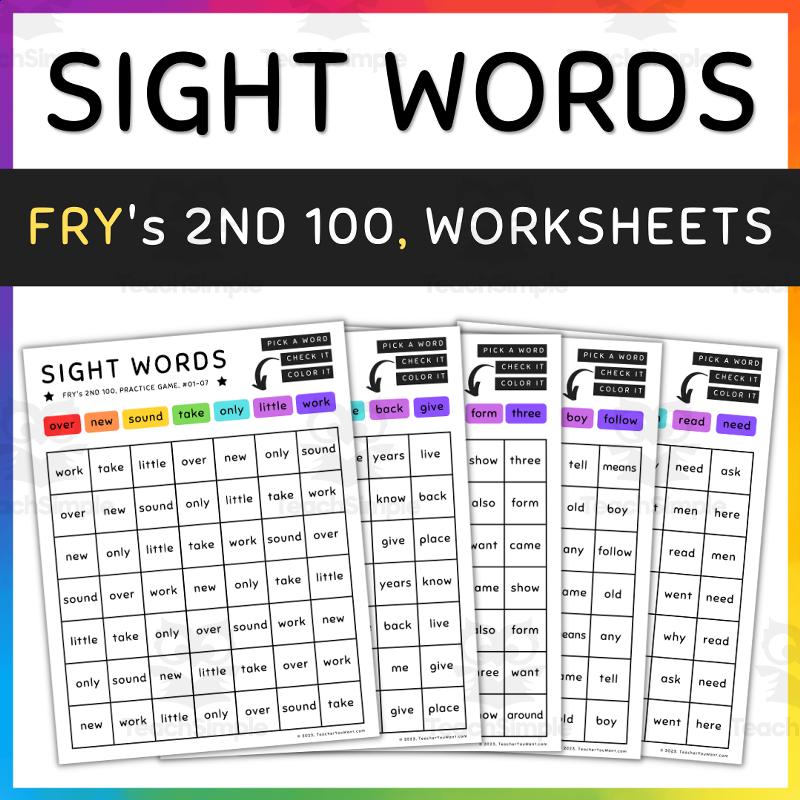
Identify and color spaces/pictures corresponding to called or targeted sight words.
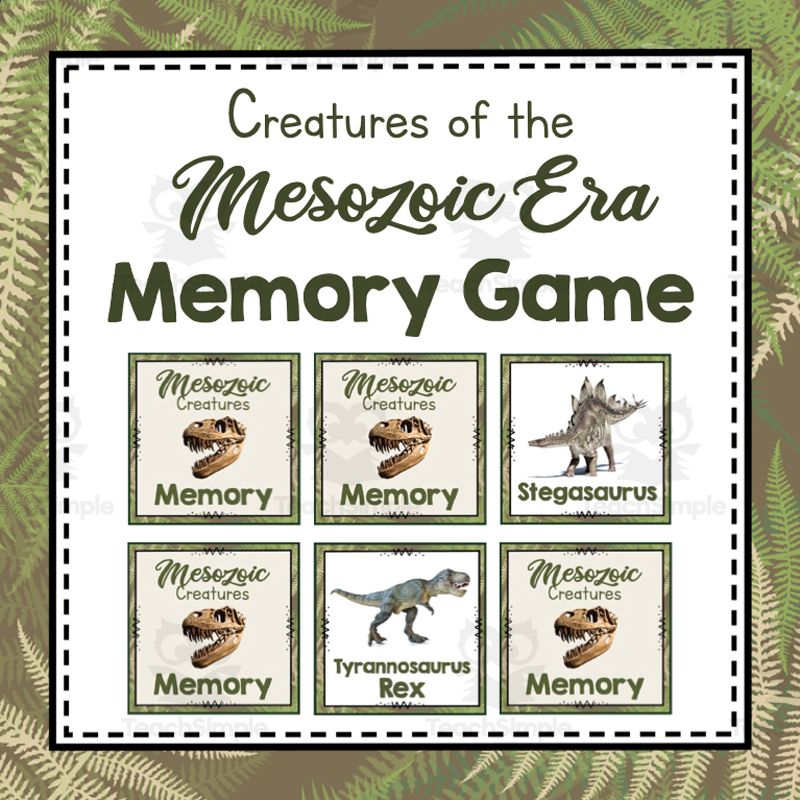
Cut apart, glue back-to-back, and laminate paired cards; then play a memory-matching game, flipping two cards at a time to find matching pairs of creature names.
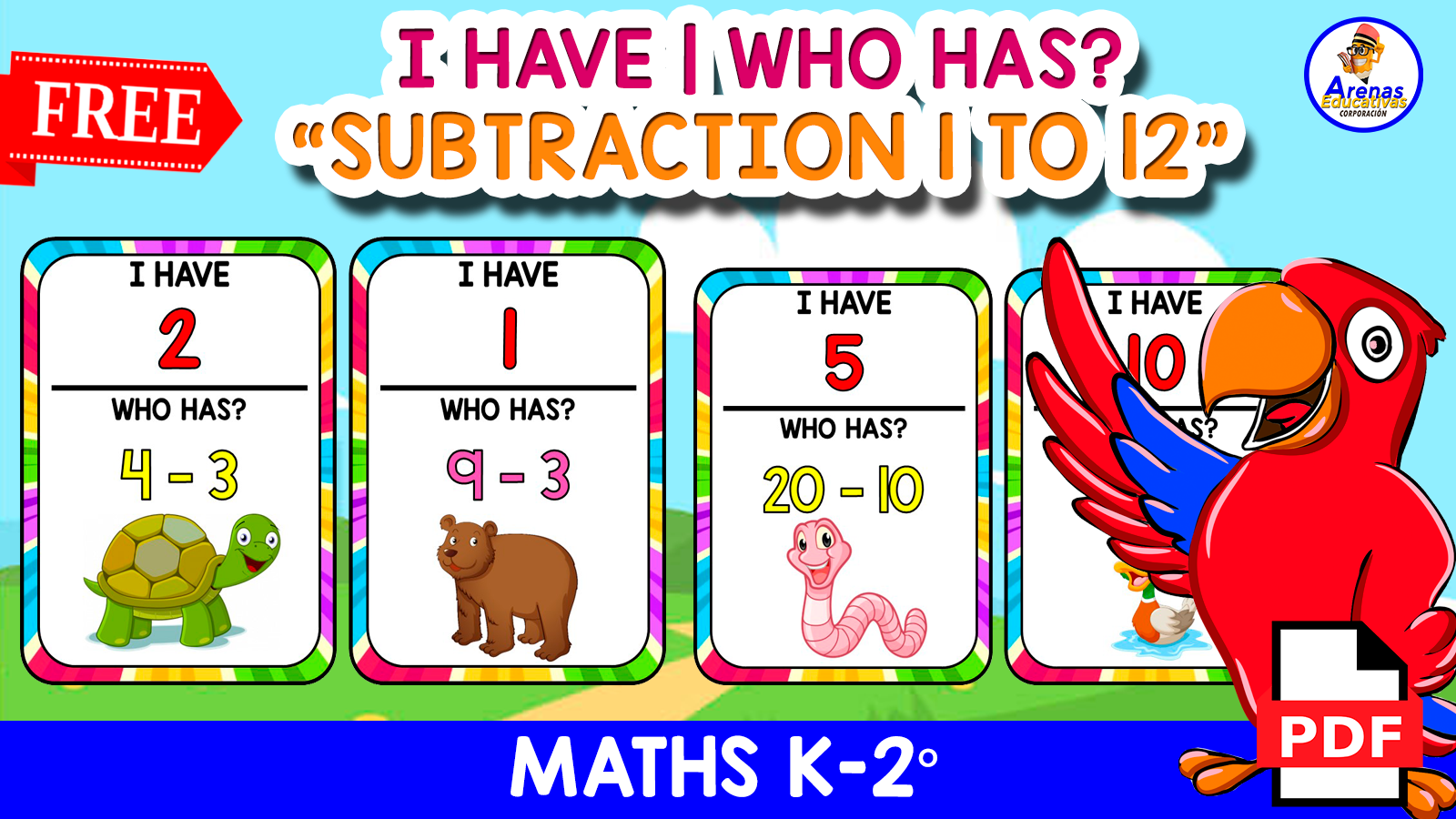
Students read cards aloud in a chain, matching subtraction answers to the next question.
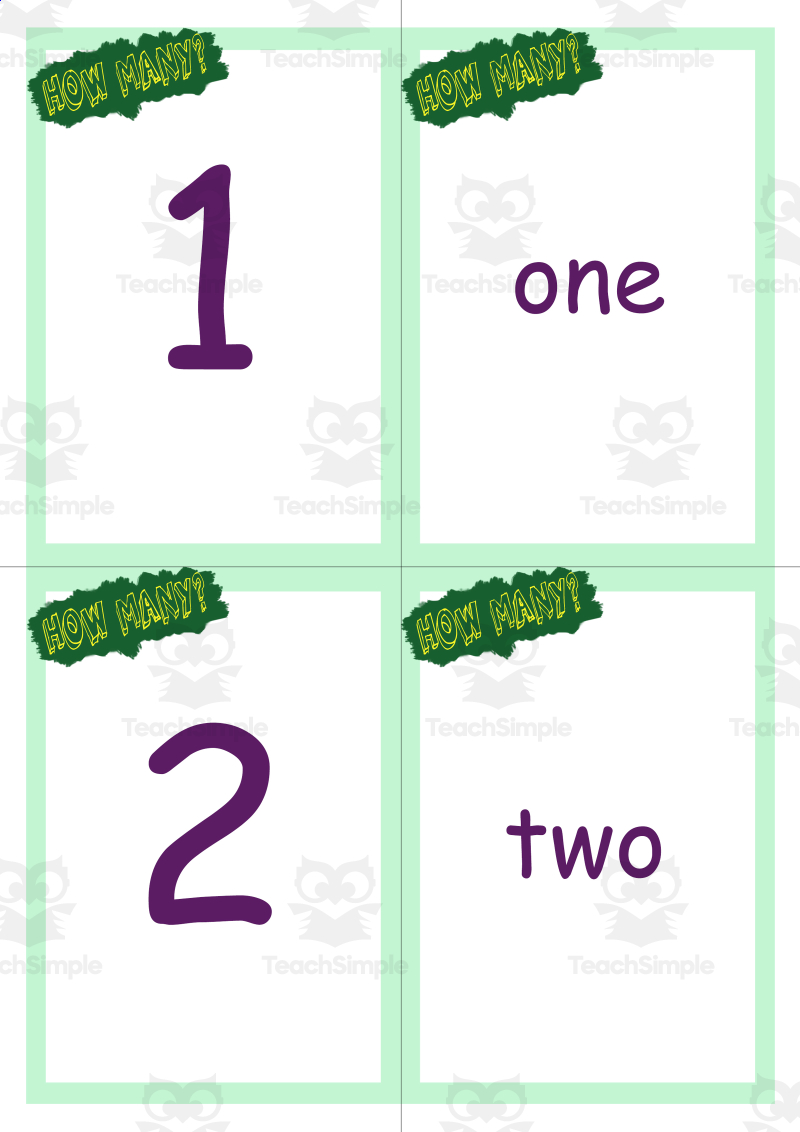
Here is a Counting + Numbers Game Card Set that is great for your little learners. Students will practice with numbers 1-10 . There are 2 sets included: - Number set featuring the number and number word - Picture set featuring the number word and a visual representation of that number You can print, laminate and cut these cards for…
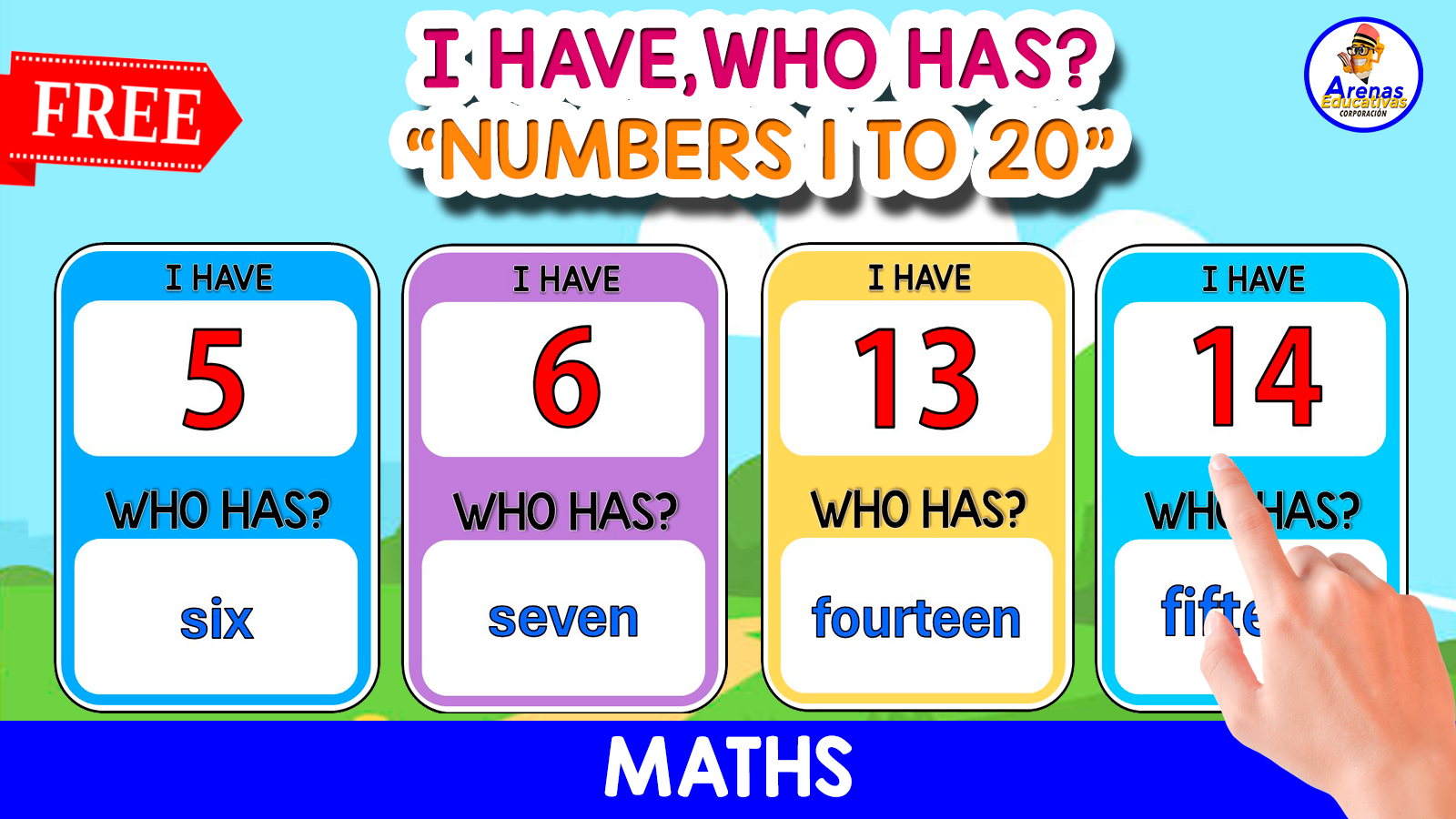
Each student reads the spelled-out number they "have," then asks "Who has [next number word]?"; play continues until the loop closes.
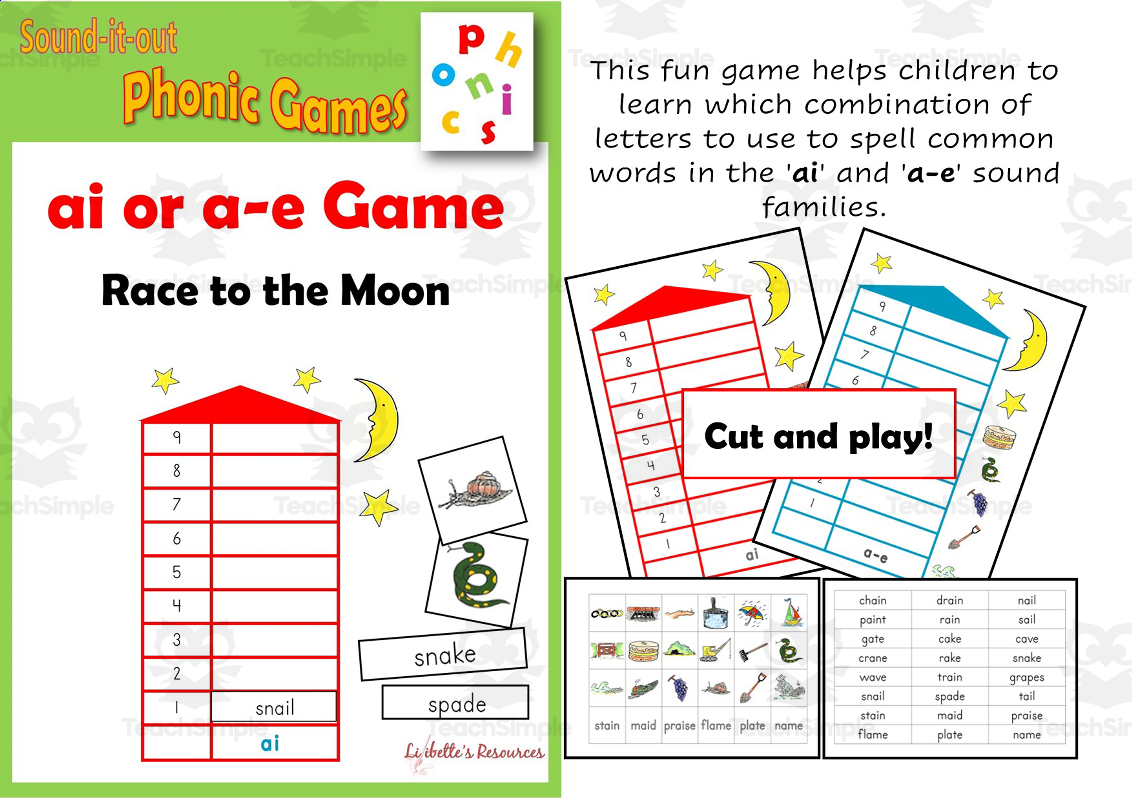
Draw a picture or word card from a bag, find its matching word card, and if it matches the sound family (ai or a-e) the player is collecting, place it on their rocket base-board; first player to fill their rocket wins.
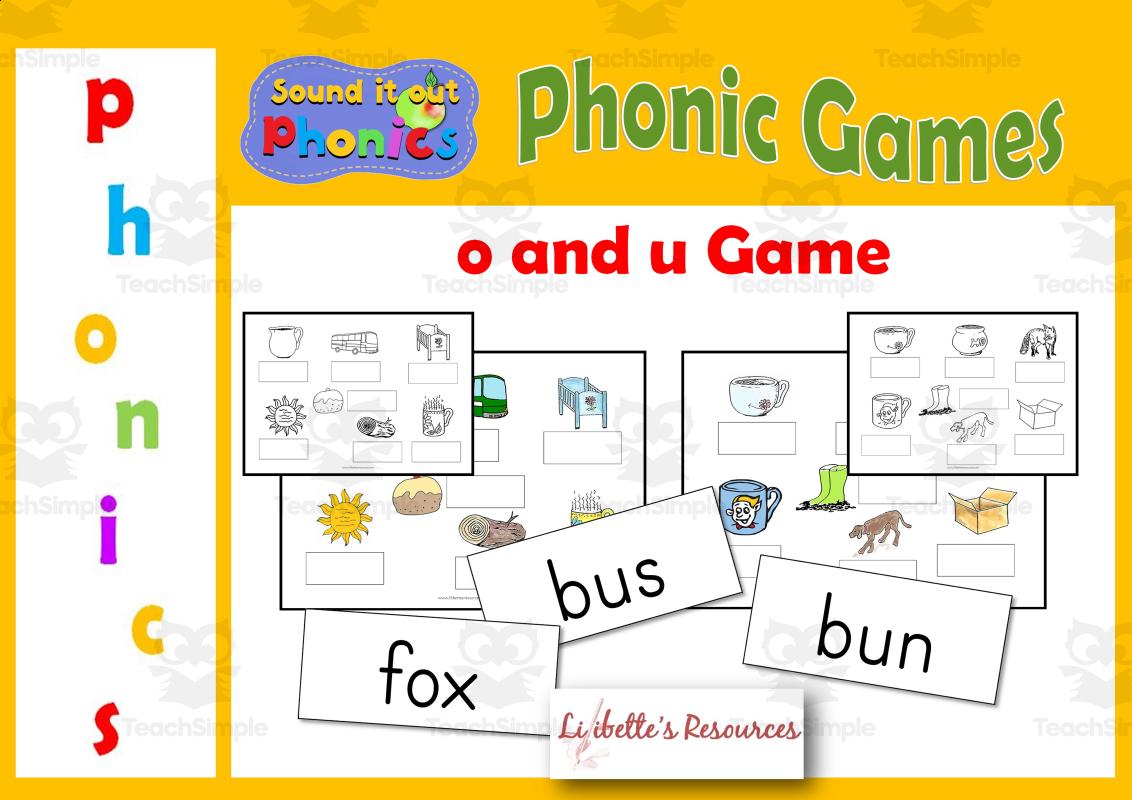
A two-player matching board game to help children learn to blend and differentiate three-letter CVC words with the short vowel sounds 'o' and 'u'.
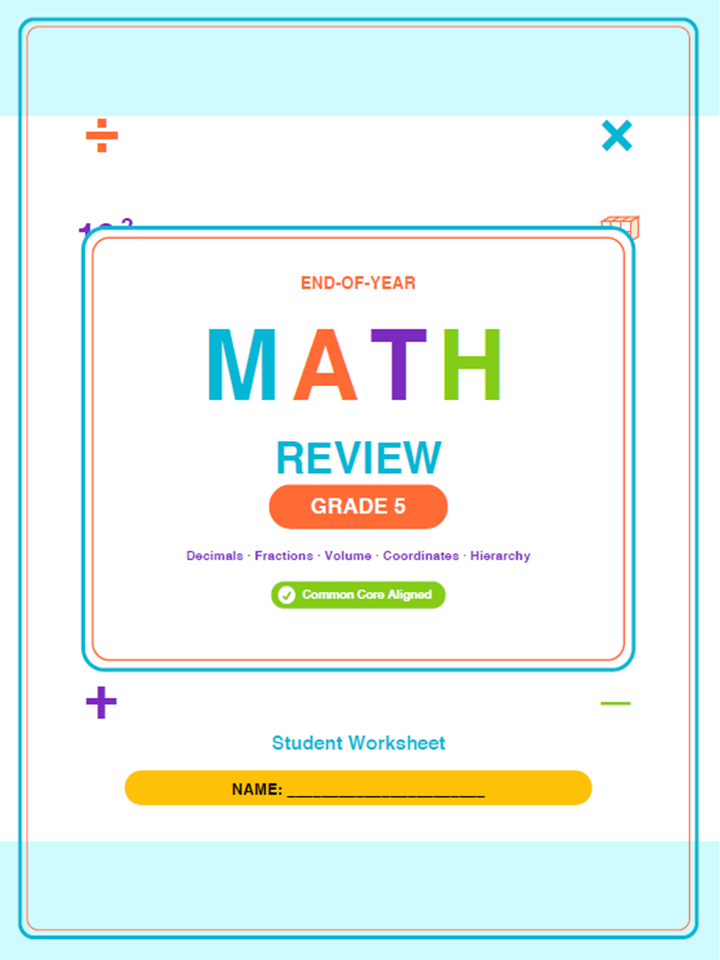
Students complete worksheet activities on place value/decimals, powers of ten, fraction operations, volume, and coordinate-plane graphing, supported by a teacher's guide and answer key, and play accompanying review games.
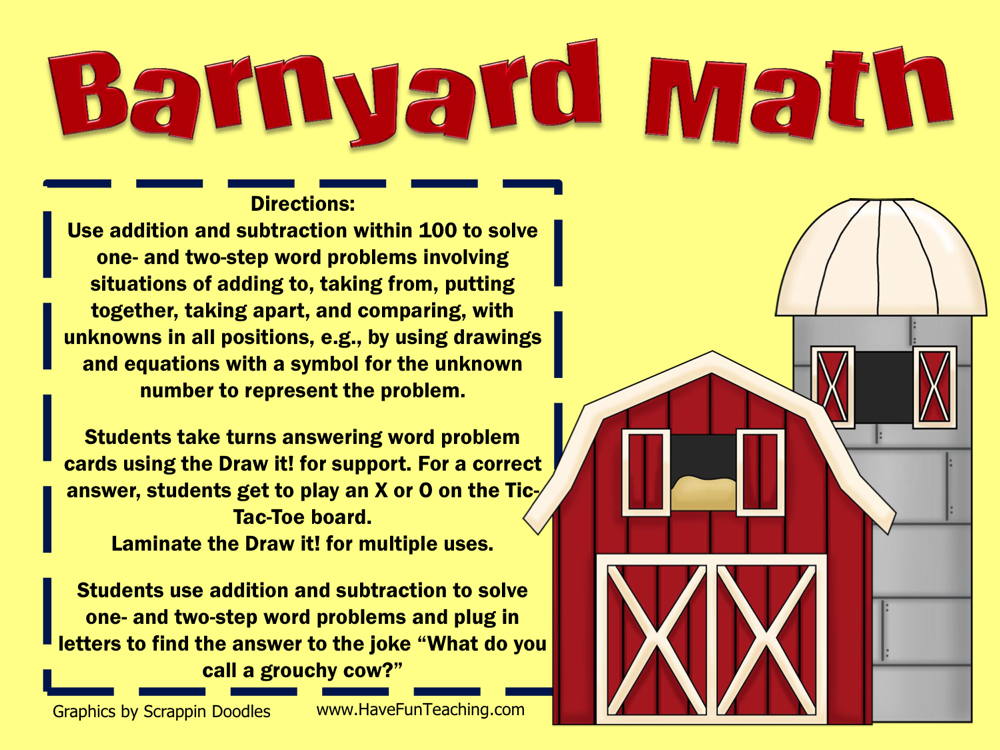
Solve farm-themed word problems, use a 'Draw it!' support page, mark X or O on a tic-tac-toe board for correct answers, and decode a joke answer from the computed solutions.
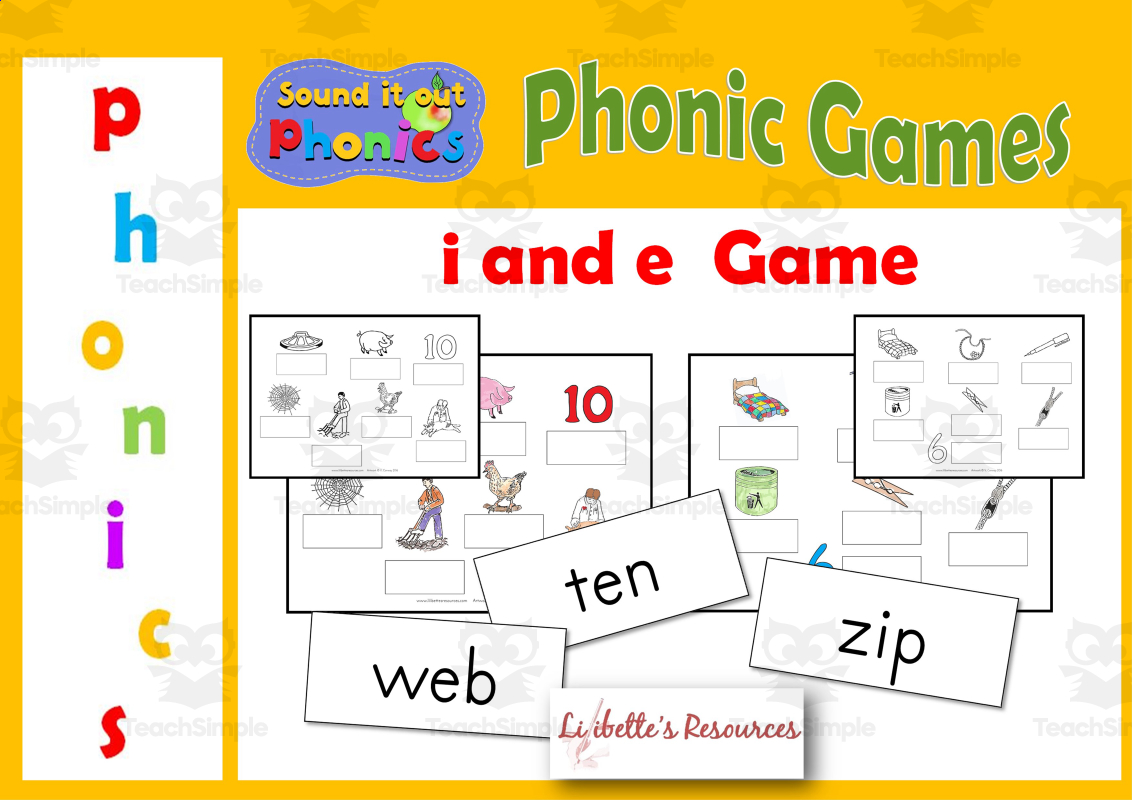
A two-player matching board game to help children learn to blend and differentiate three-letter CVC words with the short vowel sounds 'i' and 'e'.
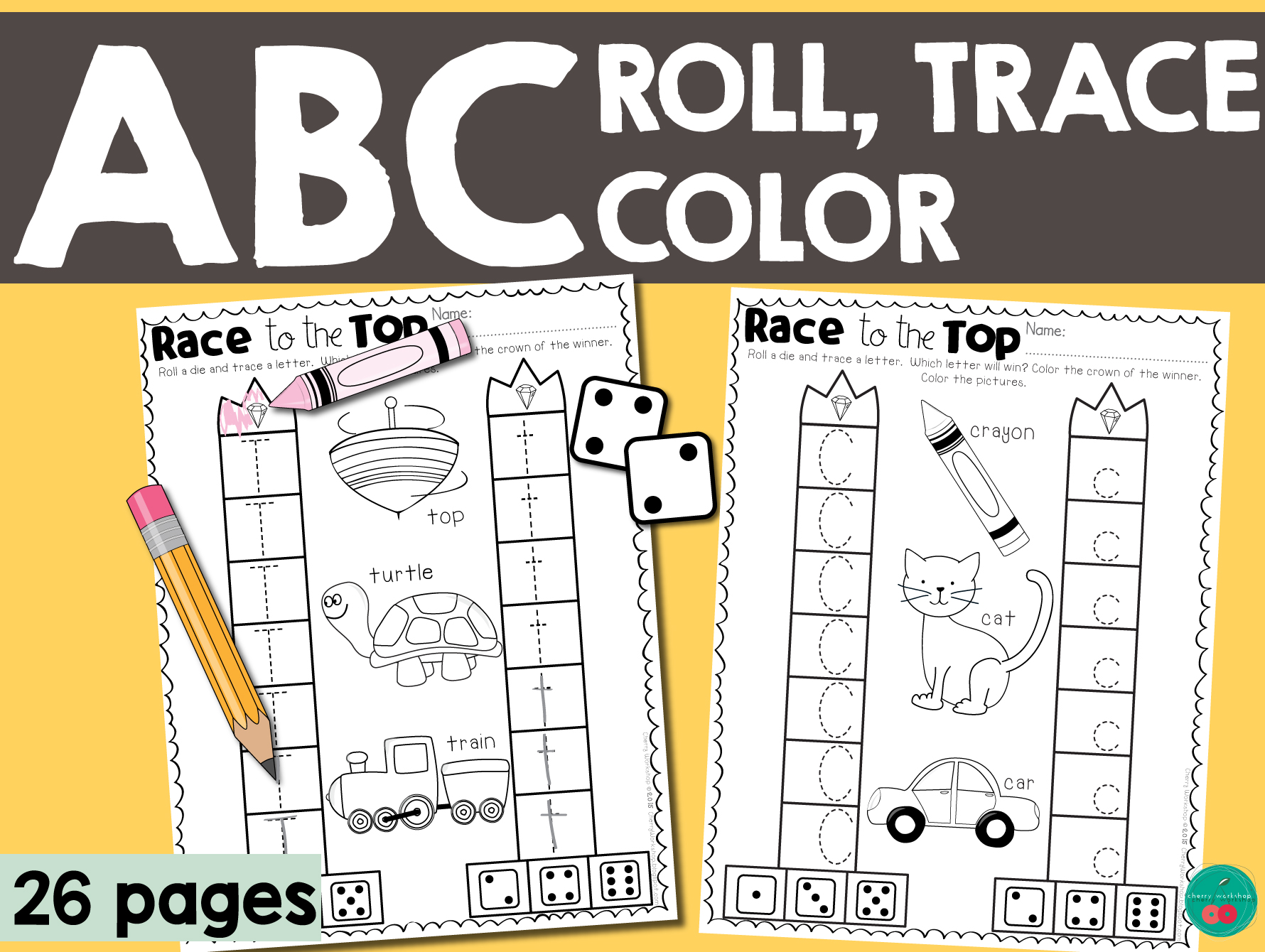
Students roll a die and trace the letter in the corresponding column/row for each roll (uppercase or lowercase), racing to fill in and trace to the top of the page first, and color pictures whose names start with that letter (e.g., apple/acorn/ant for A, ball/bus/bed for B).
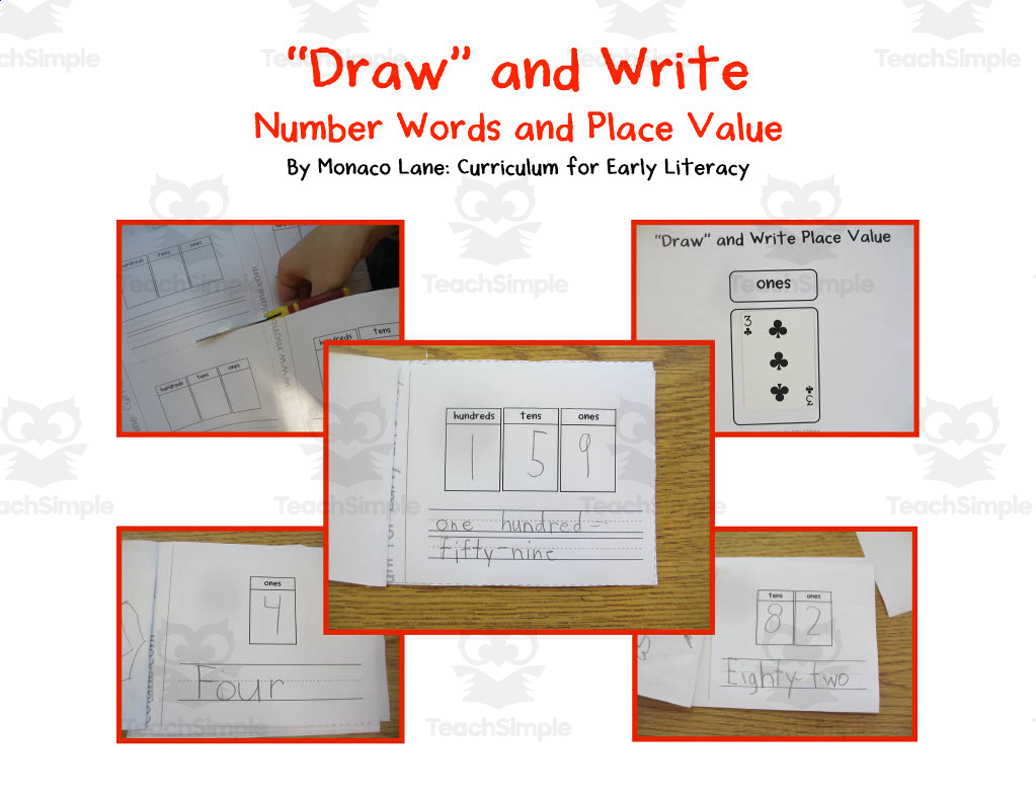
Teach place value (ones, tens, hundreds, thousands) and how to write matching number words, through an assembled mini booklet and a place-value card game.
A pair-work speaking board game giving students practice with the structure "Would you rather A or B?" through interactive pair-work question prompts.