 Free download
 Thinking & group games
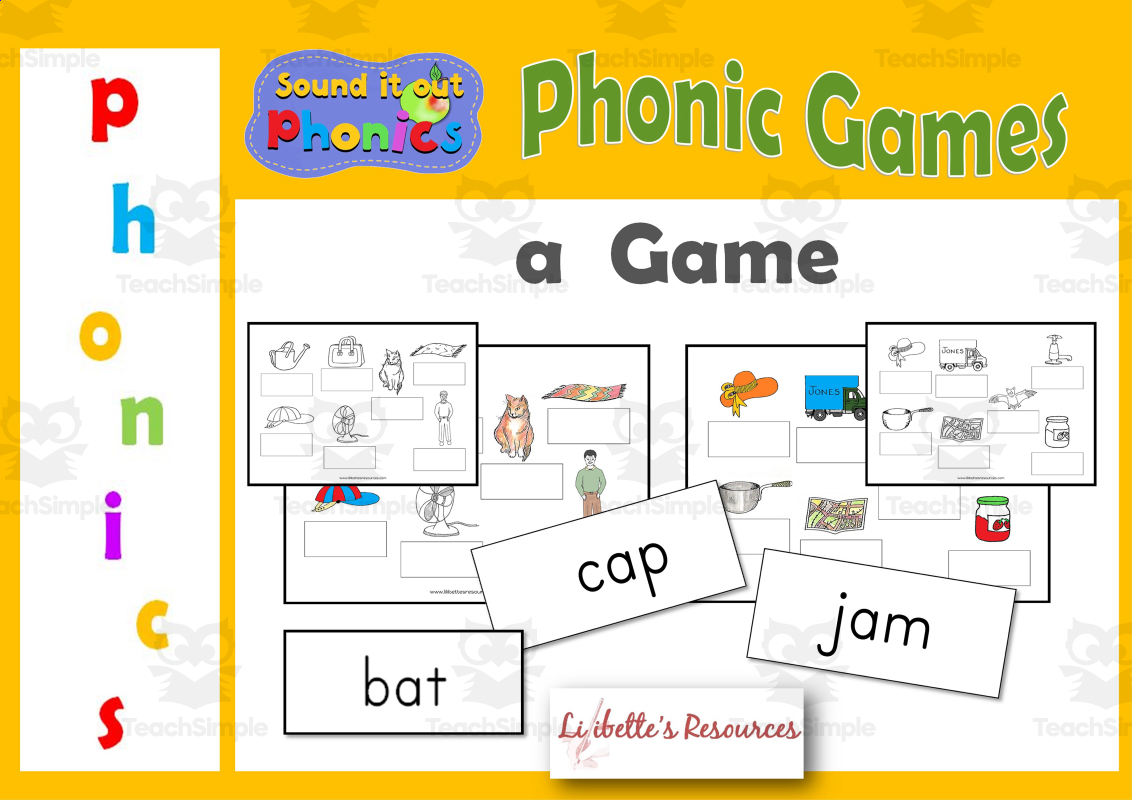
CVC Words Phonic Matching Game: A
A two-player matching board game to help children learn to blend and read three-letter CVC words with the short vowel sound 'a'.




Classroom resources
Browse by lesson focus
Choose the topic or kind of practice you need.
Showing 865–888 of 1687 resources

 Show filters Free download
 A two-player matching board game to help children learn to blend and read three-letter CVC words with the short vowel sound 'a'.

Match pizza-slice fraction pieces (1/1 through 1/10) to corresponding fraction, decimal, or percentage placemats, or combine pizza slice pieces to build one whole pizza; can also be used for flashcards, tracing, or number/fraction counting.
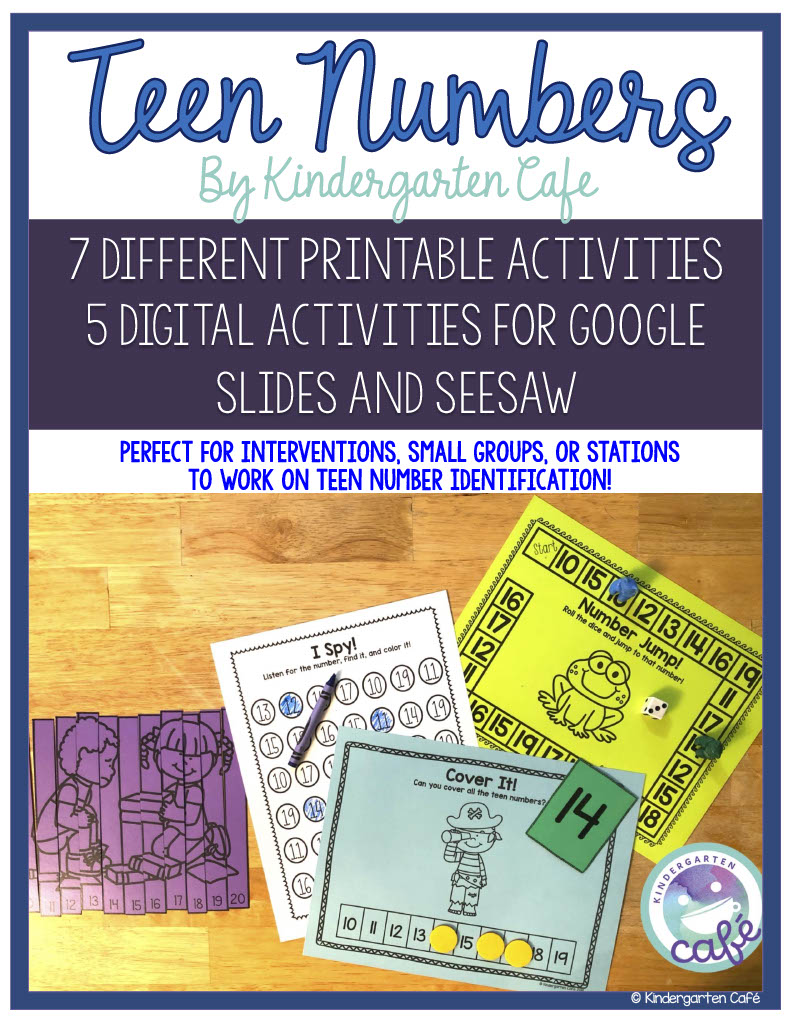
A bundle of 7 printable/digital math games and an assessment to practice teen number (10-20) identification, usable for interventions, small groups, or stations.
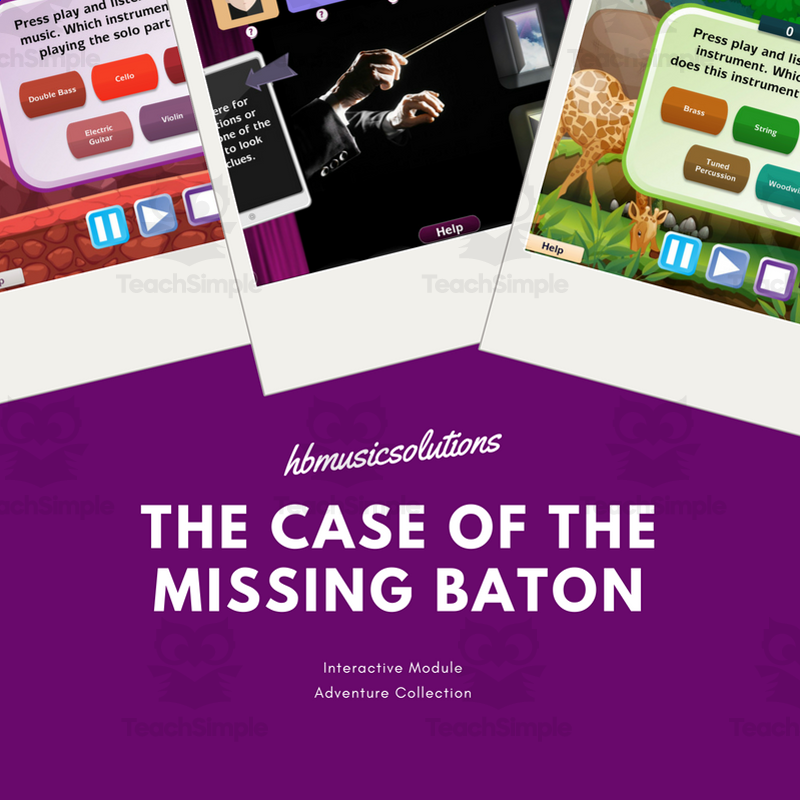
Launch the interactive e-learning module (via tablet, computer, or web link) and solve clues across 4 topics (instrument families, solo instrument featured, instrumental techniques, and articulation) to identify which of 5 suspects stole the baton, using instrumental sound clips and on-slide help.
![Fry Sight Words, I Have Who Has Game, Flash Cards, 201-300, [SET 2] teaching resource preview](https://teachsimplecom.s3.us-east-2.amazonaws.com/images/fry-sight-words-i-have-who-has-game-flash-cards-201-300-set-2/image-1673361149242-1.jpg)
Each student reads the word on the 'I Have' side of their card aloud, then listens for the matching word named under 'Who Has?' on another card, and the group passes the loop around reading cards in sequence until it returns to the start.
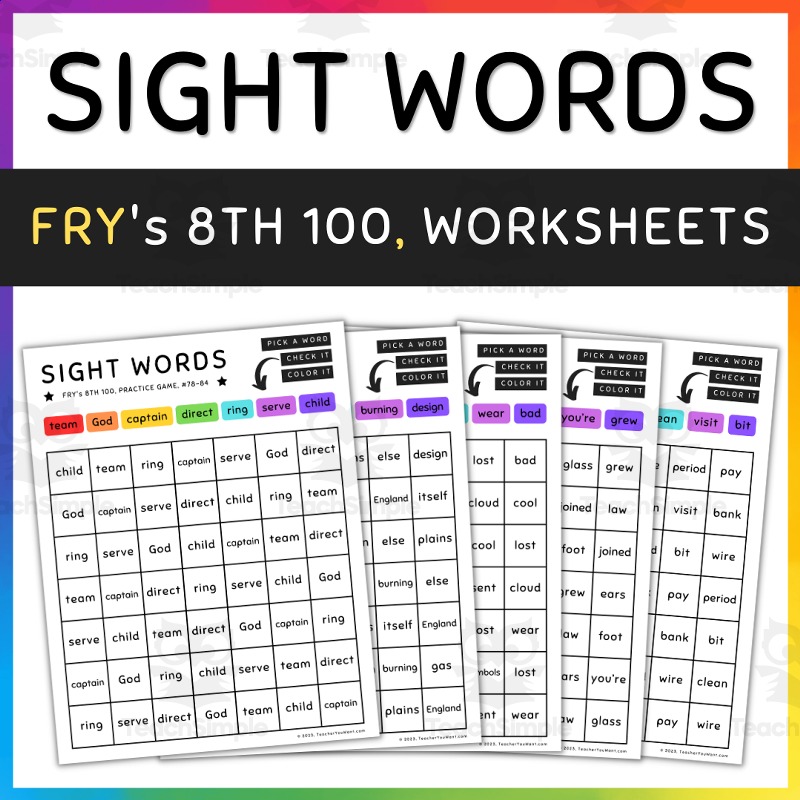
For each of several word sets (e.g., row/least/catch/climbed/wrote/shouted/continued), scan repeated grids of the same 7 words arranged in different orders, pick/find a target word, check it off, and color it in each occurrence across the grid.
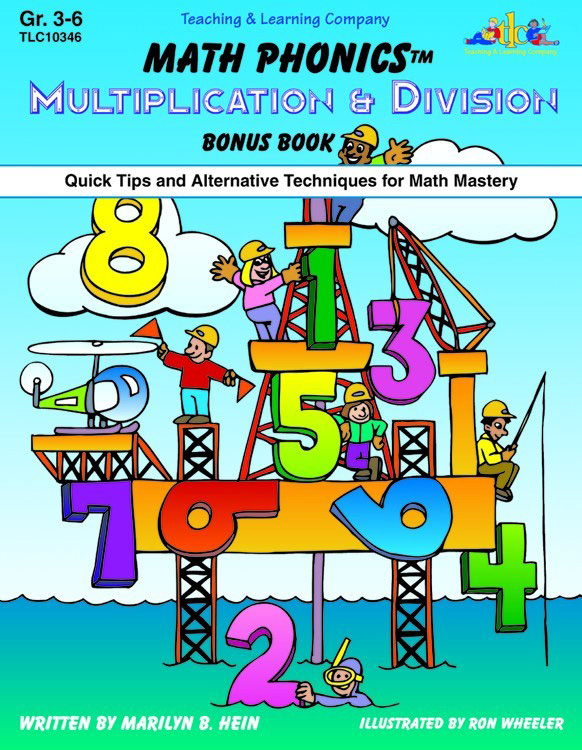
Work through lesson-plan sequences and complete accompanying worksheets, flash cards, wall charts, and game-based activities (e.g., 'Are You Stumped?' wall chart, Three-Way Flash Cards, 'Divisor Racko Cards', 'Math Art' worksheets, 'Treasure Trove Island') to practice multiplication and division facts by number family (2s through 12s).
Students complete worksheet activities identifying states/properties of matter, tracing energy and food chains, mapping matter cycles in ecosystems, and observing Earth-in-space patterns, then play accompanying review games.
![Fry Sight Words, I Have Who Has Game, Flash Cards, 501-600, [SET 2] teaching resource preview](https://teachsimplecom.s3.us-east-2.amazonaws.com/images/fry-sight-words-i-have-who-has-game-flash-cards-501-600-set-2/image-1673439778528-1.jpg)
Each student reads the word on the 'I Have' side of their card aloud, then listens for the matching word named under 'Who Has?' on another card, and the group passes the loop around reading cards in sequence until it returns to the start.
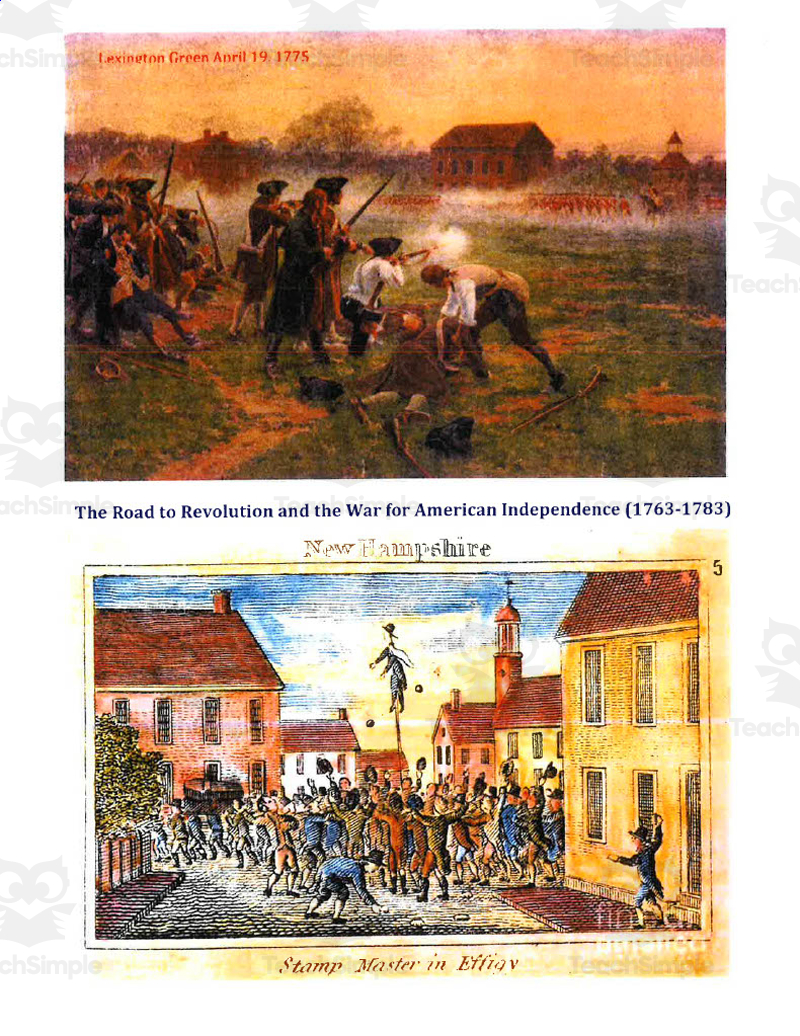
Sure, here it is: The Road to Revolution Diplomacy Game: Round #4 – The Coercive Intolerable Acts A valuable teaching resource that helps students experience the tumultuous era between the French and Indian War and the American Revolution. This activity provides an authentic learning experience for 9th-12th grade Social Studies students…
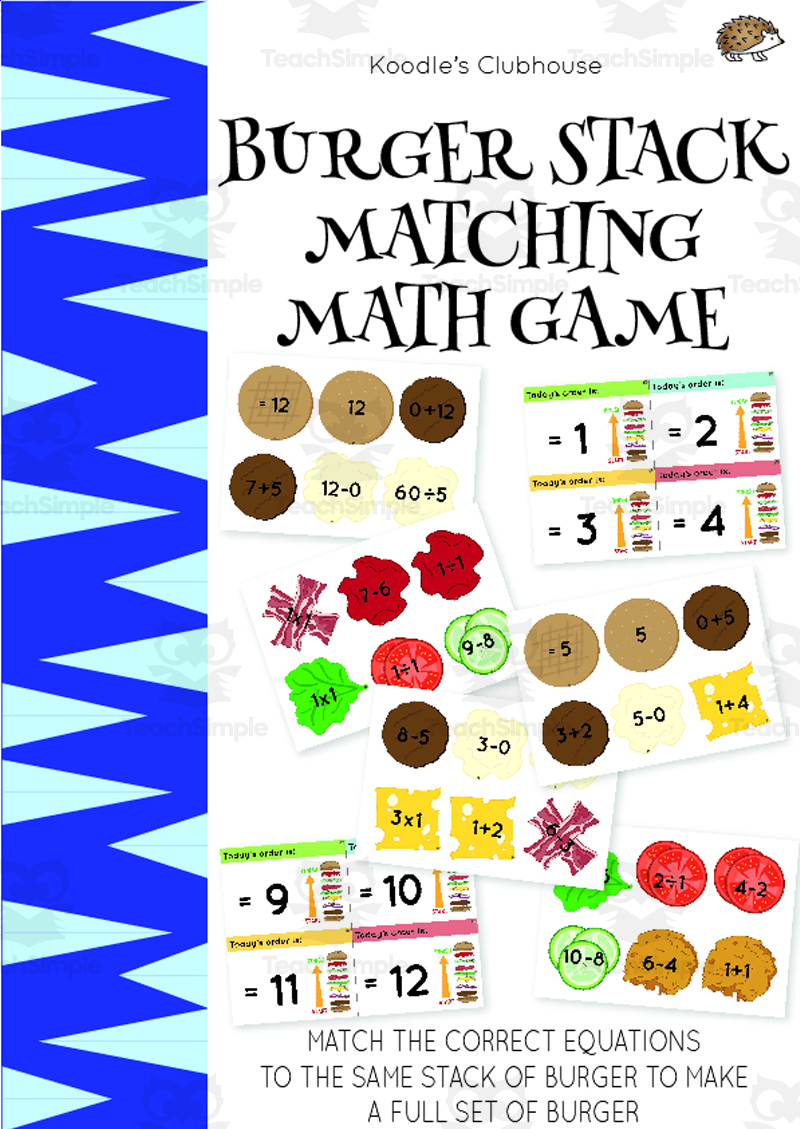
A hands-on math game where students build a stack of illustrated burger layers labeled with equations, matching them to a target-number task card, practicing addition, subtraction, multiplication, and division facts to 12.
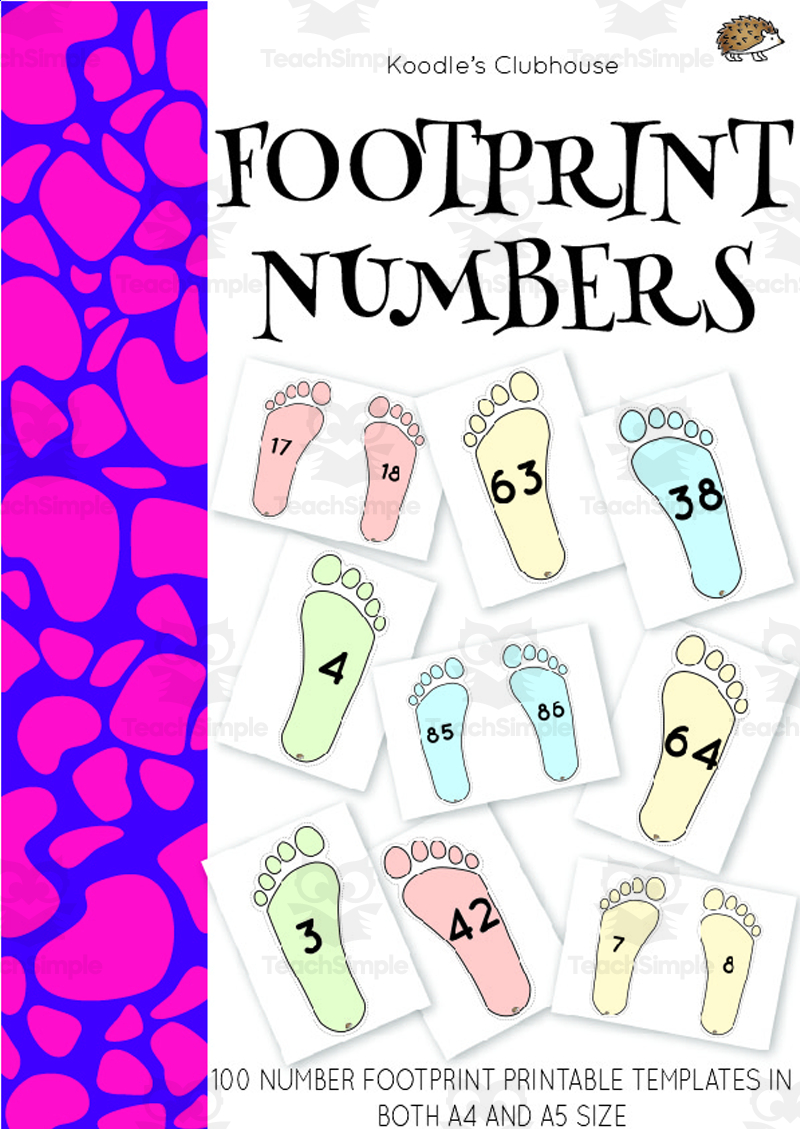
Step on number footprints in sequence to practice counting to 100, counting by 5s or 10s, or simple addition/subtraction, typically in an outdoor area or gym.
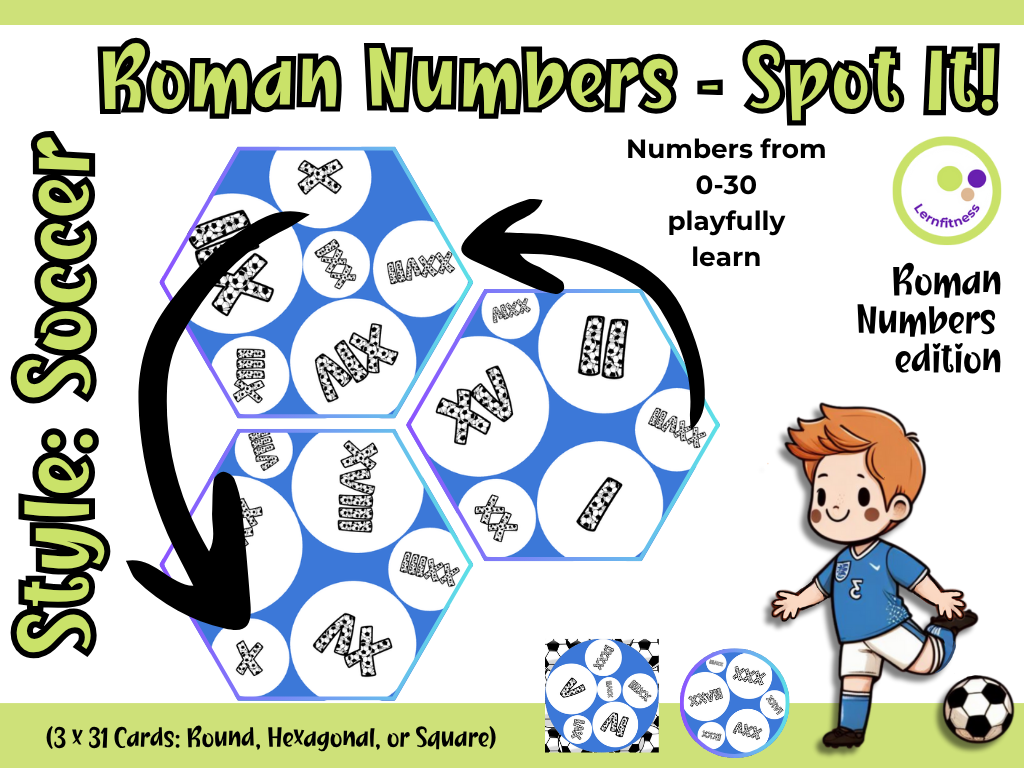
Roman Numerals – Math Count Game (Soccer Style) Similar to Dobble / Spot it! A fun, fast-paced classroom game for learning Roman numerals (grades 3–6) ⚽🧠 This printable classroom game helps students practice and recognize Roman numerals in a playful, engaging way. Based on the well-known “Find the Twin” game format…
![Fry Sight Words, I Have Who Has Game, Flash Cards, 601-700, [SET 2] teaching resource preview](https://teachsimplecom.s3.us-east-2.amazonaws.com/images/fry-sight-words-i-have-who-has-game-flash-cards-601-700-set-2/image-1673444646535-1.jpg)
Each student reads the word on the 'I Have' side of their card aloud, then listens for the matching word named under 'Who Has?' on another card, and the group passes the loop around reading cards in sequence until it returns to the start.
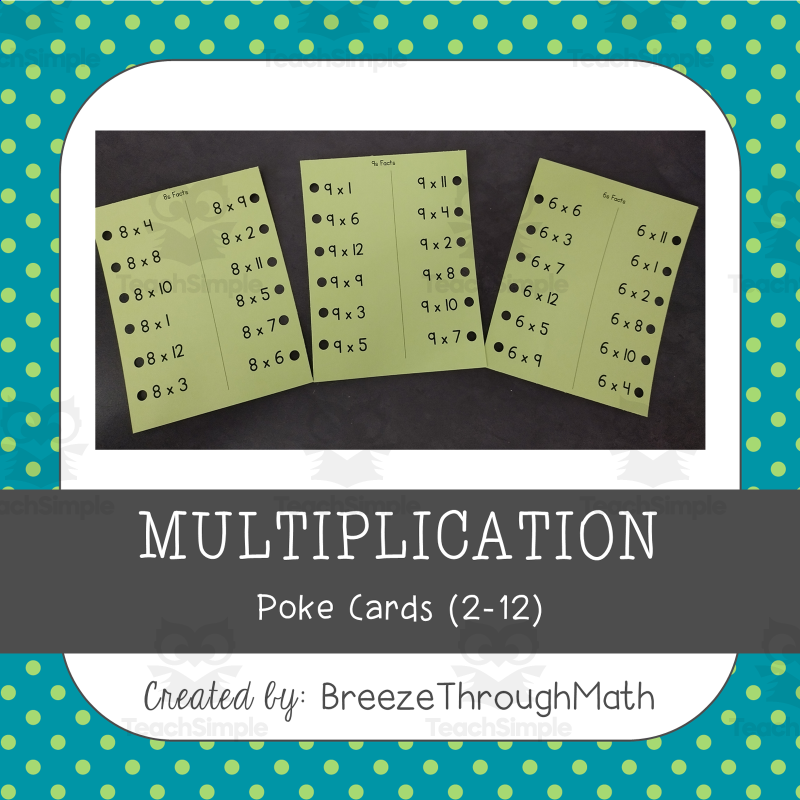
Working in pairs, one student reads a multiplication fact aloud and answers it while the partner pokes a pencil through a hole on the answer side to check/reveal the answer; students switch roles after finishing a card.
 Free download
 An interactive PowerPoint quiz game where students fill in the missing letter to complete a CVC word.
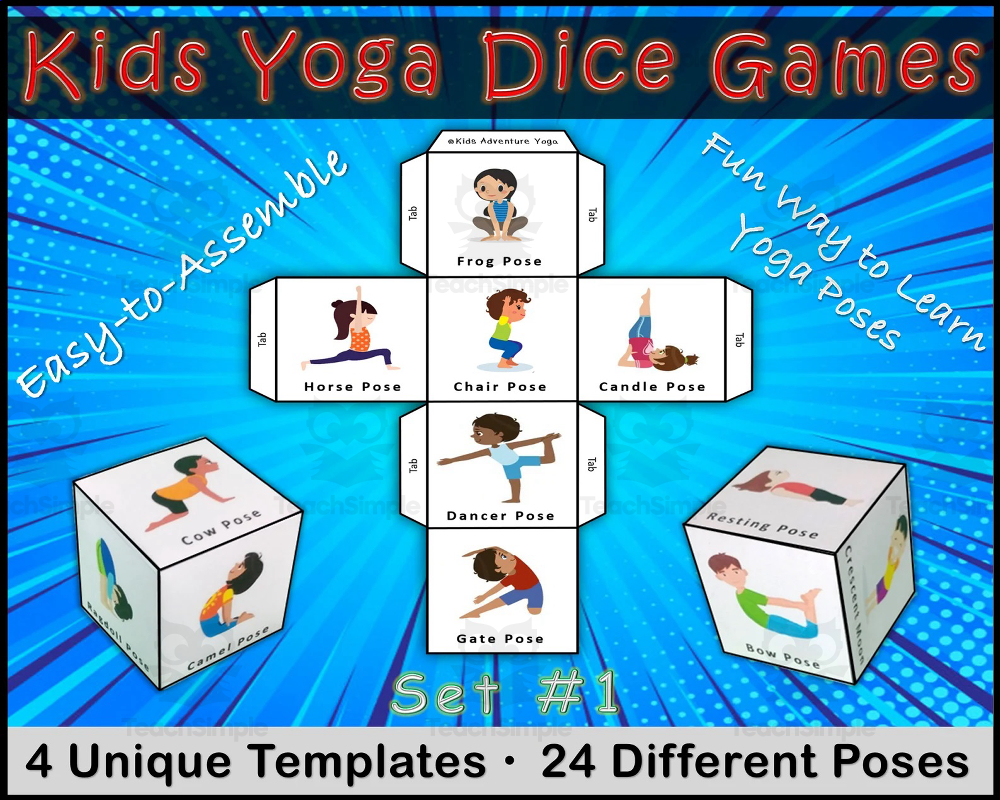
A build-your-own foldable dice game for practicing 24 named yoga poses.
 Free download
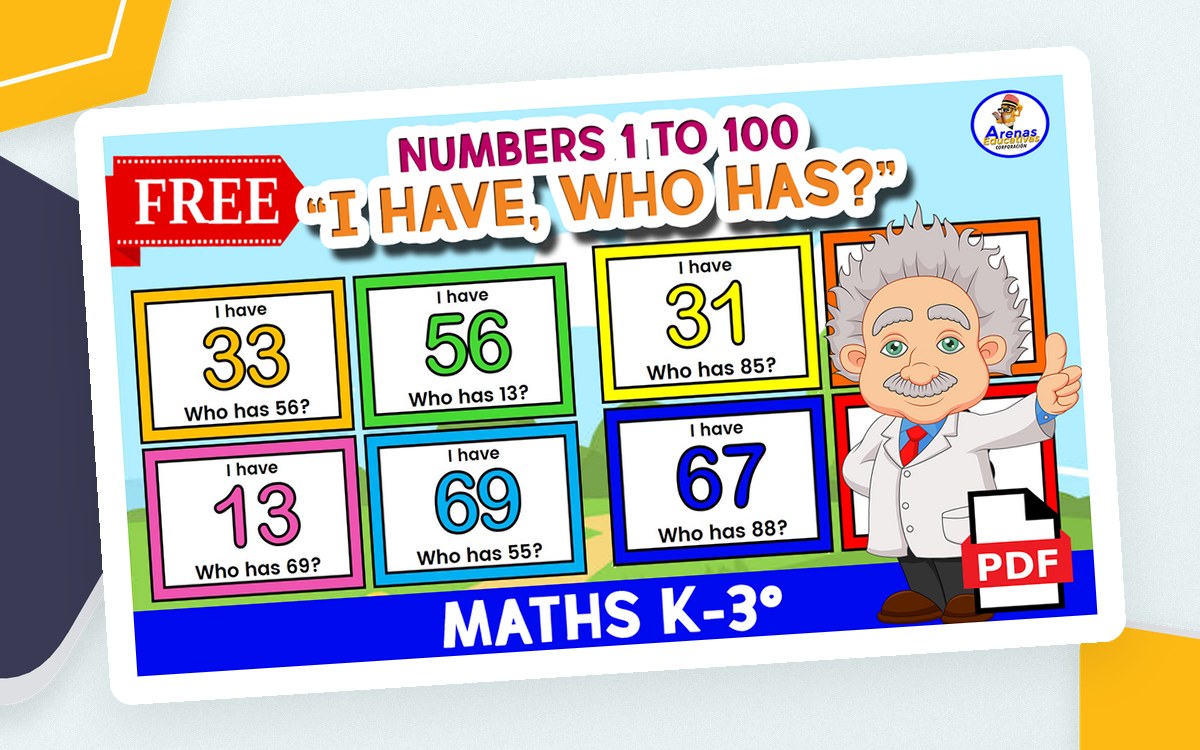
 Practice recognizing numbers from 1 to 100 with an I Have, Who Has? classroom game.
 Free download
 Match domino tiles so each multiplication problem (e.g., 2x1) connects to its correct product on an adjoining tile, forming a chain from START to FINISH.
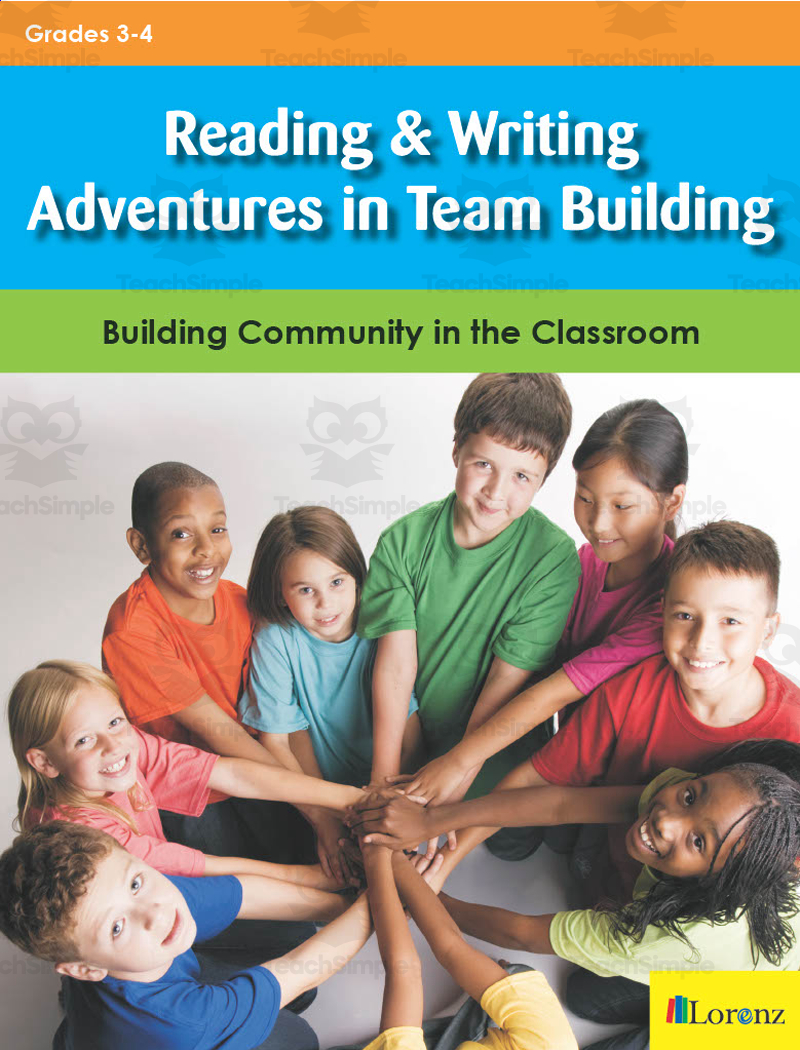
Work in randomly-assigned teams to complete language-arts-based team activities: write detailed object descriptions for teammates to guess (Creative Clues), write a magazine-photo character introduction using adjectives, compete to write alliterative sentences using letter cards within a time limit (All Alliteration), and write a…
 Free download
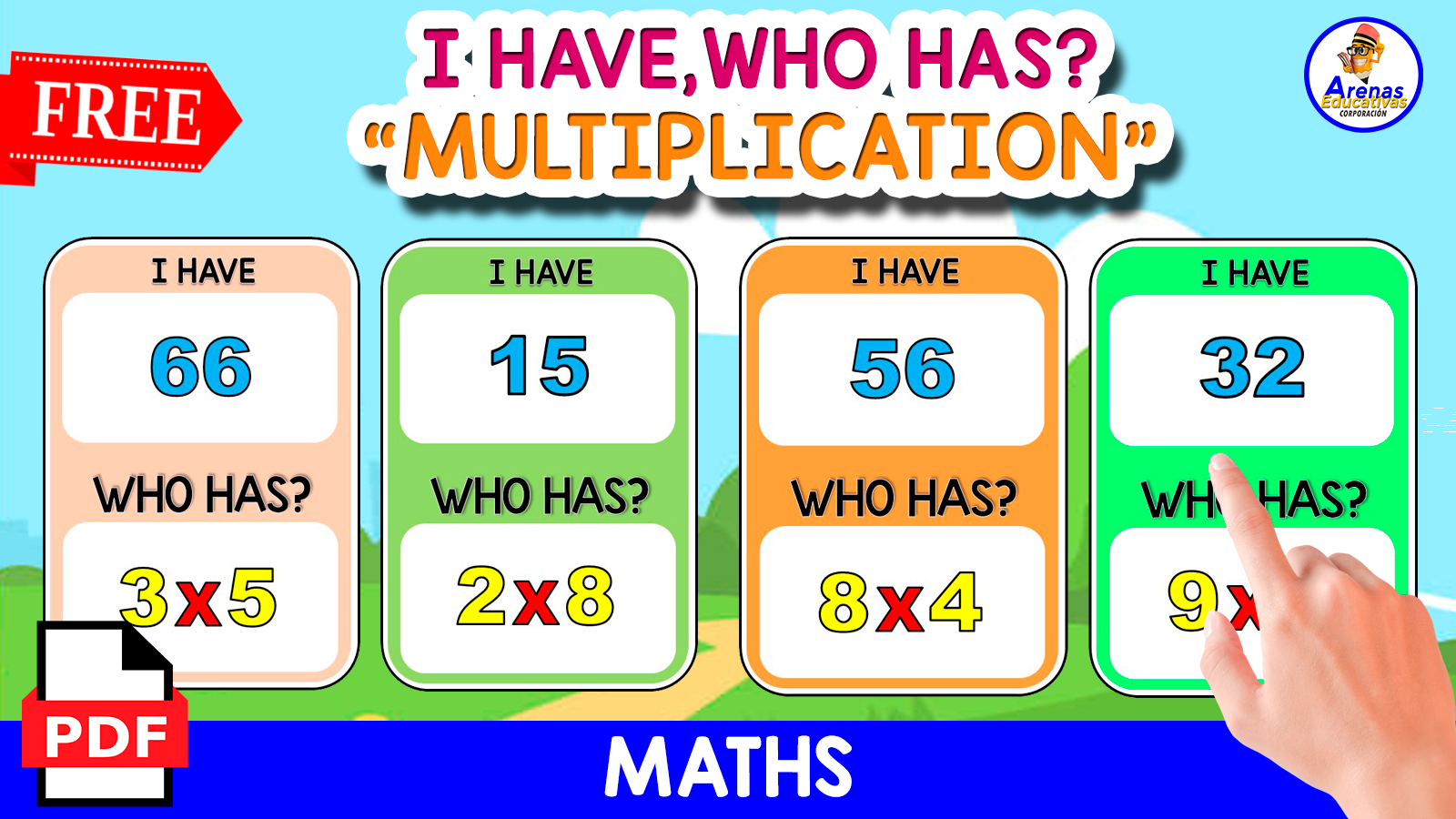
 Each student reads the product they "have," then asks "Who has [the next multiplication expression]?"; play continues until the loop of facts closes back to the start.
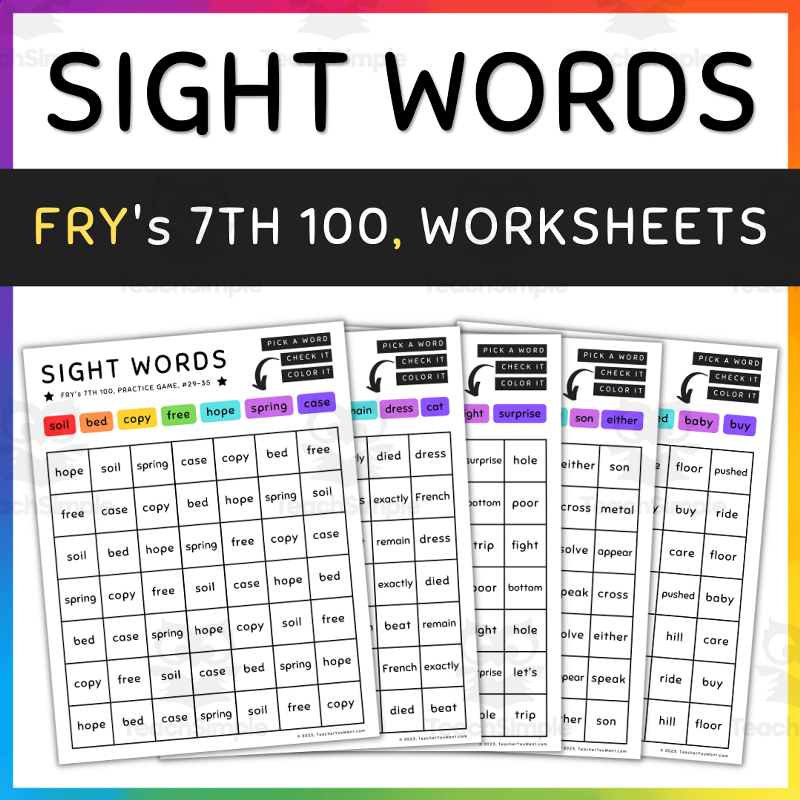
Pick a target word from a word bank, find and check off/mark each occurrence of that word within a grid of scrambled words, then color it.
 Free download
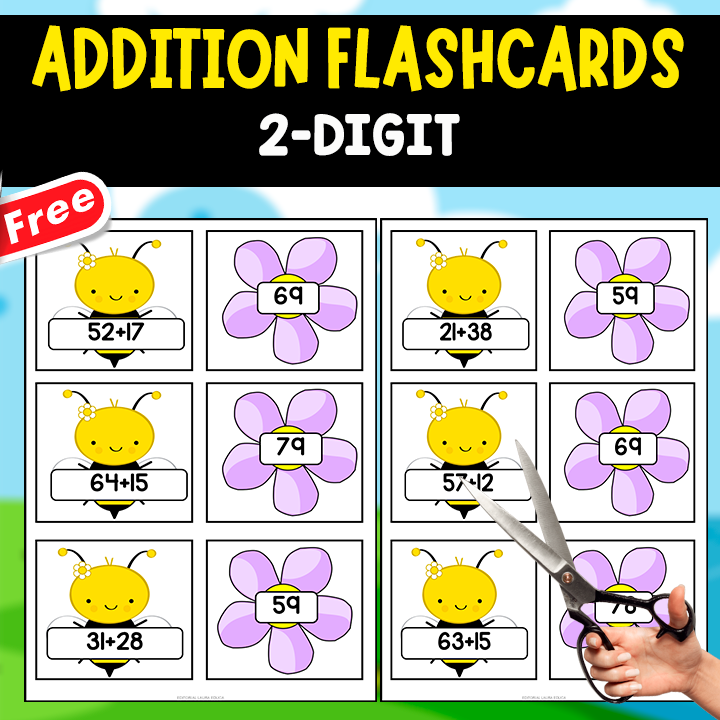
 Match addition problem cards to their answer cards in a memory/matching game (e.g., 23+14 = 37).
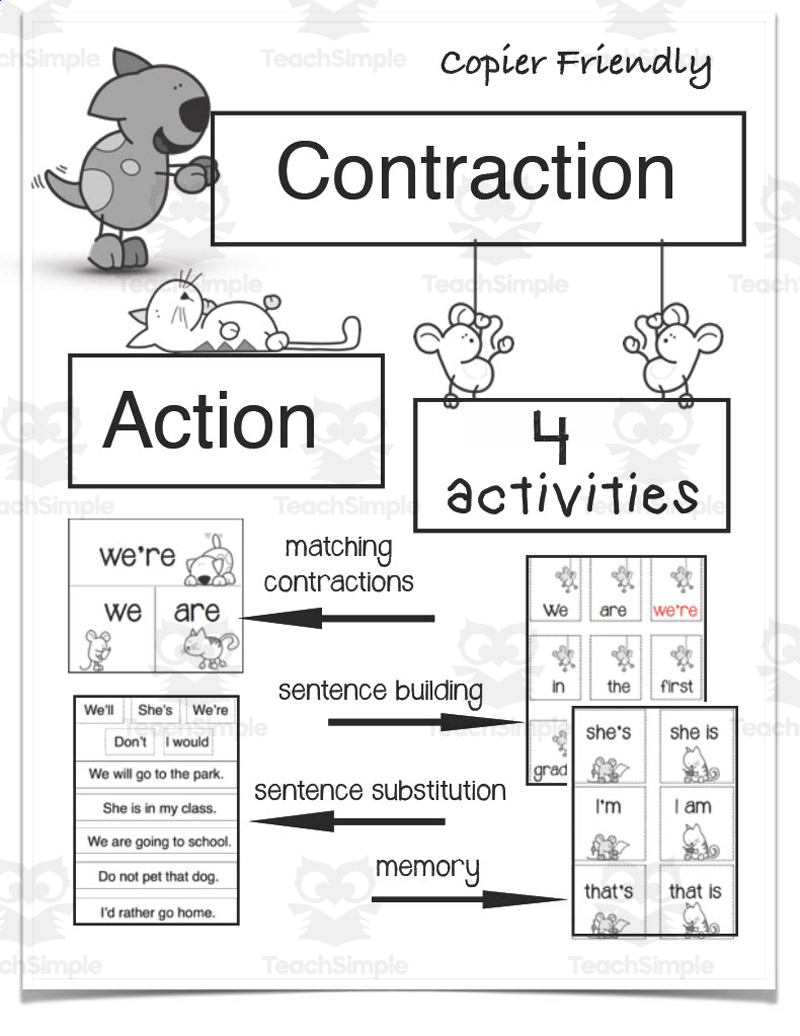
Match contraction cards to their two-word expanded forms (e.g. 'don't' to 'do not'); build/substitute sentences using contractions; play a memory-matching game with contraction/expanded-form pairs.