Thinking & group games
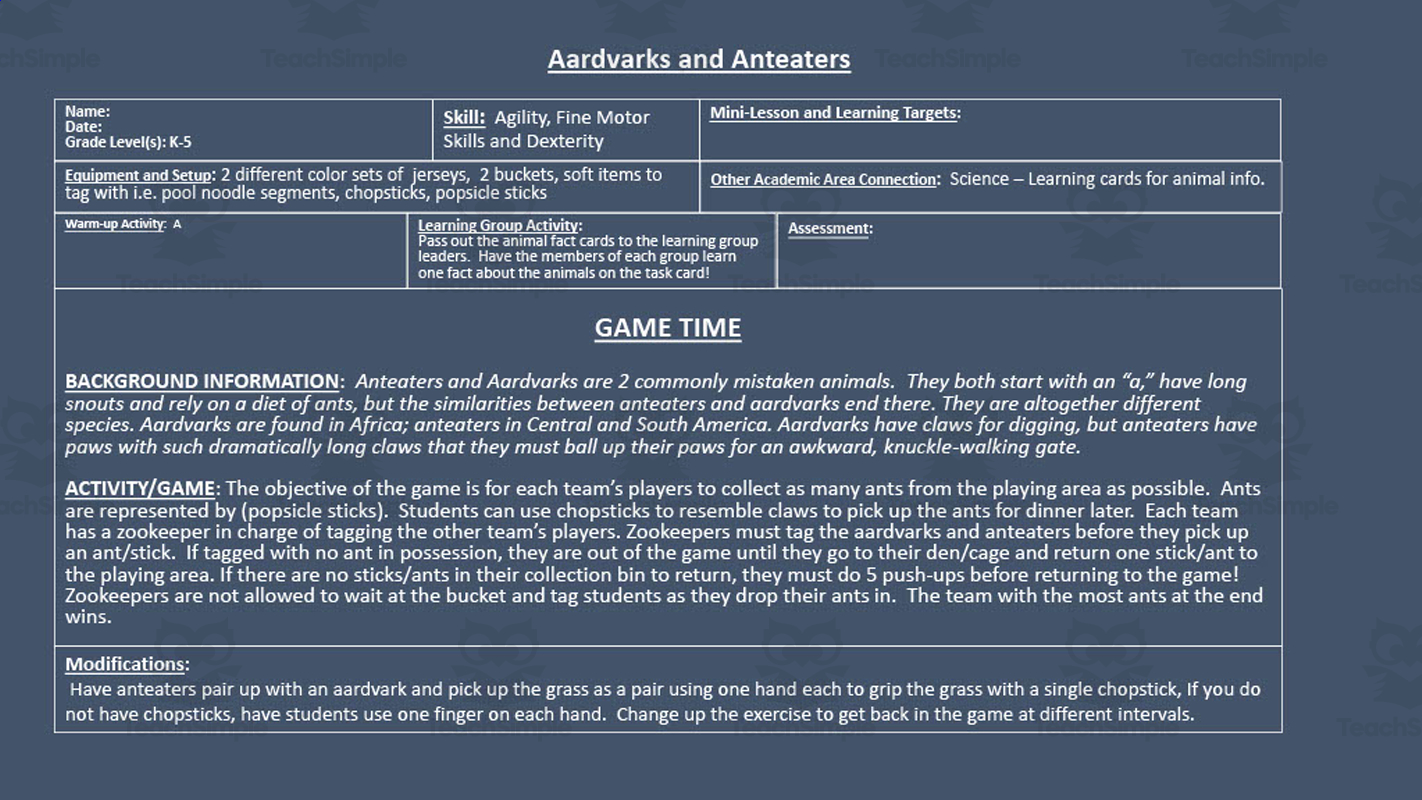
Physical Education Game: Aardvarks and Anteaters
A physical education tag game teaching agility, fine motor skills/dexterity, and animal science facts about aardvarks and anteaters.


Classroom resources
Browse by lesson focus
Choose the topic or kind of practice you need.
Showing 817–840 of 5095 resources

 Show filters
A physical education tag game teaching agility, fine motor skills/dexterity, and animal science facts about aardvarks and anteaters.
 Free download
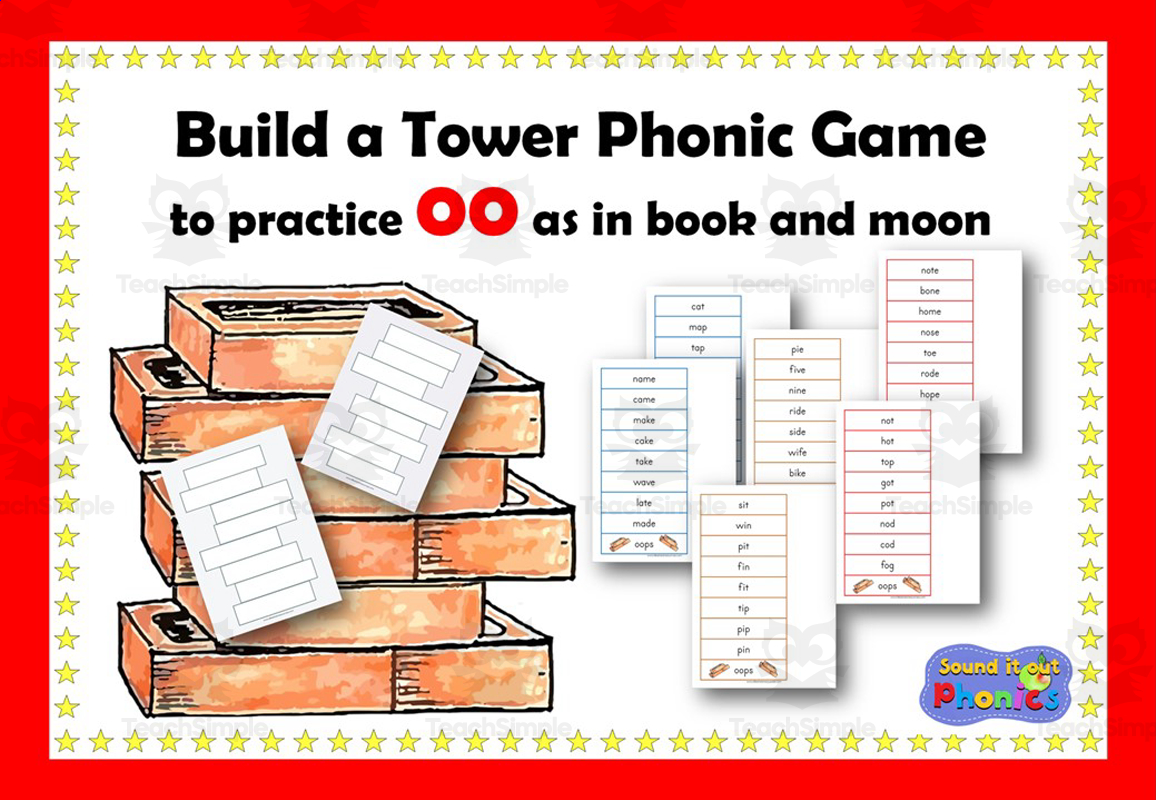
A phonics board-style game that gives students practice reading words containing the 'oo' sound (both long, as in 'moon', and short, as in 'book').
 Free download
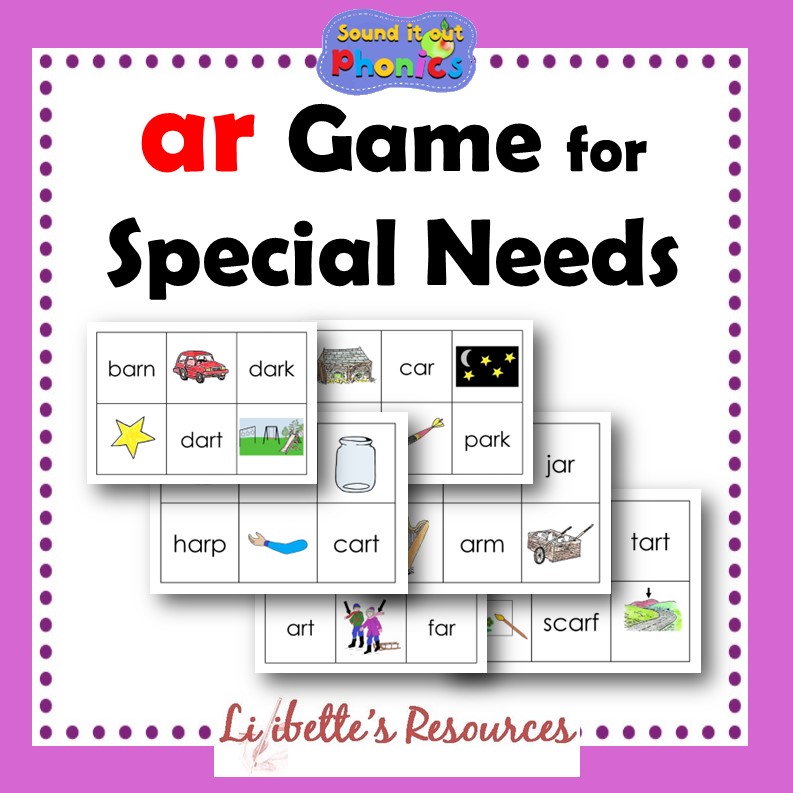
This is a phonics AR game to help children, especially those with special needs, read words with the digraph 'AR'. Who can use this AR game? Any who need to use the digraph ar! But it is especially for those with special needs: games can take the pressure out of learning to read, especially for those who have become despondent or are reluctant for any…
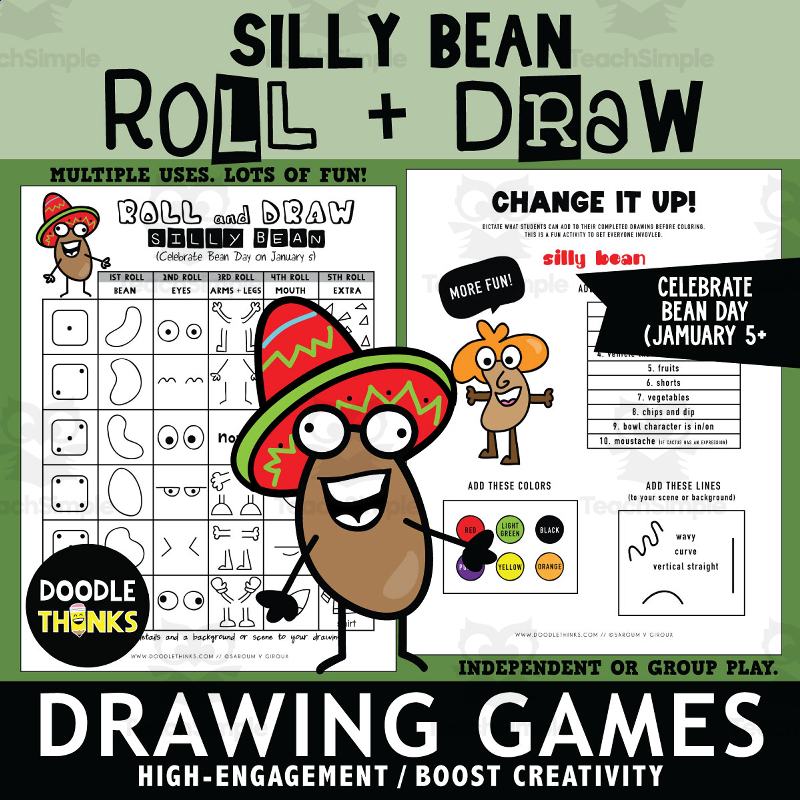
A no-prep, self-directed dice-based drawing game themed around January 5 'Bean Day,' where students roll a die to determine features to add to a silly bean character drawing.

A 'find the pair' (memory-match) card game reviewing plant anatomy and photosynthesis vocabulary for middle-school science, played in teams of three or four.
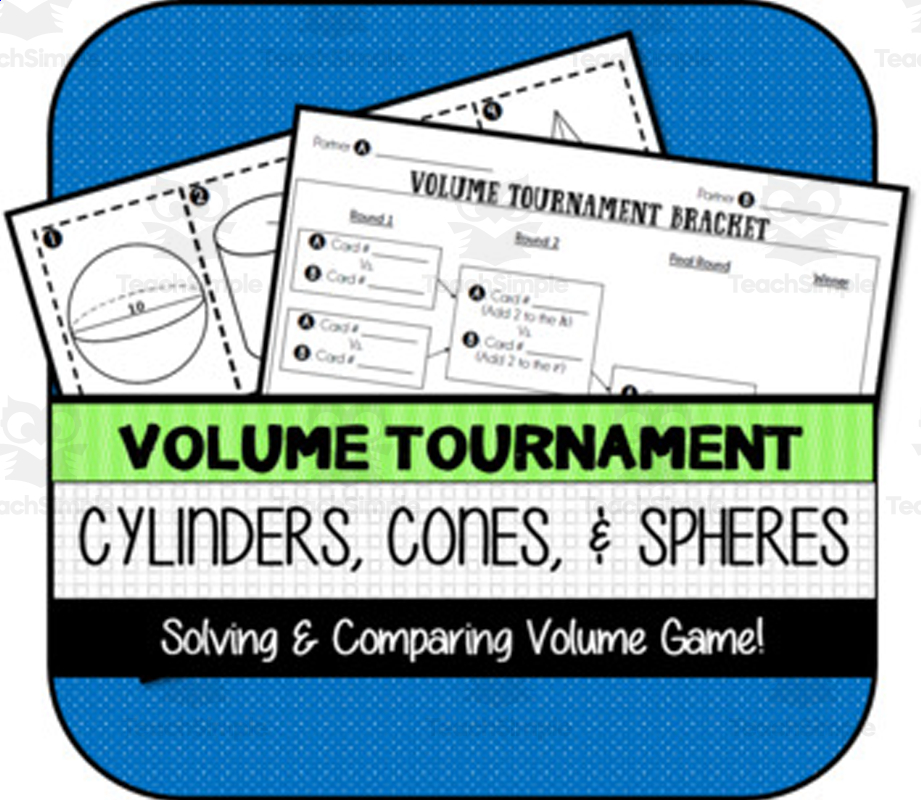
A partner card game/bracket tournament in which students calculate and compare the volumes of cylinders, cones, and spheres shown on cards to advance through rounds.

Provide a single, reusable partner game for practicing high-frequency words, suited to interventions, small groups, or literacy stations.

Practice recognizing and reading Fry high-frequency sight words 401-500 using a self-checking 'I Have... Who Has?' loop card game.
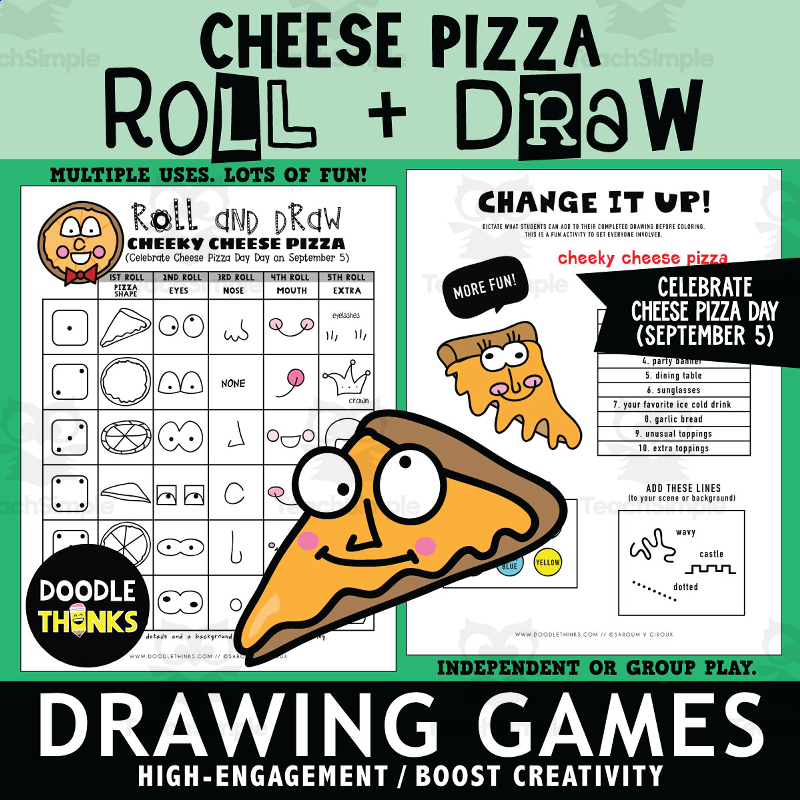
A dice-based drawing game where students build a pizza-face or topping character one roll at a time, celebrating Cheese Pizza Day (September 5).
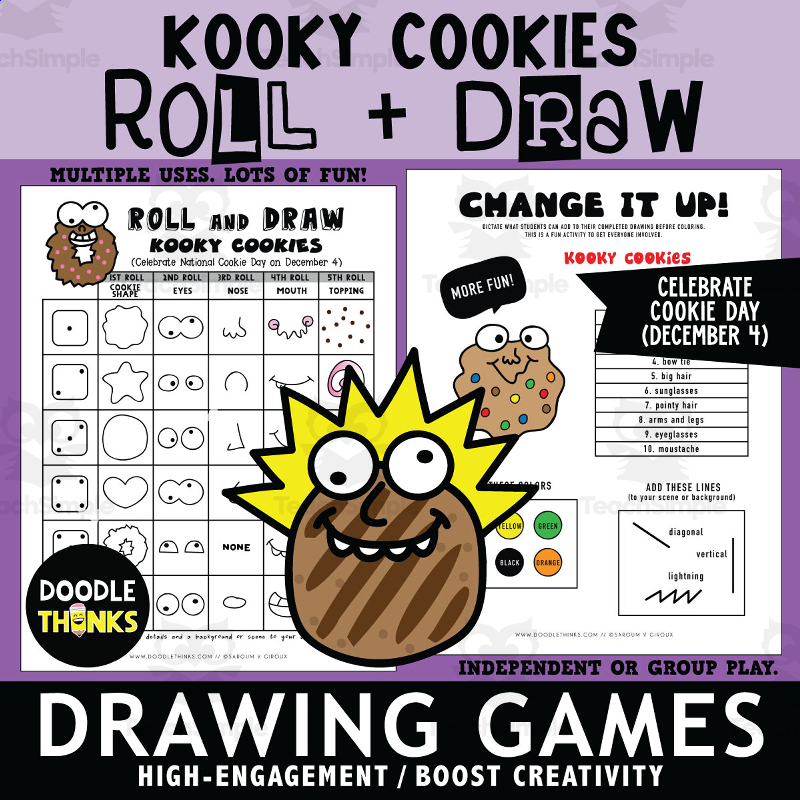
A no-prep, self-directed roll-and-draw drawing game themed around National Cookie Day (December 4) where students build a "kooky cookie" drawing based on dice rolls.
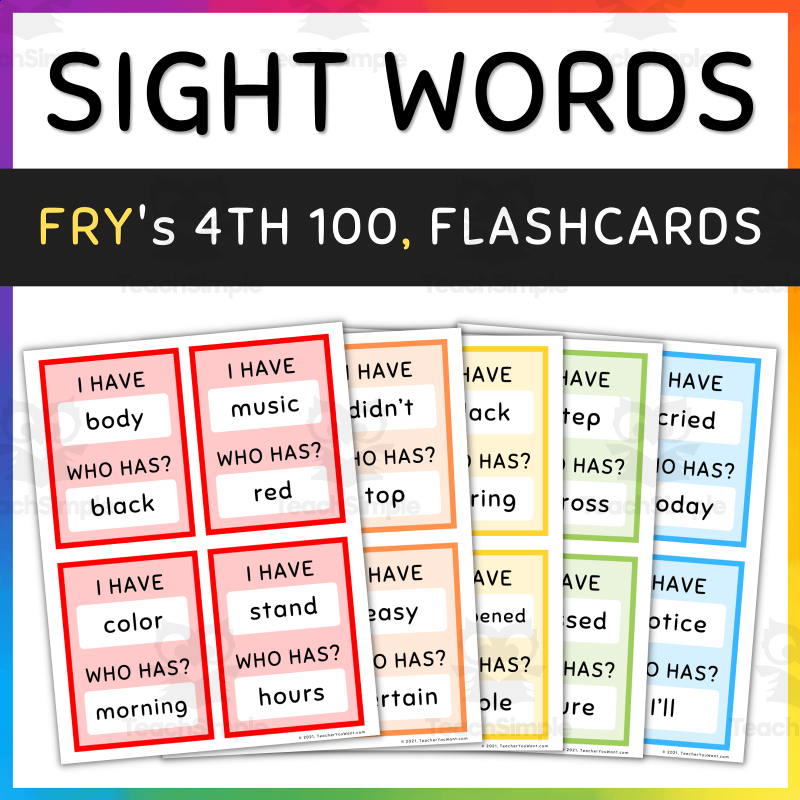
Practice recognizing and reading Fry high-frequency sight words 301-400 using a self-checking 'I Have... Who Has?' loop card game.

A whole-class decimal place-value game in which students try to build the largest or smallest possible decimal number as digits are randomly generated one at a time.
 Free download
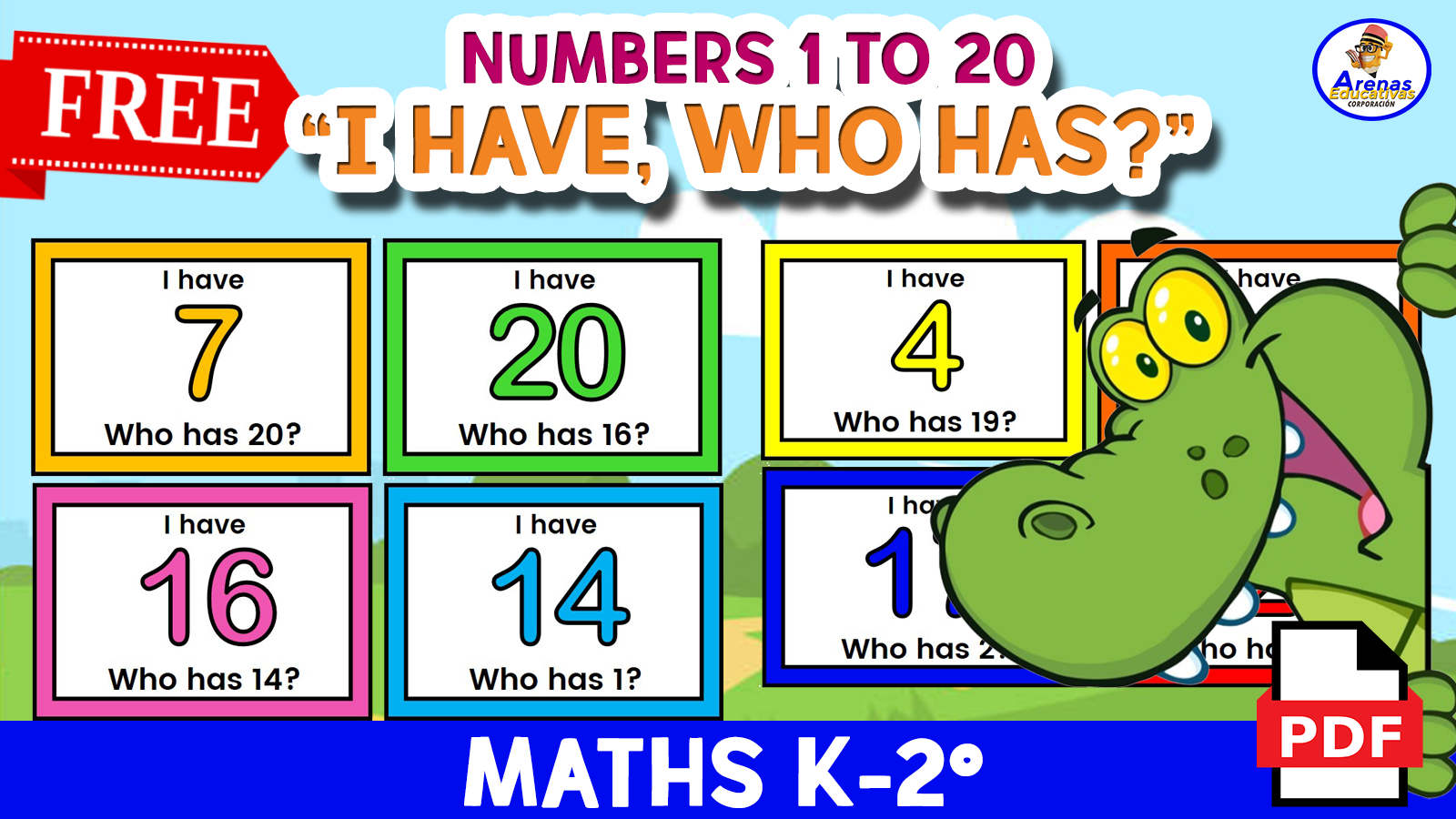
An "I Have, Who Has?" chain card game for practicing recognition and sequencing of numbers 1-20 (digit form).
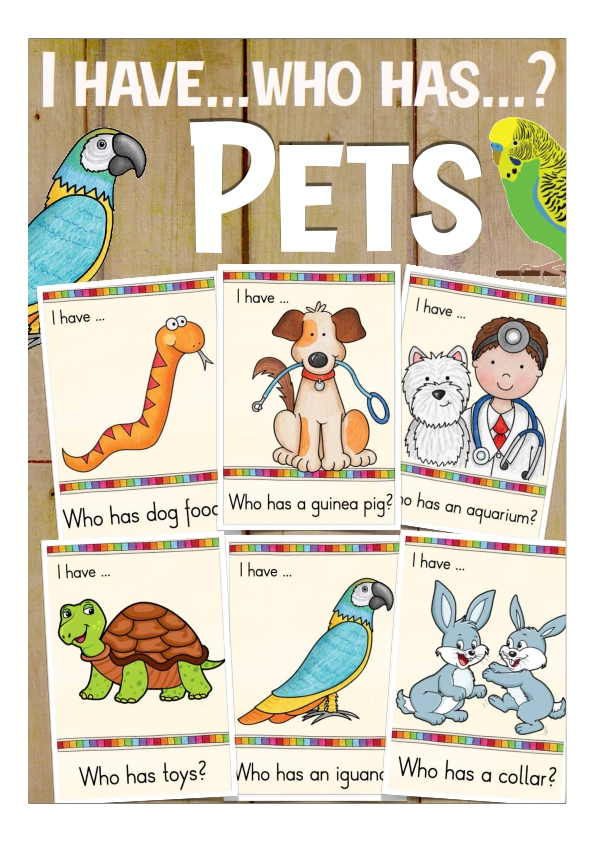
An "I have, who has" chain-style card game for whole-class or small-group vocabulary review.
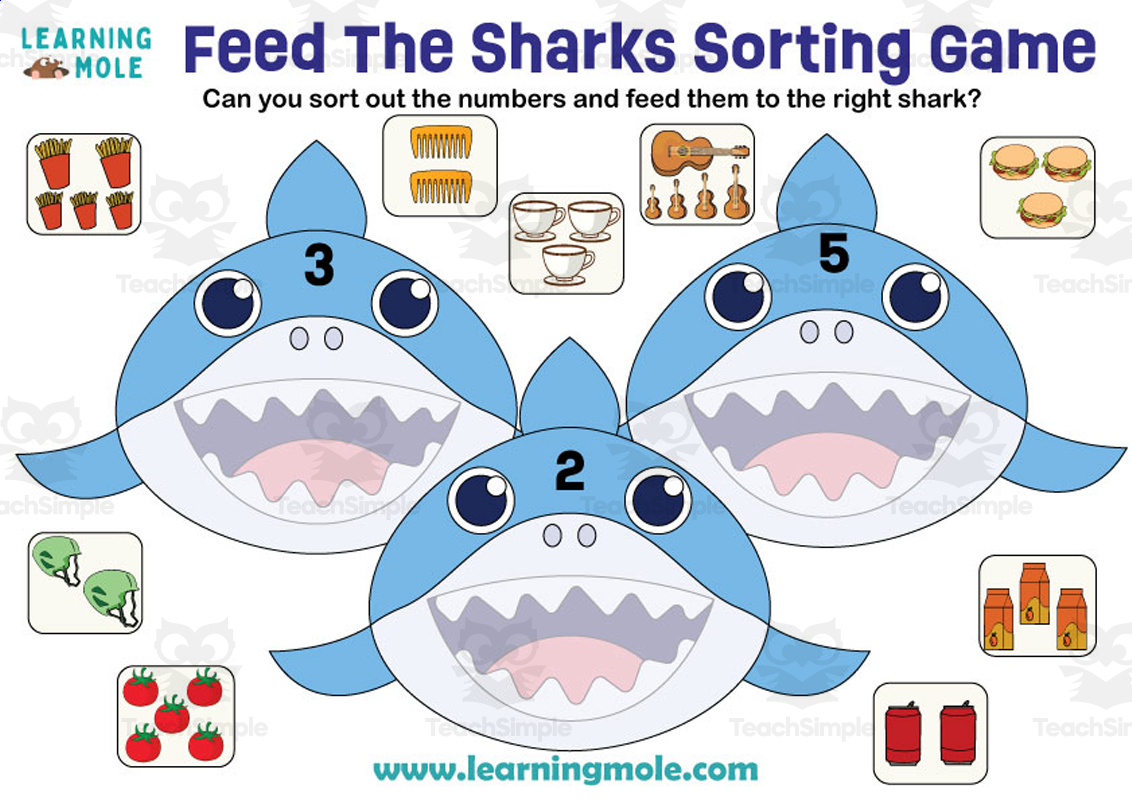
A single-page number sorting game where students sort numbers and 'feed' them to the correct shark based on a sorting rule shown on the page.
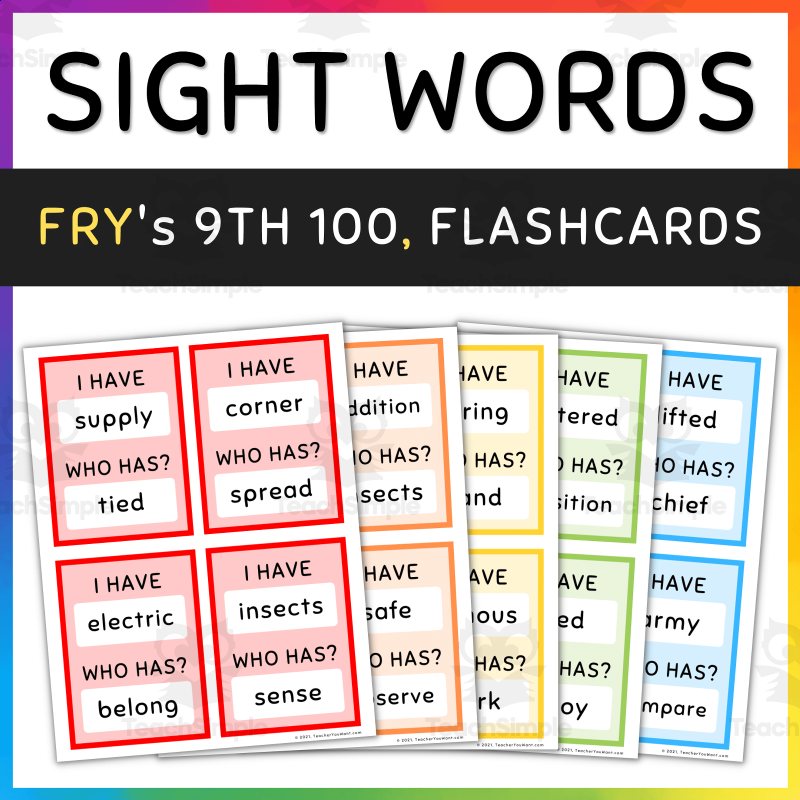
Practice recognizing and reading Fry high-frequency sight words 801-900 using a self-checking 'I Have... Who Has?' loop card game.
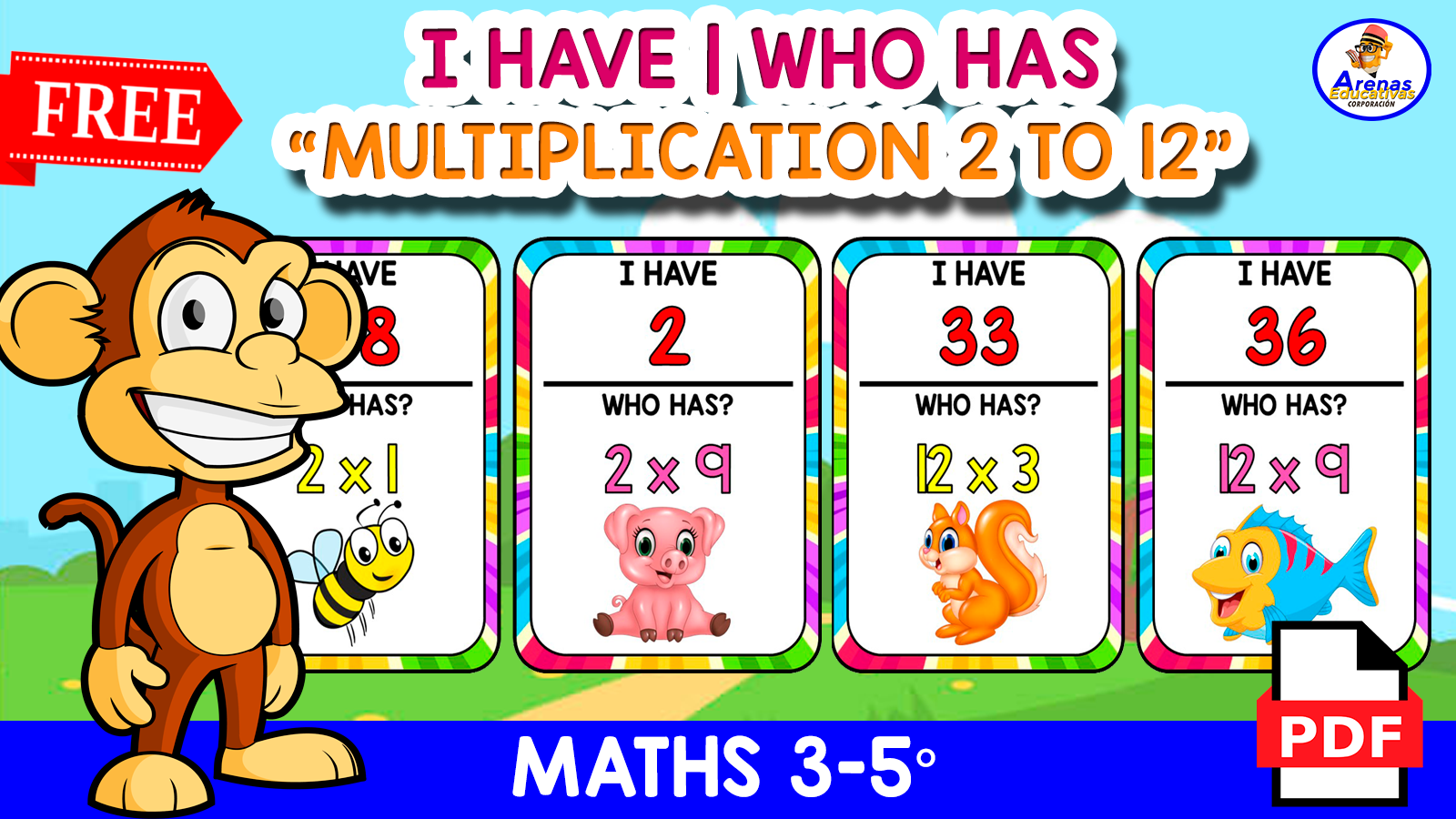 Free download
An 'I have, who has' cooperative card game for practicing multiplication facts 2 to 12.
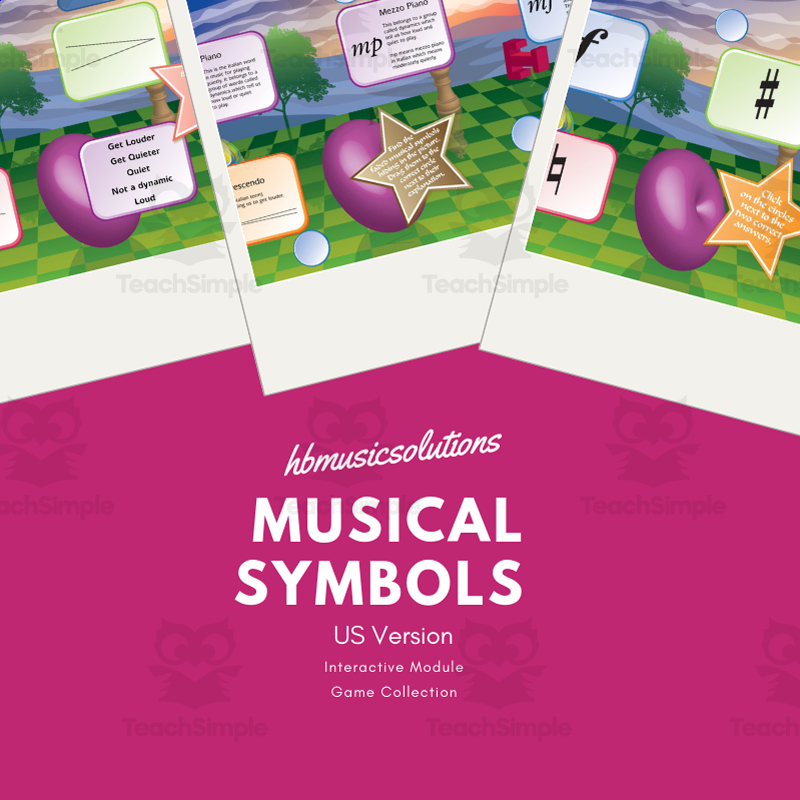
Teach recognition of music symbols and dynamics through a set of interactive games that increase in difficulty.
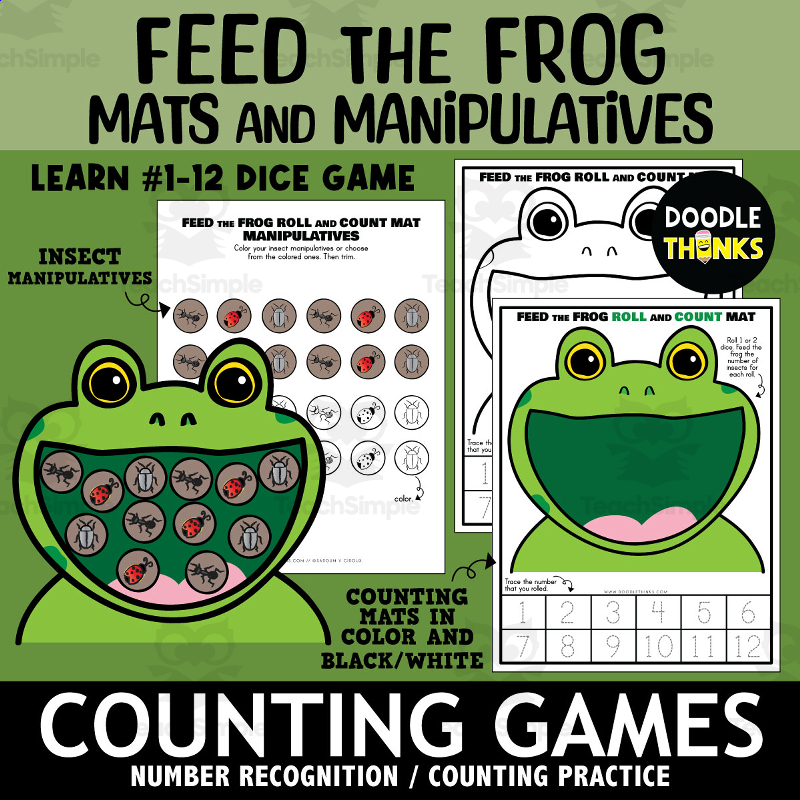
A dice-based counting game mat where students roll one or two dice and 'feed' the frog the corresponding number of insect manipulatives, practicing counting 1-12.
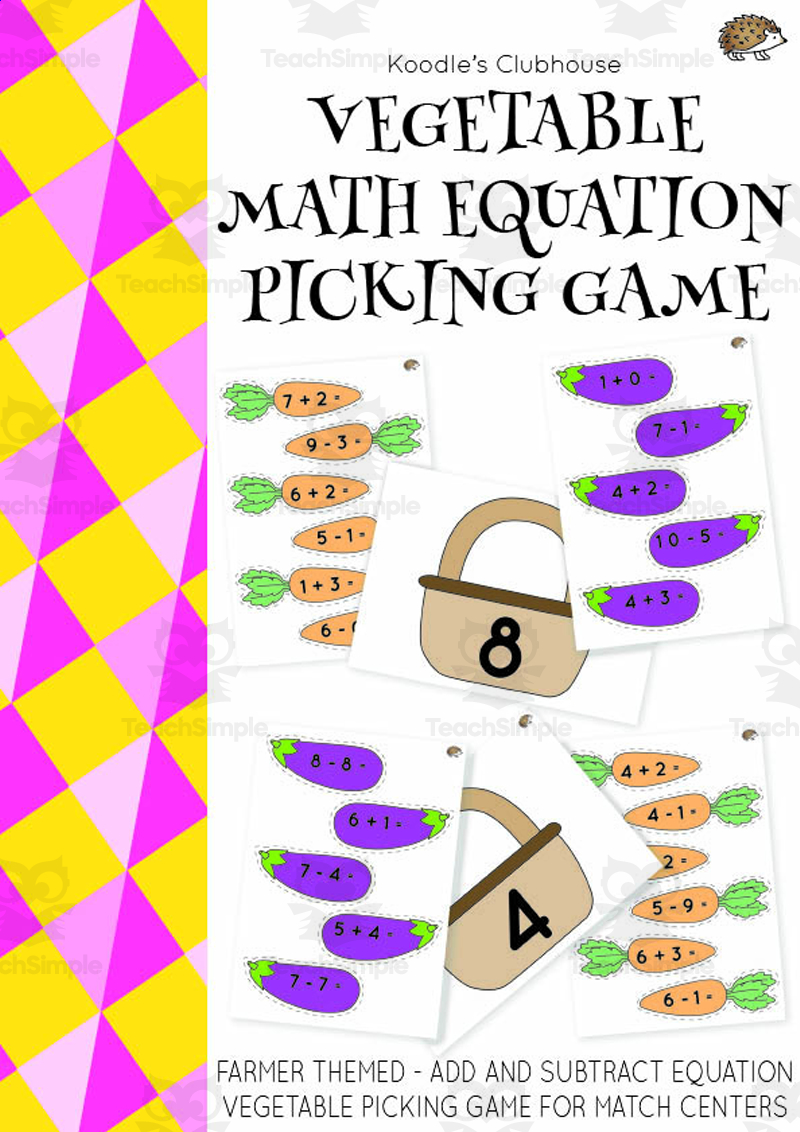
Provide hands-on practice with simple addition and subtraction equations (and number counting) through a sensory-bin picking/sorting game.
Turn a physical JENGA set into a reading-themed icebreaker game where each numbered piece corresponds to a discussion question about students' reading habits and preferences.
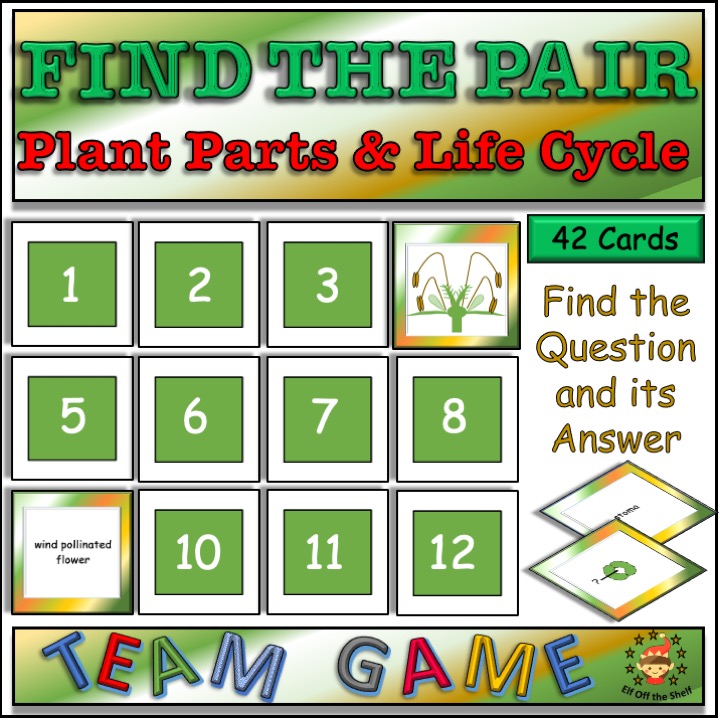
A memory/matching card game reviewing flowering plant anatomy and life cycle for middle school science, including pollination, fertilization, and seed dispersal.
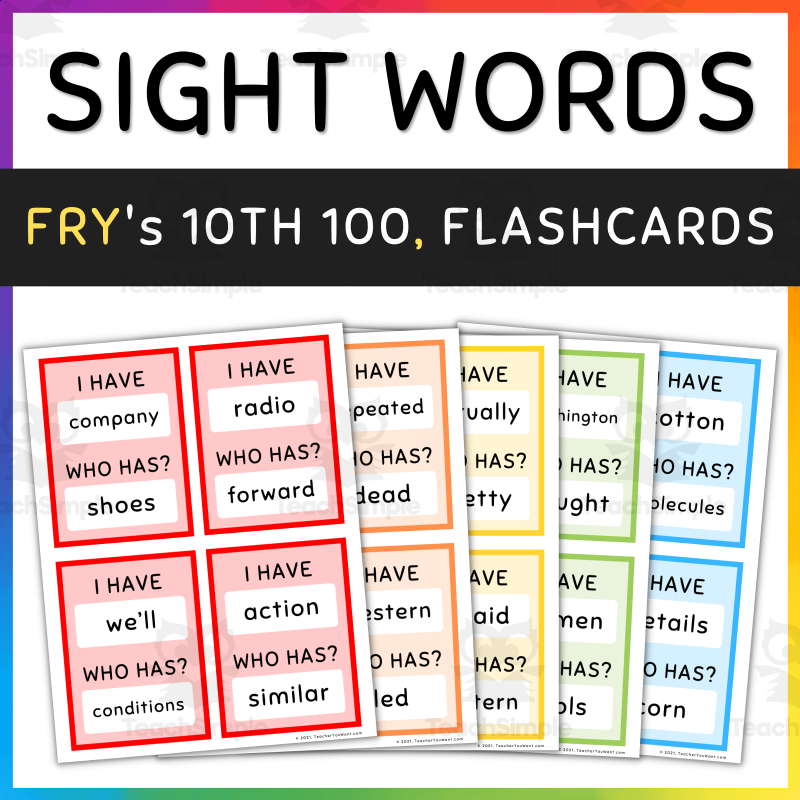
Practice recognizing and reading Fry high-frequency sight words 901-1000 using a self-checking 'I Have... Who Has?' loop card game.
A 32-card 'I have, who has' class game for practicing multiplication facts.