
Thinking & group games
Introduces The Ending CK: Play Fun Games
A phonics activity pack that teaches the 'ck' word ending through cut-and-sort games, a sentence maker, fill-in-the-gap words, and sentence-building word cards.




Classroom resources
Browse by lesson focus
Choose the topic or kind of practice you need.
Showing 1369–1392 of 1687 resources

 Show filters
 A phonics activity pack that teaches the 'ck' word ending through cut-and-sort games, a sentence maker, fill-in-the-gap words, and sentence-building word cards.

Answer a pre-knowledge prompt about what they know of Canadian government; read informational texts and answer comprehension questions (with provided answer keys) on topics including introduction to government, government of Canada, elections and political parties, roles of officials, legislation, and the…

Roll one or two dice, calculate a result using the operation(s) allowed at the current level, and cover the matching number on a game board; first to cover 3 (or more) numbers in a row wins.

Supplement a full year of Grade 6 math instruction (aligned to British Columbia standards) with real-life application worksheets, games, stations, assessments, and journal activities across 19 learning standards.
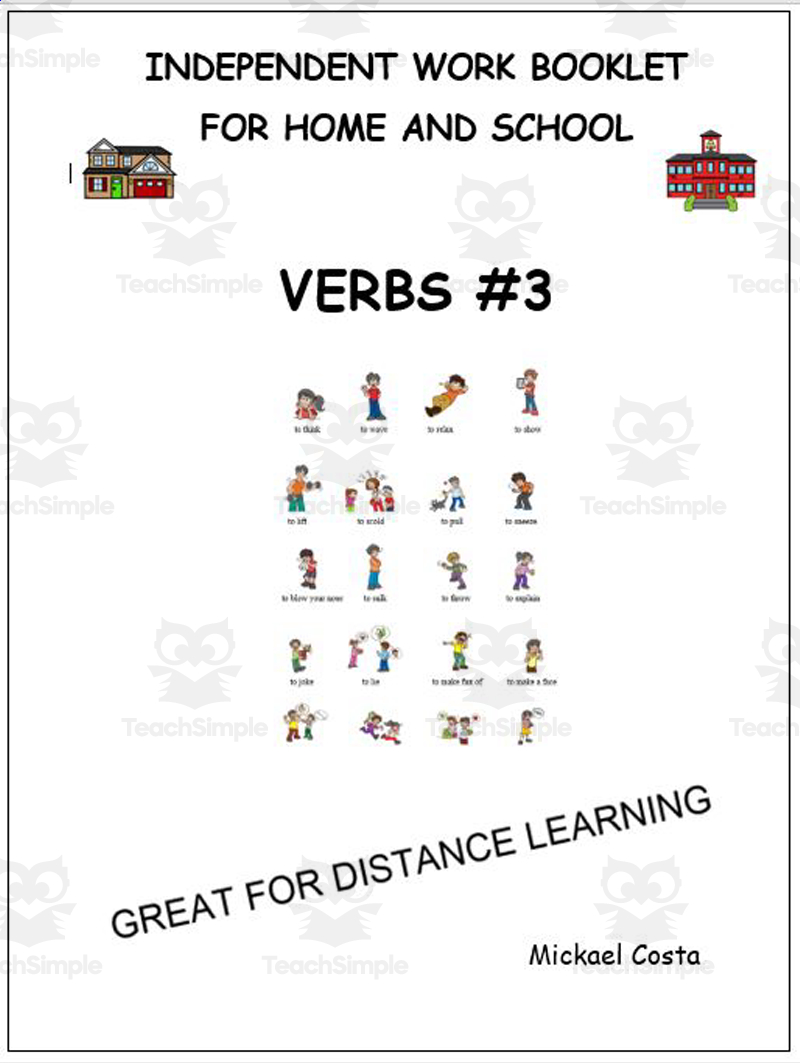
Independent work booklet teaching a third set of action-verb vocabulary, including social/behavioral verbs, through a series of literacy and critical-thinking activities.
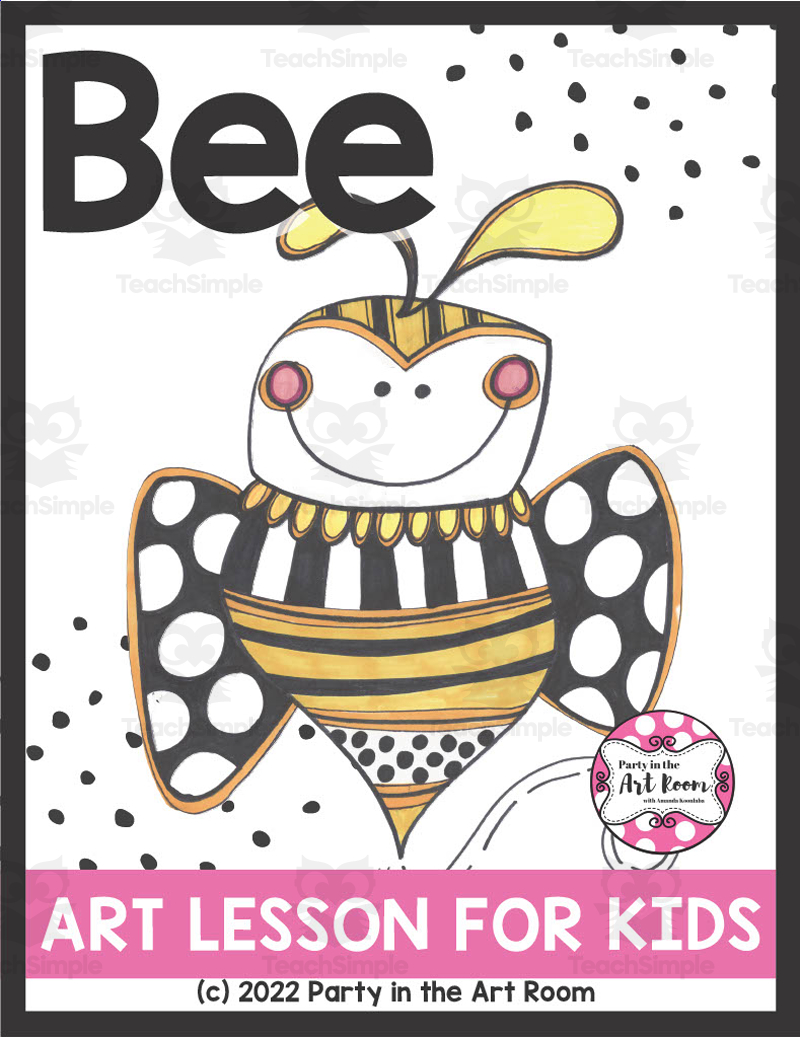
Roll a die (or use a spinner/random number generator) five times to determine which shapes/elements to draw on a grid-based game sheet, add color and a black-marker outline to finish the bee artwork, read a short nonfiction passage about queen/worker/drone honeybees, answer questions in their own words, write a paragraph about a…

Draw a tropical flower using a how-to-draw sheet, then roll dice/spinner five times and use a game-sheet grid to determine which shapes/elements to add; color and outline the finished artwork; complete a writing activity; compare and contrast their work with Henri Rousseau's 'Bouquet of Flowers' (1910) using a Venn diagram; complete…
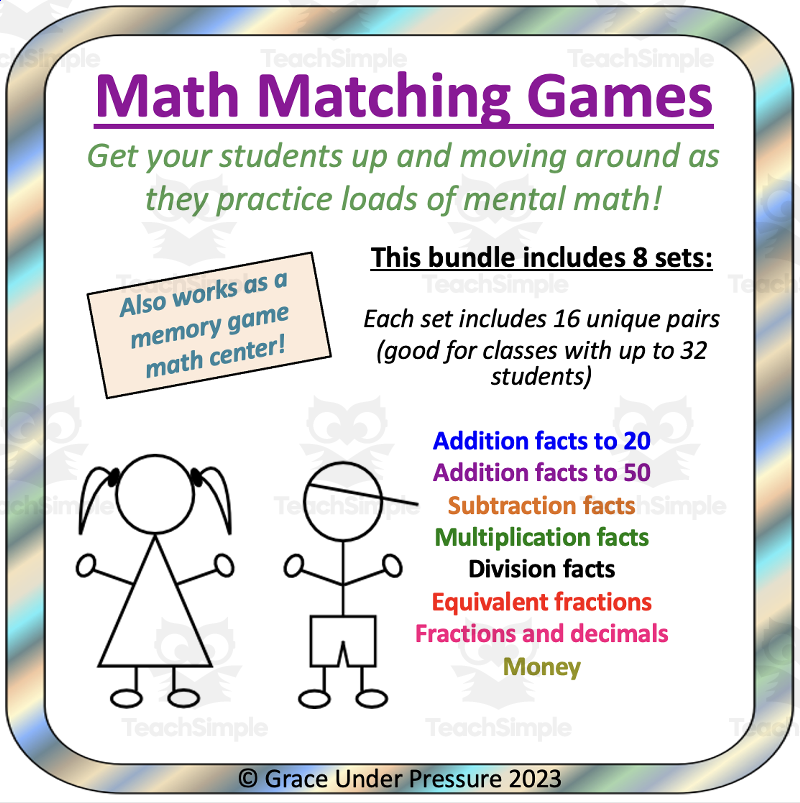
Each student receives one card from a shuffled set, silently circulates the room, and pairs up with the classmate whose card shows an equivalent value/expression; cards are then re-dealt to play again.
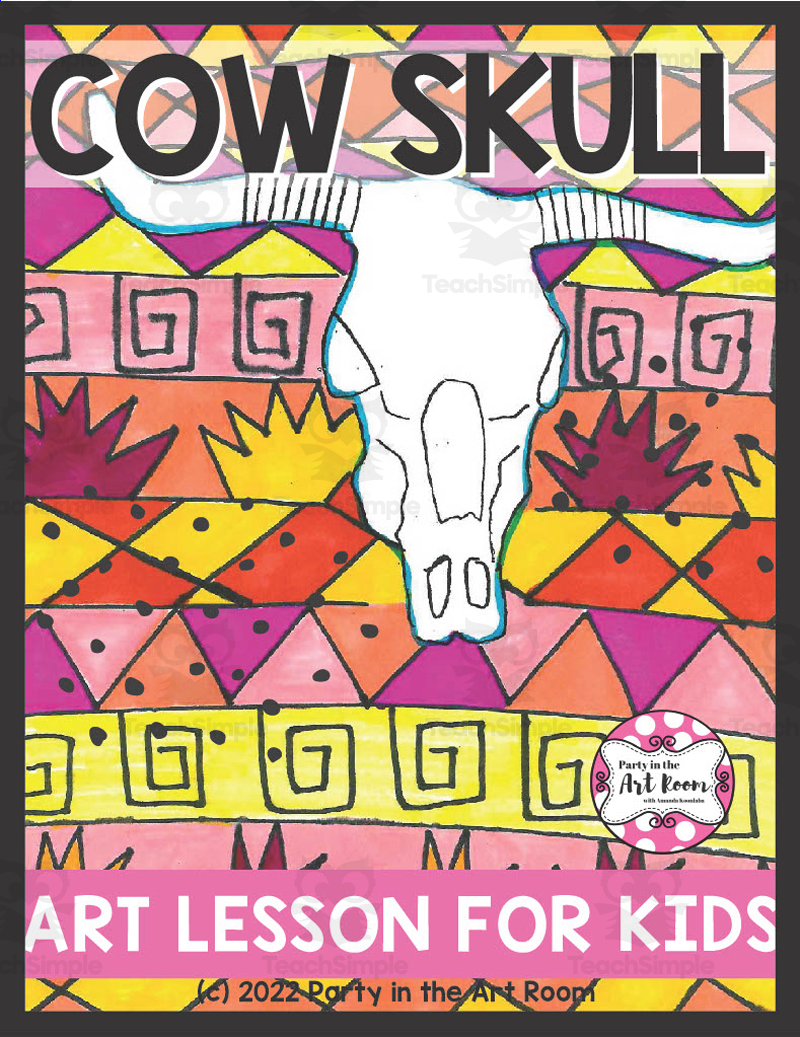
Play a dice-driven drawing game to build a cow skull illustration step by step, add color and black-marker outlining, complete a rhyming-words activity, read and respond to a poem, complete a "how many words" activity, compare their artwork to Georgia O'Keeffe's work in a Venn diagram, and answer written reflection questions about their…
Students follow a substitute-led gym routine: walk/run warm-up, then play one of three tag-style games - '1-2-3-4 Tag' (avoid being tagged by 4 designated taggers, re-enter by doing 10 jumping jacks), 'Cheetahs and Gazelles' (agility game crossing zones without being tagged by 'cheetahs,' plus learning an animal fact from a fact card in…
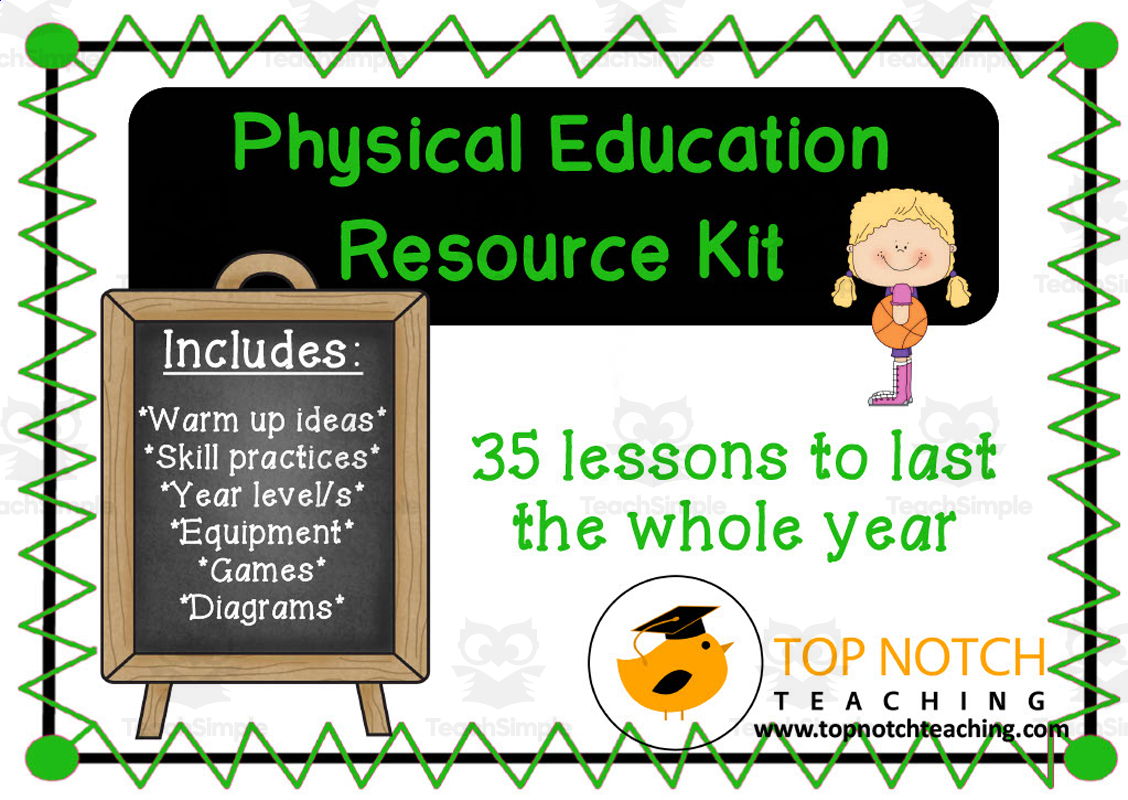
Participate in warm-up activities, skill-practice drills, and games as directed by the teacher using each lesson card (e.g., catching, skipping, soccer passing, sprinting, overarm throwing, aerobic dance, circuit training).
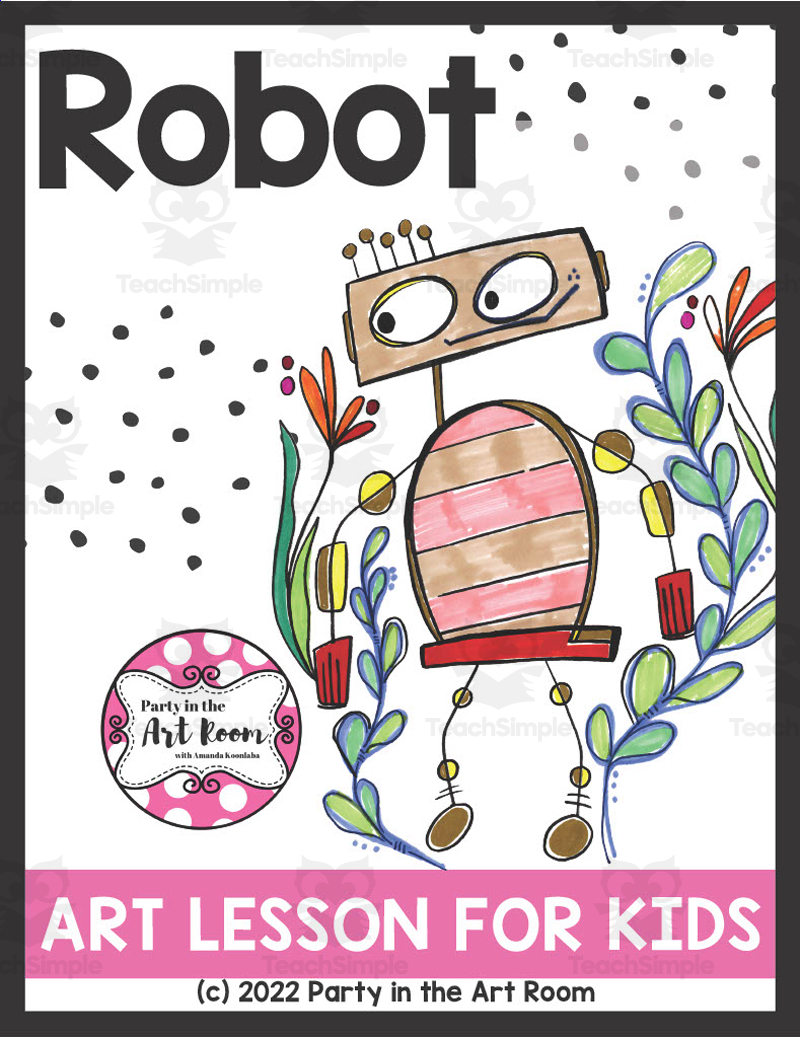
Students roll a die (or use a spinner/random number app) 5 times against a grid-based game sheet to determine which shapes/elements to add to a robot drawing, add color/detail using markers or paint, then complete an acrostic poem using the word ROBOT, write a short story from a provided prompt, compare their artwork to an existing…
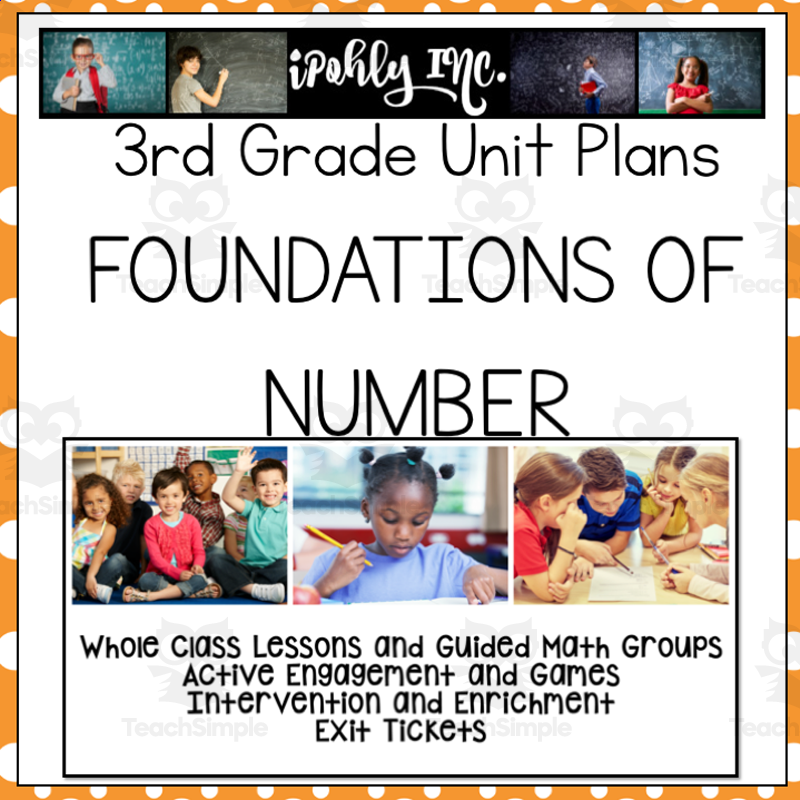
A large multi-day Guided Math unit teaching place value and number composition/decomposition up to 100,000 for 3rd grade, including teacher-facing methodology notes, learning-target tracking tools, and a day-by-day (Day 1 onward) sequence of lessons, station activities, games, and exit tickets.
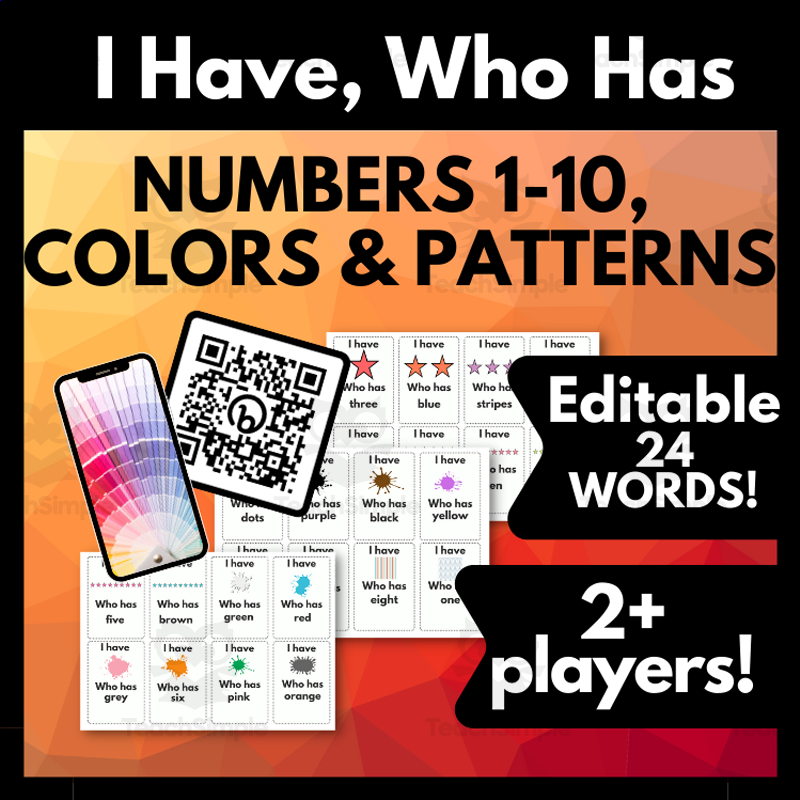
Practice English vocabulary for numbers 1-10, colors, and patterns through an 'I Have, Who Has' card game.
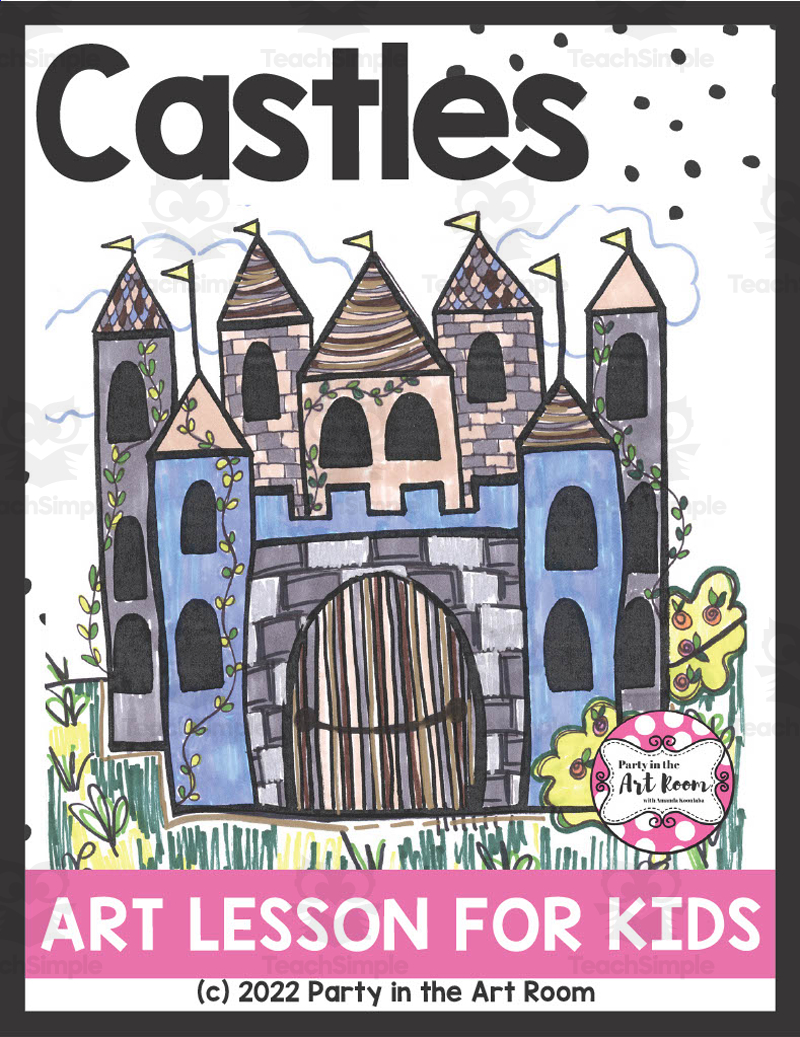
Draw a castle using a how-to-draw sheet, roll dice/spinner 5+ times and use a grid game sheet to add shapes/elements to the drawing, color or paint the finished artwork and outline it in black marker, complete an acrostic poem, a story map and writing activity, a compare-and-contrast Venn diagram against Georges Braque's painting, and…
Trace and write numbers 1-20, count and compare objects, solve addition/subtraction problems within 10, build teen numbers with ten frames, name 2D/3D shapes, and play review games.
Complete real-life application worksheets, math stations/centers, games, journal prompts, projects, and quick assessments across number concepts, decimals, fractions, whole-number operations, patterns, algebra, and measurement.

Students match, build, or trace pizza-themed pieces onto placemats: in pizza1, matching pizza slice fraction pieces to fraction/decimal/percentage placemats (1 through 1/10, and their decimal/percent equivalents) or combining pieces into a whole pizza; in pizza2, building a pizza by dividing it into chosen fraction…
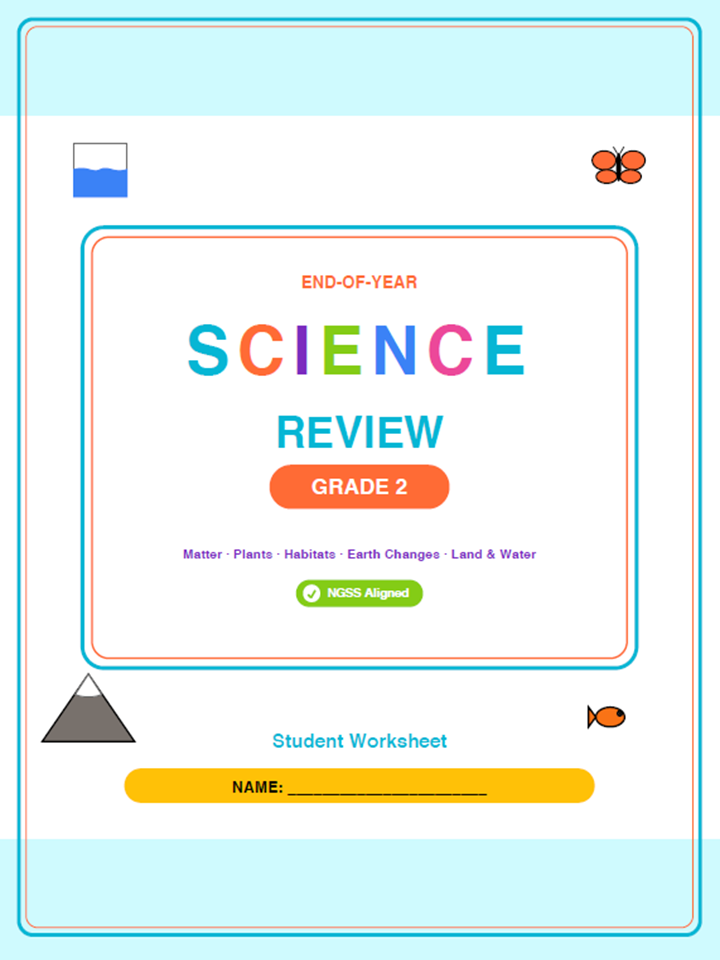
Students sort matter into solid/liquid/gas, match materials to properties and uses, predict outcomes of a plant investigation, match pollinators/seed-dispersal methods, and complete other short-answer and matching science review questions, plus play included review games.
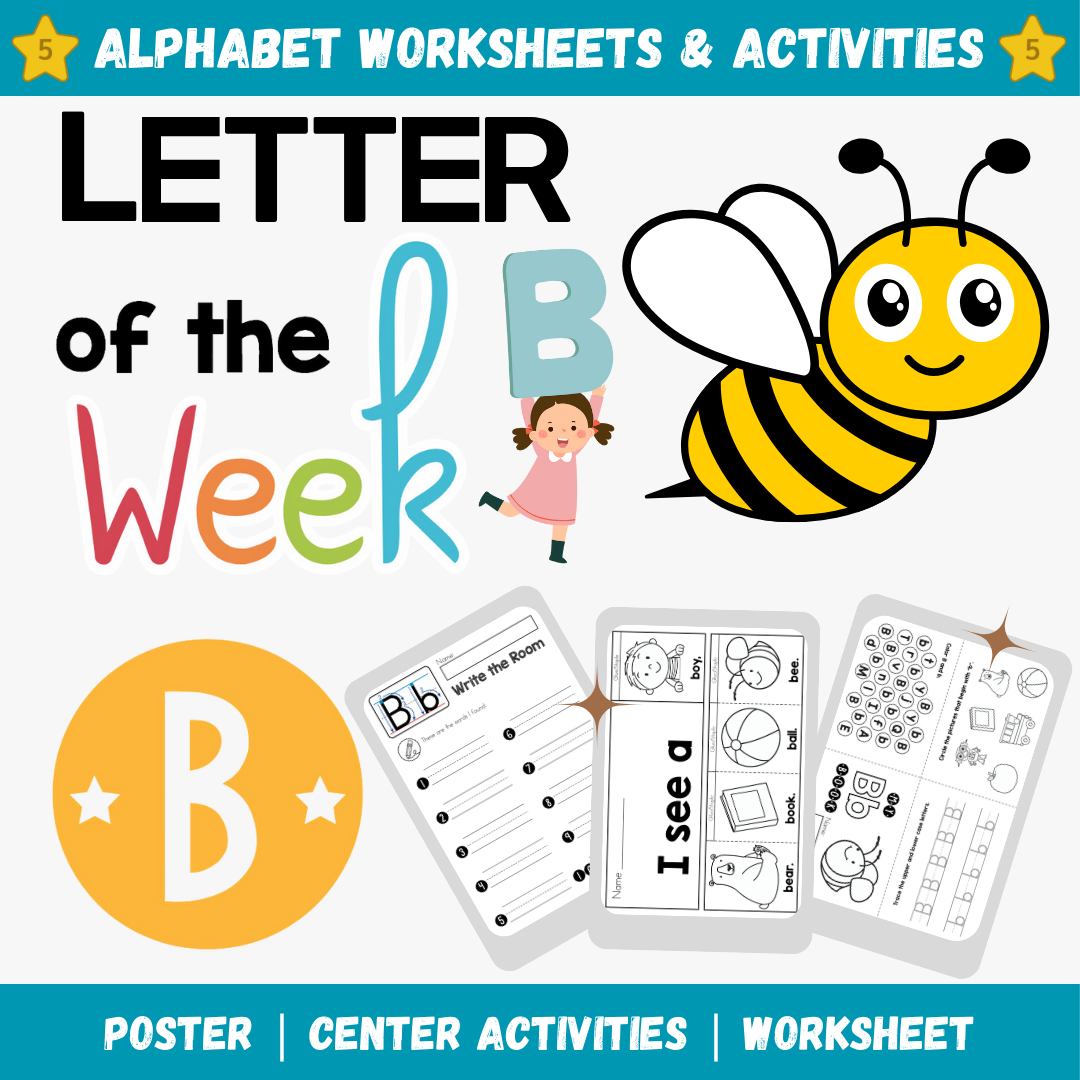
Trace and say the letter B sound aloud, use flashcards/posters/play-dough mats to practice letter formation, play a 'Doggie, Where's the Sound?' listening game, build sentences, read an alphabet/decodable reader and cut-and-paste readers, complete mazes, cut-and-paste beginning-sound and CVC-word activities, do…
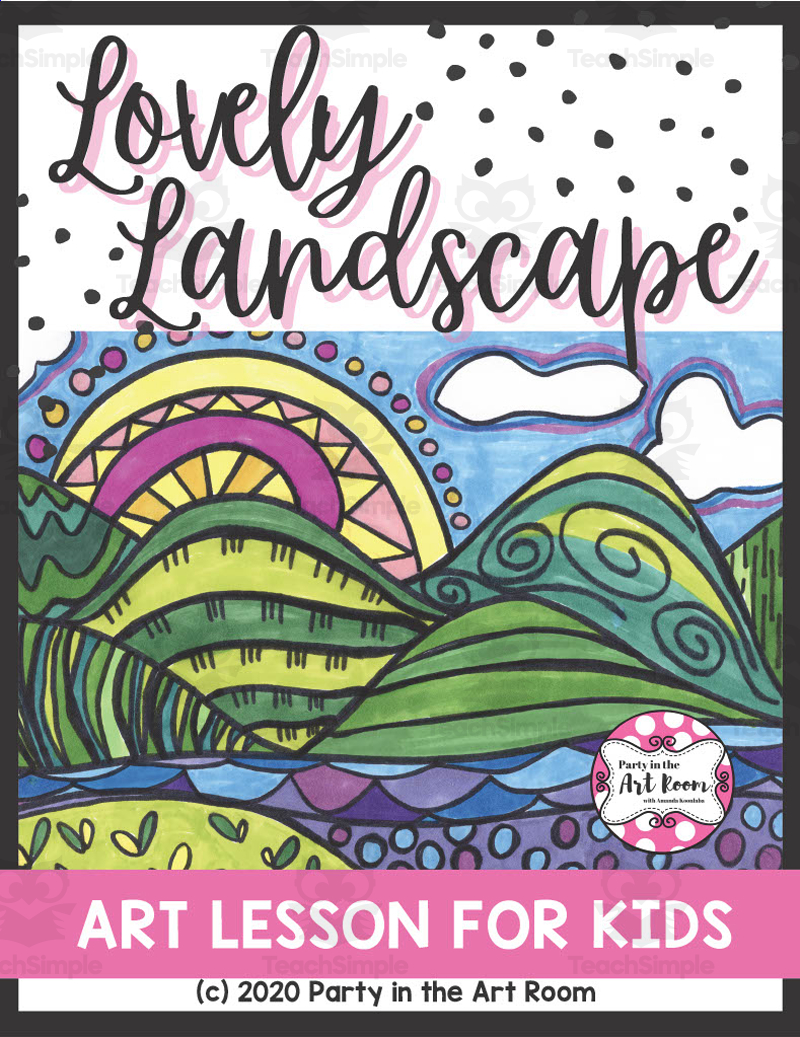
Students draw wavy/sloped lines to start a landscape, then roll a die (or use a spinner/app) five times using a grid-based game sheet to determine which shapes/elements to add; they add color with markers/crayons/paint and outline in black marker. They also complete a landscape writing activity (prior knowledge, reading a passage about…

Roll a die (or use another random-number generator) ten times, following a grid game sheet that tells them what shape/element to draw each roll; then add color and outline with marker; answer reflection questions; compare/contrast their work to Miro's; learn biographical facts about Miro.

A large, 175-page novel-study/assessment unit for Bud, Not Buddy providing chapter-by-chapter comprehension worksheets, vocabulary games, quizzes, and a summative test.

Students use a dice-roll game and templates to create hand-drawn or digital cityscape/silly-face art, complete a coloring sheet, and complete narrative writing and artist reflection sheets; an activity also covers sequencing and elements/principles of art.