



3,953 products added recently
Page 244 - Activities
Explore a wide array of educational activities designed to enrich your teaching and captivate students' interest. From hands-on projects to interactive games, these resources span various subjects and grade levels. Incorporate these activities into your lesson plans to foster an engaging and dynamic learning environment for all students.

 Show filters


Matching Animals Halves Visual Perception BUNDLE
Special Resources, ELA, Special Education Needs (SEN), Speech Therapy, Math, Early Math, Language Development, Vocabulary, Kindergarten, Preschool, Grade 1, 2, Worksheets & Printables, Flashcards, Activities, Games
This is Matching Animals Halves Visual Perception BUNDLE . It is a visual resource bundle material in the form of flash cards that focuses on the skills of Visual Closure, Visual Figure Ground and Visual Form Constancy . 42 animal concepts, in 2 versions each ( color and b / w ) . 168 ( 42 x 2 x 2 ) cards depicting half and half to include in your pre-math teaching schedule . With this resource you have the following cards : · 15 domestic / farm animals : cat / cow / dog / duck / pig / rooster / bunny / horse / donkey / bull / sheep / goat / goose / turkey . · 18 wild animals : wolf / monkey / leopard / rhino / hippo / giraffe / elephant / zebra / coala / brown bear / white bear / deer / turtle / kangaroo / squirrel / snake / crocodile / lizard . · 6 sea animals : dolphin / whale / trout / sword fish / shark / seal . · 3 dinosaurs . * images are illustrations, with both color and b & w versions included . There is a version with plain matching with no visual effect element, a version focused on Visual Figure Ground, one on Visual Form Constancy and one on Visual Closure . Make sure to check preview for layout of content . This makes a great resource for vocabulary, semantic categories teaching, occupational therapy and speech and language sessions . Works nicely for teaching foreign language vocabulary as well . 4 pdf files . 140 pages with vocabulary flash cards of matching animals (half - half) with visual perception focus . For many many more teaching and therapy materials and focused on skills tools you can click on my store here : WORDS ASIDE .
Author WORDS ASIDE
Tags Animals, Visual Perception, Match To Sample, Centers, Task Cards, Minibooks, Closure, Figure Ground, Form Constancy, Words Aside

Body Systems - Bell Ringers, Class Warm-Ups, and Exit Tickets
Science, Life Sciences, Human Body, Grade 9, 10, 11, 12, Activities
This Body System unit comes with 20 days’ worth of materials that relate directly to The Digestive System, Circulatory System, and Respiratory System. This activity bundle is geared towards a grade 8-11 Biology class. They can be used at the start of a class in the form of a bell ringer/class warm-up or at the end of class as an exit ticket. Would you like to see me walk through my Bell Ringer activity ? I created a video that overviews how they work and how you can use them effectively in your classroom in only 5 minutes per day. Click here to have a look. This resource covers the following topics • Digestive System Structure and Function • Circulatory System Structure and Function • Blood vessels, blood, heart • Respiratory System These are meant to be used each day, however, the question periods are directly associated with topic lessons, so they are done on days that follow the completion of a lesson. For example, after you finish your lesson, you’d give your students the questions associated with the ecosystems lesson. Additional days will utilize the Quotes and Videos sections. There are two key reasons why this daily activity works: 1) It encourages your students to review their notes on a nightly basis so they’re ready for class. 2) It creates a routine in your classroom that encourages your student to arrive and get settled for class quickly and quietly. Once we’re done, the students are ready for class and have already gotten their brains working and thinking science. The Activities 1) Questions: Question types - Fill in the blanks - Short answer - Opinion - Drawing - Mix of above ● Everything will be included in your PowerPoint ● All questions relate directly to the previous lesson and work to test your students’ understanding ● If students are absent, they know they need to get caught up while away ● This process encourages students to keep up with the material and review their notes nightly 2) Quotes The quotes come from individuals and relate directly to the overarching topic. On these days, I have students read the quote and write down what they feel it means and/or the underlying message. 3) Videos The videos are an excellent way to settle your class down quickly and easily. Each video is selected specifically because it’s interesting and relevant to students. Each video can be accessed directly from the slide. Simply click the video image while in slideshow mode and the video will automatically open in your browser. Process ● Each week, I hand out the week’s [Topic Name] - Student Worksheet ○ You can make this activity completely digital by making the sheet available online and have them submit it there as well ● As soon as the bell rings to start class, I hand the sheets out to my students. Once the sheets are out, I start the 4-minute timer. If students are late, they miss out on their time. �� Once the timer finishes, the students flip over their papers and pass them to the front. Structure Each day’s activities, unless otherwise stated, are to be done individually and without notes. However, depending on the ability level of your students, you may want to have them work in pairs and/or use their notes. Marking We all have enough marking already and the last thing we want to do is add to our pile. However, I’ve found that this process is so streamlined and efficient that I’m easily able to mark these while my students are working in class or copying down notes. Typically, I mark only the Questions section. However, if I’m busy or don’t have time in class, I won’t and that’s OK. The point of this isn’t to make your job harder but to help your students stay on track and keep focused. Additionally, I’ll mark one of the other sections (Quote or Video) at least every other week. Each day’s mark is out of 5 but since there aren’t always 5 questions (usually it’s somewhere between 1-3), I base my mark on their understanding of what I’ve asked them to complete. This can come across as subjective, but I’ve found it gives me an excellent indication of their knowledge and keeping it consistent makes things better for everyone. Keep in mind that the outline above describes how I use them in my class. Feel free to change it up however you like (including the questions as the entire thing is completely editable). Other teachers I’ve spoken to only utilize the questions following a lesson or only mark the questions following a lesson and for the other days, show the relevant videos but don’t require their students to submit anything. A few people only mark one submission per week while others mark everything. It’s completely up to you. Whether you use Questions, Quotes, or Videos in any given lesson, your goal is to create a routine, promote understanding, and get your students thinking about science as soon as they enter your class. ***************************** For free resources, useful teaching tips, and tools, please visit my blog - TeachScienceWithFergy.com If you have any questions please feel free to send me an email - devon@teachwithfergy.com
Author Teach With Fergy
Tags Anatomy Lesson, Body Systems, Bell Ringers, Science Exit Tickets, Body Systems Powerpoint, Body Bell

Because Song (MP3)
ELA, Reading, Preschool, Kindergarten, Grade 1, Songs, Activities
This product, The BECAUSE Song (MP3), is designed to help students recognize the sight word BECAUSE. The song is catchy and repeats the word BECAUSE, spells it out, and uses it in sentences. This product can help teachers by providing a fun and easy way for students to learn this important sight word.
Author Have Fun Teaching
Tags Counting
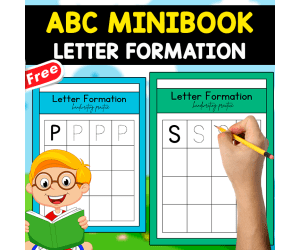
ABC LETTER FORMATION | FREE MINIBOOK OF 52 PAGES
Language Development, ELA, Grammar, Pre-Reading, Vocabulary, Handwriting, Writing, Early Learning, Elementary, Homeschool Resources, Not Grade Specific, Pre-K, Activities, Worksheets & Printables, Teacher Tools
ABC LETTER FORMATION | FREE MINIBOOK OF 52 PAGES INTRODUCTION: EDITORIAL ARENAS EDUCATIVAS is dedicated to providing high-quality educational content to help children learn efficiently and with joy. Check out our full store to find materials focused on reading, writing, math, and Spanish. We're excited to be part of your learning experience! SECONDARY AND COMPLEMENTARY DESCRIPTION OF THIS HANDWRITING PRODUCT: 1) How many pages does the file contain in total? This educational document contains enough pages to make this resource ideal for promoting fun and successful learning. 2) Does this material allow for custom editing? This educational document is available in PDF format, so you cannot edit it. You simply need to download and then print it. 3) What main topic does the resource cover? This document has been developed to address a basic topic that children in kindergarten through elementary school should master. This document will also be helpful to the general public who want to learn. 4) What version does this document correspond to? This educational resource is designed in PDF format, which will make your download experience much simpler and easier to use. 5) Is the material designed in color or black and white? This document has been designed in color (if required) or is sometimes created in black and white to make your learning experience easier. OTHERS FREE RESOURCES AVAILABLES FOR YOU: FRUIT PUZZLES: https://teachsimple.com/product/16-free-puzzles-fruits-themed ARRIBA-ABAJO: https://teachsimple.com/product/arriba-abajo-up-down-16-spanish-flashcards FUNCTIONS OF OBJETCS: https://teachsimple.com/product/arriba-abajo-up-down-16-spanish-flashcards EXTRA INFORMATION:*** 1) Who is the creator of this resource and how should it be cited? The creator of this document is EDITORIAL ARENAS EDUCATIVAS. 2) Is this resource available for free or does it require a purchase? Because we vocationally work for the education of thousands of students, we are offering this document for free. 3) This resource is for individual use only; what restrictions apply to its redistribution or sale? We ask that you share our link so more people can download our resource or recommend our store. It would help us greatly.
Author EDITORIAL LAURA EDUCA
Rating
Tags FREE, FREE RESOURCES, HANDWRITING, ALPHABET, ABECEDARY, TRACING, TRACING LINES
Gorgons Activity
Social Studies, History, History: Europe, History: Ancient, Grade 3, 4, 5, 6, 7, 8, 9, Activities
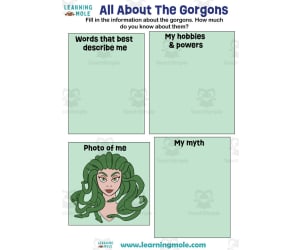
Activity Introduction An amazing activity designed for the students to learn more about mythological creatures in different cultures. Gorgons Mythical Creatures What do you know about these amazing mythical creatures? What are their strengthens and weaknesses? In which culture did we found them? Do they do good to humans and their environment? Are there any other mythical creatures that share their characteristics? If yes, tell us more about them. Do you like reading about mythology? What is your favorite mythical creature? Tell us more about it. Gorgons Activity The activity is perfect for encouraging the creativity skills for the students, while learning more about this fantastic mythical creature. Gorgons This friendly designed worksheet is suitable for students at school, homeschooling, and as a group activity. Instructions Fill in the information about the gorgons. How much do you know about them? Words that best describe me My hobbies & powers Photo of me My myth Format Available in a PDF format.
Author Educational Voice
Tags Gorgons Activity, Gorgons, Gorgons Facts, Gorgons Facts For Kids, Mythology, Mythology Facts, Mythology Facts For Kids, Mythical Creature, Mythical Creatures
FREE ANCHOR CHART OF READING | The Brave Little Turtle Toby
ELA, Reading, Writing, Early Learning, Elementary, High School, Adult Education, Homeschool Resources, Middle School, Not Grade Specific, Activities, Worksheets & Printables
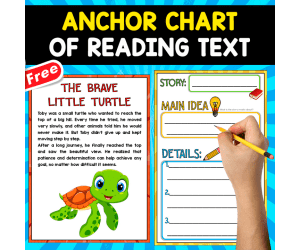
ANCHOR CHART OF READING | The Brave Little Turtle INTRODUCTION: Hello! I thank you infinitely for your interest in my educational store! I am a teacher who strives every day to produce these great educational resources for children, so I thank you because with your downloads you are helping a lot to promote my personal and professional work. MAIN INFORMATION: 1. Brief introduction: Hello, thank you very much for being interested in this educational document. This document will help you a lot both in the classroom if you are a teacher, as well as if you homeschool and want to stimulate your children from home. 2. Title of the educational resource: This document is titled "Teaching material for children" 3. Topic to work on: Thanks to this educational document, we are going to work on a basic topic that every child and/or student should master. 4. Area of knowledge where it should be applied: Thanks to this document, we will address a topic and at the same time an important area of learning. 5. Number of pages it contains: This educational document contains the following number of pages available and ready to be used by you, you just have to download and print the document to start using it in your classroom: 2 pages. 6. Is it available in color or black/white? This document and/or set of educational sheets is available in color and also in certain parts contains black and white, however it is generally suggested that the teaching material be designed in color so that it is much more attractive for your students, awakening their attention and interest. SECONDARY AND COMPLEMENTARY INFORMATION: 7. Should I apply it individually or as a group in my class? Also, according to your criteria, see if it is better for these sheets to be applied individually or as a group. 8. What size and format is this resource in? This set of teaching sheets has been published in A4 size, PDF format, so that it is much easier to use. 9. Do I need any extra elements to apply it? Yes, perhaps your students need pencils, colors, markers and even sometimes scissors and erasers. 10. Is it in color or black and white? This educational document has been designed mostly in color so that it is highly attractive to students. 11. Is this resource free or do you have to pay to use it? This document is available for free, so take advantage of the opportunity to download it now.
Author EDITORIAL LAURA EDUCA
Tags FREE ANCHOR CHART OF READING, Free, Free Resources, Anchor Chart, Reading, Comprehension

FREE ANCHOR CHART OF READING | THE START
ELA, Reading, Writing, Adult Education, Elementary, High School, Homeschool Resources, Middle School, Not Grade Specific, Activities, Worksheets & Printables
FREE ANCHOR CHART | THE STAR INTRODUCTION: We are EDITORIAL ARENAS EDUCATIVAS, a publisher dedicated to designing educational resources for primary school children approximately between the ages of 3 and 12 who are learning mathematics, literacy, as well as worksheets for learning Spanish and some brain exercises. MAIN INFORMATION: 1. Brief introduction: Hello, thank you very much for being interested in this educational document. This document will help you a lot both in the classroom if you are a teacher, as well as if you homeschool and want to stimulate your children from home. 2. Title of the educational resource: This document is titled "Teaching material for children" 3. Topic to work on: Thanks to this educational document, we are going to work on a basic topic that every child and/or student should master. 4. Area of knowledge where it should be applied: Thanks to this document, we will address a topic and at the same time an important area of learning. 5. Number of pages it contains: This educational document contains the following number of pages available and ready to be used by you, you just have to download and print the document to start using it in your classroom. SECONDARY AND COMPLEMENTARY INFORMATION: 6. In what area of knowledge can it be applied? You can apply this set of educational sheets according to your criteria, in the corresponding area. 7. Should I apply it individually or as a group in my class? Also, according to your criteria, see if it is better for these sheets to be applied individually or as a group. 8. What size and format is this resource in? This set of teaching sheets has been published in A4 size, PDF format, so that it is much easier to use. 9. Do I need any extra elements to apply it? Yes, perhaps your students need pencils, colors, markers and even sometimes scissors and erasers. 10. Is it in color or black and white? This educational document has been designed mostly in color so that it is highly attractive to students.
Author EDITORIAL LAURA EDUCA
Tags ANCHOR CHART, ANCHOR, FREE, FREE RESOURCES, CHART, READING, COMPREHENSION
Electromagnetic Devices: Physical Science Reading Comprehension (Docs)
Science, ELA, Reading, Reading Comprehension, Strategies, Resources for Teachers, Physics, Grade 6, 7, 8, 9, 10, Writing Prompts, Worksheets & Printables, Centers, Activities, Teacher Tools, Assessments, Quizzes and Tests, Quizzes, Tests
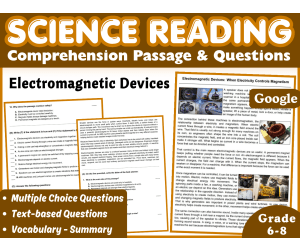
Physical Science Reading Comprehension Passage and Questions for Middle School: Electromagnetic Devices (Google Document) This engaging middle school science resource explores electromagnetic devices and shows students how electricity and magnetism work together in real-world technology. Students learn how electric current creates magnetic fields, why coils and iron cores can strengthen electromagnets, and how controlling electric current allows magnetic force to be turned on, changed, or switched off. This passage is designed to bridge the gap between science and literacy by strengthening reading comprehension while sparking scientific curiosity in middle school students. It blends English Language Arts skills with accurate science content, helping students build background knowledge, understand key concepts, use evidence from the text, and explain scientific ideas clearly. This resource supports science classroom practice while also reinforcing important literacy skills such as main idea, vocabulary, comprehension, and summarizing. Ideal for interdisciplinary learning in ELA and Science. Suitable for Grade 9 review, too! Student Tasks for The Passage: 10 multiple-choice questions targeting main idea, key details, science concepts, comparison, and real-world applications 10 True/False statements to check understanding and address common misconceptions 5 text-based short-answer questions that require students to explain important ideas from the passage 5 vocabulary matching items with clear, student-friendly definitions 1 summary prompt that asks students to condense the central ideas accurately Full answer key for every section Available Formats for this Resource PDF Fillable PDF Word Docs Product Details Length: 7 pages total Grades: 6–8, also suitable for Grade 9 review Use cases: close reading, stations, homework, intervention, test prep, and sub plans Standards support: Reinforces informational-text skills and supports NGSS-style sense-making by helping students read scientific explanations, connect evidence to key concepts, interpret real-world examples, and explain cause-and-effect relationships in science. FULL CATALOG OF DOWNLOADING LINKS HERE Other Science Reading Collections and Topics You May Find in the Store: 1. Astronomy & Space Science 2. Volcanoes, Rocks, & Mountains 3. Rock Cycle, Soil, & Sinkholes 4. Mars, Glaciers, & Antarctica 5. Water Cycle, Acid Rain, & Wastewater 6. Insects, Animals, & Ecosystems 7. Bioluminescence & Insects 8. Animal Skin, Cats, & T. Rex 9. Human Body and Senses 10. Health & Applied Bioscience 11. Waves, Light, & Imaging 12. Electricity & Energy 13. Motion & Materials 14. Chemistry and Materials Science 15. Electromagnetism 16. Acids and Bases 17. Gas Laws 18. Biotechnology 19. Periodic Trends 20. Protists and Fungi 21. Microevolution 22. Blood 23. Chemical Bonding 24. Magnets 25. Muscles 26. Nuclear Chemistry 27. Electromagnetic Devices 28. Epigenetics 29. The Law of Conservation of Mass 30. Atomic Models 31. Isotopes and Ions 32. Light 33. Human-Environment Interaction 34. Theory of Evolution 35. Photosynthesis 36. Origins of Life and Early Earth 37. Gene Expression and Regulation 38. Thermochemistry 39. Allergies 40. Coevolution 41. Birth to Adulthood 42. Cells 43. Entropy and Free Energy 44. The Human Brain 45. Mixtures and Solutions 46. Invertebrates 47. Zoo Animals 48. Biochemistry 49. Animal Behavior 50. Population Ecology ...and many more engaging science reading passages that cover intriguing and important topics designed to spark curiosity and support student learning. Use this passage to reinforce ELA skills in science, to add literacy to your lessons, and to support independent work. The passages strengthen main idea, evidence use, vocabulary in context, inference, cause and effect, and summary writing. With ready-to-use assessments and complete answer keys, you can provide focused practice that is simple to run and fast to review.
Author Middle & High School - CORED Education
Rating
Tags Middle School, Reading Comprehension, Reading Strategies, ELA, Centers, Reading Passage, Assessments, Vocabulary, Physical Science, Electromagnetism
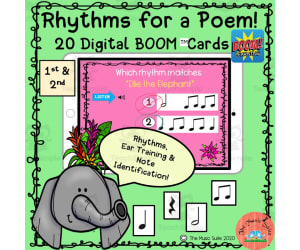
Ellie the Elephant Rhythm Boom Cards
Creative Arts, Art, Music, Grade 1, 2, Activities
This resource is a set of Ellie the Elephant Rhythm Boom Cards. Students will practice rhythms , ear training & note identification. There are 20 boom cards in this set.
Author The Music Suite
Tags Rhythm, Music, Boom Cards, Ear Training, Note Identification

UK/Aus Spelling Captitalisation and Punctuation Year 2-3 (Slides)
ELA, Language Development, ESL, Grammar, Common Core, Resources for Teachers, Grade 1, 2, Presentations, Teacher Tools, Assessments, Tests, Quizzes and Tests, Activities
THIS IS THE UK/AUS ENGLISH SPELLING VERSION. CHECK THE CATALOG FOR THE ORIGINAL AMERICAN ENGLISH VERSION. Capitalisation and Punctuation Grammar Practice MCQS: 10 lessons, 150 MCQS, 350 slides ELA MCQS Overview: In this series of lessons, students will embark on an engaging journey to explore the grammar skills that make our language vibrant and expressive. These lessons are crafted to help students identify, comprehend, and effectively apply language arts skills in both writing and speech. This UK/Aus English version is especially useful for schools, teachers, and families working with British-based spelling and language conventions. It is a helpful option for classrooms using UK curriculum expectations, international programmes influenced by British English, or any setting where learners need to practise the correct capitalisation and punctuation forms for that version of English. Capitalisation and Punctuation Overview: Includes: Proper Nouns Opening/Closing Letters Uppercase/Lowercase Dates Punctuation Practice Slides Version This is the Slides interactive and editable version with fillable answer sheet. This download is available in GOOGLE Docs, GOOGLE Forms, GOOGLE Slides. PDF, PPT, WORD, check the links below for more details. FULL CATALOG OF DOWNLOAD LINKS HERE ELA Review Questions Overview Each review test includes three answer choices for every question, which helps keep things simple and manageable for students. The layout is clear and easy to follow, so students can focus on the questions instead of figuring out what to do. A few pictures are included on each test to make the pages feel a little more inviting and less overwhelming. A review sheet is also included, giving students a chance to go back over many of the main skills covered in the resource. Introduction or Example Sheet Each topic comes with an introduction or example sheet to look at before students begin. This gives students a clear starting point and helps them feel more prepared. It also lets them see what to expect before moving into the main work. For many students, it is a helpful way to quickly refresh the key ideas before they start practicing on their own. Full Answer Keys Full answer keys are included to make marking and checking work faster and easier. Sample responses are also provided where needed, especially for open-ended tasks. This can be a real time-saver on busy days and makes the resource more practical to use. Everything is there to help make planning, teaching, and checking student work feel a little more straightforward. For similar downloads and other frees, do check out Cored Group on TeachSimple.
Author Cored Education
Rating
Tags Elementary, Answers, Ccss, Common Core, Grammar, Language Arts, Test, Test Prep, Mcq, Ela

Sight Words Digger and Sand Matching Game
ELA, Language Development, Phonics, Preschool, Kindergarten, Grade 1, 2, Activities, Games
Product Description The Digger and Sand matching game is a great way for children to learn and practice sight words or high frequency words through recognition game, best for literacy center and activities. Directions for use: To prepare the sight word digger and sand printable templates for use, print the pages you wish to use and laminate them for durability. For safety on slippery surface glue anti slip netting or anti slip dots onto the underside of the laminated templates. Uses for product - Sight word recognition - Sight word recall
Author Koodles Clubhouse
Tags Sight Words, Matching, Construction, High Frequency Words, Literacy Center, Sight Words Matching Game
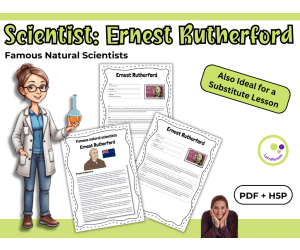
Ernest Rutherford – Scientist Profile & Reading Activities - PDF + H5P
Life Sciences, Science, STEM, Social Studies, Biographies, Inventors, Basic Science, Physics, Chemistry, Human Body, Grade 6, 7, 8, 9, 10, 11, Worksheets, Worksheets & Printables, Quizzes, Quizzes and Tests, Teacher Tools, Projects, Activities
Ernest Rutherford – Scientist Profile & Reading Activities Informational Text, Student Tasks & Digital Quiz (PDF + H5P) 🧪📘 This resource introduces students to Ernest Rutherford, the scientist who fundamentally changed our understanding of the atom. Known as the "father of nuclear physics," Rutherford developed the nuclear model of the atom and led key experiments that still form part of modern chemistry and physics education. Designed for use in grades 7–10, this material helps students understand Rutherford’s contributions in an accessible way. It’s structured so that it can be used in science class, as part of a research unit, or even in non-specialist cover lessons. What’s included: Short informational text about Ernest Rutherford’s life and discoveries Student profile worksheet to summarize main facts Quiz questions with a full solution key Two optional extension tasks: – Students create their own questions about the text – Partner activity to exchange and answer peer questions Formats: – Printable PDF – Editable DOCX (text only) – Interactive H5P version for digital learning (no images) How it’s used in class: Students start by reading the informational text. Then, they complete a profile sheet to record what they’ve learned. The quiz questions serve as a quick comprehension check, either in writing or as a classroom discussion. For early finishers, the extension activities offer a nice way to promote peer interaction and critical thinking. This resource is also well-suited for digital classrooms: the H5P version works in most learning management systems and allows for self-paced, self-checking learning. The clear structure makes it easy to use without extra explanation – ideal for independent study or substitute teaching. It’s a simple but effective way to introduce students to a key figure in the development of atomic theory – without needing complex lab setups or advanced prior knowledge. Just print or upload – and you're ready to go. Have fun exploring the world of science with your students! Warmly, Lernfitness Did You Know? I teach with a certified therapy dog, and together we focus on creating a positive and inspiring learning environment.
Author Lernfitness
Rating
Tags Science, Famous Scientists Lesson, H5P, Interactive Science Exercises, STEM, History, Scientists, Chemistry, Ernest Rutherford, Nuclear Physics
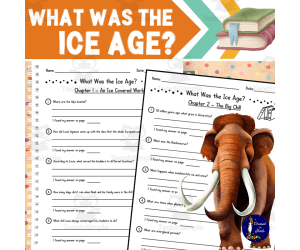
What Was the Ice Age by Nico Medina Questions
ELA, Reading, Reading Comprehension, Writing, Handwriting, Grade 4, 5, 6, Activities
Overview What Was the Ice Age by Nico Medina Questions is an impressive educational resource, curated for teachers instructing Grade 4 to Grade 6 Language Art classes. It emphasizes critical comprehension and reading skills with an aspect of handwriting practice. Purpose This tool serves in enhancing engagement, attention to minute text details, and fostering open discussions among students. About the Tool The toolkit consists of questions explicitly developed for each chapter of the book 'What Was the Ice Age' by Nico Medina. Five unique questions are composed for each chapter designed to integrate clear answers from within the text. A significant feature is that any set of chapter questions can be started from any sequence as they do not intersect or rely on information in preceding chapters. The power within this resources lies mainly in encouraging close reading practices that harness deep and thoughtful insights about various chapters’ context. Suitable Scenarios: In-house schooling involving all class participants, Smaller-focused groups, One-on-one tutoring sessions, Note:what's more, it can even serve as homework assignments providing continuous after-school learning. In House benefits: Note: This tool also proves helpful during independent student study or collaborative work with parents at home stirring meaningful conversations around each completed chapter. Each group comprising five inquiries per chapter impels students to provide answers in complete sentences emphasizing effective writing skills at the same time honing their attention on detail-oriented reading practices. It also insists on jotting down page numbers locating their text snippets inculcating research habits in young learners. An answer key is included within these PDF files, invaluable during educators' assignment tasks checking while students possess a verified source endorsing their concluded derivations, making it an ideal reading complement enriching both teachers' and learners' experiences. Conclusion: Allocate your curious minds to productive discussions concluding every day's lesson with thoughtful question/answer sessions directed towards cohesively absorbing knowledge about our planet's Ice age era through literary exploration aided by our teaching tool - What Was the Ice Age by Nico Medina Questions.
Author Soumara Siddiqui
Tags Ice Age, Comprehension, Reading Skills, Critical Thinking, Writing Practice

Letter I Song (MP3)
ELA, Language Development, Phonics, Preschool, Kindergarten, Grade 1, 2, Songs, Activities
The Letter I Song (MP3) helps students learn the letter sound, vocabulary words, and letter formation. It's a catchy song that will keep them engaged and excited to learn.
Author Have Fun Teaching
Tags Alphabet, Phonics

Science Projects for Preschoolers: Volume 2
, Preschool, Kindergarten, Grade 1, 2, Activities, Experiments, Projects
You’re never too young to learn about Science! Includes these fun, easy-to-do craft projects : Shoe-Box Guitar, Weather Station, and Magic Static!
Author Twin Sisters Digital Media
Tags Weather, Static, Science, Experiment, Project
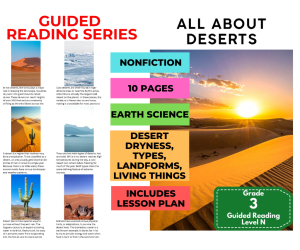
Guided Reading Level N - All About Deserts (with Lesson Plan)
ELA, Resources for Teachers, Reading Comprehension, Reading, Language Development, Life Sciences, Science, Earth and Environmental Sciences, Geography, Social Studies, Grade 2, 3, 4, Worksheets & Printables, Worksheets, Teacher Tools, Centers, Activities, Literacy Readers, Quizzes, Quizzes and Tests, Assessments
This Guided Reading Book - All About Deserts (Level N) with lesson plan includes: Guided Reading Color Label (front cover x1) This is a quick way to match the book’s demands to what students can generally handle.. The overall goal is to use the level/color to pick books for several smaller groups. To qualify for a certain level, a student is expected to read a book from that level with about 90–94% accuracy. If a student is consistently accurate and understands, move up a level. If the student is struggling at that level, drop down and add more support. Each student will improve at completely different rates, but it is generally one of the best ways to check progress across the class. DOWNLOAD THE CATALOG TO VIEW ALL GUIDED READING BOOKS AVAILABLE (SORTED LEVELS A-Z) Pre-Reading Question (x1) Teacher asks the prompt aloud, can be while showing the cover or first page. Students share what they already know, or make educated guesses from the cover. Prompt them to use the target vocabulary. Write some of their responses on the board to look back at during the reading. Vocabulary Words (x5) Introduce the five words, best doing it one at a time. Start by saying it, while students repeat and then see if anyone knows what it means before reading further. Read through the meaning and try to briefly connect each word to a picture or gesture so it’s meaningful. Ask students to flip through the book pages and point to where they see each of the vocabulary words. While reading the book pause upon coming across one of the vocab words or read the sentence twice to make sure students understand the word has appeared. Optional: Ask students to raise hands whenever they see/hear one of the new words. Guided Reading Pages (x10) Check the book snapshot (below) for: primary topic - do you need to prep extra reading or intro materials on this? what is taught best - decide on 1-2 bullets to focus on, use the prompt or words provided here for best results. learning goals - what you are checking for students to be able to do after the session, elicit answers using prompts or words provided. key vocabulary (see section above). questions overview - so you know what is coming up and if you need to prep extra materials to assist understanding. Run the lesson You may have already looked at a few of the pages together, but you can show them some of the pictures again first to set meaning. Depending on how much time you have and how familiar your students are with guided reading class, you may want to read the book aloud first with the group first. Students whisper or partner read, while you listen in. If time, do it as a group, one student reading a page each. Use the guided page’s prompts to coach: “Check the picture / does it make sense?” “Point under the words / try the first sound” “Reread the sentence smoothly”. Try to focus more on one student per session (rotating every time), so you can work out if they are ready to move up or need to move down a level. Comprehension Questions (back cover x3) This is your way to check that students didn’t just say the words, but actually understood the text. First, let students answer by pointing to the page/picture and saying a short sentence. After any answer, follow with: “Show me where you found that in the text.” In bigger groups, have partners answer first (10–20 seconds), then call on 2–3 students to share. Differentiation tips: Emerging speakers/struggling readers: oral + pointing On-level: oral in a full sentence Higher: one written sentence or draw + label Book Snapshot Title: All About Deserts Genre: Nonfiction (informational) Subject: Earth Science Primary Topic: Desert dryness, types, landforms, and living things Estimated Guided Reading Level (A–Z): N What This Book Teaches Best Defines a desert by low precipitation and explains how deserts are classified (less than 10 inches of rain or snow in a year). Compares hot and cold deserts and identifies what they share: extreme dryness. Explains how wind shapes desert landforms, including dunes and how they shift. Describes how plants and animals survive desert conditions using specific examples (saguaro cactus; dromedary camel; fennec fox). Shows how deserts can change over time through erosion and rare rain events like a “super-bloom,” and explains what an oasis is. Learning Goals Identify the defining feature of a desert using details from the text. Compare hot deserts and cold deserts using information from the book. Explain how wind can shape deserts by forming dunes and changing rocks over time. Describe how at least one desert plant and one desert animal survive using text evidence. Describe what happens during a “super-bloom,” according to the book. Explain what an oasis is and why it is important in the desert. Key Vocabulary From the Text precipitation — water that falls as rain or snow. classified — sorted into a group using rules. dunes — giant mounds of sand shaped by wind. adaptations — traits that help an animal survive. erosion — rock wearing away slowly over time. Discussion Prompts Pre-reading question: What do you think makes a place a desert? Comprehension questions: What does the book say is the defining feature that hot and cold deserts share? How does wind-blown sand change desert rocks over millions of years? What does the book say happens when a heavy rainstorm creates a “super-bloom”? Printing Tips 1. Best Printing Method (Recommended) “Booklet” Printing (Best if Available) If your printer or PDF viewer supports Booklet Printing , use this. Settings to use: Print mode: Booklet Paper size: Letter or A4 (either works) Orientation: Landscape Print on both sides: Yes Flip on: Short edge Scaling: Fit to printable area Booklet subset: First test: Front sides only Then: Back sides only This will automatically: Pair pages correctly Put the cover on the outside Align everything for folding After printing, fold in half and staple along the spine . 2. If “Booklet” Printing Is NOT Available You can still print this correctly with manual duplex printing . Step-by-step: Open the PDF. Choose Print . Set: Orientation: Landscape Pages per sheet: 1 Print on both sides: Yes Flip on: Short edge Print all pages . Because each PDF page already contains two facing book pages, the result will still fold cleanly into a book. Thousands of Cored Education products are included with your TeachSimple membership. Download links and encyclopedia index available here.
Author Cored Education
Rating
Tags Reading Comprehension, Reading Passages, Reading, Guided Reading, Guided Reading Lesson Plan, Guided Reading Activity, Pre-reading, Vocabulary, Science Lesson Plans, Geography Lesson Plans

Let's Talk About Personal Boundaries! Boom Deck
Life Studies, Special Resources, Life Skills, Grade 6, 7, 8, 9, 10, Activities
Let's Talk About Personal Boundaries! This is a dynamic and interactive learning resource designed to empower students with knowledge and understanding about personal boundaries. This teaching material, tailored for grades 6 to 10, explores the Three Types of Boundaries - Physical, Emotional, and Behavioural. The comprehensive lesson plan introduces vital information on maintaining personal safety in line with Erin's Law. It delves deep into the study of boundary violations, enabling learners to spot potential grooming behaviours shown by perpetrators. This approach forms a robust shield against sexual abuse by educating students about possible harmful situations involving adults or peers. The resource includes two main sections: Ten educational slides which illustrate each type of boundary in detail; Fourteen task cards meant for testing student comprehension in identifying violated boundaries. This unique combination serves as an effective teaching tool that heightens student engagement while fostering self-directed learning. Digital Compatibility & Ease-of-use: The digital nature of this resource ensures compatibility with various online platforms such as Google Classroom or See Saw. It works across multiple devices like modern Androids, iPads, iPhones and Kindle Fires. Assigning tasks is made even more effortless with Fast Pins that provide immediate feedback for self-grading purposes. Note: There are potentially more advanced features available via Boom Learning platform infrastructure that allow tracking progress should you opt for upgrading to a premium account. Regardless this product remains fully functional under free trial services provided by Boom Learning without any commitment. The Resource Overview: - Vital information - Boundary Violations - Digital Compatibility & Ease-of-use - Task Cards - Learning Engagement Functional Group Settings: It accommodates broader interaction with Smartboards providing utility in classroom discussion scenarios as well as small concentrated groups or even individual assignments at home. It is particularly useful for homeschoolers seeking to introduce life skills into their curriculum.
Author Jennifer Moyer Taylor
Tags Personal Boundaries, Erin's Law, Boundary Violations, Grooming Behaviours, Self-directed Learning, Games To Teach Boundaries Adults

Critical Thinking: Making Inferences - FLASH-MAC
ELA, Strategies, Grade 5, 6, 7, 8, Activities
Critical Thinking: Making Inferences - FLASH-MAC FLASH-MAC, is designed to serve as a comprehensive and interactive teaching tool for educators. It's primarily intended to encourage students in Grade 5 through Grade 8 to delve deeper into the intricacies of inferential thinking, a vital part of Language Arts. This resource can be beneficial in both classrooms and homeschooling settings. It employs the use of a graphic organizer mini with real-world situational events which guide students towards making deductions; thereby, introducing them to the art of inference in an engaging fashion. The interactive drag-and-drop mechanism fosters active learning while providing multiple implementation channels for educators. The product can be used during whole-group instruction sessions pry open interesting group discussions or during small-group activities encouraging collective decision-making skills. It can also be assigned as individual homework assignments enabling self-paced learning. Enhancing Understanding Through Repetition: To reinforce understanding and boost confidence among learners, repetitively utilizing this FLASH-MAC software-based activity would prove extremely beneficial. Focusing on Inferential Strategies within Language Arts: In terms of subjects covered within Language Arts, teachsimple.com’s product specifically aims at instilling robust inferential strategies amongst young minds. They're nurturing proficient readers who not only understand text literally but are able to inference beyond its apparent meaning too. This dynamic resource has the potential to revolutionize your teaching methods by making learning fun yet challenging contributing positively towards your students' academic growth trajectory. "Developing critical thinkers starts early and so does shaping refined language artisans; embrace Critical Thinking: Making Inferences - FLASH-MAC today!"
Author Classroom Complete Press
Tags Software (Mac)
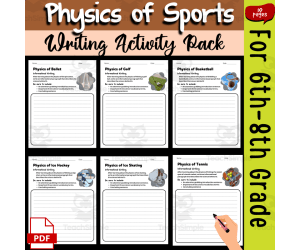
Physics of Sports Writing Activity Pack for 6th-8th Grade Science ELA
ELA, Writing, Physics, Science, Grade 6, 7, 8, Centers, Activities, Writing Prompts, Worksheets & Printables
This 11-page resource gives students everything they need to practice creative writing, sequencing, sentence building, adjectives, and character creation—all wrapped in an engaging Gingerbread Man theme. Each worksheet is clean, kid-friendly, and easy to pair with any Gingerbread Man read-aloud, making it perfect for December literacy activities. The pack includes a variety of writing prompts and graphic organizers such as: • A New Ending for the Gingerbread Man writing prompt • If the Gingerbread Man Visited Your School prompt • An adjectives chart to Describe the Gingerbread Man • A Beginning–Middle–End sequence chart • Draw & Write pages for creating a new gingerbread character • A character creation worksheet • Fill-in-the-sentences practice • A cut-and-paste sequencing activity with picture icons • A Gingerbread-themed word bank • A student writing checklist to support editing skills Students will build essential skills in creative writing, sequencing, sentence structure, descriptive language, character traits, drawing to support writing, and self-editing. Perfect for literacy centers, writing workshop, small-group lessons, fast finishers, substitute plans, winter lessons, and Gingerbread Man read-aloud units. All pages are black-and-white, print-friendly, and easy for teachers to use. File type: PDF Number of pages: 11
Author Sadigitalart
Rating
Tags Physics , Independent Practice, Physical Education, Sports, Homework Assignment

Spot Four Differences Series |3|
Special Resources, Special Education Needs (SEN), Speech Therapy, Math, Early Math, Not Grade Specific, Worksheets & Printables, Flashcards, Activities, Games, Worksheets
Spot Four Differences Series |3| Engages Visual Perception Spot Four Differences Series |3| is a 16-page teaching resource that stimulates children's visual perception and concentration. With 58 intricate black-and-white illustrations spanning 4 themes rendered in 3 versions each, students search for differences between original and altered images. Horizontal and vertical mirroring of pictures adds cognitive complexity. Usage ideas include individual assignments, small groups, or whole-class activities. Answer keys allow self-checking. Versatility as coloring sheets also develops motor skills and creativity. Relatable everyday scenes facilitate conversation. As digital flashcards, the series is ideal for distance learning, promoting engagement economically. Educators across contexts like special education, occupational therapy, speech therapy, foreign language classes, and beyond can implement this tool effectively. Adjust academic grade levels to suit unique needs. Let the innovation of merging entertainment and education unleash students' potential growth. Spot Four Differences Series |3| guides cognitive development safely and rewardingly.
Author WORDS ASIDE
Tags Premath, Cognitive Skills, Visual Perceptual, Math Stations, Language, Attention, Concentration, Fun, Coloring, Words Aside

Aladdin and the Magic Lamp Audio Book
ELA, Reading, Preschool, Kindergarten, Grade 1, 2, 3, Read Alouds, Activities
Aladdin rubbed the lamp, and—Whoosh! A genie appeared. “I am the Genie of the Lamp,” the genie said. “How may I serve you?” Listen to this classic tale of Aladdin, a carefree boy with big dreams, his wondrous lamp, and a powerful genie to grant his heart’s desire.
Author Twin Sisters Digital Media
Tags Classic Story, Aladdin, Magic, Lamp, Fiction, A La Magic Lamp
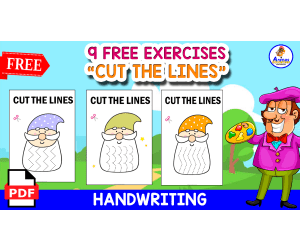
CUT THE LINES | 9 FREE EXERCISES
ELA, Handwriting, Writing, Early Learning, Activities
HELLO! WELCOME TO THE EDITORIAL ARENAS EDUCATIVAS RESOURCE STORE! This time we bring you these fantastic 20 puzzles to cut out! Your children's afternoons will no longer be boring thanks to these fantastic 20 puzzles to practice cutting out. 9 FREE EXERCISES FOR CUTTING LINES MAIN INFORMATION: 1. Why should teachers use educational material in the classroom? As is known, educational material helps students build their knowledge autonomously and, above all, in an unforgettable way. 2. What is the name of this document? This document is titled "Educational material for children" 3. What topic will be addressed in this resource? This document will address an educational topic that every child should learn in a basic way. 4. For what ages is it recommended? This set of educational sheets is recommended for children in general who are in the learning age and these sheets will be of great help to them. 5. Who is the author of this document? The author, who was in charge of producing and compiling this educational material, is EDITORIAL ARENAS EDUCATIVAS. 6. In what area of knowledge can it be applied? You can apply this set of educational sheets according to your criteria, in the corresponding area. SECONDARY INFORMATION: 7. Aimed at children of ages: This educational document is specifically aimed at children in primary education. 8. Area: This educational document may be used in some area of primary education for children. 9. Keywords: children, primary education, resources for children, free resources, primary resources, resources for primary education. 10. How do I print it? You can print this document in PDF format, A4 size. 11. How to apply it in class? You can apply this document individually or also in a group, it all depends on the criteria of the educator who is going to apply this sheet. 12. Will they need extra elements to use this sheet? Yes, perhaps the students when using this sheet will need pencils, colors, or perhaps scissors, eraser. It all depends on the point of view of the educator.
Author EDITORIAL LAURA EDUCA
Tags LINES, TRACING LINES, FREE RESOURCES, HANDWRITING

United Nations Day Reading Comprehension Passages and Questions
Reading, ELA, Elementary, Read Alouds, Activities
United Nations Day, observed on October 24, commemorates the founding of the United Nations in 1945. It highlights the UN's role in promoting peace, human rights, and global cooperation. The day is celebrated with events, discussions, and activities that raise awareness of international issues. It serves as a reminder of the importance of unity and collaboration among nations. Are you looking for a fun and engaging way to celebrate United Nations Day? This reading passage is a great resource for celebrating United Nations Day in schools while practicing reading skills. This educational resource features simple, kid-friendly pages designed to make learning both enjoyable and interactive. Great for homeschooling, classroom education, or extra practice. Number of pages: 8 pages (4 BW + 4 COLOR) Format PDF file size: 8.5*11 Inches If you and your students or your children enjoy using this educational and engaging resource. please rate it and follow my store to be the first to know about my new teaching resources and freebies. Enjoy!
Author Wonderland School
Tags United Nations Day, United Nations, Reading, Reading Comprehension, Close Reading, Read Aloud, United Nations Coloring Pages, United Nations Day Coloring Pages, United Nations Craft

Research Organizer & Essay Assignment: John Lewis
Social Studies, History, History: USA, Grade 8, 9, 10, 11, Activities, Projects, Worksheets & Printables, Worksheets
Research Organizer & Essay Assignment: John Lewis Guide students to research the life of civil rights icon John Lewis with this engaging 6-page resource. Includes a biography and note-taking worksheet for gathering facts and citing sources on Lewis' journey from civil rights activist to U.S. Representative. Builds to a 5-paragraph essay supported by an outline, peer review checklist, and Common Core-aligned rubric. Use as a complete lesson or abbreviated research activity for grades 8-11. Helps students practice research skills while learning about an influential figure in 20th century American history. Fosters independent work with scaffolded materials that make assigning and assessing manageable for teachers. Provided as customizable PDFs and Google Sheet.
Author The Language of Educational Art, LLC
Tags Essay, Rubric, Research, Notetaking, Outlining, John Lewis