



3,886 products added recently
Page 64 - Science Lesson Plan Template
Enhance your science instruction with a flexible lesson plan template designed for educators. This tool helps you structure objectives, materials, procedures, and assessments efficiently. Use it to create organized and impactful science lessons that cater to your students' needs.

 Show filters


I WONDER - Why Are Sloths So Slow | Animated Video Lesson
Animals, Life Sciences, Science, STEM, Grade 1, 2, 3, 4, 5, 6, 7, 8, Lesson Plans, Teacher Tools
Video Introduction Animal kingdoms are full of fascinating wonders to learn. This video is designed for the students to learn more about animals in different countries. I WONDER - Why Are Sloths So Slow | Animated Video Lesson Do you like animals? what is your favorite one? Do you own a pet? If yes, tell us more about it, like what its name? And what do you like most about it? What are the animal kingdoms? Can you write down the characteristics of each animal class like mammals, birds, reptiles, amphibian, fish and mollusks. Do you know that some animals can sing, can you name any of them? What is the largest and the smallest mammal in the world? What is the largest and the smallest bird in the world? What is the largest and the smallest fish in the world? I WONDER - Why Are Sloths So Slow | Animated Video Lesson The video is perfect for encouraging the researching skills for the students, while learning more about these fantastic animals. I WONDER - Why Are Sloths So Slow | Animated Video Lesson This friendly designed video is suitable for students at school, homeschooling, and as a group activity. Format Available in MP4 format.
Author Educational Voice
Tags Why Are Sloths So Slow, Why Are Sloths So Slow Video, Sloths, Sloth, Sloths Facts, Sloths Facts For Kids, Sloths Video, Sloths Video For Kids, Sloths Are So Slow, Sloths Are So Slow Facts

Free Science Human Microbiome Vocabulary Interactive Review
Science, Life Sciences, Human Body, Basic Science, Grade 7, Teacher Tools, Lesson Plans
Human Microbiome Vocabulary Words to Review and Reinforce Definitions of the 7TH Grade Science curriculum . Students will learn and practice terms through definitions and characteristics. The engaging activity promotes collaboration and class discussion as students review terms definitions, and more with multiple visuals and learning formats like multiple choice questions, memory games, hang-man, and others. This versatile resource can be used for whole-group instruction, small-group practice, or independent work, just practice the words and then review them by choosing the correct one, it will self-correct you until you choose the correct answer Practice your Vocabulary with this Free Interactive Game Introduce young learners to a variety of visuals with this entertaining digital game. Students will see the names and images of different words and definitions; exercising visual memory and concentration. This self-checking activity can be played independently or as a whole class game projected on a smartboard. The vibrant slideshow stimulates engagement while building construction classification skills. students will build their knowledge of important terms and definitions while having fun playing games. This activity stimulates intelligence, builds concentration, reinforces letter recognition, improves spelling and pronunciation, and engagingly expands vocabulary. It's a perfect supplement for your lesson. Check our shop, material, and products for more interactive construction vocabulary reviews covering other topics like human microbiome, metabolism, and more grade levels in science and Spanish language arts. Download this versatile 32-slide PowerPoint today!
Author ShapeUp-N-Matematicas y Lenguaje
Tags SCIENCE, Human Microbiome, Bacteria, Infection, Microbiome , Microorganism, Cells, Antibiotic, Cell, Scientific Argument

Ions Introduction Lesson
Science, Chemistry, Grade 8, 9, 10, Teacher Tools, Lesson Plans
Ions Introduction Lesson: An Interactive Chemistry Resource The Ions Introduction Lesson is an expansive teaching resource designed to facilitate the understanding of Ions for learners in Grade 8, 9, and 10. This educational kit offers a complete overview on ions that aligns well with any Science or Chemistry curriculum. It focuses on providing clear information about: Atoms' net charges, Electrons and protons, Difference between cations and anions, Determining ions' charge, Drawing Lewis Structures for ions, Naming strategies for ions, including multivalent ones. The lesson comes in both Google Slides and PowerPoint versions, catering to varied teaching needs. To maintain student engagement throughout the lesson, it provides interactive activities like filling up blanks within the content accompanied by a teacher version. In addition to this comprehensive resource, there is also a supplementary worksheet with answers which can be utilized as extra assignment post lecture. The link provided ensures easy integration into your digital storage solutions thus promoting distance learning capabilities. Tech-Compatible & Student-Accessible Your students can access resources from anywhere using tablets/smartphones/laptops. It allows whole group or small group instruction with added diversity during sessions. Additionally,the product includes one auto-graded exit ticket also- enhancing assessment tasks of content delivered.Task scheduling becomes simpler allowing you to assign resources to your students effortlessly. The tools are accessible in both Google & office formats which shields you from potential formatting hurdles if school/department decides going100%Google.This doesn't raise formatting issues.Activities/tasks still carried out effectively maintaining problem-solving discussions engaging method used extensively by teachers. The Ions Introduction lesson forms part of a broader Chemistry unit package that touches on different related topics such as: Physical/Chemical Changes & Properties, Periodic Table & Bohr Rutherford Diagrams, Lewis Structures, Ionic Compounds, Polyatomic Compounds, User Feedback and Recommendations The teaching resource received commendable reviews by prior users in the comment section increasing its reliability rating. Get your Ions Introduction Lesson today for an interactive teaching experience!
Author Teach With Fergy
Tags Ions, Chemistry, Science Education, Atomic Structure, Lewis Structures

Motion: How to Graph Motion - FLASH-PC
Science, Physics, Common Core, Grade 5, 6, 7, 8, Teacher Tools, Lesson Plans
Motion: How to Graph Motion - FLASH-PC An innovative tool designed to simplify the teaching and understanding of the concepts involved in graphing motion. This resource has been thoughtfully crafted for educators aiming at grades 5 through 8, providing valuable content that aligns with Common Core State Standards. In The Realm Of Science And Physics Combining interactive elements and comprehensive theory in a user-friendly software format, this teaching aid navigates students through the intricate aspects of plotting motion on graphs. It presents engaging methods including reading passages with pre-reading questions (before you read) as well as assessment questions (after you read). A Multi-dimensional Learning Tool Lively audio for an auditory learning experience. Dynamic visual content and printable resources aiding in visual retention. Vocabulary flashcards add to its appeal making it an all-inclusive package suitable for teachers and homeschoolers alike. An Array of Possibilities... The hands-on activities that optimize student engagement while enhancing critical thinking skills according to Bloom's Taxonomy. The technology can be used for individual assignments or homework tasks thereby fostering independent learning, further more this immersive product can also serve as a platform for classroom experimentation or demonstrations. "Motion: How to Graph Motion - FLASH-PC" thus bridges gaps between textbook knowledge and real-world comprehension in an accessible way. Ideal For Varied Instructional Settings! Fostering group discussions during whole group instruction or center-focused small group activities. A useful addition to any science curriculum due to its abundant embedded tools offering numerous possibilities for lesson plans related to Physics concepts. Lastly, the added feature of video content aims at clarifying techniques needed when graphing motion — ensuring an all-around approach towards mastery of this subject matter. Overall, it serves as tool enhancing academic performance by strengthening student's understanding of complex scientific principles.
Author Classroom Complete Press
Tags Software (PC)

I WONDER - Why Do We Have Seasons | Animated Video Lesson
Earth Sciences, Earth and Environmental Sciences, Science, Grade 4, 5, 6, 7, 8, 9, 10, Lesson Plans, Teacher Tools
Video Introduction An amazing video designed for the students to learn more about famous phenomena in different countries. I WONDER - Why Do We Have Seasons | Animated Video Lesson What do you know about this phenomenon? Where it happens? When it happens? What are the safety measures that we should take to be safe during this phenomenon? Are there any other places in the world that experienced this phenomenon? If yes, tell us more about them. Why do you think it happens? Do you like reading about Geography? What is your favorite country in the whole world? I WONDER - Why Do We Have Seasons | Animated Video Lesson The video is perfect for encouraging the researching skills for the students, while learning more about this fantastic phenomenon. I WONDER - Why Do We Have Seasons | Animated Video Lesson The video is perfect for encouraging the researching skills for the students, while learning more about this fantastic phenomenon. Format Available in a PDF format.
Author Educational Voice
Rating
Tags Why Do We Have Seasons, Why Do We Have Seasons Video, Seasons, Seasons Facts, Seasons Video, Seasons Video For Kids, Seasons Facts For Kids, Spring, Summer , Winter

Aerobic Respiration - Glycolysis & Pyruvate Oxidation - Biology lesson
Science, Life Sciences, Biology, Grade 11, 12, Teacher Tools, Lesson Plans
Introduction to Cellular Respiration & Fermentation - High School Biology lesson Your lesson covers glycolysis and pyruvate oxidation in detail. In order, the lesson teaches; why we need Cellular Respiration, Glycolysis, the 10 Steps of Glycolysis, the Net Reaction of Glycolysis, and Pyruvate Oxidation. Your lesson includes the teacher and student version of the presentation, six embedded videos, an auto-graded exit ticket, and a student lesson handout so the students can record the notes on a more condensed medium. This lesson is designed to be your go-to resource, whether you're in a traditional classroom or a virtual one. With both a teacher version and a student version, it seamlessly fits into your lesson plans, making learning engaging and adaptable. Assessment made easy We've included an auto-graded Exit Ticket and a quiz with an answer key because I know you don't have an excess of time. I know you don't, because I don't and I know I'll do whatever I can to reduce my grading time. Whether you use PowerPoint or Google Slides, prefer Word or Google Docs, this lesson has you covered. This lesson comes in both Office and Google formats for your convenience. The student version of the presentation has strategically placed blanks for them to fill in as you're teaching. It keeps them active and engaged, encourages discussion, and leaves more time for those "aha" moments.
Author Teach With Fergy
Tags Senior Biology, Biology Lesson, Aerobic Respiration, Glycolysis, Pryuvate, ETC, Cellular Respiration, Pyruvate Oxidation
Global Warming REDUCTION: How Warm Will Earth Get? - FLASH-MAC
Science, Earth and Environmental Sciences, Environmental Science, Common Core, Grade 5, 6, 7, 8, Teacher Tools, Lesson Plans
Global Warming REDUCTION: How Warm Will Earth Get? – FLASH-MAC An essential resource for learning about the environmental ramifications of global warming. Targeted at students from grade levels 5 through 8, this educational tool is enriched with factual and up-to-date information about our evolving planet. A Focus on Science and Environmental Issues The program simplifies educators' task in conducting comprehensive discussions on global warming and its effects. Included reading passages act as guides to understanding Global Warming Reduction and its impacts on Earth's temperature. An Educator's Ally: This product does not only lessen preparation efforts but also spices up lessons with exciting interactive activities incorporated into it. You can cater to whole group instruction or smaller clusters depending upon your class dynamics. The software design is user-friendly allowing seamless conduct of engaging lessons. Vocabulary flashcards enrich student engagement while boosting their language skills along the way. Dive deeper into topics with questions! 'Before you read' and 'after you read' questions encourage pupils to delve further into each topic, fostering critical thinking skills! This standout feature integrates Common Core State Standards along with keeping within Bloom's Taxonomy- acknowledged frameworks for enhanced student understanding across diverse subjects. Multimedia content for modern learning: Be it regular face-to-face classes or remote instructing due to pandemic constraints, this resource proves highly beneficial given its audiovisual component paralleled by printable content. In conclusion, FLASH-MAC's Global Warming REDUCTION teaching tool makes imparting knowledge about significant global issues simple, insightful, interactive ensuring no learner is left behind - whatever circumstances might be!
Author Classroom Complete Press
Tags Software (Mac)

I WONDER - Are Cucumbers Fruits Or Vegetables | Animated Video Lesson
Nature & Plants, Life Sciences, Science, Grade 4, 5, 6, 7, 8, 9, 10, Lesson Plans, Teacher Tools
Video Introduction An amazing activity designed for the students to learn more about STEM. I WONDER - Are Cucumbers Fruits Or Vegetables | Animated Video Lesson Do you like STEM subjects? what is your favorite one? Have you ever tried to plant a seed? If yes, tell us more about it. Or have you ever tried to invent something? If yes, tell us more about it. And how do you think it will help us? Have you ever seen a microorganism under a microscope? What was it? And how it looked like? Mathematics is a marvelous subject. Let' sharpen our brains and solve some equations. Do you like timetable tricks? What is your favorite one? Do you know how to code? Have you ever created an app or a game before? If yes, how was it like? I WONDER - Are Cucumbers Fruits Or Vegetables | Animated Video Lesson The video is perfect for encouraging the researching skills for the students, while learning more about this fantastic topic. I WONDER - Are Cucumbers Fruits Or Vegetables | Animated Video Lesson This friendly designed video is suitable for students at school, homeschooling, and as a group activity. Format Available in MP4 format.
Author Educational Voice
Tags Are Cucumbers Fruits Or Vegetables, Are Cucumbers Fruits Or Vegetables Video, Cucumbers, Cucumbers Facts, Cucumbers Video For Kids, Fruits, Fruits Facts, Fruits Video For Kids, Vegetables
I WONDER - What Animals Live In Marshes | Animated Video Lesson
STEM, Animals, Life Sciences, Science, Biology, Grade 1, 2, 3, 4, 5, 6, 7, 8, Lesson Plans, Teacher Tools
Video Introduction Animal kingdoms are full of fascinating wonders to learn. This video is designed for the students to learn more about animals in different countries. I WONDER - What Animals Live In Marshes | Animated Video Lesson Do you like animals? what is your favorite one? Do you own a pet? If yes, tell us more about it, like what its name? And what do you like most about it? What are the animal kingdoms? Can you write down the characteristics of each animal class like mammals, birds, reptiles, amphibian, fish and mollusks. Do you know that some animals can sing, can you name any of them? What is the largest and the smallest mammal in the world? What is the largest and the smallest bird in the world? What is the largest and the smallest fish in the world? I WONDER - What Animals Live In Marshes | Animated Video Lesson The video is perfect for encouraging the researching skills for the students, while learning more about these fantastic animals. I WONDER - What Animals Live In Marshes | Animated Video Lesson This friendly designed video is suitable for students at school, homeschooling, and as a group activity. Format Available in MP4 format.
Author Educational Voice
Tags What Animals Live In Marshes, What Animals Live In Marshes Video, Animals That Live In Marshes, Animals That Live In Marshes Facts, Animals That Live In Marshes Facts For Kids, Animals That Live In Marshes Video

Biofuel, Fossil Fuel Alternative: Environment Lesson Plan, Worksheet, Google App
Science, Earth and Environmental Sciences, Environmental Science, Grade 8, 9, 10, Lesson Plans, Teacher Tools
What is Biofuel? Biofuelsare fuels that are created from organic material (biomass) either directly or indirectly. Unlike traditional fossil fuels,biofuelis made from organic materials like plants or even animal waste.Biofuelsare what provide us withbioenergy, which takes care of around 10 percent of the world’s energy needs and they can be in the form of either a liquid, solid, or gas. Due to the updates in current technology and environmental science, biofuels can be extracted from a variety of materials; waste, wood, or crops, for instance. There are both primary and secondary biofuels. Primary biofuels come from organic material that is used in its natural forms such as firewood, wood chips, or pellets. Secondary biofuels come from organic material that is processed such as bio-oil, ethanol, or biodiesel. This lesson plan answers the following questions: 1.1 What is bioenergy? What is biofuel? 1.2 What are the different types of liquid biofuels for transport? 1.3 What are second-generation biofuels? 1.4 How much liquid biofuel could be produced? Bundle includesfilesin two formats to ensure all students can complete the lesson no matter what type of device they are working on. - Digitally fillable PDF - Printable PDF - Google Slides with fillable fields for students - Answer key included
Author Dynamic Earth Learning
Tags Biofuel, Fossil Fuel, Environment Lesson Plan, Biofuel Worksheet, Google Classroom, Is Biofuel A Fossil Fuel
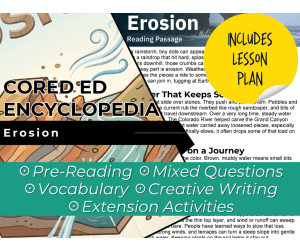
Erosion Reading Comprehension Passage - Cored Ed Encyclopedia
ELA, Reading Comprehension, Reading, Science, Technology, Language Development, Social Studies, Earth and Environmental Sciences, Geography, Life Sciences, Grade 2, 3, 4, 5, Worksheets & Printables, Worksheets, Teacher Tools, Centers, Activities, Writing Prompts, Assessments, Quizzes and Tests, Quizzes, Lesson Plans
This erosion reading comprehension with lesson plan includes: Visualization (on the front cover) Start your lesson by taking a minute to think and share something about the topic. Read the script aloud (slowly), perhaps prepare some music or sound effects. Student close their eyes and let their imaginations wander. Students open their eyes, read the question aloud and give them a few minutes to complete. Ask a few students to share or keep answers until the end to compare with what they learn in the passage. Quick pause—thousands of Cored Education products are included with your TeachSimple membership. Download links and encyclopedia index available here. Pre-Reading Trivia Students will write down one thing they already know about the subject and then read five more facts and discuss. These facts are fun, and the students will enjoy learning about the subject before reading more. Give 1 minute for students to write what they already know (no pressure—best guess is fine). Read the five facts together. After each fact, do ask a student for their opinion, was it surprising? Set a purpose by asking students to highlight/underline one fact they want to learn more about during the reading. Reading Passage The text is a high-interest reading passage with set paragraphs, roughly three to four paragraphs long. It contains a variety of themes about the topic, anywhere from history to technology. The passage is between 250 and 350 words in length. First, ask students to look at the headings and see what they’ll learn about today. What do they know about the topic/heading? First read options: Teacher read-aloud (best for support). Partner reading (paragraph by paragraph). While reading, students underline important details, and vocabulary words they think may come up in the questions section. Mixed Questions The first question page contains four multiple-choice questions, each with a choice of four answers, and three written response questions that require a sentence or two from the student. Students complete the mcqs first independently, then review quickly as a class. For the 3 written responses, try to get students giving the answer with some form of evidence: “I think ___ because the text says ___.” If students get stuck, send them back to check the passage. Vocabulary Questions Practice seven key words from the text in this section across two activities. First section is scrambled words where students will unscramble three words given a clue for each. The second section is a word to meaning matching activity. Before starting, have some students read out words they underlined in the passage. Ask students to say the word and read aloud the sentence(s) around each word. Ask students to do scrambled words and the matching exercise in pairs then go through answers as a class. For the scrambled spelling task, get four pairs to come up to the board and write the words for extra practice with the other student reading out the clue. For the matching task, prompt students to give full sentences: “I matched ___ with ___ because ___.” Creative Writing In this question, the student will be required to write a five to eight sentence paragraph on a question related to the topic. Before starting, ask students write down 3 key ideas they are going to include in their piece. Ask students for ideas to share around the class to help those struggling. Pro writing expectations: 5–8 sentences At least 2 facts or details from the passage At least 2 vocabulary words from the previous page Students read their paragraphs while classmates listen for facts and vocabulary words. Extension Activities This page is optional for fast finishers or to take home. There are several activities, each one requiring a different skill. Do some, do none, do all, completely optional - but you will feel reassured knowing every possibility is planned for. Includes summary writting question and additional facts. Answer Key There are answers for the multiple-choice questions, written response questions have sample answers, vocabulary answers and if there is a summary question then a sample summary will be provided as well. Lesson Plan Included Customized lesson plan for this lesson is included. Lesson Snapshot Title: Erosion Genre: Nonfiction (Informational Text) Subject: Science (Earth Science) / Reading (Informational Text) Primary Topic: How erosion moves Earth materials and changes land Estimated Guided Reading Level (A–Z): N What This Lesson Teaches Best Clearly distinguishes weathering (breaking rock apart in place) from erosion (moving pieces away). (Reading Passage, p. 3) Explains multiple forces that cause erosion— water, wind, waves, ice, and gravity —and what they do to Earth’s surface. (p. 3) Shows how rivers reshape land over time, including how moving water and sediment can help carve deep valleys (Colorado River/Grand Canyon example). (p. 3) Introduces sediment and connects erosion to deposition , explaining how new landforms can build up (beaches, river deltas). (p. 3) Connects science to real-world problem solving by describing ways people can slow soil loss (trees, terraces, keeping plants on soil). (p. 3) Learning Goals Students will explain how erosion is different from weathering using the text’s definitions. Students will identify forces that can cause erosion (water, wind, waves, ice, gravity). Students will describe how rivers move sediment and can change riverbeds and valleys over time. Students will explain what sediment is and how deposition happens when sediment settles. Students will describe at least two ways people can help soil “stay home,” based on the passage. Key Vocabulary From the Text weathering — breaking rock apart where it sits. erosion — moving soil and rock to a new place. sediment — tiny bits of soil and rock that travel. deposition — when sediment settles and builds up land. terraces — steps that slow water on a steep slope. FULL CATALOG OF DOWNLOAD LINKS AND ENCYCLOPEDIA INDEX HERE
Author Cored Education
Rating
Tags Vocabulary, Reading Comprehension, Reading Passages, Lesson Plans, Ela Lesson Plans, Reading Comprehension Lesson Plans, Pre-reading, Geography, Earth Science, Science Lesson Plans

I WONDER - What Is A Geyser | Animated Video Lesson
Earth Sciences, Earth and Environmental Sciences, Science, Environmental Science, Geography, Social Studies, Grade 3, 4, 5, 6, 7, 8, 9, Lesson Plans, Teacher Tools
Video Introduction An amazing video designed for the students to learn more about natural disasters in different countries. I WONDER - What Is A Geyser | Animated Video Lesson What do you know about this natural disaster? Do you know in which part of the world this could happen? Have you ever read about the safety misusers that we could have to protect ourselves from this natural disaster? If yes, can you tell us more about them? Can you name other natural disasters? If yes, tell us more about where they are likely to happen? And how frequently? Do you like reading about Geography? What is your favorite country in the whole world? If you are going on a trip where it will be? Which country? What you are going to see there? Does this country has a famous place to visit? Do you like reading about Geology? If yes, what is your favourite topic? I WONDER - What Is A Geyser | Animated Video Lesson The video is perfect for encouraging the researching skills for the students, while learning more about this fantastic phenomenon. I WONDER - What Is A Geyser | Animated Video Lesson This friendly designed video is suitable for students at school, homeschooling, and as a group activity. Format Available in MP4 format.
Author Educational Voice
Tags What Is A Geyser, What Is A Geyser Video, Geyser, Geysers, Geyser Facts, Geyser Facts For Kids, Geyser Video, Geyser Video For Kids, Geysers Video, Geysers Facts

I WONDER - Why Are Bubbles Round | Animated Video Lesson
Chemistry, Science, STEM, Grade 6, 7, 8, 9, 10, 11, 12, Lesson Plans, Teacher Tools
Video Introduction An amazing video designed for the students to learn more about STEM. I WONDER - Why Are Bubbles Round | Animated Video Lesson Do you like STEM subjects? what is your favorite one? Have you ever tried to plant a seed? If yes, tell us more about it. Or have you ever tried to invent something? If yes, tell us more about it. And how do you think it will help us? Have you ever seen a microorganism under a microscope? What was it? And how it looked like? Mathematics is a marvelous subject. Let' sharpen our brains and solve some equations. Do you like timetable tricks? What is your favorite one? Do you know how to code? Have you ever created an app or a game before? If yes, how was it like? I WONDER - Why Are Bubbles Round | Animated Video Lesson The video is perfect for encouraging the researching skills for the students, while learning more about this fantastic topic. I WONDER - Why Are Bubbles Round | Animated Video Lesson This friendly designed video is suitable for students at school, homeschooling, and as a group activity. Format Available in MP4 format.
Author Educational Voice
Tags Why Are Bubbles Round, Why Are Bubbles Round Video, Bubbles, Bubbles Facts, Bubbles Facts For Kids, Bubbles Video, Bubbles Video For Kids, Chemistry, Chemistry Video
I WONDER - What Is The Difference Between A Monkey And An Ape
STEM, Biology, Life Sciences, Science, Animals, Grade 3, 4, 5, 6, 7, 8, 9, Lesson Plans, Teacher Tools
Video Introduction Animal kingdoms are full of fascinating wonders to learn. This video is designed for the students to learn more about animals in different countries. I WONDER - What Is The Difference Between A Monkey And An Ape | Animated Video Lesson Do you like animals? what is your favorite one? Do you own a pet? If yes, tell us more about it, like what its name? And what do you like most about it? What are the animal kingdoms? Can you write down the characteristics of each animal class like mammals, birds, reptiles, amphibian, fish and mollusks. Do you know that some animals can sing, can you name any of them? What is the largest and the smallest mammal in the world? What is the largest and the smallest bird in the world? What is the largest and the smallest fish in the world? I WONDER - What Is The Difference Between A Monkey And An Ape | Animated Video Lesson The video is perfect for encouraging the researching skills for the students, while learning more about these fantastic animals. I WONDER - What Is The Difference Between A Monkey And An Ape | Animated Video Lesson This friendly designed video is suitable for students at school, homeschooling, and as a group activity. Format Available in MP4 format.
Author Educational Voice
Tags What Is The Difference Between A Monkey And An Ape, What Is The Difference Between A Monkey And An Ape Video, The Difference Between A Monkey And An Ape, Monkey, Monkey Facts, Ape, Ape Facts

I WONDER - Why Do Penguins Huddle Together | Animated Video Lesson
STEM, Animals, Life Sciences, Science, Biology, Grade 1, 2, 3, 4, 5, 6, 7, 8, Lesson Plans, Teacher Tools
Video Introduction Animal kingdoms are full of fascinating wonders to learn. This video is designed for the students to learn more about animals in different countries. I WONDER - Why Do Penguins Huddle Together | Animated Video Lesson Do you like animals? what is your favorite one? Do you own a pet? If yes, tell us more about it, like what its name? And what do you like most about it? What are the animal kingdoms? Can you write down the characteristics of each animal class like mammals, birds, reptiles, amphibian, fish and mollusks. Do you know that some animals can sing, can you name any of them? What is the largest and the smallest mammal in the world? What is the largest and the smallest bird in the world? What is the largest and the smallest fish in the world? I WONDER - Why Do Penguins Huddle Together | Animated Video Lesson The video is perfect for encouraging the researching skills for the students, while learning more about these fantastic animals. I WONDER - Why Do Penguins Huddle Together | Animated Video Lesson This friendly designed video is suitable for students at school, homeschooling, and as a group activity. Format Available in MP4 format.
Author Educational Voice
Tags Why Do Penguins Huddle Together, Why Do Penguins Huddle Together Video, Penguins Huddle, Penguins Huddle Facts, Penguins Huddle Facts For Kids, Penguins Huddle Video, Penguins Huddle Video For Kids
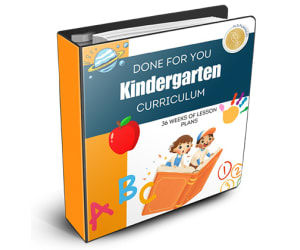
Kindergarten Full Curriculum PowerPoint Bundle | 36 Weeks of Editable
ELA, Math, Science, Social Studies, Special Resources, P.E. & Health, Kindergarten, Lesson Plans, Teacher Tools, Graphic Organizers, Literacy Readers
🌟 Kindergarten Full Curriculum PowerPoint Bundle | 36 Weeks of Editable Lessons Make your kindergarten planning stress-free with this complete, editable PowerPoint curriculum covering all core subjects for the entire school year! With 1,202 slides across 4 PowerPoint files , you’ll have every week planned out—no prep required. ✨ What’s Included 4 editable PowerPoint files (full-year coverage) 36 weeks of lessons aligned to Kindergarten learning goals 1,202 total slides – fully customizable Weekly topics include: Language & Literacy Mathematics Science Social Studies Arts Physical Education Social & Emotional Development End-of-year capstone project with: Step-by-step project directions Student presentation & exhibition guide Certificate of Achievement 💡 How It Works in the Classroom Use these editable slides for: Whole group or small group instruction Digital lessons or print-and-go teaching Centers, morning meetings, or weekly planning Homeschool or classroom curriculum pacing Each week provides complete, structured lessons designed to support growth across multiple learning domains while keeping your students engaged and curious. 🎯 Standards & Learning Goals This comprehensive kindergarten curriculum supports key early learning standards including: Foundational literacy and numeracy Inquiry-based science and social studies Creative arts and physical development Social-emotional growth and collaboration skills ❤️ Why Teachers Love It ✅ Covers every subject in one place ✅ Saves hours of lesson prep ✅ Fully editable and customizable ✅ Promotes active, well-rounded learning ✅ Perfect for new teachers, homeschoolers, or full-year pacing guides Transform your kindergarten classroom with a full year of ready-to-use lessons—download your complete editable curriculum today!
Author Bright Classroom Ideas Marketplace
Rating
Tags Kindergarten, Curriculum, Lesson, Plan, Math, Ela, Science, Social, Project, Worksheet

I WONDER - What Is The Biggest Seed In The World | Animated Video
Nature & Plants, Life Sciences, Science, Grade 4, 5, 6, 7, 8, 9, 10, Lesson Plans, Teacher Tools
Video Introduction An amazing activity designed for the students to learn more about STEM. I WONDER - What Is The Biggest Seed In The World | Animated Video Lesson Do you like STEM subjects? what is your favorite one? Have you ever tried to plant a seed? If yes, tell us more about it. Or have you ever tried to invent something? If yes, tell us more about it. And how do you think it will help us? Have you ever seen a microorganism under a microscope? What was it? And how it looked like? Mathematics is a marvelous subject. Let' sharpen our brains and solve some equations. Do you like timetable tricks? What is your favorite one? Do you know how to code? Have you ever created an app or a game before? If yes, how was it like? I WONDER - What Is The Biggest Seed In The World | Animated Video Lesson The video is perfect for encouraging the researching skills for the students, while learning more about this fantastic topic. I WONDER - What Is The Biggest Seed In The World | Animated Video Lesson This friendly designed video is suitable for students at school, homeschooling, and as a group activity. Format Available in MP4 format.
Author Educational Voice
Tags What Is The Biggest Seed In The World, What Is The Biggest Seed In The World Video, Biggest Seed, Biggest Seeds, Biggest Seeds Facts, Biggest Seeds Facts For Kids, Biggest Seed Video For Kids

All About The Immune System | Human Body Video Lesson
Science, Life Sciences, Human Body, Not Grade Specific, Lesson Plans, Teacher Tools
All About The Immune System | Human Body Video Lesson A specialized teaching resource designed to captivate, engage and educate students of all grade levels about the fascinating world within themselves - the immune system. This scientific video lesson is not only factual and concise in nature but also finely balanced with interactivity, making it an enjoyable educational tool for both teachers and students alike. About The Video This 12-minute MP4 video expounds on one of the most vital systems in our bodies: the immune system. It serves as an ideal conceptual building block for lessons about human anatomy or health sciences. Crafted by education professionals, this engaging visual guide contributes to enhancing comprehension of complex biological concepts with its riveting audio-visual content. Versatility & Suitability In Learning Settings Suitable for various learning settings, this flexible teaching resource can be efficiently employed in different classroom environments: Introductory Tool: It can set the stage at the start of a lesson plan related to human biology to pique learners' interests. In Whole-group Instruction: Teachers could utilize it where active discussions can be encouraged after viewing, fostering a cooperative learning atmosphere. In Small Group Activities or Individual Assignments: This resource can bridge knowledge gaps by reinforcing previously taught materials or serve as enhanced study aid for learners who prefer visual pedagogical approaches. This valuable addition fits seamlessly into science and particularly human body sub-subject curricula irrespective of your students' academic standing or age group. The Experiential Learning Advantage , In essence, this video lesson creates experiential learning opportunities that feed curiosity while supporting comprehensive understanding about our immune system - ushering every student towards becoming informed future global health citizens through memorable audio-visual educational experiences.
Author Educational Voice
Tags Immune System, Human Body, Biology Lesson, Health Sciences, Interactive Learning
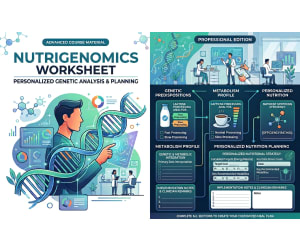
Nutrigenomics & DNA-Based Diet Planning
Science, Chemistry, Life Sciences, Biology, Human Body, Research, Resources for Teachers, Classroom Management, Community Building, STEM, Grade 6, 7, 8, 9, 10, 11, 12, Worksheets & Printables, Worksheets, Workbooks, Word Searches, Teacher Tools, Assessments, Lesson Plans, Quizzes and Tests, Quizzes, Tests
Unlock the future of personalized nutrition with this comprehensive, 42-page curriculum on Nutrigenomics and DNA-Based Diet Planning . Are your students or clients tired of one-size-fits-all health advice? This digital resource is the perfect tool to bridge the gap between complex genetic data and real-world, actionable meal planning. Designed for advanced learners, this unit moves beyond basic nutrition and dives into the cutting-edge science of how our unique genetic makeup dictates our response to foods. Students will learn to translate raw genetic data (SNPs) from common variants like MTHFR, APOE, TCF7L2, CYP1A2 (caffeine metabolism), and MCM6 (lactose intolerance) into highly personalized dietary protocols. This is not just a lecture—it's a complete, turnkey educational package perfect for AP Biology, IB Biology, university-level nutrition or genetics courses, and professional development for health coaches and dietitians. What's Included in This 42-Page All-in-One Resource: Part 1: Core Content & Theory (11 pages): A robust introduction to the molecular paradigm of nutrition, covering the genetics of macronutrient metabolism, enzymatic pathways (caffeine & lactose), and a hierarchical approach to building a DNA-based meal plan. Includes two detailed case studies (Elena & Marcus) that demonstrate how to synthesize multiple genetic factors into a cohesive plan. Part 2: Student Workbook (20 pages): Ten in-depth, high-level worksheets that guide students through an analytical process. They will map their own (or a case study's) genetic predispositions related to: Caffeine Metabolism (CYP1A2) Lactose Persistence (MCM6/LCT) Folate Metabolism (MTHFR) Lipid Transport & Saturated Fat (APOE/APOA2) Starch Digestion (AMY1) Vitamin D Receptor (VDR) Sodium Sensitivity (ACE/AGT) Histamine Degradation (DAO) And a final, integrated "Master Meal Plan" worksheet. Part 3: Visuals & Teacher Resources (11 pages): Includes high-resolution diagrams perfect for presentations and handouts, plus a complete Teacher Answer Key for the case study worksheets, providing detailed, expert-level answers and rationale. Learning Outcomes: Upon completion, students will be able to: Analyze and interpret key single nucleotide polymorphisms (SNPs) related to diet. Understand the biochemical impact of genetic variants on metabolism. Develop a prioritized, evidence-based dietary plan from genetic data. Critically evaluate how diet can be used to mitigate genetic risk and optimize health. Move from abstract theory to practical, real-world application. Keywords: Nutrigenomics, Personalized Nutrition, DNA Diet, Genetics, Biology Curriculum, AP Biology, IB Biology, University Nutrition, Dietetics, Health Coach Resource, SNP, MTHFR, APOE, CYP1A2, Caffeine Metabolism, Lactose Intolerance, Printable, Digital Workbook, Science, Project-Based Learning. Why Parents/Schools Love It: Bridges Theory and Real-World Application: This isn't just memorizing facts. It teaches students critical thinking by applying complex genetic science to a practical, everyday subject: food. Prepares Students for Future-Focused Careers: It provides a strong foundation in the rapidly growing fields of personalized medicine and wellness, giving students a significant advantage in college applications and future careers. Turnkey, Comprehensive Curriculum: It's an all-in-one resource with theory, worksheets, visuals, and a complete answer key, saving teachers valuable preparation time while providing a rigorous, high-quality lesson. Makes Science Personal and Engaging: By focusing on how DNA affects an individual's own body (or compelling case studies), it transforms an abstract topic into a deeply personal and engaging investigation. Target Audience (Student Classes) : Based on the advanced vocabulary ("phenotypic risk stratification," "cytochrome P450," "thermolabile enzyme") and the complexity of the tasks, target the following groups: University/College Students: This is the primary audience. It's perfectly suited for undergraduate and graduate courses in: Nutrition and Dietetics Human Biology and Kinesiology Genetics and Molecular Biology Naturopathic or Functional Medicine Programs Advanced High School Students: This is an excellent resource for accelerated programs, providing a significant competitive edge. AP Biology (especially for units on genetics and gene expression) IB Biology (Higher Level) Advanced Health Science Electives Professional Development: This workbook is a valuable upskilling tool for practicing or training: Health Coaches Nutritionists Personal Trainers with an interest in advanced nutrition. Copyright/Terms of Use: This Book was copyrighted by Syed Hammad Rizvi. This resource is for personal and single classroom use only. You may not alter, redistribute, or sell any part of this resource. In other words, you may not put it on the Internet where it could be publicly found and downloaded. If you want to share this resource with colleagues, please purchase additional licenses from Teachsimple. Thank you for respecting these terms of use. This product is happily brought to you by Syed Hammad Rizvi
Author Creative Book Store
Rating
Tags Nutrigenomics, PersonalizedNutrition, DNADiet, NutritionalGenomics, PrecisionNutrition, FunctionalNutrition, GeneticTesting, Biohacking, HealthScience, MolecularBiology

What's With Weather Fronts? | Interactive Science Lesson | Micro-Learning Deck
Science, Earth and Environmental Sciences, Environmental Science, Grade 6, 7, 8, 9, Teacher Tools, Lesson Plans
This micro-learning deck is the perfect accessory to your Science instruction! This digital slideshow presents What's With Weather Fronts? Within this slideshow, you will receive: -Video Lesson -Reading Passage w/ Audio -Close Reading -Quick Write The informational texts included in this resource alongside the informal assessments will keep your students engaged from beginning to end.
Author Teach Me This
Tags Weather Fronts, Interactive, Science, Environmental, Close Reading
I WONDER - Why Do Birds Have Hollow Bones | Animated Video Lesson
STEM, Biology, Life Sciences, Science, Animals, Grade 1, 2, 3, 4, 5, 6, 7, 8, Lesson Plans, Teacher Tools
Video Introduction Animal kingdoms are full of fascinating wonders to learn. This video is designed for the students to learn more about animals in different countries. I WONDER - Why Do Birds Have Hollow Bones | Animated Video Lesson Do you like animals? what is your favorite one? Do you own a pet? If yes, tell us more about it, like what its name? And what do you like most about it? What are the animal kingdoms? Can you write down the characteristics of each animal class like mammals, birds, reptiles, amphibian, fish and mollusks. Do you know that some animals can sing, can you name any of them? What is the largest and the smallest mammal in the world? What is the largest and the smallest bird in the world? What is the largest and the smallest fish in the world? I WONDER - Why Do Birds Have Hollow Bones | Animated Video Lesson The video is perfect for encouraging the researching skills for the students, while learning more about these fantastic animals. I WONDER - Why Do Birds Have Hollow Bones | Animated Video Lesson This friendly designed video is suitable for students at school, homeschooling, and as a group activity. Format Available in MP4 format.
Author Educational Voice
Tags Why Do Birds Have Hollow Bones, Why Do Birds Have Hollow Bones Video, Birds Have Hollow Bones, Birds Have Hollow Bones Facts, Birds Have Hollow Bones Facts For Kids, Birds Have Hollow Bones Video

Dingoes at Dinnertime (Magic Tree House #20 Lesson Plan, Videos, Activities)
Social Studies, ELA, Geography, Reading, Reading Comprehension, Grammar, Literature, Language Development, Vocabulary, Spelling, Writing, Science, Life Sciences, Animals, Grade 1, 2, 3, Lesson Plans, Teacher Tools
Magic Tree House #20: Dingoes at Dinnertime Novel Study Transport students to the Australian Outback with this comprehensive 5-day novel study for Dingoes at Dinnertime, part of the beloved Magic Tree House series. Through reading, writing, geography, and art activities, second and third graders will strengthen literacy skills while learning about dingoes, Aboriginal culture, and the landscape of the Land Down Under. The customizable resource includes a lesson plan outlining instructional strategies like whole class, small group, paired, and individual work. Interactive and hands-on components engage visual, auditory, and kinesthetic learners. Assessment includes chapter questions, vocabulary practice, and language arts exercises focused on grammar, spelling, and different forms of writing. Extend learning even further with supplementary videos. This all-in-one novel study builds content knowledge and reading comprehension in an engaging way.
Author Heather Huhman
Tags Dingoes At Dinnertime, Magic Tree House, Book Companion, Novel Study, Australia, Dingoes, Kangaroos, Koalas
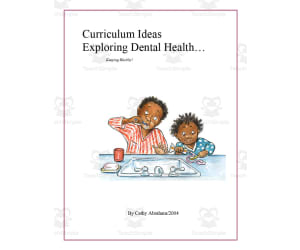
Dental Health Curriculum Pack
Creative Arts, Art, Social Studies, ELA, Math, Early Math, Science, Basic Science, P.E. & Health, Health, Kindergarten, Lesson Plans, Teacher Tools
If your students are studying hygiene or are about to begin a dental health unit, I have just the resource to provide you with everything you need and more! This is a Dental Health Curriculum Pack complete with an abundance of printable resources and engaging activities for students to complete. This curriculum was designed for your preschool students. The curriculum goal is to explore and learn ways in which they can take care of their teeth and the benefit of good oral hygiene – while fostering self-help skills and autonomy. The vocabulary that students will focus on is teeth, oral hygiene, dentist, hygienist, cavities, dentures, calcium, tooth, molars, cuspids, floss, gums, roots, and incisors. This curriculum will come with a color of the week (white) and a letter of the week (D). This curriculum pack includes: --Sensory Table Ideas --Art Activities --Cooking Experience --Community Time --Math Activities --Home/School Connection Ideas --Science Table Enrichments --Science Concepts/Activities --Prop Box Ideas/Dramatic Play Enrichments --Movement and Motor --Playground/Walk Activities --Transition/Waiting Ideas --Block Area Enrichments --Flannel Board --Teacher Made Enrichment Ideas --Field Trip Ideas --Supplemental Learning Ideas/Activities At the start of this pack, you will receive a list of supplies needed for activities and projects. The worksheets, activities, and tasks included in this pack are intended to be completed in a variety of formats – whole group, small group, and independent work. I hope you enjoy!
Author Learning Foundations
Tags Dental Health, Hygiene, Healthy Habits, Preschool, Reading Curriculum, Science Activities, Art Activity, Sensory Table, Nature Walk, Transitions

Space Travel & Technology: Mission to Mars Gr. 5-8
Science, Earth and Environmental Sciences, Space, Grade 5, 6, 7, 8, Teacher Tools, Lesson Plans
Space Travel & Technology: Mission to Mars for Grades 5-8 A top-notch teaching resource targeted towards both public school teachers and homeschool educators. This source brings the fascination of space exploration right into your classroom or home, intending to ignite the spark of scientific curiosity in young scholars. Key Features: An exciting chapter "Mission to Mars" that offers a view into the experiences of an International Space Station (ISS) crew member gearing up for a voyage to Mars. Educational content suitable not just for advanced learners but also beneficial for students who require remedial support. The language employed throughout the text is simple yet effective in maintaining complexity of scientific theories. Beyond merely being reading material, this package provides a plethora of engaging student projects, prep materials, and colourful mini posters that not only solidify understanding but also encourage active participation The learning materials present within this package align with State Standards enhancing curriculum coverage alongside promoting Bloom's Taxonomy and STEM inspired critical thinking abilities. Note: This package is delivered as easily manageable PDF files containing one product file thus ensuring seamless organization within classroom or at home setup In conclusion, mastering these resources allows students to explore not just outer space; it also amplifies their understanding about mankind’s role in it – stirring innovation and paving ways for them as contributors towards future exploration and unraveling cosmic mysteries.
Author Classroom Complete Press
Tags PDF