



3,904 products added recently
Page 42 - 3rd Grade Lesson Plans
Support your third graders' expanding abilities with lesson plans that encourage exploration and deeper understanding. Covering a range of subjects, these resources offer hands-on activities and discussions. Use them to create a vibrant learning atmosphere that fosters enthusiasm.

 Show filters


I WONDER - Can I Recycle In My Own Home | Animated Video Lesson
Earth Sciences, Earth and Environmental Sciences, Science, Environmental Science, Grade 3, 4, 5, 6, 7, 8, 9, Lesson Plans, Teacher Tools
Video Introduction An amazing video designed for the students to learn more about STEM. I WONDER - Can I Recycle In My Own Home | Animated Video Lesson Our environment is so precious, can you name different ways to help our environment to be clean? Have you ever recycled a material? If yes, tell us what was the material was it paper, plastic, glass or aluminum? How did you recycled it? What are the types of clean energy? How do hydro power works? Where can we find wind turbines? What is climate change? And what we can do to stop it? What are the different types of ecosystems? I WONDER - Can I Recycle In My Own Home | Animated Video Lesson The video is perfect for encouraging the researching skills for the students, while learning more about this fantastic topic. I WONDER - Can I Recycle In My Own Home | Animated Video Lesson This friendly designed video is suitable for students at school, homeschooling, and as a group activity. Format Available in MP4 format.
Author Educational Voice
Rating
Tags Can I Recycle In My Own Home, Recycle, Recycling, Recycling At Home, Recycling At Home Facts, Recycling At Home Facts For Kids, Recycling At Home Video, Recycling At Home Video For Kids
What Is The Difference Between Chinese Dragon And Western Dragon
History, Social Studies, History: Europe, History: USA, History: Asian, History: Ancient, Grade 3, 4, 5, 6, 7, 8, 9, Lesson Plans, Teacher Tools
Video Introduction An amazing video designed for the students to learn more about mythological creatures in different cultures. I WONDER - What Is The Difference Between Chinese Dragon And Western Dragon | Animated Video Lesson Do you know who are mermaids and what they look like? How do you think they have been created and in which mythology we can find them? Have you ever read about Cerberus the dog with three faces? If yes, tell us where it lived and what was its job? How did Minotaur look like? Did it has a unique story to tell from the Greek mythology? Why do people love to put gnomes in their gardens? In which mythology we can find them? Do you know that not all dragons are same some dragons are really scary and some can bring good luck. So let's discover the difference between the western dragons and Chinese dragons. Tell us which ones do you prefer? I WONDER - What Is The Difference Between Chinese Dragon And Western Dragon | Animated Video Lesson The video is perfect for encouraging the creativity skills for the students, while learning more about this fantastic mythical creature. I WONDER - What Is The Difference Between Chinese Dragon And Western Dragon | Animated Video Lesson This friendly designed video is suitable for students at school, homeschooling, and as a group activity. Format Available in MP4 format.
Author Educational Voice
Rating
Tags What Is The Difference Between Chinese Dragon And Western Dragon, Chinese Dragon, Chinese Dragon Facts, Chinese Dragon Video, Chinese Dragon Video For Kids, Western Dragon, Western Dragon Facts

I WONDER - When Were High Heels Invented | Animated Video Lesson
History: Ancient, History, Social Studies, History: Europe, Grade 3, 4, 5, 6, 7, 8, 9, Lesson Plans, Teacher Tools
Video Introduction An amazing video designed for the students to learn more about history. I WONDER - When Were High Heels Invented | Animated Video Lesson Let's use our time machine and trave though time till we get to the ancient world where life began! Have you ever thought about how did ancient Greeks, Romans, Egyptians and even the Viking and Celts use to shower? And how did these amazing civilizations build iconic buildings and invented things that we still use till today like toothpaste? Do you know who was the first king and queen in the world? Which countries they ruled? Who is the most fascinating person lived on Earth? Tell us more about him/her. I WONDER - When Were High Heels Invented | Animated Video Lesson The video is perfect for encouraging the researching skills for the students, while learning more about history. I WONDER - When Were High Heels Invented | Animated Video Lesson This friendly designed video is suitable for students at school, homeschooling, and as a group activity. Format Available in MP4 format.
Author Educational Voice
Rating
Tags When Were High Heels Invented, High Heels, High Heels History, High Heels Facts, High Heels Video, High Heels Facts For Kids, High Heels Video For Kids, Ancient Inventions, Ancient Inventions Facts
I WONDER - How Does Camouflage Help Animals | Animated Video Lesson
STEM, Animals, Life Sciences, Science, Biology, Grade 1, 2, 3, 4, 5, 6, 7, 8, Lesson Plans, Teacher Tools
Video Introduction Animal kingdoms are full of fascinating wonders to learn. This video is designed for the students to learn more about animals in different countries. I WONDER - How Does Camouflage Help Animals | Animated Video Lesson Do you like animals? what is your favorite one? Do you own a pet? If yes, tell us more about it, like what its name? And what do you like most about it? What are the animal kingdoms? Can you write down the characteristics of each animal class like mammals, birds, reptiles, amphibian, fish and mollusks. Do you know that some animals can sing, can you name any of them? What is the largest and the smallest mammal in the world? What is the largest and the smallest bird in the world? What is the largest and the smallest fish in the world? I WONDER - How Does Camouflage Help Animals | Animated Video Lesson The video is perfect for encouraging the researching skills for the students, while learning more about these fantastic animals. I WONDER - How Does Camouflage Help Animals | Animated Video Lesson This friendly designed video is suitable for students at school, homeschooling, and as a group activity. Format Available in MP4 format.
Author Educational Voice
Tags How Does Camouflage Help Animals, How Does Camouflage Help Animals Video, Animals Camouflage, Animals Camouflage Facts, Animals Camouflage Facts For Kids, Animals Camouflage Video, Animals Camouflage Video For Kids
I WONDER - Is A Spider An Insect | Animated Video Lesson
STEM, Life Sciences, Science, Biology, Insects, Animals, Grade 1, 2, 3, 4, 5, 6, 7, 8, Lesson Plans, Teacher Tools
Video Introduction Animal kingdoms are full of fascinating wonders to learn. This video is designed for the students to learn more about animals in different countries. I WONDER - Is A Spider An Insect | Animated Video Lesson Do you like animals? what is your favorite one? Do you own a pet? If yes, tell us more about it, like what its name? And what do you like most about it? What are the animal kingdoms? Can you write down the characteristics of each animal class like mammals, birds, reptiles, amphibian, fish and mollusks. Do you know that some animals can sing, can you name any of them? What is the largest and the smallest mammal in the world? What is the largest and the smallest bird in the world? What is the largest and the smallest fish in the world? I WONDER - Is A Spider An Insect | Animated Video Lesson The video is perfect for encouraging the researching skills for the students, while learning more about these fantastic animals. I WONDER - Is A Spider An Insect | Animated Video Lesson This friendly designed video is suitable for students at school, homeschooling, and as a group activity. Format Available in MP4 format.
Author Educational Voice
Tags Is A Spider An Insect, Is A Spider An Insect Video, Spider, Spider Facts, Spider Facts For Kids, Spider Video, Spider Video For Kids, Spiders, Insect, Insect Facts
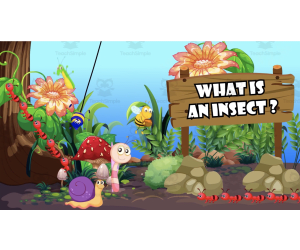
What is an Insect? | Animated Insect Video Lesson
Science, Life Sciences, Insects, Grade 3, 4, 5, 6, Lesson Plans, Teacher Tools
Teaching Resource: What is an Insect? | Animated Insect Video Lesson Description: An animated video lesson that provides comprehensive information on insects. Ideal for 3rd to 6th graders studying Science, especially the sub-topic of insects. Format: Single MP4 file Detailed Information This 11-minute science video lesson takes a simple yet educational approach to teaching students about different types of insects, their characteristics, and their roles in the ecosystem. The use of easy language and engaging visuals makes this resource extremely accessible to early adolescent learners. Purpose & Use Educational Tool: This video can be used as an introduction or review aid during whole-group instruction in any learning environment. It fits seamlessly into both public school settings and individual homeschooled curriculums where a focus on Science concepts is essential. Homeschooling Aid: Teachers have found success assigning this resource as homework reinforcement, lending students the opportunity to learn at their own pace from home. Catalyst for Group Discussions: Its versatility shines during small group discussions where each student can discuss what they learned from the video - promoting peer interactions and enhancing overall comprehension. In conclusion, "What is an Insect? | Animated Inject Video Lesson" greatly enriches a teacher's resources by combining simplicity with depth. The utilization of visual learning strategies through animation not only keeps it interesting but also ensures effectual understanding among students regardless of their academic level. This resource effortlessly manages to make learning both fun and informative!
Author Educational Voice
Tags Insect Characteristics, Ecosystem Roles, Science Curriculum, Animated Video Lesson, Interactive Learning

Cells, Skeletal & Muscular Systems - Digital Lesson Plan Gr. 5-8 - FLASH-MAC
Science, Life Sciences, Human Body, Grade 3, 4, 5, 6, 7, 8, Teacher Tools, Lesson Plans
Cells, Skeletal & Muscular Systems - Digital Lesson Plan Gr. 5-8 An innovative and highly interactive resource, passionately making the human body particularly cells, bones and muscles understandable and interesting for grades 3 to 8. Laying Basic Human Body Comprehension A thorough exploration of cells—their structure and function as well as specialized ones. Insights on how cells make up tissues, form different organs leading to a complete organ system. Taking Anatomy Understanding Extra Miles A detailed study on muscular & skeletal systems enabling an in-depth understanding of the human movement mechanism or aspects such as self-protection. It simply sends awe-inspiring messages about how complicatedly built humans are! About The Product: This lesson plan package comes with: 80 interactive screen-pages containing rich reading parts matching State Standards yet can be effectively utilized in homeschooling environments too. All that you want— meeting different learning requirements is much simpler when directly linking your content with Bloom's Taxonomy irrespective of whole-class or small-group instruction needs! 'Before' and 'after you read' activities ensuring a flexibility which doesn’t limit you only within lecturing facts but also permits engaging students into memory match games inspiring educational discussions evoking their creative mindsets. The Edge Of Being Digital: Happening learning experiences through games like crosswords/word searches for knowledge testing plus vivid audios/videos no matter where— school or home your teaching spot may be. Furthermore keeping pace with technological advances it’s specially integrated for Mac software compatibility too! Last but not the least, it successfully promotes inquisitiveness about human body being content-rich as well as caring towards children’s learning abilities simultaneously. Finally, an effective guide providing peace & satisfaction for every teacher’s academic journey!
Author Classroom Complete Press
Tags Software (Mac), Skeleton System Lesson Plans
I WONDER - Is Table Tennis The Same As Ping Pong | Animated Video
Sports, P.E. & Health, Grade 2, 3, 4, 5, 6, 7, 8, Lesson Plans, Teacher Tools
Video Introduction An amazing video designed for the students to learn more about sports in different countries. I WONDER - Is Table Tennis The Same As Ping Pong | Animated Video Lesson What is your favorite sport? Tell us more about it. Who is your favorite athlete? Or what is your favorite team? Do you know who invented basketball? When basketball has been invented? Can you tell us where is the first time it has been played? Have you ever played soccer or football? If yes, tell us what was your position: A goal keeper, midfield player, or a defender? Do you like watching golf? If yes who is your favorite player? Can you name the differences between tennis and ping pong? Have you ever played volleyball on the beach? When it has been officially recognized by the Olympics? Do you like watching Formula 1 races? If yes, who is your favorite team or driver? Have you ever tried to play handball? If yes tell us more. Do you like watching people skiing or surfing? I WONDER - Is Table Tennis The Same As Ping Pong | Animated Video Lesson The video is perfect for encouraging the researching skills for the students, while learning more about this sport. I WONDER - Is Table Tennis The Same As Ping Pong | Animated Video Lesson This friendly designed video is suitable for students at school, homeschooling, and as a group activity. Format Available in MP4 format.
Author Educational Voice
Rating
Tags Is Table Tennis The Same As Ping Pong, Is Table Tennis The Same As Ping Pong Video, Table Tennis, Table Tennis Facts, Table Tennis Video, Table Tennis Video For Kids, Ping Pong, Ping Pong Video
Hands-On - Physical Science: Matter and Materials Gr. 1-5
Science, Physics, Grade 1, 2, 3, 4, 5, Teacher Tools, Lesson Plans
Hands-On - Physical Science: Matter and Materials Gr. 1-5 An effective teaching resource designed for educators, school teachers, and homeschoolers. This tool is geared towards students in Grades 1 through 5 offering a comprehensive understanding of energy, materials, and matter. This resource is in line with STEAM initiatives (Science, Technology, Engineering, Art & Math) while also adhering to the Next Generation Science Standards. It provides innovative paths for learners to delve into aspects of physical science concerning matter and materials. Investigating the influence of gravity on various objects through hands-on experiments Learning about balanced/unbalanced forces Understanding concepts like how distance from lightning is measured using sound cues from thunder An exciting initiation into physics through practical lessons on waves via creation of water-based or light-based wave models in groups Learners will gain immersive experiences such as feeling static electricity by making a balloon stick to a wall. The process of classifying materials around one's home into solids, liquids or gases based on their properties simplifies understanding at the elementary level. Furthermore interaction enables budding engineers to build compound machines whilst combining at least two simple tools which promotes pragmatic learning. Detailed Design Approach Precision design that includes reading passages enhancing lexical understanding along with efficient information retention by means of graphic organizers has been taken care of. To ensure effective absorbtion 'Before you read' orientation activities have been included plus relevant assessment tasks after each section for optimal testing cumulative grasping power. Note that it is written in PDF format making it easily accessible across different digital platforms thus enhancing user flexibility. Inclusion Possibilities: Opportunities for whole group activities making it suitable for classroom settings and small group interactions that promote collaborative teamwork learning. This allows seamless integration into curricula perfectly, be it homework assignments or other tasks. In Conclusion In essence, the Hands-On - Physical Science: Matter and Materials Gr. 1-5 is an invaluable resource for educators wanting to make the science of matter and materials intriguing for their young scholars.
Author Classroom Complete Press
Tags PDF

Nonfiction glossary lesson rainforest
ELA, Literature, Grade 1, 2, 3, Teacher Tools, Lesson Plans
Introducing a Nonfiction Glossary Lesson for Grades 1-3 This interactive resource teaches students about the nonfiction text feature of glossaries. Through class discussions and engaging activities, students will build their understanding of how glossaries work and why they are useful in nonfiction books. Animated slides, speaker notes, student activity slides, and answer keys provide educators with everything they need to successfully present this lesson to a whole class or small groups. Students will apply reading comprehension, critical thinking, and problem-solving skills as they explore glossaries. This versatile resource can be used as an introduction, recap, enrichment lesson, or for extra support. Suitable for in-person or distance learning, these materials aim to create excitement around nonfiction in a clear, concise, and student-centered way.
Author Ezee 101
Tags Nonfiction, Text Features, Glossary, Lesson, Powerpoint, Google Slides

Nouns Supplementary Materials Grades 3-4 (PDF)
ELA, Language Development, ESL, Grammar, Common Core, Resources for Teachers, Grade 3, 4, Worksheets & Printables, Worksheets, Quizzes and Tests, Teacher Tools, Tests, Assessments, Lesson Plans, Activities
Nouns Supplementary Materials Note: This download DOES NOT include the tests themselves. You can still make use of these materials without them but they are recommended. Download in a format of your choice in the "Links" section below. Outline Ice Breaker (5-10 minutes) Engaging, interactive activity to introduce the lesson’s theme. Examples: Matching games, sentence races, charades, or storytelling challenges. Guided Practice (10-15 minutes) Teacher-led exercises to reinforce the concept. Examples: Sorting sentences by tense, sentence transformations, or fill-in-the-gap exercises. Group or Partner Task (15 minutes) Collaborative activity to practice the lesson’s focus in a fun and engaging way. Examples: Role-play, storytelling, sentence-building games, or small-group discussions. Independent Worksheet (15 minutes) Individual written activity to solidify understanding. Examples: Sentence corrections, verb conjugation drills, or tense identification exercises. Exit Task (5 minutes) Quick reflective activity to assess understanding before students leave. Examples: Writing a sentence using the target concept, identifying a tense, or explaining a rule. Links: Includes: Abstract Nouns Concrete Nouns Compound Nouns Collective Nouns Irregular Plural Nouns Google Docs Google Forms Google Slides PDF PPT Word FULL CATALOG OF DOWNLOAD LINKS HERE Grade 3/4 Links: Adjectives Google Docs Google Forms Google Slides PDF PPT Word Free Supplementary Materials Pack Adverbs Google Docs Google Forms Google Slides PDF PPT Word Free Supplementary Materials Pack Conjunctions Google Docs Google Forms Google Slides PDF PPT Word Free Supplementary Materials Pack Nouns Google Docs Google Forms Google Slides PDF PPT Word Free Supplementary Materials Pack Pronouns Google Docs Google Forms Google Slides PDF PPT Word Free Supplementary Materials Pack Verbs Google Docs Google Forms Google Slides PDF PPT Word Free Supplementary Materials Pack Sentence Structure Google Docs Google Forms Google Slides PDF PPT Word Free Supplementary Materials Pack Present Tense Google Docs Google Forms Google Slides PDF PPT Word Free Supplementary Materials Pack Past Tense Google Docs Google Forms Google Slides PDF PPT Word Free Supplementary Materials Pack Future Tense Google Docs Google Forms Google Slides PDF PPT Word Free Supplementary Materials Pack Context Clues Google Docs Google Forms Google Slides PDF PPT Word Free Supplementary Materials Pack Defining Words Google Docs Google Forms Google Slides PDF PPT Word Free Supplementary Materials Pack Fill the Blanks Google Docs Google Forms Google Slides PDF PPT Word Free Supplementary Materials Pack Homophones Google Docs Google Forms Google Slides PDF PPT Word Free Supplementary Materials Pack Synonyms Google Docs Google Forms Google Slides PDF PPT Word Free Supplementary Materials Pack ELA Review Questions Overview Questions have three answer choices. There are a handful of pictures on each test for aesthetic purposes, as well as a review sheet covering most of the topics covered in the product. Introduction or Example Sheet Each topic will include an introduction or example sheet to go through first with your students. Full Answer Keys Full answer keys and sample responses are provided so no matter how busy you are, you know you're covered! In the Supplementary Pack Interactive Ice Breakers: Fun, hands-on activities that get students thinking about adjectives right from the start. Guided Practice: Teacher-led exercises that reinforce the day’s lesson, ensuring students can confidently identify and use adjectives. Group and Partner Tasks: Collaborative activities that allow students to work together to solve problems, categorize adjectives, and create descriptive sentences. Independent Worksheets: Structured worksheets that provide individual practice and help solidify understanding of key concepts. Exit Tasks: Quick, reflective activities at the end of each lesson that assess understanding and encourage students to apply what they’ve learned. For similar downloads and other frees, do check out Cored Group on TeachSimple.
Author Cored Education
Tags Elementary, Answers, Ccss, Common Core, Grammar, Tests, Test Prep, Grade 3, Grade 4, Lesson Plan
Geometry: Triangles & Pyramids - FLASH-MAC
Math, Geometry, Grade 3, 4, 5, Teacher Tools, Lesson Plans
Geometry: Triangles & Pyramids - FLASH-MAC Geometry: Triangles & Pyramids - FLASH-MAC is a professionally structured educational resource, specifically designed for teachers and catering to students in Grades 3, 4, and 5. This tool offers tremendous support to math educators in refining their instruction on geometric concepts with a focus on triangles and pyramids. An All-Encompassing Teaching Aid This curriculum tool adopts a complete approach towards geometry instruction. The course begins with a Pre- assessment module, assisting teachers in gauging the pre-existing understanding of these basic shapes among the students. Educators can leverage this information to align their math teaching closer to their students' individual skills enhancing learning efficiency. Lending helping hand first off is an elaborate lesson plan detailing instructions for engaging geometric lessons Further making things interesting, practical word problems link abstract mathematical concepts from real-world examples stimulating learners’ interest along with effective comprehension. Innovating Learning Techniques Timed drill activities: These enhance student’s quick-thinking capabilities flagging importance of mathematical speed. Educational games: Features like Memory Match Games Board Games Spindle Games embed fun into learning while solidifying understanding of mathematical concepts. Bilingual Instructional Design: English/Spanish voice over texts makes this product versatile suiting various linguistic classrooms aiding experience for native speakers or learners seeking multi-language proficiency via Geometry subject. Evaluation and Resourceful Math Tools Provided This software has SMART Response assessments enabling tutors evaluate student progress quickly identifying areas needing extra attention While reducing grading time providing immediate feedback As an added value Geoemtry dependent "math-tools" are embedded streamlining problem-solving journey for students. Flexible Inclusion Tutors can integrate FLASH-MAC across wide range of teaching methodologies complementing unique strategies during whole group sessions, small group lectures or individual homeworks turning it from merely a teaching solution into becoming an essential companion of proactive learning instantaneously.
Author Classroom Complete Press
Tags Software (Mac)

Cells, Skeletal & Muscular Systems - Digital Lesson Plan Gr. 5-8 - FLASH-PC
Science, Life Sciences, Human Body, Grade 3, 4, 5, 6, 7, 8, Teacher Tools, Lesson Plans
Cells, Skeletal & Muscular Systems - Digital Lesson Plan Gr. 5-8 - FLASH-PC Teaching Resource This interactive platform is tailored for educators seeking to impart human anatomy knowledge in a captivating manner. Apt for both public school teachers and homeschooling parents, this product strictly adheres to the diverse state standards of the U.S educational system. A Rundown of The Cellular World: Geared towards students in grades 3 through 8, the platform showcases an intriguing tale about human cells' complexities, skeletal structures, and muscular systems. An 80 screen-page structure ripe with animated graphics paves the way for profound comprehension regarding cell specialization processes that give birth to our tissues eventually forming organs and organ systems. Tapping into The Body's Mysteries: The journey extends further into exploring acute body functions performed by our skeletal and muscular systems. This step-by-step methodology fosters better content assimilation among learners while amplifying their fervor towards grasping bio-scientific realities. Diversified Learning Aids & Activities: The digital teaching resource comprises pre-designed screens that present related reading passages synced with current units under study in science classes focusing on the human body domain. Accompanied by lively before-and-after reading exercises along with assessment preparation materials, these tools help pupils assess learned concepts competently. Additional features include: "Memory match" games: Fostering attention retention skills whereby students enhance anticipation reflexes alongside cognitive recall abilities. Puzzle Games: Incorporating crossword puzzles harmonizing vocabulary enhancement with casual fun. Word Search Games: Offering interesting language exercises through discovering subject-relevant terms. To promote easier understanding, multimedia supports have been embedded fulfilling diverse learning requirements thereby suiting visual , auditory and kinesthetic learners. This device-friendly package proves efficient whether used for individual self-study , group projects or even transforming home assignments into delightful student activities.
Author Classroom Complete Press
Tags Software (PC)

I WONDER - How Big Is The Southern Elephant Seal | Animated Video
STEM, Biology, Life Sciences, Science, Animals, Grade 1, 2, 3, 4, 5, 6, 7, 8, Lesson Plans, Teacher Tools
Video Introduction Animal kingdoms are full of fascinating wonders to learn. This video is designed for the students to learn more about animals in different countries. I WONDER - How Big Is The Southern Elephant Seal | Animated Video Lesson Do you like animals? what is your favorite one? Do you own a pet? If yes, tell us more about it, like what its name? And what do you like most about it? What are the animal kingdoms? Can you write down the characteristics of each animal class like mammals, birds, reptiles, amphibian, fish and mollusks. Do you know that some animals can sing, can you name any of them? What is the largest and the smallest mammal in the world? What is the largest and the smallest bird in the world? What is the largest and the smallest fish in the world? I WONDER - How Big Is The Southern Elephant Seal | Animated Video Lesson The video is perfect for encouraging the researching skills for the students, while learning more about these fantastic animals. I WONDER - How Big Is The Southern Elephant Seal | Animated Video Lesson This friendly designed video is suitable for students at school, homeschooling, and as a group activity. Format Available in MP4 format.
Author Educational Voice
Tags How Big Is The Southern Elephant Seal, How Big Is The Southern Elephant Seal Video, Southern Elephant Seal, Southern Elephant Seal Facts, Southern Elephant Seal Facts For Kids, Southern Elephant Seal Video

Heat, Light, and Sound
Science, Physics, Grade 1, 2, 3, Teacher Tools, Lesson Plans
Heat, Light, and Sound: A Comprehensive Teaching Resource Heat, Light, and Sound is a curriculum-based teaching tool designed specifically for Grade 1 to 3 students. This engaging resource contains various worksheets focusing on primary scientific concepts such as physics. The material in the book is easy to understand and facilitates effortless learning for young students. The workbook pages are draft-designed by notable science educator Ed Ortleb. No extensive preparation is required before using these resources as each activity has been structured with easy hands-on tasks like: Coloring, Cutting, Pasting sequences, Matching pairs, Drawing diagrams/games/puzzles. All these activities foster creativity while seamlessly imparting core scientific knowledge. Inclusive Guide & Extension Activities An extensive guide accompanying Heat, Light and Sound includes extension activities that allow teachers to hold additional explorative sessions with their class or smaller groups. This flexibility provides room for individualization based on each student's learning pace or assimilation level. Homeschooling Advantage This teaching resource proves immensely helpful for homeschooling parents due its ready-to-use nature; they simply need to print out any of the 35 PDF pages available and start facilitating their child's learning directly. Saves Time & Bridges Information Gap This comprehensive material includes necessary background information which saves teachers from investing time in additional research preparations. By spanning across different ages/grades from K-3 classrooms or homeschooled settings, it democratizes knowledge acquisition about Heat propagation methodologies , Sources & Properties of light plus Differentiation between various Sounds & Vibrations etiquette . Multiple Use Cases Heat, Light and Sound can also be used as homework assignments. This affordably priced teaching tool promotes self-paced study and encourages parent-child interaction. A versatile resource, it adds invaluable benefit to any public school's science curriculum or a homeschooling education plan by simplifying the process of learning foundational scientific principles.
Author Classroom Complete Press
Tags Science Worksheet, Physics, Light Sources, Temperature, Musical Instruments
Delaware State Unit Study (Capital, Bird, Flower, Flag, Animal)
Social Studies, Geography, Grade 2, 3, 4, Lesson Plans, Teacher Tools
Delaware State Unit Study (Capital, Bird, Flower, Flag, Animal) Offering an interesting and engaging look at the state of Delaware, this 5-day unit study covers everything from the state capital to its unique bird, flower, flag and animal. Primarily a low-preparation resource for educators seeking to enrich their geography or social studies lessons for second through fourth-grade learners. Digital Teaching Resource This all-inclusive digital tool equips teachers with lesson plans, captivating videos, daily worksheets and activities that students can equally find enjoyable. An Interactive Notebook Feature This resource features vibrant graphics of Delaware's official bird and flower; a vivid illustration of the state flag; as well as depictions of its unique animal species. Student Discussion Guides: Geography:i enriched by art exercises such as drawing projects and coloring pages; Language arts:i via grammar-focused assignments that dovetail nicely into reading passages touching on history; Incorporating research skills useful for future applications. Mix-and-Match Research Report Pages To round up individual or group studies effectively while fostering self-driven learning styles expected from home-schoolers - these pages offer a refreshing way for consolidating knowledge gained during each study session. These are practical both in classrooms and home-schooling setups. The Curriculum Guideline Aspect: Tying in Multiple Subjects Worksheet sections touch upon: Biology discoveries- like floral diversity prevalent in Delaware's ecosystem (Under Sciences); Exploration of state identities (Under Social Studies). Teachers are therefore provided with a resource that is easy to adapt based on learners' ages, comprehension levels, interests and individual learning styles making this unit study versatile for various learning environments.
Author Heather Huhman
Tags Delaware, Unit Study, State Symbols, Geography, Social Studies

DNA: Guided Reading Level N with Lesson Plan
ELA, Resources for Teachers, Reading Comprehension, Reading, Science, Life Sciences, Language Development, Technology, Pre-Reading, Vocabulary, Grade 2, 3, 4, Worksheets & Printables, Worksheets, Teacher Tools, Centers, Activities, Literacy Readers, Quizzes, Quizzes and Tests, Assessments, Lesson Plans
This DNA (level n) guided reading book with lesson plan includes: Guided Reading Color Label (front cover x1) This is a quick way to match the book’s demands to what students can generally handle.. The overall goal is to use the level/color to pick books for several smaller groups. To qualify for a certain level, a student is expected to read a book from that level with about 90–94% accuracy. If a student is consistently accurate and understands, move up a level. If the student is struggling at that level, drop down and add more support. Each student will improve at completely different rates, but it is generally one of the best ways to check progress across the class. DOWNLOAD THE CATALOG TO VIEW ALL GUIDED READING BOOKS AVAILABLE (SORTED LEVELS A-Z) Pre-Reading Question (x1) Teacher asks the prompt aloud, can be while showing the cover or first page. Students share what they already know, or make educated guesses from the cover. Prompt them to use the target vocabulary. Write some of their responses on the board to look back at during the reading. Vocabulary Words (x5) Introduce the five words, best doing it one at a time. Start by saying it, while students repeat and then see if anyone knows what it means before reading further. Read through the meaning and try to briefly connect each word to a picture or gesture so it’s meaningful. Ask students to flip through the book pages and point to where they see each of the vocabulary words. While reading the book pause upon coming across one of the vocab words or read the sentence twice to make sure students understand the word has appeared. Optional: Ask students to raise hands whenever they see/hear one of the new words. Guided Reading Pages (x10) Check the book snapshot (below) for: primary topic - do you need to prep extra reading or intro materials on this? what is taught best - decide on 1-2 bullets to focus on, use the prompt or words provided here for best results. learning goals - what you are checking for students to be able to do after the session, elicit answers using prompts or words provided. key vocabulary (see section above). questions overview - so you know what is coming up and if you need to prep extra materials to assist understanding. Run the lesson You may have already looked at a few of the pages together, but you can show them some of the pictures again first to set meaning. Depending on how much time you have and how familiar your students are with guided reading class, you may want to read the book aloud first with the group first. Students whisper or partner read, while you listen in. If time, do it as a group, one student reading a page each. Use the guided page’s prompts to coach: “Check the picture / does it make sense?” “Point under the words / try the first sound” “Reread the sentence smoothly”. Try to focus more on one student per session (rotating every time), so you can work out if they are ready to move up or need to move down a level. Comprehension Questions (back cover x3) This is your way to check that students didn’t just say the words, but actually understood the text. First, let students answer by pointing to the page/picture and saying a short sentence. After any answer, follow with: “Show me where you found that in the text.” In bigger groups, have partners answer first (10–20 seconds), then call on 2–3 students to share. Differentiation tips: Emerging speakers/struggling readers: oral + pointing On-level: oral in a full sentence Higher: one written sentence or draw + label Book Snapshot Title: DNA Genre: Nonfiction (informational science text) Subject: Life Science Primary Topic: DNA as genetic instructions in living things Estimated Guided Reading Level (A–Z): N What This Book Teaches Best Explains DNA as a “secret code” that gives living things instructions to grow and function. Teaches where DNA is kept : DNA is in cells, and a nucleus holds DNA safely inside almost every cell. Describes DNA’s shape as a long, twisted ladder called a double helix , and connects the shape to holding genetic information. Introduces the idea of a genetic code made of four special chemicals whose order works like letters forming sentences the body can “read.” Builds understanding of similarities and differences in living things , including shared DNA across animals and small DNA differences that make individuals unique. Learning Goals Students can explain what the book says DNA does for living things (instructions to grow and function). Students can describe where DNA is found in the body (in cells, held in the nucleus). Students can describe the shape of DNA using details from the text (a long, twisted ladder/double helix). Students can explain how the book describes the genetic code (four chemicals acting like letters in an alphabet). Students can describe ways DNA relates to traits and differences (physical traits, unique codes, identical twins). Students can explain why DNA makes a copy before a cell divides (so new cells have the same instructions). Key Vocabulary From the Text molecule — a tiny thing that carries important information. microscope — a tool to see things too small to see. nucleus — a cell’s control center that holds DNA safely. helix — a twisted shape like a ladder. genetic — related to the body’s DNA code and information. Discussion Prompts Pre-reading question: What do you think a “secret code” inside living things might help them do? Comprehension questions: Where does the book say DNA is kept inside almost every cell? Comprehension questions: What does the book compare the shape of DNA to, and what do scientists call that shape? Comprehension questions: Why does the book say DNA makes an exact copy of itself before a cell divides? Printing Tips 1. Best Printing Method (Recommended) “Booklet” Printing (Best if Available) If your printer or PDF viewer supports Booklet Printing , use this. Settings to use: Print mode: Booklet Paper size: Letter or A4 (either works) Orientation: Landscape Print on both sides: Yes Flip on: Short edge Scaling: Fit to printable area Booklet subset: First test: Front sides only Then: Back sides only This will automatically: Pair pages correctly Put the cover on the outside Align everything for folding After printing, fold in half and staple along the spine . 2. If “Booklet” Printing Is NOT Available You can still print this correctly with manual duplex printing . Step-by-step: Open the PDF. Choose Print . Set: Orientation: Landscape Pages per sheet: 1 Print on both sides: Yes Flip on: Short edge Print all pages . Because each PDF page already contains two facing book pages, the result will still fold cleanly into a book. Thousands of Cored Education products are included with your TeachSimple membership. Download links and encyclopedia index available here.
Author Cored Education
Rating
Tags Reading Comprehension, Reading Passages, Reading, Guided Reading, Guided Reading Lesson Plan, Guided Reading Activity, Pre-reading, Science Lesson Plans, Life Science, Technology
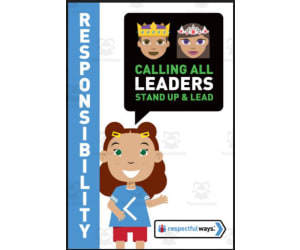
Let's Chat Conversation Cards | "Calling All Leaders, Stand Up and Lead"
Special Resources, Social Emotional Learning (SEL), Grade 2, 3, 4, 5, 6, Teacher Tools, Lesson Plans
Let's Chat Conversation Cards for "Calling All Leaders, Stand Up and Lead" is a social-emotional learning resource that helps students develop leadership qualities like compassion, perseverance, respect and responsibility. This resource contains conversation starter cards that facilitate meaningful dialogue between students, allowing them to understand different perspectives and strengthen friendships. Implement in whole group, small group, or as a homework assignment. Developed by trauma-informed program Respectful Ways, this resource integrates seamlessly with PBIS and MTSS frameworks. Data shows Respectful Ways helps improve GPAs, attendance, and decrease referrals. For more information on how this research-based resource can meet your school's social-emotional needs, contact Pam@RespectfulWays.com or call 404-955-8882.
Author Respectful Ways
Tags Conversation Cards, Respectful Ways, Leaders, SEL, Spanish, Social Emotional Learning, Character Education, Let's Chat, Trauma-informed, Responsibility

Jewelry Reading Comprehension Passage - Cored Ed Encyclopedia
ELA, Reading Comprehension, Reading, Language Development, History, Social Studies, Science, Physics, Life Sciences, Earth and Environmental Sciences, Grade 2, 3, 4, 5, Worksheets & Printables, Worksheets, Teacher Tools, Centers, Activities, Writing Prompts, Assessments, Quizzes and Tests, Quizzes, Lesson Plans
This Jewelry reading comprehension with lesson plan includes: Visualization (on the front cover) Start your lesson by taking a minute to think and share something about the topic. Read the script aloud (slowly), perhaps prepare some music or sound effects. Student close their eyes and let their imaginations wander. Students open their eyes, read the question aloud and give them a few minutes to complete. Ask a few students to share or keep answers until the end to compare with what they learn in the passage. Quick pause—thousands of Cored Education products are included with your TeachSimple membership. Download links and encyclopedia index available here. Pre-Reading Trivia Students will write down one thing they already know about the subject and then read five more facts and discuss. These facts are fun, and the students will enjoy learning about the subject before reading more. Give 1 minute for students to write what they already know (no pressure—best guess is fine). Read the five facts together. After each fact, do ask a student for their opinion, was it surprising? Set a purpose by asking students to highlight/underline one fact they want to learn more about during the reading. Reading Passage The text is a high-interest reading passage with set paragraphs, roughly three to four paragraphs long. It contains a variety of themes about the topic, anywhere from history to technology. The passage is between 250 and 350 words in length. First, ask students to look at the headings and see what they’ll learn about today. What do they know about the topic/heading? First read options: Teacher read-aloud (best for support). Partner reading (paragraph by paragraph). While reading, students underline important details, and vocabulary words they think may come up in the questions section. Mixed Questions The first question page contains four multiple-choice questions, each with a choice of four answers, and three written response questions that require a sentence or two from the student. Students complete the mcqs first independently, then review quickly as a class. For the 3 written responses, try to get students giving the answer with some form of evidence: “I think ___ because the text says ___.” If students get stuck, send them back to check the passage. Vocabulary Questions Practice seven key words from the text in this section across two activities. First section is scrambled words where students will unscramble three words given a clue for each. The second section is a word to meaning matching activity. Before starting, have some students read out words they underlined in the passage. Ask students to say the word and read aloud the sentence(s) around each word. Ask students to do scrambled words and the matching exercise in pairs then go through answers as a class. For the scrambled spelling task, get four pairs to come up to the board and write the words for extra practice with the other student reading out the clue. For the matching task, prompt students to give full sentences: “I matched ___ with ___ because ___.” Creative Writing In this question, the student will be required to write a five to eight sentence paragraph on a question related to the topic. Before starting, ask students write down 3 key ideas they are going to include in their piece. Ask students for ideas to share around the class to help those struggling. Pro writing expectations: 5–8 sentences At least 2 facts or details from the passage At least 2 vocabulary words from the previous page Students read their paragraphs while classmates listen for facts and vocabulary words. Extension Activities This page is optional for fast finishers or to take home. There are several activities, each one requiring a different skill. Do some, do none, do all, completely optional - but you will feel reassured knowing every possibility is planned for. Includes summary writting question and additional facts. Answer Key There are answers for the multiple-choice questions, written response questions have sample answers, vocabulary answers and if there is a summary question then a sample summary will be provided as well. Lesson Plan Included Customized lesson plan for this lesson is included. Lesson Snapshot Title: Jewelry Genre: Nonfiction (informational text) Subject: Reading (Informational Text) / Social Studies Primary Topic: Jewelry history, materials, meaning, and sparkle Estimated Guided Reading Level (A–Z): R What This Lesson Teaches Best Explains that people made and wore jewelry long ago using shells, teeth, and bone, and includes evidence archaeologists found (seashells with holes worn smooth). Shows how new tools changed jewelry-making by shaping gold into beads, bracelets, and pieces worn close to the skin. Introduces where gems come from (hard minerals from the earth and some from living things, like pearls and amber). Describes how cutting gems into flat faces called facets increased sparkle and how factories later made fake gems. Emphasizes that jewelry can matter because of symbols, faith, celebrations, and memories—not only because it is bright or rare. Learning Goals Describe evidence the passage gives that very old shell beads were worn as jewelry. Explain how tools helped people shape gold into jewelry long ago. Identify where different gems can come from (earth minerals or living things) using details from the text. Explain how facets changed the way gems looked and why they started to “dance and flash.” Describe reasons people wear jewelry today (faith, celebration, marking life moments, memories). Key Vocabulary From the Text archaeologists — scientists who study the human past. ceremonies — special events held for a purpose. minerals — natural, nonliving materials from the earth. facets — flat faces cut on a gemstone. amber — hardened sticky tree sap used as a gem. FULL CATALOG OF DOWNLOAD LINKS AND ENCYCLOPEDIA INDEX HERE
Author Cored Education
Rating
Tags Vocabulary, Reading Comprehension, Reading Passages, Lesson Plans, Ela Lesson Plans, Reading Comprehension Lesson Plans, Pre-reading, Science Lesson Plans, Earth Science, Physics

I WONDER - How Big Is Shanghai | Animated Video Lesson
Geography, Social Studies, Grade 3, 4, 5, 6, 7, 8, 9, Lesson Plans, Teacher Tools
Video Introduction An amazing video designed for the students to learn more about famous places in different countries. I WONDER - How Big Is Shanghai | Animated Video Lesson What do you know about this place? Do you know in which part of the world it is? Have you ever visited this place? If yes, can you tell us more about your adventure, and what do you like the most about this place? Do you like reading about Geography? What is your favorite country in the whole world? If you are going on a trip where it will be? Which country? What you are going to see there? Does this country has a famous place to visit? I WONDER - How Big Is Shanghai | Animated Video Lesson The activity is perfect for encouraging the researching skills for the students, while learning more about this fantastic place. I WONDER - How Big Is Shanghai | Animated Video Lesson This friendly designed video is suitable for students at school, homeschooling, and as a group activity. Format Available in MP4 format.
Author Educational Voice
Tags How Big Is Shanghai, How Big Is Shanghai Video, Shanghai, Shanghai Video, Shanghai Video For Kids, Shanghai Facts, Shanghai Facts For Kids, China, China Facts, China Video
I WONDER - What Job Does The Bladder Do | Animated Video Lesson
Human Body, Life Sciences, Science, Biology, STEM, Grade 3, 4, 5, 6, 7, 8, 9, Lesson Plans, Teacher Tools
Video Overview The human body is full of fascinating wonders to learn. This video is created to help the students recognize the anatomy and the job of the human body. I WONDER - What Job Does The Bladder Do | Animated Video Lesson Every part and organ in our human body is vital so let's see how important they are. Have you ever imagined how we look like if we didn't have a skeleton? Did you know that because we have our amazing muscles we can stand! Do you know how many teeth do we have? Have you ever wondered about the food journey inside our body? Can you name all the glands in our body? Why do we have skin? Our nervous system is really good at sending signals. Can you tell us more about it? Are you really good at Mathematics, painting, or any other thing? You should really thank your brain about it! The famous five senses are really doing a great work? Can you explain how every sense works? I WONDER - What Job Does The Bladder Do | Animated Video Lesson The video is perfect for encouraging the researching skills for the students, while learning more about our fantastic human body. I WONDER - What Job Does The Bladder Do | Animated Video Lesson This friendly designed video is suitable for students at school, homeschooling, and as a group activity. Format Available in MP4 format.
Author Educational Voice
Tags What Job Does The Bladder Do, What Job Does The Bladder Do Video, Bladder, Bladder Facts, Bladder Facts For Kids, Bladder Video, Bladder Video For Kids, Urinary System, Urinary System Facts
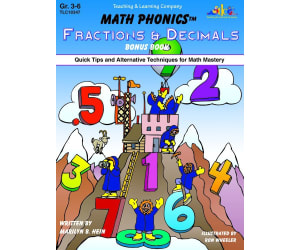
Math Phonics Fractions & Decimals: Quick Tips and Alternative Techniques for Math Mastery
Math, Fractions, Grade 3, 4, 5, 6, Teacher Tools, Lesson Plans
Math Phonics Fractions & Decimals: Quick Tips and Alternative Techniques for Math Mastery A specially designed teaching resource for educators teaching kids from 3rd to 6th grade. This material focuses on essential mathematical subjects, particularly fractions. Program Features Strategic rules, patterns, and memory techniques found in language arts disciplines used innovatively to simplify complex math concepts. Makes understanding fractions and decimals seem more approachable. Can be used to stir students' interest in math while consolidating their foundational skills in these areas. Included Resources Ten detailed lesson plans guiding through engaging instruction sessions. Supportive worksheets for real-time classroom practice or during online classes. Included take-home pages that reinforce the learning at home making it practical for both traditional educators and homeschoolers alike. This PDF resource ensures easy accessibility on various digital platforms. It can be projected during a whole class delivery or distributed virtually among small groups or individuals following blended learning setups. Focused on Alternative Teaching Techniques No compromise is made on orienting educators about alternative teaching techniques. Multiple support materials offering additional strategies aimed at effective fraction and decimal mastery (Alternative techniques). This comprehensive kit ensures robust resources tailored-fit for effective fraction math education are provided to the modern educator— developed respecting the ever-changing dynamics of today’s classrooms. </b
Author Classroom Complete Press
Tags PDF
I WONDER - What Is Special About A Tardigrade | Animated Video Lesson
STEM, Animals, Life Sciences, Science, Biology, Grade 3, 4, 5, 6, 7, 8, 9, Lesson Plans, Teacher Tools
Video Introduction Animal kingdoms are full of fascinating wonders to learn. This video is designed for the students to learn more about animals in different countries. I WONDER - What Is Special About A Tardigrade | Animated Video Lesson Do you like animals? what is your favorite one? Do you own a pet? If yes, tell us more about it, like what its name? And what do you like most about it? What are the animal kingdoms? Can you write down the characteristics of each animal class like mammals, birds, reptiles, amphibian, fish and mollusks. Do you know that some animals can sing, can you name any of them? What is the largest and the smallest mammal in the world? What is the largest and the smallest bird in the world? What is the largest and the smallest fish in the world? I WONDER - What Is Special About A Tardigrade | Animated Video Lesson The video is perfect for encouraging the researching skills for the students, while learning more about these fantastic animals. I WONDER - What Is Special About A Tardigrade | Animated Video Lesson This friendly designed video is suitable for students at school, homeschooling, and as a group activity. Format Available in MP4 format.
Author Educational Voice
Tags What Is Special About A Tardigrade, What Is Special About A Tardigrade Video, Tardigrade, Tardigrade Video, Tardigrade Facts, Tardigrade Facts For Kids, Tardigrade Video For Kids, Animal, Animals
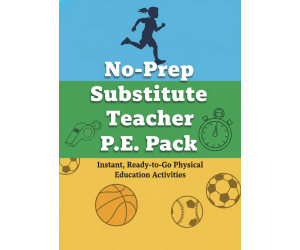
No-Prep Substitute Teacher P.E. Pack – Professional Edition
P.E. & Health, Health, Mental Health, Mindfulness, Physical Education, Sports, Yoga, Life Studies, Coaching, Career, Grade 1, 2, 3, 4, 5, 10, 11, 12, Activities, Games, Projects, Teacher Tools, Charts, Assessments, Diagrams, Lesson Plans, Presentations, Graphic Organizers
Unlock the Ultimate No-Prep Substitute Teacher P.E. Pack – Professional Edition – Your Complete 46-Page Lifesaver for Emergency PE Lessons! Created especially for substitute teachers and school administrators, this instant-download digital PDF is your complete solution for no-equipment, high-energy PE lessons in any gym, PE classroom, or outdoor space! From the Substitute Survival Guide and Universal Warm-Up Protocol to Classic Tag Varieties, Relay Races for Large Groups, Simon Says Fitness Edition, Indoor Desk-Side Challenges, Rock-Paper-Scissors Tournaments, Cooperative Team Games, Red Light Green Light Remixes, and a complete Discipline & Behavior Cheat Sheet – it’s all included! Ideal for elementary PE sub plans, rainy-day indoor activities, or last-minute coverage, this pack will keep 20 to 100+ students engaged, safe, and moving while developing teamwork, focus, and sportsmanship. No printing needed, no equipment required – just open, read, and play! Perfect for K-8 physical education teachers in search of professional resources that will make you the hero sub every school needs. Instant access – chaos to confident, active learning in an instant! Why Parents/Schools Love It: Zero Prep, Maximum Impact: Subs walk in and start instantly – no prep work needed. Safety First & Inclusive: Built-in safety bubbles, freeze signals, cool-down zones, and adaptations for all abilities ensure every child is safe, active, and included. High Engagement, Low Chaos: Proven games + attention getters + behavior cheat sheet transform high-energy kids into focused, cooperative learners – school administrators rave about the calm transitions back into class. Standards-Aligned & Professional: Motor skills, teamwork, mindfulness – all while leaving detailed notes for the regular teacher. Versatile for Any Day: Indoors/outdoors, rain or shine – parents appreciate knowing their kids stay happy and healthy even when a substitute is needed! Target Student Classes : This content appears to be best suited for elementary- to early middle-school-aged students, specifically in the Grade K-8 range, with the best fit in the K-6 range. Primary focus: K-5 (Blob Tag, Hospital Tag, Simon Says Fitness, Remixes of Red Light/Green Light, Desk-Intervals, Imaginative Locomotor themes specifically mentioned as "primary" focus, K-3). Adaptable extensions: 4-8 (World Champ RPS, Strategic Relays, Human Knot, Competitive Cheering - these work well in the middle school setting). Not suited for high school students - no sports skills, no athletics, focus on fun, inclusive, low-cost, low-tech movement and classroom management techniques. Large group-friendly - 20 to 100+ students, gym or classroom setting. Copyright/Terms of Use: This Book was copyrighted by Syed Hammad Rizvi. This resource is for personal and single classroom use only. You cannot modify, redistribute, and sell this resource. In other words, do not place this resource on the Internet where it can be publicly found and downloaded. If you want to share this resource with your colleagues, please purchase the license from Teachsimple. Thanks for respecting the Terms of Use. This product is happily brought to you by Syed Hammad Rizvi
Author Creative Book Store
Rating
Tags SubstituteTeacher, NoPrepPE, PEGames, ElementaryPE, SubPlans, SubstitutePE, PhysicalEducation, NoPrepActivities, SubstituteTeacherPEPack, NoPrepSubstituteTeacher