



3,955 products added recently
Page 2 - Science Lesson Plan Template
Enhance your science instruction with a flexible lesson plan template designed for educators. This tool helps you structure objectives, materials, procedures, and assessments efficiently. Use it to create organized and impactful science lessons that cater to your students' needs.

 Show filters


History of the Domestic Dog: Guided Reading Level R with Lesson Plan
ELA, Resources for Teachers, Reading Comprehension, Reading, Science, Language Development, Life Sciences, Vocabulary, History, Social Studies, Grade 3, 4, 5, Worksheets & Printables, Worksheets, Teacher Tools, Centers, Activities, Literacy Readers, Quizzes, Quizzes and Tests, Assessments, Lesson Plans
This History of the Domestic Dog (level r) guided reading book with lesson plan includes: Guided Reading Color Label (front cover x1) This is a quick way to match the book’s demands to what students can generally handle.. The overall goal is to use the level/color to pick books for several smaller groups. To qualify for a certain level, a student is expected to read a book from that level with about 90–94% accuracy. If a student is consistently accurate and understands, move up a level. If the student is struggling at that level, drop down and add more support. Each student will improve at completely different rates, but it is generally one of the best ways to check progress across the class. DOWNLOAD THE CATALOG TO VIEW ALL GUIDED READING BOOKS AVAILABLE (SORTED LEVELS A-Z) Pre-Reading Question (x1) Teacher asks the prompt aloud, can be while showing the cover or first page. Students share what they already know, or make educated guesses from the cover. Prompt them to use the target vocabulary. Write some of their responses on the board to look back at during the reading. Vocabulary Words (x5) Introduce the five words, best doing it one at a time. Start by saying it, while students repeat and then see if anyone knows what it means before reading further. Read through the meaning and try to briefly connect each word to a picture or gesture so it’s meaningful. Ask students to flip through the book pages and point to where they see each of the vocabulary words. While reading the book pause upon coming across one of the vocab words or read the sentence twice to make sure students understand the word has appeared. Optional: Ask students to raise hands whenever they see/hear one of the new words. Guided Reading Pages (x10) Check the book snapshot (below) for: primary topic - do you need to prep extra reading or intro materials on this? what is taught best - decide on 1-2 bullets to focus on, use the prompt or words provided here for best results. learning goals - what you are checking for students to be able to do after the session, elicit answers using prompts or words provided. key vocabulary (see section above). questions overview - so you know what is coming up and if you need to prep extra materials to assist understanding. Run the lesson You may have already looked at a few of the pages together, but you can show them some of the pictures again first to set meaning. Depending on how much time you have and how familiar your students are with guided reading class, you may want to read the book aloud first with the group first. Students whisper or partner read, while you listen in. If time, do it as a group, one student reading a page each. Use the guided page’s prompts to coach: “Check the picture / does it make sense?” “Point under the words / try the first sound” “Reread the sentence smoothly”. Try to focus more on one student per session (rotating every time), so you can work out if they are ready to move up or need to move down a level. Comprehension Questions (back cover x3) This is your way to check that students didn’t just say the words, but actually understood the text. First, let students answer by pointing to the page/picture and saying a short sentence. After any answer, follow with: “Show me where you found that in the text.” In bigger groups, have partners answer first (10–20 seconds), then call on 2–3 students to share. Differentiation tips: Emerging speakers/struggling readers: oral + pointing On-level: oral in a full sentence Higher: one written sentence or draw + label Book Snapshot Title: The Science and History of the Domestic Dog Genre: Nonfiction (informational) Subject: Life Science Primary Topic: Domestication, traits, and roles of dogs Estimated Guided Reading Level (A–Z): R What This Book Teaches Best Explains dogs’ biological connection to gray wolves , including shared DNA and instincts tied to social behavior and communication. Describes the history of domestication and how human artificial selection led to many distinct dog breeds. Uses specific evidence to show why dogs have exceptional smell and hearing (brain structures, scent receptors, and hearing frequencies). Shows how selective breeding creates specialists for different jobs (speed, herding, cold-weather survival, and service work). Teaches how to read dog communication signals (tail wag speed/height, ear position, facial muscles, back posture). Learning Goals Explain how the text connects domestic dogs to gray wolves using specific evidence (classification and DNA). Describe how domestication began and how humans’ breeding choices created many breeds over time. Identify details that show why dogs can smell better than humans (olfactory bulb and scent receptors). Identify details that show why dogs can hear better than humans (frequencies and ear muscles). Compare at least two breeds in the text by explaining how traits match their work or environment (speed, herding, cold climate, service). Describe what the text says people can look for to understand a dog’s emotional state. Key Vocabulary From the Text subspecies — a smaller group within a kind of animal. domestication — animals becoming used to living with people. olfactory — having to do with smell. frequencies — how high or low a sound is. resilient — able to handle hard conditions and keep going. Discussion Prompts Pre-reading question: What jobs or tasks have you seen dogs do for people? Comprehension questions: According to the text, how are domestic dogs connected to gray wolves? Comprehension questions: What evidence does the text give to show how powerful a dog’s sense of smell is? Comprehension questions: What signs does the text say people can look for to understand a dog’s emotional state? Printing Tips 1. Best Printing Method (Recommended) “Booklet” Printing (Best if Available) If your printer or PDF viewer supports Booklet Printing , use this. Settings to use: Print mode: Booklet Paper size: Letter or A4 (either works) Orientation: Landscape Print on both sides: Yes Flip on: Short edge Scaling: Fit to printable area Booklet subset: First test: Front sides only Then: Back sides only This will automatically: Pair pages correctly Put the cover on the outside Align everything for folding After printing, fold in half and staple along the spine . 2. If “Booklet” Printing Is NOT Available You can still print this correctly with manual duplex printing . Step-by-step: Open the PDF. Choose Print . Set: Orientation: Landscape Pages per sheet: 1 Print on both sides: Yes Flip on: Short edge Print all pages . Because each PDF page already contains two facing book pages, the result will still fold cleanly into a book. Thousands of Cored Education products are included with your TeachSimple membership. Download links and encyclopedia index available here.
Author Cored Education
Rating
Tags Reading Comprehension, Reading Passages, Reading, Guided Reading, Guided Reading Lesson Plan, Guided Reading Activity, Pre-reading, Science Lesson Plans, Life Science, History
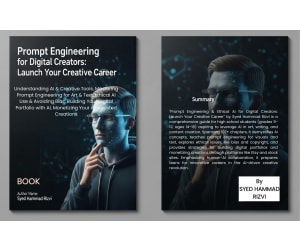
Prompt Engineering & Ethical AI for Digital Creators:Launch Your Creat
Science, Technology, Computer Science, Engineering, STEM, Research, Resources for Teachers, Community Building, Classroom Management, Homeschool Curriculum, Grade 8, 9, 10, 11, 12, Activities, Games, Projects, Teacher Tools, Assessments, Lesson Plans, Literacy Readers, Workbooks, Worksheets & Printables, Writing Prompts
This book, "Prompt Engineering & Ethical AI for Digital Creators: Launch Your Creative Career," written by Syed Hammad Rizvi, is a guide for high school aged teens (14-18) interested in pursuing a creative career using Artificial Intelligence (AI). This is the only resource you need to learn about creating AI Art, using Writing Tools to create content, and understanding the fundamentals of Computer Science. You will learn about prompt engineering to create either stunning visuals from text-to-image or write compelling stories using large language model systems. You will also explore the applications of audio and video technology where you can use emerging Artificial Intelligence to make your career as a digital creator. Additionally, you will become familiar with ethical practices about how to avoid bias, copyright infringement, and promote responsible innovation. You will have the opportunity to build a portfolio of your digital artwork on sites like Artstation and Behance, and learn different ways to monetize your work like selling artwork on Etsy, offering prompt engineering services, and licensing your creations on stock platforms. This guide provides valuable information for aspiring digital creators (artists, writers, designers, and technology lovers) who are looking for beginner level AI tutorials, ethical AI education, and also provides practical steps for starting a successful creative career in the growing field of AI. The information in this guide is ideal for homeschooled students, classroom curriculum, or independent self-study, and will enable you to equip your teen with valuable generative AI, digital design, and content marketing skills that will provide them a successful future. Benefits for Parents and Schools: The curriculum gives students many future-proof skills relevant to working with AI. It focuses on teaching students how to equip themselves with practical AI tools, as well as prompt engineering techniques, so they can succeed in new creative industries such as digital art and content creation. Another great part of this program is that it places a strong emphasis on teaching ethical and responsible ways of using AI. Students will learn how to avoid bias, protect their privacy, and make moral decisions when using ethical AI in a technology-driven world. Hands-on learning: Students will gain an understanding of the theories of AI through real-world examples and opportunities to be creative using AI in conjunction with their own ideas. The program takes a career launch approach, showing students how to build a portfolio, network, and monetize their skills so they will be well-prepared to enter professional careers in technology, design, and media. The curriculum is suitable for high school-aged children, with a logical progression of chapters, making it easy to integrate into the classroom, home, or independent study. Target Student Groups [Classes]: Based on a complete review of the content of this book, the organization of information within it, and the stated focus of the intended audience (which is explicitly for high school students interested in AI creativity and has chapters on basic concepts through advanced applications of AI in art, writing, ethical issues, etc.), the book is primarily designed for students in grades 9-12 (ages 14-18). These levels coincide with introductory to intermediate levels in: Computer Science (focusing on understanding basic AI concepts, generative models, and the ethical use of computers). Art & Design (focusing on using AI to create visual images, illustrations, clothing and architecture). Creative Writing / English (focusing on using AI to create plots / stories ), / dialogue, and other forms of text). Career & Technical Education (CTE) or Digital Media (including developing portfolios and monetizing your creative work). Other elective or club (e.g. STEM, art, and innovation) or extracurricular programs for students interested in investigating issues related to ethical and creative uses of AI. Copyright/Terms of Use: Copyright for this Book: All Rights Reserved by Syed Hammad Rizvi. This resource is for personal use only, as well as single classroom use. You cannot alter, redistribute or sell any part of this resource. You also cannot post this resource on the Internet in any way that would allow others access to it or to download it from the Internet. If you would like to share this resource with your colleagues, please purchase another license from Teachsimple. Thank you for cooperating with these terms of use. This product is proudly supplied to you by Syed Hammad Rizvi
Author Creative Book Store
Rating
Tags AIPromptEngineering, EthicalAI, DigitalCreators, LaunchCreativeCareer, AIForTeens, PromptEngineeringGuide, AIArtGeneration, AIWritingTools, GenerativeAI, TextToImageAI
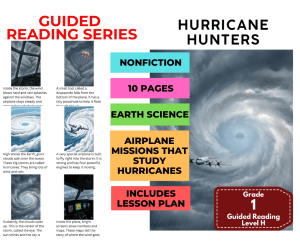
Guided Reading Level H - Hurricane Hunters (with Lesson Plan)
ELA, Resources for Teachers, Reading Comprehension, Reading, Science, Engineering, Technology, Earth and Environmental Sciences, Geography, Social Studies, Grade 1, 2, 3, Worksheets & Printables, Worksheets, Teacher Tools, Centers, Activities, Literacy Readers, Quizzes, Quizzes and Tests, Assessments, Lesson Plans
This Guided Reading Book - Hurricane Hunters (Level H) with lesson plan includes: Guided Reading Color Label (front cover x1) This is a quick way to match the book’s demands to what students can generally handle.. The overall goal is to use the level/color to pick books for several smaller groups. To qualify for a certain level, a student is expected to read a book from that level with about 90–94% accuracy. If a student is consistently accurate and understands, move up a level. If the student is struggling at that level, drop down and add more support. Each student will improve at completely different rates, but it is generally one of the best ways to check progress across the class. DOWNLOAD THE CATALOG TO VIEW ALL GUIDED READING BOOKS AVAILABLE (SORTED LEVELS A-Z) Pre-Reading Question (x1) Teacher asks the prompt aloud, can be while showing the cover or first page. Students share what they already know, or make educated guesses from the cover. Prompt them to use the target vocabulary. Write some of their responses on the board to look back at during the reading. Vocabulary Words (x5) Introduce the five words, best doing it one at a time. Start by saying it, while students repeat and then see if anyone knows what it means before reading further. Read through the meaning and try to briefly connect each word to a picture or gesture so it’s meaningful. Ask students to flip through the book pages and point to where they see each of the vocabulary words. While reading the book pause upon coming across one of the vocab words or read the sentence twice to make sure students understand the word has appeared. Optional: Ask students to raise hands whenever they see/hear one of the new words. Guided Reading Pages (x10) Check the book snapshot (below) for: primary topic - do you need to prep extra reading or intro materials on this? what is taught best - decide on 1-2 bullets to focus on, use the prompt or words provided here for best results. learning goals - what you are checking for students to be able to do after the session, elicit answers using prompts or words provided. key vocabulary (see section above). questions overview - so you know what is coming up and if you need to prep extra materials to assist understanding. Run the lesson You may have already looked at a few of the pages together, but you can show them some of the pictures again first to set meaning. Depending on how much time you have and how familiar your students are with guided reading class, you may want to read the book aloud first with the group first. Students whisper or partner read, while you listen in. If time, do it as a group, one student reading a page each. Use the guided page’s prompts to coach: “Check the picture / does it make sense?” “Point under the words / try the first sound” “Reread the sentence smoothly”. Try to focus more on one student per session (rotating every time), so you can work out if they are ready to move up or need to move down a level. Comprehension Questions (back cover x3) This is your way to check that students didn’t just say the words, but actually understood the text. First, let students answer by pointing to the page/picture and saying a short sentence. After any answer, follow with: “Show me where you found that in the text.” In bigger groups, have partners answer first (10–20 seconds), then call on 2–3 students to share. Differentiation tips: Emerging speakers/struggling readers: oral + pointing On-level: oral in a full sentence Higher: one written sentence or draw + label Book Snapshot Title: Hurricane Hunters Genre: Nonfiction (informational, sequence of events) Subject: Earth Science + Reading (Informational Text) Primary Topic: Airplane missions that study hurricanes Estimated Guided Reading Level (A–Z): H What This Book Teaches Best Defines hurricanes as big storms with lots of wind and rain. Describes how a special airplane flies into a hurricane to learn about the weather. Explains key parts of the storm, including the center called the “eye,” and what it is like. Introduces tools and information-gathering (a “dropsonde,” maps, numbers) used to understand wind and rain. Connects the airplane’s weather information to helping people stay safe on the ground. Learning Goals Students will describe what hurricanes are like using details from the text. Students will explain what the special airplane does to learn about a hurricane’s weather. Students will identify what happens when the plane reaches the center of the storm (the eye). Students will describe how a dropsonde and parachute are used during the flight. Students will explain how the information from the airplane helps people on the ground. Key Vocabulary From the Text hurricanes — very big storms with strong wind and rain. runway — long strip where a plane speeds to take off. dropsonde — small tool that falls from a plane. parachute — cloth that opens to slow something as it falls. eye — the center of the storm. Discussion Prompts Pre-reading question: What do you think a “hurricane hunter” airplane might do during a storm? Comprehension questions: What does the book say hurricanes bring with them? Comprehension questions: What is the eye of the storm like in the text? Comprehension questions: How does the airplane’s information help people on the ground? Printing Tips 1. Best Printing Method (Recommended) “Booklet” Printing (Best if Available) If your printer or PDF viewer supports Booklet Printing , use this. Settings to use: Print mode: Booklet Paper size: Letter or A4 (either works) Orientation: Landscape Print on both sides: Yes Flip on: Short edge Scaling: Fit to printable area Booklet subset: First test: Front sides only Then: Back sides only This will automatically: Pair pages correctly Put the cover on the outside Align everything for folding After printing, fold in half and staple along the spine . 2. If “Booklet” Printing Is NOT Available You can still print this correctly with manual duplex printing . Step-by-step: Open the PDF. Choose Print . Set: Orientation: Landscape Pages per sheet: 1 Print on both sides: Yes Flip on: Short edge Print all pages . Because each PDF page already contains two facing book pages, the result will still fold cleanly into a book. Thousands of Cored Education products are included with your TeachSimple membership. Download links and encyclopedia index available here.
Author Cored Education
Rating
Tags Reading Comprehension, Reading Passages, Reading, Guided Reading, Guided Reading Lesson Plan, Guided Reading Activity, Pre-reading, Science Lesson Plans, Technology, Geography
Cored Education TeachSimple Catalog, Guided Reading and Lesson Plans
ELA, Science, Social Studies, Resources for Teachers, Math, Creative Arts, Special Resources, P.E. & Health, Life Studies, Common Core, Grade 1, 2, 3, 4, 5, 6, 7, 8, Teacher Tools, Worksheets & Printables, Activities, Classroom Decor, Centers, Lesson Plans, Literacy Readers, Worksheets, Quizzes and Tests, Games
Dear Valued Customer, At this time, we do not have plans to add any new products to the Cored Education catalog on TeachSimple. We are incredibly grateful for your continued support. To keep up with our latest updates and find out more about what we have planned moving forward, follow us on social media at @corededucation. All the best, Rich Cored Education A TeachSimple subscription currently includes the following Cored Education items: •Over $1,000 worth of content in the Original Cored Education Catalog. •170 Reading Comprehension Lessons with lesson plans in the Encyclopedia Index. •95 Guided Reading Books with lesson plans in the Guided Reading Catalog. •Cored Middle and High Science and Social Studies individual catalogs. PAST UPDATES JUNE '26 Week 1 UK/Aus Spelling Word Grammar Sets Years 2–7 Week 2 UK/Aus Spelling Word Grammar Sets Years 2–7 Cored Middle and High adding free reading passage products. Week 3 UK/Aus Spelling Word Grammar Sets Nearly Finished! Years 2–7 Week 4 UK/Aus Spelling Word Grammar Sets Finished! Started Uploading Google Drive Versions. Years 2–7 MAY Week 1 25 UK/Aus Spelling PPT Grammar Sets Years 2–7 Week 2 10 UK/Aus Spelling PPT Grammar Sets Years 2–7 Week 3 Finished UK/Aus Spelling PPT Grammar Sets Started Word Document Sets Years 2–7 Week 4 UK/Aus Spelling Continued Word Document Sets Years 2–7 Coming soon: free reading series similar to encyclopedia passages but smaller. APRIL Week 1 25 Presentable PDF Reading Comprehension and Grammar Sets Grades 1–6 Week 2 25 Presentable PDF Grammar Sets Grades 3–6 Week 3 25 UK/Aus Spelling PDF Grammar Sets Years 2–7 Week 4 25 UK/Aus Spelling PPT Grammar Sets Years 2–7 Also Added Videos have now started being added to Guided Reading products. You can find them in the product description, after the preview pictures. MARCH Week 1 25 Fillable Reading Comprehension Sets Grades 2–7 Week 2 25 Fillable Reading Comprehension Sets and Grammar Packs Grades 1–7 Week 3 25 Fillable Grammar Packs Grades 3–6 Week 4 25 Presentable PDF Reading Comprehension Sets Grades 2–7 Also Added Videos have now started being added to Encyclopedia products. You can find them in the product description, after the preview pictures. FEBRUARY Week 1 17 Encyclopedia Entries: U–Z 12 Guided Reading Books: K–P 2 Grade 6–8 Social Studies Reading Comprehension Passages Week 2 20 Encyclopedia Entries: A–D 30 Guided Reading Books: G–Q 2 Grade 6–8 Social Studies Reading Comprehension Passages Week 3 20 Encyclopedia Entries: E–H 25 Guided Reading Books: F–R 2 Grade 6–8 Social Studies Reading Comprehension Passages Week 4 10 Encyclopedia Entries: I–J 10 Guided Reading Books: N–S 2 Grade 6–8 Social Studies Reading Comprehension Passages JANUARY Week 1 Cinco de Mayo Reading Comprehension Grades 2–5 Week 2 35 Encyclopedia Entries: A–G 2 Grade 6–8 Social Studies Reading Comprehension Passages Week 3 45 Encyclopedia Entries: H–P 2 Grade 6–8 Social Studies Reading Comprehension Passages Week 4 23 Encyclopedia Entries: Q–U 18 Guided Reading Books: B–L 2 Grade 6–8 Social Studies Reading Comprehension Passages 2025 RELEASES Reading Comprehension Birthdays Reading Comprehension Grades 2–5 Candy Reading Comprehension Grades 2–5 Science Reading Comprehension Grades 6–8 Fillable PDFs Fillable PDF versions have been added for the Grades 6–8 science series. Leveled Readers 2 new Level D books added. Mini Units 7 new mini units released. Designed for Grades 2–5. Themed Skill Packs 44 Themed Mazes 44 Themed Word List Posters 44 Themed Word Searches 44 Themed Crosswords Vowels PPT Games Designed for Kindergarten–Grade 1. Interactive, teacher-friendly, and easy to use in class. ELA Practice MCQs Grades 1–2 Grades 3–4 Grades 5–6 Reading Passages + Activities Grades 2–3 Grades 4–5 Grades 6–7 Guided Reading Activities 4,000+ pages of guided reading activities and lesson plans. Science Reading Grades 3–4 Grades 5–6 Supplementary questions included. Accompanying videos included. OVERVIEWS Grades 5–6 Science Reading Comprehension Written for Grade 5–6 students. Includes clear, age-appropriate science passages. Visuals help students follow the ideas more easily. Simple graphs are included where they support the topic. Common Core aligned. Ready to print, share, and use in the classroom. Grades 3–4 Science Reading Comprehension Written for Grade 3–4 students. Uses clear, student-friendly science text. Illustrations and graphs help support comprehension. Common Core aligned. Designed to be easy to prepare and simple to teach. Grades 2–3 Reading Passages Written for Grades 2–3. Includes modern, high-interest topics. Comprehension questions are included. Vocabulary or spelling activities are included. Short writing tasks give students a chance to respond in their own words. Grades 4–5 Reading Passages Written for Grades 4–5. Includes age-appropriate vocabulary. Covers a wide range of engaging topics across the series. Colorful graphics help make the passages more inviting and easier to follow. Grades 6–7 Reading Passages Written for Grades 6–7. Key vocabulary is included. Topics vary across the series. Visual support is included throughout. Many stories include a clear message, theme, or takeaway. Useful for reflection, discussion, and written response. Grade 1–2 ELA Practice MCQs Grammar-focused practice for Grades 1–2. Short, clear multiple-choice tasks. Supports sentence understanding and early grammar skills. Free supplementary materials included. Grade 3–4 ELA Practice MCQs Grammar practice for Grades 3–4. Uses a simple multiple-choice format. Helps students build pattern recognition and correct usage. Free supplementary materials included. Grade 5–6 ELA Practice MCQs Language conventions practice for Grades 5–6. Focuses on grammar, vocabulary, and punctuation. Multiple-choice practice is used throughout. Free supplementary materials included. Kindergarten–Grade 2 PowerPoint Games Interactive phonics games. Short games with clear instructions included. Difficulty increases gradually. Teacher-controlled pacing makes the games easy to manage. Suitable for teams, small groups, or independent play. Grade 2–5 Themed Crosswords Theme-based vocabulary practice. Designed for Grades 2–5. Supports word recognition and topic knowledge. Classroom-ready layout. Grade 2–5 Themed Word Searches Theme-based word searches for Grades 2–5. Supports spelling, scanning, and vocabulary recognition. Hidden shape challenge included. Useful for warm-ups, early finishers, and quick practice. Grade 2–5 Themed Mazes Scene mazes with vocabulary follow-up. Gradual difficulty progression. Optional coloring included on many pages. Some themes include quick math extensions. Ideal for centers, sub plans, and low-prep activities. Grade 2–5 Themed Word List Posters One theme per poster. 8 focus words per printable. Short meanings or fun facts included. Works well as an anchor chart, display page, or student reference sheet. Grade 2–5 Mini Units Five-day unit structure. Includes cultural, seasonal, and subject-based themes. Vocabulary, reading, and writing tasks are included. Act It Out scripts are included. Discussion questions and descriptive language practice are included. Grade 6–8 Science Reading Comprehension Middle school science reading passages. Strong ELA skill integration. Standards-aligned science content. Suitable for both ELA and Science classes. Grade 2–5 Themed Reading Comprehension Passages One topic per title. Two differentiated passages included. Grade band 2–3 version included. Grade band 4–5 version included. MCQs, short responses, and skills pages included. Answer keys included. Grade 1–5 Guided Reading Series Separate PDF Fiction and nonfiction readers included. Color-coded leveling system. Pre-reading prompt included. Vocabulary pulled directly from the text. Writing questions included. Suitable for guided reading, small groups, and take-home practice. Grade 2–5 Cored Ed Encyclopedia Separate PDF The Cored Ed Encyclopedia is a weekly lesson series designed to be simple, flexible, and ready to use. Each lesson includes: A warm-up A short reading A set of questions Teachers can use the lessons in whatever way best fits the class: Complete the full lesson Use only the reading Skip the writing section when needed Each lesson focuses on one clear topic, so students can stay focused without feeling overloaded. The writing is clear and age-appropriate, while still feeling respectful and not too childish. The lessons are ideal for students in Grades 2–5. Topics include: Animals Science History Inventions Everyday objects and ideas Each lesson is designed so that every student can come away with at least one new fact, idea, or connection. The materials are: Easy to print Easy to explain Simple to use with no setup needed These lessons work well for: Whole-class teaching Partner work Independent study Grade 6–8 Social Studies Reading Comprehension Each passage includes: 5 multiple-choice questions targeting: Main idea Key details Inference Vocabulary in context Use of evidence 5 vocabulary matching items with clear, student-friendly definitions. 5 text-based questions that ask students to use specific lines, facts, or details from the passage. 1 summary prompt that helps students condense the central ideas accurately. Full answer key included for every section.
Author Cored Education
Rating 5
Tags Reading, Reading Comprehension, Reading Passages, Reading Comprehension Lesson Plans, History Lesson Plans, Social Studies Lesson Plans, Ela Lesson Plans, Writing Prompts, Science Lesson Plans, Ela

Unplugged Coding Task Cards | 30 Debugging WarmUps Grades 3-5 |No Tech
Computer Science, Technology, Science, Winter, Seasons, Holiday & Seasonal, Grade 3, 4, 5, Centers, Activities, Lesson Plans, Teacher Tools, Task Cards, Worksheets & Printables
Find the Bug: Debugging Warm-Ups | Grades 3–5 Computer Science Find the Bug gives Grades 3–5 students engaging, no-tech debugging practice without requiring a specific coding platform. These debugging task cards help students learn to trace, test, explain, and fix broken pseudocode. What’s Included This resource includes six separate PDF files : Teacher Guide – 6 pages Teacher directions and implementation ideas Teacher questioning script Standards alignment Scope and sequence Two-week pacing option Student Reference – 2 pages How to read a bug card Seven-step debugging checklist Read → Trace → Find → Fix → Test debugging cycle Recording Pages – 2 pages Student response sheets Bug type identification Fixed-line recording Debugging progress tracker Bug Cards – 30 pages 30 ready-to-use debugging task cards Six different bug types Three difficulty levels One card per page Answer Key – 10 pages Correct fixes for every card Misconception behind each bug Helpful teacher conferencing notes The six bug types include Sequence, Loop Counting, Loop Conditions, Conditionals, Variables, and Placement . How It Works in the Classroom Use these debugging task cards in flexible ways throughout your computer science instruction. ⭐ Bell-Ringers Project or print one card. Students work independently or with partners. A six-minute work period fits easily into a warm-up routine. One card per day provides approximately six weeks of practice. ⭐ Stations Print and laminate the cards. Add the student response sheet. Students solve cards and record their thinking. Five cards provide a manageable station rotation. ⭐ Sub Plans Provide the cards, checklist, response sheet, and answer key. No student login or device is required. No prior coding platform knowledge is needed. Introduce the cards through discovery. Students encounter concepts by watching code break. Standards & Learning Goals Students practice: Testing and debugging programs or algorithms. Identifying and explaining coding errors. Tracing code step by step. Modifying existing algorithms. Testing boundary cases. Recognizing patterns in repeated reasoning. Explaining why a solution works. The resource aligns with CSTA 1B-AP-10, 1B-AP-11, 1B-AP-12, 1B-AP-15, and 2-AP-17 . It also supports CCSS.MATH.PRACTICE.MP6, MP8, and CCSS.ELA-LITERACY.W.4.2 . Students also build practical debugging habits through the seven-step checklist. These include tracing values, checking starting values, checking stop conditions, reviewing order, checking indentation, and testing edges. Why Teachers Love It ⭐ Misconception-focused answer key The answer key explains the misconception behind each bug. This gives teachers better language for student conferences. ⭐ No devices required Students can practice computational thinking without opening a coding platform. ⭐ Low-prep implementation Print the cards and start using them as warm-ups, stations, or sub plans. ⭐ Built-in differentiation Cards progress across three difficulty levels. ⭐ Focuses on thinking, not guessing Students must find the bug, explain the problem, and write a fix. ⭐ Student reflection is included The debugging tracker helps students see which bug types they solve most successfully. Make debugging practice easier with a ready-to-use computer science resource for Grades 3–5 . Use Find the Bug for warm-ups, stations, targeted reteaching, or substitute plans. Give students repeated opportunities to trace, test, explain, and repair code. Download the resource and give your students a practical way to build stronger debugging habits! 💛
Author Bright Classroom Ideas Marketplace
Rating
Tags Code, Coding, Unplugged, No Tech, Debug, Debugging, Technology, Computer

Interpreting Deceptive News Graphs
Social Studies, Sociology, Economics, Science, Technology, Computer Science, Engineering, Resources for Teachers, Classroom Management, Community Building, Grade 6, 7, 8, 9, 10, 11, 12, Worksheets & Printables, Workbooks, Worksheets, Writing Prompts, Word Searches, Teacher Tools, Quizzes and Tests, Quizzes, Tests, Lesson Plans
In an age of constant media exposure and "fake news," are your students equipped to tell the difference between data and deception? This comprehensive, no-prep curriculum packet, "Interpreting Deceptive News Graphs: The Architecture of Visual Misinformation," empowers high school and early college students to become critical, data-literate consumers of information. Move beyond basic graph creation and dive deep into the world of visual rhetoric and statistical manipulation. This resource provides everything you need to teach students how to deconstruct, analyze, and question the data visualizations they encounter daily in the news and on social media. What's Included in this 42-Page PDF Resource? Part 1: In-Depth Introduction & Theory (10 Pages): A detailed guide for educators and advanced students covering the psychology of visual authority and the mechanics of deception. It breaks down complex topics into understandable concepts. Part 2: Student Workbook (18 Pages): Features 10 scaffolded worksheets, including a final Capstone Assessment. Each worksheet presents a realistic scenario of a misleading graph and uses targeted questions to guide students through the process of deconstruction and critical analysis. Part 3: Teacher Resources & Visuals (14 Pages): High-Resolution Visual Aids: Clear, concise diagrams comparing misleading vs. accurate graphs and a "Data Literacy Decision Tree" perfect for classroom projection or student handouts. Complete Answer Key: A full answer key for every question in the student workbook and knowledge verification sections, with detailed explanations to facilitate rich classroom discussions. Key Concepts Covered: Truncated Y-Axes & The Illusion of Crisis 3D Pie Charts & Perspective Distortion The ">100% Fallacy" in Pie Charts Inverted Y-Axes and Narrative Reversal Spurious Correlations with Dual Y-Axes Cherry-Picking Data & Manipulating Timeframes (X-Axis) Improper Data Grouping Logarithmic vs. Linear Scales Perfect for: Media Literacy Units High School English (Rhetorical Analysis) Social Studies, Government, & Civics Classes Statistics & Math (Real-World Applications) Journalism & Debate Clubs Homeschooling Curricula Give your students the 21st-century skills they need to navigate a data-saturated world. This resource turns them from passive consumers into sharp, critical thinkers. Download today and arm your students with the power of data literacy! Why Parents/Schools Love It: Builds Essential Critical Thinking Skills: Goes beyond simple math to teach students how to think critically about the world around them, a crucial skill for academics and life. Promotes Real-World Digital Citizenship: Directly addresses the challenge of online misinformation by giving students practical tools to analyze the news, social media posts, and advertisements they see every day. Comprehensive & Teacher-Friendly: This is a "plug-and-play" resource. The detailed explanations, worksheets, and complete answer keys save teachers valuable prep time. Highly Relevant & Engaging: Connects abstract statistical concepts to timely, real-world examples from politics, business, and media, making learning more meaningful and engaging for teenagers. Cross-Curricular Application: Its value isn't limited to one subject. It seamlessly integrates into Math, English, Social Studies, and Journalism curricula, making it a versatile and high-value resource for any school. Target Student Audience : Based on the vocabulary ("cognitive heuristics," "epistemology," "unimpeachable"), the complexity of the statistical concepts, and the real-world political and economic examples, target: Primary Target: High School Students (Grades 9-12) . This is a perfect fit for a variety of courses at this level. Secondary Target: Advanced Middle School (Grades 7-8) , specifically for gifted/talented programs or advanced math/social studies classes. Tertiary Target: Introductory College/University Courses (e.g., Communications 101, Intro to Journalism, First-Year Seminars) as a foundational unit on data literacy. Copyright/Terms of Use: This Book was copyrighted by Syed Hammad Rizvi. This resource is for personal and single classroom use only. You may not alter, redistribute, or sell any part of this resource. In other words, you may not put it on the Internet where it could be publicly found and downloaded. If you want to share this resource with colleagues, please purchase additional licenses from Teachsimple. Thank you for respecting these terms of use. This product is happily brought to you by Syed Hammad Rizvi
Author Creative Book Store
Rating
Tags MediaLiteracy, CriticalThinking, DataLiteracy, DigitalLiteracy, InformationLiteracy, 21stCenturySkills, Statistics, Rhetoric, DeceptiveGraphs, MisleadingData

All About The Skeleton | Human Body Video Lesson
Science, Life Sciences, Human Body, Not Grade Specific, Lesson Plans, Teacher Tools
All About The Skeleton | Human Body Video Lesson All About The Skeleton | Human Body Video Lesson is a comprehensive video-based learning resource. This 10-minute-long guide makes an approachable introduction to the vital function and role of the human skeleton. Usability and Scope: This engaging resource is perfect for classroom environments, including public schools and homeschooling setups. The lesson has broad adaptability across various education grades, fitting diverse teaching requirements. An ideal addition for science curriculums covering subtopics on human body studies. In-depth Learning: The resource introduces students to the anatomy of skeletal structures, their relevance in life functions, along with key vocabulary and vital concepts in skeletal system studies. Versatile Applications: It can stimulate inquiry-based group discussions during live classes. This resource can also enhance focused understanding during small group discussions or individual study settings. Beyond classroom teachings, it can serve as homework materials inviting further research on included topics. The video comes as an MP4 file which ensures seamless digital navigation by educators across various platforms. It provides flexibility for teachers to incorporate it within class lessons or revisit it when reinforcing previously covered concepts. In conclusion, All About The Skeleton | Human Body Video Lesson, combining technology with scholarly pedagogy, offers fruitful experiences for both educators and pupils. This interesting take on explaining complex anatomy fosters curiosity while making education integrally exciting!
Author Educational Voice
Tags Skeletal System, Human Body, Anatomy, Video Lesson, Interactive

Free Science Human Microbiome Vocabulary Interactive Review
Science, Life Sciences, Human Body, Basic Science, Grade 7, Teacher Tools, Lesson Plans
Human Microbiome Vocabulary Words to Review and Reinforce Definitions of the 7TH Grade Science curriculum . Students will learn and practice terms through definitions and characteristics. The engaging activity promotes collaboration and class discussion as students review terms definitions, and more with multiple visuals and learning formats like multiple choice questions, memory games, hang-man, and others. This versatile resource can be used for whole-group instruction, small-group practice, or independent work, just practice the words and then review them by choosing the correct one, it will self-correct you until you choose the correct answer Practice your Vocabulary with this Free Interactive Game Introduce young learners to a variety of visuals with this entertaining digital game. Students will see the names and images of different words and definitions; exercising visual memory and concentration. This self-checking activity can be played independently or as a whole class game projected on a smartboard. The vibrant slideshow stimulates engagement while building construction classification skills. students will build their knowledge of important terms and definitions while having fun playing games. This activity stimulates intelligence, builds concentration, reinforces letter recognition, improves spelling and pronunciation, and engagingly expands vocabulary. It's a perfect supplement for your lesson. Check our shop, material, and products for more interactive construction vocabulary reviews covering other topics like human microbiome, metabolism, and more grade levels in science and Spanish language arts. Download this versatile 32-slide PowerPoint today!
Author ShapeUp-N-Matematicas y Lenguaje
Tags SCIENCE, Human Microbiome, Bacteria, Infection, Microbiome , Microorganism, Cells, Antibiotic, Cell, Scientific Argument

Cute Ocean Animals | Animated Ocean Video Lesson
Science, Earth and Environmental Sciences, Earth Sciences, Not Grade Specific, Lesson Plans, Teacher Tools
This animated science video lesson is all about cute ocean animals. Students will love this engaging and interactive video as they learn more about and study oceans. This video serves as a great introduction or review video for your learners. This is a 12-minute science video lesson.
Author Educational Voice
Tags Ocean Animals, Science Lesson, Science Video, Interactive Science, Earth Sciences

Reindeer Reading Comprehension Passage - Cored Ed Encyclopedia
ELA, Language Development, Reading Comprehension, Reading, Pre-Reading, Science, Writing, Strategies, Animals, Life Sciences, Grade 2, 3, 4, 5, Worksheets & Printables, Worksheets, Teacher Tools, Centers, Activities, Writing Prompts, Assessments, Quizzes and Tests, Quizzes, Lesson Plans
This reindeer reading comprehension includes: Visualization (on the front cover) Start your lesson by taking a minute to think and share something about the topic. Read the script aloud (slowly), perhaps prepare some music or sound effects. Student close their eyes and let their imaginations wander. Students open their eyes, read the question aloud and give them a few minutes to complete. Ask a few students to share or keep answers until the end to compare with what they learn in the passage. Quick pause—thousands of Cored Education products are included with your TeachSimple membership. Download links and encyclopedia index available here. COMPANION VIDEO NOW AVAILABLE (EMBEDDED AFTER PREVIEW PICTURES IN PRODUCT DESCRIPTION) Pre-Reading Trivia Students will write down one thing they already know about the subject and then read five more facts and discuss. These facts are fun, and the students will enjoy learning about the subject before reading more. Give 1 minute for students to write what they already know (no pressure—best guess is fine). Read the five facts together. After each fact, do ask a student for their opinion, was it surprising? Set a purpose by asking students to highlight/underline one fact they want to learn more about during the reading. Reading Passage The text is a high-interest reading passage with set paragraphs, roughly three to four paragraphs long. It contains a variety of themes about the topic, anywhere from history to technology. The passage is between 250 and 350 words in length. First, ask students to look at the headings and see what they’ll learn about today. What do they know about the topic/heading? First read options: Teacher read-aloud (best for support). Partner reading (paragraph by paragraph). While reading, students underline important details, and vocabulary words they think may come up in the questions section. Mixed Questions The first question page contains four multiple-choice questions, each with a choice of four answers, and three written response questions that require a sentence or two from the student. Students complete the mcqs first independently, then review quickly as a class. For the 3 written responses, try to get students giving the answer with some form of evidence: “I think ___ because the text says ___.” If students get stuck, send them back to check the passage. Vocabulary Questions Practice seven key words from the text in this section across two activities. First section is scrambled words where students will unscramble three words given a clue for each. The second section is a word to meaning matching activity. Before starting, have some students read out words they underlined in the passage. Ask students to say the word and read aloud the sentence(s) around each word. Ask students to do scrambled words and the matching exercise in pairs then go through answers as a class. For the scrambled spelling task, get four pairs to come up to the board and write the words for extra practice with the other student reading out the clue. For the matching task, prompt students to give full sentences: “I matched ___ with ___ because ___.” Creative Writing In this question, the student will be required to write a five to eight sentence paragraph on a question related to the topic. Before starting, ask students write down 3 key ideas they are going to include in their piece. Ask students for ideas to share around the class to help those struggling. Pro writing expectations: 5–8 sentences At least 2 facts or details from the passage At least 2 vocabulary words from the previous page Students read their paragraphs while classmates listen for facts and vocabulary words. Extension Activities This page is optional for fast finishers or to take home. There are several activities, each one requiring a different skill. Do some, do none, do all, completely optional - but you will feel reassured knowing every possibility is planned for. Includes summary writting question. Answer Key There are answers for the multiple-choice questions, written response questions have sample answers, vocabulary answers and if there is a summary question then a sample summary will be provided as well. Lesson Plan Included Customized lesson plan for this lesson is included. Lesson Snapshot Title: Reindeer Genre: Nonfiction (informational text) Subject: Life Science (Animals & Habitats) Primary Topic: Reindeer adaptations, migration, and human connections Estimated Guided Reading Level (A–Z): R What This Lesson Teaches Best How reindeer are adapted for cold places (thick coat; wide hooves for soft snow and soggy tundra). How reindeer find food when conditions are harsh (digging through snow to reach lichen). Migration and seasonal movement (some herds travel long journeys; more than 600 miles north in summer, then south again). How people and reindeer have influenced each other (communities watching hoofprints, herding partnerships, reindeer helping with travel and providing resources). A conservation-style question about changing winters (warming turning soft snow into hard ice that seals food away). Learning Goals Students will describe where reindeer live using details from the text (Arctic and subarctic lands). Students will explain two body features that help reindeer in winter conditions. Students will describe how reindeer get food when it is scarce, using the text’s example. Students will explain how long journeys relate to seasons and survival in the passage. Students will describe one way people have interacted with or depended on reindeer in the text. Key Vocabulary From the Text subarctic — very cold region just below the Arctic. tundra — open, cold land with few trees. hoofprints — marks left by hooves in the ground or snow. lichen — crusty plantlike growth on rocks and ground. Vulnerable — at risk of harm or shrinking in number. FULL CATALOG OF DOWNLOAD LINKS AND ENCYCLOPEDIA INDEX HERE
Author Cored Education
Rating
Tags Vocabulary, Reading Comprehension, Reading Passages, Reading, Creative Writing, Reading Strategies, Writing Prompts, Lesson Plans, Reindeer, Life Science

Digital Privacy & Security Guide for Non-Techies Book
Science, Technology, Computer Science, Engineering, Research, Social Emotional Learning (SEL), Special Resources, Career, Life Studies, Leadership, Grade 6, 7, 8, 9, 10, 11, 12, Teacher Tools, Assessments, Lesson Plans, Presentations, Workbooks, Worksheets & Printables, Writing Prompts, Word Problems, Activities, Projects
It is an unfortunate reality that one single leak of your passwords can lead to the theft of thousands of dollars from your savings account. It is also a frightening truth that your Smart TV can watch everything you do, and that Deepfake technology exists that is able to imitate your voice with ease. The above facts alone leave an overwhelming amount of people in a vulnerable position in relation to their personal digital security. This is the purpose of the 278-page "Digital Fear is Real" guide. This guide was created with the sole purpose of providing an in-depth, complete, and easy-to-understand reference tool for every aspect of your digital life. This tool covers everything, from passwords and mobile devices to social media, smart home technology, child safety issues, financial fraud, AI-driven threats, and estate planning. This guide goes beyond the typical frightening articles that do not provide real answers or to the overly technical books that require a computer science degree to understand. This book provides you with a complete step-by-step system that will allow you to protect yourself without having to spend a lot of time to achieve this goal. You'll Learn: * How to use password managers and passkeys * How to set up two-factor authentication to effectively stop hackers * How to secure your router and home network with six easy steps * How to protect your children from predators, cyber-bullying, and "sharing" * What you need to do to recover from identity theft and create an actionable recovery plan * How to install and use safe communication channels such as Signal, VPNs, Tor, and encrypted email * A 30-day privacy transformation plan to secure your digital world In addition to all the information contained in the guide, there are also many charts comparing different items, checklists, infographics, and a comprehensive appendix that contains a list of tools that every computer user needs to have. Why Parents (And Schools) are all in: Chapters Addressing the Child Safety Issues that Affect Parents and Adults in General, Including… Cyberbullying, online predators, sharenting, and children's digital footprint – all described in clear, no-nonsense, actionable terms. No Technical Experience Needed – These Chapters are written specifically for non-technical readers, with plenty of "common" language used in both chapters to facilitate understanding by teachers and parents who want to better protect their children from online dangers. Classroom and Family Resources Ready for Use – Each chapter is filled with checklists, comparison charts, infographics, and an overall 30 Day Action Plan that is great for either teaching curriculum or having family discussions at home. The Chapters Address Many of the Most Urgent Problems Facing Today's Children Including AI Voice Cloning, Deep Fakes, and TikTok Data Collection... so that they are prepared for whatever potential risk they may encounter this year. Create Lifelong Digital Citizens: Instead of merely providing a list of rules to abide by; through an ongoing mindset established throughout the children in their formative years/education process, parents will help their children learn to make thoughtful and responsible decisions independently of parents or other adults. Target Groups of Students: The book coversmost of the standard, foundational content and structure with both foundationaland advanced information. Therefore, the intendedaudiences will include the following: - High School Students (Grades 9-12)- A focus on Digital Literacy, Computer Science, and LifeSkills Classes contains usefulinformation forstudents; Chapters dedicated to the Social Media, Cyberbullying, A.I. Pitfalls and Financial Scams can addressthe high schoolage range. - CollegeUndergraduates- College Freshman OrientationStudents; Classes focused on Information Security awareness; College Campus Safety Programs.PopularContentforthisdemographic of student wouldinclude the Privacy by Designconceptplus Information relatedtoIdentity Theft recovery. - Parents &Caregivers- Adult Education (e.g., at PTA and/or Parent Group meetings) can provide parents/caregiverwith educational information pertaining tochildren's Online Safety; Managingtheir Online Content within Social Media Channels, S.K. Componentsand/orParental ControlSoftwarePrograms. - Educators and/or School Staff- Digital Citizenship Professionaldevelopment related to Student Data Privacy, Recognizingthe Threat of anA.I. CreatedInformationProduct. - Senior Citizens- Community Center courses for adults that educate subjects such as: fraud prevention,howto avoidTech Support Scams and howto BankOnlineSafely. TheAuthorhas specifically made this bookaccessibleandwrittenso that AllAge Groups canreceive this book as an option from Middle SchooltoAdultEducation students. Copyright/Terms of Use: This book and resource are copyrighted by Syed Hammad Rizvi. This is for your own personal use; you may only use it in one classroom. You cannot change, give away, or sell any part of this resource—you cannot place any of it on the Internet where someone can be able to locate and access (download) the resource. If you want to give to or share with others, you will need to purchase more than one for them from Teachsimple. Thank you for honoring the copyright! Syed Hammad Rizvi has produced this resource.
Author Creative Book Store
Rating
Tags DigitalPrivacy, CyberSecurity, OnlineSafety, DataProtection, InternetSafety, PrivacyMatters, StaySafeOnline, DigitalSecurity, DigitalLiteracy, FamilySafety

Ocean Plastic Pollution – Data Analysis & Advocacy Sheets
Science, Earth and Environmental Sciences, Earth Sciences, Environmental Science, Geology, Space, Life Sciences, Nature & Plants, STEM, Human Body, Grade 6, 7, 8, 9, 10, 11, 12, Worksheets & Printables, Workbooks, Worksheets, Word Searches, Teacher Tools, Assessments, Lesson Plans, Quizzes and Tests, Quizzes, Tests
This 55-page comprehensive, interdisciplinary curriculum will allow you to turn your classroom into an environmental action lab focused on ocean plastic pollution. Designed to bridge cutting-edge marine science with civic advocacy, it provides students with opportunities to move beyond passive learning and into actual environmental action based on evidence. The curriculum consists of three phases that take students through a complete educational process. In Phase 1, Theoretical Framework gives students all of the background knowledge necessary for them as citizens to become advocates for change through evidence-based advocacy strategies (i.e., the Coriolis Effect; chemical properties of polymers; biodegradability; accumulation and magnification of toxins in food webs; marine ecosystems) designed using science and basic tenets of physics & chemistry that are used in designing marine policies. In Phase 2, Application Phase, students have the opportunity to apply what they have learned through 10 worksheets that require analytical thinking skills (i.e., interpreting data sets; calculating numbers; ecological reasoning; evaluating corporations' environmental claims) in the creation of project proposals, respectively, regarding greenwashing, greenhouse gas emission reductions. In Phase 3, Instructional Materials, teacher support is provided (i.e., graphic organizers; rubric; answer keys with rational explanations; pacing guide; differentiation strategies, etc.) for successful implementation of the curriculum across disciplines. Students will have the opportunity to analyze real-world examples of ocean plastic pollution facts, including: the Great Pacific Garbage Patch, Henderson Island, Midway Atoll; develop a quantitative analysis of the rate of time it takes for PVC plastic to decompose; create maps showing the locations of the locations of plastic and non-plastic debris along ocean currents; analyze data related to the successful clean up of beaches and oceans and use such information in forming international legislation that seeks to eliminate as much plastic pollution as possible through public awareness campaigns such as "I Love My Ocean" public service announcements etc. Students compose policy memos formally addressed to elected representatives. The materials will help students build skills and competencies in the areas of data literacy, systems thinking, scientific writing, persuasive communication and authentic political agency through a pressing global issue — marine plastic pollution. Topics Covered: Environmental Science, Earth Science, Marine Biology, Chemistry (Polymer Science), Economics, Civics/Government, ELA (Persuasive Writing, Research), Mathematics (Data Analysis, Percent Calculations, Unit Conversions). You will get: Theoretical Resource: Four Chapters (Pgs. 1 - 10); Structured Worksheets for Students (10 Worksheets with 100+ Questions) (Pgs. 11 - 22); Three High Contrast Pedagogical Visual Diagrams (Lifecycle Flowchart, Bar Chart, Advocacy Framework); Complete Comprehensive Answer Keys for Each Question with Model Response; Graded Rubric (100 Point) for Final Policy Memo Project; Flexible Pacing Guide (20 days of Instruction in a 4 week period); Strategies for Differentiation for 3 Learner Profiles; Cross Curricular Activity Connection (Science, ELA, Math, C.S.S., Art); Teacher's Resource List (documentaries, interactive tools, essential readings); Final Note to Educators with Pedagogy Philosophy. Keywords: ocean plastic pollution, microplastics worksheet, marine debris, environmental science curriculum, ocean gyres lesson, bioaccumulation, biomagnification, greenwashing, single use plastics, Extended Producer Responsibility, policy memo project, STEM environmental education, data analysis science, middle school science, high school environmental science, science resources, civic advocacy project, ocean conservation, sustainability education, plastic pollution unit. PARENTS/TEACHERS ENJOY THIS CURRICULUM VERSION: Interdisciplinary - Covers Several Subjects with One Resource. This PDF Combines Science, Math Writing (ELA), Economics, Social Studies, & Civics into a Single Resource - Teachers Save Time By Not Having to Create Multiple Lesson Plans. Provides Cross-Curricular Value - Administrators/Parents Can Easily See Cross-Curricular Value of Lesson. Teaches Real-World Skills, Not Just Testing. Students Learn to Analyze Data Sets, Recognize Corporate Greenwashing, Develop Legislation &Write Policy Memos to Real See Elected Officials Using Many of the Same Skills That Will Benefit Them as They Enter College/Career &Participate In A Democratic Society. Ready for Implementation- Complete Answer Keys with Detailed Model Responses; Grading Rubric (100 Points), Pacing Guide (4 weeks); Differentiation Strategies for 3 Different Learner Profiles; Cross-Curricular Connections for This Curriculum Make Implementation Possible Immediately After Prep Work is Finished. Addresses An Urgent, Student-Motivating Issue. Ocean plastic pollution is one of the most obvious environmental crises our kids face; this curriculum connects with the concern they currently have & creates meaningful, engaging learning through rigorous science & civic engagement vs passive acknowledgment of a problem. Sufficiently Rigor for Advanced Students While Use Infrastructure to Support Struggling Learners - There Are Strategies for Supporting Struggling Readers, Advanced Learners Please Readers, English Language Learners Located In The Resource. TARGET STUDENT GRADE LEVELS : This PDF is appropriate for the following grade levels based on an in-depth study of various types of complexity factors: vocabulary (CPV), level of math (CPSM), level of writing (CPW), and level of conceptual depth (CPD). Primary Target Grades 7-10 Core Worksheets for Grades 7-8: Worksheets are intended for core subject teachers scaffolding; fill-in-the-blank and short answer sections of worksheets allow for guided reading. Independent Engagement for Grades 9-10: Students will have the ability to fully engage in all theoretical materials, perform calculations, write policy memorandums, and create advocacy campaigns. Secondary Target Grades 11-12 (AP Environmental Science/AP Language) Advanced students in all areas of study will benefit from the economic analysis, sections on international law, critique of greenwashing, and sections on writing policy briefs at college preparatory level. Also Appropriate for: Gifted/Advanced Programs (grades 6 and up) Environmental Clubs/Extracurricular Programs (all ages) College Level Environmental Science 101 (Community College Level) Adult Education/Homeschool (Middle School & High School Level) Copyright/Usage Terms : Despite being created by Syed Hammad Rizvi, this book belongs solely to him, and it may not be modified or sold without his consent. You are allowed to make copies for your use; however, you may not post or upload copies on-line or anywhere else that they would be available to the general public. If you wish to share this book with other educators, you can purchase additional copies of the same license from Teachsimple. By following these rules, you uphold the terms of use. This product has been lovingly produced with the help of Syed Hammad Rizvi
Author Creative Book Store
Rating
Tags OceanPlasticPollution, PlasticPollution, Microplastics, MarineDebris, EnvironmentalScience, MiddleSchoolScience, HighSchoolScience, ScienceTeacher, DigitalDownload, HomeschoolScience
Plants Around the World | Animated Plants Video Lesson
Science, Life Sciences, Nature & Plants, Not Grade Specific, Lesson Plans, Teacher Tools
This animated plants video lesson is all about plants around the world. Students will love this engaging and interactive video. This video serves as a great introduction or review video for your learners. This is a 9-minute video lesson.
Author Educational Voice
Tags Plants Around The World, Plants Lesson, Science Video, Botany Lesson, Interactive Science

Plants as Food | Animated Plants Video Lesson
Science, Life Sciences, Nature & Plants, Not Grade Specific, Lesson Plans, Teacher Tools
Plants as Food - Animated Video Lesson for Science This 8-minute animated video serves as an engaging introduction or review lesson about plants as food sources. Students will enjoy watching the interactive animations explaining how plants produce fruits, vegetables, grains and more that humans and animals eat. Educators can use this video in various ways - show it to the whole class to introduce a plants or nutrition unit, have students watch it in small groups and complete a worksheet, or assign it as a supplemental video to reinforce the concepts at home. The vivid visuals and clear narration make this an accessible resource for learners of all levels to better understand the vital role plants play in human and ecosystem food chains.
Author Educational Voice
Tags Plants, Food, Botany, Animated Video, Science Video
High School Tardigrade Extremotolerance Unit
Reading, ELA, Writing, Biology, Life Sciences, Science, Research, Resources for Teachers, Homeschool Resources, High School, Writing Prompts, Worksheets & Printables, Teacher Tools, Assessments, Lesson Plans, Diagrams, Quizzes and Tests, Rubrics
Let’s be honest: finding high school curriculum that is genuinely tough but actually keeps a teenager’s attention is a massive challenge. When my daughter and I hit this stage, I knew I did not want another textbook that just asked her to memorize basic biology facts. I wanted something that would challenge her to think and question like a real scientist. That is exactly why I put together this High School Tardigrade Extremotolerance Unit . I wanted to create something that could easily turn a kitchen table or a standard classroom into a hands-on research lab. Instead of just another dry nature study, this unit dives deep into how these tiny creatures impact modern medicine. It is a fantastic, stress-free way to build your teen's confidence and get them completely ready for college-level science. INCLUDED IN THIS RESOURCE: 10-Day comprehensive lesson plan. 30-slide presentation deck with notes. 25-question test with answer key. Research project rubric and grading scale. TOPICS COVERED: Tardigrade anatomy and phylum. Cryptobiosis and vitrification. Dsup protein and DNA repair. Biomedical and medical technology. I also made sure this unit is completely open-and-go, focusing entirely on big-picture understanding instead of mind-numbing memorization. Whether you are working one-on-one at home or leading a busy co-op group, I have done the heavy lifting for you. The included instructor notes break down complex biological concepts into easy-to-explain talking points, while the open-ended project options let your teen lean into what they care about most. You are not just downloading another digital file to clog up your hard drive; you are getting a reliable, stress-free roadmap to help your student/homeschooler truly thrive. If you and your students/homeschoolers enjoyed this resource, please leave a review. Thank you for your continued support! Tina - Big Easy Homeschooling Mom
Author Homeschool with Big Easy Homeschooling Mom
Rating
Tags Cellular Glass Tech, Deep Dive Science Unit , Tardigrade Unit, Scientific Writing, Water Bear Study, Tardigrade Lesson, Extremophile Biology, Microscopic Animal Study, High School Science Project, Homeschool Science Curriculum

Breeding and Development | Animated Birds Video Lesson
Science, Life Sciences, Animals, Not Grade Specific, Lesson Plans, Teacher Tools
Breeding and Development | Animated Birds Video Lesson: A Teaching Resource The Breeding and Development | Animated Birds Video Lesson is a valuable teaching resource designed to broaden students' understanding of nature - focusing specifically on bird breeding and development. This resourceful 14-minute MP4 video captures the interest of learners across various age groups, emphasizing its versatility. Integrating Dynamic Learning Tools into Curriculum: Pulling this animated science video lesson into your curriculum can supplement traditional classroom sessions, fostering a more dynamic learning environment. The visual medium used in this video facilitates better comprehension among students. Tuning Science Education with Animation: The lessons are centered around Zoology, combining vital information with animation to create an 'edutaining' experience for the students. Teachers can utilise this tool in different ways including whole-group studies, small-group discussions, or even homework assignments betokening an innovative approach to home-study practices. Fostering Interests via Multimedia Learning: The combined appeal of extensive utility and appealing animation makes for a comprehensive learning environment. Vibrant visuals are cleverly interspersed with nuggets about avian cultures which foster comprehensive learning experiences above textbook confines. Reinventing Conventional Teaching Methods: This tool provides educators not just an opportunity to clarify complex biological processes but also boost student interest in biology-related academics. With accurately researched facts presented alongside eye-catching animations, it makes the perfect fit for different types of learners across varying age/grade-levels. Elevate Your Teaching Techniques Today! Revolutionize your teaching techniques with this engaging animated video lesson covering every aspect related to bird breeding and development - a surefire way of instilling not just knowledge but also enthusiasm in young, curious minds ready to navigate the expansive world of Science.
Author Educational Voice
Tags Bird Breeding, Development, Animated Video, Zoology, Science
Discovering United Kingdom: Guided Reading Level Q with Lesson Plan
ELA, Resources for Teachers, Reading Comprehension, Reading, Science, Geography, Social Studies, History, Life Sciences, Earth and Environmental Sciences, Grade 3, 4, 5, Worksheets & Printables, Worksheets, Teacher Tools, Centers, Activities, Literacy Readers, Quizzes, Quizzes and Tests, Assessments, Lesson Plans
This Discovering the United Kingdom (level q) guided reading book with lesson plan includes: Guided Reading Color Label (front cover x1) This is a quick way to match the book’s demands to what students can generally handle.. The overall goal is to use the level/color to pick books for several smaller groups. To qualify for a certain level, a student is expected to read a book from that level with about 90–94% accuracy. If a student is consistently accurate and understands, move up a level. If the student is struggling at that level, drop down and add more support. Each student will improve at completely different rates, but it is generally one of the best ways to check progress across the class. DOWNLOAD THE CATALOG TO VIEW ALL GUIDED READING BOOKS AVAILABLE (SORTED LEVELS A-Z) Pre-Reading Question (x1) Teacher asks the prompt aloud, can be while showing the cover or first page. Students share what they already know, or make educated guesses from the cover. Prompt them to use the target vocabulary. Write some of their responses on the board to look back at during the reading. Vocabulary Words (x5) Introduce the five words, best doing it one at a time. Start by saying it, while students repeat and then see if anyone knows what it means before reading further. Read through the meaning and try to briefly connect each word to a picture or gesture so it’s meaningful. Ask students to flip through the book pages and point to where they see each of the vocabulary words. While reading the book pause upon coming across one of the vocab words or read the sentence twice to make sure students understand the word has appeared. Optional: Ask students to raise hands whenever they see/hear one of the new words. Guided Reading Pages (x10) Check the book snapshot (below) for: primary topic - do you need to prep extra reading or intro materials on this? what is taught best - decide on 1-2 bullets to focus on, use the prompt or words provided here for best results. learning goals - what you are checking for students to be able to do after the session, elicit answers using prompts or words provided. key vocabulary (see section above). questions overview - so you know what is coming up and if you need to prep extra materials to assist understanding. Run the lesson You may have already looked at a few of the pages together, but you can show them some of the pictures again first to set meaning. Depending on how much time you have and how familiar your students are with guided reading class, you may want to read the book aloud first with the group first. Students whisper or partner read, while you listen in. If time, do it as a group, one student reading a page each. Use the guided page’s prompts to coach: “Check the picture / does it make sense?” “Point under the words / try the first sound” “Reread the sentence smoothly”. Try to focus more on one student per session (rotating every time), so you can work out if they are ready to move up or need to move down a level. Comprehension Questions (back cover x3) This is your way to check that students didn’t just say the words, but actually understood the text. First, let students answer by pointing to the page/picture and saying a short sentence. After any answer, follow with: “Show me where you found that in the text.” In bigger groups, have partners answer first (10–20 seconds), then call on 2–3 students to share. Differentiation tips: Emerging speakers/struggling readers: oral + pointing On-level: oral in a full sentence Higher: one written sentence or draw + label Book Snapshot Title: Discovering the United Kingdom Genre: Nonfiction Subject: Social Studies (Geography, Government, Culture) Primary Topic: The UK’s nations, landmarks, climate, and culture Estimated Guided Reading Level (A–Z): Q What This Book Teaches Best Introduces the United Kingdom as a union of four countries and explains that each has its own traditions and landscapes. Builds geography knowledge by describing where the UK is located and by highlighting regional features in Scotland, Wales, and Northern Ireland. Teaches civics basics by explaining the UK’s constitutional monarchy and that the elected Parliament makes laws. Connects history and landmarks through examples like Stonehenge and major places in London along the River Thames. Explains how climate supports wildlife and gives an example of conservation connected to the red squirrel. Learning Goals Students will identify the four countries that make up the United Kingdom using details from the text. Students will describe why London is important in the United Kingdom and name one detail about the River Thames from the text. Students will describe key physical features of Scotland and explain what “lochs” are using the text’s description. Students will describe two details the text gives about Wales, such as its landscape, castles, or language. Students will explain how the text describes the UK’s government and who makes laws. Students will explain how the UK’s temperate climate is described and name one effect it has on wildlife. Key Vocabulary From the Text sovereign — able to govern itself. distinct — clearly different. interspersed — spread in between other things. constitutional — based on rules for how a country is run. prehistoric — from before written records. Discussion Prompts Pre-reading question: When you hear “United Kingdom,” what places or facts do you expect to learn about? Comprehension questions: What four countries does the text say make up the United Kingdom? Comprehension questions: What does the text say about who makes laws in the United Kingdom? Comprehension questions: What are two details the text gives about Scotland or Wales? Printing Tips 1. Best Printing Method (Recommended) “Booklet” Printing (Best if Available) If your printer or PDF viewer supports Booklet Printing , use this. Settings to use: Print mode: Booklet Paper size: Letter or A4 (either works) Orientation: Landscape Print on both sides: Yes Flip on: Short edge Scaling: Fit to printable area Booklet subset: First test: Front sides only Then: Back sides only This will automatically: Pair pages correctly Put the cover on the outside Align everything for folding After printing, fold in half and staple along the spine . 2. If “Booklet” Printing Is NOT Available You can still print this correctly with manual duplex printing . Step-by-step: Open the PDF. Choose Print . Set: Orientation: Landscape Pages per sheet: 1 Print on both sides: Yes Flip on: Short edge Print all pages . Because each PDF page already contains two facing book pages, the result will still fold cleanly into a book. Thousands of Cored Education products are included with your TeachSimple membership. Download links and encyclopedia index available here.
Author Cored Education
Rating
Tags Reading Comprehension, Reading Passages, Reading, Guided Reading, Guided Reading Lesson Plan, Guided Reading Activity, Pre-reading, Social Studies, Geography, History
Useful Robots Reading Comprehension Passage - Cored Ed Encyclopedia
ELA, Language Development, Reading Comprehension, Reading, Pre-Reading, History, Social Studies, Technology, Science, Earth and Environmental Sciences, Grade 2, 3, 4, 5, Worksheets & Printables, Worksheets, Teacher Tools, Centers, Activities, Writing Prompts, Assessments, Quizzes and Tests, Quizzes, Lesson Plans
This useful robots reading comprehension with lesson plan includes: Visualization (on the front cover) Start your lesson by taking a minute to think and share something about the topic. Read the script aloud (slowly), perhaps prepare some music or sound effects. Student close their eyes and let their imaginations wander. Students open their eyes, read the question aloud and give them a few minutes to complete. Ask a few students to share or keep answers until the end to compare with what they learn in the passage. Quick pause—thousands of Cored Education products are included with your TeachSimple membership. Download links and encyclopedia index available here. Pre-Reading Trivia Students will write down one thing they already know about the subject and then read five more facts and discuss. These facts are fun, and the students will enjoy learning about the subject before reading more. Give 1 minute for students to write what they already know (no pressure—best guess is fine). Read the five facts together. After each fact, do ask a student for their opinion, was it surprising? Set a purpose by asking students to highlight/underline one fact they want to learn more about during the reading. Reading Passage The text is a high-interest reading passage with set paragraphs, roughly three to four paragraphs long. It contains a variety of themes about the topic, anywhere from history to technology. The passage is between 250 and 350 words in length. First, ask students to look at the headings and see what they’ll learn about today. What do they know about the topic/heading? First read options: Teacher read-aloud (best for support). Partner reading (paragraph by paragraph). While reading, students underline important details, and vocabulary words they think may come up in the questions section. Mixed Questions The first question page contains four multiple-choice questions, each with a choice of four answers, and three written response questions that require a sentence or two from the student. Students complete the mcqs first independently, then review quickly as a class. For the 3 written responses, try to get students giving the answer with some form of evidence: “I think ___ because the text says ___.” If students get stuck, send them back to check the passage. Vocabulary Questions Practice seven key words from the text in this section across two activities. First section is scrambled words where students will unscramble three words given a clue for each. The second section is a word to meaning matching activity. Before starting, have some students read out words they underlined in the passage. Ask students to say the word and read aloud the sentence(s) around each word. Ask students to do scrambled words and the matching exercise in pairs then go through answers as a class. For the scrambled spelling task, get four pairs to come up to the board and write the words for extra practice with the other student reading out the clue. For the matching task, prompt students to give full sentences: “I matched ___ with ___ because ___.” Creative Writing In this question, the student will be required to write a five to eight sentence paragraph on a question related to the topic. Before starting, ask students write down 3 key ideas they are going to include in their piece. Ask students for ideas to share around the class to help those struggling. Pro writing expectations: 5–8 sentences At least 2 facts or details from the passage At least 2 vocabulary words from the previous page Students read their paragraphs while classmates listen for facts and vocabulary words. Extension Activities This page is optional for fast finishers or to take home. There are several activities, each one requiring a different skill. Do some, do none, do all, completely optional - but you will feel reassured knowing every possibility is planned for. Includes summary writting question. Answer Key There are answers for the multiple-choice questions, written response questions have sample answers, vocabulary answers and if there is a summary question then a sample summary will be provided as well. Lesson Plan Included Customized lesson plan for this lesson is included. Lesson Snapshot Title: Useful Robots Genre: Nonfiction (Informational passage) Subject: Science & Technology (Engineering/Robotics) Primary Topic: How robots developed and help people Estimated Guided Reading Level (A–Z): P Support pages included: Pre-reading trivia, mixed questions, vocabulary activities, creative writing prompt, extension activities, and an answer key. QA notes on support pages: Support content generally matches the passage; however, the support pages use “automaton” (singular) while the passage uses “automata” (plural), and an extension prompt suggests “hills,” which is not stated in the passage (the passage names rocks and dust). What This Lesson Teaches Best Robots have a history: Explains that long ago people created “automata” that moved using steam, air, water, or falling weights. Modern robots and factory work: Describes an early industrial robot, Unimate, working in 1961 at a General Motors plant handling hot metal parts that were tough and dangerous for people. How robots learn repeatable motions: Shows how a person can guide a robot’s movements while sensors send signals to a computer that stores a pattern to repeat the job. Robots go where people can’t: Highlights the rover Opportunity exploring Mars for years (2004–2018) and sending back clues from rocks and dust. Big idea across time: Connects early moving devices to today’s robots as tools that learned to move, repeat, and help humans discover more. Learning Goals Students will explain what “automata” were and what powered them. Students will describe why Unimate’s factory job mattered for people. Students will identify how a robot can be “taught” motions and then repeat them. Students will summarize how robots can help in places that are risky, far away, or hard to reach. Students will use details from the text to tell what Opportunity did on Mars and what it sent back. Key Vocabulary From the Text automata — moving devices from long ago; not thinking machines. program — give a machine instructions to do a job. industrial — related to factories and making things. sensors — parts that notice and send signals to a computer. rover — a robot vehicle that travels to explore places. FULL CATALOG OF DOWNLOAD LINKS AND ENCYCLOPEDIA INDEX HERE
Author Cored Education
Rating
Tags Vocabulary, Reading Comprehension, Reading Passages, Lesson Plans, Ela Lesson Plans, Reading Comprehension Lesson Plans, Pre-reading, Science Lesson Plans, Technology, History

Home Solar Panel Output & Angle Calculation
Science, Technology, Engineering, Earth and Environmental Sciences, Earth Sciences, Environmental Science, Geology, Space, Life Sciences, Nature & Plants, Grade 6, 7, 8, 9, 10, 11, 12, Worksheets & Printables, Workbooks, Worksheets, Word Searches, Writing Prompts, Teacher Tools, Quizzes and Tests, Quizzes, Tests, Lesson Plans
Transform your students into renewable energy experts with this rigorous, real-world solar energy calculation project! This comprehensive, no-prep unit bridges the gap between abstract science concepts and tangible engineering design, challenging students to calculate the actual energy output of residential solar panels. Perfect for AP Environmental Science (APES), AP Physics, and STEM engineering classes, this resource goes far beyond "solar panels make electricity." Students will dive deep into the celestial mechanics, architectural geometry, and physics that determine a solar array's viability. They will use trigonometry and multi-step formulas to model and solve authentic problems, preparing them for college-level coursework and green-economy careers. What's Inside This 41-Page All-in-One Unit? Part 1: In-Depth Theoretical Guide: A 10-page "textbook" chapter explaining the core scientific principles, including: Solar Declination, Axial Tilt, and Seasonal Sun Angles Architectural Geometry: Roof Pitch, Azimuth, and Panel Tilt The Angle of Incidence and Lambert's Cosine Law The Standard Solar Energy Formula (Insolation, Efficiency, Performance Ratio) The "Temperature Paradox" and thermal derating effects. Part 2: Rigorous Student Workbook: 8 scaffolded worksheets with over 70 problems designed to build mastery. Topics include: Worksheet 1: Fundamentals of Insolation & Peak Sun Hours Worksheet 2: Solar Declination & Seasonal Angles Worksheet 3: Translating Roof Pitch to Panel Tilt Worksheet 4: The Cosine Effect & Energy Capture Reductions Worksheet 5: Azimuth Offsets & Compass Orientations Worksheet 6: Temperature Derating & Thermal Inefficiency Worksheet 7: Area Constraints & System Sizing Worksheet 8: The Impact of Shading & Circuit Topology Part 3: Complete Teacher Resources: Everything you need to teach with confidence! High-Quality Instructional Visuals: Clear diagrams to explain complex geometry. Comprehensive, Step-by-Step Answer Key: Detailed solutions and "Teacher's Notes" for every problem. 3-Day Teacher Implementation Guide: Pedagogical sequencing, tips for correcting common misconceptions, and two exciting ideas for hands-on lab extensions (including "The Shoebox Solar Audit"). This isn't just a worksheet; it's a complete, engaging, and challenging project that makes math and science relevant. Empower your students with the quantitative skills to analyze and design the sustainable energy systems of the future! Keywords: AP Environmental Science, APES, AP Physics, Renewable Energy, Solar Energy, Solar Panel Calculation, STEM Project, Engineering Design, Earth Science, Climate Change Solution, Math Integration, Trigonometry, Word Problems, Worksheet, Project Based Learning (PBL), No Prep. Why Parents/Schools Love It: Real-World Relevance: It moves beyond textbook theory to teach timely, practical skills for the growing green economy, making learning engaging and purposeful. Fosters Critical Thinking & STEM Skills: Students aren't just memorizing formulas; they are modeling, analyzing data, and solving complex, multi-step engineering problems—skills crucial for college and career success. Comprehensive & Time-Saving: This is a complete, "print-and-go" or "upload-and-go" lesson unit. The included teacher guide, answer key, and visuals save educators dozens of hours of prep time. Aligns with Advanced Curriculum: The rigor and content are perfectly aligned with the requirements of AP Environmental Science and AP Physics courses, directly supporting student success on high-stakes exams. Integrates Multiple Subjects: It masterfully blends physics, environmental science, geometry, trigonometry, and engineering, demonstrating the interconnected nature of STEM fields. Target Audience (Student Classes) : Based on the vocabulary ("quantitative realm of irradiance," "celestial mechanics"), the mathematical rigor (trigonometry, multi-step formulas), and the direct mention in the text, target: AP Environmental Science (APES): This is the primary and perfect target. The content aligns directly with the APES curriculum units on Energy Resources and Consumption. AP Physics (1, 2, or C): Excellent for units on energy, thermodynamics, and waves. It provides a fantastic real-world application of physics principles. High School Engineering or Pre-Engineering Electives: Ideal for programs focused on STEM, design thinking, and sustainable technology. Advanced Earth Science or Integrated Science Classes: Suitable for honors-level courses looking to integrate math and physics into their curriculum. Copyright/Terms of Use: This Book was copyrighted by Syed Hammad Rizvi. This resource is for personal and single classroom use only. You may not alter, redistribute, or sell any part of this resource. In other words, you may not put it on the Internet where it could be publicly found and downloaded. If you want to share this resource with colleagues, please purchase additional licenses from Teachsimple. Thank you for respecting these terms of use. This product is happily brought to you by Syed Hammad Rizvi
Author Creative Book Store
Rating
Tags RenewableEnergy, SolarEnergy, STEM, ScienceTeacher, Physics, EnvironmentalScience, CleanEnergy, HighSchoolScience, SolarPower, PhysicsTeacher

Hands-On STEM Challenges – Simple Machine Building Worksheets
STEM, Science, Basic Science, Inventors, Theories, Technology, Engineering, Special Resources, Social Emotional Learning (SEL), Special Education Needs (SEN), Homeschool Curriculum, Homeschool Templates, Grade 3, 4, 5, 6, 7, Worksheets & Printables, Workbooks, Worksheets, Word Searches, Teacher Tools, Lesson Plans, Quizzes and Tests, Quizzes, Tests, Assessments
Incorporate Real World Engineering & Discovery into Your Science Classroom with a Comprehensive Simple Machines STEM Unit. Tired of trying to teach students about abstract concepts like force, work, and mechanical advantage in physics without providing a tangible and exciting way to understand them? This complete 5-Week STEM Unit is the all-in-one solution that you've been searching for! It includes everything you need to take your 3rd, 4th & 5th grade students from the theory of physics to creating their very own projects! This product is NOT just a bunch of worksheets, it is an entire educational experience! The resource contains 3 parts: a theoretical guide for teachers, an interactive student workbook & a complete teacher resource pack. The unit provides students with hands-on experiences as they explore 6 classical simple machines (levers, pulleys, inclined planes, wedges, wheels and axles, screws) by examining real-world case studies such as the pyramids of Giza through modern skyscrapers, & then participating in a series of hands-on, challenging activities. Constructivist approaches promote "productive struggle" within the context of providing students with a true understanding of the concepts in this unit, using low-cost, readily available, recycled materials. No more expensive kits, use real-world, authentic inquiry-based learning that develops a true engineering mindset! What This 38-Page Resource Includes: In-depth explanation of Simple Machines: Each of the 6 Simple Machines is explained to teachers in easy-to-understand language. Helpful historical case studies and concept reinforcement questions are included to aid understanding. Worksheets: 10 challenging worksheets designed for students, allow students to demonstrate an understanding of Simple Machines in real-world contexts. These worksheets include activities such as identifying simple machines in everyday objects, analyzing compound machines, calculating mechanical advantage, and working on a design project similar to a Rube Goldberg. Visuals & Helpful Teacher Tools: Three High Contrast Anchor Charts: Vector illustrations of the 6 Simple Machines, a Class 1 Lever (Mechanical Advantage) and the Engineering Design Cycle (STEM). For use in display and projection. Detailed Answer Key: Complete answer key for all 10 worksheets. Complete Teacher Implementation Guide: The Ultimate Resource Guide - Contains teaching reasoning, recommended 5 week pacing guide, list of readily available recycled materials for use in the "Maker Station" and how to facilitate hands on activities and productive struggles in the classroom, as written by seasoned pros. Simple machines, STEM activities, processes used in the design of mechanical systems (engineering design), the learning of physics, the learning of physics from the perspective of children, third grade, fourth grade, fifth-grade science, hands-on learning, project-based learning (PBL), the use of levers and pulleys, worksheets, STEM units or courses together with lesson plans requiring little or no preparation and low-cost preparation; utilizing mechanical advantages using acceleration. The Reasons Parents/Schools Value: Comprehensive & Ready to Use: This isn't just one thing to do; it is a full 5-week unit plan which includes theory, worksheets, visuals, and a detailed teacher's guide. This prepares the teacher for doing the lesson in dozens of hours less than would normally be required. Cost Effective & Easily Accessible: This unit plan was designed to be completed with items that are readily available to you such as cardboard, bottle caps, or string. There is no need to purchase expensive robotic kits that are specialized. Provides Deeper Conceptual Understanding: When students work through building challenges (e.g., utilizing force) they have a hands-on experience they will remember long after the activity is completed. Encourages Developing an Engineering Mindset: In addition to using the Engineering Design Cycle and creating "productive struggle", there is an emphasis on teaching students how to think like an engineer and to use real-world skills to solve problems, be resilient, implement multiple iterations of their solution, and critically think. Target group analysis : The text has an explicit statement of the target audience ("For students in grades 3-5"), so it's clear that the cognitive level of this audience is in the appropriate range. Because of these two factors, we have identified: 1. Primary audience Members consisting of 3rd through 5th Grade Teachers (from public, private and charter schools). 2. Secondary audience members of Homeschooling Families looking for a complete, structured STEM Curriculum. 3. Tertiary audience members will be STEM/STEAM Coordinators, After School Program Directors and Science Club Leaders or Facilitators. Copyright and Terms of Use : Syed Hammad Rizvi is the copyright holder of this resource. This resource is intended for personal and single classroom use only. You cannot modify, distribute or sell this resource. In other words, you cannot post on the Internet for the public to access and download. If you wish to share this resource with other teachers, please consider purchasing a separate license through Teachsimple. Thank you for understanding and following these terms of use. This product has been developed in partnership with Syed Hammad Rizvi
Author Creative Book Store
Rating
Tags SimpleMachines, STEM, STEMeducation, HandsOnLearning, ProjectBasedLearning, ScienceTeacher, TeachersOfInstagram, ITeachScience, ITeachSTEM, EngineeringForKids
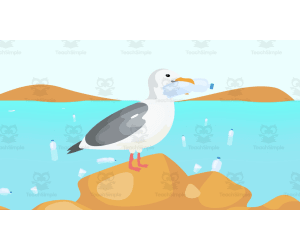
Crying Oceans | Animated Ocean Video Lesson
Science, Earth and Environmental Sciences, Earth Sciences, Not Grade Specific, Lesson Plans, Teacher Tools
Product Description: Crying Oceans | Animated Ocean Video Lesson Crying Oceans | Animated Ocean Video Lesson is a distinctive educational resource for teachers desiring to introduce oceanic sciences into their teaching syllabus. This 14-minute animated video makes it easier for students to comprehend and engage with scientific concepts involved in the study of oceans under Earth Sciences. Flexibility and Accessibility This tool is versatile across grade levels, thereby accommodating all student age groups in a classroom setting. The lesson comes as a singular MP4 file, ensuring ease of usage across different technology tools utilized in classrooms or personal devices of students. Educational Advantage The advantage of this resource lies in its flawless integration within existing curriculum structures. Depending on your instructional needs, this video can be used either as an introductory tool or as an aid for review purposes. Both traditional school settings and homeschooling environments can benefit greatly from this lesson plan module. Suggested Implementation Strategies: Lecture Setup - Use the video during whole-group instruction where teachers are guiding larger class sizes. Small Group Setup - Incorporate it within smaller study group sessions where each learner has more direct participation under guided supervision. Homework Assignments - Convert the content within the video into homework assignments promoting effective home-to-school learning transfer. In conclusion... Crying Oceans | Animated Ocean Video Lesson presents educators with an inventive instructional tool designed to capture student attention while imparting critical knowledge about oceans under Earth Sciences curriculum guidelines – packaged neatly within a captivating 14-minute visual narrative!
Author Educational Voice
Tags Ocean Science, Earth Sciences, Animated Lesson, Engaging Visuals, Educational Resource
Chess Reading Comprehension Passage - Cored Ed Encyclopedia
ELA, Language Development, Reading Comprehension, Reading, Pre-Reading, Science, Social Studies, Geography, History, Technology, Grade 2, 3, 4, 5, Worksheets & Printables, Worksheets, Teacher Tools, Centers, Activities, Writing Prompts, Assessments, Quizzes and Tests, Quizzes, Lesson Plans
This chess reading comprehension with lesson plan includes: Visualization (on the front cover) Start your lesson by taking a minute to think and share something about the topic. Read the script aloud (slowly), perhaps prepare some music or sound effects. Student close their eyes and let their imaginations wander. Students open their eyes, read the question aloud and give them a few minutes to complete. Ask a few students to share or keep answers until the end to compare with what they learn in the passage. COMPANION VIDEO NOW AVAILABLE (EMBEDDED AFTER PREVIEW PICTURES IN PRODUCT DESCRIPTION) Quick pause—thousands of Cored Education products are included with your TeachSimple membership. Download links and encyclopedia index available here. Pre-Reading Trivia Students will write down one thing they already know about the subject and then read five more facts and discuss. These facts are fun, and the students will enjoy learning about the subject before reading more. Give 1 minute for students to write what they already know (no pressure—best guess is fine). Read the five facts together. After each fact, do ask a student for their opinion, was it surprising? Set a purpose by asking students to highlight/underline one fact they want to learn more about during the reading. Reading Passage The text is a high-interest reading passage with set paragraphs, roughly three to four paragraphs long. It contains a variety of themes about the topic, anywhere from history to technology. The passage is between 250 and 350 words in length. First, ask students to look at the headings and see what they’ll learn about today. What do they know about the topic/heading? First read options: Teacher read-aloud (best for support). Partner reading (paragraph by paragraph). While reading, students underline important details, and vocabulary words they think may come up in the questions section. Mixed Questions The first question page contains four multiple-choice questions, each with a choice of four answers, and three written response questions that require a sentence or two from the student. Students complete the mcqs first independently, then review quickly as a class. For the 3 written responses, try to get students giving the answer with some form of evidence: “I think ___ because the text says ___.” If students get stuck, send them back to check the passage. Vocabulary Questions Practice seven key words from the text in this section across two activities. First section is scrambled words where students will unscramble three words given a clue for each. The second section is a word to meaning matching activity. Before starting, have some students read out words they underlined in the passage. Ask students to say the word and read aloud the sentence(s) around each word. Ask students to do scrambled words and the matching exercise in pairs then go through answers as a class. For the scrambled spelling task, get four pairs to come up to the board and write the words for extra practice with the other student reading out the clue. For the matching task, prompt students to give full sentences: “I matched ___ with ___ because ___.” Creative Writing In this question, the student will be required to write a five to eight sentence paragraph on a question related to the topic. Before starting, ask students write down 3 key ideas they are going to include in their piece. Ask students for ideas to share around the class to help those struggling. Pro writing expectations: 5–8 sentences At least 2 facts or details from the passage At least 2 vocabulary words from the previous page Students read their paragraphs while classmates listen for facts and vocabulary words. Extension Activities This page is optional for fast finishers or to take home. There are several activities, each one requiring a different skill. Do some, do none, do all, completely optional - but you will feel reassured knowing every possibility is planned for. Includes summary writting question and additional facts. Answer Key There are answers for the multiple-choice questions, written response questions have sample answers, vocabulary answers and if there is a summary question then a sample summary will be provided as well. Lesson Plan Included Customized lesson plan for this lesson is included. Lesson Snapshot Title: Chess Genre: Nonfiction (informational passage with headings) Subject: Reading (Informational Text) / Social Studies (history & culture) Primary Topic: How chess works and how it changed over time Estimated Guided Reading Level (A–Z): Q What This Lesson Teaches Best Introduces key basics of the game (64 squares, 16 pieces, and the goal of checkmate). Traces chess’s spread across places and cultures (India → Persia → Muslim world → Europe). Explains how rules changed over time (the queen and bishop gaining powerful moves in the late 1400s). Uses a chronological, heading-based structure to show history in clear sections (early origins, Europe, tournaments, computers). Connects chess to modern competition and technology (international tournaments, FIDE, computers like Deep Blue). Learning Goals Students will describe the chessboard and starting pieces using details from the passage. Students will explain what “checkmate” means in the passage. Students will identify where the passage says chess traveled and what it was called in different places. Students will describe the late-1400s rule change mentioned and how it affected games. Students will summarize how chess moved into public life and became an international sport. Students will explain one way computers affected chess, based on the passage. Key Vocabulary From the Text checkmate — the king is trapped with no safe move. ancestor — something that came earlier than something else. chaturanga — an early India game linked to chess. tournament — a contest with many games. calculating — working things out by thinking ahead. FULL CATALOG OF DOWNLOAD LINKS AND ENCYCLOPEDIA INDEX HERE
Author Cored Education
Rating
Tags Vocabulary, Reading Comprehension, Reading Passages, Lesson Plans, Ela Lesson Plans, Reading Comprehension Lesson Plans, Pre-reading, Geography, Social Studies Lesson Plans, History

Podcast Interview Question Outlines
Technology, Science, Computer Science, Engineering, Special Resources, Life Skills, Social Emotional Learning (SEL), Special Education Needs (SEN), Reading, ELA, Grade 6, 7, 8, 9, 10, 11, 12, Worksheets & Printables, Workbooks, Worksheets, Word Searches, Teacher Tools, Assessments, Lesson Plans, Quizzes and Tests, Quizzes, Tests
Transform your students from passive listeners into masterful storytellers with this complete, no-prep Podcasting Interview Skills Unit! Are you looking for an engaging, real-world project that goes beyond the traditional essay or book report? This comprehensive resource is designed to teach middle school students the sophisticated art of conducting powerful podcast interviews. Students will move beyond simple Q&A and learn to become architects of inquiry, crafting open-ended questions, listening actively, and unearthing compelling narratives. This is more than just a set of worksheets; it's a full-fledged pedagogical journey into the heart of communication, critical thinking, and media literacy. Perfect for your ELA, Journalism, Public Speaking, or Media Studies class, this unit equips students with the 21st-century skills they need to succeed. What's Included in this 48-Page Resource? This unit is meticulously structured into three phases to ensure student success and make implementation a breeze for you: Part 1: The Methodology & Theory (10 Pages) Deep dive into the "Architecture of Inquiry." Clear explanations of open-ended vs. closed questions, active listening, and structuring a narrative arc. Engaging case studies and examples that illustrate core concepts like "Narrative Anchors" and "Thematic Buckets." Strategies for troubleshooting common interview problems like reluctant guests or tangents. Part 2: The Student Workbook (19 Pages) 10 scaffolded, high-interest worksheets that move students from theory to practice. Exercises on identifying and transforming weak questions, drafting powerful follow-ups, spotting "the drop," using the "5 Whys" technique, structuring a narrative, navigating emotion, and more. A final "Master Blueprint" worksheet that guides students in creating a full interview outline from start to finish. Part 3: Visuals & Teacher Resources (19 Pages) Classroom-Ready Visual Aids: Three clear, printable anchor charts/visual frameworks explaining the core concepts (Anatomy of a Question, Active Listening Funnel, Interview Flow). Comprehensive Answer Key: Detailed, exemplar answers and pedagogical notes for all 10 student worksheets to make grading easy and effective. A Complete Teacher Implementation Guide: A 5-day+ lesson plan that walks you through direct instruction, modeling, guided practice, role-playing activities, and a final audio documentary project. Assessment Rubric: A clear, 4-point rubric for grading the final student interview project, focusing on question quality, narrative structure, follow-up agility, and audio professionalism. This isn't just a project; it's an experience. Watch your students' confidence soar as they learn to listen with empathy, think on their feet, and curate truth through the power of the human voice. Why Parents/Schools Love It: Develops Core Critical Thinking Skills: This curriculum explicitly teaches students how to move beyond surface-level facts and analyze information, synthesize ideas, and construct logical inquiries—skills essential for academic and life success. Builds 21st-Century Communication Skills: In an age of digital distraction, this program cultivates the "soft skills" that are most in demand: active listening, empathetic conversation, public speaking, and clear articulation of thought. Promotes Media & Digital Literacy: Instead of just consuming media, students become thoughtful creators. They learn the process behind the podcasts they listen to, gaining a deeper understanding of narrative construction and journalistic ethics. Provides Authentic, Real-World Application: Students are highly motivated by this project because it feels relevant and real. They are not just learning for a test; they are creating a tangible product (an audio documentary) that they can be proud of. Comprehensive and Teacher-Friendly: This is a complete, "plug-and-play" unit. The detailed teacher's guide, answer keys, and rubric save educators dozens of hours of prep time, making it easy for schools to implement a high-quality, engaging curriculum. Target Student Classes : Based on the explicit text in the PDF ("sixth-grade scholar," "Target Audience: Grade 6 Educators"), the primary target is 6th Grade . However, the material is sophisticated and rigorous enough to be highly effective for a broader range. I would recommend it for: Middle School ELA (Grades 6-8): As an alternative to traditional research papers or oral presentations. It hits standards for speaking, listening, writing, and critical analysis. Middle School Journalism or Media Studies Electives (Grades 7-9): This is a perfect foundational unit for any introductory journalism course. High School (Grades 9-10): Excellent for remedial or introductory communications, public speaking, or journalism classes. Gifted and Talented Programs (Grades 5-6): Ideal for younger, advanced learners who are ready for a challenging, project-based learning experience. Copyright/Terms of Use: This Book was copyrighted by Syed Hammad Rizvi. This resource is for personal and single classroom use only. You may not alter, redistribute, or sell any part of this resource. In other words, you may not put it on the Internet where it could be publicly found and downloaded. If you want to share this resource with colleagues, please purchase additional licenses from Teachsimple. Thank you for respecting these terms of use. This product is happily brought to you by Syed Hammad Rizvi
Author Creative Book Store
Rating
Tags Podcasting, CriticalThinking, ActiveListening, ProjectBasedLearning, PBL, DigitalStorytelling, MediaLiteracy, PublicSpeaking, CommunicationSkills, 21stCenturySkills

Discolouration | Animated Kitchen Science Video Lesson
Science, Physics, Not Grade Specific, Lesson Plans, Teacher Tools
Discolouration: Animated Kitchen Science Video Lesson The Discolouration Animated Kitchen Science Video Lesson aims to provide educators with a dynamic and interactive teaching resource. It's an effective tool for public school teachers seeking to energize their classroom, and homeschoolers in need of engaging content. Adaptive Learning Content No specific grade level is required for this resource. It's perfect as a teaching aid for learners of all levels. The video focuses on Physical Science, specifically discolouration phenomena, all using familiar kitchen settings that students can relate to. Versatile Learning Tool The video lesson is designed at 12 minutes long—an optimal length for keeping students motivated. Being digital (in MP4 format), it offers flexible use: Whether virtually in online classes, face-to-face lessons or assigned independently as homework—it fits the bill. Bullet Point 1: Created as a recapitulation or introduction tool Bullet Point 2: Fits perfectly into conventional and digital classrooms Fostering Engagement through Interaction and Fun This Animated Kitchen Science Video wonderfully merges knowledge acquisition with fun and interactive graphics—amplifying student engagement. The primary objective here is not just factual understanding but also knowledge transfer in memorable ways—sparking student curiosity about everyday phenomena around them nestled in reflection. In Conclusion, The Discolouration | Animated Kitchen Science Video Lesson assists educators striving towards creating effective yet entertaining learning experiences by merging compelling visualization methods with rich scientific content. Aside from being enjoyable,the video simplifies complex ideas into easily digestible snippets while sustaining the students' attention throughout the course of the lesson. Remember, even though the video doesn't have ‘graded’ content, it makes a brilliant springboard for in-depth-discussion on the topic and could inspire related experiments!
Author Educational Voice
Tags Discolouration, Kitchen Science, Interactive Lesson, Physical Science, Animated Video