
Play & discovery
Apple Letter Recognition Seek and Find Mats
Provide apple-themed letter search mats covering A-Z in upper and lowercase for letter-recognition practice.




8,334 resources
Explore sub-categories
14 sub-categories · 8,334 resources
Provide apple-themed letter search mats covering A-Z in upper and lowercase for letter-recognition practice.
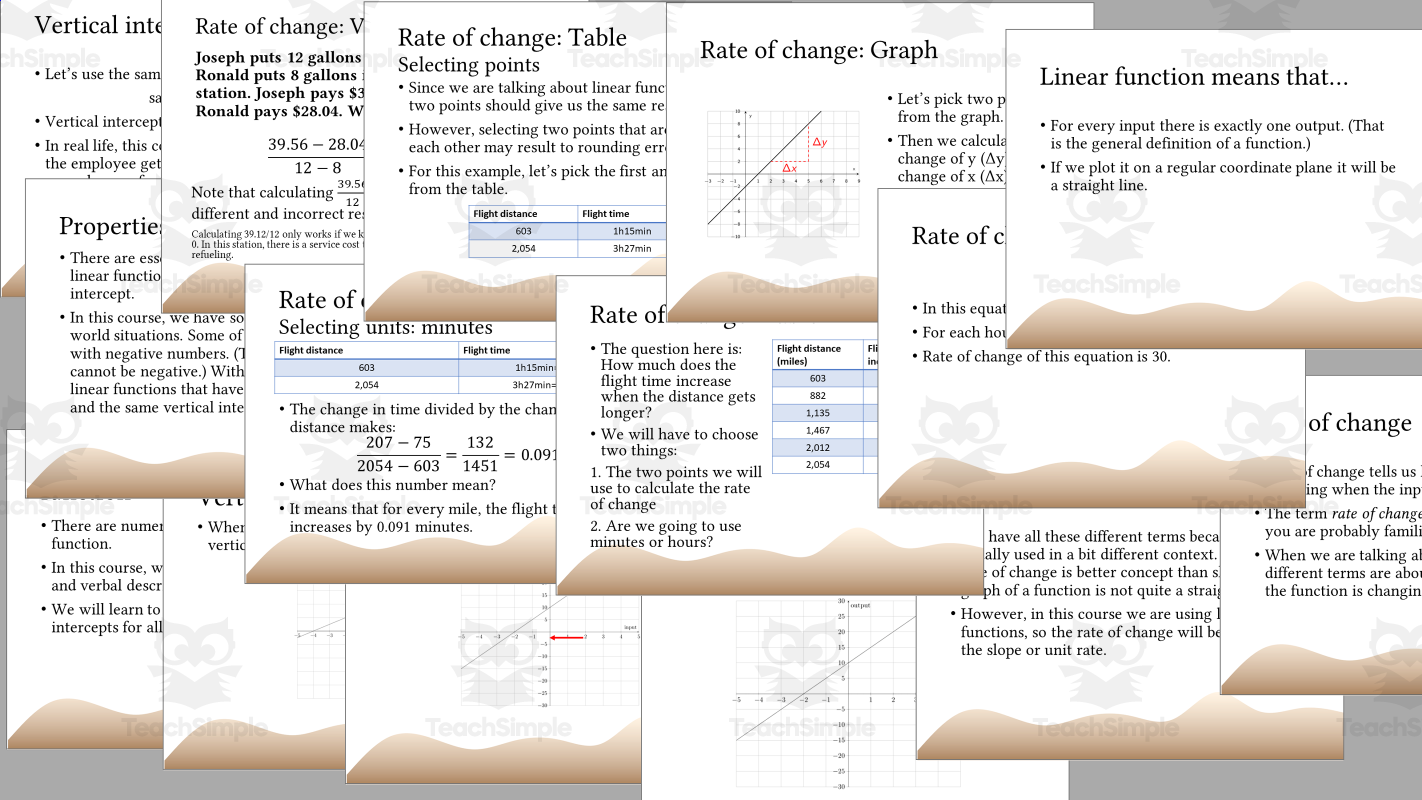
A PowerPoint lesson teaching 8th-grade students to identify and compare properties of linear functions (rate of change and vertical/y-intercept) as represented in equations, graphs, tables, and verbal descriptions, aligned to standard 8.F.A.2.
 Free download
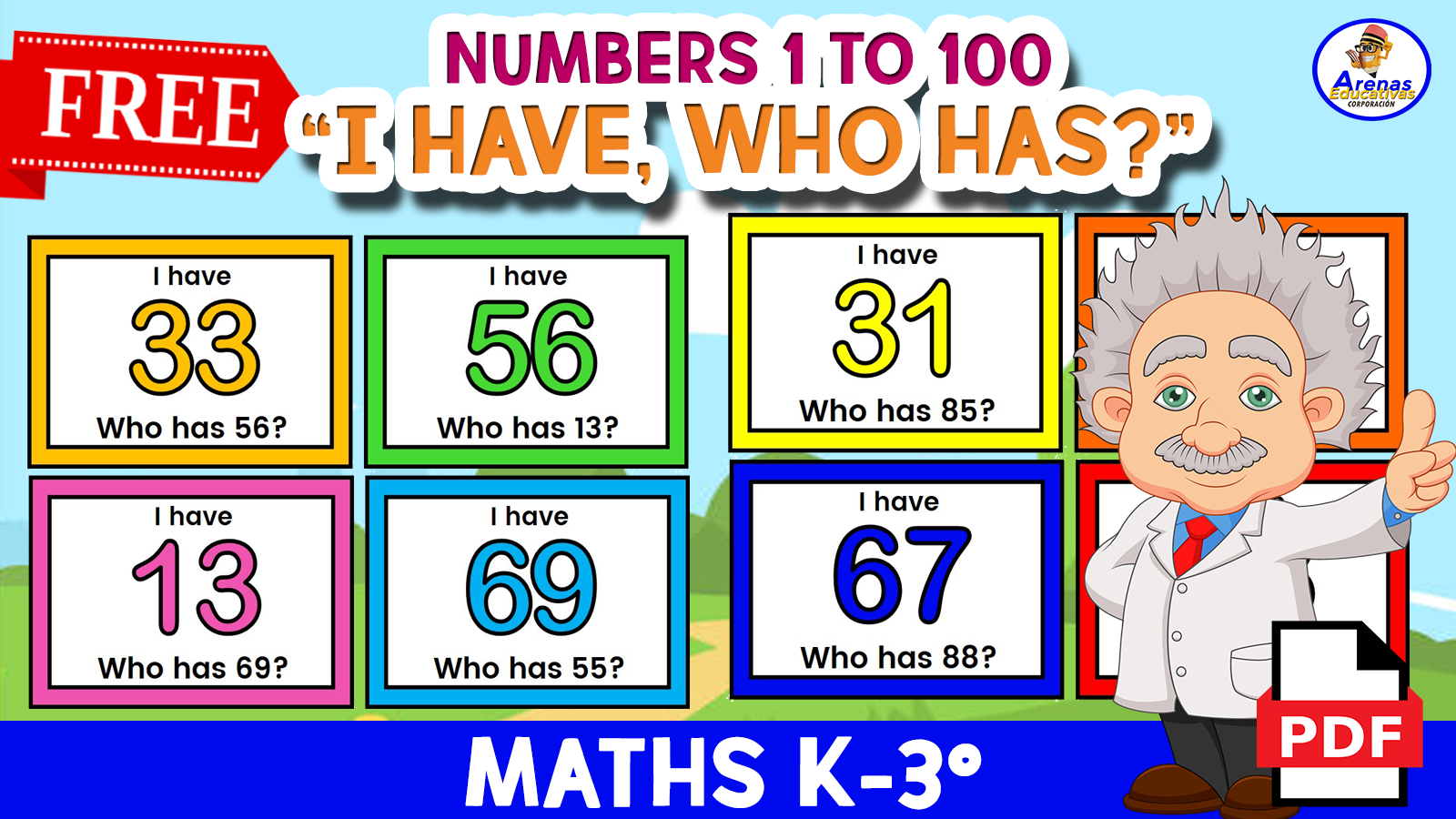
 Keep the number chain moving by listening carefully. A player reads a card’s “I have” number and “Who has?” prompt; the player holding the requested number responds next. The prompts move around the 1-to-100 range, so students need to recognize the number they hear rather than simply count on. Four cards fit on each of the 25 card sheets. Distribute the printed cards across the group, giving players more than one card when needed.
A no-prep PowerPoint reading comprehension lesson built around the Senegalese folk story 'The Discontented Fish,' structured using New Bloom's Taxonomy levels and aligned to Common Core RL.6-8 standards.
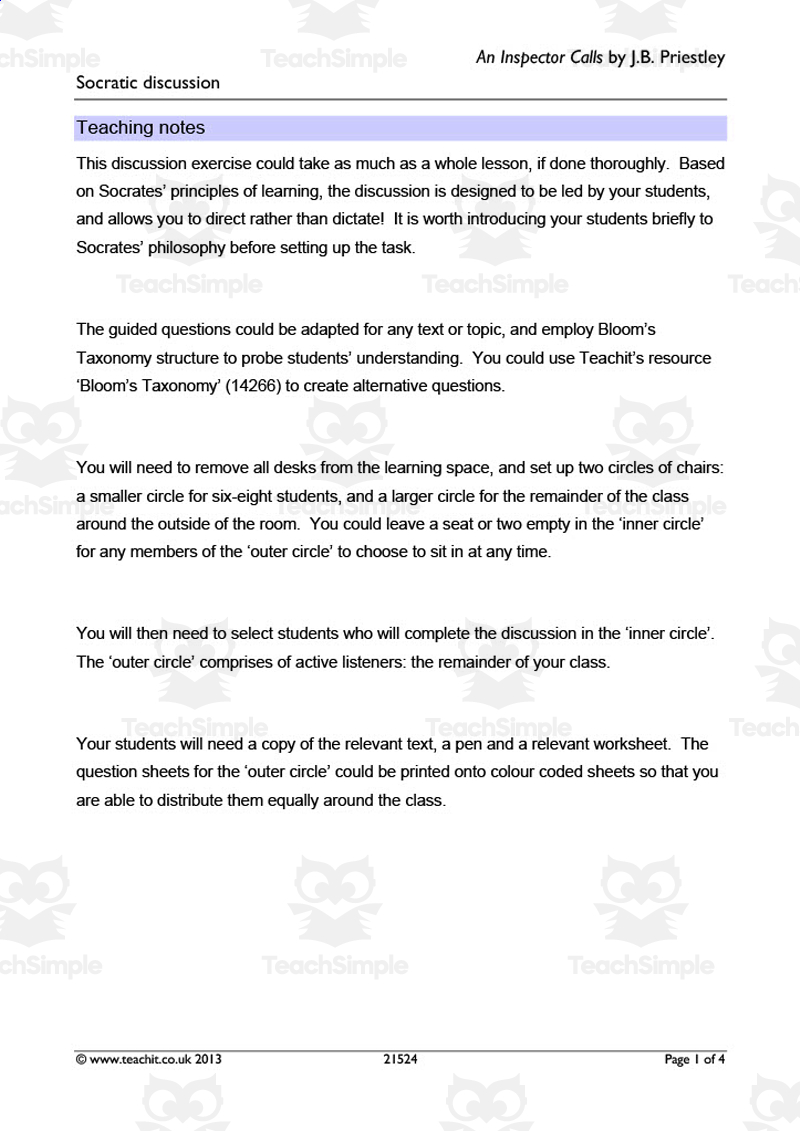
A structured Socratic-seminar (inner-circle/outer-circle discussion) lesson plan for 'An Inspector Calls' Act 3, with teaching notes for setup plus discussion questions for speakers and observation worksheets for listeners.
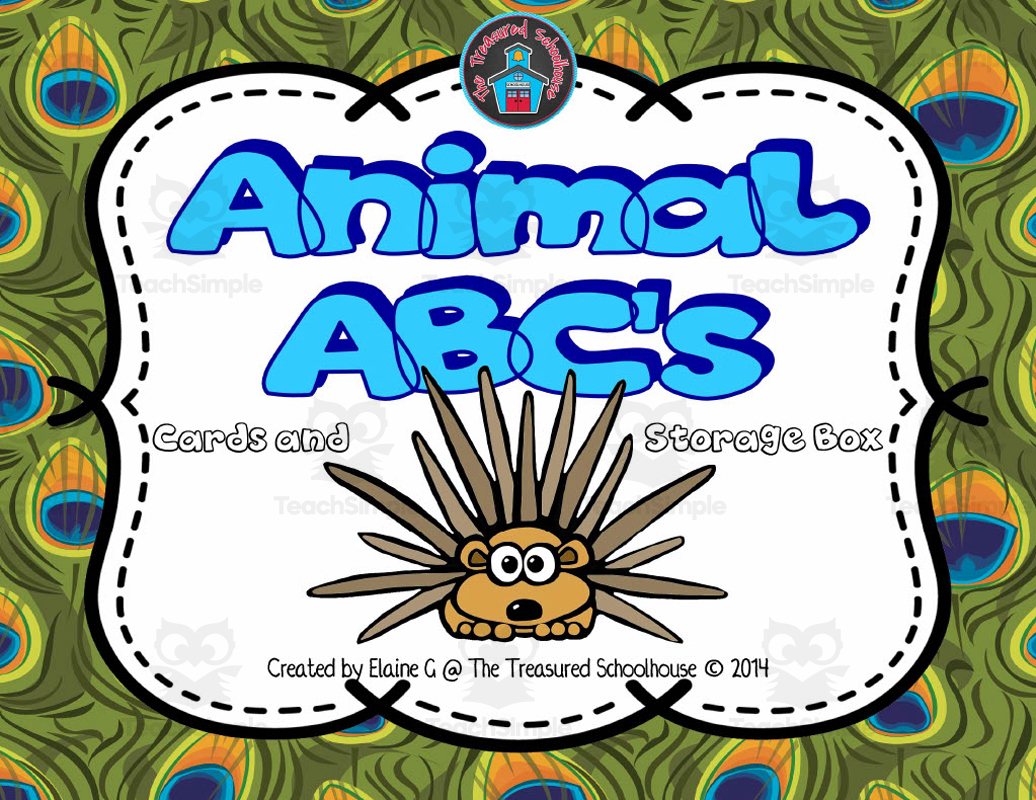
You will have a variety of uses with the Animal ABC's Activity Cards. For each letter of the alphabet, there are 2 cards - featuring the letter, an animal and the name of the animal. All you have to do is print and laminate for durability. Suggested activities: - Go Fish - Concentration - Old Maid - Flashcards An…

Students respond to 4 double-entry journal prompts tied to specific page ranges of Chapter 4 (why the pearl buyers collude on pricing, the lesson of the cautionary story Juan Tomas and Kino discuss, the negotiation moves used by Kino, Juan Tomas, and the first pearl buyer, and what Juan Tomas tells Kino after returning from…
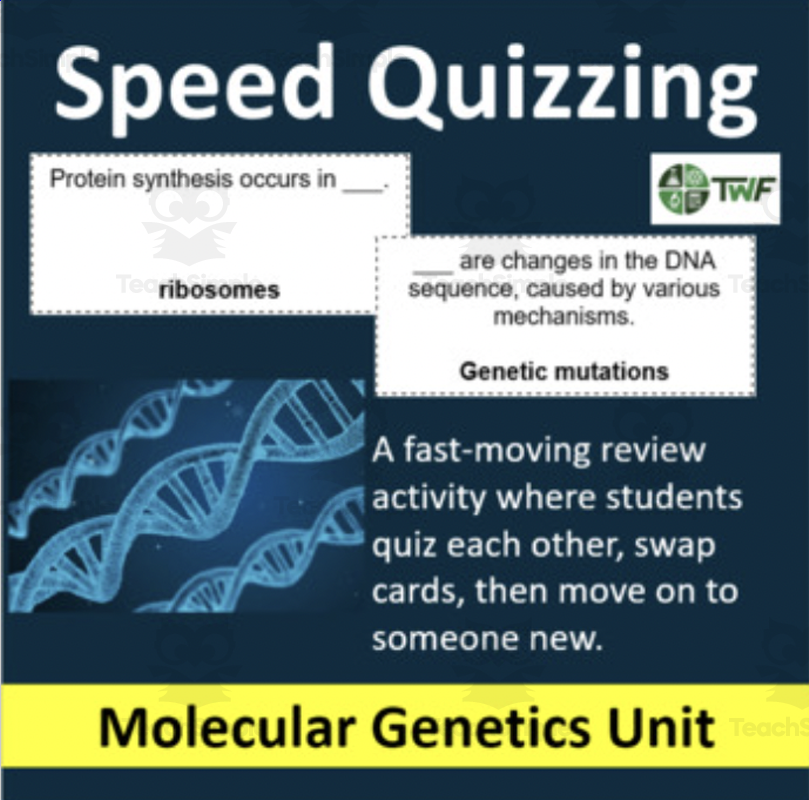
Students read a question card aloud to a partner, the partner answers, roles switch, and pairs rotate to a new partner and repeat, reviewing terms and problems from the unit.
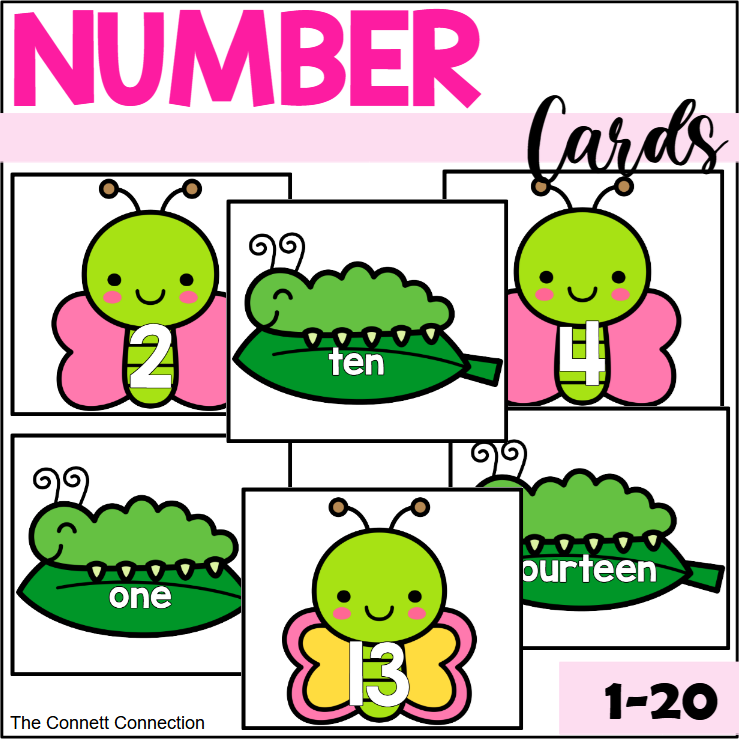
Provide numeral cards and number-word cards (0-20) for numeral/word recognition and matching practice, in a butterfly theme.
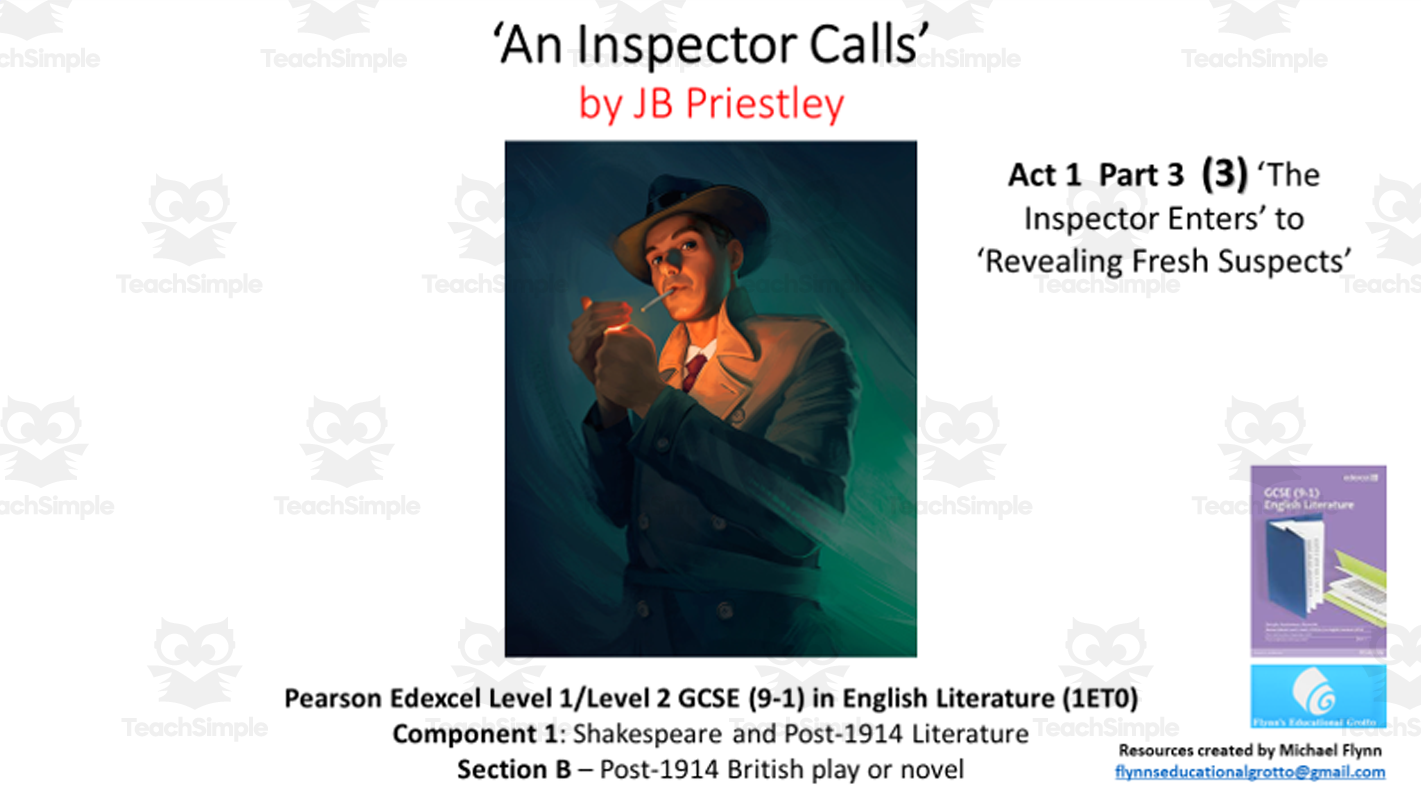
A GCSE English Literature PowerPoint lesson analytically reading 'An Inspector Calls' Act 1 Part 3, from the Inspector's entrance to revealing fresh suspects (Mr Birling's confession about firing Eva Smith, and the Inspector implicating other family members), framed around the concept of being human.

Teach a full introductory business/economics unit on supply and demand, covering demand, supply, equilibrium, and the effect of the business cycle, via slides, guided notes, and graphing practice.
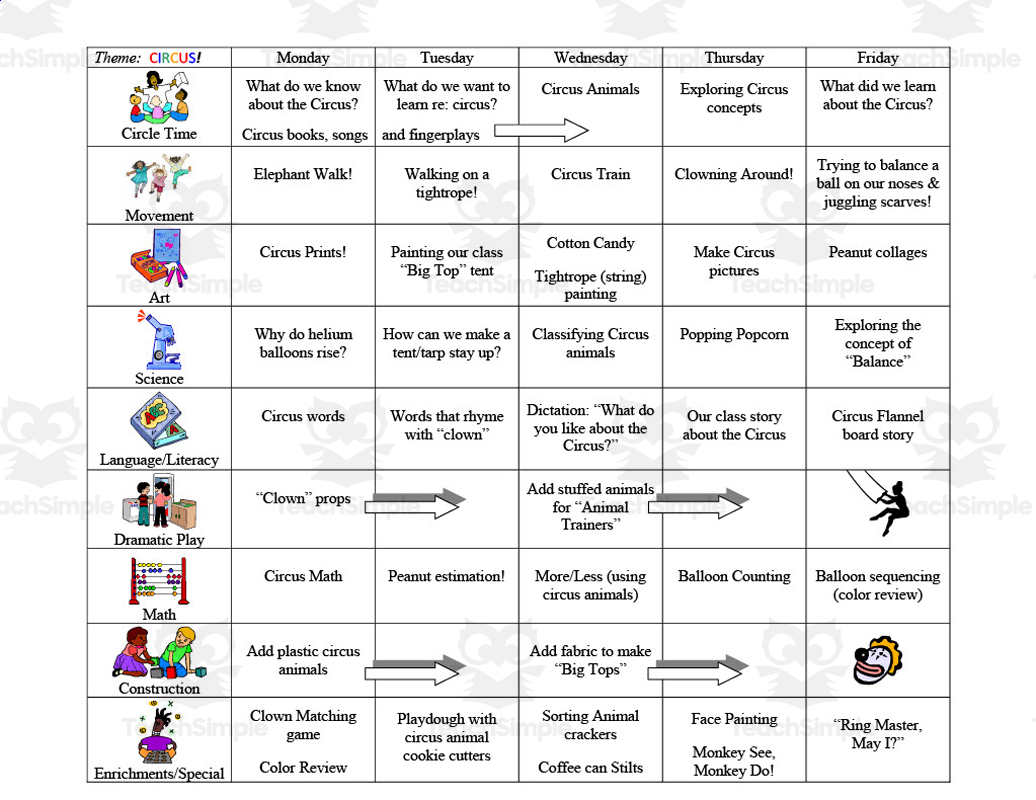
Use this completed weekly planning grid to organize a circus theme across five preschool days. Nine activity areas span experiences such as circle time, art, movement, literacy and dramatic play. Review the ideas against your class schedule and available materials, then select or adapt the activities you want to lead; the grid provides the plan rather than a set of student activity sheets.
Write stories, poems, or descriptions responding to image/text prompts (e.g. personifying a raindrop or rainbow, describing a leap of faith, autumn leaves, finding a labeled box in a new bedroom, personifying an object in one's room, a fading imaginary friend, being lost and found, a path through a forest, two…

Working in pairs with two cups and chips, students drop a fixed number of chips into their cup each turn, record counts in a table, graph both cups' data (circles for Cup A, x's for Cup B), write a linear equation for each cup, answer guided questions about where/when the cup values match on the table/graph/equations, and solve four…
 Free download
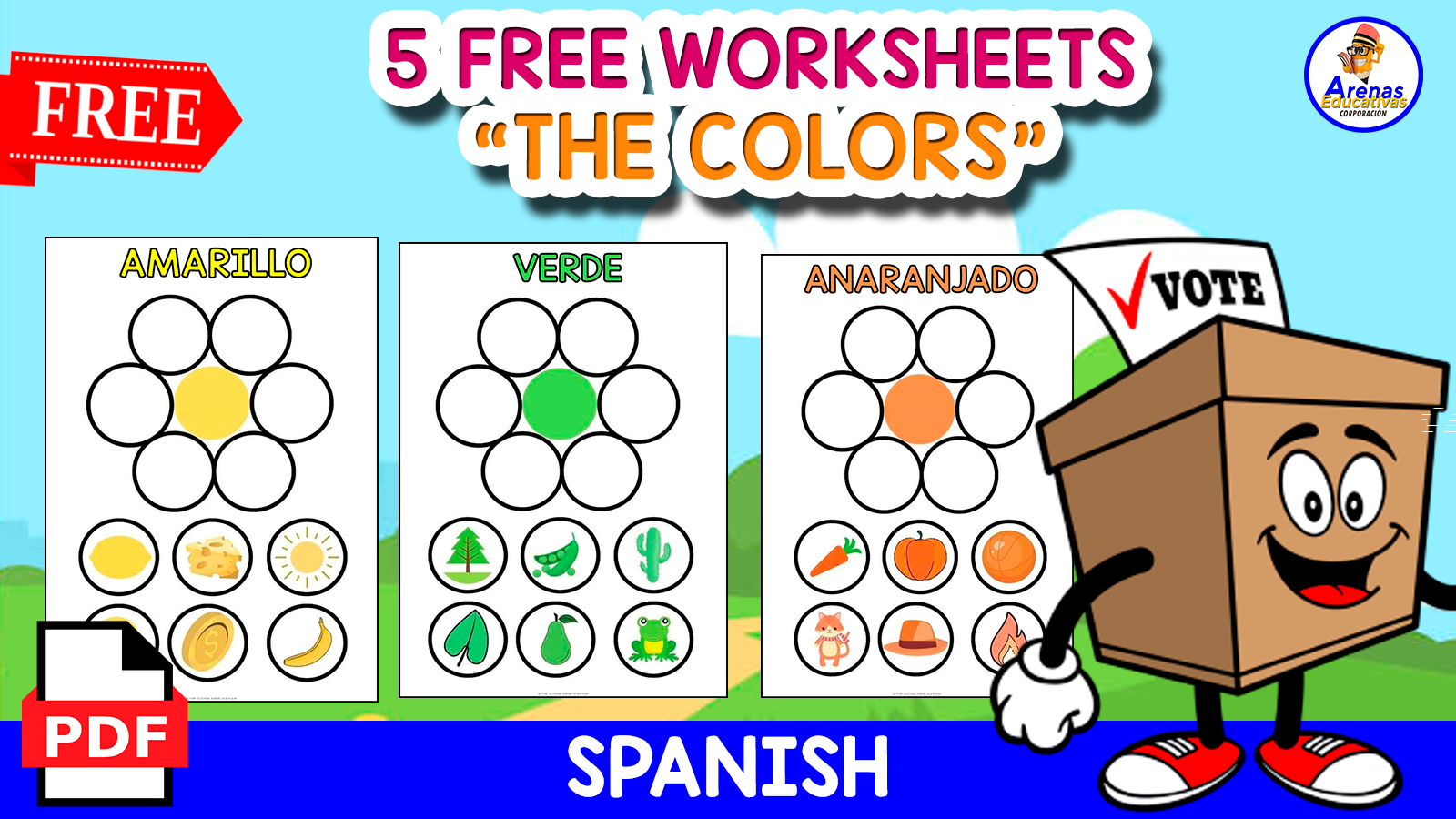
 5 FREE WORKSHEETS OF THE COLORS | CUT AND PASTE INTRODUCTION: HELLO! WELCOME TO THE EDITORIAL ARENAS EDUCATIVAS RESOURCE STORE! This time we bring you these fantastic resource for you! Your children's afternoons will no longer be boring thanks to these fantastic resource. MAIN INFORMATION: 1. Why should teachers use…
Fill in short reflection prompts at the end of class (what was learned, questions remaining, self-rated understanding, drawings, or quiz questions).
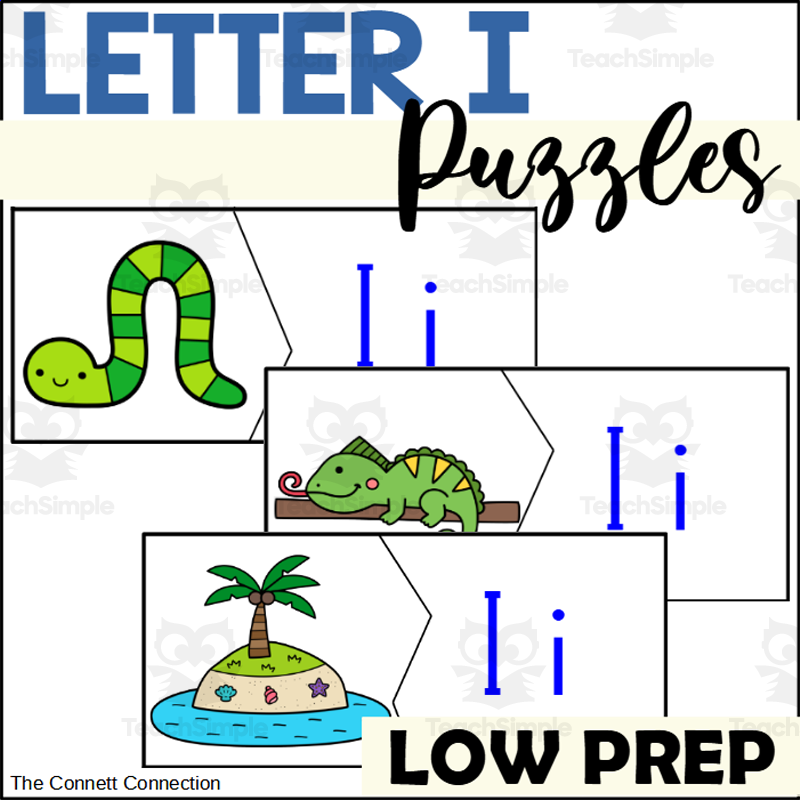
Assemble or match alphabet puzzle pieces showing repeated 'Ii' letterforms (fine motor puzzle activity).
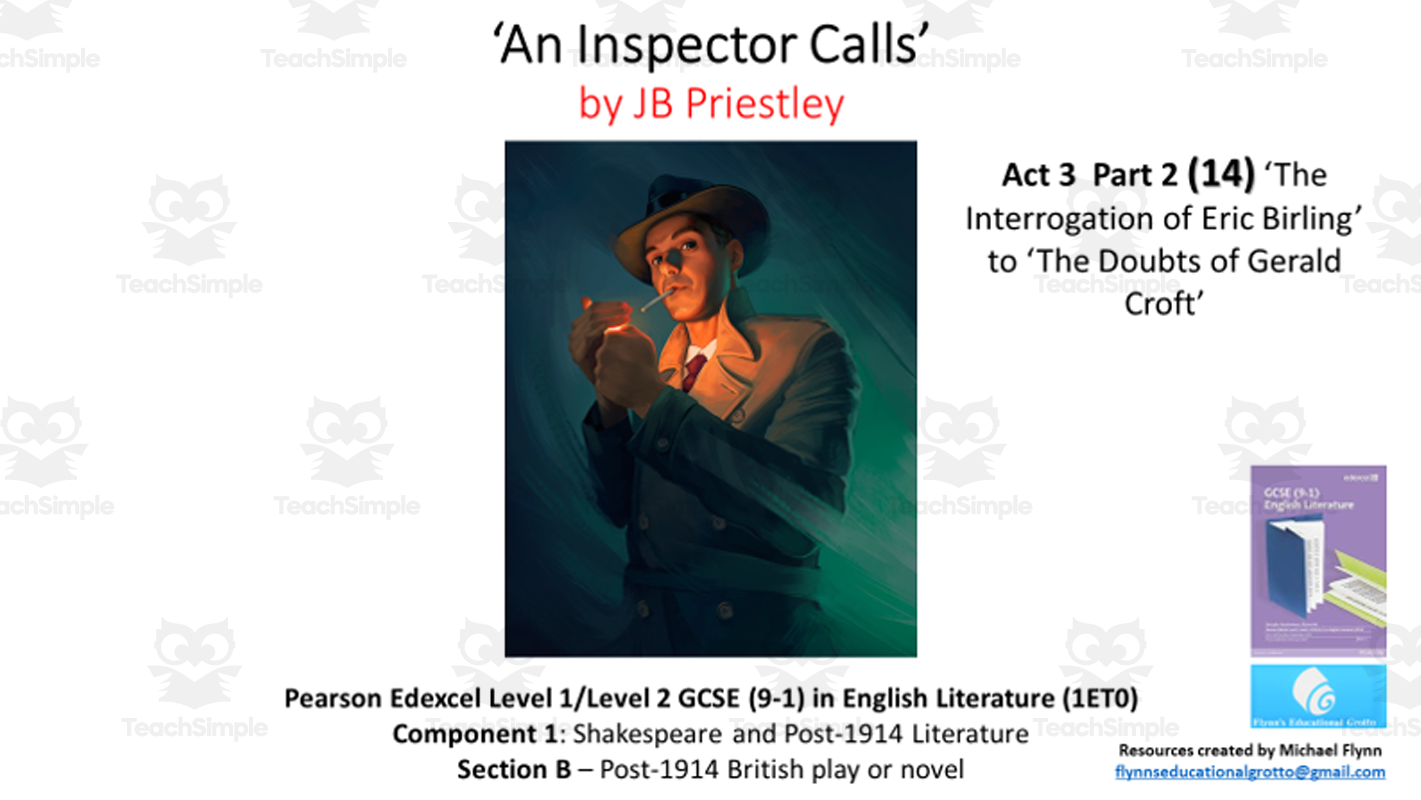
A GCSE English Literature PowerPoint lesson analytically reading 'An Inspector Calls' Act 3 Part 2, from Eric's interrogation to Gerald's doubts (Gerald's discovery that Inspector Goole may be fake, and the generational split over how seriously to take the revelations), framed around the concept of confession.
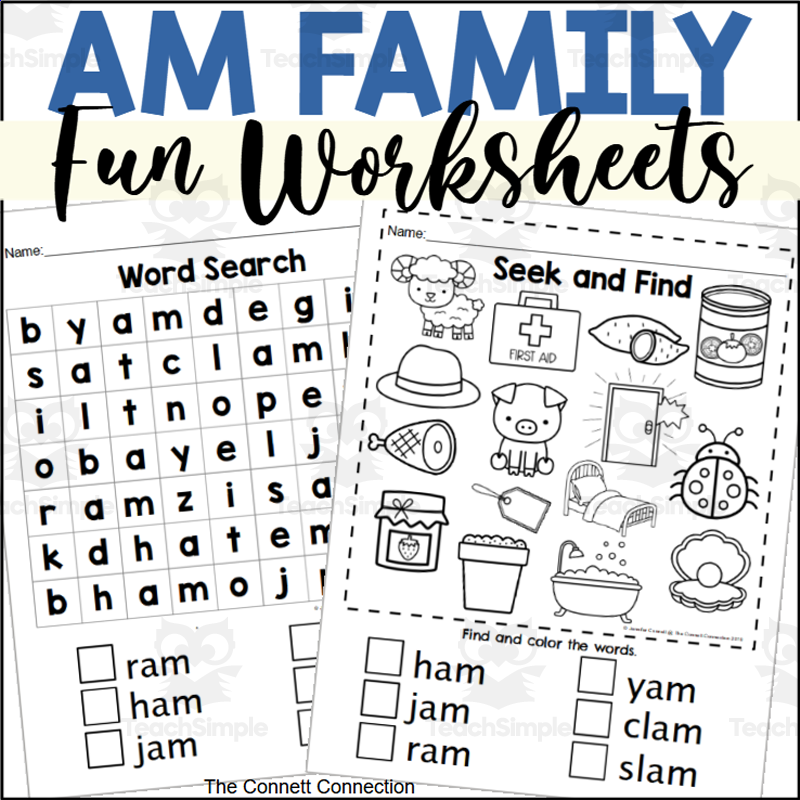
Find and color hidden AM words in a seek-and-find puzzle; dab/mark AM-word picture spaces to complete a picture maze from start to finish; find AM words in a word-search grid.
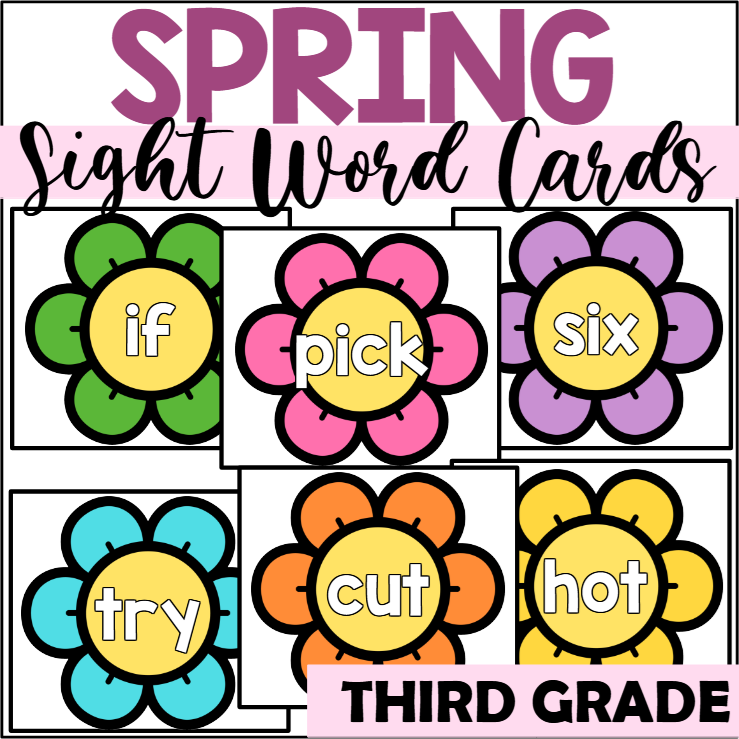
Read, sort, match, or play games with printed sight word cards to build sight word recognition.
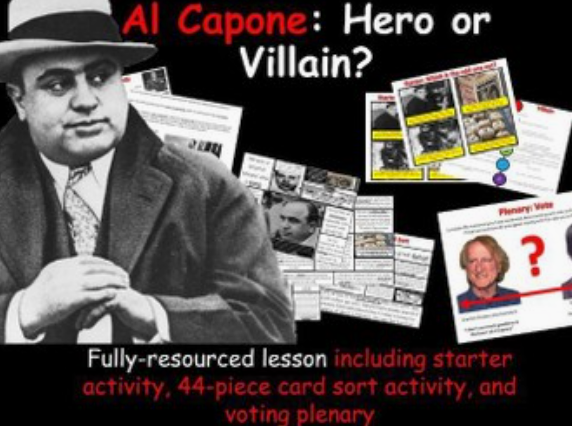
Answer an opening odd-one-out question, read background information on Al Capone, then sort/discriminate between pieces of evidence (relevant vs. red herring) about his life, crimes, and philanthropy to answer the essential question 'Hero or Villain?'.
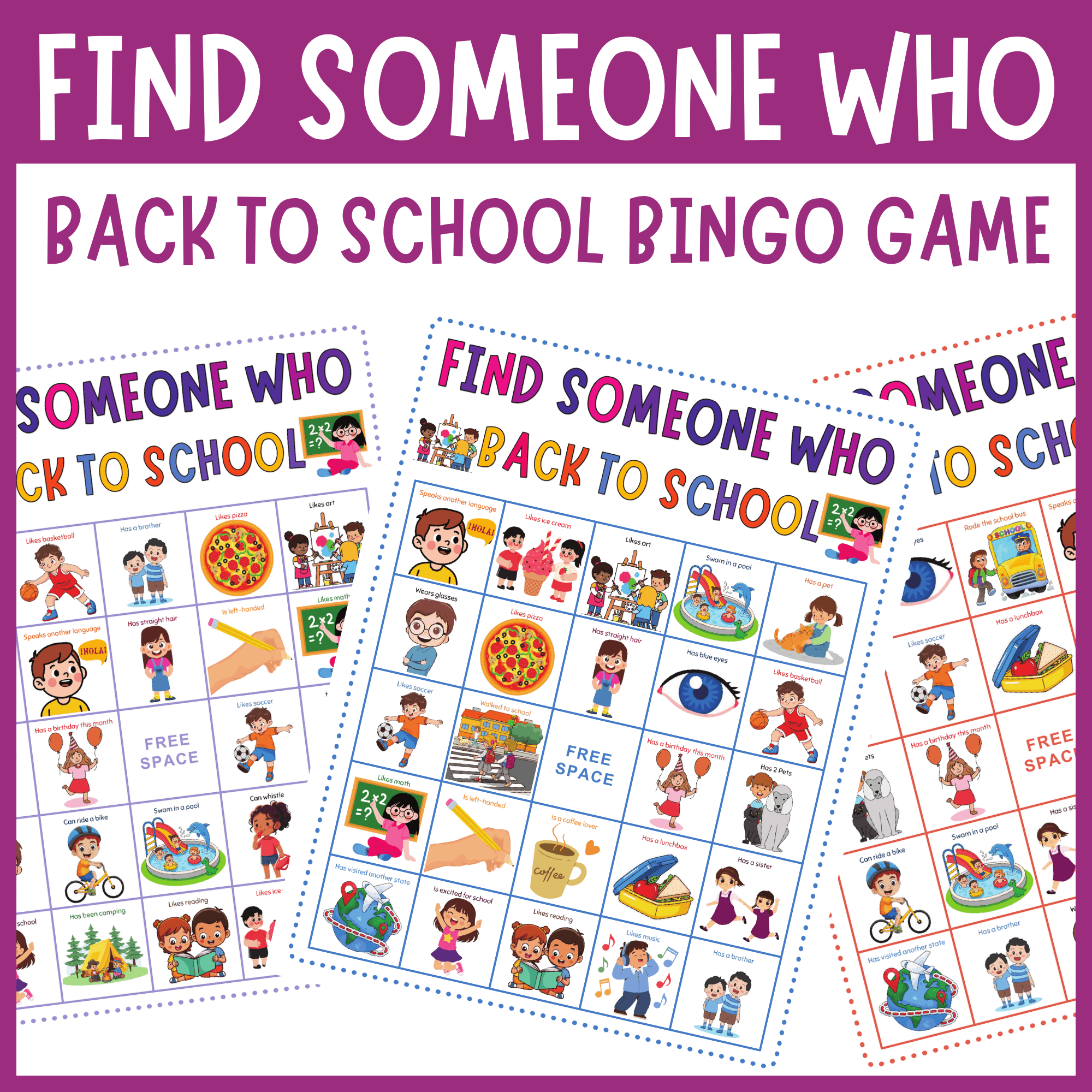
No-prep icebreaker/bingo game to help students get to know classmates and make new friends at the start of the school year.
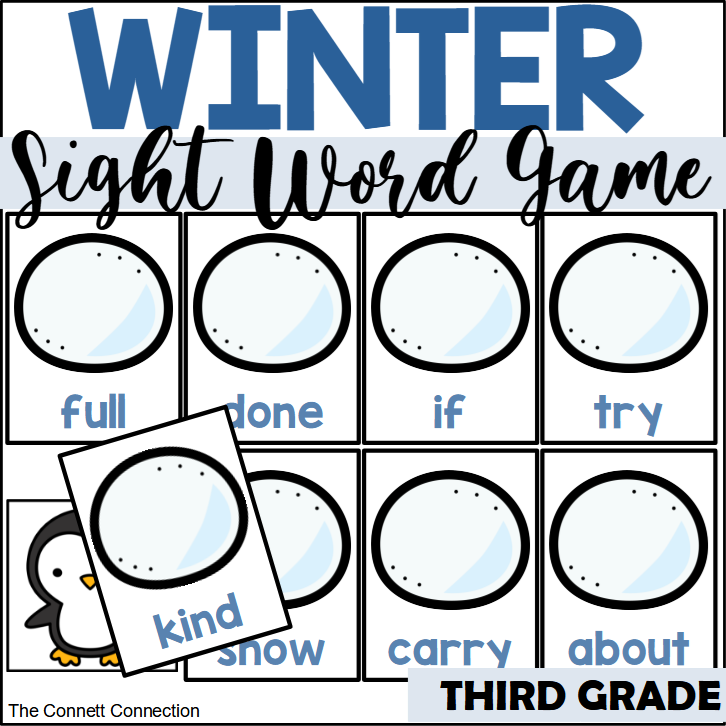
Read the sight words aloud and guess which snowball-shaped sight word card is hiding a penguin card, using a short poem as the game prompt.
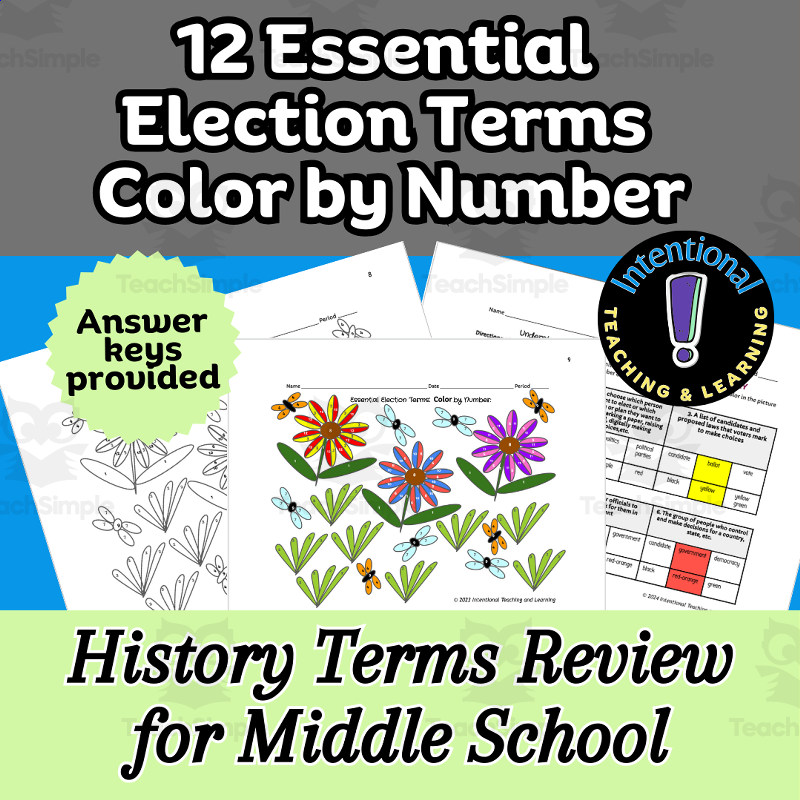
A low-prep review activity where students match election-term definitions to colors and use those color answers to complete a color-by-number picture, reviewing the same 12 election terms as the companion lesson plan.