



3,945 products added recently
Page 225 - Cut and Paste Activities
Enhance learning through tactile experiences with cut and paste activities that combine creativity and skill development. This collection includes sorting exercises, craft projects, and interactive worksheets. By integrating these activities into your lessons, you can support manual dexterity and engagement.

 Show filters


Letter C Q-Tip Art Packet
Special Resources, ELA, Special Education Needs (SEN), Speech Therapy, Language Development, Pre-Reading, Writing, Handwriting, Kindergarten, Preschool, Activities, Worksheets & Printables, Worksheets
The Letter C Q-Tip Art Packet: An Integrative and Fun Learning Tool With an innovative approach to interactive learning, the Letter C Q-Tip Art Packet has been enthusiastically accepted by teachers, homeschoolers, and tutors for its engaging concept. Specifically catering to early learning stages such as preschool and kindergarten, this unique resource is an effective tool for various areas of development including language arts, pre-reading skills enhancement and handwriting practice. Pack Info: Specially designed activity kit centered around the letter 'C' Contains eight carefully designed printable worksheets Vibrant themes feature items like cake, carrot, cherries, cup, cowand more The art packet proves useful in both a whole group setting or small sessions at school; it also serves as an intriguing homework assignment during homeschooling. The major objective is teaching children about letters and words associated with ‘C’. The role of Q-tip art: Including q-tip art not only provides visual gratification but also significant educational benefits. This method shines particularly in special education scenarios like Speech Therapy due to its hands-on nature Multifold Beneficial Impact: Fine motor skills development: Achieves measurable progress among children which can result in improved bilateral hand coordination or even motor planning. No preparation needed post-download: Bundles into existing curriculum plans with ease akin to fast finisher tasks or indoor recess sessions. Adaptability according to learners' needs included activities could involve opening/closing containers etc., instigating different pressures etc increasing effectiveness muchfold." , Possibility of outdoor implementations: Opportunities for soaking up some sunshine while enjoying varied expressions of creativity through art! Conclusively: An all-encompassing solution that balances learning with enjoyment while boosting developmental capabilities amongst preschoolers - that's what makes the Letter C Q-Tip Art Packet stand apart from regular teaching resources!
Author mnorganizingmom
Tags Interactive Learning, Q-tip Art, Preschool Activities, Fine Motor Skills, Language Arts
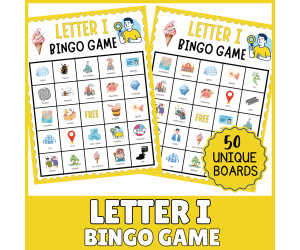
Vowel Letter I Bingo Game: Alphabet Recognition Sound Phonics Activity
ELA, Vocabulary, Language Development, Phonics, Kindergarten, Preschool, Games, Activities
Letter I Bingo Game is a fun way to help kids recognize the letter I and practice its beginning sounds. Since bingo is something most students already enjoy, it makes learning feel more like a game than a lesson. I usually bring this out during our letter of the week or when we need a quick review. It’s easy to prepare and works well with different group sizes, which makes it really flexible. What You Will Get This resource includes printable bingo boards and calling cards with Letter I words and pictures. Just print and you’re ready to start. What’s included in this Bingo Game? There are several different bingo cards so students won’t all have the same one. The calling cards include familiar Letter I words like igloo, insect, and ice cream. The pictures help students connect the sound with what they see. This resource is perfect for: Literacy centers Small group work Whole class activities Homeschool use Why you will love this? Makes phonics practice more engaging Simple and quick to set up Helps build letter recognition and sound skills Works well as a review activity without feeling repetitive This is an easy way to add some fun to your Letter I lessons while still focusing on important early reading skills.
Author Perfect_Printables
Rating
Tags Alphabet, Phonics Activity, Alphabet Activity, Alphabet Games, Vowel Letter Games, Letter I Recognition, Letter I Worksheet, Letter I Activity, Letter I Bingo Game, Letter I

DOMINÓ GAME OF MULTIPLICACION | Lego Themed
Math, Multiplication and Division, Division, Grade 3, 4, 5, 6, Activities, Games
GENERAL INTRODUCTION OF THE TOPIC: Multiplication is one of the operations that many children fear because they have to memorize a lot of operations, but don't worry anymore because this time we bring you these fantastic domino tiles with which your children can practice multiplication in a fun and fun way. didactics SCIENTIFIC BASIS: It has been proven that through play, children learn better, so for that reason on this occasion we bring you this domino game with which your children can play and learn multiplication. INFORMATION ABOUT THIS PRODUCT: Please now read the following product information carefully so that you know what it is about and make the decision to download it now. 1. Product name: The title of this product is "24 dominoes of multiplication from 1 to 12" 2. Number of pages: This document is made up of 6 pages, on each page you will find 4 dominoes, so in the end you will have 24 dominoes available. 3. Is it editable or not? It is not editable. 4. Theme: Multiplication from 1 to 12. 5. Document version: PDF document, A4 size. 6. Color or white/black: Available in colors. 7. Aimed at children of ages: For children from 7 to 12 years old. SECONDARY INFORMATION ABOUT THIS PRODUCT: 8. Area: Math. 9. Keywords: multiplication, domino, domino game, puzzle, multiplication games . 10. How do I print it? Print this document in A4 format. In colors. 11. How to apply it in class? Apply it in groups of 2 to 3 children. 12. Will you need extra elements to use this sheet? Yes, you will need scissors. 13. Standards: It was not developed based on any specific standard. 14: Answer key: It does not contain an attached answer key. 15. Variations in its application: You can use this resource in multiple ways, it all depends on the creativity of the teacher or learning guide. This file is for personal use only. It is not allowed to be resold or shared with others.
Author EDITORIAL LAURA EDUCA
Tags Domino, Domino Puzzle, Puzzle, Math Game, Free Resource

Recycling Workshop Home-School Connection
Social Studies, Grade 3, Activities, Projects
Have you been learning about the 3 Rs: Reduce, Reuse, and Recycle? Now that your 2nd, 3rd, or 4th grade students know what it means to recycle, it's time to put that concept into action. Students will find an object at home that would otherwise be trash and recycle it into something wonderful! Once they've completed their projects at home, they will bring them to school and get going on the second part of the workshop, which is a how-to writing outlining the steps they took to recycle their objects. Students will introduce their projects, discuss transition words, draw pictures of each step, and write a final draft. As a conclusion to the workshop, students will show their completed objects to the class and share their completed how-to writings with their classmates. The ultimate objectives are to put recycling into action, write a clear how-to essay so others can do the same at home, and share those essays with others. It's been a crowd favorite for three years running! In this product you will find a letter to send home to parents and students outlining the at-home expectations for the project, an outline for a rough draft of the how-to writing with a section dedicated to possible transition words for each step of their project, and a page for students to write a final draft. There's even a spot for pictures of the students with their projects! Finally, a rubric for assessment has been included and covers both the written and oral parts of the workshop. Here are other similar resources for you to enjoy: https://teachsimple.com/product/fraction-clip-art https://teachsimple.com/product/living-and-non-living-terrarium-packet https://teachsimple.com/product/force-and-motion-science-experiment https://teachsimple.com/product/ocean-animal-report https://teachsimple.com/product/graphing-activities-packet https://teachsimple.com/product/3rd-grade-math-review-game You can find more resources at my storefront here: https://teachsimple.com/contributor/at-the-core
Author At the Core
Tags Earth Day, Writing Project, How To Writing, At The Core

Penguin | Paper Bag Puppet | Animal Craft
Creative Arts, Art, Not Grade Specific, Activities, Crafts
One of my passions is creating educational content that really teaches, focuses on details, and honors children’s desire to learn deeply. While cartoon crafts are always fun, there is a time and place for real animals you feel like you could reach out and touch. I hope as you incorporate these animal crafts into your lessons, your students can feel connected to these animals on a deeper and more meaningful level. I have provided them in realistic color and black and white for your students to color so that you can choose which is best for any particular situation. If you are an art teacher looking for more art activities, here is a fun resource that your animal loving students will enjoy. If you are a regular education teacher who is starting an animal unit, you don’t want to miss out on the opportunity to include a craft for students to complete. This is a Penguin Paper Bag Puppet that any teacher can implement. How To Use This: This craft is perfect to pair with an animal, letter of the week, or picture book study . Add in a fun craft to any coordinating lesson to make it really stick! These paper crafts are also perfect to take babysitting, use in childcare settings, or during fun summer camps. Then send the craft home with your students so they can show off their work and fun project! What You Get: · Realistic color penguin paper bag puppet · Realistic black and white penguin paper bag puppet · Set of photo instructions (There are 6 steps for assembly instructions). Take a Look At Some Of My Best Sellers: - Letter of the Week – All About P - Number Play Dough Mats - All About Green – Color of the Week Unit - How to Mail A Letter Writing Activity - Summer Bingo Game - Parts of Speech Anchor Charts Check out other resources from my store: Simply Schoolgirl! I can be contacted for questions and concerns at simplyschoolgirl1@gmail.com
Author Simply Schoolgirl
Tags Penguin Craft, Paper Bag Puppet, Animal Crafts, Artwork, Realistic Animal Pictures, Art Activity, Coloring, Paper Bag Animal Craft, Paper Animal Puppets, Paper Bag Penguin, Paper Bag Puppet Animals

Life In Space – Lab Station Activity
Science, Earth and Environmental Sciences, Space, Grade 7, 8, 9, 10, Labs, Experiments, Activities
Life In Space Lab Station Activity Presenting an exclusive and innovative teaching tool, the Life In Space Lab Station Activity . Exploring the areas of space science and Astronomy,, it is tailored for active learning within Grades 7-10. A Multidimensional Learning Platform Unlike others This resource boasts of seven independent yet interconnected learning stations allowing students to engage in comprehensive space-themed activities. The activity styles include but are not limited to: Drawing or constructing Forming opinions on topics Multiple choice questions Video-based learning The flexibility is extended to include enriching research tasks that solidify their learning experience. Navigating Through the Stations The journey begins with understanding historic human space travel, delving deeper into International Space Station (ISS), appreciating the effects of microgravity on health and investigating sustainable long-term solutions for life in space. Note About The Exercise Cards at Each station: "Cards carry instructions about various exercises which range from simple Q&Ato advanced assignments digging deeper into each topic.” The Guided Self-Assessment Passport Sheet Students record their progress through lab stations on a sheet where they answer questions, enabling constant self-evaluation, goal-setting,mapping progressrate both for students themselves and teachers. Bonus Material – Fun With Vocabulary! Bonus content includes word scrambles & searches that extend vocabulary related lessons; ensuring student engagement soars high during every class. This highly interactive program accomodates different strength levels across a mixed ability group. Cooperation during group tasks coexists with independence for solo homework/assignments. WhyChoose "Life In Space - Lab Station Activity ?" "This program stands out for transforming passive lectures into hands-on exploration of the fascinating topic of life beyond Earth's atmosphere." Experience an education resource like no other; placed light years ahead in terms of learning effectiveness.
Author Teach With Fergy
Tags Space Science, Active Learning, Astronomy, Lab Activity, Engagement

Garden Growing Sensory Table
ELA, Reading, Writing, Math, Early Math, Kindergarten, Preschool, Activities
Garden Growing Sensory Table The Garden Growing Sensory Table is a rich educational resource designed to enhance the skills of preschool and kindergarten-aged students in subjects like writing, math, and reading. This resource is a 24-page printable PDF file that merges hands-on learning activities and curriculum content in an exceptional way. Sensory Play Integration Teachers can integrate playful sensory experiences into their thematic units of plants, spring or farm with the Garden Growing Sensory Table. Students get to engage physically by planting and caring for flowers using gardening tools which adds excitement to their learning process. For the most optimal sensory interaction that stimulates discussions about colors and sorting activities, it is recommended to use dry beans mix as filler material but other alternatives such as kinetic sand, seeds or brown rice may also be used. Whose Seed Mini-Book A unique component of this package is a mini-book named ‘Whose Seed?’. It challenges students on what plant they think each seed will become - fostering critical thinking while building upon existing knowledge about specific seeds turning into specific plants. Literacy Development Tools Garden word reference cards: These cards provided can be displayed near your sensory table creating conducive environment for peer-to-peer interactions hence promoting descriptive language use when referring to their own created gardens. Drawing activity page: This page encourages young learners' creativity while enhancing their spatial awareness by allowing them to interpret their own vision of gardens. Numerical Activities In addition, there are Mathematical activities included that helps children understand quantities conceptually . Potential Uses Our product provides flexibility for teachers ranging from everyday classroom exploration during whole group instruction periods, to focused instruction periods involving smaller groups, to even extending further as engaging homework assignments. Engage students in dynamic STEM-based concepts surrounding life sciences while also focusing on foundation literacy math skills with this interactive tactile-based learning resource.
Author The Proactive Classroom
Tags Sensory Table, Gardening, Hands-on Learning, Literacy Development, Math Skills

Windmills Reading Comprehension Passage - Cored Ed Encyclopedia
ELA, Language Development, Reading Comprehension, Reading, Pre-Reading, Science, Technology, Physics, History, Social Studies, Grade 2, 3, 4, 5, Worksheets & Printables, Worksheets, Teacher Tools, Centers, Activities, Writing Prompts, Assessments, Quizzes and Tests, Quizzes, Lesson Plans
This windmills reading comprehension with lesson plan includes: Visualization (on the front cover) Start your lesson by taking a minute to think and share something about the topic. Read the script aloud (slowly), perhaps prepare some music or sound effects. Student close their eyes and let their imaginations wander. Students open their eyes, read the question aloud and give them a few minutes to complete. Ask a few students to share or keep answers until the end to compare with what they learn in the passage. Quick pause—thousands of Cored Education products are included with your TeachSimple membership. Download links and encyclopedia index available here. Pre-Reading Trivia Students will write down one thing they already know about the subject and then read five more facts and discuss. These facts are fun, and the students will enjoy learning about the subject before reading more. Give 1 minute for students to write what they already know (no pressure—best guess is fine). Read the five facts together. After each fact, do ask a student for their opinion, was it surprising? Set a purpose by asking students to highlight/underline one fact they want to learn more about during the reading. Reading Passage The text is a high-interest reading passage with set paragraphs, roughly three to four paragraphs long. It contains a variety of themes about the topic, anywhere from history to technology. The passage is between 250 and 350 words in length. First, ask students to look at the headings and see what they’ll learn about today. What do they know about the topic/heading? First read options: Teacher read-aloud (best for support). Partner reading (paragraph by paragraph). While reading, students underline important details, and vocabulary words they think may come up in the questions section. Mixed Questions The first question page contains four multiple-choice questions, each with a choice of four answers, and three written response questions that require a sentence or two from the student. Students complete the mcqs first independently, then review quickly as a class. For the 3 written responses, try to get students giving the answer with some form of evidence: “I think ___ because the text says ___.” If students get stuck, send them back to check the passage. Vocabulary Questions Practice seven key words from the text in this section across two activities. First section is scrambled words where students will unscramble three words given a clue for each. The second section is a word to meaning matching activity. Before starting, have some students read out words they underlined in the passage. Ask students to say the word and read aloud the sentence(s) around each word. Ask students to do scrambled words and the matching exercise in pairs then go through answers as a class. For the scrambled spelling task, get four pairs to come up to the board and write the words for extra practice with the other student reading out the clue. For the matching task, prompt students to give full sentences: “I matched ___ with ___ because ___.” Creative Writing In this question, the student will be required to write a five to eight sentence paragraph on a question related to the topic. Before starting, ask students write down 3 key ideas they are going to include in their piece. Ask students for ideas to share around the class to help those struggling. Pro writing expectations: 5–8 sentences At least 2 facts or details from the passage At least 2 vocabulary words from the previous page Students read their paragraphs while classmates listen for facts and vocabulary words. Extension Activities This page is optional for fast finishers or to take home. There are several activities, each one requiring a different skill. Do some, do none, do all, completely optional - but you will feel reassured knowing every possibility is planned for. Includes summary writting question. Answer Key There are answers for the multiple-choice questions, written response questions have sample answers, vocabulary answers and if there is a summary question then a sample summary will be provided as well. Lesson Plan Included Customized lesson plan for this lesson is included. Lesson Snapshot Title: Windmills Genre: Nonfiction (informational text) Subject: Science & Technology / Social Studies (history of technology) Primary Topic: How windmills evolved to do work Estimated Guided Reading Level (A–Z): Q What This Lesson Teaches Best Explains how people learned wind’s “steady push” could do work like grinding grain . Traces a clear history of windmills over time (western Asia → Europe → modern wind turbines). Shows how windmills were redesigned to solve problems in different places , such as pumping water out of low, wet land into canals. Introduces how modern wind turbines make electricity using lift , spinning blades, a shaft, and a generator . Learning Goals Students will describe how early windmills helped with grinding grain, using details from the passage. Students will identify where and when the text says the panemone was used. Students will explain how some European windmills were built to turn and face the wind. Students will describe how Dutch engineers used windmills to move water and help make dry land. Students will explain how a wind turbine makes electricity, based on the final section. Key Vocabulary From the Text panemone — an early windmill with cloth sails behind walls. shaft — a rod that turns to power a machine. millstones — heavy stones that grind wheat and rye into flour. canals — built waterways that carry water away from land. generator — a machine a spinning shaft turns to make electricity. FULL CATALOG OF DOWNLOAD LINKS AND ENCYCLOPEDIA INDEX HERE
Author Cored Education
Rating
Tags Vocabulary, Reading Comprehension, Reading Passages, Lesson Plans, Ela Lesson Plans, Reading Comprehension Lesson Plans, Pre-reading, Science Lesson Plans, History Lesson Plans, Technology
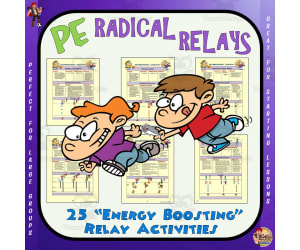
PE Radical Relays
P.E. & Health, Physical Education, Not Grade Specific, Activities
PE Radical Relays Engaging and dynamic, the PE Radical Relays are an ideal resource for educators implementing active learning principles in their curriculum. Adaptable for different age groups and learning needs, these 25 activities promote physical movement and meaningful play. Packed with a variety of relays accompanied by detailed one-page lesson plans, this product truly stands out. Each plan discusses: Required Equipment Game Setup Instructions Description of Activity along with possible modifications. Diagrams to facilitate setup. The PDF contains 25 ready-to-print pages which provide flexible tasks suited to varying student abilities and fitness levels. The focus is on Physical Education within P.E & Health subjects area, ensuring students learn about health awareness through application-based learning via relay activities. Potential Applications: In-class Group Exercises Tools for Team-building Events Homework Assignments With Family Participation Concludingly, &increase fun in fitness education today with our carefully curated collection of unique PE Radical Relay activities. }p.
Author Cap'n Pete's Power PE
Tags Active Learning, Physical Movement, Lesson Plans, Customization, Health Awareness

Liquids and Gases – Lab Station Activity
Science, Physics, Grade 6, 7, 8, 9, Labs, Experiments, Activities
Liquids and Gases – Lab Station Activity is a valuable educational resource designed to enhance classroom learning for middle and high school students, especially those studying physical science. This affirmative lab activity engages students with an in-depth examination of Earth's biomes, promoting student movement and interaction. What sets this comprehensive resource apart is its coverage of critical topics like: Biome Types, Aquatic areas, Grasslands, Forests, Deserts, Tundra, etc., Beyond passive learning, different stations offer tasks that engage students actively, teaching them through the process of doing. The task may range from"drawing", or"constructing at one station", to developing their own comprehension testing queries at another. The way these stations function: Drawing or Construction tasks which require creativity. Involves research where children can look into pre-set questions about relevant subjects using either classroom computers or personal devices. , Inclusion of writing activities where participants express their formulated opinions cohesively in paragraphs form. . To counterbalance workload: We've got rest stations designed for reviewing prior content or preparing for future sections. More so there are real-life-based activity sections that lean into reading articles. Testing: The curriculum is reinforced with multiple-choice quizzes. Media-based Learning: Includes video content with corresponding questionnaires to further grasp comprehension level. Create your own Quiz Station: This exciting station allows students to both answer pre-set quiz questions and devise their student quizzes by creating multiple choice true/false queries alongside short response questions! For an elevated learning experience, word scramble and word search games have been cleverly interposed between activities; this sustains learner engagement and eradicates classroom monotony. Finally, Liquids and Gases – Lab Station Activity accounts for teachers' convenience too! Without requiring any elaborate preparations or setup hassles, even fully ready to print when needed! With its interactive nature, this lab activity could be easily incorporated into whole group studies, small group explorations, pair work or given as homework assignments. This makes it is versatile enough useful whether you're a public school teacher looking to provide engaging instruction or a homeschooler seeking varied resources.
Author Teach With Fergy
Tags Liquids, Gases, Lab Activity, Ecosystems, Hands-on Learning
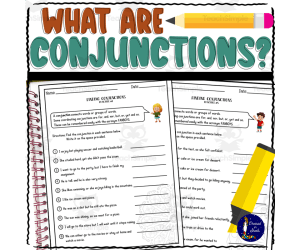
What are Conjunctions?
ELA, Writing, Creative Writing, Reading, Strategies, Grade 5, 6, Activities
This What are Conjunctions? is a great resource to have your students practice how to use them in sentence writing. With this What are Conjunctions? students will learn about the acronym FANBOYS and what each letter stands for. Additionally, students will read sentences and tell the conjunction in each sentence. This What are Conjunctions? includes: ✅ 1 FANBOYS table worksheets ✅ 5 finding conjunctions worksheets ✅ answer key This What are Conjunctions? set will give your students the practice they need to build better sentences and see how conjunctions are used in sentences so they can write their own with them. This What are Conjunctions? resource is a PDF file which you will have instant access to upon your purchase. This was designed for elementary school students. This What are Conjunctions? is a PDF file which you will have instant access to upon your purchase. It is a ready to print and use resource where you can provide one a time or create a booklet for students to keep their records and improvements in one place. For similar or other engaging resources, visit my store here! Thanks!
Author Soumara Siddiqui
Tags What Are Conjunctions?, Conjunctions, Writing With Conjuctions

Financial Literacy: My Party Budget- Decimals and Percentages Application
Life Studies, Finance, Home Economics, Math, Percentages, Decimals, Grade 5, 6, 7, 8, Worksheets & Printables, Word Problems, Activities, Projects
Financial Literacy: My Party Budget- Decimals and Percentages Application Unlock mathematics’ real-world influence with this practical math project for students in grades 5-8. This tool allows students to sharpen their intermediate math skills, particularly applying percentage calculations and decimal operations to manage a budget consciously - a vital lesson in financial literacy. This versatile resource is ideal for grades 5 to 8 classrooms as well as high school special education environments where budgeting practice complements life skills training. How to Use: Give each student a party budget. You can choose to give everyone the same budget, OR this is a great way to differentiate. Give students with emerging understanding a budget of $100 (which is easy to work with) and give students who need a challenge a budget such as $240, which will result in more complex calculations. This will also stimulate discussions about budgeting in general and the challenge of planning with less money. Students need to partition their hypothetical party budget across varied cost categories like food, decorations and entertainment by employing basic percent in decimal form and understanding addition and multiplication of decimals. For example, they might decide to spend 50% of their budget on food because that is their favourite part of a party. They will calculate 50% of their total budget. This skill application brings relevance to numbers through experiential learning. You can decide if students should complete calculations by hand or if using a calculator is allowed. Also, a complete sample answer key is included that you can show to your students to demonstrate the task. Finally, students complete shopping research and choose items online or in store flyers. This fosters strategic thinking when managing limited resources. You can have a discussion about making tradeoffs (for example, choosing frozen pizza instead of fresh to have extra money for a party activity OR inviting fewer guests to have more money for party favours per person). What's Included: A total of 8 pages in PDF Format Title Page Teacher Instructions 3 Page Student Worksheets 3 Page Sample Answer Key
Author Grace Under Pressure
Tags Financial Literacy, Decimals, Percentages, Budgeting, Math Application, Budget, Real World Math, Math Project, Applied Math, Party Project
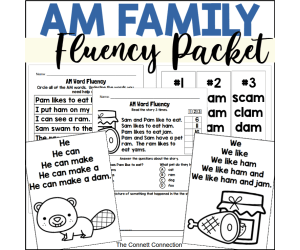
AM Words Fluency Practice
ELA, Language Development, Phonics, Reading, Preschool, Grade 1, Activities
Kindergartners and first graders will get a ton of practice reading AM words with these fluency activities. All target words are part of the AM word family. Students will practice reading these CVC words in isolation as well as in context of a simple sentence or passage. What is Included: Word Fluency Strips - These three strips only contain AM words in isolation. Students will practice reading the words on the strips until words are mastered. Sentence Strips - The sentence strips contain AM words in the context of simple sentences. Sentence Fluency Worksheet - Students will read the simple sentences then pick one sentence to illustrate in the box at the bottom of the worksheet. Reading Comprehension Passage - Students will read the story containing AM words three times then answer two comprehension questions and draw a picture to illustrate the story. Sentence Pyramids - There are eight sentence pyramids where students will read each sentence, adding a new word on each line. How to Use: These activities word very well in a reading or phonics center for students to work on independently or with a partner. They make great small group activities. Teachers can pull aside small groups of students who need extra practice reading AM words with fluency. The sentence fluency worksheets and reading comprehension page can be utilized as homework to send home for students to complete. Skills Assessed: These fluency worksheets and activities assess students' ability to read AM words in isolation or in the context of sentences. Students will practice reading comprehension skills with the reading passage page. The worksheets are print and go, no prep activity for teachers to prepare for students. They just need to be printed out and given to students to complete. The sentence strips and pyramid cards need to be printed and cut apart. These low prep cards can also be laminated for durability if desired.
Author The Connett Connection
Tags Reading Fluency, Phonics Practice, Comprehension Skills, Literacy Centers, CVC Words, AM Words
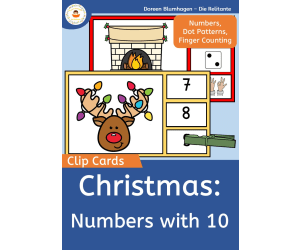
Christmas: Clip Cards - Counting within 10 - Number Recognition
Math, Early Math, Montessori, Kindergarten, Preschool, Grade 1, Activities
Christmas - Clip Cards - Count within 10-Seasonal Play - Number Recognition These number clip cards are a fun way to learn kids about numbers until 10 try it now. What's included? This set includes 6 different sets of clip cards: 2 sets of numbers 2 sets of finger counting 2 sets of dot patterns Who are the clip cards for? Clip Cards – Kindergarten & Preschool, First Graders, Early Primary Students and Special Education Children Great for solo work, study stations or at home with a small workspace. Objectives In other words, children associate quantities to its representation in the numbers or other counting methods e.g. dot patterns, fingers patters and so on. Pinch clothespins or paperclips to help build finger and hand muscle. With the self-control feature, kids can independently resolve their answers and ↑ have more confidence. How to prepare the cards Print the cards on thick paper, or options are to make them durable by laminating them. To turn on the self-control feature. Snap back the right columns of all of your cards. Place it on the back and laminate the cards. Take sheets on three single clip cards (one for each person) They were then able to choose their answers using clothespins or paper clips on the kids. How does it work? Which picture is the child looks and count on the card. The child selects the right answer out of 3 possibilities (number /dot pattern or finger counting) by putting a clothespin or paper clip on the correct answer. The card is turned over by the child and in self-control. Differentiation options Beginners handle range up to 5 while advanced pupils work with full set. Mix/alternate numbers, dots, and fingers Where is the usage? Ideal for quiet academic learning phases. Add a little extra fun to the study areas. Parents can use the cards for extra practice or support. Whether in the classroom or at home, these clip cards can provide kids with extra engagement as they foray into important learning skills. Best wishes, The Relitante - Doreen Blumhagen
Author Die Relitante
Tags Math, Count, Clipcards, Mathgames, Montessori, Numbersto10, Fall, Mathcenters, Elementarymath, Countingpractice
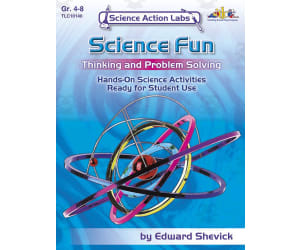
Science Action Labs Science Fun: Activities to Encourage Students to Think and Solve Problems
Literature, Grade 4, 5, 6, 7, 8, Labs, Experiments, Activities
Science Action Labs Science Fun: Activities to Encourage Students to Think and Solve Problems This amazing resource is a practical teaching tool designed for educators, both in traditional classroom settings and homeschool environments. Geared towards students from Grades 4 up to Grade 8, this comprehensive collection of science labs aims at making learning more engaging. Overview: Diverse suite of activities for exploring scientific principles. Ranging from experiments like Spinning Science, Gravity Sci-Fun, Building a Better Boomerang to Static Electricity experiments . Boosts curiosity & encourages problem-solving through real-world applications. The unique lab activities equipped with supporting literature can really help in enhancing subject understanding by creating perfect balance between theory and practice. Bonuses: Fosters higher-order thinking skills Promotes active participation Makes learning process immersive & fun-focused The Offering: In a downloadable PDF format with 64 ready-to-print pages - just download, print, distribute! Versatile usage; from individual worksheets for reinforcement or review purposes or structured as part of group classes where discussion becomes part of the learning process. This offering truly brings flexibility right into your classroom or home! In Summary: If you're looking at enriching science materials aimed at promoting conceptual understanding over rote memorization - look no further than 'Science Action Labs Science Fun: Activities to Encourage Students To Think And Solve Problems'. A worthy addition indeed!
Author Classroom Complete Press
Tags Fun Activities, Science Labs, Reverse Technology, Gravity Science Fun, Problem Solving
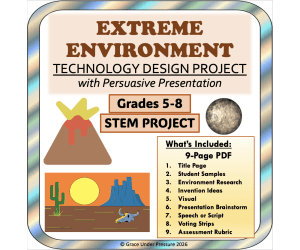
STEM Project: Extreme Environment Technology Design & Persuasive Presentation
Science, Technology, Earth and Environmental Sciences, Environmental Science, Engineering, Earth Sciences, STEM, Grade 5, 6, 7, 8, Activities
STEM Project: Extreme Environment Technology Design & Persuasive Presentation Here's a fun and exciting science project to help bring your extreme environment unit to life and incorporate some design and technology aspects too! Students brainstorm ideas and design a new or improved technology to help explore an extreme environment. Then they persuasively present their idea to the class! How to Use: Students (individually or in pairs) select an extreme environment like a volcano, arctic region, desert, deep sea or space. They envision a brand new or much improved technology that can ease exploration in such challenging conditions. Graphic Organizers: The package includes research graphic organizers to help students stay on track as they think about the challenges of exploring their selected environment, the existing exploration tools related to it, and what they could design to make exploration smoother. There is space for students to draw a detailed and labelled diagram of their invention. They can also make a prototype! Persuasive Presentation: The engagement extends further as students prepare persuasive presentations. With the aid of a brainstorming sheet and speech plan, each student will decide how to share their idea: PowerPoint slides, posters, models or pamphlet form. Audience Interaction & Voting System: On presentation day, peers watch presentations actively and vote for their favourite concepts using the provided voting slips. This cultivates critical analysis & decision-making skills among participants while maintaining a competitive yet learning-friendly environment. This resource aligns well with NGSS3-5-ETS1-1 standards as students tackle a simple design problem and consider materials, constraints, and implementation. Grades to Use With: This project is designed for middle grades students in grades 5-8 who are studying extreme environments in a science unit or working on technology and design in a STEM unit. What's Included: A total of 9 pages in PDF Format Title Page Sample Projects Two-page graphic organizer for ideas and research Diagram page Presentation Brainstorm page Speech Plan Voting Slips Rubric for Easy Assessment
Author Grace Under Pressure
Rating
Tags STEM, Extreme Environments, Technology Design, Persuasive Presentation, Science Project, Middle School Science, Design Project, Technology, Entrepreneur
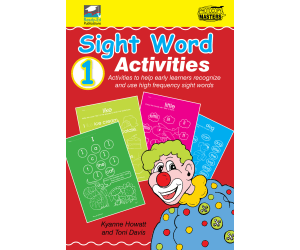
Sight Word Activities Book 1
ELA, Language Development, Vocabulary, Early Learning, Pre-K, Activities
The Sight Word Activity Book 1 is a 36-page download filled with fun worksheets for students to practice their sight words. Every worksheet is focused on a different sight word. There is coloring , tracing and so much more.
Author Ready-Ed Publications
Tags Sight Word Activities, Early Learner, Vocabulary Printable, Reading Worksheets, Coloring Worksheet
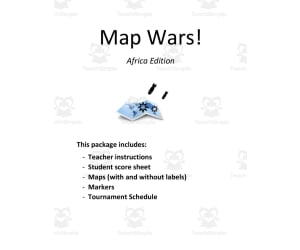
Map Wars: Africa Edition | Interactive Geography Game
Social Studies, Geography, Grade 5, 6, 7, 8, Activities, Games
Map Wars: Africa Edition is an exciting interactive geography game for students to apply their mapping skills in a fun team environment. Two teams go head-to-head in multiple rounds to locate countries, capitals, cities, landforms, and bodies of water on a map of the African continent. This hands-on game deepens students' understanding of African geography while building collaboration, communication, critical thinking, and friendly competition in the classroom. Educators can facilitate whole class participation or small groups, adapting the complexity to suit grade 5-8 students. With clear directions provided, Map Wars: Africa Edition promises to engage learners of diverse abilities in social studies. Students will be eager to test their geographical knowledge about Africa's regions, landmarks, borders, and more in this entertaining PDF game.
Author The Social Studies Doctor
Tags Map Wars, Africa, Geography Game, Interactive, Mapping Activity
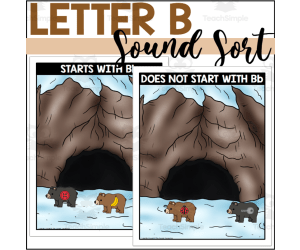
Letter B Beginning Sound Sort - Bear Themed
ELA, Language Development, Phonics, Kindergarten, Preschool, Activities, Centers
This beginning sound sort for the letter B is a great hands on activity for recognizing the most common sound of the letter B. This is an easy and fun activity to give students who need practice with recognizing the letter B sound from amongst other letter sounds or for those students who need extra practice distinguishing between the initial sounds in words. To complete this sorting activity , students will look at a picture on a bear to determine if the picture begins with the letter B or does not begin with the letter B, and then the students will place the bear on the correct cave mat. This sorting activity includes 3 pages that contains One cave mat for pictures that begin with the letter B One cave mat for pictures that do not begin with the letter B Bear pictures that begin with B Bear pictures that do not begin with B This beginning sound sort can be used in the following ways Literacy centers Fine motor centers File folder activity Add magnets to the picture cards for a baking tray activity Small group activities Morning work Emergency sub plans If making a file folder game, the teacher will place the mats on either side of the folder and use hook and loop fasteners to sort the bear pictures. Skills assessed with these letter B initial sound sort Initial Sound of the letter B Distinguishing between words that begin with B and do not begin with B Ability to sort the picture cards on to the correct mat This beginning sounds sorting activity is a low prep activity . All a teacher needs to do is to print the three pages, cut out the picture cards and laminate the pages and cards if desired. The activity is easy to set up and to put away and store. This download includes a PDF with 3 usable pages.
Author The Connett Connection
Rating
Tags Letter Of The Week, Alphabet Activities, Alphabet Centers, Beginning Sounds, Literacy Center, Preschool Literacy Center, Initial Sounds, Letter B, Letter B Activity

Beginner Music Theory: Bar Lines and Time Signatures - US Version
Creative Arts, Art, Music, Grade 1, Activities
Beginner Music Theory: Bar Lines and Time Signatures - US Version A comprehensive educational resource devised for first-grade learners that perfectly aligns with the ABRSM curriculum . This one of the seventeen segments emphatically focuses on bar lines and time signatures. Main Features: An interactive teaching tool that integrates six resources into one complete package. Covers in-depth tutorial lessons, exercises, answer keys, questionnaires to computer and tablet learning modules. Promotes continuous learning with meticulously designed content good for repeated use. Adeptly designed for distance learning; easily accessible from any location at any time. Versatile; best suited for traditional classrooms or homeschooling alike - perfect for whole group instruction sessions or small group activities or assigned as homework tasks. Digital Device Compatibility: Specially formatted compatible versions are provided for both computers (good with smart board usage) and tablets (projectable onto screens). All links within a PDF file will direct users straight to each module upon clicking them open. Your lessons are bound to become dynamically interactive ensuring higher student involvement. Note: Unzipping required before usage of computer files enclosed in zip data – guidance provided within product documentation. *Resources may not work flawlessly on Mac devices currently.* Welcome the joys of learning music theory with Beginner Music Theory: Bar Lines and Time Signatures - US Version!
Author Hbmusicsolutions's Shop
Tags Music Theory, Bar Lines, Time Signatures, Interactive Learning, Distance Learning

Guided Reading Level N - The Hidden Life of Ponds (with Lesson Plan)
ELA, Resources for Teachers, Reading Comprehension, Reading, Science, Pre-Reading, Language Development, Animals, Life Sciences, Insects, Grade 2, 3, 4, Worksheets & Printables, Worksheets, Teacher Tools, Centers, Activities, Literacy Readers, Quizzes, Quizzes and Tests, Assessments
This Guided Reading Book - The Hidden Life of Ponds (Level N) with lesson plan includes: Guided Reading Color Label (front cover x1) This is a quick way to match the book’s demands to what students can generally handle.. The overall goal is to use the level/color to pick books for several smaller groups. To qualify for a certain level, a student is expected to read a book from that level with about 90–94% accuracy. If a student is consistently accurate and understands, move up a level. If the student is struggling at that level, drop down and add more support. Each student will improve at completely different rates, but it is generally one of the best ways to check progress across the class. DOWNLOAD THE CATALOG TO VIEW ALL GUIDED READING BOOKS AVAILABLE (SORTED LEVELS A-Z) Pre-Reading Question (x1) Teacher asks the prompt aloud, can be while showing the cover or first page. Students share what they already know, or make educated guesses from the cover. Prompt them to use the target vocabulary. Write some of their responses on the board to look back at during the reading. Vocabulary Words (x5) Introduce the five words, best doing it one at a time. Start by saying it, while students repeat and then see if anyone knows what it means before reading further. Read through the meaning and try to briefly connect each word to a picture or gesture so it’s meaningful. Ask students to flip through the book pages and point to where they see each of the vocabulary words. While reading the book pause upon coming across one of the vocab words or read the sentence twice to make sure students understand the word has appeared. Optional: Ask students to raise hands whenever they see/hear one of the new words. Guided Reading Pages (x10) Check the book snapshot (below) for: primary topic - do you need to prep extra reading or intro materials on this? what is taught best - decide on 1-2 bullets to focus on, use the prompt or words provided here for best results. learning goals - what you are checking for students to be able to do after the session, elicit answers using prompts or words provided. key vocabulary (see section above). questions overview - so you know what is coming up and if you need to prep extra materials to assist understanding. Run the lesson You may have already looked at a few of the pages together, but you can show them some of the pictures again first to set meaning. Depending on how much time you have and how familiar your students are with guided reading class, you may want to read the book aloud first with the group first. Students whisper or partner read, while you listen in. If time, do it as a group, one student reading a page each. Use the guided page’s prompts to coach: “Check the picture / does it make sense?” “Point under the words / try the first sound” “Reread the sentence smoothly”. Try to focus more on one student per session (rotating every time), so you can work out if they are ready to move up or need to move down a level. Comprehension Questions (back cover x3) This is your way to check that students didn’t just say the words, but actually understood the text. First, let students answer by pointing to the page/picture and saying a short sentence. After any answer, follow with: “Show me where you found that in the text.” In bigger groups, have partners answer first (10–20 seconds), then call on 2–3 students to share. Differentiation tips: Emerging speakers/struggling readers: oral + pointing On-level: oral in a full sentence Higher: one written sentence or draw + label Book Snapshot Title: The Hidden Life of Ponds Genre: Nonfiction (informational) Subject: Life Science / Reading (Informational Text) Primary Topic: Pond ecosystem life and food web Estimated Guided Reading Level (A–Z): N What This Book Teaches Best Ponds as a habitat: Ponds are shallow enough for sunlight to reach the muddy floor, supporting life from bottom to surface. Plants’ role in an ecosystem: Water lilies collect energy from the sun, provide oxygen, and create shade and hiding spots. Hidden pond organisms and how they live: Zooplankton (like daphnia) filter algae, and dragonfly nymphs hunt underwater before becoming flying adults. Adaptations for living on/in water: Water striders use surface tension and tiny hairs that trap air to stay afloat. Food web balance: Predators (bullfrogs, herons, bass) and scavengers (crayfish) help keep the pond ecosystem healthy and vibrant through a connected food web. Learning Goals Students will describe why ponds can support plants across the entire floor using details from the text. Students will explain how water lilies help living things in a pond (oxygen, shade, hiding spots). Students will identify several pond animals from the book and describe what each one eats or how it hunts. Students will explain how water striders stay on top of the water according to the text. Students will describe how crayfish help recycle nutrients in the pond environment. Students will explain how a pond food web helps keep the ecosystem healthy and vibrant. Key Vocabulary From the Text ecosystem — living things and their environment working together. microscopic — so tiny you can’t see it. translucent — lets some light through; partly see-through. scavengers — animals that eat dead plants or animals. nutrients — substances living things need to grow and stay healthy. Discussion Prompts Pre-reading question: What living things might depend on a pond to survive? Comprehension questions: Why does the book say plants can grow across the entire floor of a pond? How do water striders stay on top of the water instead of sinking? What does the book say keeps the pond ecosystem healthy and vibrant? Printing Tips 1. Best Printing Method (Recommended) “Booklet” Printing (Best if Available) If your printer or PDF viewer supports Booklet Printing , use this. Settings to use: Print mode: Booklet Paper size: Letter or A4 (either works) Orientation: Landscape Print on both sides: Yes Flip on: Short edge Scaling: Fit to printable area Booklet subset: First test: Front sides only Then: Back sides only This will automatically: Pair pages correctly Put the cover on the outside Align everything for folding After printing, fold in half and staple along the spine . 2. If “Booklet” Printing Is NOT Available You can still print this correctly with manual duplex printing . Step-by-step: Open the PDF. Choose Print . Set: Orientation: Landscape Pages per sheet: 1 Print on both sides: Yes Flip on: Short edge Print all pages . Because each PDF page already contains two facing book pages, the result will still fold cleanly into a book. Thousands of Cored Education products are included with your TeachSimple membership. Download links and encyclopedia index available here.
Author Cored Education
Rating
Tags Reading Comprehension, Reading Passages, Reading, Guided Reading, Guided Reading Lesson Plan, Guided Reading Activity, Pre-reading, Vocabulary, Life Science, Science Lesson Plans

Hooway For Wodney Wat Interactive Read-Aloud Activities
ELA, Reading, Reading Comprehension, Language Development, Vocabulary, Grade 2, 3, 4, Read Alouds, Activities
This picture book companion is a complete supplemental resource for the book Hooway for Wodney Wat by Helen Lester. With 27 print-and-go reading activities to choose from, this resource is ideal for customizing learning to your student's specific needs and academic abilities. Students will investigate illustrations, identify story elements, determine the theme, analyze characters, compare & contrast, make predictions, inferences, & connections, answer questions that require them to think beyond the text, and much more! Students will love the engaging and fun activities, and you will appreciate the time saved hunting for high-level resources to teach reading concepts that students frequently struggle with. The activities provided are designed to enable students to apply higher-level thinking skills, encourage them to provide text evidence to support their thinking, and challenge them to express their own thoughts and/or perspectives. ⭐️This Resource Includes:⭐️ Making Predictions: Before reading the book, students will make predictions about the text. Story Elements: Students fill in the boxes with words & pictures to represent the story elements. Sequencing: Students will retell & illustrate the important parts of the story. Recalling events in Chronological Order: Students describe and illustrate four major events in the story in chronological order. Summary: Students complete the Somebody, Wanted, Because, But, So graphic organizer and write a summary of the story. Story Event Sort: Students will describe a scene or event from the story that fits into each of the categories & explain how the event made them feel & how it relates to the category. Making Connections: Students make connections to an event from the story. Making Inferences: Students use clues & schema to make inferences while reading the story. Character Traits: Students choose the most important character traits that describe each of the characters and give one to two examples from the story that support the traits they chose. Character Inside & Out: Students include details from the story to describe what the character says, thinks, does, and feels. Character Feelings: Students describe how the character's feelings change throughout the story & give examples of the events that cause them to feel the way they do. Character Development: Students select character traits that best describe the character at different times throughout the story and give examples from the book to support the traits they chose. Character Change: Students will explain how the character changed from the beginning to the end of the story and describe the events that caused the change to happen. Character Dialogue: Students read the following character quotes and explain how what they said affected the other characters in the story. Character Acrostic Poem (Wodney): Students will write an acrostic poem that describes Wodney. Character Acrostic Poem (Camilla): Students will write an acrostic poem that describes Camilla. Sketch a Scene From the Story: Students draw a scene from the story & explain why it's important. Setting the Scene: Students identify three different settings in the story and explain how they know the setting changed. Author's Message: Students describe four important events from the story and put them in chronological order. Then, answer the questions about the author's message. Theme: Students answer the questions to determine which theme best fits the story and provide text evidence to support their choice. 3-2-1: Students will describe three ways in which being teased made Wodney shy and affected his school days, give two examples that support the idea that Camilla is not a nice rodent, and choose one word that describes Wodney the best and explain why. Before & After: Students will describe and illustrate how Wodney felt about the way he talked before he was the Simon Says leader and how he felt after playing Simon Says. Thinking About the Text: Students will answer the questions about the story & include examples from the text to support their answers. What Wodney Said... What He Meant: Students draw a picture of what Camilla heard Wodney say and write what Wodney meant to say in the speech bubbles. Cheer Up Wodney: Students will write Wodney a short note explaining how being different can mean being special and draw a picture to go with their writing. Book Review: Students will rate and review the book. Compare & Contrast: Students will compare Hooway for Wodney Wat and Listen Buddy. This resource is for extension read-aloud activities only. The book is not included.
Author Creatively Gifted
Tags Fountas And Pinnell, Second Grade, Elementary Ela, Reading Comprehension, Character Traits, Interactive Read-aloud, Picture Book, Read-aloud Activities, Hooway For Wodney Wat, Helen Lester

Horton Hears Rhythms Koosh Ball Game
Creative Arts, Art, Music, Preschool, Grade 1, 2, Games, Activities
This Horton Hears Rhythms Koosh Ball Game is perfect for your 1st and 2nd graders. This is a great game for your music students to enjoy during Read Across America Week. From slide to slide, students will practice rhythms and notes.
Author The Music Suite
Tags Vocal Music, Horton, Dr. Seuss, Rhythms, Koosh Ball, Yellow Ball Horton Hears A Who, Yellow Ball From Horton Hears A Who, Koosh Game, Koosh Ball Game

Discover Oboe 7 - Interactive Instrumental Music Activity
Creative Arts, Art, Music, Not Grade Specific, Activities
Discover Oboe Complete Bundle for Learning the Oboe The Discover Oboe Complete Bundle helps beginner and intermediate oboe students learn their instrument interactively. Spanning units 1-10, this bundle covers the first 2-3 years of instruction. Students start by playing simple pieces in the key of C using a B thumbplate system. As students progress, they learn note names, finger positions through 2nd octave, rhythms, musical terms, and oboe techniques. Interactive computer and tablet modules allow students to listen, play along, get hints when needed, and reinforce new concepts. Accompanying printable sheet music, mp3s, and warm-up exercises provide added resources for individual, group, or homework practice. This comprehensive bundle engages diverse learners with integrated, scaffolded music instruction.
Author Hbmusicsolutions's Shop
Tags Discover, Oboe, Interactive Music, Instrumental, Music Instruments