Psychology Bell Ringers FULL YEAR - 180 Daily Warm-Ups (Grades 9-12)



About This Product
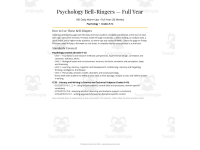
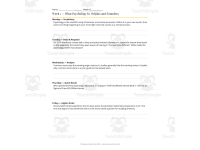
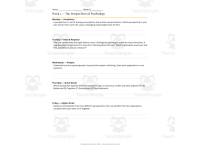
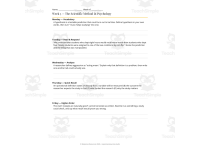
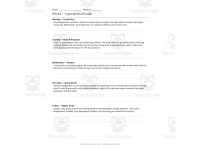
This is a full year of psychology bell-ringers - 180 short daily prompts that give high school students a steady, five-minute way to begin class. The set follows the shape of a standard introductory psychology course: the origins of the field and its major perspectives, hypotheses and operational definitions, experimental design and random assignment, correlation versus causation, sampling and survey construction, descriptive statistics and research ethics; the neuron and the synapse, the nervous and endocrine systems, brain structures, plasticity, sensory thresholds, vision and hearing, perception and sleep; classical and operant conditioning, schedules of reinforcement, observational learning, memory and forgetting, heuristics and problem solving, language, intelligence testing and lifespan development; and finally personality theory, motivation and emotion, stress and health, how psychologists define a disorder, the major diagnostic categories, approaches to treatment, and social psychology from attribution through prejudice. Prompts are arranged into 36 weekly pages, each holding five days of work a teacher can hand out on Monday and collect on Friday. Every week rotates through a term defined and applied, a short passage with a text-dependent question, an analysis task, a quick recall check, and a question that asks students to make a claim and support it with evidence, so the daily habit stays fresh across an entire school year. Every short passage and case vignette in the set is original writing, so there is no third-party text to clear. The units on stress, psychological disorders and treatment are written to be district-safe: they stay at textbook level, describing how psychologists define a disorder and what the major categories and treatments are, and every clinical example is a third-person vignette. No prompt asks a student to rate, assess or disclose anything about their own mental health, and none uses a first-person symptom checklist. Everything is print-first: one clean PDF that copies well, uses little ink, and needs no student accounts or devices. A complete answer key and a standards page listing the Common Core literacy codes the prompts actually exercise make planning and grading fast. Built for grades 9 through 12, it works as a daily opener, as spiral review before an Advanced Placement or state exam, or as a settle-in routine from the first week of school to the last.
Resource Tags
0 Reviews
Check out these other great products