Heritage, identity & cultural understanding
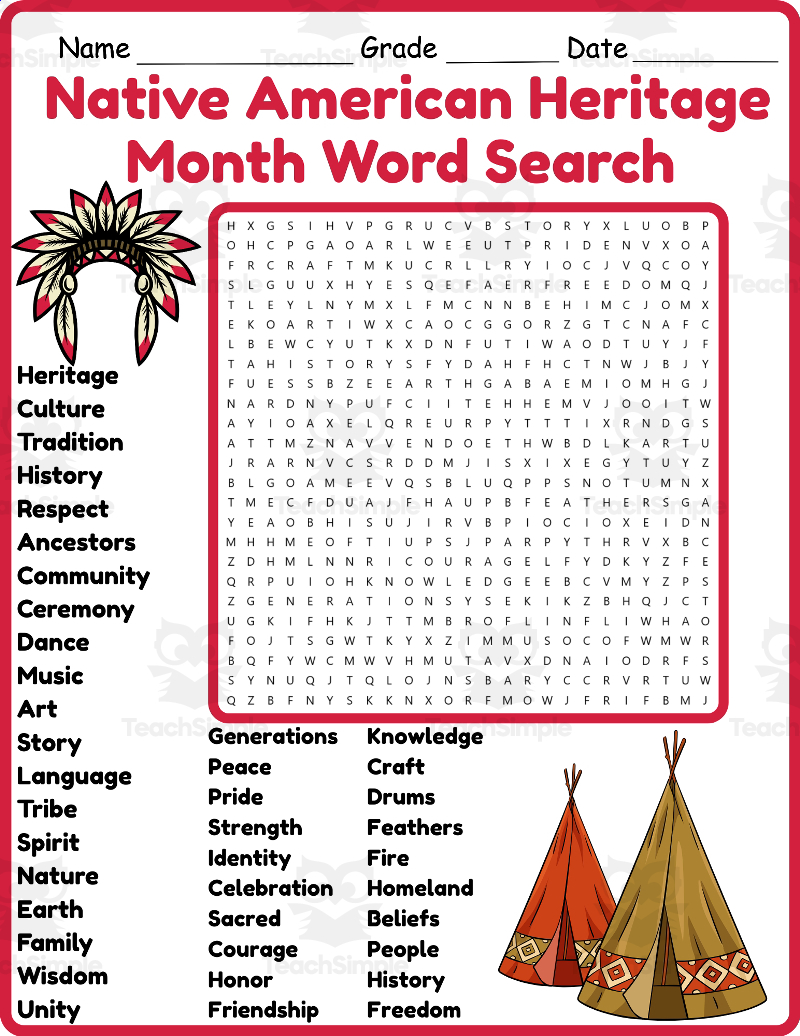
First Day of Native American Heritage Month Word Search 2nd 3rd grade
A themed word search worksheet activity introducing vocabulary related to Native American Heritage Month.




Classroom resources
Browse by lesson focus
Choose the topic or kind of practice you need.
Showing 121–144 of 541 resources

 Show filters
 A themed word search worksheet activity introducing vocabulary related to Native American Heritage Month.
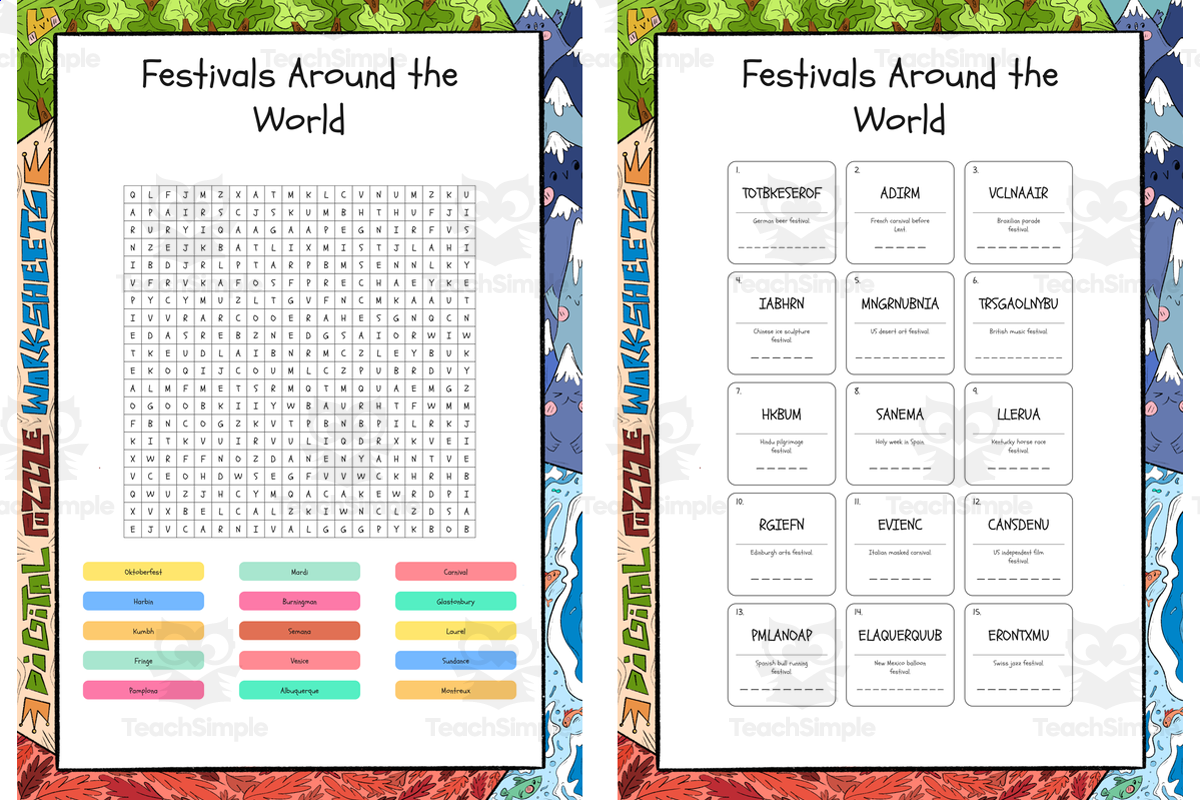
A vocabulary practice set teaching the names of festivals from different countries and cultures (e.g. Oktoberfest, Carnival, Sundance) through puzzle formats.
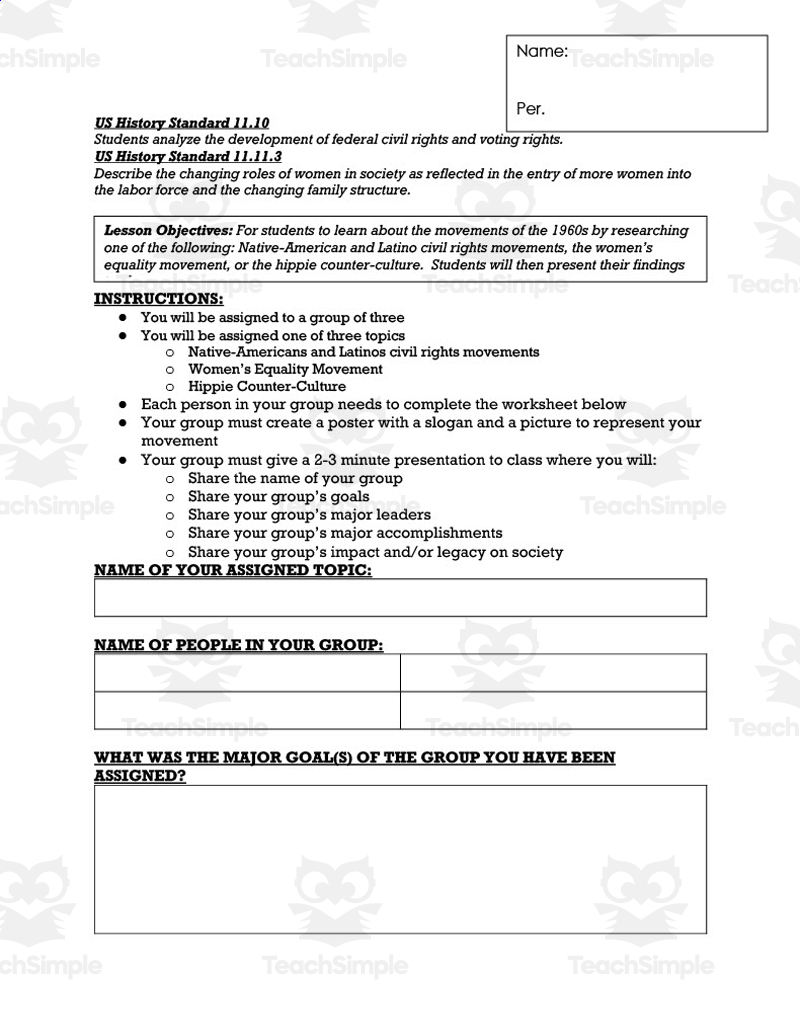
Guide a group research-and-presentation activity on 1960s American social movements (Native-American and Latino civil rights, women's equality, or hippie counter-culture), tied to US History Standards 11.10 and 11.11.3 (federal civil rights/voting rights and changing roles of women).
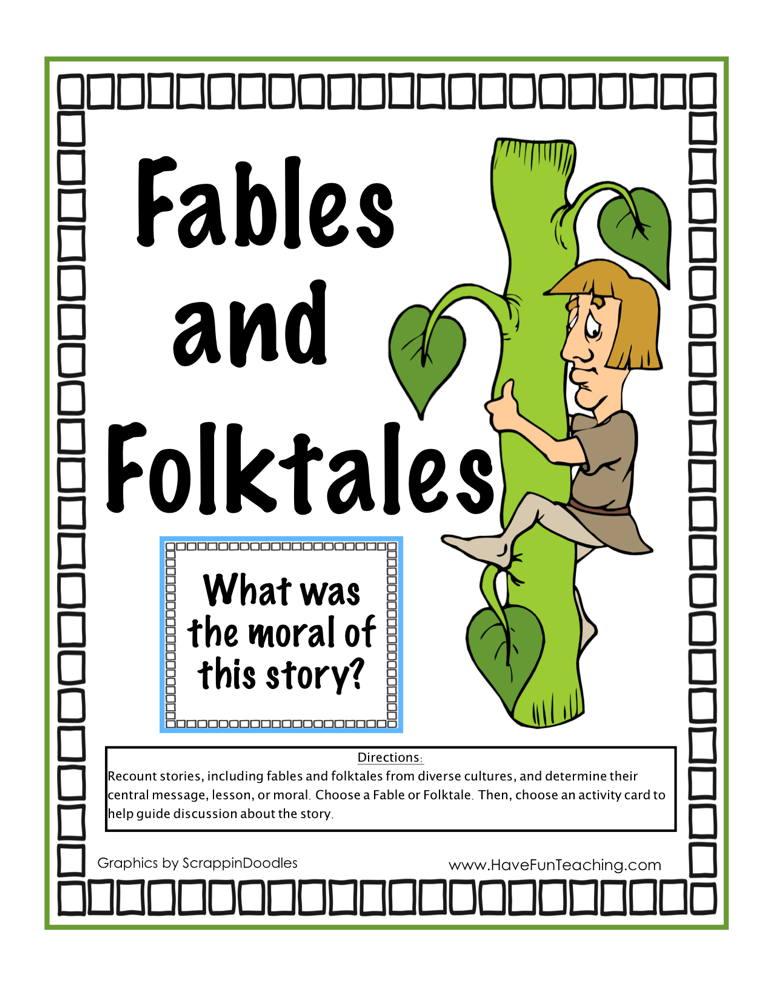
Help young students retell fables and folktales from diverse cultures and identify each story's central message, lesson, or moral.
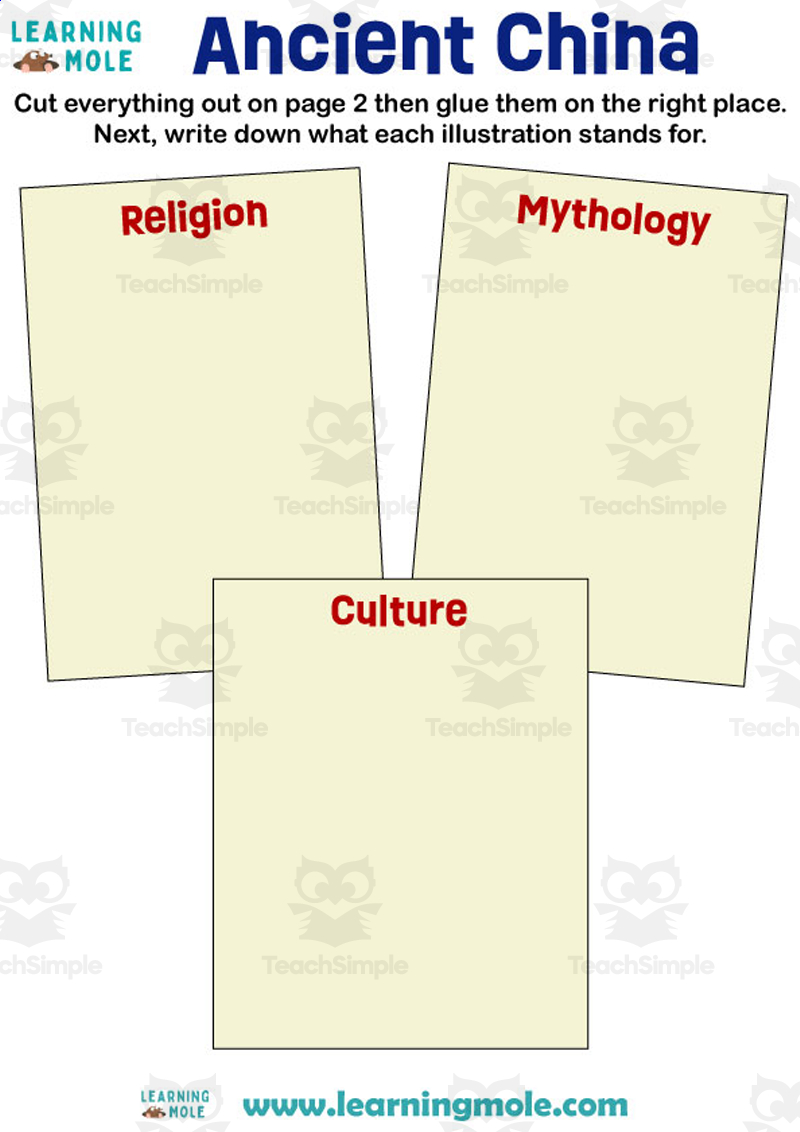
A single-page cut-and-paste labeling activity introducing three basic categories of Ancient China: religion, mythology, and culture.
Practice the RACE writing strategy by responding to short nonfiction passages about travel and cultural topics.
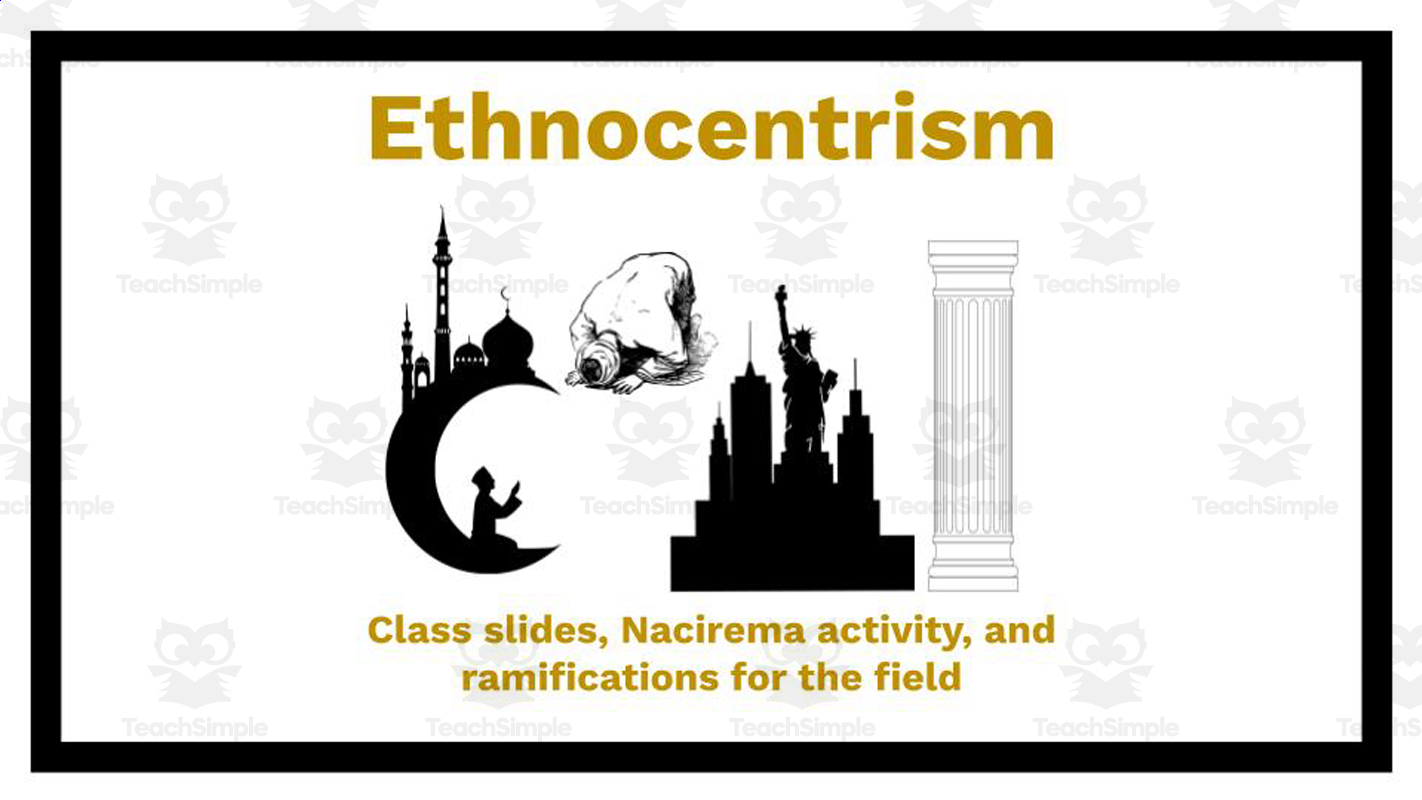
A sociology lesson presentation that introduces ethnocentrism using the classic 'Body Rituals of the Nacirema' satirical anthropology piece, paired with a student notes/questions handout.
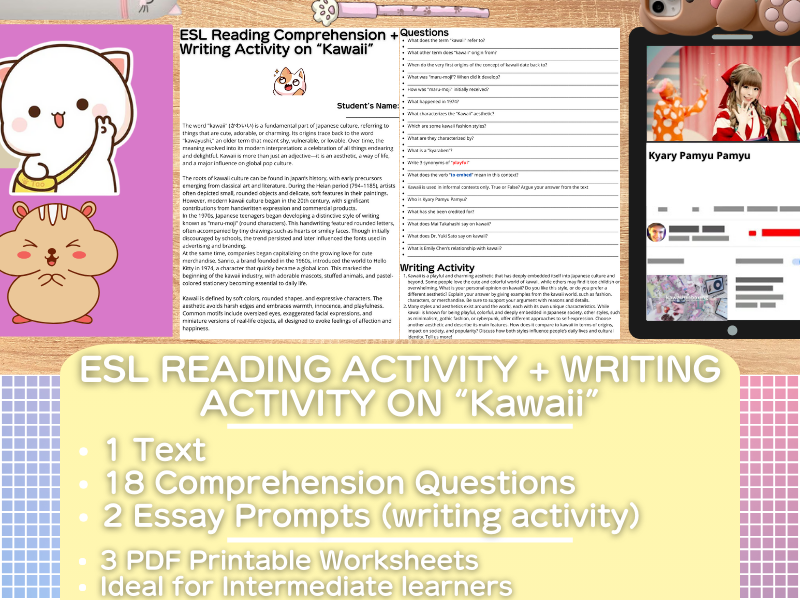
An ESL/EFL reading-comprehension and writing-activity worksheet built around a single nonfiction passage about kawaii (Japanese "cute" aesthetic, history and pop-culture influence), used to practice reading comprehension, vocabulary, and English writing skills.
A digital slide-deck lesson introducing students to Idaho's geography, symbols, and culture.
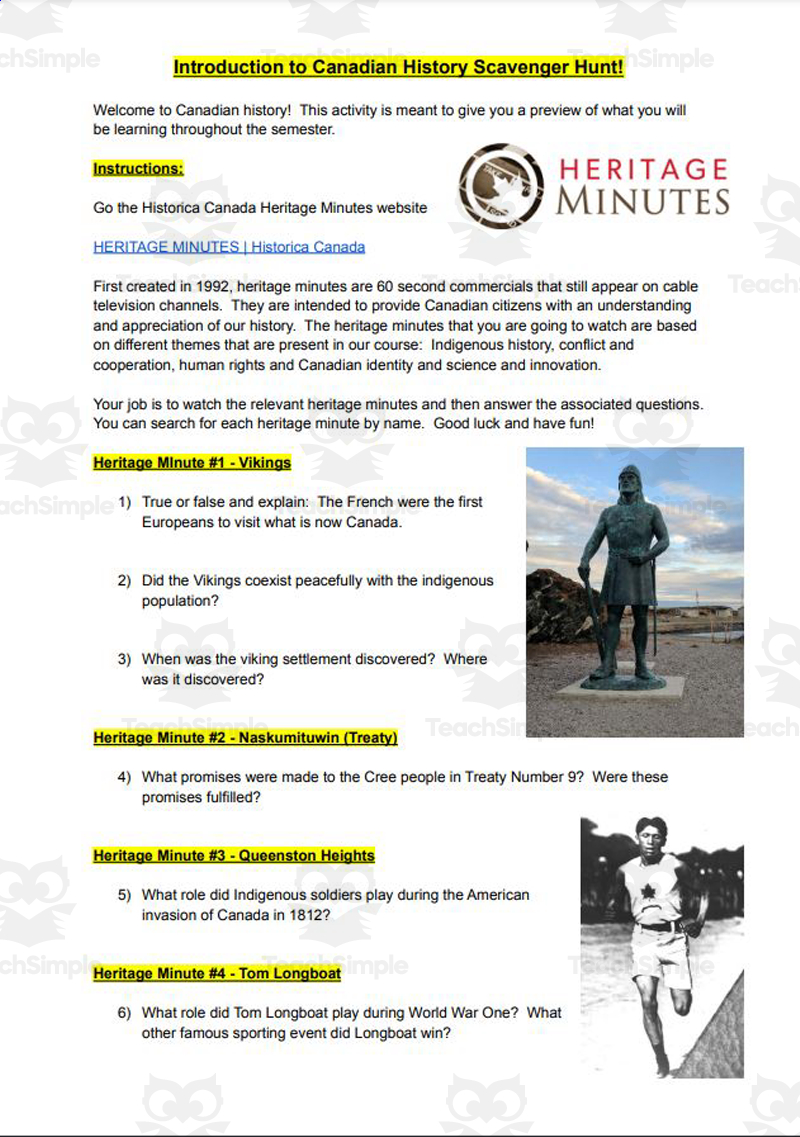
A webquest-style activity guiding students through Canadian history by having them watch a series of Historica Canada 'Heritage Minutes' videos and answer comprehension/analysis questions about each.
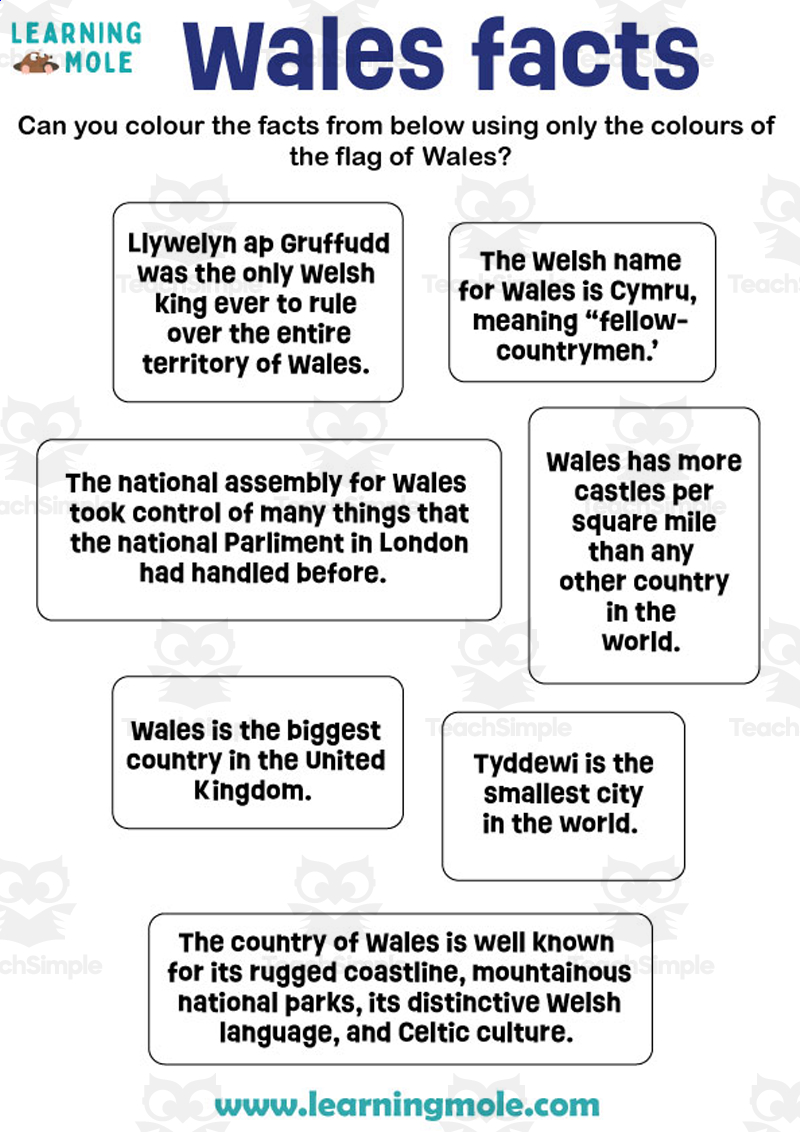
Present short factual trivia about Wales (history, geography, culture) alongside a color-by-flag-colors activity.
A digital slide-deck 'micro-learning' lesson teaching Washington State facts, symbols, culture, and geography, including a reading passage and a short summarizing writing activity.

Gives ESL/EFL students a nonfiction reading passage about ice and snow sculpture traditions, from 17th-century Chinese ice lanterns to Russian ice palaces and modern festivals, paired with comprehension, vocabulary and true/false questions and follow-up writing prompts, to build reading comprehension and written English production.
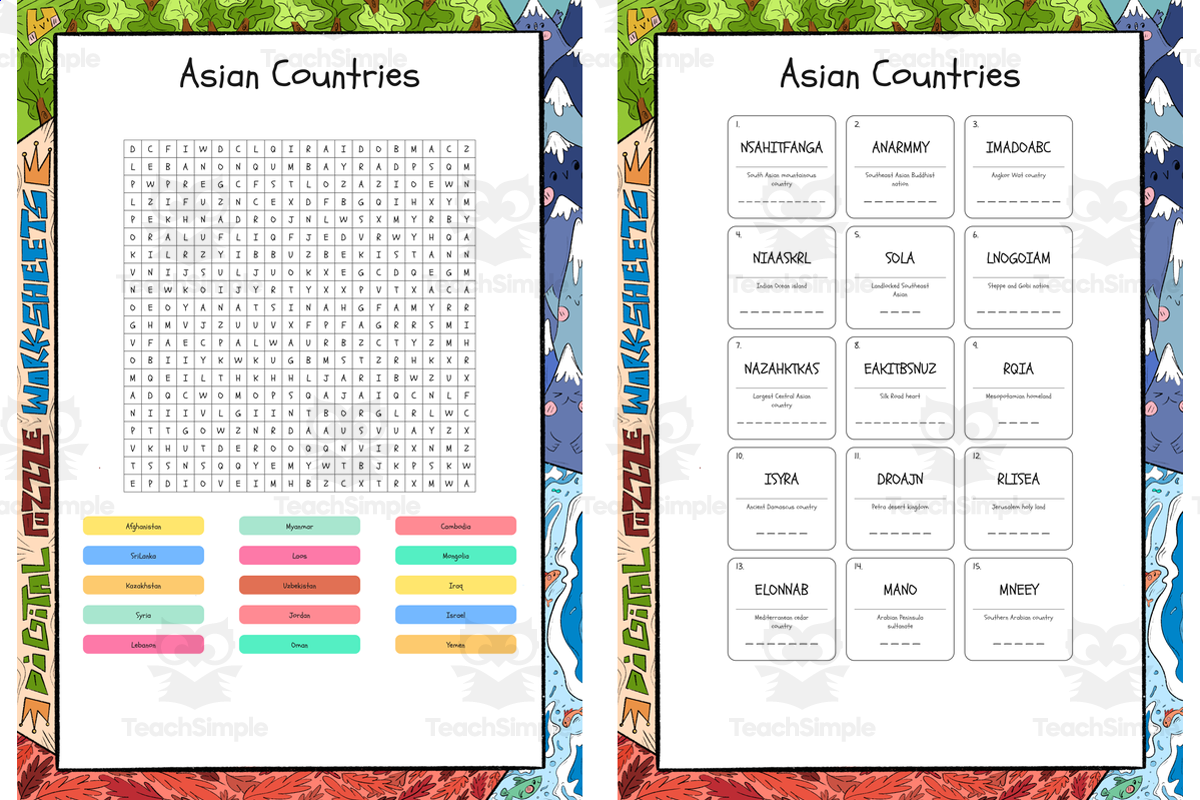
Practice recognizing and spelling the names of Asian countries using geography/culture clues.
This RL.3.2 Third Grade Common Core Lesson is perfect for teachers who want to help their students succeed. The lesson includes RL.3.2 Worksheets, RL.3.2 Activities, RL.3.2 Assessment , and RL.3.2 Poster.
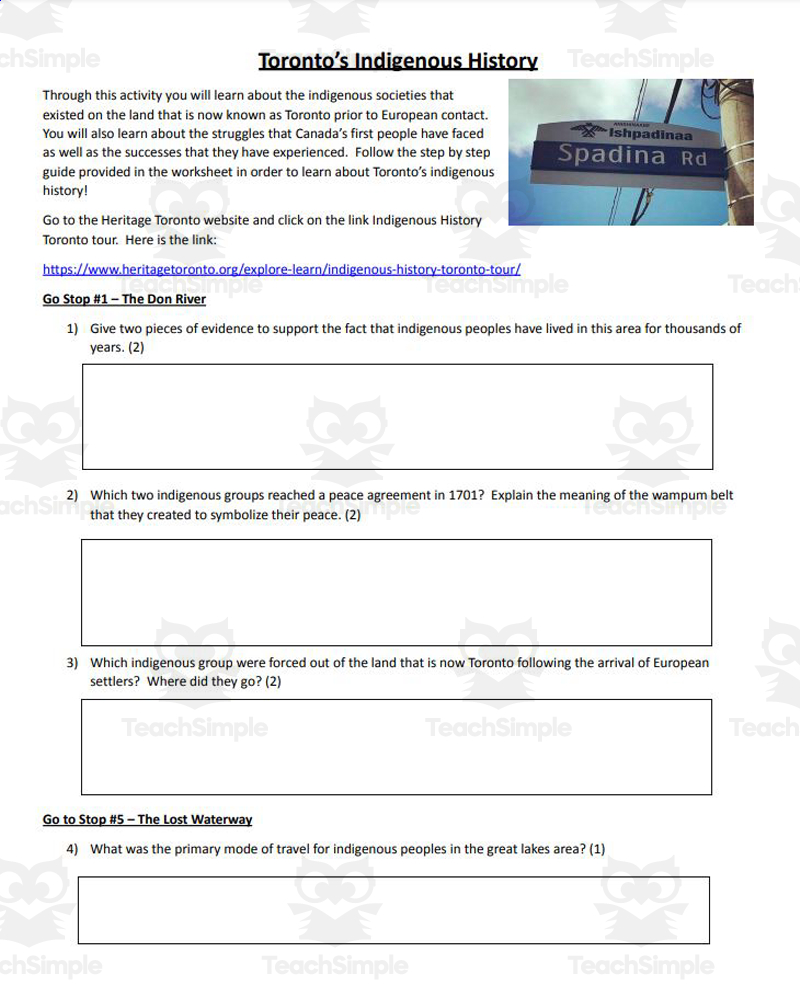
A webquest activity directing students to an external Heritage Toronto website tour to learn about the Indigenous history of the land now known as Toronto.
 Free download
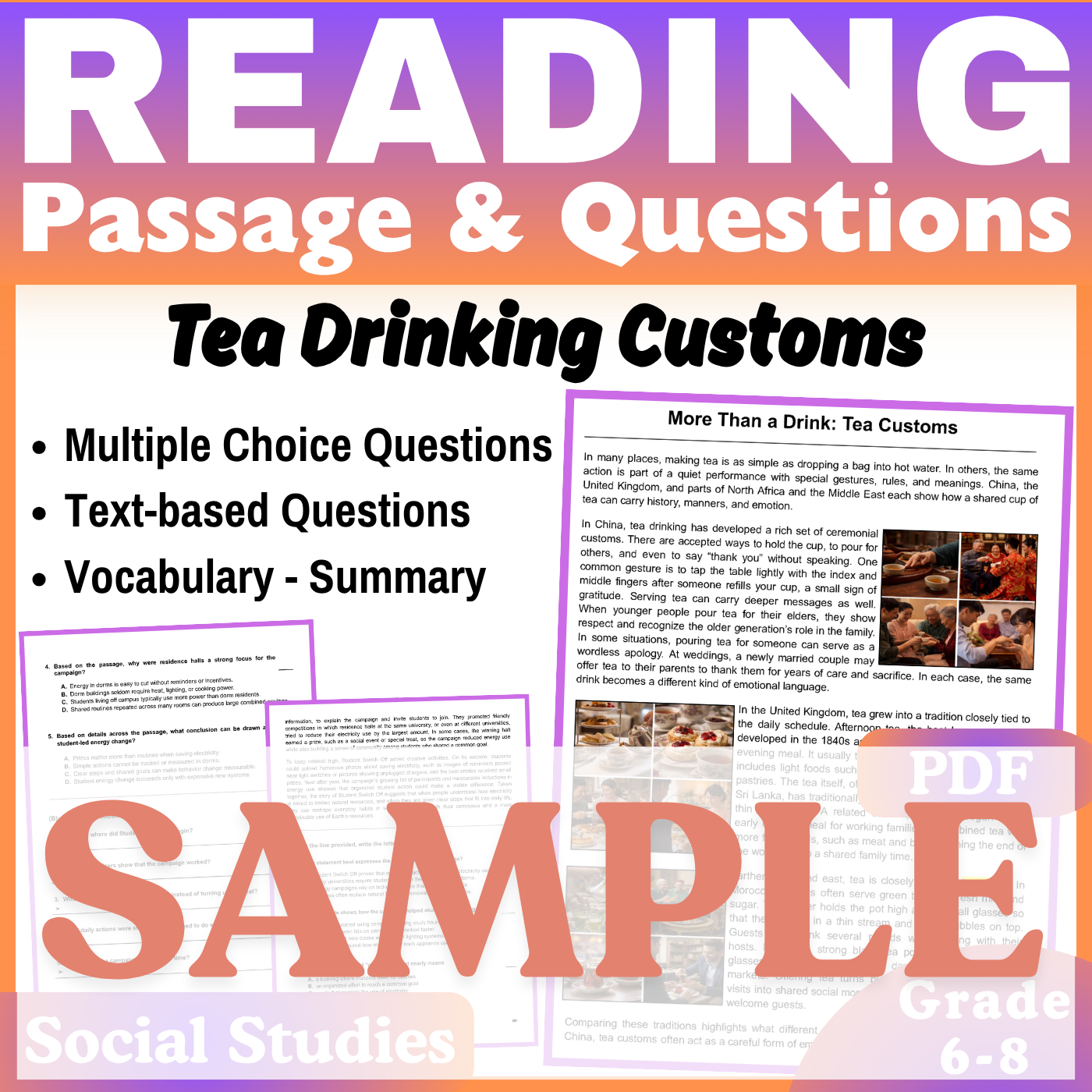
 A social studies/sociology reading comprehension passage comparing tea-drinking customs across China, the United Kingdom, Morocco, and Turkey.
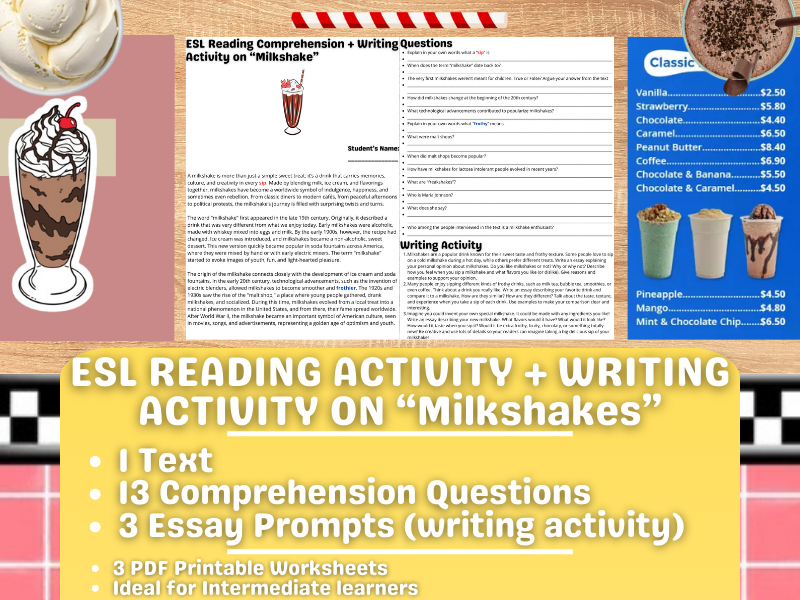
An ESL/EFL reading-comprehension and writing-activity worksheet built around a single nonfiction passage about milkshakes (history, preparation, and role in pop culture/protest), used to practice reading comprehension, vocabulary, and English writing skills.
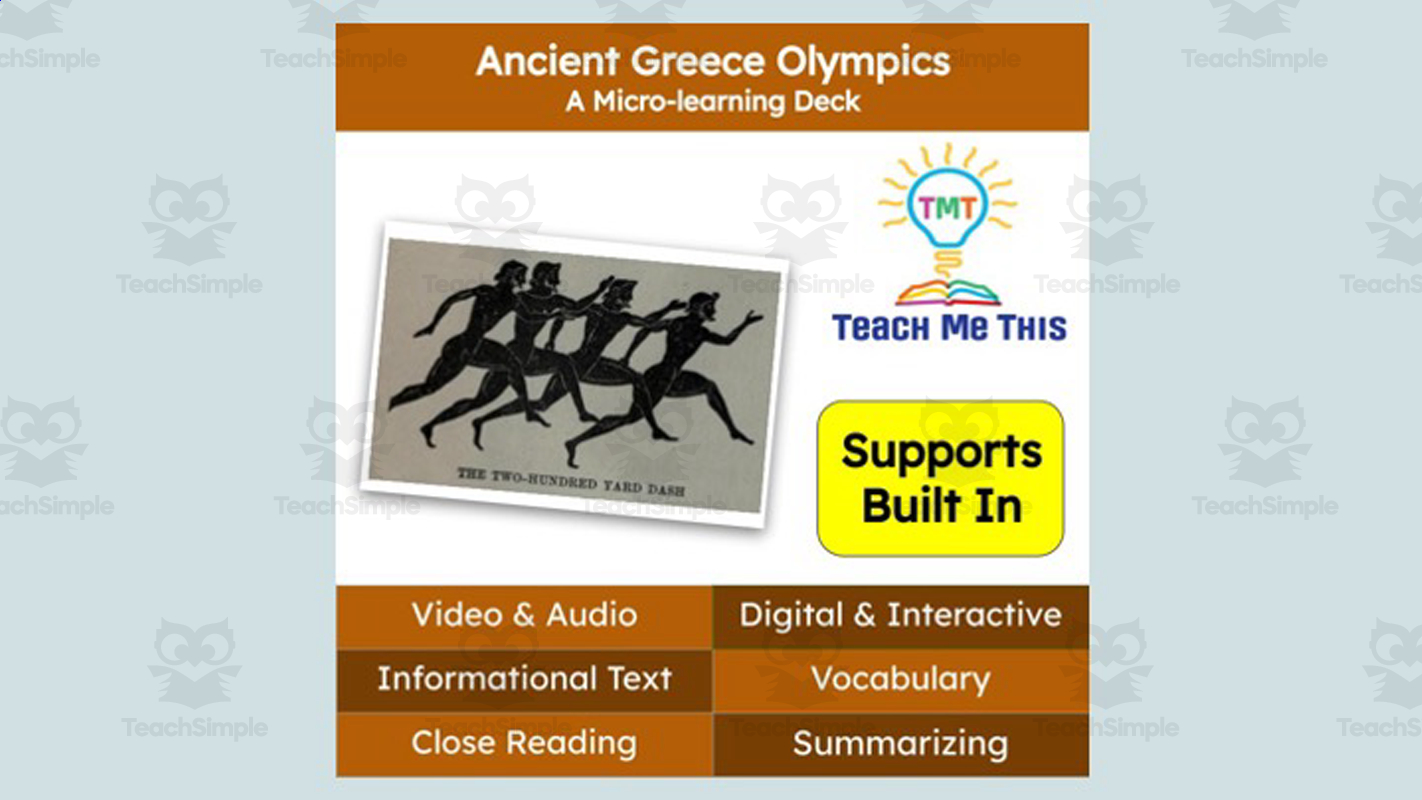
A digital, interactive micro-learning slide deck teaching the origins and traditions of the ancient Greek Olympic Games (776 BC, Olympia, events, prizes, the Olympic truce) through a reading passage, vocabulary, and comprehension/writing activities.
A context clues reading activity that uses rap song lyrics comparing the Disney Moana movie to the Polynesian origin story it is based on, as the reading passage for vocabulary practice.
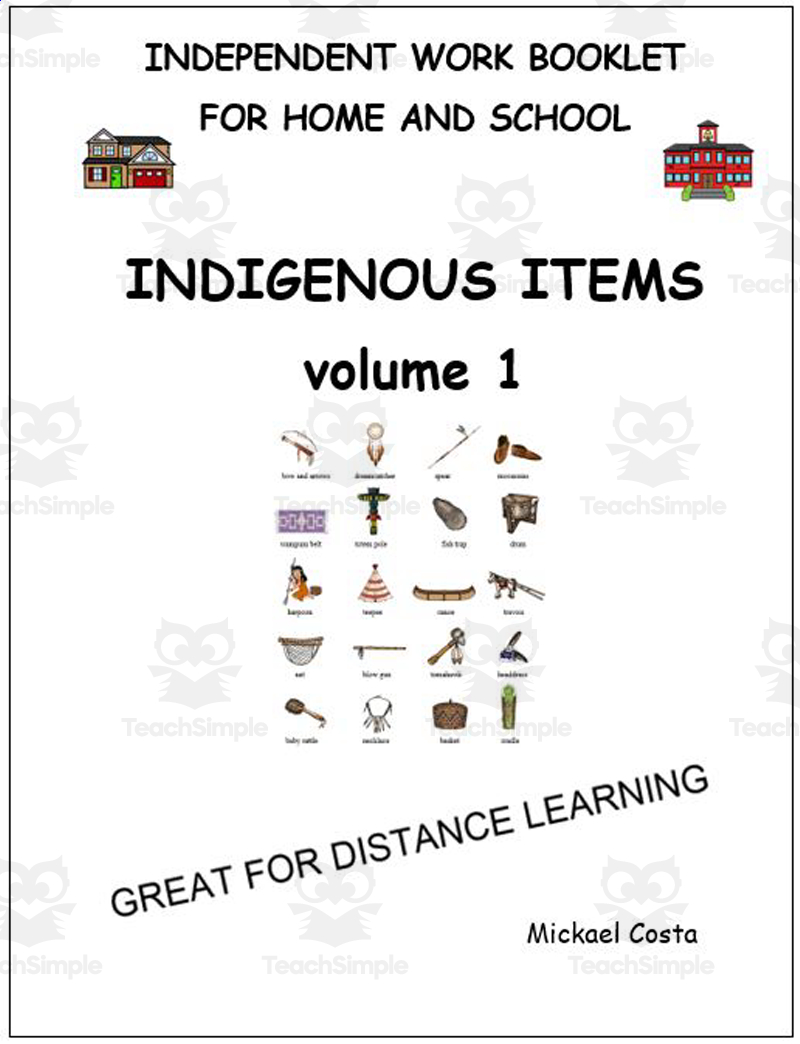
An independent-work vocabulary booklet teaching the names of Indigenous cultural items through picture-word matching, paired with a wide range of open-ended literacy and creative activities using the same word list.
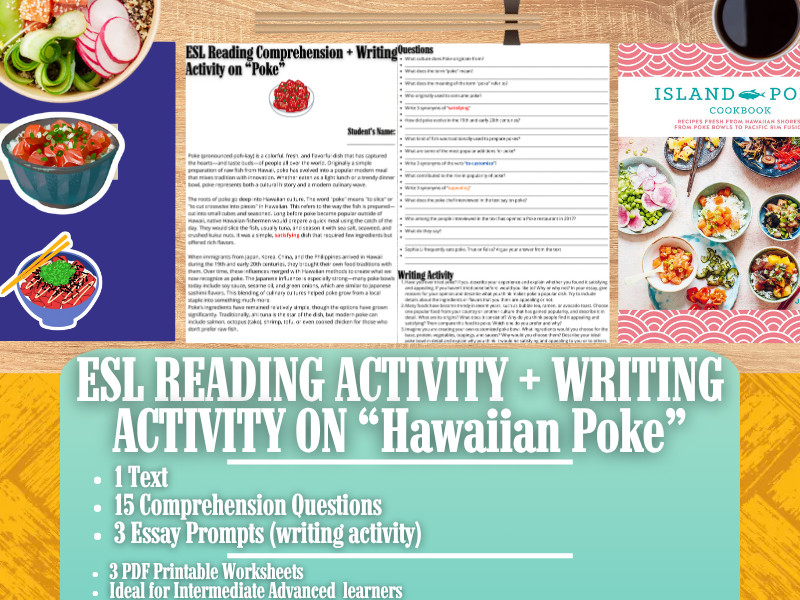
Gives ESL/EFL students a nonfiction reading passage about poke, the Hawaiian raw-fish dish, its cultural origins and modern popularity, paired with comprehension, vocabulary and true/false questions and follow-up writing prompts, to build reading comprehension and written English production.
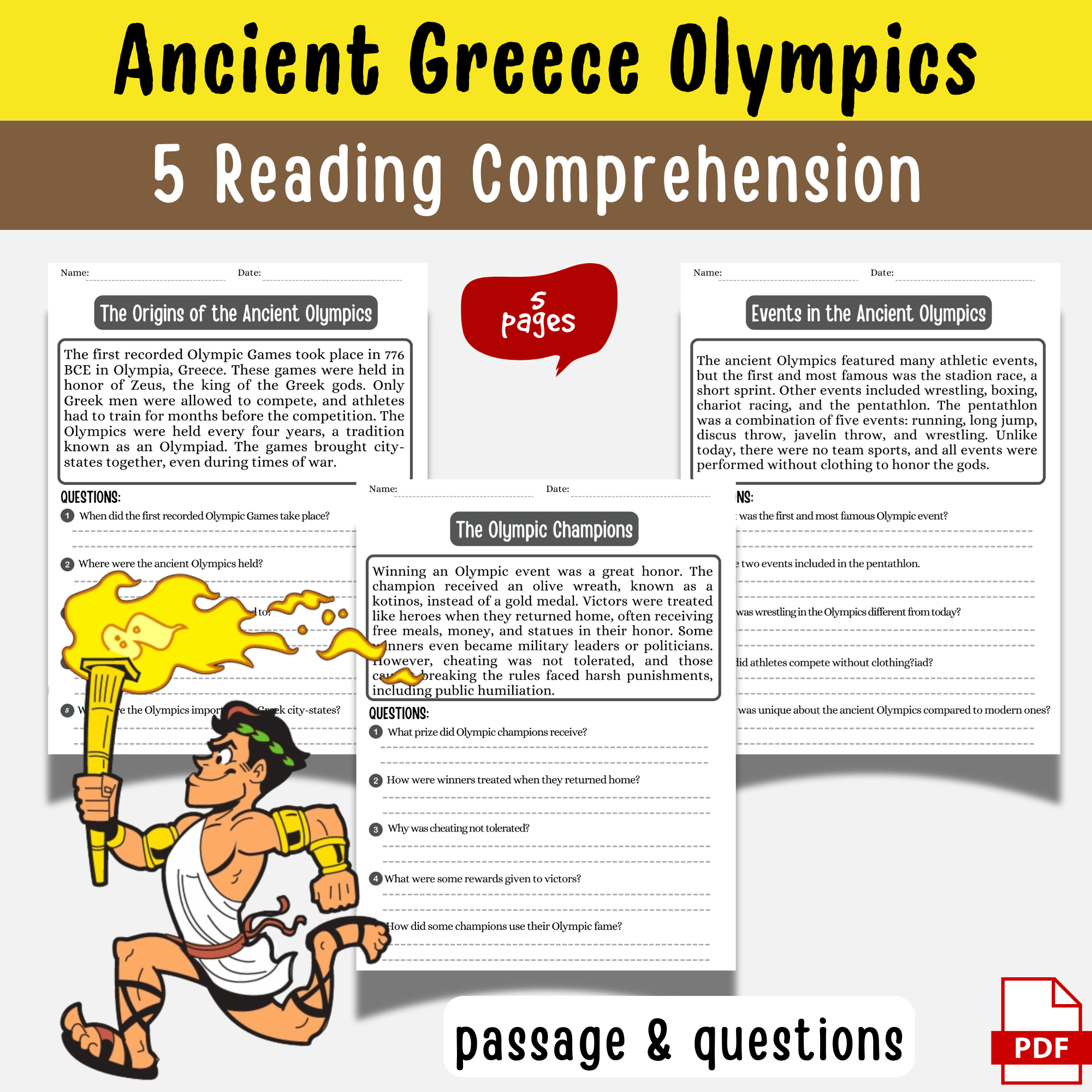
Builds reading comprehension and background knowledge of the history and traditions of the Ancient Olympic Games.
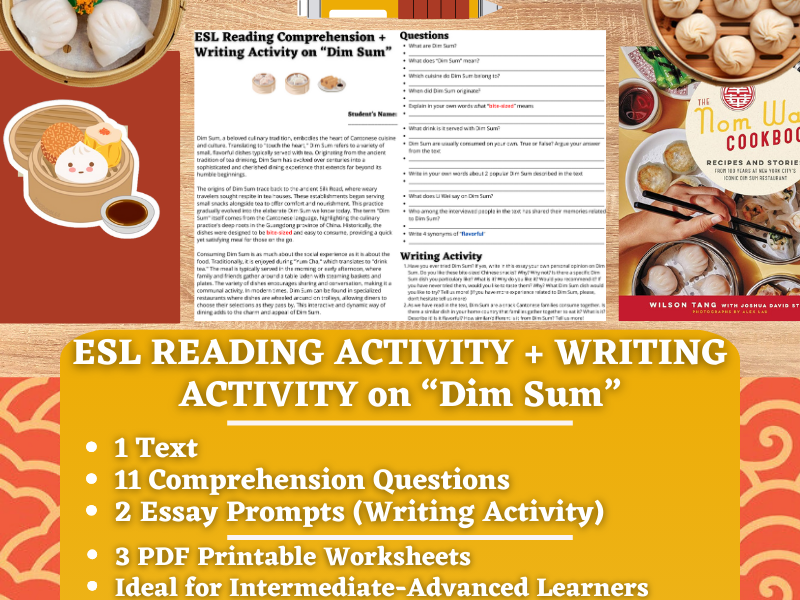
An ESL/EFL reading-comprehension and writing worksheet built around a nonfiction passage on the history and cultural role of Dim Sum in Cantonese cuisine, including quoted commentary from people interviewed about the dish.