resources by type
resources by grade
resources by subject
other resources

3,947 products added recently

Page 6 - Experiments

Make science come alive with experiments that encourage exploration and discovery. This collection includes activities across various scientific disciplines, suitable for different age groups. By incorporating these experiments into your teaching, you can promote critical thinking and a love for science.

Relevant
alt down
Any Time
alt down
filter by
alt down
All File Types
alt down
filter nav Show filters
Sort by: Relevant
CLEAR
resources by type
Activities
up arrow
Centers
Crafts
Escape Room
Experiments
up arrow
Labs
Games
Projects
Read Alouds
Songs
Classroom Decor
down arrow
Teacher Tools
down arrow
Worksheets & Printables
down arrow
resources by grade
Early Learning
down arrow
Pre-K
down arrow
Elementary
down arrow
Middle School
down arrow
High School
down arrow
Adult Education
Not Grade Specific
resources by subject
Creative Arts
down arrow
ELA
down arrow
Holiday & Seasonal
down arrow
Life Studies
down arrow
Math
down arrow
P.E. & Health
down arrow
Social Studies
down arrow
Special Resources
down arrow
Science
down arrow
Foreign Languages
down arrow
Resources for Teachers
down arrow
other resources
Common Core
Homeschool Resources
down arrow
Montessori
Research
STEM
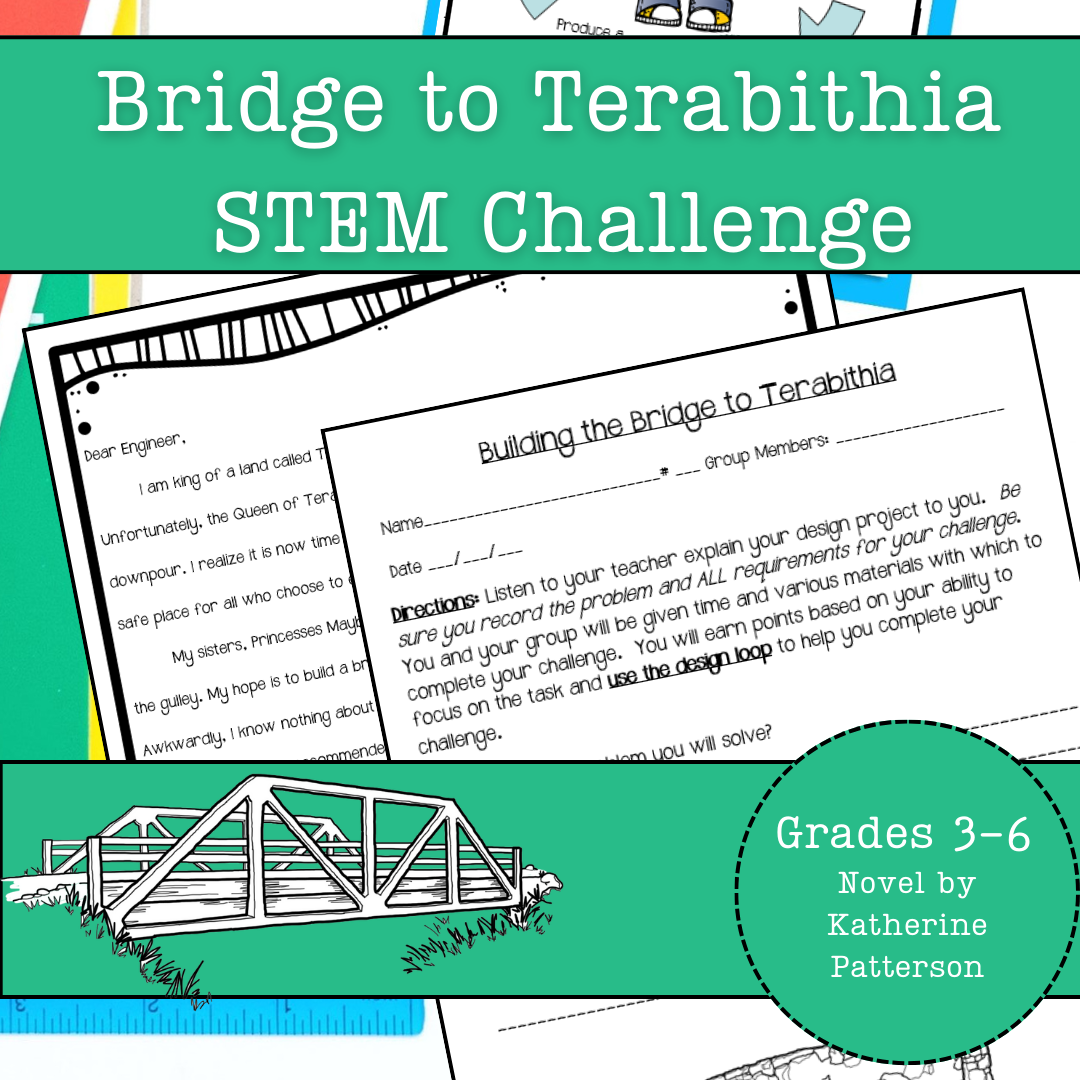
The Mouse and the Motorcycle STEM Experiment + STEM Project

The Mouse and the Motorcycle STEM Experiment + STEM Project
Science, Technology, Engineering, STEM, Grade 3, 4, 5, Experiments, Activities, Projects, Diagrams, Teacher Tools, Graphic Organizers, Rubrics

Help design and build a four-wheeled car for Ralph, the adventurous mouse, from The Mouse and the Motorcycle. Perfect for integrating literature and science, this challenge guides students to apply engineering principles using simple materials while fostering teamwork and critical thinking. What’s Inside This Resource: Student Letter: A fun letter from Ralph introduces the challenge, linking the story to a real-world engineering task. Design Loop Graphic: A visual students can attach to their science journals, serving as a step-by-step guide throughout the activity. Detailed Instructions: Choose to print the guide as a packet or have students record each stage in their journals for an interactive experience. Teacher Tips: Practical guidance for crafting a clear problem statement with time constraints, materials, and success criteria tailored to your classroom. Skills Your Students Will Build: ✔ Problem-Solving: Identify obstacles and create inventive solutions. ✔ Engineering Design: Navigate the design loop—plan, construct, test, and refine. This page can easily be enlarged for a classroom poster. ✔ Critical Thinking: Assess their prototype’s performance and pinpoint ways to enhance it. ✔ Teamwork: Collaborate effectively to accomplish shared goals. Versatile Classroom Application: Whether as guided instruction or part of an integrated literature and science unit, this STEM activity encourages students to think creatively, document their process, and meet science and engineering standards. The rubric included is based on engineering concepts, but can also be used as a nonfiction writing rubric for cross-curricular options. Why Educators Love This Resource: ⭐ “My students were fully engaged, combining their passion for reading with STEM!” ⭐ “Simple to set up and encourages creativity and teamwork.” ⭐ “A seamless connection between literature and science for cross-curricular learning!” Inspire your students to solve Ralph’s problem and discover the joy of engineering with this fun, standards-aligned STEM challenge!

Author Kel's Klass

Tags 4th Grade Science Project, 4th Grade Science Experiment, 5th Grade Science Project, 5th Grade Science Experiment, Engineering Diagram, Science Graphic Organizer, Science Rubric, 3rd Grade Science Project, 3rd Grade Science Experiment, The Mouse And The Motorcycle

Culture Lesson: Cultural Norms and Avoiding Stereotypes Worksheets

Culture Lesson: Cultural Norms and Avoiding Stereotypes Worksheets
Social Studies, Psychology, Life Studies, Grade 5, 6, 7, Worksheets & Printables, Worksheets, Activities, Experiments, Lesson Plans, Teacher Tools

Do you want your students in grades 5-7 to learn how to become global citizens who can respect a variety of cultural norms and comprehend cross-cultural differences? Are you looking for a fun way to bring all of these ideas to life? Check out this ready-to-go lesson for your class. This 5-Page PDF is ready to print for your social studies classroom. It includes clear teacher instructions for a fun class simulation where half of your students will act out a new "class norm" (five options are provided such as not raising your hand to ask a question) that the other half of your class won't be expecting. While the simulation is happening, everyone will be working on a three page reading comprehension task. Students will read about cultural norms from around the world (slurping noodles when eating in Japan or nodding one's head to say "no" in Bulgaria). They will imagine how not knowing about the cultural norms in a place where they are travelling could lead to accidental misunderstandings. Students are also taught a simple definition of the concept of stereotypes, and they will think of how they are different from cultural norms. Finally, there is a 1-page reflection with prompts- perfect for after a class discussion. Teacher Instructions: 1. Split your class in two and talk to only one half. 2. Tell them that they will have a new “class cultural norm.” Pick one from the provided ideas. 3. When the whole class is reunited, pass out the reading page & worksheets. Students read about cultural norms and answer the questions. 4. As they work, the selected half will enact their new norm, which will confuse the other half of the class. 5. Once the point has been made, let the other half in on the secret. 6. Have a discussion about cultural norms and give students time to write a reflection about this lesson.

Author Grace Under Pressure

Tags Culture, Stereotypes, Cultural, Culture Worksheets, Cross Culture, Travel, Norms, Cultural Norms, Class Simulation, Simulation

Free Science Chemical Reaction Interactive Vocabulary Review Activity
Free Download

Free Science Chemical Reaction Interactive Vocabulary Review Activity
Science, Basic Science, Life Sciences, Biology, Chemistry, Grade 7, Activities, Experiments, Teacher Tools, Lesson Plans

Free Science Chemical Reaction Vocabulary Review for Grade 7 This interactive PowerPoint teaches and reviews key vocabulary words related to chemical reactions in grade 7 science. It covers concepts like characteristics and the importance of chemical reactions. The presentation features a multiple choice review activity to assess understanding. Students select a letter and the answer is revealed. If incorrect, the answer is marked with an X until the right selection is made. The activity is visual, interactive, and engaging for whole group or independent practice. It's perfect for remote learning. After reviewing the 29 slides, students will have learned and reinforced seventh grade science vocabulary on chemical reactions. The activity is part of a series from ShapeUp-N-Matematicas y Lenguaje focused on middle grades science and Spanish language arts.

Author ShapeUp-N-Matematicas y Lenguaje

Tags Chemical Reaction, Periodic Table, Chemical Structure, Boiling Point, Freezing Point, Endothermic Reaction, Exothermic Reaction, Small Or Whole Group, Interactive Activity, Games

Sustainable Energy Projects Handbook - Environmental Science Book

Sustainable Energy Projects Handbook - Environmental Science Book
Earth and Environmental Sciences, Science, Earth Sciences, Environmental Science, Geology, Space, Life Sciences, Human Body, Nature & Plants, Physics, Grade 6, 7, 8, 9, 10, 11, 12, Experiments, Activities, Projects, Lesson Plans, Teacher Tools, Workbooks, Worksheets & Printables

Explore the realm of environmental science and sustainable energies with the “Sustainable Energy Projects Handbook - Environmental Science” authored by Syed Hammad Rizvi - an essential handbook that must be present in every school library or educational institution offering environmental science courses for middle school and high school students interested in renewable energies and environmental conservation. This comprehensive 370-page handbook specifically written with grades 6-12 in mind addresses tough subject matters related to ecosystems, natural resources, water & carbon cycle processes, biodiversity conservation, fossil fuels effects, and developing contemporary renewable sources of solar photovoltaics, wind turbines, hydroelectricity, geothermal power, biomass biofuels, and ocean tidal power. Jam-packed with do-it-yourself projects (including solar oven designs & DIY models of wind turbines), case studies of successful community sustainable initiatives all over the world, as well as useful guides in project planning & budgeting analysis, risk assessment & management, product life cycle assessment & carbon footprint calculations, & methods of air & water pollutants control strategies included in this handbook encourage critical thinking & environmental education. It is STEM & SDGs compatible & suitable for teachers or parents looking for hands-on environmental science & sustainable education projects. Keywords: environmental science middle school textbook, sustainable energy projects for middle school students, renewable energy resource for teenagers, climate change lesson plans grades 6-12, environmental education book on STEM and environment, biodiversity and conservation guide, homemade solar wind hydro energy projects for kids, energy conservation education resource, eco-friendly ideas for a science project, environmental energy advocacy for a high school. Why Parents/Schools Love It : Comprehensive and Curriculum-Aligned: It encompasses a broad array of environmental science-related subjects from basic to advanced level projects, aligning perfectly and facilitating a complete understanding of sustainability and renewable energy. Hands-on Learning Activities: It includes various DIY and case studies that help students take part in hands-on learning by making difficult concepts such as solar and wind power more interesting and accessible to them. Fosters Environmental Responsibility: Equips young learners with knowledge about climate change, biodiversity, and values for preparing environmentally responsible global citizens for the future. Engaging and Accessible Language: Presented in clear, technical writing style that appeals to teens, with cross-discipline knowledge from biology, physics, as well as ethics. Adaptive to Various Settings: Designed to fit a multitude of settings, including educational use in the classroom, homeschooling, science fairs, or even clubs, offering tools for measuring the impact of the project. Target Students/Classes : On the basis of a comprehensive assessment of the material, structure, and language of the book, which varies from the basic notions of sustainability, ecosystems, energy fundamentals, renewables, and reaches its climax with the advanced notions of project development, assessment of the environmental implications of such projects (LCA, footprints, etc.), policies, to action, the intended recipients of the material’s scope and focus can be determined to be students between the ages of 11-18, i.e. from grades 6 to 12. Grades 6-8 (Middle School): Best for introductory classes for environmental science, basic cycles, human effects, biodiversity, and simple energy principles, with the goal of creating engagement through DIY projects. Grades 9-12 (High School): More suited for advanced classes in environmental science, earth science, or AP environmental science, focusing on renewable technologies, integration, feasibility analysis, risk analysis, and goals for sustainability in more real-world examples and discussions. Again, this would correlate with the intended audience of grades 6-12 and the progressive level of complexity from the book. Copyright/Terms of Use : This book has been copyrighted by Syed Hammad Rizvi. This educational resource may be used for personal and single class use. You may not, under any circumstances, reproduce, distribute, and sell any part of this resource. This means you may not post this resource on the Internet so it could be downloaded from anywhere. If you would like to share this resource with others, you can purchase more licenses through Teachsimple. Thank you for following the guidelines for use! It is all happily offered by Syed Hammad Rizvi

Author Creative Book Store

Rating

Tags SustainableEnergy, EnvironmentalScience, RenewableEnergy, SolarEnergy, WindEnergy, HydroPower, GeothermalEnergy, BiomassEnergy, OceanEnergy, ClimateChange

Pressure, Volume, and Temperature – Lab Station Activity

Pressure, Volume, and Temperature – Lab Station Activity
Science, Chemistry, Grade 8, 9, 10, 11, Labs, Experiments, Activities

Pressure, Volume, and Temperature – Lab Station Activity This dynamic teaching resource designed for middle and high school physical science students brings the classroom to life with interactive activities revolving around pressure-volume-temperature laws. Key Highlights: Station tasks exploring Archimedes' Principle, Avogadro’s Law, Boyle’s Law, Charles's Law and Ideal Gas Law Inclusive lab recording sheets (passports) for documenting observations or answers Activity cards that can be placed around your classroom to turn it into a miniature laboratory Included answer keys for efficient progress tracking and immediate feedback The distinct features of this resource promote an active learning environment. Students are propelled towards collaborative discussions thereby solidifying their understanding of the involved principles. A highlight of added fun: To increase interaction in a less formal setting while ensuring that no learner is left out; two full-time activities—a word scramble and word search are provided. Ready-made answer keys make grading a breeze! Tailored Flexibility: This product fits perfectly into various teaching strategies without straining resources—whether you plan whole-group communal activities or divide students into smaller groups for methodical task completion under your guidance. Towards Promoting Lifelong Learning: The hands-on experience gained from scientific explorations encourages inquiry-based learning. The successful integration in numerous teaching styles aims at fostering engagement which sparks their curiosity paving way for lifelong learners! An essential tool catering not just to public school teachers but homeschooling parents seeking effective teaching aids as well. Digital & Printable Formats: Available in different file types for easy access across digital platforms. It proves proficient for Grade 8-11 science students boosting their comprehension of pressure, volume and temperature thereby enhancing scientific literacy. Experience the joy of teaching with this interactive lab station activity that challenges student understanding and intrigues young minds!

Author Teach With Fergy

Tags Pressure, Volume, Temperature, Lab Station Activity, Active Learning

Science Action Labs Water Science: Active Science with Water

Science Action Labs Water Science: Active Science with Water
, Grade 4, 5, 6, 7, 8, Labs, Experiments, Activities

Science Action Labs Water Science: Active Science with Water This enriching resource is designed primarily for students from grade 4 to grade 8, studying general science. It provides a hands-on approach that allows students to actively participate in conducting experiments and investigating various aspects of water. This method cultivates a deeper understanding and appreciation for this integral part of our life and environment. The resource comes in a convenient PDF format, consisting of 64 print-ready pages packed with diverse activities. These activities are designed not only to be educational but also stimulating, fostering excitement as learners explore the following topics: Exploring water pressure Examining buoyancy and surface tension Investigating weather impacts on water The dynamic nature of these resources triggers interest in students while enhancing their critical thinking skills through problem-solving scenarios provided by the experiments . Beyond just Textbooks Theory....Active Learning Alternative! This covers fundamental aspects that stimulate student inquiry about everything related to Hydroscience from natural weather phenomena to physical properties like buoyancy, breaks free from conventional passive learning methodologies. No Significant Prep Work Required! An added benefit? The clear directions accompanying the activities ensure that minimal preparation is necessary on part of the teacher - an important advantage when juggling busy schedules! In conclusion, Educators seeking versatile resources that encourage experiential learning will value investments like Science Action Labs Water Science: Active Science with Water. Its versatility enhances your teaching strategy, ensuring productive exploration time during your assigned science periods while ensuring practical learner experiences they won't soon forget! .

Author Classroom Complete Press

Tags Ice Cube Science, Chemistry Of Water, Water Conservation, Purifying Polluted Water, Science Labs

Proteins and Nucleic Acids – Lab Station Activity

Proteins and Nucleic Acids – Lab Station Activity
Science, Chemistry, Grade 7, 8, 9, 10, Labs, Experiments, Activities

Proteins and Nucleic Acids - Lab Station Activity An interactive resource for Grade 7-10 teachers enabling students to dive deep into the world of Thermoregulation. Extremely engaging with several elements: Drawing or building challenges. Online research questions. Space for expressing opinion writings on temperature regulation topics. Inclusive rest stations inbetween tasks. Note: These activities are designed so that they stimulate higher-order thinking, linking academic concepts with real-life applications. Assessment Components The lab activity also includes targeted assessments such as: Multiple Choice Questions: Providing thoughtful explanations behind their chosen solutions. Mastership Task: A station where they create two multiple-choice questions from true/false categories and a short answer query inclusive of supplying accurate answers as well. The entire lab activity is seamless for instructors; printing cards and scattering them around the learning space is all it takes. A supplied answer key adds convenience during assessment phases. Bonus Activities! To keep the engagement lively, this resource offers bonus games like a word scramble puzzle and a word search game ensuring no room for idle intervals among learners. Fruitful Knowledge Outcomes & Future Topics The resource is dedicated towards achieving solid understanding about Thermoregulation processes in living organisms while future planned topics cover broader scientific concepts including: Caveat: - Exploring Carbohydrates & Lipids. - Understanding Enzymes & Metabolism. - And many other topics spanning Ecosystems till Chemical Reactions under Chemistry realm. The Proteins and Nucleic Acids - Lab Station Activity , a teacher’s delight for enriching student's learning journey in the field of science.

Author Teach With Fergy

Tags Thermoregulation, Ectotherms, Endotherms, Metabolic Responses, Assessments

Correlation vs Causation: Scientific Methods and Critical Thinking

Correlation vs Causation: Scientific Methods and Critical Thinking
Social Studies, History, Psychology, Science, Basic Science, Grade 6, 7, 8, 9, 10, 11, 12, Activities, Experiments, Worksheets & Printables, Worksheets

Correlation does not equal Causation: Scientific Method and Critical Thinking Lesson for Middle or High School Students This comprehensive lesson walks your students through all the vocabulary and concepts about correlation vs true experiments in a simple and engaging manner. 12 different real-world correlation examples are included. The lesson will help teach your middle school or high school students about the scientific method and strengthen their media literacy skills as they learn how to spot errors in headlines explaining scientific research. It could be great to use before a science fair unit too! The package includes handouts, notes, practice questions, a quick review, and an answer key. How to Use: Print out 7 pages of worksheets for each kid in your class. Present the first four pages on an interactive whiteboard in your room. Teach your students the concepts of correlation (scatterplots, correlation coefficients, positive correlation, negative correlation, mistaking correlation for causation, media examples, third variables, etc.) as they follow along and fill in questions and notes. Then, students can work to complete the practice questions on the worksheets. Next, present page six to explain how one can find causation in a true experiment by using random selection, a dependent variable, an independent variable, an experimental group, a control group, and random assignment. Finally, students complete the review worksheet. Grades to Use With: This activity is designed to be used with students as young as grade six up to 12th grade in high school. What's Included: 10 pages in PDF Format: Ready to Print! Title Page Two Pages about Scatterplots and Correlation Coefficients Two Pages about Correlation Not Indicating Causation Practice Questions True Experiments Review Questions Two Page Answer Key Math Standards: 8th Grade Statistics and Probability Study scatterplots to see associations between 2 variables Linear relationships are shown as straight lines

Author Grace Under Pressure

Rating

Tags Correlation, Causation, Critical Thinking, Scientific Method, Experiments, Reasoning, Experiment, Science Fair, Basic Science, Correlation Vs Causation

Plant Sexual and Asexual Reproduction – Lab Station Activity

Plant Sexual and Asexual Reproduction – Lab Station Activity
Science, Life Sciences, Biology, Grade 8, 9, 10, 11, 12, Labs, Experiments, Activities

Plant Sexual and Asexual Reproduction Lab Stations provide educators with a hands-on learning activity to engage students on plant reproduction concepts. Learners rotate through nine stations, each offering a unique way to assess and build knowledge on reproduction methods, the role of bees, and plant growth. The activity comes with station description cards, questions, articles, video clips, creative drawing prompts, and more to suit various learning styles. Easy to implement with no prep work required, just print and distribute the cards. The lab also includes bonus vocabulary boosters like word scrambles and searches so students stay actively learning. This versatile resource works for whole class, small groups, or independent work.

Author Teach With Fergy

Tags Plants, Reproduction, Pollination, Photosynthesis, Lab Station, Asexual Reproduction Answer Key

Observation and Photo Inference Activity

Observation and Photo Inference Activity
, Grade 5, 6, 7, 8, Activities, Experiments

This resource is an Observation and Photo Inference Activity. There are 10 pictures to complete this activity! For each picture, students will make an observation, an inference and a prediction. Suggested uses: - Independent work - Group activity - Formative assessment - Gallery walk - Virtual learning - Bell ringer

Author Maude in the Middle

Tags Making Predictions, Inferences, Science Activity, Photo Book, Group Activity, Inference Pictures Middle School

Engaging Science Activities for PreK

Engaging Science Activities for PreK
, Preschool, Kindergarten, Grade 1, 2, Activities, Experiments

You’re never too young to learn about Science! Includes these fun, easy-to-do craft projects : Fossil Factory, Grow a Bean Plant, and Gobs of Goop.

Author Twin Sisters Digital Media

Tags Plants, Fossils, Water, Science, Experiments

Scientific Method Hypothesis Activity

Scientific Method Hypothesis Activity
Science, Basic Science, Grade 3, 4, 5, 6, 7, 8, 9, Activities, Experiments

Activity Introduction An amazing activity designed for the students to learn more about STEM subjects. Scientific Method Hypothesis Do you like STEM subjects? what is your favorite one? Have you ever tried to plant a seed? If yes, tell us more about it. Or have you ever tried to invent something? If yes, tell us more about it. And how do you think it will help us? Have you ever seen a microorganism under a microscope? What was it? And how it looked like? Mathematics is a marvelous subject. Let' sharpen our brains and solve some equations. Do you like timetable tricks? What is your favorite one? Do you know how to code? Have you ever created an app or a game before? If yes, how was it like? Scientific Method Hypothesis Activity The activity is perfect for encouraging the researching skills for the students, while learning more about this topic. Scientific Method Hypothesis This friendly designed worksheet is suitable for students at school, homeschooling, and as a group activity. Instructions Your are doing a scientific research/ experiment . Tell us what was your: Observation Main question Hypothesis and tell us more about the research/ experiment . Format Available in a PDF format.

Author Educational Voice

Tags Scientific Method Hypothesis Activity, Scientific Method Hypothesis, Scientific Method, Scientific Methods For Kids, Hypothesis, Hypothesis Facts, Hypothesis For Kids, STEM, STEM Facts For Kids

Lab Safety - Lab Station Activity

Lab Safety - Lab Station Activity
Science, Basic Science, Grade 6, 7, 8, 9, Labs, Experiments, Activities

Lab Station Activity - Classroom Lab Safety. This activity will get your students moving around the room, and applying what they've learned regarding the scientific method. This activity was designed for high school and middle science students. You can either use it to introduce the topic or assess their understanding of the scientific method. This resource covers the following topics: Lab Safety Equipment Basic Emergency Procedures How To Keep Safe in a Lab Setting Lab Station Activity - Classroom Lab Safety. This activity will get your students moving around the room, and applying what they've learned regarding the scientific method. This activity was designed for high school and middle science students. You can either use it to introduce the topic or assess their understanding of the scientific method. Lab Station Activity - Classroom Lab Safety. This activity will get your students moving around the room, and applying what they've learned regarding the scientific method. This activity was designed for high school and middle science students. You can either use it to introduce the topic or assess their understanding of the scientific method. I also have many other lab stations in my store. Please have a look. They cover topics within all branches of science including chemistry, physics, biology, general science, and space science. They work well in middle as well as high school classrooms. If you have any questions, please send me an email - devon@teachwithfergy.com

Author Teach With Fergy

Tags Lab Safety, Science Safety, Classroom Lab Safety, Lab Safety Lab Station, Lab Station Activity

Projectile Motion – Lab Station Activity

Projectile Motion – Lab Station Activity
Science, Physics, Grade 9, 10, 11, 12, Labs, Experiments, Activities

This fully editable Lab Station Activity on Projectile Motion is meant to get your students out of their seats and engaged in the content. This activity was designed for high school physical science students. Each station not only offers a unique opportunity to test your students' knowledge (offer an opinion, answer questions based on a video or reading, draw, etc.) but also provides a fantastic learning opportunity where your kids are learning through assessment. Each station comes with a description card while some also contain more detailed instructions, a reading, questions to answer, etc. Students are equipped with a recording sheet (passport) to write their answers. There is almost no prep for you. Simply print the cards, lay them out around the room and you're all set. An answer key is also provided where applicable. No prep, no formatting, no issues. Simply download, print (or upload to your class site) and you're all set. This resource is fully editable for your convenience This resource covers the following topics: - Launch angle - Kinematics equations - Solving projectile motion problems - Golf balls - Catapults Bonus Activities: To ensure your students don't have any downtime between stations, your lab also includes a 10-word word scramble and word search, both with an answer key. You can use them as part of their mark, as a bonus so it's not mandatory, etc. However you choose to use it, it will ensure that your students are always busy and never idle. Note: For stronger classes, I give the word scramble and for weaker ones, the word search. This activity covers the following NGSS: - HS-PS2-1 - HS-PS3-3 How do the Lab Stations work? Each station is specially designed to be a unique complement to the material while at the same time, provide a valuable learning experience. Below is an overview of how each station works. In your activity , each will be tailored to the specific content. Station 1: Get Hands-On – using their creative skills, students are required to draw or build. Station 2: Research – using a classroom computer or their own device, students must research a specific question/issue surrounding the topic. Station 3: Explain yourself – students write down an opinion to a question in paragraph form. Station 4: Rest Station - students can use this time to catch up on work they didn't have time to complete at a previous station or prepare themselves for an upcoming one. Station 5 - Applicability reading – students read a short passage from an article, website, etc. which directly connects the classroom content to a real-life application. Station 6: Test your knowledge – students answer 5 multiple choice questions than provide a written explanation for how/why they came to their conclusions. Station 7: Learn from the expert – using a classroom computer or their own device, students must watch a short video clip and answer the associated questions. They may stop, rewind and restart as often as they like during the time frame. Station 8 - Rest Station. Station 9: Become the question master – Students must create 2 multiple-choice questions, 2 true/false questions and 1 short answer question. Students must also supply the answers. ------------------------------- You might also be interested in my other lab station activities Physics: • Newton's Three Laws of Motion • Kinetic and Gravitational Potential Energy • Current Electricity and Circuit Diagrams • Static Electricity • Light Optics and the Production of Light • Sound, Sound Energy and Speed • One and Two-Dimensional Motion • Uniform Acceleration • How Planes Fly • Refraction • Friction • Energy and Its Forms • Density and Buoyancy • Electricity Production • Calculating Average Speed, Velocity, and Displacement • Mass, Volume, Density, & Buoyancy • Work and Energy • Renewable Energy • Plate Tectonics • The Rock Cycle • Natural Disasters • Pressure, Volume, and Temperature • Forces • Power • Liquids and Gases • Fossils and Geologic Time • Earthquakes and Volcanoes • Watersheds • Momentum, Conservation of Momentum, and Impulse • Nonrenewable Energy Sources • Projectile Motion Coming Soon: - Work = F x d - The Doppler Effect and Supersonic Travel Biology: • Cell and the Cell Theory • The Human Digestive System • The Circulatory System • The Human Respiratory System • Mitosis and the Cell Cycle • Cellular Respiration and Photosynthesis • Photosynthesis • Cancer: Cell Division Gone Wrong - Volume I • Cancer: Cell Division Gone Wrong - Volume II • Cell Membrane and Transport • Hearing and the Human Ear • The Human Eye • Genetic Material: DNA and RNA • The Nervous System • Energy Flow In Ecosystems • DNA Manipulation and GMOs • Transcription and Translation • Cellular Respiration • Thermoregulation • Proteins and Nucleic Acids • Mutations • Meiosis • DNA, Genes, Chromosomes, and Alleles • Genetic Disorders • Fats • Reproductive Technologies • Muscular and Skeletal System • Integumentary System • Carbohydrates and Lipids Coming Soon: - Excretory system - Endocrine system General Science: • The Scientific Method and Science Skills • The Different Types of Clouds • Meteorology Chemistry: • Atomic Model, Notation and Atoms • Chemical Reactions and Balancing Equations • Molecular and Ionic Compounds • Physical and Chemical Properties & Changes • Acids, Bases, and Neutralization Reactions • The Periodic Table • Single and Double Displacement Reactions • Balancing Chemical Equations • Synthesis, Decomposition and Combustion Reactions • Atomic Theory, Atomic Structure and Isotopes • Types of Bonds and Intermolecular Forces • The Mole/Avogadro's Number • Density and Buoyancy • The Particle Theory and the Classification of Matter • Pure Substances and Mixtures • Solutions and Mechanical Mixtures Coming Soon: - Periodic table group properties Ecology and the Environment: • Ecosystems • The Classification of Living Things • Biodiversity and Invasive Species • The Carbon and Water Cycle • Climate Change • Photosynthesis • Cellular Respiration and Photosynthesis • Ecological Succession • Plant Sexual and Asexual Reproduction • Earth's Seasons • Interactions Within Ecosystems • Physical and Behavioral Adaptations Space Science: • The Life and Death of Stars • The Moon and its Phases • Life In Space • Our Solar System • Solar and Lunar Eclipse • Earth's Seasons • Asteroids, Comets and Meteors These station cards are meant to be used as a lab activity but can also be utilized in a review task before a test or a quiz. Used either way, your students will love it! I know mine do and I'm telling you from first-hand experience as I've used this activity in my own class. ***************************** For free resources, useful teaching tips, and tools, please visit my blog - TeachScienceWithFergy.com If you have any questions please feel free to send me an email - devon@teachwithfergy.com

Author Teach With Fergy

Tags Projectile, Motion, Physics, Gravity, Projectiles, Projectile Motion Labs, Projectile Motion Experiments, Projectile Motion Physics Lab, Projectile Motion Lab Physics, Projectile Lab, Projectile Motion Lab, Physics Lab Projectile Motion Answers, Physics Projectile Motion Lab Answers

Pure Substances and Mixtures – Lab Station Activity

Pure Substances and Mixtures – Lab Station Activity
Science, Chemistry, Grade 7, 8, 9, 10, Labs, Experiments, Activities

Pure Substances and Mixtures – Lab Station Activity A comprehensive, flexible teaching resource brimming with educational benefits for educators in middle schools and high schools. A definitive tool that sparks creativity while teaching students about key chemistry concepts of pure substances and mixtures. Key Topics Covered: Homogeneous mixtures Heterogeneous mixtures Centrifuge functions Solutions - Unsaturated, Saturated, Supersaturated Intriguing fact-checking multiple-choice questions have been included to assess student's proficiency in these topics. Main Features: Diverse Set of Activities: Each station provides a unique learning experience for the students from hands-on activities to research tasks. Variety of Learning Modes: A composition enabling independent work or collaborative group projects. Digital Integration: Incorporated are digital stations where learners research specific subject areas or view informative video clips. The Accessibility Advantage: All required materials have been made available online making this tool readily accessible for teachers. Add-ons: Fun word games like scramble and other activities are also included as bonus features. Can be used as part grade assessments or optional supplemental material that helps maintain student engagement during transitions between lab activities. A Comprehensive Solution: The Pure Substances and Mixtures – Lab Station Activity presents an innovative approach to chemistry education appropriate for grades 7-10. Easy-to-use, fully editable and adaptable based on teacher preferences, it seamlessly fits any learning environment.

Author Teach With Fergy

Tags Pure Substances, Mixtures, Lab Stations, Chemistry Education, Hands-on Activities, Pure Substances And Mixtures Worksheets

Calculating Average Speed, Velocity, and Displacement – Lab Station Activity

Calculating Average Speed, Velocity, and Displacement – Lab Station Activity
Science, Physics, Grade 7, 8, 9, 10, Labs, Experiments, Activities

Calculating Average Speed, Velocity, and Displacement Lab Station Activity This editable high school physics lab station activity allows students to get out of their seats and actively engage with content on average speed, velocity, and displacement. The stations offer unique opportunities to test knowledge through hands-on tasks like drawing, answering questions based on videos, and more. Students are equipped with a recording sheet to document their work. The activity covers topics like scalar vs vector quantities, distance vs displacement, velocity, GPS and speedometers. Bonus word scramble and word search activities ensure students stay busy. An answer key is provided. Use the stations as a lab activity or test prep. With little prep required besides printing, the lab stations provide a valuable learning experience for students to complement your average speed and velocity instruction.

Author Teach With Fergy

Tags Speed, Velocity, Displacement, Physics, Lab Station, Speed Activity, Distance And Displacement Lab Activity Answer Key, Distance And Displacement Lab Answer Key

Science Action Labs Sciencing: Learning About the Scientific Method

Science Action Labs Sciencing: Learning About the Scientific Method
, Grade 4, 5, 6, 7, 8, Labs, Experiments, Activities

Science Action Labs Sciencing: Learning About The Scientific Method This exceptional teaching resource is designed specifically for grade 4-8 students, providing a unique approach to learn and explore science! 'Science Action Labs Sciencing' is perfect for involving your students practically in learning, making scientific concepts both comprehensible and exciting. The Focus: The Scientific Method The primary focus of this resource is on teaching the scientific method. It's a core skill beneficial for understanding and conducting real life scientific investigations. Importantly, the first step is nurturing observation skills - the fundamental step in becoming good scientists. The Importance of Communication In addition to hands-on experiments, it encourages clear articulation of observations and hypotheses—crucial traits in research-based science communication. Therefore, these exercises simulate authentic scientific inquiry scenes whether indoors or at homeschools. A Peek Inside: Activities & Exercises This PDF resource comprises 64 ready-to-use printable pages that include numerous fun-filled labs where children's imagination meet practical application. Kids indulge themselves with exciting activities like: Straw sciencing exercises Designing their own unique creatures Unravelling mysteries from indirect evidence just like true scientists would! Bonus Feature: Flexibility & Adaptability This resource not only accommodates individual reflection time but can also embrace group engagements through modifications. This allows students to collaboratively construct hypotheses based on shared observations - triggering critical thinking and teamwork! Note:These tasks make excellent homework assignments too! Pairing academic duties with scientifically charged puzzles boosts both interest level as well as comprehension! In conclusion,'Science Action Labs Sciencing: Learning About The Scientific Method' is centred around essential aspects of the science curriculum like observation skills training & hypothesis construction. In essence, it’s your tool to bring real-world science experience into classrooms, promoting an active student-centred learning environment per latest pedagogical principles! For those forward-thinking educators aiming for a rounded learning experience that combines theory with practical application - this resource checks all the right boxes!

Author Classroom Complete Press

Tags Science Labs, Action Labs, Scientific Method, Hypothesis Lab, Observing A Candle

Cell Membrane and Transport – Lab Station Activity

Cell Membrane and Transport – Lab Station Activity
Science, Life Sciences, Biology, Grade 8, 9, 10, 11, Labs, Experiments, Activities

Cell Membrane and Transport - Lab Station Activity Dive deep into the world of cell biology with this interactive Cell Membrane and Transport lab activity . Specifically designed to engage students, it involves movement, interaction, and in-depth understanding of cell membrane function and diverse transport mechanisms. The Activity Components The module comprises seven unique stations, each testing student knowledge in different ways while ensuring comprehensive learning. Students might be answering questions related to a video or content piece at one station while sketching diagrams at another. This active-learning setup aids experiential knowledge gain through innovative tasks. Detailed station instructions: Some even include further readings or details for creating drawings. A recording sheet: Also referred to as a 'passport', it helps students log their answers methodically. A minimal preparation time is required by teachers who would only need to print out the cards and spread them around the room for access during activities. Lesson planning becomes more streamlined using this lab-based method of teaching complex biology topics like cell membrane structures and corresponding transportation processes across them . Succeeding in Classrooms This engaging product has been successfully implemented by many educators who have confirmed its effectiveness in biology classrooms. It provides flexibility allowing you to tailor-fit your lesson plans – whether it's modifying based on grade-level alterations or class strengths/weaknesses. Bonus activities: Included are also word scrambles along with word searches complete with answer keys ensuring no downtime between each station activity . These can serve as part of overall grading point systems or potentially act as bonus points without making them obligatory exercises thereby fostering student interest under guidance rather than compulsion. Rest stations: Two rest stations are included that give pupils a break before delving into another exercise. Here they can enhance their research skills via internet fact-finding, express personal opinions about biological issues, tie classroom theories with real-world applications through readings and even create questions of their own after answering multiple-choice ones. This resource has proven to be more versatile than being confined to a laboratory setup; From such fun-filled class activities or reviews before tests or quizzes - the possibilities are endless, only limited by your educational creativity! Embark on an exciting journey where students eagerly anticipate learning about the cell membrane and transport processes thanks to this delightful teaching aid. Product Details Grade Levels: Grade 8-11 Subject: Biology (Science) Type: Activities File Type:Mulitple File Types </ul

Author Teach With Fergy

Tags Interactive Learning, Cell Biology, Cell Membrane, Transport Mechanisms, Lab Activity

Climate Change – Lab Station Activity

Climate Change – Lab Station Activity
Science, Earth and Environmental Sciences, Environmental Science, Grade 8, 9, 10, 11, Labs, Experiments, Activities

Climate Change Lab Station Activity Dive deep into climate change with this engaging lab station activity . Students will rotate through 9 stations, each offering a unique hands-on opportunity to learn about topics like greenhouse gases, global warming, and the greenhouse effect. Activities range from drawing models to conducting research, watching videos, and even creating their own questions. The self-guided format promotes inquiry-based learning, while the recording sheets let students document their progress. This versatile resource works for whole groups, small groups, or independent work. Modify it to fit your class's needs. An answer key is included for applicable stations. This activity covers core climate change concepts, connects them to real-world impacts, and gets students out of their seats. Use it to inspire curiosity about this urgent topic.

Author Teach With Fergy

Tags Climate, Change, Global Warming, Scientist, Lab Station

Let's Investigate! Hands-On Science - Grades 3-4

Let's Investigate! Hands-On Science - Grades 3-4
, Grade 3, 4, Activities, Experiments, Teacher Tools, Lesson Plans

Let's Investigate! Hands-On Science - Grades 3-4 An engaging teaching resource designed to help students delve into the fascinating world of science, "Let's Investigate! Hands-On Science - Grades 3-4" comes as a handy PDF with 64 ready-to-print pages, fulfilling your needs for accessible and easily implemented lesson plans. This compelling resource aims at igniting curiosity in third and fourth-grade students as they explore key concepts across: Physical science Earth science Life science. The activities provided are not merely informative; they also ensure that learning is fun and exciting for every student involved. Meticulously Prepared Activities - Learning Made Fun Each activity within the book has been meticulously prepared to stretch young minds beyond standard classroom discussions. With clear, step-by-step instructions paired with guided questions, students can comfortably engage in independent learning while their critical thinking skills are honed. A Treasure Trove of Knowledge To enrich every nugget of scientific knowledge gained from these activities, our book also contains intriguing facts paired with smart extension activities– all aimed at keeping curiosity at its peak among learners. Aids Educators Too The Activity Guide situated at the back of this product furnishes necessary background details on each activity along with essential teaching tips which are crucial instruments in maximizing a student’s understanding. This softcopy resource proves beneficial both to learners but also educators because: The flexibility it provides makes it dynamic for group-based learning or even individual homework assignments catering varied student dynamics. Works effortlessly with existing curriculum structures, augmenting the overall class sessions. Conclusion An invaluable tool teaming with knowledge; Let's Investigate! Hands-On Science - Grades 3-4 emerges as a potent resource towards understanding nature via observational experiments and interactive assignments. It aids in developing observation skills along with promoting critical thinking abilities among Grade 3 & Grade 4 pupils.

Author Classroom Complete Press

Tags Hands-on Science, Let's Investigate, Science Experiments, Watch An Eruption, Catch A Rainbow

Muscular and Skeletal System – Lab Station Activity

Muscular and Skeletal System – Lab Station Activity
Science, Life Sciences, Human Body, Grade 7, 8, 9, 10, 11, 12, Labs, Experiments, Activities

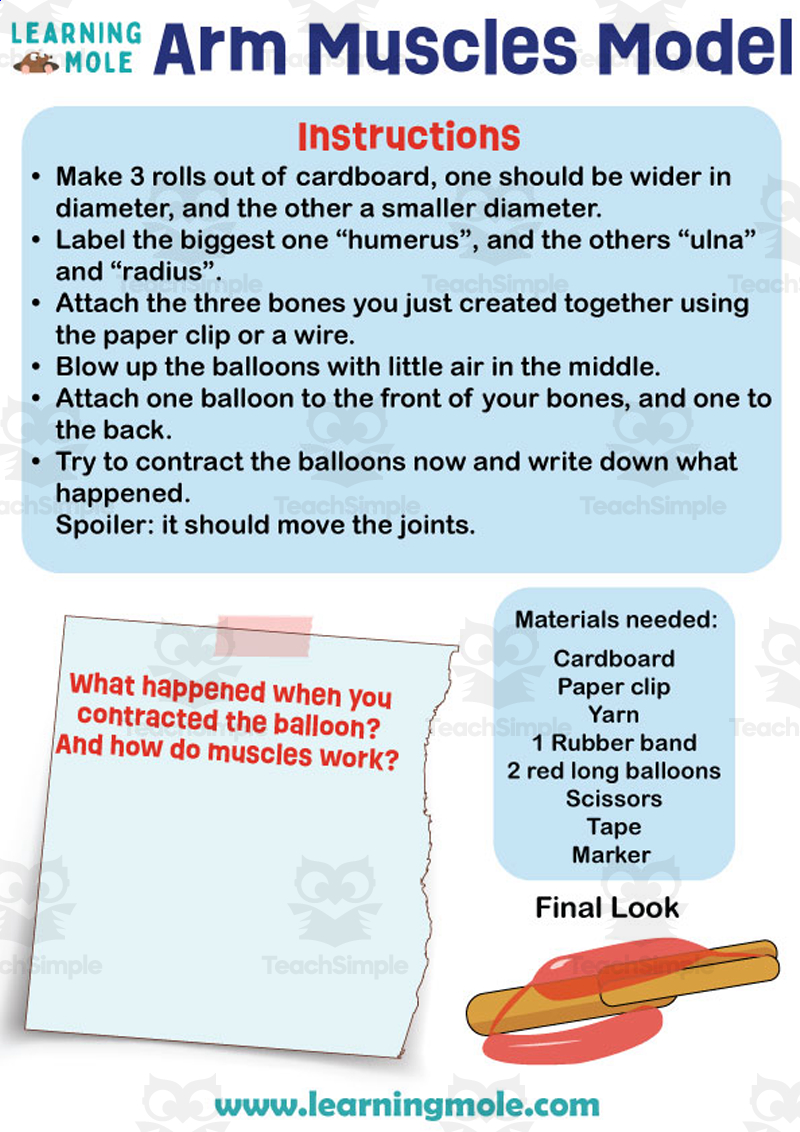
Muscular and Skeletal System Lab Station Activity Dive deep into the muscular and skeletal system with this engaging lab station activity . Specifically designed for middle and high school students, it gets learners up and active while assessing knowledge. The 9 unique stations offer a variety of learning modalities, including building models, conducting research, answering discussion questions, and more. Questions and activities focus on key concepts like muscle growth, bone structure and function, homeostasis, and real-world connections. With minimal prep required and an included answer key, this resource is teacher-approved and student-tested. Use it to complement your unit on body systems or as a review before exams. Modify it to fit any schedule and customize it to various ability levels. This interactive approach keeps students engaged as they learn about this essential bodily system.

Author Teach With Fergy

Tags Muscular, Skeletal, System, Joints, Lab Station, Activities For Skeletal System, Skeletal System Activities For High School Students, Skeletal System Lesson Plans High School, Skeletal System Lab, Skeletal System Activity, Skeletal System Activities

Science Action Labs Health Science: Active Health Investigations

Science Action Labs Health Science: Active Health Investigations
, Grade 4, 5, 6, 7, 8, Labs, Experiments, Activities

Science Action Labs Health Science: Active Health Investigations Manifesting as a practical teaching resource, 'Science Action Labs Health Science: Active Health Investigations' is expertly crafted to inculcate a living perspective on health science. It caters diligently to the pedagogical needs of students from 4th to 8th grades and presents itself as an accessible PDF resource furnished with 64 printable pages. Action Laboratories for Engaging Pedagogy The intricacy of these active laboratories lies in their ability to draw interest and provoke active participation, thereby unveiling diverse facets of health science. The enigmatic scientific principles associated with human health are transformed into relatable concepts, allowing students to examine physiological aspects such as breathing and digestion practically and enjoyably. This unique form of assimilating information opens avenues not only into understanding the brain's functionality but also applying acquired knowledge about one's physical wellbeing proactively. The multi-facet studies incorporated herein induce learners into researching all five senses actively. This initiates them onto paths of better comprehending their bodies physiologically while undergoing sensory experiences in their surroundings mindfully. Fostering Curiosity through Adaptability 'Science Action Labs Health Science: Active Health Investigations' additionally accords flexibility margined towards instructors: Easily adaptable for group explorations within classrooms or smaller group-based personalized teachings. Homeschool curriculums seeking structured pedagogical activities delving into health science could find it beneficial too! This laboratory tool can be leveraged by students seeking independent assignments or even preparing homework that revolves around health science. The underlining objective here isn't merely instruction but nurturing the curiosity that eventually leads children towards making scientific discoveries about themselves. This would in turn, work on improving their critical thinking skills. Bridging Engagement and Learning No matter if your aim is to supplement existing lesson plans or introduce new ones hinging around health science topics—the detailed organization present within Science Action Labs Health Science: Active Health Investigations provides a magnificent bridge connecting learning objectives with student engagement.

Author Classroom Complete Press

Tags Science Labs, Your Senses At Work, Health Superstitions, Protecting Your Body, Animal Kingdom

Cell Lab Activity

Cell Lab Activity
Science, Life Sciences, Human Body, Grade 9, 10, 11, 12, Labs, Experiments, Activities

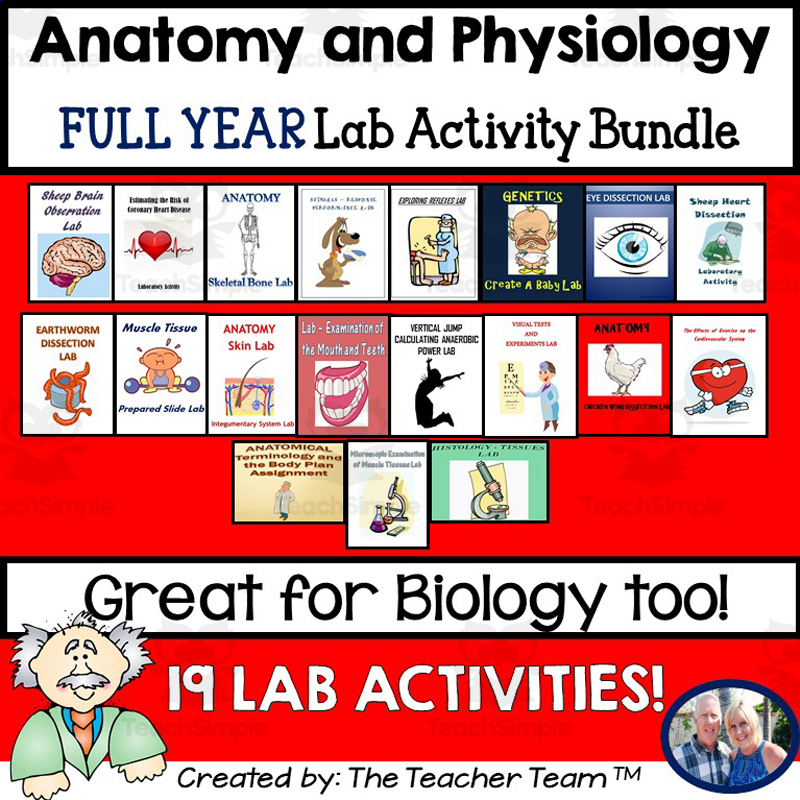
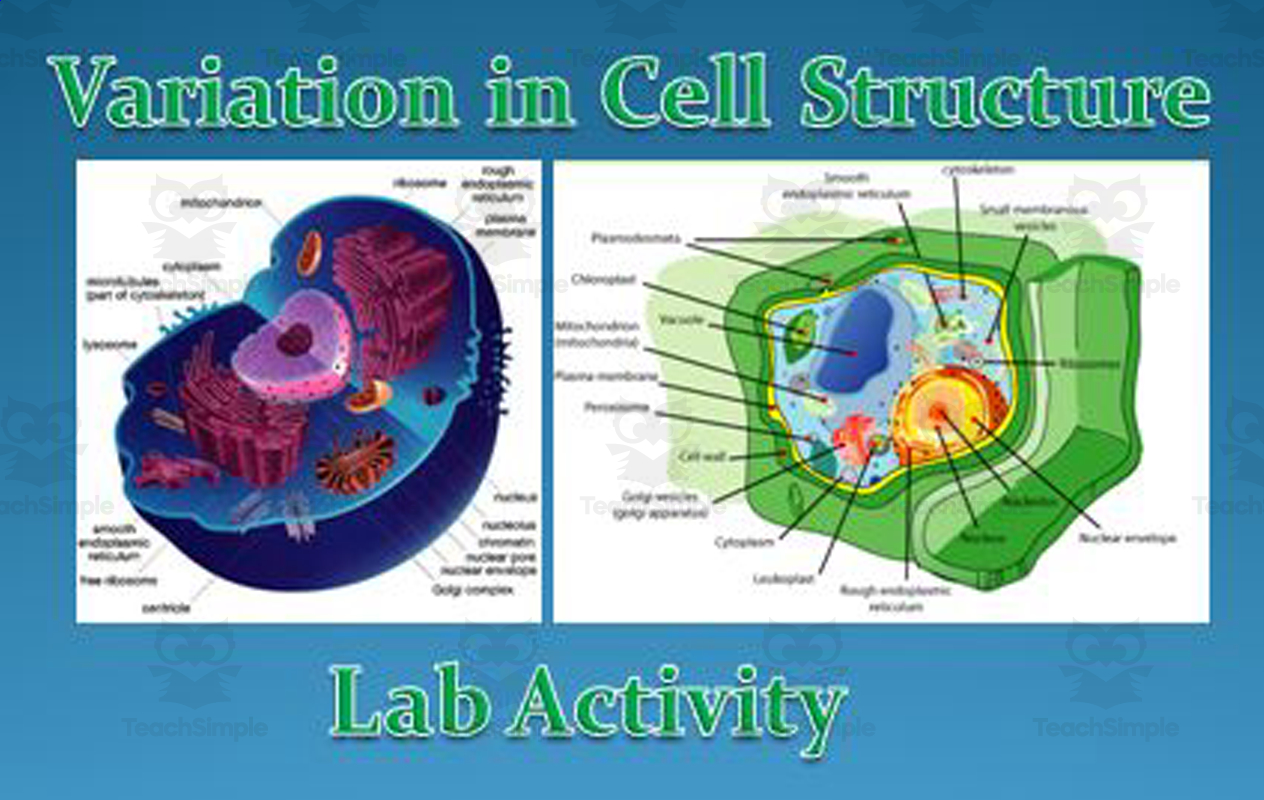
Cell Lab Activity: An Engaging Teaching Resource for Science Educators Enhance your science curriculum with the interactive Cell Lab Activity focused on differentiating between animal and plant cells. This adaptable lab suits a wide demographic of students, emphasizing a hands-on learning approach. The Activity Process In this hands-on experiment, students: Observe cells from sources such as tomato pulp and skin, potato, and human cheek cells. Analyze biological material under scientific scrutiny. Gain insightful knowledge about the functions of various cell parts. Depending upon your classroom's pace, this activity spans approximately 1½ to 2 days—optimizing time towards understanding complex concepts. What Else is Included? The kit includes: A Variation in Cell Structure Lab worksheet with an answer key for students to verify their findings- reinforcing self-evaluation techniques. A helpful materials list and general guidelines that assist educators in organizing resources smoothly. Inclusive sample pictures which support descriptions of cellular concepts accessible to all learners—including visual-learners—for better comprehension! The inclusion of practical thinking into teaching methodologies widens horizons: Leveraging education beyond textbooks boundaries preparing our future scientific pioneers—to drive societal goals—from just simple thinkers to thought leaders! Note: It’s important teachers know that every lab activity must always be performed under supervision!

Author The Teacher Team

Tags Cell Structure, Lab Activity, Plant Cells, Animal Cells, Hands-on Learning

Qualitative and Quantitative Photo Observation Activity

Qualitative and Quantitative Photo Observation Activity
, Grade 5, 6, 7, Activities, Experiments

This resource is a Qualitative and Quantitative Photo Observation Activity . There are 6 pictures. For each picture, students will make: - qualitative observation - quantitative observation - an inference

Author Maude in the Middle

Tags Inferences, Observations, General Science, Writing Practice, Quantitative & Qualitative Observations, Quantitave Observation, Which Is A Quantitative Observation?, What Is Qualitative And Quantitative Observation, Quantitative And Qualitative Observation, Qualitative Observations., Which Observation Is Quantitative?, Qualatative Observation, Quantitative Observation Vs Qualitative Observation, Quantitative Observation., A Quantitative Observation, Qualitative Vs Quantitative Observation, Quanitative Observation, Are Observations Qualitative Or Quantitative, Quantitative And Qualitative Observations, What Is A Quantitative Observation In Science, Quantitative Vs Qualitative Observations, What Is A Quantitive Observation, Quantitative Observation?, Qualitative Observation And Quantitative Observation, What Is An Quantitative Observation, Qualitative And Quantitative Observations, What Is Quantitative Observation In Science, Qualitive Observation