The Royal Numbers Game + Worksheets
The Royal Numbers Game + Worksheets is a fun way to give your little learners practice with numbers up to 25. They will identify which number comes at the beginning, in the middle and at the end of a sequence.
Classroom resources
Browse by lesson focus
Choose the topic or kind of practice you need.
The Royal Numbers Game + Worksheets is a fun way to give your little learners practice with numbers up to 25. They will identify which number comes at the beginning, in the middle and at the end of a sequence.
Play in pairs: each player draws a large card showing a function's equation/graph, then takes turns asking yes/no questions (starting with 'Is your graph a function?') about the properties of equations/graphs to eliminate options on a small-card game board and guess the opponent's card; a whole-class PowerPoint…
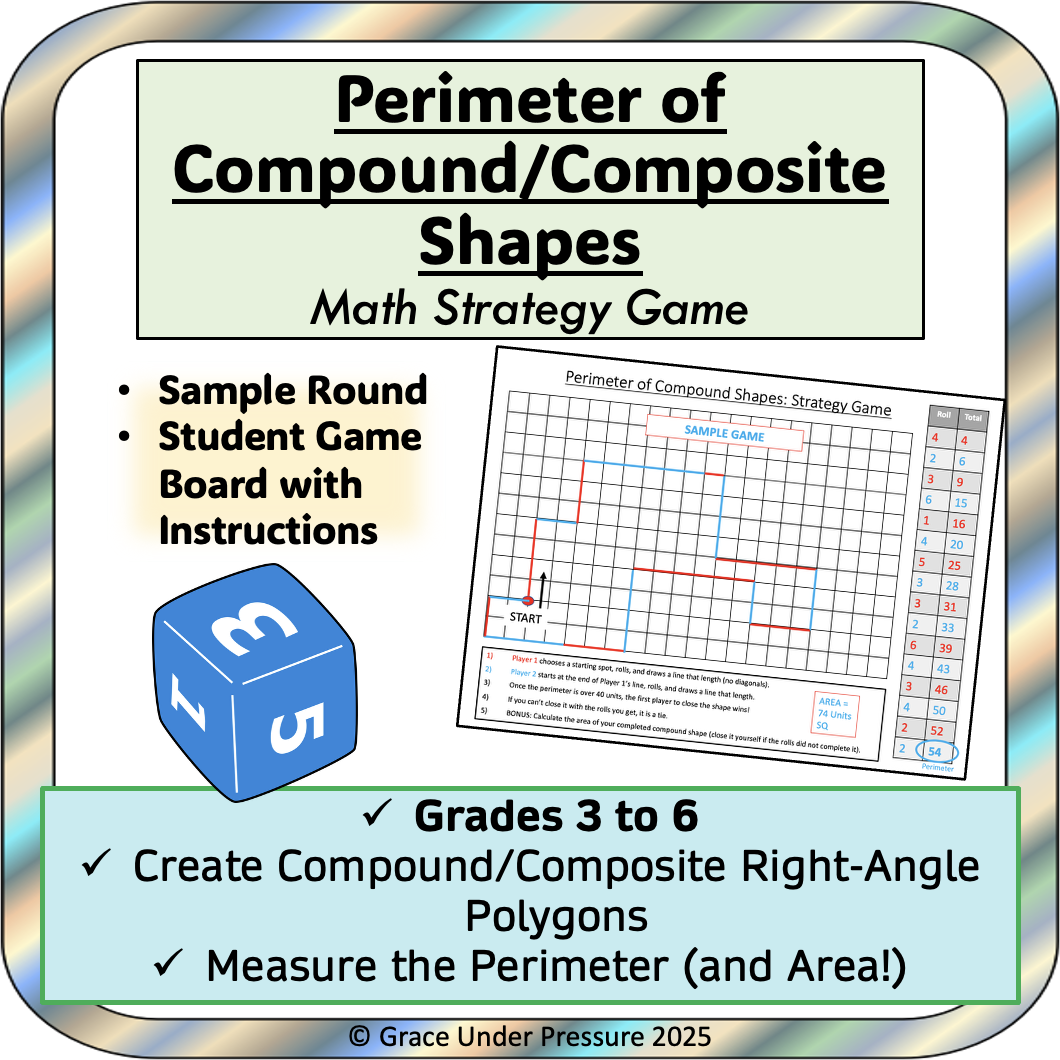
In pairs, students take turns rolling a die and drawing line segments to jointly build a complex shape; once the perimeter exceeds 40 units, the first player to close the shape wins (or it's a tie); as a bonus, students calculate the area of the completed shape.
1.Introduction Math class should be one of the most fun classes for you and your students, especially if they are children. That is why it is important for you as a teacher to use educational resources and games .
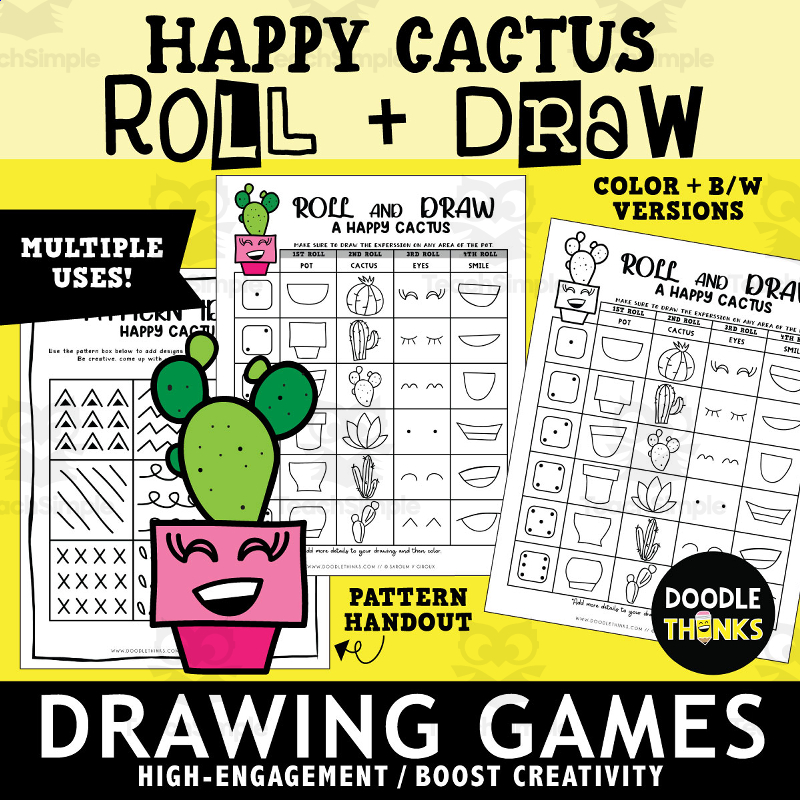
Roll a die repeatedly; for each roll, draw the element shown in the corresponding row on the game sheet (e.g. shape/body part/expression), building up a complete a happy cactus drawing, then add details and color it.
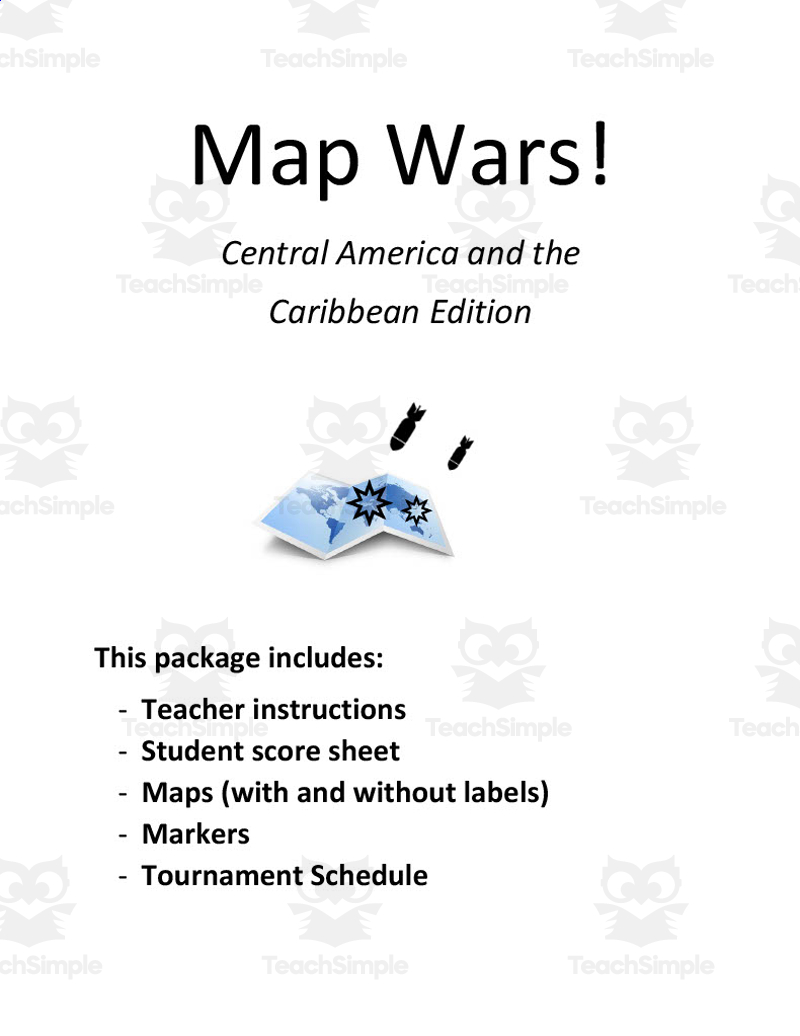
In pairs or small teams, students secretly place six markers ('bases') on six different provinces on their own map, then take turns naming an province and asking whether the opposing team has a base there, recording hits (√) and misses (x) on a score sheet across up to five rounds plus a tournament bracket (semi-finals/finals).
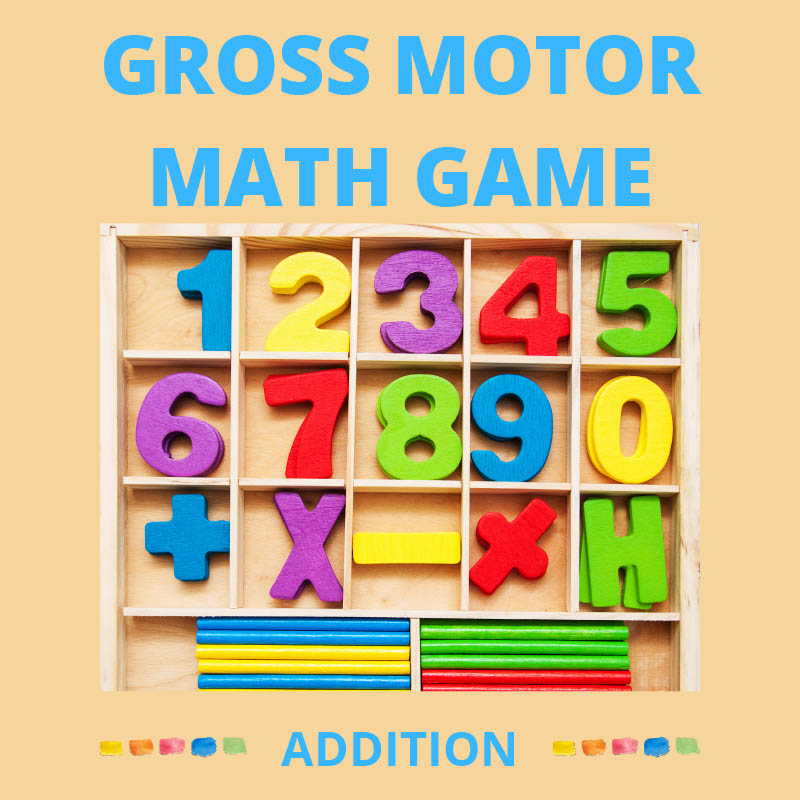
Solve an addition problem to get a numeric answer, then perform the paired gross motor task the corresponding number of times/seconds/feet (e.g. jump [answer] times, stand on one leg for [answer] sec, march for [answer] sec, take [answer] giant steps, hop on [one] foot across the room).
Do you need a new idea for your 6th Grade Expressions and Equations unit? Do you want to get your students engaged and working together while practicing lots of math skills? Try this fun and NO PREP Exponent Board Game ! It is designed to target Common Core Standards 6EE.A.1 and 6EE.A.2 so it is intended for 6th grade…
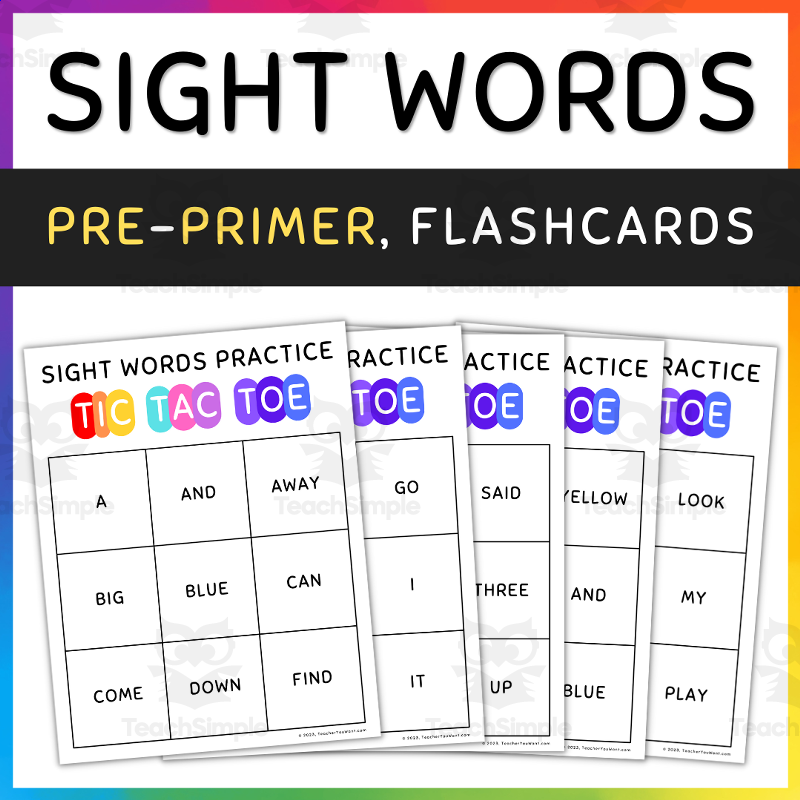
Two students take turns; to place an X or O on a square a student must correctly read the pre-primer sight word in that square aloud; three in a row wins.
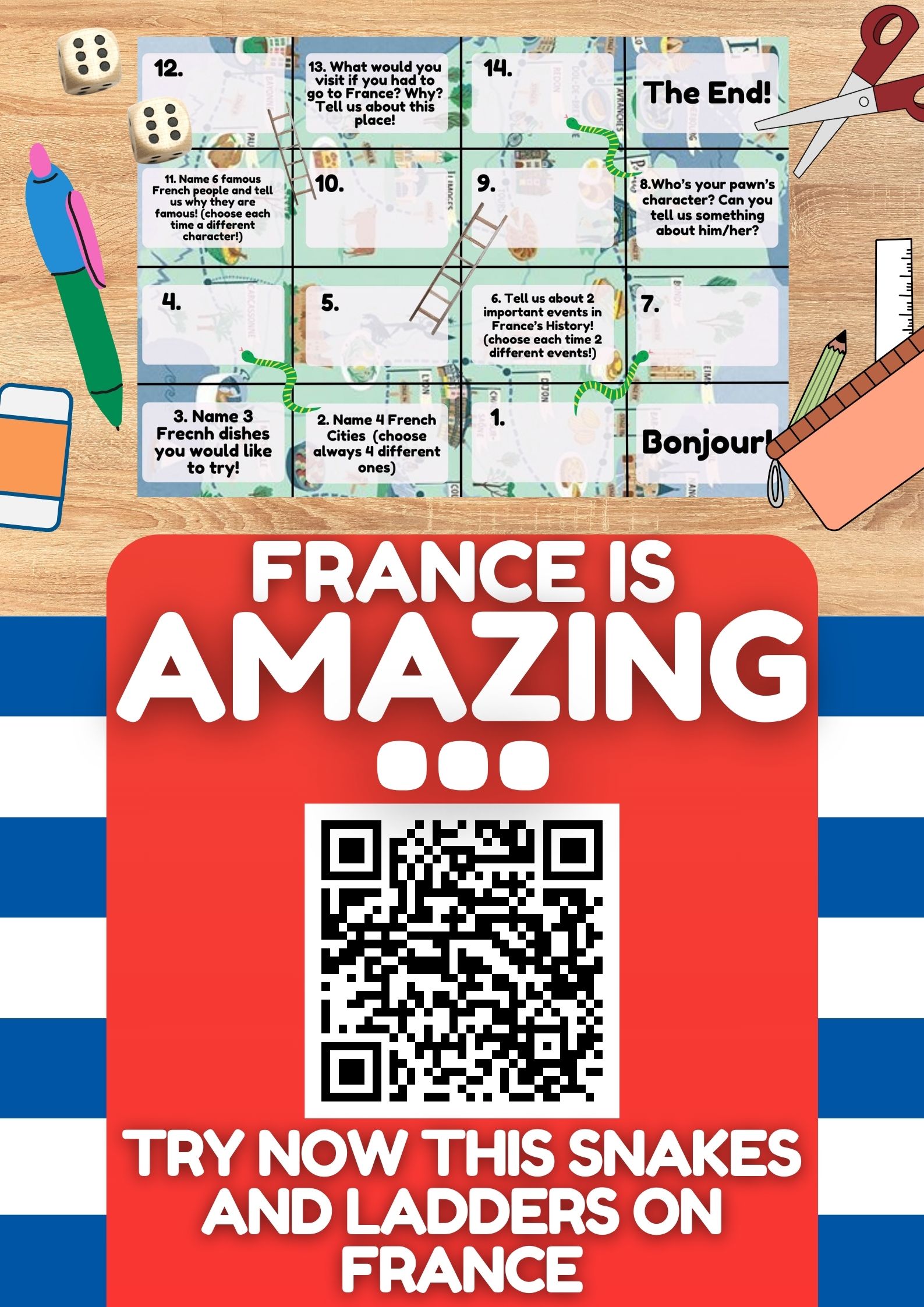
Students play a board game, moving a pawn along numbered squares; landing on a square prompts a task such as naming cities, dishes, or famous people of France, describing a historical event, or answering a reflection question about visiting France.
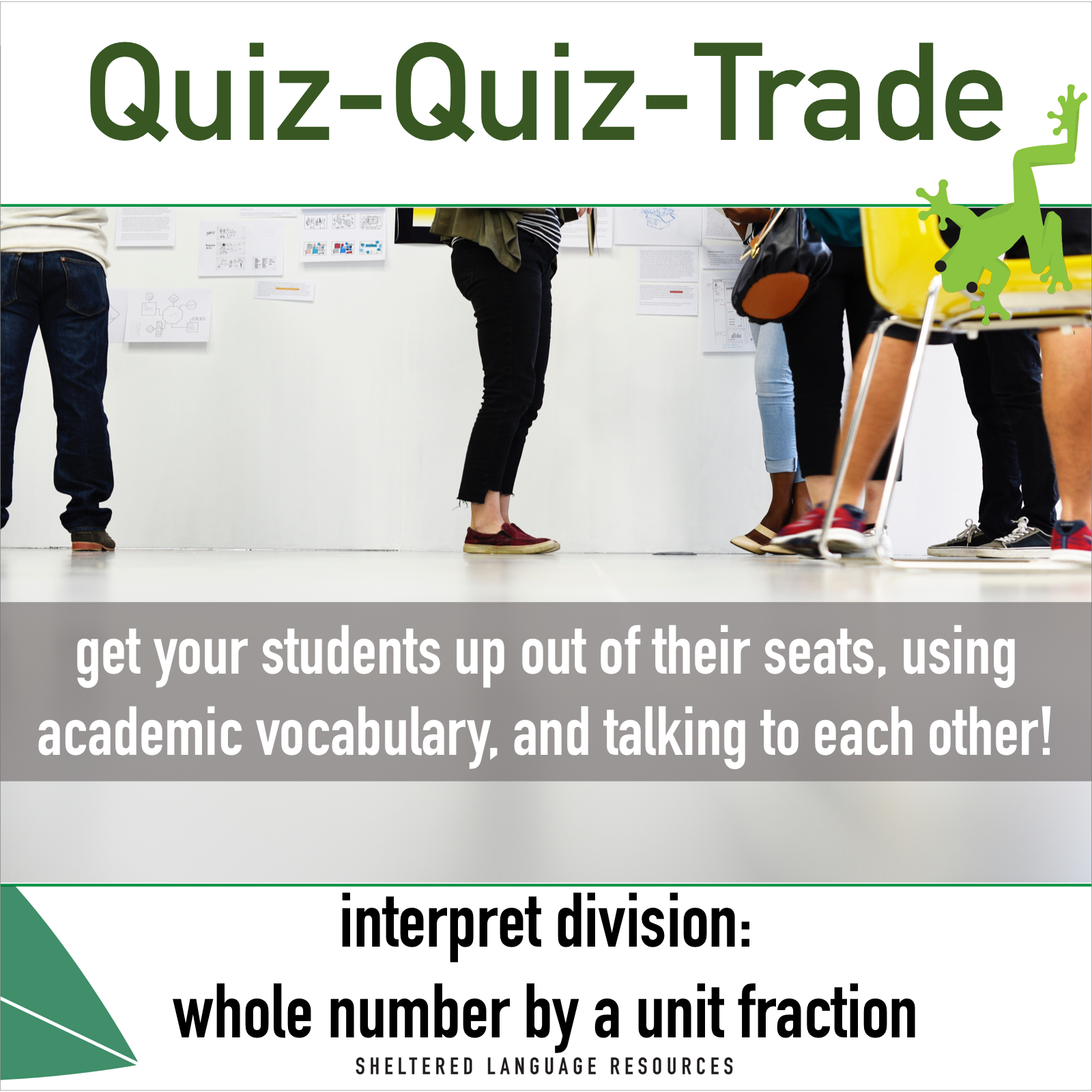
Each student holds a card with a sentence-frame question on one side (Quiz Side) and the answer on the other (Answer Side); partners take turns reading the sentence frame aloud, filling in the blank verbally, checking each other's answers, then trade cards and find a new partner to repeat.
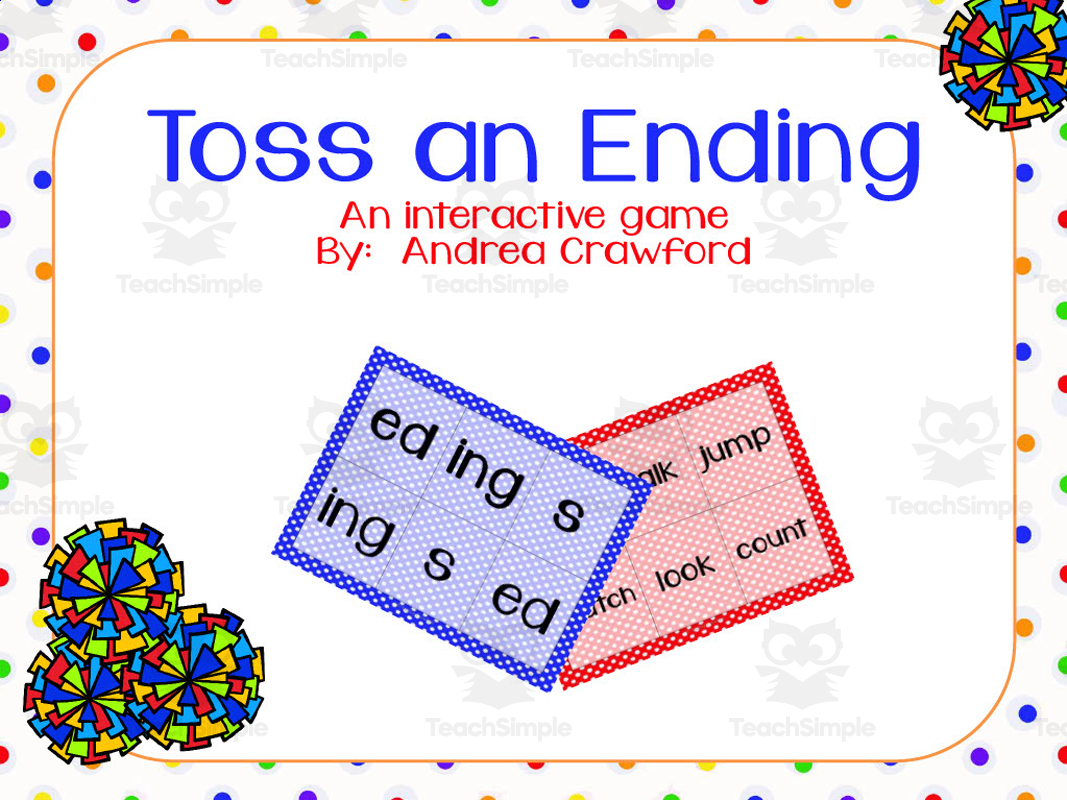
Toss a ball or chip onto two mats (one with base words, one with endings -ed/-ing/-s), combine the landed base word and ending to form a real word, then record the word and use it in a sentence on the recording sheet.
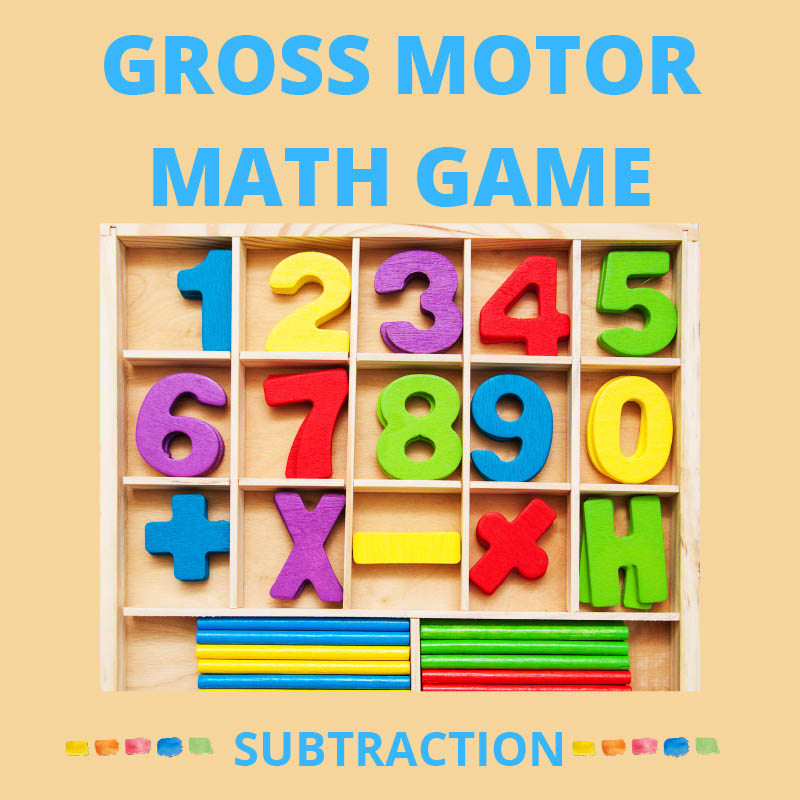
Solve a subtraction problem to get a numeric answer, then perform the paired gross motor task the corresponding number of times/seconds/feet (e.g. jump backwards [answer] times, march in place [answer] times, run [answer] feet, squat and hold for [answer] sec, sit-ups [answer] times, skip [answer] feet).
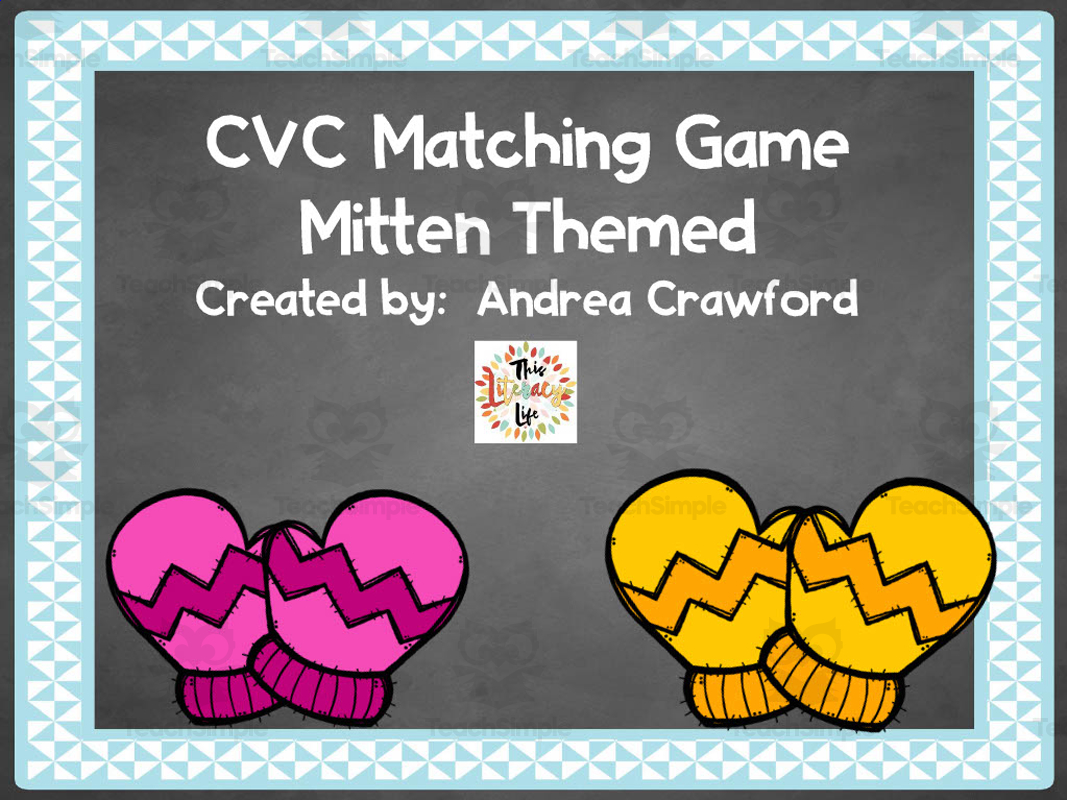
Match mitten cards showing the same CVC word/vowel pair (color-coded, self-correcting by color, or blackline version), optionally record matches on a recording sheet, and complete leveled worksheets checked against provided answer keys.
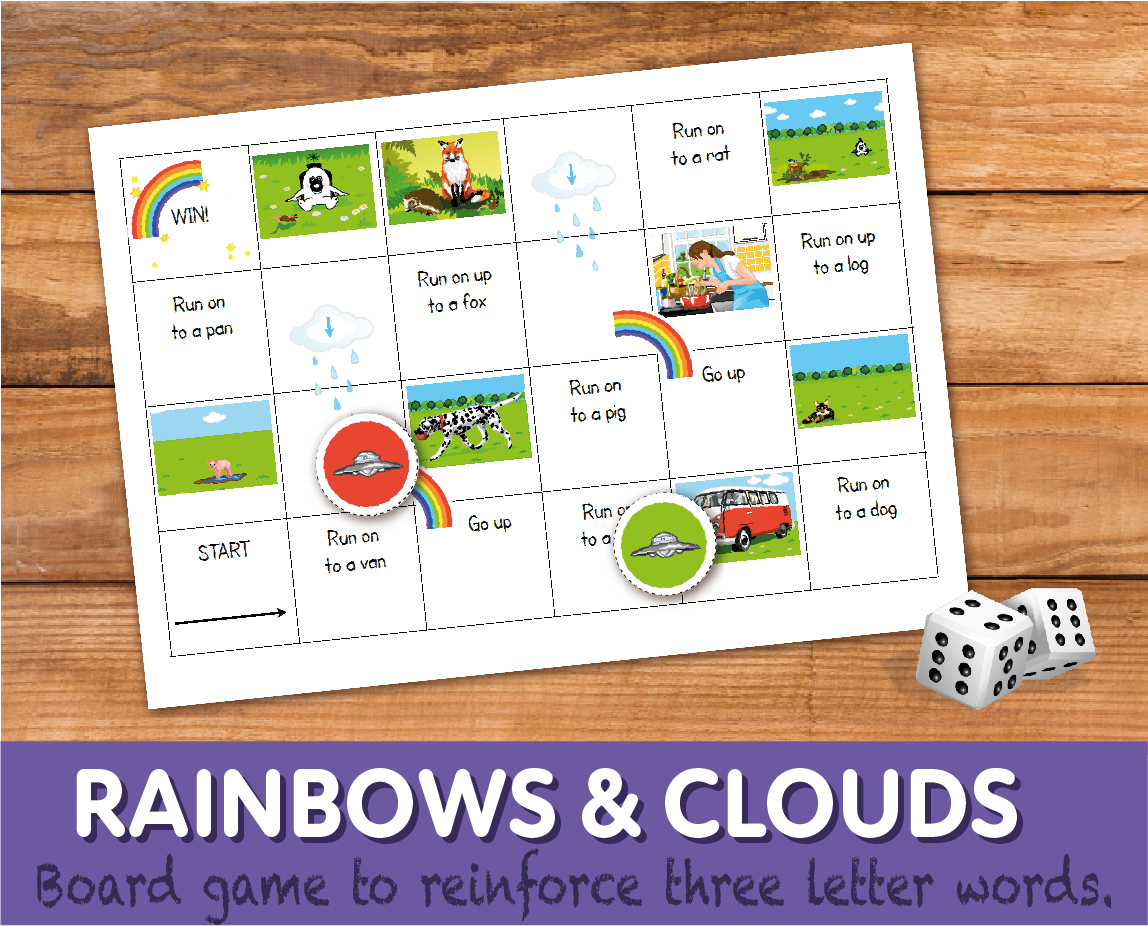
A snakes-and-ladders style board game for young learners themed around rainbows and clouds, built around a phonics-style rhyming character story (Zoggy the alien).
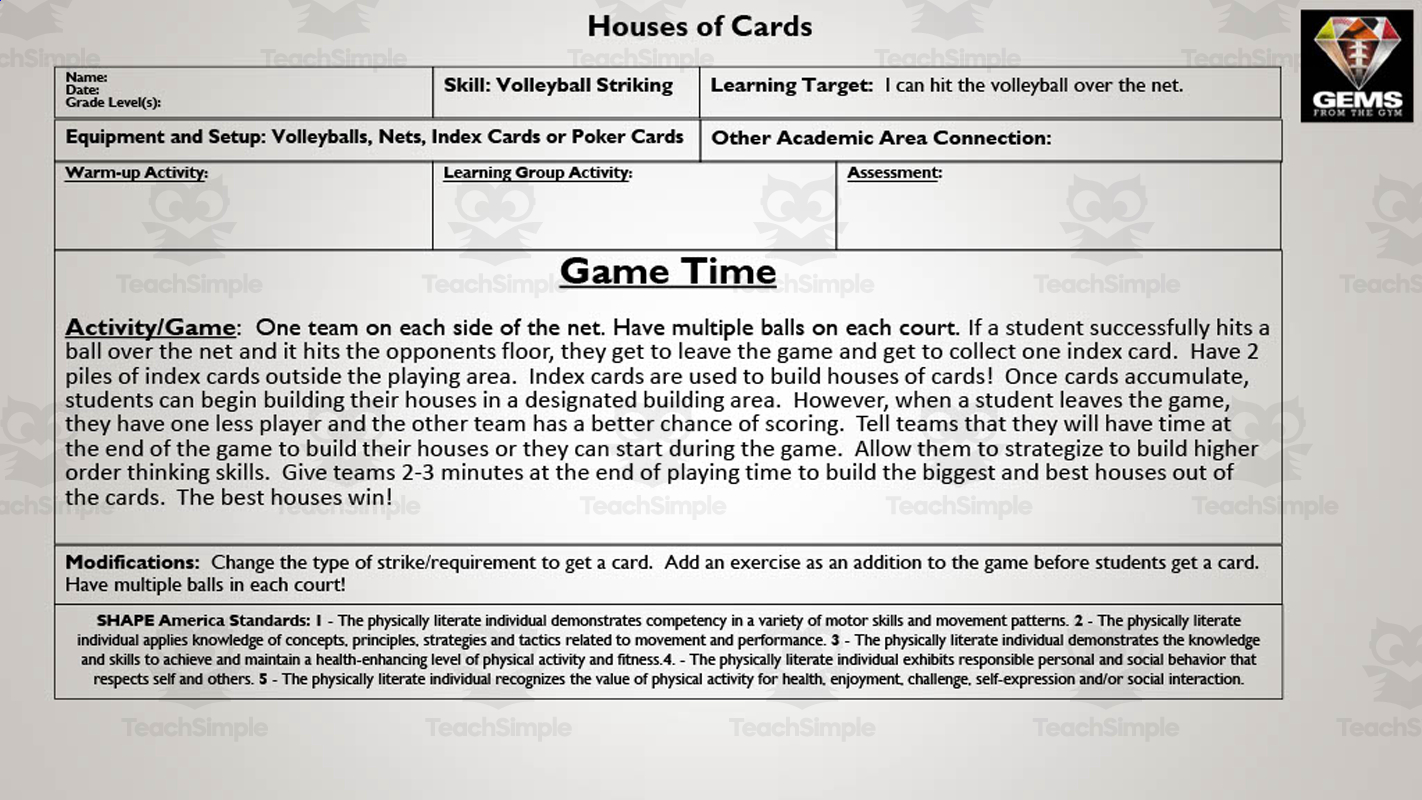
Houses of Cards PE Game: An Innovative Tool for Educators The Houses of Cards PE Game is a valuable, dynamic resource for public school teachers and homeschoolers. Drawing inspiration from the popular pool game Sharks and Minnows, this product revamps the Physical Education class setting.
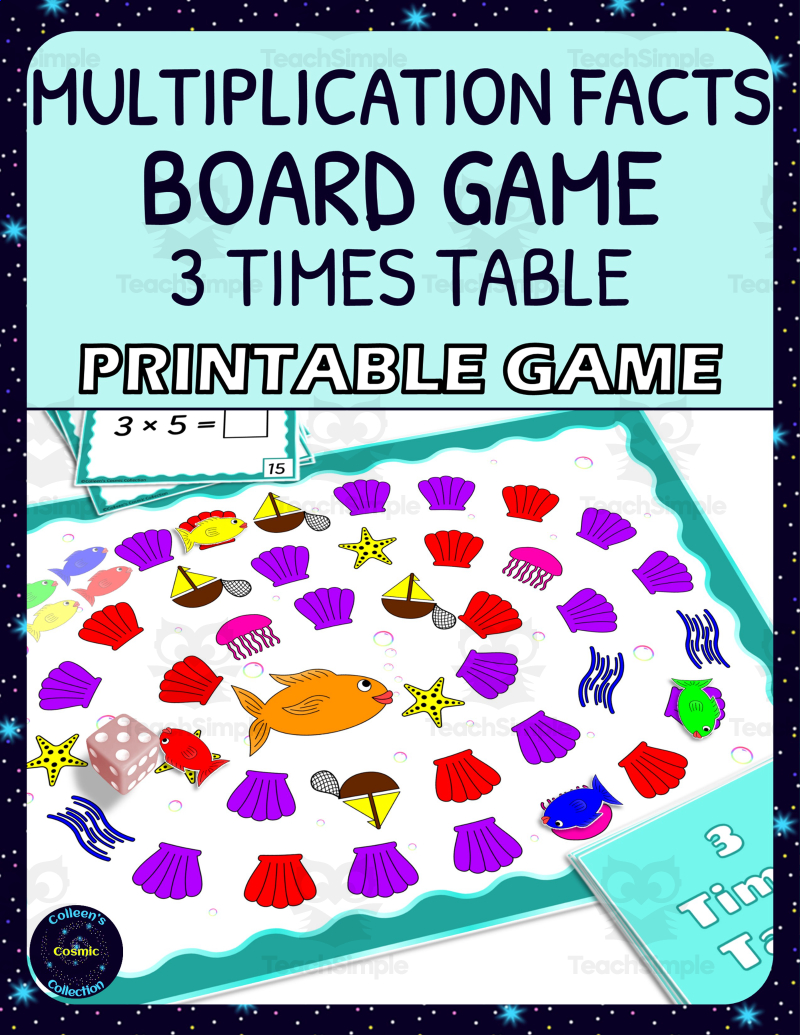
Multiplication Fact Practice Board Game - 3 Times Table Dive into math facts fluency practice with this engaging underwater-themed board game that focuses on the 3 times table. Students roll the dice, move their fish playing piece, answer multiplication questions correctly to collect shells, and race to the finish.…
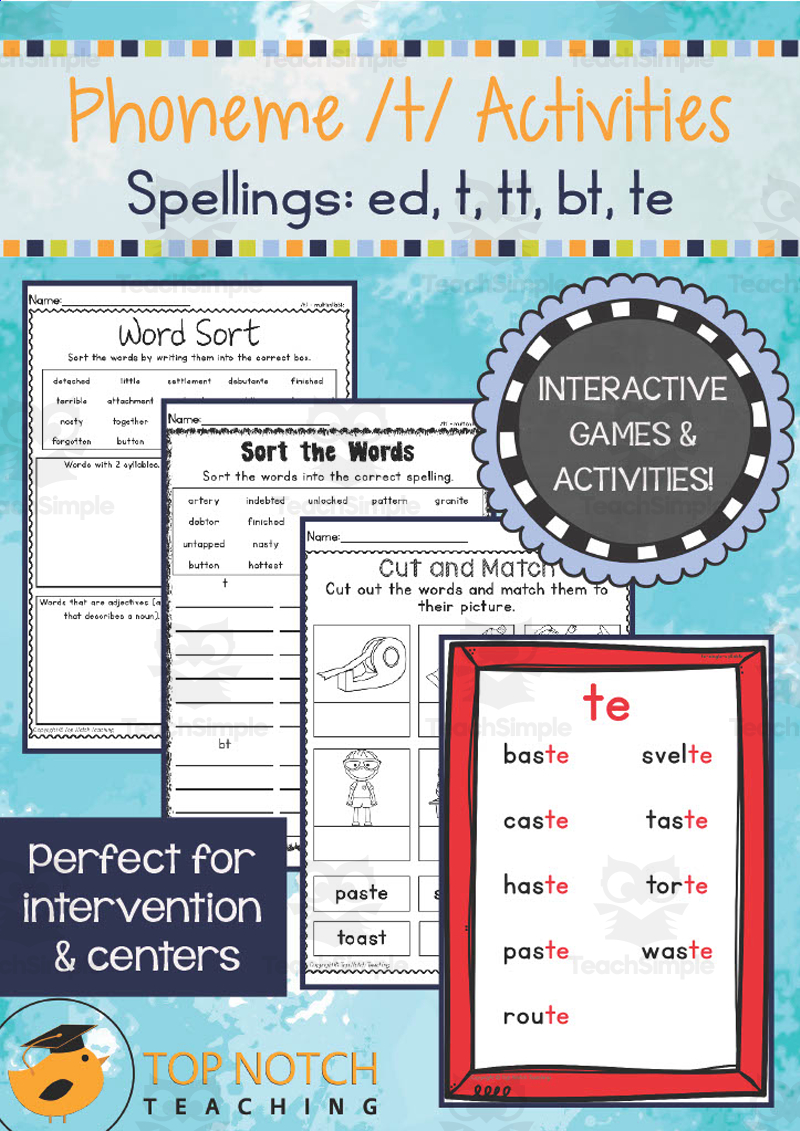
Use posters and word cards for sorting/reading practice, complete worksheets for independent practice, and play games practicing single-syllable and multisyllabic /t/-phoneme words.
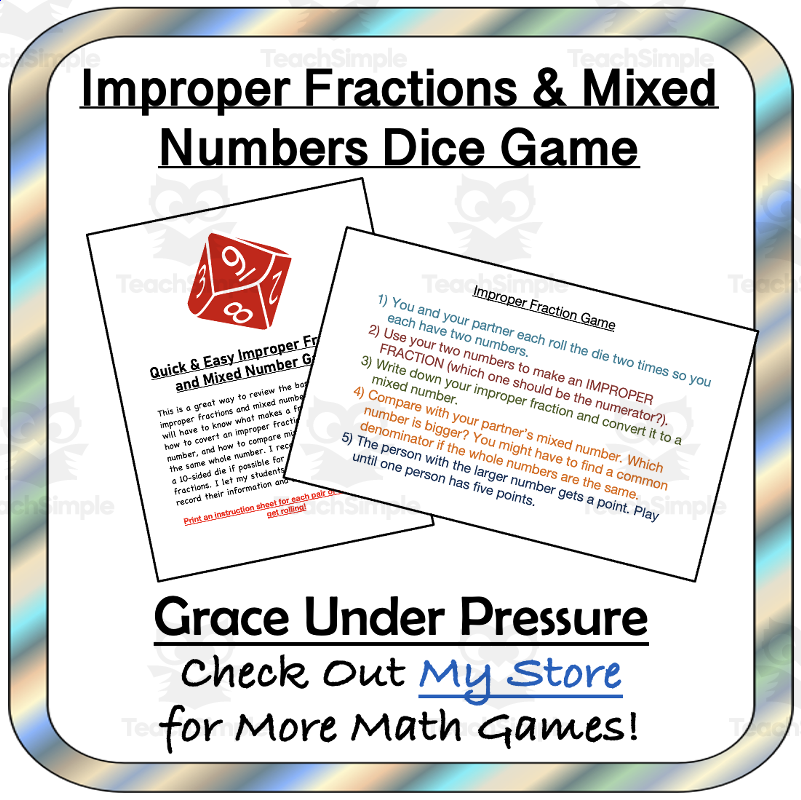
In pairs, each roll a die twice to get two numbers, form an improper fraction from them, convert it to a mixed number, compare it to their partner's mixed number (finding a common denominator if whole numbers match), and score a point for the larger number; first to five points wins.
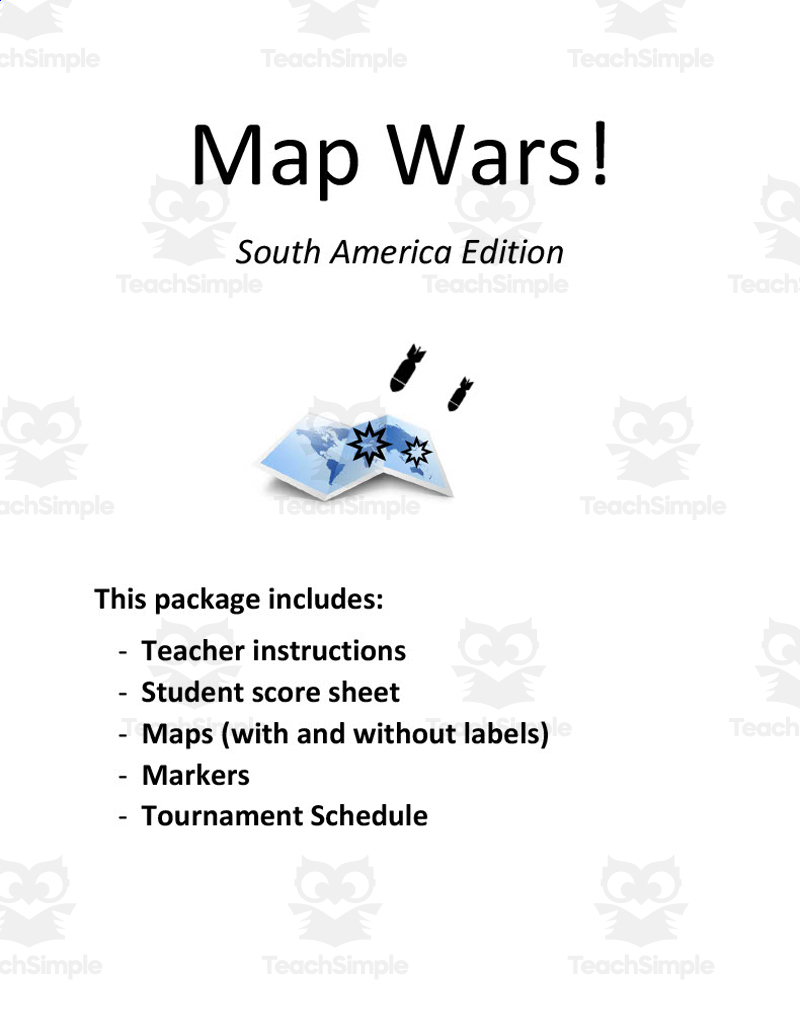
In pairs or small teams, students secretly place six markers ('bases') on six different countries on their own map, then take turns naming an country and asking whether the opposing team has a base there, recording hits (√) and misses (x) on a score sheet across up to five rounds plus a tournament bracket (semi-finals/finals).
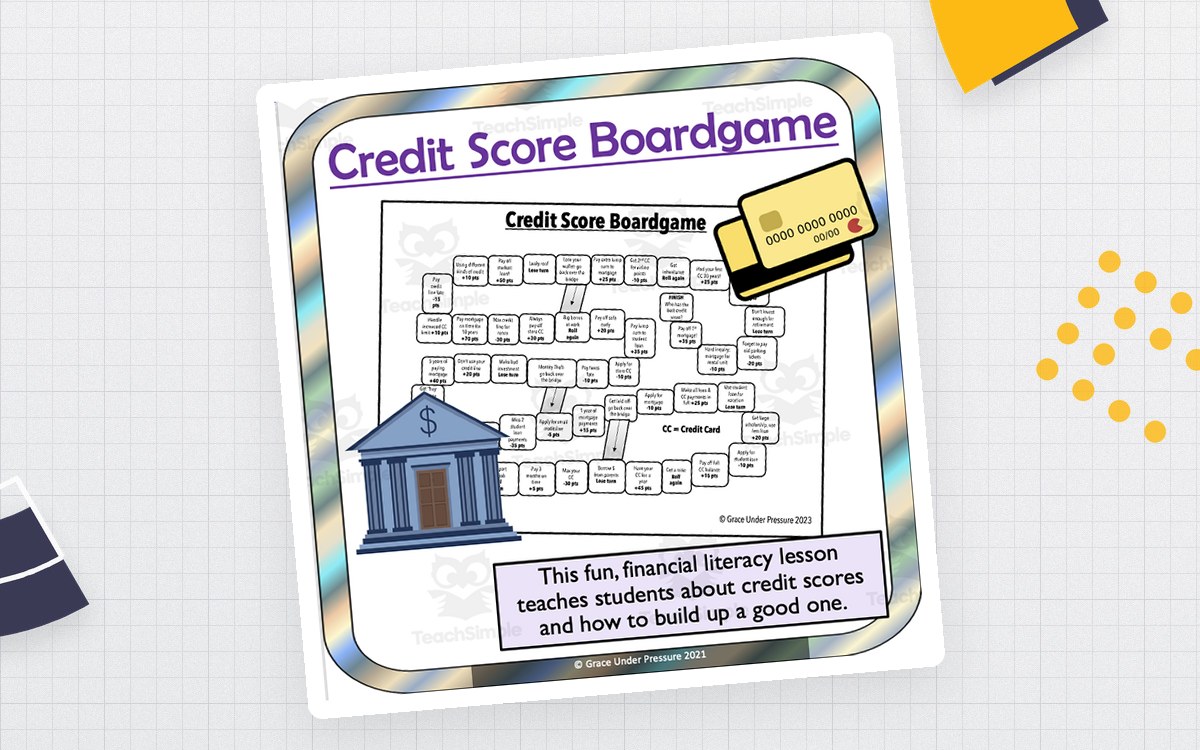
Explore Credit Score Board Game Finance Game: Credit Cards, Loans, Mortgages.
A Snakes and Ladders board game adapted to practice phonics: orally segmenting and blending CVC words and digraphs.
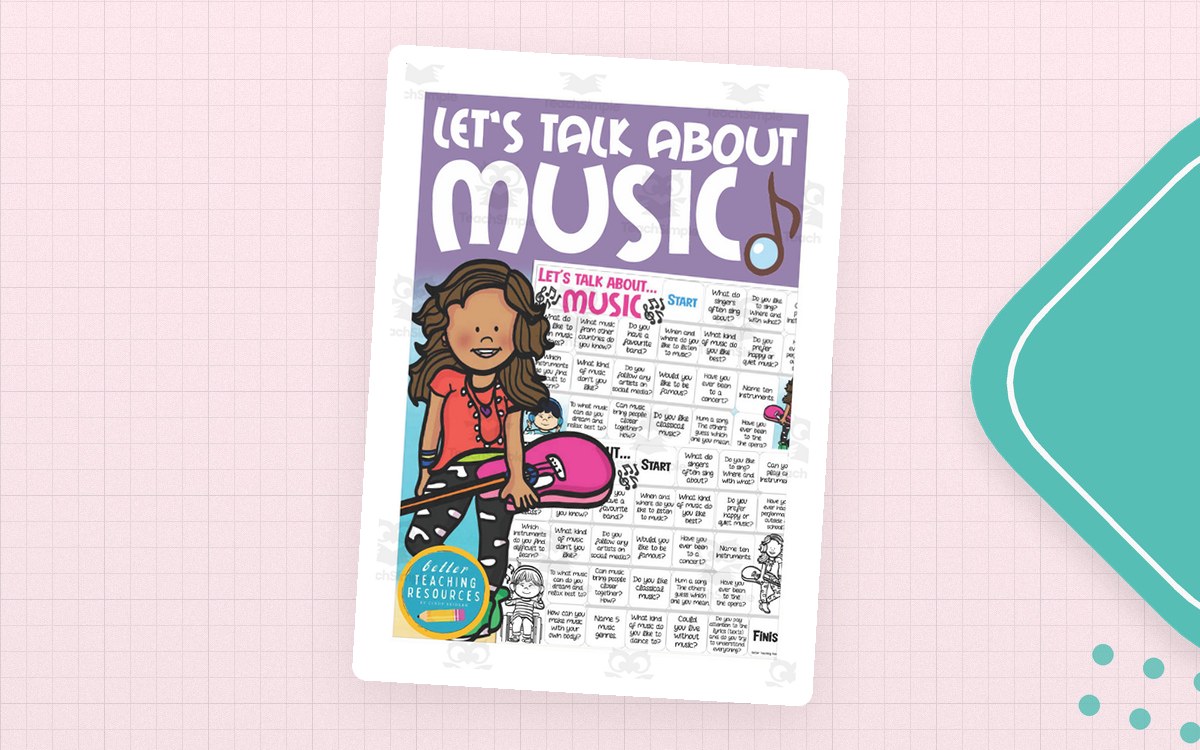
Let's Talk About Music Board Game offers educators an entertaining way to build students' English language skills. This printable board game includes a game board and dice to spark engaging conversations about music. Students take turns rolling the dice and moving spaces on the board. They read the music question out…
Use posters and word cards for sorting/reading practice, complete worksheets for independent practice, and play games practicing single-syllable and multisyllabic /j/-phoneme words.