Thinking & group games
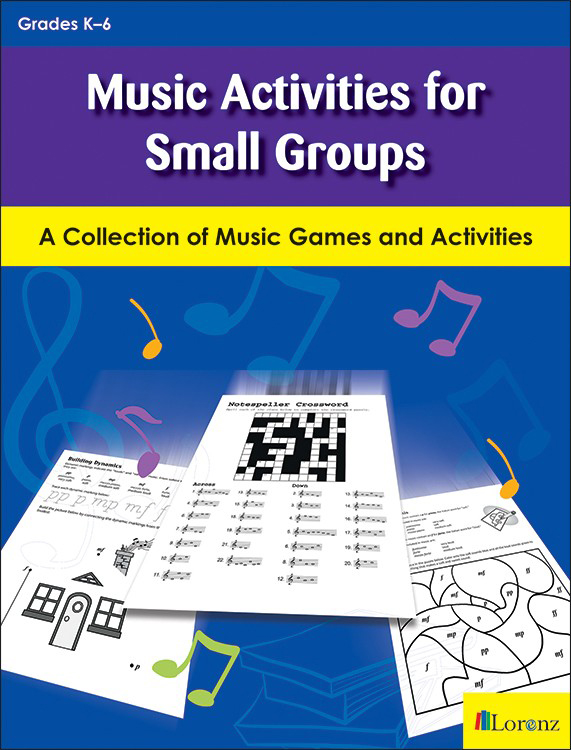
Music Activities for Small Groups: A Collection of Music Games and Activities
A published collection of small-group music classroom games and team-building/music activities for K-6 music class.


Classroom resources
Browse by lesson focus
Choose the topic or kind of practice you need.
Showing 577–600 of 5095 resources

 Show filters
A published collection of small-group music classroom games and team-building/music activities for K-6 music class.
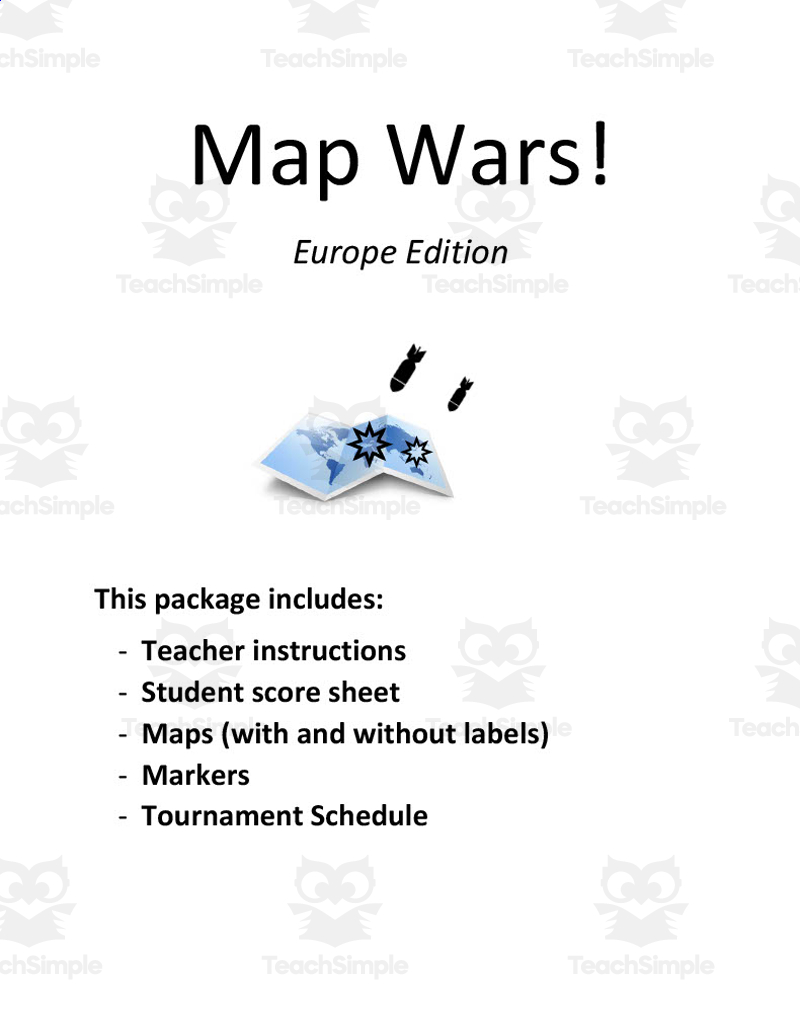
A two-team, 'Battleship'-style board game (per the file's own Teacher Instructions) used for pre- and post-learning assessment of students' knowledge of a political map of Europe — students place hidden 'bases' on countries and try to locate the other team's bases.
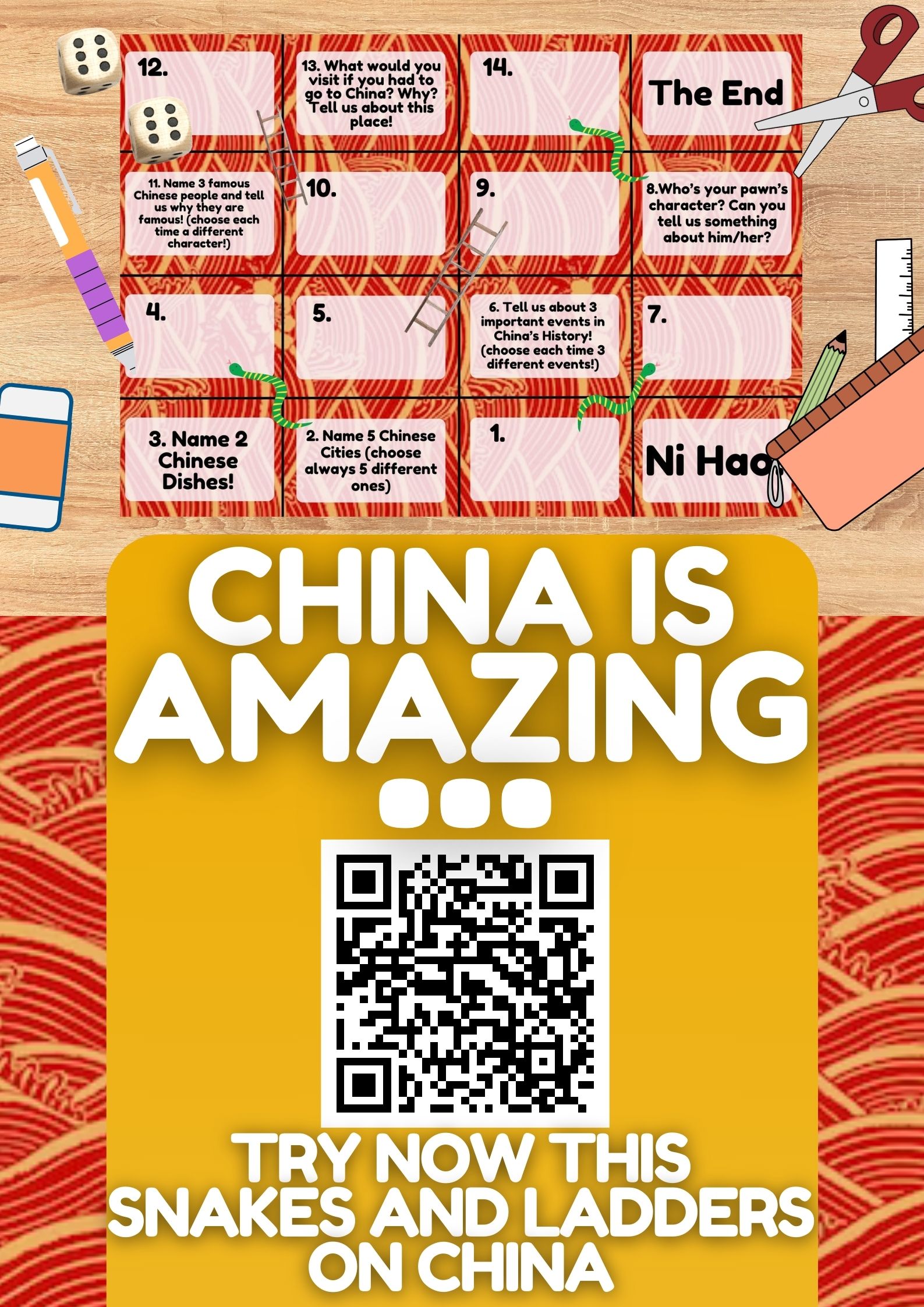
A printable Snakes and Ladders board game that tests and reinforces students' knowledge of China (geography, history, culture) after a country-study unit.
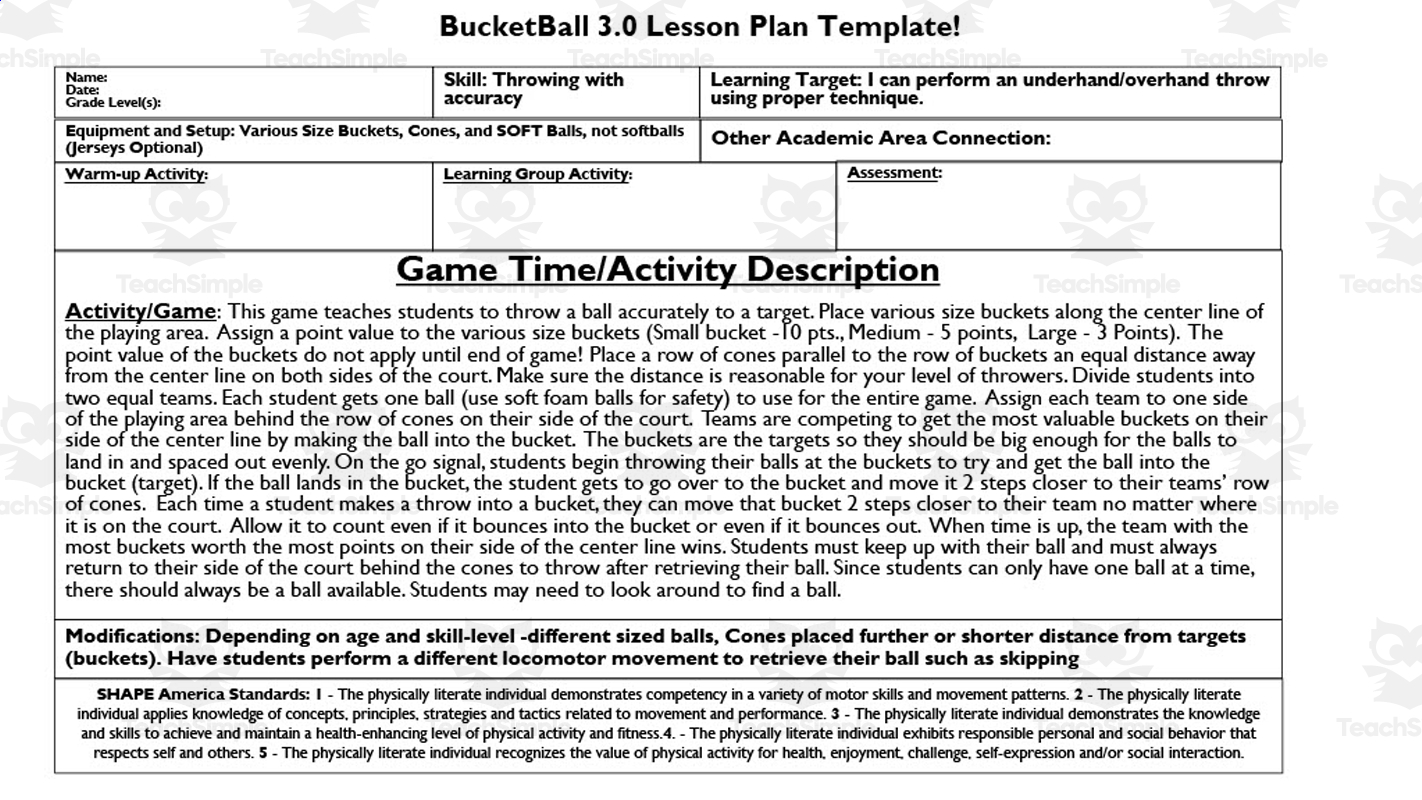
A PE lesson plan template for 'BucketBall 3.0', a throwing-accuracy game where students throw balls into buckets.
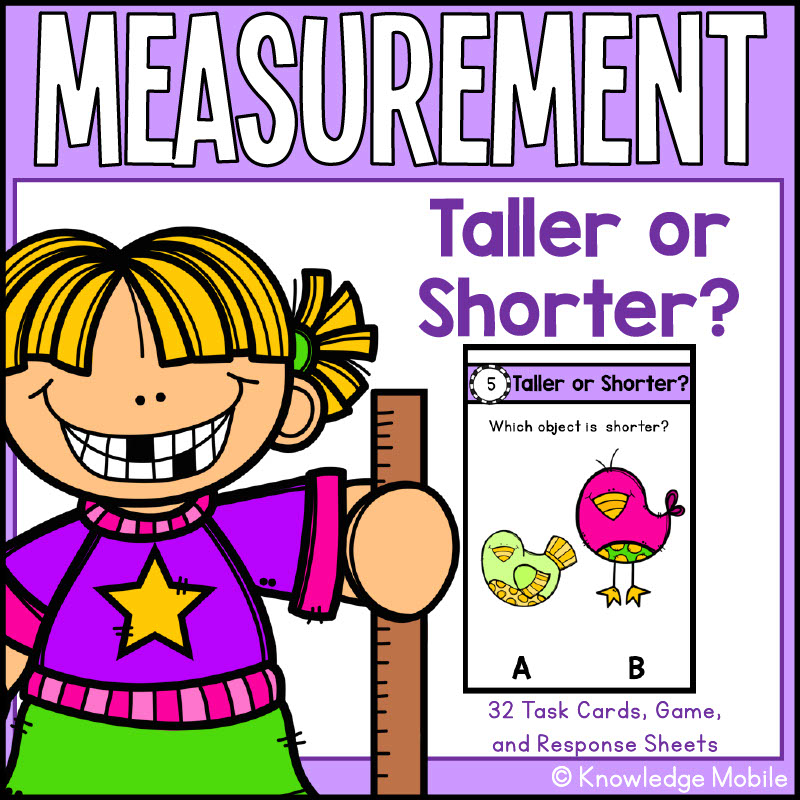
Help students master identifying which of two objects is taller or shorter through direct comparison, aligned to standard K.MD.1 (describing measurable attributes of objects).
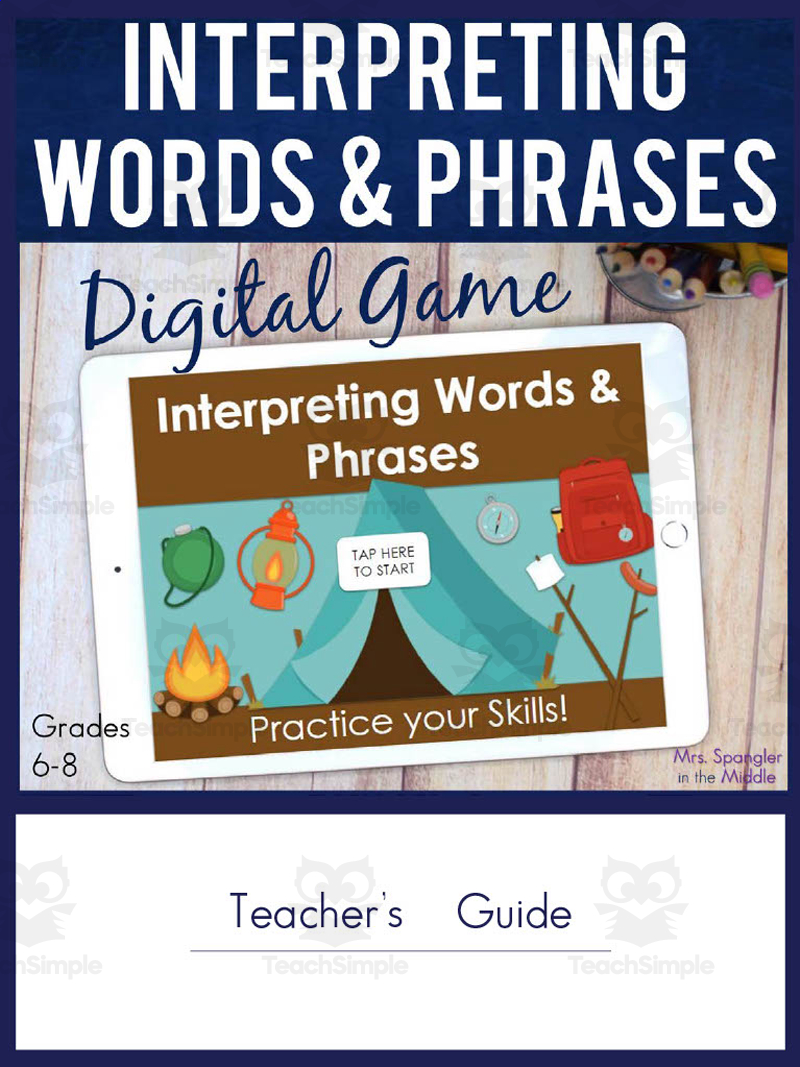
A self-checking digital game (hosted externally on Google Slides) that has students practice the 4 steps of citing evidence and interpreting words/phrases in a text, culminating in paragraph writing.

A dice-rolling addition game/worksheet where students add rolled numbers together with a goal of reaching 100 first.
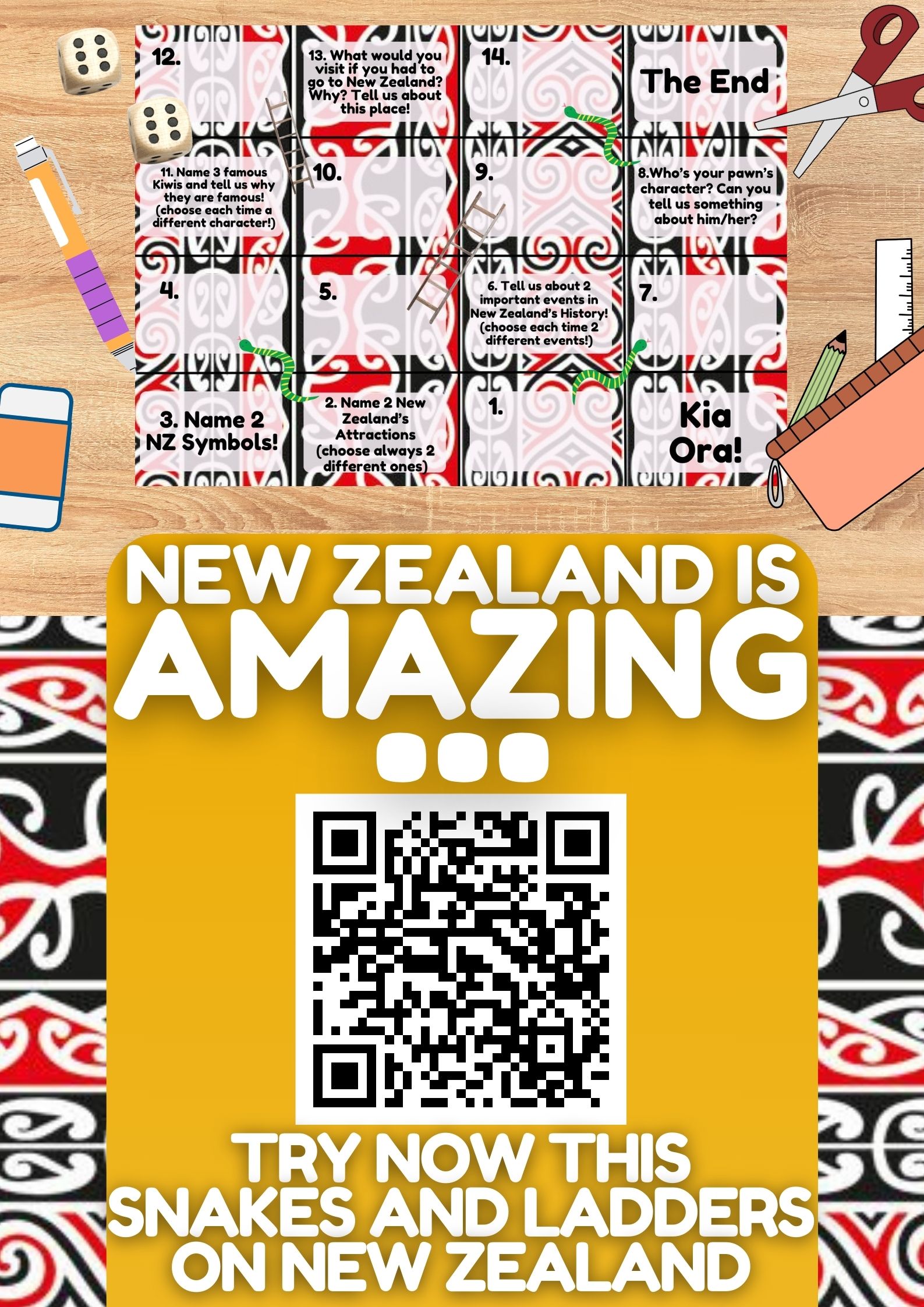
A printable Snakes and Ladders board game that tests and reinforces students' knowledge of New Zealand (geography, history, culture) after a country-study unit.
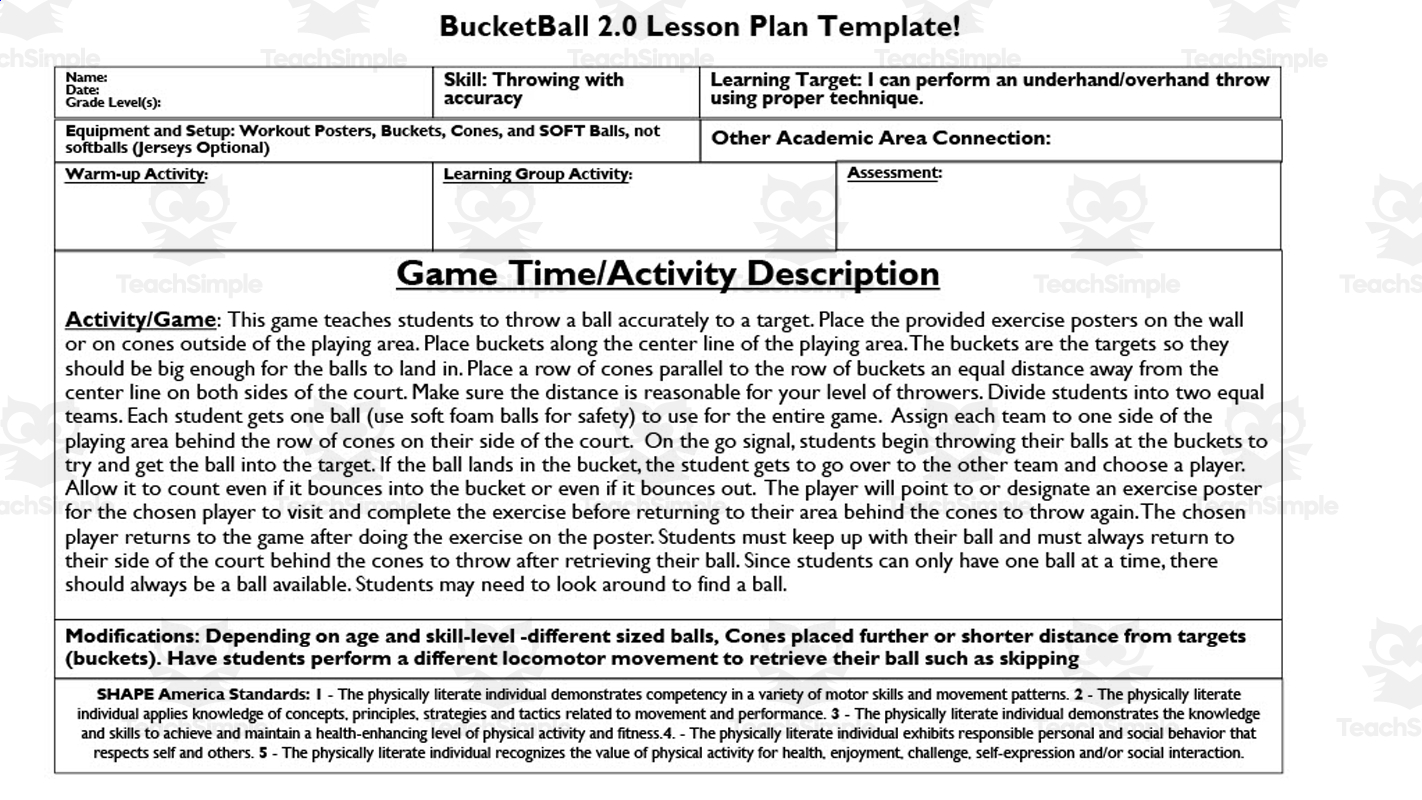
A PE lesson plan template for 'BucketBall 2.0', a throwing-accuracy game where students throw balls into buckets.
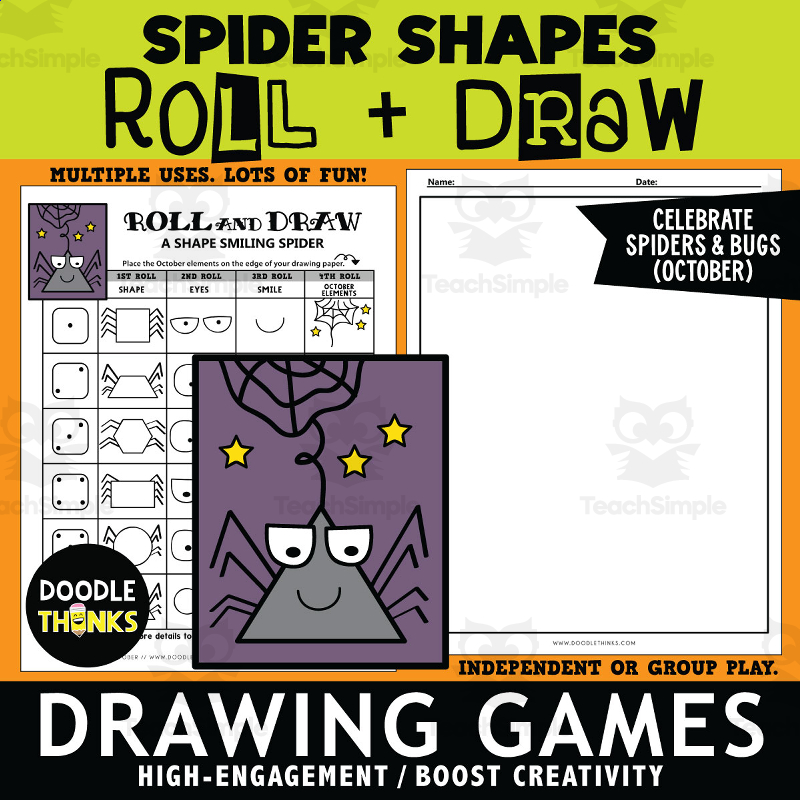
A no-prep dice-drawing game where students roll a die to pick a shape, eyes, smile, and an October element, then draw and color a spider based on the results.

A flexible whole-class review game (accessed via Google Slides) that helps students review facts about the U.S. Constitutional Amendments through competitive team formats.
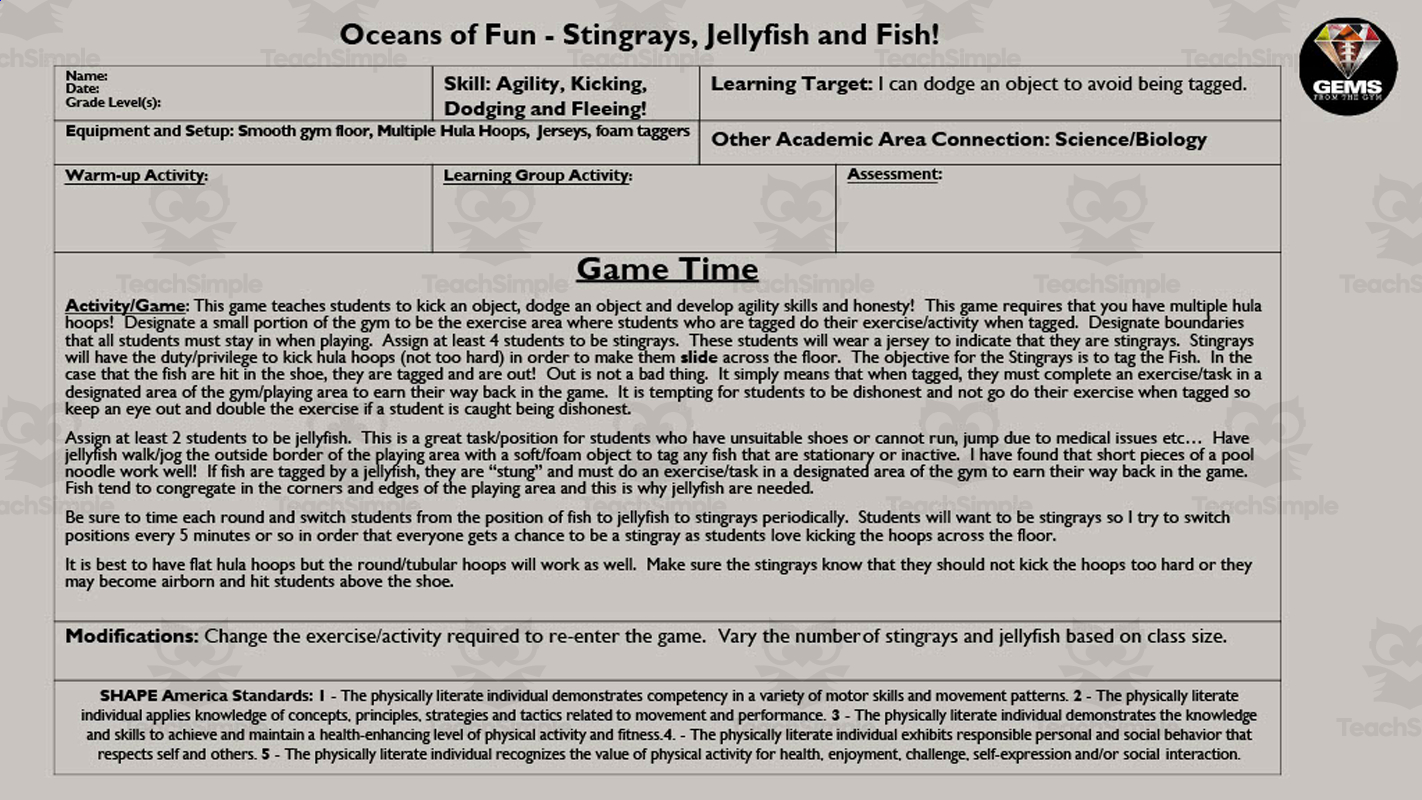
A physical education lesson plan/game ('Stingrays, Jellyfish and Fish') that builds kicking, dodging, fleeing, and agility skills through a role-based tag game, with a stated Science/Biology cross-curricular connection.
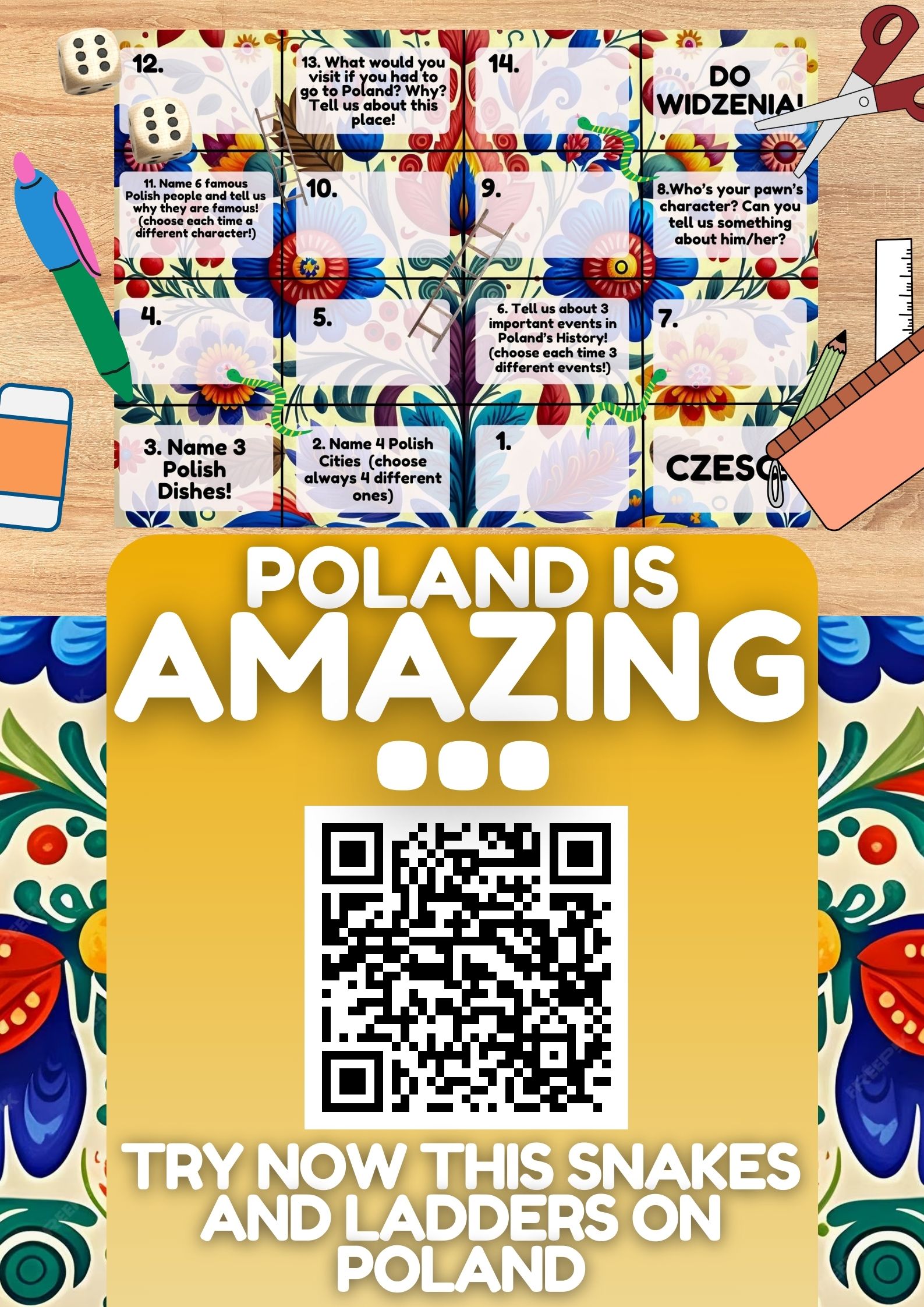
A printable Snakes and Ladders board game that tests and reinforces students' knowledge of Poland (geography, history, culture) after a country-study unit.
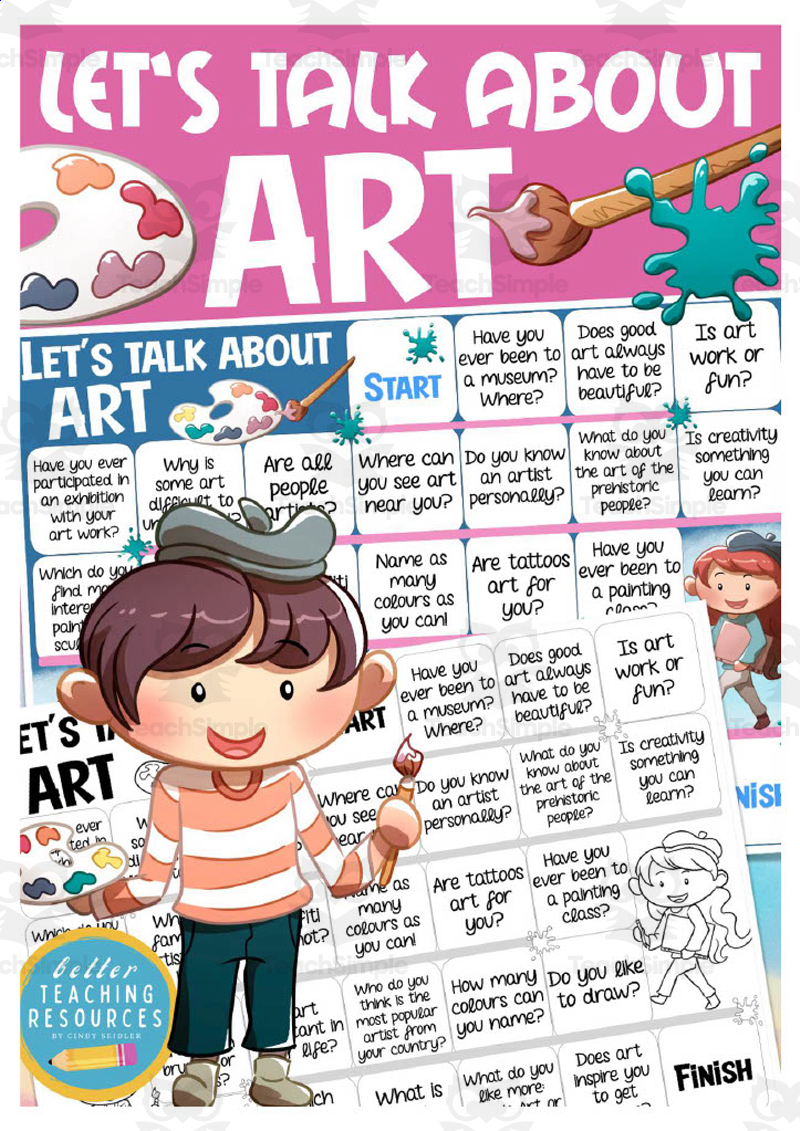
A speaking/discussion board game to build ESL conversation skills using art-themed discussion questions.
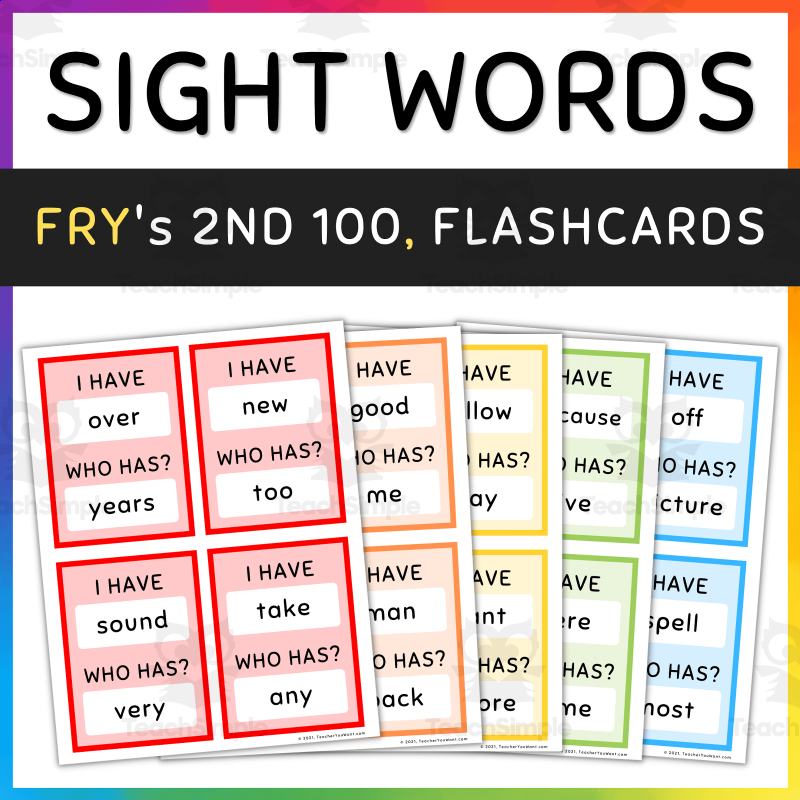
An 'I Have / Who Has?' group card game that drills recognition of Fry's second hundred high-frequency sight words.
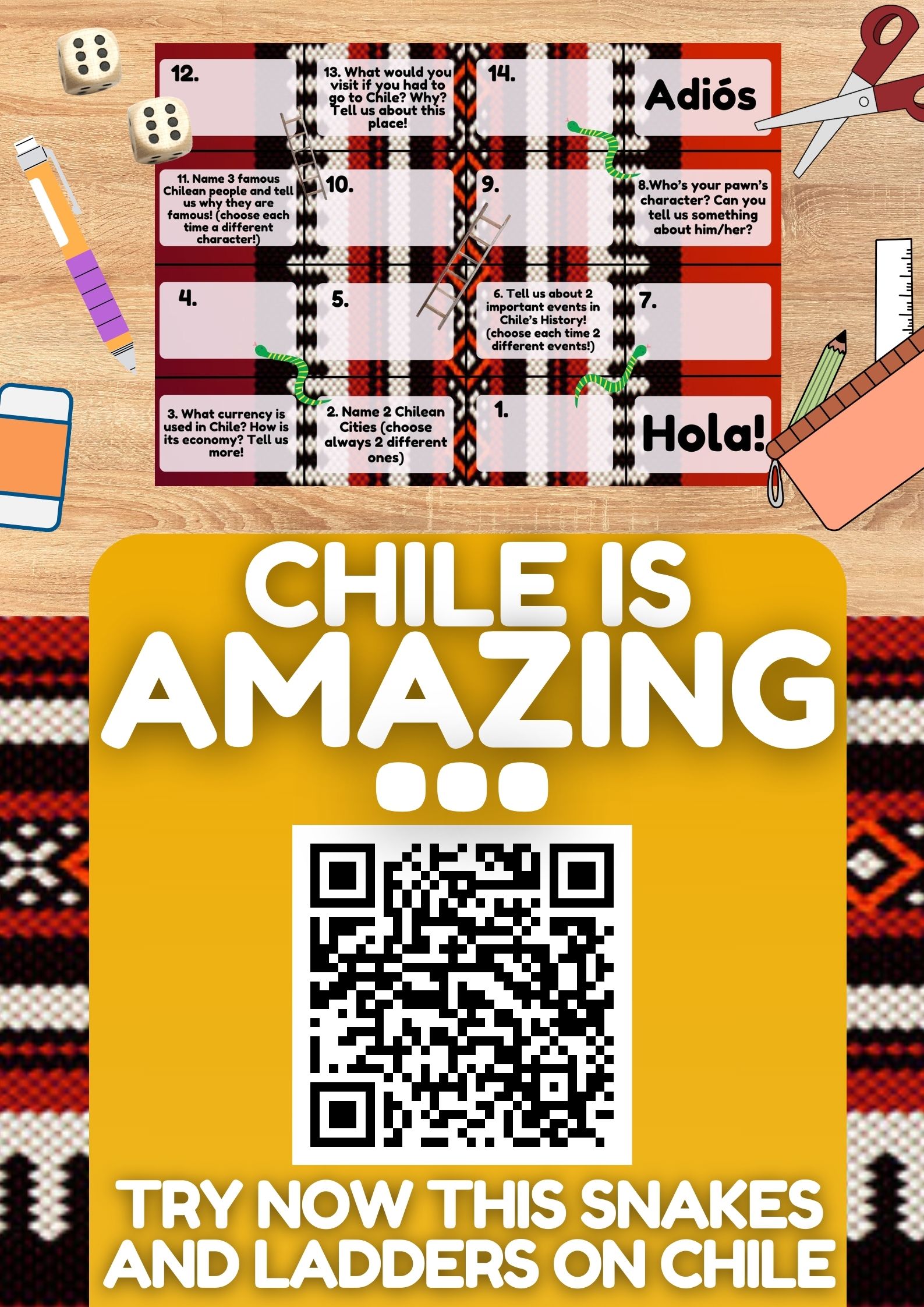
A Snakes and Ladders style printable board game on Chile, prompting players to answer country-study questions (history, currency/economy, famous people, geography) as they move around the board.
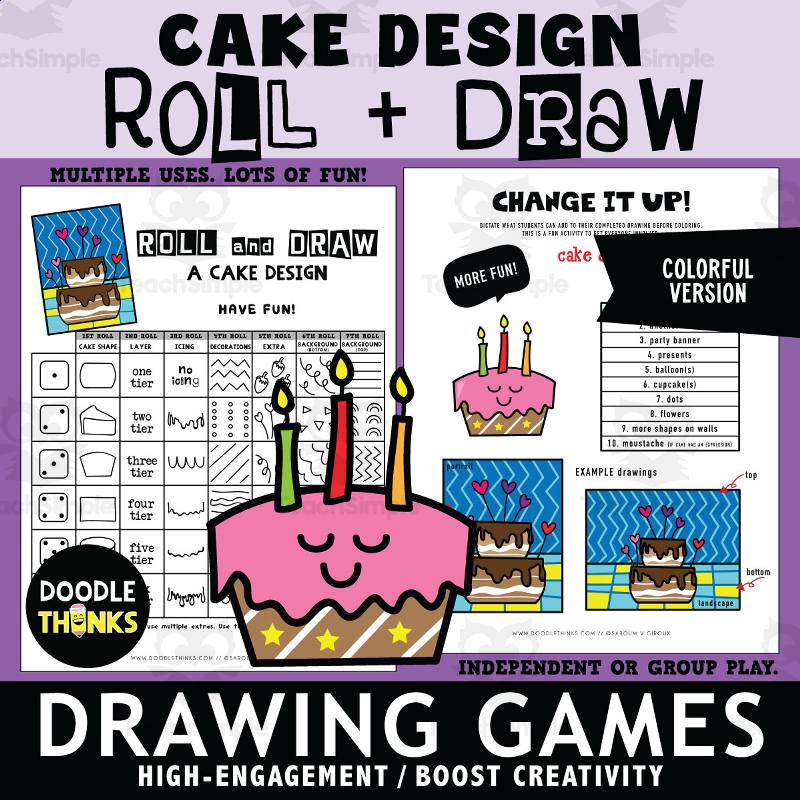
A no-prep roll-and-draw dice game where students build a drawing of a cake design step by step based on die rolls, practicing observational/copying drawing skill.
Quiz-Quiz-Trade peer-tutoring game (Level 1: whole numbers only, no variables) for identifying whether a numeric expression is written in standard, expanded, or exponential form.
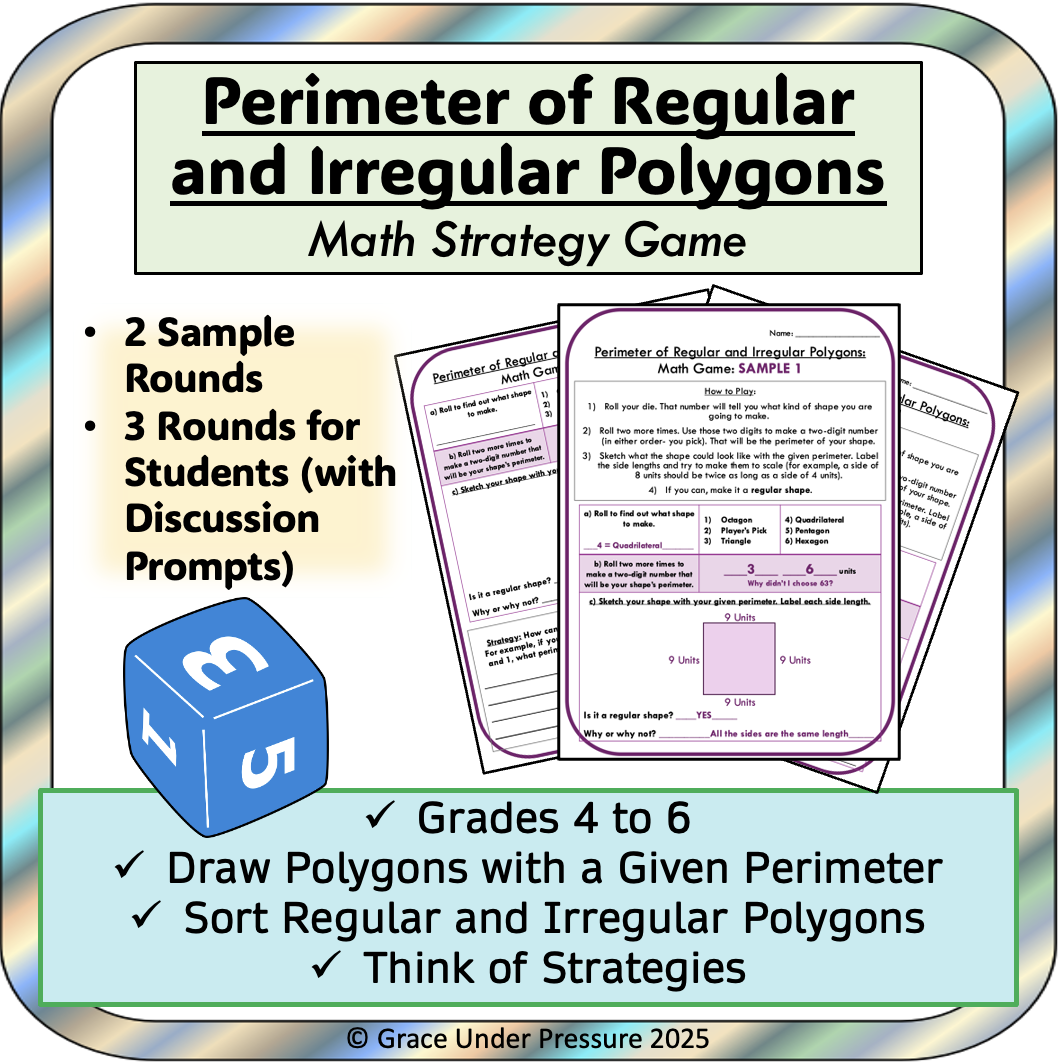
Provide a dice-based strategy game for practicing perimeter of regular and irregular polygons, encouraging students to notice number-theory strategy (divisibility by number of sides).
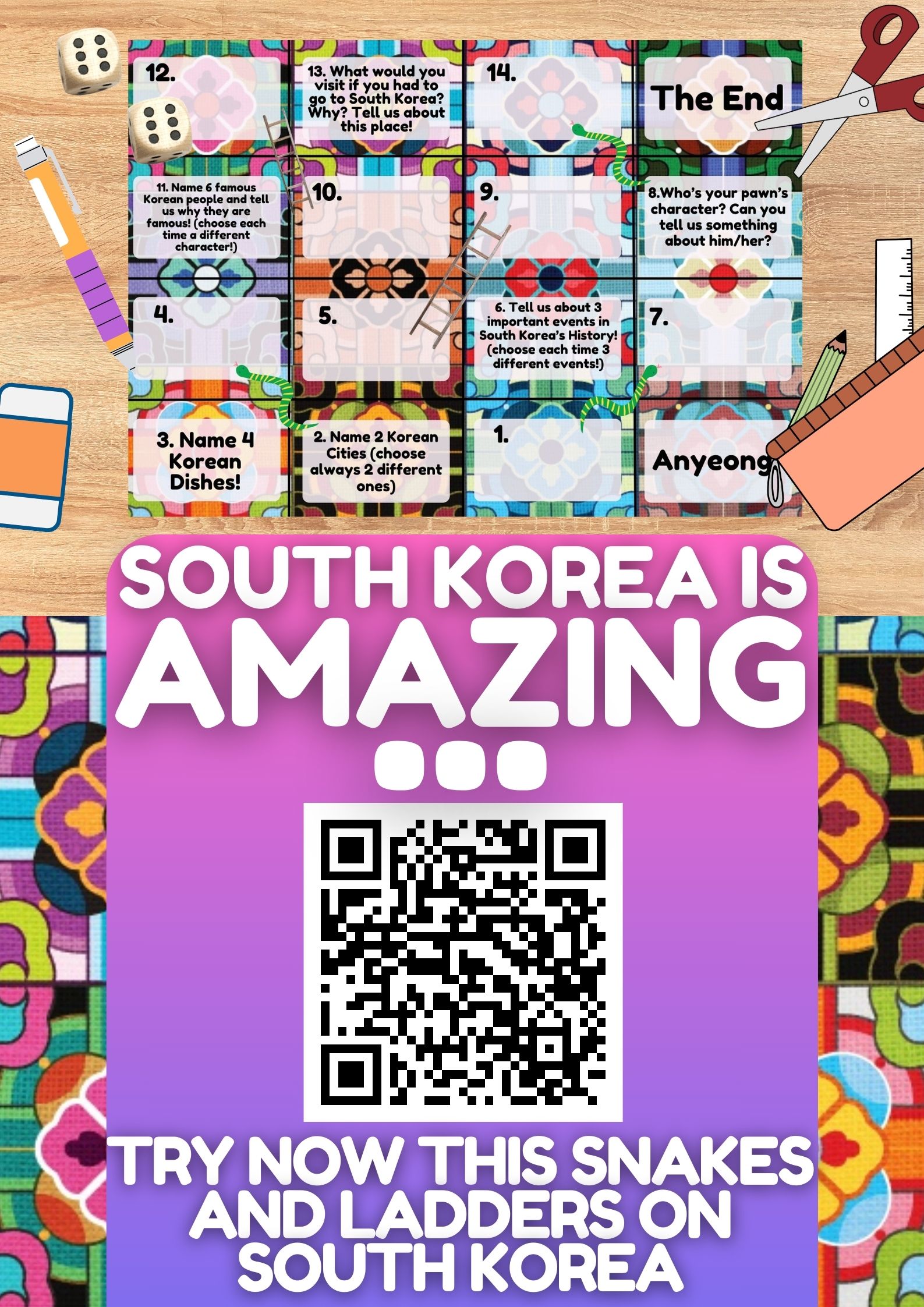
A printable Snakes and Ladders board game that tests and reinforces students' knowledge of South Korea (geography, history, culture) after a country-study unit.
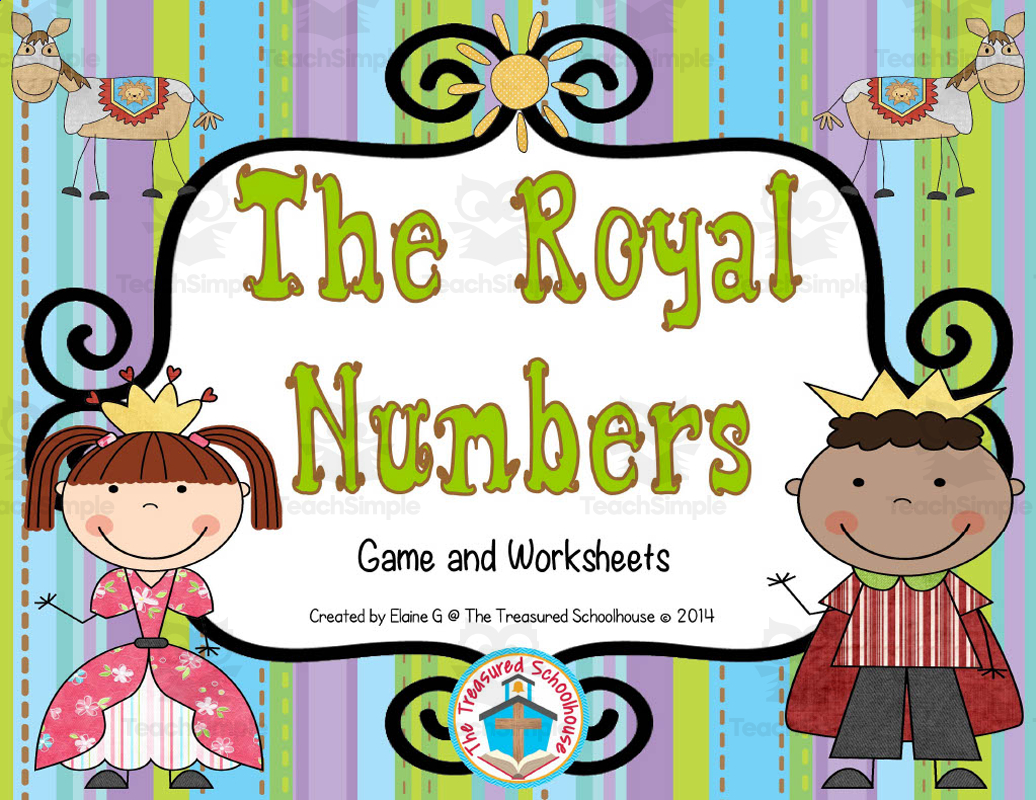
The Royal Numbers Game + Worksheets is a fun way to give your little learners practice with numbers up to 25. They will identify which number comes at the beginning, in the middle and at the end of a sequence.

A 'Guess Who?'-style guessing game that reviews 8th-grade function standards (CCSS.MATH.CONTENT.8.F.A.1, 8.F.A.3, 8.F.B.5) by having students identify a hidden function/equation-and-graph card through yes/no questions about its properties.
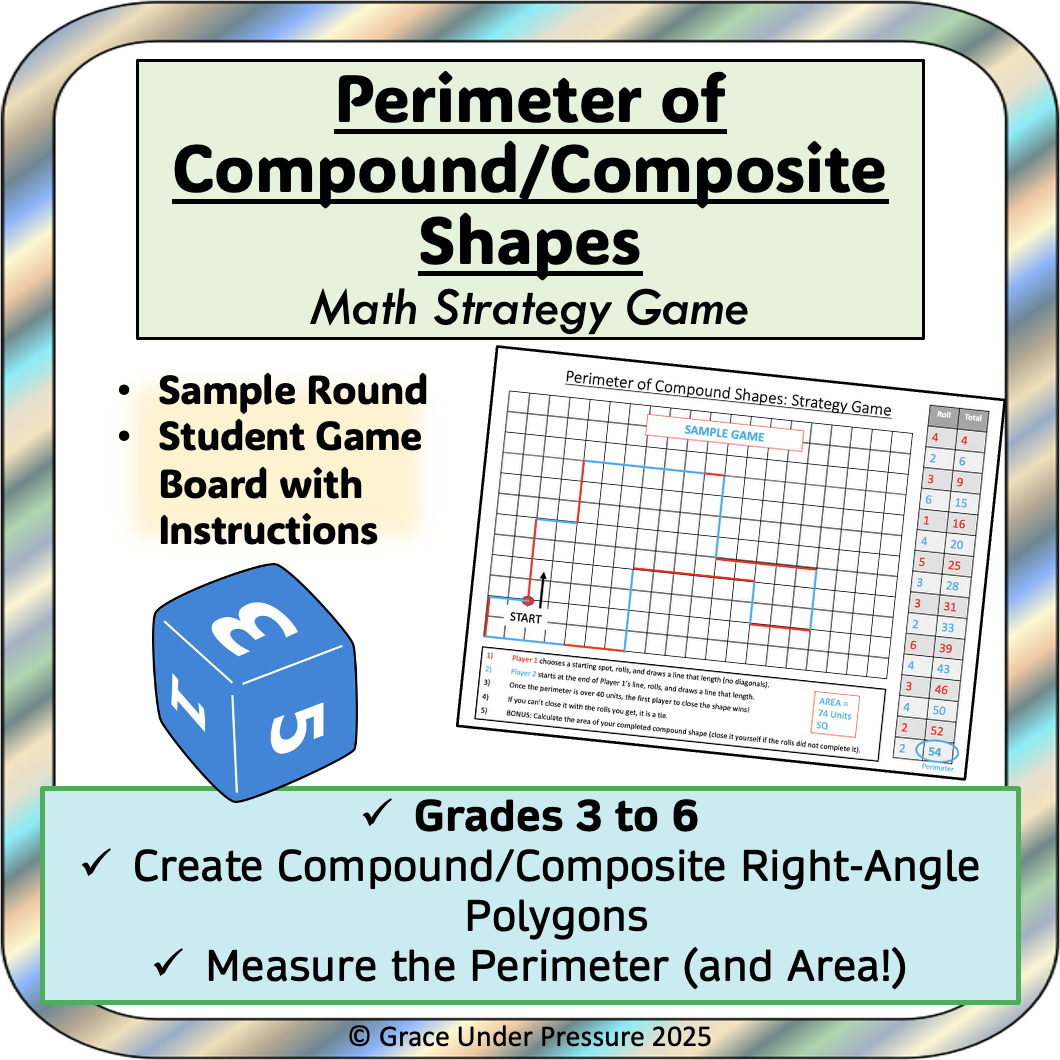
Provide a no-prep two-player dice strategy game where students calculate (and can extend to) the perimeter and area of compound/composite shapes they build.
 Free download
1.Introduction Math class should be one of the most fun classes for you and your students, especially if they are children. That is why it is important for you as a teacher to use educational resources and games .