Aquatic Plants Activity – STEM Learning

- Grades
- Grades 2–4, Elementary
- Pages
- 1
- File type
- Preparation
- Print ready


- Subject
- Science, Life Sciences, Nature & Plants, Basic Science
- Topic
- Aquatic Plants, Plant Classification
- Preparation
- Print ready
Product description
From the author
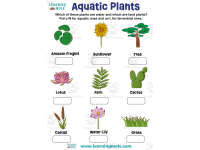
This one-page aquatic-plants activity asks students to mark nine named pictures W for water plants or L for land plants.
Introduce the examples and discuss their usual habitats before students classify them. It can support an oral sorting game or individual science practice.
Related resources
More resources teachers may find useful
24 related resources were found using this product's title, contributor, categories and tags.


In the classroom
Teaching tips & learning objectives

Learning objectives
Classify plants as aquatic or terrestrial based on their name and typical habitat.

Teaching tips
Discuss what makes a plant "aquatic" versus "terrestrial" before assigning the sheet, since no definitions are printed on the page.
Introduce or review the less familiar species (Amazon Frogbit, cattail) beforehand so the task tests habitat knowledge rather than plant recognition alone.
Pair with images or a short video of each plant in its natural habitat to support students who may not be able to classify from the name alone.

Skills covered
Habitat classification — students sort nine named plants into aquatic or terrestrial categories.

No reviews yet
Downloaded this resource? Tell other teachers how it went.
Resource details
Concepts & topics
Core concepts
 Core concepts
Plant habitats
Aquatic vs. terrestrial classification
 Topics
More to explore
You may also like