Character Traits Anchor Chart – 4-Chart Set
- Grades
- Grades 2–5
- File type
- Preparation
- Print ready


- Subject
- ELA, Literature
- Topic
- Character traits, Character analysis
- Resource types
- Anchor Charts
- Preparation
- Print ready
- Standards
- RL.3.3
Product description
From the author
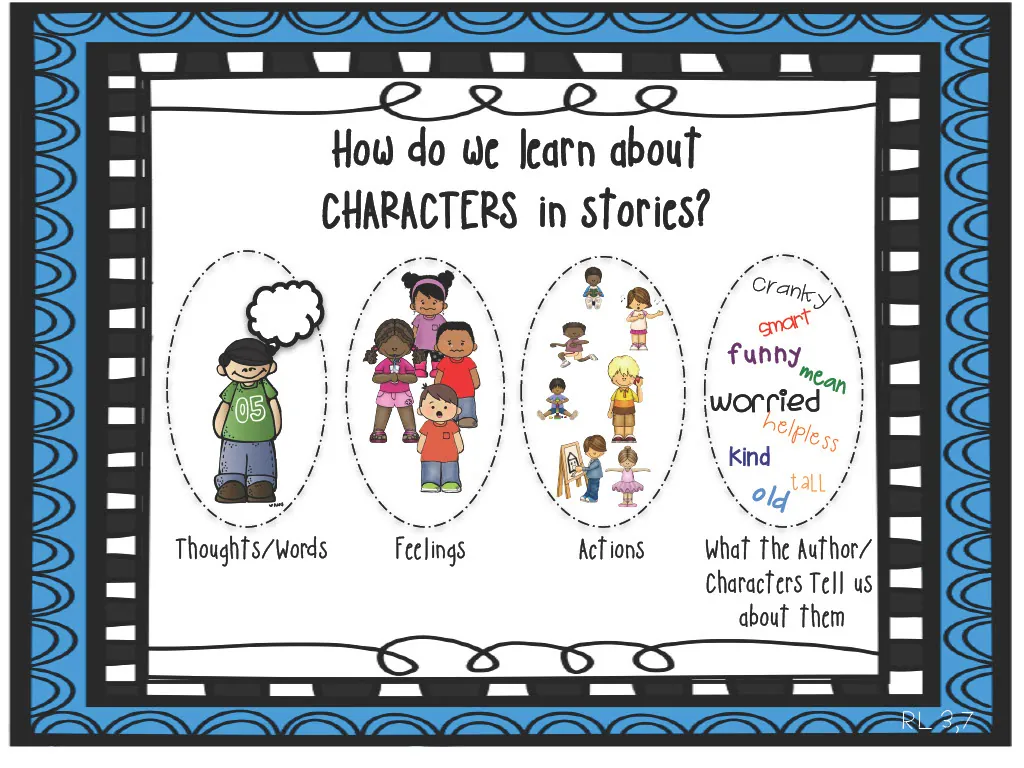
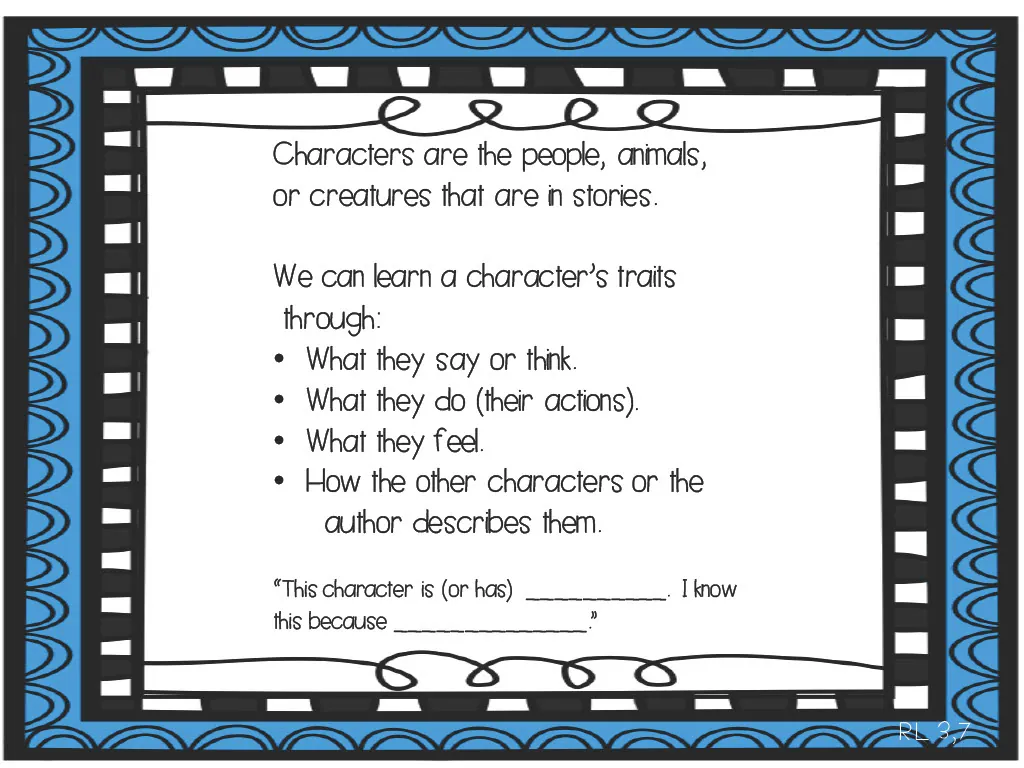
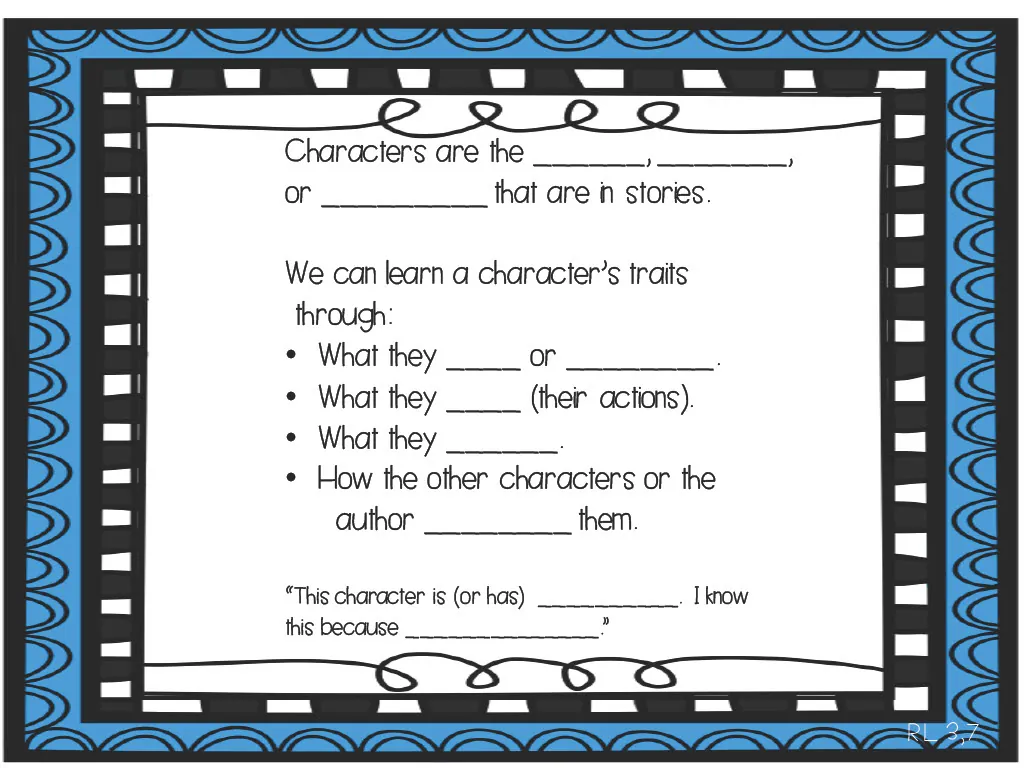
This resource is a set of 4 anchor charts for teaching character traits. Pages 1 and 3 are completed charts; pages 2 and 4 are corresponding fill-in versions. These charts would work great on a bulletin board display or inserted into students' interactive reading notebooks.
Related resources
More resources teachers may find useful
24 related resources were found using this product's title, contributor, categories and tags.

In the classroom
Teaching tips & learning objectives

Learning objectives
Identify a character's traits using clues from thoughts, feelings, actions, and descriptions.
Cite text evidence to justify a chosen character trait.
Apply the four trait-clue categories to analyze a character in a story.

Teaching tips
Display the completed poster as a permanent reference, and use the blank fill-in version as interactive notebook pages during a read-aloud.
Model the sentence frame with a familiar story character before students apply it independently.
Revisit the chart's four trait-clue categories chapter by chapter during a class novel unit.

Skills covered
Character trait inference — students identify a character trait using evidence from thoughts, feelings, actions, and other characters' descriptions.
Text evidence citation — students complete the sentence frame 'I know this because...' to support a trait claim with story details.

No reviews yet
Downloaded this resource? Tell other teachers how it went.
Curriculum
Standards, concepts & topics
Standards
 Standards
- RL.3.3
Core concepts
 Core concepts
Character traits
Text evidence
Reading comprehension
 Topics
More to explore
You may also like