Encryption, Ciphers & Secret Codes: Cybersecurity Pack (Grades 6–12)



About This Product
Demystify data privacy, cryptography, and network security with the Encryption, Ciphers & Secret Codes Unplugged Mini-Unit (Cybersecurity Unit 3)! Designed as a zero-prep, 6-page printable activity pack, this resource helps middle and high school students understand how data is encrypted and transferred securely across public networks—without requiring student computers, software setups, or coding experience.
Aligned with national NGSS, CSTA, and ISTE standards, students explore plaintext vs. ciphertext, compare symmetric and asymmetric encryption (public vs. private keys), execute an unplugged frequency analysis codebreaking activity, and evaluate modern privacy issues such as government backdoor mandates and post-quantum cryptography.
What Is Included in This 6-Page Pack?
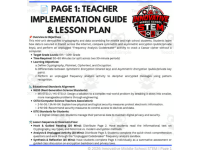
Page 1: Teacher Implementation Guide & Lesson Plan
Includes clear student learning objectives, national standards alignment (NGSS, CSTA, ISTE), a structured 50-minute lesson sequence, and classroom implementation notes.
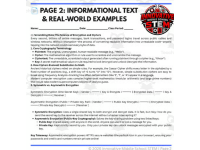
Page 2: Student Informational Reading
High-interest text explaining Plaintext, Ciphertext, Caesar Ciphers, Frequency Analysis, Symmetric Key Encryption, and Asymmetric Public/Private Key Infrastructure.
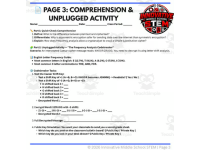
Page 3: Comprehension & Unplugged Activity Worksheet
3 quick-check comprehension questions paired with the multi-step "Frequency Analysis Codebreaker" shift cipher sandbox, where students decode encrypted messages using letter frequency.
Page 4: Student Evaluation & Critical Thinking Matrix
A comparative analysis table evaluating symmetric vs. asymmetric encryption alongside structured critical thinking prompts addressing legal encryption backdoors and quantum computational threats.
Pages 5 & 6: 2-Page Complete Teacher Answer Key
A comprehensive 2-page teacher grading reference complete with fully decrypted solutions, step-by-step math guides, and written response samples.
Key Educational Benefits:
100% Unplugged & Low-Tech Ready: Requires zero student devices or internet connections, making it ideal for tech-free days, STEM extensions, or substitute plans.
Cross-Curricular Math & Tech Integration: Blends pattern analysis, frequency statistics, history, and computational thinking.
Real-World Security Concepts: Demystifies how modern internet banking, HTTPS, and secure messaging function behind the scenes.
Resource Tags
0 Reviews
Check out these other great products