Peanut Butter and Cupcake | Book Companion Activities | Digital Book Study


- Grades
- Preschool–Pre-K, Grades 1–2, Elementary
- File type
- Microsoft PowerPoint
- Use
- Digital activity


- Subject
- ELA, Reading
- Topic
- peanut butter, cupcake
- Resource types
- Novel Studies, Worksheets & Printables
- Use
- Digital activity
About this resource
What's inside this resource
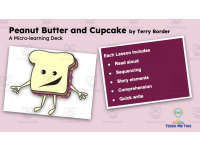
This resource is a digital book study deck for Peanut Butter and Cupcake. Each lesson will include the read-aloud and a quick write.
Students will work on skills such as:
-Sequencing
-Comprehension
-Story Elements
-Summarizing
Related resources
More resources teachers may find useful
24 related resources were found using this product's title, contributor, categories and tags.


In the classroom
Teaching tips & learning objectives

Learning objectives
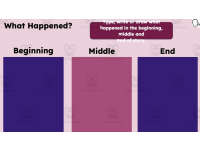
Retell the story's beginning, middle, and end in words, typing, or drawings
Sequence four major events from the story in the order they happened
Identify the five story elements - characters, setting, plot, conflict, resolution - and match story details to each

Teaching tips
Check the speaker notes before teaching - the deck keeps per-slide directions and estimated timings there, and the full activity set runs about 45 minutes
Slides work as an instructor-led lesson, as assigned digital work, or printed in color or black-and-white for paper-pencil pairs and small groups, per the built-in How to Use page
The learning-style icons on each slide (observe, art, read, quiz, write, click, listen, video, talk, type) signal how students will respond, so they can double as station labels

Skills covered
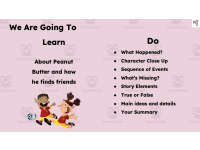
Story retelling - students capture the beginning, middle, and end of Peanut Butter's friendship search in a three-box organizer.
Sequencing - four story events, from Cupcake's sprinkle castles to the birthday soccer ball, are numbered by drag and drop.
Story elements - students learn the five elements, fill an organizer, and match story cards such as 'No one wants to play with Peanut Butter' to conflict.
Good to know
Questions teachers ask about this resource
Do students respond in one fixed way, or can they choose how to answer?
Most slides offer type, write, or draw options, and others use drag-and-drop cards; icon cues on each slide show whether students will observe, read, write, click, listen, talk, or type.
What accessibility supports are built into the deck?
The Made for Everyone page lists 14pt-minimum type in the Lexend Deca font, colored backgrounds, 1.5 line spacing, icon explainers, multiple engagement options, writing templates, and embedded audio for the reading passages.
Which characters from the book appear in the activities?
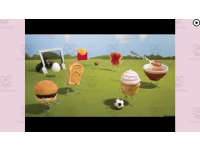
Peanut Butter leads throughout, with Cupcake, Hamburger, Hotdog, Egg, Soup, French Fries, Jelly, and Meatball appearing across the sequencing, story-element, true/false, and main-idea slides.

No reviews yet
Downloaded this resource? Tell other teachers how it went.
Resource details
Concepts & topics
Core concepts
 Core concepts
Story elements
Sequencing
Reading comprehension
Main idea and details
 Topics
Explore more
Categories this resource belongs to
Explore related searches
More to explore
You may also like