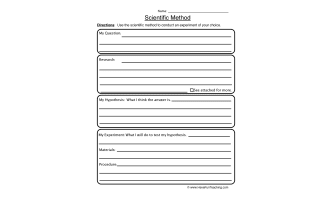
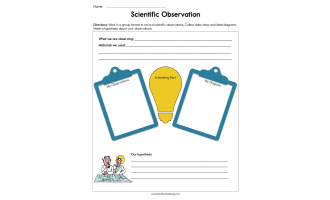
Science is in Everything Worksheet – 3rd Grade Scientific Method


About This Product
Build strong scientific method skills with the Science is in Everything Worksheet. This third grade science printable keeps the focus on one skill so students can practice it with confidence.
Learning objective: Students will review scientific method, practice it in context, and show what they know in a way that is easy for the teacher to check.
Why it works: Short, focused practice is one of the best ways to help third grade students remember a new skill. Clear directions mean students can get started quickly, and the simple format makes it easy for you to spot who needs more help.
What's included:
1 printable worksheet page
Clear, student-friendly directions
Answer key (1 page)
Cover page
How it's organized: The page opens with these directions: "Read the three types of science. Then write the type that matches each object below." Students then complete the practice items in order and check their work before turning it in.
Grade level: Designed for third grade students. It also works well for second grade and fourth grade students who need extra practice or a fresh review.
How to use it: Use it for whole-group practice, small-group instruction, independent work, centers, morning work, homework, or an emergency sub plan.
Answer key: An answer key is included, so you can check work quickly or let students self-correct.
Teaching tips and variations:
Project the page and solve one or two items as a class before students work on their own.
Pair students to compare answers and talk through any differences.
Slip the page into a sheet protector so students can practice again with dry-erase markers.
Skills covered: Scientific Method, Science
File type: PDF, ready to print.
Number of pages: 3 (1 worksheet page, 1 answer key page, 1 cover page).
This printable is part of the Have Fun Teaching collection of science resources for elementary classrooms and homeschools. Visit our shop for more practice pages on related skills. Have Fun Teaching on Teach Simple
Resource Tags
0 Reviews
Check out these other great products