Spring Worksheets – Cut and Paste Activity Set
- Grades
- Preschool–K, Elementary
- File type
- Preparation
- Print ready


- Subject
- Phonics, ELA, Language Development
- Topic
- Worksheets, Cut and Paste
- Resource types
- Worksheets & Printables, Worksheets, Activities
- Preparation
- Print ready
- Standards
- CCSS.RF.K.2.d CCSS.L.K.2 +1
About this resource
What's inside this resource
Product Description
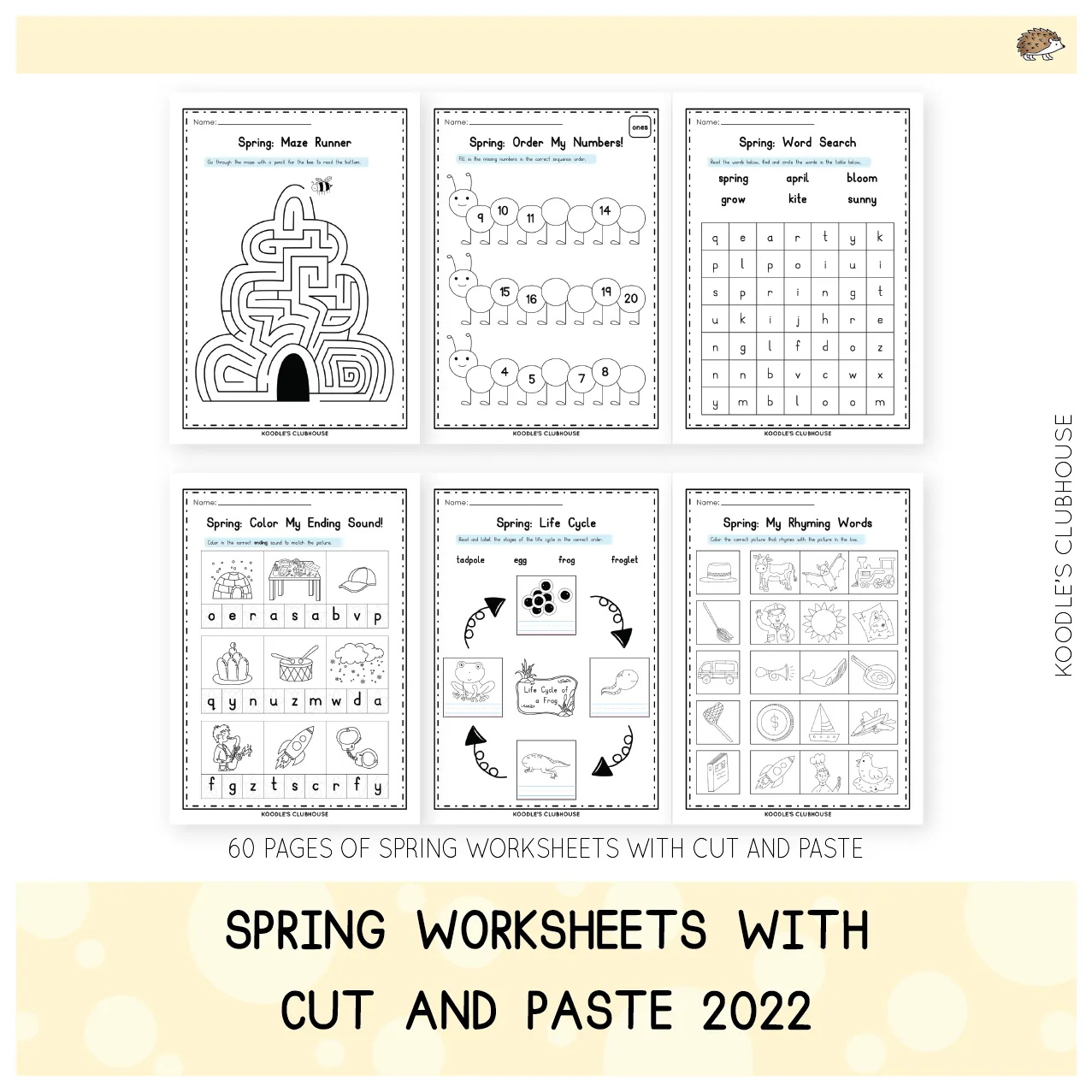
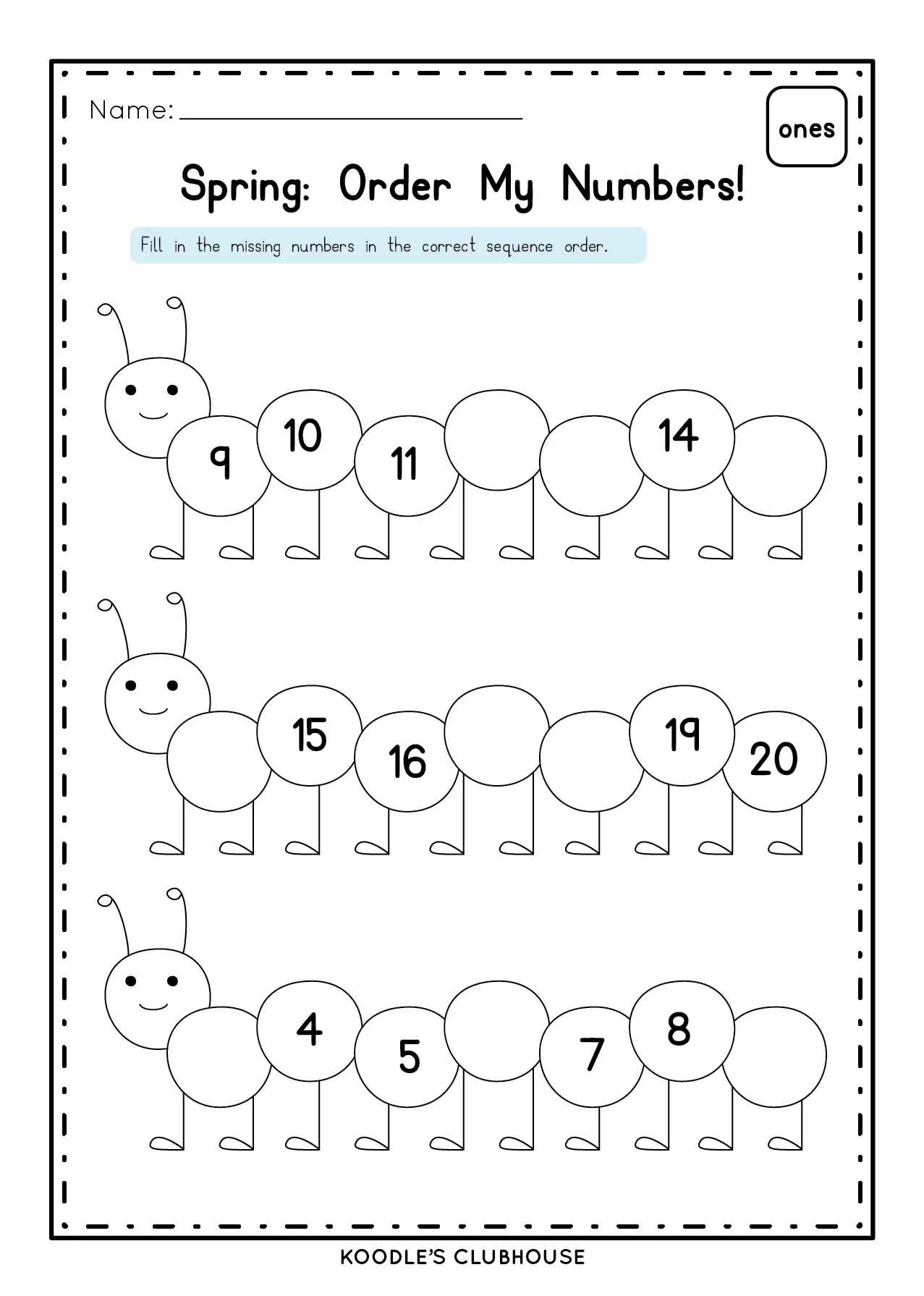
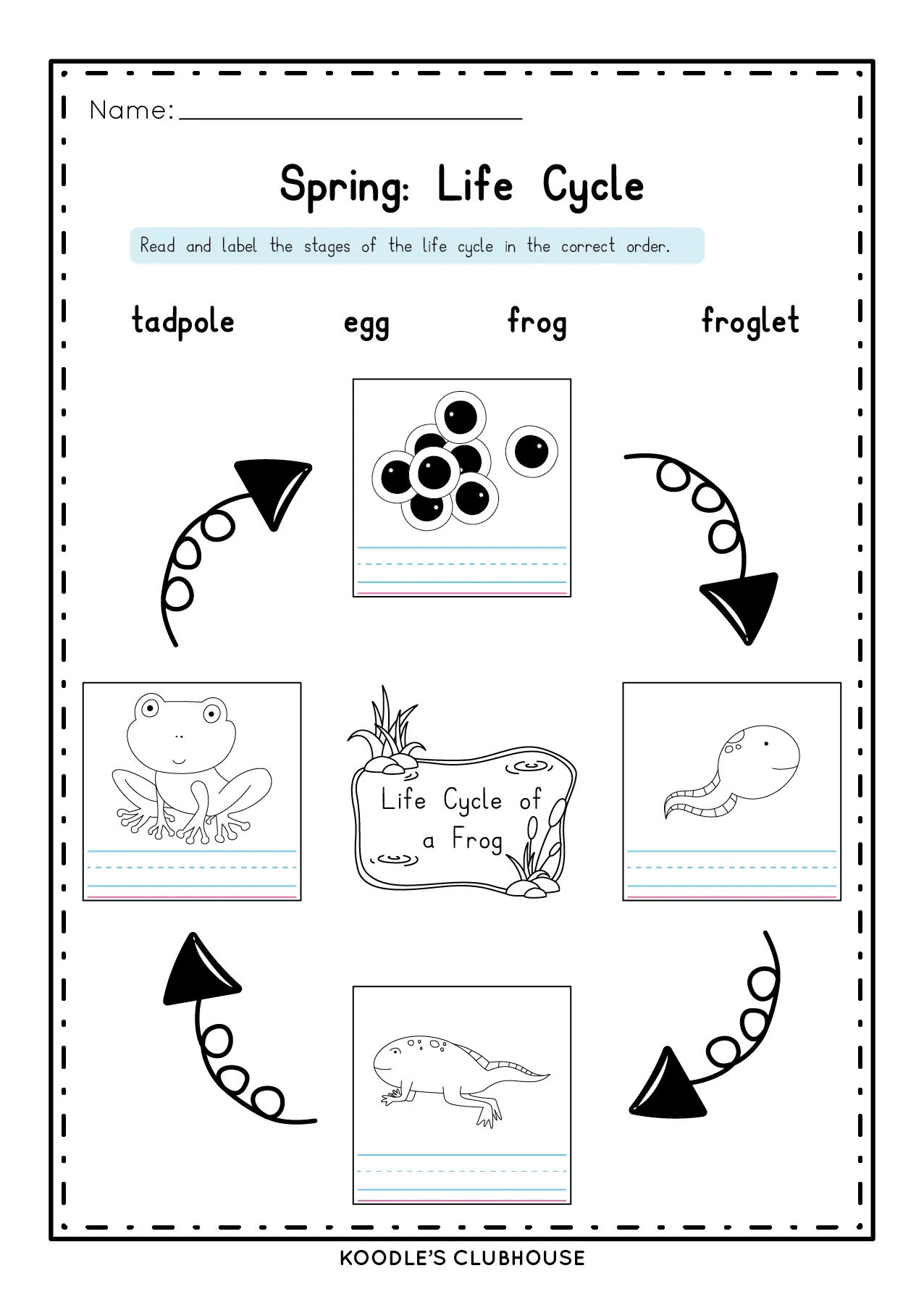
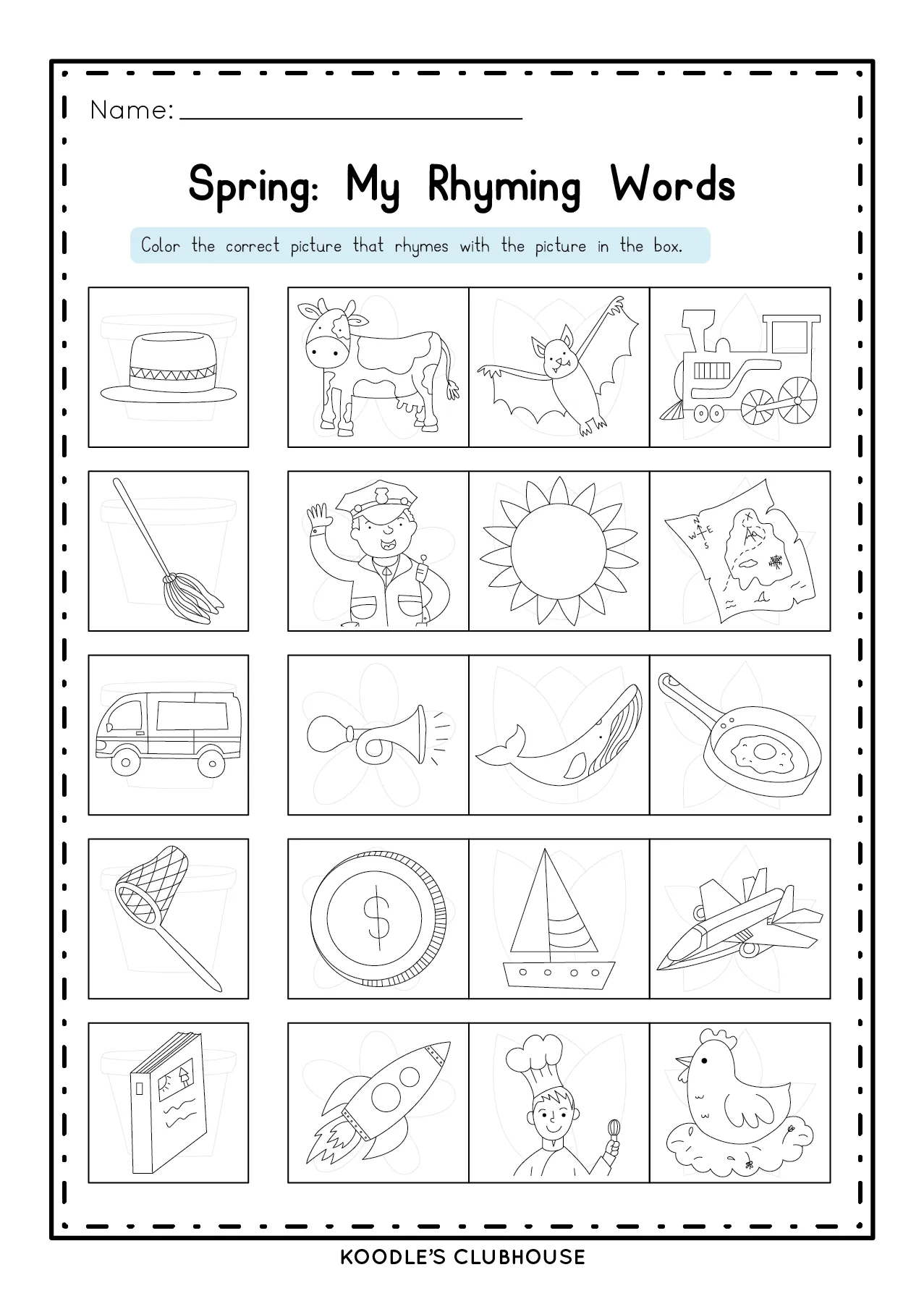
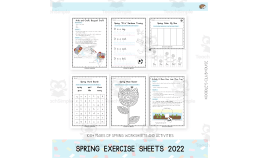
Spring Worksheets with Cut and Paste 2022 are a fantastic way for children to learn phonics, letter recognition, reading skills, listening skills, math, number recognitions, and writing skills in Spring themes. These sheets can be used in many ways in literacy class, phonics class, literacy centers, math class, math centers, and arts and crafts. It’s great for reviewing and recalling subjects below.
*** This product is a section from the 100+ spring sheets and activities, please do not purchase this product if you already have the bundle***
Directions for use:
To prepare the worksheets, print out the sets of pages you wish to use and hand them out to the children. Make multiple copies for large group of children.
Uses for product
Spring Phonics
Letter recognition
Reading skills
Writing skills
Science
Math
Numbers
Review and recognition
Worksheets
Related resources
More resources teachers may find useful
24 related resources were found using this product's title, contributor, categories and tags.

In the classroom
Teaching tips & learning objectives

Learning objectives
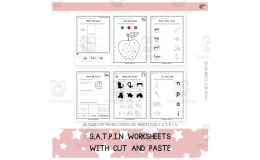
Identify and isolate the beginning sound of S, A, T, P, I, and N in spoken words.
Trace and independently write the uppercase and lowercase forms of each target letter.
Match pictures to their beginning letter sound using cut-and-paste activities.

Teaching tips
Work through the letters in the packet's own order (S, A, T, P, I, N) since later CVC-word and word-search pages assume students already recognize all six letters.
Use the "Find My Picture" numbered cut-and-paste puzzles as a fun finishing activity after the more repetitive tracing and matching pages for the same letter.
Save the CVC word maze, word search, and "Read, Write, and Cut" pages for students who have already mastered individual letter-sound recognition, since these combine all six letters into blending practice.

Skills covered
Letter-sound isolation — students find and identify the target letter sound (S, A, T, P, I, N) within a set of letters or pictures.
Letter formation — students trace and practice writing each target letter using directional dot-and-arrow guides.
Cut-and-paste fine motor matching — students cut, sort, and paste pictures or sounds to their matching letter or word.
Good to know
Questions teachers ask about this resource
Why does the packet teach S, A, T, P, I, and N together as a specific letter group rather than working through the alphabet in order?
These six letters are commonly taught together in early phonics instruction because they combine to form many simple three-letter CVC words (such as pip, tap, sit, and nap), which is exactly what the packet's later maze, word search, and read-write-cut pages use to build blending practice once all six letters are introduced.

No reviews yet
Downloaded this resource? Tell other teachers how it went.
Curriculum
Standards, concepts & topics
Standards
 Standards
- CCSS.RF.K.2.d — Isolate and pronounce the initial, medial vowel, and final sounds (phonemes) in three-phoneme (consonant-vowel-consonant, or CVC) words.* (This does not include CVCs ending with /l/, /r/, or /x/.)
- CCSS.L.K.2 — Demonstrate command of the conventions of standard English capitalization, punctuation, and spelling when writing. a. Capitalize the first word in a sentence and the pronoun I. b. Recognize and name end punctuation. c. Write a letter or letters for most consonant and short-vowel sounds (phonemes). d. Spell simple words phonetically, drawing on knowledge of sound-letter relationships.
- CCSS.RF.K.3.a — Demonstrate basic knowledge of one-to-one letter-sound correspondences by producing the primary sound or many of the most frequent sounds for each consonant.
Core concepts
 Core concepts
phonics
letter recognition
CVC words
beginning sounds
Topics
 Topics
More to explore
You may also like